

The DOI matches its Crossref record; 129 of the 131 references it cites were found in a registry or an index.
A Review of Liposomes as a Drug Delivery System: Current Status of Approved Products, Regulatory Environments, and Future Perspectives
Open accessAbstract
Liposomes have been considered promising and versatile drug vesicles. Compared with traditional drug delivery systems, liposomes exhibit better properties, including site-targeting, sustained or controlled release, protection of drugs from degradation and clearance, superior therapeutic effects, and lower toxic side effects. Given these merits, several liposomal drug products have been successfully approved and used in clinics over the last couple of decades. In this review, the liposomal drug products approved by the U.S. Food and Drug Administration (FDA) and European Medicines Agency (EMA) are discussed. Based on the published approval package in the FDA and European public assessment report (EPAR) in EMA, the critical chemistry information and mature pharmaceutical technologies applied in the marketed liposomal products, including the lipid excipient, manufacturing methods, nanosizing technique, drug loading methods, as well as critical quality attributions (CQAs) of products, are introduced. Additionally, the current regulatory guidance and future perspectives related to liposomal products are summarized. This knowledge can be used for research and development of the liposomal drug candidates under various pipelines, including the laboratory bench, pilot plant, and commercial manufacturing.
Overview
The claims and statistics of this paper haven’t been checked yet.
Run the check — free, no account needed. It reads the open-access text and checks the sources it cites.
Integrity signals
Registry
Cites
Statistics
Figures
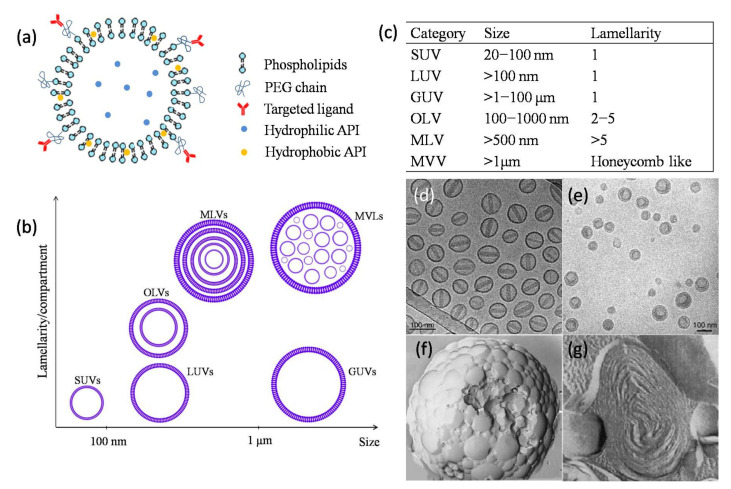
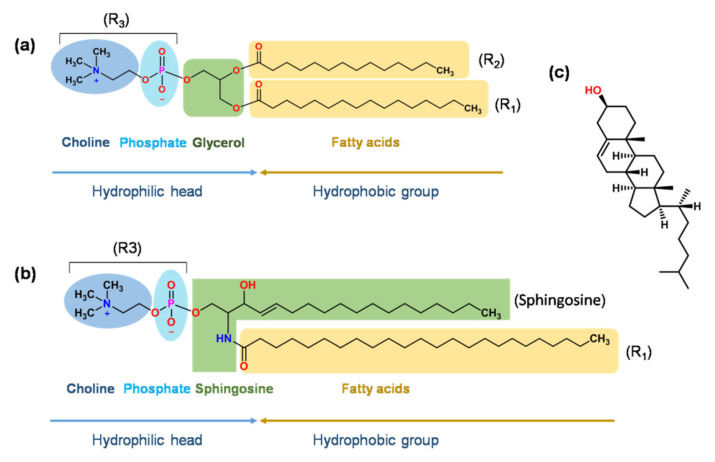
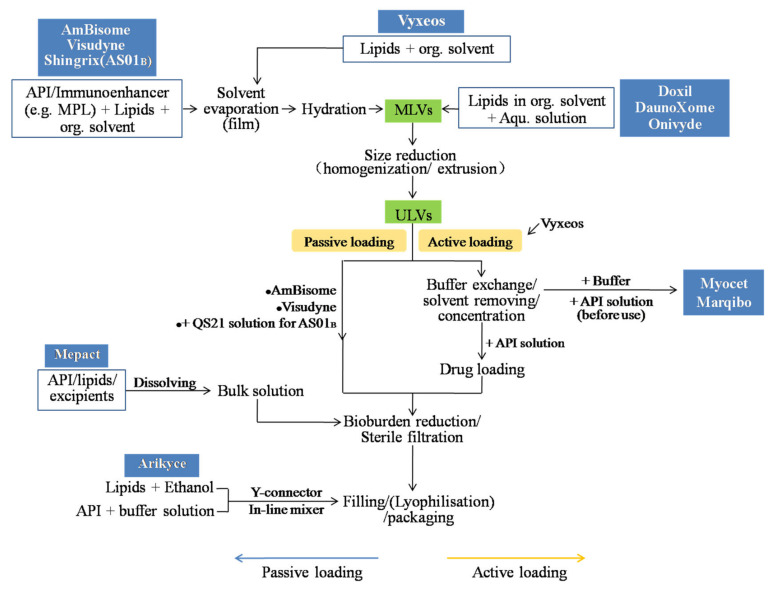
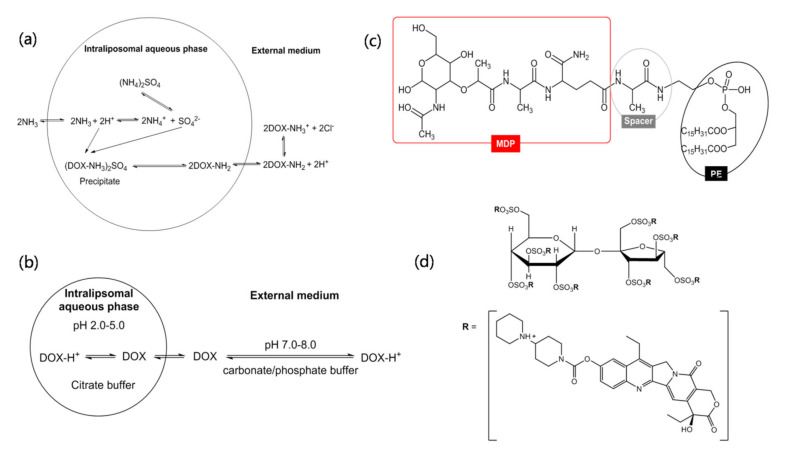
Verification
Claims the paper makes
The claims and statistics of this paper haven’t been checked yet.
Run the check — free, no account needed. It reads the open-access text and checks the sources it cites.
Claims other papers make about this one
Each is checked against this paper’s own text: does it say what the citing paper says it does?
The source backs part of the claim, not all of it — or backs it for a different population, condition or comparison.
In the citing paper
“Liposomes, composed of phospholipid bilayers surrounding an aqueous core, can encapsulate both hydrophilic and hydrophobic molecules while offering biocompatibility, biodegradability, and protection against enzymatic degradation [28].”
From Statins as Antifungal Agents: A Review on Drug Repurposing and Nanotechnology-Driven Delivery Strategies (2025) · cites this paper as [28]
Experimental — accuracy not yet measured
Self-check
Percentages, sums and reported differences re-computed from the paper’s own numbers.
The self-check needs the paper’s full text.
Citations
Cites
Danaei, M., Dehghankhold, M., Ataei, S., Davarani, F. H., Javanmard, R., Dokhani, A., Khorasani, S., & Mozafari, M. R. (2018) · Pharmaceutics · doi:10.3390/pharmaceutics10020057 · Cited by 4,967
Doxil® — The first FDA-approved nano-drug: Lessons learned
Barenholz, Y. (. (2012) · Journal of Controlled Release · doi:10.1016/j.jconrel.2012.03.020 · Cited by 4,792
Bangham, A. D., & Horne, R. W. (1964) · Journal of Molecular Biology · doi:10.1016/s0022-2836(64)80115-7 · Cited by 1,810
New developments in liposomal drug delivery
Pattni, B. S., Chupin, V. V., & Torchilin, V. P. (2015) · Chemical Reviews · doi:10.1021/acs.chemrev.5b00046 · Cited by 1,600
Design of liposomes as drug delivery system for therapeutic applications
Guimarães, D., Cavaco-Paulo, A. M., & Nogueira, E. (2021) · International Journal of Pharmaceutics · doi:10.1016/j.ijpharm.2021.120571 · Cited by 1,266
A review on phospholipids and their main applications in drug delivery systems
Li, J., Wang, X., Zhang, T., Wang, C., Huang, Z., Luo, X., & Deng, Y. (2014) · Asian Journal of Pharmaceutical Sciences · doi:10.1016/j.ajps.2014.09.004 · Cited by 1,005
RGD-Based Strategies To Target Alpha(v) Beta(3) Integrin in Cancer Therapy and Diagnosis
Danhier, F., Breton, A. L., & Véronique Préat, A. (2012) · Molecular Pharmaceutics · doi:10.1021/mp3002733 · Cited by 992
Liposome composition in drug delivery design, synthesis, characterization, and clinical application
Large, D. E., Abdelmessih, R. G., Fink, E. A., & Auguste, D. T. (2021) · Advanced Drug Delivery Reviews · doi:10.1016/j.addr.2021.113851 · Cited by 886
Kalyane, D., Raval, N., Maheshwari, R., Tambe, V., Kalia, K., & Tekade, R. K. (2019) · Materials Science and Engineering C · doi:10.1016/j.msec.2019.01.066 · Cited by 871
Preparation and characterization of liposomes as therapeutic delivery systems: a review
Vemuri, S., & Rhodes, C. T. (1995) · Pharmaceutica Acta Helvetiae · doi:10.1016/0031-6865(95)00010-7 · Cited by 566
Research works printed but not linked: 1
- Sakamoto, K., Lochhead, R.Y., Maibach, H.I., and Yamashita, Y. (2017). Liposomes for Cosmetics. Cosmetic Science and Technology, Elsevier.
Cited by
Sorted by citations
Items 101–200 of 1,000
Gyanani, V., & Goswami, R. (2023) · Pharmaceutics · doi:10.3390/pharmaceutics15041184 · Cited by 42
Idoudi, S., Tourrette, A., Bouajila, J., Romdhane, M., & Elfalleh, W. (2024) · Heliyon · doi:10.1016/j.heliyon.2024.e28947 · Cited by 42
Advanced Nanotechnological Approaches for Biofilm Prevention and Control
Ferraz, M. P. (2024) · Applied Sciences · doi:10.3390/app14188137 · Cited by 44
Basic Guide for Approaching Drug Delivery with Extracellular Vesicles
Brezgin, S., Danilik, O., Yudaeva, A., Kachanov, A., Kostyusheva, A., Karandashov, I., Ponomareva, N., Zamyatnin, A. A., Parodi, A., Chulanov, V., et al. (2024) · International Journal of Molecular Sciences · doi:10.3390/ijms251910401 · Cited by 48
Yadu, N., Singh, M. R., Singh, D., & Keshavkant, S. (2024) · International Journal of Pharmaceutics · doi:10.1016/j.ijpharm.2024.125117 · Cited by 44
Lipid-based Nanoparticles: Strategy for Targeted Cancer Therapy
Chauhan, A. S., Chand, P., & Parashar, T. (2025) · BIO Integration · doi:10.15212/bioi-2024-0107 · Cited by 45
Chitosan-based delivery system enhances antimicrobial activity of chlorhexidine
Hemmingsen, L. M., Panchai, P., Julin, K., Basnet, P., Nystad, M., Johannessen, M., & Škalko‐Basnet, N. (2022) · Frontiers in Microbiology · doi:10.3389/fmicb.2022.1023083 · Cited by 45
Marforio, T. D., Carboni, A., & Calvaresi, M. (2023) · Cancers · doi:10.3390/cancers15204944 · Cited by 41
Maheshwari, R., Kapoor, D. U., Polaka, S., Bhattacharya, S., & Prajapati, B. G. (2025) · Molecular Pharmaceutics · doi:10.1021/acs.molpharmaceut.5c00056 · Cited by 47
Aptamer-functionalized liposomes for drug delivery
Wong, K., Wong, M., & Liu, J. (2023) · Biomedical Journal · doi:10.1016/j.bj.2023.100685 · Cited by 43
Atre, P., & Rizvi, S. A. A. (2024) · RSC Pharmaceutics · doi:10.1039/d4pm00201f · Cited by 47
Synthetic and Biogenic Materials for Oral Delivery of Biologics: From Bench to Bedside
Ding, S., Alexander, E., Liang, H., Kulchar, R. J., SINGH, R. K., Herzog, R. W., Daniell, H., & Leong, K. W. (2025) · Chemical Reviews · doi:10.1021/acs.chemrev.4c00482 · Cited by 43
Nájera-Maldonado, L., Parra-González, M., Peralta-Cuevas, E., Gutierrez-Onofre, A. J., Garcia-Atutxa, I., & Villanueva-Flores, F. (2025) · Pharmaceutics · doi:10.3390/pharmaceutics17091169 · Cited by 40
Andrade, S., Loureiro, J. A., & Pereira, M. D. C. (2022) · Pharmaceutics · doi:10.3390/pharmaceutics14102163 · Cited by 40
Functionalization and higher-order organization of liposomes with DNA nanostructures
Zhang, Z., Feng, Z., Zhao, X., Jean, D., Yu, Z., & Chapman, E. R. (2023) · Nature Communications · doi:10.1038/s41467-023-41013-2 · Cited by 39
Mahato, R. K., Bhattacharya, S., Khullar, N., Sidhu, I. S., Reddy, P. H., Bhatti, G. K., & Bhatti, J. S. (2023) · Journal of Biotechnology · doi:10.1016/j.jbiotec.2023.12.003 · Cited by 40
Cornea‐SELEX for aptamers targeting the surface of eyes and liposomal drug delivery
Wong, K., Liu, Y., Wong, M., & Liu, J. (2024) · Exploration · doi:10.1002/exp.20230008 · Cited by 40
Abboud, H. A., Zelkó, R., & Kazsoki, A. (2024) · Drug Delivery · doi:10.1080/10717544.2024.2445259 · Cited by 39
Emerging Biomimetic Drug Delivery Nanoparticles Inspired by Extracellular Vesicles
Sundaram, V., & Aryal, S. (2025) · Wiley Interdisciplinary Reviews Nanomedicine and Nanobiotechnology · doi:10.1002/wnan.70025 · Cited by 44
Piwowarczyk, L., Kucińska, M., Tomczak, S., Młynarczyk, D. T., Piskorz, J., Gośliński, T. A., Murias, M., & Jelińska, A. (2022) · Nanomaterials · doi:10.3390/nano12081274 · Cited by 41
Nanomedicine to Overcome Antimicrobial Resistance: Challenges and Prospects
Zou, W., McAdorey, A., Yan, H., & Chen, W. (2023) · Nanomedicine · doi:10.2217/nnm-2023-0022 · Cited by 39
Basak, S., & Das, T. K. (2024) · ACS Applied Bio Materials · doi:10.1021/acsabm.4c01579 · Cited by 38
The status of extracellular vesicles as drug carriers and therapeutics
Chaudhari, A. P., Budayr, O. M., Bonacquisti, E. E., Kussatz, C. C., Bannon, M. S., Law, K. J., Liu, Y., Bolton, M. L., Glassman, P. M., Huang, L., et al. (2026) · Nature Reviews Bioengineering · doi:10.1038/s44222-026-00405-x · Cited by 44
Lipid-based colloidal nanoparticles for applications in targeted vaccine delivery
Khan, M. S., Appak‐Baskoy, S., Yang, C. J., Hong, J., Chae, J., Ha, H.-J., Lee, S., Tanaka, M., Choi, Y., & Choi, J. H. (2023) · Nanoscale Advances · doi:10.1039/d2na00795a · Cited by 37
Encapsulation of Ru(II) Polypyridine Complexes for Tumor-Targeted Anticancer Therapy
Karges, J. (2023) · BME Frontiers · doi:10.34133/bmef.0024 · Cited by 37
Recent updates in nanoscale delivery systems of platinum(IV) antitumor prodrugs
Zhou, Z., Shi, P., Wang, C., Sun, Y., & Gao, C. (2024) · Coordination Chemistry Reviews · doi:10.1016/j.ccr.2024.215774 · Cited by 38
Innovative Approaches to Enhancing the Biomedical Properties of Liposomes
Dejeu, I. L., Vicaș, L. G., Marian, E., Ganea, M., Frenț, O. D., Maghiar, P. B., Bodea, F. I., & Dejeu, G. E. (2024) · Pharmaceutics · doi:10.3390/pharmaceutics16121525 · Cited by 41
Unveiling the nanoworld of antimicrobial resistance: integrating nature and nanotechnology
Sharma, D., Gautam, S., Singh, S., Srivastava, N., Khan, A. M., & Bisht, D. (2025) · Frontiers in Microbiology · doi:10.3389/fmicb.2024.1391345 · Cited by 43
Kothapalli, P., & Vasanthan, M. (2024) · Therapeutic Delivery · doi:10.4155/tde-2023-0116 · Cited by 36
Akar, S., Fardindoost, S., & Hoorfar, M. (2024) · Colloids and Surfaces B Biointerfaces · doi:10.1016/j.colsurfb.2024.113926 · Cited by 36
Ferulic Acid: A Comprehensive Review
Purushothaman, J., & Rizwanullah, M. (2024) · Cureus · doi:10.7759/cureus.68063 · Cited by 41
Machine learning techniques for lipid nanoparticle formulation
Li, H., Zhao, Y., & Xu, C. (2025) · Nano Convergence · doi:10.1186/s40580-025-00502-4 · Cited by 40
Reprogramming the tumor microenvironment with biotechnology
Kim, M., Lee, N. K., Wang, C. J., Lim, J., Byun, M. J., Kim, T. P., Park, W., Park, D.-H., Kim, S.-N., & Park, C. G. (2023) · Biomaterials Research · doi:10.1186/s40824-023-00343-4 · Cited by 37
Nanoparticle-Mediated Hyperthermia and Cytotoxicity Mechanisms in Cancer
Bala, V.-M., Lampropoulou, D. I., GRAMMATIKAKI, S., Kouloulias, V., Lаgopati, N., Aravantinos, G., & Gazouli, M. (2023) · International Journal of Molecular Sciences · doi:10.3390/ijms25010296 · Cited by 39
Application of nanoparticles in breast cancer treatment: a systematic review
Bourang, S., Noruzpour, M., Godekahriz, S. J., Ebrahimi, H. A., Amani, A., Zakaria, R. A., & Yaghoubi, H. (2024) · Naunyn-Schmiedeberg s Archives of Pharmacology · doi:10.1007/s00210-024-03082-y · Cited by 37
Narsa, A. C., Suhandi, C., Afidika, J., Ghaliya, S., Elamin, K. M., & Wathoni, N. (2024) · Dermatology Research and Practice · doi:10.1155/2024/5551774 · Cited by 44
Liposomes as sustainable delivery systems in food, cosmetic, and pharmaceutical applications
Luo, M., Oomah, B. D., Akoetey, W., Zhang, Y., Daneshfozoun, H., & Hosseinian, F. S. (2024) · Journal of the American Oil Chemists Society · doi:10.1002/aocs.12907 · Cited by 40
Hosseini-Kharat, M., Bremmell, K. E., Grubor‐Bauk, B., & Prestidge, C. A. (2024) · Journal of Controlled Release · doi:10.1016/j.jconrel.2024.12.002 · Cited by 37
Gandhi, S., & Roy, I. (2023) · Pharmaceutics · doi:10.3390/pharmaceutics15051457 · Cited by 36
Kang, M., Li, Z., Chang, I., Xu, C., Chiang, M., Kim, L., Wu, Y., Fan, J., Aghaloo, T. L., & Lee, M. (2024) · Advanced Functional Materials · doi:10.1002/adfm.202402521 · Cited by 35
Therapeutic potentials of allicin in cardiovascular disease: advances and future directions
Gao, Y., Wang, B., Qin, G., Liang, S., Yin, J., Jiang, H., Liu, M., & Li, X. (2024) · Chinese Medicine · doi:10.1186/s13020-024-00936-8 · Cited by 42
Recent Advances in the Use of Vitamin D Organic Nanocarriers for Drug Delivery
Aggeletopoulou, I., Kalafateli, M., Geramoutsos, G., & Triantos, C. K. (2024) · Biomolecules · doi:10.3390/biom14091090 · Cited by 37
Focus on therapeutic peptides and their delivery
Rosson, E., Lux, F., David, L., Godfrin, Y., Tillement, O., & Thomas, E. (2025) · International Journal of Pharmaceutics · doi:10.1016/j.ijpharm.2025.125555 · Cited by 36
Bansal, K., Bhati, H., Vanshita, & Bajpai, M. (2024) · Pharmacological Research - Modern Chinese Medicine · doi:10.1016/j.prmcm.2024.100363 · Cited by 33
Review of NIR-responsive ‘‘Smart’’ carriers for photothermal chemotherapy
Karmakar, A., Silswal, A., & Koner, A. L. (2024) · Journal of Materials Chemistry B · doi:10.1039/d3tb03004k · Cited by 35
Coated Bacteria: Advanced Living Materials for Microbial Therapy
Cao, Z., & Liu, J. (2024) · Accounts of Materials Research · doi:10.1021/accountsmr.4c00116 · Cited by 33
Sharma, S., Chakraborty, M., Yadav, D., Dhullap, A., Singh, R., Verma, R. K., Bhattacharya, S., & Singh, S. (2024) · Biomacromolecules · doi:10.1021/acs.biomac.4c00847 · Cited by 35
Tan, X., Liu, Y., Shang, B., Geng, M., & Teng, F. (2024) · International Journal of Biological Macromolecules · doi:10.1016/j.ijbiomac.2024.136464 · Cited by 33
Doxorubicin-Conjugated Nanoparticles for Potential Use as Drug Delivery Systems
Mun, E. A., Zhaisanbayeva, B. A., Imantay, A., & Mashurov, N. (2025) · Nanomaterials · doi:10.3390/nano15020133 · Cited by 37
Placci, M., Giannotti, M. I., & Muro, S. (2023) · Advanced Drug Delivery Reviews · doi:10.1016/j.addr.2022.114683 · Cited by 34
Increased Bone Marrow Uptake and Accumulation of Very-Late Antigen-4 Targeted Lipid Nanoparticles
Swart, L. E., Fens, M. H. A. M., van Oort, A., Waranecki, P., Casimiro, L. D. M., Tuk, D., Hendriksen, M., van den Brink, L. M., Schweighart, E. K., Seinen, C. W., et al. (2023) · Pharmaceutics · doi:10.3390/pharmaceutics15061603 · Cited by 34
Advancing oral drug delivery: The science of fast dissolving tablets (FDTs)
Maheshwari, S., Singh, A., Varshney, A. P., & Sharma, A. (2024) · Intelligent Pharmacy · doi:10.1016/j.ipha.2024.01.011 · Cited by 32
Bioactivity and biomedical applications of pomegranate peel extract: a comprehensive review
Du, J., Wang, H., Zhong, L., Wei, S., Min, X., Deng, H., Zhang, X., Zhong, M., & Huang, Y. (2025) · Frontiers in Pharmacology · doi:10.3389/fphar.2025.1569141 · Cited by 37
Lipid Nanoparticles and Liposomes for Bone Diseases Treatment
Burdușel, A.-C., & Andronescu, E. (2022) · Biomedicines · doi:10.3390/biomedicines10123158 · Cited by 32
Pande, S. (2024) · Artificial Cells Nanomedicine and Biotechnology · doi:10.1080/21691401.2024.2360634 · Cited by 31
Rahiman, N. (2025) · Cancer Nanotechnology · doi:10.1186/s12645-025-00314-5 · Cited by 35
Review of Chitosan-Coated Nanoscale Liposomes for Enhanced Drug Delivery
Alcantara, K. P., Pajimna, R. M. B., Aliga, P. J. S., Malabanan, J. W. T., Tangwongsiri, C., Haworth, I. S., Rojsitthisak, P., & Rojsitthisak, P. (2025) · ACS Applied Nano Materials · doi:10.1021/acsanm.5c03463 · Cited by 31
Innovations in targeted drug delivery: From nanotechnology to clinical applications
Srivastava, A., Ahmad, A., Siddiqui, S., & Islam, A. (2025) · Next Nanotechnology · doi:10.1016/j.nxnano.2025.100336 · Cited by 35
Current trends in the development of liposomes for chemotherapeutic drug delivery
Kumbham, S., Ajjarapu, S., Ghosh, B., & Biswas, S. (2023) · Journal of Drug Delivery Science and Technology · doi:10.1016/j.jddst.2023.104854 · Cited by 32
Lee, H., & Noh, H. (2023) · Gels · doi:10.3390/gels9090718 · Cited by 33
Research progress of serum albumin in the field of drug delivery
Ji, H., Zheng, Z., Li, S., Xiao, X., Tang, W., Zhang, X., Guo, Q., He, Q., Cai, S., Jiang, P., et al. (2024) · Interdisciplinary medicine · doi:10.1002/inmd.20240010 · Cited by 30
Green nanocarriers and Biodegradable Systems for sustainable drug delivery solutions
shirzad, M., Salahvarzi, A., Fathi‐karkan, S., Rahdar, A., Guettari, M., & Pandey, S. (2025) · Journal of Drug Delivery Science and Technology · doi:10.1016/j.jddst.2025.107208 · Cited by 31
Mucin-targeting-aptamer functionalized liposomes for delivery of cyclosporin A for dry eye diseases
Wong, K., Liu, Y., Zhou, L., Wong, M., & Liu, J. (2023) · Journal of Materials Chemistry B · doi:10.1039/d3tb00598d · Cited by 30
Smart Lipid‐Based Nanoparticles in Lung Cancer Treatment: Current Status and Future Directions
Shahrivar, R. Y., Fakhr, Z. A., Abbasgholinejad, E., & Doroudian, M. (2023) · Advanced Therapeutics · doi:10.1002/adtp.202300275 · Cited by 30
Supe, S., Upadhya, A., Tripathi, S. D., Dighe, V. D., & Singh, K. (2023) · Drug Delivery and Translational Research · doi:10.1007/s13346-022-01281-9 · Cited by 29
Radiolabeled Liposomes for Nuclear Imaging Probes
Low, H. Y., Yang, C., Xia, B., He, T., Lam, W. W.-C., & Ng, D. C. E. (2023) · Molecules · doi:10.3390/molecules28093798 · Cited by 29
Parenteral microemulsions for drug delivery: Advances and update
Chavda, V. P., Gogoi, N. R., Vaghela, D. A., Balar, P. C., Dawre, S., & Dave, D. J. (2023) · Journal of Drug Delivery Science and Technology · doi:10.1016/j.jddst.2023.104991 · Cited by 28
Maharjan, R., Lee, J., Lee, K., Han, H., Kim, K. H., & Jeong, S. H. (2023) · Journal of Pharmaceutical Investigation · doi:10.1007/s40005-023-00637-8 · Cited by 33
Loke, Y. H., Jayakrishnan, A., Razif, M. R. F. M., Yee, K. M., Kee, P. E., Goh, B. H., Uddin, A. B. M. H., Lakshminarayanan, V., & Liew, K. B. (2024) · Current Pharmaceutical Design · doi:10.2174/0113816128338560240923073357 · Cited by 31
Suriyaamporn, P., Pornpitchanarong, C., Charoenying, T., Dechsri, K., Ngawhirunpat, T., Opanasopit, P., & Pamornpathomkul, B. (2024) · International Journal of Pharmaceutics · doi:10.1016/j.ijpharm.2024.125072 · Cited by 29
Navigating the Clinical Landscape of Liposomal Therapeutics in Cancer Treatment
Kozak, A., Lavrih, E., Mikhaylov, G., Turk, B., & Vasiljeva, O. S. (2025) · Pharmaceutics · doi:10.3390/pharmaceutics17020276 · Cited by 31
Xu, L., Wang, X., Yang, G., Zhao, Z., Weng, Y., Li, Y., Liu, Y., & Zhao, C. (2023) · Aggregate · doi:10.1002/agt2.369 · Cited by 29
Martínez‐Castillo, M., Elsayed, A. M., Lopez‐Berestein, G., Amero, P., & Rodriguez‐Aguayo, C. (2023) · Non-Coding RNA · doi:10.3390/ncrna9060070 · Cited by 28
Andrade, S., Loureiro, J. A., Ramírez, S., Catumbela, C. S. G., Soto, C. A., Morales, R., & Pereira, M. D. C. (2022) · Pharmaceuticals · doi:10.3390/ph15060761 · Cited by 29
Gallo, E., Diaferia, C., Smaldone, G., Rosa, E., Pecoraro, G., Morelli, G., & Accardo, A. (2024) · Scientific Reports · doi:10.1038/s41598-024-60145-z · Cited by 32
Engineering the biophysical properties of lipid nanostructures for drug delivery
Menge, J., Yang, C., Weitz, D. A., & Jahnke, K. (2026) · Communications Materials · doi:10.1038/s43246-026-01073-5 · Cited by 30
In-House Innovative “Diamond Shaped” 3D Printed Microfluidic Devices for Lysozyme-Loaded Liposomes
Sommonte, F., Weaver, E., Mathew, E., Denora, N., & Lamprou, D. (2022) · Pharmaceutics · doi:10.3390/pharmaceutics14112484 · Cited by 26
Zakharova, L. Y., Maganova, F., Sinyashin, K. O., Gaynanova, G. A., Mirgorodskaya, A. B., Vasilieva, E. A., & Sinyashin, O. G. (2023) · Russian Journal of General Chemistry · doi:10.1134/s1070363223070253 · Cited by 28
Iqbal, S., Schneider, T.-J. K., Tùng, T. T., Müller, R., Nguyen, P., Ilyas, S., & Mathur, S. (2024) · Nanoscale · doi:10.1039/d4nr01420k · Cited by 29
Camptothein-Based Anti-Cancer Therapies and Strategies to Improve Their Therapeutic Index
Gong, J., Zhang, W., & Balthasar, J. P. (2025) · Cancers · doi:10.3390/cancers17061032 · Cited by 28
Design principles of lipid nanoparticles for RNA delivery
Arral, M. L., & Whitehead, K. A. (2026) · Nature Reviews Bioengineering · doi:10.1038/s44222-026-00401-1 · Cited by 41
Markowski, A., Zaremba-Czogalla, M., Jaromin, A., Olczak, E., Zygmunt, A., Etezadi, H., Boyd, B. J., & Gubernator, J. (2023) · Pharmaceutics · doi:10.3390/pharmaceutics15010179 · Cited by 27
He, M., Cao, Y., Chi, C., Zhao, J., Chong, E., Chin, K. X. C., Tan, N. Z. V., Dmitry, K., Yang, G., Yang, X., et al. (2023) · Frontiers in Immunology · doi:10.3389/fimmu.2023.1265751 · Cited by 30
Uzel, A., Agiotis, L., Baron, A., Zhigaltsev, I. V., Cullis, P. R., Kafshgari, M. H., & Michel Meunier, A. (2023) · Small · doi:10.1002/smll.202305591 · Cited by 26
Nanogel-based drug delivery system as a treatment modality for diverse diseases: Are we there yet?
Brianna, B., Anwar, A., Teow, S., & Wu, Y. S. (2023) · Journal of Drug Delivery Science and Technology · doi:10.1016/j.jddst.2023.105224 · Cited by 26
Okafor, N. I., Omoteso, O. A., & Choonara, Y. E. (2025) · Discover Nano · doi:10.1186/s11671-024-04170-x · Cited by 29
Topical Delivery Systems for Plant‐Derived Antimicrobial Agents: A Review of Current Advances
Hashempur, M. H., Ghorat, F., Karami, F., Jahanbin, A., Nouraei, H., Abbasi, M., Jafari, M., Zare, A., Barzegar, S., & Zareshahrabadi, Z. (2025) · International Journal of Biomaterials · doi:10.1155/ijbm/4251091 · Cited by 37
Liposomes-in-hydrogel for topical drug delivery: Mechanical, kinetic, and biological insights
Braido, B., Rukavina, Z., Grimstad, Ø., Franzè, S., Cilurzo, F., Vanić, Ž., Škalko‐Basnet, N., & Hemmingsen, L. M. (2025) · Journal of Drug Delivery Science and Technology · doi:10.1016/j.jddst.2025.107380 · Cited by 26
Saunders, C., Foote, J. E. J., Wojciechowski, J. P., Cammack-Najera, A., Pedersen, S. V., Doutch, J., Barriga, H. M. G., Holme, M. N., Penders, J., Chami, M., et al. (2023) · ACS Nano · doi:10.1021/acsnano.3c02452 · Cited by 26
Ali, M. S., Jha, S. K., Gupta, G., Alsayari, A., Wahab, S., & Kesharwani, P. (2024) · Journal of Drug Delivery Science and Technology · doi:10.1016/j.jddst.2024.105730 · Cited by 26
Ciferri, M. C., Bruno, S., Rosenwasser, N., Görgün, C., Reverberi, D., Gagliani, M. C., Cortese, K., Grange, C., Bussolati, B., Quarto, R., et al. (2024) · ACS Applied Bio Materials · doi:10.1021/acsabm.3c00822 · Cited by 28
Microfluidic confined acoustic streaming vortex for liposome synthesis
Xu, H., Wang, Z., Wei, W., Li, T., & Duan, X. (2024) · Lab on a Chip · doi:10.1039/d4lc00184b · Cited by 25
Saraswat, A. L., Vemana, H. P., Dukhande, V. V., & Patel, K. R. (2024) · Molecular Therapy — Nucleic Acids · doi:10.1016/j.omtn.2024.102292 · Cited by 25
Kim, B., Park, H., Liu, H., Kim, S., Lee, Y.-K., & Kim, Y. (2024) · ACS Applied Bio Materials · doi:10.1021/acsabm.4c00658 · Cited by 28
Preparation and therapeutic implications of essential oil-based nanoemulsions: A review
Kelidari, M., Abdi-Moghadam, Z., Sabzevar, T. E., Khajenouri, M., & Shakeri, A. (2025) · Colloids and Surfaces B Biointerfaces · doi:10.1016/j.colsurfb.2025.114939 · Cited by 25
Field-Flow Fractionation in Molecular Biology and Biotechnology
Giordani, S., Marassi, V., Placci, A., Zattoni, A., Roda, B., & Reschiglian, P. (2023) · Molecules · doi:10.3390/molecules28176201 · Cited by 24
Abruzzo, A., Pucci, R. L., Abruzzo, P. M., Canaider, S., Parolin, C., Vitali, B., Valle, F., Brucale, M., Cerchiara, T., Luppi, B., et al. (2024) · European Journal of Pharmaceutics and Biopharmaceutics · doi:10.1016/j.ejpb.2024.114233 · Cited by 24
Rocha, S., Corvo, M. L., Freitas, M., & Fernandes, E. G. R. (2024) · International Journal of Pharmaceutics · doi:10.1016/j.ijpharm.2024.124441 · Cited by 26
Soe, H. M. S. H., Loftsson, Þ., & Jansook, P. (2024) · International Journal of Pharmaceutics · doi:10.1016/j.ijpharm.2024.124787 · Cited by 24
A natural polyphenolic nanoparticle--knotted hydrogel scavenger for osteoarthritis therapy
Ding, Q., Wang, Y., Wang, T., Zhang, C., Yang, S., Mao, L., Cheng, Y., Li, Y., & Lin, K. (2024) · Bioactive Materials · doi:10.1016/j.bioactmat.2024.09.037 · Cited by 24
Metadata
- Authors
- Liu, P., Chen, G., & Zhang, J.
- Affiliations
- Shanghai Center for Drug Evaluation and Inspection, Haiqu Road 58, Shanghai 201210, China
- Corresponding author
- Liu, Peng
- Zhang, Jingchen
- Venue
- Molecules
- Publisher
- MDPI AG
- Published
- 2022-02-17
- Volume
- 27
- Issue
- 4
- Pages
- 1372
- ISSN
- 1420-3049 (ISSN-L)
- PMC
- PMC8879473
- OpenAlex
- W4212801432
- Cited by
- 1,334
- References
- 130
- Citations by year
- 2026: 243 · 2025: 455 · 2024: 361 · 2023: 222 · 2022: 52
- FWCI
- 18.74
- Type
- journal article
- Language
- en
- Open access
- gold
- doi.org
- Licence
- Locations
- Molecules (publishedVersion, cc-by)
- PubMed Central (publishedVersion, cc-by)
- PubMed (publishedVersion)
- DOAJ (DOAJ: Directory of Open Access Journals) (submittedVersion, cc-by-sa)
- Topics
- Physical Sciences › Materials Science › Biomaterials › Nanoparticle-Based Drug Delivery
- Life Sciences › Pharmacology, Toxicology and Pharmaceutics › Pharmaceutical Science › Advanced Drug Delivery Systems
- Life Sciences › Pharmacology, Toxicology and Pharmaceutics › Pharmaceutical Science › Drug Solubulity and Delivery Systems
- Keywords
- liposomes, liposomal drug delivery, regulatory guidelines, lipid excipients, nanosizing, drug loading methods, critical quality attributes, pharmaceutical manufacturing, sustained drug release
- MeSH terms
- Consumer Product Safety, Drug and Narcotic Control, Drug Carriers, Europe, Humans, Liposomes, United States, United States Food and Drug Administration, Molecular Structure, Drug Delivery Systems, Drug Approval
About these checks
Registry, retraction, Cites and statistics results are computed, not judged, with one exception: a printed reference that no index lists is read once by a model before it counts as a citation error. Claims are extracted by a model and kept only when their quote appears verbatim in the text; each cited source is then checked, with a model’s help, for whether it says what the claim relies on. Those verdicts can be wrong — read the claim’s quote and the cited source before relying on one.
Statistics and arithmetic are recomputed, not judged.
Confidence bands are shown only for fields calibrated on our annotated test set. None is calibrated yet, so no band is shown.
What counts as a claim ›How we measure confidence ›How we check this ›
Are you an author, or do you see a problem with this page? Request a review
