

Silver Nanoparticles-Composing Alginate/Gelatine Hydrogel Improves Wound Healing In Vivo
Open accessThe DOI matches its Crossref record; 61 of the 62 references it cites were found in a registry or an index; none of the 57 sources its claims cite is checked for support yet.
Abstract
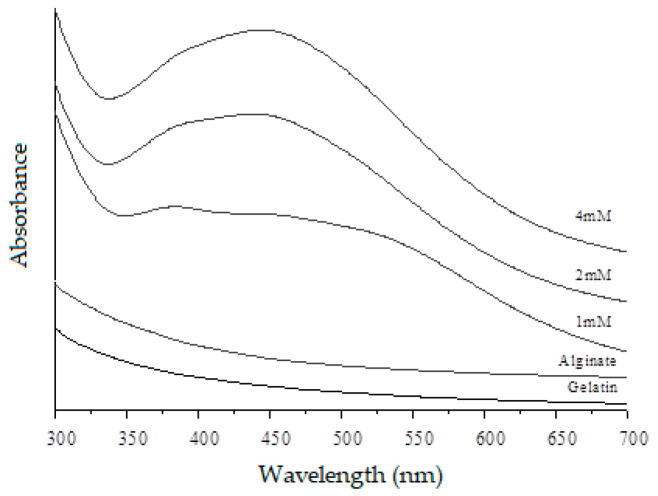
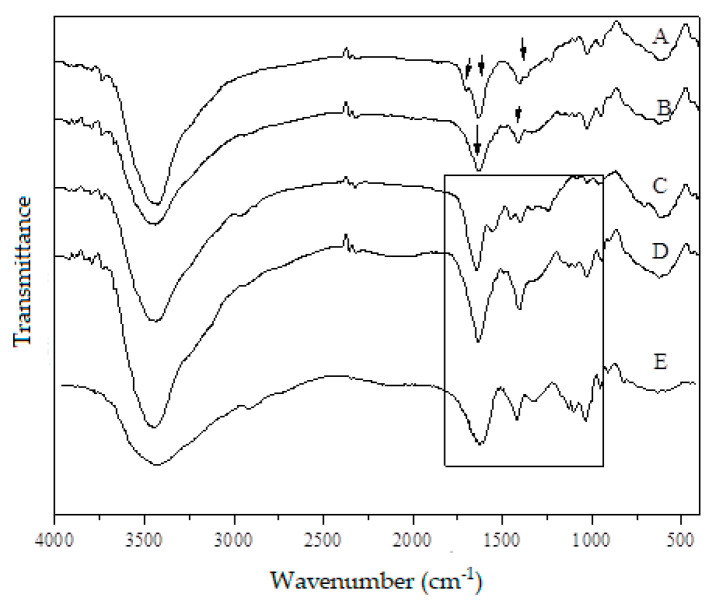
Polymer hydrogels have been suggested as dressing materials for the treatment of cutaneous wounds and tissue revitalization. In this work, we report the development of a hydrogel composed of natural polymers (sodium alginate and gelatin) and silver nanoparticles (AgNPs) with recognized antimicrobial activity for healing cutaneous lesions. For the development of the hydrogel, different ratios of sodium alginate and gelatin have been tested, while different concentrations of AgNO3 precursor (1.0, 2.0, and 4.0 mM) were assayed for the production of AgNPs. The obtained AgNPs exhibited a characteristic peak between 430–450 nm in the ultraviolet-visible (UV–Vis) spectrum suggesting a spheroidal form, which was confirmed by Transmission Electron Microscopy (TEM). Fourier Transform Infra-red (FT–IR) analysis suggested the formation of strong intermolecular interactions as hydrogen bonds and electrostatic attractions between polymers, showing bands at 2920, 2852, 1500, and 1640 cm−1. Significant bactericidal activity was observed for the hydrogel, with a Minimum Inhibitory Concentration (MIC) of 0.50 µg/mL against Pseudomonas aeruginosa and 53.0 µg/mL against Staphylococcus aureus. AgNPs were shown to be non-cytotoxic against fibroblast cells. The in vivo studies in female Wister rats confirmed the capacity of the AgNP-loaded hydrogels to reduce the wound size compared to uncoated injuries promoting histological changes in the healing tissue over the time course of wound healing, as in earlier development and maturation of granulation tissue. The developed hydrogel with AgNPs has healing potential for clinical applications.
Overview
CoChat Summary
TL;DR
An alginate/gelatin hydrogel loaded with silver nanoparticles (AgNPs) was bactericidal in vitro, non-cytotoxic to fibroblasts, and improved wound closure and granulation tissue maturation in female Wistar rats. The AgNP-loaded hydrogel reduced wound area more than hydrogel alone or untreated controls, especially on postoperative days 3 and 7.
Key findings
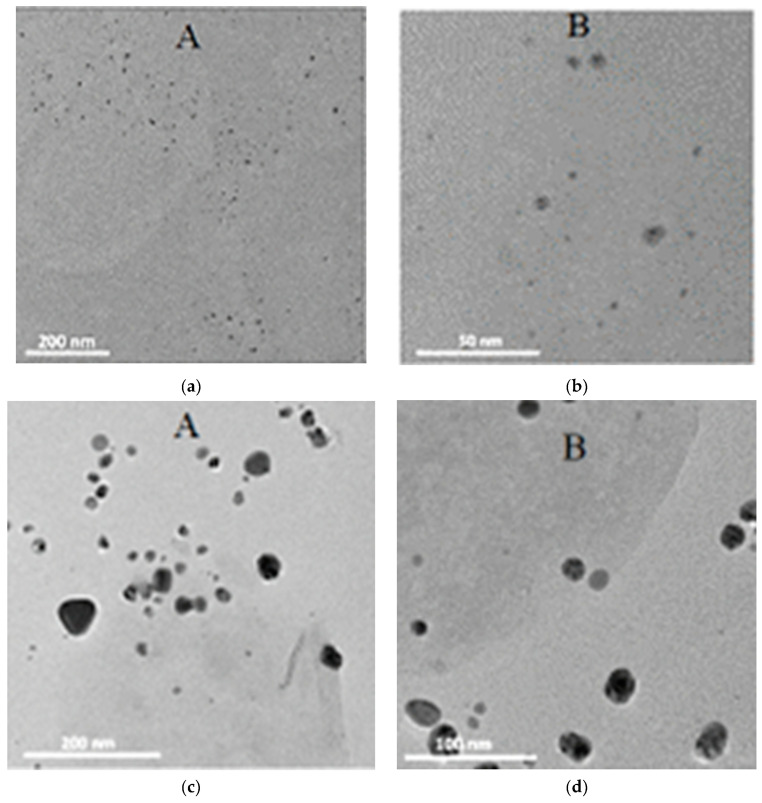
- The 80:20 sodium alginate/gelatin ratio gave higher consistency suitable for topical use; AgNO₃ at 1.0, 2.0, and 4.0 mM produced spheroidal AgNPs with a UV–Vis peak at 430–450 nm. TEM showed AgNPs of approximately 7.5–8.3 nm at 1 mM and approximately 20–34 nm at 4 mM.
- The AgNP hydrogel showed MIC values of 0.50 µg/mL against *Pseudomonas aeruginosa* and 53.0 µg/mL against *Staphylococcus aureus*; gelatin and sodium alginate alone showed no antimicrobial activity.
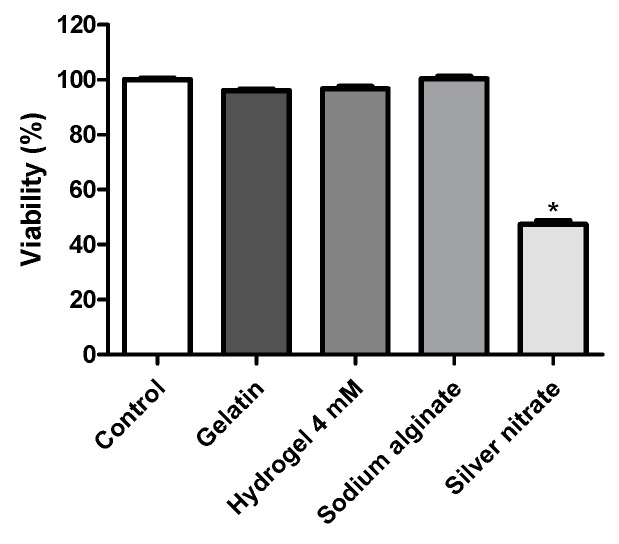
- Cytotoxicity in L929 fibroblasts: sodium alginate, gelatin, and 4 mM AgNPs gave 100%, 96.66%, and 96% cell viability, respectively; pure silver nitrate gave 47.33% living cells and was the only sample with a statistically significant difference versus the negative control (p < 0.05).
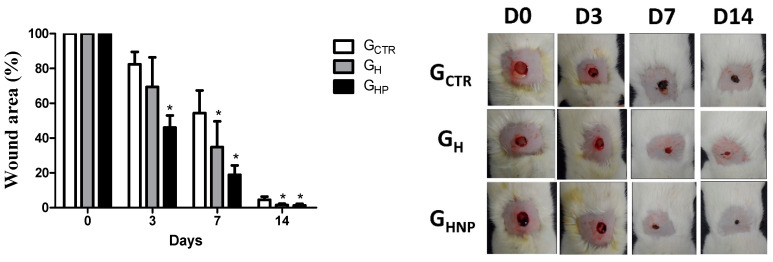
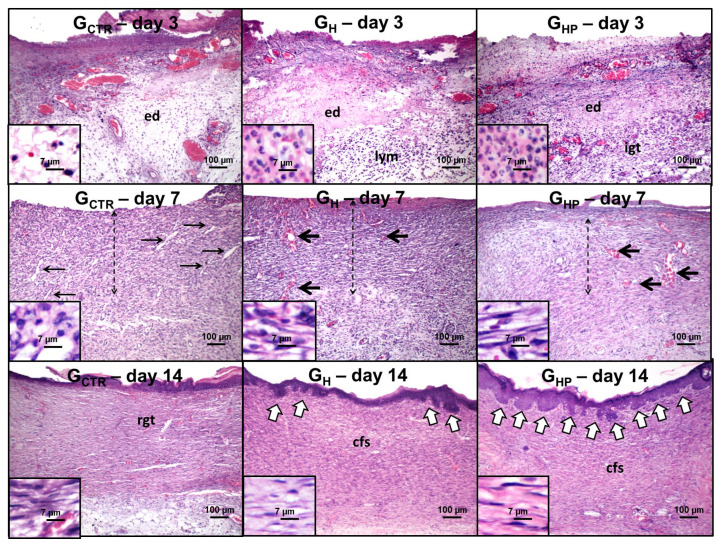
- In vivo, wound area reductions were: day 3, GHP 46.03%, GH 30.63%, GCTR 17.61%; day 7, GHP 81.14%, GH 65.11%, GCTR 45.66%. GHP showed earlier granulation tissue maturation, and on day 14 GH and GHP presented cellular fibrous scar with epithelial buddings.
Methods
- Hydrogels were prepared from sodium alginate and gelatin (2% m/v each) at ratios of 80:20, 50:50, and 20:80, with AgNO₃ added at 1.0, 2.0, and 4.0 mM; characterization used UV–Vis, FT–IR, DSC/TGA, and TEM.
- Cytotoxicity was assessed by MTT assay in human fibroblast L929 cells; MIC was determined by microdilution against *S. aureus* ATCC 25923 and *P. aeruginosa* ATCC 27853.
- In vivo wound healing used adult female Wistar rats (250 ± 50 g), 8-mm dorsal punch wounds, divided into GCTR, GH (80:20 hydrogel), and GHP (4 mM AgNO₃ hydrogel), n = 9 per group (total 27 animals), assessed on days 3, 7, and 14 by photography, digital caliper, ImageJ, and HE histology; one-way ANOVA with Tukey’s test, p < 0.05.
Limitations
- Stated in the paper: no splinted wound model was used to prevent contraction or induce healing by re-epithelialization, so healing was mainly by myofibroblast-mediated contraction; the precise mechanisms underlying the biological effects are not fully clarified, and further studies are needed.
- Evident from the text: in vivo testing used only female rats, one AgNP hydrogel concentration (4 mM AgNO₃), and a 14-day follow-up; antimicrobial activity was tested in vitro against only two bacterial strains, and no infected wound model or clinical study was reported.
Model-written summary. Check it against the paper before relying on it.
Integrity signals
Registry
Cites
Statistics
Figures
Verification
Claims the paper makes
0 Valid · 1 Not valid · 41 Not checked · 74 Own results and interpretations
A result the paper reports from its own data — it cites no other source for it, so there is none to check. The quote shows it is in the paper.
In the paper
“The increased hydrogel concentration up to 4.0 mM induced the reduction of the MIC values in both strains.”
§ Silver Nanoparticles-Composing Alginate/Gelatine Hydrogel Improves Wound Healing In Vivo > 3. Results and Discussion
plainstates a cause- Asserted: passes — The authors put it forward as true.
- Checkable: passes — It can be checked against evidence.
- Load-bearing: unclear — It is unclear whether the paper’s conclusions depend on it.
- Based: passes — The paper gives a reason why it holds.
In the paper
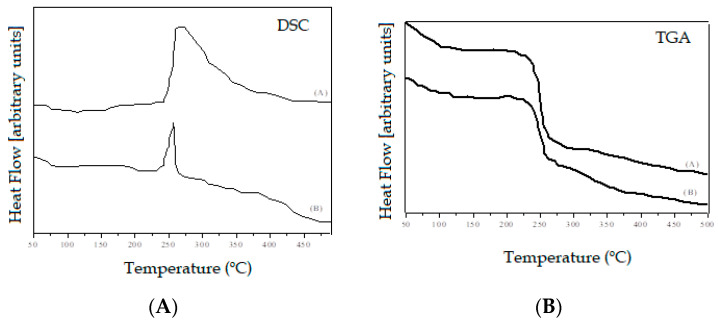
“Comparing with the literature [41], sodium alginate and gelatin showed less thermal stability than the produced hydrogel.”
§ Silver Nanoparticles-Composing Alginate/Gelatine Hydrogel Improves Wound Healing In Vivo > 3. Results and Discussion
What the sources say
- Not checked yetcites [41] Devi N. Kakati D.K. Smart porous microparticles based on gelatin/sodium alginate polyelectrolyte complex J. Food Eng. 2013 117 193 204 10.1016/j.jfoodeng.2013.02.018 source
plain- Asserted: passes — The authors put it forward as true.
- Checkable: passes — It can be checked against evidence.
- Load-bearing: unclear — It is unclear whether the paper’s conclusions depend on it.
- Based: passes — The paper gives a reason why it holds.
A result the paper reports from its own data — it cites no other source for it, so there is none to check. The quote shows it is in the paper.
In the paper
“which was confirmed by Transmission Electron Microscopy (TEM).”
- Also stated in: § 3. Results and Discussion · plain
“TEM was performed to determine the morphology of the AgNPs (Figure 4), which exhibited a spherical shape and size dependent on the concentration of silver nitrate.”
§ Silver Nanoparticles-Composing Alginate/Gelatine Hydrogel Improves Wound Healing In Vivo > Abstract
plain- Asserted: passes — The authors put it forward as true.
- Checkable: passes — It can be checked against evidence.
- Load-bearing: unclear — It is unclear whether the paper’s conclusions depend on it.
- Based: passes — The paper gives a reason why it holds.
- Also stated in: § 3. Results and Discussion · plain
A result the paper reports from its own data — it cites no other source for it, so there is none to check. The quote shows it is in the paper.
In the paper
“Significant bactericidal activity was observed for the hydrogel, with a Minimum Inhibitory Concentration (MIC) of 0.50 µg/mL against Pseudomonas aeruginosa”
- Also stated in: § 3. Results and Discussion · plain
“A significant bactericidal action was observed both against Pseudomonas aeruginosa with a minimum bacterial increase of 0.50 µg/mL”
§ Silver Nanoparticles-Composing Alginate/Gelatine Hydrogel Improves Wound Healing In Vivo > Abstract
plainstates a cause- Asserted: passes — The authors put it forward as true.
- Checkable: passes — It can be checked against evidence.
- Load-bearing: passes — The paper’s conclusions depend on it.
- Based: passes — The paper gives a reason why it holds.
- Also stated in: § 3. Results and Discussion · plain
A result the paper reports from its own data — it cites no other source for it, so there is none to check. The quote shows it is in the paper.
In the paper
“The Minimum Inhibitory Concentration (MIC) values recorded for the treatment with Hydrogels at 1.0 mM and 2.0 mM remained constant for gram-negative and gram-positive bacteria.”
§ Silver Nanoparticles-Composing Alginate/Gelatine Hydrogel Improves Wound Healing In Vivo > 3. Results and Discussion
plain- Asserted: passes — The authors put it forward as true.
- Checkable: passes — It can be checked against evidence.
- Load-bearing: unclear — It is unclear whether the paper’s conclusions depend on it.
- Based: passes — The paper gives a reason why it holds.
53 more claims
Create a free account to see all 116 claims and to verify the 55 references still open.
- The quote only partly states this claim. 1
- Probably not a substantial claim. 37
- It may state two separate claims as one. 29
Self-check
Percentages, sums and reported differences re-computed from the paper’s own numbers.
Each contradiction between two passages listed here was confirmed by an independent check.
Rated major: it would touch a result — a value a result rests on, reported and recomputed p-values on opposite sides of the significance level, two passages that conflict with no sign which is right, or a cited work retracted before this paper was published.
In the paper
§ Silver Nanoparticles-Composing Alginate/Gelatine Hydrogel Improves Wound Healing In Vivo > 2. Materials and Methods > 2.7. Biological Assays
“the equivalent specimens were removed from the scar area with margins of 3.0 mm for histological characterization.”
§ Silver Nanoparticles-Composing Alginate/Gelatine Hydrogel Improves Wound Healing In Vivo > 2. Materials and Methods > 2.7. Biological Assays
“Removal of the specimens was equivalent to a scar area with a 0.5 cm margin of whole skin around the lesion”
Rated minor: it would not touch a result — a value no result rests on, a p-value that stays on the same side of the significance level, or a conflict that is clerical, resolved elsewhere in the paper, or outside its own findings.
In the paper
§ Silver Nanoparticles-Composing Alginate/Gelatine Hydrogel Improves Wound Healing In Vivo > 2. Materials and Methods > 2.7. Biological Assays
“The cytotoxicity assay was carried out against human fibroblast L929 cell lines [27,28].”
§ Silver Nanoparticles-Composing Alginate/Gelatine Hydrogel Improves Wound Healing In Vivo > 3. Results and Discussion
“A viability assay was carried out on human fibroblast L2929 testing all components used for the production of silver nanoparticles at the maximum concentration of 150 μg/mL in DMSO 5%.”
Rated minor: it would not touch a result — a value no result rests on, a p-value that stays on the same side of the significance level, or a conflict that is clerical, resolved elsewhere in the paper, or outside its own findings.
In the paper
§ Silver Nanoparticles-Composing Alginate/Gelatine Hydrogel Improves Wound Healing In Vivo > 3. Results and Discussion
“Sabadini et al. [42] reported similar thermogravimetric results in hydrogel analysis consisting of sodium alginate and chitosan.”
§ Silver Nanoparticles-Composing Alginate/Gelatine Hydrogel Improves Wound Healing In Vivo > References
“42. Sabadini R.C. Martins V.C. Pawlicka A. Synthesis and characterization of gellan gum: chitosan biohydrogels for soil humidity control and fertilizer release”
Rated minor: it would not touch a result — a value no result rests on, a p-value that stays on the same side of the significance level, or a conflict that is clerical, resolved elsewhere in the paper, or outside its own findings.
In the paper
§ Silver Nanoparticles-Composing Alginate/Gelatine Hydrogel Improves Wound Healing In Vivo > 3. Results and Discussion
“This result corroborates the study of Rescignano et al. [44] in which all hydrogels incorporating AgNPs showed inhibition of bacterial growth”
§ Silver Nanoparticles-Composing Alginate/Gelatine Hydrogel Improves Wound Healing In Vivo > References
“44. Rescignano N. Fortunati E. Montesano S. Emiliani C. Kenny J. Martino S. Armentano I. PVA bio-nanocomposites: a new take-off using cellulose nanocrystals and PLGA nanoparticles”
Rated minor: it would not touch a result — a value no result rests on, a p-value that stays on the same side of the significance level, or a conflict that is clerical, resolved elsewhere in the paper, or outside its own findings.
In the paper
§ Silver Nanoparticles-Composing Alginate/Gelatine Hydrogel Improves Wound Healing In Vivo > 3. Results and Discussion
“only GH and GHP showed epithelial buddings compatible with the neoformation of rudimentary cutaneous appendages.”
§ Silver Nanoparticles-Composing Alginate/Gelatine Hydrogel Improves Wound Healing In Vivo > 3. Results and Discussion
“the formation of rudimentary cutaneous appendages in the GHP group, but not in the others”
Citations
Cites
Hydrogels in pharmaceutical formulations
Peppas, N. (2000) · European Journal of Pharmaceutics and Biopharmaceutics · doi:10.1016/s0939-6411(00)00090-4 · Cited by 4,011
WINTER, G. D. (1962) · Nature · doi:10.1038/193293a0 · Cited by 2,253
Kamoun, E. A., Kenawy, E.-R. S., & Chen, X. (2017) · Journal of Advanced Research · doi:10.1016/j.jare.2017.01.005 · Cited by 1,707
Metal-Based Nanoparticles as Antimicrobial Agents: An Overview
Sánchez-López, E., Gomes, D., Esteruelas, G., Bonilla, L., Lopez-Machado, A. L., Galindo, R., Cano, A., Espina, M., Ettcheto, M., Camins, A., et al. (2020) · Nanomaterials · doi:10.3390/nano10020292 · Cited by 1,474 · cited 1×
“Polymeric hydrogels containing silver nanoparticles (AgNPs) have attracted great attention for a set of applications in the biomedical field, attributed to the antimicrobial and healing properties of silver [11,12].”
BackgroundSelf-citationThe Therapeutic Potential of Apigenin
Salehi, B., Venditti, A., Sharifi-Rad, M., Kręgiel, D., Sharifi-Rad, J., Durazzo, A., Lucarini, M., Santini, A., Souto, E. B., Novellino, E., et al. (2019) · International Journal of Molecular Sciences · doi:10.3390/ijms20061305 · Cited by 1,238
Self-citationNatural and synthetic polymers for wounds and burns dressing
Mogoşanu, G. D., & Grumezescu, A. M. (2014) · International Journal of Pharmaceutics · doi:10.1016/j.ijpharm.2013.12.015 · Cited by 1,052 · cited 1×
“Examples are alginate, chitosan, heparin, chondroitin, proteoglycans, collagen, gelatin, fibrin, keratin, and silk fibroin [18].”
Impregnation of silver nanoparticles into bacterial cellulose for antimicrobial wound dressing
Maneerung, T., Tokura, S., & Rujiravanit, R. (2008) · Carbohydrate Polymers · doi:10.1016/j.carbpol.2007.07.025 · Cited by 995
Topical Delivery of Silver Nanoparticles Promotes Wound Healing
Tian, J., Wong, K. K. Y., Ho, C., Lok, C., Yu, W., Che, C., Chiu, J., & Tam, P. K. H. (2007) · ChemMedChem · doi:10.1002/cmdc.200600171 · Cited by 983
Aderibigbe, B., & Buyana, B. (2018) · Pharmaceutics · doi:10.3390/pharmaceutics10020042 · Cited by 850
How Staphylococcus aureus biofilms develop their characteristic structure
Periasamy, S., Joo, H.-S., Duong, A. C., Bach, T.-H. L., Tan, V. Y., Chatterjee, S. S., Cheung, G. Y. C., & Otto, M. (2012) · Proceedings of the National Academy of Sciences · doi:10.1073/pnas.1115006109 · Cited by 640
Cited by
Alginate hydrogel dressings for advanced wound management
Zhang, M., & Zhao, X. (2020) · International Journal of Biological Macromolecules · doi:10.1016/j.ijbiomac.2020.07.311 · Cited by 616
Alginate and its application to tissue engineering
Sahoo, D. R., & Biswal, T. (2021) · SN Applied Sciences · doi:10.1007/s42452-020-04096-w · Cited by 517
Alginate: From Food Industry to Biomedical Applications and Management of Metabolic Disorders
Gheorghita Puscaselu, R., Lobiuc, A., Dimian, M., & Covasa, M. (2020) · Polymers · doi:10.3390/polym12102417 · Cited by 470
A review of current advancements for wound healing: Biomaterial applications and medical devices
Deng, X., Gould, M., & Ali, M. A. (2022) · Journal of Biomedical Materials Research Part B: Applied Biomaterials · doi:10.1002/jbm.b.35086 · Cited by 355
Structural and biological engineering of 3D hydrogels for wound healing
Norahan, M. H., Pedroza-González, S. C., Sánchez-Salazar, M. G., Álvarez, M. M., & Trujillo de Santiago, G. (2023) · Bioactive Materials · doi:10.1016/j.bioactmat.2022.11.019 · Cited by 338
Recent advances in molecular mechanisms of skin wound healing and its treatments
Mamun, A. A., Shao, C., Geng, P., Wang, S., & Xiao, J. (2024) · Frontiers in Immunology · doi:10.3389/fimmu.2024.1395479 · Cited by 284
Maleki, A., Ghomi, M., Nikfarjam, N., Akbari, M., Sharifi, E., Shahbazi, M., Kermanian, M., Seyedhamzeh, M., Nazarzadeh Zare, E., Mehrali, M., et al. (2022) · Advanced Functional Materials · doi:10.1002/adfm.202203430 · Cited by 262
An Updated Review on Silver Nanoparticles in Biomedicine
Gherasim, O., Puiu, R. A., Bîrcă, A. C., Burdușel, A.-C., & Grumezescu, A. M. (2020) · Nanomaterials · doi:10.3390/nano10112318 · Cited by 257
Nanotoxicology and Nanosafety: Safety-by-Design and Testing at a Glance
Zielińska, A., Costa, B., Ferreira, M. V., Miguéis, D., Louros, J. M. S., Durazzo, A., Lucarini, M., Eder, P., V. Chaud, M., Morsink, M., et al. (2020) · International Journal of Environmental Research and Public Health · doi:10.3390/ijerph17134657 · Cited by 245
“, to cover the medical devices, to prepare the nanogels, or to produce the formulations for skin lesions [64,65,123,127].”
BackgroundSelf-citationNew Insights of Scaffolds Based on Hydrogels in Tissue Engineering
Radulescu, D.-M., Neacsu, I. A., Grumezescu, A.-M., & Andronescu, E. (2022) · Polymers · doi:10.3390/polym14040799 · Cited by 198
Nanomaterials applied in wound healing: Mechanisms, limitations and perspectives
Wang, M., Huang, X., Zheng, H., Tang, Y., Zeng, K., Shao, L., & Li, L. (2021) · Journal of Controlled Release · doi:10.1016/j.jconrel.2021.07.017 · Cited by 192
Chinnasamy, G., Chandrasekharan, S., Koh, T. W., & Bhatnagar, S. (2021) · Frontiers in Microbiology · doi:10.3389/fmicb.2021.611560 · Cited by 186
Recent advances on polymeric hydrogels as wound dressings
Pan, Z., Ye, H., & Wu, D. (2021) · APL Bioengineering · doi:10.1063/5.0038364 · Cited by 163
Nanomedicines for the Delivery of Antimicrobial Peptides (AMPs)
Teixeira, M. C., Carbone, C., Sousa, M. C., Espina, M., Garcia, M. L., Sanchez-Lopez, E., & Souto, E. B. (2020) · Nanomaterials · doi:10.3390/nano10030560 · Cited by 159
“Furthermore, nanomaterials can be used for antimicrobial drug delivery, and the incorporation of antimicrobial nanomaterials in medical devices and implants can prevent microbial adhesion and infection [11,12].”
BackgroundSelf-citationAn Up-to-Date Review of Biomaterials Application in Wound Management
Niculescu, A.-G., & Grumezescu, A. M. (2022) · Polymers · doi:10.3390/polym14030421 · Cited by 146
Cancer Therapy by Silver Nanoparticles: Fiction or Reality?
Kovács, D., Igaz, N., Gopisetty, M. K., & Kiricsi, M. (2022) · International Journal of Molecular Sciences · doi:10.3390/ijms23020839 · Cited by 162
Multifunctional inorganic nanomaterials for cancer photoimmunotherapy
Tang, L., Zhang, A., Zhang, Z., Zhao, Q., Li, J., Mei, Y., Yin, Y., & Wang, W. (2022) · 癌症:英文版 · doi:10.1002/cac2.12255 · Cited by 151
Functional hydrogel-based wound dressings: A review on biocompatibility and therapeutic efficacy
Nasra, S., Patel, M., Shukla, H., Bhatt, M., & Kumar, A. (2023) · Life Sciences · doi:10.1016/j.lfs.2023.122232 · Cited by 149
Abdelghafar, A., Yousef, N. E., & Askoura, M. (2022) · BMC Microbiology · doi:10.1186/s12866-022-02658-z · Cited by 160
Supramolecular hydrogels for wound repair and hemostasis
Zhuo, S., Liang, Y., Wu, Z., Zhao, X., Han, Y. N., & Guo, B. (2024) · Materials Horizons · doi:10.1039/d3mh01403g · Cited by 134
Evaluating polymeric biomaterials to improve next generation wound dressing design
Hodge, J., Zamierowski, D. S., Robinson, J. L., & Mellott, A. J. (2022) · Biomaterials Research · doi:10.1186/s40824-022-00291-5 · Cited by 140
Alginate-Based Bio-Composites and Their Potential Applications
Zdiri, K., Cayla, A., Elamri, A., Erard, A., & Salaün, F. (2022) · Journal of Functional Biomaterials · doi:10.3390/jfb13030117 · Cited by 122
Nanopharmaceutics: Part II—Production Scales and Clinically Compliant Production Methods
Souto, E. B., Silva, G. F., Dias-Ferreira, J., Zielińska, A., Ventura, F. V., Durazzo, A., Lucarini, M., Novellino, E., & Santini, A. (2020) · Nanomaterials · doi:10.3390/nano10030455 · Cited by 122
Self-citationAlginate-Based Materials Loaded with Nanoparticles in Wound Healing
Froelich, A., Jakubowska, E., Wojtyłko, M., Jadach, B., Gackowski, M., Gadziński, P., Napierała, O., Ravliv, Y., & Osmałek, T. (2023) · Pharmaceutics · doi:10.3390/pharmaceutics15041142 · Cited by 113
Ounkaew, A., Kasemsiri, P., Jetsrisuparb, K., Uyama, H., Hsu, Y., Boonmars, T., Artchayasawat, A., Knijnenburg, J. T. N., & Chindaprasirt, P. (2020) · Carbohydrate Polymers · doi:10.1016/j.carbpol.2020.116767 · Cited by 115
Application of nano-antibiotics in the diagnosis and treatment of infectious diseases
Al‐Awsi, G. R. L., Alameri, A. A., Al‐Dhalimy, A. M. B., Gabr, G. A., & Kianfar, E. (2024) · Brazilian Journal of Biology · doi:10.1590/1519-6984.264946 · Cited by 120
Silver Nanoparticles Stable to Oxidation and Silver Ion Release Show Size-Dependent Toxicity In Vivo
Cunningham, B. E., Engstrom, A. M., Harper, B. J., Harper, S. L., & Mackiewicz, M. R. (2021) · Nanomaterials · doi:10.3390/nano11061516 · Cited by 108
Biopolymer based nanoparticles and their therapeutic potential in wound healing – A review
Kumar, M., Mahmood, S., Chopra, S., & Bhatia, A. (2024) · International Journal of Biological Macromolecules · doi:10.1016/j.ijbiomac.2024.131335 · Cited by 106
Attallah, N. G. M., Elekhnawy, E., Negm, W. A., Hussein, I. A., Mokhtar, F. A., & Al-Fakhrany, O. M. (2022) · Pharmaceuticals · doi:10.3390/ph15020194 · Cited by 98
Liang, X., Chen, S., Liang, Y., Wang, M., Wang, Q., Chen, D., Ma, X., Ding, H., & Zhong, H. (2026) · Gels · doi:10.3390/gels12020182 · Cited by 105
Tortella, G., Pieretti, J. C., Rubilar, O., Fernández‐Baldo, M. A., Benavides‐Mendoza, A., Diez, M. C., & Seabra, A. B. (2021) · Critical Reviews in Biotechnology · doi:10.1080/07388551.2021.1939260 · Cited by 97
Parvin, N., Joo, S. W., & Mandal, T. K. (2025) · Gels · doi:10.3390/gels11060383 · Cited by 98
Hegde, V., Uthappa, U. T., Altalhi, T., Jung, H., Han, S. S., & Kurkuri, M. D. (2022) · Materials Today Communications · doi:10.1016/j.mtcomm.2022.104813 · Cited by 102
MXenes and MXene-based composites for biomedical applications
Dutta, T., Alam, P., & Mishra, S. K. (2025) · Journal of Materials Chemistry B · doi:10.1039/d4tb02834a · Cited by 89
Awad, M. A., Hendi, A. A., Ortashi, K. M. O., ALZahrani, B. A., Soliman, D. A., Alanazi, A. B., Alenazi, W., Taha, R. M., Ramadan, R., El-Tohamy, M. F., et al. (2021) · Sensors and Actuators A Physical · doi:10.1016/j.sna.2021.112670 · Cited by 84
Nanoparticle-Containing Wound Dressing: Antimicrobial and Healing Effects
Александрович, Ю. П., Mezhuev, Y. O., & Chistyakov, E. M. (2022) · Gels · doi:10.3390/gels8060329 · Cited by 84
RETRACTED: Recent advances in polymer hydrogel nanoarchitectures and applications
Idumah, C. I., Nwuzor, I. C., & Odera, R. S. (2021) · Current Research in Green and Sustainable Chemistry · doi:10.1016/j.crgsc.2021.100143 · Cited by 78
RetractedSantos, T. S., Aragão, T. M. S., Cardoso, J. C., Júnior, R. L. C. D. A., Zielińska, A., Souto, E. B., Severino, P. B., & Mendonça, M. D. C. (2021) · Antibiotics · doi:10.3390/antibiotics10070852 · Cited by 80
Self-citationA review on the synthesis and development of alginate hydrogels for wound therapy
Cao, Y., Cong, H., Yu, B., & Shen, Y. (2023) · Journal of Materials Chemistry B · doi:10.1039/d2tb02808e · Cited by 80
Inherent and Composite Hydrogels as Promising Materials to Limit Antimicrobial Resistance
Carpa, R., Remizovschi, A., Culda, C. A., & Butiuc-Keul, A. L. (2022) · Gels · doi:10.3390/gels8020070 · Cited by 76
3D printed drug loaded nanomaterials for wound healing applications
Yayehrad, A. T., Siraj, E. A., Matsabisa, M. G., & Birhanu, G. (2023) · Regenerative Therapy · doi:10.1016/j.reth.2023.08.007 · Cited by 76
Alavi, M., & Varma, R. S. (2021) · Cellulose · doi:10.1007/s10570-021-04067-3 · Cited by 75
Masri, S., Mazlan, Z., Zulkiflee, I., Salleh, A., Fadilah, N. I. M., Maarof, M., Wen, A. P. Y., Duman, F., Tabata, Y., Aziz, I. A., et al. (2022) · International Journal of Molecular Sciences · doi:10.3390/ijms23010476 · Cited by 71
Injectable Hydrogels for Chronic Skin Wound Management: A Concise Review
Mazlan, Z., & Fauzi, M. B. (2021) · Biomedicines · doi:10.3390/biomedicines9050527 · Cited by 71
Naringin-loaded Arabic gum/pectin hydrogel as a potential wound healing material
Alsakhawy, M. A., Abdelmonsif, D. A., Haroun, M., & Sabra, S. A. (2022) · International Journal of Biological Macromolecules · doi:10.1016/j.ijbiomac.2022.09.200 · Cited by 70
Hydrogels: 3D Drug Delivery Systems for Nanoparticles and Extracellular Vesicles
Chabria, Y., Duffy, G. P., Lowery, A., & Dwyer, R. M. (2021) · Biomedicines · doi:10.3390/biomedicines9111694 · Cited by 70
Dong, Q., Zu, D., Kong, L., Chen, S., Yao, J., Lin, J., Lü, L., Wu, B., & Fang, B. (2022) · Biomaterials Research · doi:10.1186/s40824-022-00281-7 · Cited by 67
El‐Deeb, N. M., Abo-Eleneen, M. A., Al-Madboly, L. A., Sharaf, M. M., Othman, S. S., Ibrahim, O. M., & Mubarak, M. S. (2020) · Frontiers in Bioengineering and Biotechnology · doi:10.3389/fbioe.2020.00643 · Cited by 67
Santos, T. S., dos Santos, I. D. D., Pereira‐Filho, R. N., Gomes, S. V. F., Lima-Verde, I. B., Marques, M. N., Cardoso, J. C., Severino, P. B., Souto, E. B., & Júnior, R. L. C. D. A. (2021) · Current Issues in Molecular Biology · doi:10.3390/cimb43010028 · Cited by 70
Self-citationRecent advances in biopolymer-based formulations for wound healing applications
Moholkar, D. N., Sadalage, P. S., Peixoto, D., Paiva‐Santos, A. C., & Pawar, K. D. (2021) · European Polymer Journal · doi:10.1016/j.eurpolymj.2021.110784 · Cited by 69
Recent Advances in Chitosan‐Based Metal Nanocomposites for Wound Healing Applications
Wang, K., Pan, S., Qi, Z., Xia, P., Xu, H., Kong, W., Li, H., Xue, P., Yang, X., & Fu, C. (2020) · Advances in Materials Science and Engineering · doi:10.1155/2020/3827912 · Cited by 69
Nanotechnology-Based Dressings for Wound Management
Ataide, J. A., Zanchetta, B., dos Santos, É. M., Fava, A. L. M., Alves, T., Cefali, L. C., Chaud, M. V., Nascimento, L. D. O., Souto, E. B., & Mazzola, P. G. (2022) · Pharmaceuticals · doi:10.3390/ph15101286 · Cited by 66
Self-citationJayaprakash, N., Elumalai, K., Edwin, E. R., Karthikha, V. S., Sanjana, D. S., Jeevitha, H., Rajeshkumar, S., Venugopal, V., & Priyadharshan, A. (2024) · Engineered Regeneration · doi:10.1016/j.engreg.2024.06.004 · Cited by 73
An Overview of Wound Dressing Materials
Lagoa, T., Queiroga, M. C., & Martins, L. (2024) · Pharmaceuticals · doi:10.3390/ph17091110 · Cited by 62
Mirjalili, F., & Mahmoodi, M. (2022) · International Journal of Biological Macromolecules · doi:10.1016/j.ijbiomac.2022.11.117 · Cited by 57
New Antivirals and Antibacterials Based on Silver Nanoparticles
Ciriminna, R., Albo, Y., & Pagliaro, M. (2020) · ChemMedChem · doi:10.1002/cmdc.202000390 · Cited by 51
Santos, T. S., dos Passos, E. M., Seabra, M. G. D. J., Souto, E. B., Severino, P. B., & Mendonça, M. D. C. (2021) · Applied Sciences · doi:10.3390/app11062465 · Cited by 50
Self-citationInnovative hydrogels in cutaneous wound healing: current status and future perspectives
Sawadkar, P., Lali, F. V., García‐Gareta, E., Garrido, B. G., Chaudhry, A. A., Matharu, P. K., Kyriakidis, C., & Greco, K. V. (2025) · Frontiers in Bioengineering and Biotechnology · doi:10.3389/fbioe.2025.1454903 · Cited by 53
Arshad, R., Razlansari, M., Hosseinikhah, S. M., Pandey, A. T., Ajalli, N., Manicum, A.-L. E., Thorat, N. D., Rahdar, A., Zhu, Y., & Tabish, T. A. (2023) · Drug Discovery Today · doi:10.1016/j.drudis.2023.103673 · Cited by 49
Nicolae-Maranciuc, A., & Chicea, D. (2025) · Gels · doi:10.3390/gels11090699 · Cited by 54
Nešović, K., & Mišković‐Stanković, V. (2020) · Polymer Engineering and Science · doi:10.1002/pen.25410 · Cited by 48
3D printed alginate/gelatin-based porous hydrogel scaffolds to improve diabetic wound healing
Lin, Z., Xie, W., Cui, Z., Huang, J., Cao, H., & Li, Y. (2023) · Giant · doi:10.1016/j.giant.2023.100185 · Cited by 49
Mercy, D. J., Thirumalai, A., Udayakumar, S., Deepika, B., Janani, G., Girigoswami, A., & Girigoswami, K. (2024) · Molecules · doi:10.3390/molecules29215004 · Cited by 49
Oliveira, D., de Rezende, P. S., Barbosa, T. C., Andrade, L. N., Bani, C., Tavares, D. D. S., da Silva, C. F., Chaud, M. V., Padilha, F. F., Cano, A. C., et al. (2020) · International Journal of Pharmaceutics · doi:10.1016/j.ijpharm.2020.120001 · Cited by 45
Self-citationMassironi, A., Franco, A. R., Babo, P. S., Puppi, D., Chiellini, E., Reis, R. L., & Gomes, M. E. (2022) · International Journal of Molecular Sciences · doi:10.3390/ijms23042161 · Cited by 45
A Review of Metal Nanoparticles Embedded in Hydrogel Scaffolds for Wound Healing In Vivo
Sheikh‐Oleslami, S., Tao, B. K.-L., D’Souza, J., Butt, F. S., Suntharalingam, H., Rempel, L., & Amiri, N. (2023) · Gels · doi:10.3390/gels9070591 · Cited by 45
Gabriel, A. G., Santos, D. M. D., da Costa, V. P. V., Lopes, R. G., Inada, N. M., Correa, D. S., & Filho, S. P. C. (2023) · International Journal of Biological Macromolecules · doi:10.1016/j.ijbiomac.2023.126314 · Cited by 44
Mohammed, H. A., Amin, M. A., Zayed, G., Hassan, Y., El‐Mokhtar, M. A., & Saddik, M. S. (2023) · The Journal of Antibiotics · doi:10.1038/s41429-023-00603-4 · Cited by 43
Sarı, B. R., Yeşilot, Ş., Özmen, Ö., & Aydın, Ç. (2024) · Biological Trace Element Research · doi:10.1007/s12011-024-04268-4 · Cited by 47
Ulvan/Silver nanoparticle hydrogel films for burn wound dressing
Sulastri, E., Lesmana, R., Zubair, M. S., Mohammed, A. F. A., Elamin, K. M., & Wathoni, N. (2023) · Heliyon · doi:10.1016/j.heliyon.2023.e18044 · Cited by 44
Qiu, Y., Sun, X., Lin, X., Yi, W., & Jiang, J. (2021) · International Wound Journal · doi:10.1111/iwj.13664 · Cited by 39
Abdalla, S. S. I., Katas, H., Chan, J. Y., Ganasan, P., Azmi, F., & Fauzi, M. B. (2021) · Molecular Pharmaceutics · doi:10.1021/acs.molpharmaceut.0c01033 · Cited by 40
Zahid, M., Lodhi, M. Y., Afzal, A., Rehan, Z. A., Mehmood, M., Javed, T., Shabbir, R., Siuta, D., Althobaiti, F., & Dessok, E. S. (2021) · Gels · doi:10.3390/gels7030107 · Cited by 37
Hydrogels for Modified-release Drug Delivery Systems
Zielińska, A., Eder, P., de Andrade, L. R. M., Cardoso, J. C., Severino, P. B., Silva, A. M., & Souto, E. B. (2021) · Current Pharmaceutical Design · doi:10.2174/1381612828666211230114755 · Cited by 37
Self-citationNanomaterials-based Drug Delivery Approaches for Wound Healing
Girija, A. R., Balasubramanian, S., & Cowin, A. J. (2022) · Current Pharmaceutical Design · doi:10.2174/1381612828666220328121211 · Cited by 39
Iqbal, Y., Amin, F., Usman, Y., & Sarfraz, M. F. (2024) · European Polymer Journal · doi:10.1016/j.eurpolymj.2024.113057 · Cited by 36
Zhang, J., Hu, L., Zhang, Q., Guo, C. F., Wu, C., Shi, Y., Shu, R., & Tan, L. (2022) · International Journal of Biological Macromolecules · doi:10.1016/j.ijbiomac.2022.04.194 · Cited by 34
Nanopharmaceuticals for Eye Administration: Sterilization, Depyrogenation and Clinical Applications
Zielińska, A., Soles, B. B., LOPES, A. R. E., Vaz, B. F., Rodrigues, C. M., Alves, T., Klensporf‐Pawlik, D., Durazzo, A., Lucarini, M., Severino, P. B., et al. (2020) · Biology · doi:10.3390/biology9100336 · Cited by 37
Self-citationHivechi, A., Milan, P. B., Modabberi, K., Amoupour, M., Ebrahimzadeh, K., Gholipour, A. R., Sedighi, F., Amini, N., Bahrami, S. H., Rezapour, A., et al. (2021) · Polymers · doi:10.3390/polym13060854 · Cited by 34
Kapoor, D. U., Pareek, A., Sharma, S. K., Prajapati, B. G., Thanawuth, K., & Sriamornsak, P. (2025) · International Journal of Pharmaceutics · doi:10.1016/j.ijpharm.2025.125570 · Cited by 32
Taesuwan, I., Ounkaew, A., Okhawilai, M., Hızıroǧlu, S., Jarernboon, W., Chindaprasirt, P., & Kasemsiri, P. (2021) · Cellulose · doi:10.1007/s10570-021-04302-x · Cited by 31
Bîrcă, A. C., Gherasim, O., Niculescu, A.-G., Grumezescu, A. M., Neacșu, I. A., Chircov, C., Vasile, B. Ş., Oprea, O., Andronescu, E., Stan, M. S., et al. (2023) · International Journal of Molecular Sciences · doi:10.3390/ijms241411466 · Cited by 30
Eslamieh-ei, F. M., Sharifimoghaddammood, N., Tousi, S. A. P., Basharkhah, S., Mottaghipisheh, J., Es‐haghi, A., Yazdi, M. E. T., & Iriti, M. (2023) · Natural Product Research · doi:10.1080/14786419.2023.2256023 · Cited by 29
Leong, C. Y., Wahab, R. A., Lee, S. L., Ponnusamy, V. K., & Chen, Y. (2023) · Environmental Research · doi:10.1016/j.envres.2023.115578 · Cited by 33
Oliveira, D. M. D. L., Menezes, D. B., de Andrade, L. R. M., Lima, F. D. C., de Hollanda, L. M., Zielińska, A., Sánchez‐López, E., Souto, E. B., & Severino, P. B. (2021) · Pharmaceutical Development and Technology · doi:10.1080/10837450.2021.1898634 · Cited by 32
Self-citation3D Bioprinting Techniques and Bioinks for Periodontal Tissues Regeneration—A Literature Review
Almeida, N. D., Carneiro, C. A., Marco, A. C. D., Porto, V. C., & França, R. (2024) · Biomimetics · doi:10.3390/biomimetics9080480 · Cited by 29
Chen, G., Jiao, H., Chen, Y., & Zhang, Z. (2021) · Food Hydrocolloids · doi:10.1016/j.foodhyd.2021.107051 · Cited by 27
do Nascimento, M. F., Cardoso, J. C., Santos, T. S., Tavares, L. A. D. M., Pashirova, T. N., Severino, P. B., Souto, E. B., & Júnior, R. L. C. D. A. (2020) · Pharmaceutics · doi:10.3390/pharmaceutics12121204 · Cited by 27
Self-citationAntimycotic nail polish based on humic acid‐coated silver nanoparticles for onychomycosis
Dantas, K. N. M., de Andrade, L. R. M., LISBÔA, E. M. M., Santana, V. L., dos Santos, A. L. S., de Mello, T. P., Sangenito, L. S., Lima, Á. S., Fricks, A. T., Begnami, A. F., et al. (2021) · Journal of Chemical Technology & Biotechnology · doi:10.1002/jctb.6676 · Cited by 26
Self-citationYang, M., Zhang, M., Wang, Y., Li, Y., Han, W., & Dang, X. (2022) · ACS Applied Bio Materials · doi:10.1021/acsabm.2c00039 · Cited by 26
Perspectives of nanofibrous wound dressings based on glucans and galactans - A review
Latiyan, S., Kumar, T. S. S., Doble, M., & Kennedy, J. F. (2023) · International Journal of Biological Macromolecules · doi:10.1016/j.ijbiomac.2023.125358 · Cited by 26
Metallotherapeutics development in the age of iron-clad bacteria
Centola, G. A., Xue, F., & Wilks, A. (2020) · Metallomics · doi:10.1039/d0mt00206b · Cited by 24
Shahbandeh, M., Eghdami, A., Moghaddam, M. M., Nadoushan, M. J., Salimi, A., Fasihi‐Ramandi, M., Mohammadi, S., Mirzaei, M., & Mirnejad, R. (2021) · Journal of Biosciences · doi:10.1007/s12038-021-00143-9 · Cited by 25
RetractedCui, S., Yang, F., Yu, D., Shi, C., Zhao, D., Chen, L., & Chen, J. (2023) · International Journal of Molecular Sciences · doi:10.3390/ijms241713042 · Cited by 24
Srivastava, P., Gunawan, C., Soeriyadi, A. H., Amal, R., Hoehn, K. L., & Marquis, C. P. (2021) · Nanoscale Advances · doi:10.1039/d0na01013h · Cited by 23
Srichaiyapol, O., Maddocks, S., Thammawithan, S., Daduang, S., Klaynongsruang, S., & Patramanon, R. (2022) · Microorganisms · doi:10.3390/microorganisms10112279 · Cited by 24
Guo, Y., Gao, F., Rafiq, M. A., Yu, B., Cong, H., & Shen, Y. (2024) · International Journal of Biological Macromolecules · doi:10.1016/j.ijbiomac.2024.133494 · Cited by 23
Free facile preparation of Ag-nanoparticles on cellulose membrane for catalysis
Garcia, A. M., Martins, T. S., & Camilo, F. F. (2021) · Cellulose · doi:10.1007/s10570-021-03827-5 · Cited by 23
H2O2-PLA-(Alg)2Ca Hydrogel Enriched in Matrigel® Promotes Diabetic Wound Healing
Bîrcă, A. C., Chircov, C., Niculescu, A.-G., Herman, H., Baltă, C., Roșu, M., Mladin, B., Gherasim, O., Mihăiescu, D. E., Vasile, B. Ş., et al. (2023) · Pharmaceutics · doi:10.3390/pharmaceutics15030857 · Cited by 22
Green synthesis of nanosilver coating on paper for ripening delay of fruits under visible light
Ounkaew, A., Kasemsiri, P., Srichiangsa, N., Hızıroǧlu, S., Maraphum, K., Posom, J., Theerakulpisut, S., Okhawilai, M., & Chindaprasirt, P. (2021) · Journal of environmental chemical engineering · doi:10.1016/j.jece.2021.105094 · Cited by 23
Metadata
- Authors
- Diniz, F., Maia, R., de Andrade, L. R., Andrade, L., Vinicius Chaud, M., da Silva, C., Corrêa, C., de Albuquerque Junior, R., Pereira da Costa, L., Shin, S., Hassan, S., Sanchez-Lopez, E., Souto, E., & Severino, P.
- Affiliations
- Tiradentes University (UNIT) and Institute of Technology and Research (ITP), Av. Murilo Dantas 300, Aracaju 49032-490, Brazil
- Universidade Tiradentes (BR)
- Department of Technological and Environmental Processes, Sorocaba University (UNISO), Rod. Raposo Tavares, Km 92.5, Sorocaba 18023-000, Brazil
- Universidade Federal de São Paulo (BR)
- Universidade Federal de Sergipe (BR)
- Brigham and Women's Hospital (US)
- Department of Pharmacy, Pharmaceutical Technology and Physical Chemistry, Faculty of Pharmacy and Food Sciences, Av. Joan XXIII 27-31, 08028 Barcelona, Spain
- University of Coimbra (PT)
- Corresponding author
- Souto, Eliana
- ORCID
- Venue
- Nanomaterials
- Publisher
- MDPI AG
- Published
- 2020-02-23
- Volume
- 10
- Issue
- 2
- Pages
- 390
- ISSN
- 2079-4991 (ISSN-L)
- PMC
- PMC7075327
- OpenAlex
- W3007098666
- Cited by
- 259
- References
- 62
- Citations by year
- 2026: 31 · 2025: 44 · 2024: 41 · 2023: 42 · 2022: 43 · 2021: 42 · 2020: 16
- FWCI
- 31.83
- Type
- journal article
- Language
- en
- Update notices
- correction (2020-02-23)
- Open access
- gold
- doi.org
- Licence
- Locations
- Nanomaterials (publishedVersion, cc-by)
- Europe PMC (PubMed Central) (publishedVersion, cc-by)
- PubMed (publishedVersion)
- PubMed Central (publishedVersion, cc-by)
- Dipòsit Digital de la Universitat de Barcelona (Universitat de Barcelona) (submittedVersion, cc-by)
- DOAJ (DOAJ: Directory of Open Access Journals) (submittedVersion, cc-by-sa)
- Portuguese National Funding Agency for Science, Research and Technology (RCAAP Project by FCT) (submittedVersion, cc-by)
- Portuguese National Funding Agency for Science, Research and Technology (RCAAP Project by FCT) (submittedVersion, cc-by-nc-nd)
- Funders
- Portuguese Science and Technology Foundation (FCT) (M-ERA-NET/0004/2015 (PAIRED) and UIDB/04469/2020)
- Coordenação Aperfeiçoamento de Pessoal de Nivel Superior (CAPES), Fundação de Amparo à Pesquisa do Estado de Sergipe (FAPITEC), Conselho Nacional de Desenvolvimento Científico e Tecnológico (CNPq, #443238/2014-6, #470388/2014-5)
- Topics
- Health Sciences › Medicine › Surgery › Wound Healing and Treatments
- Physical Sciences › Materials Science › Biomaterials › Hydrogels: synthesis, properties, applications
- Physical Sciences › Materials Science › Materials Chemistry › Nanoparticles: synthesis and applications
- Keywords
- silver nanoparticles, sodium alginate, gelatin, hydrogel dressing, skin wound healing, antimicrobial activity, Pseudomonas aeruginosa, Staphylococcus aureus, minimum inhibitory concentration, cytotoxicity, fibroblasts, granulation tissue
About these checks
Registry, retraction, Cites and statistics results are computed, not judged, with one exception: a printed reference that no index lists is read once by a model before it counts as a citation error. Claims are extracted by a model and kept only when their quote appears verbatim in the text; each cited source is then checked, with a model’s help, for whether it says what the claim relies on. Those verdicts can be wrong — read the claim’s quote and the cited source before relying on one.
A language model drew the claims from the paper on 2026-11-15, under version 3 of the claim definition (model deepseek-v4.1-flash, prompt extract-v3).
A second model labelled each claim on 2026-11-15 (model jev-1.13-20260917, definition revision gold-guideline-v0.2).
Statistics and arithmetic are recomputed, not judged.
Confidence bands are shown only for fields calibrated on our annotated test set. None is calibrated yet, so no band is shown.
What counts as a claim ›How we measure confidence ›How we check this ›
Are you an author, or do you see a problem with this page? Request a review
Data sources
Bibliographic data: Semantic Scholar, OpenAlex, Crossref.
Contains information from the Semantic Scholar Academic Graph Datasets, made available under the ODC Attribution License (ODC-BY 1.0).
Semantic Scholar’s data is described in: Kinney, R., et al. (2023). The Semantic Scholar Open Data Platform. arXiv:2301.10140.
