

The DOI matches its Crossref record; 1 of the 1 references it cites were found in a registry or an index.
Recent Progress of Chitosan and Chitosan Derivatives-Based Nanoparticles: Pharmaceutical Perspectives of Oral Insulin Delivery
Abstract
Diabetes mellitus is a chronic endocrine disease, affecting more than 400 million people around the world. Patients with poorly controlled blood glucose levels are liable to suffer from life-threatening complications, such as cardiovascular, neuropathy, retinopathy and even premature death. Today, subcutaneous parenteral is still the most common route for insulin therapy. Oral insulin administration is favourable and convenient to the patients. In contrast to injection route, oral insulin delivery mimics the physiological pathway of endogenous insulin secretion. However, oral insulin has poor bioavailability (less than 2%) due to the harsh physiological environment through the gastrointestinal tract (GIT). Over the last few decades, many attempts have been made to achieve an effective oral insulin formulation with high bioavailability using insulin encapsulation into nanoparticles as advanced technology. Various natural polymers have been employed to fabricate nanoparticles as a delivery vehicle for insulin oral administration. Chitosan, a natural polymer, is extensively studied due to the attractive properties, such as biodegradability, biocompatibility, bioactivity, nontoxicity and polycationic nature. Numerous studies were conducted to evaluate chitosan and chitosan derivatives-based nanoparticles capabilities for oral insulin delivery. This review highlights strategies that have been applied in the recent five years to fabricate chitosan/chitosan derivatives-based nanoparticles for oral insulin delivery. A summary of the barriers hurdle insulin absorption rendering its low bioavailability such as physical, chemical and enzymatic barriers are highlighted with an emphasis on the most common methods of chitosan nanoparticles preparation. Nanocarriers are able to improve the absorption of insulin through GIT, deliver insulin to the blood circulation and lower blood glucose levels. In spite of some drawbacks encountered in this technology, chitosan and chitosan derivatives-based nanoparticles are greatly promising entities for oral insulin delivery.
Overview
The claims and statistics of this paper haven’t been checked yet.
Run the check — free, no account needed. It reads the open-access text and checks the sources it cites.
Integrity signals
Registry
Cites
Statistics
Figures
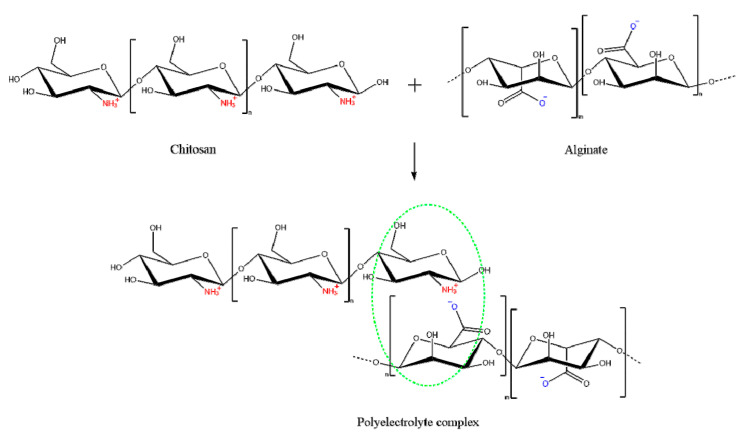
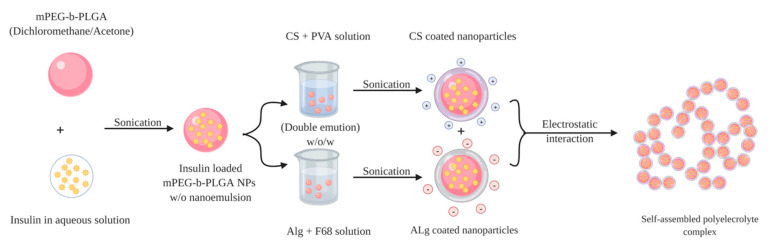
Verification
Claims the paper makes
The claims and statistics of this paper haven’t been checked yet.
Run the check — free, no account needed. It reads the open-access text and checks the sources it cites.
Claims other papers make about this one
Each is checked against this paper’s own text: does it say what the citing paper says it does?
The cited source says what the claim attributes to it.
In the citing paper
“The most common method for chemical modifications of chitosan is N-substitution, in which the amino group (–NH2) of chitosan serves as the functional group that reacts.30”
From Current Advances in Chitosan Nanoparticles Based Oral Drug Delivery for Colorectal Cancer Treatment (2022) · cites this paper as [30]
In the citing paper
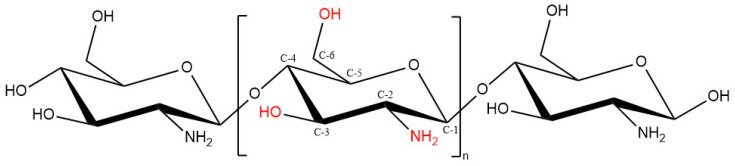
“Unlike chitin, chitosan is readily soluble at pH below its pKa (pKa≈6.5) ascribing to the protonation of its amino group (-NH2) at C-2 in each repeating D-glucosamine unit turning the chitosan into a cationic polymer.30”
From Current Advances in Chitosan Nanoparticles Based Oral Drug Delivery for Colorectal Cancer Treatment (2022) · cites this paper as [30]
Self-check
Percentages, sums and reported differences re-computed from the paper’s own numbers.
The self-check needs the paper’s full text.
Citations
Cites
Chitosan: an update on potential biomedical and pharmaceutical applications.
Cheung, R., Ng, T., Wong, J., & Chan, W. (2015) · Marine Drugs · doi:10.3390/md13085156 · Cited by 1,297
Research works printed but not linked: 122
- Lee, 2020, Optimization of Phytic Acid-Crosslinked Chitosan Microspheres for Oral Insulin Delivery Using Responsive Surface Methodology, Int. J. Pharm., 588, 119736, 10.1016/j.ijpharm.2020.119736 · DOI
- Vieira, R., Souto, S.B., Sánchez-López, E., López Machado, A., Severino, P., Jose, S., Santini, A., Fortuna, A., García, M.L., and Silva, A.M. (2019). Sugar-Lowering Drugs for Type 2 Diabetes Mellitus and Metabolic Syndrome—Review of Classical and New Compounds: Part-I. Pharmaceuticals, 12. · DOI
- Yang, 2020, Carboxymethyl β-Cyclodextrin Grafted Carboxymethyl Chitosan Hydrogel-Based Microparticles for Oral Insulin Delivery, Carbohydr. Polym., 246, 116617, 10.1016/j.carbpol.2020.116617 · DOI
- Lopes, 2014, Intestinal Absorption of Insulin Nanoparticles: Contribution of M Cells, Nanomed. Nanotechnol. Biol. Med., 10, 1139, 10.1016/j.nano.2014.02.014 · DOI
- Patra, 2018, Nano Based Drug Delivery Systems: Recent Developments and Future Prospects, J. Nanobiotechnol., 16, 71, 10.1186/s12951-018-0392-8 · DOI
- 2017, Polymeric Nanoparticles: Promising Platform for Drug Delivery, Int. J. Pharm., 528, 675, 10.1016/j.ijpharm.2017.06.052 · DOI
- Santalices, 2017, Advances on the Formulation of Proteins Using Nanotechnologies, J. Drug Deliv. Sci. Technol., 42, 155, 10.1016/j.jddst.2017.06.018 · DOI
- Sadeghi, 2020, Oral Administration of Protein Nanoparticles: An Emerging Route to Disease Treatment, Pharmacol. Res., 158, 104685, 10.1016/j.phrs.2020.104685 · DOI
- Zhang, T., Tang, J.Z., Fei, X., Li, Y., Song, Y., Qian, Z., and Peng, Q. (2020). Can Nanoparticles and Nano‒protein Interactions Bring a Bright Future for Insulin Delivery?. Acta Pharm. Sin. B. · DOI
- Mohammed, M.A., Syeda, J.T.M., Wasan, K.M., and Wasan, E.K. (2017). An Overview of Chitosan Nanoparticles and Its Application in Non-Parenteral Drug Delivery. Pharmaceutics, 9. · DOI
- Gardouh, A.R., Attia, M.A., Enan, E.T., Elbahaie, A.M., Fouad, R.A., El-Shafey, M., Youssef, A.M., Alomar, S.Y., Ali, Z.A.-E., and Zaitone, S.A. (2020). Synthesis and Antitumor Activity of Doxycycline Polymeric Nanoparticles: Effect on Tumor Apoptosis in Solid Ehrlich Carcinoma. Molecules, 25. · DOI
- Liao, 2020, Nanocarriers for Cancer Treatment: Clinical Impact and Safety, NanoImpact, 20, 100253, 10.1016/j.impact.2020.100253 · DOI
- Wong, K.H., Lu, A., Chen, X., and Yang, Z. (2020). Natural Ingredient-Based Polymeric Nanoparticles for Cancer Treatment. Molecules, 25. · DOI
- Cheng, 2019, Design and Application of Oral Colon Administration System, J. Enzym. Inhib. Med. Chem., 34, 1590, 10.1080/14756366.2019.1655406 · DOI
- Ciro, Y., Rojas, J., Alhajj, M.J., Carabali, G.A., and Salamanca, C.H. (2020). Production and Characterization of Chitosan–Polyanion Nanoparticles by Polyelectrolyte Complexation Assisted by High-Intensity Sonication for the Modified Release of Methotrexate. Pharmaceuticals, 13. · DOI
- Miao, 2018, Polysaccharide-based Controlled Release Systems for Therapeutics Delivery and Tissue Engineering: From Bench to Bedside, Adv. Sci., 5, 1700513, 10.1002/advs.201700513 · DOI
- Donati, 2014, Use of Methacrylate-Modified Chitosan to Increase the Durability of Dentine Bonding Systems, Biomacromolecules, 15, 4606, 10.1021/bm5014124 · DOI
- Taubner, 2020, Preparation and Characterization of Hydrophobic and Hydrophilic Amidated Derivatives of Carboxymethyl Chitosan and Carboxymethyl β-Glucan, Int. J. Biol. Macromol., 163, 1433, 10.1016/j.ijbiomac.2020.07.257 · DOI
- Alai, 2015, Application of Polymeric Nanoparticles and Micelles in Insulin Oral Delivery, J. Food Drug Anal., 23, 351, 10.1016/j.jfda.2015.01.007 · DOI
- Adibah, 2019, A Review of Medicinal Plants and Daily Foods Used in Southeast Asia Possessing Antidiabetic Activity, J. Agrobiotechnol., 10, 17
- Jin, 2018, Insulin Delivery Systems Combined with Microneedle Technology, Adv. Drug Deliv. Rev., 127, 119, 10.1016/j.addr.2018.03.011 · DOI
- Nawi, 2018, The Factors That Contribute to Diabetes Mellitus in Malaysia: Alternative Linear Regression Model Approach in the Health Field Involving Diabetes Mellitus Data, Int. J. Public Heal. Clin. Sci., 5, 2289
- Zhang, 2019, Advances in Transdermal Insulin Delivery, Adv. Drug Deliv. Rev., 139, 51, 10.1016/j.addr.2018.12.006 · DOI
- Wong, 2016, Oral Delivery of Insulin for Treatment of Diabetes: Status Quo, Challenges and Opportunities, J. Pharm. Pharmacol., 68, 1093, 10.1111/jphp.12607 · DOI
- Robinson, 2016, Insulin as a Weapon, Toxicon, 123, 56, 10.1016/j.toxicon.2016.10.010 · DOI
- Sun, 2015, Ph-Sensitive Poly(Lactide-Co-Glycolide) Nanoparticle Composite Microcapsules for Oral Delivery of Insulin, Int. J. Nanomed., 10, 3489, 10.2147/IJN.S81715 · DOI
- Matteucci, 2015, Insulin Administration: Present Strategies and Future Directions for a Noninvasive (Possibly More Physiological) Delivery, Drug Des. Devel. Ther., 9, 3109, 10.2147/DDDT.S79322 · DOI
- Liu, 2018, PH- and Amylase-Responsive Carboxymethyl Starch/Poly(2-Isobutyl-Acrylic Acid) Hybrid Microgels as Effective Enteric Carriers for Oral Insulin Delivery, Biomacromolecules, 19, 2123, 10.1021/acs.biomac.8b00215 · DOI
- Easa, N., Alany, R., Carew, M., and Vangala, A. (2018). A Review of Non-Invasive Insulin Delivery Systems for Diabetes Therapy in Clinical Trials over the Past Decade. Drug Discov. Today. · DOI
- Gedawy, 2018, Oral Insulin Delivery: Existing Barriers and Current Counter-Strategies, J. Pharm. Pharmacol., 70, 197, 10.1111/jphp.12852 · DOI
- Shan, 2015, Overcoming the Diffusion Barrier of Mucus and Absorption Barrier of Epithelium by Self-Assembled Nanoparticles for Oral Delivery of Insulin, ACS Nano, 9, 2345, 10.1021/acsnano.5b00028 · DOI
- Wong, 2018, Recent Advancements in Oral Administration of Insulin-Loaded Liposomal Drug Delivery Systems for Diabetes Mellitus, Int. J. Pharm., 549, 201, 10.1016/j.ijpharm.2018.07.041 · DOI
- Odenwald, 2017, The Intestinal Epithelial Barrier: A Therapeutic Target?, Nat. Rev. Gastroenterol. Hepatol., 14, 9, 10.1038/nrgastro.2016.169 · DOI · Paper page
- Vancamelbeke, 2017, The Intestinal Barrier: A Fundamental Role in Health and Disease, Expert Rev. Gastroenterol. Hepatol., 00, 1
- Martins, 2017, Chemical Modification of Drug Molecules as Strategy to Reduce Interactions with Mucus, Adv. Drug Deliv. Rev., 124, 98
- Muheem, 2016, A Review on the Strategies for Oral Delivery of Proteins and Peptides and Their Clinical Perspectives, Saudi Pharm. J., 24, 413, 10.1016/j.jsps.2014.06.004 · DOI
- Wong, 2017, Potential of Insulin Nanoparticle Formulations for Oral Delivery and Diabetes Treatment, J. Control. Release, 264, 247, 10.1016/j.jconrel.2017.09.003 · DOI · Paper page
- McClements, 2018, Encapsulation, Protection, and Delivery of Bioactive Proteins and Peptides Using Nanoparticle and Microparticle Systems: A Review, Adv. Colloid Interface Sci., 253, 1, 10.1016/j.cis.2018.02.002 · DOI
- Lundquist, 2016, Oral Absorption of Peptides and Nanoparticles across the Human Intestine: Opportunities, Limitations and Studies in Human Tissues, Adv. Drug Deliv. Rev., 106, 256, 10.1016/j.addr.2016.07.007 · DOI
- Chen, 2011, Biomaterials A Review of the Prospects for Polymeric Nanoparticle Platforms in Oral Insulin Delivery, Biomaterials, 32, 9826, 10.1016/j.biomaterials.2011.08.087 · DOI
- Sarode, 2019, Overview of Wastewater Treatment Methods with Special Focus on Biopolymer Chitin-Chitosan, Int. J. Biol. Macromol., 121, 1086, 10.1016/j.ijbiomac.2018.10.089 · DOI
- Rinaudo, 2006, Chitin and Chitosan: Properties and Applications, Prog. Polym. Sci., 31, 603, 10.1016/j.progpolymsci.2006.06.001 · DOI
- Hosseinnejad, 2016, Evaluation of Different Factors Affecting Antimicrobial Properties of Chitosan, Int. J. Biol. Macromol., 85, 467, 10.1016/j.ijbiomac.2016.01.022 · DOI · Paper page
- Nurhayati, 2016, Malaysian Journal of Applied Sciences Effect of Chitosan Oligosaccharides on the Growth of Bifidobacterium Species, Malays. J. Appl. Sci., 1, 13
- Li, 2017, A Cell-Penetrating Peptide Mediated Chitosan Nanocarriers for Improving Intestinal Insulin Delivery, Carbohydr. Polym., 174, 182, 10.1016/j.carbpol.2017.06.061 · DOI
- Bravo-Anaya, L.M., Fernández-Solís, K.G., Rosselgong, J., Nano-Rodríguez, J.L.E., Carvajal, F., and Rinaudo, M. (2019). Chitosan-DNA Polyelectrolyte Complex: Influence of Chitosan Characteristics and Mechanism of Complex Formation. Int. J. Biol. Macromol. · DOI
- Jangra, 2014, Protective Effect of Mangiferin against Lipopolysaccharide-Induced Depressive and Anxiety-like Behaviour in Mice, Eur. J. Pharmacol., 740, 337, 10.1016/j.ejphar.2014.07.031 · DOI · Paper page
- Chang, 2019, Comparative Antibacterial Activity of Commercial Chitosan and Chitosan Extracted from Auricularia Sp., Biocatal. Agric. Biotechnol., 17, 189, 10.1016/j.bcab.2018.11.016 · DOI
- Gibot, 2015, Anticancer Properties of Chitosan on Human Melanoma Are Cell Line Dependent, Int. J. Biol. Macromol., 72, 370, 10.1016/j.ijbiomac.2014.08.033 · DOI
- Miguel, 2019, Chitosan Based-Asymmetric Membranes for Wound Healing: A Review, Int. J. Biol. Macromol., 127, 460, 10.1016/j.ijbiomac.2019.01.072 · DOI
- Ahsan, 2018, Chitosan as Biomaterial in Drug Delivery and Tissue Engineering, Int. J. Biol. Macromol., 110, 97, 10.1016/j.ijbiomac.2017.08.140 · DOI
- Mujtaba, 2019, Current Advancements in Chitosan-Based Film Production for Food Technology; A Review, Int. J. Biol. Macromol., 121, 889, 10.1016/j.ijbiomac.2018.10.109 · DOI
- Baghdan, 2018, Lipid Coated Chitosan-DNA Nanoparticles for Enhanced Gene Delivery, Int. J. Pharm., 535, 473, 10.1016/j.ijpharm.2017.11.045 · DOI
- Shahid-ul-Islam, and Butola, B.S. (2019). Recent Advances in Chitosan Polysaccharide and Its Derivatives in Antimicrobial Modification of Textile Materials. Int. J. Biol. Macromol., 121, 905–912. · DOI
- Khlibsuwan, 2016, Chitosan-Clay Matrix Tablets for Sustained-Release Drug Delivery: Effect of Chitosan Molecular Weight and Lubricant, J. Drug Deliv. Sci. Technol., 35, 303, 10.1016/j.jddst.2016.08.003 · DOI
- He, 2020, 5-Fluorouracil Monodispersed Chitosan Microspheres: Microfluidic Chip Fabrication with Crosslinking, Characterization, Drug Release and Anticancer Activity, Carbohydr. Polym., 236, 116094, 10.1016/j.carbpol.2020.116094 · DOI
- Taha, 2020, Preparation of Biocompatible Chitosan Nanoparticles Loaded by Tetracycline, Gentamycin and Ciprofloxacin as Novel Drug Delivery System for Improvement the Antibacterial Properties of Cellulose Based Fabrics, Int. J. Biol. Macromol., 161, 1247, 10.1016/j.ijbiomac.2020.06.118 · DOI
- Stie, 2020, Swelling of Mucoadhesive Electrospun Chitosan/Polyethylene Oxide Nanofibers Facilitates Adhesion to the Sublingual Mucosa, Carbohydr. Polym., 242, 116428, 10.1016/j.carbpol.2020.116428 · DOI
- Cavalcanti, 2020, Immobilization of a Commercial Aspergillus Aculeatus Enzyme Preparation with Fructosyltransferase Activity in Chitosan Beads: A Kinetic/Thermodynamic Study and Fructo-Oligosaccharides Continuous Production in Enzymatic Reactor, Food Bioprod. Process., 122, 169, 10.1016/j.fbp.2020.05.001 · DOI
- Reynaud, 2020, Chitosan-Based Films Containing Nanoemulsions of Methyl Salicylate: Formulation Development, Physical-Chemical and in Vitro Drug Release Characterization, Int. J. Biol. Macromol., 164, 2558, 10.1016/j.ijbiomac.2020.08.117 · DOI
- Chen, 2020, Injectable in Situ Forming Kartogenin-Loaded Chitosan Hydrogel with Tunable Rheological Properties for Cartilage Tissue Engineering, Colloids Surf. B Biointerfaces, 192, 111059, 10.1016/j.colsurfb.2020.111059 · DOI
- Tian, 2020, Synthesis and Characterization of Pectin-Chitosan Conjugate for Biomedical Application, Int. J. Biol. Macromol., 153, 533, 10.1016/j.ijbiomac.2020.02.313 · DOI
- Ali, 2018, A Review on Chitosan and Its Nanocomposites in Drug Delivery, Int. J. Biol. Macromol., 109, 273, 10.1016/j.ijbiomac.2017.12.078 · DOI
- Situ, 2018, Chitosan-Based Particles for Protection of Proteins during Storage and Oral Administration, Int. J. Biol. Macromol., 117, 308, 10.1016/j.ijbiomac.2018.05.208 · DOI
- Bakshi, 2020, Chitosan as an Environment Friendly Biomaterial – a Review on Recent Modifications and Applications, Int. J. Biol. Macromol., 150, 1072, 10.1016/j.ijbiomac.2019.10.113 · DOI
- Ahmed, 2016, Preparation, Characterization, and Potential Application of Chitosan, Chitosan Derivatives, and Chitosan Metal Nanoparticles in Pharmaceutical Drug Delivery, Drug Des. Devel. Ther., 10, 483, 10.2147/DDDT.S99651 · DOI
- Rizvi, 2017, Applications of Nanoparticle Systems in Drug Delivery Technology, Saudi Pharm. J., 26, 64, 10.1016/j.jsps.2017.10.012 · DOI
- Luo, 2015, A Review of Biodegradable Polymeric Systems for Oral Insulin Delivery, Drug Deliv., 23, 1882
- Calvo, 1997, Novel Hydrophilic Chitosan-Polyethylene Oxide Nanoparticles as Protein Carriers, J. Appl. Polym. Sci., 63, 125, 10.1002/(SICI)1097-4628(19970103)63:1<125::AID-APP13>3.0.CO;2-4 · DOI
- Divya, 2018, Chitosan Nanoparticles Preparation and Applications, Environ. Chem. Lett., 16, 101, 10.1007/s10311-017-0670-y · DOI
- Brunel, 2008, A Novel Synthesis of Chitosan Nanoparticles in Reverse Emulsion, Langmuir, 24, 11370, 10.1021/la801917a · DOI
- Prabha, 2016, Advances in Preparation and Characterization of Chitosan Nanoparticles for Therapeutics, Artif. Cells Nanomed. Biotechnol., 44, 305, 10.3109/21691401.2014.948548 · DOI
- Naskar, 2019, Chitosan-Based Nanoparticles: An Overview of Biomedical Applications and Its Preparation, J. Drug Deliv. Sci. Technol., 49, 66, 10.1016/j.jddst.2018.10.022 · DOI
- Orellano, 2020, Role of Micellar Interface in the Synthesis of Chitosan Nanoparticles Formulated by Reverse Micellar Method, Colloids Surf. A Physicochem. Eng. Asp., 599, 124876, 10.1016/j.colsurfa.2020.124876 · DOI
- 2002, Positively Charged Nanoparticles for Improving the Oral Bioavailability of Cyclosporin-A, Int. J. Pharm., 249, 101, 10.1016/S0378-5173(02)00461-1 · DOI · Paper page
- Kumar, 2012, Nanotechnology as Emerging Tool for Enhancing Solubility of Poorly Water-Soluble Drugs, Bionanoscience, 2, 227, 10.1007/s12668-012-0060-7 · DOI
- Anandharamakrishnan, 2014, Electrospinning and Electrospraying Techniques: Potential Food Based Applications, Trends Food Sci. Technol., 38, 21, 10.1016/j.tifs.2014.03.004 · DOI
- Yilmaz, 2019, Electrospraying Method for Fabrication of Essential Oil Loaded-Chitosan Nanoparticle Delivery Systems Characterized by Molecular, Thermal, Morphological and Antifungal Properties, Innov. Food Sci. Emerg. Technol., 52, 166, 10.1016/j.ifset.2018.12.005 · DOI
- Jalvo, 2018, Antibacterial Surfaces Prepared by Electrospray Coating of Photocatalytic Nanoparticles, Chem. Eng. J., 334, 1108, 10.1016/j.cej.2017.11.057 · DOI
- Pawar, 2018, A Bird’s Eye View of Nanoparticles Prepared by Electrospraying: Advancements in Drug Delivery Field, J. Control. Release, 286, 179, 10.1016/j.jconrel.2018.07.036 · DOI
- Zhang, 2010, One-Step Preparation of Chitosan Solid Nanoparticles by Electrospray Deposition, Int. J. Pharm., 397, 211, 10.1016/j.ijpharm.2010.07.007 · DOI
- Abyadeh, 2017, Electrosprayed Chitosan Nanoparticles: Facile and Efficient Approach for Bacterial Transformation, Int. Nano Lett., 7, 291, 10.1007/s40089-017-0224-0 · DOI
- Abyadeh, 2019, Preparation and Optimization of Chitosan/PDNA Nanoparticles Using Electrospray, Proc. Natl. Acad. Sci. India Sect. B Biol. Sci., 89, 931, 10.1007/s40011-018-1009-6 · DOI
- Wang, 2020, Physicochemical Properties of Gelatin Films Containing Tea Polyphenol-Loaded Chitosan Nanoparticles Generated by Electrospray, Mater. Des., 185, 108277, 10.1016/j.matdes.2019.108277 · DOI
- 2015, Micro- and Nanoparticles by Electrospray: Advances and Applications in Foods, J. Agric. Food Chem., 63, 4699, 10.1021/acs.jafc.5b01403 · DOI
- Hu, 2018, Recent Advances of Polysaccharide-Based Nanoparticles for Oral Insulin Delivery, Int. J. Biol. Macromol., 120, 775, 10.1016/j.ijbiomac.2018.08.152 · DOI
- Tavernini, 2020, Entrapment of Enzyme Aggregates in Chitosan Beads for Aroma Release in White Wines, Int. J. Biol. Macromol., 154, 1082, 10.1016/j.ijbiomac.2020.03.031 · DOI
- Bugnicourt, 2016, Interests of Chitosan Nanoparticles Ionically Cross-Linked with Tripolyphosphate for Biomedical Applications, Prog. Polym. Sci., 60, 1, 10.1016/j.progpolymsci.2016.06.002 · DOI
- Fernando, 2019, Alginate-Based Nanomaterials: Fabrication Techniques, Properties, and Applications, Chem. Eng. J., 391, 123823, 10.1016/j.cej.2019.123823 · DOI · Paper page
- Quiñones, J.P., Peniche, H., and Peniche, C. (2018). Chitosan Based Self-Assembled Nanoparticles in Drug Delivery. Polymers, 10. · DOI
- Mukhopadhyay, 2015, PH-Sensitive Chitosan/Alginate Core-Shell Nanoparticles for Efficient and Safe Oral Insulin Delivery, Int. J. Biol. Macromol., 72, 640, 10.1016/j.ijbiomac.2014.08.040 · DOI
- Bhattacharyya, 2017, Preparation of Polyurethane–Alginate/Chitosan Core Shell Nanoparticles for the Purpose of Oral Insulin Delivery, Eur. Polym. J., 92, 294, 10.1016/j.eurpolymj.2017.05.015 · DOI
- Chen, 2019, Self-Assembly PH-Sensitive Chitosan/Alginate Coated Polyelectrolyte Complexes for Oral Delivery of Insulin, J. Microencapsul., 36, 96, 10.1080/02652048.2019.1604846 · DOI
- Moser, 2016, Insulin Loaded Mucus Permeating Nanoparticles: Addressing the Surface Characteristics as Feature to Improve Mucus Permeation, Int. J. Pharm., 500, 236, 10.1016/j.ijpharm.2016.01.022 · DOI
- Wong, 2020, Formulation and Characterisation of Insulin-Loaded Chitosan Nanoparticles Capable of Inducing Glucose Uptake in Skeletal Muscle Cells in Vitro, J. Drug Deliv. Sci. Technol., 57, 101738, 10.1016/j.jddst.2020.101738 · DOI
- Erel, 2016, Nanoencapsulated Chitosan Nanoparticles in Emulsion-Based Oral Delivery System: In Vitro and in Vivo Evaluation of Insulin Loaded Formulation, J. Drug Deliv. Sci. Technol., 36, 161, 10.1016/j.jddst.2016.10.010 · DOI
- He, 2017, Scalable Fabrication of Size-Controlled Chitosan Nanoparticles for Oral Delivery of Insulin, Biomaterials, 130, 28, 10.1016/j.biomaterials.2017.03.028 · DOI
- Wiessner, 1982, Binding of Insulin to the External Surface of Liposomes. Effect of Surface Curvature, Temperature, and Lipid Composition, BBA Biomembr., 689, 490, 10.1016/0005-2736(82)90307-8 · DOI
- Elsayed, 2017, Chitosan/Lecithin Liposomal Nanovesicles as an Oral Insulin Delivery System, Pharm. Dev. Technol., 22, 390, 10.1080/10837450.2016.1213745 · DOI
- Sahoo, 2017, Optimization of PH-Responsive Carboxymethylated Iota-Carrageenan/Chitosan Nanoparticles for Oral Insulin Delivery Using Response Surface Methodology, React. Funct. Polym., 119, 145, 10.1016/j.reactfunctpolym.2017.08.014 · DOI
- Qin, 2020, Cationic Chitosan Derivatives as Potential Antifungals: A Review of Structural Optimization and Applications, Carbohydr. Polym., 236, 116002, 10.1016/j.carbpol.2020.116002 · DOI
- Wang, W., Meng, Q., Li, Q., Liu, J., Zhou, M., Jin, Z., and Zhao, K. (2020). Chitosan Derivatives and Their Application in Biomedicine. Int. J. Mol. Sci., 21. · DOI
- Tsai, 2019, Development of Mutlifunctional Nanoparticles Self-Assembled from Trimethyl Chitosan and Fucoidan for Enhanced Oral Delivery of Insulin, Int. J. Biol. Macromol., 126, 141, 10.1016/j.ijbiomac.2018.12.182 · DOI
- Dehpour, 2018, In-Vitro and in-Vivo Cytotoxicity and Efficacy Evaluation of Novel Glycyl-Glycine and Alanyl-Alanine Conjugates of Chitosan and Trimethyl Chitosan Nano-Particles as Carriers for Oral Insulin Delivery, Int. J. Pharm., 535, 293, 10.1016/j.ijpharm.2017.11.020 · DOI
- Mourya, 2009, Trimethyl Chitosan and Its Applications in Drug Delivery, J. Mater. Sci. Mater. Med., 20, 1057, 10.1007/s10856-008-3659-z · DOI
- Liu, 2016, Efficient Mucus Permeation and Tight Junction Opening by Dissociable “Mucus-Inert” Agent Coated Trimethyl Chitosan Nanoparticles for Oral Insulin Delivery, J. Control. Release, 222, 67, 10.1016/j.jconrel.2015.12.008 · DOI
- Sheng, 2015, N -Trimethyl Chitosan Chloride-Coated PLGA Nanoparticles Overcoming Multiple Barriers to Oral Insulin Absorption, ACS Appl. Mater. Interfaces, 7, 15430, 10.1021/acsami.5b03555 · DOI
- Sheng, 2016, Enhancing Insulin Oral Absorption by Using Mucoadhesive Nanoparticles Loaded with LMWP-Linked Insulin Conjugates, J. Control. Release, 233, 181, 10.1016/j.jconrel.2016.05.015 · DOI
- Shariatinia, 2018, Carboxymethyl Chitosan: Properties and Biomedical Applications, Int. J. Biol. Macromol., 120, 1406, 10.1016/j.ijbiomac.2018.09.131 · DOI · Paper page
- Wang, 2015, Positive/Negative Surface Charge of Chitosan Based Nanogels and Its Potential Influence on Oral Insulin Delivery, Carbohydr. Polym., 136, 867, 10.1016/j.carbpol.2015.09.103 · DOI
- Krauland, 2007, Chitosan/Cyclodextrin Nanoparticles as Macromolecular Drug Delivery System, Int. J. Pharm., 340, 134, 10.1016/j.ijpharm.2007.03.005 · DOI
- Song, 2017, Carboxymethyl-β-Cyclodextrin Grafted Chitosan Nanoparticles as Oral Delivery Carrier of Protein Drugs, React. Funct. Polym., 117, 10, 10.1016/j.reactfunctpolym.2017.05.008 · DOI
- Song, 2018, Oral Insulin Delivery by Carboxymethyl-β-Cyclodextrin-Grafted Chitosan Nanoparticles for Improving Diabetic Treatment, Artif. Cells Nanomed. Biotechnol., 46, S774, 10.1080/21691401.2018.1511575 · DOI
- Verma, 2016, Vitamin B12 Functionalized Layer by Layer Calcium Phosphate Nanoparticles: A Mucoadhesive and PH Responsive Carrier for Improved Oral Delivery of Insulin, Acta Biomater., 31, 288, 10.1016/j.actbio.2015.12.017 · DOI
- Wang, 2017, Mechanism of Surface Charge Triggered Intestinal Epithelial Tight Junction Opening upon Chitosan Nanoparticles for Insulin Oral Delivery, Carbohydr. Polym., 157, 596, 10.1016/j.carbpol.2016.10.021 · DOI
- Yu, 2019, Chitosan and Chitosan Coating Nanoparticles for the Treatment of Brain Disease, Int. J. Pharm., 560, 282, 10.1016/j.ijpharm.2019.02.012 · DOI
- Frank, 2020, Chitosan as a Coating Material for Nanoparticles Intended for Biomedical Applications, React. Funct. Polym., 147, 104459, 10.1016/j.reactfunctpolym.2019.104459 · DOI
- Lopes, 2016, Dual Chitosan/Albumin-Coated Alginate/Dextran Sulfate Nanoparticles for Enhanced Oral Delivery of Insulin, J. Control. Release, 232, 29, 10.1016/j.jconrel.2016.04.012 · DOI
- He, 2019, Adapting Liposomes for Oral Drug Delivery, Acta Pharm. Sin. B, 9, 36, 10.1016/j.apsb.2018.06.005 · DOI · Paper page
- Shalaby, 2018, Bioadhesive Chitosan-Coated Cationic Nanoliposomes With Improved Insulin Encapsulation and Prolonged Oral Hypoglycemic Effect in Diabetic Mice, J. Pharm. Sci., 107, 2136, 10.1016/j.xphs.2018.04.011 · DOI
- Moghassemi, 2015, Uptake and Transport of Insulin across Intestinal Membrane Model Using Trimethyl Chitosan Coated Insulin Niosomes, Mater. Sci. Eng. C, 46, 333, 10.1016/j.msec.2014.10.070 · DOI
- Fonte, 2012, Chitosan-Coated Solid Lipid Nanoparticles for Insulin Delivery, Methods in Enzymology, Volume 508, 295, 10.1016/B978-0-12-391860-4.00015-X · DOI
Cited by
Sorted by citations
Current Advances in Chitosan Nanoparticles Based Oral Drug Delivery for Colorectal Cancer Treatment
Choukaife, H., Seyam, S., Alallam, B., Doolaanea, A. A., & Alfatama, M. (2022) · International Journal of Nanomedicine · doi:10.2147/ijn.s375229 · Cited by 127
Self-citation
Metadata
- Authors
- Seyam, S., Nordin, N. A., & Alfatama, M.
- Venue
- Pharmaceuticals
- Publisher
- MDPI AG
- Published
- 2020-10-14
- Volume
- 13
- Issue
- 10
- Pages
- 307
- ISSN
- 1424-8247
- PMC
- PMC7602211
- Cited by
- 85
- References
- 1
- Language
- en
- Funders
- University Sultan Zainal Abidin (UniSZA/2018/DPU/07)
About these checks
Registry, retraction, Cites and statistics results are computed, not judged, with one exception: a printed reference that no index lists is read once by a model before it counts as a citation error. Claims are extracted by a model and kept only when their quote appears verbatim in the text; each cited source is then checked, with a model’s help, for whether it says what the claim relies on. Those verdicts can be wrong — read the claim’s quote and the cited source before relying on one.
Statistics and arithmetic are recomputed, not judged.
Confidence bands are shown only for fields calibrated on our annotated test set. None is calibrated yet, so no band is shown.
What counts as a claim ›How we measure confidence ›How we check this ›
Are you an author, or do you see a problem with this page? Request a review
