

The DOI matches its Crossref record; 4 of the 4 references it cites were found in a registry or an index.
Challenges of Current Anticancer Treatment Approaches with Focus on Liposomal Drug Delivery Systems
Abstract
According to a 2020 World Health Organization report (Globocan 2020), cancer was a leading cause of death worldwide, accounting for nearly 10 million deaths in 2020. The aim of anticancer therapy is to specifically inhibit the growth of cancer cells while sparing normal dividing cells. Conventional chemotherapy, radiotherapy and surgical treatments have often been plagued by the frequency and severity of side effects as well as severe patient discomfort. Cancer targeting by drug delivery systems, owing to their selective targeting, efficacy, biocompatibility and high drug payload, provides an attractive alternative treatment; however, there are technical, therapeutic, manufacturing and clinical barriers that limit their use. This article provides a brief review of the challenges of conventional anticancer therapies and anticancer drug targeting with a special focus on liposomal drug delivery systems.
Overview
The claims and statistics of this paper haven’t been checked yet.
Run the check — free, no account needed. It reads the open-access text and checks the sources it cites.
Integrity signals
Registry
Cites
Statistics
Figures
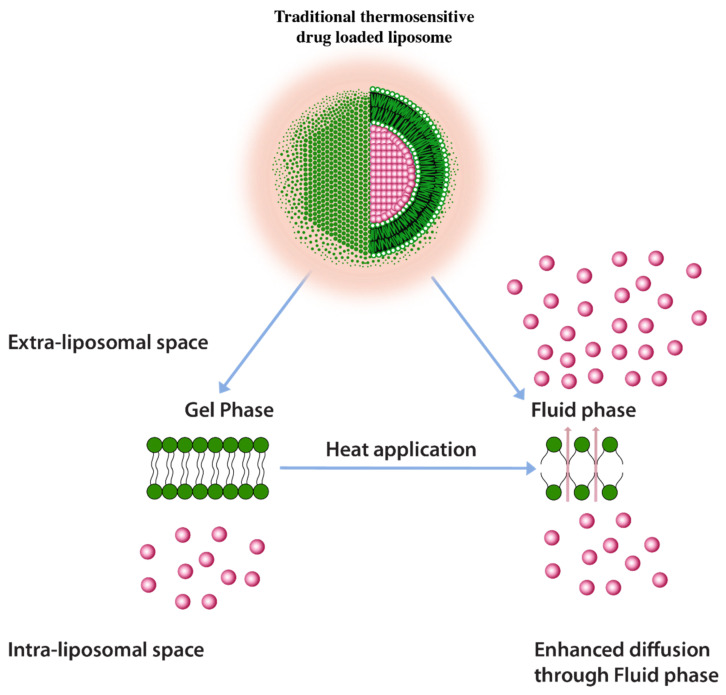
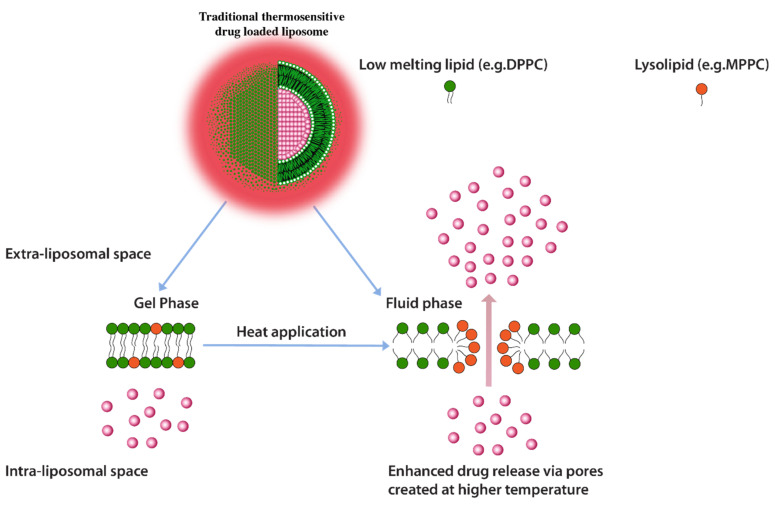
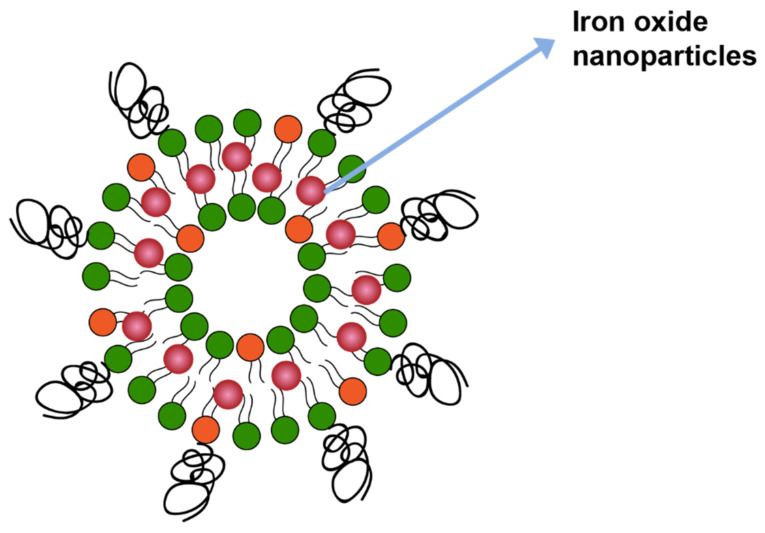
Verification
Claims the paper makes
The claims and statistics of this paper haven’t been checked yet.
Run the check — free, no account needed. It reads the open-access text and checks the sources it cites.
Claims other papers make about this one
Each is checked against this paper’s own text: does it say what the citing paper says it does?
In the citing paper
“While chemotherapy in combination with other cell-toxic agents continues to be the most widely used treatment, traditional chemotherapy agents have constraints such as limited targeting ability, adverse reactions, elevated drug tolerance, and poor targeting precision.”
From Emerging role of exosomes in cancer therapy: progress and challenges (2025) · cites this paper as [186]
Self-check
Percentages, sums and reported differences re-computed from the paper’s own numbers.
The self-check needs the paper’s full text.
Citations
Cites
Multidrug resistance in cancer: role of ATP–dependent transporters
Gottesman, M. M., Fojo, T., & Bates, S. E. (2002) · Nature Reviews Cancer · doi:10.1038/nrc706 · Cited by 5,536
Amstad, E., Kohlbrecher, J., Müller, E., Schweizer, T., Textor, M., & Reimhult, E. (2011) · Nano Letters · doi:10.1021/nl2001499 · Cited by 397
Sun, Y., Zhao, D., Wang, G., Wang, Y., Cao, L., Sun, J., Jiang, Q., & He, Z. (2020) · Acta Pharmaceutica Sinica B · doi:10.1016/j.apsb.2020.01.004 · Cited by 250
Moles, E., Galiano, S., Gomes, A., Quiliano, M., Teixeira, C., Aldana, I., Gomes, P., & Fernàndez-Busquets, X. (2017) · Biomaterials · doi:10.1016/j.biomaterials.2017.08.020 · Cited by 41
Research works printed but not linked: 125
- Gyanani, V. (2013). Turning Stealth Liposomes into Cationic Liposomes for Anticancer Drug Delivery. [Ph.D. Thesis, University of the Pacific].
- Allen, 2002, Ligand-targeted therapeutics in anticancer therapy, Nat. Rev. Cancer, 2, 750, 10.1038/nrc903 · DOI
- Yao, 2007, Cisplatin nephrotoxicity: A review, Am. J. Med. Sci., 334, 115, 10.1097/MAJ.0b013e31812dfe1e · DOI
- Pfeffer, 2009, Current concepts of anthracycline cardiotoxicity: Pathogenesis, diagnosis and prevention, Br. J. Cardiol., 16, 85
- Partridge, 2001, Side effects of chemotherapy and combined chemohormonal therapy in women with early-stage breast cancer, J. Natl. Cancer Inst. Monogr., 30, 135, 10.1093/oxfordjournals.jncimonographs.a003451 · DOI
- Fabbrocini, 2012, Chemotherapy and skin reactions, J. Exp. Clin. Cancer Res., 31, 50, 10.1186/1756-9966-31-50 · DOI
- Bentzen, 2006, Preventing or reducing late side effects of radiation therapy: Radiobiology meets molecular pathology, Nat. Rev. Cancer, 6, 702, 10.1038/nrc1950 · DOI
- Bosslet, 1998, Elucidation of the mechanism enabling tumor selective prodrug monotherapy, Cancer Res., 58, 1195
- Senzer, N., Nemunaitis, J., Nemunaitis, D., Bedell, C., Edelman, G., Barve, M., Nunan, R., Pirollo, K.F., Rait, A., and Chang, E.H. (2012). Results of a Phase I Trial of SGT-53: A Systemically Administered, Tumor-Targeting Immunoliposome Nanocomplex Incorporating a Plasmid Encoding wtp53. Clin. Gene Cell Ther. Oral Abstr. Sess., 20. · DOI
- Pirollo, 2016, Safety and Efficacy in Advanced Solid Tumors of a Targeted Nanocomplex Carrying the p53 Gene Used in Combination with Docetaxel: A Phase 1b Study, Mol. Ther., 24, 1697, 10.1038/mt.2016.135 · DOI
- Kim, 2021, Liposomes: Biomedical Applications, Chonnam. Med. J., 57, 27, 10.4068/cmj.2021.57.1.27 · DOI
- Moles, 2019, A potent targeted cancer nanotherapeutic, Nat. Biomed. Eng., 3, 248, 10.1038/s41551-019-0390-7 · DOI
- Wang, 2018, Clinical translation of immunoliposomes for cancer therapy: Recent perspectives, Expert Opin. Drug Deliv., 15, 893, 10.1080/17425247.2018.1517747 · DOI
- Yan, 2020, Updates on the use of liposomes for active tumor targeting in cancer therapy, Nanomedicine, 15, 303, 10.2217/nnm-2019-0308 · DOI
- Paranthaman, S., Goravinahalli Shivananjegowda, M., Mahadev, M., Moin, A., Hagalavadi Nanjappa, S., Nanjaiyah, N., Chidambaram, S.B., and Gowda, D.V. (2020). Nanodelivery Systems Targeting Epidermal Growth Factor Receptors for Glioma Management. Pharmaceutics, 12. · DOI
- Miller, K., Cortes, J., Hurvitz, S.A., Krop, I.E., Tripathy, D., Verma, S., Riahi, K., Reynolds, J.G., Wickham, T.J., and Molnar, I. (2016). HERMIONE: A randomized Phase 2 trial of MM-302 plus trastuzumab versus chemotherapy of physician’s choice plus trastuzumab in patients with previously treated, anthracycline-naïve, HER2-positive, locally advanced/metastatic breast cancer. BMC Cancer, 16. · DOI
- Gargett, 2018, Phase I trial of Lipovaxin-MM, a novel dendritic cell-targeted liposomal vaccine for malignant melanoma, Cancer Immunol. Immunother., 67, 1461, 10.1007/s00262-018-2207-z · DOI
- Liu, 2020, Barriers and Strategies of Cationic Liposomes for Cancer Gene Therapy, Mol. Ther.-Methods Clin. Dev., 18, 751, 10.1016/j.omtm.2020.07.015 · DOI
- Zhang, 2016, A Phase l Study of a Tumor-targeted Systemic Nanodelivery System, SGT-94, in Genitourinary Cancers, Mol. Ther., 24, 1484, 10.1038/mt.2016.118 · DOI
- Song, 2017, Targeting vincristine plus tetrandrine liposomes modified with DSPE-PEG(2000)-transferrin in treatment of brain glioma, Eur. J. Pharm. Sci., 96, 129, 10.1016/j.ejps.2016.09.024 · DOI
- Chiani, 2018, Folic acid conjugated nanoliposomes as promising carriers for targeted delivery of bleomycin, Artif. Cells Nanomed. Biotechnol., 46, 757, 10.1080/21691401.2017.1337029 · DOI
- Capone, 2017, Formulation of liposomes functionalized with Lotus lectin and effective in targeting highly proliferative cells, Biochim Biophys. Acta Gen. Subj., 1861, 860, 10.1016/j.bbagen.2017.01.015 · DOI
- Cristiano, 2017, Anticancer activity of all-trans retinoic acid-loaded liposomes on human thyroid carcinoma cells, Colloids Surf. B Biointerfaces, 150, 408, 10.1016/j.colsurfb.2016.10.052 · DOI
- Grace, 2017, Pharmacokinetics and therapeutic efficiency of a novel cationic liposome nano-formulated all trans retinoic acid in lung cancer mice model, J. Drug Deliv. Sci. Technol., 39, 223, 10.1016/j.jddst.2017.04.005 · DOI
- Lancet, 2018, CPX-351 (cytarabine and daunorubicin) Liposome for Injection Versus Conventional Cytarabine Plus Daunorubicin in Older Patients with Newly Diagnosed Secondary Acute Myeloid Leukemia, J. Clin. Oncol., 36, 2684, 10.1200/JCO.2017.77.6112 · DOI
- Pelzer, 2017, Quality-adjusted survival with combination nal-IRI+5-FU/LV vs. 5-FU/LV alone in metastatic pancreatic cancer patients previously treated with gemcitabine-based therapy: A Q-TWiST analysis, Br. J. Cancer, 116, 1247, 10.1038/bjc.2017.67 · DOI · Paper page
- Tran, 2017, Cancer nanomedicine: A review of recent success in drug delivery, Clin. Transl. Med., 6, 44, 10.1186/s40169-017-0175-0 · DOI · Paper page
- Bulbake, U., Doppalapudi, S., Kommineni, N., and Khan, W. (2017). Liposomal Formulations in Clinical Use: An Updated Review. Pharmaceutics, 9. · DOI
- Lamichhane, N., Udayakumar, T.S., D’Souza, W.D., Simone, C.B., Raghavan, S.R., Polf, J., and Mahmood, J. (2018). Liposomes: Clinical Applications and Potential for Image-Guided Drug Delivery. Molecules, 23. · DOI
- Bozzuto, 2015, Liposomes as nanomedical devices, Int. J. Nanomed., 10, 975, 10.2147/IJN.S68861 · DOI
- Ghosh, 2019, Liposomal formulations of photosensitizers, Biomaterials, 218, 119341, 10.1016/j.biomaterials.2019.119341 · DOI
- Lombardo, D., Calandra, P., Barreca, D., Magazù, S., and Kiselev, M.A. (2016). Soft Interaction in Liposome Nanocarriers for Therapeutic Drug Delivery. Nanomaterials, 6. · DOI
- Hong, 2020, Phase 1 study of MRX34, a liposomal miR-34a mimic, in patients with advanced solid tumors, Br. J. Cancer, 122, 1630, 10.1038/s41416-020-0802-1 · DOI
- Lin, 2017, Nanoparticle Delivery of miR-34a Eradicates Long-term-cultured Breast Cancer Stem Cells via Targeting C22ORF28 Directly, Theranostics, 7, 4805, 10.7150/thno.20771 · DOI
- Shi, 2017, Cancer nanomedicine: Progress, challenges and opportunities, Nat. Rev. Cancer, 17, 20, 10.1038/nrc.2016.108 · DOI · Paper page
- Gabizon, 2020, Development of Promitil®, a lipidic prodrug of mitomycin c in PEGylated liposomes: From bench to bedside, Adv. Drug Deliv. Rev., 154–155, 13, 10.1016/j.addr.2020.07.027 · DOI
- (2021, August 13). Available online: http://web.archive.org/web/20210813024839/https://www.globenewswire.com/news-release/2020/01/23/1974347/0/en/LipoMedix-Announces-Publication-of-Positive-Phase-1-Data-for-Promitil-PL-MLP-in-Research-Journal-Investigational-New-Drugs.html.
- (2021, August 13). Available online: https://web.archive.org/web/20210813030047/https://adisinsight.springer.com/drugs/800018766.
- Chien, 2020, Therapeutic Efficacy Evaluation of Pegylated Liposome Encapsulated with Vinorelbine Plus (111) in Repeated Treatments in Human Colorectal Carcinoma with Multimodalities of Molecular Imaging, Cancer Genom. Proteom., 17, 61, 10.21873/cgp.20168 · DOI
- Greil, 2018, A phase 1 dose-escalation study on the safety, tolerability and activity of liposomal curcumin (Lipocurc(™)) in patients with locally advanced or metastatic cancer, Cancer Chemother. Pharmacol., 82, 695, 10.1007/s00280-018-3654-0 · DOI
- Bolger, 2017, Distribution and Metabolism of Lipocurc™ (Liposomal Curcumin) in Dog and Human Blood Cells: Species Selectivity and Pharmacokinetic Relevance, Anticancer Res., 37, 3483
- (2021, August 12). Available online: https://web.archive.org/web/20210813032817/https://apnews.com/press-release/pr-businesswire/eb9457dc9500491e918b53fdeeb75494.
- Graziani, 2017, Phase II study of paclitaxel associated with lipid core nanoparticles (LDE) as third-line treatment of patients with epithelial ovarian carcinoma, Med. Oncol., 34, 151, 10.1007/s12032-017-1009-z · DOI
- Occhiutto, 2016, Paclitaxel Associated with Lipid Nanoparticles as a New Antiscarring Agent in Experimental Glaucoma Surgery, Investig. Ophthalmol. Vis. Sci., 57, 971, 10.1167/iovs.15-18671 · DOI
- Gomes, 2018, Regression of Atherosclerotic Plaques of Cholesterol-Fed Rabbits by Combined Chemotherapy with Paclitaxel and Methotrexate Carried in Lipid Core Nanoparticles, J. Cardiovasc. Pharmacol. Ther., 23, 561, 10.1177/1074248418778836 · DOI
- Peer, 2007, Nanocarriers as an emerging platform for cancer therapy, Nat. Nanotechnol., 2, 751, 10.1038/nnano.2007.387 · DOI · Paper page
- Adams, 2001, High affinity restricts the localization and tumor penetration of single-chain fv antibody molecules, Cancer Res., 61, 4750
- Tolcher, 1999, Randomized phase II study of BR96-doxorubicin conjugate in patients with metastatic breast cancer, J. Clin. Oncol., 17, 478, 10.1200/JCO.1999.17.2.478 · DOI
- Kamoun, 2019, Antitumour activity and tolerability of an EphA2-targeted nanotherapeutic in multiple mouse models, Nat. Biomed. Eng., 3, 264, 10.1038/s41551-019-0385-4 · DOI
- Matusewicz, 2019, EGFR-targeted immunoliposomes as a selective delivery system of simvastatin, with potential use in treatment of triple-negative breast cancers, Int. J. Pharm., 569, 118605, 10.1016/j.ijpharm.2019.118605 · DOI
- Khayrani, A.C., Mahmud, H., Oo, A.K.K., Zahra, M.H., Oze, M., Du, J., Alam, M.J., Afify, S.M., Quora, H.A.A., and Shigehiro, T. (2019). Targeting Ovarian Cancer Cells Overexpressing CD44 with Immunoliposomes Encapsulating Glycosylated Paclitaxel. Int. J. Mol. Sci., 20. · DOI
- Hua, 2019, Synthesis and in vitro characterization of oxytocin receptor targeted PEGylated immunoliposomes for drug delivery to the uterus, J. Liposome Res., 29, 357, 10.1080/08982104.2018.1556293 · DOI
- Takahara, 2020, Synthetic Strategies for Artificial Lipidation of Functional Proteins, Chem.-A Eur. J., 26, 4645, 10.1002/chem.201904568 · DOI
- Greineder, 2020, Selective targeting of nanomedicine to inflamed cerebral vasculature to enhance the blood–brain barrier, Proc. Natl. Acad. Sci. USA, 117, 3405, 10.1073/pnas.1912012117 · DOI
- Orleth, 2016, Simultaneous targeting of VEGF-receptors 2 and 3 with immunoliposomes enhances therapeutic efficacy, J. Drug Target., 24, 80, 10.3109/1061186X.2015.1056189 · DOI
- Loureiro, 2015, Dual ligand immunoliposomes for drug delivery to the brain, Colloids Surf. B Biointerfaces, 134, 213, 10.1016/j.colsurfb.2015.06.067 · DOI
- Paul, 2017, Drug delivery to the human and mouse uterus using immunoliposomes targeted to the oxytocin receptor, Am. J. Obstet. Gynecol., 216, e1, 10.1016/j.ajog.2016.08.027 · DOI
- Moles, 2015, Immunoliposome-mediated drug delivery to Plasmodium-infected and non-infected red blood cells as a dual therapeutic/prophylactic antimalarial strategy, J. Control. Release, 210, 217, 10.1016/j.jconrel.2015.05.284 · DOI
- Ramana, 2015, Stealth anti-CD4 conjugated immunoliposomes with dual antiretroviral drugs--modern Trojan horses to combat HIV, Eur. J. Pharm. Biopharm., 89, 300, 10.1016/j.ejpb.2014.11.021 · DOI
- Ding, 2020, Natural IgM dominates in vivo performance of liposomes, J. Control. Release, 319, 371, 10.1016/j.jconrel.2020.01.018 · DOI
- Rabenhold, 2015, Bispecific single-chain diabody-immunoliposomes targeting endoglin (CD105) and fibroblast activation protein (FAP) simultaneously, J. Control. Release, 201, 56, 10.1016/j.jconrel.2015.01.022 · DOI
- Peng, 2019, Herceptin-conjugated paclitaxel loaded PCL-PEG worm-like nanocrystal micelles for the combinatorial treatment of HER2-positive breast cancer, Biomaterials, 222, 119420, 10.1016/j.biomaterials.2019.119420 · DOI
- Kraft, 2014, Emerging research and clinical development trends of liposome and lipid nanoparticle drug delivery systems, J. Pharm. Sci., 103, 29, 10.1002/jps.23773 · DOI
- Immordino, 2006, Stealth liposomes: Review of the basic science, rationale, and clinical applications, existing and potential, Int. J. Nanomed., 1, 297
- Scherphof, 1985, Uptake and intracellular processing of targeted and nontargeted liposomes by rat Kupffer cells in vivo and in vitro, Ann. N. Y. Acad. Sci., 446, 368, 10.1111/j.1749-6632.1985.tb18414.x · DOI
- Cullis, 1998, Interactions of liposomes and lipid-based carrier systems with blood proteins: Relation to clearance behaviour in vivo, Adv. Drug Deliv. Rev., 32, 3, 10.1016/S0169-409X(97)00128-2 · DOI
- Senior, 1991, Interaction of positively-charged liposomes with blood: Implications for their application in vivo, Biochim. Biophys. Acta, 1070, 173, 10.1016/0005-2736(91)90160-A · DOI
- Oku, 1996, Effect of serum protein binding on real-time trafficking of liposomes with different charges analyzed by positron emission tomography, Biochim. Biophys. Acta, 1280, 149, 10.1016/0005-2736(95)00283-9 · DOI
- Philippot, J.R., and Schube, F. (1994). Liposomes as Tools in Basic Research and Industry, CRC Press. [1st ed.].
- Du, 1997, Grafted poly-(ethylene glycol) on lipid surfaces inhibits protein adsorption and cell adhesion, Biochim. Biophys. Acta, 1326, 236, 10.1016/S0005-2736(97)00027-8 · DOI
- Hong, 1999, Direct comparison of liposomal doxorubicin with or without polyethylene glycol coating in C-26 tumor-bearing mice: Is surface coating with polyethylene glycol beneficial?, Clin. Cancer Res., 5, 3645
- Parr, 1997, Accumulation of liposomal lipid and encapsulated doxorubicin in murine Lewis lung carcinoma: The lack of beneficial effects by coating liposomes with poly(ethylene-glycol), J. Pharmacol. Exp. Ther., 280, 1319
- Kale, 2007, Design, Synthesis, and Characterization of pH-Sensitive PEG−PE Conjugates for Stimuli-Sensitive Pharmaceutical Nanocarriers: The Effect of Substitutes at the Hydrazone Linkage on the pH Stability of PEG−PE Conjugates, Bioconjugate Chem., 18, 363, 10.1021/bc060228x · DOI
- Sharma, 2019, Hypoxia-targeted drug delivery, Chem. Soc. Rev., 48, 771, 10.1039/C8CS00304A · DOI
- Andresen, 2010, Enzyme-triggered nanomedicine: Drug release strategies in cancer therapy (Invited Review), Mol. Membr. Biol., 27, 353, 10.3109/09687688.2010.515950 · DOI
- Li, 2019, Peptide-modulated self-assembly as a versatile strategy for tumor supramolecular nanotheranostics, Theranostics, 9, 3249, 10.7150/thno.31814 · DOI
- Horsman, 2016, Pathophysiological Basis for the Formation of the Tumor Microenvironment, Front. Oncol., 6, 1, 10.3389/fonc.2016.00066 · DOI
- Kalafatovic, 2016, MMP-9 triggered self-assembly of doxorubicin nanofiber depots halts tumor growth, Biomaterials, 98, 192, 10.1016/j.biomaterials.2016.04.039 · DOI
- Zhang, 2016, Multitriggered Tumor-Responsive Drug Delivery Vehicles Based on Protein and Polypeptide Coassembly for Enhanced Photodynamic Tumor Ablation, Small, 12, 5936, 10.1002/smll.201602339 · DOI
- Canavese, 2018, Nanoparticle-assisted ultrasound: A special focus on sonodynamic therapy against cancer, Chem. Eng. J., 340, 155, 10.1016/j.cej.2018.01.060 · DOI
- Sirsi, 2014, State-of-the-art materials for ultrasound-triggered drug delivery, Adv. Drug Deliv. Rev., 72, 3, 10.1016/j.addr.2013.12.010 · DOI
- VanOsdol, 2017, Sequential HIFU heating and nanobubble encapsulation provide efficient drug penetration from stealth and temperature sensitive liposomes in colon cancer, J. Control. Release, 247, 55, 10.1016/j.jconrel.2016.12.033 · DOI
- Huang, 2004, Acoustically active liposomes for drug encapsulation and ultrasound-triggered release, Biochim. Biophys. Acta, 1665, 134, 10.1016/j.bbamem.2004.07.003 · DOI
- Rapoport, 2004, Combined cancer therapy by micellar-encapsulated drug and ultrasound, Int. J. Pharm., 277, 155, 10.1016/j.ijpharm.2003.09.048 · DOI
- Leung, 2012, Light-Activated Content Release from Liposomes, Theranostics, 2, 1020, 10.7150/thno.4847 · DOI
- Pidgeon, 1983, Light sensitive liposomes, Photochem. Photobiol., 37, 491, 10.1111/j.1751-1097.1983.tb04506.x · DOI
- Ohya, 1998, Photo-sensitive lipid membrane perturbation by a single chain lipid having terminal spiropyran group, Supramol. Chem., 5, 21, 10.1016/S0968-5677(97)00070-9 · DOI
- Anderson, 1992, Triggered release of hydrophilic agents from plasmalogen liposomes using visible light or acid, Biochim. Biophys. Acta, 1109, 33, 10.1016/0005-2736(92)90183-M · DOI
- Thompson, 1996, Triggerable plasmalogen liposomes: Improvement of system efficiency, Biochim. Biophys. Acta, 1279, 25, 10.1016/0005-2736(95)00210-3 · DOI
- Wan, 2002, Liposomes from Novel Photolabile Phospholipids: Light-Induced Unloading of Small Molecules as Monitored by PFG NMR, J. Am. Chem. Soc., 124, 5610, 10.1021/ja016874i · DOI
- Li, 2003, Dithiane-based photolabile amphiphiles: Toward photolabile liposomes, Langmuir, 19, 6381, 10.1021/la034188m · DOI
- Zhang, 1999, Synthesis and Characterization of NVOC-DOPE, a Caged Photoactivatable Derivative of Dioleoylphosphatidylethanolamine, Bioconjugate Chem., 10, 1150, 10.1021/bc990087h · DOI
- Bayer, 2014, Triggered liposomal release through a synthetic phosphatidylcholine analogue bearing a photocleavable moiety embedded within the sn-2 acyl chain, Chemistry, 20, 3350, 10.1002/chem.201304094 · DOI
- Armitage, 1998, Polymerization of Preformed Self-Organized Assemblies, Acc. Chem. Res., 31, 861, 10.1021/ar970140m · DOI
- Yavlovich, 2011, A novel class of photo-triggerable liposomes containing DPPC:DC8,9PC as vehicles for delivery of doxorubcin to cells, Biochim. Biophys. Acta Biomembr., 1808, 117, 10.1016/j.bbamem.2010.07.030 · DOI
- Gerasimov, 1999, Cytosolic drug delivery using pH- and light-sensitive liposomes, Adv. Drug Deliv. Rev., 38, 317, 10.1016/S0169-409X(99)00035-6 · DOI
- Fuse, 2018, Effective light-triggered contents release from helper lipid-incorporated liposomes co-encapsulating gemcitabine and a water-soluble photosensitizer, Int. J. Pharm., 540, 50, 10.1016/j.ijpharm.2018.01.040 · DOI
- Li, 2018, A photosensitive liposome with NIR light triggered doxorubicin release as a combined photodynamic-chemo therapy system, J. Control. Release, 277, 114, 10.1016/j.jconrel.2018.02.001 · DOI
- Yatvin, 1978, Design of liposomes for enhanced local release of drugs by hyperthermia, Science, 202, 1290, 10.1126/science.364652 · DOI
- Ta, 2013, Thermosensitive liposomes for localized delivery and triggered release of chemotherapy, J. Control. Release, 169, 112, 10.1016/j.jconrel.2013.03.036 · DOI
- Nibu, 1995, Effect of headgroup type on the miscibility of homologous phospholipids with different acyl chain lengths in hydrated bilayer, Biophys. Chem., 56, 273, 10.1016/0301-4622(95)00041-U · DOI
- Meshorer, 1983, The effects of hyperthermia on normal mesenchymal tissues. Application of a histologic grading system, Arch. Pathol. Lab. Med., 107, 328
- Anyarambhatla, 1999, Enhancement of the Phase Transition Permeability of DPPC Liposomes by Incorporation of MPPC: A New Temperature-Sensitive Liposome for use with Mild Hyperthermia, J. Liposome Res., 9, 491, 10.3109/08982109909035549 · DOI
- Banno, 2010, The functional roles of poly(ethylene glycol)-lipid and lysolipid in the drug retention and release from lysolipid-containing thermosensitive liposomes in vitro and in vivo, J. Pharm. Sci., 99, 2295, 10.1002/jps.21988 · DOI
- Ickenstein, 2005, Effects of lipid segregation and lysolipid dissociation on drug release from thermosensitive liposomes, J. Control. Release, 107, 131, 10.1016/j.jconrel.2005.06.001 · DOI
- Swenson, C.E., Haemmerich, D., Maul, D.H., Knox, B., Ehrhart, N., and Reed, R.A. (2015). Increased Duration of Heating Boosts Local Drug Deposition during Radiofrequency Ablation in Combination with Thermally Sensitive Liposomes (ThermoDox) in a Porcine Model. PLoS ONE, 10. · DOI
- Cicmanec, 2002, AC-magnetic field controlled drug release from magnetoliposomes: Design of a method for site-specific chemotherapy, Bioelectrochemistry, 55, 17, 10.1016/S1567-5394(01)00171-2 · DOI
- Nobuto, 2004, Evaluation of systemic chemotherapy with magnetic liposomal doxorubicin and a dipole external electromagnet, Int. J. Cancer, 109, 627, 10.1002/ijc.20035 · DOI
- Kubo, 2001, Targeted systemic chemotherapy using magnetic liposomes with incorporated adriamycin for osteosarcoma in hamsters, Int. J. Oncol., 18, 121
- Lampert, 2000, Site-specific in vivo targeting of magnetoliposomes using externally applied magnetic field, Z. Naturforsch. C J. Biosci., 55, 278, 10.1515/znc-2000-3-422 · DOI
- Matsunaga, 1997, Drug delivery by magnetoliposomes containing bacterial magnetic particles, Cell Eng., 2, 7
- Jain, 2003, RGD-anchored magnetic liposomes for monocytes/neutrophils-mediated brain targeting, Int. J. Pharm., 261, 43, 10.1016/S0378-5173(03)00269-2 · DOI
- Smith, 2016, Is it equivalent? Evaluation of the clinical activity of single agent Lipodox® compared to single agent Doxil® in ovarian cancer treatment, J. Oncol. Pharm. Pract., 22, 599, 10.1177/1078155215594415 · DOI
- Bekersky, 2002, Pharmacokinetics, excretion, and mass balance of liposomal amphotericin B (AmBisome) and amphotericin B deoxycholate in humans, Antimicrob. Agents Chemother., 46, 828, 10.1128/AAC.46.3.828-833.2002 · DOI
- Charrois, 2004, Drug release rate influences the pharmacokinetics, biodistribution, therapeutic activity, and toxicity of pegylated liposomal doxorubicin formulations in murine breast cancer, Biochim. Biophys. Acta, 1663, 167, 10.1016/j.bbamem.2004.03.006 · DOI
- Boswell, 1998, AmBisome (liposomal amphotericin B): A comparative review, J. Clin. Pharmacol., 38, 583, 10.1002/j.1552-4604.1998.tb04464.x · DOI
- Walsh, 1998, Safety, Tolerance, and Pharmacokinetics of a Small Unilamellar Liposomal Formulation of Amphotericin B (AmBisome) in Neutropenic Patients, Antimicrob. Agents Chemother., 42, 2391, 10.1128/AAC.42.9.2391 · DOI
- Paolo, 2011, Selective Therapeutic Targeting of the Anaplastic Lymphoma Kinase with Liposomal siRNA Induces Apoptosis and Inhibits Angiogenesis in Neuroblastoma, Mol. Ther., 19, 2201, 10.1038/mt.2011.142 · DOI
- Cui, 2007, Direct comparison of two pegylated liposomal doxorubicin formulations: Is AUC predictive for toxicity and efficacy?, J. Control. Release, 118, 204, 10.1016/j.jconrel.2006.12.002 · DOI
- Cheung, 1998, Loading of doxorubicin into liposomes by forming Mn2+-drug complexes, Biochim. Biophys. Acta Biomembr., 1414, 205, 10.1016/S0005-2736(98)00168-0 · DOI
- Szebeni, 2015, Complement activation as a bioequivalence issue relevant to the development of generic liposomes and other nanoparticulate drugs, Biochem. Biphys. Res. Commun., 468, 490, 10.1016/j.bbrc.2015.06.177 · DOI
- Szebeni, 2015, Hypersensitivity to intravenous iron: Classification, terminology, mechanisms and management, Br. J. Pharmacol., 172, 5025, 10.1111/bph.13268 · DOI
- Dobrovolskaia, 2016, Case Study: Complement Activation Related Hypersensitivity Reactions to PEGylated Liposomal Doxorubicin—Experimental and Clinical Evidence, Mechanisms and Approaches to Inhibition, Handbook of Immunological Properties of Engineered Nanomaterials, Volume 2, 331
- Kelly, 2015, High-throughput methods for screening liposome-macrophage cell interaction, J. Liposome Res., 25, 211, 10.3109/08982104.2014.987785 · DOI
- Wientjes, 2014, Predicting diffusive transport of cationic liposomes in 3-dimensional tumor spheroids, J. Control. Release, 192, 10, 10.1016/j.jconrel.2014.06.050 · DOI
Cited by
Sorted by citations
Emerging role of exosomes in cancer therapy: progress and challenges
Li, J., Wang, J., & Chen, Z. (2025) · Molecular Cancer · doi:10.1186/s12943-024-02215-4 · Cited by 297
Metadata
- Authors
- Gyanani, V., Haley, J. C., & Goswami, R.
- Venue
- Pharmaceuticals
- Publisher
- MDPI AG
- Published
- 2021-08-24
- Volume
- 14
- Issue
- 9
- Pages
- 835
- ISSN
- 1424-8247
- PMC
- PMC8466509
- Cited by
- 118
- References
- 4
- Language
- en
About these checks
Registry, retraction, Cites and statistics results are computed, not judged, with one exception: a printed reference that no index lists is read once by a model before it counts as a citation error. Claims are extracted by a model and kept only when their quote appears verbatim in the text; each cited source is then checked, with a model’s help, for whether it says what the claim relies on. Those verdicts can be wrong — read the claim’s quote and the cited source before relying on one.
Statistics and arithmetic are recomputed, not judged.
Confidence bands are shown only for fields calibrated on our annotated test set. None is calibrated yet, so no band is shown.
What counts as a claim ›How we measure confidence ›How we check this ›
Are you an author, or do you see a problem with this page? Request a review
