

The DOI matches its Crossref record; 66 of the 66 references it cites were found in a registry or an index; 1 of the 27 sources its claims cite were checked for support.
Novel Green Biosynthesis of 5-Fluorouracil Chromium Nanoparticles Using Harpullia pendula Extract for Treatment of Colorectal Cancer
Open accessAbstract
Colorectal cancer (CRC) is the third highest major cause of morbidity and mortality worldwide. Hence, many strategies and approaches have been widely developed for cancer treatment. This work prepared and evaluated the antitumor activity of 5-Fluorouracil (5-Fu) loaded chromium nanoparticles (5-FuCrNPs). The green biosynthesis approach using Harpullia (H) pendula aqueous extract was used for CrNPs preparation, which was further loaded with 5-Fu. The prepared NPs were characterized for morphology using scanning and transmission electron microscopes (SEM and TEM). The results revealed the formation of uniform, mono-dispersive, and highly stable CrNPs with a mean size of 23 nm. Encapsulation of 5-Fu over CrNPs, with a higher drug loading efficiency, was successful with a mean size of 29 nm being produced. In addition, Fourier transform infrared (FTIR) and X-ray diffraction pattern (XRD) were also used for the investigation. The drug 5-Fu was adsorbed on the surface of biosynthesized CrNPs in order to overcome its clinical resistance and increase its activity against CRC cells. Box–Behnken Design (BBD) and response surface methodology (RSM) were used to characterize and optimize the formulation factors (5-Fu concentration, CrNP weight, and temperature). Furthermore, the antitumor activity of the prepared 5-FuCrNPs was tested against CRC cells (CACO-2). This in vitro antitumor study demonstrated that 5-Fu-loaded CrNPs markedly decreased the IC50 of 5-Fu and exerted more cytotoxicity at nearly all concentrations than 5-Fu alone. In conclusion, 5-FuCrNPs is a promising drug delivery system for the effective treatment of CRC.
Overview
AI snapshot
Written from the paper’s full text.
TL;DR
5-Fu-loaded chromium nanoparticles were green-synthesized using Harpullia pendula extract and characterized, with the optimized 5-FuCrNPs showing a mean size of 29 nm and greater cytotoxicity against CACO-2 colorectal cancer cells than 5-Fu alone. The formulation reduced the 5-Fu IC50 from 106 to 19.7 µg/mL and increased late apoptosis at 30 µg/mL.
Key findings
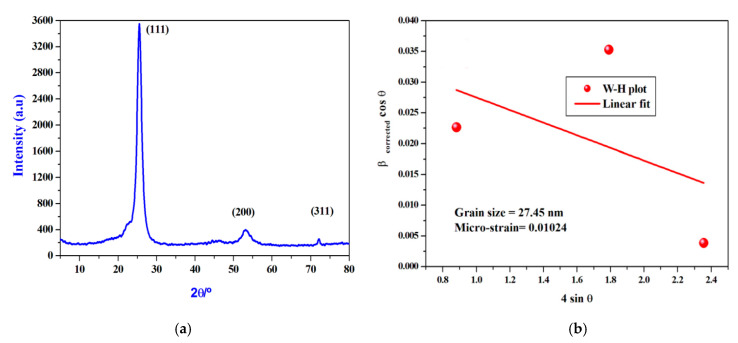
- CrNPs had a mean size of 23 nm and 5-FuCrNPs 29 nm; particles were spherical, monodispersed, and smooth. XRD peaks at 2θ 25.39°, 53.21°, and 73.30° corresponded to crystalline CrNPs, with crystallite size ~25.5 nm by Scherrer’s formula and 27.45 nm with micro-strain 10.24 × 10⁻³ by Williamson-Hall analysis.
- Loading efficiency ranged from 55.87 ± 2.03% to 92.11 ± 3.23%; it increased with higher 5-Fu concentration and CrNP weight, while temperature had a non-significant effect despite LE% decreasing as temperature increased. The optimum formula N10 used 0.75% 5-Fu, 500 mg CrNPs, and 20 ± 1 °C.
- In vitro release after 1 h ranged from 14.88 ± 1.88% to 24.12 ± 1.77%, and after 3 h from 62.15 ± 1.96% to 92.73 ± 1.33%; release increased with 5-Fu concentration and decreased with CrNP weight, while temperature was non-significant.
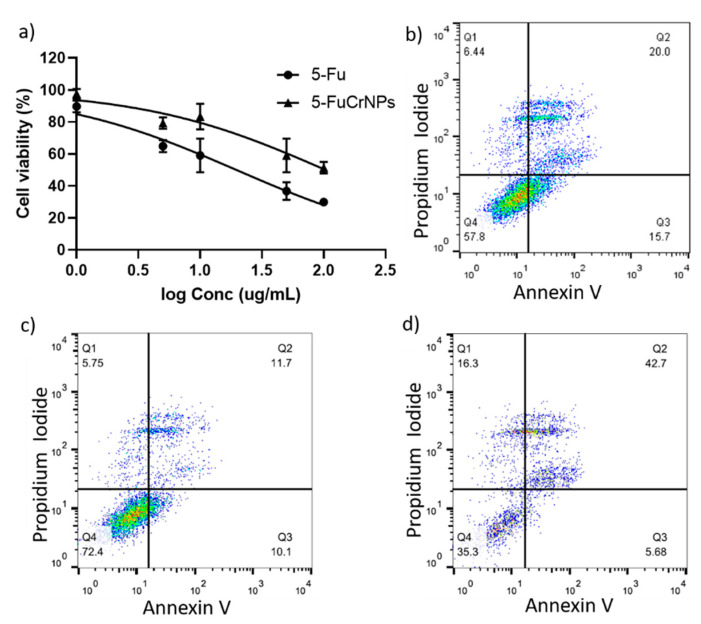
- 5-FuCrNPs decreased the IC50 of 5-Fu from 106 to 19.7 µg/mL. At 30 µg/mL, late apoptotic cells were 42.7% with 5-FuCrNPs versus 20% with 5-Fu and 11.7% with CrNPs alone.
Methods
- CrNPs were biosynthesized by mixing H. pendula aqueous leaf extract with CrCl3·6H2O at 35 °C, stirring for 2 h, leaving in the dark for 24 h, then centrifuging, washing, and drying. 5-Fu loading was optimized with a Box–Behnken design of 15 formulae using three factors: 5-Fu concentration (0.25, 0.5, 0.75%), CrNP weight (250, 500, 750 mg), and temperature (20 ± 1, 25 ± 1, 30 ± 1 °C); 5-FuCrNPs were separated by 50 kDa ultrafiltration.
- Characterization used SEM, TEM, XRD, and FTIR; loading efficiency was determined spectrophotometrically from unbound 5-Fu at 265 nm. In vitro release used a paddle apparatus at 50 rpm with pH 1.2 for 1 h followed by pH 7.4 for 2 h.
- Antitumor activity was tested on the CACO-2 colorectal adenocarcinoma cell line using the MTT assay for viability and IC50, and annexin V/propidium iodide flow cytometry for apoptosis.
Limitations
- The paper has no dedicated limitations section. It states that 5-Fu has clinical limitations including acquired resistance, a short half-life of 10–20 min, and harmful side effects on bone marrow and the gastrointestinal tract; it also notes that studies on CrNPs are still lacking.
- Evident from the text: the antitumor evaluation is in vitro only, uses a single CACO-2 cell line, and reports no in vivo animal or clinical data, pharmacokinetics, biodistribution, or long-term toxicity.
- Evident from the text: the fitted LE% models explain only 36.23% and 37.87% of variability for 5-Fu concentration and CrNP weight, respectively, and significance was assessed at p < 0.1 (90% confidence), with temperature effects non-significant.
Model-written summary. Check it against the paper before relying on it.
Integrity signals
Registry
Cites
Statistics
Figures
Verification
Claims the paper makes
35 Own result · 16 Own interpretation · 9 No full text of the sources · 9 No basis given · 6 Check pending · 1 Not checked yet · accuracy not yet measured
A result the paper reports from its own data — it cites no other source for it, so there is none to check. The quote shows it is in the paper.
In the paper
“The maximum and minimum in vitro release after 3 h of dissolution (Y3) was found to be 90.77 ± 1.72 and 69.93 ± 1.54%.”
§ Novel Green Biosynthesis of 5-Fluorouracil Chromium Nanoparticles Using Harpullia pendula Extract for Treatment of Colorectal Cancer > 3. Results and Discussion > 3.5. In Vitro Release Study of 5-FuCrNPs
plain- Asserted: passes — The authors put it forward as true.
- Checkable: passes — It can be checked against evidence.
- Load-bearing: unclear — It is unclear whether the paper’s conclusions depend on it.
- Based: passes — The paper gives a reason why it holds.
A result the paper reports from its own data — it cites no other source for it, so there is none to check. The quote shows it is in the paper.
In the paper
“The significant negative effect of CrNP weight on drug release after 1 and 3 h is obvious at different formulations, as revealed by Equations (8) and (9).”
§ Novel Green Biosynthesis of 5-Fluorouracil Chromium Nanoparticles Using Harpullia pendula Extract for Treatment of Colorectal Cancer > 3. Results and Discussion > 3.5. In Vitro Release Study of 5-FuCrNPs
boosteddirect- Asserted: passes — The authors put it forward as true.
- Checkable: passes — It can be checked against evidence.
- Load-bearing: unclear — It is unclear whether the paper’s conclusions depend on it.
- Based: passes — The paper gives a reason why it holds.
A result the paper reports from its own data — it cites no other source for it, so there is none to check. The quote shows it is in the paper.
In the paper
“In contrast to its effect on the LE%, the temperature had a non-significant effect on drug release.”
- Also stated in: § 3.5. In Vitro Release Study of 5-FuCrNPs · plain
“In contrast to LE%, temperature had a non-significant effect on 5-Fu release after 1 and 3 h.”
§ Novel Green Biosynthesis of 5-Fluorouracil Chromium Nanoparticles Using Harpullia pendula Extract for Treatment of Colorectal Cancer > 3. Results and Discussion > 3.5. In Vitro Release Study of 5-FuCrNPs
plain- Asserted: passes — The authors put it forward as true.
- Checkable: passes — It can be checked against evidence.
- Load-bearing: unclear — It is unclear whether the paper’s conclusions depend on it.
- Based: passes — The paper gives a reason why it holds.
- Also stated in: § 3.5. In Vitro Release Study of 5-FuCrNPs · plain
In the paper
“Peaks with 2θ values of 25.39°, 53.21°, and 73.30° correspond to the crystal planes of crystalline CrNPs (111), (200) and (311), respectively [24].”
§ Novel Green Biosynthesis of 5-Fluorouracil Chromium Nanoparticles Using Harpullia pendula Extract for Treatment of Colorectal Cancer > 3. Results and Discussion > 3.1. XRD Diffraction of the Biosynthesized CrNPs
What the sources say
- Not checked — no full text of the sourcecites [24] Satgurunathan, 2018, Green Synthesis of Chromium Nanoparticles and Their Effects on the Growth of the Prawn Macrobrachium rosenbergii Post-larvae, Biol. Trace Element Res. source
plaincorrelational- Asserted: passes — The authors put it forward as true.
- Checkable: passes — It can be checked against evidence.
- Load-bearing: passes — The paper’s conclusions depend on it.
- Based: passes — The paper gives a reason why it holds.
A result the paper reports from its own data — it cites no other source for it, so there is none to check. The quote shows it is in the paper.
In the paper
“Since the p-value in the ANOVA table is less than 0.1, there is a statistically significant relationship between the variables at the 90% and higher confidence level.”
§ Novel Green Biosynthesis of 5-Fluorouracil Chromium Nanoparticles Using Harpullia pendula Extract for Treatment of Colorectal Cancer > 3. Results and Discussion > 3.4. Drug Loading Efficiency on CrNPs (LE%)
plaincorrelational- Asserted: passes — The authors put it forward as true.
- Checkable: passes — It can be checked against evidence.
- Load-bearing: unclear — It is unclear whether the paper’s conclusions depend on it.
- Based: passes — The paper gives a reason why it holds.
The paper states this without a source or data behind it here, so there is nothing to check it against. The quote shows it is in the paper.
In the paper
“All these results revealed the significant effect of increasing the 5-Fu concentration on the release of the drug after 1 and 3 h.”
§ Novel Green Biosynthesis of 5-Fluorouracil Chromium Nanoparticles Using Harpullia pendula Extract for Treatment of Colorectal Cancer > 3. Results and Discussion > 3.5. In Vitro Release Study of 5-FuCrNPs
boosteddirect- Asserted: passes — The authors put it forward as true.
- Checkable: passes — It can be checked against evidence.
- Load-bearing: passes — The paper’s conclusions depend on it.
- Based: passes — The paper gives a reason why it holds.
A result the paper reports from its own data — it cites no other source for it, so there is none to check. The quote shows it is in the paper.
In the paper
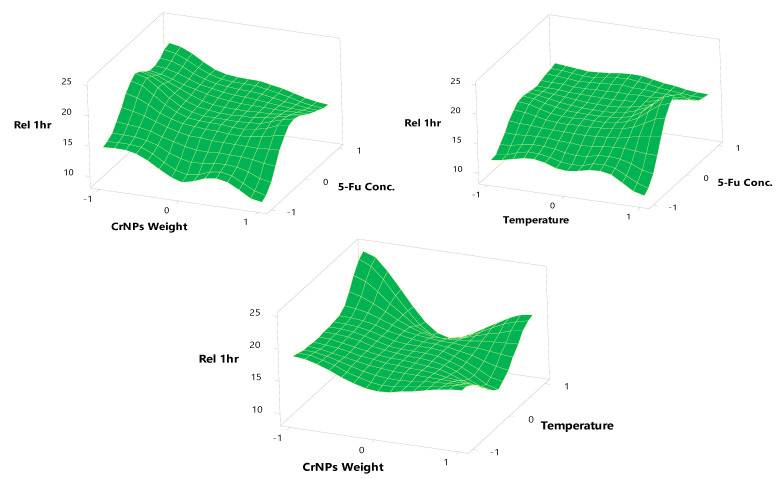
“The maximum and minimum percentages released were 18.33 ± 1.43 and 11.89 ± 1.98% at the end of 1 h (Y2).”
§ Novel Green Biosynthesis of 5-Fluorouracil Chromium Nanoparticles Using Harpullia pendula Extract for Treatment of Colorectal Cancer > 3. Results and Discussion > 3.5. In Vitro Release Study of 5-FuCrNPs
plain- Asserted: passes — The authors put it forward as true.
- Checkable: passes — It can be checked against evidence.
- Load-bearing: unclear — It is unclear whether the paper’s conclusions depend on it.
- Based: passes — The paper gives a reason why it holds.
A result the paper reports from its own data — it cites no other source for it, so there is none to check. The quote shows it is in the paper.
In the paper
“The same findings were shown for N4 and N15 at lower and higher CrNP weights, as the percentage was released after 1 h decreased from 21.90 ± 1.65 to 15.92 ± 1.99%, and after 3 h from 79.42 ± 1.33 to 74.18 ± 1.63%.”
§ Novel Green Biosynthesis of 5-Fluorouracil Chromium Nanoparticles Using Harpullia pendula Extract for Treatment of Colorectal Cancer > 3. Results and Discussion > 3.5. In Vitro Release Study of 5-FuCrNPs
plaindirect- Asserted: passes — The authors put it forward as true.
- Checkable: passes — It can be checked against evidence.
- Load-bearing: passes — The paper’s conclusions depend on it.
- Based: passes — The paper gives a reason why it holds.
A result the paper reports from its own data — it cites no other source for it, so there is none to check. The quote shows it is in the paper.
In the paper
“The maximum and minimum in vitro release after 3 h (Y3) of dissolution was 90.77 ± 1.72 and 62.15 ± 1.96%, respectively.”
§ Novel Green Biosynthesis of 5-Fluorouracil Chromium Nanoparticles Using Harpullia pendula Extract for Treatment of Colorectal Cancer > 3. Results and Discussion > 3.5. In Vitro Release Study of 5-FuCrNPs
plain- Asserted: passes — The authors put it forward as true.
- Checkable: passes — It can be checked against evidence.
- Load-bearing: unclear — It is unclear whether the paper’s conclusions depend on it.
- Based: passes — The paper gives a reason why it holds.
A result the paper reports from its own data — it cites no other source for it, so there is none to check. The quote shows it is in the paper.
In the paper
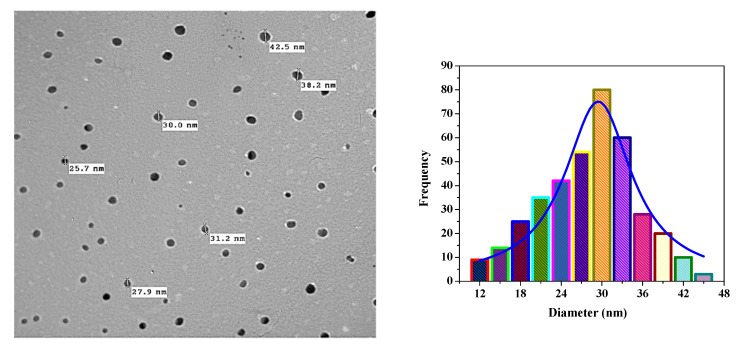
“The data of particle size obtained from TEM are correlated with the XRD analysis in Figure 2a.”
§ Novel Green Biosynthesis of 5-Fluorouracil Chromium Nanoparticles Using Harpullia pendula Extract for Treatment of Colorectal Cancer > 3. Results and Discussion > 3.2. SEM and TEM Analyses of Biosynthesized CrNPs and 5-FuCrNPs
plaincorrelational- Asserted: passes — The authors put it forward as true.
- Checkable: passes — It can be checked against evidence.
- Load-bearing: unclear — It is unclear whether the paper’s conclusions depend on it.
- Based: passes — The paper gives a reason why it holds.
- It may state two separate claims as one. 23
- Probably not a substantial claim. 6
- The quote only partly states this claim. 1
In the paper
“Our results demonstrate that the toxicity of 5-FuCrNPs in CACO cells was dose-dependent and achieved better results than 5-Fu alone, as measured by the cellular reduction in MTT [62,63].”
§ Novel Green Biosynthesis of 5-Fluorouracil Chromium Nanoparticles Using Harpullia pendula Extract for Treatment of Colorectal Cancer > 3. Results and Discussion > 3.6. In Vitro Cytotoxicity Assay
What the sources say
- Could not verifycites [62] Collins, 2004, The comet assay for DNA damage and repair: Principles, applications, and limitations, Mol. Biotechnol. sourceExperimental — accuracy not yet measured
Section 4.1 (page unavailable) discusses the comet assay for genotoxicity testing, and section 4.5.4 (page unavailable) discusses checking cell viability with trypan blue. Neither addresses MTT reduction or compares 5-FuCrNPs with 5-Fu in CACO cells (searched: 5-FuCrNPs, CACO, MTT, cell viability). The citing authors describe the toxicity finding as their own result; this source does not substantiate the MTT measurement attributed to it. (LLM, conf=0.76)
- Check pendingcites [63] Alarifi, 2016, Mechanistic investigation of toxicity of chromium oxide nanoparticles in murine fibrosarcoma cells, Int. J. Nanomed. source
boosteddirect- Asserted: passes — The authors put it forward as true.
- Checkable: passes — It can be checked against evidence.
- Load-bearing: passes — The paper’s conclusions depend on it.
- Based: passes — The paper gives a reason why it holds.
It may state two separate claims as one.
- Could not verify
The paper states this without a source or data behind it here, so there is nothing to check it against. The quote shows it is in the paper.
In the paper
“Chromium nanoparticles were prepared using a novel green biosynthesis methodology and successively loaded with 5-Fu.”
§ Novel Green Biosynthesis of 5-Fluorouracil Chromium Nanoparticles Using Harpullia pendula Extract for Treatment of Colorectal Cancer > 4. Conclusions
plain- Asserted: passes — The authors put it forward as true.
- Checkable: passes — It can be checked against evidence.
- Load-bearing: passes — The paper’s conclusions depend on it.
- Based: passes — The paper gives a reason why it holds.
It may state two separate claims as one.
A result the paper reports from its own data — it cites no other source for it, so there is none to check. The quote shows it is in the paper.
In the paper
“the DL (27.45 nm) and εL (10.24 × 10⁻³) can be determined from the intercept and slope.”
§ Novel Green Biosynthesis of 5-Fluorouracil Chromium Nanoparticles Using Harpullia pendula Extract for Treatment of Colorectal Cancer > 3. Results and Discussion > 3.1. XRD Diffraction of the Biosynthesized CrNPs
plain- Asserted: passes — The authors put it forward as true.
- Checkable: passes — It can be checked against evidence.
- Load-bearing: unclear — It is unclear whether the paper’s conclusions depend on it.
- Based: passes — The paper gives a reason why it holds.
It may state two separate claims as one.
A result the paper reports from its own data — it cites no other source for it, so there is none to check. The quote shows it is in the paper.
In the paper
“The temperature had a non-significant effect on the LE%, as p-value is greater than 0.1, in spite of the decrease in LE% with the increase in temperature.”
§ Novel Green Biosynthesis of 5-Fluorouracil Chromium Nanoparticles Using Harpullia pendula Extract for Treatment of Colorectal Cancer > 3. Results and Discussion > 3.4. Drug Loading Efficiency on CrNPs (LE%)
plain- Asserted: passes — The authors put it forward as true.
- Checkable: passes — It can be checked against evidence.
- Load-bearing: unclear — It is unclear whether the paper’s conclusions depend on it.
- Based: passes — The paper gives a reason why it holds.
It may state two separate claims as one.
The paper states this without a source or data behind it here, so there is nothing to check it against. The quote shows it is in the paper.
In the paper
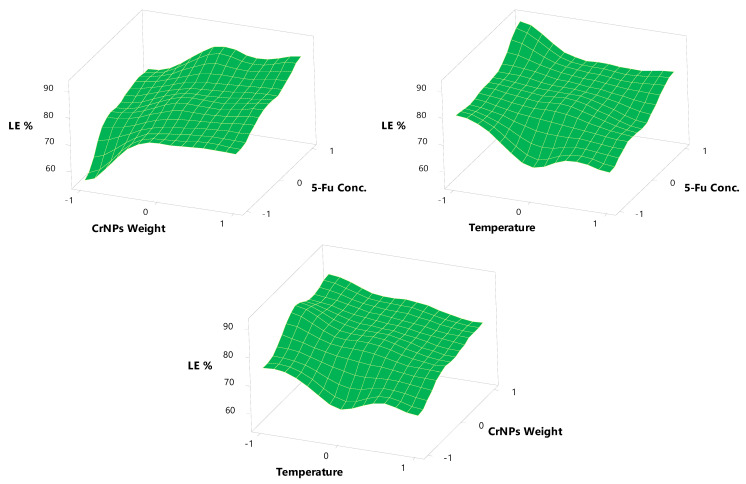
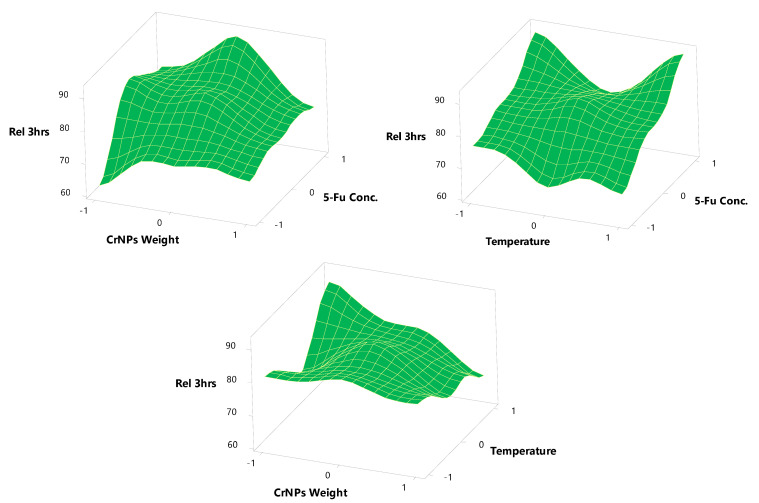
“The 3D plot (Figure 7) showed that the LE% increased from 55.87 ± 2.03 to 74.32 ± 2.08 and from 80.25 ± 2.21 to 92.11 ± 3.23 at lower and higher 5-Fu concentrations with a constant CrNP weight and temperature.”
§ Novel Green Biosynthesis of 5-Fluorouracil Chromium Nanoparticles Using Harpullia pendula Extract for Treatment of Colorectal Cancer > 3. Results and Discussion > 3.4. Drug Loading Efficiency on CrNPs (LE%)
plaindirect- Asserted: passes — The authors put it forward as true.
- Checkable: passes — It can be checked against evidence.
- Load-bearing: passes — The paper’s conclusions depend on it.
- Based: passes — The paper gives a reason why it holds.
It may state two separate claims as one.
A result the paper reports from its own data — it cites no other source for it, so there is none to check. The quote shows it is in the paper.
In the paper
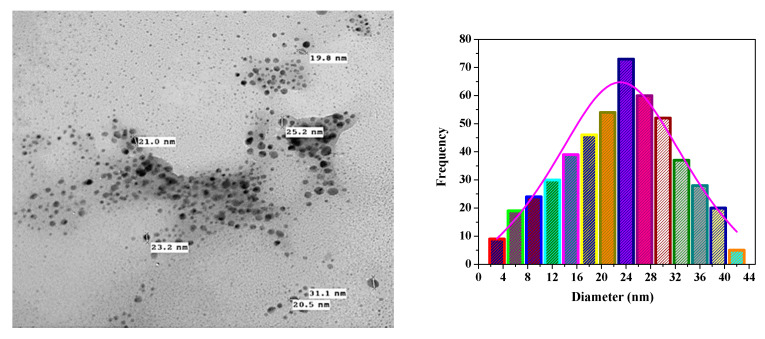
“TEM images of the synthesized CrNPs were measured in the 23 nm range (Figure 4), where the 29 nm range of 5-FuCrNPs was measured (Figure 5).”
§ Novel Green Biosynthesis of 5-Fluorouracil Chromium Nanoparticles Using Harpullia pendula Extract for Treatment of Colorectal Cancer > 3. Results and Discussion > 3.2. SEM and TEM Analyses of Biosynthesized CrNPs and 5-FuCrNPs
plain- Asserted: passes — The authors put it forward as true.
- Checkable: passes — It can be checked against evidence.
- Load-bearing: unclear — It is unclear whether the paper’s conclusions depend on it.
- Based: passes — The paper gives a reason why it holds.
It may state two separate claims as one.
A result the paper reports from its own data — it cites no other source for it, so there is none to check. The quote shows it is in the paper.
In the paper
“The LE% depends on the 5-Fu concentration, CrNP weight and temperature, and ranges from 55.87 ± 2.03% to 92.11 ± 3.23%.”
§ Novel Green Biosynthesis of 5-Fluorouracil Chromium Nanoparticles Using Harpullia pendula Extract for Treatment of Colorectal Cancer > 3. Results and Discussion > 3.4. Drug Loading Efficiency on CrNPs (LE%)
plaincorrelational- Asserted: passes — The authors put it forward as true.
- Checkable: passes — It can be checked against evidence.
- Load-bearing: passes — The paper’s conclusions depend on it.
- Based: passes — The paper gives a reason why it holds.
It may state two separate claims as one.
The paper states this without a source or data behind it here, so there is nothing to check it against. The quote shows it is in the paper.
In the paper
“It can be inferred that in all cases, the spherical CrNPs demonstrated irregular morphologies and poly-dispersed characteristics with a nano-size up to 23 nm.”
§ Novel Green Biosynthesis of 5-Fluorouracil Chromium Nanoparticles Using Harpullia pendula Extract for Treatment of Colorectal Cancer > 3. Results and Discussion > 3.2. SEM and TEM Analyses of Biosynthesized CrNPs and 5-FuCrNPs
hedged- Asserted: passes — The authors put it forward as true.
- Checkable: passes — It can be checked against evidence.
- Load-bearing: unclear — It is unclear whether the paper’s conclusions depend on it.
- Based: unclear — It is unclear why the paper says it holds.
It may state two separate claims as one.
The paper states this without a source or data behind it here, so there is nothing to check it against. The quote shows it is in the paper.
In the paper
“Alternatively, the LE% increased from 75.64 ± 3.98 to 85.89 ± 2.01 and 74.32 ± 2.08 to 87.54 ± 2.02% at lower and higher CrNP weights with a constant 5-Fu concentration and temperature (Table 1).”
§ Novel Green Biosynthesis of 5-Fluorouracil Chromium Nanoparticles Using Harpullia pendula Extract for Treatment of Colorectal Cancer > 3. Results and Discussion > 3.4. Drug Loading Efficiency on CrNPs (LE%)
plaindirect- Asserted: passes — The authors put it forward as true.
- Checkable: passes — It can be checked against evidence.
- Load-bearing: unclear — It is unclear whether the paper’s conclusions depend on it.
- Based: passes — The paper gives a reason why it holds.
It may state two separate claims as one.
A result the paper reports from its own data — it cites no other source for it, so there is none to check. The quote shows it is in the paper.
In the paper
“Both 5-Fu and 5-FuCrNPs exerted a dose-dependent cytotoxic effect (Figure 10a).”
§ Novel Green Biosynthesis of 5-Fluorouracil Chromium Nanoparticles Using Harpullia pendula Extract for Treatment of Colorectal Cancer > 3. Results and Discussion > 3.6. In Vitro Cytotoxicity Assay
plaindirect- Asserted: passes — The authors put it forward as true.
- Checkable: passes — It can be checked against evidence.
- Load-bearing: passes — The paper’s conclusions depend on it.
- Based: passes — The paper gives a reason why it holds.
It may state two separate claims as one.
A result the paper reports from its own data — it cites no other source for it, so there is none to check. The quote shows it is in the paper.
In the paper
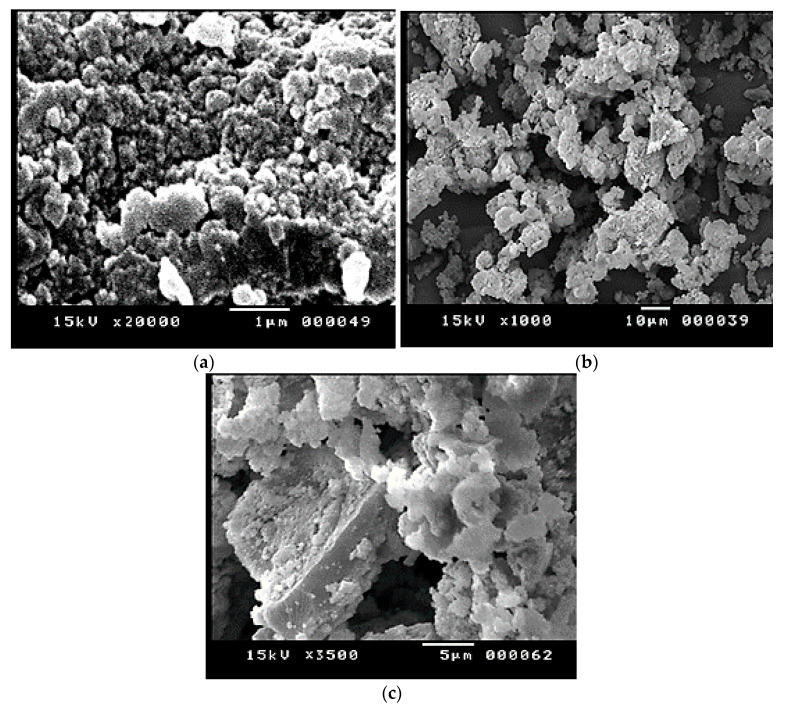
“The particles were found to be nearly spherical, monodispersed, and smooth on the surface (cf. Figure 3a–c).”
§ Novel Green Biosynthesis of 5-Fluorouracil Chromium Nanoparticles Using Harpullia pendula Extract for Treatment of Colorectal Cancer > 3. Results and Discussion > 3.2. SEM and TEM Analyses of Biosynthesized CrNPs and 5-FuCrNPs
plain- Asserted: passes — The authors put it forward as true.
- Checkable: passes — It can be checked against evidence.
- Load-bearing: unclear — It is unclear whether the paper’s conclusions depend on it.
- Based: passes — The paper gives a reason why it holds.
It may state two separate claims as one.
A result the paper reports from its own data — it cites no other source for it, so there is none to check. The quote shows it is in the paper.
In the paper
“The 5-Fu concentration, as well as CrNP weight, has a significant effect on drug release (p-value < 0.1), after 1 and 3 h.”
§ Novel Green Biosynthesis of 5-Fluorouracil Chromium Nanoparticles Using Harpullia pendula Extract for Treatment of Colorectal Cancer > 3. Results and Discussion > 3.5. In Vitro Release Study of 5-FuCrNPs
plaindirect- Asserted: passes — The authors put it forward as true.
- Checkable: passes — It can be checked against evidence.
- Load-bearing: unclear — It is unclear whether the paper’s conclusions depend on it.
- Based: passes — The paper gives a reason why it holds.
It may state two separate claims as one.
A result the paper reports from its own data — it cites no other source for it, so there is none to check. The quote shows it is in the paper.
In the paper
“This in vitro antitumor study demonstrated that 5-Fu-loaded CrNPs markedly decreased the IC50 of 5-Fu and exerted more cytotoxicity at nearly all concentrations than 5-Fu alone.”
§ Novel Green Biosynthesis of 5-Fluorouracil Chromium Nanoparticles Using Harpullia pendula Extract for Treatment of Colorectal Cancer > Abstract
boosteddirect- Asserted: passes — The authors put it forward as true.
- Checkable: passes — It can be checked against evidence.
- Load-bearing: passes — The paper’s conclusions depend on it.
- Based: passes — The paper gives a reason why it holds.
It may state two separate claims as one.
A result the paper reports from its own data — it cites no other source for it, so there is none to check. The quote shows it is in the paper.
In the paper
“Encapsulation of 5-Fu over CrNPs, with a higher drug loading efficiency, was successful with a mean size of 29 nm being produced.”
§ Novel Green Biosynthesis of 5-Fluorouracil Chromium Nanoparticles Using Harpullia pendula Extract for Treatment of Colorectal Cancer > Abstract
plaindirect- Asserted: passes — The authors put it forward as true.
- Checkable: passes — It can be checked against evidence.
- Load-bearing: passes — The paper’s conclusions depend on it.
- Based: passes — The paper gives a reason why it holds.
It may state two separate claims as one.
A result the paper reports from its own data — it cites no other source for it, so there is none to check. The quote shows it is in the paper.
In the paper
“At a constant 5-Fu concentration (X1) and temperature (X3) (0, 1), the percentage of 5-Fu released was 24.12 ± 1.77 and 18.61 ± 1.66% (N3, N14) at the end of 1 h (Y2) at lower and higher CrNP weights.”
§ Novel Green Biosynthesis of 5-Fluorouracil Chromium Nanoparticles Using Harpullia pendula Extract for Treatment of Colorectal Cancer > 3. Results and Discussion > 3.5. In Vitro Release Study of 5-FuCrNPs
plaincorrelational- Asserted: passes — The authors put it forward as true.
- Checkable: passes — It can be checked against evidence.
- Load-bearing: passes — The paper’s conclusions depend on it.
- Based: passes — The paper gives a reason why it holds.
It may state two separate claims as one.
A result the paper reports from its own data — it cites no other source for it, so there is none to check. The quote shows it is in the paper.
In the paper
“The LE% decreased from 75.64 ± 3.98 to 67.31 ± 2.23% (N2, N3) and from 80.25 ± 2.21 to 67.76 ± 3.05% (N5, N6) at lower and higher levels of temperature with a constant 5-Fu concentration and CrNPs weight (Table 1).”
§ Novel Green Biosynthesis of 5-Fluorouracil Chromium Nanoparticles Using Harpullia pendula Extract for Treatment of Colorectal Cancer > 3. Results and Discussion > 3.4. Drug Loading Efficiency on CrNPs (LE%)
plaindirect- Asserted: passes — The authors put it forward as true.
- Checkable: passes — It can be checked against evidence.
- Load-bearing: passes — The paper’s conclusions depend on it.
- Based: passes — The paper gives a reason why it holds.
It may state two separate claims as one.
A result the paper reports from its own data — it cites no other source for it, so there is none to check. The quote shows it is in the paper.
In the paper
“The results revealed the formation of uniform, mono-dispersive, and highly stable CrNPs with a mean size of 23 nm.”
§ Novel Green Biosynthesis of 5-Fluorouracil Chromium Nanoparticles Using Harpullia pendula Extract for Treatment of Colorectal Cancer > Abstract
plaindirect- Asserted: passes — The authors put it forward as true.
- Checkable: passes — It can be checked against evidence.
- Load-bearing: passes — The paper’s conclusions depend on it.
- Based: passes — The paper gives a reason why it holds.
It may state two separate claims as one.
In the paper
“The toxicity of chromium is attributed to its conversion to chromium (III) by OH· after passing through the ion channels of the cytoplasmic membrane generation [61].”
§ Novel Green Biosynthesis of 5-Fluorouracil Chromium Nanoparticles Using Harpullia pendula Extract for Treatment of Colorectal Cancer > 3. Results and Discussion > 3.6. In Vitro Cytotoxicity Assay
What the sources say
- Not checked — no full text of the sourcecites [61] Shi, 1989, Chromium (V) and hydroxyl radical formation during the glutathione reductase-catalyzed reduction of chromium (VI), Biochem. Biophys. Res. Commun. source
plaindirect- Asserted: passes — The authors put it forward as true.
- Checkable: passes — It can be checked against evidence.
- Load-bearing: fails — The paper’s conclusions may not depend on it.
- Based: passes — The paper gives a reason why it holds.
Probably not a substantial claim. The paper’s conclusions may not depend on it.
A conclusion the paper draws from its own results — it cites no other source for it, so there is none to check. The quote shows it is in the paper.
In the paper
“The results of LE% on in vitro release after 1 and 3 h revealed that the optimum selected formula of 5-FuCrNPs should be prepared at a high level of 5-Fu concentration (+1, 0.75%), medium level of CrNP weight (0, 500 mg) and low level of temperature (−1, 20 ± 1 °C).”
§ Novel Green Biosynthesis of 5-Fluorouracil Chromium Nanoparticles Using Harpullia pendula Extract for Treatment of Colorectal Cancer > 3. Results and Discussion > 3.5. In Vitro Release Study of 5-FuCrNPs
plain- Asserted: passes — The authors put it forward as true.
- Checkable: passes — It can be checked against evidence.
- Load-bearing: passes — The paper’s conclusions depend on it.
- Based: passes — The paper gives a reason why it holds.
It may state two separate claims as one.
A claim is checked only against the cited paper’s full text, never its abstract, and none is available for its sources.
In the paper
“Thia was also associated with decreased glutathione levels and lipid peroxidation [65,66].”
§ Novel Green Biosynthesis of 5-Fluorouracil Chromium Nanoparticles Using Harpullia pendula Extract for Treatment of Colorectal Cancer > 3. Results and Discussion > 3.6. In Vitro Cytotoxicity Assay
What the sources say
- Not checked — no full text of the sourcecites [65] Sinha, 2005, Chromium induced lipid peroxidation in the plants of Pistia stratiotes L.: Role of antioxidants and antioxidant enzymes, Chemosphere source
- Not checked — no full text of the sourcecites [66] Rungby, 1992, Experimentally induced lipid peroxidation after exposure to chromium, mercury or silver: Interactions with carbon tetrachloride, Pharmacol. Toxicol. source
plaincorrelational- Asserted: passes — The authors put it forward as true.
- Checkable: passes — It can be checked against evidence.
- Load-bearing: unclear — It is unclear whether the paper’s conclusions depend on it.
- Based: passes — The paper gives a reason why it holds.
It may state two separate claims as one.
A claim is checked only against the cited paper’s full text, never its abstract, and none is available for its sources.
In the paper
“The drug 5-Fluorouracil (5-Fu) is a well-known chemotherapeutic agent, used as a first-line treatment for CRC [6,7].”
§ Novel Green Biosynthesis of 5-Fluorouracil Chromium Nanoparticles Using Harpullia pendula Extract for Treatment of Colorectal Cancer > 1. Introduction
What the sources say
- Not checked — no full text of the sourcecites [6] Vodenkova, 2020, 5-fluorouracil and other fluoropyrimidines in colorectal cancer: Past, present and future, Pharm. Therap. source
- Not checked — no full text of the sourcecites [7] Figer, 2000, Leucovorin and fluorouracil with or without oxaliplatin as first-line treatment in advanced colorectal cancer, J. Clin. Oncol. source
boosted- Asserted: passes — The authors put it forward as true.
- Checkable: passes — It can be checked against evidence.
- Load-bearing: passes — The paper’s conclusions depend on it.
- Based: passes — The paper gives a reason why it holds.
Probably not a substantial claim.
In the paper
“Additionally, the H. pendula plant has been reported to be a rich source of phenolics and flavonoids, with total contents of 255.5 ± 7.18 mg gallic acid equivalents/g extract, and 111.6 ± 3.2 mg quercetin equivalents/g extract, respectively [33].”
§ Novel Green Biosynthesis of 5-Fluorouracil Chromium Nanoparticles Using Harpullia pendula Extract for Treatment of Colorectal Cancer > 3. Results and Discussion
What the sources say
- Not checked — no full text of the sourcecites [33] Mohammed, 2017, Harpullia pendula Planch leaves: Phenolics, in vitro antioxidant and α-amylase inhibitory activity, Egypt. Pharm. J. source
plain- Asserted: passes — The authors put it forward as true.
- Checkable: passes — It can be checked against evidence.
- Load-bearing: fails — The paper’s conclusions may not depend on it.
- Based: passes — The paper gives a reason why it holds.
Probably not a substantial claim. The paper’s conclusions may not depend on it. It may state two separate claims as one.
A claim is checked only against the cited paper’s full text, never its abstract, and none is available for its sources.
In the paper
“Different flavonoids and polyphenolic compounds have previously been isolated and characterized from the H. pendula plant, including rutin, vitexin, isovitexin, orientin, quercetin, and kaempferol quercetin-3-O-β-d-glucoside”
§ Novel Green Biosynthesis of 5-Fluorouracil Chromium Nanoparticles Using Harpullia pendula Extract for Treatment of Colorectal Cancer > 3. Results and Discussion
What the sources say
- Not checked — no full text of the sourcecites [31] Abdelkader, 2016, Harpulliasides A and B: Two new benzeneacetic acid derivatives from Harpullia pendula, Phytochem. Lett. source
- Not checked — no full text of the sourcecites [33] Mohammed, 2017, Harpullia pendula Planch leaves: Phenolics, in vitro antioxidant and α-amylase inhibitory activity, Egypt. Pharm. J. source
plain- Asserted: passes — The authors put it forward as true.
- Checkable: passes — It can be checked against evidence.
- Load-bearing: fails — The paper’s conclusions may not depend on it.
- Based: passes — The paper gives a reason why it holds.
Probably not a substantial claim. The paper’s conclusions may not depend on it.
In the paper
“However, the acquired drug resistance, short half-life of 10–20 min, and harmful side effects on the bone marrow and gastrointestinal tract (GIT), remain among the limitations of its clinical use [9,10].”
§ Novel Green Biosynthesis of 5-Fluorouracil Chromium Nanoparticles Using Harpullia pendula Extract for Treatment of Colorectal Cancer > 1. Introduction
What the sources say
- Check pendingcites [9] Braun, 2010, Balancing the efficacy and toxicity of chemotherapy in colorectal cancer, Ther. Adv. Med Oncol. source
- Check pendingcites [10] He, 2003, Toxicities and therapeutic effect of 5-fluorouracil controlled release implant on tumor-bearing rats, World J. Gastroenterol. source
plain- Asserted: passes — The authors put it forward as true.
- Checkable: passes — It can be checked against evidence.
- Load-bearing: passes — The paper’s conclusions depend on it.
- Based: passes — The paper gives a reason why it holds.
It may state two separate claims as one.
A conclusion the paper draws from its own results — it cites no other source for it, so there is none to check. The quote shows it is in the paper.
In the paper
“As the weight of the CrNPs increased, the surface area available for drug loading was increased. This increase in surface area allows more drug to be adsorbed on the surface of the nanoparticles.”
§ Novel Green Biosynthesis of 5-Fluorouracil Chromium Nanoparticles Using Harpullia pendula Extract for Treatment of Colorectal Cancer > 3. Results and Discussion > 3.4. Drug Loading Efficiency on CrNPs (LE%)
plaindirect- Asserted: passes — The authors put it forward as true.
- Checkable: passes — It can be checked against evidence.
- Load-bearing: passes — The paper’s conclusions depend on it.
- Based: passes — The paper gives a reason why it holds.
It may state two separate claims as one.
In the paper
“Similarly, chromium oxide nanoparticles exert significant cytotoxic activity on murine fibrosarcoma cells (L929) [63].”
§ Novel Green Biosynthesis of 5-Fluorouracil Chromium Nanoparticles Using Harpullia pendula Extract for Treatment of Colorectal Cancer > 3. Results and Discussion > 3.6. In Vitro Cytotoxicity Assay
What the sources say
- Check pendingcites [63] Alarifi, 2016, Mechanistic investigation of toxicity of chromium oxide nanoparticles in murine fibrosarcoma cells, Int. J. Nanomed. source
plaindirect- Asserted: passes — The authors put it forward as true.
- Checkable: passes — It can be checked against evidence.
- Load-bearing: fails — The paper’s conclusions may not depend on it.
- Based: passes — The paper gives a reason why it holds.
Probably not a substantial claim. The paper’s conclusions may not depend on it.
In the paper
“Interestingly, treatment with chromium resulted in elevated expression of autophagy-related proteins such as Beclin1 and LC3II [67].”
§ Novel Green Biosynthesis of 5-Fluorouracil Chromium Nanoparticles Using Harpullia pendula Extract for Treatment of Colorectal Cancer > 3. Results and Discussion > 3.6. In Vitro Cytotoxicity Assay
What the sources say
- Not checked — no full text of the sourcecites [67] Liu, 2019, Protective Effect of Purple Tomato Anthocyanidin on Chromium(VI)-Induced Autophagy in LMH Cells by Inhibiting Endoplasmic Reticulum Stress, Biol. Trace Element Res. source
plaindirect- Asserted: passes — The authors put it forward as true.
- Checkable: passes — It can be checked against evidence.
- Load-bearing: fails — The paper’s conclusions may not depend on it.
- Based: passes — The paper gives a reason why it holds.
Probably not a substantial claim. The paper’s conclusions may not depend on it.
A conclusion the paper draws from its own results — it cites no other source for it, so there is none to check. The quote shows it is in the paper.
In the paper
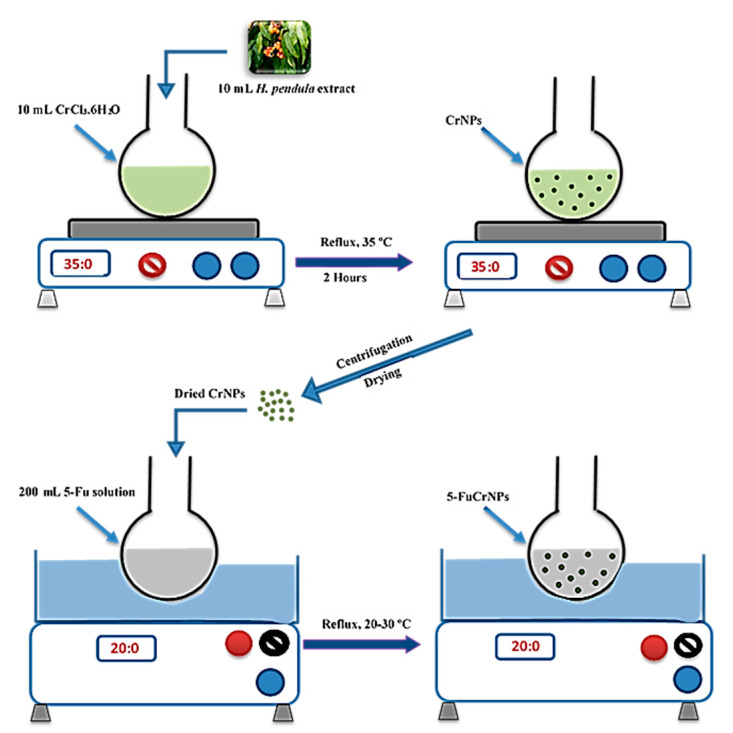
“The biosynthesis of 5-FuCrNPs involves two major steps, the formation of stable CrNPs of the CrCl3 solution and the subsequent adsorption of 5-Fu on the surface of the CrNPs.”
§ Novel Green Biosynthesis of 5-Fluorouracil Chromium Nanoparticles Using Harpullia pendula Extract for Treatment of Colorectal Cancer > 3. Results and Discussion > 3.4. Drug Loading Efficiency on CrNPs (LE%)
plaindirect- Asserted: passes — The authors put it forward as true.
- Checkable: passes — It can be checked against evidence.
- Load-bearing: passes — The paper’s conclusions depend on it.
- Based: passes — The paper gives a reason why it holds.
It may state two separate claims as one.
A conclusion the paper draws from its own results — it cites no other source for it, so there is none to check. The quote shows it is in the paper.
In the paper
“The improvement in LE% with increased speed levels was due to the fact that more of the drug is adsorbed and incorporated on the surface of CrNPs with a high 5-Fu concentration.”
§ Novel Green Biosynthesis of 5-Fluorouracil Chromium Nanoparticles Using Harpullia pendula Extract for Treatment of Colorectal Cancer > 3. Results and Discussion > 3.4. Drug Loading Efficiency on CrNPs (LE%)
plaindirect- Asserted: passes — The authors put it forward as true.
- Checkable: passes — It can be checked against evidence.
- Load-bearing: passes — The paper’s conclusions depend on it.
- Based: passes — The paper gives a reason why it holds.
The quote only partly states this claim.
The authors state this as an assumption.
This is the first study to report the formulation of 5-Fu-loaded CrNPs for possible use in the treatment of colorectal cancer.
“As far as we know, this is the first study that has reported on the formulation of 5-Fu-loaded CrNPs for possible use in the treatment of CRC.”
The paper relies on this without support.
The CACO-2 cell line is a valid model for colorectal cancer treatment response.
“In addition, the in vitro anti-tumor activity of 5-FuCrNPs against a colorectal cell line (CACO-2) was investigated.”
The paper relies on this without support.
The green biosynthesis of CrNPs decreases Cr toxicity and enhances its clearance from the body by conjugation with bile salts.
“In addition to increasing drug bioavailability at absorption sites in the intestine, the green biosynthesis of CrNPs decreases Cr toxicity and enhances its clearance from the body by conjugation with bile salts.”
The paper relies on this without support.
An increase in CrNP surface area with increasing NP weight allows more drug to be adsorbed on the surface in a monolayer pattern.
“These results are in accordance with the fact that an increase in CrNP surface area with increasing NP weight allows more drug to be adsorbed on the surface on the monolayer pattern.”
The paper relies on this without support.
The prepared 5-FuCrNP system is still intact at pH 1.2.
“These results may be due to the difficulty of desorption of 5-Fu from CrNPs in the acidic environment and the nature of the prepared 5-FuCrNP system, which is still intact at a pH of 1.2.”
Self-check
Percentages, sums and reported differences re-computed from the paper’s own numbers.
Each contradiction between two passages listed here was confirmed by an independent check.
Rated major: it would touch a result — a value a result rests on, reported and recomputed p-values on opposite sides of the significance level, two passages that conflict with no sign which is right, or a cited work retracted before this paper was published.
In the paper
§ Novel Green Biosynthesis of 5-Fluorouracil Chromium Nanoparticles Using Harpullia pendula Extract for Treatment of Colorectal Cancer > 3. Results and Discussion > 3.5. In Vitro Release Study of 5-FuCrNPs
“The drug release percentage increases with an increase in their levels.”
§ Novel Green Biosynthesis of 5-Fluorouracil Chromium Nanoparticles Using Harpullia pendula Extract for Treatment of Colorectal Cancer > 3. Results and Discussion > 3.5. In Vitro Release Study of 5-FuCrNPs
“The percentage of drug released was inversely proportional to CrNP weight.”
Rated major: it would touch a result — a value a result rests on, reported and recomputed p-values on opposite sides of the significance level, two passages that conflict with no sign which is right, or a cited work retracted before this paper was published.
In the paper
§ Novel Green Biosynthesis of 5-Fluorouracil Chromium Nanoparticles Using Harpullia pendula Extract for Treatment of Colorectal Cancer > 3. Results and Discussion > 3.2. SEM and TEM Analyses of Biosynthesized CrNPs and 5-FuCrNPs
“The particles were found to be nearly spherical, monodispersed, and smooth on the surface (cf. Figure 3a–c).”
§ Novel Green Biosynthesis of 5-Fluorouracil Chromium Nanoparticles Using Harpullia pendula Extract for Treatment of Colorectal Cancer > 3. Results and Discussion > 3.2. SEM and TEM Analyses of Biosynthesized CrNPs and 5-FuCrNPs
“It can be inferred that in all cases, the spherical CrNPs demonstrated irregular morphologies and poly-dispersed characteristics with a nano-size up to 23 nm.”
Rated minor: it would not touch a result — a value no result rests on, a p-value that stays on the same side of the significance level, or a conflict that is clerical, resolved elsewhere in the paper, or outside its own findings.
In the paper
§ Novel Green Biosynthesis of 5-Fluorouracil Chromium Nanoparticles Using Harpullia pendula Extract for Treatment of Colorectal Cancer > 3. Results and Discussion > 3.1. XRD Diffraction of the Biosynthesized CrNPs
“Equation (4) is the linear regression between (βCorrect cosθ) and (4 sinθ)”
§ Novel Green Biosynthesis of 5-Fluorouracil Chromium Nanoparticles Using Harpullia pendula Extract for Treatment of Colorectal Cancer > 3. Results and Discussion > 3.1. XRD Diffraction of the Biosynthesized CrNPs
“(4) βCorrect=βObserved−βInstrumental”
Rated minor: it would not touch a result — a value no result rests on, a p-value that stays on the same side of the significance level, or a conflict that is clerical, resolved elsewhere in the paper, or outside its own findings.
In the paper
§ Novel Green Biosynthesis of 5-Fluorouracil Chromium Nanoparticles Using Harpullia pendula Extract for Treatment of Colorectal Cancer > 4. Conclusions
“All formulation parameters (5-Fu concentration, CrNP weight and temperature) had significant effects on the LE%.”
§ Novel Green Biosynthesis of 5-Fluorouracil Chromium Nanoparticles Using Harpullia pendula Extract for Treatment of Colorectal Cancer > 3. Results and Discussion > 3.4. Drug Loading Efficiency on CrNPs (LE%)
“The temperature had a non-significant effect on the LE%, as p-value is greater than 0.1, in spite of the decrease in LE% with the increase in temperature.”
Rated minor: it would not touch a result — a value no result rests on, a p-value that stays on the same side of the significance level, or a conflict that is clerical, resolved elsewhere in the paper, or outside its own findings.
In the paper
§ Novel Green Biosynthesis of 5-Fluorouracil Chromium Nanoparticles Using Harpullia pendula Extract for Treatment of Colorectal Cancer > 3. Results and Discussion > 3.5. In Vitro Release Study of 5-FuCrNPs
“The in vitro release of 5-Fu from the CrNPs containing formulae N12, N13, N14, and N15 was examined using constant CrNPs weight (X1) at the medium level (0), variable temperature levels (ranging from −1 to +1), and with variable 5-Fu concentrations (X1).”
§ Novel Green Biosynthesis of 5-Fluorouracil Chromium Nanoparticles Using Harpullia pendula Extract for Treatment of Colorectal Cancer > 2. Material and Methods > 2.2. Methods
“The three independent formulation variables analyzed during the study were 5-Fu Concentration (X1), CrNP weight (X2), and temperature (X3).”
Rated minor: it would not touch a result — a value no result rests on, a p-value that stays on the same side of the significance level, or a conflict that is clerical, resolved elsewhere in the paper, or outside its own findings.
In the paper
§ Novel Green Biosynthesis of 5-Fluorouracil Chromium Nanoparticles Using Harpullia pendula Extract for Treatment of Colorectal Cancer > 3. Results and Discussion > 3.5. In Vitro Release Study of 5-FuCrNPs
“The in vitro release of 5-Fu from the CrNPs containing formulae N12, N13, N14, and N15 was examined using constant CrNPs weight (X1) at the medium level (0), variable temperature levels (ranging from −1 to +1), and with variable 5-Fu concentrations (X1).”
§ Novel Green Biosynthesis of 5-Fluorouracil Chromium Nanoparticles Using Harpullia pendula Extract for Treatment of Colorectal Cancer > 3. Results and Discussion > 3.5. In Vitro Release Study of 5-FuCrNPs
“The same findings were shown for N4 and N15 at lower and higher CrNP weights”
Citations
Cites
de Gramont, A., Figer, A., Seymour, M., Homerin, M., Hmissi, A., Cassidy, J., Boni, C., Cortes-Funes, H., Cervantes, A., Freyer, G., et al. (2000) · Journal of Clinical Oncology · doi:10.1200/jco.2000.18.16.2938 · Cited by 3,815
Cancer and Radiation Therapy: Current Advances and Future Directions
Baskar, R., Lee, K. A., Yeo, R., & Yeoh, K. (2012) · International Journal of Medical Sciences · doi:10.7150/ijms.3635 · Cited by 2,927
The Comet Assay for DNA Damage and Repair: Principles, Applications, and Limitations
Collins, A. R. (2004) · Molecular Biotechnology · doi:10.1385/mb:26:3:249 · Cited by 2,892
Epidemiology of colorectal cancer: incidence, mortality, survival, and risk factors
Rawla, P., Sunkara, T., & Barsouk, A. A. (2019) · Gastroenterology Review · doi:10.5114/pg.2018.81072 · Cited by 2,477
Rational Design of Cancer Nanomedicine: Nanoproperty Integration and Synchronization
Sun, Q., Zhou, Z., Qiu, N., & Shen, Y. (2017) · Advanced Materials · doi:10.1002/adma.201606628 · Cited by 1,068
5-fluorouracil and other fluoropyrimidines in colorectal cancer: Past, present and future
Vodenkova, S., Buchler, T., Cervena, K., Veskrnova, V., Vodicka, P., & Vymetalkova, V. (2020) · Pharmacology & Therapeutics · doi:10.1016/j.pharmthera.2019.107447 · Cited by 956
Jayaseelan, C., Rahuman, A. A., Kirthi, A. V., Marimuthu, S., Santhoshkumar, T., Bagavan, A., Gaurav, K., Karthik, L., & Rao, K. V. B. (2012) · Spectrochimica Acta Part A Molecular and Biomolecular Spectroscopy · doi:10.1016/j.saa.2012.01.006 · Cited by 849
Nanoparticles: pharmacological and toxicological significance
Medina, C., Santos-Martínez, M. J., Radomski, A. D., Corrigan, O. I., & Radomski, M. W. (2007) · British Journal of Pharmacology · doi:10.1038/sj.bjp.0707130 · Cited by 746
Schuhmacher, C. P., Gretschel, S., Lordick, F., Reichardt, P., Hohenberger, W., Eisenberger, C. F., Haag, C., Mauer, M. E. L., Hasan, B., Welch, J., et al. (2010) · Journal of Clinical Oncology · doi:10.1200/jco.2009.26.6114 · Cited by 712
Xia, T., Kovochich, M., Liong, M., Zink, J. I., & Nel, A. E. (2008) · ACS Nano · doi:10.1021/nn700256c · Cited by 624
Abboud, Y., Saffaj, T., Chagraoui, A., Bouari, A. E., Brouzi, K., Tanane, O., & Ihssane, B. (2013) · Applied Nanoscience · doi:10.1007/s13204-013-0233-x · Cited by 617
Yetilmezsoy, K., Demirel, S., & Vanderbei, R. J. (2009) · Journal of Hazardous Materials · doi:10.1016/j.jhazmat.2009.06.035 · Cited by 607
X-ray peak broadening analysis in ZnO nanoparticles
Yogamalar, N. R., Srinivasan, R., Vinu, A., Ariga, K., & Bose, A. C. (2009) · Solid State Communications · doi:10.1016/j.ssc.2009.07.043 · Cited by 607
Motwani, S. K., Chopra, S., Talegaonkar, S., Kohli, K., Ahmad, F. J., & Khar, R. K. (2007) · European Journal of Pharmaceutics and Biopharmaceutics · doi:10.1016/j.ejpb.2007.09.009 · Cited by 558
Chromium as an Essential Nutrient for Humans
Anderson, R. A. (1997) · Regulatory Toxicology and Pharmacology · doi:10.1006/rtph.1997.1136 · Cited by 474
Molecular aspects of cancer cell resistance to chemotherapy
Rebucci, M., & Michiels, C. (2013) · Biochemical Pharmacology · doi:10.1016/j.bcp.2013.02.017 · Cited by 423
Abdel‐Rahman, L. H., Abu‐Dief, A. M., El-Khatib, R. M., & Abdel‐Fatah, S. M. (2016) · Bioorganic Chemistry · doi:10.1016/j.bioorg.2016.10.009 · Cited by 297
Self-citationAdvances of Cancer Therapy by Nanotechnology
Wang, X., Wang, Y., Chen, Z. G., & Shin, D. M. (2009) · Cancer Research and Treatment · doi:10.4143/crt.2009.41.1.1 · Cited by 227
Qiao, Y., He, J., Chen, W., Yu, Y., Li, W., Du, Z. H., Xie, T., Yang, Y., Hua, S. Y., Zhong, D., et al. (2020) · ACS Nano · doi:10.1021/acsnano.9b08930 · Cited by 217
A facile green extracellular biosynthesis of CdS nanoparticles by immobilized fungus
Sanghi, R., & Verma, P. (2009) · Chemical Engineering Journal · doi:10.1016/j.cej.2009.08.006 · Cited by 195
Synthesis, characterization and photocatalysis enhancement of Eu2O3-ZnO mixed oxide nanoparticles
Mohamed, W. S., & Abu‐Dief, A. M. (2018) · Journal of Physics and Chemistry of Solids · doi:10.1016/j.jpcs.2018.02.008 · Cited by 187
Self-citationα-Bi2O3nanorods: synthesis, characterization and UV-photocatalytic activity
Abu‐Dief, A. M., & Mohamed, W. S. (2017) · Materials Research Express · doi:10.1088/2053-1591/aa6712 · Cited by 181
Self-citationHassanien, A. S., Akl, A. A., & Saáedi, A. (2018) · CrystEngComm · doi:10.1039/c7ce02173a · Cited by 178
Sinha, S., Saxena, R., & Singh, S. (2005) · Chemosphere · doi:10.1016/j.chemosphere.2004.08.071 · Cited by 176
Akl, A. A., Mahmoud, S. A., Al-Shomar, S. M., & Hassanien, A. S. (2017) · Materials Science in Semiconductor Processing · doi:10.1016/j.mssp.2017.10.007 · Cited by 159
Shi, X., & Dalal, N. S. (1989) · Biochemical and Biophysical Research Communications · doi:10.1016/0006-291x(89)92183-9 · Cited by 153
Kumar, G. V., Nair, L., Jagadeeshan, S., & Nair, S. A. (2011) · International Journal of Nanomedicine · doi:10.2147/ijn.s20165 · Cited by 141
Effects of Chromium on Body Composition and Weight Loss
Anderson, R. A. (2009) · Nutrition Reviews · doi:10.1111/j.1753-4887.1998.tb01763.x · Cited by 131
Insecticides - Pest Engineering
Perveen, F. (2012) · InTech eBooks · doi:10.5772/1354 · Cited by 111
Kumar, R., Ghoshal, G., Jain, A., & Goyal, M. (2017) · Journal of Nanomedicine & Nanotechnology · doi:10.4172/2157-7439.1000452 · Cited by 108
Nanotechnology applications in medicine.
Wilkinson, J. M. (2003) · PubMed · Cited by 102
Balancing the efficacy and toxicity of chemotherapy in colorectal cancer
Braun, M. S., & Seymour, M. T. (2011) · Therapeutic Advances in Medical Oncology · doi:10.1177/1758834010388342 · Cited by 100
Dual and multi-drug delivery nanoparticles towards neuronal survival and synaptic repair
Angelova, A., & Angelov, B. (2017) · Neural Regeneration Research · doi:10.4103/1673-5374.208546 · Cited by 84
Abdel‐Rahman, L. H., Abu‐Dief, A. M., El-Khatib, R. M., Abdel‐Fatah, S. M., Adam, A. M., & Ibrahim, E. M. M. (2017) · Applied Organometallic Chemistry · doi:10.1002/aoc.4174 · Cited by 83
Self-citationde la Luz‐Asunción, M., Sánchez‐Mendieta, V., Martínez‐Hernández, A. L., Castaño, V. M., & Velasco‐Santos, C. (2015) · Journal of Nanomaterials · doi:10.1155/2015/405036 · Cited by 81
Ahmed, M. M., El-Rasoul, S. A., Auda, S. H., & Ibrahim, M. A. (2011) · Saudi Pharmaceutical Journal · doi:10.1016/j.jsps.2011.08.004 · Cited by 78
Patel, M., Lakkadwala, S., Majrad, M. S., Injeti, E. R., Gollmer, S. M., Shah, Z. A., Boddu, S. H. S., & Nesamony, J. (2014) · AAPS PharmSciTech · doi:10.1208/s12249-014-0168-x · Cited by 72
Elsayed, M. M. A., Mostafa, M., Alaaeldin, E., Sarhan, H. A., Shaykoon, M. S. A., Allam, S., Hamed, A., & Elsadek, B. (2019) · International Journal of Nanomedicine · doi:10.2147/ijn.s223920 · Cited by 66
Self-citationBiosynthesis, Characterization, and Wound-Healing Activity of Phenytoin-Loaded Copper Nanoparticles
Saddik, M. S., Alsharif, F. M., El‐Mokhtar, M. A., Al-Hakkani, M. F., El-Mahdy, M., Farghaly, H. S., & Abou‐Taleb, H. A. (2020) · AAPS PharmSciTech · doi:10.1208/s12249-020-01700-5 · Cited by 62
Self-citationO’Leary, M. P., Choong, K., Thornblade, L. W., Fakih, M., Fong, Y., & Kaiser, A. M. (2020) · Annals of Surgery · doi:10.1097/sla.0000000000004029 · Cited by 58
Refaat, H., Naguib, Y. W., Elsayed, M. M. A., Sarhan, H. A., & Alaaeldin, E. (2019) · Pharmaceutics · doi:10.3390/pharmaceutics11110558 · Cited by 45
Self-citationRungby, J., & Ernst, E. (1992) · Pharmacology & Toxicology · doi:10.1111/j.1600-0773.1992.tb00458.x · Cited by 44
Marques, S. S., Ramos, I. I., Fernandes, S. R., Barreiros, L., Lima, S. A. C., Reis, S., Domingues, M. R., & Segundo, M. A. (2020) · Molecules · doi:10.3390/molecules25081879 · Cited by 42
Evaluation of the anti-inflammatory properties of Dodonaea polyandra, a Kaanju traditional medicine
Simpson, B. S., Claudie, D. J., Smith, N. M., Wang, J., McKinnon, R. A., & Semple, S. J. (2010) · Journal of Ethnopharmacology · doi:10.1016/j.jep.2010.07.012 · Cited by 40
Biosorption of metal ions from aqueous solution and tannery effluent byBacillussp. FM1
Masood, F., & Malik, A. (2011) · Journal of Environmental Science and Health Part A · doi:10.1080/10934529.2011.623648 · Cited by 37
Satgurunathan, T., Bhavan, P. S., & Joy, R. D. S. (2019) · Biological Trace Element Research · doi:10.1007/s12011-018-1407-x · Cited by 33
The effect and prediction of temperature on adsorption capability of coal/CH4
Chen, S., Jin, L., & Chen, X. (2011) · Procedia Engineering · doi:10.1016/j.proeng.2011.11.2149 · Cited by 30
Toxicities and therapeutic effect of 5-fluorouracil controlled release implant on tumor-bearing rats
He, Y.-C. (2003) · World Journal of Gastroenterology · doi:10.3748/wjg.v9.i8.1795 · Cited by 28
Liu, K., Chen, P., Lu, J., Zhu, Y., Xu, Y., Liu, Y., & Liu, J. (2020) · Biological Trace Element Research · doi:10.1007/s12011-019-01795-3 · Cited by 26
In-vitro release and in-vivo performance of tolmetin from different topical gel formulations
Auda, S. H., El-Rasoul, S. A., Ahmed, M. M., Osman, S. K., & El‐Badry, M. (2015) · Journal of Pharmaceutical Investigation · doi:10.1007/s40005-015-0174-3 · Cited by 24
El-Shenawy, A. A., Ahmed, M. M., Mansour, H. F., & Rasoul, S. A. E. (2017) · AAPS PharmSciTech · doi:10.1208/s12249-016-0697-6 · Cited by 24
Advances in Nanotechnology and Its Applications
Jameel, A. T., & Yaser, A. Z. (2020) · Springer eBooks · doi:10.1007/978-981-15-4742-3 · Cited by 23
Bioactive Natural Products from Sapindaceae Deterrent and Toxic Metabolites Against Insects
Daz, M., & Rossini, C. (2012) · InTech eBooks · doi:10.5772/29830 · Cited by 23
Sukumar, C., Gowthami, G. V. V., Nitya, R., Janaki, V., Kamala‐Kannan, S., & Shanthi, K. (2013) · Environmental Earth Sciences · doi:10.1007/s12665-013-3007-6 · Cited by 21
Ahmed, M. M. (2019) · International Journal of Pharmacy and Pharmaceutical Sciences · doi:10.22159/ijpps.2019v11i10.34290 · Cited by 17
Elsayed, M. M. A., Rasoul, S. A. E., Ramadan, A. E. H., & Hussein, A. K. (2019) · Journal of Pharmaceutical Innovation · doi:10.1007/s12247-019-09421-4 · Cited by 16
Self-citationEl-Rasoul, S. A., & Ahmed, M. M. (2010) · Bulletin of Pharmaceutical Sciences Assiut · doi:10.21608/bfsa.2010.64750 · Cited by 13
Harpuloside a triterpenoid saponin from Harpullia ramiflora
Dizes, C., Gerald, F., Lavaud, C., Ellas, R., Faure, R., Massiot, G., & Balansard, G. (1998) · Phytochemistry · doi:10.1016/s0031-9422(98)00166-6 · Cited by 11
Harpulliasides A and B: Two new benzeneacetic acid derivatives from Harpullia pendula
Abdelkader, M. S. A., Rateb, M. E., Mohamed, G. A., & Jaspars, M. (2016) · Phytochemistry Letters · doi:10.1016/j.phytol.2015.12.006 · Cited by 11
Self-citationMechanistic investigation of toxicity of chromium oxide nanoparticles in murine fibrosarcoma cells
Ali, D., Alarifi, S., & Alkahtani, S. (2016) · International Journal of Nanomedicine · doi:10.2147/ijn.s99995 · Cited by 7
Antioxidant and antibacterial properties of Lecaniodiscus cupanioides
Sofidiya, M., Jimoh, F., Aliero, A., Afolayan, A., Odukoya, O., & Familoni, O. B. (2007) · Planta Medica · doi:10.1055/s-2007-986993 · Cited by 6
Abd El Rasoul, S., Mahmoud Ahmed, M., & Saleh, K. (2013) · Asian Journal of Pharmaceutical and Health Sciences · Cited by 6
Elsayed, M. M. A. (2012) · Al-Azhar Journal of Pharmaceutical Sciences/Al-Azhar Journal of Pharmaceutical Sciences · doi:10.21608/ajps.2012.7249 · Cited by 5
Self-citationPendulaosides A and B. Two acylated triterpenoid saponins from Harpullia pendula seed extract
Ghaly, N. S., Nabil, M., Grace, M. H., & Melek, F. R. (2017) · Phytochemistry Letters · doi:10.1016/j.phytol.2017.06.016 · Cited by 4
Harpullia pendula Planch leaves: Phenolics, in vitro antioxidant and α-amylase inhibitory activity
El Souda, S. M., Mohammed, R., Ibrahim, F., & Matloub, A. (2017) · Egyptian Pharmaceutical Journal · doi:10.4103/epj.epj_10_17 · Cited by 4
Phytochemical study of Harpullia Arborea leaves
Poovapatthanachart, R. (2025) · doi:10.58837/chula.the.2003.806
Research works printed but not linked: 2
- Saddik, 2020, Preparation and Characterization of Niosomal Carrier System of Hydrophilic Drug (Methylene Blue) for Photodynamic Therapy, Lat. Americ J. Pharm., 39, 561
- Muthukumran, 2011, Anti-diabetic activity of Dodonaea viscosa (L) leaf extracts, Int. J. Pharm. Tech. Res., 3, 136
Cited by
Sorted by citations
Tailoring of Novel Azithromycin-Loaded Zinc Oxide Nanoparticles for Wound Healing
Saddik, M. S., Elsayed, M. M. A., El‐Mokhtar, M. A., Sedky, H., Abdel-Aleem, J. A., Abu‐Dief, A. M., Al-Hakkani, M. F., Hussein, H. L., Al-Shelkamy, S. A., Meligy, F. Y., et al. (2022) · Pharmaceutics · doi:10.3390/pharmaceutics14010111 · Cited by 152
Self-citationQasem, H. A., Aouad, M. R., AL-Abdulkarim, H. A., Al‐Farraj, E. S., Attar, R. M. S., El‐Metwaly, N. M., & Abu‐Dief, A. M. (2022) · Journal of Molecular Structure · doi:10.1016/j.molstruc.2022.133263 · Cited by 95
Self-citationAljohani, F. S., Omran, O. A., Ahmed, E. A., Al‐Farraj, E. S., Elkady, E. F., Alharbi, A., El‐Metwaly, N. M., Barnawi, I. O., & Abu‐Dief, A. M. (2022) · Inorganic Chemistry Communications · doi:10.1016/j.inoche.2022.110331 · Cited by 80
Self-citationEl‐Lateef, H. M. A., Khalaf, M. M., Shehata, M. R., & Abu‐Dief, A. M. (2022) · International Journal of Molecular Sciences · doi:10.3390/ijms23073994 · Cited by 77
Self-citationBashal, A. H., Khalil, K. D., Abu‐Dief, A. M., & El‐Atawy, M. A. (2023) · International Journal of Biological Macromolecules · doi:10.1016/j.ijbiomac.2023.126856 · Cited by 72
Self-citation
Metadata
- Authors
- Saddik, M. S., Elsayed, M. M. A., Abdelkader, M. S. A., El-Mokhtar, M. A., Abdel-Aleem, J. A., Abu-Dief, A. M., Al-Hakkani, M. F., Farghaly, H. S., & Abou-Taleb, H. A.
- Affiliations
- Sohag University (EG)
- Department of Medical Microbiology and Immunology, Faculty of Medicine, Assiut University, Assiut 71516, Egypt
- Assiut University (EG)
- Chemistry Department, College of Science, Taibah University, Madinah 42353, Saudi Arabia
- New Valley University (EG)
- Nahda University (EG)
- Department of Pharmaceutics and Industrial Pharmacy, Faculty of Pharmacy, Nahda University (NUB), Beni-Suef 62511, Egypt
- Corresponding author
- Elsayed, Mahmoud M. A.
- ORCID
- Venue
- Pharmaceutics
- Publisher
- MDPI AG
- Published
- 2021-02-06
- Volume
- 13
- Issue
- 2
- Pages
- 226
- ISSN
- 1999-4923 (ISSN-L)
- PMC
- PMC7915530
- OpenAlex
- W3127644344
- Cited by
- 89
- References
- 66
- Citations by year
- 2026: 7 · 2025: 16 · 2024: 21 · 2023: 16 · 2022: 24 · 2021: 5
- FWCI
- 4.70
- Type
- journal article
- Language
- en
- Open access
- gold
- doi.org
- Licence
- Locations
- Pharmaceutics (publishedVersion, cc-by)
- PubMed (publishedVersion)
- PubMed Central (publishedVersion, cc-by)
- DOAJ (DOAJ: Directory of Open Access Journals) (submittedVersion, cc-by-sa)
- Topics
- Physical Sciences › Materials Science › Materials Chemistry › Nanoparticles: synthesis and applications
- Physical Sciences › Materials Science › Biomaterials › Nanoparticle-Based Drug Delivery
- Life Sciences › Pharmacology, Toxicology and Pharmaceutics › Drug Discovery › Pharmacology and Nanomedicine Research
- Keywords
- 5-fluorouracil, chromium nanoparticles, green synthesis, plant extracts, drug delivery systems, colorectal cancer, Caco-2 cells, anticancer activity, drug loading, nanoparticle drug loading, cytotoxicity, Box-Behnken design, response surface methodology
About these checks
Registry, retraction, Cites and statistics results are computed, not judged, with one exception: a printed reference that no index lists is read once by a model before it counts as a citation error. Claims are extracted by a model and kept only when their quote appears verbatim in the text; each cited source is then checked, with a model’s help, for whether it says what the claim relies on. Those verdicts can be wrong — read the claim’s quote and the cited source before relying on one.
A language model drew the claims from the paper on 2026-11-10, under version 3 of the claim definition (model deepseek-v4.1-flash, prompt extract-v3).
A second model labelled each claim on 2026-11-10 (model jev-1.13-20260917, definition revision gold-guideline-v0.2).
Cited sources are checked with a language model’s help (gpt-6-sol).
Statistics and arithmetic are recomputed, not judged.
Confidence bands are shown only for fields calibrated on our annotated test set. None is calibrated yet, so no band is shown.
What counts as a claim ›How we measure confidence ›How we check this ›
Are you an author, or do you see a problem with this page? Request a review
