

The DOI matches its Crossref record; 134 of the 141 references it cites were found in a registry or an index.
Bismuth-213 for targeted radionuclide therapy: from atom to bedside.
Open accessPublished version of a preprint
Abstract
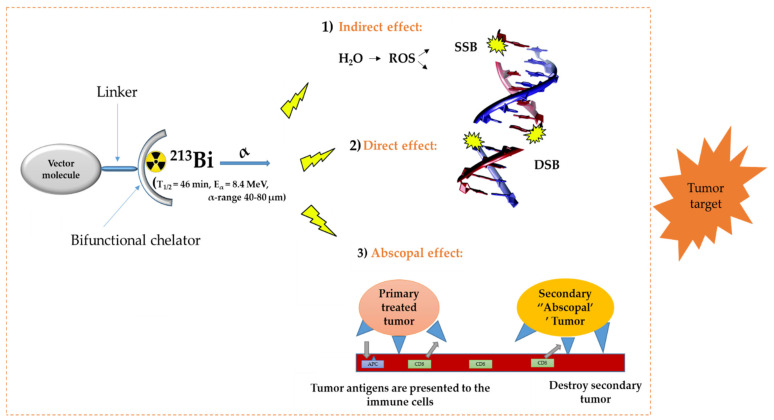
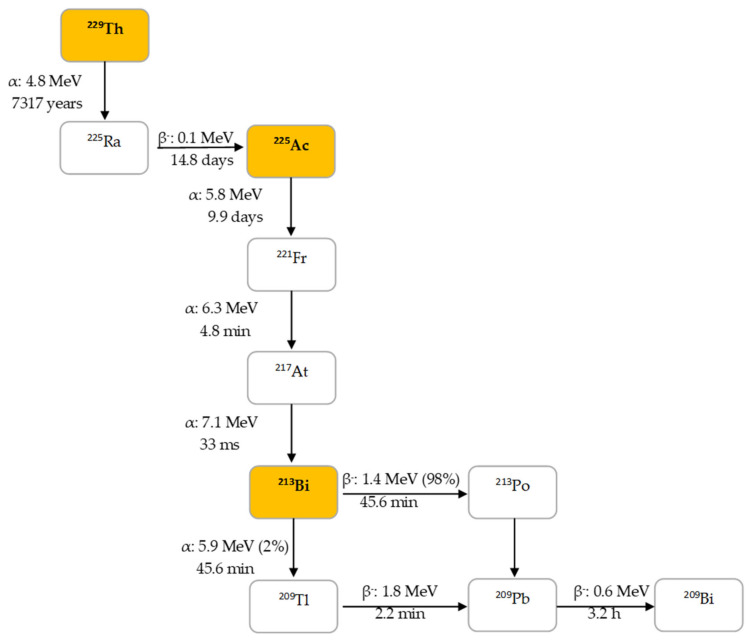
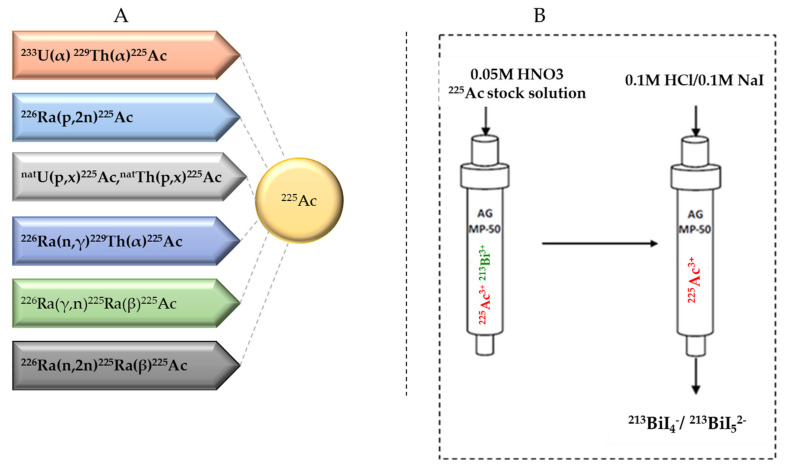
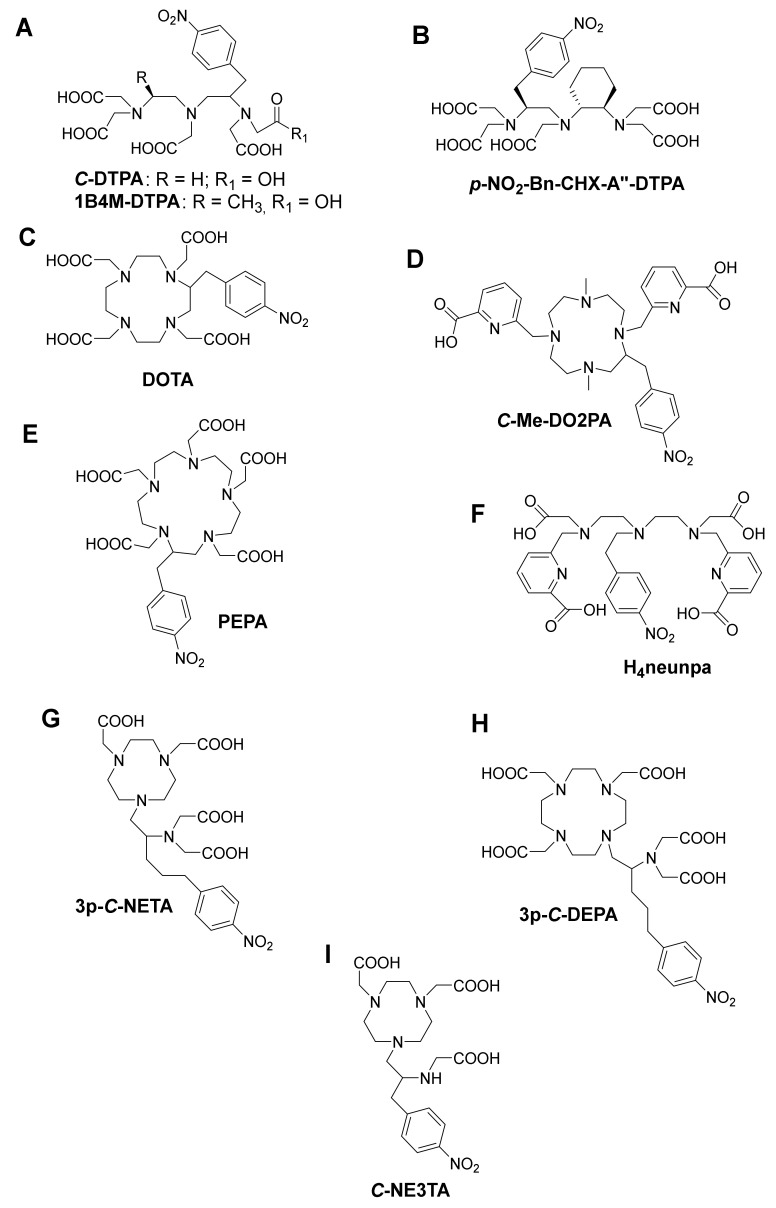
Besides external high-energy photon or proton beam therapy, targeted radionuclide therapy (TRNT) is an alternative approach to deliver radiation to cancer cells. TRNT is distributed within the body by the vascular system and allows targeted irradiation of a primary tumor and all its metastases, resulting in substantially less collateral damage to normal tissues as compared to ex-ternal beam radiotherapy (EBRT). It is a systemic cancer therapy, tackling systemic spread of the disease, which is the cause of death in most cancer patients. The α-emitting radionuclide bis-muth-213 (213Bi) has interesting properties and can be considered as a magic bullet for TRNT. The benefits and drawbacks of targeted alpha therapy with 213Bi are discussed in this review, covering the entire chain from radionuclide production to bedside. First, the radionuclide properties and production of 225Ac and its daughter 213Bi are discussed, followed by the fundamental chemical properties of bismuth. Next, an overview of available acyclic and macrocyclic bifunctional chelators for bismuth, and general considerations for designing a 213Bi-radiopharmaceutical are provided. Finally, we will provide an overview of preclinical and clinical studies involving 213Bi-radiopharmaceuticals, as well as the future perspectives of this promising cancer treatment option.
Overview
The claims and statistics of this paper haven’t been checked yet.
Run the check — free, no account needed. It reads the open-access text and checks the sources it cites.
Integrity signals
Registry
Cites
Statistics
Figures
Verification
Claims the paper makes
The claims and statistics of this paper haven’t been checked yet.
Run the check — free, no account needed. It reads the open-access text and checks the sources it cites.
Claims other papers make about this one
Each is checked against this paper’s own text: does it say what the citing paper says it does?
In the citing paper
“It is important to mention that the availability of appropriate cyclotrons worldwide [energy range 15–25 MeV (101)] makes the production of 225Ac feasible for basic and applied research (94).”
From Alpha-peptide receptor radionuclide therapy using actinium-225 labeled somatostatin receptor agonists and antagonists (2022) · cites this paper as [94]
Self-check
Percentages, sums and reported differences re-computed from the paper’s own numbers.
The self-check needs the paper’s full text.
Citations
Cites
Phase 3 Trial of 177 Lu-Dotatate for Midgut Neuroendocrine Tumors
Strosberg, J., El-Haddad, G., Wolin, E., Hendifar, A., Yao, J., Chasen, B., Mittra, E., Kunz, P. L., Kulke, M. H., Jacene, H., et al. (2017) · New England Journal of Medicine · doi:10.1056/nejmoa1607427 · Cited by 3,308
Relativistic effects in structural chemistry
Pyykkö, P. (1988) · Chemical Reviews · doi:10.1021/cr00085a006 · Cited by 3,077 · cited 1×
“, core-like nature of the 6s electrons), the term “inert pair effect” [36], or “nonhybridization effect” has often been used [37].”
MethodHard and soft acids and bases, HSAB, part 1: Fundamental principles
Pearson, R. G. (1968) · Journal of Chemical Education · doi:10.1021/ed045p581 · Cited by 2,566
Engineered antibody fragments and the rise of single domains
Holliger, P., & Hudson, P. J. (2005) · Nature Biotechnology · doi:10.1038/nbt1142 · Cited by 1,928 · cited 1×
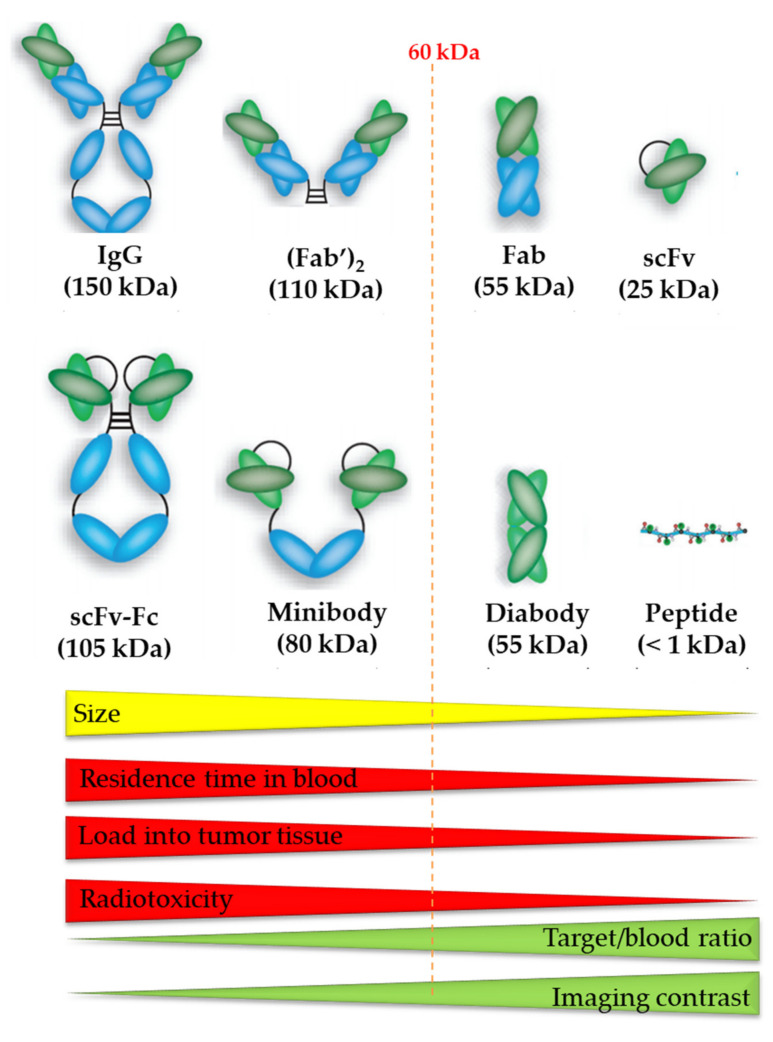
“2 Antibody fragments Recent advances in bioengineering have led to the the development of antibody fragments such as Fab (50 kDa), F(ab’)2 (110kDa), 25-kDa single-chain Fv (scFv), diabodies (55 kDa), nanobodies (15kDa) and minibodies (80 kDa) without affecting their affinity and specificity [94].”
BackgroundMatching chelators to radiometals for radiopharmaceuticals
Price, E. W., & Orvig, C. (2013) · Chemical Society Reviews · doi:10.1039/c3cs60304k · Cited by 1,064 · cited 6×
“The presence of the cyclohexyl moiety of CHX-A”-DTPA provides the chelator with additional rigidity and imposes a significant degree of preorganization on the metal ion binding site, augmenting kinetic inertness, but impeding radiolabeling kinetics as compared with DTPA [3].”
BackgroundMethodInfluentialLindner, T., Loktev, A., Altmann, A., Giesel, F. L., Kratochwil, C., Debus, J., Jäger, D., Mier, W., & Haberkorn, U. (2018) · Journal of Nuclear Medicine · doi:10.2967/jnumed.118.210443 · Cited by 961
Guo, Z., & Sadler, P. J. (1999) · Angewandte Chemie International Edition · doi:10.1002/(sici)1521-3773(19990601)38:11 · Cited by 840
A Tumor-Imaging Method Targeting Cancer-Associated Fibroblasts
Loktev, A., Lindner, T., Mier, W., Debus, J., Altmann, A., Jäger, D., Giesel, F. L., Kratochwil, C., Barthe, P., Roumestand, C., et al. (2018) · Journal of Nuclear Medicine · doi:10.2967/jnumed.118.210435 · Cited by 784
Giesel, F. L., Kratochwil, C., Lindner, T., Marschalek, M. M., Loktev, A., Lehnert, W., Debus, J., Jäger, D., Flechsig, P., Altmann, A., et al. (2018) · Journal of Nuclear Medicine · doi:10.2967/jnumed.118.215913 · Cited by 748
Bismuth Compounds and Preparations with Biological or Medicinal Relevance
Briand, G. G., & Burford, N. (1999) · Chemical Reviews · doi:10.1021/cr980425s · Cited by 599 · cited 1×
“However, Bi compounds are or were used in a wide spectrum of applications ranging from non-toxic pigments and catalysts to biocompatible additives in dental materials and remedies in human and veterinary medicine [34,35].”
Background
Research works printed but not linked: 1
- Finn, 2017, A Phase 2 Study of Actinium-225 (225Ac)-Lintuzumab in Older Patients with Previously Untreated Acute Myeloid Leukemia (AML) Unfit for Intensive Chemotherapy, Blood, 130, 2638
Cited by
Sorted by citations
Salih, S., Alkatheeri, A., Alomaim, W., & Elliyanti, A. (2022) · Molecules · doi:10.3390/molecules27165231 · Cited by 101
Dosimetry in Radiopharmaceutical Therapy
O’Donoghue, J. A., ZANZONICO, P. B., Humm, J. L., & Kesner, A. (2022) · Journal of Nuclear Medicine · doi:10.2967/jnumed.121.262305 · Cited by 100
“Alpha-particle–emitting radionuclides that have been used in clinical trials include (213)Bi (84,85), (211)At (86,87), (212)Pb (88), (223)Ra (89), (225)Ac (90,91), and (227)Th (92), listed in Table 1.”
Recent Advances in 64Cu/67Cu-Based Radiopharmaceuticals
Krasnovskaya, O. O., Abramchuk, D., Erofeev, A. S., Gorelkin, P. V., Kuznetsov, A. A., Shemukhin, A. A., & Beloglazkina, E. K. (2023) · International Journal of Molecular Sciences · doi:10.3390/ijms24119154 · Cited by 85
Alpha-Emitting Radionuclides: Current Status and Future Perspectives
Miederer, M., Benešová, M., Mamat, C., Kästner, D., Pretze, M., Michler, E., Brogsitter, C., Kotzerke, J., Kopka, K., Scheinberg, D. A., et al. (2024) · Pharmaceuticals · doi:10.3390/ph17010076 · Cited by 78
“The DOTA chelator [25] has been widely used for the alpha-emitting radionuclides actinium-225, bismuth-213, and terbium-149, frequently for thorium-227, and some trials were made for radium-223 [12,26–28].”
MethodShi, M., Jakobsson, V., Greifenstein, L., Khong, P.-L., Chen, X., Baum, R. P., & Zhang, J. (2022) · Frontiers in Medicine · doi:10.3389/fmed.2022.1034315 · Cited by 68
Radiotheranostic landscape: A review of clinical and preclinical development
Tran, H. H., Yamaguchi, A., & Manning, H. C. (2025) · European Journal of Nuclear Medicine and Molecular Imaging · doi:10.1007/s00259-025-07103-7 · Cited by 75
“213 Bi, with its short half-life of 45.6 min [140], is suited for rapid targeting applications, while 227 Th, with a longer half-life of 18.7 days [141], is ideal for slowly circulating carriers like antibodies.”
InfluentialParrilha, G. L., dos Santos, R. G., & Beraldo, H. D. O. (2022) · Coordination Chemistry Reviews · doi:10.1016/j.ccr.2022.214418 · Cited by 62
Fakiri, M. E., Geis, N. M., Ayada, N., Eder, M., & Eder, A.-C. (2021) · Cancers · doi:10.3390/cancers13163967 · Cited by 54
Blei, M., Waurick, L., Reissig, F., Kopka, K., Stumpf, T., Drobot, B., Kretzschmar, J., & Mamat, C. (2023) · Inorganic Chemistry · doi:10.1021/acs.inorgchem.3c01983 · Cited by 48
Bidakhvidi, N. A., Goffin, K. E., Dekervel, J., Baete, K., Nackaerts, K., Clément, P. M., Cutsem, E. V., Verslype, C., & Deroose, C. M. (2021) · Cancers · doi:10.3390/cancers14010129 · Cited by 51
Neuroendocrine tumor theranostics
Ichikawa, Y., Kobayashi, N., Takano, S., Kato, I., Endo, K., & Inoue, T. (2022) · Cancer Science · doi:10.1111/cas.15327 · Cited by 45
Bismuth chelation for targeted alpha therapy: Current state of the art
Franchi, S., Marco, V. D., & Tosato, M. (2022) · Nuclear Medicine and Biology · doi:10.1016/j.nucmedbio.2022.06.002 · Cited by 41
Hu, A., Brown, V., MacMillan, S. N., Radchenko, V., Yang, H., Wharton, L., Ramogida, C. F., & Wilson, J. J. (2021) · Inorganic Chemistry · doi:10.1021/acs.inorgchem.1c03670 · Cited by 38
Radiometals in Imaging and Therapy: Highlighting Two Decades of Research
Sharma, S., & Pandey, M. K. (2023) · Pharmaceuticals · doi:10.3390/ph16101460 · Cited by 39
“[293].”
BackgroundInfluentialJalloul, W., Ghizdovăţ, V., Stolniceanu, C. R., Ionescu, T. M., Grierosu, I. C., Păvăleanu, I., Moscalu, M., & Ştefănescu, C. (2023) · Pharmaceuticals · doi:10.3390/ph16121679 · Cited by 40
“…Moreover, during this type of therapy, the primary tumour and any additional cancerous lesions in the body that the radiation did not directly target may decrease as a result of “the abscopal e ff ect” [14]. radiation did not directly target may decrease as a result of “the abscopal effect” [14].”
BackgroundMethodInfluentialAlpha Atlas: Mapping global production of α-emitting radionuclides for targeted alpha therapy
Tosato, M., Favaretto, C., Kleynhans, J., Burgoyne, A. R., Gestin, J., van der Meulen, N. P., Jalilian, A. R., Köster, U., Asti, M., & Radchenko, V. (2024) · Nuclear Medicine and Biology · doi:10.1016/j.nucmedbio.2024.108990 · Cited by 38
“Although the simple and rapid decay schemes of 212/213 Bi offer some benefits, such as minimizing the redistribution of daughter radionuclides compared with their parent isotopes [221], the schemes also present limitations for clinical applications.”
Commercial and business aspects of alpha radioligand therapeutics
Ostuni, E., & Taylor, M. R. G. (2023) · Frontiers in Medicine · doi:10.3389/fmed.2022.1070497 · Cited by 35
Ahenkorah, S., Murce, E., Cawthorne, C., Ketchemen, J. P., Deroose, C. M., Cardinaels, T., Seimbille, Y., Fonge, H., Gsell, W., Bormans, G. M., et al. (2022) · Theranostics · doi:10.7150/thno.75336 · Cited by 37
“, 100 μM) and prolonged reaction time (30-60 min) are significant and must not be overlooked [9].”
BackgroundMethodInfluentialLiu, Y., Tang, H., Song, T., Xu, M., Chen, J., Cui, X.-Y., Han, Y., Li, Z., & Liu, Z. (2023) · European Journal of Nuclear Medicine and Molecular Imaging · doi:10.1007/s00259-023-06230-3 · Cited by 27
“As a comparison, the fast pharmacokinetics of FAPI may be a perfect match for the short half-life of 213Bi [13].”
BackgroundThe Evolving Coordination Chemistry of Radiometals for Targeted Alpha Therapy
Grieve, M. L., & Paterson, B. M. (2021) · Australian Journal of Chemistry · doi:10.1071/ch21184 · Cited by 28
Antibody-based Radiopharmaceuticals as Theranostic Agents: An Overview
Sharma, R., Suman, S. K., & Mukherjee, A. (2022) · Current Medicinal Chemistry · doi:10.2174/0929867329666220607160559 · Cited by 24
H2ampa─Versatile Chelator for [203Pb]Pb2+, [213Bi]Bi3+, and [225Ac]Ac3+
Ingham, A., Wharton, L., Sayed, T. E., Southcott, L., McNeil, B. L., Ezhova, M. B., Patrick, B. O., Jaraquemada-Peláez, M. D. G., & Orvig, C. (2022) · Inorganic Chemistry · doi:10.1021/acs.inorgchem.2c00636 · Cited by 21
Castillo, D., Saint‐Hubert, M. D., Ahenkorah, S., Vargas, C. S., Ooms, M., Struelens, L., & Koole, M. J. B. (2022) · EJNMMI Radiopharmacy and Chemistry · doi:10.1186/s41181-022-00174-z · Cited by 20
Advances in bismuth utilization for biomedical applications – From a bibliometric perspective
Gu, C., Zhu, S., & Gu, Z. (2024) · Coordination Chemistry Reviews · doi:10.1016/j.ccr.2024.215988 · Cited by 21
Alsadi, R., Djekidel, M., Bouhali, O., & O’Doherty, J. (2022) · Frontiers in Physics · doi:10.3389/fphy.2022.940677 · Cited by 21
Boros, E., Comba, P., Engle, J. W., Harriswangler, C., Lapi, S. E., Lewis, J. S., Mastroianni, S., Mirica, L. M., Platas‐Iglesias, C., Ramogida, C. F., et al. (2025) · Chemical Reviews · doi:10.1021/acs.chemrev.5c00641 · Cited by 24
A Radionuclide Generator of High-Purity Bi-213 for Instant Labeling
Ermolaev, S. V., Skasyrskaya, A. K., & Vasiliev, A. N. (2021) · Pharmaceutics · doi:10.3390/pharmaceutics13060914 · Cited by 18
“Depending on the vector molecules, a possible range of 213Bi administered dose may vary within 5–10 GBq [1].”
Backgroundvan der Heide, C. D., Ma, H., Hoorens, M. W. H., Campeiro, J. D., Stuurman, D. C., de Ridder, C. M. A., Seimbille, Y., & Dalm, S. U. (2024) · EJNMMI Radiopharmacy and Chemistry · doi:10.1186/s41181-024-00283-x · Cited by 16
“Bismuth-213 would be a promising candidate with a half-life of 45.6 min and a high linear energy transfer, matching the short biological half-life of eFAP-6 (Ahenkorah et al. 2021).”
BackgroundInfluentialMapanao, A. K., Busslinger, S. D., Mehta, A., Kegler, K., Favaretto, C., Grundler, P. V., Talip, Z., Köster, U., Johnston, K., Schibli, R., et al. (2025) · European Journal of Nuclear Medicine and Molecular Imaging · doi:10.1007/s00259-024-07035-8 · Cited by 16
“Bismuth-213 (T 1/2 = 45 min [7]) has also been used for TAT, however, its short half-life has been limiting its therapeutic efficacy [ 8].”
Zhu, H., Heinitz, S., Eyley, S., Thielemans, W., Binnemans, K., Mullens, S., & Cardinaels, T. (2023) · Chemical Engineering Journal · doi:10.1016/j.cej.2023.142456 · Cited by 16
“Indeed, 213 Bi decays predominantly via beta emission to the ultra-short-lived alpha emitter 213 Po ( t 1/2 = 4.2 µ s), which has been considered as the main responsible for the therapeutical effect [8].”
InfluentialHu, A., Martin, K. E., Śmiłowicz, D., Aluicio‐Sarduy, E., Cingoranelli, S. J., Lapi, S. E., Engle, J. W., Boros, E., & Wilson, J. J. (2023) · European Journal of Inorganic Chemistry · doi:10.1002/ejic.202300457 · Cited by 17
Massironi, S., Albertelli, M., Hasballa, I., Paravani, P., Ferone, D., Faggiano, A., & Danese, S. (2025) · Cells · doi:10.3390/cells14040245 · Cited by 15
“The potential of alpha emitters, such as 225Ac and 213Bi, to generate double-strand DNA breaks, leading to significantly enhanced cytotoxicity and tumor cell killing, represents an exciting area of research for enhancing SSA-based therapies [84,85].”
Radioimmunoconjugates in the age of modern immuno-oncology
Nasr, D., Kumar, P. A., Zerdan, M. B., Ghelani, G. H., Dutta, D., Graziano, S. L., & Lim, S. H. (2022) · Life Sciences · doi:10.1016/j.lfs.2022.121126 · Cited by 13
NGR-Based Radiopharmaceuticals for Angiogenesis Imaging: A Preclinical Review
Trencsényi, G., Enyedi, K. N., Mező, G., Halmos, G., & Képes, Z. (2023) · International Journal of Molecular Sciences · doi:10.3390/ijms241612675 · Cited by 14
Khabirova, S. Y., Aleshin, G. Y., Anokhin, E. O., Shchukina, A. A., Zubenko, A. D., Fedorova, O. A., Аверин, А. А., Trusov, L. A., & Kalmykov, S. N. (2023) · Dalton Transactions · doi:10.1039/d2dt03548k · Cited by 14
Leupe, H., Cauwenbergh, M., Cleeren, F., Dekervel, J., Verslype, C., & Deroose, C. M. (2025) · Pharmaceuticals · doi:10.3390/ph18111608 · Cited by 14
“Ongoing efforts to expand actinium-225 production are expected to alleviate these constraints in the coming years, potentially paving the way for broader clinical adoption of 213 Bi-based radiopharmaceuticals [31].”
InfluentialTargeted Radium Alpha Therapy in the Era of Nanomedicine: In Vivo Results
Trencsényi, G., Csikos, C., & Képes, Z. (2024) · International Journal of Molecular Sciences · doi:10.3390/ijms25010664 · Cited by 13
“…relative to alpha (40–80 µ m, approximately 2–10 cell diameter), β -emitter therapeutic radionuclides are supposed to exert a cytotoxic effect even in deep neoplastic tissue layers; however, prior research did not strengthen the superiority of ip. β -therapy to alpha radiation [157,222–224].”
Kleynhans, J., Ebenhan, T., Cleeren, F., & Sathekge, M. M. (2024) · European Journal of Nuclear Medicine and Molecular Imaging · doi:10.1007/s00259-024-06719-5 · Cited by 13
Nawar, M. F., Selim, A. A., Essa, B. M., El-Daoushy, A. F., Swidan, M. M., Chambers, C., Al-Qahtani, M. H., Smith, C. J., & Sakr, T. M. (2025) · Cancers · doi:10.3390/cancers17183055 · Cited by 12
“]Th were identified, processed, and used for pre-clinical studies [30].”
Nanoscale Radiotheranostics for Cancer Treatment: From Bench to Bedside
Jiao, X., Hong, H., & Cai, W. (2024) · Wiley Interdisciplinary Reviews Nanomedicine and Nanobiotechnology · doi:10.1002/wnan.2006 · Cited by 11
Kálmán-Szabó, I., Képes, Z., Fekete, A., Vágner, A., Nagy, G., Szücs, D., Gyuricza, B., Arató, V., Varga, J., Kárpáti, L., et al. (2023) · Journal of Pharmaceutical and Biomedical Analysis · doi:10.1016/j.jpba.2023.115374 · Cited by 11
Horváth, D., Vágner, A., Szikra, D., Trencsényi, G., Demitri, N., Guidolin, N., Maiocchi, A., Ghiani, S., Travagin, F., Giovenzana, G. B., et al. (2022) · Angewandte Chemie International Edition · doi:10.1002/anie.202207120 · Cited by 11
Advancements in Locoregional Therapies for Unresectable Intrahepatic Cholangiocarcinoma
O'Donnell, C., Majeed, U., Rutenberg, M. S., Croome, K. P., Poruk, K. E., Toskich, B. B., & Jin, Z. (2025) · Current Oncology · doi:10.3390/curroncol32020082 · Cited by 11
“Alternative methods for the targeted delivery of radiopharmaceuticals, such as theranostic, may also prove important [128,129].”
Rapid Elution of 226Th from a Two-Column 230U/226Th Generator with Diluted and Buffer Solutions
Ermolaev, S. V., Skasyrskaya, A. K., & Vasiliev, A. N. (2023) · Molecules · doi:10.3390/molecules28083548 · Cited by 10
“226Th-radiopharmaceuticals can be effective for therapy of epithelial or easily accessible tumors [21].”
BackgroundErmolaev, S. V., Vasiliev, A. N., Lapshina, E. V., Kobtsev, A. A., & Zhuikov, B. L. (2024) · New Journal of Chemistry · doi:10.1039/d3nj05778j · Cited by 10
The Advancement of Targeted Alpha Therapy and the Role of Click Chemistry Therein
Lacerda, S., de Kruijff, R. M., & Djanashvili, K. (2025) · Molecules · doi:10.3390/molecules30061296 · Cited by 9
“[22], ( c ) 225 Ac and 213 Bi [23–25], ( d ) 224 Ra and 212 Bi [26], and ( e ) 227 Th and 223 Ra [23,27].”
Iorio, V. D., Sarnelli, A., Boschi, S., Sansovini, M., Genovese, R. M., Ştefănescu, C., Ghizdovăţ, V., Jalloul, W., Young, J. D., Sosabowski, J. K., et al. (2025) · Pharmaceuticals · doi:10.3390/ph18101578 · Cited by 10
Zhu, H., Heinitz, S., Eyley, S., Thielemans, W., Binnemans, K., Mullens, S., & Cardinaels, T. (2023) · Chemical Engineering Journal · doi:10.1016/j.cej.2023.143416 · Cited by 9
225 Ac/ 213 Bi radionuclide generators for the separation of 213 Bi towards clinical demands
Zhu, H., Heinitz, S., Binnemans, K., Mullens, S., & Cardinaels, T. (2024) · Inorganic Chemistry Frontiers · doi:10.1039/d4qi00326h · Cited by 9
Csige, K., Szabó, J. P., Kálmán-Szabó, I., Dénes, N., Szikra, D., Képes, Z., Opposits, G., Méhes, G., Kertész, I., Fenyvesi, F., et al. (2022) · International Journal of Pharmaceutics · doi:10.1016/j.ijpharm.2022.122132 · Cited by 9
Radiation Dosimetry in Theranostics: A Review
ZANZONICO, P. B. (2025) · Journal of Nuclear Medicine Technology · doi:10.2967/jnmt.125.270852 · Cited by 8
Cell Senescence and the DNA Single-Strand Break Damage Repair Pathway
Sarma, P. A. P., Abbadie, C., de Launoit, Y., & Cleri, F. (2024) · DNA · doi:10.3390/dna4040036 · Cited by 8
Targeted bismuth-based materials for cancer
Batool, A., Kopp, I., Kubeil, M., Bachmann, M. P., Andrews, P. C., & Stephan, H. (2025) · Dalton Transactions · doi:10.1039/d5dt00163c · Cited by 6
Cusnir, R., Froidevaux, P., Carbonez, P., & Straub, M. (2022) · Analytica Chimica Acta · doi:10.1016/j.aca.2021.339421 · Cited by 7
Production and Quality Control of Actinium-225 Radiopharmaceuticals
INTERNATIONAL ATOMIC ENERGY AGENCY (2024) · International Atomic Energy Agency eBooks · doi:10.61092/iaea.95h3-2ji2 · Cited by 7
Radiolabeled Probes from Derivatives of Natural Compounds Used in Nuclear Medicine
Tesse, G., Tolomeo, A. M., Filippis, B. D., & Giampietro, L. (2024) · Molecules · doi:10.3390/molecules29174260 · Cited by 6
“Another alpha particle emitter is 225 Ac, which can be used to treat neuroendocrine tumors [17].”
BackgroundSomatostatin receptor‐linked α‐particle therapy in neuroendocrine tumours
Navalkissoor, S., & Grossman, A. B. (2024) · Journal of Neuroendocrinology · doi:10.1111/jne.13463 · Cited by 6
“49 The major advantage of 213 Bi-TAT compared with 225 Ac-TAT is that there is no production of recoiled daughter nuclides which would potentially limit off-target doses.”
Lucio‐Martínez, F., Esteban‐Gómez, D., Valencia, L., Horváth, D., Szücs, D., Fekete, A., Szikra, D., Tircsó, G., & Platas‐Iglesias, C. (2023) · Chemical Communications · doi:10.1039/d2cc06876a · Cited by 6
Bi-HPDO3A as a novel contrast agent for X-ray computed tomography
Rizzo, R., Capozza, M., Carrera, C., & Terreno, E. (2023) · Scientific Reports · doi:10.1038/s41598-023-43031-y · Cited by 6
Blanco, J. R., Edwards, T., Irvin, T. E., Kleinfeldt, C., Lapi, S. E., & Severin, G. W. (2025) · Applied Radiation and Isotopes · doi:10.1016/j.apradiso.2025.112147 · Cited by 5
The application of radionuclide therapy for breast cancer
Musket, A., Davern, S. M., Elam, B. M., Musich, P. R., Moorman, J. P., & Jiang, Y. (2024) · Frontiers in Nuclear Medicine · doi:10.3389/fnume.2023.1323514 · Cited by 5
Zhu, H., Heinitz, S., Eyley, S., Thielemans, W., Derveaux, E., Adriaensens, P., Binnemans, K., Mullens, S., & Cardinaels, T. (2023) · RSC Advances · doi:10.1039/d3ra06130b · Cited by 5
Smith, T. (2025) · Frontiers in Oncology · doi:10.3389/fonc.2025.1572118 · Cited by 4
Feng, S., Hisada, K., Yorifuji, H., Shirakami, Y., & Kaneda‐Nakashima, K. (2025) · International Journal of Molecular Sciences · doi:10.3390/ijms262110736 · Cited by 4
Current and future perspectives on radioligand therapy in advanced prostate cancer
Ahmed, B. S., & Ravi, P. K. (2026) · Therapeutic Advances in Medical Oncology · doi:10.1177/17588359251409047 · Cited by 5
“37”
Radiopharmaceuticals: Status, Regulatory Landscape and Future Perspective
Maithania, H. V., John, R., Painoori, R., monpara, J., Swaminathan, S., & Kalhapure, R. S. (2026) · AAPS PharmSciTech · doi:10.1208/s12249-026-03346-1 · Cited by 4
225Aс/213Bi generator for direct synthesis of 213Bi-labeled bioconjugates
Ermolaev, S. V., Vasiliev, A. N., Skasyrskaya, A. K., Lapshina, E. V., Khaliullina, D. R., & Libanova, O. N. (2024) · Nuclear Medicine and Biology · doi:10.1016/j.nucmedbio.2024.108975 · Cited by 4
52Mn-labelled Beta-cyclodextrin for Melanoma Imaging: A Proof-of-concept Preclinical Study
Képes, Z., Szabó, J. P., Kálmán-Szabó, I., Sass, T., Esze, R., Opposits, G., Jószai, I., Szikra, D., Fenyvesi, F., Hajdu, I., et al. (2024) · In Vivo · doi:10.21873/invivo.13735 · Cited by 4
“Despite these promising initial results, however, the use of short-lived 68 Ga or 205/206 Bi isotopes suffers the limitation of not covering extended imaging periods (42-44).”
BackgroundCsikos, C., Képes, Z., Fekete, A., Vágner, A., Nagy, G., Gyuricza, B., Arató, V., Kárpáti, L., Mándity, I. M., Bruchertseifer, F., et al. (2023) · International Journal of Pharmaceutics · doi:10.1016/j.ijpharm.2023.123344 · Cited by 4
Vasiliev, A. N., Ermolaev, S. V., Lapshina, E. V., Bravo, M. G., & Skasyrskaya, A. K. (2022) · Solvent Extraction and Ion Exchange · doi:10.1080/07366299.2022.2088059 · Cited by 4
“Radiopharmaceuticals containing (225)Ac and its daughter (213)Bi are successfully passing clinical trials for the treatment of leukemia, NHL, carcinoma, neuroendocrine tumor, glioma melanoma, and other malignant diseases [12,13].”
BackgroundAdvances in Molecular Imaging for Neuroendocrine Neoplasms
Girod, B., & Prasad, V. (2025) · Cancers · doi:10.3390/cancers17122013 · Cited by 3
“In patients who have progressed clinically or radiographically, management includes chemotherapy, everolimus, sunitinib, cabozantinib, or peptide receptor radionuclide therapy (PRRT) [1–3].”
Munekane, M., Fuchigami, T., & Ogawa, K. (2026) · Coordination Chemistry Reviews · doi:10.1016/j.ccr.2026.218173 · Cited by 3
Quality Assurance and Quality Control Methods in Radiopharmacy
Kılçar, A. Y. (2023) · Nuclear Medicine Seminars · doi:10.4274/nts.galenos.2023.0010 · Cited by 3
Gas-chemical approach to 225Ac/213Bi radionuclide generator for medical application
Zobnin, V., Zhuikov, B. L., Vasiliev, A. N., & Polnyakov, G. A. (2024) · Applied Radiation and Isotopes · doi:10.1016/j.apradiso.2024.111581 · Cited by 3
The Emerging Potential of Lead-212 Theranostics
Plichta, K. A., & Buatti, J. M. (2025) · Hematology/Oncology Clinics of North America · doi:10.1016/j.hoc.2024.11.001 · Cited by 3
Alpha particle microdosimetry calculations using a shallow neural network
Wagstaff, P., Gabiña, P. M., Mínguez, R., & Roeske, J. C. (2022) · Physics in Medicine and Biology · doi:10.1088/1361-6560/ac499c · Cited by 3
Radiopharmaceuticals for Therapy
Vallabhajosula, S. (2023) · Springer eBooks · doi:10.1007/978-3-031-23205-3_17 · Cited by 3
Zhu, H., Heinitz, S., Binnemans, K., Mullens, S., & Cardinaels, T. (2024) · RSC Advances · doi:10.1039/d4ra06276k · Cited by 2
Dienes, R. A., Komor, L. A., Szabó, J. P., Berzi, A., Emri, M., Szikra, D., Fekete, A., Opposits, G., Jószai, I., Kertész, I., et al. (2025) · European Journal of Pharmaceutical Sciences · doi:10.1016/j.ejps.2025.107344 · Cited by 2
Ahenkorah, S., & Ramdhani, D. (2025) · Pharmaceutics · doi:10.3390/pharmaceutics17121508 · Cited by 2
“The fast dissociation of radiometals from acyclic chelators in vivo is well reported in the literature [3,13].”
Medicinal applications of bismuth(III): from antimicrobial to anticancer
Lok, J. G.-T., Chan, C.-L., Hao, Q., Li, H., & Sun, H. (2026) · Journal of Inorganic Biochemistry · doi:10.1016/j.jinorgbio.2026.113299 · Cited by 2
Obuch, J., Cı́sařová, I., Czernek, J., Brus, J., & Hermann, P. (2026) · Inorganic Chemistry · doi:10.1021/acs.inorgchem.6c01226 · Cited by 2
Targeted Alpha Therapy in Cancer Management: Therapeutic Prospects of Nuclear Medicine in Oncology
Mdanda, S., Mdlophane, A. H., Ndlovu, H., Ramonaheng, K., Qebetu, M., Mahapane, J., Kgatle, M., Mzizi, Y. V., Sebatana, R., Cele, Z. E. D., et al. (2023) · Interdisciplinary cancer research · doi:10.1007/16833_2023_195 · Cited by 2
State of the art and future perspectives of new radionuclides in Nuclear Medicine. Part II
Sancho, L., Roteta, A., Torres, I., de Arcocha, M., Ramos-Membrive, R., Domínguez, M. L., Rosales, J. J., Prieto, E., & Quincoces, G. (2025) · Revista Española de Medicina Nuclear e Imagen Molecular (English Edition) · doi:10.1016/j.remnie.2025.500128 · Cited by 2
Berckmans, Y., Wouters, R., Raskovic-Lovre, Z., Mechelen, S. V., Lindland, K., Bønsdorff, T. B., Coosemans, A., & Cleeren, F. (2025) · Nuclear Medicine and Biology · doi:10.1016/j.nucmedbio.2025.109570 · Cited by 2
Képes, Z., Hajdu, I., Fenyvesi, F., & Trencsényi, G. (2023) · International Journal of Pharmaceutics · doi:10.1016/j.ijpharm.2023.122978 · Cited by 2
Prospects for the Use of Bismuth Nanoparticles and Its Compounds in Biomedicine
Rudyy, A. V., Fronya, A. A., & Zavestovskaya, I. N. (2023) · Physics of Atomic Nuclei · doi:10.1134/s106377882311039x · Cited by 2
Deroose, C. M. (2023) · European Journal of Nuclear Medicine and Molecular Imaging · doi:10.1007/s00259-023-06581-x · Cited by 2
“Advantages of this strategy include first-pass mediated increased uptake and a more rapid reaching of peak or plateau values in the time-activity curve, which can be of great interest in treatment with short-lived radionuclides (e.g., bismuth-213, half-life 45.6 min) [6].”
InfluentialZhu, H., Heinitz, S., Binnemans, K., Mullens, S., & Cardinaels, T. (2024) · ACS Omega · doi:10.1021/acsomega.4c05457 · Cited by 1
Ketchemen, J. P., Ahenkorah, S., Nwangele, E., Malaza, S. S. P., Ooms, M., Cardinaels, T., Leekens, S., Cleeren, F., & Fonge, H. (2025) · EJNMMI Radiopharmacy and Chemistry · doi:10.1186/s41181-025-00408-w · Cited by 1
Arawker, M. H., Habibullah, F., Fu, L., Baral, S., & Qiu, X. (2026) · Molecular Imaging and Biology · doi:10.1007/s11307-026-02082-z · Cited by 1
“While α-emitters offer the potential for enhanced tumoricidal efficacy [91], their use demands meticulous dose fractionation and stringent renal protection protocols due to their high linear energy transfer.”
Theranostics and Molecular-targeted Endo-radiotherapy: The Current Landscape and Future Directions
Nazar, A. K., & Basu, S. K. (2025) · Clinical Nuclear Medicine · doi:10.1097/rlu.0000000000006120 · Cited by 1
Biodistribution of 213Bi–Metallothionein and 213Bi–IgG in Intact Mice
Петриев, В. М., Тищенко, В. К., Шегай, П. В., Иванов, С. А., & Каприн, А. Д. (2022) · Physics of Atomic Nuclei · doi:10.1134/s1063778822090253 · Cited by 1
Seo, S., & Seo, Y. (2025) · Nuclear Medicine and Molecular Imaging · doi:10.1007/s13139-025-00907-3 · Cited by 1
“Among the isotopes of Bi, the alpha-emitting radionuclides Bi-212 and Bi-213 have garnered significant attention for their potential in TAT [ 34 , 35 ].”
Horváth, D., Vágner, A., Szikra, D., Trencsényi, G., Demitri, N., Guidolin, N., Maiocchi, A., Ghiani, S., Travagin, F., Giovenzana, G. B., et al. (2022) · Angewandte Chemie · doi:10.1002/ange.202207120
Chemistry of Therapeutic Radionuclides
Vallabhajosula, S. (2023) · Springer eBooks · doi:10.1007/978-3-031-23205-3_18
Radiopharmaceutical Therapy: Strategy for Management to Optimize Patient Care – A Case Report
Ding, L., Smith, K. S., Iandoli, M., Laurie, F., Bradford, C., LaRosa, S., Khalifeh, A., Liu, F., Kuo, I., Razzaq, M., et al. (2024) · Medical Research Archives · doi:10.18103/mra.v12i4.5218
Calculation of alpha particle single-event spectra using a neural network
Alkhani, L., Luce, J., Gabiña, P. M., & Roeske, J. C. (2024) · Frontiers in Oncology · doi:10.3389/fonc.2024.1394671
Pursuing theranostics: a multimodal architecture approach
Bender, A. A., Holiski, C. K., Embree, M. F., Hennkens, H. M., Klaehn, J. R., Lundgreen, E., Roberts, A. G., Zalupski, P. R., & Mastren, T. (2024) · Sensors & Diagnostics · doi:10.1039/d4sd00221k
Estado del arte y perspectivas futuras de nuevos radionúclidos en Medicina Nuclear: Parte II
Sancho, L., Roteta, A., Torres, I., de Arcocha, M., Ramos-Membrive, R., Domínguez, M. L., Rosales, J. J., Prieto, E., & Quincoces, G. (2025) · Revista Española de Medicina Nuclear e Imagen Molecular · doi:10.1016/j.remn.2025.500128
Metadata
- Authors
- Ahenkorah, S., Cassells, I., Deroose, C. M., Cardinaels, T., Burgoyne, A. R., Bormans, G., Ooms, M., & Cleeren, F.
- Affiliations
- Belgian Nuclear Research Centre (BE)
- Universitair Ziekenhuis Leuven (BE)
- KU Leuven (BE)
- Corresponding author
- Ooms, Maarten
- Cleeren, Frederik
- ORCID
- Venue
- Pharmaceutics
- Publisher
- MDPI AG
- Published
- 2021-04-21
- Volume
- 13
- Issue
- 5
- Pages
- 599
- ISSN
- 1999-4923 (ISSN-L)
- PMC
- PMC8143329
- OpenAlex
- W3145208530
- Cited by
- 120
- References
- 141
- Citations by year
- 2026: 21 · 2025: 26 · 2024: 24 · 2023: 24 · 2022: 19 · 2021: 6
- FWCI
- 2.98
- Type
- journal article
- Language
- en
- Open access
- gold
- doi.org
- Licence
- Locations
- Pharmaceutics (publishedVersion, cc-by)
- Preprints.org (acceptedVersion, cc-by)
- PubMed Central (publishedVersion, cc-by)
- PubMed (publishedVersion)
- Lirias (submittedVersion, other-oa)
- DOAJ (DOAJ: Directory of Open Access Journals) (submittedVersion, cc-by-sa)
- Funders
- Fonds Wetenschappelijk Onderzoek (12R3119N)
- Topics
- Health Sciences › Medicine › Radiology, Nuclear Medicine and Imaging › Radiopharmaceutical Chemistry and Applications
- Physical Sciences › Physics and Astronomy › Radiation › Radioactivity and Radon Measurements
- Life Sciences › Pharmacology, Toxicology and Pharmaceutics › Pharmaceutical Science › Chemical Reactions and Isotopes
- Keywords
- bismuth-213, targeted radionuclide therapy, targeted alpha therapy, actinium-225, radioisotope production, bifunctional chelators, macrocyclic chelators, radiopharmaceutical design, bismuth chemistry, alpha-emitting radionuclides, cancer therapy
About these checks
Registry, retraction, Cites and statistics results are computed, not judged, with one exception: a printed reference that no index lists is read once by a model before it counts as a citation error. Claims are extracted by a model and kept only when their quote appears verbatim in the text; each cited source is then checked, with a model’s help, for whether it says what the claim relies on. Those verdicts can be wrong — read the claim’s quote and the cited source before relying on one.
Statistics and arithmetic are recomputed, not judged.
Confidence bands are shown only for fields calibrated on our annotated test set. None is calibrated yet, so no band is shown.
What counts as a claim ›How we measure confidence ›How we check this ›
Are you an author, or do you see a problem with this page? Request a review
