

The DOI matches its Crossref record.
Molecular docking and efficacy of Aloe vera gel based on chitosan nanoparticles against Helicobacter pylori and its antioxidant and anti-inflammatory activities.
Abstract
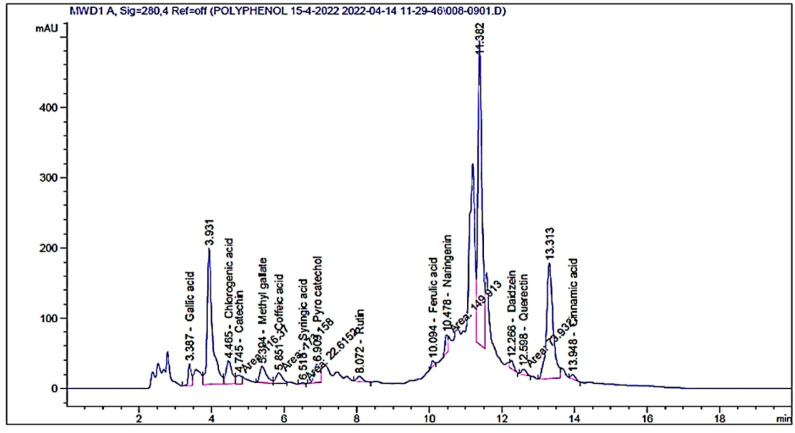
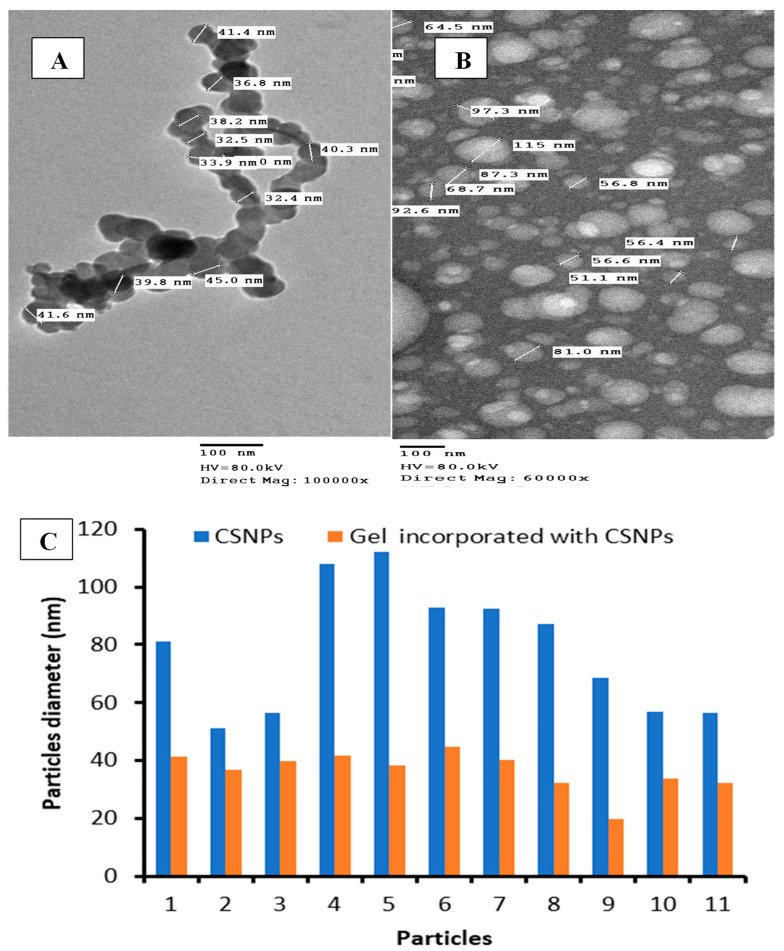
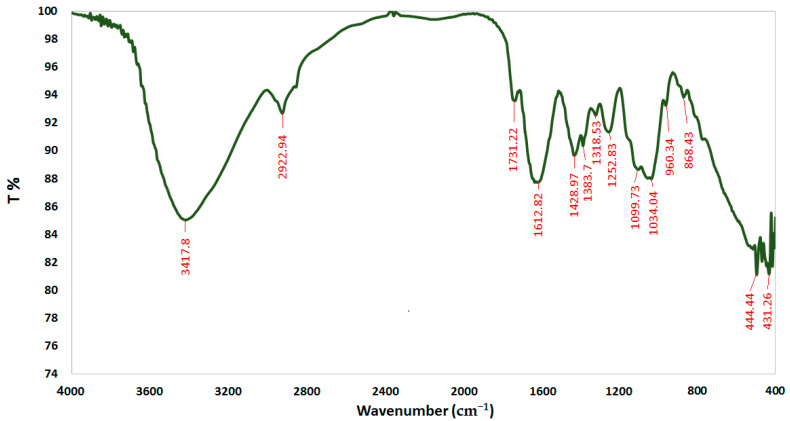
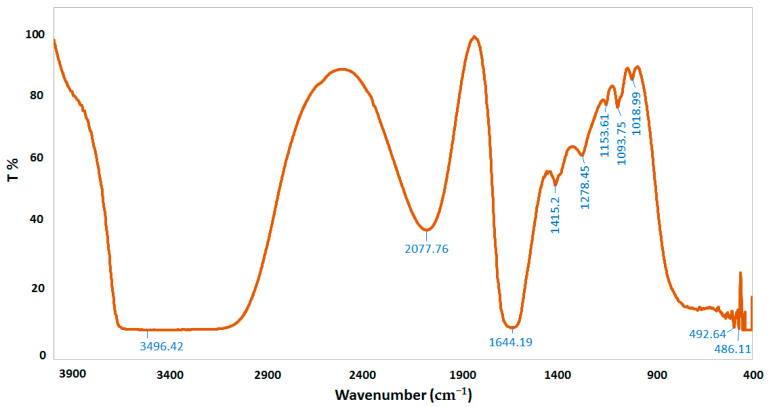
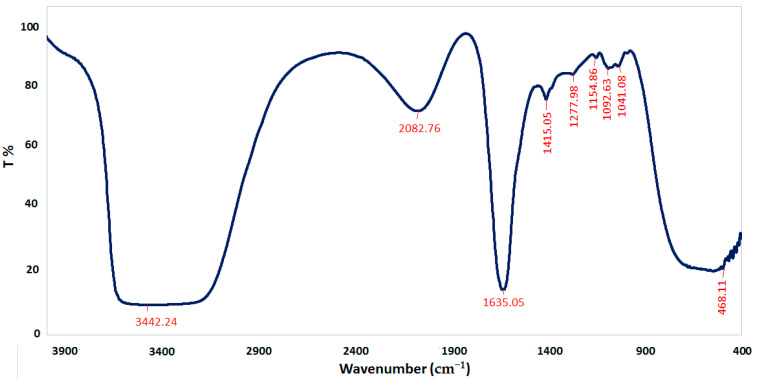
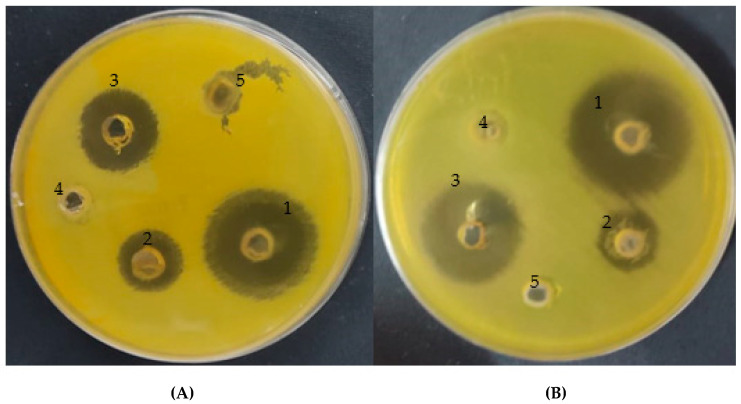
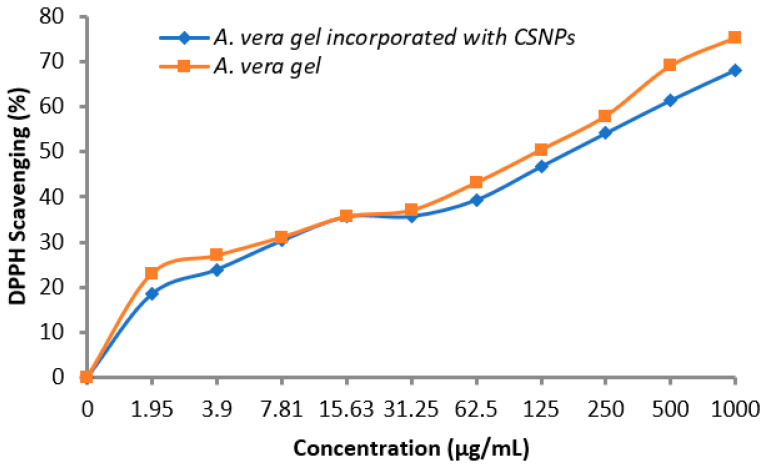
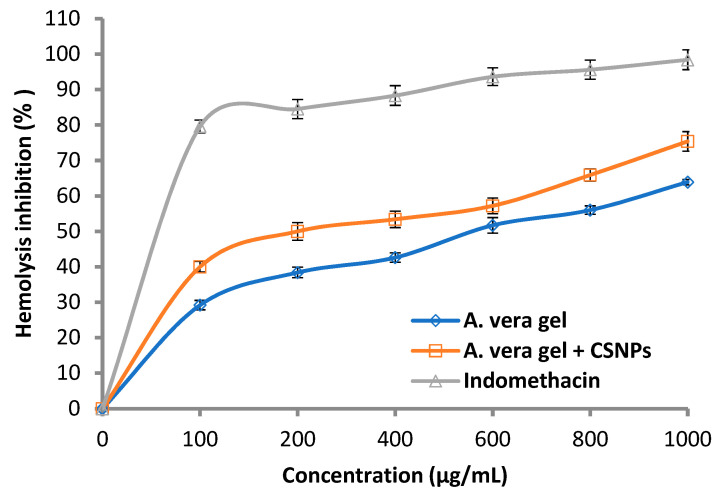
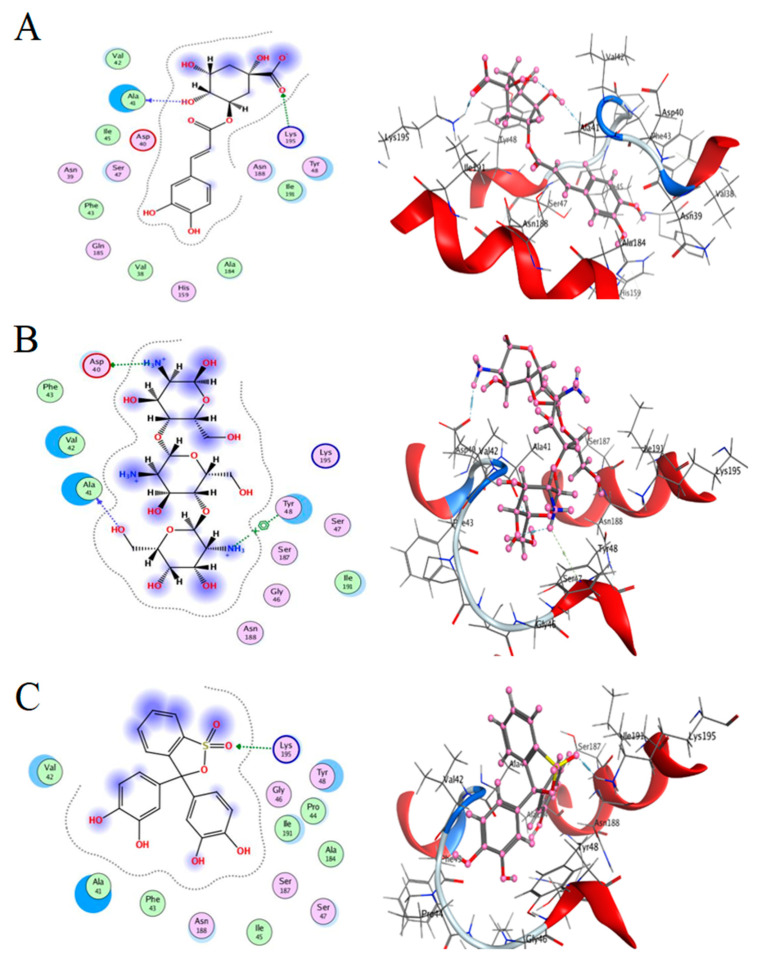
The medicinal administration of Aloe vera gel has become promising in pharmaceutical and cosmetic applications particularly with the development of the nanotechnology concept. Nowadays, effective H. pylori treatment is a global problem; therefore, the development of natural products with nanopolymers such as chitosan nanoparticles (CSNPs) could represent a novel strategy for the treatment of gastric infection of H. pylori. HPLC analysis of A. vera gel indicated the presence of chlorogenic acid as the main constituent (1637.09 µg/mL) with other compounds pyrocatechol (1637.09 µg/mL), catechin (1552.92 µg/mL), naringenin (528.78 µg/mL), rutin (194.39 µg/mL), quercetin (295.25 µg/mL), and cinnamic acid (37.50 µg/mL). CSNPs and A. vera gel incorporated with CSNPs were examined via TEM, indicating mean sizes of 83.46 nm and 36.54 nm, respectively. FTIR spectra showed various and different functional groups in CSNPs, A. vera gel, and A. vera gel incorporated with CSNPs. Two strains of H. pylori were inhibited using A. vera gel with inhibition zones of 16 and 16.5 mm, while A. vera gel incorporated with CSNPs exhibited the highest inhibition zones of 28 and 30 nm with resistant and sensitive strains, respectively. The minimal inhibitory concentration (MIC) was 15.62 and 3.9 µg/mL, while the minimal bactericidal concentration (MBC) was 15.60 and 7.8 µg/mL with MBC/MIC 1 and 2 indexes using A. vera gel and A. vera gel incorporated with CSNPs, respectively, against the resistance strain. DPPH Scavenging (%) of the antioxidant activity exhibited an IC50 of 138.82 μg/mL using A.vera gel extract, and 81.7 μg/mL when A.vera gel was incorporated with CSNPs. A.vera gel incorporated with CSNPs enhanced the hemolysis inhibition (%) compared to using A.vera gel alone. Molecular docking studies through the interaction of chlorogenic acid and pyrocatechol as the main components of A. vera gel and CSNPs with the crystal structure of the H. pylori (4HI0) protein supported the results of anti-H. pylori activity.
Overview
The claims and statistics of this paper haven’t been checked yet.
Run the check — free, no account needed. It reads the open-access text and checks the sources it cites.
Integrity signals
Registry
Cites
Statistics
Figures
Verification
Claims the paper makes
The claims and statistics of this paper haven’t been checked yet.
Run the check — free, no account needed. It reads the open-access text and checks the sources it cites.
Claims other papers make about this one
Each is checked against this paper’s own text: does it say what the citing paper says it does?
In the citing paper
“Helicobacter pylori was severely inhibited using Aloe vera gel loaded with ChNPs in contrast to using the Aloe vera gel extract only (Yahya et al., 2022).”
From Induction role of chitosan nanoparticles to Anethum graveolens extract against food-borne bacteria, oxidant, and diabetic activities in vitro (2023) · cites this paper as Yahya et al., 2022
In the citing paper
“Some literature indicated that the antioxidant activity of plant extracts was enhanced and acquired more stability when encapsulated with ChNPs (Kesharwani et al., 2019; Yahya et al., 2022).”
From Induction role of chitosan nanoparticles to Anethum graveolens extract against food-borne bacteria, oxidant, and diabetic activities in vitro (2023) · cites this paper as Yahya et al., 2022
Self-check
Percentages, sums and reported differences re-computed from the paper’s own numbers.
The self-check needs the paper’s full text.
Citations
Cites
No references could be resolved yet.
Research works printed but not linked: 50
- Bajer, 2020, Novel Starch/Chitosan/Aloe vera Composites as Promising Biopackaging Materials, J. Polym. Environ., 28, 1021, 10.1007/s10924-020-01661-7 · DOI
- Doddanna, 2013, Antimicrobial activity of plant extracts on Candida albicans: An in vitro study, Indian J. Dent. Res., 24, 401, 10.4103/0970-9290.118358 · DOI
- Dziedzic, 2019, Aloe vera (L.) Webb.: Natural Sources of Antioxidants—A Review, Plant Foods Hum. Nutr., 74, 255, 10.1007/s11130-019-00747-5 · DOI
- Ranjbar, 2018, Effects of Aloe vera and Chitosan Nanoparticle Thin-Film Membranes on Wound Healing in Full Thickness Infected Wounds with Methicillin Resistant, Staphylococcus aureus. Bull. Emerg. Trauma, 6, 8, 10.29252/beat-060102 · DOI
- Tayal, 2014, Current perspectives on use of Aloe vera in dentistry, Eur. J. Med. Plants, 4, 1408, 10.9734/EJMP/2014/10843 · DOI
- Shilpa, 2020, Antifungal Activity of Aloe vera Leaf and Gel Extracts Against Candida albicans: An In Vitro Study, World J. Dent., 11, 36, 10.5005/jp-journals-10015-1701 · DOI
- Bhandari, 2012, Helicobacter pylori in gastric malignancies, Curr. Gastroenterol. Rep., 14, 489, 10.1007/s11894-012-0296-y · DOI
- Cellini, 2014, In vitro activity of Aloe vera inner gel against Helicobacter pylori strains, Lett. Appl. Microbiol., 59, 43, 10.1111/lam.12241 · DOI
- Nostro, 2005, Antibacterial effect of plant extracts against Helicobacter pylori, Phytother. Res. Int. J. Devoted Pharmacol. Toxicol. Eval. Nat. Prod. Deriv., 19, 198
- Babaee, 2012, Evaluation of the therapeutic effects of Aloe vera gel on minor recurrent aphthous stomatitis, Dent. Res. J., 9, 381
- Salem, 2022, A Comprehensive Review of Nanomaterials: Types, Synthesis, Characterization, and Applications, Biointerface Res. Appl. Chem., 13, 2023
- Hashem, A.H., Shehabeldine, A.M., Ali, O.M., and Salem, S.S. (2022). Synthesis of Chitosan-Based Gold Nanoparticles: Antimicrobial and Wound-Healing Activities. Polymers, 14. · DOI
- Salem, 2021, Green Synthesis of Metallic Nanoparticles and Their Prospective Biotechnological Applications: An Overview, Biol. Trace Elem. Res., 199, 344, 10.1007/s12011-020-02138-3 · DOI
- Shehabeldine, A.M., Salem, S.S., Ali, O.M., Abd-Elsalam, K.A., Elkady, F.M., and Hashem, A.H. (2022). Multifunctional Silver Nanoparticles Based on Chitosan: Antibacterial, Antibiofilm, Antifungal, Antioxidant, and Wound-Healing Activities. J. Fungi, 8. · DOI
- Hashem, 2021, Green and ecofriendly biosynthesis of selenium nanoparticles using Urtica dioica (stinging nettle) leaf extract: Antimicrobial and anticancer activity, Biotechnol. J., 17, 2100432, 10.1002/biot.202100432 · DOI
- Abdelghany, 2013, Stachybotrys chartarum: A novel biological agent for the extracellular synthesis of silver nanoparticles and their antimicrobial activity, Indones. J. Biotechnol., 18, 75
- Abdelghany, 2018, Recent Advances in Green Synthesis of Silver Nanoparticles and Their Applications: About Future Directions. A Review, BioNanoScience, 8, 5, 10.1007/s12668-017-0413-3 · DOI
- Ganash, 2018, Morphological and biomolecules dynamics of Phytopathogenic Fungi under stress of silver nanoparticles, BioNanoScience, 8, 566, 10.1007/s12668-018-0510-y · DOI
- Salem, 2022, Bio-fabrication of Selenium Nanoparticles Using Baker’s Yeast Extract and Its Antimicrobial Efficacy on Food Borne Pathogens, Appl. Biochem. Biotechnol., 194, 1898, 10.1007/s12010-022-03809-8 · DOI
- Yahya, 2022, In situ green synthesis of Cu-doped ZnO based polymers nanocomposite with studying antimicrobial, antioxidant and anti-inflammatory activities, Appl. Biol. Chem., 65, 35, 10.1186/s13765-022-00702-0 · DOI
- Salem, S.S., Badawy, M.S.E.M., Al-Askar, A.A., Arishi, A.A., Elkady, F.M., and Hashem, A.H. (2022). Green Biosynthesis of Selenium Nanoparticles Using Orange Peel Waste: Characterization, Antibacterial and Antibiofilm Activities against Multidrug-R sistant Bacteria. Life, 12. · DOI
- Salem, 2022, Ecofriendly synthesis of silver nanoparticles using Kei-apple (Dovyalis caffra) fruit and their efficacy against cancer cells and clinical pathogenic microorganisms, Arab. J. Chem., 15, 103927, 10.1016/j.arabjc.2022.103927 · DOI
- Salem, S.S., Ali, O.M., Reyad, A.M., Abd-Elsalam, K.A., and Hashem, A.H. (2022). Pseudomonas indica-Mediated Silver Nanoparticles: Antifungal and Antioxidant Biogenic Tool for Suppressing Mucormycosis Fungi. J. Fungi, 8. · DOI
- Quispe, 2021, Chitosan nanoparticles as a promising tool in nanomedicine with particular emphasis on oncological treatment, Cancer Cell Int., 21, 318, 10.1186/s12935-021-02025-4 · DOI · Paper page
- Alves, 2008, Chitosan derivatives obtained by chemical modifications for biomedical and environmental applications, Int. J. Biol. Macromol., 43, 401, 10.1016/j.ijbiomac.2008.09.007 · DOI
- Kravanja, G., Primožič, M., Knez, Ž., and Leitgeb, M. (2019). Chitosan-based (Nano) materials for Novel Biomedical Applications. Molecules, 24. · DOI
- Salama, 2022, Preparation of biocompatible chitosan nanoparticles loaded with Aloe vera extract for use as a novel drug delivery mechanism to improve the antibacterial characteristics of cellulose-based fabrics, Egypt. J. Chem., 65, 589
- Amiri, 2021, Shelf-life extension of pomegranate arils using chitosan nanoparticles loaded with Satureja hortensis essential oil, J. Sci. Food Agric., 101, 3778, 10.1002/jsfa.11010 · DOI
- Kesharwani, 2019, In-Vitro Evaluation of Drug Release and Antioxidant Activity of Aloe Loaded Chitosan Nanoparticles, J. Drug Deliv. Ther., 9, 43, 10.22270/jddt.v9i4.2979 · DOI · Paper page
- 2018, Synthesis and Characterization of Chitosan Nanoparticles Loaded Botanical Extracts with Antifungal Activity on Colletotrichum gloeosporioides and Alternaria species, Adv. Microbiol., 8, 286, 10.4236/aim.2018.84019 · DOI · Paper page
- Abdelghany, 2021, Effect of Thevetia peruviana Seeds Extract for Microbial Pathogens and Cancer Control, Int. J. Pharmacol., 17, 643, 10.3923/ijp.2021.643.655 · DOI
- Torlak, 2013, Antibacterial effectiveness of chitosan–propolis coated-polypropylene films against foodborne pathogens. International, J. Biol. Macromol., 60, 52, 10.1016/j.ijbiomac.2013.05.013 · DOI
- Celis, 2007, Anti-Helicobacter pylori activity of anacardic acids from Amphipterygium adstringens, J. Ethnopharmacol., 114, 72, 10.1016/j.jep.2007.07.022 · DOI
- French, 2006, Bactericidal agents in the treatment of MRSA infections–the potential role of daptomycin, J. Antimicrob. Chemother., 58, 1107, 10.1093/jac/dkl393 · DOI
- Rico, 2013, Phenolic Constituents, Antioxidant and Preliminary Antimycoplasmic Activities of Leaf Skin and Flowers of Aloe vera (L.) Burm. f. (syn. A. barbadensis Mill.) from the Canary Islands (Spain), Molecules, 18, 4942, 10.3390/molecules18054942 · DOI
- Guo, 2016, Aloe vera: A review of toxicity and adverse clinical effects, J. Environ. Sci. Health. Part C Environ. Carcinog. Ecotoxicol. Rev., 34, 77, 10.1080/10590501.2016.1166826 · DOI
- Hassan, H.S., EL-Hefny, M., Ghoneim, I.M., El-Lahot, M.S.R.A., Akrami, M., Al-Huqail, A.A., Ali, H.M., and Abd-Elkader, D.Y. (2022). Assessing the Use of Aloe vera Gel Alone and in Combination with Lemongrass Essential Oil as a Coating Material for Strawberry Fruits: HPLC and EDX Analyses. Coatings, 12. · DOI
- Numan, 2018, Identification of Flavonoids and Phenolic Compound in Aloe vera gel by HPLC, Tikrit J. Pure Sci., 23, 91, 10.25130/tjps.v23i6.677 · DOI
- Thamilarasan, 2018, Single Step Fabrication of Chitosan Nanocrystals Using Penaeus semisulcatus: Potential as New Insecticides, Antimicrobials and Plant Growth Promoters, J. Clust. Sci., 29, 375, 10.1007/s10876-018-1342-1 · DOI
- Vaezifar, 2013, Effects of Some Parameters on Particle Size Distribution of Chitosan Nanoparticles Prepared by Ionic Gelation Method, J. Clust. Sci., 24, 891, 10.1007/s10876-013-0583-2 · DOI
- Ishkeh, S.R., Shirzad, H., Asghari, M., Alirezalu, A., Pateiro, M., and Lorenzo, J.M. (2021). Effect of Chitosan Nanoemulsion on Enhancing the Phytochemical Contents, Health Promoting Components, and Shelf Life of Raspberry (Rubus sanctus Schreber). Appl. Sci., 11. · DOI
- Branca, 2016, Role of the OH and NH vibrational groups in polysaccharide-nanocomposite interactions: A FTIR-ATR study on chitosan and chitosan/clay flms, Polymer, 99, 614, 10.1016/j.polymer.2016.07.086 · DOI
- Enferadi, 2012, FT-IR study of the polysaccharides isolated from the skin juice, gel juice, and flower of Aloe vera tissues affected by fertilizer treatment, Org. Med. Chem. Lett., 2, 33, 10.1186/2191-2858-2-33 · DOI
- Wilkanowicz, 2017, Nanoencapsulation of Aloe vera in Synthetic and Naturally Occurring Polymers by Electrohydrodynamic Processing of Interest in Food Technology and Bioactive Packaging, J. Agric. Food Chem., 65, 4439, 10.1021/acs.jafc.7b01393 · DOI
- Prabjone, 2006, Anti-inflammatory effects of Aloe vera on leukocyte-endothelium interaction in the gastric microcirculation of Helicobacter pylori-infected rats, Clin. Hemorheol. Microcirc., 35, 359
- Gorsi, 2019, Evaluation of antibacterial and antioxidant activity of Aloe vera (Aloe barbadensis Miller) gel powder using different solvents, Pure Appl. Biol., 8, 1265, 10.19045/bspab.2019.80068 · DOI
- Pandey, 2010, Antibacterial activities of crude extract of Aloe barbadensis to clinically isolated bacterial pathogens, Appl. Biochem. Biotechnol., 160, 1356, 10.1007/s12010-009-8577-0 · DOI
- Abdelghany, 2019, Antioxidant, antitumor, antimicrobial activities evaluation of Musa paradisiaca L. pseudostem exudate cultivated in Saudi Arabia, BioNanoScience, 9, 172, 10.1007/s12668-018-0580-x · DOI
- Al-Rajhi, A.M.H., Yahya, R., Abdelghany, T.M., Fareid, M.A., Mohamed, A.M., Amin, B.H., and Masrahi, A.S. (2022). Anticancer, Anticoagulant, Antioxidant and Antimicrobial Activities of Thevetia peruviana Latex with Molecular Docking of Antimicrobial and Anticancer Activities. Molecules, 27. · DOI
- Qanash, 2022, Anticancer, antioxidant, antiviral and antimicrobial activities of Kei Apple (Dovyalis caffra) fruit, Sci. Rep., 12, 5914, 10.1038/s41598-022-09993-1 · DOI
Cited by
Mashraqi, A. (2023) · Frontiers in Microbiology · doi:10.3389/fmicb.2023.1209524 · Cited by 16
Metadata
- Authors
- Yahya, R., Al-Rajhi, A. M. H., Alzaid, S. Z., Al Abboud, M. A., Almuhayawi, M. S., Al Jaouni, S. K., Selim, S., Ismail, K. S., & Abdelghany, T. M.
- Affiliations
- Basic Sciences Department, College of Science and Health Professions, King Saud Bin Abdulaziz University for Health Sciences, Riyadh 11671, Saudi Arabia
- Department of Biology, College of Science, Princess Nourah bint Abdulrahman University, P.O. Box 84428, Riyadh 11671, Saudi Arabia
- Assistant Agency for Preventive Health, Ministry of Health, Riyadh 11671, Saudi Arabia
- Biology Department Faculty of Science, Jazan University, Jazan 45142, Saudi Arabia
- Department of Medical Microbiology and Parasitology, Faculty of Medicine, King Abdulaziz University, Jeddah 21589, Saudi Arabia
- Department of Hematology/Oncology, Yousef Abdulatif Jameel Scientific Chair of Prophetic Medicine Application, Faculty of Medicine, King Abdulaziz University, Jeddah 21589, Saudi Arabia
- Department of Clinical Laboratory Sciences, College of Applied Medical Sciences, Jouf University, Sakaka 72341, Saudi Arabia
- Botany and Microbiology Department, Faculty of Science, Al-Azhar University, Cairo 71524, Egypt
- Venue
- Polymers
- Publisher
- MDPI AG
- Published
- 2022-07-24
- Volume
- 14
- Issue
- 15
- Pages
- 2994
- ISSN
- 2073-4360
- PMC
- PMC9330094
- Cited by
- 110
- References
- 0
- Language
- en
About these checks
Registry, retraction, Cites and statistics results are computed, not judged, with one exception: a printed reference that no index lists is read once by a model before it counts as a citation error. Claims are extracted by a model and kept only when their quote appears verbatim in the text; each cited source is then checked, with a model’s help, for whether it says what the claim relies on. Those verdicts can be wrong — read the claim’s quote and the cited source before relying on one.
Statistics and arithmetic are recomputed, not judged.
Confidence bands are shown only for fields calibrated on our annotated test set. None is calibrated yet, so no band is shown.
What counts as a claim ›How we measure confidence ›How we check this ›
Are you an author, or do you see a problem with this page? Request a review
Data sources
Bibliographic data: Semantic Scholar, OpenAlex, Crossref.
Contains information from the Semantic Scholar Academic Graph Datasets, made available under the ODC Attribution License (ODC-BY 1.0).
Semantic Scholar’s data is described in: Kinney, R., et al. (2023). The Semantic Scholar Open Data Platform. arXiv:2301.10140.
