

Polymers and Dyes: Developments and Applications
Open accessThe DOI matches its Crossref record; 122 of the 123 references it cites were found in a registry or an index.
Abstract
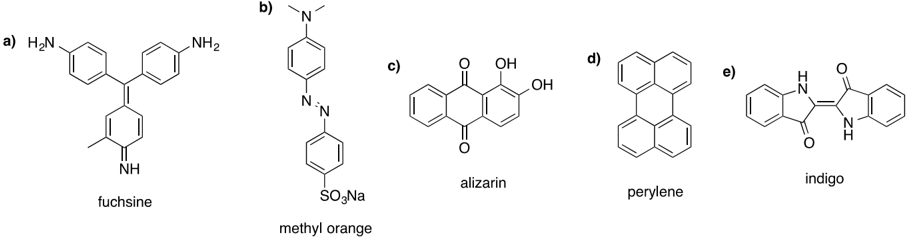
Amongst functional macromolecules, the combination of polymers and dyes is a research field of great potential with regard to high-performance materials. Accordingly, colored polymers have become increasingly important as materials for miscellaneous technical applications in recent years while also being a major part of everyday life. For instance, dye-containing polymers are nowadays widely applied in medicine, painting industries, analytics and gas separation processes. Since these applications are obviously connected to the dye’s nature, which is incorporated into the corresponding polymers, the affinity of certain polymers to dyes is exploited in wastewater work-ups after (textile) dyeing procedures. In this review, we wish to point out the great importance of dye-containing polymers, with a comprehensive scope and a focus on azo, triphenylmethane, indigoid, perylene and anthraquinone dyes. Since a large number of synthetic approaches towards the preparation of such materials can be found in the literature, an elaborated overview of different preparation techniques is given as well.
Overview
The claims and statistics of this paper haven’t been checked yet.
Free: it reads the open-access text and checks the first 5 claims that cite a source we can check. Create a free account to check every claim.
Integrity signals
Registry
Cites
Statistics
Figures








Verification
Claims the paper makes
The claims and statistics of this paper haven’t been checked yet.
Free: it reads the open-access text and checks the first 5 claims that cite a source we can check. Create a free account to check every claim.
Self-check
Percentages, sums and reported differences re-computed from the paper’s own numbers.
The self-check needs the paper’s full text.
Citations
Cites
Robinson, T., McMullan, G., Marchant, R., & Nigam, P. (2001) · Bioresource Technology · doi:10.1016/s0960-8524(00)00080-8 · Cited by 4,422 · cited 1×
“Hence, the environment is also being more and more affected by the steadily increasing frequency of dye pollutants, which induce unwanted color contaminations and sometimes have toxic effects to humans and animals [11,79].”
BackgroundLow-cost adsorbents for heavy metals uptake from contaminated water: a review
Babel, S. (2003) · Journal of Hazardous Materials · doi:10.1016/s0304-3894(02)00263-7 · Cited by 3,444 · cited 1×
“For instance, polysaccharide-based materials can be a cheap and effective alternative to commonly used systems [83,84].”
BackgroundRemoval of synthetic dyes from wastewaters: a review
Forgacs, E., Cserháti, T., & Oros, G. (2004) · Environment International · doi:10.1016/j.envint.2004.02.001 · Cited by 3,008 · cited 1×
“Plenty of physical, chemical and biological methods such as ozonation, fungal decolorization and degradation, membrane-filtration, activated carbon usage or electrochemical techniques like coagulation have been developed and optimized in recent years [80–82].”
MethodCrini, G., & Badot, P.-M. (2008) · Progress in Polymer Science · doi:10.1016/j.progpolymsci.2007.11.001 · Cited by 2,350 · cited 1×
“The only disadvantages in using chitosan are the variability in its characteristics, as the distribution of the acetyl groups along the backbone cannot be controlled, and its pH sensitivity [88].”
BackgroundPhotoinduced Motions in Azo-Containing Polymers
Natansohn, A., & Rochon, P. (2002) · Chemical Reviews · doi:10.1021/cr970155y · Cited by 2,229 · cited 1×
“This so-called Weigert effect induces birefringence of the materials [106,107].”
BackgroundRecent developments in polysaccharide-based materials used as adsorbents in wastewater treatment
Crini, G. (2005) · Progress in Polymer Science · doi:10.1016/j.progpolymsci.2004.11.002 · Cited by 2,183 · cited 1×
“For instance, polysaccharide-based materials can be a cheap and effective alternative to commonly used systems [83,84].”
BackgroundCharge Carrier Transporting Molecular Materials and Their Applications in Devices
Shirota, Y., & Kageyama, H. (2007) · Chemical Reviews · doi:10.1021/cr050143+ · Cited by 1,756 · cited 1×
“A quite new field of interest in polymers combined with dyes is organic light-emitting diodes (OLEDs) or rather polymer light-emitting diodes (PLEDs), which can be used as a full-color, high-efficiency and low-drive voltage material for flat-panel displays [118].”
BackgroundForce-induced activation of covalent bonds in mechanoresponsive polymeric materials
Davis, D. A., Hamilton, A., Yang, J., Cremar, L. D., Van Gough, D., Potisek, S. L., Ong, M. T., Braun, P. V., Martínez, T. J., White, S. R., et al. (2009) · Nature · doi:10.1038/nature07970 · Cited by 1,754 · cited 1×
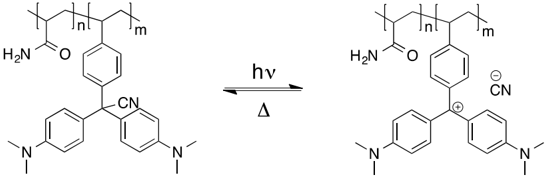
“A noted example for polymer-dye systems in chromogenic materials are spiropyrans [112,113].”
BackgroundPhotochemistry of azobenzene-containing polymers
Kumar, G. S., & Neckers, D. C. (1989) · Chemical Reviews · doi:10.1021/cr00098a012 · Cited by 1,366 · cited 1×
“Thereby, the original disorder in the molecule is reconstituted [15].”
BackgroundAdsorption behavior of reactive dye in aqueous solution on chemical cross-linked chitosan beads
Chiou, M. S., & Li, H. Y. (2003) · Chemosphere · doi:10.1016/s0045-6535(02)00636-7 · Cited by 840 · cited 1×
“In several publications epichlorhydrin cross-linked cyclodextrine and starch, as well as glutaraldehyde cross-linked chitosan, showed a high affinity, selectivity and capacity towards anthraquinone and azo dye pollutants in waste water [85–87].”
BackgroundThe Chemistry of Synthetic Dyes
(1978) · Elsevier eBooks · doi:10.1016/b978-0-12-717008-4.x5001-0 · Cited by 822
Hoessel, R., Leclerc, S., Endicott, J. A., Nobel, M. E. M., Lawrie, A., Tunnah, P., Leost, M., Damiens, E., Marie, D., Marko, D., et al. (1999) · Nature Cell Biology · doi:10.1038/9035 · Cited by 809 · cited 1×
“The most important indigo derivatives, tyrian purple, indirubin, and indigo carmine, are used as food colorants (E132), as anti-cancer drugs and in coloration processes [34].”
BackgroundThe photochemistry and photophysics of triphenylmethane dyes in solid and liquid media
Duxbury, D. F. (1993) · Chemical Reviews · doi:10.1021/cr00017a018 · Cited by 609 · cited 1×
“Triphenylmethane dyes owe their importance to their cheapness and brilliance of color with typical shades of red, violet, blue, and green [10].”
BackgroundDecolorization and Detoxification of Textile Dyes with a Laccase from Trametes hirsuta
Abadulla, E., Tzanov, T., Costa, S., Robra, K.-H., Cavaco-Paulo, A., & Gübitz, G. M. (2000) · Applied and Environmental Microbiology · doi:10.1128/aem.66.8.3357-3362.2000 · Cited by 581 · cited 1×
“The main driving force is the constant demand for improved dyeing efficiency [1,2] or photochemical/photophysical properties [3,4], while also focusing on eco-friendly procedures [5,6], reduced toxicity [7,8], and decreased production costs [9].”
BackgroundImproving the performance of doped π-conjugated polymers for use in organic light-emitting diodes
Gross, M., Müller, D. C., Nothofer, H.-G., Scherf, U., Neher, D., Bräuchle, C., & Meerholz, K. (2000) · Nature · doi:10.1038/35015037 · Cited by 568 · cited 1×
“required to be uniform and smooth amorphous films without exhibiting pinholes and to be thermally stable without crystallizing [119].”
BackgroundRecent developments in aromatic azo polymers research
Xie, S., Natansohn, A., & Rochon, P. (1993) · Chemistry of Materials · doi:10.1021/cm00028a003 · Cited by 530 · cited 2×
“Azo dyes are one of the most important dye classes in the world since many of them exhibit nonlinear optical characteristics, liquid crystallinity, light-induced dichroism, and birefringence [103].”
BackgroundAnthraquinone based polymer as high performance cathode material for rechargeable lithium batteries
Song, Z., Zhan, H., & Zhou, Y. (2009) · Chem. Commun. · doi:10.1039/b814515f · Cited by 498 · cited 1×
“It shows good cyclability and also capability while not generating oxidizing substances during the charge process, which is a safety problem in many transition metal oxide-based cathodes [116].”
BackgroundDye-containing polymers: methods for preparation of mechanochromic materials
Ciardelli, F., Ruggeri, G., & Pucci, A. (2013) · Chem. Soc. Rev. · doi:10.1039/c2cs35414d · Cited by 454 · cited 2×
“such as melt-extrusion in order to prevent phase separation of both compounds [48].”
BackgroundEgo, C., Marsitzky, D., Becker, S., Zhang, J., Grimsdale, A. C., Müllen, K., MacKenzie, J. D., Silva, C., & Friend, R. H. (2003) · Journal of the American Chemical Society · doi:10.1021/ja0205784 · Cited by 441 · cited 3×
“Therefore, red, green and blue emitting compounds with great light fastness, stability and energy transfer can be obtained with quite high durability and brightness [66].”
BackgroundInfluentialNatansohn, A., Rochon, P., Gosselin, J., & Xie, S. (1992) · Macromolecules · doi:10.1021/ma00034a031 · Cited by 441
Crini, G. (2008) · Dyes and Pigments · doi:10.1016/j.dyepig.2007.07.001 · Cited by 420 · cited 1×
“Moreover, β-cyclodextrin polymers exhibited efficient adsorption of cationic dyes [38].”
BackgroundMechanophore-Linked Addition Polymers
Potisek, S. L., Davis, D. A., Sottos, N. R., White, S. R., & Moore, J. S. (2007) · Journal of the American Chemical Society · doi:10.1021/ja076189x · Cited by 397 · cited 2×
“A noted example for polymer-dye systems in chromogenic materials are spiropyrans [112,113].”
BackgroundElectro-coagulation of reactive textile dyes and textile wastewater
Alinsafi, A., Khemis, M., Pons, M. N., Leclerc, J. P., Yaacoubi, A., Benhammou, A., & Nejmeddine, A. (2005) · Chemical Engineering and Processing: Process Intensification · doi:10.1016/j.cep.2004.06.010 · Cited by 377 · cited 1×
“Plenty of physical, chemical and biological methods such as ozonation, fungal decolorization and degradation, membrane-filtration, activated carbon usage or electrochemical techniques like coagulation have been developed and optimized in recent years [80–82].”
MethodAntifungal activity of anthraquinone derivatives from Rheum emodi
Agarwal, S. K., Singh, S. S., Verma, S., & Kumar, S. (2000) · Journal of Ethnopharmacology · doi:10.1016/s0378-8741(00)00195-1 · Cited by 373 · cited 1×
“For instance, mutagenic, laxative, and antifungal derivatives are known [26–28].”
BackgroundBiodegradation of triphenylmethane dyes
Azmi, W., Sani, R. K., & Banerjee, U. C. (1998) · Enzyme and Microbial Technology · doi:10.1016/s0141-0229(97)00159-2 · Cited by 369 · cited 3×
“, in the paper and leather industries, and in the food and cosmetics industries [11].”
BackgroundAli, S., Hussain, T., & Nawaz, R. (2009) · Journal of Cleaner Production · doi:10.1016/j.jclepro.2008.03.002 · Cited by 302 · cited 1×
“Second, the dye is covalently fixed onto the cotton fiber by use of alkali (sodium carbonate) [98,99].”
BackgroundDeformation-Induced Color Changes in Melt-Processed Photoluminescent Polymer Blends
Crenshaw, B. R., & Weder, C. (2003) · Chemistry of Materials · doi:10.1021/cm034447t · Cited by 291 · cited 1×
“Similar changes in the emission spectra were observed for cyano-OPVs mixed with linear low-density polyethylene (LLDPE) upon mechanical deformation [110].”
BackgroundEffect of BSA Binding on Photophysical and Photochemical Properties of Triarylmethane Dyes
Baptista, M. S., & Indig, G. L. (1998) · The Journal of Physical Chemistry B · doi:10.1021/jp981185n · Cited by 270 · cited 1×
“The main driving force is the constant demand for improved dyeing efficiency [1,2] or photochemical/photophysical properties [3,4], while also focusing on eco-friendly procedures [5,6], reduced toxicity [7,8], and decreased production costs [9].”
BackgroundStudies on adsorption of dyes on beta-cyclodextrin polymer
Crini, G. (2003) · Bioresource Technology · doi:10.1016/s0960-8524(03)00111-1 · Cited by 260
Pucci, A., & Ruggeri, G. (2011) · Journal of Materials Chemistry · doi:10.1039/c0jm03653f · Cited by 235 · cited 1×
“Thus, potential applications for mechanochromic blends are data storage devices, security plastics and papers, or mechanosensors and pressure sensors [111].”
BackgroundEco-friendly dyeing of wool using natural dye from weld as co-partner with synthetic dye
Mirjalili, M., Nazarpoor, K., & Karimi, L. (2011) · Journal of Cleaner Production · doi:10.1016/j.jclepro.2011.02.001 · Cited by 220 · cited 1×
“The main driving force is the constant demand for improved dyeing efficiency [1,2] or photochemical/photophysical properties [3,4], while also focusing on eco-friendly procedures [5,6], reduced toxicity [7,8], and decreased production costs [9].”
BackgroundWarner, J. C., Cannon, A. S., & Dye, K. M. (2004) · Environmental Impact Assessment Review · doi:10.1016/j.eiar.2004.06.006 · Cited by 217
Mutagenesis by 9,10-anthraquinone derivatives and related compounds in Salmonella typhimurium
Brown, J. P., & Brown, R. J. (1976) · Mutation Research/Genetic Toxicology · doi:10.1016/0165-1218(76)90046-x · Cited by 215 · cited 1×
“For instance, mutagenic, laxative, and antifungal derivatives are known [26–28].”
BackgroundStress Sensing in Polycaprolactone Films via an Embedded Photochromic Compound
O’Bryan, G., Wong, B. M., & McElhanon, J. R. (2010) · ACS Applied Materials & Interfaces · doi:10.1021/am100050v · Cited by 213
Polymer-based sensitizers for photooxidations. II
Schaap, A. P., Thayer, A. L., Blossey, E. C., & Neckers, D. C. (1975) · Journal of the American Chemical Society · doi:10.1021/ja00846a030 · Cited by 212
Natansohn, A., Xie, S., & Rochon, P. (1992) · Macromolecules · doi:10.1021/ma00046a064 · Cited by 211 · cited 2×
“Therefore, they find various applications in photochemistry such as optical storage devices [16,104,105].”
BackgroundPolymer-based sensitizers for photooxidations
Blossey, E. C., Neckers, D. C., Thayer, A. L., & Schaap, A. P. (1973) · Journal of the American Chemical Society · doi:10.1021/ja00798a094 · Cited by 211 · cited 1×
“Further, the linkage of a triphenylmethane dye to polystyrene resins for the preparation of polymeric singlet oxygen sensitizers was investigated [75].”
BackgroundDecolourization of dye-containing solutions by electrocoagulation
Do, J. S., & Chen, M. L. (1994) · Journal of Applied Electrochemistry · doi:10.1007/bf00578095 · Cited by 210 · cited 1×
“Plenty of physical, chemical and biological methods such as ozonation, fungal decolorization and degradation, membrane-filtration, activated carbon usage or electrochemical techniques like coagulation have been developed and optimized in recent years [80–82].”
MethodLe Gall, T., Reiman, K. H., Grossel, M. C., & Owen, J. R. (2003) · Journal of Power Sources · doi:10.1016/s0378-7753(03)00167-8 · Cited by 207
Mula, S., Ray, A. K., Banerjee, M., Chaudhuri, T., Dasgupta, K., & Chattopadhyay, S. (2008) · The Journal of Organic Chemistry · doi:10.1021/jo702346s · Cited by 198 · cited 9×
“Sugar-based polymers like oligo-/polysaccharides, such as cross-linked β-cyclodextrin or even calix[4]arene compounds, are quite important for the adsorption of either cationic or anionic azo and anthraquinone dyes in, for example, dye waste water extraction.”
BackgroundMethodInfluentialDeformation-Induced Color Changes in Mechanochromic Polyethylene Blends
Crenshaw, B. R., Burnworth, M., Khariwala, D., Hiltner, A., Mather, P. T., Simha, R., & Weder, C. (2007) · Macromolecules · doi:10.1021/ma062936j · Cited by 198 · cited 2×
“For instance, oligo(phenylenevinylene) dyes showing the formation of excimers were embedded into poly(ethylene) films [49].”
BackgroundComparative adsorption studies of indigo carmine dye on chitin and chitosan
Prado, A. G. S., Torres, J. D., Faria, E. A., & Dias, S. C. L. (2004) · Journal of Colloid and Interface Science · doi:10.1016/j.jcis.2004.04.056 · Cited by 195 · cited 1×
“Chitosan can also be used for the adsorption of indigo carmine, an indigo derivative which is used as food additive and pH and redox indicator [89].”
BackgroundDecolorization and toxicity of reactive anthraquinone textile dyes under methanogenic conditions
Lee, Y. H., & Pavlostathis, S. G. (2004) · Water Research · doi:10.1016/j.watres.2003.12.028 · Cited by 170 · cited 1×
“The main driving force is the constant demand for improved dyeing efficiency [1,2] or photochemical/photophysical properties [3,4], while also focusing on eco-friendly procedures [5,6], reduced toxicity [7,8], and decreased production costs [9].”
BackgroundHerrmann, A., & Müllen, K. (2006) · Chemistry Letters · doi:10.1246/cl.2006.978 · Cited by 170 · cited 1×
“Since the latter derivative is of outstanding value for single molecule spectroscopy, it serves as a key structure for a variety of chromophores [19].”
BackgroundAbsorption and emission spectroscopy and photochemistry of 1,10-anthraquinone derivatives: a review
Navas Diaz, A. (1990) · Journal of Photochemistry and Photobiology A: Chemistry · doi:10.1016/1010-6030(90)87120-z · Cited by 162
Yilmaz, E., Sezgin, M., Yïlmaz, A., & Yılmaz, M. (2007) · Bioresource Technology · doi:10.1016/j.biortech.2007.01.023 · Cited by 153
Koopmans, C., & Ritter, H. (2007) · Journal of the American Chemical Society · doi:10.1021/ja068959v · Cited by 151 · cited 1×
“A solvatochromic and thermoresponsive N-isopropylacrylamide (NIPAM) based copolymer was prepared through incorporation of 4[(E)-2-(4-pyridinyl)ethenyl)phenol [63].”
MethodSelf-citationThe dyeing of natural fibres with reactive disperse dyes in supercritical carbon dioxide
Schmidt, A. (2002) · Dyes and Pigments · doi:10.1016/s0143-7208(02)00108-0 · Cited by 148
Characterization of the textile anthraquinone dye Reactive Blue 4
Epolito, W. J., LEE, Y., Bottomley, L. A., & Pavlostathis, S. G. (2005) · Dyes and Pigments · doi:10.1016/j.dyepig.2004.10.006 · Cited by 146
Dye-Containing Polymer Beads as Photonic Crystals
Müller, M. W., Zentel, R., Maka, T., Romanov, S. G., & Torres, C. M. S. (2000) · Chemistry of Materials · doi:10.1021/cm000192x · Cited by 136 · cited 1×
“PMMA was employed for the non-covalent incorporation of dyes as well [45].”
MethodRemoval of textile dyes from aqueous solutions with eco-friendly biosorbent
Sulak, M. T., & Yatmaz, H. C. (2011) · Desalination and Water Treatment · doi:10.1080/19443994.2012.661269 · Cited by 136
Electroluminescence and electron transport in a perylene dye
Ranke, P., Bleyl, I., Simmerer, J., Haarer, D., Bacher, A., & Schmidt, H. (1997) · Applied Physics Letters · doi:10.1063/1.119929 · Cited by 135 · cited 1×
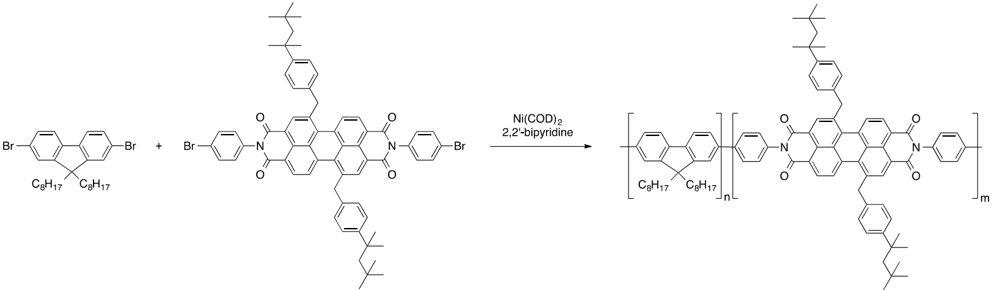
“Besides the described perylene-containing polyfluorenes, various other perylene materials for organic light-emitting diodes are listed in the literature, though their improvement is still in progress [121,122].”
BackgroundDonati, F., Pucci, A., Cappelli, C., Mennucci, B., & Ruggeri, G. (2008) · The Journal of Physical Chemistry B · doi:10.1021/jp711193u · Cited by 134 · cited 1×
“Hydrophobically modified perylene derivatives were also found to be suitable candidates for forming aggregates in poly(ethylene) matrices that are responsive to mechanical stimuli [50].”
BackgroundAkceylan, E., Bahadir, M., & Yılmaz, M. (2008) · Journal of Hazardous Materials · doi:10.1016/j.jhazmat.2008.05.127 · Cited by 130 · cited 1×
“Employing alkylamine derivatives of calix[4]arene polymers proved to be a promising approach as well [37].”
BackgroundAzo Polymers for Reversible Optical Storage. 6. Poly[4-[2-(methacryloyloxy)ethyl]azobenzene]
Natansohn, A., Rochon, P., Ho, M.-S., & Barrett, C. (1995) · Macromolecules · doi:10.1021/ma00116a019 · Cited by 126
Polymeric solid‐state dye lasers
Sastre, R., & Costela, Á. (1995) · Advanced Materials · doi:10.1002/adma.19950070222 · Cited by 121 · cited 1×
“This was shown for 2-(2'-hydroxyphenyl)benzimidazole derivatives bearing allyloxycarbonyl groups that allow for radical polymerization [61].”
BackgroundMarder, S. R., Barlow, S. H., & Andraud, C. (2008) · Advances in polymer science · doi:10.1007/978-3-540-69454-0 · Cited by 114
Fluorescent columnar liquid crystalline 3,4,9,10-tetra-(n-alkoxycarbonyl)-perylenes
Benning, S. A., Kitzerow, H., Böck, H., & Achard, M. F. (2000) · Liquid Crystals · doi:10.1080/02678290050043842 · Cited by 110 · cited 1×
“These diodes use two electrodes between which one or more semiconducting organic layers with either fluorescence or phosphorescence capability are placed [120].”
BackgroundRobello, D. R. (1990) · Journal of Polymer Science Part A Polymer Chemistry · doi:10.1002/pola.1990.080280101 · Cited by 109 · cited 1×
“An interesting example is acrylated azo dyes for materials applied in non-linear optics [52].”
BackgroundThe use of dendrimers to modify the dyeing behaviour of reactive dyes on cotton
Burkinshaw, S. M., Mignanelli, M., Froehling, P., & Bide, M. (2000) · Dyes and Pigments · doi:10.1016/s0143-7208(00)00053-x · Cited by 103
Trellenkamp, T., & Ritter, H. (2010) · Macromolecules · doi:10.1021/ma100812q · Cited by 100 · cited 4×
“In this study, propargyl functionalized N-vinylpyrrolidone was reacted with β-cyclodextrin azide in a Cu(I)-mediated azide-alkyne click reaction.”
BackgroundSelf-citationAbou-Okeil, A., El-Shafie, A., & Zawahry, M. M. E. (2009) · Ultrasonics Sonochemistry · doi:10.1016/j.ultsonch.2009.08.007 · Cited by 97 · cited 1×
“The main driving force is the constant demand for improved dyeing efficiency [1,2] or photochemical/photophysical properties [3,4], while also focusing on eco-friendly procedures [5,6], reduced toxicity [7,8], and decreased production costs [9].”
BackgroundRemoval of azo dyes from aqueous solutions using calix[4]arene and β-cyclodextrin
YILMAZ, A., YILMAZ, E., Yılmaz, M., & BARTSCH, R. (2006) · Dyes and Pigments · doi:10.1016/j.dyepig.2006.01.011 · Cited by 96
Poly(BODIPY)s: A New Class of Tunable Polymeric Dyes
Alemdaroglu, F. E., Alexander, S. C., Ji, D., Prusty, D. K., Börsch, M., & Herrmann, A. P. (2009) · Macromolecules · doi:10.1021/ma900727k · Cited by 92 · cited 1×
“In one study, a di-iodinated derivative of difluoroboraindacene was prepared [67].”
BackgroundTaguchi, K. (1986) · Journal of the American Chemical Society · doi:10.1021/ja00270a032 · Cited by 90
Dyeing cotton with reactive dyes under neutral conditions
Lewis, D. M., & Vo, L. T. T. (2007) · Coloration Technology · doi:10.1111/j.1478-4408.2007.00099.x · Cited by 86 · cited 1×
“Second, the dye is covalently fixed onto the cotton fiber by use of alkali (sodium carbonate) [98,99].”
BackgroundAdsorption of methyl violet in aqueous solutions by poly(acrylamide-co-acrylic acid) hydrogels
Şolpan, D., Duran, S., Saraydın, D., & Güven, O. (2003) · Radiation Physics and Chemistry · doi:10.1016/s0969-806x(02)00384-5 · Cited by 83 · cited 1×
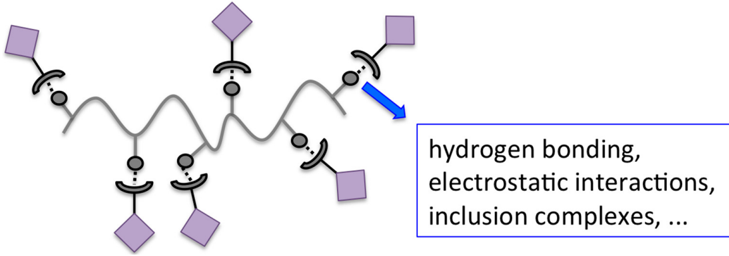
“Another system that also involves electrostatic interactions consists of poly(acrylic acid-co-acylamide) hydrogels and the cationic dye methyl violet [43].”
BackgroundNovel Azo Dye-Doped Poly(Methyl Methacrylate) Films as Optical Data Storage Media
Pham, V. P., Galstian, T., Granger, A., & Lessard, R. A. (1997) · Japanese Journal of Applied Physics · doi:10.1143/jjap.36.429 · Cited by 81 · cited 1×
“Azo dye doped polymers like poly(methyl methacrylate) can also be used as optical data storage media, but in these cases the chemical linking is negligible [109].”
BackgroundSoluble Polymer-Supported Catalysts Containing Azo Dyes
Bergbreiter, D. E., Osburn, P. L., & Li, C. (2002) · Organic Letters · doi:10.1021/ol017198s · Cited by 78 · cited 1×
“A useful route for the polymer analogous attachment of azo dyes to soluble catalyst carrying polymers was developed [73].”
BackgroundSerin, J. M., Schultze, X., Adronov, A., & Fréchet, J. M. J. (2002) · Macromolecules · doi:10.1021/ma020265t · Cited by 77
Organic light-emitting diodes with AZO films as electrodes
Zhao, J., Xie, S., Han, S., Yang, Z., Ye, L., & Yang, T. (2000) · Synthetic Metals · doi:10.1016/s0379-6779(00)00237-x · Cited by 76 · cited 1×
“Incorporating indigo-carmine as a counter ion is advantageous due to its good electroactivity and optical properties, as it is a redox indicator, which shows a color change in redox reactions [117].”
BackgroundTavakkoli, N., Khojasteh, Z., Sharghi, H., & Shamsipur, M. (1998) · Analytica Chimica Acta · doi:10.1016/s0003-2670(97)00685-5 · Cited by 74 · cited 1×
“Early studies revealed the high selectivity of specific anthraquinone derivatives to lead ions [90,91].”
BackgroundSynthesis of Supramolecular Polymers by Ionic Self‐Assembly of Oppositely Charged Dyes
Guan, Y., Yu, S., Antonietti, M., Böttcher, C., & Faul, C. F. J. (2005) · Chemistry - A European Journal · doi:10.1002/chem.200400778 · Cited by 70 · cited 1×
“For instance, polymers formed via electrostatic self-assembly were described [42].”
Ngo, T. T., Liotta, C. L., Eckert, C. A., & Kazarian, S. G. (2003) · The Journal of Supercritical Fluids · doi:10.1016/s0896-8446(02)00239-5 · Cited by 67 · cited 1×
“The impregnation of poly(methyl methacrylate) (PMMA) with the azo dyes Disperse Red 1 and Disperse Orange 25 solved in supercritical carbon dioxide was investigated in 2003 [44].”
MethodThe first example of thermochromism of dyes embedded in transparent polymer gel networks
Seeboth, A., Kriwanek, J., & Vetter, R. (1999) · Journal of Materials Chemistry · doi:10.1039/a906159b · Cited by 67 · cited 2×
“In another study, the inclusion of the betaine dye 2,6-diphenyl-4-(2,4,6-triphenylpyridino)phenolate (DTPP, Reichardt’s Dye) and Cresol Red, respectively, into poly(vinylalcohol)-borax networks was investigated [46].”
BackgroundMorris, K. F., Lewis, D. M., & Broadbent, P. J. (2008) · Coloration Technology · doi:10.1111/j.1478-4408.2008.00140.x · Cited by 54 · cited 1×
“The main driving force is the constant demand for improved dyeing efficiency [1,2] or photochemical/photophysical properties [3,4], while also focusing on eco-friendly procedures [5,6], reduced toxicity [7,8], and decreased production costs [9].”
BackgroundKışkan, B., Antonietti, M., & Weber, J. (2012) · Macromolecules · doi:10.1021/ma202675v · Cited by 53
Irie, M., & Kungwatchakun, D. (1984) · Die Makromolekulare Chemie Rapid Communications · doi:10.1002/marc.1984.030051209 · Cited by 53
Wang, M., Wu, L., Zheng, X.-C., Mo, J.-X., & Gao, C. (2006) · Journal of Colloid and Interface Science · doi:10.1016/j.jcis.2006.03.042 · Cited by 50 · cited 1×
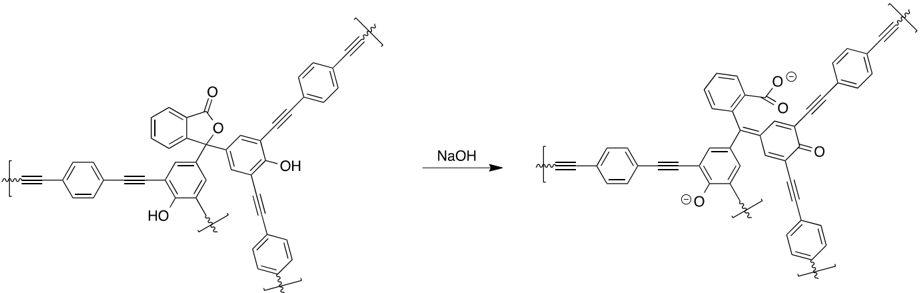
“In one approach, poly(methyl methacryate) brushes were grafted onto a membrane consisting of phenolphthalein poly(ether sulfone) and poly(acrylonitrile) membrane surface, yielding pH-sensitive membranes [70,71].”
Bis(rylenedicarboximide)-a,d-1,5-diaminoanthraquinones as unique infrared absorbing dyes
Kohl, C., Becker, S., & Müllen, K. (2002) · Chemical Communications · doi:10.1039/b208855j · Cited by 49 · cited 1×
“Due to their excellent physical and chemical properties, these compounds are widely used as laser markers, sensitizers in photovoltaic devices, and fluorescent labels [18].”
BackgroundStarch‐modified filters used for the removal of dyes from waste water
Delval, F., Crini, G., Vebrel, J., Knorr, M., Sauvin, G., & Conte, E. (2003) · Macromolecular Symposia · doi:10.1002/masy.200351315 · Cited by 46
Friedländer, P. (1908) · Berichte der deutschen chemischen Gesellschaft · doi:10.1002/cber.190804101144 · Cited by 45
Water-Soluble Rylene Dyes as High-Performance Colorants for the Staining of Cells
Weil, T., Abdalla, M. A., Jatzke, C., Hengstler, J. G., & Müllen, K. (2004) · Biomacromolecules · doi:10.1021/bm049674i · Cited by 45 · cited 2×
“The special feature of these polymeric materials is their ability to indicate the polarity of their environment due to their high fluorescence in nonpolar solvents and a much lower fluorescence in polar medium caused by aggregation [20].”
BackgroundLinear condensation polymers from phenolphthalein and related compounds
Morgan, P. W. (1964) · Journal of Polymer Science Part A General Papers · doi:10.1002/pol.1964.100020133 · Cited by 38 · cited 1×
“For instance, this was shown for the condensation of phenolphthalein with isophthaloyl chloride and phosgene, respectively [68].”
BackgroundWang, M., An, Q.-F., Wu, L., Mo, J.-X., & Gao, C. (2006) · Journal of Membrane Science · doi:10.1016/j.memsci.2006.10.049 · Cited by 37 · cited 1×
“In one approach, poly(methyl methacryate) brushes were grafted onto a membrane consisting of phenolphthalein poly(ether sulfone) and poly(acrylonitrile) membrane surface, yielding pH-sensitive membranes [70,71].”
Donati, F., Pucci, A., & Ruggeri, G. (2009) · Physical Chemistry Chemical Physics · doi:10.1039/b903120k · Cited by 37 · cited 2×
“The polarity of the surrounding media was shown to influence the aggregation behavior as well, as shown for PZPER embedded into more hydrophobic poly(ethylene-co-vinyl alcohol) copolymers [47].”
BackgroundSynthesis, spectral, thermal, and flammability studies of phenolphthalein polyphosphate esters
Kishore, K., & Kannan, P. (1990) · Journal of Polymer Science Part A: Polymer Chemistry · doi:10.1002/pola.1990.080281223 · Cited by 36 · cited 1×
“Furthermore, the preparation of poly(phosphate esters) from dichlorophosphoridates and phenolphthalein has been described in another study [69].”
BackgroundHetzer, M., Fleischmann, C., Schmidt, B. V. K. J., Barner‐Kowollik, C., & Ritter, H. (2013) · Polymer · doi:10.1016/j.polymer.2013.07.031 · Cited by 35 · cited 1×
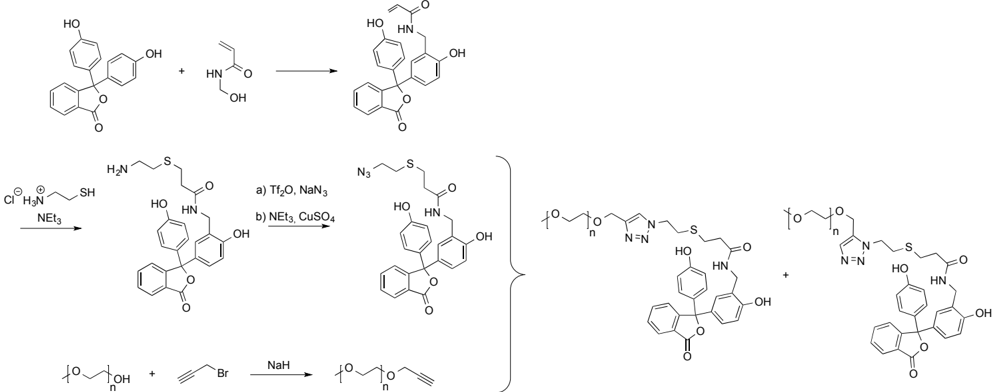
“As another example of polymerizable triphenylmethane dyes, a radically polymerizable phenolphthalein derivative was obtained through reaction of phenolphthalein with N-(hydroxymethyl)acrylamide [57–59].”
MethodSelf-citationRahmani, A., Barzegar, M., Shamsipur, M., Sharghi, H., & Mousavi, M. F. (2000) · Analytical Letters · doi:10.1080/00032710008543211 · Cited by 35 · cited 1×
“Anthraquinone monomers used in poly(vinyl chloride) (PVC) membranes for lead waste water purification [92].”
BackgroundSynthesis of click‐reactive HPMA copolymers using RAFT polymerization for drug delivery applications
Ebbesen, M. F., Schaffert, D., Crowley, M. L., Oupický, D., & Howard, K. A. (2013) · Journal of Polymer Science Part A Polymer Chemistry · doi:10.1002/pola.26941 · Cited by 35 · cited 1×
“High molecular-weight polymers (54 kDa) had a very good bioavailability and could still be detected 24 hours after injection [101,102].”
BackgroundRamos‐Ortíz, G., Maldonado, J., Meneses-Nava, M. A., Barbosa-García, O., Olmos, M. E., & Cha, M. (2006) · Optical Materials · doi:10.1016/j.optmat.2005.11.010 · Cited by 34 · cited 1×
“% of Ethyl Violet and Crystal Violet, respectively [41].”
BackgroundPouretedal, H. R., Forghaniha, A., Sharghi, H., & Shamsipur, M. (1998) · Analytical Letters · doi:10.1080/00032719808005329 · Cited by 33 · cited 1×
“Early studies revealed the high selectivity of specific anthraquinone derivatives to lead ions [90,91].”
BackgroundJohnson, M. G., Kiyokawa, H., Tani, S., Koyama, J., Morris-Natschke, S. L., Mauger, A. B., Bowers-Daines, M. M., Lange, B. C., & Lee, K. (1997) · Bioorganic & Medicinal Chemistry · doi:10.1016/s0968-0896(97)00097-7 · Cited by 32 · cited 1×
“Depending on the substitution patterns, some anthraquinone dyes also show biological/medical activity [25].”
BackgroundRed Pigmentary Polyimides from N,N'-Diamino-3,4,9,10-perylenetetracarboxylic Acid Bisimide
Ghassemi, H., & Hay, A. S. (1994) · Macromolecules · doi:10.1021/ma00093a051 · Cited by 32
Dawson, D. J., Otteson, K. M., Wang, P. C., & WINGARD, R. E. J. (1978) · Macromolecules · doi:10.1021/ma60062a007 · Cited by 28 · cited 2×
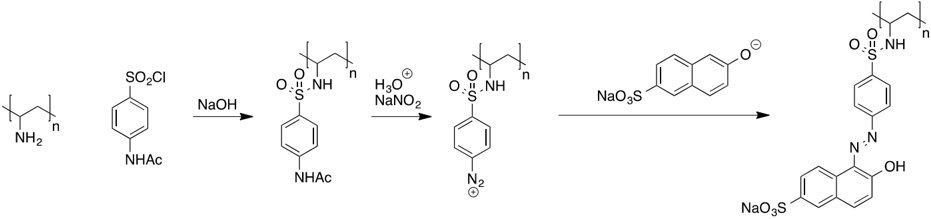
“Polymer-analogous reaction of poly(vinylamine) and an anthraquinone dye [74].”
BackgroundPolymerization of novel methacrylated anthraquinone dyes
Dollendorf, C., Kreth, S. K., Choi, S. W., & Ritter, H. (2013) · Beilstein Journal of Organic Chemistry · doi:10.3762/bjoc.9.48 · Cited by 27 · cited 4×
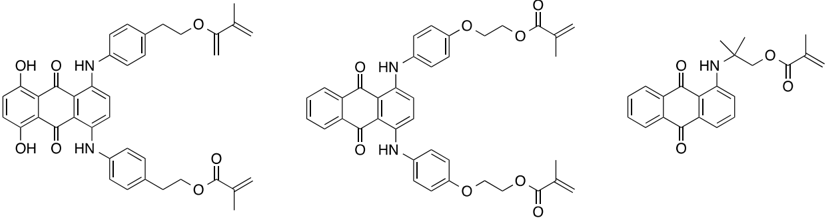
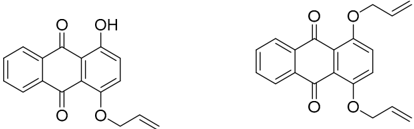
“Chemical structures of several polymerizable anthraquinone derivatives [60].”
BackgroundSelf-citationLi, L., Guan, M., Cao, G., Li, Y., & Zeng, Y. (2009) · Applied Physics A · doi:10.1007/s00339-009-5511-9 · Cited by 27
Application of all-optical poling in reversible optical storage in azopolymer films
Xu, G., Yang, Q. G., Si, J., Liu, X., Ye, P., Zhao, L., & Shen, Y. (1999) · Optics Communications · doi:10.1016/s0030-4018(98)00607-5 · Cited by 26 · cited 1×
“Therefore, they find various applications in photochemistry such as optical storage devices [16,104,105].”
BackgroundFleischmann, C., & Ritter, H. (2013) · Macromolecular Rapid Communications · doi:10.1002/marc.201300292 · Cited by 26
Self-citationExcited state characterization of a polymeric indigo
Rondão, R., de Melo, J. S. S., Scháberle, F. A., & Voss, G. (2011) · Physical Chemistry Chemical Physics · doi:10.1039/c2cp23266a · Cited by 26 · cited 2×
“Indigo is known as one of the oldest natural dyes in the world, having been used for more than 5000 years in the painting and textile industry [30,31].”
BackgroundFleischmann, C., Cheng, J., Tabatabai, M., & Ritter, H. (2012) · Macromolecules · doi:10.1021/ma300670x · Cited by 26 · cited 2×
“Therefore, these polymers are suggested for reusable materials for analytical purposes to indicate basic medium [57].”
BackgroundSelf-citationSelf‐coloured Polymers based on Anthraquinone Residues
Asquith, R. S., Blair, H. S., CRANGLE, A. A., & RIORDAN, E. (1977) · Journal of the Society of Dyers and Colourists · doi:10.1111/j.1478-4408.1977.tb03332.x · Cited by 25 · cited 1×
“This gives the opportunity to wet spin the anthraquinone polymer into fibers and make it insoluble by oxidation [96].”
BackgroundMaatz, G., Maciollek, A., & Ritter, H. (2012) · Beilstein Journal of Organic Chemistry · doi:10.3762/bjoc.8.224 · Cited by 25 · cited 2×
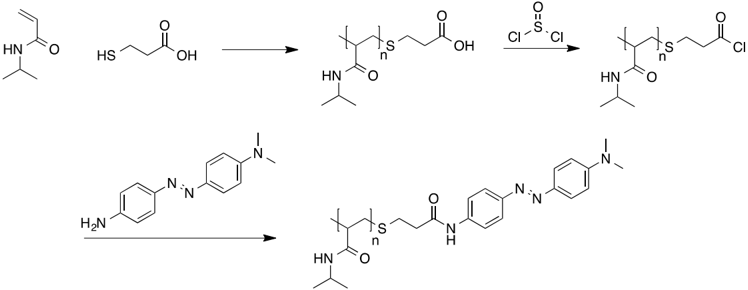
“The synthesis of poly(NIPAM) bearing covalently attached azo dye end groups was achieved through a different approach (see Scheme 10) [78].”
MethodSelf-citationStudies of novel monomeric and polymeric azo disperse dyes
Maradiya, H. R., & Patel, V. S. (2002) · Journal of Applied Polymer Science · doi:10.1002/app.10276 · Cited by 24 · cited 1×
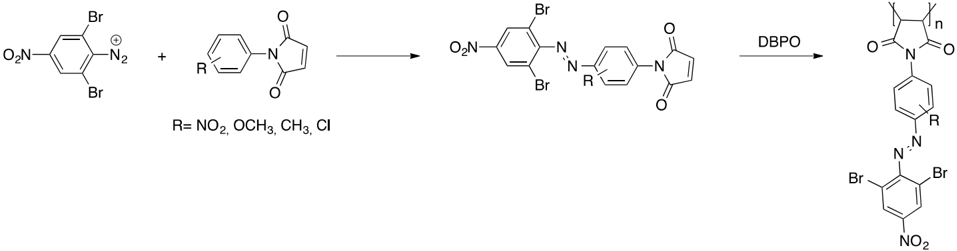
“A different approach is the performance of azo coupling with N-aryl maleimides for the generation of radically polymerizable azo dye derivatives [53,54].”
Background�ber einen neuen Effekt der Strahlung
Weigert, F. (1921) · The European Physical Journal A · doi:10.1007/bf01327678 · Cited by 20
Maradiya, H. R., & Patel, V. S. (2000) · High Performance Polymers · doi:10.1088/0954-0083/12/2/308 · Cited by 19 · cited 2×
“Synthesis of azo dye bearing N-aryl maleimides and their free radical polymerization [53].”
Background�ber einen neuen Effekt der Strahlung
Weigert, F. (1920) · The European Physical Journal A · doi:10.1007/bf01333783 · Cited by 19
Dixit, B. C., Patel, H. M., Desai, D. J., & Dixit, R. B. (2008) · Journal of Chemistry · doi:10.1155/2009/393498 · Cited by 18 · cited 1×
“Synthetic fibers like nylon and poly(acrylonitrile) modified nylon are effectively dyed as well as natural cotton and silk [11,95].”
BackgroundClarification of some aspects of the nonlinear theory for viscoelastic flow
Pao, Y. (1964) · Journal of Polymer Science Part B Polymer Letters · doi:10.1002/pol.1964.110020425 · Cited by 18
Polymeric Colorants: Statistical Copolymers of Indigo Building Blocks with Defined Structures
Voß, G., Drechsler, M., Eller, S., Gradzielski, M., Gunzelmann, D., Mondal, S., van Smaalen, S., & Voertler, C. S. (2009) · Helvetica Chimica Acta · doi:10.1002/hlca.200900123 · Cited by 12 · cited 1×
“Therefore, they can be used as high quality fibers and films [93].”
BackgroundFriedlaender, P. (1908) · Monatshefte für Chemie - Chemical Monthly · doi:10.1007/bf01559026 · Cited by 12
Fleischmann, C., Wöhlk, H., & Ritter, H. (2014) · Beilstein Journal of Organic Chemistry · doi:10.3762/bjoc.10.235 · Cited by 11 · cited 2×
“End group functionalization of α-methoxy poly(ethylene glycol) with phenolphthalein [77].”
BackgroundSelf-citationFlash memory effects based on styrene/maleimiade copolymers with pendant azobenzene chromophores
Liu, Y., Li, N., Xia, X., Ge, J., Xu, Q., & Lu, J. (2011) · European Polymer Journal · doi:10.1016/j.eurpolymj.2011.01.012 · Cited by 10 · cited 1×
“The azo dye was functionalized with a polymerizable maleimide group and copolymerized with styrene to yield an active layer with rewritable flash memory performance [108].”
MethodEbbesen, M. F., Bieńk, K., Deleuran, B. W., & Howard, K. A. (2014) · Molecular and Cellular Therapies · doi:10.1186/2052-8426-2-29 · Cited by 10 · cited 1×
“High molecular-weight polymers (54 kDa) had a very good bioavailability and could still be detected 24 hours after injection [101,102].”
BackgroundOshio, H., & Kawamura, N. (1985) · Journal of Natural Medicines · Cited by 9
Shiba, M., Hiramasu, H., Nakano, H., Kawano, Y., Shigeri, Y., & Kondo, T. (1973) · Polymer Journal · doi:10.1295/polymj.4.366 · Cited by 9 · cited 1×
“chloride in interfacial polycondensation reactions [64].”
Naturfarbstoffe: Farben mit Geschichte
Struckmeier, S. (2003) · Chemie in unserer Zeit · doi:10.1002/ciuz.200300275 · Cited by 9 · cited 2×
“Indigo is known as one of the oldest natural dyes in the world, having been used for more than 5000 years in the painting and textile industry [30,31].”
BackgroundRetzmann, N., Maatz, G., & Ritter, H. (2014) · Beilstein Journal of Organic Chemistry · doi:10.3762/bjoc.10.259 · Cited by 7 · cited 2×
“The preparation of a methacrylate-based azo dye monomer within three reaction steps was addressed in another survey (see Scheme 2) [55].”
BackgroundSelf-citationLinear condensation polymers from phenolphthalein and related compounds
Morgan, P. W. (1964) · Journal of Polymer Science Part A General Papers · doi:10.1002/pol.1964.100021037 · Cited by 7
YAMAGISHI, F., Homma, N., Haruta, K., Iwatsuki, K., & Chiba, S. (1985) · The Japanese Journal of Pharmacology · doi:10.1254/jjp.39.131 · Cited by 6
BERGMANN, E. D., Engel, L., & Sándor, S. (1930) · Berichte der deutschen chemischen Gesellschaft (A and B Series) · doi:10.1002/cber.19300630932 · Cited by 5 · cited 1×
“Regarding the spatial arrangement of the azo group, two configurations—cis and trans—are possible, with trans being the more stable one [14].”
BackgroundPeters, A. T. (1990) · Journal of Chemical Technology & Biotechnology · doi:10.1002/jctb.280480204 · Cited by 5
Research works printed but not linked: 3
- Venkataraman, K. (2012). The Chemistry of Synthetic Dyes, Academic Press.
- Venkataraman, K. (2012). The Chemistry of Synthetic Dyes, Academic Press.
- Dawson, 1981, Polymeric dyes, Aldrichim. Acta, 14, 23
Cited by
Classifications, properties, recent synthesis and applications of azo dyes
Benkhaya, S., M'rabet, S., & El Harfi, A. (2020) · Heliyon · doi:10.1016/j.heliyon.2020.e03271 · Cited by 1,028
Morin-Crini, N., Winterton, P., Fourmentin, S., Wilson, L. D., Fenyvesi, É., & Crini, G. (2018) · Progress in Polymer Science · doi:10.1016/j.progpolymsci.2017.07.004 · Cited by 250
Sustainable Mitigation Strategies for Urban Heat Island Effects in Urban Areas
Irfeey, A. M. M., Chau, H.-W., Sumaiya, M. M. F., Wai, C. Y., Muttil, N., & Jamei, E. (2023) · Sustainability · doi:10.3390/su151410767 · Cited by 210
“…shifts [124], surface plasmon absorption [125], liquid–crystal phase transitions [126], dye–dye and dye–polymer aggregation and disaggregation mechanisms [127], photonic crystals’ refractive index modulation [128], and pH changes [129] are the most common examples of the many known mechanisms.”
Aziz, S. B., Abdullah, O. G., Hussein, A. M., & Ahmed, H. M. (2017) · Polymers · doi:10.3390/polym9110626 · Cited by 185
“The dye-doped polymers are considered to be potential materials in optoelectronics particularly in making devices, employment in organic light emitting diodes (OLED), liquid crystal (LC) displays, quantum electronics, electroluminescence, solar cells, and energy storage [10,11].”
BackgroundAmbrogi, V., Carfagna, C., Cerruti, P., & Marturano, V. (2016) · Elsevier eBooks · doi:10.1016/b978-0-323-44353-1.00004-x · Cited by 168
Metadata
- Authors
- Fleischmann, C., Lievenbrück, M., & Ritter, H.
- Affiliations
- University of California, Santa Barbara (US)
- Heinrich Heine University Düsseldorf (DE)
- Corresponding author
- Ritter, Helmut
- ORCID
- Fleischmann, Carolin
- Venue
- Polymers
- Publisher
- MDPI AG
- Published
- 2015-04-15
- Volume
- 7
- Issue
- 4
- Pages
- 717-746
- ISSN
- 2073-4360 (ISSN-L)
- OpenAlex
- W1965217519
- Cited by
- 188
- References
- 123
- Citations by year
- 2026: 10 · 2025: 20 · 2024: 32 · 2023: 16 · 2022: 14 · 2021: 18 · 2020: 21 · 2019: 17 · 2018: 15 · 2017: 14 · 2016: 10 · 2015: 1
- FWCI
- 18.11
- Type
- journal article
- Language
- en
- Open access
- gold
- dx.doi.org
- Licence
- Locations
- Polymers (publishedVersion, cc-by)
- DOAJ (DOAJ: Directory of Open Access Journals) (submittedVersion, cc-by-sa)
- Topics
- Physical Sciences › Materials Science › Polymers and Plastics › Dyeing and Modifying Textile Fibers
- Physical Sciences › Chemistry › Organic Chemistry › Advanced Polymer Synthesis and Characterization
- Physical Sciences › Materials Science › Polymers and Plastics › Polymer Synthesis and Characterization
- Keywords
- colored polymers, azo dyes, triphenylmethane dyes, indigoid dyes, perylene dyes, anthraquinone dyes, polymer synthesis, dyeing wastewater, gas separation, medical applications, painting industry
About these checks
Registry, retraction, Cites and statistics results are computed, not judged, with one exception: a printed reference that no index lists is read once by a model before it counts as a citation error. Claims are extracted by a model and kept only when their quote appears verbatim in the text; each cited source is then checked, with a model’s help, for whether it says what the claim relies on. Those verdicts can be wrong — read the claim’s quote and the cited source before relying on one.
Statistics and arithmetic are recomputed, not judged.
Confidence bands are shown only for fields calibrated on our annotated test set. None is calibrated yet, so no band is shown.
What counts as a claim ›How we measure confidence ›How we check this ›
Are you an author, or do you see a problem with this page? Request a review
Data sources
Bibliographic data: Semantic Scholar, OpenAlex, Crossref.
Contains information from the Semantic Scholar Academic Graph Datasets, made available under the ODC Attribution License (ODC-BY 1.0).
Semantic Scholar’s data is described in: Kinney, R., et al. (2023). The Semantic Scholar Open Data Platform. arXiv:2301.10140.
