

Polymers and Dyes: Developments and Applications
Open accessThe DOI matches its Crossref record; 122 of the 123 references it cites were found in a registry or an index.
Abstract
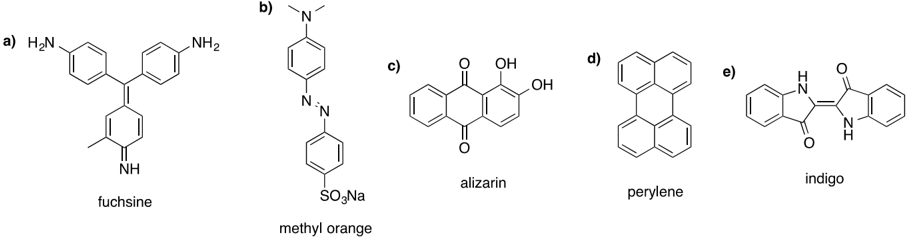
Amongst functional macromolecules, the combination of polymers and dyes is a research field of great potential with regard to high-performance materials. Accordingly, colored polymers have become increasingly important as materials for miscellaneous technical applications in recent years while also being a major part of everyday life. For instance, dye-containing polymers are nowadays widely applied in medicine, painting industries, analytics and gas separation processes. Since these applications are obviously connected to the dye’s nature, which is incorporated into the corresponding polymers, the affinity of certain polymers to dyes is exploited in wastewater work-ups after (textile) dyeing procedures. In this review, we wish to point out the great importance of dye-containing polymers, with a comprehensive scope and a focus on azo, triphenylmethane, indigoid, perylene and anthraquinone dyes. Since a large number of synthetic approaches towards the preparation of such materials can be found in the literature, an elaborated overview of different preparation techniques is given as well.
Overview
The claims and statistics of this paper haven’t been checked yet.
Free: it reads the open-access text and checks the first 5 claims that cite a source we can check. Create a free account to check every claim.
Integrity signals
Registry
Cites
Statistics
Figures








Verification
Claims the paper makes
The claims and statistics of this paper haven’t been checked yet.
Free: it reads the open-access text and checks the first 5 claims that cite a source we can check. Create a free account to check every claim.
Self-check
Percentages, sums and reported differences re-computed from the paper’s own numbers.
The self-check needs the paper’s full text.
Citations
Cites
Robinson, T., McMullan, G., Marchant, R., & Nigam, P. (2001) · Bioresource Technology · doi:10.1016/s0960-8524(00)00080-8 · Cited by 4,422 · cited 1×
“Hence, the environment is also being more and more affected by the steadily increasing frequency of dye pollutants, which induce unwanted color contaminations and sometimes have toxic effects to humans and animals [11,79].”
BackgroundLow-cost adsorbents for heavy metals uptake from contaminated water: a review
Babel, S. (2003) · Journal of Hazardous Materials · doi:10.1016/s0304-3894(02)00263-7 · Cited by 3,444 · cited 1×
“For instance, polysaccharide-based materials can be a cheap and effective alternative to commonly used systems [83,84].”
BackgroundRemoval of synthetic dyes from wastewaters: a review
Forgacs, E., Cserháti, T., & Oros, G. (2004) · Environment International · doi:10.1016/j.envint.2004.02.001 · Cited by 3,008 · cited 1×
“Plenty of physical, chemical and biological methods such as ozonation, fungal decolorization and degradation, membrane-filtration, activated carbon usage or electrochemical techniques like coagulation have been developed and optimized in recent years [80–82].”
MethodCrini, G., & Badot, P.-M. (2008) · Progress in Polymer Science · doi:10.1016/j.progpolymsci.2007.11.001 · Cited by 2,350 · cited 1×
“The only disadvantages in using chitosan are the variability in its characteristics, as the distribution of the acetyl groups along the backbone cannot be controlled, and its pH sensitivity [88].”
BackgroundPhotoinduced Motions in Azo-Containing Polymers
Natansohn, A., & Rochon, P. (2002) · Chemical Reviews · doi:10.1021/cr970155y · Cited by 2,229 · cited 1×
“This so-called Weigert effect induces birefringence of the materials [106,107].”
BackgroundRecent developments in polysaccharide-based materials used as adsorbents in wastewater treatment
Crini, G. (2005) · Progress in Polymer Science · doi:10.1016/j.progpolymsci.2004.11.002 · Cited by 2,183 · cited 1×
“For instance, polysaccharide-based materials can be a cheap and effective alternative to commonly used systems [83,84].”
BackgroundCharge Carrier Transporting Molecular Materials and Their Applications in Devices
Shirota, Y., & Kageyama, H. (2007) · Chemical Reviews · doi:10.1021/cr050143+ · Cited by 1,756 · cited 1×
“A quite new field of interest in polymers combined with dyes is organic light-emitting diodes (OLEDs) or rather polymer light-emitting diodes (PLEDs), which can be used as a full-color, high-efficiency and low-drive voltage material for flat-panel displays [118].”
BackgroundForce-induced activation of covalent bonds in mechanoresponsive polymeric materials
Davis, D. A., Hamilton, A., Yang, J., Cremar, L. D., Van Gough, D., Potisek, S. L., Ong, M. T., Braun, P. V., Martínez, T. J., White, S. R., et al. (2009) · Nature · doi:10.1038/nature07970 · Cited by 1,754 · cited 1×
“A noted example for polymer-dye systems in chromogenic materials are spiropyrans [112,113].”
BackgroundPhotochemistry of azobenzene-containing polymers
Kumar, G. S., & Neckers, D. C. (1989) · Chemical Reviews · doi:10.1021/cr00098a012 · Cited by 1,366 · cited 1×
“Thereby, the original disorder in the molecule is reconstituted [15].”
BackgroundAdsorption behavior of reactive dye in aqueous solution on chemical cross-linked chitosan beads
Chiou, M. S., & Li, H. Y. (2003) · Chemosphere · doi:10.1016/s0045-6535(02)00636-7 · Cited by 840 · cited 1×
“In several publications epichlorhydrin cross-linked cyclodextrine and starch, as well as glutaraldehyde cross-linked chitosan, showed a high affinity, selectivity and capacity towards anthraquinone and azo dye pollutants in waste water [85–87].”
Background
Research works printed but not linked: 3
- Venkataraman, K. (2012). The Chemistry of Synthetic Dyes, Academic Press.
- Venkataraman, K. (2012). The Chemistry of Synthetic Dyes, Academic Press.
- Dawson, 1981, Polymeric dyes, Aldrichim. Acta, 14, 23
Cited by
Classifications, properties, recent synthesis and applications of azo dyes
Benkhaya, S., M'rabet, S., & El Harfi, A. (2020) · Heliyon · doi:10.1016/j.heliyon.2020.e03271 · Cited by 1,028
Morin-Crini, N., Winterton, P., Fourmentin, S., Wilson, L. D., Fenyvesi, É., & Crini, G. (2018) · Progress in Polymer Science · doi:10.1016/j.progpolymsci.2017.07.004 · Cited by 250
Sustainable Mitigation Strategies for Urban Heat Island Effects in Urban Areas
Irfeey, A. M. M., Chau, H.-W., Sumaiya, M. M. F., Wai, C. Y., Muttil, N., & Jamei, E. (2023) · Sustainability · doi:10.3390/su151410767 · Cited by 210
“…shifts [124], surface plasmon absorption [125], liquid–crystal phase transitions [126], dye–dye and dye–polymer aggregation and disaggregation mechanisms [127], photonic crystals’ refractive index modulation [128], and pH changes [129] are the most common examples of the many known mechanisms.”
Aziz, S. B., Abdullah, O. G., Hussein, A. M., & Ahmed, H. M. (2017) · Polymers · doi:10.3390/polym9110626 · Cited by 185
“The dye-doped polymers are considered to be potential materials in optoelectronics particularly in making devices, employment in organic light emitting diodes (OLED), liquid crystal (LC) displays, quantum electronics, electroluminescence, solar cells, and energy storage [10,11].”
BackgroundAmbrogi, V., Carfagna, C., Cerruti, P., & Marturano, V. (2016) · Elsevier eBooks · doi:10.1016/b978-0-323-44353-1.00004-x · Cited by 168
Adsorption and photocatalytic removal of Rhodamine B from wastewater using carbon-based materials
Ajiboye, T. O., Oyewo, O. A., & Onwudiwe, D. C. (2021) · FlatChem · doi:10.1016/j.flatc.2021.100277 · Cited by 141
Functional Dyes in Polymeric 3D Printing: Applications and Perspectives
Gastaldi, M., Cardano, F., Zanetti, M., Viscardi, G., Barolo, C., Bordiga, S., Magdassi, S., Fin, A., & Roppolo, I. (2020) · ACS Materials Letters · doi:10.1021/acsmaterialslett.0c00455 · Cited by 144
Cyclodextrin-based polymer materials: From controlled synthesis to applications
Yao, X., Huang, P., & Nie, Z. (2019) · Progress in Polymer Science · doi:10.1016/j.progpolymsci.2019.03.004 · Cited by 134
Effect of Chemical Crosslinking on Properties of Polymer Microbeads: A Review
(2016) · Canadian Chemical Transactions · doi:10.13179/canchemtrans.2015.03.04.0245 · Cited by 118
“Over the last two decades, natural and synthetic polymers were potentially used for various applications [19–21].”
BackgroundMicrowave-accelerated sorption of cationic dyes onto green marine algal biomass
Elgarahy, A. M., Elwakeel, K. Z., El-Shoubaky, G. A., & Mohammad, S. H. (2019) · Environmental Science and Pollution Research · doi:10.1007/s11356-019-05417-2 · Cited by 120
Adsorption behavior of dyes from an aqueous solution onto composite magnetic lignin adsorbent
Hu, L., Guang, C., Liu, Y., Su, Z., Gong, S., Yao, Y., & Wang, Y. (2019) · Chemosphere · doi:10.1016/j.chemosphere.2019.125757 · Cited by 113
Natural Dyes and Pigments: Sustainable Applications and Future Scope
Negi, A. (2025) · Sustainable Chemistry · doi:10.3390/suschem6030023 · Cited by 116
Trovato, V., Sfameni, S., Rando, G., Rosace, G., Libertino, S., Ferri, A., & Plutino, M. R. (2022) · Molecules · doi:10.3390/molecules27175709 · Cited by 103
Adsorption of organic dyes from aqueous solutions using surfactant exfoliated graphene
Sham, A. Y. W., & Notley, S. M. (2017) · Journal of environmental chemical engineering · doi:10.1016/j.jece.2017.12.028 · Cited by 93
“Organic dyes are widely used as part of coloring processes in the textile [1, 2], paper [3], leather tanning [4], food [5, 6], polymer [7], cosmetics [8, 9], printing and dye manufacturing [9] industries.”
BackgroundChalitangkoon, J., & Monvisade, P. (2021) · Carbohydrate Polymers · doi:10.1016/j.carbpol.2021.117836 · Cited by 87
Ansari, M. J., Jasim, S. A., Bokov, D. O., Thangavelu, L. P., Yasin, G., & Khalaji, A. D. (2021) · International Journal of Biological Macromolecules · doi:10.1016/j.ijbiomac.2021.12.082 · Cited by 76
Okeke, E. S., Ezeorba, T. P. C., Okoye, C. O., Chen, Y., Mao, G., Feng, W., & Wu, X. (2022) · Journal of Food Composition and Analysis · doi:10.1016/j.jfca.2022.104778 · Cited by 75
Hydrogel‐Based Biosensors for Bacterial Infections
Sun, X., Ding, C., Qin, M., & Li, J. (2023) · Small · doi:10.1002/smll.202306960 · Cited by 70
Removal of dyes and pigments from industrial effluents
Gürses, A., Güneş, K., & Sahin, E. M. (2020) · Elsevier eBooks · doi:10.1016/b978-0-12-817742-6.00005-0 · Cited by 78
Ghobashy, M. M., & Elhady, M. A. (2017) · Radiation Physics and Chemistry · doi:10.1016/j.radphyschem.2017.01.021 · Cited by 62
Antimicrobial sulphonamide azo dyes
Gaffer, H. E. (2019) · Coloration Technology · doi:10.1111/cote.12437 · Cited by 60
Giordano, G., Carlotti, M., & Mazzolai, B. (2021) · Advanced Materials Technologies · doi:10.1002/admt.202100437 · Cited by 58
Decolorization of a variety of dyes by Aspergillus flavus A5p1
Ning, C., Qingyun, L., Aixing, T., Su, W., & Youyan, L. (2018) · Bioprocess and Biosystems Engineering · doi:10.1007/s00449-017-1885-9 · Cited by 50
Synthesis and optical nonlinear properties performance of azonaphthol dye
Jassem, A. M., HASSAN, Q. M. A., Emshary, C. A., Sultan, H. A., Almashal, F. A., & Radhi, W. A. (2020) · Physica Scripta · doi:10.1088/1402-4896/abd1b2 · Cited by 49
Goswami, R., Gogoi, M., Borah, H. J., Ingole, P. G., & Hazarika, S. (2018) · Journal of environmental chemical engineering · doi:10.1016/j.jece.2018.09.046 · Cited by 42
Zeebaree, S. Y. S., Zeebaree, A. Y. S., Zebari, O. I. H., & Zebari, A. Y. S. (2021) · Current Research in Green and Sustainable Chemistry · doi:10.1016/j.crgsc.2021.100103 · Cited by 41
Nasrallah, D. A., AlAbdulaal, T. H., Zahran, H. Y., Yahia, I. S., & Mohammed, M. I. (2024) · Materials Science in Semiconductor Processing · doi:10.1016/j.mssp.2024.108179 · Cited by 41
Chromogenic Polymers and Their Packaging Applications: A Review
Sadeghi, K., Yoon, J., & Seo, J. (2019) · Journal of macromolecular science. Part C, Reviews in macromolecular chemistry and physics/Journal of macromolecular science. Reviews in macromolecular chemistry and physics · doi:10.1080/15583724.2019.1676775 · Cited by 41
“After UV light irradiation, the bond between spiro-carbon and oxazine is broken and the carbon-oxygen ring is opened.(14,22) After withdrawal of UV light stimulus, photochromic materials gradually change back to their original structure by releasing the absorbed energy (heat and/or light), finally forming a ring.”
Background1,8-Naphthalimide derivatives as small molecules with multi-applications in chemistry and biology
Sanaullah, & Walczak, K. (2025) · Organic & Biomolecular Chemistry · doi:10.1039/d5ob00657k · Cited by 40
Hamaamin, O. K., Ghareeb, H. O., & Mohammed, S. J. (2025) · Scientific Reports · doi:10.1038/s41598-025-14206-6 · Cited by 41
“Scheme 2 illustrates the proposed mechanism of hydrogen bond interactions between PVA–chitosan matrices and EPPD molecules 71,72 .”
Polyelectrolyte–Dye Interactions: An Overview
Chakraborty, G., Bhattarai, A., & De, R. (2022) · Polymers · doi:10.3390/polym14030598 · Cited by 40
“Still, such materials are used for interaction with dye molecules to remove them during wastewater treatment [3,84].”
BackgroundIndigoid dyes by group E monooxygenases: mechanism and biocatalysis
Heine, T., Großmann, C., Hofmann, S., & Tischler, D. (2019) · Biological Chemistry · doi:10.1515/hsz-2019-0109 · Cited by 39
Determination and quantification of microplastics in compost
Iswahyudi, I., Widodo, W. E., Warkoyo, W., Sutanto, A., Garfansa, M. P., & Septia, E. D. (2024) · Environmental Quality Management · doi:10.1002/tqem.22184 · Cited by 38
Cationic xylan–METAC copolymer as a flocculant for clay suspensions
Wang, S., Konduri, M. K. R., Hou, Q., & Fatehi, P. (2016) · RSC Advances · doi:10.1039/c6ra05223a · Cited by 38
Wang, W., Bai, Q., Liang, T., Bai, H., & Liu, X. (2017) · Polymers · doi:10.3390/polym9090455 · Cited by 38
“, textile, paper, leather tanning, plastics, rubber, cosmetics and printing) owing to their high stability, relatively low costs and color uniformity characteristics [1,2].”
BackgroundPolymer/dye blends: Preparation and optical performance: A short review
Plouzeau, M., Piogé, S., Peilleron, F., Fontaine, L., & Pascual, S. (2022) · Journal of Applied Polymer Science · doi:10.1002/app.52861 · Cited by 37
Wang, F., Gong, J., Zhang, X., Ren, Y., & Zhang, J. (2018) · Polymers · doi:10.3390/polym10020196 · Cited by 36
Ni, R., Wang, Y., Wei, X., Chen, J., Xu, P., Xu, W. J., Meng, J., & Zhou, Y. (2018) · Analytica Chimica Acta · doi:10.1016/j.aca.2018.12.037 · Cited by 36
Sivashanmugan, K., Liu, P.-C., Tsai, K.-W., Chou, Y.-N., Lin, C.-H., Chang, Y., & Wen, T. (2017) · Nanoscale · doi:10.1039/c6nr08077d · Cited by 36
Szadkowski, B., Kuśmierek, M., Śliwka-Kaszyńska, M., & Marzec, A. (2022) · Materials · doi:10.3390/ma15134608 · Cited by 30
Saraydın, D., Işıkver, Y., & Karadağ, E. (2018) · Journal of Polymers and the Environment · doi:10.1007/s10924-018-1257-9 · Cited by 30
Chiu, C., Wu, M.-T., Lee, J., & Cheng, T.-Y. (2018) · Polymers · doi:10.3390/polym10121328 · Cited by 36
Natural deep eutectic solvent: A novel and green mordant for the natural dye
Jiang, Z., Zheng, G., Cui, Y., Wang, W., Shang, X., Wei, Y., Zhou, M., Wang, P., Yu, Y., & Wang, Q. (2023) · Chemical Engineering Journal · doi:10.1016/j.cej.2023.148319 · Cited by 30
Selective Photocatalytic Reduction of Nitrobenzene to Aniline Using TiO2 Embedded in sPS Aerogel
Navarra, W., Sacco, O., Venditto, V., & Vaiano, V. (2023) · Polymers · doi:10.3390/polym15020359 · Cited by 29
Bartwal, G., Aggarwal, K., & Khurana, J. M. (2017) · New Journal of Chemistry · doi:10.1039/c7nj04194b · Cited by 26
El‐Gamal, S., & Ismail, A. M. (2020) · Polymer International · doi:10.1002/pi.6082 · Cited by 25
Yılmazoğlu, M., Kanmaz, N., & Demirçivi, P. (2024) · International Journal of Biological Macromolecules · doi:10.1016/j.ijbiomac.2024.132638 · Cited by 24
Omics-Based Approaches in Research on Textile Dye Microbial Decolorization
Jasińska, A., Walaszczyk, A., & Paraszkiewicz, K. (2024) · Molecules · doi:10.3390/molecules29122771 · Cited by 25
“Anthraquinone dyes commonly used for the coloration of cellulose fibers and cotton as well as synthetic fibers of hydrophobic nature (such as polyester, acetate, and nylon) have similar properties [44].”
BackgroundKhalil, M. M., El‐Sayed, A. H., Masoud, M. S., Mahmoud, E. M., & Hamad, M. A. (2021) · Journal of Materials Research and Technology · doi:10.1016/j.jmrt.2020.12.105 · Cited by 24
Application of PVC – A superior material in the fields of Science and Technology
Arun, K., & Meena, M. (2024) · Polymer-Plastics Technology and Materials · doi:10.1080/25740881.2024.2365288 · Cited by 24
“…obtained using Dope dyeing technique followed by dying in the presence of a carrier of swelling agents with disperse dyes at a temperature of 70°C. [87,89] It is estimated that the PVC fibers remains unharmed even after four years in treatment with nitric acid, sulfuric acid or caustic soda,…”
Bouzidi, A., Yahia, I. S., Jilani, W., El-Bashir, S. M., AlFaify, S. A., Algarni, H., & Guermazi, H. (2018) · Optical and Quantum Electronics · doi:10.1007/s11082-018-1439-7 · Cited by 24
Yahia, I. S., Keshk, S. M. A. S., AlFaify, S. A., El-Naggar, A. M., & Abutalib, M. M. (2017) · Sensors and Actuators A Physical · doi:10.1016/j.sna.2017.11.048 · Cited by 23
Thamer, B. M., Al‐aizari, F. A., Abdo, H. S., & El-Newehy, M. H. (2025) · Chemical Engineering Science · doi:10.1016/j.ces.2025.121636 · Cited by 21
Microbe-mediated remediation of dyes: Current status and future challenges
Akansha, K., Kaur, T., Yadav, A., Kour, D., Kumar, A., Singh, S., Mishra, S., Kumar, L., Miglani, K., Singh, K. P., et al. (2022) · Journal of Applied Biology & Biotechnology · doi:10.7324/jabb.2023.113491 · Cited by 24
“They have wide variety of applications in textile, food making, and cosmetic industries [3].”
BackgroundExperimental and theoretical study of dyes adsorption process on chitosan-based cryogel
Garcia-Gonzalez, A., Zavala-Arce, R. E., Ávila-Pérez, P., Rangel-Vázquez, N. A., Salazar-Rábago, J. J., García-Rivas, J. L., & García‐Gaitán, B. (2020) · International Journal of Biological Macromolecules · doi:10.1016/j.ijbiomac.2020.12.100 · Cited by 21
Azuara, A. J., Longo, E., Boselli, E., Baratieri, M., & Pedersen, T. H. (2024) · Polymer Degradation and Stability · doi:10.1016/j.polymdegradstab.2024.110751 · Cited by 20
Mohammed, M. I., Zahran, H. Y., Ganesh, V., Zyoud, S. H., AlAbdulaal, T. H., Aydın, C., & Yahia, I. S. (2024) · Physica B Condensed Matter · doi:10.1016/j.physb.2024.415979 · Cited by 20
Kim, D., Lim, S., Jung, D., Hwang, J., Kim, N., & Jeong, K. (2017) · Liquid Crystals Reviews · doi:10.1080/21680396.2017.1327827 · Cited by 19
“The anisotropic optical films obtained from LCLCs are generally used as E-type polarizers [106].”
BackgroundInfluentialZhai, Q.-Z., Dong, Y., Liu, H., & Wang, Q. (2019) · Desalination and Water Treatment · doi:10.5004/dwt.2019.24229 · Cited by 18
“Dyes play an important role in our daily lives [1].”
BackgroundTony, M. A., & Mansour, S. A. (2019) · International Journal of Environmental Science and Technology · doi:10.1007/s13762-019-02533-x · Cited by 18
Aerobic Treatment of Effluents From Textile Industry
Mullai, P., Yogeswari, M. K., Vishali, S., Namboodiri, M. M. T., Gebrewold, B. D., Rene, E. R., & Pakshirajan, K. (2016) · Elsevier eBooks · doi:10.1016/b978-0-444-63665-2.00001-1 · Cited by 17
Coloured and low conductive fabrics by in situ laccase-catalysed polymerization
Su, J. W., Noro, J., Fu, J., Wang, Q., Silva, C., & Cavaco-Paulo, A. M. (2018) · Process Biochemistry · doi:10.1016/j.procbio.2018.11.007 · Cited by 17
“Polymeric dyes are coloured polymers synthesized through controlled reactions, such as monomer polymerization and macromolecule modification, to bring chromophore to the main or side polymers [11].”
BackgroundBehera, A. (2021) · Springer eBooks · doi:10.1007/978-3-030-80359-9_5 · Cited by 17
Carboxyethylation of chitosan-based polymeric dyes for potential pH-sensing applications
Chalitangkoon, J., Ronte, A., & Monvisade, P. (2023) · Journal of the Taiwan Institute of Chemical Engineers · doi:10.1016/j.jtice.2023.105001 · Cited by 17
Synthesis and Characterization of Chitosan‐Based Polyelectrolyte Complexes Doped with Xanthene Dyes
Slyusareva, E. A., Gerasimova, M. A., Slabko, V. V., Abuzova, N. V., Plotnikov, A., & Eychmüller, A. (2015) · ChemPhysChem · doi:10.1002/cphc.201500634 · Cited by 17
Ferenčík, N., Danko, M., Nadova, Z., Kolembusová, P., & Steingartner, W. (2024) · Bioengineering · doi:10.3390/bioengineering11050442 · Cited by 16
“They offer several advantages over low-molecular compounds, including reduced toxicity [35,37,38], increased recovery and reusability of materials or systems, and improved specific attributes such as surface esthetics [39].”
BackgroundInfluentialSteinmetz, Z., Plicht, C., Buchmann, C., Knott, M., Meyer, M., Müller-Schüssele, S., Strieth, D., Prosenc, M. H., Steinmetz, H., Jungkunst, H. F., et al. (2024) · TrAC Trends in Analytical Chemistry · doi:10.1016/j.trac.2024.118000 · Cited by 16
Huang, T. H., Wei, X., Qu, S., Zheng, W., & Zhao, L. (2025) · The Journal of Supercritical Fluids · doi:10.1016/j.supflu.2025.106607 · Cited by 16
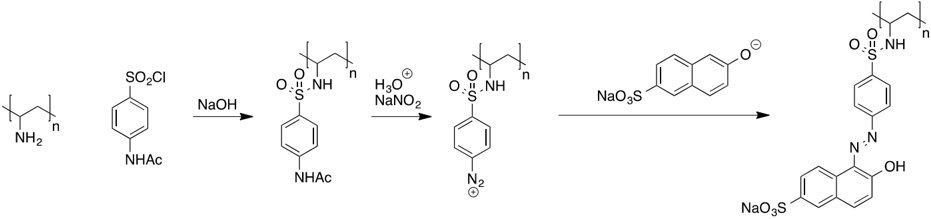
Synthesis and dyeing properties of polyvinylamine dyes for cotton
Shan, B., Tang, B., Zhang, S., & Tan, W. (2020) · Coloration Technology · doi:10.1111/cote.12467 · Cited by 16
Wang, M., Wang, X., Guo, C., Zhao, T., & Li, W. (2020) · Polymers · doi:10.3390/polym12020285 · Cited by 16
“As we all know, textile wastewater is one of the most important pollution sources in the textile industry, causing serious damage to the ecosystem and lives [6,7].”
BackgroundHassan, H. H. A. M., & Fattah, M. A. (2023) · Functional Composite Materials · doi:10.1186/s42252-023-00038-y · Cited by 15
“According to the literature reports, polymeric adsorbents exhibit a high surface area with pore size distribution, mechanical rigidity, and easy regeneration under mild conditions [9].”
BackgroundIbrahim, M. K., & Mohammed, S. R. (2024) · Oriental Journal Of Chemistry · doi:10.13005/ojc/400409 · Cited by 15
Fluorescence Enhancement of Nonemissive Monodeprotonated Luteolin in a Poly(vinyl alcohol) Film
Wang, W., Liu, Y., Cheng, X., Yu, Q., Hou, S., Zhao, J., & Luo, J. X. (2024) · The Journal of Physical Chemistry B · doi:10.1021/acs.jpcb.4c06452 · Cited by 14
Kolokytha, C., Sinani, A., Manouras, T., Angelakos, E., Argitis, P., Lathiotakis, N. N., Riziotis, C., & Tzeli, D. (2025) · The Journal of Physical Chemistry A · doi:10.1021/acs.jpca.4c05342 · Cited by 14
A Carbocationic Triarylmethane‐Based Porous Covalent Organic Network
Freitas, S. K. S., Oliveira, F. L., dos Santos, T. C., Hisse, D., Merlini, C., Ronconi, C. M., & Esteves, P. M. (2020) · Chemistry - A European Journal · doi:10.1002/chem.202003554 · Cited by 14
Evaluation of Macroalgal Biomass for Removal of Hazardous Organic Dyes from Wastewater
Aziam, R., Boukarma, L., Abali, M., Nouaa, S., Eddaoudi, E., Sinan, F., & Chiban, M. (2021) · Sustainable textiles · doi:10.1007/978-981-16-3164-1_7 · Cited by 14
Aini, S. A., Syafiuddin, A., & Kueh, A. B. H. (2023) · Environmental Quality Management · doi:10.1002/tqem.22056 · Cited by 14
Marzec, A., Szadkowski, B., Rogowski, J., Maniukiewicz, W., Moszyński, D., Rybiński, P., & Zaborski, M. (2019) · Molecules · doi:10.3390/molecules24030560 · Cited by 14
“Natural and synthetic dyes are used in a wide range of everyday products [1,2].”
BackgroundEnzymatic Bioremediation of Dyes from Textile Industry Effluents
Souza, A. G. V., Maria, T. C., Saran, L. M., & Alves, L. M. C. (2022) · IntechOpen eBooks · doi:10.5772/intechopen.103064 · Cited by 15
Soluble N‐substituted poly(benzimidazole imide)s via C−N coupling reaction
Shang, Z., Yang, L., & Chang, G. (2016) · Polymer International · doi:10.1002/pi.5060 · Cited by 12
Grabsi, M., Zabat, N., Khellaf, N., & Ismail, F. (2019) · Environmental Nanotechnology Monitoring & Management · doi:10.1016/j.enmm.2019.100269 · Cited by 12
Study on SBA-15 as an effective sorbent for dye butyl rhodamine B
Zhai, Q.-Z. (2020) · Journal of Sol-Gel Science and Technology · doi:10.1007/s10971-020-05335-7 · Cited by 12
Kuśmierek, M., Szadkowski, B., Rybiński, P., Śliwka‐Kaszyńska, M., Prochoń, M., Syrek, B., & Marzec, A. (2021) · Materials · doi:10.3390/ma14144050 · Cited by 12
Photochemical Stability of a Cotton Fabric Surface Dyed with a Reactive Triphenodioxazine Dye
Roşu, L., Gavat, C.-C., Roşu, D., Varganici, C., & Mustata, F. R. (2021) · Polymers · doi:10.3390/polym13223986 · Cited by 12
“Therefore, growing research interest is focusing on enhancing dyeing efficiency and/or photochemical properties with regards to eco–friendly processes, low toxicity, and manufacturing costs [1].”
BackgroundCugnasca, B. S., Duarte, F., Santos, H. M., Capelo, J. L., Bértolo, E., Santos, A. A. D., & Lodeiro, C. (2024) · Microchimica Acta · doi:10.1007/s00604-024-06814-2 · Cited by 11
“Interest in the development of new luminescent organic dye-doped polymers has been growing in recent years due to the wide versatility of applications in industries, medicine, and analytical processes and is the target of investigation by many researchers [1].”
Jilani, W., Gouadria, S., Bouzidi, A., Al-Harbi, F. F., Omri, K., Guermazi, H., & Yahia, I. S. (2023) · Optical and Quantum Electronics · doi:10.1007/s11082-022-04496-9 · Cited by 11
Yahyai, W. A. S. A., Isai, A. A. S. A., Alotibi, M. F., Reddy, G. B., Al-Abri, M. Z., Pejjai, B., Devunuri, N., Kumar, N. S., Al-Fatesh, A. S., Osman, A. I., et al. (2023) · Materials Advances · doi:10.1039/d3ma00091e · Cited by 11
Li, B., Shao, W., Wang, Y., Xiao, D., Li, C., & Kan, C. (2019) · Progress in Organic Coatings · doi:10.1016/j.porgcoat.2018.12.027 · Cited by 11
Bonilla, J. S. G., Szymczak, T., Zhou, X., Schrüfer, S., Dechet, M. A., Schmuki, P., Schubert, D. W., Schmidt, J., Peukert, W., & Bück, A. (2020) · Additive manufacturing · doi:10.1016/j.addma.2020.101373 · Cited by 11
Cyanopyridone doped PMMA films as UV and blue light filters: Preparation and characterization
Devadiga, D., & Ahipa, T. N. (2020) · Optik · doi:10.1016/j.ijleo.2020.166233 · Cited by 11
Super functional anionic hydrolysis lignin for capturing dyes
Alipoormazandarani, N., Zhang, Y., & Fatehi, P. (2021) · Industrial Crops and Products · doi:10.1016/j.indcrop.2021.113243 · Cited by 10
Graphene oxide modified waterborne polyurethane‐based dye with high color‐fastness performance
Guo, S., Liu, N., Ding, W. Z., Pang, X., Ding, Z., & Chen, Y. (2020) · Journal of Applied Polymer Science · doi:10.1002/app.50390 · Cited by 10
Singh, H., Singh, R., & Kaur, V. (2019) · Cellulose · doi:10.1007/s10570-019-02293-4 · Cited by 10
“The most concerned issues in the dyeing processes involve improvement of dyeing efficiency (N.; Khatri et al. 2015; Batchelor 2015; Fleischmann et al. 2015), development of eco-friendly synthetic procedures (Varadarajan and Venkatachalam 2016), strategies to reduce the toxicity and production costs…”
BackgroundThe Effect of a Hydrophobic Coating on the Photodegradation of Dyed Nylon 6 Yarns
Sedláček, D., Roso, M., & Manian, A. P. (2023) · Fibers and Polymers · doi:10.1007/s12221-023-00311-8 · Cited by 9
Synthesis and properties of poly(styrene‐co‐maleic acid) macromolecular reactive dyes
Wang, F., Ma, W., Tang, B., & Zhang, S. (2022) · Coloration Technology · doi:10.1111/cote.12631 · Cited by 9
Seku, K., Pejjai, B., Osman, A. I., Hussaini, S. S., Al-Abri, M. Z., Kumar, N. S., Kumar, N. S. V., Reddy, S. S. K., Sadasivuni, K. K., Al-Fatesh, A. S., et al. (2024) · Biomass Conversion and Biorefinery · doi:10.1007/s13399-024-05443-2 · Cited by 9
Makwakwa, D., Motloung, M. P., Ojijo, V. O., Bandyopadhyay, J., & Ray, S. S. (2022) · Macromol—A Journal of Macromolecular Research · doi:10.3390/macromol2030030 · Cited by 9
Kuo, H., Tsao, C.-C., Lin, X., & Chen, H. (2025) · Journal of the Taiwan Institute of Chemical Engineers · doi:10.1016/j.jtice.2025.106155 · Cited by 9
Lotfy, S., & Taleb, M. F. A. (2017) · Polymer Bulletin · doi:10.1007/s00289-017-2185-x · Cited by 8
Padinhattath, S. P., Govindaraj, J., & Gardas, R. L. (2025) · Green Chemistry Letters and Reviews · doi:10.1080/17518253.2025.2471760 · Cited by 7
“The textile industries are considered to be water-inten-sive industries which consume huge volumes of water for various stages involved such as dyeing, finishing, and washing [1–3].”
Metadata
- Authors
- Fleischmann, C., Lievenbrück, M., & Ritter, H.
- Affiliations
- University of California, Santa Barbara (US)
- Heinrich Heine University Düsseldorf (DE)
- Corresponding author
- Ritter, Helmut
- ORCID
- Fleischmann, Carolin
- Venue
- Polymers
- Publisher
- MDPI AG
- Published
- 2015-04-15
- Volume
- 7
- Issue
- 4
- Pages
- 717-746
- ISSN
- 2073-4360 (ISSN-L)
- OpenAlex
- W1965217519
- Cited by
- 188
- References
- 123
- Citations by year
- 2026: 10 · 2025: 20 · 2024: 32 · 2023: 16 · 2022: 14 · 2021: 18 · 2020: 21 · 2019: 17 · 2018: 15 · 2017: 14 · 2016: 10 · 2015: 1
- FWCI
- 18.11
- Type
- journal article
- Language
- en
- Open access
- gold
- dx.doi.org
- Licence
- Locations
- Polymers (publishedVersion, cc-by)
- DOAJ (DOAJ: Directory of Open Access Journals) (submittedVersion, cc-by-sa)
- Topics
- Physical Sciences › Materials Science › Polymers and Plastics › Dyeing and Modifying Textile Fibers
- Physical Sciences › Chemistry › Organic Chemistry › Advanced Polymer Synthesis and Characterization
- Physical Sciences › Materials Science › Polymers and Plastics › Polymer Synthesis and Characterization
- Keywords
- colored polymers, azo dyes, triphenylmethane dyes, indigoid dyes, perylene dyes, anthraquinone dyes, polymer synthesis, dyeing wastewater, gas separation, medical applications, painting industry
About these checks
Registry, retraction, Cites and statistics results are computed, not judged, with one exception: a printed reference that no index lists is read once by a model before it counts as a citation error. Claims are extracted by a model and kept only when their quote appears verbatim in the text; each cited source is then checked, with a model’s help, for whether it says what the claim relies on. Those verdicts can be wrong — read the claim’s quote and the cited source before relying on one.
Statistics and arithmetic are recomputed, not judged.
Confidence bands are shown only for fields calibrated on our annotated test set. None is calibrated yet, so no band is shown.
What counts as a claim ›How we measure confidence ›How we check this ›
Are you an author, or do you see a problem with this page? Request a review
Data sources
Bibliographic data: Semantic Scholar, OpenAlex, Crossref.
Contains information from the Semantic Scholar Academic Graph Datasets, made available under the ODC Attribution License (ODC-BY 1.0).
Semantic Scholar’s data is described in: Kinney, R., et al. (2023). The Semantic Scholar Open Data Platform. arXiv:2301.10140.
