

Structurally Robust and Functionally Highly Versatile—C-Type Lectin (-Related) Proteins in Snake Venoms
Open accessThe DOI matches its Crossref record; 217 of the 217 references it cites were found in a registry or an index.
Abstract
Snake venoms contain an astounding variety of different proteins. Among them are numerous C-type lectin family members, which are grouped into classical Ca2+- and sugar-binding lectins and the non-sugar-binding snake venom C-type lectin-related proteins (SV-CLRPs), also called snaclecs. Both groups share the robust C-type lectin domain (CTLD) fold but differ in a long loop, which either contributes to a sugar-binding site or is expanded into a loop-swapping heterodimerization domain between two CLRP subunits. Most C-type lectin (-related) proteins assemble in ordered supramolecular complexes with a high versatility of subunit numbers and geometric arrays. Similarly versatile is their ability to inhibit or block their target molecules as well as to agonistically stimulate or antagonistically blunt a cellular reaction triggered by their target receptor. By utilizing distinct interaction sites differentially, SV-CLRPs target a plethora of molecules, such as distinct coagulation factors and receptors of platelets and endothelial cells that are involved in hemostasis, thrombus formation, inflammation and hematogenous metastasis. Because of their robust structure and their high affinity towards their clinically relevant targets, SV-CLRPs are and will potentially be valuable prototypes to develop new diagnostic and therapeutic tools in medicine, provided that the molecular mechanisms underlying their versatility are disclosed.
Overview
The claims and statistics of this paper haven’t been checked yet.
Free: it reads the open-access text and checks the first 5 claims that cite a source we can check. Create a free account to check every claim.
Integrity signals
Registry
Cites
Statistics
Figures
Verification
Claims the paper makes
The claims and statistics of this paper haven’t been checked yet.
Free: it reads the open-access text and checks the first 5 claims that cite a source we can check. Create a free account to check every claim.
Claims other papers make about this one
Each is checked against this paper’s own text: does it say what the citing paper says it does?
The cited source says what the claim attributes to it.
In the citing paper
“C-type lectins (CTLs/snaclecs) are predominantly found in venoms of viperids. Although structurally related to classical C-type lectins, most snaclecs lack carbohydrate binding activity [19].”
From Role of Regulated Cell Death Pathways in Snakebite Envenomation: Mechanisms, Crosstalk, and Therapeutic Opportunities (2026) · cites this paper as [19]
The check wasn’t confident either way, so it gives no verdict — never disputed.
In the citing paper
“This can result in cellular swelling or the release of cellular contents, leading to severe necrosis or more regulated pathways for cellular destruction [19].”
From Role of Regulated Cell Death Pathways in Snakebite Envenomation: Mechanisms, Crosstalk, and Therapeutic Opportunities (2026) · cites this paper as [19]
Experimental — accuracy not yet measured
Self-check
Percentages, sums and reported differences re-computed from the paper’s own numbers.
The self-check needs the paper’s full text.
Citations
Cites
Mizgerd, J. P., Kubo, H., Kutkoski, G. J., Bhagwan, S. D., Scharffetter-Kochanek, K., Beaudet, A. L., & Doerschuk, C. M. (1997) · The Journal of Experimental Medicine · doi:10.1084/jem.186.8.1357 · Cited by 7,306
Stöckl, S., Göttl, C., Grifka, J., & Grässel, S. (2013) · Cellular Physiology and Biochemistry · doi:10.1159/000350089 · Cited by 4,656
Ricard-Blum, S. (2011) · Cold Spring Harbor Perspectives in Biology · doi:10.1101/cshperspect.a004978 · Cited by 2,305
Humphries, J. D., Byron, A., & Humphries, M. J. (2006) · Journal of Cell Science · doi:10.1242/jcs.03098 · Cited by 1,708 · cited 1×
“The extracellular domains of both subunits form one head domain, which harbours the binding site for the extracellular matrix ligands [136].”
BackgroundStructural Basis of Integrin Regulation and Signaling
Luo, B.-H., Carman, C. V., & Springer, T. A. (2007) · Annual Review of Immunology · doi:10.1146/annurev.immunol.25.022106.141618 · Cited by 1,660 · cited 1×
“This enables not only firm connection between the cytoskeleton and the extracellular matrix, but also signal transduction via the integrin-mediated cell-extra cellular matrix contacts [137,138].”
BackgroundNanoscale architecture of integrin-based cell adhesions
Kanchanawong, P., Shtengel, G., Pasapera, A. M., Ramko, E. B., Davidson, M. W., Hess, H. F., & Waterman, C. M. (2010) · Nature · doi:10.1038/nature09621 · Cited by 1,567 · cited 1×
“Moreover, integrin signalling also encompasses clustering of several integrin molecules and associated proteins into specific cell-adhesive cell organelles, termed adhesomes [139].”
BackgroundBarczyk, M., Carracedo, S., & Gullberg, D. (2010) · Cell and Tissue Research · doi:10.1007/s00441-009-0834-6 · Cited by 1,512
The C‐type lectin‐like domain superfamily
Zelensky, A. N., & Gready, J. E. (2005) · The FEBS Journal · doi:10.1111/j.1742-4658.2005.05031.x · Cited by 1,407 · cited 8×
“This N-terminal expansion is stabilized by a disulfide bridge between two cysteine residues, generically named C0 and C0′ [2].”
BackgroundInfluentialProteoglycan form and function: A comprehensive nomenclature of proteoglycans
Iozzo, R. V., & Schaefer, L. (2015) · Matrix Biology · doi:10.1016/j.matbio.2015.02.003 · Cited by 1,263 · cited 1×
“Such variants are found in the hyaluronic acid-binding link domain (synonym: protein tandem repeat (PTR) domain) of lecticans, among them aggrecan, versican and other proteoglycans [12] and of the hyaluronan receptor CD44, as well as in some bacterial CTLD-containing proteins, such as in intimin and invasin [8].”
BackgroundMET signalling: principles and functions in development, organ regeneration and cancer
Trusolino, L., Bertotti, A., & Comoglio, P. M. (2010) · Nature Reviews Molecular Cell Biology · doi:10.1038/nrm3012 · Cited by 1,240
Cited by
Phylogenetically diverse diets favor more complex venoms in North American pitvipers
Holding, M. L., Strickland, J. L., Rautsaw, R. M., Hofmann, E. P., Mason, A. J., Hogan, M., Nystrom, G. S., Ellsworth, S. A., Colston, T. J., Borja, M., et al. (2021) · Proceedings of the National Academy of Sciences · doi:10.1073/pnas.2015579118 · Cited by 117
Old World Vipers—A Review about Snake Venom Proteomics of Viperinae and Their Variations
Damm, M., Hempel, B.-F., & Süßmuth, R. D. (2021) · Toxins · doi:10.3390/toxins13060427 · Cited by 97
Larréché, S., Chippaux, J., Chevillard, L., Mathé, S., Résière, D., Siguret, V., & Mégarbane, B. (2021) · International Journal of Molecular Sciences · doi:10.3390/ijms22179643 · Cited by 104
“The concave surface is probably the main ligand binding site [95].”
BackgroundTeixeira, C., Fernándes, C. M., Leiguez, E., & Chudzinski‐Tavassi, A. M. (2019) · Frontiers in Immunology · doi:10.3389/fimmu.2019.02082 · Cited by 79
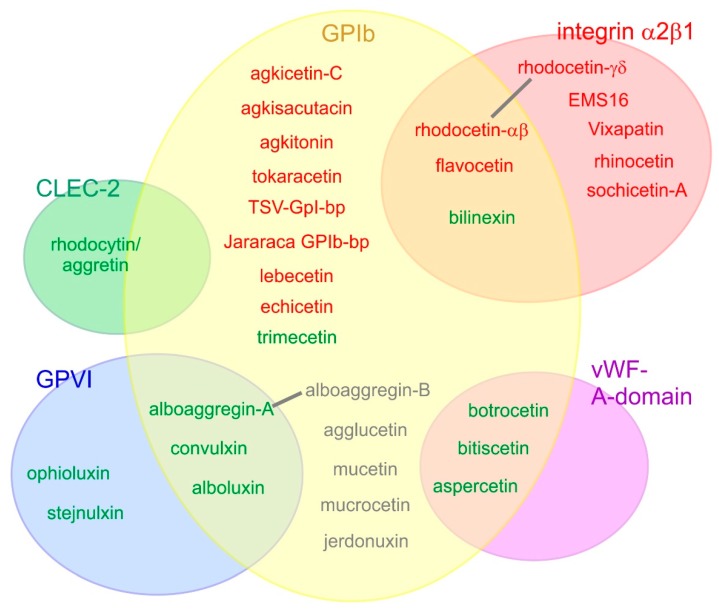
“SV-CLRPs connect with amultitude of molecules implicated in hemostasis that are present on endothelial cells, coagulation factors, and receptors of platelets, having a role in thrombus formation and inflammation (150).”
BackgroundJenkins, T. P., Ahmadi, S., Bittenbinder, M. A., Stewart, T. K., Akgun, D. E., Hale, M., Nasrabadi, N. N., Wolff, D. S., Vonk, F. J., Kool, J., et al. (2021) · PLoS neglected tropical diseases · doi:10.1371/journal.pntd.0009880 · Cited by 66
“, bitiscetin) are hemostasis disruptive and consequently prevent blood clotting by interfering with platelet aggregation and the coagulation cascade [35].”
BackgroundDamm, M., Karış, M., Petras, D., Nalbantsoy, A., Göçmen, B., & Süßmuth, R. D. (2024) · Journal of Proteome Research · doi:10.1021/acs.jproteome.4c00171 · Cited by 29
Obermann, W. M. J., Brockhaus, K., & Eble, J. A. (2021) · Frontiers in Cell and Developmental Biology · doi:10.3389/fcell.2021.674553 · Cited by 34
“First, the tumor mass approaches preexisting vessels due to its volume-demanding growth or by vessel co-option (Kuczynski et al., 2019; Niland and Eble, 2019).”
BackgroundSelf-citationSchulte, L., Damm, M., Avella, I., Uhrig, L., Erkoc, P., Schiffmann, S., Fürst, R., Timm, T., Lochnit, G., Vilcinskas, A., et al. (2023) · Frontiers in Molecular Biosciences · doi:10.3389/fmolb.2023.1254058 · Cited by 25
“In contrast, C-type lectin-like and lectin-related proteins mostly target clotting factors or cellular receptors (Eble, 2019).”
BackgroundDresler, J., Avella, I., Damm, M., Dersch, L., Krämer, J., Vilcinskas, A., & Lüddecke, T. (2024) · Frontiers in Arachnid Science · doi:10.3389/frchs.2024.1445500 · Cited by 26
“This toxin class form supramolecular structures up to heterooctameric ( ab ) 4 complexes and even larger, as known from convulxin and has a highly promiscuous ligand spectrum (Eble, 2019).”
BackgroundInfluentialPucca, M. B., Bernarde, P. S., Rocha, A. M., Viana, P. F., Farias, R. E. S., Cerni, F. A., de Oliveira, I. S., Ferreira, I. G., Sandri, E. A., Sachett, J. D. A. G., et al. (2021) · Frontiers in Immunology · doi:10.3389/fimmu.2021.659515 · Cited by 33
“This results in a wide range of pharmacological activities, acting in hemostasis and inflammation (84).”
BackgroundVenom Gene Sequence Diversity and Expression Jointly Shape Diet Adaptation in Pitvipers
Mason, A. J., Holding, M. L., Rautsaw, R. M., Rokyta, D. R., Parkinson, C. L., & Gibbs, H. L. (2022) · Molecular Biology and Evolution · doi:10.1093/molbev/msac082 · Cited by 28
“Notably, CTLs are unique among snake venom toxins for functioning as multimeric heterodimers, which could impose unique restrictions on their evolvability or de-couple a direct relationship between genetic and functional variation (Arlinghaus and Eble 2012; Eble 2019).”
BackgroundHalf a century of research on Bothrops asper venom variation: biological and biomedical implications
Mora-Obando, D., Lomonte, B., Plá, D., Guerrero-Vargas, J. A., Ayerbe, S., Gutiérrez, J. M., Sasa, M., & Calvete, J. J. (2022) · Toxicon · doi:10.1016/j.toxicon.2022.106983 · Cited by 32
Avella, I., Damm, M., Freitas, I., Wüster, W., Lucchini, N., Zuazo, Ó., Süßmuth, R. D., & Martínez‐Freiría, F. (2023) · Toxins · doi:10.3390/toxins15060371 · Cited by 23
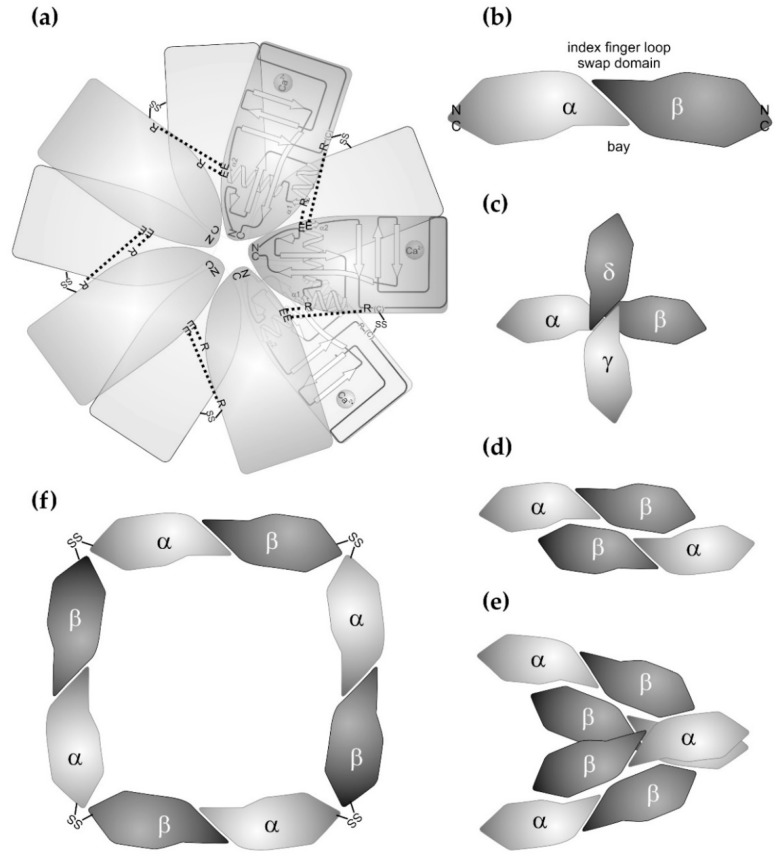
“These toxi s are known to f rm multimeric structures with one, two (αβ), or four (αβγδ) subunits in different complexities, such as (αβ)4 heterooctamers, and in combination with svMP P-IIIe [58,60].”
BackgroundThomazini, C. M., Sachetto, A. T. A., de Albuquerque, C. Z., Mattaraia, V. G. D. M., Oliveira, A. K., Serrano, S. M. T., Lebrun, I., Barbaro, K. C., & Santoro, M. L. (2021) · PLoS neglected tropical diseases · doi:10.1371/journal.pntd.0009715 · Cited by 24
Ikenohuchi, Y. J., Silva, M. D. S., Rego, C. M. A., Francisco, A. F., da Silva Setúbal, S., Ferreira e Ferreira, A. A., Boeno, C. N., Santana, H. M., Felipin, K. P., de Lima, A. M., et al. (2023) · Cellular and Molecular Life Sciences · doi:10.1007/s00018-023-04839-z · Cited by 20
Avella, I., Schulte, L., Hurka, S., Damm, M., Eichberg, J., Schiffmann, S., Henke, M., Timm, T., Lochnit, G., Hardes, K., et al. (2024) · International Journal of Biological Macromolecules · doi:10.1016/j.ijbiomac.2024.135041 · Cited by 20
Ghezellou, P., Dillenberger, M., Kazemi, S. M., Jestrzemski, D., Hellmann, B., & Spengler, B. (2022) · Toxins · doi:10.3390/toxins14100716 · Cited by 16
“CTL-like protein generates platelet aggregation by indirectly modulating the von Willebrand factor (vWF) and promoting thrombocytopenia [41,42].”
BackgroundStructural Aspects of Carbohydrate Recognition Mechanisms of C-Type Lectins
Nagae, M., & Yamaguchi, Y. (2019) · Current topics in microbiology and immunology · doi:10.1007/82_2019_181 · Cited by 18
An Emergent Role for Mitochondrial Bioenergetics in the Action of Snake Venom Toxins on Cancer Cells
Urra, F. A., Vivas-Ruiz, D. E., Sánchez, E. F., & Araya‐Maturana, R. (2022) · Frontiers in Oncology · doi:10.3389/fonc.2022.938749 · Cited by 15
Emerging anticancer potential and mechanisms of snake venom toxins: A review
Guo, X., Fu, Y., Peng, J., Fu, Y., Dong, S., Ding, R., Qi, X., & Bao, J. (2024) · International Journal of Biological Macromolecules · doi:10.1016/j.ijbiomac.2024.131990 · Cited by 13
Damm, M., Avella, I., Merzara, R., Lucchini, N., Buldain, J., Corga, F., Bouazza, A., Fahd, S., Süßmuth, R. D., & Martínez‐Freiría, F. (2024) · Biochimie · doi:10.1016/j.biochi.2024.07.008 · Cited by 14
Bittenbinder, M. A., Capinha, L., Pereira, D. D. C., Slagboom, J., van de Velde, B., Casewell, N. R., Jennings, P., Kool, J., & Vonk, F. J. (2023) · PLoS neglected tropical diseases · doi:10.1371/journal.pntd.0011564 · Cited by 12
Long, C., Liu, M., Tian, H., Li, Y., Wu, F., Mwangi, J., Lu, Q., El‐Aziz, T. M. A., Lai, R., & Shen, C. (2020) · Toxins · doi:10.3390/toxins12120749 · Cited by 15
“Different species of venomous snakes or the same species from different habitats may have different amount/proportion of coagulation activators and snaclecs [3,20].”
BackgroundAlvitigala, B. Y., Dissanayake, H. A., Weeratunga, P. N., Padmaperuma, P. A. C. D., Gooneratne, L. V., & Gnanathasan, C. A. (2025) · Transactions of the Royal Society of Tropical Medicine and Hygiene · doi:10.1093/trstmh/trae058 · Cited by 21
Shen, C., Liu, M., MacKeigan, D. T., Chen, Z. Y., Chen, P., Karakas, D., Li, J., Norris, P. A. A., Li, J., Deng, Y., et al. (2021) · Archives of Toxicology · doi:10.1007/s00204-021-03154-5 · Cited by 11
“They may trigger hemostatic dysfunctions by interacting with a wide range of physiologically important proteins, such as GPIbα, GPVI and integrins, on platelets (Clemetson 2010; Eble 2019; Lei et al.”
BackgroundJebali, J., Zakraoui, O., Aissaoui, D., Abdelkafi-Koubaa, Z., Srairi‐Abid, N., Marrakchi, N., & Essafi‐Benkhadir, K. (2020) · Toxicon · doi:10.1016/j.toxicon.2020.09.001 · Cited by 9
The biology and toxinology of blunt-nosed vipers
Avella, I., Damm, M., Nicola, M. R. D., Dresler, J., İğci, N., Karış, M., Kazemi, S. M., Kreuels, B., Paolino, G., Sarigiannis, Y. M., et al. (2025) · npj Biodiversity · doi:10.1038/s44185-025-00090-w · Cited by 9
“Anasterisk( * )indicatespublicationswheretheassignmentofthe M.lebetina subspeciesfromwhichthe analysedvenomwassourcedisuncertain. angiogenic properties hinder the formation of new blood vessels, depriving tumours of the nutrients and oxygen required for growth 126 .”
Nashimoto, Y., Matsushita, F., Dijkstra, J. M., Nakamura, Y., Akiyama, H., Hamako, J., Morita, T., Araki, S., & Matsui, T. (2022) · Toxins · doi:10.3390/toxins14040236 · Cited by 8
Chan, B., Wong, W., Lee, M. M., Yue, P. Y., Dai, X., Tsim, K. W. K., Hsiao, W. L. W., Li, M., Li, X.-Y., & Tai, W. (2023) · Frontiers in Pharmacology · doi:10.3389/fphar.2023.1227962 · Cited by 10
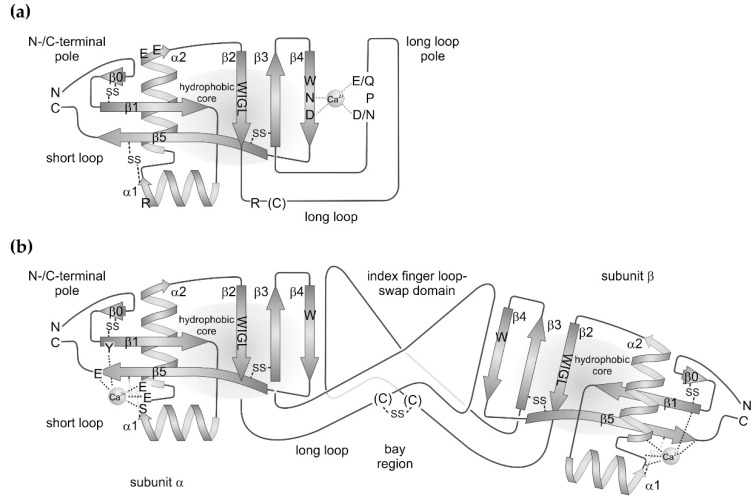
“In line with previous reports on snaclecs (Zelensky and Gready, 2005; Eble, 2019), the structure of both α and β chain subunits of ZK002 comprised two β -sheets consisting of the β strands β 0 – β 1 – β 5 and β 2 – β 3 – β 4, connected by two orthogonally orientated α -helices, and a long loop was…”
Avella, I., Schulte, L., Damm, M., Uhrig, L., Cabrera‐Orefice, A., Eichberg, J., Hardes, K., Hurka, S., Lindner, T., Vilcinskas, A., et al. (2025) · PLoS neglected tropical diseases · doi:10.1371/journal.pntd.0013439 · Cited by 6
“Given that CTLs are known to primarily disrupt haemostasis [58], and that PLA 2 s are associated with a broad spectrum of biological activities, including cytotoxicity and coagulopathy [59,60], the high relative abundances of these two toxin families in our data is consistent with the clinical…”
Rincon-Filho, S., de Souza, D. L. N., Lopes-de-Souza, L., Silvano-de-Oliveira, J., Ferreyra, C. B., Costal-Oliveira, F., Guerra-Duarte, C., & Chávez-Olórtegui, C. (2020) · International Journal of Biological Macromolecules · doi:10.1016/j.ijbiomac.2020.08.033 · Cited by 7
Espín-Angulo, J., & Vela, D. (2024) · Toxins · doi:10.3390/toxins16120511 · Cited by 8
“In addition, the structure of ADAM proteins allows a connection with the cellular and extracellular matrix, generating adhesion, migration, proteolysis, and cell signaling [43–45].”
The distinct N-terminomes of Bothrops jararaca newborn and adult venoms
Andrade-Silva, D., Nishiyama, M. Y., Stuginski, D. R., Zelanis, A., & Serrano, S. M. T. (2021) · Biochimica et Biophysica Acta (BBA) - Proteins and Proteomics · doi:10.1016/j.bbapap.2021.140643 · Cited by 7
de Oliveira, N. F., Sachetto, A. T. A., & Santoro, M. L. (2022) · Toxins · doi:10.3390/toxins14100661 · Cited by 7
Zhou, Y., Komnick, M. R., Sepulveda, F., Liu, G., Nieves-Ortiz, E., Meador, K., Ndatabaye, O., Fatkhullina, A. R., Bozicevich, A. J., Juengel, B., et al. (2025) · Mucosal Immunology · doi:10.1016/j.mucimm.2025.05.003 · Cited by 5
“23,25 Similarly, some eukaryotic DAMP receptors 60 and snake venoms, 61 which bind to eukaryotic surface glycoproteins, are also C-type lectins.”
Alonso, L. L., Slagboom, J., Casewell, N. R., Samanipour, S., & Kool, J. (2025) · Journal of Proteome Research · doi:10.1021/acs.jproteome.4c00923 · Cited by 6
Snake Toxins Affecting Blood Vessel Walls: Mode of Action and Biological Significance
Osipov, A. V., & Utkin, Y. N. (2025) · International Journal of Molecular Sciences · doi:10.3390/ijms26199439 · Cited by 6
“Most snaclecs assemble in ordered supramolecular complexes with a high versatility of subunit numbers and geometric arrays [86,87].”
Ischemic Stroke Following Calloselasma rhodostoma Snakebite: A Rare Case Report
Pinzon, R. T., Antonius, R. A., & Veronica, V. (2022) · Open Access Emergency Medicine · doi:10.2147/oaem.s352865 · Cited by 5
Snake Venom and 3D Microenvironment Cell Culture: From Production to Drug Development
Kato, E. E., Viala, V. L., & Sampaio, S. C. (2022) · Future Pharmacology · doi:10.3390/futurepharmacol2020009 · Cited by 5
“Induction or inhibition of platelet aggregation Antimetastatic, Antiangiogenic [35,36]”
BackgroundTorres, A. V., de Oliveira, N. F., de Lima, E. O. V., Tanaka-Azevedo, A. M., & Santoro, M. L. (2025) · Toxicon · doi:10.1016/j.toxicon.2025.108633 · Cited by 4
Borak, M. D., Leonardi, A., Požek, K., Reberšek, K., Podgornik, H., Pirnat, A., Bakija, A. T., Kranjc, S., Trobec, T., Žužek, M. C., et al. (2024) · Thrombosis and Haemostasis · doi:10.1055/a-2408-9375 · Cited by 8
“It has been suggested that snaclec-mediated platelet agglutination 5 is due to the ability of snaclecs to cross-link GPIb receptors 22 on adjacent platelets.”
BackgroundResultBittenbinder, M. A., Bergkamp, N. D., Slagboom, J., Bebelman, J. P., Casewell, N. R., Siderius, M. H., Smit, M. J., Kool, J., & Vonk, F. J. (2023) · Biology · doi:10.3390/biology12060765 · Cited by 10
Zuliani, J. P., Kwasniewski, F. H., Ikenohuchi, Y. J., Monteiro, W. M., & Sartim, M. A. (2025) · International Journal of Biological Macromolecules · doi:10.1016/j.ijbiomac.2025.139742 · Cited by 5
Ferreira, I. G., de Oliveira, I. S., Bordon, K. D. C. F., Reis, M. B., Wiezel, G. A., Sanchez, C., Santos, L., Santos‐Filho, N. A., Pucca, M. B., Antunes, L. M. G., et al. (2023) · Toxins · doi:10.3390/toxins15080483 · Cited by 4
Zeng, F., Ji, R.-S., Yu, X., Li, Y., Zhang, Q.-Y., & Sun, Q. (2024) · Scientific Reports · doi:10.1038/s41598-024-73508-3 · Cited by 3
Haemostasis-altering effects of Milos viper (Macrovipera schweizeri) venom
Avella, I., Schulte, L., Damm, M., Wüster, W., Vilcinskas, A., & Lüddecke, T. (2025) · Toxicology in Vitro · doi:10.1016/j.tiv.2025.106081 · Cited by 3
Hatakeyama, T., Kishigawa, A., & Unno, H. (2021) · Toxicon · doi:10.1016/j.toxicon.2021.08.006 · Cited by 3
Žužek, M. C., Brvar, M., Križaj, I., Trobec, T., Kranjc, S., Borak, M. D., Leonardi, A., Požek, K., Vrecl, M., & Frangež, R. (2025) · Toxins · doi:10.3390/toxins17110523 · Cited by 4
“These components include nonenzymatic, direct-acting toxins that belong to the snake venom C-type lectin-like protein (snaclec) family [5,6].”
InfluentialPreliminary report on the hemagglutinating activity of the Scorpaena plumieri fish venom
Fiorotti, H. B., Soares, T. G., Borges, M. H., Matavel, A., Campos, F. V., & de Figueiredo, S. G. (2022) · Anais da Academia Brasileira de Ciências · doi:10.1590/0001-376520220976 · Cited by 2
Estrada, J. E. C., Guerrero, T. N., Reyes-Enríquez, D. F., Nardy, E. S., Ferreira, R. G., Calderón, C. J. R., Wellmann, I. A., Espíndola, K. M. M., do Prado, A. F., Soares, A. M., et al. (2024) · Toxins · doi:10.3390/toxins16030142 · Cited by 2
“While classical CTLs exist as disulfide-linked homodimers or homo-oligomers, snaclecs form disulfide-bonded heterodimers or oligomeric complexes of heterodimers, comprising two closely related subunits tightly associated by loop-swapping [182].”
Canale, J. J., Navarro-López, R. A., Huerta‐Ocampo, J. Á., Burgara-Estrella, A., Encarnación‐Guevara, S., Silva‐Campa, E., Velazquez-Contreras, F. E., & Sarabia-Sainz, J. A. (2024) · Toxicon · doi:10.1016/j.toxicon.2024.108036 · Cited by 2
Pucca, M. B., Bernarde, P. S., Rocha, A. M., Viana, P. F., Farias, R. E. S., Cerni, F. A., de Oliveira, I. S., Ferreira, I. G., Sandri, E. A., Sachett, J. D. A. G., et al. (2021) · Vide Leaf, Hyderabad eBooks · doi:10.37247/paimmu2ed.2.2021.17 · Cited by 3
Chen, Y.-C., Chang, H., Ke, C.-C., Liu, C.-C., Huang, Y.-K., Chang, K., Chen, M.-H., Chen, I. C.-J., Chiang, L.-C., Liu, P., et al. (2025) · Toxicon · doi:10.1016/j.toxicon.2025.108495 · Cited by 1
Liu, H., Zhu, B., Cui, Y., Liu, W., Xu, Q., Lu, X., Tan, Z., Tian, Y., & Xu, W. (2025) · Translational Oncology · doi:10.1016/j.tranon.2025.102515 · Cited by 1
“The immune system relies on these proteins for a number of tasks, including pathogen identification, immune response modulation, and cell communication, among pathogen-associated molecular patterns (PAMPs) and damage-associated molecular patterns (DAMPs) [33 – 35].”
Shi, N., Wang, J., Xu, C., Jiang, X., Ren, C., Gao, X., & Luo, L. (2026) · ACS Pharmacology & Translational Science · doi:10.1021/acsptsci.6c00130 · Cited by 1
Multi‐Omics Analyses Elucidate the Venom Components of the Wasp Vespa mandarinia
Shi, Y.-C., Mo, H.-F., Yu, S., Niu, X.-Y., & Pu, Y. (2026) · Ecology and Evolution · doi:10.1002/ece3.73724 · Cited by 1
“C-type lectins primarily cause cytotoxicity (Eble 2019; Torres et al. 2026).”
Rosa, A. D. R. A., de Alvarenga, V. G., Pinheiro, M. R. A., Dias, M. F., Fialho, S. L., Borges, M. H., Kohlhoff, M., Campos, A. C. B., Eble, J. A., Ferreira, R. S., et al. (2026) · Biochimie · doi:10.1016/j.biochi.2026.05.013 · Cited by 1
Self-citationDing, S. M., & Yap, M. K. K. (2024) · Toxicon · doi:10.1016/j.toxicon.2024.108120 · Cited by 1
LOS BENEFICIOS DE LA ACTIVIDAD FÍSICA EN LA ATENCIÓN PRIMARIA DE SALUD
Ruiz, M. E. P. (2022) · doi:10.22533/at.ed.2512225053 · Cited by 1
Vera-Gonzáles, C., Arenas-Chávez, C. A., Ponce-Soto, L. A., Álvarez-Risco, A., Del-Aguila-Arcentales, S., Davies, N. M., & Yáñez, J. A. (2022) · Processes · doi:10.3390/pr10071428 · Cited by 1
Damm, M., Karış, M., Petras, D., Nalbantsoy, A., Göçmen, B., & Süßmuth, R. D. (2024) · bioRxiv (Cold Spring Harbor Laboratory) · doi:10.1101/2024.03.04.583389 · Cited by 1
Alangode, A., Rajasekhar, A., Sabu, J. J., Krishna, S., Anuja, D., Sreeja, A., Remesh, G., Kaladevi, A., & Nair, B. G. (2026) · International Journal of Molecular Sciences · doi:10.3390/ijms27156830
“Although structurally related to classical C-type lectins, most snaclecs lack carbohydrate binding activity [19].”
MÉTODO CANGURU COMO FACILITADOR DO CUIDADO AO RECÉM-NASCIDO PREMATURO
Kunzler, K. K. G., Zampier, A. C. D. P. F., Malaquias, T. D. S. M., Bernardo, C. C., da Silva, F. M., Cavalcante, M. D. M. A., & Massuqueto, R. R. H. (2022) · doi:10.22533/at.ed.2512225054
PERFIL DAS PESSOAS COM DOENÇAS CARDIOMETABÓLICAS: REVISÃO INTEGRATIVA
da Costa, M. M. F., Silva, I. D. J. M. D. C., Vidal, L. S., Macêdo, T. S., Cavalcante, F. M. L., Moreira, P. W. V., & Barros, L. M. (2022) · doi:10.22533/at.ed.2512225058
TRAJETÓRIA DA ATENÇÃO À SAÚDE DA MULHER NO BRASIL: DOS PROGRAMAS AS POLÍTICAS
Cruz, S. C. D. S., Lima, E. D. F. A., César, M. P., Figueiredo, K. C., Lima, R. D. C. D., & Primo, C. Ç. (2022) · doi:10.22533/at.ed.25122250513 · Cited by 1
O USO DE MEDIDAS NÃO FARMACOLÓGICAS PARA ALÍVIO DA DOR NEONATAL
Dalchiavon, C. C. B., Zampier, A. C. D. P. F., Malaquias, T. D. S. M., Kunzler, K. K. G., da Silva, F. M., Cavalcante, M. D. M. A., & Massuqueto, R. R. H. (2022) · doi:10.22533/at.ed.2512225056
Júnior, D. G. A., de Meneses, B. F., Aguiar, G. P., Sales, J. N., Cardoso, A. L. D. M., Freire, J. M. D. O., Moreira, R. M. M., & de Menezes, A. P. (2022) · doi:10.22533/at.ed.25122250514
ENFERMAGEM FRENTE AOS CUIDADOS PALIATIVOS: UMA REVISÃO INTEGRATIVA
Pinheiro, E. V. D. A., Gaiotto, E. M. G., Gaiotto, A. R., Pereira, J. A., Mariano, S., Florentino, A. D. O., Siqueira, E. D. F. G., & Barreto, C. A. (2022) · doi:10.22533/at.ed.2512225055
O USO DO LÚDICO PARA ORIENTAÇÃO DOS SINAIS DA DISFAGIA INFANTIL: UMA EXPERIÊNCIA COM CUIDADORES
Sacramento, L. S. C., Souza, K. F., Oliveira, L. D. S., & Rosa, D. M. (2022) · doi:10.22533/at.ed.2512225057
SÍNDROME DE BURNOUT COMO FACTOR DE RIESGO PARA LA SALUD EN EL PERSONAL DE ENFERMERÍA EN HIDALGO
Gálvez, R. B., Pérez, C. T. S., Arias‐Rico, J., Chávez, O. R. F., Pelcastre, G. S., & Lozada, M. T. S. (2022) · doi:10.22533/at.ed.25122250511
Bauermann, K. B., Trindade, L. D. L., Ascari, R. A., & Schoeninger, M. D. (2022) · doi:10.22533/at.ed.25122250515
CONHECIMENTO DOS ACADÊMICOS DA ÁREA DA SAÚDE ACERCA DA INSUFICIÊNCIA RENAL CRÔNICA
Colombara, D. F., Lopes, B. L., Madoglio, T. L., Borges, L. G. A., de Oliveira, N. D., Maigret, S. B., Minharro, M. C. D. O., Scudeler, P. E. S., Franco, G. P., Lemões, M. A. M., et al. (2022) · doi:10.22533/at.ed.2512225052
PREDIÇÃO DA SEVERIDADE DA COVID-19 ATRAVÉS DE MARCADORES DE INFLAMAÇÃO E HEMATOLÓGICOS
Ferreira, A. D. S., Muniz, A. C. D. S., Barbosa, C. D. T., Fook, K. D., de Carvalho, M. M., Gomes, D. R. D. A., Bertolaccini, M. F. L., de Morais, A. C. C. D., Diniz, M. A., Sodré, M. L. G., et al. (2022) · doi:10.22533/at.ed.25122250510
Jestrzemski, D. (2023) · eDiss (Georg-August-Universität Göttingen) · doi:10.53846/goediss-10108
Ferreira, A. J. D. S., da Silva, T. F., Guimarães, B. L. A., de Carvalho, E. A. B., Castro, M. I. D. A. L., Aires, A. D. L., Souza, M. A., de Lucena, M. G. S., & da Silva, E. C. (2024) · Revista Interfaces Saúde Humanas e Tecnologia · doi:10.16891/2317-434x.v12.e1.a2024.pp4077-4087
Composição e evolução do veneno de serpentes da tribo Hydropsini
Sonoda, G. G. (2024) · Digital Library of Theses and Dissertations (Universidade de São Paulo) · doi:10.11606/d.41.2024.tde-18062024-115815
Larréché, S. (2023) · theses.fr (ABES) · doi:10.70675/4d7f7860z2ff9z494bz8b50za333e6146130
Biotechnological Applications of C-Type Lectins Isolated from Snake Venoms
Nunes, E. A. C., Moura, G. M. D. M., Frihling, B. E. F., de Lima, J. F., Lacerda, A. P., Vasconcelos, R., Boleti, A. P. D. A., Jacobowski, A. C., Zuliani, J. P., dos Santos, E. A., et al. (2026) · Molecules · doi:10.3390/molecules31111906
“Rodocetin, isolated from the snake Calloselasma rhodostoma , may act as an α 2 β 1 integrin inhibitor by binding to an α 2 domain, preventing collagen attachment and consequently impairing plaquetary aggregation via this pathway [4].”
InfluentialAvella, I., Damm, M., Schulte, L., Smółka, P. A., Uhrig, L., Cabrera‐Orefice, A., Eichberg, J., Hardes, K., Hurka, S., Lindner, T., et al. (2026) · Comparative Biochemistry and Physiology Part C Toxicology & Pharmacology · doi:10.1016/j.cbpc.2026.110601
Dourado, L. F. N., da Silva, C. N., Rodrigues, C. M. B., Sánchez, E. F., de Oliveira, L. S., Pacheco, C., Sarmento, B. F. C. C., Dias, M. F., & Fialho, S. L. (2026) · Experimental Eye Research · doi:10.1016/j.exer.2026.111205
Will Snake Venoms Help Overcome Antimicrobial Resistance?
Osipov, A. V., Tsetlin, V. I., & Utkin, Y. N. (2026) · Russian Journal of Bioorganic Chemistry · doi:10.1134/s1068162026602417
Metadata
- Authors
- Eble, J. A.
- Affiliations
- University of Münster (DE)
- Corresponding author
- Eble, Johannes A.
- ORCID
- Eble, Johannes A.
- Venue
- Toxins
- Publisher
- MDPI AG
- Published
- 2019-03-01
- Volume
- 11
- Issue
- 3
- Pages
- 136
- ISSN
- 2072-6651 (ISSN-L)
- PMC
- PMC6468738
- OpenAlex
- W2919970718
- Cited by
- 82
- References
- 217
- Citations by year
- 2026: 8 · 2025: 11 · 2024: 15 · 2023: 9 · 2022: 23 · 2021: 11 · 2020: 3 · 2019: 2
- FWCI
- 1.31
- Type
- journal article
- Language
- en
- Open access
- gold
- dx.doi.org
- Licence
- Locations
- Toxins (publishedVersion, cc-by)
- Europe PMC (PubMed Central) (publishedVersion, cc-by)
- PubMed Central (publishedVersion, cc-by)
- PubMed (publishedVersion)
- DOAJ (DOAJ: Directory of Open Access Journals) (submittedVersion, cc-by-sa)
- Funders
- Deutsche Forschungsgemeinschaft (Eb177/13-1)
- Topics
- Life Sciences › Pharmacology, Toxicology and Pharmaceutics › Toxicology › Venomous Animal Envenomation and Studies
- Life Sciences › Biochemistry, Genetics and Molecular Biology › Molecular Biology › Glycosylation and Glycoproteins Research
- Life Sciences › Immunology and Microbiology › Immunology › Toxin Mechanisms and Immunotoxins
- Keywords
- snake venom, C-type lectin domain, supramolecular complexes, hemostasis, platelet receptors, endothelial cell receptors, coagulation factors, inflammation, hematogenous metastasis, receptor antagonism, receptor agonism
- MeSH terms
- Animals, Humans, Protein Conformation, Snake Venoms, Lectins, C-Type
About these checks
Registry, retraction, Cites and statistics results are computed, not judged, with one exception: a printed reference that no index lists is read once by a model before it counts as a citation error. Claims are extracted by a model and kept only when their quote appears verbatim in the text; each cited source is then checked, with a model’s help, for whether it says what the claim relies on. Those verdicts can be wrong — read the claim’s quote and the cited source before relying on one.
Statistics and arithmetic are recomputed, not judged.
Confidence bands are shown only for fields calibrated on our annotated test set. None is calibrated yet, so no band is shown.
What counts as a claim ›How we measure confidence ›How we check this ›
Are you an author, or do you see a problem with this page? Request a review
Data sources
Bibliographic data: Semantic Scholar, OpenAlex, Crossref.
Contains information from the Semantic Scholar Academic Graph Datasets, made available under the ODC Attribution License (ODC-BY 1.0).
Semantic Scholar’s data is described in: Kinney, R., et al. (2023). The Semantic Scholar Open Data Platform. arXiv:2301.10140.
