

Structurally Robust and Functionally Highly Versatile—C-Type Lectin (-Related) Proteins in Snake Venoms
Open accessThe DOI matches its Crossref record; 217 of the 217 references it cites were found in a registry or an index.
Abstract
Snake venoms contain an astounding variety of different proteins. Among them are numerous C-type lectin family members, which are grouped into classical Ca2+- and sugar-binding lectins and the non-sugar-binding snake venom C-type lectin-related proteins (SV-CLRPs), also called snaclecs. Both groups share the robust C-type lectin domain (CTLD) fold but differ in a long loop, which either contributes to a sugar-binding site or is expanded into a loop-swapping heterodimerization domain between two CLRP subunits. Most C-type lectin (-related) proteins assemble in ordered supramolecular complexes with a high versatility of subunit numbers and geometric arrays. Similarly versatile is their ability to inhibit or block their target molecules as well as to agonistically stimulate or antagonistically blunt a cellular reaction triggered by their target receptor. By utilizing distinct interaction sites differentially, SV-CLRPs target a plethora of molecules, such as distinct coagulation factors and receptors of platelets and endothelial cells that are involved in hemostasis, thrombus formation, inflammation and hematogenous metastasis. Because of their robust structure and their high affinity towards their clinically relevant targets, SV-CLRPs are and will potentially be valuable prototypes to develop new diagnostic and therapeutic tools in medicine, provided that the molecular mechanisms underlying their versatility are disclosed.
Overview
The claims and statistics of this paper haven’t been checked yet.
Free: it reads the open-access text and checks the first 5 claims that cite a source we can check. Create a free account to check every claim.
Integrity signals
Registry
Cites
Statistics
Figures
Verification
Claims the paper makes
The claims and statistics of this paper haven’t been checked yet.
Free: it reads the open-access text and checks the first 5 claims that cite a source we can check. Create a free account to check every claim.
Claims other papers make about this one
Each is checked against this paper’s own text: does it say what the citing paper says it does?
The cited source says what the claim attributes to it.
In the citing paper
“C-type lectins (CTLs/snaclecs) are predominantly found in venoms of viperids. Although structurally related to classical C-type lectins, most snaclecs lack carbohydrate binding activity [19].”
From Role of Regulated Cell Death Pathways in Snakebite Envenomation: Mechanisms, Crosstalk, and Therapeutic Opportunities (2026) · cites this paper as [19]
The check wasn’t confident either way, so it gives no verdict — never disputed.
In the citing paper
“This can result in cellular swelling or the release of cellular contents, leading to severe necrosis or more regulated pathways for cellular destruction [19].”
From Role of Regulated Cell Death Pathways in Snakebite Envenomation: Mechanisms, Crosstalk, and Therapeutic Opportunities (2026) · cites this paper as [19]
Experimental — accuracy not yet measured
Self-check
Percentages, sums and reported differences re-computed from the paper’s own numbers.
The self-check needs the paper’s full text.
Citations
Cites
Mizgerd, J. P., Kubo, H., Kutkoski, G. J., Bhagwan, S. D., Scharffetter-Kochanek, K., Beaudet, A. L., & Doerschuk, C. M. (1997) · The Journal of Experimental Medicine · doi:10.1084/jem.186.8.1357 · Cited by 7,306
Stöckl, S., Göttl, C., Grifka, J., & Grässel, S. (2013) · Cellular Physiology and Biochemistry · doi:10.1159/000350089 · Cited by 4,656
Ricard-Blum, S. (2011) · Cold Spring Harbor Perspectives in Biology · doi:10.1101/cshperspect.a004978 · Cited by 2,305
Humphries, J. D., Byron, A., & Humphries, M. J. (2006) · Journal of Cell Science · doi:10.1242/jcs.03098 · Cited by 1,708 · cited 1×
“The extracellular domains of both subunits form one head domain, which harbours the binding site for the extracellular matrix ligands [136].”
BackgroundStructural Basis of Integrin Regulation and Signaling
Luo, B.-H., Carman, C. V., & Springer, T. A. (2007) · Annual Review of Immunology · doi:10.1146/annurev.immunol.25.022106.141618 · Cited by 1,660 · cited 1×
“This enables not only firm connection between the cytoskeleton and the extracellular matrix, but also signal transduction via the integrin-mediated cell-extra cellular matrix contacts [137,138].”
BackgroundNanoscale architecture of integrin-based cell adhesions
Kanchanawong, P., Shtengel, G., Pasapera, A. M., Ramko, E. B., Davidson, M. W., Hess, H. F., & Waterman, C. M. (2010) · Nature · doi:10.1038/nature09621 · Cited by 1,567 · cited 1×
“Moreover, integrin signalling also encompasses clustering of several integrin molecules and associated proteins into specific cell-adhesive cell organelles, termed adhesomes [139].”
BackgroundBarczyk, M., Carracedo, S., & Gullberg, D. (2010) · Cell and Tissue Research · doi:10.1007/s00441-009-0834-6 · Cited by 1,512
The C‐type lectin‐like domain superfamily
Zelensky, A. N., & Gready, J. E. (2005) · The FEBS Journal · doi:10.1111/j.1742-4658.2005.05031.x · Cited by 1,407 · cited 8×
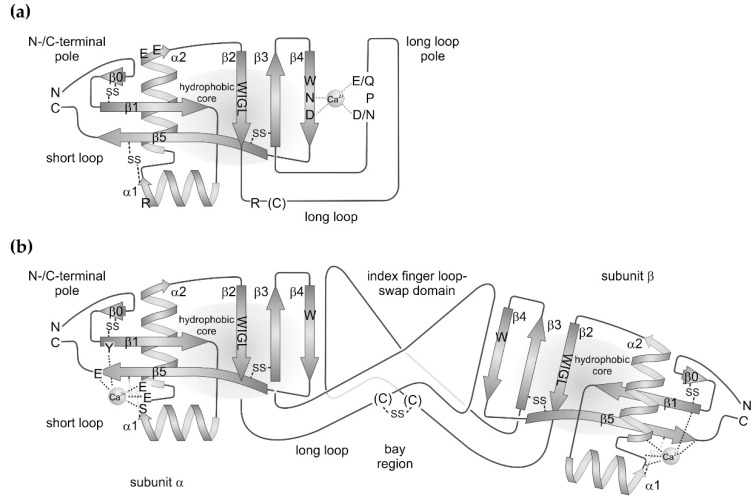
“This N-terminal expansion is stabilized by a disulfide bridge between two cysteine residues, generically named C0 and C0′ [2].”
BackgroundInfluentialProteoglycan form and function: A comprehensive nomenclature of proteoglycans
Iozzo, R. V., & Schaefer, L. (2015) · Matrix Biology · doi:10.1016/j.matbio.2015.02.003 · Cited by 1,263 · cited 1×
“Such variants are found in the hyaluronic acid-binding link domain (synonym: protein tandem repeat (PTR) domain) of lecticans, among them aggrecan, versican and other proteoglycans [12] and of the hyaluronan receptor CD44, as well as in some bacterial CTLD-containing proteins, such as in intimin and invasin [8].”
BackgroundMET signalling: principles and functions in development, organ regeneration and cancer
Trusolino, L., Bertotti, A., & Comoglio, P. M. (2010) · Nature Reviews Molecular Cell Biology · doi:10.1038/nrm3012 · Cited by 1,240
Integrin Structure, Activation, and Interactions
Campbell, I. D., & Humphries, M. J. (2011) · Cold Spring Harbor Perspectives in Biology · doi:10.1101/cshperspect.a004994 · Cited by 1,191 · cited 1×
“Upon ligand binding, integrins undergo major conformational changes between a bent and an upright/activated conformation, which is transduced to the intracellular domain [134,137].”
BackgroundPlatelet-collagen interaction: is GPVI the central receptor?
Nieswandt, B., & Watson, S. P. (2003) · Blood · doi:10.1182/blood-2002-12-3882 · Cited by 1,150 · cited 1×
“In a non-redundant, but complementary manner, both receptors transduce the strongly stimulating signal of collagen into platelets by partially independent pathways [55,156,158].”
BackgroundGutiérrez, J. M., Calvete, J. J., Habib, A. G., Harrison, R. A., Williams, D. J., & Warrell, D. A. (2017) · Nature Reviews Disease Primers · doi:10.1038/nrdp.2017.63 · Cited by 955 · cited 2×
“Among them are SV-CLRPs, which can act as coagulants or anticoagulants, resulting in disseminated intravascular coagulopathies (DIC) or severe bleedings, both life-threatening situations [18,66,67].”
BackgroundResultFibrin Formation, Structure and Properties
Weisel, J. W., & Litvinov, R. I. (2017) · Subcellular Biochemistry · doi:10.1007/978-3-319-49674-0_13 · Cited by 729 · cited 1×
“Fibrin molecules aggregate into highly ordered bundles, which seal the wound by withstanding tensile forces and serve as a preliminary extracellular matrix for the regeneration of tissue [71].”
BackgroundDrickamer, K. (1999) · Current Opinion in Structural Biology · doi:10.1016/s0959-440x(99)00009-3 · Cited by 623 · cited 3×
“Nowadays, they are divided in 17 groups with different functions and tissue-dependent expression [2,3].”
BackgroundA novel Syk-dependent mechanism of platelet activation by the C-type lectin receptor CLEC-2
Suzuki-Inoue, K. (2006) · Blood · doi:10.1182/blood-2005-05-1994 · Cited by 523
Suzuki-Inoue, K., Kato, Y., Inoue, O., Kaneko, M. K., Mishima, K., Yatomi, Y., Yamazaki, Y., Narimatsu, H., & Ozaki, Y. (2007) · Journal of Biological Chemistry · doi:10.1074/jbc.m702327200 · Cited by 519
Animal lectins: a historical introduction and overview
Kilpatrick, D. (2002) · Biochimica et Biophysica Acta (BBA) - General Subjects · doi:10.1016/s0304-4165(02)00308-2 · Cited by 502 · cited 1×
“C-type lectins are a subgroup of lectins, carbohydrate-recognizing proteins, which recognize and bind carbohydrates in a Ca2+ ion-dependent manner [1].”
BackgroundPlatelet physiology and thrombosis
Andrews, R. K., & Berndt, M. C. (2004) · Thrombosis Research · doi:10.1016/j.thromres.2004.07.020 · Cited by 445 · cited 2×
“Platelets are easily accessible and tangible targets for snake venoms [19,60,61,70,98,99].”
BackgroundMannose‐binding lectin and innate immunity
Eddie Ip, W. K., Takahashi, K., Alan Ezekowitz, R., & Stuart, L. M. (2009) · Immunological Reviews · doi:10.1111/j.1600-065x.2009.00789.x · Cited by 422
Graves, B. J., Crowther, R. L., Chandran, C., Rumberger, J. M., Li, S., Huang, K.-S., Presky, D. H., Familletti, P. C., Wolitzky, B. A., & Burns, D. K. (1994) · Nature · doi:10.1038/367532a0 · Cited by 396
Platelets, protease-activated receptors, and fibrinogen in hematogenous metastasis
Camerer, E., Qazi, A. A., Duong, D. N., Cornelissen, I., Advincula, R., & Coughlin, S. R. (2004) · Blood · doi:10.1182/blood-2004-02-0434 · Cited by 386 · cited 1×
“As platelets are an indispensable partner for haematogenous metastasis [193], blockage of CLEC-2 with rhodocytin prevents platelets from being recruited to tumour cells and reduces metastatic dissemination in a murine lung metastasis model [194].”
BackgroundContinuing Education Course #2: Current Understanding of Hemostasis
Gale, A. J. (2011) · Toxicologic Pathology · doi:10.1177/0192623310389474 · Cited by 376 · cited 3×
“Moreover, they activate adhesion receptors, such as the fibrin-binding platelet receptor αIIbβ3, which eventually mediates firm attachment to the fibrin clot and its contraction [64,65,103].”
BackgroundSnake venom metalloproteinases
Markland, F. S., & Swenson, S. (2013) · Toxicon · doi:10.1016/j.toxicon.2012.09.004 · Cited by 345
Deadly allies: the fatal interplay between platelets and metastasizing cancer cells
Erpenbeck, L., & Schön, M. P. (2010) · Blood · doi:10.1182/blood-2009-10-247296 · Cited by 345
Polgár, J., Clemetson, J. M., Kehrel, B. E., Wiedemann, M., Magnenat, E. M., Wells, T. N. C., & Clemetson, K. J. (1997) · Journal of Biological Chemistry · doi:10.1074/jbc.272.21.13576 · Cited by 343 · cited 2×
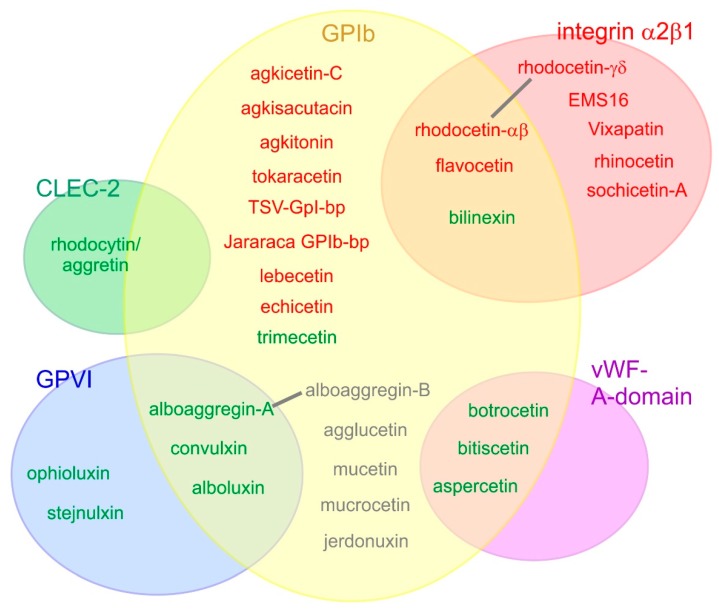
“It is targeted by several SV-CLRPs (Figure 3), such as ophioluxin from Ophiophagus hannah [160], stejnulxin from Trimeresurus stejnegeri [161], convulxin from Crotalus durissus terrificus [162,163], alboluxin from Cryptelytrops/Trimeresurus albolabris [164], and alboaggregin-A from Trimeresurus albolabris [122,165,166…”
BackgroundFunctional significance of the platelet immune receptors GPVI and CLEC-2
Rayes, J., Watson, S. P., & Nieswandt, B. (2019) · Journal of Clinical Investigation · doi:10.1172/jci122955 · Cited by 328 · cited 3×
“Together with Syk, phosphorylated CLEC-2 homodimers recruit Src family members, which activate downstream effector proteins, eventually resulting in platelet activation and thrombus formation [157,183,184].”
BackgroundKohda, D., Morton, C. J., Parkar, A. A., Hatanaka, H., Inagaki, F. M., Campbell, I. D., & Day, A. J. (1996) · Cell · doi:10.1016/s0092-8674(00)80151-8 · Cited by 309
Crystal Structure of Invasin: A Bacterial Integrin-Binding Protein
Hamburger, Z. A., Brown, M. S., Isberg, R. R., & Bjorkman, P. J. (1999) · Science · doi:10.1126/science.286.5438.291 · Cited by 287 · cited 1×
“Within intimin, the long loop is replaced by a single α-helix, and is even completely missing in invasin [4,6,7].”
BackgroundKato, Y., Kaneko, M. K., Kunita, A., Ito, H., Kameyama, A., Ogasawara, S., Matsuura, N., Hasegawa, Y., Suzuki‐Inoue, K., Inoue, O., et al. (2008) · Cancer Science · doi:10.1111/j.1349-7006.2007.00634.x · Cited by 285
Signal transduction via integrin adhesion complexes
Humphries, J. D., Chastney, M. R., Askari, J. A., & Humphries, M. J. (2019) · Current Opinion in Cell Biology · doi:10.1016/j.ceb.2018.08.004 · Cited by 278 · cited 2×
“This enables not only firm connection between the cytoskeleton and the extracellular matrix, but also signal transduction via the integrin-mediated cell-extra cellular matrix contacts [137,138].”
BackgroundPrud’homme, G. J., & Glinka, Y. (2012) · Oncotarget · doi:10.18632/oncotarget.626 · Cited by 275
Haemostatically active proteins in snake venoms
Sajevic, T., Leonardi, A., & Križaj, I. (2011) · Toxicon · doi:10.1016/j.toxicon.2011.01.006 · Cited by 252 · cited 1×
“Among them are SV-CLRPs, which can act as coagulants or anticoagulants, resulting in disseminated intravascular coagulopathies (DIC) or severe bleedings, both life-threatening situations [18,66,67].”
BackgroundLU, Q., CLEMETSON, J. M., & CLEMETSON, K. J. (2005) · Journal of Thrombosis and Haemostasis · doi:10.1111/j.1538-7836.2005.01358.x · Cited by 247 · cited 1×
“Among them are SV-CLRPs, which can act as coagulants or anticoagulants, resulting in disseminated intravascular coagulopathies (DIC) or severe bleedings, both life-threatening situations [18,66,67].”
BackgroundKey events in microvascular damage induced by snake venom hemorrhagic metalloproteinases
Escalante, T., Rucavado, A., Fox, J. W., & Gutiérrez, J. M. (2011) · Journal of Proteomics · doi:10.1016/j.jprot.2011.03.026 · Cited by 245
Fry, B. G. (2004) · Molecular Biology and Evolution · doi:10.1093/molbev/msh091 · Cited by 236
The long road of research on snake venom serine proteinases
Serrano, S. M. T. (2013) · Toxicon · doi:10.1016/j.toxicon.2012.09.003 · Cited by 236
Takeya, H., Nishida, S., Miyata, T., Kawada, S., Saisaka, Y., Morita, T., & Iwanaga, S. (1992) · Journal of Biological Chemistry · doi:10.1016/s0021-9258(19)49685-3 · Cited by 227 · cited 2×
“Although the SV-CLRPs do not play a prominent role as coagulants, it is interesting that the factor X activator from Russell’s viper (Daboia russelii), RVV-X, is a snake venom metalloproteinase which is disulfide linked to a CLRP heterodimer [76].”
BackgroundColonna, M., Samaridis, J., & Angman, L. (2000) · European Journal of Immunology · doi:10.1002/1521-4141(200002)30:2<697::aid-immu697>3.0.co;2-m · Cited by 223 · cited 1×
“It is expressed on a subset of immune cells, such as dendritic cells, monocytes and neutrophils, and abundantly on megakaryocytes and platelets [171,172].”
BackgroundFuller, G. L. J., Williams, J. A. E., Tomlinson, M. G., Eble, J. A., Hanna, S. L., Pöhlmann, S., Suzuki-Inoue, K., Ozaki, Y., Watson, S. P., & Pearce, A. C. (2007) · Journal of Biological Chemistry · doi:10.1074/jbc.m609558200 · Cited by 220
Self-citationAndrews, R. K., Gardiner, E. E., Shen, Y., Whisstock, J. C., & Berndt, M. C. (2003) · The International Journal of Biochemistry & Cell Biology · doi:10.1016/s1357-2725(02)00280-7 · Cited by 208 · cited 2×
“Von Willebrand factor (vWF) is a multidomain protein and binds via its A3 domain to collagen and via its A1 domain to the vWF-receptor, a complex of the membrane proteins GPIb α, GPIb β, GPIX, and GPV in a stoichiometry of 2:2:2:1 [105,106].”
BackgroundXu, X. R., Carrim, N., Neves, M. A. D., McKeown, T., Stratton, T. W., Coelho, R. M. P., Lei, X., Chen, P., Xu, J., Dai, X., et al. (2016) · Thrombosis Journal · doi:10.1186/s12959-016-0100-6 · Cited by 199 · cited 1×
“The most advanced progress in applying SV-CLRP derived compounds in the clinics has been achieved in the field of preventing inappropriate platelet activation and aggregation, resulting in thrombotic vessel occlusion, myocardial infarct, and stroke [206,207].”
BackgroundStructure of the cell-adhesion fragment of intimin from enteropathogenic Escherichia coli.
Matthews, S. J., Kelly, G. P., Prasannan, S., Daniell, S. J., Fleming, K., Frankel, G. M., Dougan, G., & Connerton, I. F. (1999) · Nature Structural Biology · doi:10.1038/7545 · Cited by 185 · cited 1×
“Within intimin, the long loop is replaced by a single α-helix, and is even completely missing in invasin [4,6,7].”
BackgroundMorita, T. (2005) · Toxicon · doi:10.1016/j.toxicon.2005.02.021 · Cited by 185
Molecular diversity and accelerated evolution of C-type lectin-like proteins from snake venom
Ogawa, T., Chijiwa, T., Oda-Ueda, N., & Ohno, M. (2005) · Toxicon · doi:10.1016/j.toxicon.2004.07.028 · Cited by 177 · cited 1×
“They are amphipolar helices with hydrophobic and hydrophilic residues pointing towards the protein core made of the two interconnected β-sheets and outwards towards the solvent, respectively [13].”
BackgroundOsada, M., Inoue, O., Ding, G., Shirai, T., Ichise, H., Hirayama, K., Takano, K., Yatomi, Y., Hirashima, M., Fujii, H., et al. (2012) · Journal of Biological Chemistry · doi:10.1074/jbc.m111.329987 · Cited by 176 · cited 1×
“In addition to its role in the development of the lymphatic vessel system [187,188], CLEC-2 has attracted major attention in tumour biology in recent years.”
BackgroundNeuropilins: expression and roles in the epithelium
Wild, J. R. L., Staton, C. A., Chapple, K. S., & Corfe, B. M. (2012) · International Journal of Experimental Pathology · doi:10.1111/j.1365-2613.2012.00810.x · Cited by 174
ADAM and ADAMTS Family Proteins and Snake Venom Metalloproteinases: A Structural Overview
Takeda, S. (2016) · Toxins · doi:10.3390/toxins8050155 · Cited by 164
Non-enzymatic proteins from snake venoms: A gold mine of pharmacological tools and drug leads
McCleary, R. J. R., & Kini, R. M. (2012) · Toxicon · doi:10.1016/j.toxicon.2012.09.008 · Cited by 163 · cited 1×
“The CLRP-associated snake venom proteinase, RVV-X and carinactivase-1 are diagnostically used to quantify coagulation factors [92,93,203].”
BackgroundShirai, T., Inoue, O., Tamura, S., Tsukiji, N., Sasaki, T., Endo, H., Satoh, K., Osada, M., Sato‐Uchida, H., Fujii, H., et al. (2016) · Journal of Thrombosis and Haemostasis · doi:10.1111/jth.13604 · Cited by 161 · cited 1×
“Not only was it key to decipher the important role of tumour cell-induced platelet activation via the podoplanin-CLEC-2 axis, but it has also been used successfully to experimentally effect haematogenous metastasis [191,194].”
BackgroundYamada, D., Sekiya, F., & Morita, T. (1996) · Journal of Biological Chemistry · doi:10.1074/jbc.271.9.5200 · Cited by 161 · cited 1×
“Although few examples are known to date, activators of factor X and factor V from other snake venoms, such as the factor V-activating carinactivase-1 from Echis carinatus, may share this molecular structure and mechanism involving a CLRP moiety [62,77].”
BackgroundPlatelet GPVI: a target for antithrombotic therapy?!
Dütting, S., Bender, M., & Nieswandt, B. (2012) · Trends in Pharmacological Sciences · doi:10.1016/j.tips.2012.07.004 · Cited by 159
CLEC-2 activates Syk through dimerization
Hughes, C. E., Pollitt, A. Y., Mori, J., Eble, J. A., Tomlinson, M. G., Hartwig, J. H., O'Callaghan, C. A., Fütterer, K., & Watson, S. P. (2010) · Blood · doi:10.1182/blood-2009-08-237834 · Cited by 149 · cited 1×
“Thus two hemiITAM motifs comes in close vicinity and complement into an ITAM motif [178,179].”
BackgroundSelf-citationSnake Venom: From Deadly Toxins to Life-saving Therapeutics
Waheed, H., Moin, S. F., & Choudhary, M. I. (2017) · Current Medicinal Chemistry · doi:10.2174/0929867324666170605091546 · Cited by 144 · cited 1×
“The CLRP-associated snake venom proteinase, RVV-X and carinactivase-1 are diagnostically used to quantify coagulation factors [92,93,203].”
BackgroundComparative analysis of structural properties of the C‐type‐lectin‐like domain (CTLD)
Zelensky, A. N., & Gready, J. E. (2003) · Proteins Structure Function and Bioinformatics · doi:10.1002/prot.10626 · Cited by 143 · cited 4×
“Within intimin, the long loop is replaced by a single α-helix, and is even completely missing in invasin [4,6,7].”
BackgroundInfluentialZingali, R. B., Jandrot‐Perrus, M., Guillin, M. C., & Bon, C. (1993) · Biochemistry · doi:10.1021/bi00091a034 · Cited by 143 · cited 1×
“SV-CLRPs that inhibit coagulation factors are rather rare or undiscovered, but botrojaracin from Bothrops jararaca binds with high affinity to thrombin, thereby allosterically blocking its fibrinogen-converting activity [78,79].”
BackgroundSnaclecs (snake C-type lectins) that inhibit or activate platelets by binding to receptors
Clemetson, K. J. (2010) · Toxicon · doi:10.1016/j.toxicon.2010.03.011 · Cited by 141 · cited 2×
“Platelets are easily accessible and tangible targets for snake venoms [19,60,61,70,98,99].”
BackgroundLei, X., Adili, R., Hou, Y., Zhou, H., Wang, Y., Marshall, A. H., Liang, C., Dai, X., Li, B. X., Vanhoorelbeke, K., et al. (2013) · Thrombosis and Haemostasis · doi:10.1160/th13-06-0490 · Cited by 140 · cited 1×
“Under the name “anfibatide”, it was shown to inhibit vWF-induced platelet activation and thrombus formation [108,208].”
BackgroundSanz, L., Escolano, J., Ferretti, M., Biscoglio, M. J., Rivera, E., Crescenti, E. J., Angulo, Y., Lomonte, B., Gutiérrez, J. M., & Calvete, J. J. (2007) · Journal of Proteomics · doi:10.1016/j.jprot.2007.10.004 · Cited by 139 · cited 1×
“Their abundance in venoms is in the range of 1–2% [25], but can reach 4–8% [23].”
BackgroundCrystal structure of an anticoagulant protein in complex with the Gla domain of factor X
Mizuno, H., Fujimoto, Z., Atoda, H., & Morita, T. (2001) · Proceedings of the National Academy of Sciences · doi:10.1073/pnas.131179698 · Cited by 136 · cited 2×
“Nevertheless, the interaction between both partners requires two Ca2+ ions to be complexed by either of the two CLRP subunits within their short loop region, distant from the ligand binding interface [83].”
BackgroundC-type lectin-like proteins from snake venoms
Arlinghaus, F. T., & Eble, J. A. (2012) · Toxicon · doi:10.1016/j.toxicon.2012.03.001 · Cited by 132 · cited 1×
“This yet unpredictable feature of being either agonist or antagonist, and the fact that CLRPs show high promiscuity in their selectivity of target molecules, makes it extremely difficult to subgroup the numerous SV-CLRPs/snaclecs according to their functions [17,48,63].”
BackgroundSelf-citationStructure of coagulation factors IX/X-binding protein, a heterodimer of C-type lectin domains
Mizuno, H., Fujimoto, Z., Koizumi, M., Kano, H., Atoda, H., & Morita, T. (1997) · Nature Structural Biology · doi:10.1038/nsb0697-438 · Cited by 127
Platelet GPIb‐IX‐V‐dependent signaling
OZAKI, Y., Asazuma, N., Suzuki‐Inoue, K., & Berndt, M. C. (2005) · Journal of Thrombosis and Haemostasis · doi:10.1111/j.1538-7836.2005.01379.x · Cited by 125 · cited 1×
“Von Willebrand factor (vWF) is a multidomain protein and binds via its A3 domain to collagen and via its A1 domain to the vWF-receptor, a complex of the membrane proteins GPIb α, GPIb β, GPIX, and GPV in a stoichiometry of 2:2:2:1 [105,106].”
BackgroundSnake Venom Activators of Factor X: An Overview
Tans, G., & Rosing, J. (2001) · Pathophysiology of Haemostasis and Thrombosis · doi:10.1159/000048067 · Cited by 124 · cited 1×
“Moreover, the use of RVV-X helps distinguish bleeding disorders caused by factor X deficiency from coagulopathies based on deficiencies of other coagulation factors [97].”
BackgroundPugh, N., Simpson, A. M. C., Smethurst, P. A., de Groot, P. G., Raynal, N., & Farndale, R. W. (2010) · Blood · doi:10.1182/blood-2010-01-260778 · Cited by 119 · cited 1×
“Moreover, integrin α2β1 was hypothesized to be responsible for strong adhesion of platelets to collagen, necessary for the formation of a shear stress-resistant thrombus [159].”
BackgroundSyk-dependent Phosphorylation of CLEC-2
Séverin, S., Pollitt, A. Y., Navarro‐Núñez, L., Nash, C. A., Mourão‐Sá, D., Eble, J. A., Senis, Y. A., & Watson, S. P. (2010) · Journal of Biological Chemistry · doi:10.1074/jbc.m110.167502 · Cited by 119
Self-citationCummings, R. D., & Smith, D. F. (1992) · BioEssays · doi:10.1002/bies.950141210 · Cited by 116
Nagae, M., Morita‐Matsumoto, K., Kato, M., Kaneko, M. K., Kato, Y., & Yamaguchi, Y. (2014) · Structure · doi:10.1016/j.str.2014.09.009 · Cited by 116 · cited 17×
“As platelets are an indispensable partner for haematogenous metastasis [193], blockage of CLEC-2 with rhodocytin prevents platelets from being recruited to tumour cells and reduces metastatic dissemination in a murine lung metastasis model [194].”
BackgroundInfluentialThe continuing saga of snake venom disintegrins
Calvete, J. J. (2012) · Toxicon · doi:10.1016/j.toxicon.2012.09.005 · Cited by 115 · cited 1×
“Within the subgroup of collagen-binding integrins, integrin α2β1 is unique, inasmuch as it is the only integrin that is not targeted by the large family of snake venom disintegrins but selectively by SV-CLRPs [140,141].”
BackgroundThe Role of the Mannose-Binding Lectin in Innate Immunity
Takahashi, K., & Ezekowitz, R. A. B. (2005) · Clinical Infectious Diseases · doi:10.1086/431987 · Cited by 114
Fukuda, K., Doggett, T. A., Laurenzi, I. J., Liddington, R., & Diacovo, T. G. (2005) · Nature Structural & Molecular Biology · doi:10.1038/nsmb892 · Cited by 114 · cited 1×
“The molecular structure of the trimeric complexes encompassing GPIbα, vWF–A1 domain, and botrocetin has been solved [126].”
BackgroundEble, J. A., Beermann, B., Hinz, H., & Schmidt-Hederich, A. (2001) · Journal of Biological Chemistry · doi:10.1074/jbc.m009338200 · Cited by 113 · cited 2×
“The first SV-CLRP which was identified to target integrin α2β1 was rhodocetin from Calloselasma rhodostoma [142,143].”
BackgroundResultSelf-citationPeng, M., Lu, W., Beviglia, L., Niewiarowski, S., & Kirby, E. (1993) · Blood · doi:10.1182/blood.v81.9.2321.2321 · Cited by 113
Platelet receptors: An instrumental of platelet physiology
Saboor, M., Ayub, Q., Ilyas, S., & Moinuddin (2013) · Pakistan Journal of Medical Sciences · doi:10.12669/pjms.293.3497 · Cited by 111 · cited 4×
“The initial steps of vWF- and collagen-induced platelet activation is mediated by the vWF-binding glycoprotein (GP) Ib–V–IX-complex and by the two collagen-recognizing receptors, GPVI and integrin α2β1 [98,104].”
InfluentialFukuda, K., Mizuno, H., Atoda, H., & Morita, T. (2000) · Biochemistry · doi:10.1021/bi992134z · Cited by 105
Broos, K., Meyer, S. F. D., Feys, H. B., Vanhoorelbeke, K., & Deckmyn, H. (2011) · Thrombosis Research · doi:10.1016/j.thromres.2011.11.002 · Cited by 104 · cited 2×
“Moreover, they activate adhesion receptors, such as the fibrin-binding platelet receptor αIIbβ3, which eventually mediates firm attachment to the fibrin clot and its contraction [64,65,103].”
BackgroundColubrid Venom Composition: An -Omics Perspective
Junqueira-de-Azevedo, I., Campos, P., Ching, A., & Mackessy, S. (2016) · Toxins · doi:10.3390/toxins8080230 · Cited by 104
van Asbeck, E. C., Hoepelman, A. I., Scharringa, J., Herpers, B. L., & Verhoef, J. (2008) · BMC Microbiology · doi:10.1186/1471-2180-8-229 · Cited by 102
Lu, Q., Navdaev, A., Clemetson, J. M., & Clemetson, K. J. (2005) · Toxicon · doi:10.1016/j.toxicon.2005.02.022 · Cited by 101 · cited 2×
“Therefore, the latter motif is unable to assist complexation of a Ca2+ ion [32,48].”
BackgroundAlboaggregin-B: a new platelet agonist that binds to platelet membrane glycoprotein Ib
Peng, M., Lu, W., & Kirby, E. P. (1991) · Biochemistry · doi:10.1021/bi00113a007 · Cited by 99 · cited 1×
“In one instance, alboaggregin-B was shown to inhibit vWF from binding to GPIb, indicating that this SV-CLRP likely bind to a site within GPIb which is identical or overlapping with the vWF-binding site [123].”
BackgroundHirabayashi, J., Kusunoki, T., & Kasai, K. (1991) · Journal of Biological Chemistry · doi:10.1016/s0021-9258(18)52246-8 · Cited by 99
Neuropilins in the Context of Tumor Vasculature
Niland, S., & Eble, J. A. (2019) · International Journal of Molecular Sciences · doi:10.3390/ijms20030639 · Cited by 98
Self-citationMizuno, H., Fujimoto, Z., Koizumi, M., Kano, H., Atoda, H., & Morita, T. (1999) · Journal of Molecular Biology · doi:10.1006/jmbi.1999.2756 · Cited by 93 · cited 1×
“These Ca2+ ions are located between helix α1 and the C-terminal end of β5 strand and are complexed by serine, glutamate, and glutamine side chains close to the N-/C-terminal pole of the CLRP molecule [83,84].”
BackgroundStructural Basis of von Willebrand Factor Activation by the Snake Toxin Botrocetin
Fukuda, K., Doggett, T. A., Bankston, L. A., Crúz, M. A., Diacovo, T. G., & Liddington, R. (2002) · Structure · doi:10.1016/s0969-2126(02)00787-6 · Cited by 88
Pollitt, A. Y., Grygielska, B., Leblond, B., Désiré, L., Eble, J. A., & Watson, S. P. (2010) · Blood · doi:10.1182/blood-2009-12-257212 · Cited by 88
Self-citationMadamanchi, A., Santoro, S. A., & Zutter, M. M. (2014) · Advances in Experimental Medicine and Biology · doi:10.1007/978-94-017-9153-3_3 · Cited by 87
Marcinkiewicz, C., Lobb, R. R., Marcinkiewicz, M. M., Daniel, J. L., Smith, J. B., Dangelmaier, C., Weinreb, P. H., Beacham, D. A., & Niewiarowski, S. (2000) · Biochemistry · doi:10.1021/bi000428a · Cited by 87
Chen, C., Li, T., Zhao, Y., Qian, Y., Li, X., Dai, X., Huang, D., Pan, T., & Zhou, L. (2017) · Brain Behavior and Immunity · doi:10.1016/j.bbi.2017.11.019 · Cited by 87 · cited 1×
“Application of anfibatide significantly reduces the infarct volume in an animal ischemic stroke model [209,210].”
BackgroundCrystal Structure of von Willebrand Factor A1 Domain Complexed with Snake Venom, Bitiscetin
Maita, N., Nishio, K., Nishimoto, E., Matsui, T., Shikamoto, Y., Morita, T., Sadler, J. E., & Mizuno, H. (2003) · Journal of Biological Chemistry · doi:10.1074/jbc.m305566200 · Cited by 86
Thrombin-like enzymes from snake venom: Structural characterization and mechanism of action
Ullah, A., Masood, R., Ali, I., Ullah, K., Ali, H., Akbar, H., & Betzel, C. (2018) · International Journal of Biological Macromolecules · doi:10.1016/j.ijbiomac.2018.03.164 · Cited by 84
Watson, A. A., Brown, J., Harlos, K., Eble, J. A., Walter, T. S., & O’Callaghan, C. A. (2006) · Journal of Biological Chemistry · doi:10.1074/jbc.m610383200 · Cited by 82 · cited 1×
“The CTLD domain of CLEC-2 shows a robust structure and possesses a positively charged patch of four arginine residue on its lateral face [185,186].”
BackgroundSelf-citationWang, R., Kini, R. M., & Chung, M. C. M. (1999) · Biochemistry · doi:10.1021/bi982132z · Cited by 80 · cited 2×
“The first SV-CLRP which was identified to target integrin α2β1 was rhodocetin from Calloselasma rhodostoma [142,143].”
BackgroundResultFujimura, Y., Ikeda, Y., Miura, S., Yoshida, E., Shima, H., Nishida, S., Suzuki, M., Titani, K., Taniuchi, Y., & Kawasaki, T. (1995) · PubMed · Cited by 80
Soto, M., Kamiguti, A., Theakston, D., Fox, J., Escalante, T., Gutiérrez, J. M., & Rucavado, A. (2001) · Thrombosis and Haemostasis · doi:10.1055/s-0037-1615657 · Cited by 78
Atoda, H., Ishikawa, M., Mizuno, H., & Morita, T. (1998) · Biochemistry · doi:10.1021/bi981177x · Cited by 77 · cited 1×
“Factor X-binding protein (FX-bp) from Agkistrodon acutus binds with higher affinity to factor X than to factor IX, with the dissociation constants differing by a factor of about 7 [88,89].”
BackgroundPlatelet receptors activated via mulitmerization: glycoprotein VI, GPIb‐IX‐V, and CLEC‐2
Ozaki, Y., Suzuki‐Inoue, K., & Inoue, O. (2013) · Journal of Thrombosis and Haemostasis · doi:10.1111/jth.12235 · Cited by 76 · cited 2×
“This supports the hypothesis that not only is there high affinity binding of the SV-CLRPs to their receptor ligands, but also their multivalency clusters several platelet receptors, thus strongly reinforcing their agonistic action [56,57].”
BackgroundLi, T., Fan, M., Hou, S., Li, X., Barry, D. M., Jin, H., Luo, S., Kong, F., Lau, L., Dai, X., et al. (2015) · British Journal of Pharmacology · doi:10.1111/bph.13178 · Cited by 72 · cited 1×
“Under the name “anfibatide”, it was shown to inhibit vWF-induced platelet activation and thrombus formation [108,208].”
BackgroundKawasaki, T., Fujimura, Y., Usami, Y., Suzuki, M., Miura, S., Sakurai, Y., Makita, K., Taniuchi, Y., Hirano, K., & Titani, K. (1996) · Journal of Biological Chemistry · doi:10.1074/jbc.271.18.10635 · Cited by 72 · cited 1×
“Among them are agkisacutacin, agkicetin C, and akitonin, all three from Agkistridon acutus [107–111], flavicetin, tokaracetin, and TSV-GPIb-pb from Trimeresurus flavoviridis, Trimeresurus/Protobothrops tokarensis, and Trimeresurus stejnegeri, respectively [112–114], jararaca GPIb-bp from Bothrops jararaca [112,115], l…”
BackgroundWalker, J. R., Nagar, B., Young, N. M., Hirama, T., & Rini, J. M. (2004) · Biochemistry · doi:10.1021/bi035871a · Cited by 71 · cited 2×
“The crystal structure of the galactose-binding rattle snake lectin (RSL) from Crotalus atrox was the first to be resolved in 2004 [30], followed by the structure of the Bothrops jararacussu galactose-binding lectin (BjcuL) [31].”
BackgroundAndrews, R. K., Kroll, M. H., Ward, C. M., Rose, J. W., Scarborough, R. M., Smith, A. I., López, J. A., & Berndt, M. C. (1996) · Biochemistry · doi:10.1021/bi960704e · Cited by 71 · cited 1×
“It is targeted by several SV-CLRPs (Figure 3), such as ophioluxin from Ophiophagus hannah [160], stejnulxin from Trimeresurus stejnegeri [161], convulxin from Crotalus durissus terrificus [162,163], alboluxin from Cryptelytrops/Trimeresurus albolabris [164], and alboaggregin-A from Trimeresurus albolabris [122,165,166…”
BackgroundThe Platelet Receptor CLEC-2 Is Active as a Dimer
Watson, A. A., Christou, C. M., James, J. R., Fenton-May, A. E., Moncayo, G. E., Mistry, A. R., Davis, S. J., Gilbert, R. J. C., Chakera, A., & O’Callaghan, C. A. (2009) · Biochemistry · doi:10.1021/bi901427d · Cited by 70 · cited 1×
“Thus two hemiITAM motifs comes in close vicinity and complement into an ITAM motif [178,179].”
BackgroundConvulxin Binds to Native, Human Glycoprotein Ibα
Kanaji, S., Kanaji, T., Furihata, K., Kato, K., Ware, J. L., & Kunicki, T. J. (2003) · Journal of Biological Chemistry · doi:10.1074/jbc.m300199200 · Cited by 69
A biophysical view on von Willebrand factor activation
Löf, A., Müller, J. P., & Brehm, M. A. (2017) · Journal of Cellular Physiology · doi:10.1002/jcp.25887 · Cited by 69 · cited 1×
“This might be physiologically relevant, as vWF-induced platelet activation occurs under high shear forces at maximum flow rates in the arterial vessel system [98,99,101,105].”
BackgroundTsukiji, N., Osada, M., Sasaki, T., Shirai, T., Satoh, K., Inoue, O., Umetani, N., Mochizuki, C., Saito, T., Kojima, S., et al. (2018) · Blood Advances · doi:10.1182/bloodadvances.2018016261 · Cited by 68 · cited 2×
“Most recently, a chemical compound not related to the SV-CLRP has been identified to precisely block this molecular interaction and, thus, curb metastasis of blood-borne tumour cells [195].”
BackgroundSnake C-Type Lectin-Like Proteins and Platelet Receptors
Clemetson, K. J., Lu, Q., & Clemetson, J. M. (2005) · Pathophysiology of Haemostasis and Thrombosis · doi:10.1159/000092414 · Cited by 67 · cited 1×
“Platelets are easily accessible and tangible targets for snake venoms [19,60,61,70,98,99].”
BackgroundTaniuchi, Y., Kawasaki, T., Fujimura, Y., Suzuki, M., Titani, K., Sakai, Y., Kaku, S., Hisamichi, N., Satoh, N., Takenaka, T., et al. (1995) · Biochimica et Biophysica Acta (BBA) - General Subjects · doi:10.1016/0304-4165(95)00052-d · Cited by 67
Dörmann, D., Clemetson, J. M., Navdaev, A. V., Kehrel, B. E., & Clemetson, K. J. (2001) · Blood · doi:10.1182/blood.v97.4.929 · Cited by 65 · cited 1×
“It is targeted by several SV-CLRPs (Figure 3), such as ophioluxin from Ophiophagus hannah [160], stejnulxin from Trimeresurus stejnegeri [161], convulxin from Crotalus durissus terrificus [162,163], alboluxin from Cryptelytrops/Trimeresurus albolabris [164], and alboaggregin-A from Trimeresurus albolabris [122,165,166…”
BackgroundSnake venom probes of platelet adhesion receptors and their ligands
Wijeyewickrema, L. C., Berndt, M. C., & Andrews, R. K. (2005) · Toxicon · doi:10.1016/j.toxicon.2005.02.025 · Cited by 65 · cited 1×
“The initial steps of vWF- and collagen-induced platelet activation is mediated by the vWF-binding glycoprotein (GP) Ib–V–IX-complex and by the two collagen-recognizing receptors, GPVI and integrin α2β1 [98,104].”
BackgroundDiagnostic Uses of Snake Venom
Marsh, N. A. (2001) · Pathophysiology of Haemostasis and Thrombosis · doi:10.1159/000048065 · Cited by 62 · cited 1×
“The CLRP-associated snake venom proteinase, RVV-X and carinactivase-1 are diagnostically used to quantify coagulation factors [92,93,203].”
BackgroundApplications of snake venom components to modulate integrin activities in cell–matrix interactions
Marcinkiewicz, C. (2013) · The International Journal of Biochemistry & Cell Biology · doi:10.1016/j.biocel.2013.06.009 · Cited by 61 · cited 1×
“Beyond this, the non-enzymatic action of SV-CLRPs to block cellular interactions with the extracellular matrix is a promising task, but so far largely at the experimental level [204].”
BackgroundChen, Y., & Tsai, I. H. (1995) · Biochemical and Biophysical Research Communications · doi:10.1006/bbrc.1995.1684 · Cited by 61
Moreira, L., Gutiérrez, J. M., Borkow, G., & Ovadia, M. (1992) · Experimental and Molecular Pathology · doi:10.1016/0014-4800(92)90004-u · Cited by 60
C-type Lectin-related Proteins from Snake Venoms
Morita, T. (2004) · Cardiovascular & Haematological Disorders - Drug Targets · doi:10.2174/1568006043335916 · Cited by 59
Structure and function of snake venom toxins interacting with human von Willebrand factor
Matsui, T., & Hamako, J. (2005) · Toxicon · doi:10.1016/j.toxicon.2005.02.023 · Cited by 59
Beyond plasma exchange: novel therapies for thrombotic thrombocytopenic purpura
Dane, K. E., & Chaturvedi, S. (2018) · Hematology · doi:10.1182/asheducation-2018.1.539 · Cited by 59 · cited 1×
“Moreover, it might help patients suffering from thrombotic thrombocytopenia purpura, in which a deficient cleavage of multimeric vWF in blood results in enhanced thrombus formation [212,213].”
BackgroundMurakami, M. T., Zela, S. P., Gava, L. M., Michelan‐Duarte, S., Cintra, A. C. O., & Arni, R. K. (2003) · Biochemical and Biophysical Research Communications · doi:10.1016/j.bbrc.2003.09.032 · Cited by 58 · cited 1×
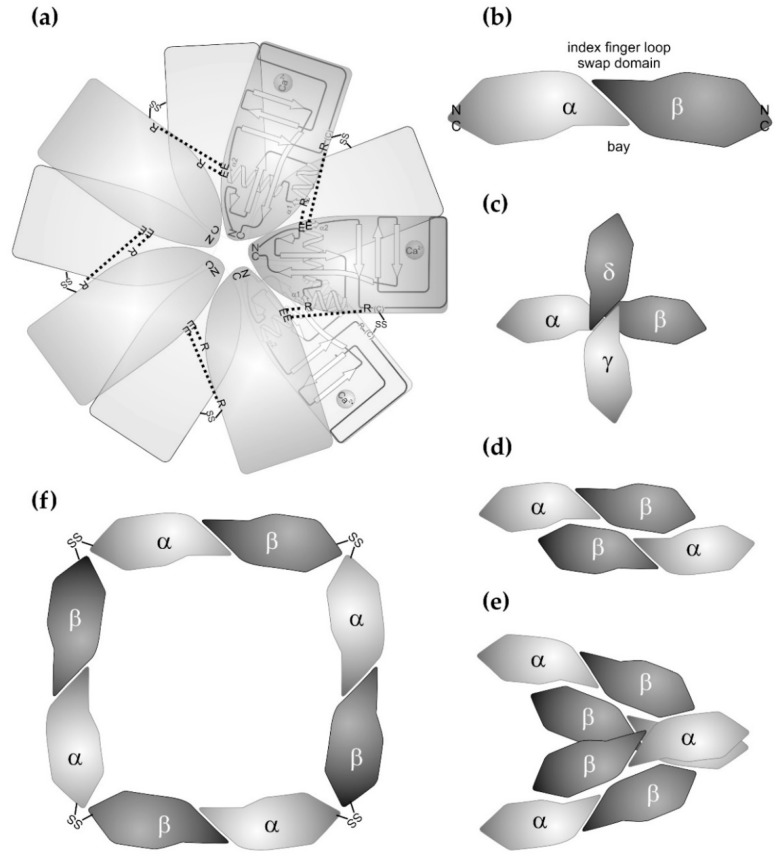
“annular quaternary structure of four heterodimeric subunits [58,59], but also as a double ring with the molecular formula (αβ)8 [54].”
BackgroundArf6 plays an early role in platelet activation by collagen and convulxin
Choi, W., Karim, Z. A., & Whiteheart, S. W. (2005) · Blood · doi:10.1182/blood-2005-09-3563 · Cited by 58 · cited 1×
“The signalling pathway underlying the agonistic activation of platelets by convulxin was also disclosed [157,163,169,170].”
BackgroundPeng, M. L., Holt, J., & Niewiarowski, S. (1994) · Biochemical and Biophysical Research Communications · doi:10.1006/bbrc.1994.2630 · Cited by 58
Platelet CLEC-2: Roles Beyond Hemostasis
Tsukiji, N., Shirai, T., Osada, M., Inoue, O., Ozaki, Y., & Suzuki‐Inoue, K. (2017) · Seminars in Thrombosis and Hemostasis · doi:10.1055/s-0037-1604090 · Cited by 56
Neuropilin signalling in angiogenesis
Koch, S. (2012) · Biochemical Society Transactions · doi:10.1042/bst20110689 · Cited by 56
Antimetastatic Integrin as Inhibitors of Snake Venoms
Rosenow, F., Ossig, R., Thormeyer, D., Gasmann, P., Schlüter, K., Brunner, G., Haier, J., & Eble, J. A. (2008) · Neoplasia · doi:10.1593/neo.07898 · Cited by 56
Self-citationPilorget, A., Conesa, M., Sarray, S., Michaud‐Levesque, J., Daoud, S., Kim, K. S., Demeule, M., Marvaldi, J. L., Ayeb, M. E., Marrakchi, N., et al. (2007) · Journal of Cellular Physiology · doi:10.1002/jcp.20935 · Cited by 55 · cited 1×
“This discovery was followed by the identification of EMS16 from Echis multisquamatus [144], lebecetin from Macrovipera lebetina [145], vixapatin from Vipera lebetina [146], rhinocetin from Bitis gabonica rhinoceros [147], and sochicetin-A and B from Echis sochureki [148] (Figure 3).”
Fujimura, Y., Ikeda, Y., Miura, S., Yoshida, E., Shima, H., Nishida, S., Suzuki, M., Titani, K., Taniuchi, Y., & Kawasaki, T. (1995) · Thrombosis and Haemostasis · doi:10.1055/s-0038-1649807 · Cited by 55
Convulxin Binding to Platelet Receptor GPVI: Competition with Collagen Related Peptides
Niedergang, F., Alcover, A., Knight, C. G., Farndale, R. W., Barnes, M. J., Francischetti, I. M. B., Bon, C., & Leduc, M. M. (2000) · Biochemical and Biophysical Research Communications · doi:10.1006/bbrc.2000.2940 · Cited by 54 · cited 6×
“Syk is a crucial molecule in platelets which also signals downstream of other platelet receptors, such as the collagen receptor GPVI and the platelet integrin αIIbβ3.”
BackgroundInfluentialCrystal structure of rhodocytin, a ligand for the platelet‐activating receptor CLEC‐2
Watson, A. A., Eble, J. A., & O’Callaghan, C. A. (2008) · Protein Science · doi:10.1110/ps.035568.108 · Cited by 54 · cited 1×
“It has a tetrameric quaternary structure, (αβ)2, as two αβ heterodimers bundle up laterally in the crystal structure [176,177].”
BackgroundSelf-citationAlboaggregins A and B. Structure and Interaction with Human Platelets
Tan, L., Holt, J., Peng, M., Karczewski, J., Calvete, J. J., Kowalska, A., & Niewiarowski, S. (1998) · Thrombosis and Haemostasis · doi:10.1055/s-0037-1614954 · Cited by 53 · cited 2×
“Agglucetin and alboaggregin-B bind to the vWF-receptor but do not induce an increase of intracellular Ca2+ ions and do not trigger degranulation, respectively, both signs of platelet signalling [51,52,122].”
BackgroundStructure of the snake-venom toxin convulxin
Batuwangala, T. D., Leduc, M. M., Gibbins, J. M., Bon, C., & Jones, E. Y. (2003) · Acta Crystallographica Section D Biological Crystallography · doi:10.1107/s0907444903021620 · Cited by 52 · cited 1×
“annular quaternary structure of four heterodimeric subunits [58,59], but also as a double ring with the molecular formula (αβ)8 [54].”
BackgroundLee, W., Du, X., Lu, Q., Clemetson, K. J., & Zhang, Y. (2003) · Thrombosis and Haemostasis · doi:10.1160/th03-05-0269 · Cited by 52 · cited 1×
“It is targeted by several SV-CLRPs (Figure 3), such as ophioluxin from Ophiophagus hannah [160], stejnulxin from Trimeresurus stejnegeri [161], convulxin from Crotalus durissus terrificus [162,163], alboluxin from Cryptelytrops/Trimeresurus albolabris [164], and alboaggregin-A from Trimeresurus albolabris [122,165,166…”
BackgroundAnfibatide protects against rat cerebral ischemia/reperfusion injury via TLR4/JNK/caspase-3 pathway
Luo, S., Li, R., Le, Z.-Y., Li, Q., & Chen, Z. (2017) · European Journal of Pharmacology · doi:10.1016/j.ejphar.2017.04.002 · Cited by 52 · cited 1×
“Application of anfibatide significantly reduces the infarct volume in an animal ischemic stroke model [209,210].”
BackgroundA C-Type Lectin from Bothrops jararacussu Venom Disrupts Staphylococcal Biofilms
Klein, R. C., Fabres-Klein, M. H., de Oliveira, L. L., Feio, R. N., Malouin, F., & Ribon, A. D. O. B. (2015) · PLoS ONE · doi:10.1371/journal.pone.0120514 · Cited by 52
Crystal Structure of Bitiscetin, a von Willebrand Factor-Dependent Platelet Aggregation Inducer,
Hirotsu, S., Mizuno, H., Fukuda, K., Qi, M. C., Matsui, T., Hamako, J., Morita, T., & Titani, K. (2001) · Biochemistry · doi:10.1021/bi0114933 · Cited by 51 · cited 1×
“Moreover, neither the vWF–A1 domain nor the CLRP undergoes a conformational change [131].”
BackgroundSasaki, T., Shirai, T., Tsukiji, N., Tamura, S., Ichikawa, J., Osada, M., Satoh, K., Ozaki, Y., Suzuki‐Inoue, K., & Otake, S. (2018) · Journal of Thrombosis and Haemostasis · doi:10.1111/jth.13987 · Cited by 51 · cited 2×
“Not only was it key to decipher the important role of tumour cell-induced platelet activation via the podoplanin-CLEC-2 axis, but it has also been used successfully to experimentally effect haematogenous metastasis [191,194].”
BackgroundThrombolectin: A lectin isolated from Bothrops atrox venom
Gartner, T. K., Stocker, K. F., & Williams, D. C. (1980) · FEBS Letters · doi:10.1016/0014-5793(80)80902-1 · Cited by 51 · cited 1×
“After the first galactose-binding lectin from snake venom was isolated from the venom of Bothrops atrox [20], a number of galactose-binding lectins were isolated at the protein level or identified at the cDNA level.”
BackgroundLebecetin, a potent antiplatelet C-type lectin from Macrovipera lebetina venom
Sarray, S., Srairi‐Abid, N., Hatmi, M., Luis, J., Louzir, H., Regaya, I., Slema, H., Marvaldi, J. L., Ayeb, M. E., & Marrakchi, N. (2003) · Biochimica et Biophysica Acta (BBA) - Proteins and Proteomics · doi:10.1016/s1570-9639(03)00232-2 · Cited by 49 · cited 1×
“Among them are agkisacutacin, agkicetin C, and akitonin, all three from Agkistridon acutus [107–111], flavicetin, tokaracetin, and TSV-GPIb-pb from Trimeresurus flavoviridis, Trimeresurus/Protobothrops tokarensis, and Trimeresurus stejnegeri, respectively [112–114], jararaca GPIb-bp from Bothrops jararaca [112,115], l…”
BackgroundDu, X., Clemetson, J. M., Navdaev, A. V., Magnenat, E. M., Wells, T. N. C., & Clemetson, K. J. (2002) · Journal of Biological Chemistry · doi:10.1074/jbc.m204372200 · Cited by 49
de Souza, M. Â. A., Rossato, F. A., Costa, R. A. P. E., Figueira, T. R., Castilho, R. F., Guarniere, M. C., Nunes, E. S., Coelho, L. C. B. B., Correia, M. T. D. S., & Vercesi, A. E. (2014) · Toxicon · doi:10.1016/j.toxicon.2014.02.018 · Cited by 49
Estevão-Costa, M. I., Sanz‐Soler, R., Johanningmeier, B., & Eble, J. A. (2018) · The International Journal of Biochemistry & Cell Biology · doi:10.1016/j.biocel.2018.09.011 · Cited by 49 · cited 2×
“This yet unpredictable feature of being either agonist or antagonist, and the fact that CLRPs show high promiscuity in their selectivity of target molecules, makes it extremely difficult to subgroup the numerous SV-CLRPs/snaclecs according to their functions [17,48,63].”
BackgroundResultSelf-citationNobuhisa, I., Inamasu, S., Nakai, M., Tatsui, A., Mimori, T., Ogawa, T., Shimohigashi, Y., Fukumaki, Y., Hattori, S., Kihara, H., et al. (1997) · European Journal of Biochemistry · doi:10.1111/j.1432-1033.1997.00838.x · Cited by 49 · cited 1×
“Two of them are components of the venom, whereas one subgroup of snake CTLD-containing proteins comprises snake blood proteins which associate with another protein thereby inhibiting phospholipase A2 [15,16].”
BackgroundChen, Y., & Tsai, I. (1996) · Biochemistry · doi:10.1021/bi952520q · Cited by 49 · cited 1×
“In contrast, factor IX-binding protein (FIX-bp) from Echis carinatus leucogaster clearly prefers binding to factor IX over factor X, with a ratio of dissociation constants even approaching a value of 20 [81].”
BackgroundRoles of the CLEC-2–podoplanin interaction in tumor progression
Suzuki‐Inoue, K. (2018) · Platelets · doi:10.1080/09537104.2018.1478401 · Cited by 48
Momić, T. G., Cohen, G., Reich, R., Arlinghaus, F. T., Eble, J. A., Marcinkiewicz, C., & Lazarovici, P. (2012) · Toxins · doi:10.3390/toxins4100862 · Cited by 47 · cited 1×
“This discovery was followed by the identification of EMS16 from Echis multisquamatus [144], lebecetin from Macrovipera lebetina [145], vixapatin from Vipera lebetina [146], rhinocetin from Bitis gabonica rhinoceros [147], and sochicetin-A and B from Echis sochureki [148] (Figure 3).”
Self-citationOzeki, Y., Matsui, T., Hamako, J., Suzuki, M., Fujimura, Y., Yoshida, E., Nishida, S., & Titani, K. (1994) · Archives of Biochemistry and Biophysics · doi:10.1006/abbi.1994.1043 · Cited by 46
Marjoram, R. J., Li, Z., He, L., Tollefsen, D. M., Kunicki, T. J., Dickeson, S. K., Santoro, S. A., & Zutter, M. M. (2014) · PLoS ONE · doi:10.1371/journal.pone.0114035 · Cited by 44 · cited 1×
“In a non-redundant, but complementary manner, both receptors transduce the strongly stimulating signal of collagen into platelets by partially independent pathways [55,156,158].”
BackgroundSnake Venom Proteins Affecting Platelets and Their Applications to Anti-Thrombotic Research
Clemetson, K. J., Lu, Q., & Clemetson, J. M. (2007) · Current Pharmaceutical Design · doi:10.2174/138161207782023702 · Cited by 43 · cited 1×
“The most advanced progress in applying SV-CLRP derived compounds in the clinics has been achieved in the field of preventing inappropriate platelet activation and aggregation, resulting in thrombotic vessel occlusion, myocardial infarct, and stroke [206,207].”
BackgroundHUANG, K.-F., KO, T.-P., HUNG, C.-C., CHU, J., WANG, A. H.-J., & CHIOU, S.-H. (2004) · Biochemical Journal · doi:10.1042/bj20031507 · Cited by 42 · cited 2×
“Mucrocetin induces aggregation of platelets in a GPIb-dependent manner, but it is not clear yet whether the platelets agglutinate due to the oligomeric nature of mucrocetin or whether the CLRP agonistically induces signalling and activation of platelets [53].”
BackgroundDu, X., Magnenat, E. M., Wells, T. N. C., & Clemetson, K. J. (2002) · Thrombosis and Haemostasis · doi:10.1055/s-0037-1613067 · Cited by 42 · cited 1×
“It is targeted by several SV-CLRPs (Figure 3), such as ophioluxin from Ophiophagus hannah [160], stejnulxin from Trimeresurus stejnegeri [161], convulxin from Crotalus durissus terrificus [162,163], alboluxin from Cryptelytrops/Trimeresurus albolabris [164], and alboaggregin-A from Trimeresurus albolabris [122,165,166…”
BackgroundLu, Q., Navdaev, A. V., Clemetson, J. M., & Clemetson, K. J. (2004) · Thrombosis and Haemostasis · doi:10.1160/th03-12-0747 · Cited by 42 · cited 3×
“The interaction of these GPIb-binding SV-CLRPs has not been studied at the molecular level yet, due to the lack of crystallized complexes.”
BackgroundBlood cells as targets of snake toxins
Du, X., Sim, D., Lee, W.-H., & Zhang, Y. (2006) · Blood Cells Molecules and Diseases · doi:10.1016/j.bcmd.2006.03.001 · Cited by 41 · cited 1×
“Platelets are easily accessible and tangible targets for snake venoms [19,60,61,70,98,99].”
BackgroundGuimarães-Gomes, V., Oliveira-Carvalho, A. L., Junqueira-de-Azevedo, I. L. M., Dutra, D. L. S., Pujol-Luz, M., Castro, H. C., Ho, P. L., & Zingali, R. B. (2004) · Archives of Biochemistry and Biophysics · doi:10.1016/j.abb.2004.08.018 · Cited by 41 · cited 1×
“One of the first observations was that galactose-binding venom lectins agglutinate erythrocyte, which has since served as an assay to determine the activity of the isolated protein and to test its selectivity for a specific monosaccharide in an inhibition test [22,25,26,36].”
BackgroundThe Crystal Structure of the Platelet Activator Aggretin Reveals a Novel (αβ)2Dimeric Structure
Hooley, E., Papagrigoriou, E., Navdaev, A. V., Pandey, A. V., Clemetson, J. M., Clemetson, K. J., & Emsley, J. (2008) · Biochemistry · doi:10.1021/bi800528t · Cited by 41
Hughes, C. E., Sinha, U., Pandey, A., Eble, J. A., O’Callaghan, C. A., & Watson, S. P. (2012) · Journal of Biological Chemistry · doi:10.1074/jbc.m112.411462 · Cited by 41
Self-citationMultifunctional Snake C-Type Lectins Affecting Platelets
Clemetson, K. J., Navdaev, A., Dörmann, D., Du, X., & Clemetson, J. M. (2001) · Pathophysiology of Haemostasis and Thrombosis · doi:10.1159/000048058 · Cited by 40 · cited 1×
“Platelets are easily accessible and tangible targets for snake venoms [19,60,61,70,98,99].”
BackgroundElífio-Esposito, S., Tomazeli, L., Schwartz, C., Gimenez, A., Fugii, G. M., Fernandes, L. C., Zischler, L., Campelo, P. M. S., & Moreno, A. N. (2011) · BMC Immunology · doi:10.1186/1471-2172-12-10 · Cited by 40 · cited 1×
“Furthermore, by interacting with immune cells, galactose-binding lectins from the venoms of Bothrops jararacussu and Bothrops leucurus stimulate peripheral mononuclear cells and neutrophil granulocytes, respectively, to produce more reactive oxygen species, a characteristic sign of the respiratory burst during inflamm…”
BackgroundWang, W.-J., & Huang, T.-F. (2001) · Thrombosis and Haemostasis · doi:10.1055/s-0037-1616536 · Cited by 38
Zha, H., Lee, W.-H., & Zhang, Y. (2001) · Toxicon · doi:10.1016/s0041-0101(01)00172-6 · Cited by 37 · cited 2×
“The Elapidae venom lectins contain an additional cysteine at their N-terminus, which was postulated to be involved in disulfide-mediated crosslinkage of two subunits into homodimers [33].”
BackgroundZheng, L., Mao, Y., Abdelgawwad, M. S., Kocher, N. K., Li, M., Dai, X., Li, B. C., & Zheng, X. L. (2016) · Blood Advances · doi:10.1182/bloodadvances.2016000711 · Cited by 37
Collagen-Binding Integrins as Pharmaceutical Targets
Eble, J. A. (2005) · Current Pharmaceutical Design · doi:10.2174/1381612053381738 · Cited by 36 · cited 1×
“This insertion- or A-domain is homologous to the vWF–A domain [135].”
BackgroundSelf-citationYamada, D., & Morita, T. (1999) · Thrombosis Research · doi:10.1016/s0049-3848(98)00212-6 · Cited by 36
Lagrue-Lak-Hal, A.-H., Francischetti, I. M. B., Guimarães, J. A., & Jandrot‐Perrus, M. (1999) · FEBS Letters · doi:10.1016/s0014-5793(99)00340-3 · Cited by 36 · cited 1×
“The signalling pathway underlying the agonistic activation of platelets by convulxin was also disclosed [157,163,169,170].”
BackgroundHorii, K., Brooks, M. T., & Herr, A. B. (2009) · Biochemistry · doi:10.1021/bi801820q · Cited by 36 · cited 1×
“annular quaternary structure of four heterodimeric subunits [58,59], but also as a double ring with the molecular formula (αβ)8 [54].”
BackgroundBacterial Invasin: Structure, Function, and Implication for Targeted Oral Gene Delivery
Palumbo, R., & Wang, C. (2006) · Current Drug Delivery · doi:10.2174/156720106775197475 · Cited by 35 · cited 1×
“Such variants are found in the hyaluronic acid-binding link domain (synonym: protein tandem repeat (PTR) domain) of lecticans, among them aggrecan, versican and other proteoglycans [12] and of the hyaluronan receptor CD44, as well as in some bacterial CTLD-containing proteins, such as in intimin and invasin [8].”
BackgroundPlatelet adhesion receptors and (patho)physiological thrombus formation.
Andrews, R. K., Shen, Y., Gardiner, E. E., & Berndt, M. C. (2001) · PubMed · doi:10.14670/hh-16.969 · Cited by 35 · cited 2×
“Moreover, they activate adhesion receptors, such as the fibrin-binding platelet receptor αIIbβ3, which eventually mediates firm attachment to the fibrin clot and its contraction [64,65,103].”
BackgroundThe α2β1 integrin‐specific antagonist rhodocetin is a cruciform, heterotetrameric molecule
Eble, J. A., Niland, S., Bracht, T., Mormann, M., Peter‐Katalinić, J., Pohlentz, G., & Stetefeld, J. (2009) · The FASEB Journal · doi:10.1096/fj.08-126763 · Cited by 35 · cited 1×
“In contrast to the first reports [142,143], rhodocetin was identified as a heterotetrameric SV-CLRP consisting of four CTLD subunits, α,β,γ, and δ [149].”
ResultSelf-citationDu, X., Navdaev, A., Clemetson, J. M., Magnenat, E. M., Wells, T. N. C., & Clemetson, K. J. (2001) · PubMed · Cited by 34
Cloning of a galactose-binding lectin from the venom of Trimeresurus stejnegeri
Xu, Q., Xiang-Fu, W. U., Qi-Chang, X. I. A., & Wang, K. (1999) · Biochemical Journal · doi:10.1042/0264-6021:3410733 · Cited by 32
Komori, Y., Nikai, T., Tohkai, T., & Sugihara, H. (1999) · Toxicon · doi:10.1016/s0041-0101(98)00239-6 · Cited by 32 · cited 1×
“One of the first observations was that galactose-binding venom lectins agglutinate erythrocyte, which has since served as an assay to determine the activity of the isolated protein and to test its selectivity for a specific monosaccharide in an inhibition test [22,25,26,36].”
BackgroundOgilvie, M. L., Dockter, M. E., Laura, W. E. N. Z., & Gartner, T. K. (1986) · The Journal of Biochemistry · doi:10.1093/oxfordjournals.jbchem.a121848 · Cited by 32
Du, X., Navdaev, A., Clemetson, J. M., Magnenat, E. M., Wells, T. N. C., & Clemetson, K. J. (2001) · Thrombosis and Haemostasis · doi:10.1055/s-0037-1616062 · Cited by 29
Sekiya, F., Yamashita, T., & Morita, T. (1995) · Biochemistry · doi:10.1021/bi00031a028 · Cited by 28 · cited 1×
“Removal of Ca2+ ions induces a conformational change within the factor IX-binding CLRP of Trimeresurus/ Protobothrops flavoviridis [86].”
BackgroundCastanheira, L. E., Nunes, D. C. D. O. S., Cardoso, T. M., Santos, P. D. S., Goulart, L. R., Rodrigues, R. S., Richardson, M., Borges, M. H., Yoneyama, K. A. G., & Rodrigues, V. D. M. (2012) · International Journal of Biological Macromolecules · doi:10.1016/j.ijbiomac.2012.11.018 · Cited by 27 · cited 2×
“Hence, with respect to translation into medical applications, the snake venom lectins have been tested to agglutinate parasites, such as the Leishmania species [22].”
BackgroundGao, Y., Ge, H., Chen, H., Li, H., Liu, Y., Chen, L., Li, X., Liu, J. L., Niu, L., & Teng, M. (2012) · Proteins Structure Function and Bioinformatics · doi:10.1002/prot.24060 · Cited by 27
Nobuhisa, I., Deshimaru, M., Chijiwa, T., Nakashima, K.-I., Ogawa, T., Shimohigashi, Y., Fukumaki, Y., Hattori, S., Kihara, H., & Ohno, M. (1997) · Gene · doi:10.1016/s0378-1119(97)00024-3 · Cited by 27 · cited 1×
“Two of them are components of the venom, whereas one subgroup of snake CTLD-containing proteins comprises snake blood proteins which associate with another protein thereby inhibiting phospholipase A2 [15,16].”
BackgroundLee, W., & Zhang, Y. (2003) · Toxicon · doi:10.1016/s0041-0101(03)00067-9 · Cited by 26
Structure-Function Relationships of C-Type Lectin-Related Proteins
Morita, T. (2005) · Pathophysiology of Haemostasis and Thrombosis · doi:10.1159/000092415 · Cited by 25 · cited 1×
“Although few examples are known to date, activators of factor X and factor V from other snake venoms, such as the factor V-activating carinactivase-1 from Echis carinatus, may share this molecular structure and mechanism involving a CLRP moiety [62,77].”
BackgroundAbreu, P. A., Albuquerque, M. G., Rodrigues, C. R., & Castro, H. C. (2006) · Toxicon · doi:10.1016/j.toxicon.2006.08.006 · Cited by 25 · cited 11×
“Therefore, the latter motif is unable to assist complexation of a Ca2+ ion [32,48].”
BackgroundInfluentialWang, W., Ling, Q., Liau, M., & Huang, T. (2003) · Thrombosis and Haemostasis · doi:10.1160/th03-02-0072 · Cited by 24 · cited 2×
“Agglucetin and alboaggregin-B bind to the vWF-receptor but do not induce an increase of intracellular Ca2+ ions and do not trigger degranulation, respectively, both signs of platelet signalling [51,52,122].”
BackgroundSimple affinity chromatographic procedure to purify β-galactoside binding lectins
De-Simone, S. G., Corrêa-Netto, C., & Silva, F. P. (2006) · Journal of Chromatography B · doi:10.1016/j.jchromb.2006.02.036 · Cited by 24 · cited 2×
“Their abundance in venoms is in the range of 1–2% [25], but can reach 4–8% [23].”
BackgroundVaiyapuri, S., Hutchinson, E. G., Ali, M. S., Dannoura, A., Stanley, R. G., Harrison, R. A., Bicknell, A. B., & Gibbins, J. M. (2012) · Journal of Biological Chemistry · doi:10.1074/jbc.m112.381483 · Cited by 24 · cited 1×
“This discovery was followed by the identification of EMS16 from Echis multisquamatus [144], lebecetin from Macrovipera lebetina [145], vixapatin from Vipera lebetina [146], rhinocetin from Bitis gabonica rhinoceros [147], and sochicetin-A and B from Echis sochureki [148] (Figure 3).”
Jakubowski, P., Calvete, J. J., Eble, J. A., Lazarovici, P., & Marcinkiewicz, C. (2013) · Toxicology and Applied Pharmacology · doi:10.1016/j.taap.2013.03.002 · Cited by 24 · cited 2×
“Targeting the collagen receptor, some SV-CLRPs such as rhodocetin and sochicetin-A effectively reduce extravasation and micro-metastasis formation of tumour cells in animal cancer models [148,205].”
BackgroundSelf-citationMonteiro, R. Q., Rapôso, J. G., Wisner, A., Guimarães, J. A., Bon, C., & Zingali, R. B. (1999) · Biochemical and Biophysical Research Communications · doi:10.1006/bbrc.1999.1297 · Cited by 23 · cited 1×
“SV-CLRPs that inhibit coagulation factors are rather rare or undiscovered, but botrojaracin from Bothrops jararaca binds with high affinity to thrombin, thereby allosterically blocking its fibrinogen-converting activity [78,79].”
BackgroundHow does agkicetin-C bind on platelet glycoprotein Ibα and achieve its platelet effects?
Xu, G., Ulrichts, H., Vauterin, S., Meyer, S. F. D., Deckmyn, H., Teng, M., & Niu, L. (2005) · Toxicon · doi:10.1016/j.toxicon.2004.11.017 · Cited by 23
Zhang, Y., Xu, X., Shen, D., Song, J., Guo, M., & Yan, X. (2012) · Toxicon · doi:10.1016/j.toxicon.2012.03.006 · Cited by 23 · cited 1×
“Factor X-binding protein (FX-bp) from Agkistrodon acutus binds with higher affinity to factor X than to factor IX, with the dissociation constants differing by a factor of about 7 [88,89].”
BackgroundPires, W. L., de Castro, O. B., Kayano, A. M., Setúbal, S. D. S., Pontes, A. S., Néry, N. M., Paloschi, M. V., Pereira, S. D. S., Stábeli, R. G., Fernandes, C. F. C., et al. (2017) · Toxicology in Vitro · doi:10.1016/j.tiv.2017.02.003 · Cited by 22 · cited 2×
“In addition, increased vascular permeability and edema formation, as well as leukocyte infiltration along post-capillary venules have been described for the galactose-binding Bothrops jararacussu lectin (BjcuL) [42].”
BackgroundInhibition of Prothrombin Activation by Bothrojaracin, a C-Type Lectin from Bothrops jararaca Venom
Monteiro, R. Q., & Zingali, R. B. (2000) · Archives of Biochemistry and Biophysics · doi:10.1006/abbi.2000.2006 · Cited by 22 · cited 1×
“Moreover, it also binds to prothrombin and blocks its proteolytic activation [80].”
BackgroundArlinghaus, F. T., Momić, T. G., Ammar, N. A., Shai, E., Spectre, G., Varon, D., Marcinkiewicz, C., Heide, H., Lazarovici, P., & Eble, J. A. (2013) · Toxicon · doi:10.1016/j.toxicon.2013.01.001 · Cited by 21 · cited 1×
“Within the subgroup of collagen-binding integrins, integrin α2β1 is unique, inasmuch as it is the only integrin that is not targeted by the large family of snake venom disintegrins but selectively by SV-CLRPs [140,141].”
BackgroundSelf-citationNew horizon in platelet function: with special reference to a recently-found molecule, CLEC-2
Ozaki, Y., Tamura, S., & Suzuki‐Inoue, K. (2016) · Thrombosis Journal · doi:10.1186/s12959-016-0099-8 · Cited by 20 · cited 1×
“In addition to its role in the development of the lymphatic vessel system [187,188], CLEC-2 has attracted major attention in tumour biology in recent years.”
BackgroundDramatic and concerted conformational changes enable rhodocetin to block α2β1 integrin selectively
Eble, J. A., McDougall, M., Orriss, G. L., Niland, S., Johanningmeier, B., Pohlentz, G., Meier, M. R., Karrasch, S., Estevão-Costa, M. I., Lima, A. M., et al. (2017) · PLoS Biology · doi:10.1371/journal.pbio.2001492 · Cited by 20 · cited 10×
“Thus, it shuts off integrin α2β1 signalling in addition to its steric blockage of the collagen-binding crevice on top of the A-domain [152].”
BackgroundInfluentialSelf-citationNavdaev, A., Lochnit, G., & Eble, J. A. (2011) · Toxicon · doi:10.1016/j.toxicon.2011.04.008 · Cited by 19 · cited 4×
“Rhodocetin-αβ, one of the two heterodimeric subunits of rhodocetin from Calloselasma rhodostoma, not only targets GPIb on platelets antagonistically, but also binds to neuropilin-1 on endothelial cells in an agonistic manner [120,151].”
BackgroundInfluentialSelf-citationAngiogenenic effects of BpLec, a C-type lectin isolated from Bothrops pauloensis snake venom
Castanheira, L. E., Lopes, D. S., Gimenes, S. N. C., Deconte, S. R., Ferreira, B. A., Alves, P. T., Goulart, L. R., Tomiosso, T. C., Rodrigues, R. S., Yoneyama, K. A. G., et al. (2017) · International Journal of Biological Macromolecules · doi:10.1016/j.ijbiomac.2017.04.012 · Cited by 19
Knowledge-based model building of the tertiary structures for lectin domains of the selectin family
Chou, K. (1996) · Journal of Protein Chemistry · doi:10.1007/bf01887396 · Cited by 18
Characterisation of a mannose-binding C-type lectin from Oxyuranus scutellatus snake venom
Earl, S., Robson, J., Trabi, M., de Jersey, J., Masci, P. P., & Lavin, M. F. (2010) · Biochimie · doi:10.1016/j.biochi.2010.11.006 · Cited by 17 · cited 2×
“In 2011, the first mannose-binding C-type lectin was isolated from the venom of Oxyuranus scutellatus [38].”
BackgroundArlinghaus, F. T., & Eble, J. A. (2012) · Journal of Biological Chemistry · doi:10.1074/jbc.m112.399618 · Cited by 17 · cited 2×
“Whereas flavocetin can bind to both receptors simultaneously [153], the tetrameric rhodocetin harbours the binding sites for the two receptors on the two heterodimeric subunits, αβ and γδ, which dissociate as part of the binding mechanism [152].”
BackgroundSelf-citationLima, A. M., Wegner, S. V., Cavaco, A. C. M., Estevão-Costa, M. I., Sanz‐Soler, R., Niland, S., Nosov, G., Klingauf, J., Spatz, J. P., & Eble, J. A. (2018) · Biomaterials · doi:10.1016/j.biomaterials.2018.03.028 · Cited by 17 · cited 2×
“In a non-redundant, but complementary manner, both receptors transduce the strongly stimulating signal of collagen into platelets by partially independent pathways [55,156,158].”
BackgroundSelf-citationKoo, B.-H., Sohn, Y.-D., Hwang, K.-C., Jang, Y., Kim, D., & Chung, K.-H. (2002) · Toxicon · doi:10.1016/s0041-0101(02)00091-0 · Cited by 16 · cited 1×
“Halyxin from Agkistrodon/Gloydius halys brevicaudus binds to both FIX and FX, but not to other Gla-containing coagulation factors [87].”
BackgroundZang, J., Teng, M., & Niu, L. (2003) · Acta Crystallographica Section D Biological Crystallography · doi:10.1107/s0907444903002191 · Cited by 15
Hamako, J., Suzuki, Y., Hayashi, N., Kimura, M., Ozeki, Y., Hashimoto, K., & Matsui, T. (2006) · Comparative Biochemistry and Physiology Part B Biochemistry and Molecular Biology · doi:10.1016/j.cbpb.2006.11.022 · Cited by 15
Navdaev, A., Subramanian, H., Petunin, A., Clemetson, K. J., Gambaryan, S. P., & Walter, U. (2014) · PLoS ONE · doi:10.1371/journal.pone.0093569 · Cited by 15
Von Willebrand factor revisited
Yasar, S. J., Abdullah, O., Fay, W. P., & Balla, S. (2017) · Journal of Interventional Cardiology · doi:10.1111/joic.12478 · Cited by 14
Kato, K., Furihata, K., Chéli, Y., Rádis‐Baptista, G., & Kunicki, T. J. (2006) · Journal of Thrombosis and Haemostasis · doi:10.1111/j.1538-7836.2006.01874.x · Cited by 14 · cited 1×
“This supports the hypothesis that not only is there high affinity binding of the SV-CLRPs to their receptor ligands, but also their multivalency clusters several platelet receptors, thus strongly reinforcing their agonistic action [56,57].”
BackgroundMorita, T. (2004) · International Journal of Hematology · doi:10.1532/ijh97.03172 · Cited by 14
Cited by
Phylogenetically diverse diets favor more complex venoms in North American pitvipers
Holding, M. L., Strickland, J. L., Rautsaw, R. M., Hofmann, E. P., Mason, A. J., Hogan, M., Nystrom, G. S., Ellsworth, S. A., Colston, T. J., Borja, M., et al. (2021) · Proceedings of the National Academy of Sciences · doi:10.1073/pnas.2015579118 · Cited by 117
Old World Vipers—A Review about Snake Venom Proteomics of Viperinae and Their Variations
Damm, M., Hempel, B.-F., & Süßmuth, R. D. (2021) · Toxins · doi:10.3390/toxins13060427 · Cited by 97
Larréché, S., Chippaux, J., Chevillard, L., Mathé, S., Résière, D., Siguret, V., & Mégarbane, B. (2021) · International Journal of Molecular Sciences · doi:10.3390/ijms22179643 · Cited by 104
“The concave surface is probably the main ligand binding site [95].”
BackgroundTeixeira, C., Fernándes, C. M., Leiguez, E., & Chudzinski‐Tavassi, A. M. (2019) · Frontiers in Immunology · doi:10.3389/fimmu.2019.02082 · Cited by 79
“SV-CLRPs connect with amultitude of molecules implicated in hemostasis that are present on endothelial cells, coagulation factors, and receptors of platelets, having a role in thrombus formation and inflammation (150).”
BackgroundJenkins, T. P., Ahmadi, S., Bittenbinder, M. A., Stewart, T. K., Akgun, D. E., Hale, M., Nasrabadi, N. N., Wolff, D. S., Vonk, F. J., Kool, J., et al. (2021) · PLoS neglected tropical diseases · doi:10.1371/journal.pntd.0009880 · Cited by 66
“, bitiscetin) are hemostasis disruptive and consequently prevent blood clotting by interfering with platelet aggregation and the coagulation cascade [35].”
Background
Metadata
- Authors
- Eble, J. A.
- Affiliations
- University of Münster (DE)
- Corresponding author
- Eble, Johannes A.
- ORCID
- Eble, Johannes A.
- Venue
- Toxins
- Publisher
- MDPI AG
- Published
- 2019-03-01
- Volume
- 11
- Issue
- 3
- Pages
- 136
- ISSN
- 2072-6651 (ISSN-L)
- PMC
- PMC6468738
- OpenAlex
- W2919970718
- Cited by
- 82
- References
- 217
- Citations by year
- 2026: 8 · 2025: 11 · 2024: 15 · 2023: 9 · 2022: 23 · 2021: 11 · 2020: 3 · 2019: 2
- FWCI
- 1.31
- Type
- journal article
- Language
- en
- Open access
- gold
- dx.doi.org
- Licence
- Locations
- Toxins (publishedVersion, cc-by)
- Europe PMC (PubMed Central) (publishedVersion, cc-by)
- PubMed Central (publishedVersion, cc-by)
- PubMed (publishedVersion)
- DOAJ (DOAJ: Directory of Open Access Journals) (submittedVersion, cc-by-sa)
- Funders
- Deutsche Forschungsgemeinschaft (Eb177/13-1)
- Topics
- Life Sciences › Pharmacology, Toxicology and Pharmaceutics › Toxicology › Venomous Animal Envenomation and Studies
- Life Sciences › Biochemistry, Genetics and Molecular Biology › Molecular Biology › Glycosylation and Glycoproteins Research
- Life Sciences › Immunology and Microbiology › Immunology › Toxin Mechanisms and Immunotoxins
- Keywords
- snake venom, C-type lectin domain, supramolecular complexes, hemostasis, platelet receptors, endothelial cell receptors, coagulation factors, inflammation, hematogenous metastasis, receptor antagonism, receptor agonism
- MeSH terms
- Animals, Humans, Protein Conformation, Snake Venoms, Lectins, C-Type
About these checks
Registry, retraction, Cites and statistics results are computed, not judged, with one exception: a printed reference that no index lists is read once by a model before it counts as a citation error. Claims are extracted by a model and kept only when their quote appears verbatim in the text; each cited source is then checked, with a model’s help, for whether it says what the claim relies on. Those verdicts can be wrong — read the claim’s quote and the cited source before relying on one.
Statistics and arithmetic are recomputed, not judged.
Confidence bands are shown only for fields calibrated on our annotated test set. None is calibrated yet, so no band is shown.
What counts as a claim ›How we measure confidence ›How we check this ›
Are you an author, or do you see a problem with this page? Request a review
Data sources
Bibliographic data: Semantic Scholar, OpenAlex, Crossref.
Contains information from the Semantic Scholar Academic Graph Datasets, made available under the ODC Attribution License (ODC-BY 1.0).
Semantic Scholar’s data is described in: Kinney, R., et al. (2023). The Semantic Scholar Open Data Platform. arXiv:2301.10140.
