

Integrated Management of Skin NTDs—Lessons Learned from Existing Practice and Field Research
Open accessThe DOI matches its Crossref record; 94 of the 94 references it cites were found in a registry or an index.
Abstract
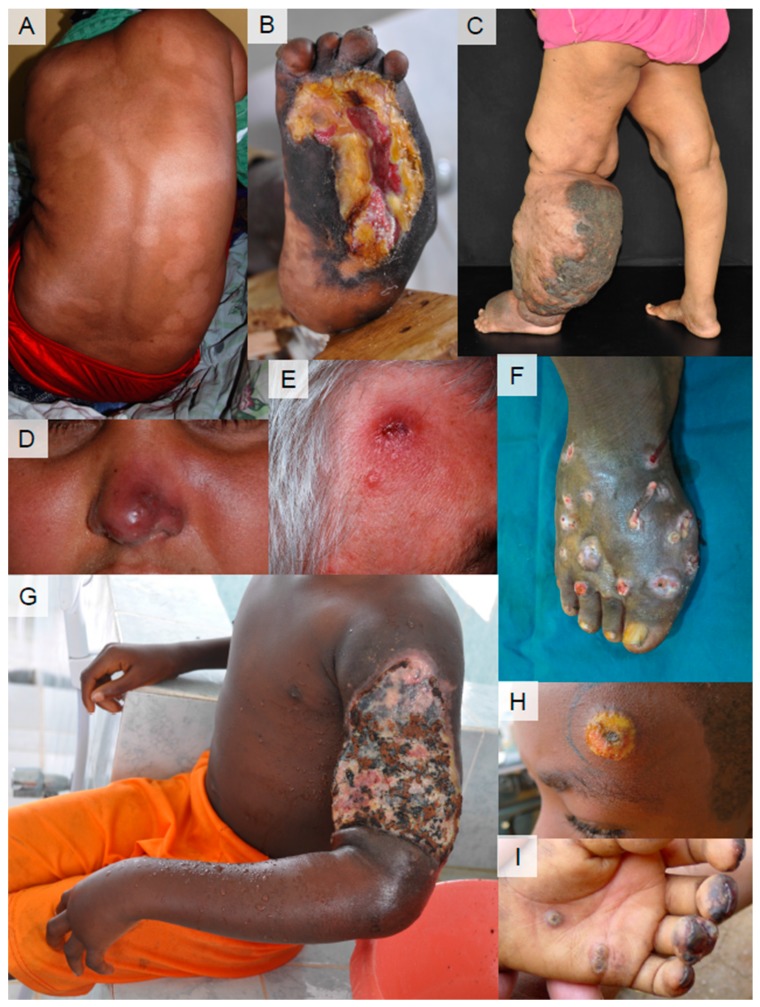
Integration of neglected tropical diseases (NTDs) into the public health agenda has been a priority in global health for the last decade. Because a number of these diseases share not only the geographical distribution, but also a common feature which is skin involvement, bringing together a sub-group of ‘skin NTDs’ is one way forward to promote further integration among NTDs. With these diseases, which include leprosy, Buruli ulcer, yaws, mycetoma, lymphatic filariasis, and leishmaniasis, patients may be left with life-long deformities and disabilities when diagnosis and treatment are delayed. Stigma is another serious consequence of skin NTDs as it places a large barrier on the economic activities and social life of a patient. As a result, this creates a vicious cycle and obstructs a key goal of society, the elimination of poverty. Enhancement in surveillance systems as well as the further development of diagnostic methods, improvement in treatment and management, and identification of preventative measures for skin NTDs are therefore urgently needed. This article summarizes the existing practices and field research on skin NTDs and identifies potential synergies that could be achieved by adopting this integrated approach.
Overview
The claims and statistics of this paper haven’t been checked yet.
Free: it reads the open-access text and checks the first 5 claims that cite a source we can check. Create a free account to check every claim.
Integrity signals
Registry
Cites
Statistics
Figures
Verification
Claims the paper makes
The claims and statistics of this paper haven’t been checked yet.
Free: it reads the open-access text and checks the first 5 claims that cite a source we can check. Create a free account to check every claim.
Claims other papers make about this one
Each is checked against this paper’s own text: does it say what the citing paper says it does?
The cited source says what the claim attributes to it.
In the citing paper
“Furthermore, some diseases, including leprosy, Buruli ulcer, lymphatic filariasis, and other skin infections, lead to lifelong disabilities and deformities if not diagnosed and treated early [10,12].”
From An mHealth App (eSkinHealth) for detecting and managing skin diseases in resource-limited settings: mixed methods Pilot Study (2023) · cites this paper as [12]
Self-check
Percentages, sums and reported differences re-computed from the paper’s own numbers.
The self-check needs the paper’s full text.
Citations
Cites
Honey as a topical treatment for wounds
Jull, A. B., Cullum, N., Dumville, J. C., Westby, M. J., Deshpande, S., & Walker, N. (2015) · Cochrane Database of Systematic Reviews · doi:10.1002/14651858.cd005083.pub4 · Cited by 653
Health economic burden that different wound types impose on the UK's National Health Service
Guest, J. F., Ayoub, N., McIlwraith, T., Uchegbu, I., Gerrish, A., Weidlich, D., Vowden, K., & Vowden, P. (2017) · International Wound Journal · doi:10.1111/iwj.12603 · Cited by 406 · cited 2×
“Furthermore, findings from some cost nalyses carried out in the l world show a strik ngly high cost burden [83,84], and this also needs to be assessed in r sourc -limited settings.”
BackgroundThe Global Programme to Eliminate Lymphatic Filariasis: Health Impact after 8 Years
Ottesen, E. A., Hooper, P. J., Bradley, M., & Biswas, G. (2008) · PLoS Neglected Tropical Diseases · doi:10.1371/journal.pntd.0000317 · Cited by 326 · cited 1×
“Similarly, the African Program for Onchocerciasis [39] and the Global Programme to Eliminate Lymphatic Filariasis [40] reported a coincident effect in reducing the number of cases of scabies, an off-target disease.”
BackgroundAttinger, C. E., Janis, J. E., Steinberg, J., Schwartz, J., Al-Attar, A., & Couch, K. (2006) · Plastic and Reconstructive Surgery · doi:10.1097/01.prs.0000225470.42514.8f · Cited by 295
Mass drug administration for scabies control in a population with endemic disease.
Romani, L., Whitfeld, M. J., Koroivueta, J., Kama, M., Wand, H., Tikoduadua, L., Tuicakau, M., Koroi, A., Andrews, R., Kaldor, J. M., et al. (2015) · New England Journal of Medicine · doi:10.1056/nejmoa1500987 · Cited by 268
Moet, F. J., Pahan, D., Oskam, L., & Richardus, J. H. (2008) · BMJ · doi:10.1136/bmj.39500.885752.be · Cited by 242 · cited 1×
“5% reduction in new cases in the intervention group [46].”
BackgroundFernandez, R., & Griffiths, R. (2012) · Cochrane Database of Systematic Reviews · doi:10.1002/14651858.cd003861.pub3 · Cited by 239
Engelman, D., Kiang, K., Chosidow, O., McCarthy, J., Fuller, C., Lammie, P., Hay, R., Steer, A., & on behalf of the members of the International Alliance for the Control of Scabies (IACS) (2013) · PLoS Neglected Tropical Diseases · doi:10.1371/journal.pntd.0002167 · Cited by 219
Lawrence, G., Leafasia, J. L., Sheridan, J., Hills, S. L., Wate, J., Wate, C., Montgomery, J. M., Pandeya, N., & Purdie, D. M. (2005) · Europe PMC (PubMed Central) · Cited by 212
Thomsen, E. K., Sanuku, N., Baea, M., Satofan, S., Maki, E., Lombore, B., Schmidt, M. S., Siba, P. M., Weil, G. J., Kazura, J. W., et al. (2016) · Clinical Infectious Diseases · doi:10.1093/cid/civ882 · Cited by 186
Beliefs and attitudes toward Buruli ulcer in Ghana.
Stienstra, Y., van der Graaf, W. T. A., Asamoa, K., & van der Werf, T. S. (2002) · The American journal of tropical medicine and hygiene · doi:10.4269/ajtmh.2002.67.207 · Cited by 183
Integrated Control and Management of Neglected Tropical Skin Diseases
Mitjà, O., Marks, M., Bertran, L., Kollie, K., Argaw, D., Fahal, A. H., Fitzpatrick, C., Fuller, L. C., Garcia Izquierdo, B., Hay, R., et al. (2017) · PLOS Neglected Tropical Diseases · doi:10.1371/journal.pntd.0005136 · Cited by 183 · cited 1×
“To assist in a breakthrough in the above-mentioned gap in the global health agenda, there is a move designed to improve integrated strategies to group these NTDs with skin manifestations under the banner of skin NTDs [4,5].”
BackgroundSelf-citationDreyer, G., Medeiros, Z., Netto, M. J., Leal, N. C., de Castro, L. G., & Piessens, W. F. (1999) · Transactions of the Royal Society of Tropical Medicine and Hygiene · doi:10.1016/s0035-9203(99)90140-2 · Cited by 150 · cited 1×
“These inflammatory episodes, which are characterized by pain, fever, and swelling of the affected limb create a vicious cycle as they further erode lymphatic function stimulating more fibrosis and it is therefore important to prevent these [73].”
BackgroundThe Peculiar Epidemiology of Dracunculiasis in Chad
Eberhard, M. L., Ruiz‐Tiben, E., Hopkins, D. R., Farrell, C. J., Toe, F., Weiss, A., Withers, P. C., Jenks, M. H., Thiele, E. A., Cotton, J. A., et al. (2013) · American Journal of Tropical Medicine and Hygiene · doi:10.4269/ajtmh.13-0554 · Cited by 149 · cited 1×
“Dracunculiasis (guinea-worm disease) is reaching close to eradication through transmission control; however, the recent transmission seen in dogs is hindering the last drive in Chad, which may show further spread [3].”
BackgroundGlobal leprosy update, 2016: accelerating reduction of disease burden.
(2017) · PubMed · Cited by 148
Prevalence of Skin Disorders in School Children in Ibadan, Nigeria
Ogunbiyi, A. O., Owoaje, E., & Ndahi, A. (2005) · Pediatric Dermatology · doi:10.1111/j.1525-1470.2005.22101.x · Cited by 147
Psychosocial burden of localised cutaneous Leishmaniasis: a scoping review
Bennis, I., Brouwere, V. D., Belrhiti, Z., Sahibi, H., & Boelaert, M. (2018) · BMC Public Health · doi:10.1186/s12889-018-5260-9 · Cited by 144
Consensus criteria for the diagnosis of scabies: A Delphi study of international experts
Engelman, D., Fuller, L. C., Steer, A. C., & for the International Alliance for the Control of Scabies Delphi panel (2018) · PLOS Neglected Tropical Diseases · doi:10.1371/journal.pntd.0006549 · Cited by 142
Honey as a topical treatment for wounds
Jull, A., Walker, N. K., & Deshpande, S. (2013) · Cochrane Database of Systematic Reviews · doi:10.1002/14651858.cd005083.pub3 · Cited by 142
Opportunities for Integrated Control of Neglected Tropical Diseases That Affect the Skin
Engelman, D., Fuller, L. C., Solomon, A. W., McCarthy, J. S., Hay, R. J., Lammie, P. J., & Steer, A. C. (2016) · Trends in Parasitology · doi:10.1016/j.pt.2016.08.005 · Cited by 138 · cited 1×
“To assist in a breakthrough in the above-mentioned gap in the global health agenda, there is a move designed to improve integrated strategies to group these NTDs with skin manifestations under the banner of skin NTDs [4,5].”
BackgroundMass Treatment with Single-Dose Azithromycin for Yaws
Mitjà, J., Houinei, W., Moses, P., Kapa, A., Paru, R., Hays, R., Lukehart, S. A., Godornes, C., Bieb, S., Grice, T. A., et al. (2015) · New England Journal of Medicine · doi:10.1056/nejmoa1408586 · Cited by 135 · cited 1×
“1% at 18 months, with 84% coverage [9,34].”
Kearns, T. M., Speare, R., Cheng, A. C., McCarthy, J., Carapetis, J. R., Holt, D. C., Currie, B. J., Page, W., Shield, J., Gundjirryirr, R., et al. (2015) · PLOS Neglected Tropical Diseases · doi:10.1371/journal.pntd.0004151 · Cited by 131
Heukelbach, J., Winter, B., Wilcke, T., Muehlen, M., Albrecht, S., Oliveira, F. A., Kerr, L. R. F. S., Liesenfeld, O., & Feldmeier, H. (2004) · Europe PMC (PubMed Central) · Cited by 130
Self-Care for Management of Secondary Lymphedema: A Systematic Review
Douglass, J., Graves, P. M., & Gordon, S. J. (2016) · PLoS neglected tropical diseases · doi:10.1371/journal.pntd.0004740 · Cited by 130 · cited 2×
“frequency of monitoring improved treatment outcomes [87], while similar findings were reported by”
ResultPsychosocial aspects of health seeking behaviours of patients with Buruli ulcer in southern Benin
Aujoulat, I., Johnson, C. R., Zinsou, C., Guédénon, A., & Portaels, F. (2003) · Tropical Medicine & International Health · doi:10.1046/j.1365-3156.2003.01089.x · Cited by 121
The Prevalence of Scabies and Impetigo in the Solomon Islands: A Population-Based Survey
Mason, D. S., Marks, M., Sokana, O., Solomon, A. W., Mabey, D. C., Romani, L., Kaldor, J., Steer, A. C., & Engelman, D. (2016) · PLOS Neglected Tropical Diseases · doi:10.1371/journal.pntd.0004803 · Cited by 109
Tomczyk, S. M., Deribe, K., BROOKER, S. J., Clark, H., Rafique, K., Knopp, S., Utzinger, J., & Davey, G. (2014) · PLoS neglected tropical diseases · doi:10.1371/journal.pntd.0003285 · Cited by 108 · cited 1×
“reported that access to footwear use significantly reduced the incidence of Buruli ulcer, cutaneous larva migrans, tungiasis, hookworm infection, soil-transmitted helminth infection, strongyloidiasis, and leptospirosis [97].”
BackgroundEradication of yaws--the Morges strategy.
(2012) · PubMed · Cited by 98
Figueroa, J. L., Fuller, L. C., Abraha, A., & Hay, R. J. (1996) · Pediatric Dermatology · doi:10.1111/j.1525-1470.1996.tb00704.x · Cited by 95
Cost of diabetic foot in France, Spain, Italy, Germany and United Kingdom: A systematic review
Tchero, H., Kangambega, P., Lin, L., Mukisi-Mukaza, M., Brunet-Houdard, S., Briatte, C., Retali, G. R., & Rüsch, E. (2018) · Annales d Endocrinologie · doi:10.1016/j.ando.2017.11.005 · Cited by 95 · cited 2×
“Furthermore, findings from some cost nalyses carried out in the l world show a strik ngly high cost burden [83,84], and this also needs to be assessed in r sourc -limited settings.”
BackgroundStocks, M. E., Freeman, M. C., & Addiss, D. G. (2015) · PLoS neglected tropical diseases · doi:10.1371/journal.pntd.0004171 · Cited by 94 · cited 1×
“, reported that participation in hygiene-based lymphedema management decreased the incidence of acute dermatolymphagioadenitis (ADLA) by one-third [72].”
BackgroundMitjà, J., Godornes, C., Houinei, W., Kapa, A., Paru, R., Abel, H., González-Beiras, C., Bieb, S., Wangi, J., Barry, A. E., et al. (2018) · The Lancet · doi:10.1016/s0140-6736(18)30204-6 · Cited by 94 · cited 1×
“1% at 18 months, with 84% coverage [9,34].”
Prospects for Moxidectin as a New Oral Treatment for Human Scabies
Mounsey, K. E., Bernigaud, C., Chosidow, O., & McCarthy, J. S. (2016) · PLoS neglected tropical diseases · doi:10.1371/journal.pntd.0004389 · Cited by 90 · cited 1×
“The development of moxidectin, a macrocyclic lactone similar to ivermectin, but with a much longer half-life, for the treatment of human scabies may promote MDAs for scabies [43,44].”
BackgroundSkin diseases of children in Mali: a public health problem
Mahé, A., Prual, A., Konaté, M., & Bobin, P. (1995) · Transactions of the Royal Society of Tropical Medicine and Hygiene · doi:10.1016/0035-9203(95)90068-3 · Cited by 89
Negussie, H., Molla, M., Ngari, M. M., Berkley, J. A., Kivaya, E., Njuguna, P., Fegan, G., Tamiru, A., Kelemework, A., Lang, T. A., et al. (2018) · The Lancet Global Health · doi:10.1016/s2214-109x(18)30124-4 · Cited by 89 · cited 1×
“Protecting the skin barrier function with simple emollients such as vaseline as well as limb exercise are also key to reducing inflammation and swelling [74,75].”
BackgroundPREVENTION OF LEPROSY USING RIFAMPICIN AS CHEMOPROPHYLAXIS
Bakker, M. I., Hatta, M., Kwenang, A., BENTHEM, B. H. B. V., van Beers, S. M., Klatser, P. R., & Oskam, L. (2005) · American Journal of Tropical Medicine and Hygiene · doi:10.4269/ajtmh.2005.72.443 · Cited by 88 · cited 2×
“A similar result was reported from another study in Indonesia [48].”
ResultWalker, S. L., Lebas, E., De Sario, V., Deyasso, Z., Doni, S. N., Marks, M., Roberts, C. H., & Lambert, S. M. (2017) · PLOS Neglected Tropical Diseases · doi:10.1371/journal.pntd.0005808 · Cited by 87
A holistic approach to the mycetoma management
Bakhiet, S. M., Fahal, A. H., Musa, A. M., Mohamed, E. S. W., Omer, R. F., Ahmed, E. S., Bahar, M. E., Mustafa, E. R. M., Abdel‐Rahman, M. E., Suliman, S. H., et al. (2018) · PLoS neglected tropical diseases · doi:10.1371/journal.pntd.0006391 · Cited by 87 · cited 3×
“Often patients with limb lesions from mycetoma are managed by amputation [80] as is the case with other severe forms of ulceration.”
BackgroundInfluentialThe spectrum of dermatological disorders among primary school children in Dar es Salaam
Komba, E. V., & Mgonda, Y. M. (2010) · BMC Public Health · doi:10.1186/1471-2458-10-765 · Cited by 86
Yotsu, R. R., Kouadio, K., Vagamon, B., N’guessan, K., Akpa, A. J., Yao, A., Aké, J., Abbet Abbet, R., Tchamba Agbor Agbor, B., Bedimo, R., et al. (2018) · PLOS Neglected Tropical Diseases · doi:10.1371/journal.pntd.0006489 · Cited by 85
Self-citationJaeggi, T., Steinmann, P., Mieras, L. F., van Brakel, W. H., Richardus, J. H., Tiwari, A., Bratschi, M. W., Cavaliero, A., Plaetse, B. V., Mirza, F., et al. (2016) · BMJ Open · doi:10.1136/bmjopen-2016-013633 · Cited by 84 · cited 1×
“Currently, the Leprosy Post-Exposure Prophylaxis [51] study—a joint study between India, Indonesia, Myanmar, Nepal, Sri Lanka, and Tanzania using single dose rifampicin—was designed to accelerate the uptake of the evidence for post-exposure prophylaxis and introduce it into national leprosy programs [51].”
BackgroundMulder, A. A., Boerma, R. P., Barogui, Y. T., Zinsou, C., Johnson, R. C., Gbovi, J., van der Werf, T. S., & Stienstra, Y. (2008) · Transactions of the Royal Society of Tropical Medicine and Hygiene · doi:10.1016/j.trstmh.2008.05.026 · Cited by 83
Detection of Mycobacterium ulcerans by the Loop Mediated Isothermal Amplification Method
Ablordey, A. S., Amissah, D., Aboagye, I. F., Hatano, B., Yamazaki, T., Sata, T., Ishikawa, K., & Katano, H. (2012) · PLoS neglected tropical diseases · doi:10.1371/journal.pntd.0001590 · Cited by 75 · cited 1×
“Some promising studies are underway in order to develop a rapid diagnostic tool for Buruli ulcer, including the loop-mediated isothermal amplification (LAMP) test [55,56], thin layer chromatography for the detection of mycolactone (lipid toxin produced by the causing bacteria of Buruli ulcer) [57], and antigen detecti…”
BackgroundBarreto, J. G., Guimarães, L. D. S., Frade, M. A. C., Rosa, P. S., & Salgado, C. G. (2012) · Memórias do Instituto Oswaldo Cruz · doi:10.1590/s0074-02762012000900011 · Cited by 75
Bartlett, J., Deribe, K., Tamiru, A., Amberbir, T., Medhin, G., Malik, M., Hanlon, C., & Davey, G. (2015) · International Health · doi:10.1093/inthealth/ihv037 · Cited by 75
Skin diseases among schoolchildren in Ghana, Gabon, and Rwanda
Hogewoning, A., Amoah, A., Bavinck, J. N. B., Boakye, D., Yazdanbakhsh, M., Adegnika, A., De Smedt, S., Fonteyne, Y., Willemze, R., & Lavrijsen, A. (2013) · International Journal of Dermatology · doi:10.1111/j.1365-4632.2012.05822.x · Cited by 75
Narahari, S. R. B., Bose, K. S., Aggithaya, M. G., Swamy, G. K., Ryan, T. J., Unnikrishnan, B., Washington, R., Rao, B. P. S., Rajagopala, S., Manjula, K. M., et al. (2013) · Transactions of the Royal Society of Tropical Medicine and Hygiene · doi:10.1093/trstmh/trt054 · Cited by 71 · cited 6×
“There are al o other opportunities for in egration betw en ski NTDs a d chronic diseases, such as diabete , in limb c re or between other interventions such as clean wa , be ter anitation and hygiene (WASH) [77], which should be further explored.”
BackgroundInfluentialTungiasis-related life quality impairment in children living in rural Kenya
Wiese, S., Elson, L. H., & Feldmeier, H. (2018) · PLoS neglected tropical diseases · doi:10.1371/journal.pntd.0005939 · Cited by 65
Stanton, M. C., Mkwanda, S. Z., Debrah, A. Y., Batsa, L., Biritwum, N.-K., Hoerauf, A., Cliffe, M., Best, A., Molineux, A., & Kelly-Hope, L. A. (2015) · BMC Infectious Diseases · doi:10.1186/s12879-015-0946-4 · Cited by 60 · cited 1×
“In Malawi and Ghana, a community-led SMS reporting tool for the rapid assessment of lymphatic filariasis morbidity burden was successful in involving community-based health surveillance workers/volunteers to participate in reporting and continuous monitoring of patients [93].”
BackgroundBeißner, M., Phillips, R. O., Battke, F., Bauer, M., Badziklou, K., Sarfo, F. S., Maman, I., Rhomberg, A., Piten, E., Frimpong, M., et al. (2015) · PLoS neglected tropical diseases · doi:10.1371/journal.pntd.0004219 · Cited by 60 · cited 1×
“Some promising studies are underway in order to develop a rapid diagnostic tool for Buruli ulcer, including the loop-mediated isothermal amplification (LAMP) test [55,56], thin layer chromatography for the detection of mycolactone (lipid toxin produced by the causing bacteria of Buruli ulcer) [57], and antigen detecti…”
BackgroundIntegrated morbidity management for lymphatic filariasis and podoconiosis, Ethiopia
Deribe, K., Kebede, B., Tamiru, M., Mengistu, B., Kebede, F., Martindale, S., Sime, H., Mulugeta, A., Kebede, B., Sileshi, M., et al. (2017) · Bulletin of the World Health Organization · doi:10.2471/blt.16.189399 · Cited by 55 · cited 1×
“One of the major strategies deployed in the Ethiopian lymphatic filariasis-podoconiosis integrated program has been training, guideline development featuring a simple algorithm on clinical assessment, treatment and referral needs, and a defined care package [90].”
BackgroundFaye, O., Bagayoko, C., Dicko, A., Cissé, L., Berthé, S., Traoré, B., Fofana, Y., Niang, M., Traoré, S., Karabinta, Y., et al. (2018) · Tropical Medicine and Infectious Disease · doi:10.3390/tropicalmed3030088 · Cited by 54 · cited 1×
“Two examples of such projects are described in this issue [95,96].”
BackgroundForgotten People Forgotten Diseases
(2013) · doi:10.1128/9781555818753 · Cited by 54
NICHOLLS, P. G., Chhina, N., Bro, A., Barkataki, P., Kumar, R., Withington, S. G., & Smith, W. C. S. (2005) · Leprosy Review · doi:10.47276/lr.76.1.35 · Cited by 52
Hay, R., Estrada, R., & Grossmann, H. (2011) · International Journal of Dermatology · doi:10.1111/j.1365-4632.2011.04954.x · Cited by 48 · cited 1×
“However, as there is a shortage of dermatologists in these settings, besides mobilization of local dermatologists, establishment of networks extending beyond the country may be necessary [94].”
BackgroundFeenstra, S. G., Pahan, D., Moet, F. J., Oskam, L., & Richardus, J. H. (2012) · Leprosy Review · doi:10.47276/lr.83.3.292 · Cited by 45 · cited 1×
“No additional protective effect was observed after 4 and 6 years, but the total impact of the intervention was still statistically significant after 6 years [47].”
BackgroundWadagni, A. C., Frimpong, M., Phanzu, D. M., Ablordey, A. S., Kacou, E., Gbedevi, M., Marion, E., Xing, Y., Babu, V. S., Phillips, R. O., et al. (2015) · PLoS neglected tropical diseases · doi:10.1371/journal.pntd.0004247 · Cited by 43 · cited 1×
“Some promising studies are underway in order to develop a rapid diagnostic tool for Buruli ulcer, including the loop-mediated isothermal amplification (LAMP) test [55,56], thin layer chromatography for the detection of mycolactone (lipid toxin produced by the causing bacteria of Buruli ulcer) [57], and antigen detecti…”
BackgroundTrellu, L. T., Nkemenang, P., Comte, É., Ehounou, G., Atangana, P. J. A., Mboua, D. J., Rusch, B., Tabah, E. N., Étard, J.-F., & Mueller, Y. K. (2016) · PLoS neglected tropical diseases · doi:10.1371/journal.pntd.0004385 · Cited by 43
Mieras, L. F., Taal, A. T., Post, E. B., Ndeve, A. G. Z., & Van Hees, C. L. M. (2018) · Tropical Medicine and Infectious Disease · doi:10.3390/tropicalmed3030102 · Cited by 42
Dreyer, A. M., Röltgen, K., Dangy, J., Ruf, M., Scherr, N., Bolz, M., Tobias, N. J., Moes, C., Vettiger, A., Stinear, T. P., et al. (2015) · PLoS neglected tropical diseases · doi:10.1371/journal.pntd.0003477 · Cited by 41 · cited 1×
“Some promising studies are underway in order to develop a rapid diagnostic tool for Buruli ulcer, including the loop-mediated isothermal amplification (LAMP) test [55,56], thin layer chromatography for the detection of mycolactone (lipid toxin produced by the causing bacteria of Buruli ulcer) [57], and antigen detecti…”
BackgroundIn Vitro Efficacy of Moxidectin versus Ivermectin against Sarcoptes scabiei
Mounsey, K. E., Walton, S. F., Innes, A., Cash-Deans, S., & McCarthy, J. S. (2017) · Antimicrobial Agents and Chemotherapy · doi:10.1128/aac.00381-17 · Cited by 41 · cited 1×
“The development of moxidectin, a macrocyclic lactone similar to ivermectin, but with a much longer half-life, for the treatment of human scabies may promote MDAs for scabies [43,44].”
BackgroundBarbieri, R. R., Sales, A. M., Hacker, M. A., Nery, J. A. D. C., Düppre, N. C., Machado, A. D. M., Moraes, M. O., & Sarno, E. N. (2016) · PLoS neglected tropical diseases · doi:10.1371/journal.pntd.0005059 · Cited by 40 · cited 1×
“A study in Brazil where leprosy services have been decentralized has demonstrated the importance of referral centers in support of local health services in treating skin diseases [92].”
BackgroundAbdulai, A. A., Agana-Nsiire, P., Biney, F., Kwakye-Maclean, C., Kyei-Faried, S., Amponsa-Achiano, K., Simpson, S. V., Bonsu, G., Ohene, S.-A., Ampofo, W., et al. (2018) · PLoS neglected tropical diseases · doi:10.1371/journal.pntd.0006303 · Cited by 39 · cited 1×
“2% at 12 months, in 16,287 children with 89% coverage [7].”
BackgroundDrugs for treating Buruli ulcer (Mycobacterium ulcerans disease)
Yotsu, R. R., Richardson, M., & Ishii, N. (2018) · Cochrane Database of Systematic Reviews · doi:10.1002/14651858.cd012118.pub2 · Cited by 39
Self-citationKrotneva, S., Coffeng, L. E., Noma, M., Zouré, H., Bakoné, L., Amazigo, U. V., de Vlas, S. J., & Stolk, W. A. (2015) · PLoS neglected tropical diseases · doi:10.1371/journal.pntd.0004051 · Cited by 36 · cited 1×
“Similarly, the African Program for Onchocerciasis [39] and the Global Programme to Eliminate Lymphatic Filariasis [40] reported a coincident effect in reducing the number of cases of scabies, an off-target disease.”
BackgroundWound Care in Buruli Ulcer Disease in Ghana and Benin
Velding, K., Klis, S., Abass, K. M., Tuah, W., Stienstra, Y., & van der Werf, T. S. (2014) · American Journal of Tropical Medicine and Hygiene · doi:10.4269/ajtmh.13-0255 · Cited by 36 · cited 1×
“A study conducted in Ghana and in Benin interviewing health care personnel dealing with the wound management of Buruli ulcer patients reported that standard of wound care differed greatly both between personnel and between institutions [62].”
BackgroundAtre, S. R., Rangan, S., Shetty, V. P., Gaikwad, N., & Mistry, N. F. (2011) · Leprosy Review · doi:10.47276/lr.82.3.222 · Cited by 35
Jebran, A. F., Schleicher, U., Steiner, R., Wentker, P., Mahfuz, F., Stahl, H.-C., Amin, F. M., Bogdan, C., & Stahl, K. (2014) · PLoS neglected tropical diseases · doi:10.1371/journal.pntd.0002694 · Cited by 34
Burden of leprosy in Malawi: community camp-based cross-sectional study
Msyamboza, K. P., Mawaya, L. R., Kubwalo, H. W., Ng’oma, D., Liabunya, M., Manjolo, S., Msiska, P. P., & Somba, W. W. (2012) · BMC International Health and Human Rights · doi:10.1186/1472-698x-12-12 · Cited by 34
Control of Tungiasis in Absence of a Roadmap: Grassroots and Global Approaches
Elson, L. H., Wright, K. D., Swift, J. N., & Feldmeier, H. (2017) · Tropical Medicine and Infectious Disease · doi:10.3390/tropicalmed2030033 · Cited by 34 · cited 1×
“These include podoconiosis (a geochemical, non-filarial elephantiasis due to long-term contact with irritant red clay soil), fungal and bacterial skin infections, and tropical ulcers [11,12].”
BackgroundBeyond wet-to-dry: a rational approach to treating chronic wounds.
Lee, J. C., Kandula, S., & Sherber, N. (2009) · PubMed Central · Cited by 33
Marks, M., Mitjà, J., Bottomley, C., Kwakye-Maclean, C., Houinei, W., Bauri, M., Adwere, P., Abdulai, A. A., Dua, F., Boateng, L., et al. (2018) · The Lancet Global Health · doi:10.1016/s2214-109x(18)30023-8 · Cited by 33 · cited 1×
“An additional benefit would be that azithromycin MDA is also active against trachoma allowing for possible integration of the control of these two NTDs [8].”
BackgroundThe Leprosy Post-Exposure Prophylaxis (LPEP) programme: update and interim analysis
Steinmann, P., Cavaliero, A., Aerts, A., Anand, S., Arif, M. A., Ay, S. S., Aye, T. M., Jaeggi, T., Banstola, N. L., Bhandari, C. M., et al. (2018) · Leprosy Review · doi:10.47276/lr.89.2.102 · Cited by 31 · cited 1×
“Recently published interim analysis show that the program has enrolled 5941 index patients and identified a total of 123,331 contacts [52].”
BackgroundBoock, A. U., Awah, P. K., Mou, F., & Nichter, M. (2017) · PLoS neglected tropical diseases · doi:10.1371/journal.pntd.0005557 · Cited by 27
Drugs for treating Buruli ulcer (Mycobacterium ulcerans disease)
Yotsu, R. R., Richardson, M., & Ishii, N. (2016) · Cochrane Database of Systematic Reviews · doi:10.1002/14651858.cd012118 · Cited by 25
Self-citationMurgia, V., Bilcha, K. D., & Shibeshi, D. (2010) · International Journal of Dermatology · doi:10.1111/j.1365-4632.2009.04284.x · Cited by 24
Neuropathic ulcers in leprosy treated with intralesional platelet‐rich plasma
Conde‐Montero, E., Horcajada‐Reales, C., Clavo, P., Delgado‐Sillero, I., & Suárez‐Fernández, R. (2014) · International Wound Journal · doi:10.1111/iwj.12359 · Cited by 24
Platelet Rich Plasma: Efficacy in Treating Trophic Ulcers in Leprosy
Anandan, V. (2016) · JOURNAL OF CLINICAL AND DIAGNOSTIC RESEARCH · doi:10.7860/jcdr/2016/21899.8758 · Cited by 23
Brooks, J., Ersser, S. J., Cowdell, F., Gardiner, E., Mengistu, A., & Matts, P. J. (2017) · British Journal of Dermatology · doi:10.1111/bjd.15543 · Cited by 21 · cited 1×
“Protecting the skin barrier function with simple emollients such as vaseline as well as limb exercise are also key to reducing inflammation and swelling [74,75].”
BackgroundTiwari, A., Dandel, S., Djupuri, R., Mieras, L. F., & Richardus, J. H. (2018) · BMC Infectious Diseases · doi:10.1186/s12879-018-3233-3 · Cited by 19 · cited 1×
“In other words, chemoprophylaxis alone may not be effective unless it is coupled with well-planned active case finding, and the prophylaxis is delivered in the form of several rounds of medication at adequate intervals [26,50].”
BackgroundStahl, H.-C., Ahmadi, F., Nahzat, S. M., Dong, H., Stahl, K., & Sauerborn, R. (2018) · Infectious Diseases of Poverty · doi:10.1186/s40249-018-0389-4 · Cited by 16 · cited 2×
“leishmaniasis in Afghanistan comparing different methods [85].”
Tin, K. (1999) · PubMed · Cited by 15
Is Water Effective for Wound Cleansing?
Cooper, D., & Seupaul, R. A. (2012) · Annals of Emergency Medicine · doi:10.1016/j.annemergmed.2012.06.011 · Cited by 14 · cited 1×
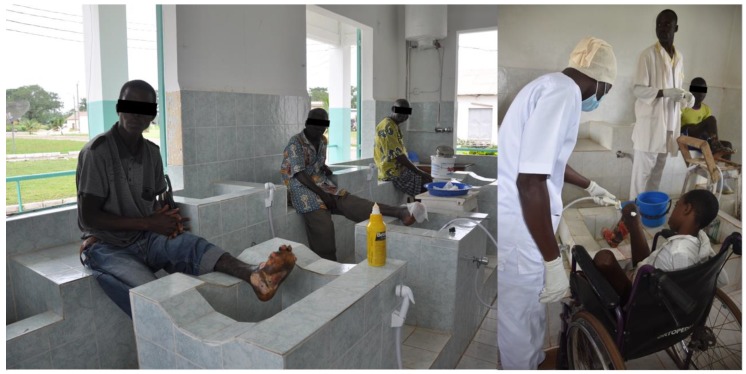
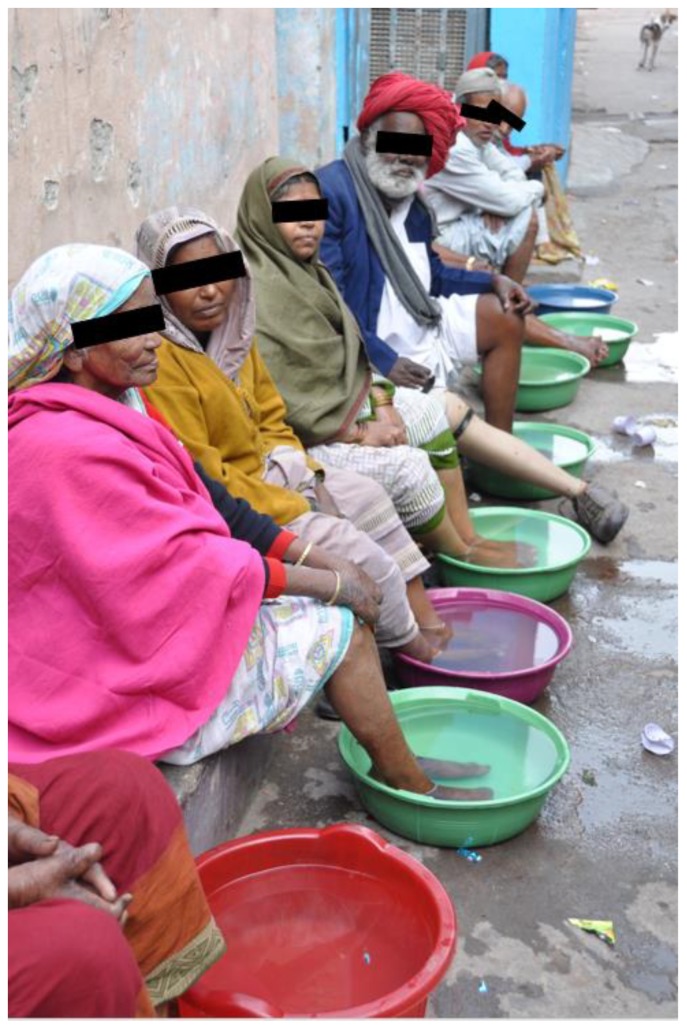
“Securing clean water to wash the wound surface regularly and thoroughly is the foremost priority; having normal saline solution is ideal, if not, tap water fit for drinking or cooled boiled water can be used for this purpose [65,66] (Figure 2).”
BackgroundPopulation screening and mass chemoprophylaxis in Kiribati.
Ec, D. (1999) · PubMed · Cited by 14
Buruli Ulcer Successfully Treated With Negative-Pressure Wound Therapy
Murase, C., Kono, M., Nakanaga, K., Ishii, N., & Akiyama, M. (2015) · JAMA Dermatology · doi:10.1001/jamadermatol.2015.1567 · Cited by 12
Ryan, T. J. (2006) · International Journal of Dermatology · doi:10.1111/j.1365-4632.2006.02671.x · Cited by 12 · cited 2×
“Wounds are among the most frequently encountered skin problems in rural settings in low- and middle-income countries, where skin NTDs are also endemic [53,61].”
BackgroundWound Healing in the Developing World
Ryan, T. J. (1993) · Dermatologic Clinics · doi:10.1016/s0733-8635(18)30232-8 · Cited by 12
Effah, A., Ersser, S. J., & Hemingway, A. (2017) · International Journal of Dermatology · doi:10.1111/ijd.13785 · Cited by 11
Walsh, D. S., de Jong, B. C., Meyers, W. M., & Portaels, F. (2015) · Leprosy Review · doi:10.47276/lr.86.1.1 · Cited by 10 · cited 7×
“In Ghana, a similar study to assess the effectiveness of this MDA strategy in endemic communities surrounded by other yaws-endemic communities is on-going, i.e., non-isolated communities in contrast to the work in Papua New Guinea.”
BackgroundInfluentialChildhood Leprosy In Essimbiland of Cameroon: Results of Chart Review and School Survey
Nsagha, D. S., Bamgboye, E. A., & Yediran, A. (2010) · Nigerian Quarterly Journal of Hospital Medicine · doi:10.4314/nqjhm.v19i3.54486 · Cited by 9
Diletto, C. (1999) · PubMed · Cited by 9
Sathiaraj, Y., Norman, G., & Richard, J. (2011) · PubMed · Cited by 6
Shetty, V. P., Pandya, S. S., Arora, S., & Capadia, G. D. (2009) · PubMed · Cited by 6
Aka, N., COULIBALY, N., Kouamé-Elogne, N. C., Acquah, K. J. R., Christiane, A. A., Kouamé, K., N’Guessan, K., Aboa, K., Kadio, M. C., Yao, A., et al. (2018) · American journal of microbiological research · doi:10.12691/ajmr-6-3-3 · Cited by 6 · cited 1×
“smegmatis, whose distribution in these countries is not yet well understood [54].”
Background
Research works printed but not linked: 1
- Saikawa K. Epidemiological implications of school survey in Okinawa (in Japanese) J. Health Welf. Stat. 1978 25 6 23
Cited by
Estimating the global burden of scabies: what else do we need?*
Cox, V. R. V., Fuller, L. C., Engelman, D., Steer, A. C., & Hay, R. J. (2020) · British Journal of Dermatology · doi:10.1111/bjd.19170 · Cited by 92
Prevalence, incidence, and reported global distribution of noma: a systematic literature review
Galli, A., Brugger, C., Fürst, T., Monnier, N., Winkler, M. S., & Steinmann, P. (2022) · The Lancet Infectious Diseases · doi:10.1016/s1473-3099(21)00698-8 · Cited by 48
Yotsu, R. R., Fuller, L. C., Murdoch, M. E., van Brakel, W. H., Revankar, C. R., Barogui, M. Y. T., Ruiz-Postigo, J. A., Dagne, D. A., Asiedu, K. B., & Hay, R. J. (2023) · PLoS neglected tropical diseases · doi:10.1371/journal.pntd.0011357 · Cited by 58
“—Sharing of tools As these diseases are neglected, so are developments in new diagnostic tools and point-of-care tests using modern molecular techniques or in the provision of and training in the use of simple laboratory methods (S1 Table) [22,23].”
BackgroundSelf-citationSchoenmakers, A., Hambridge, T., van Wijk, R., Kasang, C., Richardus, J. H., Bobosha, K., Mitano, F., Mshana, S. E., Mamo, E., Marega, A., et al. (2021) · BMJ Open · doi:10.1136/bmjopen-2020-046125 · Cited by 37
A comprehensive research agenda for zero leprosy
Steinmann, P., Dusenbury, C. M., Addiss, D. G., Mirza, F., & Smith, W. C. (2020) · Infectious Diseases of Poverty · doi:10.1186/s40249-020-00774-4 · Cited by 32
Metadata
- Authors
- Yotsu, R. R.
- Affiliations
- National Center for Global Health and Medicine (JP)
- Corresponding author
- Yotsu, Rie R.
- ORCID
- Yotsu, Rie R.
- Venue
- Tropical Medicine and Infectious Disease
- Publisher
- MDPI AG
- Published
- 2018-11-14
- Volume
- 3
- Issue
- 4
- Pages
- 120
- ISSN
- 2414-6366 (ISSN-L)
- PMC
- PMC6306929
- OpenAlex
- W2900600894
- Cited by
- 65
- References
- 94
- Citations by year
- 2026: 7 · 2025: 14 · 2024: 11 · 2023: 11 · 2022: 8 · 2021: 5 · 2020: 9
- FWCI
- 0.51
- Type
- journal article
- Language
- en
- Open access
- gold
- dx.doi.org
- Licence
- Locations
- Tropical Medicine and Infectious Disease (publishedVersion, cc-by)
- Europe PMC (PubMed Central) (publishedVersion, cc-by)
- PubMed Central (publishedVersion, cc-by)
- PubMed (publishedVersion)
- DOAJ (DOAJ: Directory of Open Access Journals) (submittedVersion, cc-by-sa)
- Funders
- Japan Agency for Medical Research and Development (18jm0510004h0001)
- University of the Ryukyus
- Japan Society for the Promotion of Science (16K21656)
- Topics
- Health Sciences › Medicine › Infectious Diseases › Leprosy Research and Treatment
- Health Sciences › Medicine › Infectious Diseases › Dermatological diseases and infestations
- Health Sciences › Medicine › Infectious Diseases › Parasitic Diseases Research and Treatment
- Keywords
- skin neglected tropical diseases, leprosy, Buruli ulcer, yaws, mycetoma, lymphatic filariasis, leishmaniasis, disease surveillance, diagnosis and treatment, poverty reduction
About these checks
Registry, retraction, Cites and statistics results are computed, not judged, with one exception: a printed reference that no index lists is read once by a model before it counts as a citation error. Claims are extracted by a model and kept only when their quote appears verbatim in the text; each cited source is then checked, with a model’s help, for whether it says what the claim relies on. Those verdicts can be wrong — read the claim’s quote and the cited source before relying on one.
Statistics and arithmetic are recomputed, not judged.
Confidence bands are shown only for fields calibrated on our annotated test set. None is calibrated yet, so no band is shown.
What counts as a claim ›How we measure confidence ›How we check this ›
Are you an author, or do you see a problem with this page? Request a review
Data sources
Bibliographic data: Semantic Scholar, OpenAlex, Crossref.
Contains information from the Semantic Scholar Academic Graph Datasets, made available under the ODC Attribution License (ODC-BY 1.0).
Semantic Scholar’s data is described in: Kinney, R., et al. (2023). The Semantic Scholar Open Data Platform. arXiv:2301.10140.
