

Artificial Intelligence in Infectious Disease Clinical Practice: An Overview of Gaps, Opportunities, and Limitations
Open accessThe DOI matches its Crossref record; 56 of the 56 references it cites were found in a registry or an index.
Abstract
The integration of artificial intelligence (AI) in clinical medicine marks a revolutionary shift, enhancing diagnostic accuracy, therapeutic efficacy, and overall healthcare delivery. This review explores the current uses, benefits, limitations, and future applications of AI in infectious diseases, highlighting its specific applications in diagnostics, clinical decision making, and personalized medicine. The transformative potential of AI in infectious diseases is emphasized, addressing gaps in rapid and accurate disease diagnosis, surveillance, outbreak detection and management, and treatment optimization. Despite these advancements, significant limitations and challenges exist, including data privacy concerns, potential biases, and ethical dilemmas. The article underscores the need for stringent regulatory frameworks and inclusive databases to ensure equitable, ethical, and effective AI utilization in the field of clinical and laboratory infectious diseases.
Overview
The claims and statistics of this paper haven’t been checked yet.
Free: it reads the open-access text and checks the first 5 claims that cite a source we can check. Create a free account to check every claim.
Integrity signals
Registry
Cites
Statistics
Figures
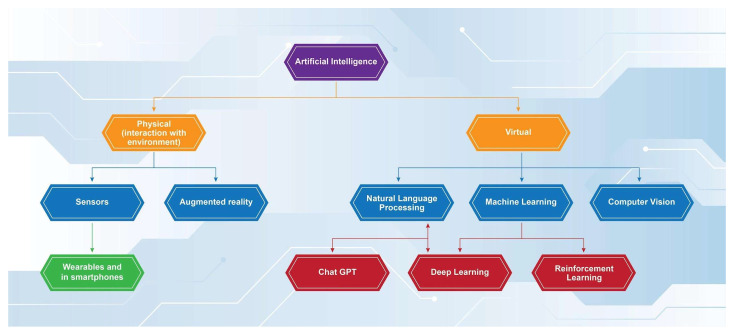
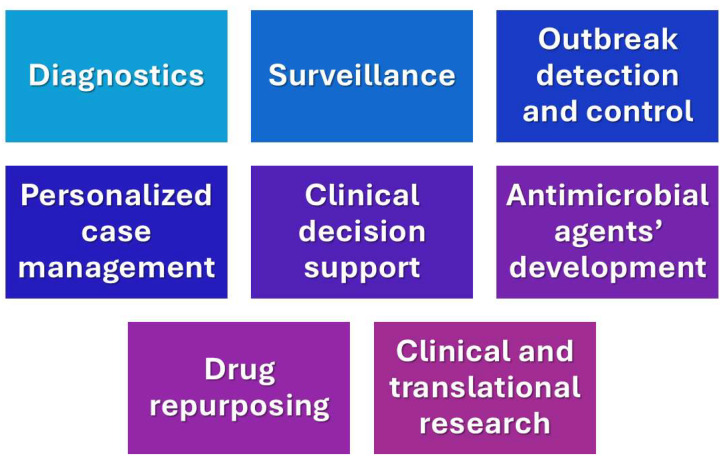
Verification
Claims the paper makes
The claims and statistics of this paper haven’t been checked yet.
Free: it reads the open-access text and checks the first 5 claims that cite a source we can check. Create a free account to check every claim.
Claims other papers make about this one
Each is checked against this paper’s own text: does it say what the citing paper says it does?
The source backs part of the claim, not all of it — or backs it for a different population, condition or comparison.
In the citing paper
“Its modular and adaptable design supports broad generalizability across diverse clinical domains beyond cardiovascular diagnoses, such as oncology, neurology, and infectious diseases [37,38,39].”
From Enhancing Clinician Trust in AI Diagnostics: A Dynamic Framework for Confidence Calibration and Transparency (2025) · cites this paper as [39]
Experimental — accuracy not yet measured
Self-check
Percentages, sums and reported differences re-computed from the paper’s own numbers.
The self-check needs the paper’s full text.
Citations
Cites
1 retracted
Kumar, Y., Koul, A., Singla, R., & Ijaz, M. F. (2023) · Journal of Ambient Intelligence and Humanized Computing · doi:10.1007/s12652-021-03612-z · Cited by 1,040 · cited 4×
“There was a sensitivity of 91% and specificity of 65% in meta-analysis of 23 There was a sensitivity of 91% and specificity of 65% in a meta-analysis of 23 clinical studies with a total of 124,959 patients [30]. studies with a total of 124,959 patients [30].”
BackgroundMethodInfluentialRetractedRajkomar, A., Dean, J., & Kohane, I. (2019) · New England Journal of Medicine · doi:10.1056/nejmra1814259 · Cited by 4,579 · cited 3×
“There was a sensitivity of 91% and specificity of 65% in meta-analysis of 23 There was a sensitivity of 91% and specificity of 65% in a meta-analysis of 23 clinical studies with a total of 124,959 patients [30]. studies with a total of 124,959 patients [30].”
BackgroundMethodLarge language models in medicine
Thirunavukarasu, A. J., Ting, D. S. J., Elangovan, K., Gutierrez, L., Tan, T. F., & Ting, D. S. W. (2023) · Nature Medicine · doi:10.1038/s41591-023-02448-8 · Cited by 3,944 · cited 1×
“LLMs utilize deep learning not only to comprehend human language but also to make linguistic and contextual associations of the words used, without necessarily being trained in the specific lingual task [10].”
BackgroundSarker, I. H. (2021) · SN Computer Science · doi:10.1007/s42979-021-00815-1 · Cited by 2,678 · cited 1×
“…specific patterns An important additional feature of this function is the power to recognize specific pa(cid:308)erns of information not only from pre-labeled data but also from “raw” unprocessed data [5]. of information not only from pre-labeled data but also from “raw” unprocessed data [5].”
BackgroundBig Data and Machine Learning in Health Care
Beam, A. L., & Kohane, I. S. (2018) · JAMA · doi:10.1001/jama.2017.18391 · Cited by 2,506 · cited 1×
“This tends to enhance early intervention strategies while optimizing the utilization of resources [34].”
BackgroundA Deep Learning Approach to Antibiotic Discovery
Stokes, J. M., Yang, K., Swanson, K., Jin, W., Cubillos-Ruiz, A., Donghia, N. M., MacNair, C. R., French, S., Carfrae, L. A., Bloom-Ackermann, Z., et al. (2020) · Cell · doi:10.1016/j.cell.2020.01.021 · Cited by 2,463 · cited 1×
“This study emphasizes the utility of DL approaches to discover antibacterial molecules with unique structures and consequently combat the rapid increase in antimicrobial resistance [41].”
BackgroundArtificial intelligence in medicine
Hamet, P., & Tremblay, J. (2017) · Metabolism · doi:10.1016/j.metabol.2017.01.011 · Cited by 2,334
Overview of artificial intelligence in medicine
Amisha, Malik, P., Pathania, M., & Rathaur, V. K. (2019) · Journal of Family Medicine and Primary Care · doi:10.4103/jfmpc.jfmpc_440_19 · Cited by 1,106 · cited 1×
“The advent of artificial intelligence (AI) has heralded a transformative era in clinical medicine, offering opportunities to enhance diagnostic speed and accuracy, optimize therapeutic efficacy, and benefit healthcare in general [1].”
BackgroundRedefining Radiology: A Review of Artificial Intelligence Integration in Medical Imaging
Najjar, R. (2023) · Diagnostics · doi:10.3390/diagnostics13172760 · Cited by 886 · cited 2×
“…diagnosis, and These advancements vary from image partitioning, categorization, computer-aided diagnosis, and innovative diagnostic and prognostic tools intending to improve the patient’s outcome [29]. innovative diagnostic and prognostic tools intending to improve the patient’s outcome [29].”
BackgroundMethodDigital disease detection - harnessing the Web for public health surveillance
Brownstein, J. S., Freifeld, C. C., & Madoff, L. C. (2009) · New England Journal of Medicine · doi:10.1056/nejmp0900702 · Cited by 819 · cited 1×
“In contrast, AI-based surveillance systems automatically collect data both from hospital records and social media while analyzing real-time data streams to increase situational awareness and enhance the public health response [35].”
Background
Research works printed but not linked: 2
- Yu Z. Li Y. Kim J. Huang K. Luo Y. Wang M. Deep Reinforcement Learning for Cost-Effective Medical Diagnosis arXiv 2023 2302.10261v2
- Agrebi S. Larbi A. Chapter 18—Use of Artificial Intelligence in Infectious Diseases Artificial Intelligence in Precision Health Barh D. Academic Press Cambridge, MA, USA 2020 415 438 978-0-12-817133-2
Cited by
Machine learning for extracellular vesicles enables diagnostic and therapeutic nanobiotechnology
Tiwari, A. K., Widodo, Krisnawati, D. I., Tzou, K.-Y., & Kuo, T. (2026) · Journal of Nanobiotechnology · doi:10.1186/s12951-025-03952-4 · Cited by 64
Artificial intelligence and infectious disease diagnostics: state of the art and future perspectives
Miglietta, L., Rawson, T. M., Galiwango, R. M., Tasker, A. J., Ming, D. K. Y., Akogo, D., Ferreyra, C., Aboagye, E. O., Gordon, N. C., García‐Vidal, C., et al. (2025) · The Lancet Infectious Diseases · doi:10.1016/s1473-3099(25)00354-8 · Cited by 54
Vargas-Santiago, M., León-Velasco, D. A., Maldonado-Sifuentes, C. E., & Chanona-Hernández, L. (2025) · Computers · doi:10.3390/computers14040143 · Cited by 47
Assudani, P. J., Bhurgy, A. S., Kollem, S., Bhurgy, B. S., Ahmad, M. O., Kulkarni, M. B., & Bhaiyya, M. L. (2025) · Microchemical Journal · doi:10.1016/j.microc.2025.115802 · Cited by 43
Kajornkasirat, S., Sawangwong, C., Puangsuwan, K., Chanapai, N., Phutthamongkhon, W., & Puttinaovarat, S. (2025) · Applied Sciences · doi:10.3390/app15084400 · Cited by 42
“Due to remarkable technological advances, artificial intelligence (AI) has become increasingly integrated into healthcare and medical sciences [17].”
Infectious Disease Surveillance in the Era of Big Data and AI: Opportunities and Pitfalls
Idahor, C. O., Esomu, E.-J. O., Ogbonna, N., Momoh, Z., Ogbeide, O. A., Ikhu-Omoregbe, O., Adigwe, A., Erhabor, O. M., Osaghae, O., & Orons, N. (2025) · Cureus · doi:10.7759/cureus.93929 · Cited by 36
“Even when data are anonymized and shared with third-party aggregators, the risk of re-identification remains due to sophisticated data linkage techniques [15,40].”
Hudu, S. A., Alshrari, A. S., Abu-Shoura, E. J. I., Osman, A., & Jimoh, A. O. (2025) · Interdisciplinary Perspectives on Infectious Diseases · doi:10.1155/ipid/6816002 · Cited by 34
Yu, Y., Gomez-Cabello, C. A., Haider, S. A., Genovese, A., Prabha, S., Trabilsy, M., Collaco, B. G., Wood, N. G., Bagaria, S., Tao, C., et al. (2025) · Diagnostics · doi:10.3390/diagnostics15172204 · Cited by 32
“Its modular and adaptable design supports broad generalizability across diverse clinical domains beyond cardiovascular diagnoses, such as oncology, neurology, and infectious diseases [37–39].”
Sallam, M., Snygg, J., Allam, D., Kassem, R., & Damani, M. (2025) · Journal of Innovations in Medical Research · doi:10.63593/jimr.2788-7022.2025.06.001 · Cited by 29
“…to enhance diagnostic accuracy, refine treatment strategies, and provide precise predictions of patient outcomes (Jafri et al., 2024; Lee et al., 2023; Salas et al., 2022; Sarantopoulos et al., 2024; Shamim et al., 2024; Undru et al., 2022; Vora et al., 2023; Xie et al., 2024; Zhao et al., 2024).”
The Role and Limitations of Artificial Intelligence in Combating Infectious Disease Outbreaks
Ali, H. H., Ali, H. M., Ali, H. M., Ali, M. A., Zaky, A., Touk, A. A., Darwiche, A. H., & Touk, A. A. (2025) · Cureus · doi:10.7759/cureus.77070 · Cited by 20
“RL adapts to individual patient situations and makes dynamic, real-time decisions [1-3].”
Timofticiuc, I.-A., Căruntu, A., Dragosloveanu, C. D. M., Scheau, A.-E., Bădărău, I. A., Periferakis, A., Dragosloveanu, Ş., Didilescu, A. C., Căruntu, C., & Scheau, C. (2025) · Journal of Functional Biomaterials · doi:10.3390/jfb16070240 · Cited by 15
“…infectious complications [396,397]; however, there still remains a host of other issues to be resolved, including patient rights, privacy, and ethical considerations [398], along with issues pertaining to the issue of Big Data in medicine [399], which is necessary for such applications [400].”
He, Y., You, G., Zhou, Y., Ai, L., Liu, W., Meng, X., & Wu, Q. (2025) · Journal of Cellular and Molecular Medicine · doi:10.1111/jcmm.70377 · Cited by 14
Krishnamoorthy, U. (2025) · Analytical Methods · doi:10.1039/d5ay01580d · Cited by 12
Bellarmin, M., Veerasami, H., & Jayaprakash, N. (2026) · Decoding Infection and Transmission · doi:10.1016/j.dcit.2026.100079 · Cited by 12
Alzarea, A. I., Ishaqui, A. A., Maqsood, M. B., Alanazi, A. S., Alsaidan, A. A., Mallhi, T. H., Kumar, N., Imran, M., Alshahrani, S. M., Alhassan, H. H., et al. (2025) · Frontiers in Medicine · doi:10.3389/fmed.2025.1679153 · Cited by 11
de la Torre, J. C. G., Frenkel, A., Chavez-Lencinas, C., Rendon, A., Cáceres-DelAguila, J. A., Rios, L. A., & Hueda-Zavaleta, M. (2025) · Life · doi:10.3390/life15060864 · Cited by 10
“While systems like Arkstone’s OneChoice Molecular report (AOCHMR), which generates therapeutic recommendations based on molecular diagnostic data, have shown promise, the extent to which they align with gold standards has not been evaluated [21,22].”
Comparative Evaluation of ChatGPT and Gemini in Answering Questions on Vaccines and Immunization
Sezen, A. İ., Özdemir, M. Ş., & Özdemir, Y. E. (2025) · Genel Tıp Dergisi · doi:10.54005/geneltip.1735723 · Cited by 10
Filho, F. G. S. D. S., Falcão, I. W. S., de Souza, T. M., Carneiro, S. R., Seruffo, M. C. D. R., & Cardoso, D. L. (2025) · Journal of Clinical Medicine · doi:10.3390/jcm14248646 · Cited by 8
Mateus, M., Alho, I., Neves, A. L., Lopes, H. F. M., & Correia, M. M. B. (2026) · BMC Medical Ethics · doi:10.1186/s12910-025-01372-5 · Cited by 10
“The so-called “black box” nature of many algorithms undermines transparency and explainability, which may compromise trust between patients and health care providers [80, 81].”
Warrier, S. P., Narasimhan, V., Meijer, E., Gütlin, Y., Nolte, O., Veeraraghavan, B., & Egli, A. (2026) · Frontiers in Public Health · doi:10.3389/fpubh.2026.1776922 · Cited by 6
“Increasingly, AI not only expands medical knowledge but also significantly enhances our understanding of fundamental mechanisms in infection biology (21–23).”
Some artificial intelligence tools may currently be useful in orthopedic surgery and traumatology
Rodriguez-Merchan, E. C. (2025) · World Journal of Orthopedics · doi:10.5312/wjo.v16.i2.102252 · Cited by 6
Combating Antimicrobial Resistance: Role of Key Stakeholders with Focus on the Pharmaceutical Sector
Sharma, S., Satyaseela, M. P., Burri, R., Palakodeti, R., & Pamarthy, D. (2025) · Pharmaceutical Medicine · doi:10.1007/s40290-025-00572-z · Cited by 5
“Integrating AI with traditional practices requires a cultural shift [135].”
Ceccarelli, C., Branda, F., Scarpa, F., Giovanetti, M., Ciccozzi, M., & Ceccarelli, G. (2025) · Mass gathering medicine. · doi:10.1016/j.mgmed.2025.100031 · Cited by 5
Gülten, E., Derin, O., Arslan, E., Tahtasakal, C. A., Temoçin, F., Memişoğlu, F., & Demir, N. A. (2025) · Digital Health · doi:10.1177/20552076251404507 · Cited by 4
Kalia, A. A., Ahmed, I., & Yadav, V. K. Y. V. K. (2026) · Journal of Pure and Applied Microbiology · doi:10.22207/jpam.20.2.53 · Cited by 4
Căliman-Sturdza, O. A., Gheorghita, R. E., Filip, R., & Lobiuc, A. (2026) · Diagnostics · doi:10.3390/diagnostics16121827 · Cited by 5
Use of artificial intelligence in oral radiology: a multicenter cross-sectional study in Egypt
Saif, N., Elkoumi, A., & Shaalan, A. (2025) · BMC Oral Health · doi:10.1186/s12903-025-07269-4 · Cited by 4
Algoritmo de Inteligência Artificial para Detecção Precoce de Patógenos em Amostras Clínicas
Chaves, A. N. D. S. (2025) · Saúde Coletiva (Barueri) · doi:10.36489/saudecoletiva.2025v15i94p15283-15294 · Cited by 4
Gupta, A. K., & Economopoulos, V. (2025) · Clinical Cosmetic and Investigational Dermatology · doi:10.2147/ccid.s522271 · Cited by 3
“21,22 Additionally, bias may be introduced into these models during the training phase through skewed training data, both of which have the potential to lead to patient harm.”
InfluentialPerspective Chapter: Molecular Diagnostics in Viral Outbreak Surveillance
Giandhari, J., Viraragavan, A., & Gordon, M. L. (2025) · Infectious diseases · doi:10.5772/intechopen.1010066 · Cited by 3
Fazil, A. W. (2025) · Afghanistan Journal of Infectious Diseases · doi:10.60141/ajid.96 · Cited by 3
ARTIFICIAL INTELLIGENCE IN HOSPITAL INFECTION CONTROL
Subudhi, M., Das, D. S. K., & Subudhi, D. A. (2025) · Iterative International Publishers eBooks · doi:10.58532/nbennurndmcsw21n1 · Cited by 1
Nasr, D. S., AlRaee, N. B., Katbi, S. W. A., Kouli, N. M., Asad, N. I., Ismail, M. M., & Khanday, S. (2026) · New Microbes and New Infections · doi:10.1016/j.nmni.2026.101751 · Cited by 1
“…mentioned areas, using a One Health methodology in incorporating AI into the Human/Animal/Environment connection will also allow for a significantly increased degree of preparedness at the global level to provide for an adequate response to any newly emerging infectious or parasitic diseases [41].”
A Reinforcement Learning Framework for Cost-Aware Sequential Prediction of Chronic Kidney Disease
Lu, Y., Zhou, C., & Zhou, Z. (2026) · International Conference on Electronics Technology and Artificial Intelligence (ETAI) · doi:10.1109/etai68332.2026.11485073 · Cited by 1
“The prediction process is modeled as a Markov decision process, in which an agent observes partially available clinical features and dynamically decides whether to acquire additional feature groups or to terminate the process and output a prediction [9][10].”
Current Topics in Viral Outbreaks
Rodriguez-Morales, A. J. (2024) · Infectious diseases · doi:10.5772/intechopen.111301
Telemedicine in the Treatment of Viral Infections in Children
Grădinaru, M., Mateescu, S. A., Rauta, G. I., & Lepadatu, M. (2024) · Technium BioChemMed · doi:10.47577/biochemmed.v11i.12349
The Future of Virology Diagnostics Using Wearable Devices Driven by Artificial Intelligence
Sallam, M., Mijwil, M. M., Abotaleb, M. S. A., & Sailawi, A. S. A. A. (2025) · Advances in computational intelligence and robotics book series · doi:10.4018/979-8-3693-7352-1.ch020 · Cited by 1
A Survey on AI-Powered Ophthalmology: A Revolution in Eye Care and Disease Management
Schweisthal, B., Bonciog, D.-D., Lascu, M. R., & Ordodi, V. L. (2025) · International Conference on Bio-engineering for Smart Technologies (BioSMART) · doi:10.1109/biosmart66413.2025.11046181
“Physicians should be trained on how to work with AI systems, and clinical processes need to change to integrate supportive decision-making through the use of AI [47].”
3P in Diagnostics of Viral Infections: Principles, Platforms, and Practice
Albargy, H. A. (2025) · International Journal of Infectious Diseases and Therapy · doi:10.11648/j.ijidt.20251004.13
How artificial intelligence can help in combating infectious diseases
Baigenzheeva, R. K., Kendirbek, A., & Kabduakhit, A. (2025) · InterConf · doi:10.51582/interconf.19-20.10.2025.022
Автоматизований електропривод системи очищення трансформаторного мастила
Білюк, І. С., Савченко, О. В., Вікторович, М. Д., Анатолійович, Д. С., Сергійович, Б. Ю., & Пономаренко, І. (2025) · InterConf · doi:10.51582/interconf.19-20.10.2025
Julkipli, J., Alanazi, A., Saw, Y. T., Zainulabid, U. A., Delport, J., Bagga, R., Silverman, M., Shahmirzadi, M. R., Elsayed, S., & AlMutawa, F. (2026) · Journal of the Association of Medical Microbiology and Infectious Disease Canada · doi:10.3138/jammi-2025-0019
PERSPECTIVAS FUTURAS DE LA INFECTOLOGÍA CLÍNICA IMPULSADA POR IA Y LA METAGENÓMICA.
Portéz, E. A. R., Torres, M., & Hurtado, C. M. (2025) · doi:10.55204/pmea.128.c200
INFECTOLOGÍA CLÍNICA TOMO III: Colectivo de autores
Saquicela, K. D. M., Goyes, K. S. A., de Cuenca, J. R. U. C., Portéz, E. A. R., Torres, M., Hurtado, C. M., García, S. N. M., Caicedo, N. N. P., Buestan, C. V. C., Beltrán, J. S. U., et al. (2025) · doi:10.55204/pmea.128
ERIN, E. (2026) · Digilib Repository Unila (Lampung University)
Mohanty, A., Shubham, Sharma, S., Rukadikar, A. R., Kabi, A., & Srivastava, S. (2026) · Springer eBooks · doi:10.1007/978-981-95-9027-8_7
Elmezughi, S. O., Abdelmaula, K., & Sherif, F. M. (2026) · Iberoamerican Journal of Medicine · doi:10.53986/ibjm.2026.0008
“Automation platforms route rapid microbiology results directly to ID-CP, facilitating timely de-escalation and optimization of therapy [45-48].”
Genomic Research in Infectious Diseases
Chettupalli, A. K., Sisodia, A., Jadi, R. K., Haq, A., & Kagithala, N. (2026) · Wiley eBooks · doi:10.1002/9781394367559.ch9
Dawood, A. A., & Hayawi, A. M. (2026) · Vaccimonitor/VacciMonitor
Beig, M. M., Mehmood, S., Sarfraz, M., Subhan, A., Farooq, H. M. A., & Muneer, F. (2026) · Elsevier eBooks · doi:10.1016/b978-0-443-40362-0.00015-0
Kleinerman, A., Benrimoh, D. A., Yaniv‐Rosenfeld, A., Golden, G. M., Tanguay-Sela, M., Margolese, H. C., Lazebnik, T., Amit, B. H., Samuel, H., & Rosenfeld, A. (2026) · Frontiers in Psychiatry · doi:10.3389/fpsyt.2026.1851899
Bridging gaps in health artificial intelligence: challenges in MDPI research articles
Bastian, I., Musyaffa, A. R., Nulhakim, L., Bahirah, N. P., & Dewi Agushinta, R. (2026) · IAES International Journal of Artificial Intelligence · doi:10.11591/ijai.v15.i4.pp3053-3067
Muruganantham, S., Mohanaradj, D., Alagarsamy, S., & Ramesh, S. L. (2026) · Current Indian Science · doi:10.2174/012210299x497741260808184209
Maxwell, S. P., McNeely, C. L., Harrington, J. R., & Thomas, K. C. (2026) · Infectious Disease Reports · doi:10.3390/idr18050096
“…of its 206 references, 115 derived from the GIDEON database and 91 from human–AI synthesis of the broader literature and surveillance record, with interpretation and final wording under human control—neither stream alone yielded a complete account of POWV in the United States [43,74,75].”
Yasir, S. J. (2026) · Journal of Progressive Medical Sciences · doi:10.63939/q6smc190
A Bibliometric Analysis of Studies on Artificial Intelligence and Infectious Diseases
Cavnar, A. M. (2026) · Klimik Dergisi/Klimik Journal · doi:10.36519/kd.2026.5318
A Natural language processing model to detect outbreaks of infectious diseases in Kenya
Kinara, C. N. (2025) · SU+ Digital Repository (Strathmore University)
Nanostructure-integrated electrochemical devices for biomedical applications
Qayoom, F., Khurshid, S., Rather, J. A., Andrabi, S. J. A., Bhasker, R., Baba, S. A., & Kannan, P. (2026) · Nano Trends · doi:10.1016/j.nwnano.2026.100247
Medrano, D. J. A., Campos, L. E. L., Robles, N. M. H., & Alfaro, E. F. R. (2026) · International Research Journal of Multidisciplinary Scope · doi:10.47857/irjms.2026.v07i04.011813
Glover, J. S., Banerjee, R., & Abdul‐Mutakabbir, J. C. (2026) · Current Infectious Disease Reports · doi:10.1007/s11908-026-00894-2
“These evidence gaps can have other unintended and underdiscussed consequences, including the propagation of diagnostic bias [67, 68].”
Metadata
- Authors
- Sarantopoulos, A., Mastori Kourmpani, C., Yokarasa, A. L., Makamanzi, C., Antoniou, P., Spernovasilis, N., & Tsioutis, C.
- Affiliations
- Brigham and Women's Hospital (US)
- School of Medicine, European University of Cyprus, 2404 Nicosia, Cyprus
- European University Cyprus (CY)
- University of Crete (GR)
- Corresponding author
- Tsioutis, Constantinos
- ORCID
- Venue
- Tropical Medicine and Infectious Disease
- Publisher
- MDPI AG
- Published
- 2024-09-30
- Volume
- 9
- Issue
- 10
- Pages
- 228
- ISSN
- 2414-6366 (ISSN-L)
- PMC
- PMC11511260
- OpenAlex
- W4402996938
- Cited by
- 40
- References
- 54
- Citations by year
- 2026: 11 · 2025: 28 · 2024: 1
- FWCI
- 0.90
- Type
- journal article
- Language
- en
- Open access
- gold
- doi.org
- Licence
- Locations
- Tropical Medicine and Infectious Disease (publishedVersion, cc-by)
- PubMed Central (publishedVersion, cc-by)
- PubMed (publishedVersion)
- DOAJ (DOAJ: Directory of Open Access Journals) (submittedVersion)
- Topics
- Health Sciences › Medicine › Health Informatics › Artificial Intelligence in Healthcare and Education
- Health Sciences › Health Professions › Health Information Management › Artificial Intelligence in Healthcare
- Physical Sciences › Computer Science › Artificial Intelligence › Artificial Intelligence Applications
- Keywords
- artificial intelligence, infectious diseases, diagnosis, clinical decision-making, personalized medicine, outbreak detection, disease surveillance, treatment optimization, data privacy, algorithmic bias, AI ethics, regulatory framework, laboratory diagnosis
About these checks
Registry, retraction, Cites and statistics results are computed, not judged, with one exception: a printed reference that no index lists is read once by a model before it counts as a citation error. Claims are extracted by a model and kept only when their quote appears verbatim in the text; each cited source is then checked, with a model’s help, for whether it says what the claim relies on. Those verdicts can be wrong — read the claim’s quote and the cited source before relying on one.
Statistics and arithmetic are recomputed, not judged.
Confidence bands are shown only for fields calibrated on our annotated test set. None is calibrated yet, so no band is shown.
What counts as a claim ›How we measure confidence ›How we check this ›
Are you an author, or do you see a problem with this page? Request a review
Data sources
Bibliographic data: Semantic Scholar, OpenAlex, Crossref.
Contains information from the Semantic Scholar Academic Graph Datasets, made available under the ODC Attribution License (ODC-BY 1.0).
Semantic Scholar’s data is described in: Kinney, R., et al. (2023). The Semantic Scholar Open Data Platform. arXiv:2301.10140.
