

Why Reaching Zero-Dose Children Holds the Key to Achieving the Sustainable Development Goals
Open accessThe DOI matches its Crossref record; 22 of the 22 references it cites were found in a registry or an index.
Abstract
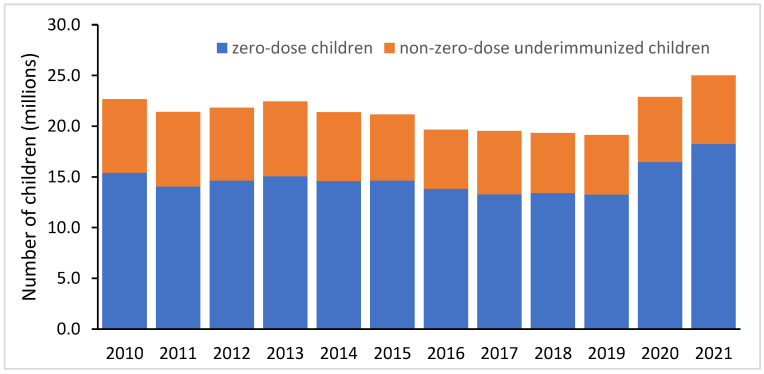
Immunization has one of the highest coverage levels of any health intervention, yet there remain zero-dose children, defined as those who do not receive any routine immunizations. There were 18.2 million zero-dose children in 2021, and as they accounted for over 70% of all underimmunized children, reaching zero-dose children will be essential to meeting ambitious immunization coverage targets by 2030. While certain geographic locations, such as urban slum, remote rural, and conflict-affected settings, may place a child at higher risk of being zero-dose, zero-dose children are found in many places, and understanding the social, political, and economic barriers they face will be key to designing sustainable programs to reach them. This includes gender-related barriers to immunization and, in some countries, barriers related to ethnicity and religion, as well as the unique challenges associated with reaching nomadic, displaced, or migrant populations. Zero-dose children and their families face multiple deprivations related to wealth, education, water and sanitation, nutrition, and access to other health services, and they account for one-third of all child deaths in low- and middle-income countries. Reaching zero-dose children and missed communities is therefore critical to achieving the Sustainable Development Goals commitment to “leave no one behind”.
Overview
The claims and statistics of this paper haven’t been checked yet.
Free: it reads the open-access text and checks the first 5 claims that cite a source we can check. Create a free account to check every claim.
Integrity signals
Registry
Cites
Statistics
Figures
Verification
Claims the paper makes
The claims and statistics of this paper haven’t been checked yet.
Free: it reads the open-access text and checks the first 5 claims that cite a source we can check. Create a free account to check every claim.
Self-check
Percentages, sums and reported differences re-computed from the paper’s own numbers.
The self-check needs the paper’s full text.
Citations
Cites
Barros, A. J., Ronsmans, C., Axelson, H., Loaiza, E., Bertoldi, A. D., França, G. V., Bryce, J., Boerma, J. T., & Victora, C. G. (2012) · The Lancet · doi:10.1016/s0140-6736(12)60113-5 · Cited by 549 · cited 1×
“Consistent with the literature on inequalities in access to various health services [14,15], children from poorer households are more likely to be zero-dose than children from wealthier households.”
BackgroundMosser, J. F., Gagne-Maynard, W., Rao, P. C., Osgood-Zimmerman, A., Fullman, N., Graetz, N., Burstein, R., Updike, R. L., Liu, P. Y., Ray, S. E., et al. (2019) · The Lancet · doi:10.1016/s0140-6736(19)30226-0 · Cited by 163 · cited 1×
“For example, geospatial modeling of subnational DTP1 coverage in Africa found that Angola, Chad, the Democratic Republic of the Congo, Ethiopia, Kenya, Mali, and Nigeria all had mean disparities in DTP1 coverage of 50% or more at the second administrative level [12].”
BackgroundSim, S. Y., Watts, E., Constenla, D., Brenzel, L., & Patenaude, B. N. (2020) · Health Affairs · doi:10.1377/hlthaff.2020.00103 · Cited by 143 · cited 1×
“Immunization also provides substantial health and economic benefits, with an estimated 50 million future deaths averted through immunization activities in 2000–2019 [2], and USD 26 in economic benefits through averted costs of illness for every USD 1 spent on immunization between 2011 and 2020 [3] in low- and middle-i…”
BackgroundSlum Residence and Child Health in Developing Countries
Fink, G., Günther, I., & Hill, K. (2014) · Demography · doi:10.1007/s13524-014-0302-0 · Cited by 141 · cited 1×
“services than those in rural areas but still face large inequalities compared to wealthier urban households [10,11].”
BackgroundCata-Preta, B. O., Santos, T. M., Mengistu, T., Hogan, D. R., Barros, A. J. D., & Victora, C. G. (2021) · Vaccine · doi:10.1016/j.vaccine.2021.02.072 · Cited by 129
Self-citationWigley, A. S., Lorin, J., Hogan, D. R., Utazi, C. E., Hagedorn, B., Dansereau, E. A., Tatem, A. J., & Tejedor‐Garavito, N. (2022) · PLOS Global Public Health · doi:10.1371/journal.pgph.0001126 · Cited by 105 · cited 2×
“of zero-dose children in 99 LMICs live in conflict-affected settings [9].”
BackgroundMethodSelf-citationHosseinpoor, A. R., Victora, C., Bergen, N., Barros, A., & Boerma, T. (2011) · Bulletin of the World Health Organization · doi:10.2471/blt.11.087536 · Cited by 102 · cited 1×
“Consistent with the literature on inequalities in access to various health services [14,15], children from poorer households are more likely to be zero-dose than children from wealthier households.”
BackgroundLives saved with vaccination for 10 pathogens across 112 countries in a pre-COVID-19 world
Toor, J., Echeverria-Londono, S., Li, X., Abbas, K., Carter, E. D., Clapham, H. E., Clark, A., de Villiers, M. J., Eilertson, K., Ferrari, M., et al. (2021) · eLife · doi:10.7554/elife.67635 · Cited by 97 · cited 2×
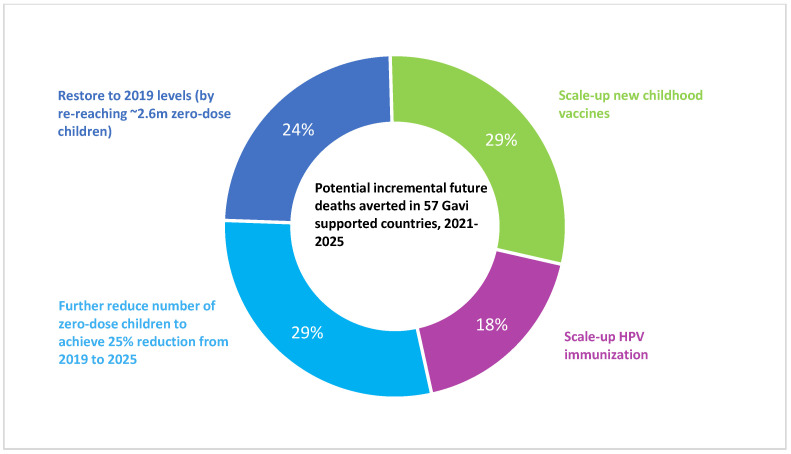
“In an analysis conducted by Gavi, the Vaccine Alliance based on data from the Vaccine Impact Modelling Consortium [2], immunizing zero-dose children would account for 53% of incremental impact in Gavisupported countries through routine immunization between 2021 and 2025, with the remainder of the impact coming from sc…”
BackgroundMethodSelf-citationThomson, D. R., Rhoda, D. A., Tatem, A. J., & Castro, M. C. (2020) · International Journal of Health Geographics · doi:10.1186/s12942-020-00230-4 · Cited by 85 · cited 1×
“To the extent that data from household surveys are used to quantify the distribution and characteristics of zero-dose children, in cases where survey sampling frames are outdated, the picture may be incomplete, and new methods relying on gridded population survey sampling warrant consideration [27].”
BackgroundChang, A. Y., Riumallo-Herl, C., Perales, N. A., Clark, S., Clark, A., Constenla, D., Garske, T., Jackson, M. L., Jean, K., Jit, M., et al. (2018) · Health Affairs · doi:10.1377/hlthaff.2017.0861 · Cited by 84 · cited 1×
“8 times as many future deaths per person vaccinated as compared to vaccination in the two wealthiest quintiles [32].”
Background
Research works printed but not linked: 1
- World Health Organization Ensuring the Integration of Refugees and Migrants in Immunization Policies, Planning and Service Delivery Globally World Health Organization Geneva, Switzerland 2022 35981261
Cited by
Haeuser, E., Byrne, S., Nguyen, J., Raggi, C., McLaughlin, S. A., Bisignano, C., Harris, A. A., Smith, A. E., Lindstedt, P. A., Smith, G., et al. (2025) · The Lancet · doi:10.1016/s0140-6736(25)01037-2 · Cited by 143
Mboussou, F., Kada, S., Danovaro-Holliday, M. C., Farham, B. L., Gacic-Dobo, M., Shearer, J., Bwaka, A. M., Amani, A., Ngom, R., Masembe, Y. V., et al. (2024) · Vaccines · doi:10.3390/vaccines12020168 · Cited by 48
“Hogan et al. [26] stated that reaching zero-dose children is key to achieving sustainable development goals (SDGs).”
BackgroundBiks, G. A., Shiferie, F., Tsegaye, D. A., Alemayehu, W. A., Mekuria, L. A., Wondie, T., Zelalem, M., Lakew, Y., Belete, K., & Gebremedhin, S. (2024) · BMC Public Health · doi:10.1186/s12889-024-18077-w · Cited by 45
“Other researches also indicates that the place of residence and distance from health institutions serve as predictors of child immunization rates [25–27].”
BackgroundWonodi, C. B., & Farrenkopf, B. A. (2023) · Vaccines · doi:10.3390/vaccines11101543 · Cited by 43
“…of the global immunization community because zero dose children constitute a gap in population immunity against vaccine-preventable diseases, and are emblematic of the unequal access to essential health services faced by families across the world, especially in low-and middle-income countries [1].”
BackgroundHartner, A.-M., Li, X., Echeverría-Londoño, S., Roth, J., Abbas, K., Auzenbergs, M., de Villiers, M. J., Ferrari, M. J., Fraser, K., Fu, H., et al. (2024) · The Lancet Global Health · doi:10.1016/s2214-109x(23)00603-4 · Cited by 36
Biks, G. A., Shiferie, F., Tsegaye, D. A., Alemayehu, W. A., Mekuria, L. A., Wondie, T., Seboka, G., Hayes, A., Ralph-Opara, U., Zelalem, M., et al. (2024) · Vaccine X · doi:10.1016/j.jvacx.2024.100454 · Cited by 40
“Furthermore, it has become evident that factors such as education, occupation, household income, gender, living conditions, habitation and awareness continue to exert substantial influence even when cost-free immunization programs and other health services are available [9,10].”
BackgroundBile, A. S., Ali-Salad, M. A., Mahmoud, A. J., Singh, N., Abdelmagid, N., Sabahelzain, M. M., Checchi, F., Mounier‐Jack, S., & Nor, B. (2024) · Vaccines · doi:10.3390/vaccines12020154 · Cited by 35
“It has reinforced the argument that understanding the political, social and economic barriers of these subgroups will help avoid the mistakes of adopting a hegemonic view of one-size-fits-all policies and approaches for discrete contexts, locations, communities, and States [22].”
BackgroundMethodInterventions to Vaccinate Zero-Dose Children: A Narrative Review and Synthesis
Ingle, E., Shrestha, P., Seth, A., Lalika, M., Azie, J. I., & Patel, R. C. (2023) · Viruses · doi:10.3390/v15102092 · Cited by 23
“This emphasis likely signals an overreliance on “one size fits all” interventions supported globally to reach zero-dose children [19,60].”
BackgroundBeaulieu-Carbonneau, A., Ducharme, J., Thibeault, C., Akani, B. C., Ziegler, D., Hogan, D. R., Correa, G. C., Reynolds, H. W., & Johri, M. (2025) · BMJ Global Health · doi:10.1136/bmjgh-2024-018293 · Cited by 28
“31”
Self-citationSimon, D. J., Tokpovi, V. C. K., Dianou, K., Okonji, O. C., Kiragu, A., Olorunsaiye, C. Z., Wayisovia, E. J., Ouedraogo, A., Ngangue, P., Foba, H. T., et al. (2025) · BMJ Global Health · doi:10.1136/bmjgh-2024-018333 · Cited by 25
Evans, B., Keiser, O., Kaiser, L., & Jombart, T. (2023) · Vaccine X · doi:10.1016/j.jvacx.2023.100383 · Cited by 31
“Reaching Zero Dose (ZD) children – those that receive no vaccinations – is seen as essential to achieving the Sustainable Development Goals commitment to “ leave no one behind ” [20].”
Costa, F. D. S., Silva, L. Á. N., Cata-Preta, B. O., Santos, T. M., Ferreira, L. Z., Mengistu, T., Hogan, D. R., Barros, A. J. D., & Victora, C. G. (2024) · EClinicalMedicine · doi:10.1016/j.eclinm.2024.102547 · Cited by 27
Self-citationHalane, S. A., Ahmed, A. M., Ahmed, M. M., Hersi, M. D., & Sani, J. (2025) · Journal of Epidemiology and Global Health · doi:10.1007/s44197-025-00395-w · Cited by 25
“Children classified as zero-dose are among the most vulner - able, as they are often from marginalized communities with limited healthcare access, increasing their risk of preventable diseases [23, 24].”
Mohamoud, S. A., Ali-Salad, M. A., Bile, A. S., Singh, N., Mahmud, A. J., & Nor, B. (2024) · PLOS Global Public Health · doi:10.1371/journal.pgph.0002612 · Cited by 21
Aheto, J. M. K., Olowe, I., Chan, H. M. T., Ekeh, A., Dieng, B., Fafunmi, B., Setayesh, H., Atuhaire, B., Crawford, J., Tatem, A. J., et al. (2023) · Vaccines · doi:10.3390/vaccines11121830 · Cited by 21
“These disruptions continued in 2021, resulting in 24 million being under-vaccinated and about 18 million being zero dose, with about 62% [5,6] of the estimated zero-dose children found to be living in 10 LMICs, including Nigeria.”
BackgroundHussein, S. A., Osman, M. M., Hassan, M. M., Hassan, Y. S. A., Hussein, A. A., Mohamed, A. H., Adem, R., Fuje, M. M., Mohamud, K. H., Ali, A. N., et al. (2025) · Tropical Medicine and Health · doi:10.1186/s41182-025-00833-2 · Cited by 18
Mbunga, B. K., Liu, P. Y., Bangelesa, F., Mafuta, E. M., Dalau, N. M., Egbende, L., Hoff, N. A., Kasonga, J. B., Lulebo, A., Manirakiza, D., et al. (2024) · Vaccines · doi:10.3390/vaccines12060617 · Cited by 17
“Despite significant progress in global coverage over the past two decades, substantial inequities persist [1–3].”
BackgroundThe Governance of Childhood Vaccination Services in Crisis Settings: A Scoping Review
Abdelmagid, N., Southgate, R. J., Alhaffar, M., Ahmed, M., Bani, H., Mounier‐Jack, S., Dahab, M., Checchi, F., Sabahelzain, M. M., Nor, B., et al. (2023) · Vaccines · doi:10.3390/vaccines11121853 · Cited by 21
“This has repercussions for these communities due to heightened risks of outbreaks, avoidable child deaths, poor child development outcomes, and medical impoverishment and poverty [6–8].”
BackgroundGetnet, M., Jejaw, M., Belachew, T. B., Addis, B., Dellie, E., Tafere, T. Z., Worku, N., Geberu, D. M., Yazachew, L., Teshale, G., et al. (2025) · Frontiers in Public Health · doi:10.3389/fpubh.2025.1463303 · Cited by 15
Casetti, M. M., Gutiérrez, M. T. B., Araya-Muñoz, Á., & Zúñiga-Valdebenito, V. (2025) · Discover Sustainability · doi:10.1007/s43621-025-01197-7 · Cited by 12
Inequality in Immunization: Holding on to Equity as We ‘Catch Up’
Nambiar, D., Hosseinpoor, A. R., Bergen, N., Danovaro-Holliday, M. C., Wallace, A. S., & Johnson, H. L. (2023) · Vaccines · doi:10.3390/vaccines11050913 · Cited by 13
Sayem, A. S. M., Musuka, G., Atuhebwe, P. L., Dadari, I., & Siddique, A. R. (2025) · Vaccine · doi:10.1016/j.vaccine.2025.127328 · Cited by 13
Sharma, G., Morgan, C., Wanyoike, S. W., Kenyon, S., Sheel, M., Jain, M., Boggs, M., & Olayinka, F. (2024) · BMJ Global Health · doi:10.1136/bmjgh-2023-014728 · Cited by 13
Johri, M., Ng, E. S. W., Sharkey, A., Bosson-Rieutort, D., Koné, G. K., & Subramanian, S. V. (2023) · BMJ Public Health · doi:10.1136/bmjph-2023-000022 · Cited by 10
Debnath, A., Yadav, A. K., & Lahariya, C. (2025) · The Indian Journal of Pediatrics · doi:10.1007/s12098-025-05531-9 · Cited by 9
“While Mis - sion Indradhanush has reduced the number of zero-dose children by 34% between 2014 and 2023, sustained efforts are needed to achieve universal immunization coverage and prevent future outbreaks [ 37].”
Taseen, S., Yousafzai, M. T., & Qureshi, M. F. H. (2025) · Digital Health · doi:10.1177/20552076251382086 · Cited by 16
Das, H., Jannat, Z., Fatema, K., Momo, J.-E.-T., Ali, M. W., Alam, N., Chowdhury, M. E., Morgan, C., Oliveras, E., Correa, G. C., et al. (2024) · Vaccine · doi:10.1016/j.vaccine.2024.04.018 · Cited by 10
Fahmy, K., Hasan, Q., Sharifuzzaman, M., & Hutin, Y. J. (2024) · Vaccines · doi:10.3390/vaccines12030285 · Cited by 9
Acacio-Claro, P. J., Lota, M. M. M., Roxas, E. A., Vidmar, S., Abeleda, A., Dalisay, S. N. M., Landicho, M. B., Fujimori, Y., Rosuello, J. Z., Dato, M. C., et al. (2025) · BMJ Global Health · doi:10.1136/bmjgh-2025-021106 · Cited by 7
Has COVID-19 Affected DTP3 Vaccination in the Americas?
Aguinaga-Ontoso, I., Guillén-Aguinaga, S., Guillén-Aguinaga, L., Alas-Brun, R., Aguinaga-Ontoso, E., Rayón-Valpuesta, E., & Guillén‐Grima, F. (2024) · Vaccines · doi:10.3390/vaccines12030238 · Cited by 7
“All over the world, there were 18.2 million zero-dose children in 2021 [30] that were more vulnerable to VPDs. [12 ] A precise understanding of the disruption’s impact is vital for tailoring public health policies and building resilience for future crises [31].”
BackgroundInfluentialRachlin, A., Adegoke, O. J., Bohara, R., Rwagasore, E., Sibomana, H., Kabeja, A., Itanga, I., Rwunganira, S., Mario, B. M., Nahimana, M.-R., et al. (2024) · Vaccines · doi:10.3390/vaccines12060646 · Cited by 8
“Providing these children with immunization services can connect them to other health services and the associated economic and social benefits [9].”
BackgroundMethodEndehabtu, B. F., Alemu, K., Mengiste, S. A., Zelalem, M., Gullslett, M. K., & Tilahun, B. (2025) · PLoS ONE · doi:10.1371/journal.pone.0332162 · Cited by 8
Gender Barriers to Immunization: A Synthesis of UNICEF’s Analyses to Advance Equity and Coverage
Mansilla, C., Kamlongera, A. P., & Dadari, I. (2025) · Vaccines · doi:10.3390/vaccines13101059 · Cited by 11
“…gaps—some of which emanate from the pre-pandemic period—in reducing the number of zero-dose children and achieving greater childhood vaccination levels, which is especially relevant for achieving the Global Immunization Agenda 2030 (IA2030) and the Sustainable Development Goals (SDGs) [4,5].”
Decomposition of socioeconomic inequalities in zero-dose children aged 12–23 months in India
Dolui, M., Sarkar, S., Chambhare, A., Jena, S. K., & Kazmi, N. H. (2025) · Scientific Reports · doi:10.1038/s41598-025-27394-y · Cited by 8
Tamir, T. T., Agimas, M. C., & Angaw, D. A. (2026) · PLoS ONE · doi:10.1371/journal.pone.0344293 · Cited by 6
“Zero-dose children lack access to basic healthcare and face interconnected challenges, and they are often isolated in urban slums or conflict-affected rural areas, account for one-third of all child deaths in low-and middle-income countries [11].”
Meeting summary: Global vaccine and immunization research forum, 2023
Giersing, B. K., Mo, A. X. Y., Hwang, A., Baqar, S., Earle, K. A., Ford, A., Deal, C. D., Dull, P. M., Friede, M., & Hall, B. (2025) · Vaccine · doi:10.1016/j.vaccine.2024.126686 · Cited by 9
Nzilibili, S. M. M., Maziku, H. H., Araya, A., Kateule, R., Malamla, M. A., Salum, S., Kyesi, F., Gadau, L., Haonga, T., Tinuga, F., et al. (2025) · Vaccines · doi:10.3390/vaccines13010038 · Cited by 8
Dhalaria, P., Kumar, P., Kapur, S., Singh, A. K., Verma, A. K., Agarwal, D., Tripathi, B., & Taneja, G. (2025) · BMJ Public Health · doi:10.1136/bmjph-2024-001290 · Cited by 6
Saidu, Y., Budzi, M. N., Nchinjoh, S. C., Amani, A., Nnang, N. E., Muteh, N. J., Vouking, M. Z., Mbanga, C. M., Agbor, V. N., Diaby, O., et al. (2024) · Public Health · doi:10.1016/j.puhe.2024.10.001 · Cited by 5
Evans, B., Kaiser, L., Keiser, O., & Jombart, T. (2025) · Vaccines · doi:10.3390/vaccines13040388 · Cited by 6
“…for diphtheria–tetanus–pertussis (DTP) first-dose (DTP1), to understand trends in reaching zero dose children—those who receive no vaccinations [17] and are considered essential for reaching Sustainable Development Goals, and third-dose (DTP3), to understand broad immunisation system…”
Hamida, A. B., Alam, F., Stewart, B., Ahmad, S., Sherani, E. N., Khan, H., Akerele, A., Mohamed, A., Mbaeyi, C., Franka, R., et al. (2025) · Frontiers in Public Health · doi:10.3389/fpubh.2025.1591325 · Cited by 4
“Populations unvaccinated with poliovirus vaccines can sustain ongoing WPV1 transmission (5).”
Mwale, M., Phiri, G., Mwansa, F. D., Chipimo, P. J., Penelope, K.-M., Matanda, K., Kayeye, P., Mwangilwa, K., Nakazwe, C., Namukoko, H., et al. (2025) · PLOS Global Public Health · doi:10.1371/journal.pgph.0005265 · Cited by 4
“This group remains a major driver of measles transmission through clustering in under-immunised communities [2,3].”
Portnoy, A., Clarke‐Deelder, E., Holroyd, T. A., Hogan, D. R., & Mengistu, T. (2026) · Health Policy and Planning · doi:10.1093/heapol/czag085 · Cited by 3
“The presence of zero-dose children is often concentrated in marginalized populations facing systemic barriers such as poverty, conflict, displacement, and weak health infrastructure (Wendt et al. 2022, Hogan and Gupta 2023).”
Self-citationDelport, D., Muellenmeister, A. M., Greig, J. E., Abeysuriya, R., & Scott, N. (2026) · BMC Global and Public Health · doi:10.1186/s44263-025-00239-6 · Cited by 4
“…sociological difficulties of reaching these subpopulations to try and achieve high levels of vaccine coverage in a geographic region are well known [88], and while the assumption of achieving 100% coverage in the measles analysis may be overly optimistic, hopefully the results presented here can…”
Reynolds, H. W., Correa, G. C., Vollmer, N., Broekhuysen, E., Saville, E. A., Hogan, D., & Johnson, H. L. (2026) · Health Policy and Planning · doi:10.1093/heapol/czag028 · Cited by 3
“…gains in vaccine coverage and the introduction of new vaccines over the past 50 years since the launch of the Expanded Programme on Immunization (EPI), progress has stalled, and those most in need — particularly zero-dose (ZD) children — continue to be systematically missed (Hogan and Gupta 2023).”
InfluentialSelf-citationTamirat, F., & Kebede, M. A. (2026) · SAGE Open Medicine · doi:10.1177/20503121261435048 · Cited by 3
“17 In Ethiopia, despite significant improvements in immunization coverage over the years, the immunization program has recently been negatively affected by the COVID-19 pandemic, political instability, recent conflicts, political reforms, climate change, and other emergencies, all of which have…”
Does unintended birth lead to zero dose of DPT vaccine among children aged 12–23 months in India?
Dhalaria, P., Kumar, P., Verma, A. K., Priyadarshini, P., Singh, A. K., Tripathi, B. N., & Ray, A. (2024) · Human Vaccines & Immunotherapeutics · doi:10.1080/21645515.2024.2417526 · Cited by 3
Siddiqi, D. A., Memon, M., Iftikhar, S., Siddique, M., Dharma, V. K., Ahmad, A. M., Safdar, N., Shah, M. T., Setayesh, H., Sodhar, I. A., et al. (2025) · PLoS ONE · doi:10.1371/journal.pone.0330281 · Cited by 2
“Unvaccinated children face increased risks of malnutrition, stunted growth, and cognitive impairments, affecting their education and long-term productivity [10].”
Allorant, A., Bergen, N., Danovaro-Holliday, M. C., Lorin, J., Correa, G. C., Boyda, D., Belanger, J. L., Krishnan, R. S. S. G., Panciera, R., & Hosseinpoor, A. R. (2026) · Vaccines · doi:10.3390/vaccines14070572 · Cited by 2
“…it provides an actionable framework for identifying and reaching populations affected by multiple intersecting vulnerabilities (including limited access to antenatal care, lower maternal education, and socioeconomic marginalisation) that tend to cluster in underserved areas [16].”
Patel, C., Sargent, G. M., Tinessia, A., Mayfield, H. J., Chateau, D. G., Ali, A., Tuibeqa, I. V., & Sheel, M. (2024) · PLOS Global Public Health · doi:10.1371/journal.pgph.0003068 · Cited by 3
Patel, C., Bilgin, G. M., Hayen, A. D., Kirk, M., Ali, A., Dey, A., Sargent, G. M., & Sheel, M. (2025) · PLoS ONE · doi:10.1371/journal.pone.0317327 · Cited by 2
A Framework to Identify the Children Who Missed Basic Vaccines in Developing Countries
Siddiqua, A., Kabir, M. A., & Chowdhury, M. E. H. (2024) · Springer eBooks · doi:10.1007/978-3-031-59967-5_6 · Cited by 2
Chege, C. K., Karanja, S. W., Ogallo, W., Were, F., van Hensbroek, M. B., & Agweyu, A. (2025) · Vaccine · doi:10.1016/j.vaccine.2025.127021 · Cited by 2
Patrick, E., Iuliano, A., Bakare, D., Salako, J., Shittu, F., Bakare, A. A., Uchendu, O. C., Graham, H., McCollum, E. D., Burgess, R. A., et al. (2025) · Vaccine · doi:10.1016/j.vaccine.2025.127211 · Cited by 1
Phillips, D. E., Thomas, J.-T., & Ikilezi, G. (2025) · Vaccines · doi:10.3390/vaccines13111136 · Cited by 2
“It also highlights that the share of children classified as zero dose is generally lower than reported elsewhere when other antigens are considered [14,22,23,26–28].”
Duguma, D., Belete, H., Teshome, Y., Mohammed, T., Asfaw, A., Bezabih, K., & Shiferaw, Z. (2025) · BMC Public Health · doi:10.1186/s12889-025-26032-6 · Cited by 1
“…not vaccinated for the first dose DPT containing vaccine) and their families face multiple deprivations related to wealth, education, water and sanitation, nutrition, and access to other health services, and they account for one-third of all child deaths in low-and middle-income countries [9].”
InfluentialNjogu, A. M., Musau, M. M., Srivastava, S., Menegale, F., Clarke, E., Mudereri, C., Kitema, F. R., Opanga, Y., Mmbando, A. S., Gashaija, A., et al. (2026) · Vaccine · doi:10.1016/j.vaccine.2026.128904 · Cited by 1
“In marginalized settings where even partial immunisation is rare, the broader no-vaccine definition may better capture the most marginalised children [140].”
Musuka, G., Iradukunda, P. G., Mhango, M., Mano, O., Madziva, R., Herrera, H., Mataruse, N., & Dzinamarira, T. (2026) · Vaccines · doi:10.3390/vaccines14080652 · Cited by 2
“The emergence and persistence of missed and zero-dose children represent major obstacles to achieving and sustaining polio eradication [2].”
Role and Development of Pharmaceutical Sciences and Sustainable Development Goals
Panwar, V., & Kumar, D. (2024) · Springer eBooks · doi:10.1007/978-981-97-0710-2_9 · Cited by 1
Oktaviana, E., Kiswati, K., & Karnasih, I. G. A. (2025) · HEALTHY Jurnal Inovasi Riset Ilmu Kesehatan · doi:10.51878/healthy.v4i3.7053 · Cited by 1
Papelian, S. (2025) · Research Square · doi:10.21203/rs.3.rs-7340665/v1 · Cited by 2
Farrenkopf, B. A., Patenaude, B., Moss, W. J., Ahmed, S., & Wonodi, C. B. (2025) · SSRN Electronic Journal · doi:10.2139/ssrn.5114594 · Cited by 1
Shiferie, F., Biks, G. A., Negash, K., Tsegaye, D. A., Seboka, G., Birhanu, G., Ewnetie, S., Abate, T., Ralph-Opara, U., Alemayehu, W. A., et al. (2025) · doi:10.12688/verixiv.1264.1
Shiferie, F., Biks, G. A., Negash, K., Tsegaye, D. A., Seboka, G., Birhanu, G., Ewnetie, S., Abate, T., Ralph-Opara, U., Alemayehu, W. A., et al. (2025) · doi:10.12688/verixiv.1264.2
Demare, G., Ramarosaiky, E., Rampanjato, Z., Müller, N., Kampmann, B., & Fischer, H.-T. (2025) · Vaccines · doi:10.3390/vaccines13080834 · Cited by 2
Who Are the Zero-Dose? Identifying Distinct Household Archetypes in High-Burden Indian RegionsPreprint
Gupta, A., Shukla, M. K., Ratan, R., Chaurasiya, M., Monga, D., Sharma, V., Kannure, M., Aggarwal, D., Tripathi, B. N., Hassan, S. B., et al. (2025) · doi:10.12688/verixiv.2072.1
Self-citationUtazi, C. E., Megheib, M., Olowe, I., Chaudhuri, S., Tejedor‐Garavito, N., Mwinnyaa, G., Kawakatsu, Y., Boyda, D., Lorin, J., & Tatem, A. J. (2026) · medRxiv · doi:10.64898/2026.01.19.26344414 · Cited by 1
Dotse‐Gborgbortsi, W., Yankey, O., Utazi, C. E., Tejedor‐Garavito, N., Banke-Thomas, A. O., Chaudhuri, S., Bonnie, A., Chamberlain, H. R., Wariri, O., Dwomoh, D., et al. (2026) · doi:10.12688/verixiv.3028.1
Coulibaly, C. A., Diarra, B., Touré, M., SANGHO, O., Diarra, A. S., Sogodogo, A., & Sangho, H. (2026) · International journal of research and scientific innovation · doi:10.51244/ijrsi.2026.130200204
Quilty, B. J., & Dadari, I. (2026) · International Journal of Infectious Diseases · doi:10.1016/j.ijid.2026.108676
Kidie, D. M., Gessesse, A. D., Derse, T. K., Lidetu, T., Asgai, A. S., & Kelkay, J. M. (2026) · medRxiv · doi:10.64898/2026.04.18.26351159
LITERATURE REVIEW ON FACTORS INFLUENCING THE IMPLEMENTATION OF IMMUNIZATION IN YOBE STATE
DAHIRU, A., Iyawa, J., Anibor, M., Nwose, E. U., & OTUTU, M. O. (2026) · Journal of African Advancement and Sustainability Studies · doi:10.70382/sjaass.v12i2.072
Isah, A., Ugochukwu, E. J., Mbachu, C. O., Agu, I. C., Ekwueme, C. N., Uzochukwu, B. S. C., & Onwujekwe, O. E. (2026) · Vaccine · doi:10.1016/j.vaccine.2026.128678 · Cited by 1
Badarou, S., Dali, A. S., Gounon, K. H., Shamalla, L., Boko, A. K., Sire, X. R., & Dia, E. C. (2026) · Vaccines · doi:10.3390/vaccines14050447
“Sub-Saharan Africa bears the heaviest burden of vaccine-preventable child mortality and accounts for the majority of “zero-dose” children worldwide [7].”
Zewdie, A., Boltena, M. T., Ayenew, M., Endebu, T., Dereje, M., Abdissa, A., Solomon, M., Valentine, P., Ahmed, T., Clarke, A., et al. (2026) · PLOS Global Public Health · doi:10.1371/journal.pgph.0006554
“This substantial number of unvaccinated children increases the risk of disease outbreaks, preventable child deaths, and poor developmental outcomes [8–10].”
Wongnaah, F. G., Osborne, A., Adeleye, K. K., & Ahinkorah, B. O. (2026) · PLoS ONE · doi:10.1371/journal.pone.0349584
Marmo, D., Khan, E. M., Funwie, A. D., & Eugene, F. (2026) · International Journal of Innovative Science and Research Technology (IJISRT) · doi:10.38124/ijisrt/26may1954
Sanogo, M., Tendo‐Bugondo, C., Abedi, M., Kasongo, D. K., Rusangiza, R. K., Brenzel, L., & Debellut, F. (2026) · Vaccine · doi:10.1016/j.vaccine.2026.128874
Exploring means to overcome programmatic barriers in maximizing zero dose vaccination in India
Chakraborty, S., & Lenka, A. K. (2026) · Discover Public Health · doi:10.1186/s12982-026-02500-1
“Lack of access of information and misunderstanding about vaccine benefits exacerbates these behavioral barriers, which leads to lower immunization coverage among vulnerable populations [15].”
Joe, W., Kumar, S., & Pahuja, I. (2026) · Springer eBooks · doi:10.1007/978-981-95-7868-9_5
Elmi, A. M., Ibrahim, M., Farah, A., Ahmed, A. T., Ali, A. M., & Abdilahi, A. M. (2026) · BMJ Public Health · doi:10.1136/bmjph-2025-003980
Mbunwe, B. K., Nkengfua, S., Mbunwe, D. M., & Tendongfor, N. (2026) · Discover Public Health · doi:10.1186/s12982-026-02580-z
McKeirnan, K. C., Truter, I., & Fogarty, T.-L. (2026) · Vaccines · doi:10.3390/vaccines14080661
“Public health barriers that lead to the existence of zero-dose children are numerous, and their presence is often an indicator of health inequities [7].”
Sanogo, M., Tendo‐Bugondo, C., Abedi, M., Kasongo, D. K., Rusangiza, R. K., Brenzel, L., & Debellut, F. (2026) · SSRN Electronic Journal · doi:10.2139/ssrn.6659348
Bobo, F. T., Negasa, A. G., Bobo, H. T., Yitbarek, K., Dinsa, G. D., & Woldie, M. K. (2026) · International Journal for Equity in Health · doi:10.1186/s12939-026-02955-3 · Cited by 1
“The ZD burden remains highly concentrated — 87% of the world’s ZD children live in LMICs, with just six high-burden countries accounting for the majority of the global total [11].”
Touré, A., Mbodji, M., Nabinala, D.-M., Shuli, J. B., Lemotomo, S. A., Passi, P. B., Ngardouel, S. D., Foro, G. P., Kouacou, E., Mukendi, J., et al. (2026) · Research Square · doi:10.21203/rs.3.rs-10552295/v1
Huang, C., Chi, R., Gong, Y., Yan, C., Broucker, G. D., Fang, H., Yin, X., Zhang, H., & Patenaude, B. (2026) · medRxiv · doi:10.64898/2026.09.03.26362103
Mbangiwa, T., Ayouni, I., Noll, S. D., Brey, D., Reynolds, H. W., Amponsah‐Dacosta, E., & Kagina, B. M. N. (2026) · Vaccines · doi:10.3390/vaccines14100848
RELATO DE EXPERIÊNCIA: DESENVOLVIMENTO DE UMA PLATAFORMA DE GESTÃO E CONTROLE DE VACINAÇÃO INFANTIL
Martins, L. B., Martins, G. D. L., Pessoa, H. J., Calçada, J. C. M., & Calçada, D. B. (2026) · International Journal of Health Management Review · doi:10.47172/ijhmreview.v12i3.536
Turvey, J., Sanderson, B., Anga, J., Anga, R., Mete, S., Taylor, C., Vaccher, S. J., Dalton, M., & King, C. L. (2026) · Vaccines · doi:10.3390/vaccines14100911
“Despite sustained global efforts to expand routine childhood immunisation coverage, incomplete vaccination remains a major public health challenge [1].”
InfluentialYasmeen, T., Sinha, S., Singh, T., Sinha, A., Kumar, S., & Moidu, M. (2026) · Journal of Family Medicine and Primary Care · doi:10.4103/jfmpc.jfmpc_749_26
Metadata
- Authors
- Hogan, D., & Gupta, A.
- Affiliations
- Gavi, The Vaccine Alliance, 1218 Le Grand-Saconnex, Switzerland
- Sabin Vaccine Institute (US)
- Venue
- Vaccines
- Publisher
- MDPI AG
- Published
- 2023-03-31
- Volume
- 11
- Issue
- 4
- Pages
- 781
- ISSN
- 2076-393X (ISSN-L)
- PMC
- PMC10142906
- OpenAlex
- W4362583995
- Cited by
- 86
- References
- 22
- Citations by year
- 2026: 29 · 2025: 32 · 2024: 18 · 2023: 7
- FWCI
- 22.99
- Type
- journal article
- Language
- en
- Open access
- gold
- doi.org
- Licence
- Locations
- Vaccines (publishedVersion, cc-by)
- PubMed Central (publishedVersion, cc-by)
- PubMed (publishedVersion)
- DOAJ (DOAJ: Directory of Open Access Journals) (submittedVersion, cc-by-sa)
- Topics
- Social Sciences › Health › Vaccine Coverage and Hesitancy
- Health Sciences › Medicine › Pediatrics, Perinatology and Child Health › Global Maternal and Child Health
- Health Sciences › Nursing › Nutrition and Dietetics › Child Nutrition and Water Access
- Keywords
- zero-dose children, routine childhood immunization, vaccination coverage, Sustainable Development Goals, leaving no one behind, barriers to vaccination, gender barriers, nomadic populations, conflict-affected settings, remote rural areas, child mortality, low- and middle-income countries
About these checks
Registry, retraction, Cites and statistics results are computed, not judged, with one exception: a printed reference that no index lists is read once by a model before it counts as a citation error. Claims are extracted by a model and kept only when their quote appears verbatim in the text; each cited source is then checked, with a model’s help, for whether it says what the claim relies on. Those verdicts can be wrong — read the claim’s quote and the cited source before relying on one.
Statistics and arithmetic are recomputed, not judged.
Confidence bands are shown only for fields calibrated on our annotated test set. None is calibrated yet, so no band is shown.
What counts as a claim ›How we measure confidence ›How we check this ›
Are you an author, or do you see a problem with this page? Request a review
Data sources
Bibliographic data: Semantic Scholar, OpenAlex, Crossref.
Contains information from the Semantic Scholar Academic Graph Datasets, made available under the ODC Attribution License (ODC-BY 1.0).
Semantic Scholar’s data is described in: Kinney, R., et al. (2023). The Semantic Scholar Open Data Platform. arXiv:2301.10140.
