

The DOI matches its Crossref record; 186 of the 186 references it cites were found in a registry or an index.
Expandable and reversible copy number amplification drives rapid adaptation to antifungal drugs
Open accessAbstract
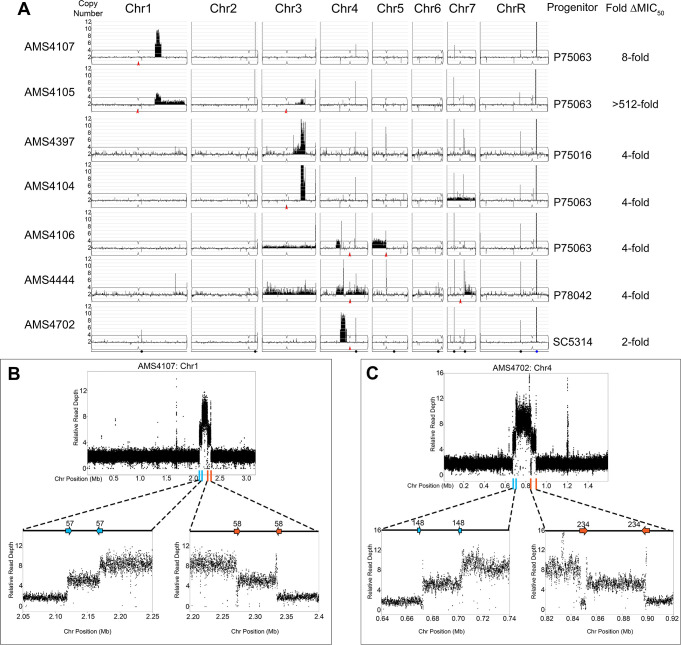
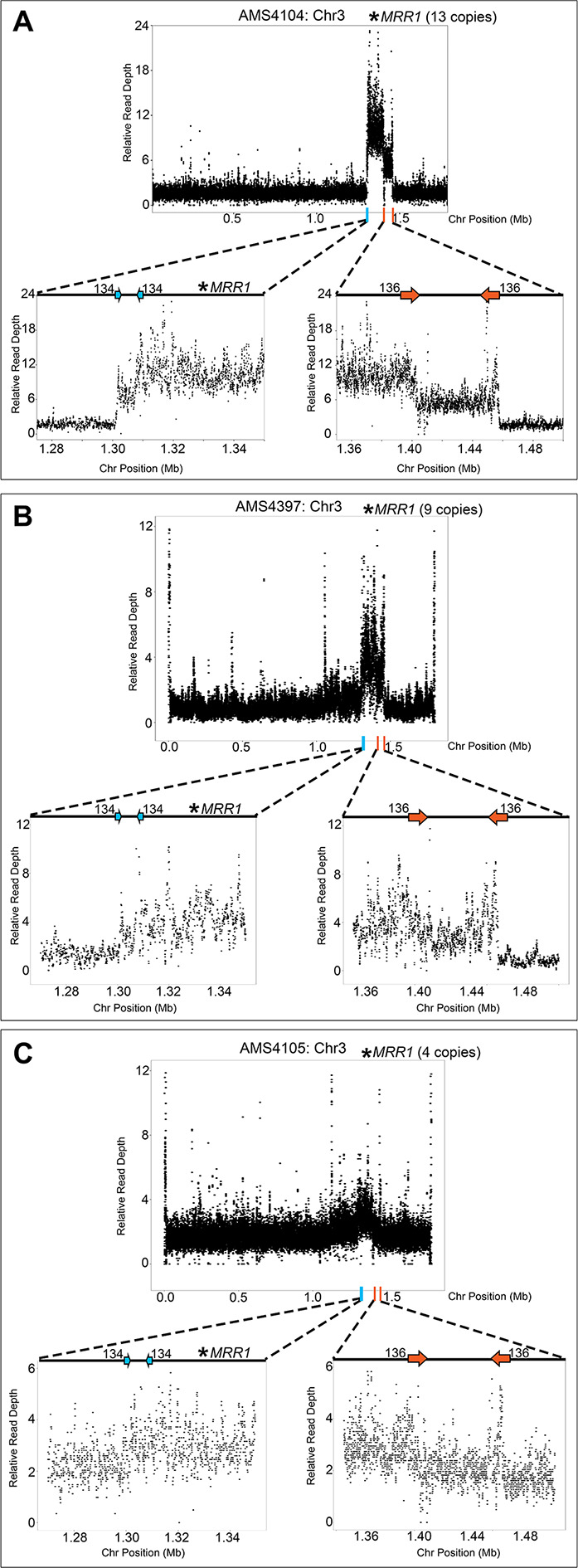
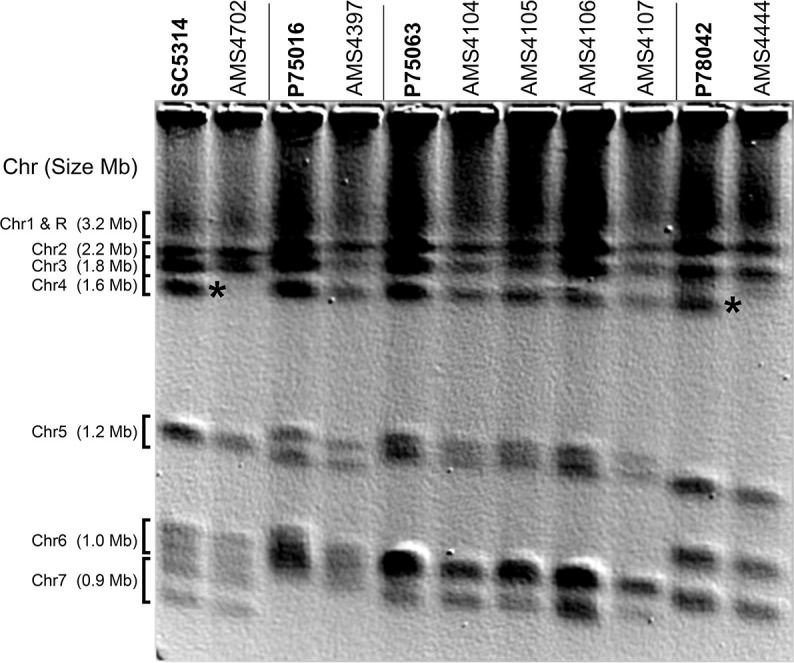
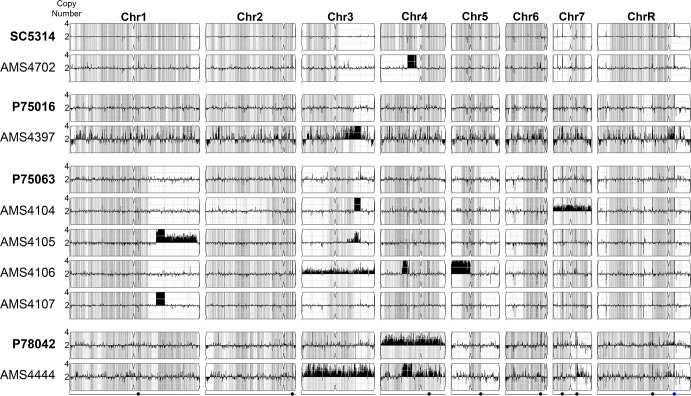
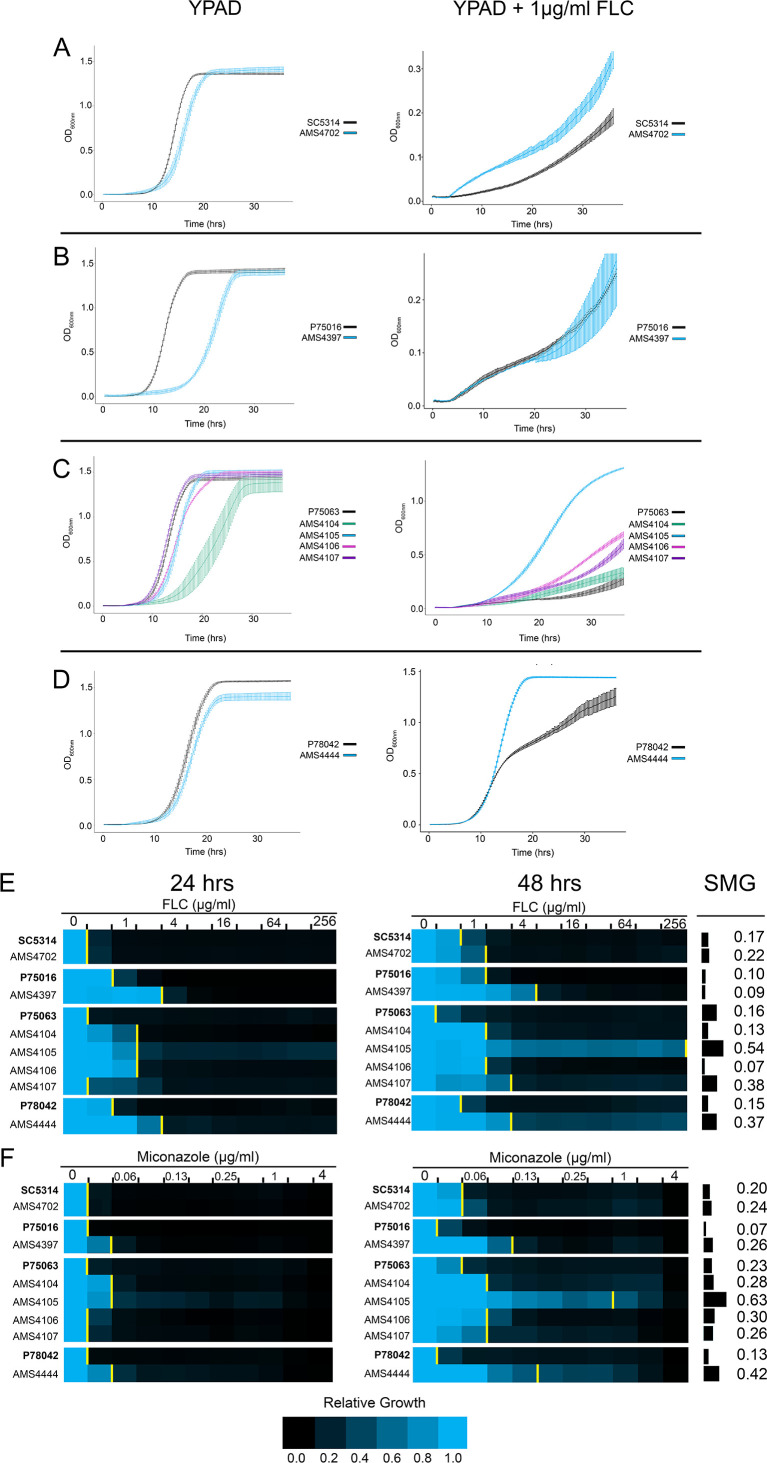
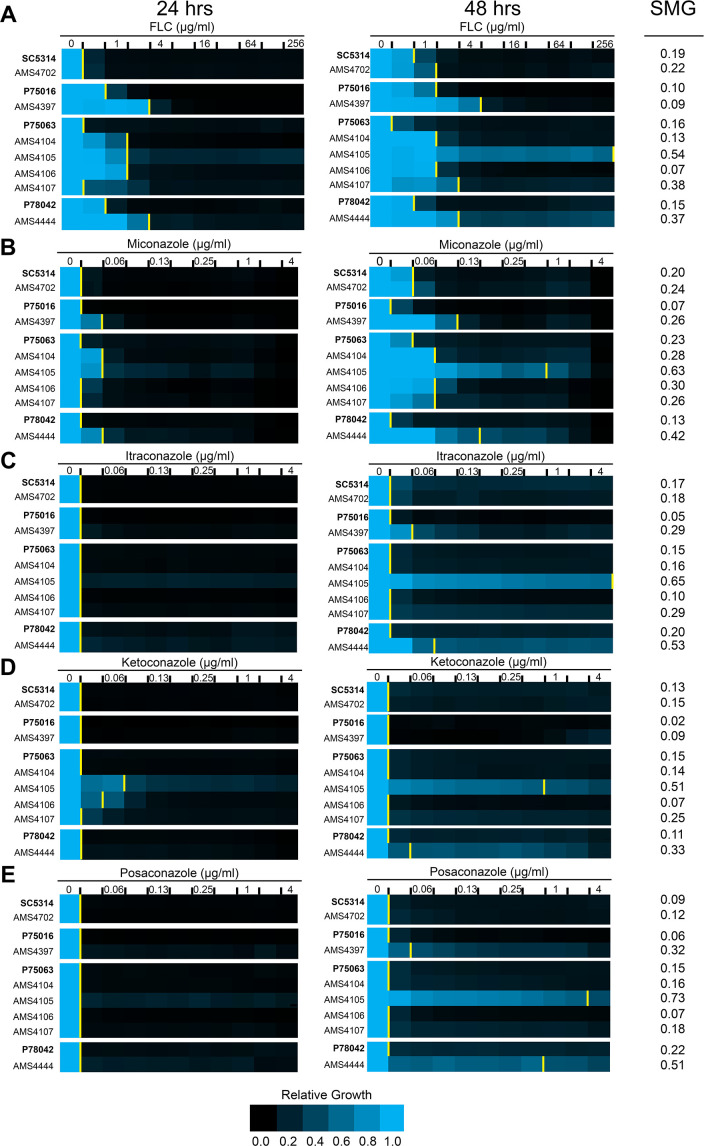
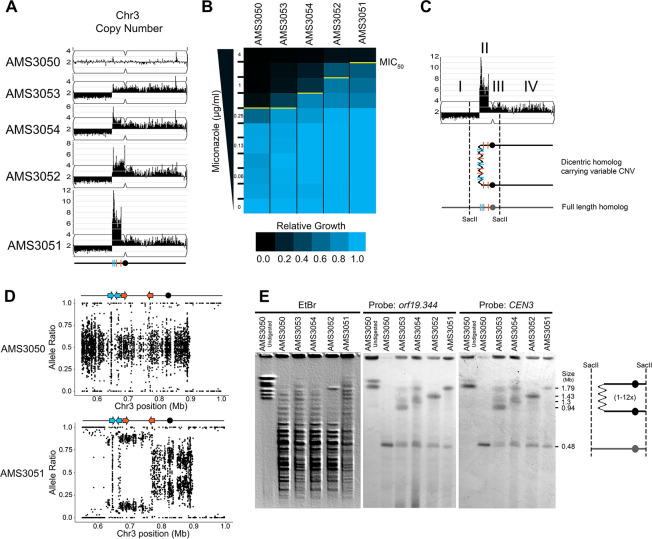
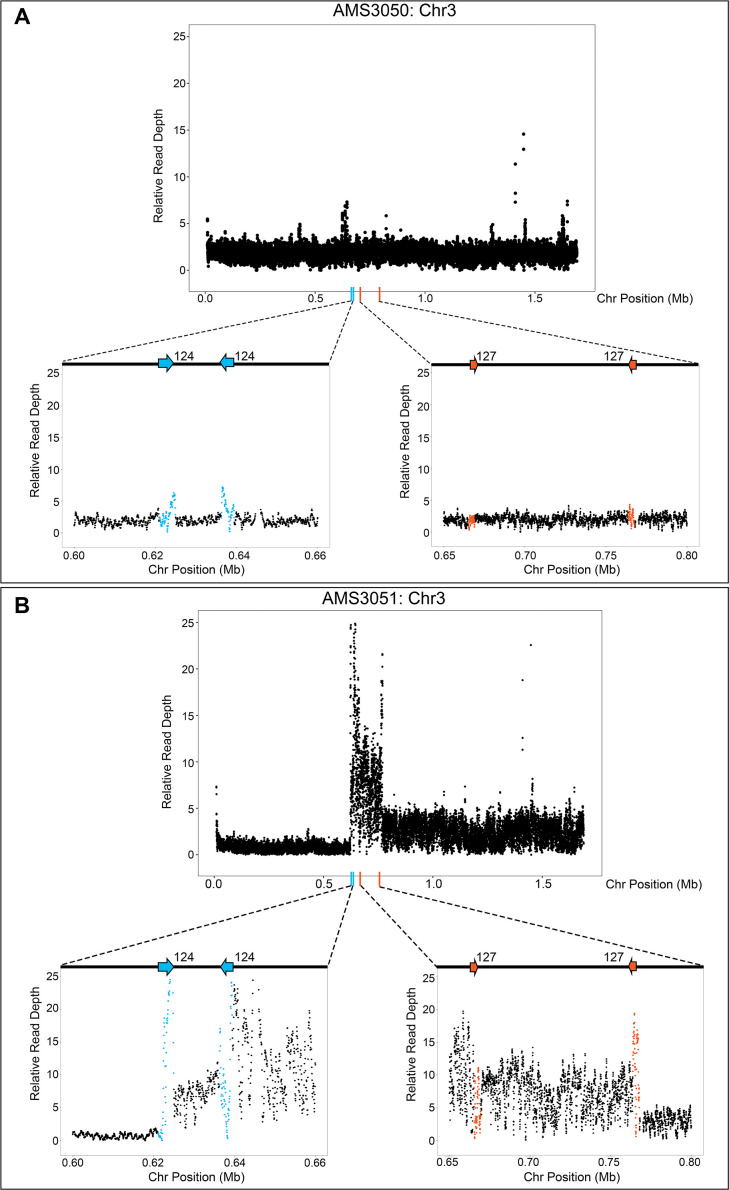
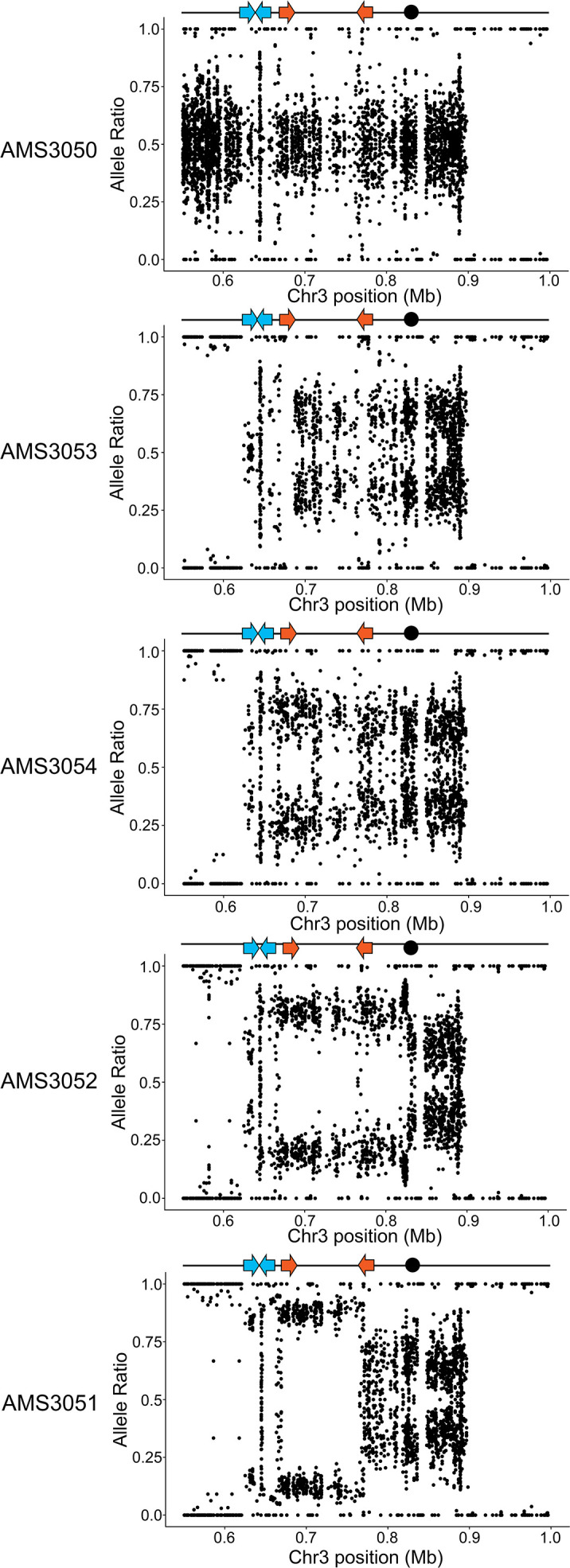
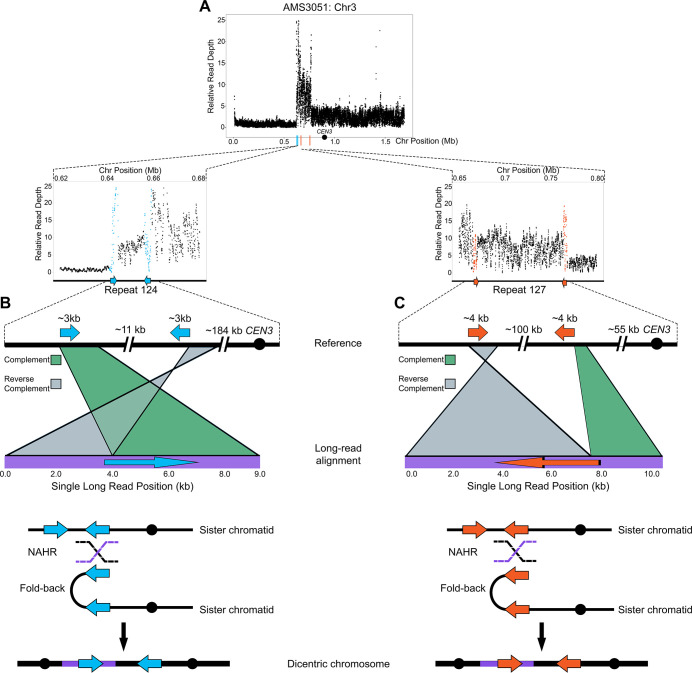
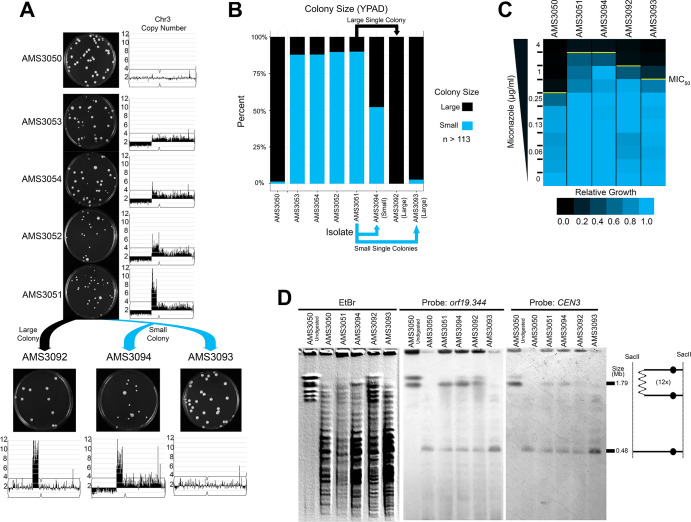
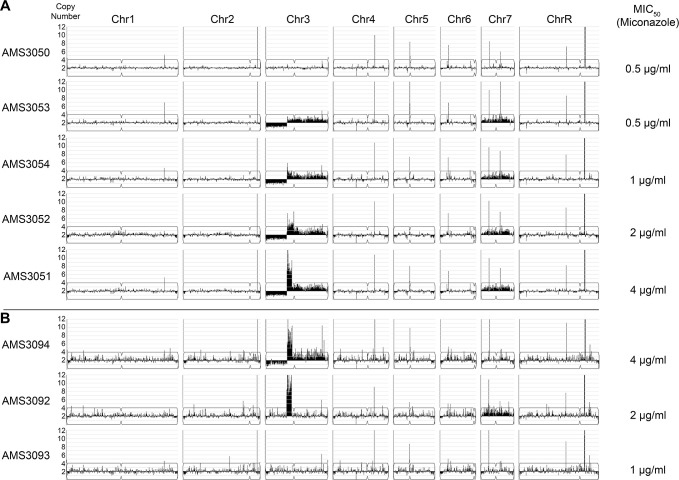
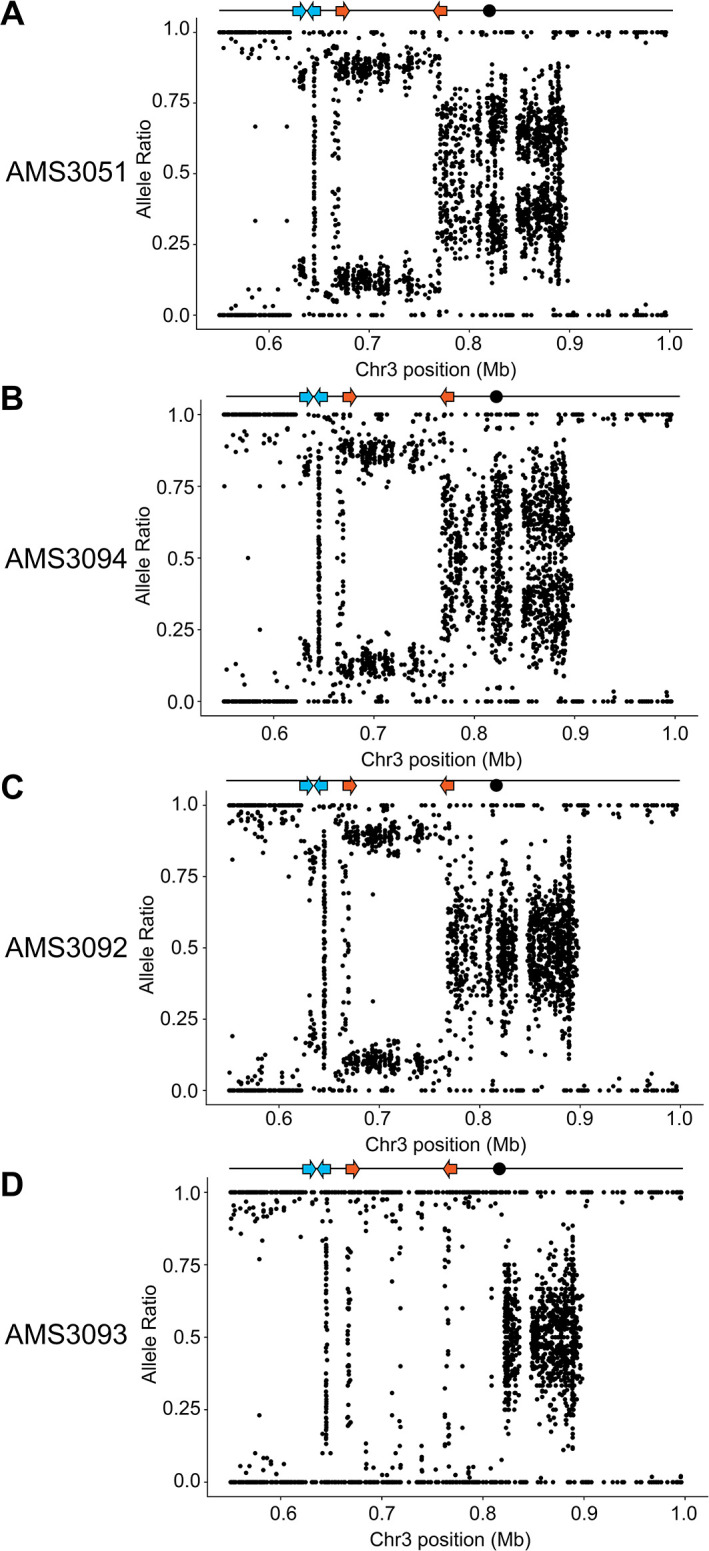
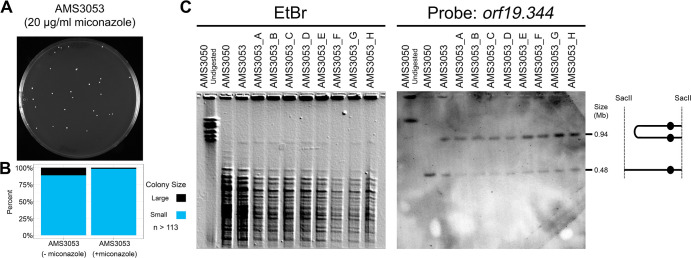
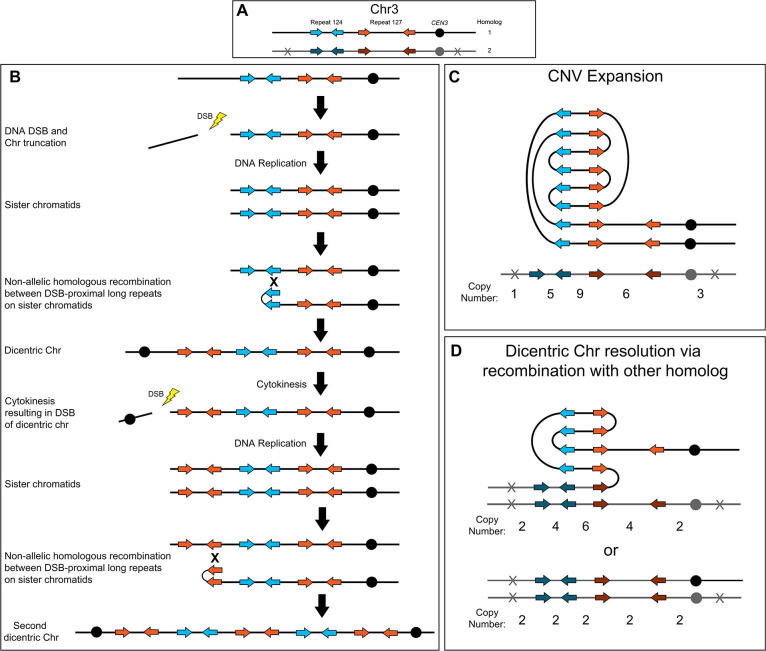
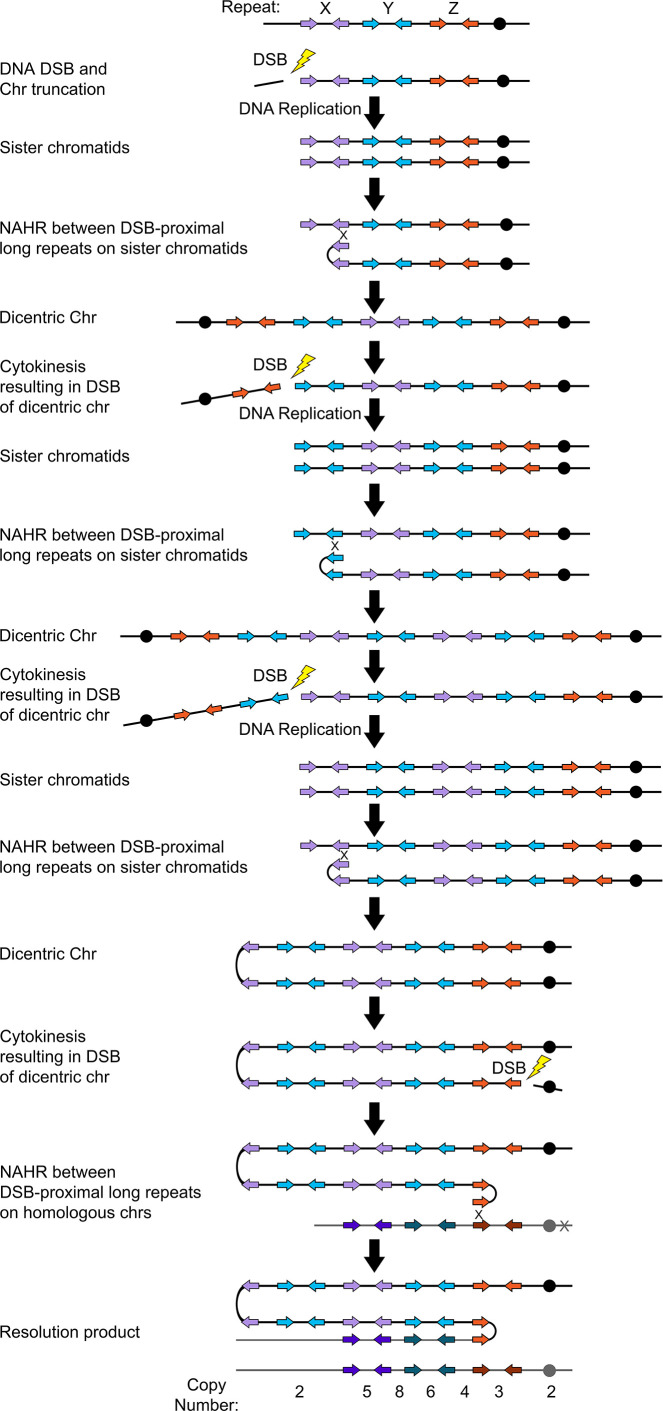
Previously, we identified long repeat sequences that are frequently associated with genome rearrangements, including copy number variation (CNV), in many diverse isolates of the human fungal pathogen Candida albicans (Todd et al., 2019). Here, we describe the rapid acquisition of novel, high copy number CNVs during adaptation to azole antifungal drugs. Single-cell karyotype analysis indicates that these CNVs appear to arise via a dicentric chromosome intermediate and breakage-fusion-bridge cycles that are repaired using multiple distinct long inverted repeat sequences. Subsequent removal of the antifungal drug can lead to a dramatic loss of the CNV and reversion to the progenitor genotype and drug susceptibility phenotype. These findings support a novel mechanism for the rapid acquisition of antifungal drug resistance and provide genomic evidence for the heterogeneity frequently observed in clinical settings.
Overview
The claims and statistics of this paper haven’t been checked yet.
Run the check — free, no account needed. It reads the open-access text and checks the sources it cites.
Integrity signals
Registry
Cites
Statistics
Figures
Verification
Claims the paper makes
The claims and statistics of this paper haven’t been checked yet.
Run the check — free, no account needed. It reads the open-access text and checks the sources it cites.
Claims other papers make about this one
Each is checked against this paper’s own text: does it say what the citing paper says it does?
The source backs part of the claim, not all of it — or backs it for a different population, condition or comparison.
In the citing paper
“In vitro evolution during fluconazole exposure is relatively slow, compared to C. albicans, and mainly composed of a single nucleotide polymorphism (SNP), with aneuploidy a minority effect [135,136].”
From Insight into the Mechanisms and Clinical Relevance of Antifungal Heteroresistance (2025) · cites this paper as [135]
Experimental — accuracy not yet measuredThe cited source says what the claim attributes to it.
In the citing paper
“Under fluconazole exposure, C. albicans rapidly evolves CNVs and aneuploidy in vitro [135].”
From Insight into the Mechanisms and Clinical Relevance of Antifungal Heteroresistance (2025) · cites this paper as [135]
In the citing paper
“These complex CNVs are flanked by distinct long inverted repeat sequences and are found across the genome, often containing genes associated with drug resistance68.”
From Molecular mechanisms governing antifungal drug resistance (2023) · cites this paper as [68]
In the citing paper
“Another significant source of genomic diversity that drives the rapid acquisition of azole resistance in C. albicans involves extensive copy number variations (CNVs), which amplify large genomic regions68.”
From Molecular mechanisms governing antifungal drug resistance (2023) · cites this paper as [68]
In the citing paper
“our results suggest that GRs and CNVs around these genes are related to drug resistance, as previously proposed in C. albicans.36”
From Narrow mutational signatures drive acquisition of multidrug resistance in the fungal pathogen Candida glabrata (2021) · cites this paper as [36]
In the citing paper
“Intriguingly, our recent experiments demonstrate that azole tolerance and cross-tolerance to different azole drugs can evolve rapidly in vitro (Todd and Selmecki 2020; Kukurudz et al. 2022), yet the mechanisms that distinguish drug-resistant and drug-tolerant phenotypes in fungi are not fully characterized.”
From Antifungal Drug Concentration Impacts the Spectrum of Adaptive Mutations in Candida albicans (2023) · cites this paper as Todd and Selmecki 2020
In the citing paper
“The copy number breakpoints of all segmental aneuploidies occurred at long repeat sequences as described previously (Todd et al. 2019; Todd and Selmecki 2020).”
From Antifungal Drug Concentration Impacts the Spectrum of Adaptive Mutations in Candida albicans (2023) · cites this paper as Todd and Selmecki 2020
In the citing paper
“Todd and Selmecki (2020) did, however, identify 3 isolates evolved to FLC in an in vitro experiment that had increased copy number of a subset of efflux pump, multidrug transporters, and stress response genes on Chr3, leading to increased tolerance and resistance to several azoles.”
From Acquisition of cross-azole tolerance and aneuploidy in Candida albicans strains evolved to posaconazole (2022) · cites this paper as Todd and Selmecki (2020)
Self-check
Percentages, sums and reported differences re-computed from the paper’s own numbers.
The self-check needs the paper’s full text.
Citations
Cites
Fiji: an open-source platform for biological-image analysis
Schindelin, J., Arganda-Carreras, I., Frise, E., Kaynig, V., Longair, M., Pietzsch, T., Preibisch, S., Rueden, C., Saalfeld, S., Schmid, B., et al. (2012) · Nature Methods · doi:10.1038/nmeth.2019 · Cited by 66,890
Trimmomatic: a flexible trimmer for Illumina sequence data
Bolger, A. M., Lohse, M., & Usadel, B. (2014) · Bioinformatics · doi:10.1093/bioinformatics/btu170 · Cited by 65,548
The Sequence Alignment/Map format and SAMtools
Li, H., Handsaker, B., Wysoker, A., Fennell, T., Ruan, J., Homer, N., Marth, G., Abecasis, G., Durbin, R., & 1000 Genome Project Data Processing Subgroup (2009) · Bioinformatics · doi:10.1093/bioinformatics/btp352 · Cited by 62,041
The Genome Analysis Toolkit: A MapReduce framework for analyzing next-generation DNA sequencing data
McKenna, A., Hanna, M., Banks, E., Sivachenko, A., Cibulskis, K., Kernytsky, A., Garimella, K., Altshuler, D., Gabriel, S., Daly, M., et al. (2010) · Genome Research · doi:10.1101/gr.107524.110 · Cited by 27,895
Aligning sequence reads, clone sequences and assembly contigs with BWA-MEMPreprint
Li, H. (2013) · arXiv (Cornell University) · doi:10.48550/arxiv.1303.3997 · Cited by 10,846
Integrative Genomics Viewer (IGV): high-performance genomics data visualization and exploration
Thorvaldsdottir, H., Robinson, J. T., & Mesirov, J. P. (2013) · Briefings in Bioinformatics · doi:10.1093/bib/bbs017 · Cited by 9,049
Aligning sequence reads, clone sequences and assembly con*gs with BWA-MEMPreprint
Li, H. (2014) · arXiv (Cornell University) · doi:10.6084/m9.figshare.963153.v1 · Cited by 5,155
VarScan 2: Somatic mutation and copy number alteration discovery in cancer by exome sequencingPreprint
Koboldt, D. C., Zhang, Q., Larson, D. E., Shen, D., McLellan, M. D., Lin, L., Miller, C. A., Mardis, E. R., Ding, L., & Wilson, R. K. (2012) · Genome Research · doi:10.1101/gr.129684.111 · Cited by 4,954
Survey over image thresholding techniques and quantitative performance evaluation
Sezgin, M., & Sankur, B. (2004) · Journal of Electronic Imaging · doi:10.1117/1.1631315 · Cited by 4,630
The landscape of somatic copy-number alteration across human cancers
Beroukhim, R., Mermel, C. H., Porter, D., Wei, G., Raychaudhuri, S., Donovan, J., Barretina, J., Boehm, J. S., Dobson, J., Urashima, M., et al. (2010) · Nature · doi:10.1038/nature08822 · Cited by 4,017
Cited by
Sorted by citations
The Antifungal Pipeline: Fosmanogepix, Ibrexafungerp, Olorofim, Opelconazole, and Rezafungin
Hoenigl, M., Sprute, R., Egger, M., Arastehfar, A., Cornely, O. A., Krause, R., Lass-Flörl, C., Prattes, J., Spec, A., Thompson, G. R., et al. (2021) · Drugs · doi:10.1007/s40265-021-01611-0 · Cited by 467
Molecular mechanisms governing antifungal drug resistance
Lee, Y., Robbins, N., & Cowen, L. E. (2023) · npj Antimicrobials and Resistance · doi:10.1038/s44259-023-00007-2 · Cited by 304
The importance of antimicrobial resistance in medical mycology
Gow, N. A. R., Johnson, C., Berman, J. G., Coste, A. T., Cuomo, C. A., Perlin, D. S., Bicanic, T. A., Harrison, T. S., Wiederhold, N. P., Bromley, M., et al. (2022) · Nature Communications · doi:10.1038/s41467-022-32249-5 · Cited by 232
Candida albicans and Candida glabrata : global priority pathogens
Katsipoulaki, M., Stappers, M. H. T., Malavia-Jones, D., Brunke, S., Hube, B., & Gow, N. A. R. (2024) · Microbiology and Molecular Biology Reviews · doi:10.1128/mmbr.00021-23 · Cited by 180
Hoenigl, M., Arastehfar, A. A., Arendrup, M. C., Brüggemann, R. J. M., Carvalho, A., Chiller, T. M., Chen, W., Egger, M., Feys, S., Gangneux, J., et al. (2024) · Clinical Microbiology Reviews · doi:10.1128/cmr.00074-23 · Cited by 165
Metadata
- Authors
- Todd, R. T., & Selmecki, A.
- Affiliations
- University of Minnesota (US)
- Corresponding author
- Selmecki, Anna
- Venue
- eLife
- Publisher
- eLife Sciences Publications, Ltd
- Published
- 2020-07-20
- Volume
- 9
- ISSN
- 2050-084X (ISSN-L)
- PMC
- PMC7371428
- OpenAlex
- W3042508348
- Cited by
- 138
- References
- 184
- Citations by year
- 2026: 20 · 2025: 20 · 2024: 27 · 2023: 20 · 2022: 28 · 2021: 20 · 2020: 3
- FWCI
- 2.33
- Type
- journal article
- Language
- en
- Open access
- gold
- doi.org
- Licence
- Locations
- eLife (publishedVersion, cc-by)
- PubMed Central (publishedVersion, cc-by)
- PubMed (publishedVersion)
- DOAJ (DOAJ: Directory of Open Access Journals) (submittedVersion, cc-by-sa)
- Funders
- National Institute of Allergy and Infectious Diseases (AI143689)
- Nebraska Department of Health and Human Services (LB506-2017-55)
- Nebraska Established Program to Stimulate Competitive Research (First Award)
- National Center for Research Resources (COBRE P20RR018788 sub-award)
- Topics
- Health Sciences › Medicine › Infectious Diseases › Antifungal resistance and susceptibility
- Life Sciences › Biochemistry, Genetics and Molecular Biology › Molecular Biology › Fungal and yeast genetics research
- Life Sciences › Biochemistry, Genetics and Molecular Biology › Genetics › Genomic variations and chromosomal abnormalities
- Keywords
- Candida albicans, copy number variation, antifungal resistance, azole antifungals, breakage-fusion-bridge cycles, inverted repeats, drug sensitivity, genome rearrangement
- MeSH terms
- Adaptation, Biological, Antifungal Agents, Candida albicans, Genotype, Drug Resistance, Fungal, DNA Copy Number Variations, Single-Cell Analysis, Karyotype
About these checks
Registry, retraction, Cites and statistics results are computed, not judged, with one exception: a printed reference that no index lists is read once by a model before it counts as a citation error. Claims are extracted by a model and kept only when their quote appears verbatim in the text; each cited source is then checked, with a model’s help, for whether it says what the claim relies on. Those verdicts can be wrong — read the claim’s quote and the cited source before relying on one.
Statistics and arithmetic are recomputed, not judged.
Confidence bands are shown only for fields calibrated on our annotated test set. None is calibrated yet, so no band is shown.
What counts as a claim ›How we measure confidence ›How we check this ›
Are you an author, or do you see a problem with this page? Request a review
