

Evidence for deliberate burial of the dead by Homo naledi
Open accessPublished version of a preprint
The DOI matches its Crossref record; 200 of the 201 references it cites were found in a registry or an index; none of the 120 sources its claims cite is checked for support yet.
Abstract
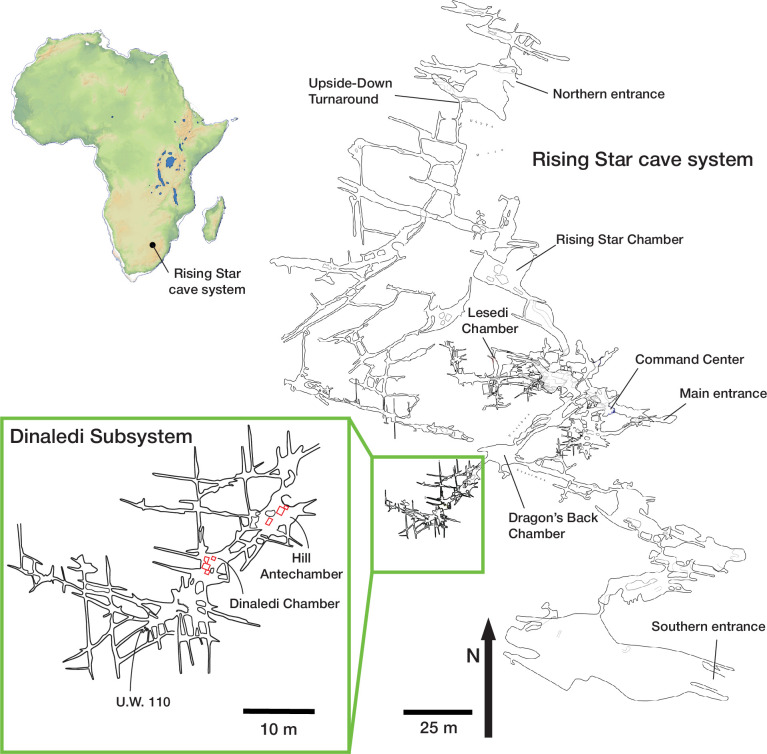
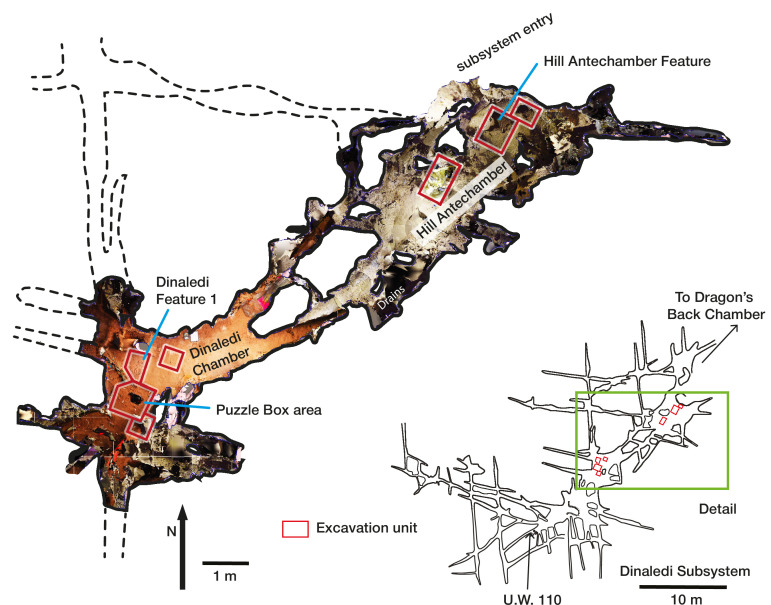
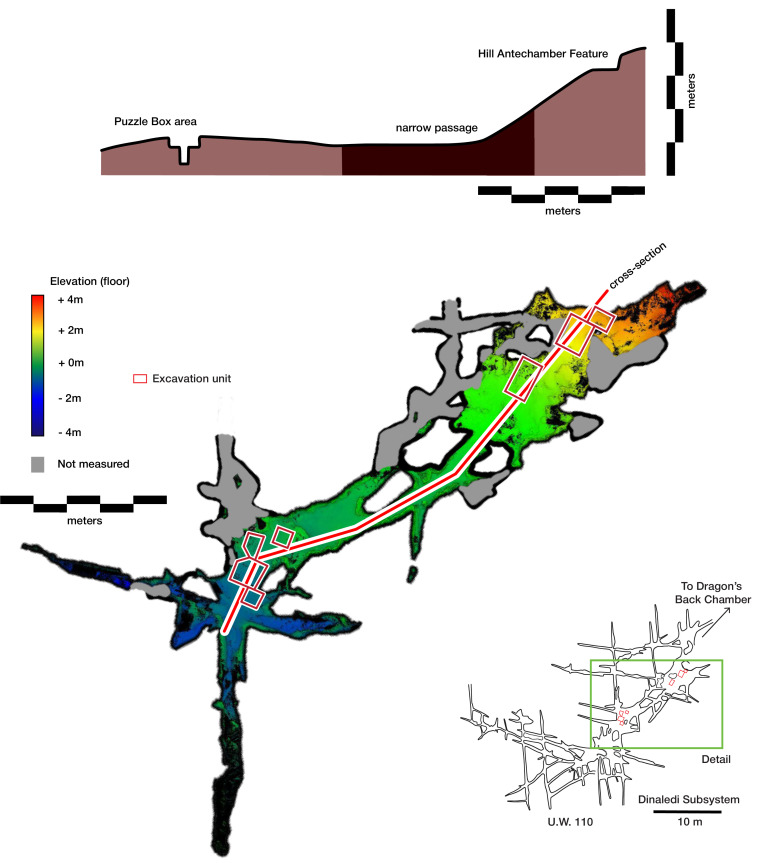
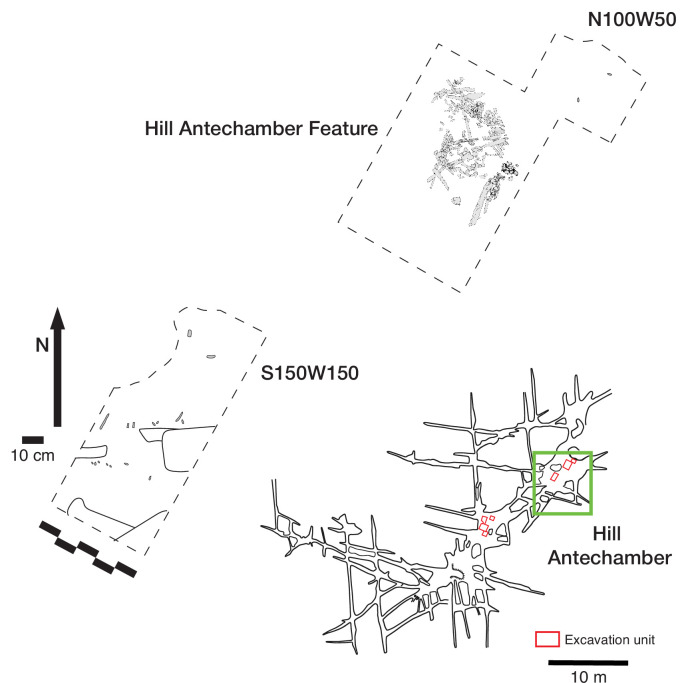
In this study, we describe new results of excavations in the Dinaledi Subsystem of the Rising Star cave system, South Africa. In two areas within the Hill Antechamber and the Dinaledi Chamber, this work uncovered concentrations of abundant Homo naledi fossils including articulated, matrix-supported skeletal regions consistent with rapid covering by sediment prior to the decomposition of soft tissue. We additionally re-examine the spatial positioning of skeletal material and associated sediments within the Puzzle Box area, from which abundant H. naledi remains representing a minimum of six individuals were recovered in 2013 and 2014. Multiple lines of evidence exclude the hypothesis that skeletal remains from these three areas come from bodies that decomposed on the floor of the chamber or within a shallow depression prior to burial by sediments. The spatial positioning of skeletal material, the topography of the subsystem, and observations on sediments within and surrounding features exclude the hypothesis that rapid burial by sediment was a result of gravity-driven slumping or spontaneous movement of sediments. We present a minimal hypothesis of hominin cultural burial and test the evidence from all three areas, finding that this hypothesis is most compatible with the pattern of evidence. These results suggest that mortuary behavior, including cultural burial, was part of the repertoire of Homo naledi .
Overview
CoChat Summary
TL;DR
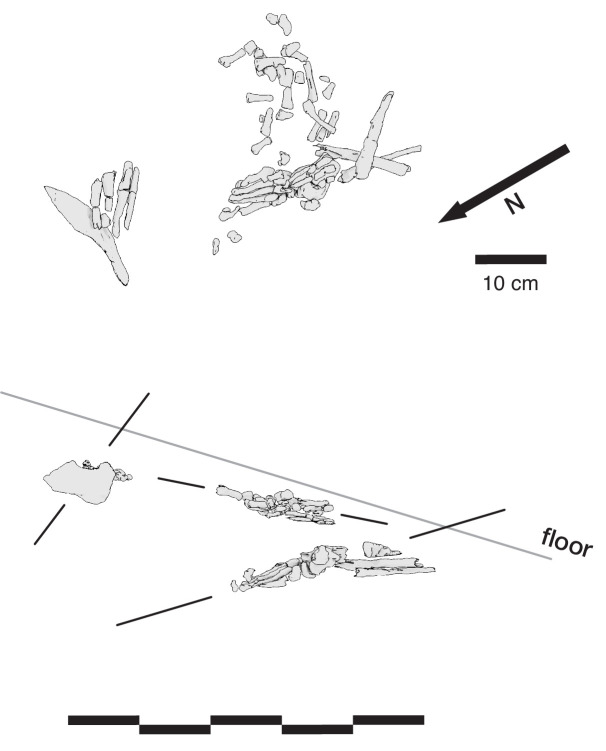
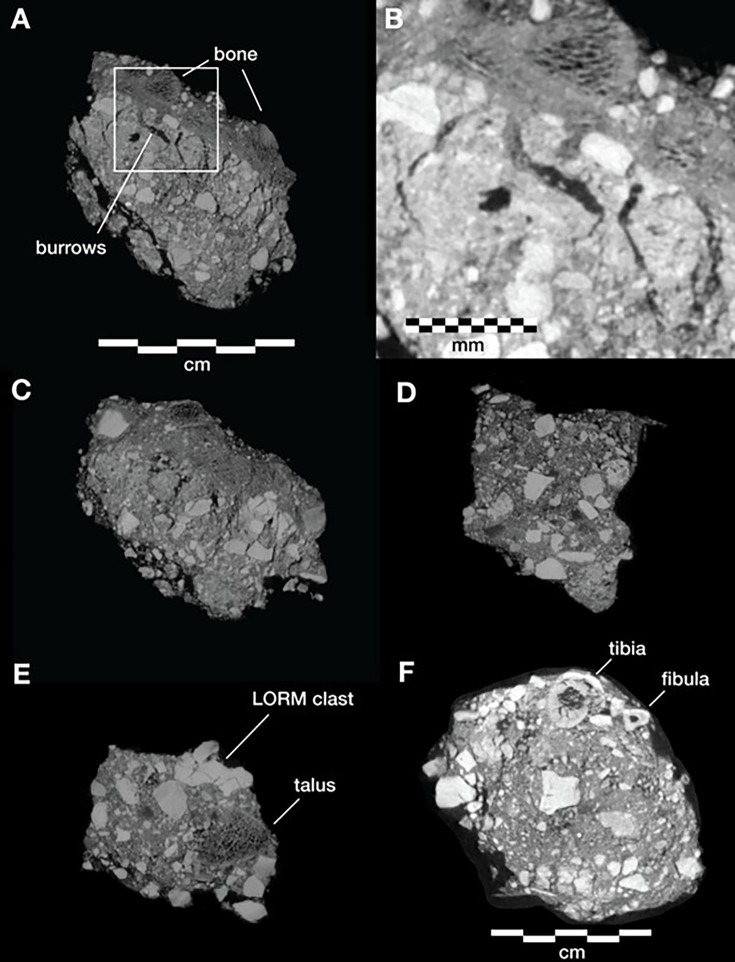
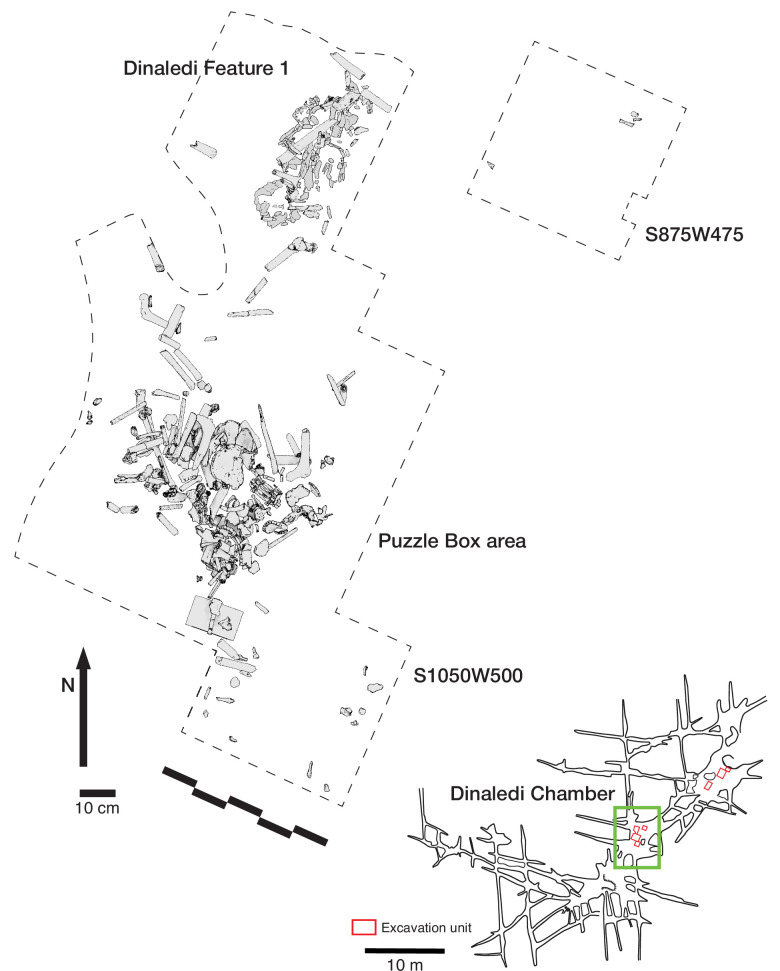
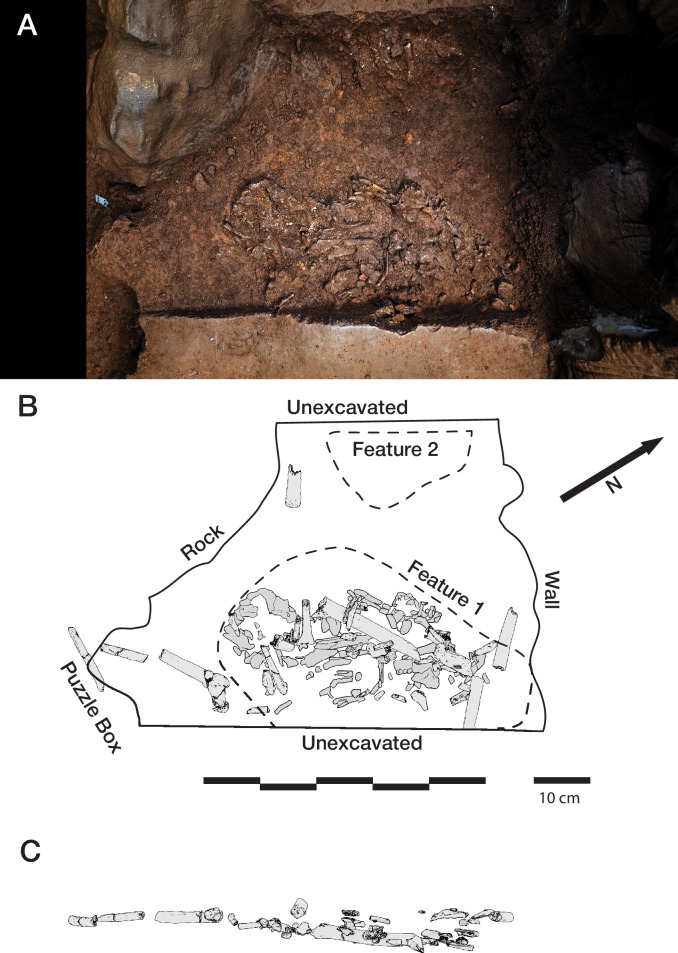
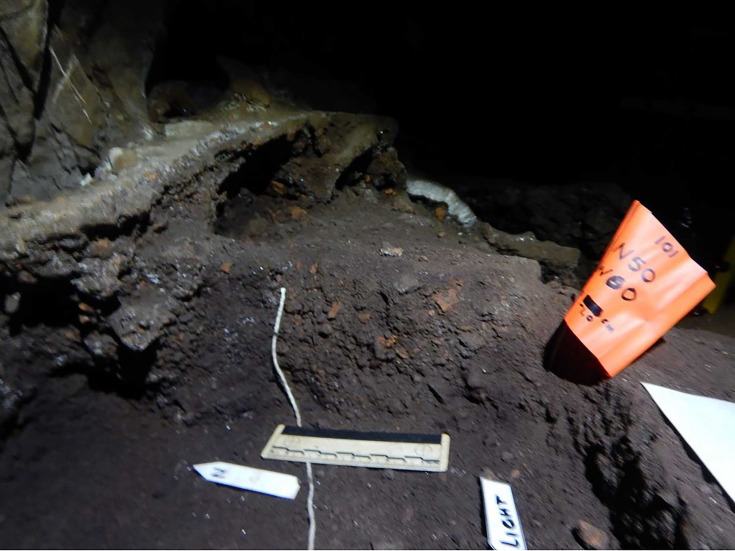
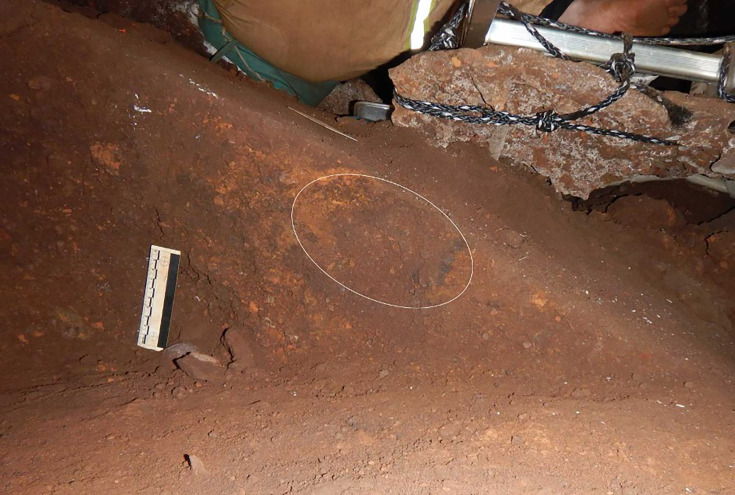
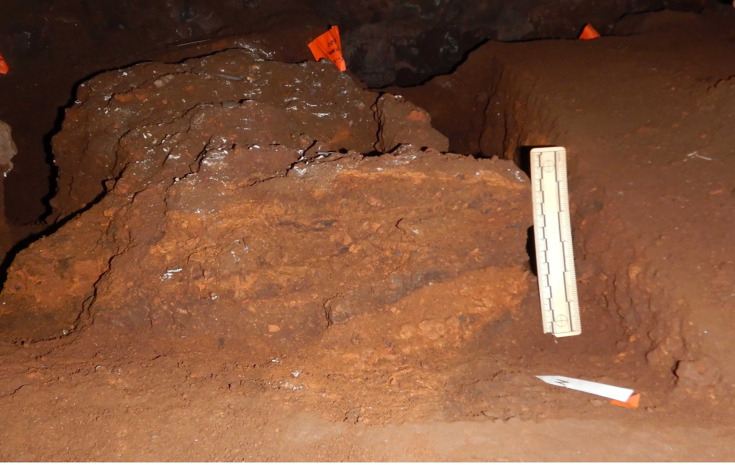
New excavations and reanalysis in the Dinaledi Subsystem of Rising Star cave system identify three discrete features—Hill Antechamber Feature, Dinaledi Feature 1, and Puzzle Box—where *Homo naledi* skeletal remains were rapidly encased in sediment before soft-tissue decomposition. The authors argue that a minimal hypothesis of hominin cultural burial is most compatible with the sedimentary, spatial, and taphonomic evidence, suggesting mortuary behavior including burial was part of the *H. naledi* repertoire.
Key findings
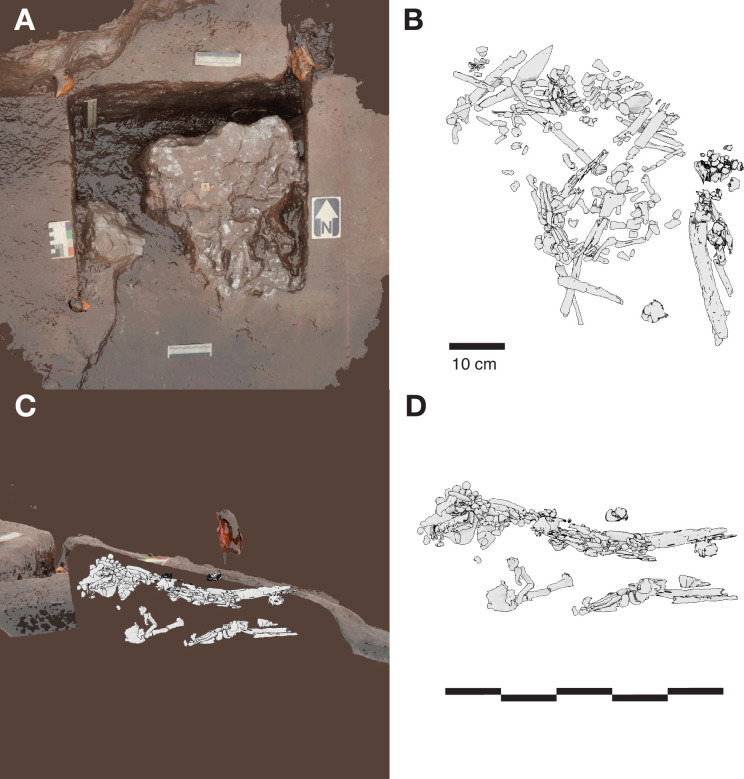
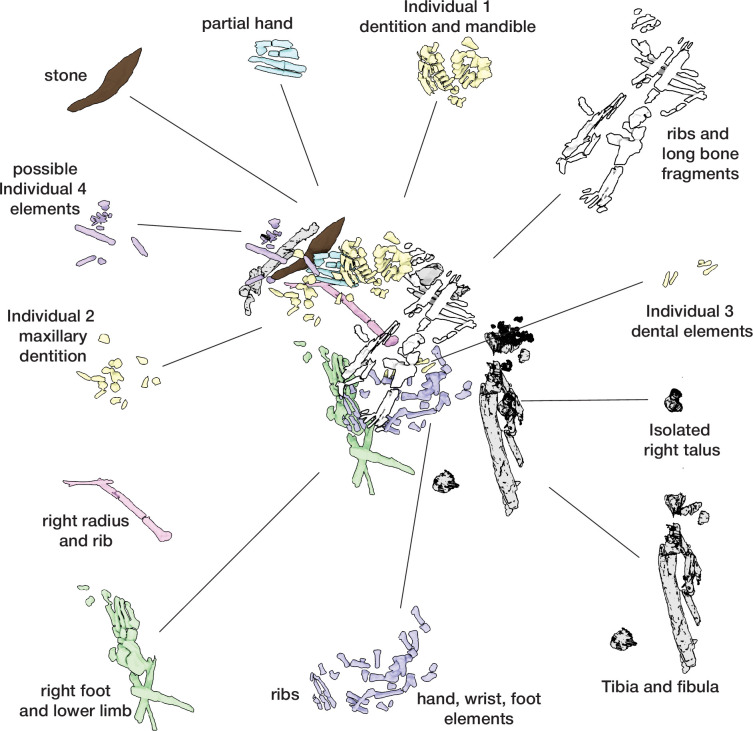
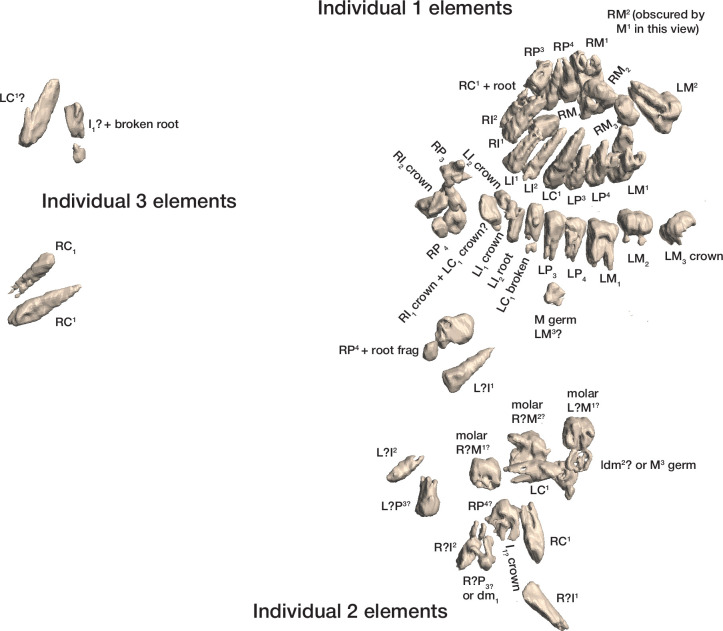
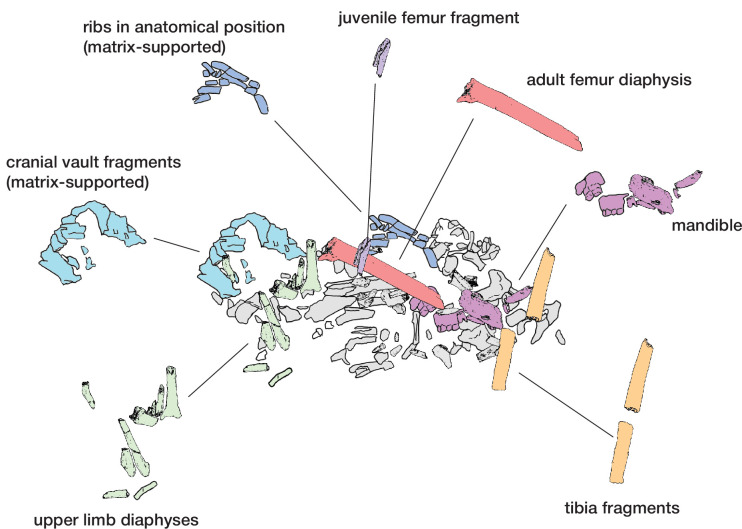
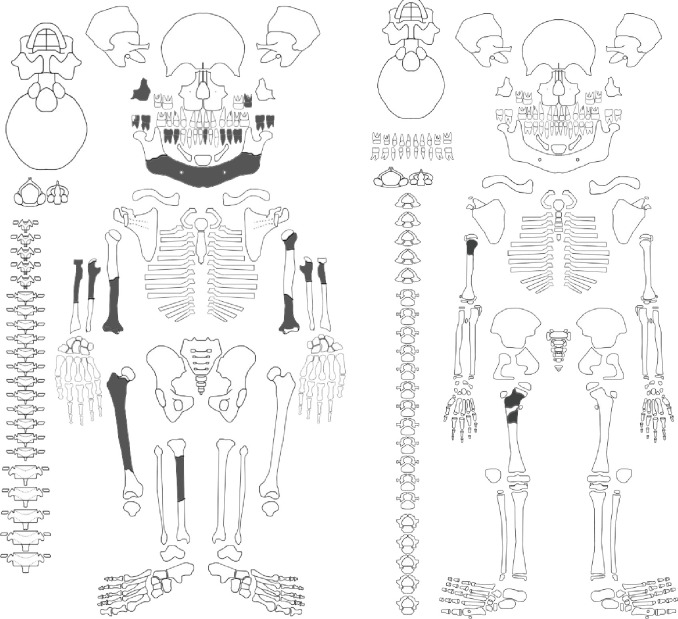
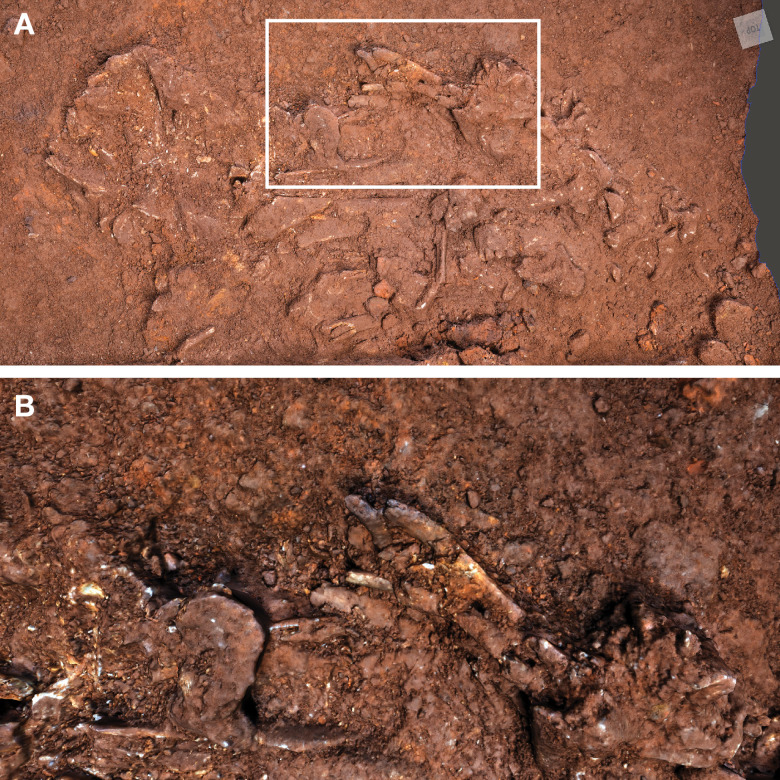
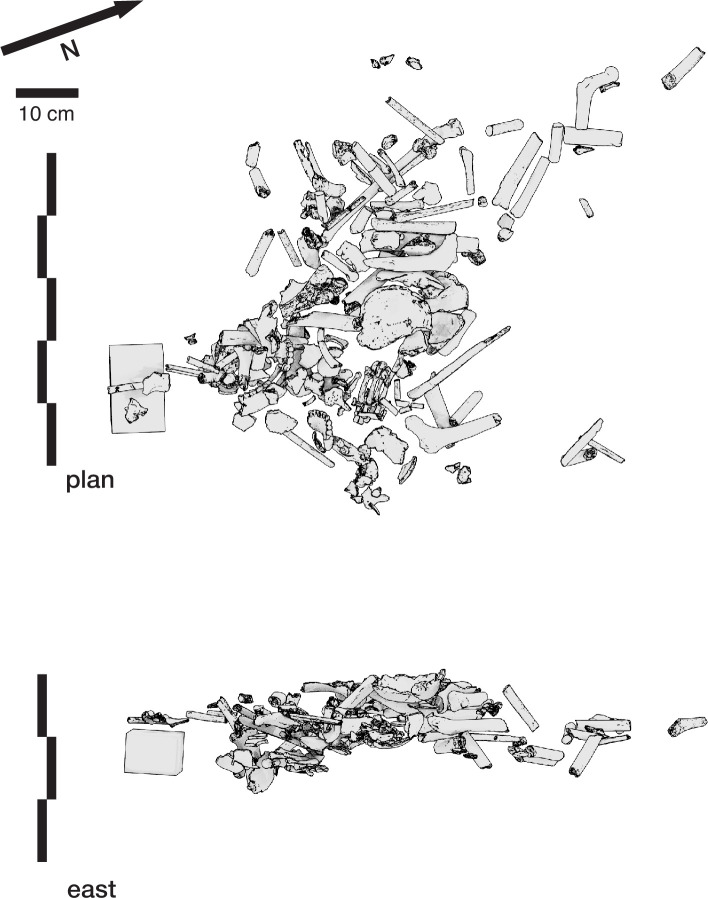
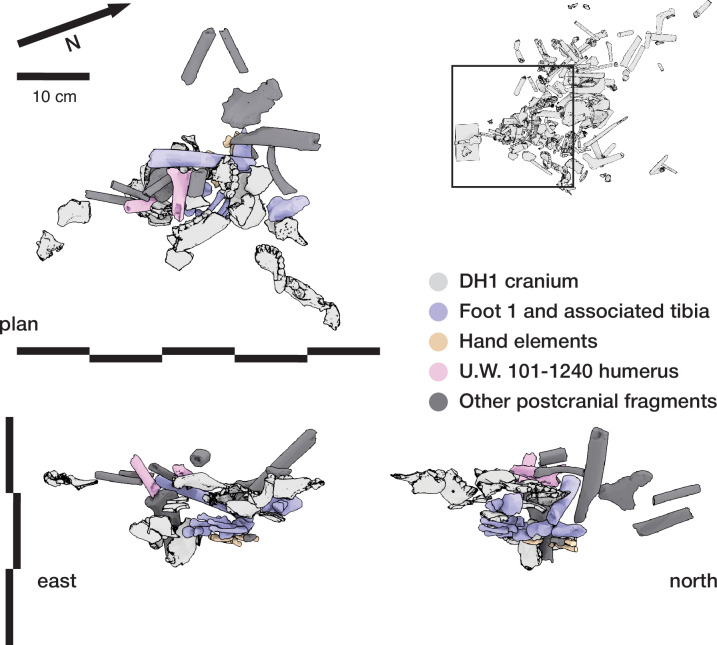
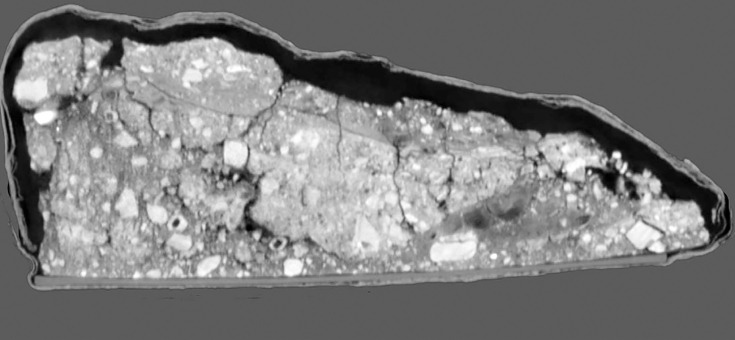
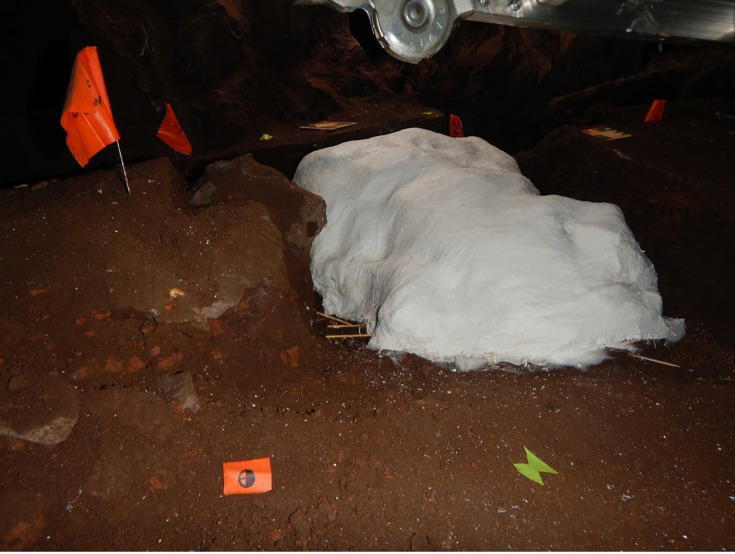
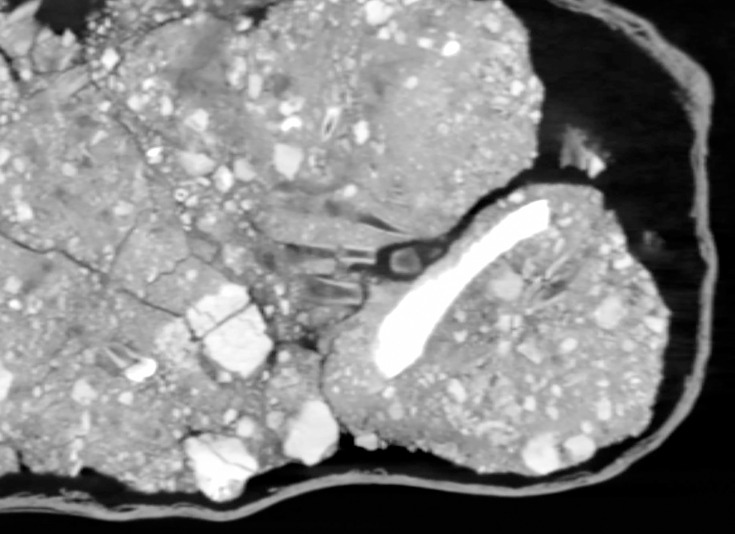
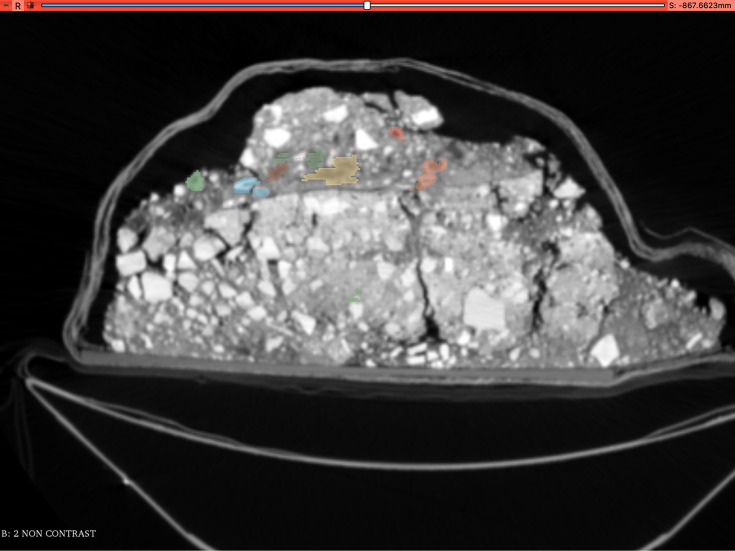
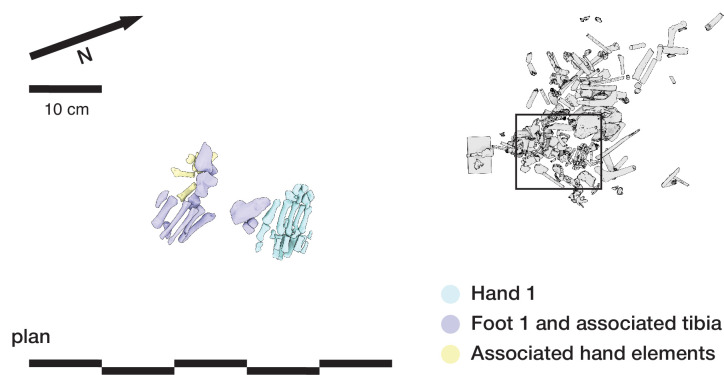
- Three features preserve concentrated *H. naledi* remains: the Hill Antechamber Feature yielded a minimum of 90 skeletal elements and 51 dental elements, including at least 30 teeth from Individual 1, 14 teeth from Individual 2, and 4 teeth from Individual 3; Dinaledi Feature 1 yielded 108 skeletal and dental fragments, 83 identifiable to element, mostly consistent with one body plus three fragments from a second individual; the Puzzle Box area represents at least six individuals, within a broader assemblage representing a minimum of 15 individuals.
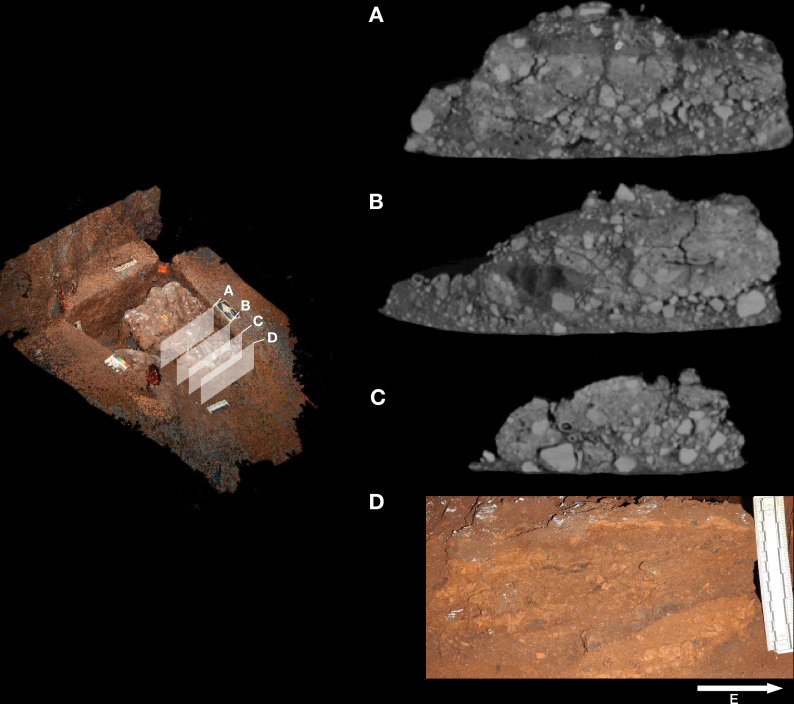
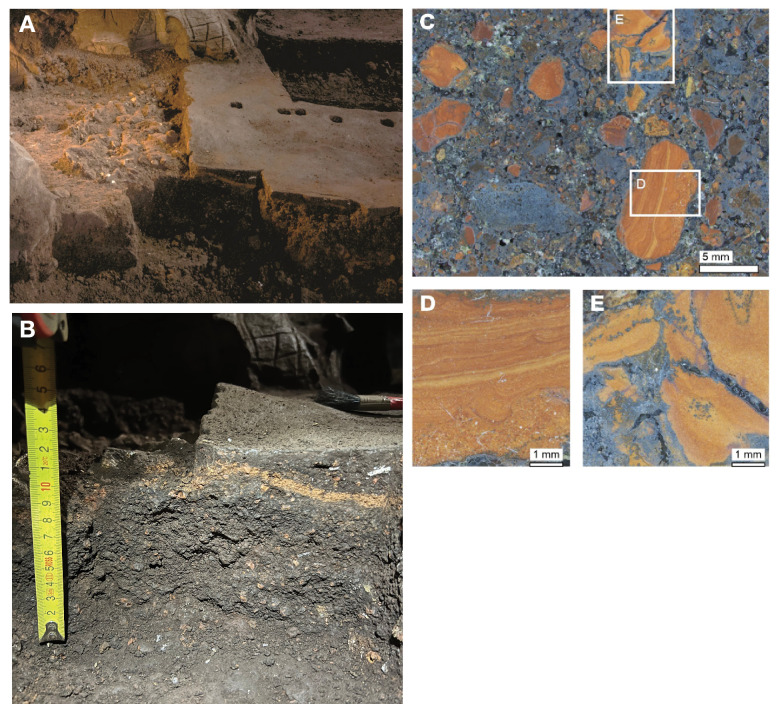
- Multiple lines of evidence indicate rapid sediment encasement before soft-tissue decomposition: articulated and matrix-supported elements, subvertical elements in contact with horizontal ones, large LORM clasts up to 2 cm within skeletal concentrations, truncation of surrounding layered sediments, and absence of laminar fill. These observations reject slow subaerial sedimentation, gravity-driven slumping, and water/mud flow as burial mechanisms.
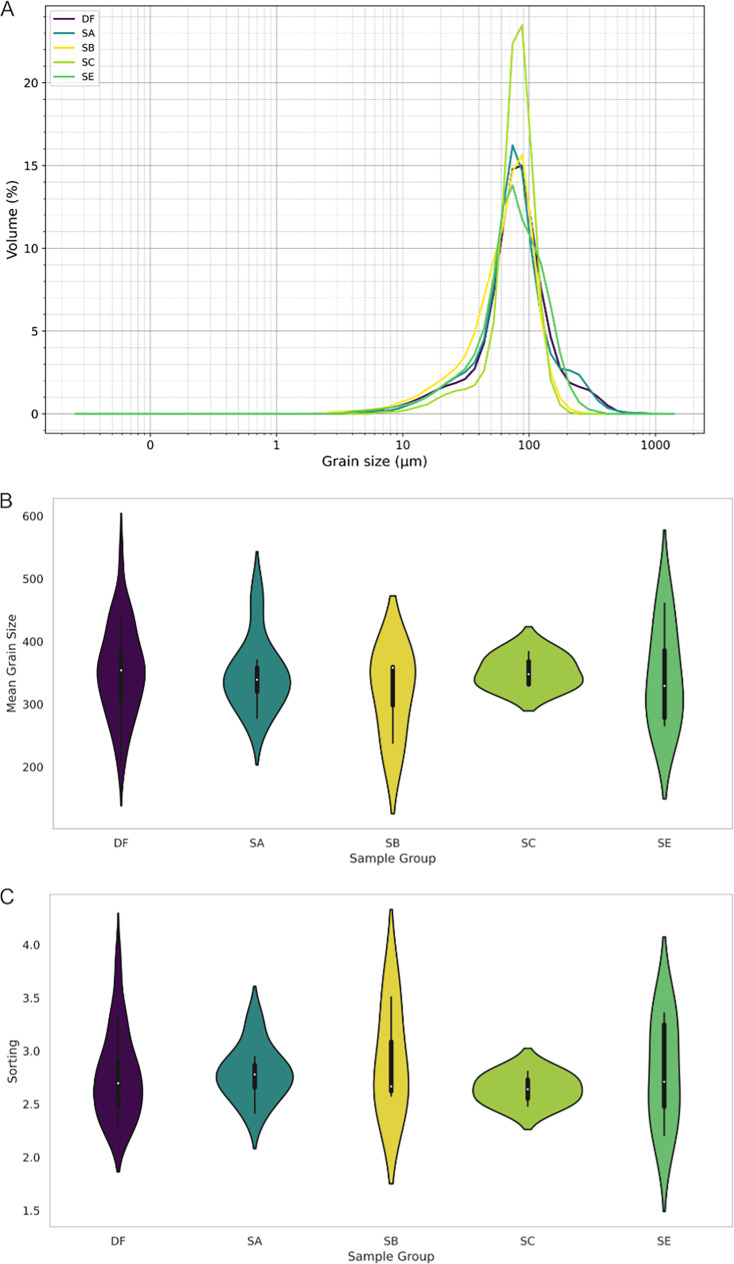
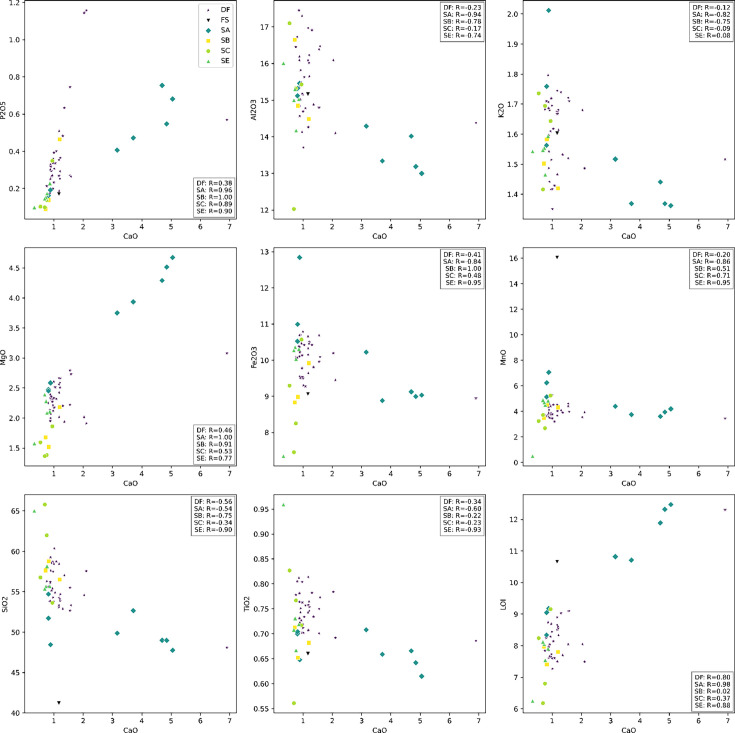
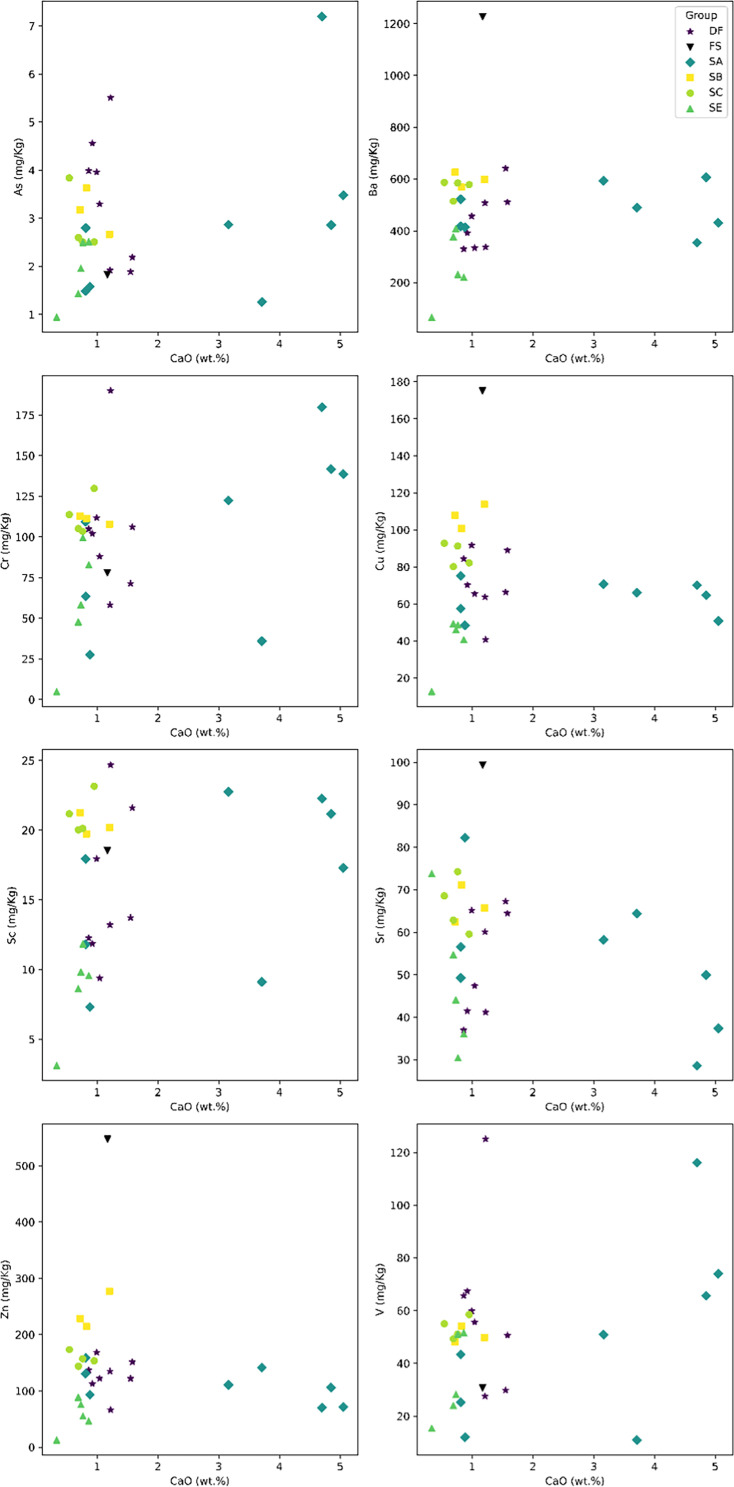
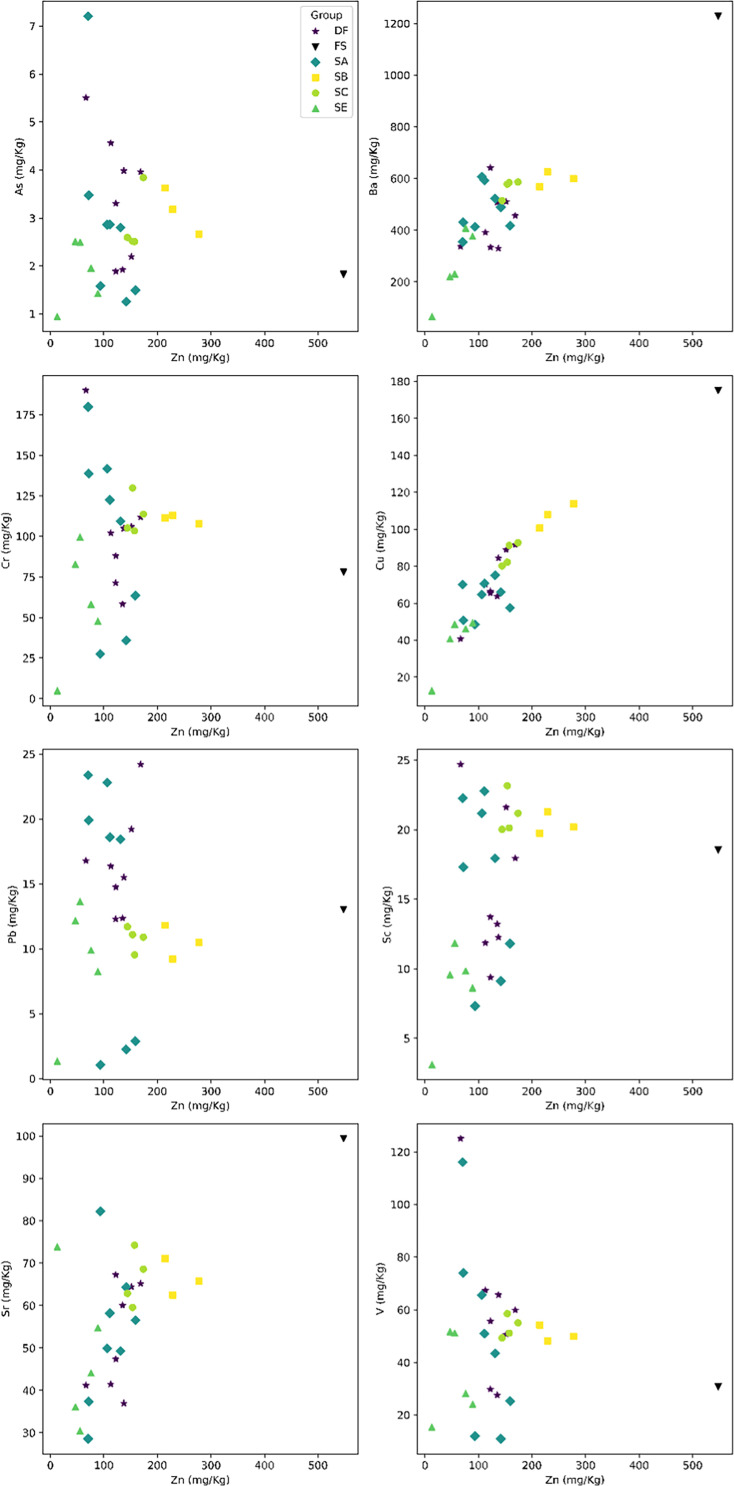
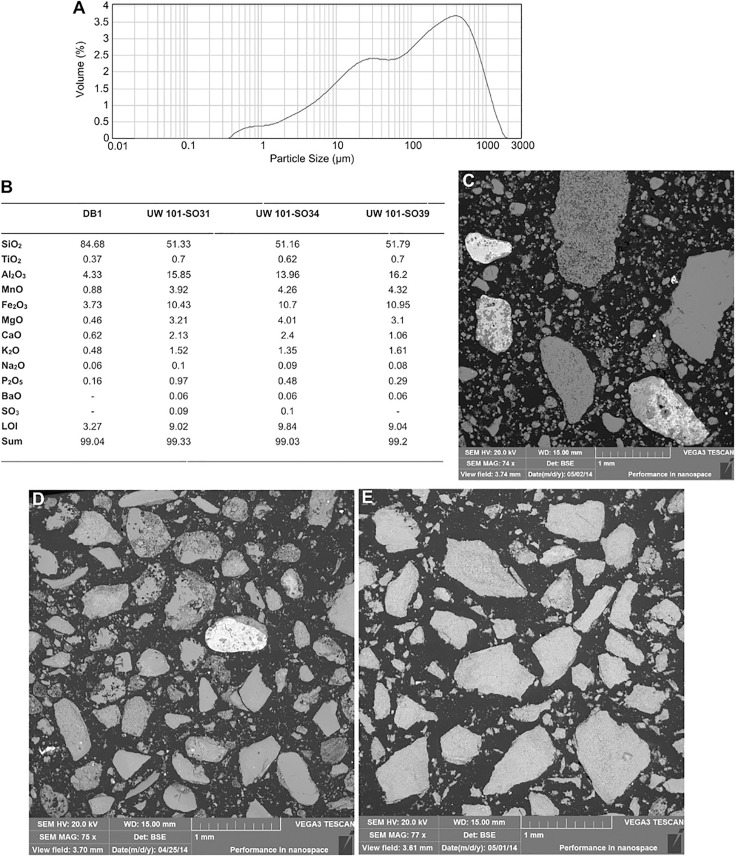
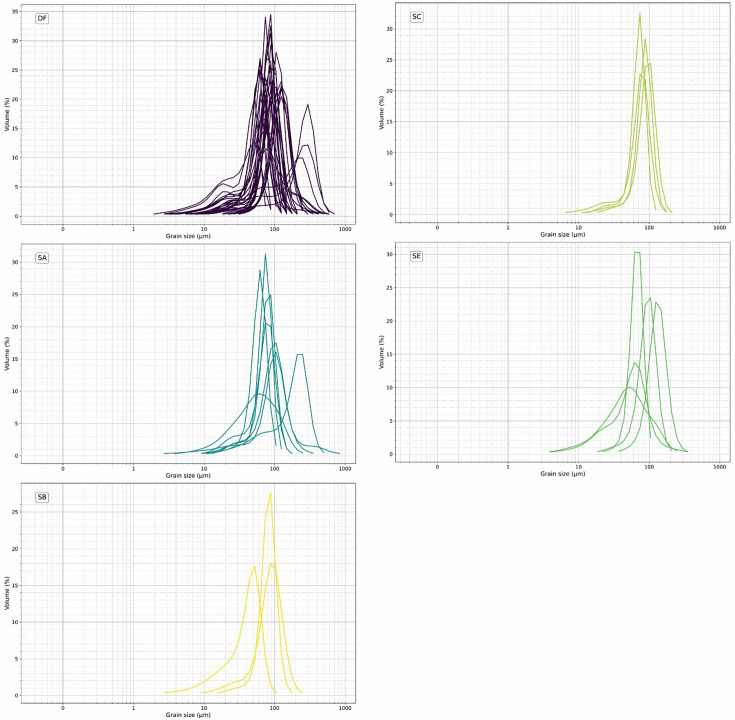
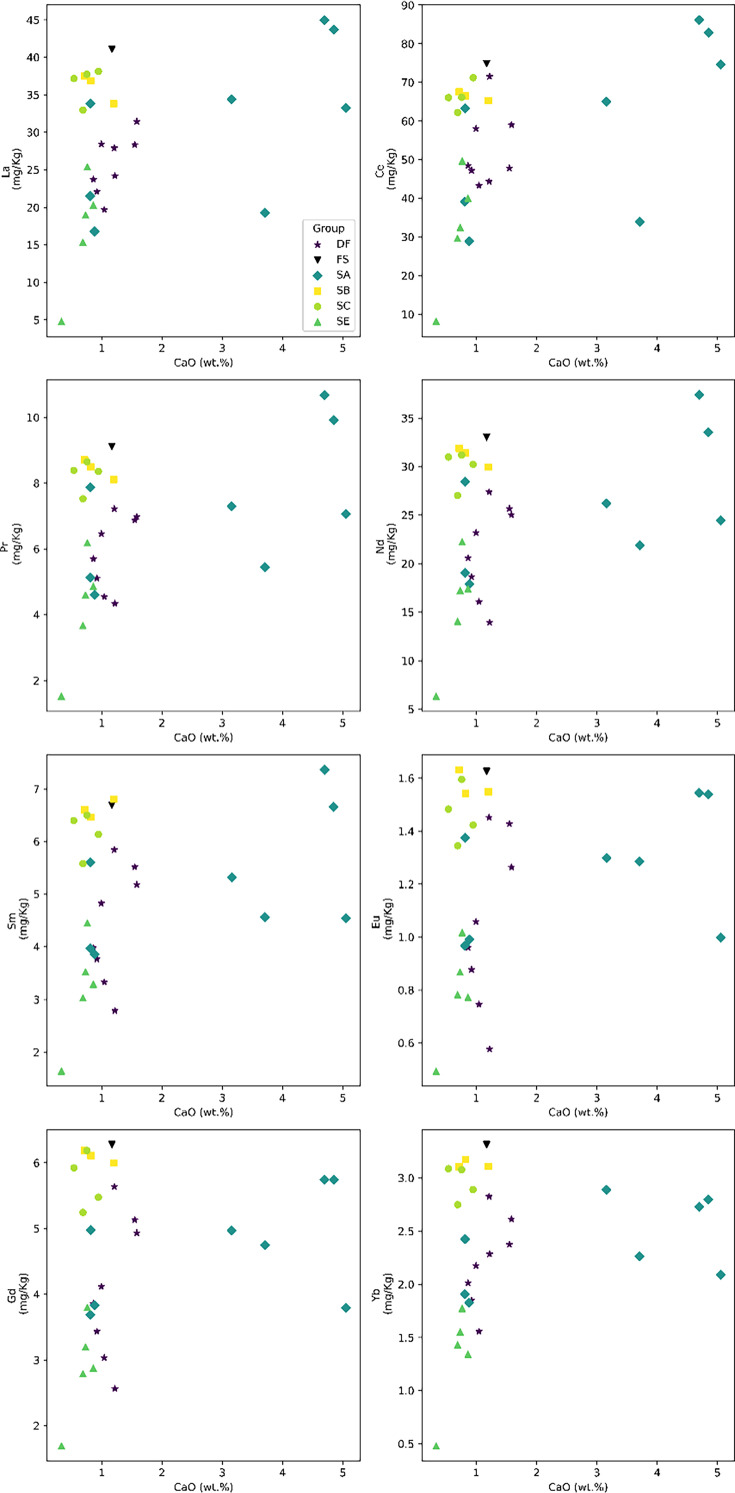
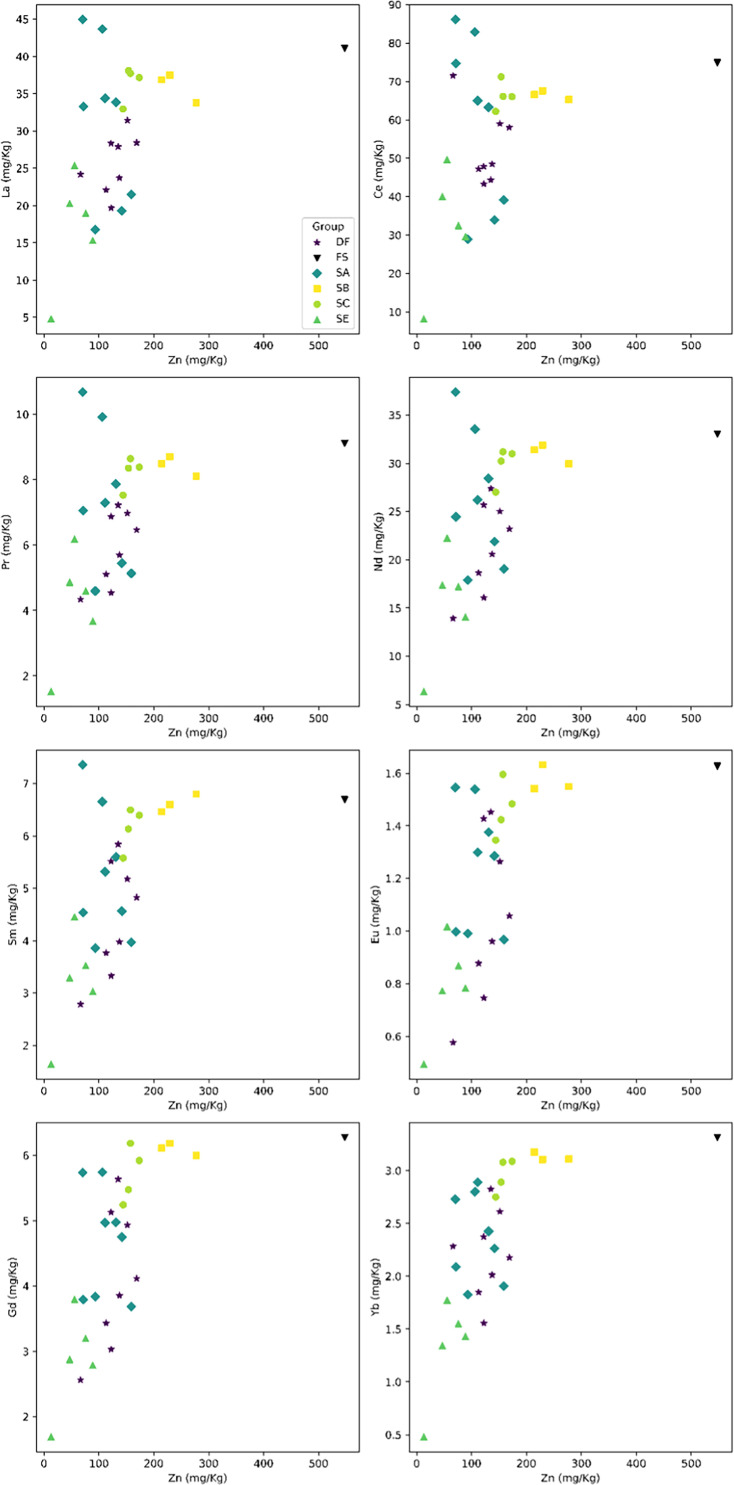
- Sediment analyses show the unlithified mud clast breccia is structureless: particle-size distributions do not differ significantly across sampled groups (Kruskal-Wallis H=0.66, p=0.96), mean grain sizes for DF, SA, SC, and SE range from 344 to 353 µm while SB is 319 µm, and sorting ranges from 2.64 to 2.92. Geochemistry indicates bone influence on surrounding sediment, with strong positive CaO–P2O5 correlations for SB (r=1), SA (r=0.96), SC (r=0.89), and SE (r=0.90), but weak for DF (r=0.38).
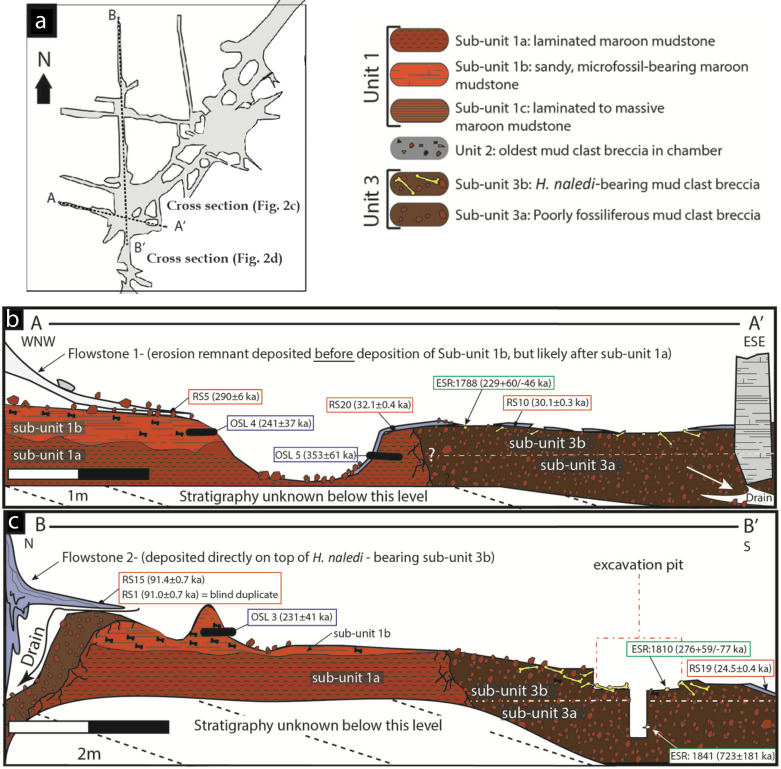
- The authors conclude that a minimal definition of cultural burial—a hominin-dug hole, placement of a body or body parts, and covering by hominins—is most compatible with the evidence from all three areas. Previously published chronological context includes US-ESR ages of 139–335 ka for two *H. naledi* teeth, a U/Th age of 244±3 ka for flowstone encasing bone, and a *Papio* tooth dated to 723±181 ka or 635±148 ka.
Methods
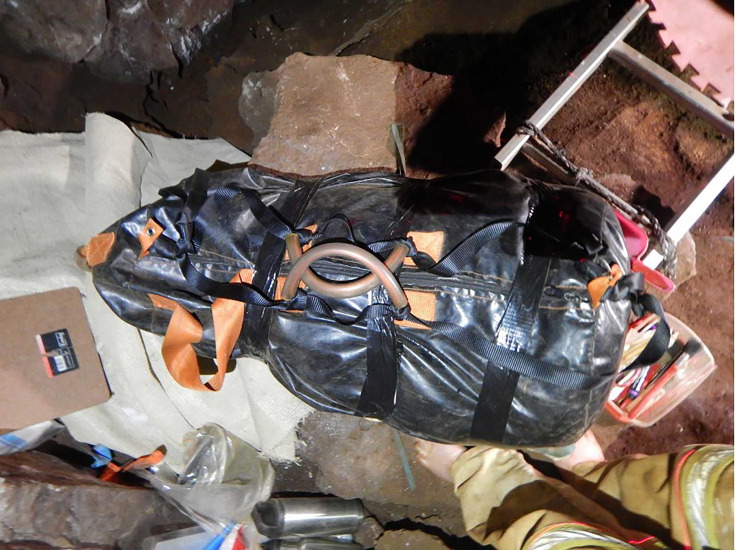
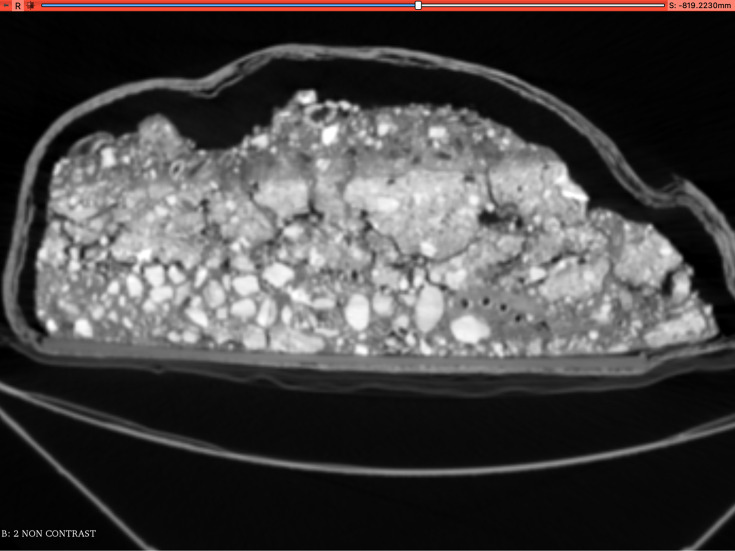
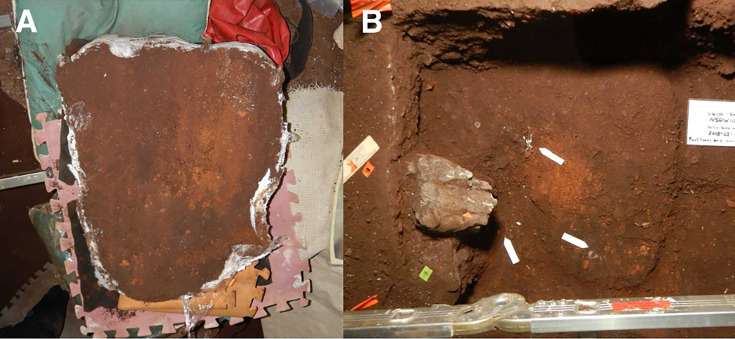
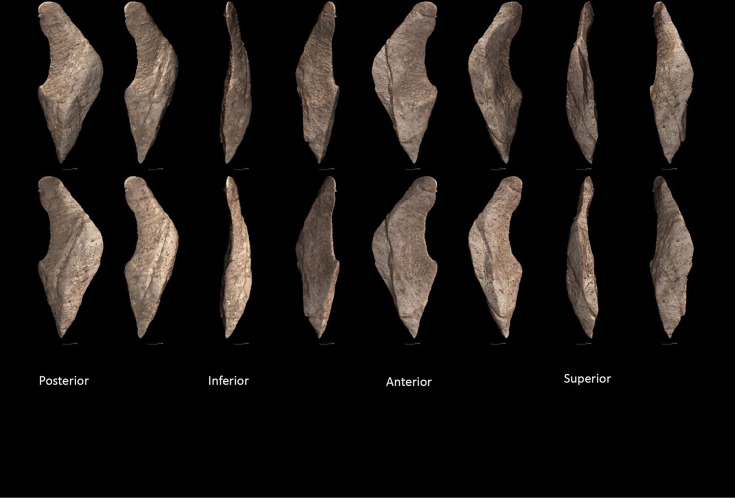
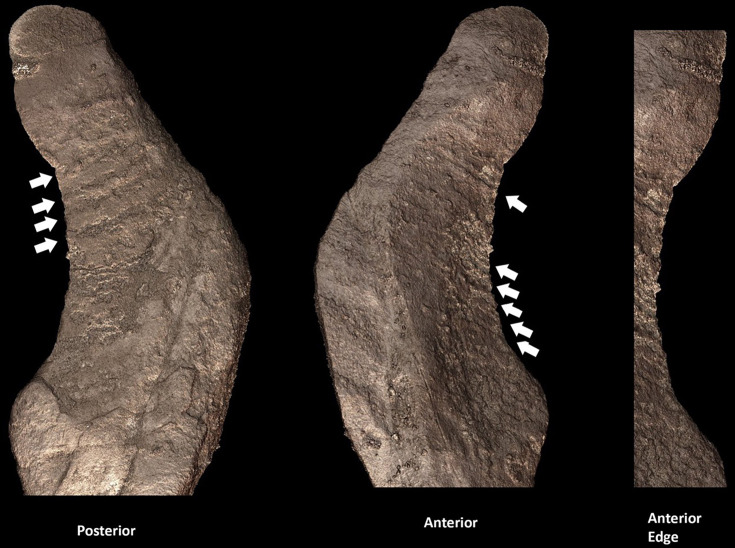
- Excavations were conducted in 2017 and 2018 in the Hill Antechamber and Dinaledi Chamber using a 50 cm grid. The Hill Antechamber Feature was removed en bloc in three plaster jackets; smaller jackets were scanned with micro-CT at 72 µm voxel size, the largest with clinical CT at 0.5 mm voxel size, and a stone object was scanned at the European Synchrotron Radiation Facility.
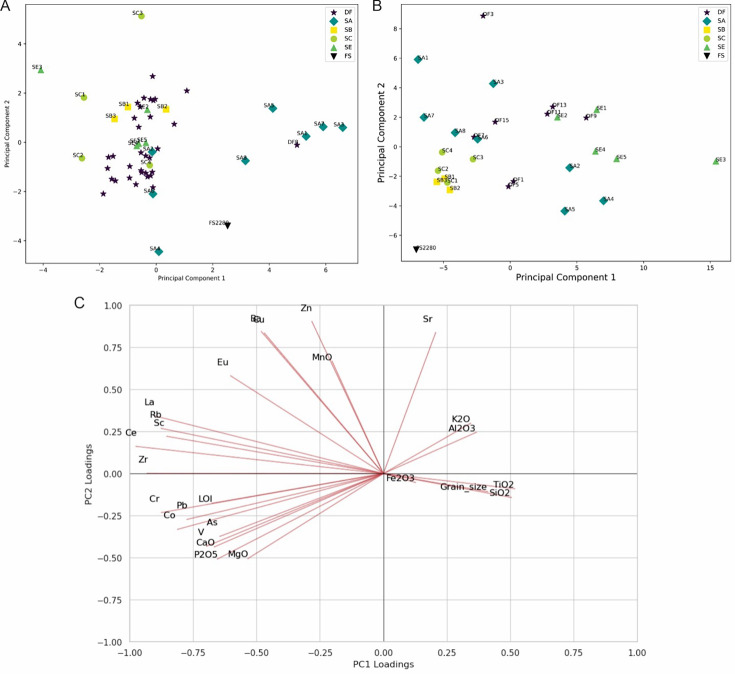
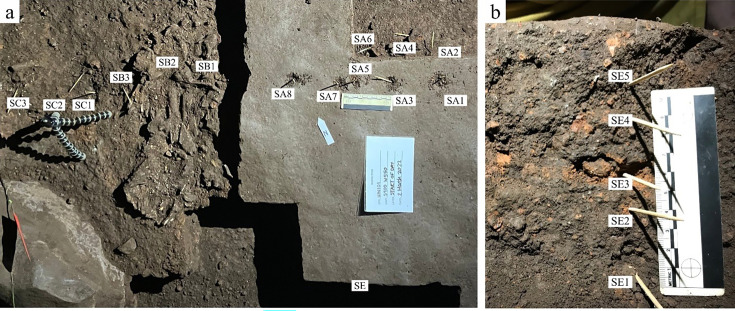
- Sediment sampling around Dinaledi Feature 1 included 34 DF samples from excavated bags and 22 in situ samples divided into SB, SA, SC, and SE groups, plus one comparison sample FS2280 from the Puzzle Box area. Analyses included laser-diffraction particle-size distribution, XRF for major oxides, ICP-MS for trace elements and REEs, PCA, and Kruskal-Wallis tests.
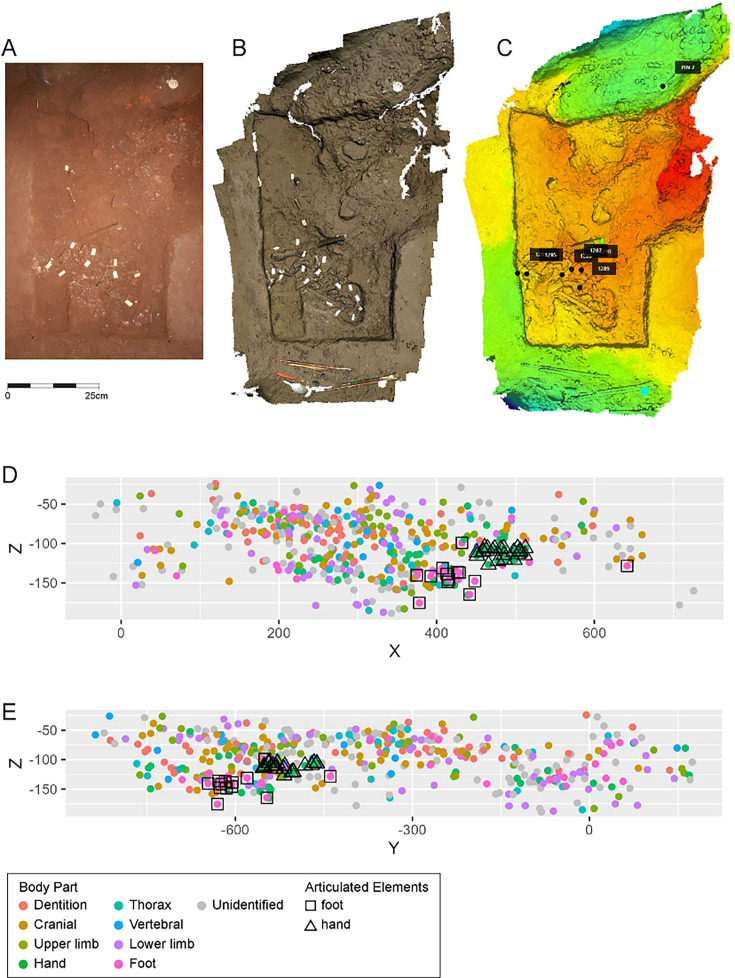
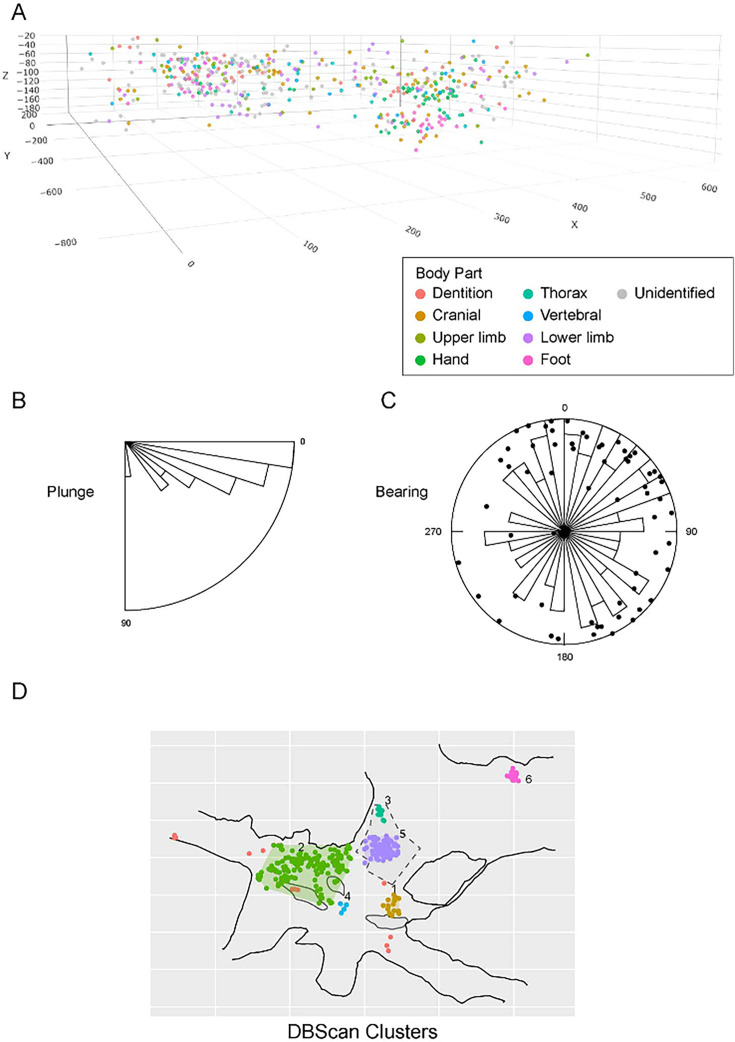
- The Puzzle Box area was reanalyzed using high-resolution spatial data, 3D density-based clustering, and archaeothanatological assessment. The authors tested alternative depositional hypotheses—talus accumulation, slow sedimentation, rapid slumping, natural mummification, primary cultural burial, and secondary cultural burial—against the combined sedimentary, spatial, and skeletal evidence.
Limitations
- Stated in the paper: Dinaledi Feature 2 was left uninvestigated and is not part of the analyses; the unexcavated portion of Dinaledi Feature 1 means its total vertical extent is unknown; CT resolution limits identification of some elements and a possible infant individual; Hill Antechamber bone surfaces could not be inspected for further taphonomic modification; the stone object’s intentional modification or selection could not be determined; the full sequence of reworking in the Puzzle Box area is beyond current evidence; and future work may uncover additional alternative scenarios not considered.
- Stated in the paper: faunal comparison with hominin preservation cannot be made because faunal material in the Dinaledi Chamber and Hill Antechamber is rare and none is in stratigraphic context similar to the hominin remains; the possibility that some remains were desiccated before burial is difficult to test.
- Evident from the text: the new features themselves are not directly dated in this study, and chronological context relies on previously published dates; excavations sample limited areas, so the broader distribution of *H. naledi* remains and mortuary behavior across the cave system remains incompletely known.
Model-written summary. Check it against the paper before relying on it.
Integrity signals
Registry
Cites
Statistics
Figures
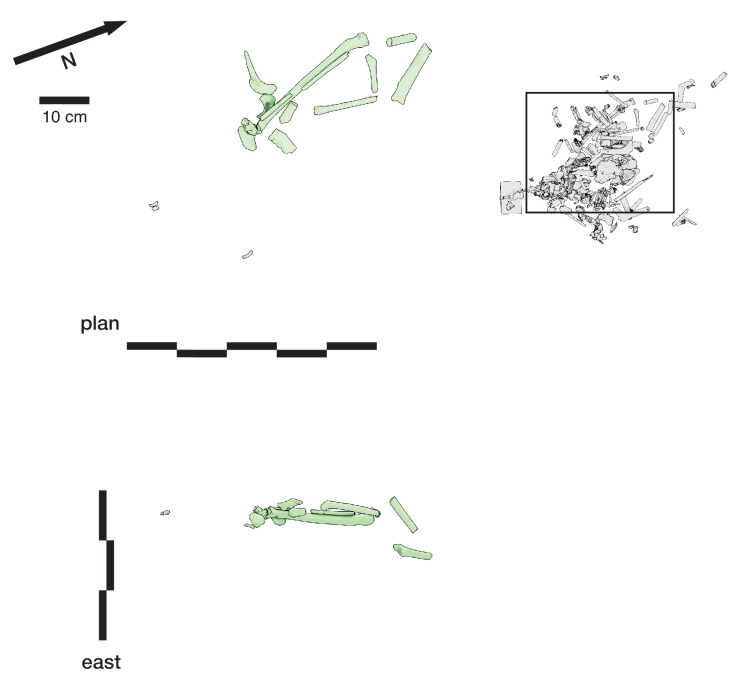
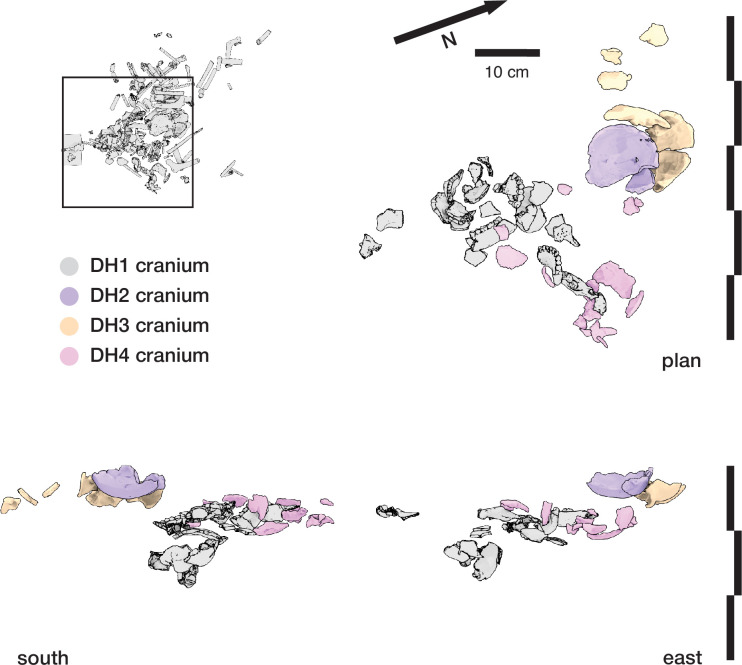
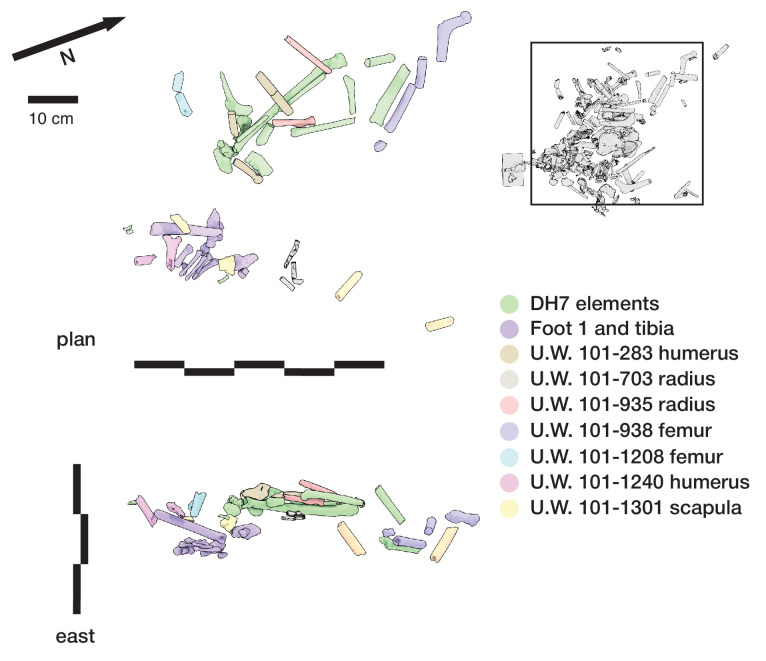
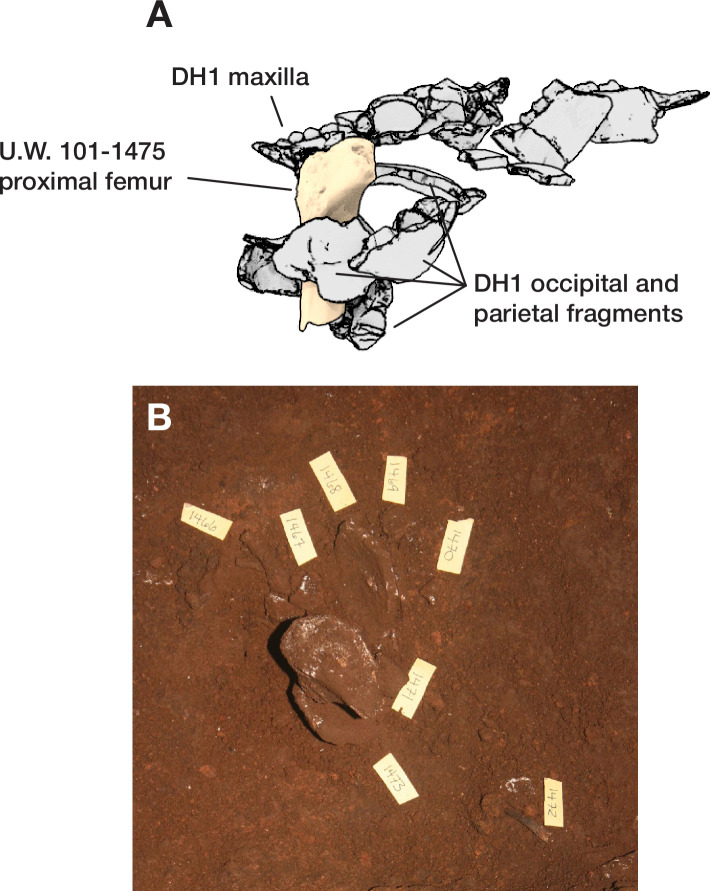
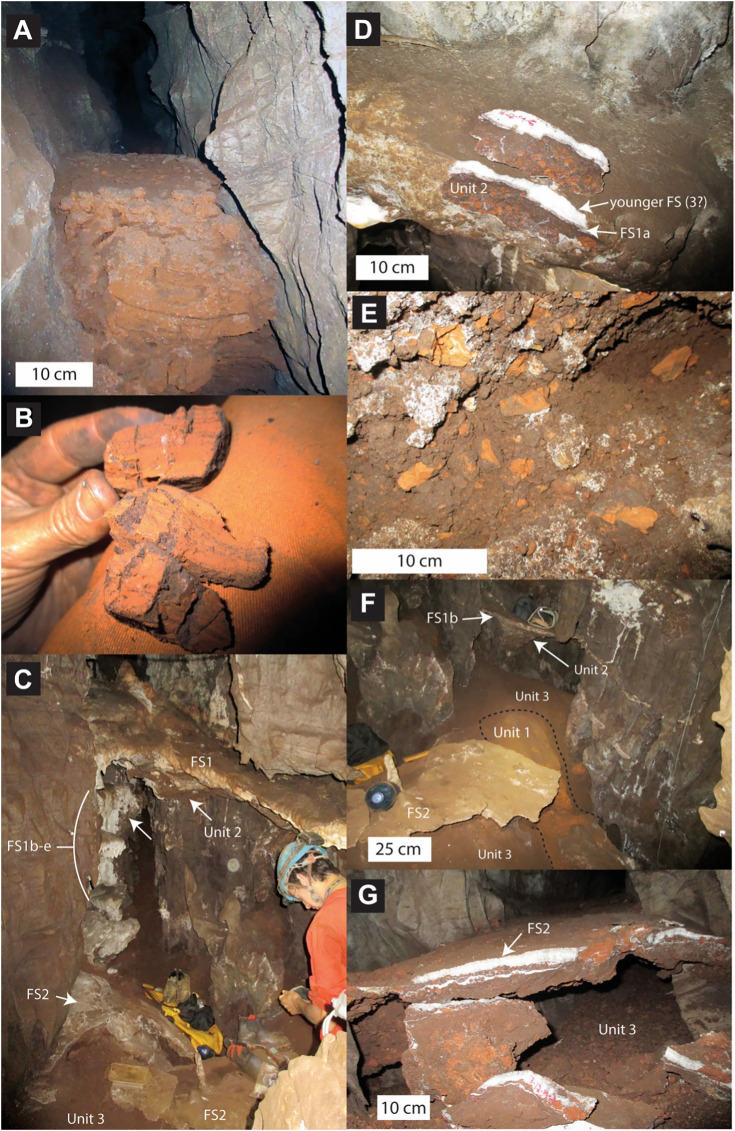
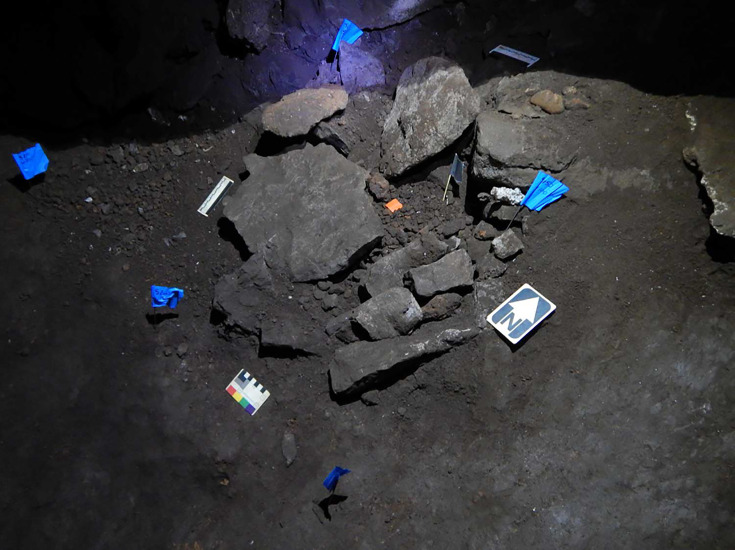
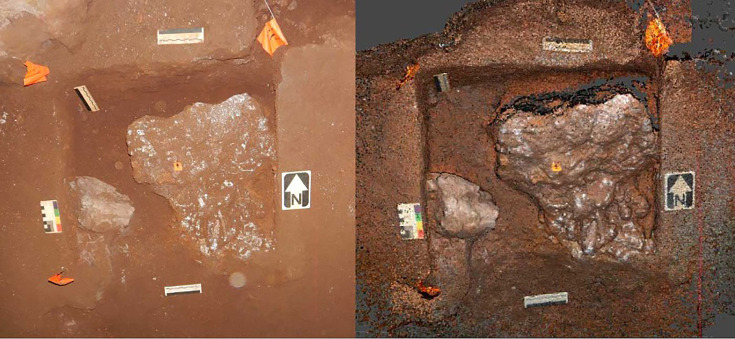
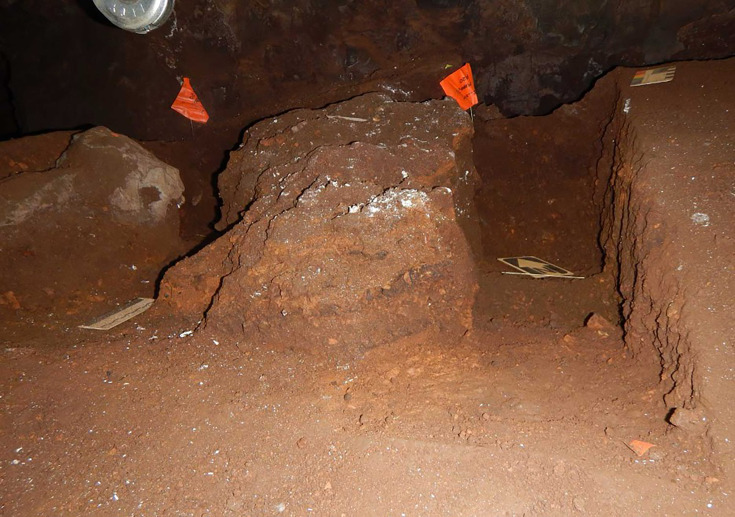
Verification
Claims the paper makes
0 Valid · 2 Not valid · 86 Not checked · 417 Own results and interpretations
A result the paper states — it cites no source for it, so there is none to check. The quote shows it is in the paper.
In the paper
“The Dinaledi Chamber assemblage includes many fragments that refit directly with each other.”
§ Evidence for deliberate burial of the dead by Homo naledi > Introduction > The Rising Star cave system and Homo naledi localities
plain- Asserted: passes — The authors put it forward as true.
- Checkable: passes — It can be checked against evidence.
- Load-bearing: unclear — It is unclear whether the paper’s conclusions depend on it.
- Based: passes — The paper gives a reason why it holds.
A result the paper states — it cites no source for it, so there is none to check. The quote shows it is in the paper.
In the paper
“The Puzzle Box area, which was the source of the majority of H. naledi fossil remains described in our previous work, is not located in a position of high surface complexity or slope.”
§ Evidence for deliberate burial of the dead by Homo naledi > Introduction > The Rising Star cave system and Homo naledi localities
plain- Asserted: passes — The authors put it forward as true.
- Checkable: passes — It can be checked against evidence.
- Load-bearing: passes — The paper’s conclusions depend on it.
- Based: passes — The paper gives a reason why it holds.
In the paper
“The small sondage unit that formed an essential part of the geochronological work (Dirks et al., 2017) by characterizing the sedimentary deposit below the fossil material revealed that this area had no downward movement of sediment or other subsurface features that might have caused localized reworking.”
§ Evidence for deliberate burial of the dead by Homo naledi > Introduction > The Rising Star cave system and Homo naledi localities
What the sources say
- Not checked yetcites Dirks et al., 2017 matched to “The age of Homo naledi and associated sediments in the Rising Star Cave, South Africa” (2017) source
plain- Asserted: passes — The authors put it forward as true.
- Checkable: passes — It can be checked against evidence.
- Load-bearing: passes — The paper’s conclusions depend on it.
- Based: passes — The paper gives a reason why it holds.
A result the paper reports from its own data — it cites no other source for it, so there is none to check. The quote shows it is in the paper.
In the paper
“Some of the elements were highly fragmented, but many were found in articulation or close spatial association with anatomically contiguous elements.”
§ Evidence for deliberate burial of the dead by Homo naledi > Introduction > The Rising Star cave system and Homo naledi localities
plainstates an association- Asserted: passes — The authors put it forward as true.
- Checkable: passes — It can be checked against evidence.
- Load-bearing: passes — The paper’s conclusions depend on it.
- Based: passes — The paper gives a reason why it holds.
- Rests on an assumption not shown here.
None of the sources cited for this claim have been checked yet.
In the paper
“In some instances, bone fragments bear surface markings or stains, including ‘tide marks’ of mineral staining, that align with each other after refitting.”
§ Evidence for deliberate burial of the dead by Homo naledi > Introduction > The Rising Star cave system and Homo naledi localities
plainstates an association- Asserted: passes — The authors put it forward as true.
- Checkable: passes — It can be checked against evidence.
- Load-bearing: unclear — It is unclear whether the paper’s conclusions depend on it.
- Based: passes — The paper gives a reason why it holds.
308 more claims
Create a free account to see all 505 claims and to verify the 110 references still open.
- It may state two separate claims as one. 142
- Probably not a substantial claim. 75
- The quote only partly states this claim. 2
Self-check
Percentages, sums and reported differences re-computed from the paper’s own numbers.
Each contradiction between two passages listed here was confirmed by an independent check.
Rated minor: it would not touch a result — a value no result rests on, a p-value that stays on the same side of the significance level, or a conflict that is clerical, resolved elsewhere in the paper, or outside its own findings.
In the paper
“For the in situ samples, a total of 22 samples were collected from within and around Feature 1 on the Dinaledi floor (Figure 30).”
§ Evidence for deliberate burial of the dead by Homo naledi > Materials and methods > Geochemistry and particle-size distribution of sediment samples
Reported 22 · recomputed 20
Rated minor: it would not touch a result — a value no result rests on, a p-value that stays on the same side of the significance level, or a conflict that is clerical, resolved elsewhere in the paper, or outside its own findings.
In the paper
§ Evidence for deliberate burial of the dead by Homo naledi > Introduction > The Rising Star cave system and Homo naledi localities
“The total extent of excavation was confined to an area of 80 cm by 80 cm and depth of 25 cm”
§ Evidence for deliberate burial of the dead by Homo naledi > Materials and methods > Dinaledi Chamber excavation
“opened an excavation unit that finally reached 80 cm by 80 cm to a depth of 20 cm, and a small sondage to a total depth of 80 cm at its center”
Rated minor: it would not touch a result — a value no result rests on, a p-value that stays on the same side of the significance level, or a conflict that is clerical, resolved elsewhere in the paper, or outside its own findings.
In the paper
§ Evidence for deliberate burial of the dead by Homo naledi > Discussion > Conclusion
“Mortuary evidence from the Dinaledi and Hill Antechamber exceeds the age of the earliest evidence of cultural burials by H. sapiens in Africa (Martinón-Torres et al., 2021) by as much 160,000 thousand years.”
§ Evidence for deliberate burial of the dead by Homo naledi > Introduction > The Rising Star cave system and Homo naledi localities
“Uranium series-electron spin resonance (US-ESR) direct dating of two H. naledi teeth from the Dinaledi Chamber yielded a range of 139–335 ka for these individuals (Dirks et al., 2017).”
Rated minor: it would not touch a result — a value no result rests on, a p-value that stays on the same side of the significance level, or a conflict that is clerical, resolved elsewhere in the paper, or outside its own findings.
In the paper
§ Evidence for deliberate burial of the dead by Homo naledi > Results > Description of excavation results
“North arrow in this image depicts grid north, which is offset by 20 degrees from magnetic north.”
§ Evidence for deliberate burial of the dead by Homo naledi > Materials and methods > Field methods
“This local north diverges from magnetic north by 35 degrees NW; maps here are presented relative to magnetic north.”
Rated minor: it would not touch a result — a value no result rests on, a p-value that stays on the same side of the significance level, or a conflict that is clerical, resolved elsewhere in the paper, or outside its own findings.
In the paper
§ Evidence for deliberate burial of the dead by Homo naledi > Results > Dinaledi Chamber excavation
“The excavation of the northern unit at grid square S1050W100 continued in 5 cm levels until a depth of 20 cm was reached”
§ Evidence for deliberate burial of the dead by Homo naledi > Materials and methods > Dinaledi Chamber excavation
“We opened two new 50 cm by 50 cm excavation units within the Dinaledi Chamber, flanking the previous excavation area on the northwest corner (S950W550) and southeast corner (S1050W500).”
2 more findings
Create a free account to see every finding of this check.
Citations
Cites
Blott, S. J., & Pye, K. (2001) · Earth Surface Processes and Landforms · doi:10.1002/esp.261 · Cited by 4,385
Taphonomic and ecologic information from bone weathering
Behrensmeyer, A. K. (1978) · Paleobiology · doi:10.1017/s0094837300005820 · Cited by 2,235
Lyman, R. L. (1994) · Cambridge University Press eBooks · doi:10.1017/cbo9781139878302 · Cited by 1,612
dbscan: Fast Density-Based Clustering with R
Hahsler, M., Piekenbrock, M., & Doran, D. (2019) · Journal of Statistical Software · doi:10.18637/jss.v091.i01 · Cited by 802
Homo naledi, a new species of the genus Homo from the Dinaledi chamber. South Africa.
Berger, L. R., Hawks, J., de Ruiter, D. J., Churchill, S. E., Schmid, P., Delezene, L. K., Kivell, T. L., Garvin, H. M., Williams, S. A., DeSilva, J. M., et al. (2015) · eLife · doi:10.7554/elife.09560 · Cited by 703
Self-citationCelebrations of Death: The Anthropology of Mortuary Ritual
Metcalf, P., & Huntington, R. (1991) · Cambridge University Press eBooks · doi:10.1017/cbo9780511803178 · Cited by 698
Using accumulated degree-days to estimate the postmortem interval from decomposed human remains
Megyesi, M., Nawrocki, S., & Haskell, N. (2005) · Journal of Forensic Sciences · doi:10.1520/jfs2004017 · Cited by 697
Cadaver decomposition in terrestrial ecosystems
Carter, D. O., Yellowlees, D., & Tibbett, M. (2006) · Naturwissenschaften · doi:10.1007/s00114-006-0159-1 · Cited by 685
Neandertal roots: Cranial and chronological evidence from Sima de los Huesos
Arsuaga, J. L., Martínez, I., Arnold, L. J., Aranburu, A., Gracia-Téllez, A., Sharp, W. D., Quam, R. M., Falguères, C., Pantoja-Pérez, A., Bischoff, J., et al. (2014) · Science · doi:10.1126/science.1253958 · Cited by 534
The Effects of Bioturbation on Soil Processes and Sediment Transport
Gabet, E. J., Reichman, O. J., & Seabloom, E. W. (2003) · Annual Review of Earth and Planetary Sciences · doi:10.1146/annurev.earth.31.100901.141314 · Cited by 472
Research works printed but not linked: 19
- Aspöck E 2008 What actually is a ‘deviant burial'? Comparing German-language and anglophone research on ‘deviant burials’ Murphy EM Deviant Burial in the Archaeological Record Oxbow Books 17 34
- Benecke M 2005 Insect infestation of the corpse as a source of knowledge in forensic medicine Zeitschrift Fur Semiotik 27 389 406
- Bennett H Oliver GJ 1992 XRF Analysis of Ceramics, Minerals and Allied Materials John Wiley & Sons
- Boulestin B Duday H 2005 Ethnologie et archéologie de la mort Mordant C Depierre G Les Pratiques Funéraires l’Âge Du Bronze En France Éditions du Comité des Travaux Historiques et Scientifiques 17 30
- Boulestin B 2012 Champ de la discipline: concepts et mise en oeuvre Bonnabel L Archéologie de La Mort En France La Découverte 24 39
- Brain CK 1985 Interpreting early hominid death asemblages: the rise of taphonomy since 1925 Tobias PV Hominid Evolution, Past, Present, and Future, Alan R Liss Inc 41 46
- Brain CK 1993 A taphonomic overview of the swartkrans fossil assemblages Brain CK Swartkrans Transvaal Museum Monograph 8, Pretoria 257 264
- Channing J Randolph-Quinney PS 2006 Death, decay and reconstruction O’Sullivan J Stanley M Settlement, Industry and Ritual NRA/Four Courts Press 113 126
- Cherryson AK 2008 Normal, deviant and atypical Murphy EM Deviant Burial in the Archaeological Record Oxbow Books 115 130
- Courtaud P Duday H 2008 Qu’est-ce qu’une sépulture? comment la reconnaître Vandermeersch B Cleyet-Merle JJ Jaubert J Maureille B Turq A Première Humanité: Gestes Funéraires Néandertaliens Réunion des Musées nationaux 16 24
- Duday H 2005 L’archéothanatologie ou l’archéologie de la mort Dutour O Hublin JJ Vandermeersch B Objets et Méthodes En Paléoanthropologie Comité des Travaux Historiques et Scientifiques 153 215
- Elliott MC Peixotto B Morris H Feuerriegel EM Tucker S Hunter R Ramalepa M Tsikoane M Roberts EM Spandler C Hawks J Berger LR 2018 Hominin material recovered from the base of the chute in the hill antechamber, in the Dinaledi Chamber System of the Rising Star Cave American Journal of Physical Anthropology 165 supplement 66 76
- Gerdau-Radonic K 2012 Archaeological insights into the disarticulation pattern of a human body in a sitting/squatting position In Proceedings of the 12th Annual Conference British Association Biological Anthropology and Osteoarchaeology 151 160
- Henderson, 1987, Factors determining the state of preservation of human remains, 43
- Myskowiak JB Chauvet B Pasquerault T Rocheteau C Vian JM 1999 A summary of six years of forensic entomology field work: the role of necrophagous insects in forensic science Annales De La Societe Entomologique De France 35 569 572
- Parker Pearson M 1999 The Archaeology of Death and Burial Texas A&M University Press
- Silver M 2016 Conservation techniques in cultural heritage Stylianidis E Remondino F 3D Recording, Documentation and Management of Cultural Heritage Whittles Publishing 15 106
- Vass AA 2001 Beyond the grave - understanding human decomposition Microbiology Today 28 190 192
- Watanabe M 2015 Sample preparation for X-ray fluorescence analysis IV. Fusion bead method―part 1 basic principals Rigaku Journal 31 12 17
Cited by
No scientific evidence that Homo naledi buried their dead and produced rock art
Martinón‐Torres, M., Maidagán, D. G., Herries, A. I. R., & Petraglia, M. D. (2023) · Journal of Human Evolution · doi:10.1016/j.jhevol.2023.103464 · Cited by 55
Fuentes, A., Kissel, M., Spikins, P., Molopyane, K., Hawks, J. D., & Berger, L. R. (2025) · eLife · doi:10.7554/elife.89125.1 · Cited by 46
Self-citationBerger, L. R., Hawks, J. D., Fuentes, A., van Rooyen, D., Tsikoane, M., Ramalepa, M., Nkwe, S., & Molopyane, K. (2025) · eLife · doi:10.7554/elife.89102.3 · Cited by 36
Self-citationMorley, M. W., Moffat, I., Kotarba-Morley, A. M., Hernandez, V., Zerboni, A., Herries, A. I. R., Joannes‐Boyau, R., & Westaway, K. (2023) · Nature Ecology & Evolution · doi:10.1038/s41559-023-02215-5 · Cited by 15
What we know and do not know after the first decade of Homo naledi
Pettitt, P., & Wood, B. A. (2024) · Nature Ecology & Evolution · doi:10.1038/s41559-024-02470-0 · Cited by 9
Metadata
- Authors
- Berger, L. R., Makhubela, T. V., Molopyane, K., Krüger, A., Randolph-Quinney, P., Elliott, M., Peixotto, B., Fuentes, A., Tafforeau, P., Beyrand, V., Dollman, K., Jinnah, Z., Brewer Gillham, A., Broad, K., Brophy, J., Chinamatira, G., Dirks, P. H., Feuerriegel, E., Gurtov, A., Hlophe, N., Hunter, L., Hunter, R., Jakata, K., Jaskolski, C., Morris, H., Pryor, E., Mpete, M., Roberts, E. M., Smilg, J. S., Tsikoane, M., Tucker, S., Van Rooyen, D., Warren, K., Wren, C. D., Kissel, M., Spikins, P., & Hawks, J.
- Affiliations
- University of the Witwatersrand (ZA)
- Swedish Museum of Natural History (SE)
- Simon Fraser University (CA)
- American University (US)
- Princeton University (US)
- European Synchrotron Radiation Facility (FR)
- Frontiers Media Limited
- University of Miami (US)
- Louisiana State University (US)
- University of Wisconsin–Madison (US)
- Texas A&M University (US)
- University of California San Diego (US)
- Synthetaic
- University of Georgia (US)
- Cardiff University (GB)
- Centre for the Exploration of the Deep Human Journey, School of Anatomical Sciences, University of the Witwatersrand
- University of Cape Town (ZA)
- University of Colorado Colorado Springs (US)
- Appalachian State University (US)
- University of York (GB)
- Corresponding author
- Berger, Lee R
- Makhubela, Tebogo Vincent
- Hawks, John
- ORCID
- Berger, Lee R
- Makhubela, Tebogo Vincent
- Molopyane, Keneiloe
- Krüger, Ashley
- Randolph-Quinney, Patrick
- Elliott, Marina
- Peixotto, Becca
- Fuentes, Agustín
- Tafforeau, Paul
- Beyrand, Vincent
- Dollman, Kathleen
- Jinnah, Zubair
- Broad, Kenneth
- Brophy, Juliet
- Dirks, Paul HGM
- Feuerriegel, Elen
- Jakata, Kudakwashe
- Jaskolski, Corey
- Morris, Hannah
- Roberts, Eric M
- Smilg, Jacqueline S
- Warren, Kerryn
- Wren, Colin D
- Kissel, Marc
- Spikins, Penny
- Hawks, John
- Venue
- eLife
- Publisher
- eLife Sciences Publications, Ltd
- Published
- 2025-09-01
- Volume
- 12
- Pages
- RP89106
- ISSN
- 2050-084X (ISSN-L)
- PMC
- PMC12401548
- OpenAlex
- W4384069163
- Cited by
- 66
- References
- 194
- Citations by year
- 2026: 9 · 2025: 24
- FWCI
- 46.22
- Type
- journal article
- Language
- en
- Open access
- gold
- doi.org
- Licence
- cc-by
- creativecommons.org/licenses/by/4.0/ (vor)
- creativecommons.org/licenses/by/4.0/ (am)
- creativecommons.org/licenses/by/4.0/ (tdm)
- Locations
- eLife (publishedVersion, cc-by)
- eLife (submittedVersion, cc-by)
- bioRxiv (Cold Spring Harbor Laboratory) (submittedVersion, cc-by-nc-nd)
- PubMed Central (publishedVersion, cc-by)
- Europe PMC (PubMed Central) (publishedVersion, cc-by)
- PubMed (publishedVersion)
- ORCA Online Research @Cardiff (Cardiff University) (acceptedVersion)
- Digital Commons - University of South Florida (University of South Florida) (submittedVersion)
- DiVA (Digitala Vetenskapliga Arkivet) (submittedVersion, other-oa)
- DOAJ (DOAJ: Directory of Open Access Journals) (submittedVersion)
- Funders
- The National Geographic Society (Explorer at Large)
- The Lyda Hill Foundation
- National Research Foundation
- Genus
- Fulbright Association
- University of Johannesburg
- Spectrum Analytical Facility, University of Johannesburg
- Topics
- Social Sciences › Anthropology › Pleistocene-Era Hominins and Archaeology
- Social Sciences › Arts and Humanities › Archeology (arts and humanities) › Forensic Anthropology and Bioarchaeology Studies
- Social Sciences › Archeology › Archaeology and Rock Art Studies
- Keywords
- Homo naledi, mortuary behavior, puzzle box, skeletal remains, sediment burial, hominin cognition
- MeSH terms
- Animals, Burial, Fossils, Humans, South Africa, Hominidae, Geologic Sediments
About these checks
Registry, retraction, Cites and statistics results are computed, not judged, with one exception: a printed reference that no index lists is read once by a model before it counts as a citation error. Claims are extracted by a model and kept only when their quote appears verbatim in the text; each cited source is then checked, with a model’s help, for whether it says what the claim relies on. Those verdicts can be wrong — read the claim’s quote and the cited source before relying on one.
A language model drew the claims from the paper on 2026-11-28, under version 3 of the claim definition (model deepseek-v4.1-flash, prompt extract-v3).
A second model labelled each claim on 2026-11-28 (model jev-1.13-20260917, definition revision gold-guideline-v0.2).
Statistics and arithmetic are recomputed, not judged.
Confidence bands are shown only for fields calibrated on our annotated test set. None is calibrated yet, so no band is shown.
What counts as a claim ›How we measure confidence ›How we check this ›
Are you an author, or do you see a problem with this page? Request a review
Data sources
Bibliographic data: Semantic Scholar, OpenAlex, Crossref.
Contains information from the Semantic Scholar Academic Graph Datasets, made available under the ODC Attribution License (ODC-BY 1.0).
Semantic Scholar’s data is described in: Kinney, R., et al. (2023). The Semantic Scholar Open Data Platform. arXiv:2301.10140.
