

The DOI matches its Crossref record; 36 of the 38 references it cites were found in a registry or an index.
Self-medication with Antibiotics in WHO Southeast Asian Region: A Systematic Review
Open accessAbstract
Antibiotics are essential treatments, especially in the developing world like World Health Organization (WHO) Southeast Asian region where infectious diseases are still the most common cause of death. In this part of the world, antibiotics are purchased and used without the prescription of a physician. Self-medication of antibiotics is associated with the risk of inappropriate drug use, which predisposes patients to drug interactions, masking symptoms of an underlying disease, and development of microbial resistance. Antibiotic resistance is shrinking the range of effective antibiotics and is a global health problem. The appearance of multidrug-resistant bacterial strains, which are highly resistant to many antibiotic classes, has raised a major concern regarding antibiotic resistance worldwide. Even after decades of economic growth and development in countries that belong to the WHO Southeast Asian region, most of the countries in this region still have a high burden of infectious diseases. The magnitude and consequence of self-medication with antibiotics is unknown in this region. There is a need for evidence from well-designed studies on community use of antibiotics in these settings to help in planning and implementing specific strategies and interventions to prevent their irrational use and consequently to reduce the spread of antibiotic resistance. To quantify the frequency and effect of self-medication with antibiotics, we did a systematic review of published work from the Southeast Asian region.
Overview
The claims and statistics of this paper haven’t been checked yet.
Run the check — free, no account needed. It reads the open-access text and checks the sources it cites.
Integrity signals
Registry
Cites
Statistics
Figures
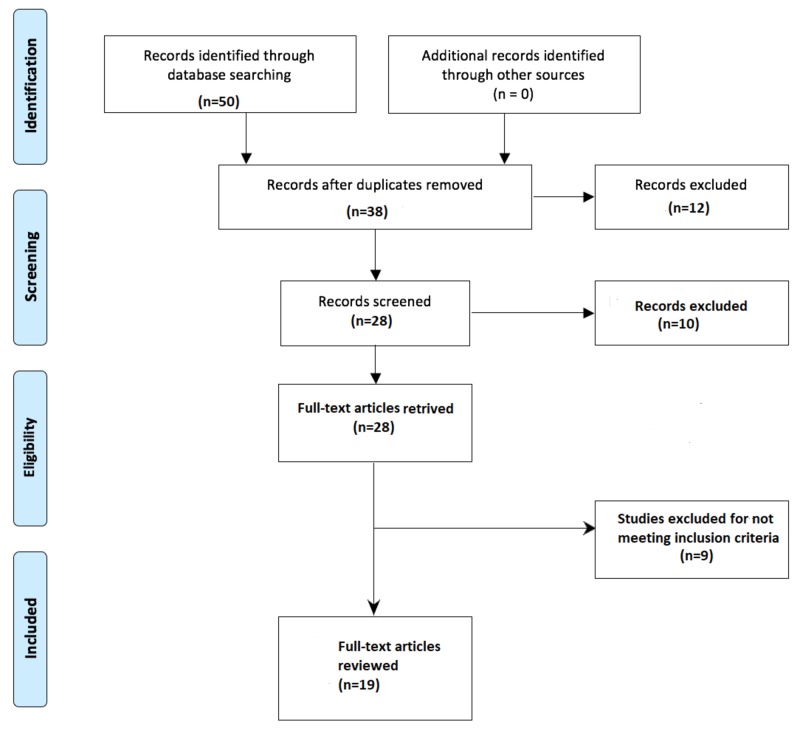
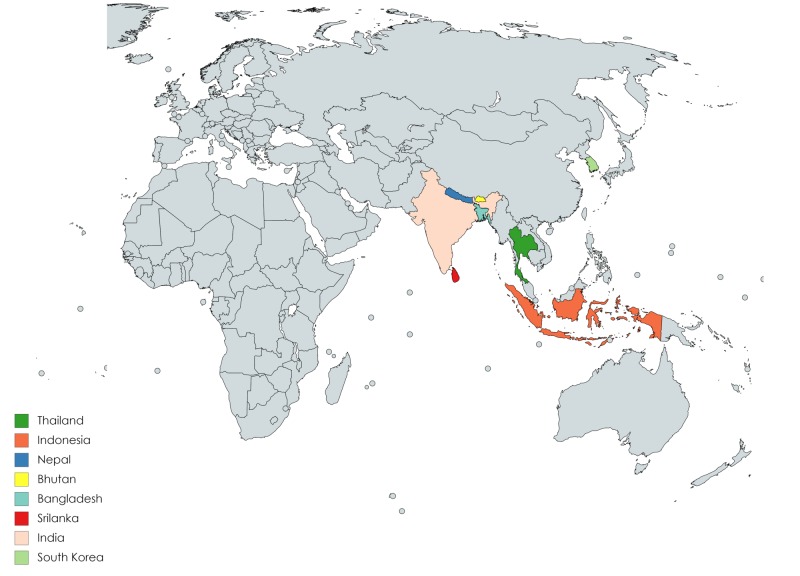
Verification
Claims the paper makes
The claims and statistics of this paper haven’t been checked yet.
Run the check — free, no account needed. It reads the open-access text and checks the sources it cites.
Claims other papers make about this one
Each is checked against this paper’s own text: does it say what the citing paper says it does?
The source backs part of the claim, not all of it — or backs it for a different population, condition or comparison.
In the citing paper
“Among the different channels from which patients in LMICs can access antibiotics, CDROs have been identified to be a predominant source of antibiotics for the wider population [19–22].”
From No prescription? No problem: drivers of non-prescribed sale of antibiotics among community drug retail outlets in low and middle income countries: a systematic review of qualitative studies (2021) · cites this paper as [21]
Experimental — accuracy not yet measuredThe check wasn’t confident either way, so it gives no verdict — never disputed.
In the citing paper
“This finding aligns with research by Gaurav Nepal et al, which reported that 79.6% of pharmacies in Nepal dispensed antibiotics for URI without a prescription. 17”
From Evaluation of antibiotic dispensing without prescription by community pharmacies: a simulated patient study (2025) · cites this paper as [17]
Experimental — accuracy not yet measured
Self-check
Percentages, sums and reported differences re-computed from the paper’s own numbers.
The self-check needs the paper’s full text.
Citations
Cites
Spellberg, B. J., Guidos, R., Gilbert, D. N., Bradley, J. S., Boucher, H. W., Scheld, W. M., Bartlett, J. G., Edwards, J. E., & the Infectious Diseases Society of America (2007) · Clinical Infectious Diseases · doi:10.1086/524891 · Cited by 1,689
Non-prescription antimicrobial use worldwide: a systematic review
Morgan, D. J., Okeke, I. N., Laxminarayan, R., Perencevich, E. N., & Weisenberg, S. (2011) · The Lancet Infectious Diseases · doi:10.1016/s1473-3099(11)70054-8 · Cited by 947 · cited 1×
“It is a form of healthcare practiced in most parts of the world and overall 50% of total antibiotics used are purchased over-the-counter [4-5].”
BackgroundAntimicrobial resistance in developing countries
Hart, C. A., & Kariuki, S. (1998) · BMJ · doi:10.1136/bmj.317.7159.647 · Cited by 745 · cited 1×
“Repercussions of selfmedication with antibiotics leading to health hazards, particularly in the developing world, are multifaceted as they are linked to poverty, inaccessibility, lack of medical professionals, poor quality of healthcare facilities, unregulated distribution of medicines, and patients’ misconceptions ab…”
BackgroundSelf-medication with Antimicrobial Drugs in Europe
Grigoryan, L., Haaijer‐Ruskamp, F. M., Burgerhof, J. G. M., Mechtler, R., Deschepper, R., Tambić-Andrašević, A., Andrajati, R., Monnet, D. L., Cunney, R., Matteo, A. D., et al. (2006) · Emerging infectious diseases · doi:10.3201/eid1203.050992 · Cited by 588 · cited 1×
“Developed countries, such as those of Europe where over-the-counter antibiotic sales are strictly regulated, have much lower prevalence rates of SMA, ranging from 1% to 4% [36].”
BackgroundOcan, M., Obuku, E. A., Bwanga, F., Akena, D., Richard, S., Ogwal-Okeng, J., & Obua, C. (2015) · BMC Public Health · doi:10.1186/s12889-015-2109-3 · Cited by 504
Alhomoud, F., Aljamea, Z., Almahasnah, R., Alkhalifah, K., Basalelah, L., & Alhomoud, F. K. (2017) · International Journal of Infectious Diseases · doi:10.1016/j.ijid.2017.01.014 · Cited by 342 · cited 2×
“reported that the overall prevalence of self-medication varied from 19% to 82% in the Middle East [32].”
BackgroundAntimicrobial resistance in developing countries. Part II: strategies for containment
Okeke, I. N., Klugman, K. P., Bhutta, Z. A., Duse, A. G., Jenkins, P., O’Brien, T., Pablos-Méndez, A., & Laxminarayan, R. (2005) · The Lancet Infectious Diseases · doi:10.1016/s1473-3099(05)70217-6 · Cited by 297 · cited 3×
“This, coupled with the high burden of infectious diseases in these countries, makes the private sector an important alternative source of healthcare [41].”
BackgroundInfluentialImproving antibiotic use in low-income countries: an overview of evidence on determinants
Radyowijati, A., & Haak, H. (2003) · Social Science & Medicine · doi:10.1016/s0277-9536(02)00422-7 · Cited by 291
Estimating Worldwide Current Antibiotic Usage: Report of Task Force 1
Col, N. F., & O'Connor, R. W. (1987) · Clinical Infectious Diseases · doi:10.1093/clinids/9.supplement_3.s232 · Cited by 204 · cited 1×
“Introduction And Background Antibiotics are among the most commonly purchased drugs worldwide [1].”
BackgroundSelf-medication practice in Ethiopia: a systematic review
Ayalew, M. B. (2017) · Patient Preference and Adherence · doi:10.2147/ppa.s131496 · Cited by 182
Research works printed but not linked: 2
- [28]Self-medication with antibiotics among dental students of Kathmandu - prevalence and practice Nepal Med Coll J Pant N Sagtani RA Pradhan M 47 53 17 2015 https://www.researchgate.net/publication/304571326_Self-medication_with_antibiotics_among_dental_students_of_Kathmandu_-_Prevalence_and_Practice
- [43]Assessment of self-medication practices among medical, pharmacy and nursing students at a tertiary care teaching hospital Indian J Hosp Pharm Gaddam D 79 83 49 2012 https://www.researchgate.net/profile/Damodar_Gaddam/publication/230779793_Assessment_of_Self-medication_Practices_among_Medical_Pharmacy_and_Nursing_Students_at_a_Tertiary_Care_Teaching_Hospital/links/09e415045784f24421000000/Assessment-of-Self-medication-Practices-among-Medical-Pharmacy-and-Nursing-Students-at-a-Tertiary-Care-Teaching-Hospital.pdf
Cited by
Sorted by citations
Antibiotic resistance in microbes: History, mechanisms, therapeutic strategies and future prospects
Uddin, T. M., Chakraborty, A. J., Khusro, A., Zidan, B. M. R. M., Mitra, S., Emran, T. B., Dhama, K., Ripon, M. K. H., Gajdács, M., Sahibzada, M. U. K., et al. (2021) · Journal of Infection and Public Health · doi:10.1016/j.jiph.2021.10.020 · Cited by 1,411
Baig, M. R., Al‐Worafi, Y. M., Alseragi, W. M., Ming, L. C., & Siddique, A. (2020) · Elsevier eBooks · doi:10.1016/b978-0-12-819837-7.00025-x · Cited by 367
Endale, H., Mathewos, M., & Abdeta, D. (2023) · Infection and Drug Resistance · doi:10.2147/idr.s428837 · Cited by 348
“29 As documented by, 30 in the Southeast Asian region there is widespread usage of antibiotics without prescriptions from physicians (self-medication with antibiotics), increasing the likelihood of improper drug usage and subsequent appearance and distribution of drug-resistant microorganisms.”
BackgroundAjulo, S. O., & Awosile, B. B. (2024) · PLoS ONE · doi:10.1371/journal.pone.0297921 · Cited by 322
Strategies to Improve Antimicrobial Utilization with a Special Focus on Developing Countries
Godman, B., Egwuenu, A. J., Haque, M., Malande, O. O., Schellack, N., Kumar, S., Saleem, Z., Sneddon, J., Hoxha, I., Islam, S., et al. (2021) · Life · doi:10.3390/life11060528 · Cited by 244
Metadata
- Authors
- Nepal, G., & Bhatta, S.
- Affiliations
- Tribhuvan University (NP)
- Corresponding author
- Nepal, Gaurav
- ORCID
- Nepal, Gaurav
- Venue
- Cureus
- Published
- 2018-04-05
- Volume
- 10
- Issue
- 4
- Pages
- e2428-e2428
- ISSN
- 2168-8184 (ISSN-L)
- PMC
- PMC5988199
- OpenAlex
- W2796257797
- Cited by
- 272
- References
- 38
- Citations by year
- 2026: 6 · 2025: 36 · 2024: 35 · 2023: 55 · 2022: 42 · 2021: 43 · 2020: 31 · 2019: 23 · 2018: 1
- FWCI
- 3.00
- Type
- journal article
- Language
- en
- Open access
- diamond
- doi.org
- Licence
- cc-by
- Locations
- Cureus (publishedVersion, cc-by)
- Europe PMC (PubMed Central) (publishedVersion, cc-by)
- PubMed Central (publishedVersion, cc-by)
- PubMed (publishedVersion)
- Topics
- Health Sciences › Medicine › Infectious Diseases › Antibiotic Use and Resistance
- Health Sciences › Medicine › Microbiology (medical) › Antibiotic Resistance in Bacteria
- Physical Sciences › Environmental Science › Pollution › Pharmaceutical and Antibiotic Environmental Impacts
- Keywords
- self-medication, antibiotics, antibiotic resistance, multidrug resistance, inappropriate medication use, community antibiotic use, Southeast Asia, infectious diseases, antimicrobial stewardship
About these checks
Registry, retraction, Cites and statistics results are computed, not judged, with one exception: a printed reference that no index lists is read once by a model before it counts as a citation error. Claims are extracted by a model and kept only when their quote appears verbatim in the text; each cited source is then checked, with a model’s help, for whether it says what the claim relies on. Those verdicts can be wrong — read the claim’s quote and the cited source before relying on one.
Statistics and arithmetic are recomputed, not judged.
Confidence bands are shown only for fields calibrated on our annotated test set. None is calibrated yet, so no band is shown.
What counts as a claim ›How we measure confidence ›How we check this ›
Are you an author, or do you see a problem with this page? Request a review
