

The DOI matches its Crossref record; 36 of the 38 references it cites were found in a registry or an index.
Self-medication with Antibiotics in WHO Southeast Asian Region: A Systematic Review
Open accessAbstract
Antibiotics are essential treatments, especially in the developing world like World Health Organization (WHO) Southeast Asian region where infectious diseases are still the most common cause of death. In this part of the world, antibiotics are purchased and used without the prescription of a physician. Self-medication of antibiotics is associated with the risk of inappropriate drug use, which predisposes patients to drug interactions, masking symptoms of an underlying disease, and development of microbial resistance. Antibiotic resistance is shrinking the range of effective antibiotics and is a global health problem. The appearance of multidrug-resistant bacterial strains, which are highly resistant to many antibiotic classes, has raised a major concern regarding antibiotic resistance worldwide. Even after decades of economic growth and development in countries that belong to the WHO Southeast Asian region, most of the countries in this region still have a high burden of infectious diseases. The magnitude and consequence of self-medication with antibiotics is unknown in this region. There is a need for evidence from well-designed studies on community use of antibiotics in these settings to help in planning and implementing specific strategies and interventions to prevent their irrational use and consequently to reduce the spread of antibiotic resistance. To quantify the frequency and effect of self-medication with antibiotics, we did a systematic review of published work from the Southeast Asian region.
Overview
The claims and statistics of this paper haven’t been checked yet.
Run the check — free, no account needed. It reads the open-access text and checks the sources it cites.
Integrity signals
Registry
Cites
Statistics
Figures
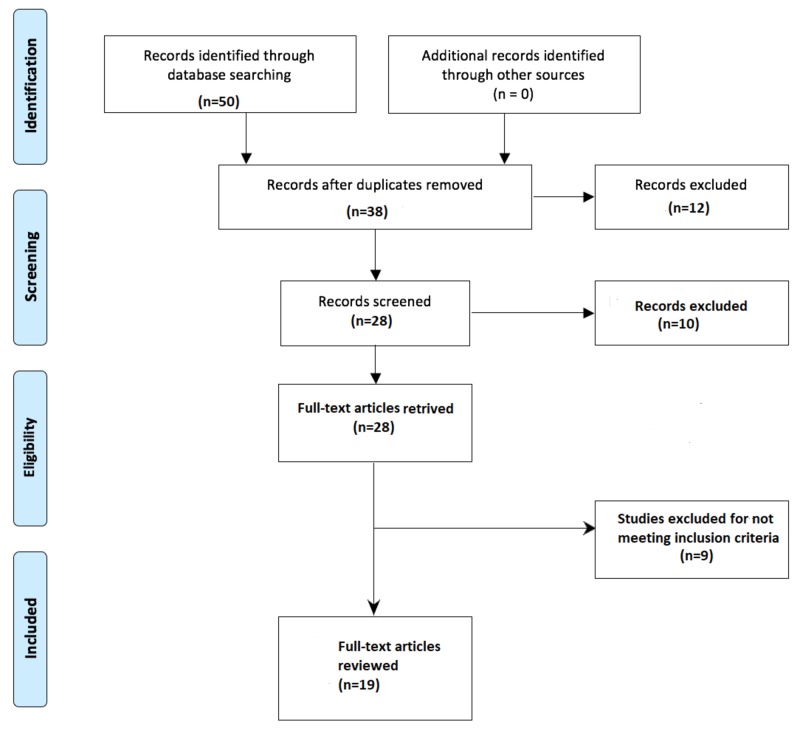
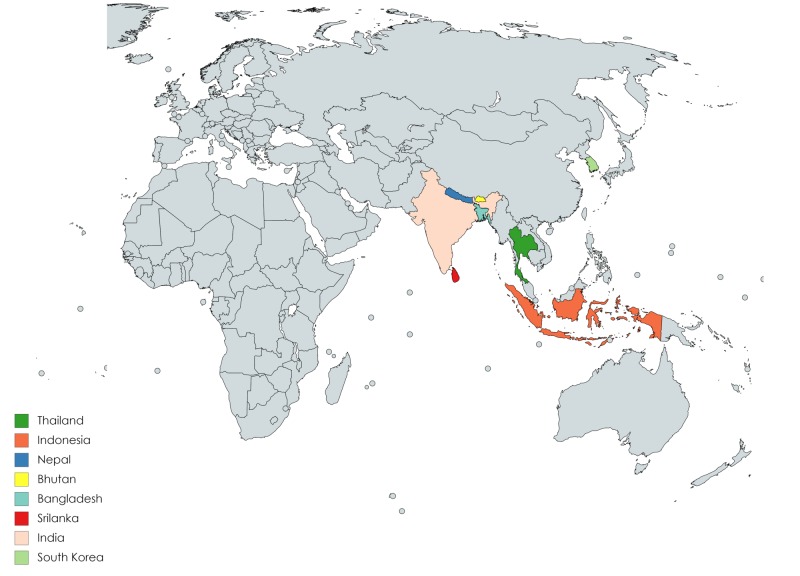
Verification
Claims the paper makes
The claims and statistics of this paper haven’t been checked yet.
Run the check — free, no account needed. It reads the open-access text and checks the sources it cites.
Claims other papers make about this one
Each is checked against this paper’s own text: does it say what the citing paper says it does?
The source backs part of the claim, not all of it — or backs it for a different population, condition or comparison.
In the citing paper
“Among the different channels from which patients in LMICs can access antibiotics, CDROs have been identified to be a predominant source of antibiotics for the wider population [19–22].”
From No prescription? No problem: drivers of non-prescribed sale of antibiotics among community drug retail outlets in low and middle income countries: a systematic review of qualitative studies (2021) · cites this paper as [21]
Experimental — accuracy not yet measuredThe check wasn’t confident either way, so it gives no verdict — never disputed.
In the citing paper
“This finding aligns with research by Gaurav Nepal et al, which reported that 79.6% of pharmacies in Nepal dispensed antibiotics for URI without a prescription. 17”
From Evaluation of antibiotic dispensing without prescription by community pharmacies: a simulated patient study (2025) · cites this paper as [17]
Experimental — accuracy not yet measured
Self-check
Percentages, sums and reported differences re-computed from the paper’s own numbers.
The self-check needs the paper’s full text.
Citations
Cites
Spellberg, B. J., Guidos, R., Gilbert, D. N., Bradley, J. S., Boucher, H. W., Scheld, W. M., Bartlett, J. G., Edwards, J. E., & the Infectious Diseases Society of America (2007) · Clinical Infectious Diseases · doi:10.1086/524891 · Cited by 1,689
Non-prescription antimicrobial use worldwide: a systematic review
Morgan, D. J., Okeke, I. N., Laxminarayan, R., Perencevich, E. N., & Weisenberg, S. (2011) · The Lancet Infectious Diseases · doi:10.1016/s1473-3099(11)70054-8 · Cited by 947 · cited 1×
“It is a form of healthcare practiced in most parts of the world and overall 50% of total antibiotics used are purchased over-the-counter [4-5].”
BackgroundAntimicrobial resistance in developing countries
Hart, C. A., & Kariuki, S. (1998) · BMJ · doi:10.1136/bmj.317.7159.647 · Cited by 745 · cited 1×
“Repercussions of selfmedication with antibiotics leading to health hazards, particularly in the developing world, are multifaceted as they are linked to poverty, inaccessibility, lack of medical professionals, poor quality of healthcare facilities, unregulated distribution of medicines, and patients’ misconceptions ab…”
BackgroundSelf-medication with Antimicrobial Drugs in Europe
Grigoryan, L., Haaijer‐Ruskamp, F. M., Burgerhof, J. G. M., Mechtler, R., Deschepper, R., Tambić-Andrašević, A., Andrajati, R., Monnet, D. L., Cunney, R., Matteo, A. D., et al. (2006) · Emerging infectious diseases · doi:10.3201/eid1203.050992 · Cited by 588 · cited 1×
“Developed countries, such as those of Europe where over-the-counter antibiotic sales are strictly regulated, have much lower prevalence rates of SMA, ranging from 1% to 4% [36].”
BackgroundOcan, M., Obuku, E. A., Bwanga, F., Akena, D., Richard, S., Ogwal-Okeng, J., & Obua, C. (2015) · BMC Public Health · doi:10.1186/s12889-015-2109-3 · Cited by 504
Alhomoud, F., Aljamea, Z., Almahasnah, R., Alkhalifah, K., Basalelah, L., & Alhomoud, F. K. (2017) · International Journal of Infectious Diseases · doi:10.1016/j.ijid.2017.01.014 · Cited by 342 · cited 2×
“reported that the overall prevalence of self-medication varied from 19% to 82% in the Middle East [32].”
BackgroundAntimicrobial resistance in developing countries. Part II: strategies for containment
Okeke, I. N., Klugman, K. P., Bhutta, Z. A., Duse, A. G., Jenkins, P., O’Brien, T., Pablos-Méndez, A., & Laxminarayan, R. (2005) · The Lancet Infectious Diseases · doi:10.1016/s1473-3099(05)70217-6 · Cited by 297 · cited 3×
“This, coupled with the high burden of infectious diseases in these countries, makes the private sector an important alternative source of healthcare [41].”
BackgroundInfluentialImproving antibiotic use in low-income countries: an overview of evidence on determinants
Radyowijati, A., & Haak, H. (2003) · Social Science & Medicine · doi:10.1016/s0277-9536(02)00422-7 · Cited by 291
Estimating Worldwide Current Antibiotic Usage: Report of Task Force 1
Col, N. F., & O'Connor, R. W. (1987) · Clinical Infectious Diseases · doi:10.1093/clinids/9.supplement_3.s232 · Cited by 204 · cited 1×
“Introduction And Background Antibiotics are among the most commonly purchased drugs worldwide [1].”
BackgroundSelf-medication practice in Ethiopia: a systematic review
Ayalew, M. B. (2017) · Patient Preference and Adherence · doi:10.2147/ppa.s131496 · Cited by 182
Research works printed but not linked: 2
- [28]Self-medication with antibiotics among dental students of Kathmandu - prevalence and practice Nepal Med Coll J Pant N Sagtani RA Pradhan M 47 53 17 2015 https://www.researchgate.net/publication/304571326_Self-medication_with_antibiotics_among_dental_students_of_Kathmandu_-_Prevalence_and_Practice
- [43]Assessment of self-medication practices among medical, pharmacy and nursing students at a tertiary care teaching hospital Indian J Hosp Pharm Gaddam D 79 83 49 2012 https://www.researchgate.net/profile/Damodar_Gaddam/publication/230779793_Assessment_of_Self-medication_Practices_among_Medical_Pharmacy_and_Nursing_Students_at_a_Tertiary_Care_Teaching_Hospital/links/09e415045784f24421000000/Assessment-of-Self-medication-Practices-among-Medical-Pharmacy-and-Nursing-Students-at-a-Tertiary-Care-Teaching-Hospital.pdf
Cited by
Sorted by citations
Antibiotic resistance in microbes: History, mechanisms, therapeutic strategies and future prospects
Uddin, T. M., Chakraborty, A. J., Khusro, A., Zidan, B. M. R. M., Mitra, S., Emran, T. B., Dhama, K., Ripon, M. K. H., Gajdács, M., Sahibzada, M. U. K., et al. (2021) · Journal of Infection and Public Health · doi:10.1016/j.jiph.2021.10.020 · Cited by 1,411
Baig, M. R., Al‐Worafi, Y. M., Alseragi, W. M., Ming, L. C., & Siddique, A. (2020) · Elsevier eBooks · doi:10.1016/b978-0-12-819837-7.00025-x · Cited by 367
Endale, H., Mathewos, M., & Abdeta, D. (2023) · Infection and Drug Resistance · doi:10.2147/idr.s428837 · Cited by 348
“29 As documented by, 30 in the Southeast Asian region there is widespread usage of antibiotics without prescriptions from physicians (self-medication with antibiotics), increasing the likelihood of improper drug usage and subsequent appearance and distribution of drug-resistant microorganisms.”
BackgroundAjulo, S. O., & Awosile, B. B. (2024) · PLoS ONE · doi:10.1371/journal.pone.0297921 · Cited by 322
Strategies to Improve Antimicrobial Utilization with a Special Focus on Developing Countries
Godman, B., Egwuenu, A. J., Haque, M., Malande, O. O., Schellack, N., Kumar, S., Saleem, Z., Sneddon, J., Hoxha, I., Islam, S., et al. (2021) · Life · doi:10.3390/life11060528 · Cited by 244
Fink, G., D’Acremont, V., Leslie, H. H., & Cohen, J. L. (2019) · The Lancet Infectious Diseases · doi:10.1016/s1473-3099(19)30572-9 · Cited by 178
Godman, B., Haque, M., McKimm, J., Abu Bakar, M., Sneddon, J., Wale, J., Campbell, S., Martin, A. P., Hoxha, I., Abilova, V., et al. (2020) · Current Medical Research and Opinion · doi:10.1080/03007995.2019.1700947 · Cited by 171
Ajala, O. J., Tijani, J. O., Salau, R. B., Abdulkareem, A. S., & Aremu, O. S. (2022) · Results in Engineering · doi:10.1016/j.rineng.2022.100671 · Cited by 170
Antimicrobial Resistance in the Asia Pacific region: a meeting report
Yam, E. L. Y., Hsu, L. Y., Yap, E. P. H., Yeo, T. W., Lee, V., Schlundt, J., Lwin, M. O., Limmathurotsakul, D., Jit, M., Dedon, P. C., et al. (2019) · Antimicrobial Resistance and Infection Control · doi:10.1186/s13756-019-0654-8 · Cited by 130
Yeika, E. V., Ingelbeen, B., Kemah, B., Wirsiy, F. S., Nkeangu, F. J., & van der Sande, M. A. B. (2021) · Tropical Medicine & International Health · doi:10.1111/tmi.13600 · Cited by 116
“Self-medication with antibiotics (SMA) contributes to accelerating the emergence and spread of antimicrobial resistance (AMR) [1, 7, 8].”
BackgroundInfluentialSale of WHO AWaRe groups antibiotics without a prescription in Pakistan: a simulated client study
Saleem, Z., Hassali, M. A., Godman, B., Fatima, M., Ahmad, Z., Sajid, A., Rehman, I. U., Nadeem, M. U., Javaid, Z., Malik, M., et al. (2020) · Journal of Pharmaceutical Policy and Practice · doi:10.1186/s40545-020-00233-3 · Cited by 111
“Overall, a lack of diagnostic facilities and poor practices among health care professionals, coupled with public behavior including pressurizing pharmacists to dispense antibiotics for predominantly viral infections, have contributed towards increases in the sale of antibiotics without prescription especially in devel…”
BackgroundResultParamadhas, B. D. A., Tiroyakgosi, C., Mpinda-Joseph, P., Morokotso, M., Matome, M., Sinkala, F., Gaolebe, M., Malone, B., Molosiwa, E., Shanmugam, M. G., et al. (2019) · Expert Review of Anti-infective Therapy · doi:10.1080/14787210.2019.1629288 · Cited by 104
Self-Medication With Antibiotics: An Element Increasing Resistance
Sachdev, C., Anjankar, A. P., & Agrawal, J. (2022) · Cureus · doi:10.7759/cureus.30844 · Cited by 95
“Some more reasons for the frequent practice of antibiotic selfmedication are easy accessibility of antibiotics, unawareness about the severity of the illness, and easily accessible in terms of time and money, information about the antibiotics, and ideas from other people (Figure 1) [26].”
BackgroundSono, T. M., Yeika, E., Cook, A., Kalungia, A., Opanga, S. A., Acolatse, J. E. E., Sefah, I. A., Jelić, A. G., Campbell, S., Lorenzetti, G., et al. (2023) · Expert Review of Anti-infective Therapy · doi:10.1080/14787210.2023.2259106 · Cited by 95
“Where pertinent, a summary of the methodology was included in the Tables along with a summary of the key findings, in line with published reviews [29,35–37].”
ResultRashid, M., Chhabra, M., Kashyap, A., Undela, K., & Gudi, S. K. (2020) · Current Clinical Pharmacology · doi:10.2174/1574884714666191122103953 · Cited by 94
“Besides, SM of antimicrobials and NSAIDs can lead to drug resistance and make individuals prone to hepatic and renal dysfunction [6].”
BackgroundHaque, M., Rahman, N. A. A., McKimm, J., Kibria, G. M., Majumder, M. A. A., Haque, S. Z., Islam, M. Z., Abdullah, S. L. B., Daher, A. M., Zulkifli, Z., et al. (2019) · Infection and Drug Resistance · doi:10.2147/idr.s203364 · Cited by 100
Sindato, C., Mboera, L. E. G., Katale, B. Z., Frumence, G., Kimera, S. I., Clark, T. G., Legido‐Quigley, H., Mshana, S. E., Rweyemamu, M. M., & Matee, M. I. (2020) · Antimicrobial Resistance and Infection Control · doi:10.1186/s13756-020-00862-y · Cited by 94
“6% self-medication of antimicrobial was reported in South-East Asia countries [72].”
BackgroundÖztürk, Y., Çelik, Ş., Şahin, E., Açık, M. N., & Çetinkaya, B. (2019) · Animals · doi:10.3390/ani9090653 · Cited by 85
“In addition, several misapplications by patients such as failure to complete treatment, skipping doses, re-use of residual drugs, misuse of antibiotics in the treatment of viral infections, and use of non-rational antibiotics, such as self-treatment, have been reported [8,9].”
BackgroundBanerjee, R., Pal, P., Mak, J. W. Y., & Ng, S. C. (2020) · The Lancet. Gastroenterology & hepatology · doi:10.1016/s2468-1253(20)30299-5 · Cited by 83
Zeb, S., Mushtaq, M., Ahmad, M., Saleem, W., Rabaan, A. A., Naqvi, B. S. Z., Garout, M. A., Aljeldah, M. M., Shammari, B. R. A., Faraj, N. J. A., et al. (2022) · Antibiotics · doi:10.3390/antibiotics11070842 · Cited by 84
Belachew, S. A., Hall, L., Erku, D. A., & Selvey, L. A. (2021) · BMC Public Health · doi:10.1186/s12889-021-11163-3 · Cited by 73
Knowledge and use of antibiotics in Thailand: A 2017 national household survey
Chanvatik, S., Kosiyaporn, H., Lekagul, A., Kaewkhankhaeng, W., Vongmongkol, V., Thunyahan, A., & Tangcharoensathien, V. (2019) · PLoS ONE · doi:10.1371/journal.pone.0220990 · Cited by 71
The role of food chain in antimicrobial resistance spread and One Health approach to reduce risks
Sagar, P., Aseem, A., Banjara, S. K., & Veleri, S. (2023) · International Journal of Food Microbiology · doi:10.1016/j.ijfoodmicro.2023.110148 · Cited by 70
Adhikari, B., Pokharel, S., Raut, S., Adhikari, J., Thapa, S. S., Paudel, K., Narayan, G., Neupane, S., Neupane, S. R., Yadav, R. K., et al. (2021) · BMJ Global Health · doi:10.1136/bmjgh-2021-005829 · Cited by 72
The prevalence and patterns of self‐medication with antibiotics in Jordan: A community‐based study
Nusair, M. B., Al-Azzam, S. I., Alhamad, H., & Momani, M. Q. M. (2020) · International Journal of Clinical Practice · doi:10.1111/ijcp.13665 · Cited by 63
Use of antimicrobials and antimicrobial resistance in Nepal: a nationwide survey
Rijal, K. R., Banjara, M. R., Dhungel, B., Kafle, S., Gautam, K. R., Ghimire, B., Ghimire, P., DHUNGEL, S., Adhikari, N., Shrestha, U. T., et al. (2021) · Scientific Reports · doi:10.1038/s41598-021-90812-4 · Cited by 64
Pham-Duc, P., & Sriparamananthan, K. (2021) · PLoS ONE · doi:10.1371/journal.pone.0259069 · Cited by 58
Limato, R., Lazarus, G., Dernison, P., Mudia, M., Alamanda, M., Nelwan, E. J., Sinto, R., Karuniawati, A., van Doorn, H. R., & Hamers, R. L. (2022) · The Lancet Regional Health - Southeast Asia · doi:10.1016/j.lansea.2022.05.002 · Cited by 79
Exploring the potential of phytochemicals and nanomaterial: A boon to antimicrobial treatment
Yadav, H., Mahalvar, A., Pradhan, M., Yadav, D. K., Sahu, K. K., & Yadav, R. (2023) · Medicine in Drug Discovery · doi:10.1016/j.medidd.2023.100151 · Cited by 63
Godman, B., Fadare, J. O., Kwon, H.-Y., Dias, C. Z., Kurdi, A. B., Godói, I. P. D., Kibuule, D., Hoxha, I., Opanga, S. A., Saleem, Z., et al. (2021) · Journal of Comparative Effectiveness Research · doi:10.2217/cer-2020-0273 · Cited by 59
Ayosanmi, O. S., Alli, B. Y., Akingbule, O., Alaga, A., Perepelkin, J. P., Delbaere, M., Sansgiry, S. S., & Taylor, J. G. (2022) · Antibiotics · doi:10.3390/antibiotics11060808 · Cited by 55
Shah, K., Halder, S., & Haider, S. S. (2021) · Heliyon · doi:10.1016/j.heliyon.2021.e05976 · Cited by 60
“Numerous studies have been conducted in Nepal to understand the self-medication practices of general people [10, 12, 13, 14].”
BackgroundBogale, A. A., Amhare, A. F., Chang, J., Bogale, H. A., Betaw, S. T., Gebrehiwot, N. T., & Fang, Y. (2019) · Expert Review of Anti-infective Therapy · doi:10.1080/14787210.2019.1620105 · Cited by 52
“In addition, studies were conducted in Indonesia and WHO Southeast Asia region revealed that amoxicillin was predominated [17,31].”
BackgroundPhage therapy: A novel approach against multidrug-resistant pathogens
Kapoor, A., Mudaliar, S. B., Bhat, V. G., Chakraborty, I., Prasad, A. S. B., & Mazumder, N. (2024) · 3 Biotech · doi:10.1007/s13205-024-04101-8 · Cited by 62
“In the Southeast Asian region, antibiotics are used without proper prescription from doctors, which leads to the development of drug-resistant microorganisms (Nepal and Bhatta 2018).”
BackgroundSaha, A., Marma, K. K. S., Rashid, A., Tarannum, N., Das, S., Chowdhury, T., Afrin, N., Chakraborty, P., Emran, M. A., Mehedi, H. M. H., et al. (2022) · PLoS ONE · doi:10.1371/journal.pone.0269622 · Cited by 55
Antimicrobial resistance and over the counter use of drugs in Nepal
Pokharel, S., & Adhikari, B. (2020) · Journal of Global Health · doi:10.7189/jogh.10.010360 · Cited by 51
Simon, B., & Kazaura, M. R. (2020) · Patient Preference and Adherence · doi:10.2147/ppa.s263517 · Cited by 55
Implications of non-prescription antibiotic sales in China
Kalungia, A., & Godman, B. (2019) · The Lancet Infectious Diseases · doi:10.1016/s1473-3099(19)30408-6 · Cited by 47
Antibiotic Use and Misuse in Dentistry in India—A Systematic Review
Bhuvaraghan, A., King, R., Larvin, H., & Aggarwal, V. R. (2021) · Antibiotics · doi:10.3390/antibiotics10121459 · Cited by 54
Worldwide comparison of treatment guidelines for sore throat
Coutinho, G., Duerden, M. G., Sessa, A., Barradas, S. C., & Altiner, A. (2020) · International Journal of Clinical Practice · doi:10.1111/ijcp.13879 · Cited by 50
Saleem, Z., Moore, C. E., Kalungia, A. C., Schellack, N., Ogunleye, O. O., Chigome, A., Chowdhury, K., Kitutu, F. E., Massele, A. Y., Ramdas, N., et al. (2025) · JAC-Antimicrobial Resistance · doi:10.1093/jacamr/dlaf033 · Cited by 57
Public Awareness about Antibiotic Use and Resistance among Residents in Highland Areas of Vietnam
Ha, T. V., Nguyen, A. M. T., & Nguyen, H. S. T. (2019) · BioMed Research International · doi:10.1155/2019/9398536 · Cited by 45
Ahmad, T., Khan, F. U., Ali, S., Rahman, A. U., & Khan, S. A. (2022) · PLoS ONE · doi:10.1371/journal.pone.0263756 · Cited by 44
Antibiotics’ Use in Thailand: Community Pharmacists’ Knowledge, Attitudes and Practices
Siltrakool, B., Berrou, I., Griffiths, D., & Alghamdi, S. (2021) · Antibiotics · doi:10.3390/antibiotics10020137 · Cited by 46
“This has been reported in Thailand [17,18] and other countries in the region [19].”
BackgroundMokwele, R. N., Schellack, N., Bronkhorst, E., Brink, A. J., Schweickerdt, L., & Godman, B. (2021) · JAC-Antimicrobial Resistance · doi:10.1093/jacamr/dlab196 · Cited by 48
Xu, Y., Lu, J., Sun, C., Wang, X., Hu, Y. J., & Zhou, X. (2020) · The Journal of Infection in Developing Countries · doi:10.3855/jidc.11938 · Cited by 41
“When parents temporarily feel their children’s illness too minor for seeing a doctor, they may attempt to self-medicate their children at first, and turn to hospitals if their children do not get better as they expected [31].”
BackgroundEnvironmental and Human Health Impact of Antibiotics Waste Mismanagement: A Review
Ugoeze, K. C., Alalor, C. A., Ibezim, C. N. E., Chinko, B. C., Owonaro, P., Anie, C. O., Okoronkwo, N. A., Mgbahurike, A. A., Ofomata, C. M., Alfred-Ugbenbo, D., et al. (2024) · Advances in Environmental and Engineering Research · doi:10.21926/aeer.2401005 · Cited by 43
Duan, L., Liu, C., & Wang, D. (2021) · Antibiotics · doi:10.3390/antibiotics10050497 · Cited by 38
“A systematic review showed that the prevalence of self-medication of antibiotics is around 50% in the southeast Asian region [24].”
BackgroundSaleem, Z., Mekonnen, B. A., Orubu, E. S. F., Islam, M. A., Phuong, T. N. T., Ubaka, C. M., Buma, D. C., Do, N. T. T., Sant, Y., Sono, T. M., et al. (2025) · Expert Review of Anti-infective Therapy · doi:10.1080/14787210.2025.2477198 · Cited by 45
Self-Medication Practices among Undergraduate University Students in Northeast Ethiopia
Zewdie, S., Andargie, A., & Kassahun, H. (2020) · Risk Management and Healthcare Policy · doi:10.2147/rmhp.s266329 · Cited by 37
Islam, M. W., Shahjahan, M., Azad, A. K., & Hossain, M. J. (2024) · Scientific Reports · doi:10.1038/s41598-024-52313-y · Cited by 36
Miyano, S., Htoon, T. T., Nozaki, I., Pe, E. H., & Tin, H. H. (2022) · PLoS ONE · doi:10.1371/journal.pone.0273380 · Cited by 36
Belachew, S. A., Hall, L., & Selvey, L. A. (2022) · Antimicrobial Resistance and Infection Control · doi:10.1186/s13756-022-01102-1 · Cited by 35
“, worsening of a health situation due to incorrect self-diagnosis and the wrong choice of therapy, avoidable adverse reactions and wastage of resources or increased healthcare cost), but also increases antibiotic consumption overall [12, 13].”
BackgroundShrestha, A. B., Pokharel, P., Sapkota, U. H., Shrestha, S., Mohamed, S., Khanal, S., Jha, S. K., Mohanty, A., Padhi, B. K., Asija, A., et al. (2023) · Tropical Medicine and Infectious Disease · doi:10.3390/tropicalmed8030172 · Cited by 35
“South Asia, comprising eight countries and one-fourth of the global population, has a high prevalence of antibiotic resistance due to a high self-medication rate, poor antibiotic stewardship plans, and changing geopolitical landscape [13].”
BackgroundLanyero, H., Eriksen, J., Obua, C., Lundborg, C. S., Nanzigu, S., Katureebe, A., Kalyango, J. N., & Ocan, M. (2020) · PLoS ONE · doi:10.1371/journal.pone.0235164 · Cited by 33
“A systematic review of antibiotic self-medication in Southeastern Asian region reported amoxicillin, azithromycin, ciprofloxacin, cephalosporins and metronidazole as being the most commonly used antibacterials [32].”
BackgroundAlam, M., Saleem, Z., Haseeb, A., Qamar, M. U., Sheikh, A., Abuhussain, S. S. A., Iqbal, M. S., Raees, F., Chigome, A., Cook, A., et al. (2023) · Journal of Infection and Public Health · doi:10.1016/j.jiph.2023.10.046 · Cited by 41
Kamati, M., Godman, B., & Kibuule, D. (2019) · Journal of Research in Pharmacy Practice · doi:10.4103/jrpp.jrpp_19_121 · Cited by 32
“It was encouraging to see no self-purchasing of antibiotics to treat ARIs in this study in Namibia unlike the situation in a number of other African countries or those in Asia.[5,6,18,20-22] This confirms our hypothesis.”
BackgroundResultInfluentialAslam, A., Zin, C. S., Rahman, N. S. A., Gajdács, M., Ahmed, S. I., & Jamshed, S. Q. (2021) · Drug Healthcare and Patient Safety · doi:10.2147/dhps.s331427 · Cited by 32
“In addition to this, the most common reasons behind the frequent practice of self-medication with antibiotics (SMA) among the population of LMICs were prior good experience, easy availability of antibiotics, ignorance regarding the seriousness of the disease, and easily affordable in terms of time and money, knowledge…”
BackgroundPrecha, N., Sukmai, S., Hengbaru, M., Chekoh, M., Laohaprapanon, S., Makkaew, P., & Dom, N. C. (2024) · PLoS ONE · doi:10.1371/journal.pone.0296822 · Cited by 31
“A lack of public knowledge about antibiotic use, attitudes toward antibiotic use and resistance, easy access to antibiotics in many places, and a lack of awareness of the policies regarding rational antibiotic use are all factors that can influence irrational antibiotic use [11, 12].”
Moonajilin, M. S., Mamun, M. A., Rahman, M. E., Mahmud, M. F., Mamun, A. S. A., Rana, M. S., & Gozal, D. (2020) · Risk Management and Healthcare Policy · doi:10.2147/rmhp.s256272 · Cited by 31
“However, SMPs can promote the occurrence of drug addiction, enhance the risk of drug interactions and adverse drug reactions, foster the occurrence of drug toxicity, increase resistance to pathogens, waste resources, increase polypharmacy, and ultimately lead to incorrect diagnosis and poor outcomes.(3,9,12,13) Accord…”
BackgroundChuwa, B. B., Njau, L. A., Msigwa, K. I., & Shao, E. R. (2021) · African Health Sciences · doi:10.4314/ahs.v21i2.19 · Cited by 33
Olowe, O., Adefioye, O., Ajayeoba, T., Schiebel, J., Weinreich, J., Ali, A., Burdukiewicz, M., Rödiger, S., & Schierack, P. (2019) · Scientific African · doi:10.1016/j.sciaf.2019.e00158 · Cited by 34
Xu, J., Wang, X., Sun, K. S., Lin, L. K., & Zhou, X. (2020) · Antimicrobial Resistance and Infection Control · doi:10.1186/s13756-020-00811-9 · Cited by 29
“Additionally, SMA is promoted by lack of antibiotic use knowledge [44], previous recovery experiences [45], and keeping antibiotics at home [46].”
Investigating forthcoming strategies to tackle deadly superbugs: current status and future vision
Mitra, S., Sultana, S. A., Prova, S. R., Uddin, T. M., Islam, F., Das, R. C., Nainu, F., Sartini, S., Chidambaram, K., Alhumaydhi, F. A., et al. (2022) · Expert Review of Anti-infective Therapy · doi:10.1080/14787210.2022.2122442 · Cited by 29
Rapid diagnosis and precision treatment of Helicobacter pylori infection in clinical settings
Umar, Z., Tang, J., Marshall, B. J., Tay, C. Y., & Wang, L. (2024) · Critical Reviews in Microbiology · doi:10.1080/1040841x.2024.2364194 · Cited by 27
“…which encompasses eight countries and constitutes a quarter of the global population, there exists a notable incidence of antibiotic resistance (Nepal and Bhatta 2018; Shrestha et al. 2023). to attain thorough elimination of H. pylori infections and alleviate their persistent diseases, a deep…”
Lin, L. K., Fearon, E., Harbarth, S., Wang, X., Lu, C., Zhou, X., & Hargreaves, J. (2020) · BMJ Open · doi:10.1136/bmjopen-2020-039332 · Cited by 27
Public knowledge, attitudes and practices surrounding antibiotic use and resistance in Cambodia
Lim, J. M., Chhoun, P., Tuot, S., Om, C., Krang, S., Ly, S., Hsu, L. Y., Yi, S., & Tam, C. C. (2021) · JAC-Antimicrobial Resistance · doi:10.1093/jacamr/dlaa115 · Cited by 26
Mannan, A., Chakma, K., Dewan, G., Saha, A., Chy, N. U. H. A., Mehedi, H. M. H., Hossain, A., Wnaiza, J., Ahsan, M. T., Rana, M. M., et al. (2024) · BMJ Open · doi:10.1136/bmjopen-2022-071504 · Cited by 25
“29 30 An investigation in Dhaka revealed that 75% of the people polled used over- the-counter drugs, of which 16.90% were antibiotics.”
BackgroundInfluentialSunpuwan, M., Punpuing, S., Jaruruengpaisan, W., Kinsman, J., & Wertheim, H. F. L. (2019) · BMC Public Health · doi:10.1186/s12889-019-7300-5 · Cited by 27
“The use of self-medication is also related to a lack of enforcement of law and regulations, which enables easy over-the-counter access to medicine [27].”
BackgroundMandal, N. K., Rauniyar, G. P., Rai, D. S., Panday, D. R., Kushwaha, R. P., Agrawal, S. K., & Regmee, P. (2020) · Journal of Nepal Medical Association · doi:10.31729/jnma.4914 · Cited by 26
Ghimire, K., Banjara, M. R., Marasini, B. P., Gyanwali, P., Poudel, S., Khatri, E., & Dhimal, M. (2023) · Microbiology Insights · doi:10.1177/11786361231167239 · Cited by 25
“4,23,24,46 Dispensing antibiotics without prescription have became common practices especially in low income countries.”
BackgroundNursing students’ perceived consequences of self-medication: a qualitative study
Khatony, A., Soroush, A., Andayeshgar, B., & Abdi, A. (2020) · BMC Nursing · doi:10.1186/s12912-020-00460-8 · Cited by 28
Khan, F. U., Mallhi, T. H., Khan, Q., Khan, F. U., Hayat, K., Khan, Y. H., Ahmad, T., & Fang, Y. (2022) · Frontiers in Medicine · doi:10.3389/fmed.2022.962657 · Cited by 24
The epidemiology of typhoid fever in the Dhulikhel area, Nepal: A prospective cohort study
Petersiel, N., Shresta, S., Tamrakar, R., Koju, R., Madhup, S. K., Shresta, A., Bedi, T., Zmora, N., Paran, Y., Schwartz, E., et al. (2018) · PLoS ONE · doi:10.1371/journal.pone.0204479 · Cited by 24
Wang, L., Liang, C., Yu, H., Zhang, H., & Yan, X. (2022) · BMC Public Health · doi:10.1186/s12889-022-13729-1 · Cited by 23
“A review showed that the prevalence of antibiotic selfmedication in South East Asia is around 50% [10], and approximately 43% of patients worldwide use antibiotics to treat respiratory infections [11].”
BackgroundHirwa, E. M., Mujawamariya, G., Shimelash, N., & Shyaka, A. (2024) · PLoS ONE · doi:10.1371/journal.pone.0300742 · Cited by 22
Patterns of Drug Utilization and Self-Medication Practices: A Cross Sectional Study
Al-Omrani, H., Marwah, M. K., Al-Whaib, R., Mekkawy, M., & Shokr, H. (2023) · Pharmacy · doi:10.3390/pharmacy11060183 · Cited by 27
“…is primarily prevalent in economically deprived countries and developing nations, where health literacy, fewer restrictions on the sale of drugs, limited healthcare resources, and high healthcare costs can make it difficult for individuals to seek medical attention for minor health issues [22–24].”
BackgroundKong, L. S., Islahudin, F. H., Muthupalaniappen, L., & Chong, W. W. (2021) · Patient Preference and Adherence · doi:10.2147/ppa.s328890 · Cited by 25
Khirikoekkong, N., Asarath, S.-A., Munruchaitrakun, M., Blay, N., Waithira, N., Cheah, P. Y., Nosten, F. H., Lubell, Y., Landier, J., & Althaus, T. (2023) · BMC Infectious Diseases · doi:10.1186/s12879-023-08482-8 · Cited by 21
Duan, Z., Liu, C., Han, M., Wang, D., Zhang, X., & Liu, C. (2020) · Research in Social and Administrative Pharmacy · doi:10.1016/j.sapharm.2020.07.033 · Cited by 23
Nakato, G., Adongo, P. R., Iramiot, J. S., & Epuitai, J. (2023) · PLoS ONE · doi:10.1371/journal.pone.0293685 · Cited by 28
Sono, T. M., Mboweni, V., Golić-Jelić, A., Campbell, S., Marković‐Peković, V., Ramdas, N., Schellack, N., Kumar, S., Godman, B., & Meyer, J. C. (2024) · Advances in Human Biology · doi:10.4103/aihb.aihb_119_24 · Cited by 19
Saleem, Z., Faller, E. M., Godman, B., Malik, M. S. A., Iftikhar, A., Iqbal, S., Akbar, A., Hashim, M., Amin, A., Javeed, S., et al. (2021) · Medicine Access Point of Care · doi:10.1177/23992026211064714 · Cited by 19
“One of the reasons for the increasing spread of AMR in this region is the high rate of irrational use of antibiotics (37-40).”
BackgroundAlmalki, M. E., Almuqati, F. S., Alotaibi, M. O., Makki, S. Y., Alqasem, M. A., Alsharif, F., & Hassan-Hussein, A. (2022) · Cureus · doi:10.7759/cureus.29944 · Cited by 24
“For example, the WHO has cautioned against growing antibiotic resistance due to self-medication with antibiotics [7].”
Knowledge and practices related to antibiotic use among women in Malang, Indonesia
Yunita, S. L., Yang, H.-W., Chen, Y., Kao, L., Lu, Y.-Z., Wen, Y.-L., To, S.-Y., & Huang, Y. (2022) · Frontiers in Pharmacology · doi:10.3389/fphar.2022.1019303 · Cited by 19
“Inappropriate antibiotic use is reportedly higher in low- and middle-income countries (Nepal and Bhatta, 2018).”
BackgroundHassan, B. A. R., Mohammed, A. H., Al‐Jewari, W. M., Blebil, A. Q., Dujaili, J. A., Wayyes, A. M., Malaeb, D. N., Dabbous, M., Othman, G. Q., Madani, A. M., et al. (2023) · Journal of Pharmaceutical Health Services Research · doi:10.1093/jphsr/rmad014 · Cited by 19
Ayenew, W. A., Tessema, T. A., Anagaw, Y. K., Siraj, E. A., Zewdie, S., Simegn, W., Limenh, L. W., Tafere, C., & Yayehrad, A. T. (2024) · Antimicrobial Resistance and Infection Control · doi:10.1186/s13756-024-01417-1 · Cited by 19
“…conducted globally corroborate these findings and suggest a consistent pattern where individuals tend to self-medicate with antibiotics for similar perceived illnesses/symptoms across different regions, emphasizing the need for targeted education on appropriate antibiotic use [13, 16, 34, 40].”
BackgroundResultInfluentialDarweesh, O., Kurdi, A. B., Merkhan, M. M., Ahmed, H., Ibrahem, S., Al-Zidan, R. N., Meyer, J. C., & Godman, B. (2025) · Antibiotics · doi:10.3390/antibiotics14040376 · Cited by 23
“The misuse of antibiotics is a complex issue influenced by a variety of factors, incorporating cultural and behavioral characteristics, including self-medication for mild childhood infections, socioeconomic factors, and educational aspects [41–43].”
(2021) · Pharmacy Education · doi:10.46542/pe.2021.212.152162 · Cited by 18
Demissie, F., Ereso, K., & Paulos, G. (2022) · Drug Healthcare and Patient Safety · doi:10.2147/dhps.s325150 · Cited by 17
Evaluation of Self-Medication with Antibiotics in Primary Care Clinics in Palestine
Naseef, H., Joza’, D., Awawdeh, A., Hasan, A., Abukhalil, A. D., Al-Shami, N. A., & Rabba, A. (2022) · Patient Preference and Adherence · doi:10.2147/ppa.s384671 · Cited by 17
“A very high prevalence of SM has been reported in Southeast Asian countries.(15) The problem is more apparent in undeveloped countries since access to medications without a prescription is simple and easy, resulting in several adverse effects, particularly bacterial resistance.”
BackgroundAntimicrobial Dispensing Practices during COVID-19 and the Implications for Pakistan
Gul, B., Sana, M., Saleem, A., Mustafa, Z. U., Salman, M., Khan, Y. H., Mallhi, T. H., Sono, T. M., Meyer, J. C., & Godman, B. (2023) · Antibiotics · doi:10.3390/antibiotics12061018 · Cited by 17
Antibiotics resistance mechanism
Naveed, M., Chaudhry, Z., Bukhari, S. A., Meer, B., & Ashraf, H. (2019) · Elsevier eBooks · doi:10.1016/b978-0-12-818882-8.00019-x · Cited by 17
Burtscher, D., den Bergh, R. V., Nasim, M., Mahama, G., Au, S., Williams, A., Sattar, A., Penfold, S. C., Overloop, C. V., & Bajis, S. (2021) · PLoS ONE · doi:10.1371/journal.pone.0260096 · Cited by 16
Holm, M., Zellweger, R. M., Poudyal, N., Smith, K. H., Joh, H. S., & Marks, F. (2022) · Frontiers in Tropical Diseases · doi:10.3389/fitd.2022.805833 · Cited by 16
Nguyen, N. V., Marothi, Y., & Sharma, M. (2022) · Antibiotics · doi:10.3390/antibiotics11111473 · Cited by 18
“Additionally, according to a systematic review, URTI was the most common reason for self-medication with antibiotics in the southeast Asian region, including India [20].”
BackgroundKalpana, P., Yasobant, S., Saxena, D. B., & Schreiber, C. (2024) · Microorganisms · doi:10.3390/microorganisms12112267 · Cited by 16
Infodemic, self-medication and stockpiling: a worrying combination
Ahmad, S., Babar, M. S., Essar, M. Y., Sinha, M., & Nadkar, A. A. (2021) · Eastern Mediterranean Health Journal · doi:10.26719/emhj.21.010 · Cited by 16
“For example, irrational usage of amoxicillin may have adverse effects such as medication tolerance and nil response to treatment in acute otitis media, pneumonia, and urinary tract infections where amoxicillin is considered as a firstline antibiotic (6).”
BackgroundHasanuzzaman, M., Saha, S., Malaker, R., Rahman, H., Sajib, M. S. I., Das, R. C., Islam, M., Hamer, D. H., Darmstadt, G. L., & Saha, S. K. (2021) · The Journal of Infectious Diseases · doi:10.1093/infdis/jiab073 · Cited by 15
“Use of antibiotics prior to seeking care is widespread in many low- and middle-income countries, making it difficult to detect pathogenic bacteria by traditional bacteriological culture [6, 18].”
BackgroundMustafa, Z. U., Iqbal, S., Asif, H. R., Salman, M., Jabbar, S., Mallhi, T. H., Khan, Y. H., Sono, T. M., Schellack, N., Meyer, J. C., et al. (2023) · Antibiotics · doi:10.3390/antibiotics12030481 · Cited by 24
Metadata
- Authors
- Nepal, G., & Bhatta, S.
- Affiliations
- Tribhuvan University (NP)
- Corresponding author
- Nepal, Gaurav
- ORCID
- Nepal, Gaurav
- Venue
- Cureus
- Published
- 2018-04-05
- Volume
- 10
- Issue
- 4
- Pages
- e2428-e2428
- ISSN
- 2168-8184 (ISSN-L)
- PMC
- PMC5988199
- OpenAlex
- W2796257797
- Cited by
- 272
- References
- 38
- Citations by year
- 2026: 6 · 2025: 36 · 2024: 35 · 2023: 55 · 2022: 42 · 2021: 43 · 2020: 31 · 2019: 23 · 2018: 1
- FWCI
- 3.00
- Type
- journal article
- Language
- en
- Open access
- diamond
- doi.org
- Licence
- cc-by
- Locations
- Cureus (publishedVersion, cc-by)
- Europe PMC (PubMed Central) (publishedVersion, cc-by)
- PubMed Central (publishedVersion, cc-by)
- PubMed (publishedVersion)
- Topics
- Health Sciences › Medicine › Infectious Diseases › Antibiotic Use and Resistance
- Health Sciences › Medicine › Microbiology (medical) › Antibiotic Resistance in Bacteria
- Physical Sciences › Environmental Science › Pollution › Pharmaceutical and Antibiotic Environmental Impacts
- Keywords
- self-medication, antibiotics, antibiotic resistance, multidrug resistance, inappropriate medication use, community antibiotic use, Southeast Asia, infectious diseases, antimicrobial stewardship
About these checks
Registry, retraction, Cites and statistics results are computed, not judged, with one exception: a printed reference that no index lists is read once by a model before it counts as a citation error. Claims are extracted by a model and kept only when their quote appears verbatim in the text; each cited source is then checked, with a model’s help, for whether it says what the claim relies on. Those verdicts can be wrong — read the claim’s quote and the cited source before relying on one.
Statistics and arithmetic are recomputed, not judged.
Confidence bands are shown only for fields calibrated on our annotated test set. None is calibrated yet, so no band is shown.
What counts as a claim ›How we measure confidence ›How we check this ›
Are you an author, or do you see a problem with this page? Request a review
