

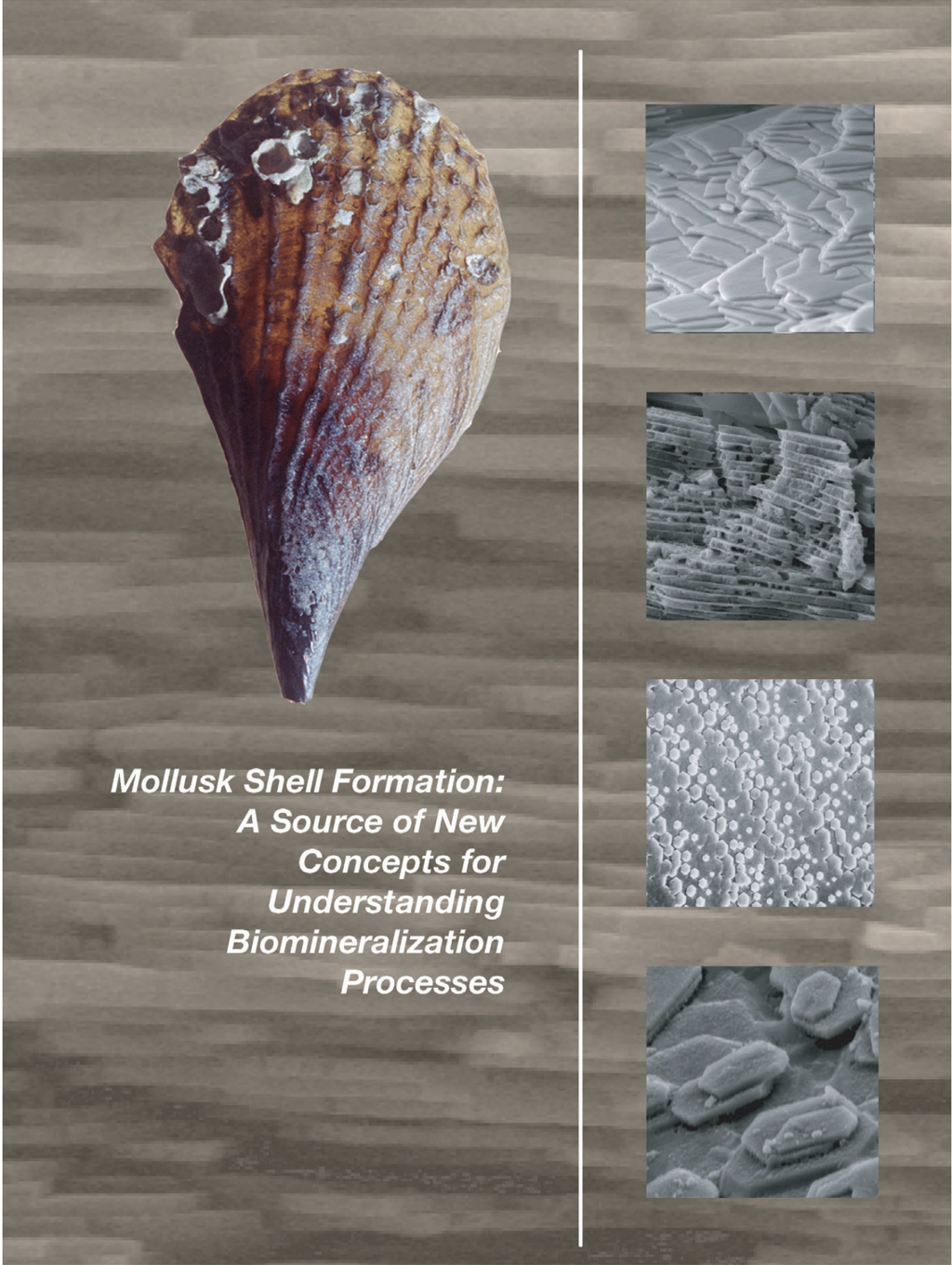
Mollusk Shell Formation: A Source of New Concepts for Understanding Biomineralization Processes
Open accessThe DOI matches its Crossref record; 44 of the 44 references it cites were found in a registry or an index.
Abstract
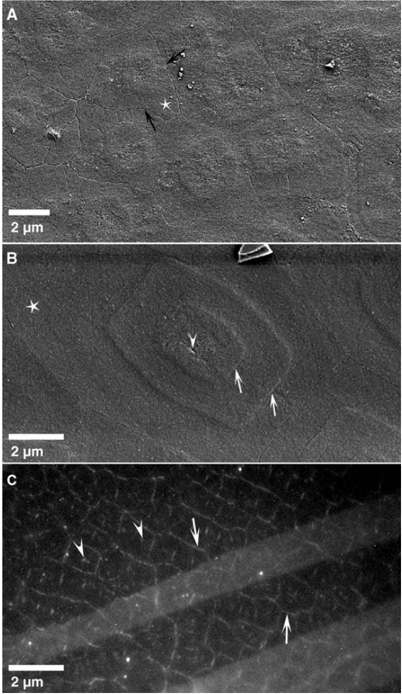
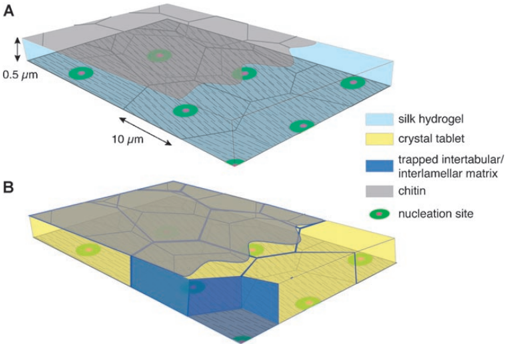
The biological approach to forming crystals is proving to be most surprising. Mollusks build their shells by using a hydrophobic silk gel, very acidic aspartic acid rich proteins, and apparently also an amorphous precursor phase from which the crystals form. All this takes place in a highly structured chitinous framework. Here we present ideas on how these disparate components work together to produce the highly structured pearly nacreous layer of the mollusk shell.
Overview
The claims and statistics of this paper haven’t been checked yet.
Free: it reads the open-access text and checks the first 5 claims that cite a source we can check. Create a free account to check every claim.
Integrity signals
Registry
Cites
Statistics
Figures


Verification
Claims the paper makes
The claims and statistics of this paper haven’t been checked yet.
Free: it reads the open-access text and checks the first 5 claims that cite a source we can check. Create a free account to check every claim.
Claims other papers make about this one
Each is checked against this paper’s own text: does it say what the citing paper says it does?
The source backs part of the claim, not all of it — or backs it for a different population, condition or comparison.
In the citing paper
“Previous works have demonstrated how various amino acids and chitin have direct effects on CaCO3 precipitation in mollusks,5 chitons,7,23 foraminifera,24 and corals.25”
From Organic Controls over Biomineral Ca-Mg Carbonate Compositions and Morphologies (2023) · cites this paper as [5]
Experimental — accuracy not yet measuredThe source backs part of the claim, not all of it — or backs it for a different population, condition or comparison.
In the citing paper
“In nature, acidic proteins are commonly associated with the biomineralization of carbonates that make up shells, skeletons, and spicules.5,25,41”
From Organic Controls over Biomineral Ca-Mg Carbonate Compositions and Morphologies (2023) · cites this paper as [5]
Experimental — accuracy not yet measured
Self-check
Percentages, sums and reported differences re-computed from the paper’s own numbers.
The self-check needs the paper’s full text.
Citations
Cites
Lowenstam, H. A., & Weiner, S. (1989) · doi:10.1093/oso/9780195049770.001.0001 · Cited by 2,090
Self-citationLiquid crystalline spinning of spider silk
Vollrath, F., & Knight, D. P. (2001) · Nature · doi:10.1038/35069000 · Cited by 1,610
Control of Aragonite or Calcite Polymorphism by Mollusk Shell Macromolecules
Falini, G., Albeck, S., Weiner, S., & Addadi, L. (1996) · Science · doi:10.1126/science.271.5245.67 · Cited by 1,437
Self-citationControl of crystal phase switching and orientation by soluble mollusc-shell proteins
Belcher, A. M., Wu, X. H., Christensen, R. J., Hansma, P. K., Stucky, G. D., & Morse, D. E. (1996) · Nature · doi:10.1038/381056a0 · Cited by 1,153
Sea Urchin Spine Calcite Forms via a Transient Amorphous Calcium Carbonate Phase
Politi, Y., Arad, T., Klein, E., Weiner, S., & Addadi, L. (2004) · Science · doi:10.1126/science.1102289 · Cited by 963
Self-citationStructure and Properties of Silk Hydrogels
Kim, U.-J., Park, J., Li, C., Jin, H.-J., Valluzzi, R., & Kaplan, D. L. (2004) · Biomacromolecules · doi:10.1021/bm0345460 · Cited by 856
Amorphous calcium carbonate transforms into calcite during sea urchin larval spicule growth
Beniash, E., Aizenberg, J., Addadi, L., & Weiner, S. (1997) · Proceedings of the Royal Society of London. Series B: Biological Sciences · doi:10.1098/rspb.1997.0066 · Cited by 729
Self-citationMollusc larval shell formation: amorphous calcium carbonate is a precursor phase for aragonite
Weiss, I. M., Tuross, N., Addadi, L., & Weiner, S. (2002) · Journal of Experimental Zoology · doi:10.1002/jez.90004 · Cited by 664
Self-citationA carbonic anhydrase from the nacreous layer in oyster pearls.
Miyamoto, H., Miyashita, T., Okushima, M., Nakano, S., Morita, T., & Matsushiro, A. (1996) · Proceedings of the National Academy of Sciences · doi:10.1073/pnas.93.18.9657 · Cited by 574
Addadi, L., Moradian, J., Shay, E., Maroudas, N. G., & Weiner, S. (1987) · Proceedings of the National Academy of Sciences · doi:10.1073/pnas.84.9.2732 · Cited by 563
Self-citation
Research works printed but not linked: 12
- 2. A. Veis, in Biomineralization. Reviews in Mineralogy and Geochem- istry, Vol. 53 (Eds.: P. M. Dove, J. J. De Yoreo, S. Weiner), Minera- logical Society of America, Washington DC, 2003, pp. 249 -290.
- 14. C. GrØgoire, in Chemical Zoology (Ed.: B. T. S. M. Florkin), Aca- demic Press, New York, 1972, pp. 45 -102.
- 15. C. Gregoire, G. Duchateau, M. Florkin, Ann. Inst. Oceanogr. 1955, 31, 1 -36.
- 22. O. Cohen, M.Sc. Thesis, Weizmann Institute of Science, Rehovot (Israel), 2003.
- 30. F. Nudelman, B. Gotliv, L. Addadi, S. Weiner, J. Struct. Biol. 2005, in press.
- 31. M. A. Crenshaw, H. Ristedt, in The Mechanisms of Mineralization in the Invertebrates and Plants (Eds.: N. Watabe, K. M. Wilbur), Uni- versity of South Carolina Press, Colombia, 1976, pp. 355 -367.
- 34. N. Watabe, V. R. Meenakshi, P. L. Blackwelder, E. M. Kurtz, D. G. Dunkelberger, in Mechanisms of Biomineralization in the Inverte- brates and Plants (Eds.: N. Watabe, K. M. Wilbur), University South Carolina Press, Columbia, 1976, pp. 283 -308.
- 44. S. Weiner, B. Gotliv, Y. Levi-Kalisman, S. Raz, I. M. Weiss, L. Addadi, in Biomineralization (BIOM2001): Formation, Diversity, Evolution and Application. Proceedings of the 8th International Sym- posium on Biomineralization (Eds.: I.
- 45. Kobayashi, H. Ozawa), Tokai University Press, Kanagawa, 2003, pp. 8-13.
- 48. L. Addadi, S. Weiner, in Biomineralization, Chemical and Biochemi- cal Perspectives (Eds.: S. Mann, J. Webb, J. P. Williams), VCH, Wein- heim, 1989, pp. 133 -156.
- 51. A. G. Checa, A. B. Rodriguez-Navarro, Biomaterials 2005, 26, 1071 - 1079. Published online: November 28, 2005
- 52. Chem. Eur. J. 2006, 12, 980 -987 2006 Wiley-VCH & Co. , Weinheim www.chemeurj.
Cited by
Items 201–300 of 1,000
Wei, J., Ping, H., Xie, J., Zou, Z., Wang, K., Xie, H., Wang, W., Lei, L., & Fu, Z. (2019) · Advanced Functional Materials · doi:10.1002/adfm.201904880 · Cited by 68
Chemical controls on the magnesium content of amorphous calcium carbonate
Blue, C. R., & Dove, P. M. (2014) · Geochimica et Cosmochimica Acta · doi:10.1016/j.gca.2014.08.003 · Cited by 71
Freitas, P. S., Clarke, L. J., Kennedy, H. A., & Richardson, C. A. (2009) · Biogeosciences · doi:10.5194/bg-6-1209-2009 · Cited by 68
Novel Basic Protein, PfN23, Functions as Key Macromolecule during Nacre Formation
Fang, D., Pan, C., Lin, H., Lin, Y. Q., Zhang, G., Wang, H., He, M., Xie, L., & Zhang, R. (2012) · Journal of Biological Chemistry · doi:10.1074/jbc.m112.341594 · Cited by 65
“Mollusks build their shells using a hydrophobic silk gel, highly acidic aspartic acid-rich proteins in a highly structured chitinous framework (30).”
BackgroundMethodInfluentialControl of aragonite deposition in colonial corals by intra-skeletal macromolecules
Falini, G., Reggi, M., Fermani, S., Sparla, F., Goffredo, S., Dubinsky, Z., Levi, O., Dauphin, Y., & Cuif, J. (2013) · Journal of Structural Biology · doi:10.1016/j.jsb.2013.05.001 · Cited by 70
Yamamoto, Y., Nishimura, T., Saito, T., & Kato, T. (2010) · Polymer Journal · doi:10.1038/pj.2010.32 · Cited by 68
Diclofenac affects early embryo development in the marine bivalve Mytilus galloprovincialis
Balbi, T., Montagna, M., Fabbri, R., Carbone, C., Franzellitti, S., Fabbri, E., & Canesi, L. (2018) · The Science of The Total Environment · doi:10.1016/j.scitotenv.2018.06.125 · Cited by 68
Cusack, M., Dauphin, Y., Cuif, J., Salome-Pateyron, M., Freer, A. A., & Yin, H. (2008) · Chemical Geology · doi:10.1016/j.chemgeo.2008.05.007 · Cited by 67
Biomineralization of Stable and Monodisperse Vaterite Microspheres Using Silk Nanoparticles
Liu, L., Zhang, X., Liu, X., Liu, J., Lu, G., Kaplan, D. L., Zhu, H., & Lü, Q. (2015) · ACS Applied Materials & Interfaces · doi:10.1021/am507309t · Cited by 63
Stabilization of amorphous calcium carbonate by controlling its particle size
Nudelman, F., Sonmezler, E., Bomans, P. H. H., de With, G., & Sommerdijk, N. A. J. M. (2010) · Nanoscale · doi:10.1039/c0nr00432d · Cited by 59
Self-citationMarie, B., Luquet, G., Bédouet, L., Milet, C., Guichard, N., Medaković, D., & Marin, F. (2008) · ChemBioChem · doi:10.1002/cbic.200800159 · Cited by 67
The Role of Residue Acidity on the Stabilization of Vaterite by Amino Acids and Oligopeptides
Hood, M. A., Landfester, K., & Muñoz‐Espí, R. (2014) · Crystal Growth & Design · doi:10.1021/cg401580y · Cited by 65
Biomineral Proteins from Mytilus edulis Mantle Tissue Transcriptome
Freer, A. A., Bridgett, S., Jiang, J., & Cusack, M. (2013) · Marine Biotechnology · doi:10.1007/s10126-013-9516-1 · Cited by 61
“…material properties of nacre (Jackson et al. 1988; Currey et al. 2001) and a detailed working model for nacre formation (Nudelman et al. 2006; Addadi et al. 2006; Nudelman et al. 2008; Cartwright and Checa 2007) are yet more reasons for the research interest in M. edulis from the…”
BackgroundFleury, C., Marin, F., Marie, B., Luquet, G., Thomas, J., Josse, C., Serpentini, A., & Lebel, J. (2008) · Tissue and Cell · doi:10.1016/j.tice.2007.12.002 · Cited by 61
“Recent findings suggest that several calcifying models, including sponges, sea urchins and molluscs, elaborate their crystalline skeleton via a transient amorphous phase (Weiss et al., 2002; Weiner et al., 2003; Addadi et al., 2006).”
BackgroundArivalagan, J., Marie, B., Sleight, V. A., Clark, M. S., Berland, S., & Marie, A. (2016) · Marine Genomics · doi:10.1016/j.margen.2016.03.005 · Cited by 65
Wang, Y., Yao, Q., Li, H., Zhou, G., & Sheng, Y. (2015) · Crystal Growth & Design · doi:10.1021/cg501707f · Cited by 62
Mass, T., Putnam, H. M., Drake, J. L., Zelzion, E., Gates, R. D., Bhattacharya, D., & Falkowski, P. G. (2016) · Proceedings of the Royal Society B Biological Sciences · doi:10.1098/rspb.2016.0322 · Cited by 69
Lu, J., Cong, X., Li, Y., Hao, Y., & Wang, C. (2017) · Journal of Cleaner Production · doi:10.1016/j.jclepro.2017.11.228 · Cited by 66
Kunitake, J. A. M. R., Choi, S., Nguyen, K. X., Lee, M. M., He, F., Sudilovsky, D., Morris, P. G., Jochelson, M. S., Hudis, C. A., Muller, D. A., et al. (2017) · Journal of Structural Biology · doi:10.1016/j.jsb.2017.12.002 · Cited by 63
“Similar aggregate surface morphologies with subunits ranging from 20-50 nm have been reported for a range of biominerals(Addadi et al., 2006; Gal et al., 2014; Hovden et al., 2015), and are suggested to be related to formation via particle-accretion, possibly of amorphous nanoparticles that subsequently crystallize(De…”
What Dictates the Spatial Distribution of Nanoparticles within Calcite?
Ning, Y., Han, L., Douverne, M., Penfold, N. J. W., Derry, M. J., Meldrum, F. C., & Armes, S. P. (2019) · Journal of the American Chemical Society · doi:10.1021/jacs.8b12291 · Cited by 62
“bio-inspired strategy provides an attractive route for the preparation of new functional nanocomposites with tailored properties.(1-15) However, the precise design rules for efficient and”
BackgroundPomar, L. (2020) · Elsevier eBooks · doi:10.1016/b978-0-444-64134-2.00013-4 · Cited by 80
Synthesis of inorganic nanomaterials mediated by protein assemblies
Behrens, S. S. (2008) · Journal of Materials Chemistry · doi:10.1039/b806551a · Cited by 61
Nacre-inspired underwater superoleophobic films with high transparency and mechanical robustness
Chen, W., Zhang, P., Yu, S., Zang, R., Xu, L., Wang, S., Wang, B., & Meng, J. (2022) · Nature Protocols · doi:10.1038/s41596-022-00725-3 · Cited by 60
Hierarchical biomineralization of calcium carbonate regulated by silk microspheres
Zhang, X., Fan, Z., Lü, Q., Huang, Y., Kaplan, D. L., & Zhu, H. (2013) · Acta Biomaterialia · doi:10.1016/j.actbio.2013.03.004 · Cited by 61
Shell we cook it? An experimental approach to the microarchaeological record of shellfish roasting
Aldeias, V., Gur-Arieh, S., Maria, R., Monteiro, P. D., & Cura, P. (2016) · Archaeological and Anthropological Sciences · doi:10.1007/s12520-016-0413-1 · Cited by 69
Ivanina, A. V., Falfushynska, H., Beniash, E., Piontkivska, H., & Sokolova, I. M. (2017) · Journal of Experimental Biology · doi:10.1242/jeb.160861 · Cited by 77
“…of nacrein-like protein and casein kinases in oyster hemocytes challenges the view that the shell proteins are exclusively produced by the mantle (Addadi et al., 2006; Jackson et al., 2006; Furuhashi et al., 2009; Clark et al., 2010) and indicates that in addition to mineral transport (Mount et…”
BackgroundInfluentialMeng, Y., Guo, Z., Fitzer, S. C., Upadhyay, A., Chan, V. B. S., Li, C., Cusack, M., Yao, H., Yeung, K., & Thiyagarajan, V. (2018) · Biogeosciences · doi:10.5194/bg-15-6833-2018 · Cited by 61
Fricke, M., & Volkmer, D. (2006) · Topics in current chemistry · doi:10.1007/128_063 · Cited by 64
Crystal nucleation and near-epitaxial growth in nacre
Olson, I. C., Blonsky, A. Z., Tamura, N., Kunz, M., Pokroy, B., Romao, C. P., White, M. A., & Gilbert, P. U. P. A. (2013) · Journal of Structural Biology · doi:10.1016/j.jsb.2013.10.002 · Cited by 63
“, 2010), or from amorphous precursor phases (Addadi et al., 2006; Nassif et al., 2005).”
BackgroundCrystal growth kinetics as an architectural constraint on the evolution of molluscan shells
Schoeppler, V., Lemanis, R. E., Reich, E., Pusztai, T., Gránásy, L., & Zlotnikov, I. (2019) · Proceedings of the National Academy of Sciences · doi:10.1073/pnas.1907229116 · Cited by 62
Protein mapping of calcium carbonate biominerals by immunogold
Marin, F., Pokroy, B., Luquet, G., Layrolle, P., & de Groot, K. (2007) · Biomaterials · doi:10.1016/j.biomaterials.2007.01.029 · Cited by 65
Branching out: Origins of the sea urchin larval skeleton in development and evolution
McIntyre, D. C., Lyons, D. C., Martik, M. L., & McClay, D. R. (2014) · genesis · doi:10.1002/dvg.22756 · Cited by 59
Lei, W., Wang, Q., Ning, X., Mu, C., Wang, C., Cao, R., Wu, H., Cong, M., Li, F., Ji, C., et al. (2014) · Comparative Biochemistry and Physiology Part D Genomics and Proteomics · doi:10.1016/j.cbd.2014.12.001 · Cited by 60
“Macromolecules and the ions (including Ca, bicarbonate) necessary for mineralization were secreted into the extrapallial fluid by the mantle cells (Addadi et al., 2006).”
BackgroundJouaux, A., Franco, A., Berthelin, C., Sourdaine, P., Blin, J., Mathieu, M., & Kellner, K. (2011) · General and Comparative Endocrinology · doi:10.1016/j.ygcen.2011.12.008 · Cited by 59
Wang, Y., Yao, Q., Zhou, G., & Fu, S. (2015) · European Journal of Mineralogy · doi:10.1127/ejm/2015/0027-2486 · Cited by 61
Polarization-dependent imaging contrast in abalone shells
Metzler, R. A., Zhou, D., Abrecht, M., Chiou, J.-W., Guo, J., Ariosa, D., Coppersmith, S. N., & Gilbert, P. U. P. A. (2008) · Physical Review B · doi:10.1103/physrevb.77.064110 · Cited by 57
“Nacre, or mother-of-pearl, is intensely studied by materials scientists, mineralogists, physicists as well as chemists, because of its remarkable mechanical properties and its fascinating and poorly understood formation (1,2).”
BackgroundLin, J.-Y., Ma, K., Bai, Z., & Li, J. (2013) · Gene · doi:10.1016/j.gene.2013.05.029 · Cited by 56
“Finally, they cross the mantle tissues and precipitate on the organic matrix surfaces that were pre-constructed by the mantle cells (Addadi et al., 2006; Mount et al., 2004; Rousseau et al., 2003).”
Audino, J. A., Marian, J. E. A. R., Wanninger, A., & Lopes, S. G. B. C. (2015) · BMC Developmental Biology · doi:10.1186/s12861-015-0074-9 · Cited by 60
On the Phase Diagram of Calcium Carbonate Solutions
Zou, Z., Habraken, W. J. E. M., Bertinetti, L., Politi, Y., Gal, A., Weiner, S., Addadi, L., & Fratzl, P. (2017) · Advanced Materials Interfaces · doi:10.1002/admi.201600076 · Cited by 52
Self-citationAlmeida, Â., Freitas, R., Calisto, V., Esteves, V. I., Schneider, R. J., Soares, A. M. V. M., Figueira, E. M. D. A. P., Campos, B., & Barata, C. (2018) · Environmental Pollution · doi:10.1016/j.envpol.2017.12.121 · Cited by 56
Stapane, L., Roy, N. L., Ezagal, J., Rodríguez‐Navarro, A. B., Labas, V., Combes‐Soia, L., Hincke, M. T., & Gautron, J. (2020) · Journal of Biological Chemistry · doi:10.1074/jbc.ra120.014542 · Cited by 61
“The involvement of vesicles was also proposed but not confirmed for molluscan shell formation (7) and coral exoskeletons (8).”
BackgroundThe nanostructural unity of Mollusc shells
Dauphin, Y. (2008) · Mineralogical Magazine · doi:10.1180/minmag.2008.072.1.243 · Cited by 56
Li, J., Liu, D., Li, B., Wang, J., Han, S., Liu, L., & Wei, H. (2015) · CrystEngComm · doi:10.1039/c4ce01632g · Cited by 57
Meić, I. B., Kontrec, J., Jurašin, D. D., Džakula, B. N., Štajner, L., Lyons, D. M., Sikirić, M. D., & Kralj, D. (2017) · Crystal Growth & Design · doi:10.1021/acs.cgd.6b01501 · Cited by 57
Ivanina, A. V., Jarrett, A., Bell, T., Rimkevicius, T., Beniash, E., & Sokolova, I. M. (2020) · Comparative Biochemistry and Physiology Part A Molecular & Integrative Physiology · doi:10.1016/j.cbpa.2020.110748 · Cited by 57
Dorey, N., Melzner, F., Martin, S., Oberhänsli, F., Teyssié, J., Bustamante, P., Gattuso, J., & Lacoue‐Labarthe, T. (2012) · Marine Biology · doi:10.1007/s00227-012-2059-6 · Cited by 63
“…2002, Jacob et al. 2011), it was shown that the initial stages of calcification are intracellular processes: an amorphous calcium carbonate (ACC) precursor phase is formed in vesicl and later exocytosed to be incorporated into the skeleton (see Addadi et al. 2006 for a review of current concepts).”
BackgroundA shell regeneration assay to identify biomineralization candidate genes in mytilid mussels
Hüning, A. K., Lange, S. M., Ramesh, K., Jacob, D. E., Jackson, D. J., Panknin, U., Gutowska, M. A., Philipp, E. E. R., Rosenstiel, P. C., Lucassen, M., et al. (2016) · Marine Genomics · doi:10.1016/j.margen.2016.03.011 · Cited by 59
The Application of Long-Lived Bivalve Sclerochronology in Environmental Baseline Monitoring
Steinhardt, J., Butler, P., Carroll, M. L., & Hartley, J. P. (2016) · Frontiers in Marine Science · doi:10.3389/fmars.2016.00176 · Cited by 55
“Negatively charged carboxyl and sulfate groups, which influence electronic charging at the calcification site, are thought to be involved in regulating the biomineralization process and hence also elemental composition within biogenic CaCO3(e.g., Addadi et al., 2006; Marin et al., 2012).”
BackgroundYu, Y., Tian, D., Han, Y., Huang, L., Tang, Y., Zhang, W., Zhou, W., Shi, W. M., Yu, Y., & Liu, G. (2022) · The Science of The Total Environment · doi:10.1016/j.scitotenv.2022.156442 · Cited by 53
Nacre and false nacre (foliated aragonite) in extant monoplacophorans (=Tryblidiida: Mollusca)
Checa, A. G., Ramirez‐Rico, J., González-Segura, A., & Sánchez‐Navas, A. (2008) · Die Naturwissenschaften · doi:10.1007/s00114-008-0461-1 · Cited by 53
“First, the pattern of organization of nacre is a main theme in biomineralization ( Addadi et al. 2006; Cartwright and Checa 2007).”
BackgroundBezares, J., Asaro, R. J., & Hawley, M. E. (2010) · Journal of Structural Biology · doi:10.1016/j.jsb.2010.01.006 · Cited by 59
Weber, E., Bloch, L., Guth, C., Fitch, A. N., Weiss, I. M., & Pokroy, B. (2014) · Chemistry of Materials · doi:10.1021/cm500450s · Cited by 58
Iwatsubo, T., Kishi, R., Miura, T., Ohzono, T., & Yamaguchi, T. (2015) · The Journal of Physical Chemistry B · doi:10.1021/acs.jpcb.5b03181 · Cited by 56
Toughening and strengthening mechanisms of biological materials: A review
Feng, X., Zhao, Z.-L., Yan, Y., & Zhao, H. (2025) · Materials Science and Engineering R Reports · doi:10.1016/j.mser.2025.100988 · Cited by 55
Liu, J., Yang, D., Liu, S., Li, S., Xu, G., Zheng, G., Xie, L., & Zhang, R. (2015) · BMC Genomics · doi:10.1186/s12864-015-1524-2 · Cited by 55
In situ Investigations of Carbonate Nucleation on Mineral and Organic Surfaces
Yoreo, J. J. D., Waychunas, G. A., Jun, Y.-S., & Fernández-Martínez, A. (2013) · Reviews in Mineralogy and Geochemistry · doi:10.2138/rmg.2013.77.7 · Cited by 56
Biomimetic and bio-inspired uses of mollusc shells
Morris, J. P., Wang, Y., Backeljau, T., & Chapelle, G. (2016) · Marine Genomics · doi:10.1016/j.margen.2016.04.001 · Cited by 52
The Molecular Basis of Nacre Formation
Kröger, N. (2009) · Science · doi:10.1126/science.1177055 · Cited by 52
Badou, A., du Pont, S. C., Auzoux-Bordenave, S., Lebreton, M., & Bardeau, J. (2022) · Journal of Structural Biology · doi:10.1016/j.jsb.2022.107854 · Cited by 51
Keene, E. C., Evans, J. S., & Estroff, L. A. (2010) · Crystal Growth & Design · doi:10.1021/cg1009303 · Cited by 50
Element banding and organic linings within chamber walls of two benthic foraminifera
Geerken, E., de Nooijer, L., Roepert, A., Polerecký, L., King, H. E., & Reichart, G. (2019) · Scientific Reports · doi:10.1038/s41598-019-40298-y · Cited by 54
Biomimetic mineralization: An emerging organism engineering strategy for biomedical applications
Nie, Z., Zhang, Y., Tang, R., & Wang, X. (2022) · Journal of Inorganic Biochemistry · doi:10.1016/j.jinorgbio.2022.111815 · Cited by 53
Early Stage Biomineralization in the Periostracum of the ‘Living Fossil’ Bivalve Neotrigonia
Checa, A. G., Salas, C., Harper, E. M., & Bueno-Pérez, J. D. D. (2014) · PLoS ONE · doi:10.1371/journal.pone.0090033 · Cited by 53
Molecular Ordering of Ethanol at the Calcite Surface
Pasarín, I. S., Yang, M., Bovet, N., Glyvradal, M., Nielsen, M. M., Bohr, J., Feidenhans’l, R., & Stipp, S. L. S. (2012) · Langmuir · doi:10.1021/la2021758 · Cited by 49
Quantitative biomimetics of high-performance materials
Yang, M., & Kotov, N. A. (2024) · Nature Reviews Materials · doi:10.1038/s41578-024-00753-3 · Cited by 56
“If adhesion at the interfaces is weak ( τ i τ y ), the mechanism of failure and critical aspect ratio of the platelets, s c , are determined by the interface and, thus, τ y , in equations (13) and (14), must be replaced with τ i .”
Marie, B., Trinkler, N., Zanella‐Cléon, I., Guichard, N., Becchi, M., Paillard, C., & Marin, F. (2011) · Marine Biotechnology · doi:10.1007/s10126-010-9357-0 · Cited by 52
“In particular, it seems to self-assemble in a coherent organic 3D framework (Addadi et al. 2006), it regulates the precipitation of calcium carbonate (Wheeler et al.”
BackgroundSoldati, A. L., Jacob, D. E., Schöne, B. R., Bianchi, M. M., & Hajduk, A. (2008) · Journal of Molluscan Studies · doi:10.1093/mollus/eyn044 · Cited by 49
“Bivalve molluscs form their shell by periodic accretion of calcium carbonate (CaCO3) and organic substances (sugars and proteins) from the extrapallial fluid at the biomineralization front (Addadi et al., 2006).”
BackgroundZeng, H. D., Xie, J., Xie, H., Su, B., Wang, M., Ping, H., Wang, W., Wang, H., & Fu, Z. (2015) · Journal of Materials Chemistry A · doi:10.1039/c5ta04649a · Cited by 50
Bahn, S. Y., Jo, B. H., Hwang, B. H., Choi, Y. S., & Chi, H. J. (2015) · Crystal Growth & Design · doi:10.1021/acs.cgd.5b00275 · Cited by 49
3D visualization of additive occlusion and tunable full-spectrum fluorescence in calcite
Green, D. C., Ihli, J., Thornton, P. D., Holden, M. A., Marzec, B., Kim, Y., Kulak, A. N., Levenstein, M. A., Tang, C. C., Lynch, C., et al. (2016) · Nature Communications · doi:10.1038/ncomms13524 · Cited by 52
Enhanced toughening of the crossed lamellar structure revealed by nanoindentation
Salinas, C., de Obaldia, E. E., Jeong, C., Hernández, J., Zavattieri, P. D., & Kisailus, D. (2017) · Journal of the mechanical behavior of biomedical materials/Journal of mechanical behavior of biomedical materials · doi:10.1016/j.jmbbm.2017.05.033 · Cited by 49
“Both nacre and crossed lamellar based shells primarily consist of aragonitic calcium carbonate and a small fraction of organic (polysaccharide and proteinaceous) material (~1–5% (Addadi et al., 2006)).”
BackgroundWang, Q., Jiang, F., Ouyang, X., Yang, L., & Wang, Y. (2021) · Materials · doi:10.3390/ma14040741 · Cited by 49
“Diffraction peaks of calcite an aragonite were also observed at 2θ = 25, 30, 34, and 54◦ [29].”
BackgroundUlrich, R. N., Guillermic, M., Campbell, J., Hakim, A., Han, R., Singh, S., Stewart, J. D., Román‐Palacios, C., Carroll, H. M., Corte, I. D., et al. (2021) · Frontiers in Earth Science · doi:10.3389/feart.2021.641760 · Cited by 50
de Winter, N. J., Dämmer, L. K., Falkenroth, M., Reichart, G., Moretti, S., Martínez‐García, A., Höche, N., Schöne, B. R., Rodiouchkina, K., Goderis, S., et al. (2021) · Geochimica et Cosmochimica Acta · doi:10.1016/j.gca.2021.06.012 · Cited by 49
The Mineralization of Molluscan Shells: Some Unsolved Problems and Special Considerations
Huang, J., & Zhang, R. (2022) · Frontiers in Marine Science · doi:10.3389/fmars.2022.874534 · Cited by 53
Bio-vaterite formation by glycoproteins from freshwater pearls
Natoli, A., Wiens, M., Schröder, H. C., Štifanić, M., Batel, R., Soldati, A. L., Jacob, D. E., & Müller, W. E. G. (2010) · Micron · doi:10.1016/j.micron.2010.01.002 · Cited by 48
Nindiyasari, F., Ziegler, A., Griesshaber, E., Fernández-Díaz, L., Huber, J., Walther, P., & Schmahl, W. W. (2015) · Crystal Growth & Design · doi:10.1021/cg5018483 · Cited by 55
Screening of Biomineralization Using Microfluidics
Yin, H., Ji, B., Dobson, P. S., Mosbahi, K., Glidle, A., Gadegaard, N., Freer, A. A., Cooper, J. M., & Cusack, M. (2008) · Analytical Chemistry · doi:10.1021/ac801980b · Cited by 48
The use of raw and acid-pretreated bivalve mollusk shells to remove metals from aqueous solutions
Liu, Y., Sun, C., Xu, J. Q., & Li, Y. (2009) · Journal of Hazardous Materials · doi:10.1016/j.jhazmat.2009.02.009 · Cited by 50
Lessons from Nature—Biomimetic Approaches to Minerals with Complex Structures
Sommerdijk, N. A. J. M., & Cölfen, H. (2010) · MRS Bulletin · doi:10.1557/mrs2010.630 · Cited by 54
Metzler, R. A., Rist, R. C., Alberts, E. M., Kenny, P. D., & Wilker, J. J. (2016) · Advanced Functional Materials · doi:10.1002/adfm.201602348 · Cited by 48
Yamamoto, Y., Nishimura, T., Sugawara‐Narutaki, A., Inoue, H., Nagasawa, H., & Kato, T. (2008) · Crystal Growth & Design · doi:10.1021/cg800447w · Cited by 47
Song, X., Wang, X., Li, L., & Zhang, G. (2014) · Molecular Biology Reports · doi:10.1007/s11033-014-3298-z · Cited by 48
“Thus, the incredible regulation during shell formation is regarded as a good example to study calcium carbonate biomineralization [2].”
BackgroundRecent Developments in Biomimetic Antifouling Materials: A Review
Sullivan, T., & O’Callaghan, I. (2020) · Biomimetics · doi:10.3390/biomimetics5040058 · Cited by 47
“Research into how nature produces materials has seen rapid growth, with the realisation that natural processes can be very efficient, for example biomineralisation [3].”
BackgroundWysokowski, M., Machałowski, T., Petrenko, I., Schimpf, C., Rafaja, D., Galli, R., Ziętek, J., Pantović, S., Voronkina, A., Kovalchuk, V., et al. (2020) · Marine Drugs · doi:10.3390/md18020123 · Cited by 46
Zhu, B., Xu, X., & Tang, R. (2013) · The Journal of Chemical Physics · doi:10.1063/1.4848696 · Cited by 46
Growth Behavior and Kinetics of Self‐Assembled Silica–Carbonate Biomorphs
Kellermeier, M., García, E. M., Glaab, F., Eiblmeier, J., Kienle, L., Rachel, R., Kunz, W., & García-Ruiz, J. M. (2012) · Chemistry - A European Journal · doi:10.1002/chem.201102407 · Cited by 46
Ning, Y., Whitaker, D. J., Mable, C. J., Derry, M. J., Penfold, N. J. W., Kulak, A. N., Green, D. C., Meldrum, F. C., & Armes, S. P. (2018) · Chemical Science · doi:10.1039/c8sc03623c · Cited by 46
Ndao, M., Ash, J. T., Breen, N. F., Goobes, G., Stayton, P. S., & Drobny, G. P. (2009) · Langmuir · doi:10.1021/la901647n · Cited by 46
Biomineralisation als Inspirationsquelle für die Materialchemie
Nudelman, F., & Sommerdijk, N. A. J. M. (2012) · Angewandte Chemie · doi:10.1002/ange.201106715 · Cited by 48
Self-citationStructure–function studies of the magnetite-biomineralizing magnetosome-associated protein MamC
Nudelman, H., Valverde‐Tercedor, C., Kolusheva, S., González, T. P., Widdrat, M., Grimberg, N., Levi, H., Nelkenbaum, O., Davidov, G., Faivre, D., et al. (2016) · Journal of Structural Biology · doi:10.1016/j.jsb.2016.03.001 · Cited by 45
X-Ray Diffraction Is a Promising Tool to Characterize Coral Skeletons
Rahman, M. A., Halfar, J., & Shinjo, R. (2013) · Advances in Materials Physics and Chemistry · doi:10.4236/ampc.2013.31a015 · Cited by 50
“The present review reveals that organic matrices fractions of some marine organisms were enriched in aspartic acid proteins [12,32,34]; the especially high aspartic acid content of insoluble organic matrix proteins may regulate the crystal growth and morphology [4,13,37], or could play a key role in crystal nucleation…”
BackgroundCalcite Formation in Soft Coral Sclerites Is Determined by a Single Reactive Extracellular Protein
Rahman, M. A., Oomori, T., & Wörheide, G. (2011) · Journal of Biological Chemistry · doi:10.1074/jbc.m109.070185 · Cited by 44
Silkmapin of Hyriopsis cumingii, a novel silk-like shell matrix protein involved in nacre formation
Liu, X., Dong, S., Jin, C., Bai, Z., Wang, G., & Li, J. (2014) · Gene · doi:10.1016/j.gene.2014.11.006 · Cited by 44
Nanomodification of living organisms by biomimetic mineralization
Chen, W., Wang, G., & Tang, R. (2014) · Nano Research · doi:10.1007/s12274-014-0509-9 · Cited by 45
“Addadi and Weiner showed that porous organic matrix sheets allow the crystals to grow and keep them aligned in mollusks [17, 18].”
BackgroundBiomineralization in Mediterranean Corals: The Role of the Intraskeletal Organic Matrix
Reggi, M., Fermani, S., Landi, V., Sparla, F., Caroselli, E., Gizzi, F., Dubinsky, Z., Levy, O., Cuif, J., Dauphin, Y., et al. (2014) · Crystal Growth & Design · doi:10.1021/cg5003572 · Cited by 50
Evans, J. S. (2019) · Materials · doi:10.3390/ma12040581 · Cited by 47
“It was also recognized that several nacre protein families were affiliated with this hydrated silk–chitin phase as well, and that these nacre proteins exerted influence on the nucleation process within the nacre layer [10,20,44,45].”
BackgroundInfluentialHemolymph of molluscan origin: from biochemistry to modern biomaterials science
Machałowski, T., & Jesionowski, T. (2020) · Applied Physics A · doi:10.1007/s00339-020-04166-1 · Cited by 44
Khalifa, G. M., Weiner, S., & Addadi, L. (2011) · Crystal Growth & Design · doi:10.1021/cg2010216 · Cited by 49
Self-citationThe Intrinsic Ability of Silk Fibroin to Direct the Formation of Diverse Aragonite Aggregates
Wang, T., Porter, D., & Shao, Z. (2011) · Advanced Functional Materials · doi:10.1002/adfm.201101011 · Cited by 43
Metadata
- Authors
- Addadi, L., Joester, D., Nudelman, F., & Weiner, S.
- Affiliations
- Weizmann Institute of Science (IL)
- Venue
- Chemistry – A European Journal
- Publisher
- Wiley
- Published
- 2006-01-13
- Volume
- 12
- Issue
- 4
- Pages
- 980-987
- ISSN
- 0947-6539 (ISSN-L)
- 1521-3765
- OpenAlex
- W2155818894
- Cited by
- 1,079
- References
- 44
- Citations by year
- 2026: 28 · 2025: 44 · 2024: 44 · 2023: 56 · 2022: 67 · 2021: 65 · 2020: 50 · 2019: 71 · 2018: 55 · 2017: 54 · 2016: 56 · 2015: 51 · 2014: 59 · 2013: 66 · 2012: 50
- FWCI
- 17.78
- Type
- journal article
- Language
- en
- Open access
- hybrid
- doi.org
- Locations
- Chemistry - A European Journal (publishedVersion, cc-by)
- PubMed (publishedVersion)
- Funders
- Minerva Foundation
- Topics
- Physical Sciences › Materials Science › Biomaterials › Calcium Carbonate Crystallization and Inhibition
- Life Sciences › Agricultural and Biological Sciences › Ecology, Evolution, Behavior and Systematics › Diatoms and Algae Research
- Physical Sciences › Physics and Astronomy › Astronomy and Astrophysics › Origins and Evolution of Life
- Keywords
- biomineralization, nacre, crystal growth
- MeSH terms
- Animals, Calcium Carbonate, Chitin, Crystallization, Gels, Mollusca, Silk
About these checks
Registry, retraction, Cites and statistics results are computed, not judged, with one exception: a printed reference that no index lists is read once by a model before it counts as a citation error. Claims are extracted by a model and kept only when their quote appears verbatim in the text; each cited source is then checked, with a model’s help, for whether it says what the claim relies on. Those verdicts can be wrong — read the claim’s quote and the cited source before relying on one.
Statistics and arithmetic are recomputed, not judged.
Confidence bands are shown only for fields calibrated on our annotated test set. None is calibrated yet, so no band is shown.
What counts as a claim ›How we measure confidence ›How we check this ›
Are you an author, or do you see a problem with this page? Request a review
Data sources
Bibliographic data: Semantic Scholar, OpenAlex, Crossref.
Contains information from the Semantic Scholar Academic Graph Datasets, made available under the ODC Attribution License (ODC-BY 1.0).
Semantic Scholar’s data is described in: Kinney, R., et al. (2023). The Semantic Scholar Open Data Platform. arXiv:2301.10140.
