

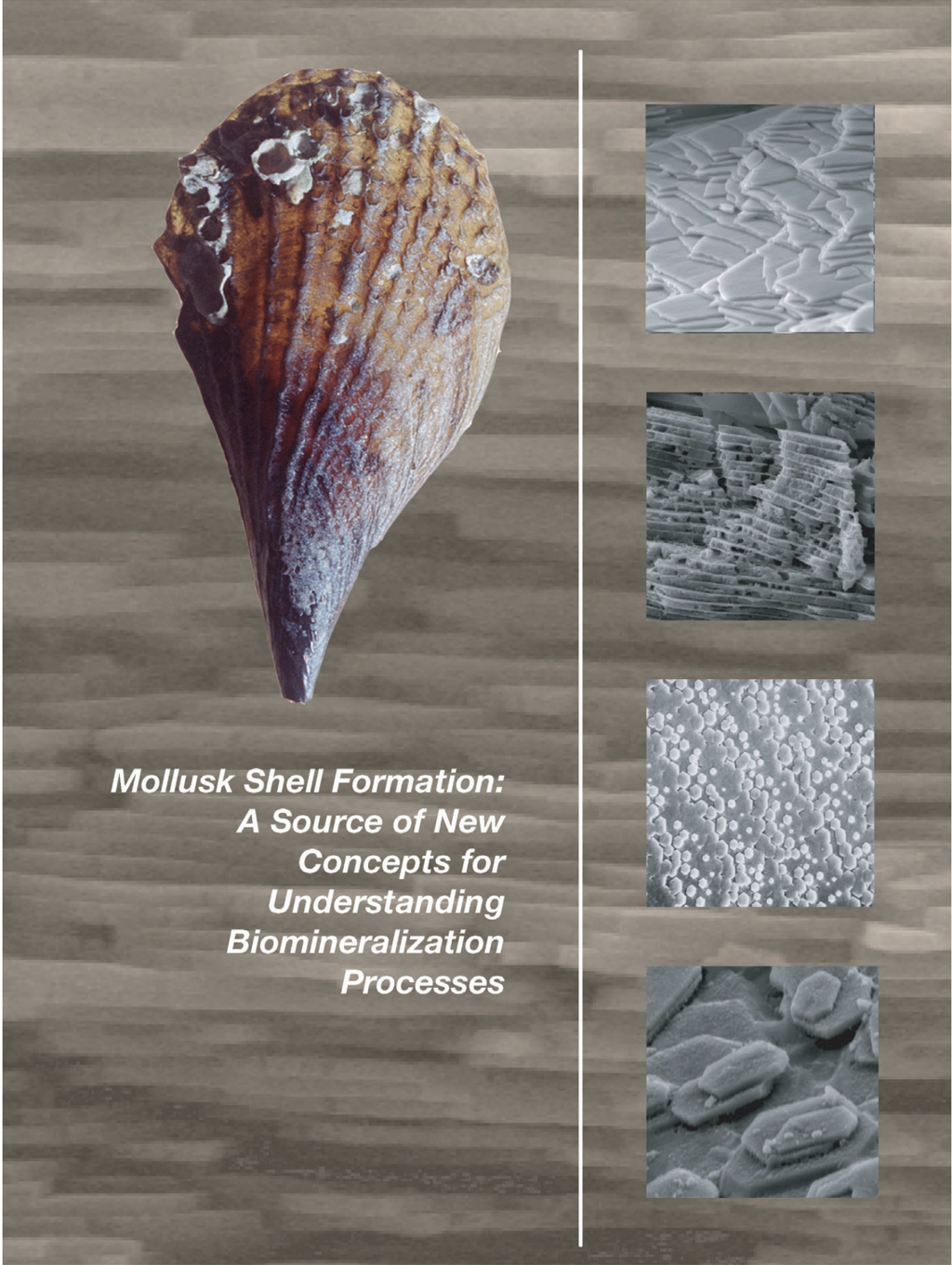
Mollusk Shell Formation: A Source of New Concepts for Understanding Biomineralization Processes
Open accessThe DOI matches its Crossref record; 44 of the 44 references it cites were found in a registry or an index.
Abstract
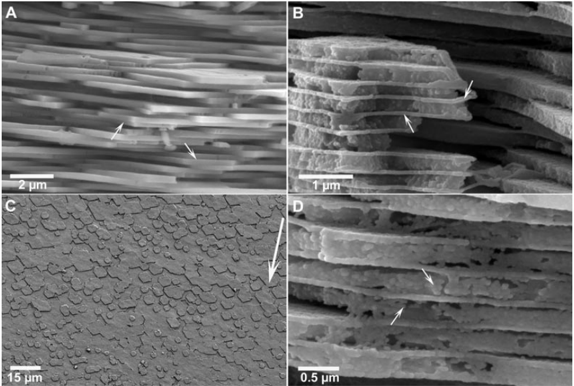
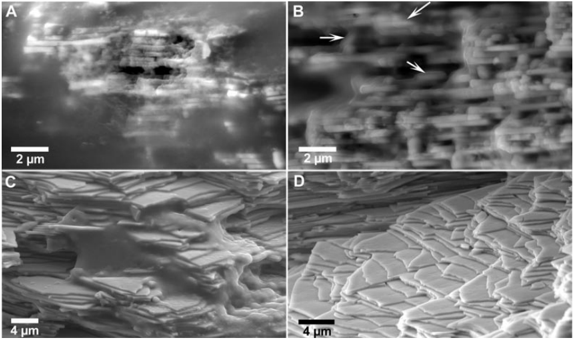
The biological approach to forming crystals is proving to be most surprising. Mollusks build their shells by using a hydrophobic silk gel, very acidic aspartic acid rich proteins, and apparently also an amorphous precursor phase from which the crystals form. All this takes place in a highly structured chitinous framework. Here we present ideas on how these disparate components work together to produce the highly structured pearly nacreous layer of the mollusk shell.
Overview
The claims and statistics of this paper haven’t been checked yet.
Free: it reads the open-access text and checks the first 5 claims that cite a source we can check. Create a free account to check every claim.
Integrity signals
Registry
Cites
Statistics
Figures


Verification
Claims the paper makes
The claims and statistics of this paper haven’t been checked yet.
Free: it reads the open-access text and checks the first 5 claims that cite a source we can check. Create a free account to check every claim.
Claims other papers make about this one
Each is checked against this paper’s own text: does it say what the citing paper says it does?
The source backs part of the claim, not all of it — or backs it for a different population, condition or comparison.
In the citing paper
“Previous works have demonstrated how various amino acids and chitin have direct effects on CaCO3 precipitation in mollusks,5 chitons,7,23 foraminifera,24 and corals.25”
From Organic Controls over Biomineral Ca-Mg Carbonate Compositions and Morphologies (2023) · cites this paper as [5]
Experimental — accuracy not yet measuredThe source backs part of the claim, not all of it — or backs it for a different population, condition or comparison.
In the citing paper
“In nature, acidic proteins are commonly associated with the biomineralization of carbonates that make up shells, skeletons, and spicules.5,25,41”
From Organic Controls over Biomineral Ca-Mg Carbonate Compositions and Morphologies (2023) · cites this paper as [5]
Experimental — accuracy not yet measured
Self-check
Percentages, sums and reported differences re-computed from the paper’s own numbers.
The self-check needs the paper’s full text.
Citations
Cites
Lowenstam, H. A., & Weiner, S. (1989) · doi:10.1093/oso/9780195049770.001.0001 · Cited by 2,090
Self-citationLiquid crystalline spinning of spider silk
Vollrath, F., & Knight, D. P. (2001) · Nature · doi:10.1038/35069000 · Cited by 1,610
Control of Aragonite or Calcite Polymorphism by Mollusk Shell Macromolecules
Falini, G., Albeck, S., Weiner, S., & Addadi, L. (1996) · Science · doi:10.1126/science.271.5245.67 · Cited by 1,437
Self-citationControl of crystal phase switching and orientation by soluble mollusc-shell proteins
Belcher, A. M., Wu, X. H., Christensen, R. J., Hansma, P. K., Stucky, G. D., & Morse, D. E. (1996) · Nature · doi:10.1038/381056a0 · Cited by 1,153
Sea Urchin Spine Calcite Forms via a Transient Amorphous Calcium Carbonate Phase
Politi, Y., Arad, T., Klein, E., Weiner, S., & Addadi, L. (2004) · Science · doi:10.1126/science.1102289 · Cited by 963
Self-citationStructure and Properties of Silk Hydrogels
Kim, U.-J., Park, J., Li, C., Jin, H.-J., Valluzzi, R., & Kaplan, D. L. (2004) · Biomacromolecules · doi:10.1021/bm0345460 · Cited by 856
Amorphous calcium carbonate transforms into calcite during sea urchin larval spicule growth
Beniash, E., Aizenberg, J., Addadi, L., & Weiner, S. (1997) · Proceedings of the Royal Society of London. Series B: Biological Sciences · doi:10.1098/rspb.1997.0066 · Cited by 729
Self-citationMollusc larval shell formation: amorphous calcium carbonate is a precursor phase for aragonite
Weiss, I. M., Tuross, N., Addadi, L., & Weiner, S. (2002) · Journal of Experimental Zoology · doi:10.1002/jez.90004 · Cited by 664
Self-citationA carbonic anhydrase from the nacreous layer in oyster pearls.
Miyamoto, H., Miyashita, T., Okushima, M., Nakano, S., Morita, T., & Matsushiro, A. (1996) · Proceedings of the National Academy of Sciences · doi:10.1073/pnas.93.18.9657 · Cited by 574
Addadi, L., Moradian, J., Shay, E., Maroudas, N. G., & Weiner, S. (1987) · Proceedings of the National Academy of Sciences · doi:10.1073/pnas.84.9.2732 · Cited by 563
Self-citation
Research works printed but not linked: 12
- 2. A. Veis, in Biomineralization. Reviews in Mineralogy and Geochem- istry, Vol. 53 (Eds.: P. M. Dove, J. J. De Yoreo, S. Weiner), Minera- logical Society of America, Washington DC, 2003, pp. 249 -290.
- 14. C. GrØgoire, in Chemical Zoology (Ed.: B. T. S. M. Florkin), Aca- demic Press, New York, 1972, pp. 45 -102.
- 15. C. Gregoire, G. Duchateau, M. Florkin, Ann. Inst. Oceanogr. 1955, 31, 1 -36.
- 22. O. Cohen, M.Sc. Thesis, Weizmann Institute of Science, Rehovot (Israel), 2003.
- 30. F. Nudelman, B. Gotliv, L. Addadi, S. Weiner, J. Struct. Biol. 2005, in press.
- 31. M. A. Crenshaw, H. Ristedt, in The Mechanisms of Mineralization in the Invertebrates and Plants (Eds.: N. Watabe, K. M. Wilbur), Uni- versity of South Carolina Press, Colombia, 1976, pp. 355 -367.
- 34. N. Watabe, V. R. Meenakshi, P. L. Blackwelder, E. M. Kurtz, D. G. Dunkelberger, in Mechanisms of Biomineralization in the Inverte- brates and Plants (Eds.: N. Watabe, K. M. Wilbur), University South Carolina Press, Columbia, 1976, pp. 283 -308.
- 44. S. Weiner, B. Gotliv, Y. Levi-Kalisman, S. Raz, I. M. Weiss, L. Addadi, in Biomineralization (BIOM2001): Formation, Diversity, Evolution and Application. Proceedings of the 8th International Sym- posium on Biomineralization (Eds.: I.
- 45. Kobayashi, H. Ozawa), Tokai University Press, Kanagawa, 2003, pp. 8-13.
- 48. L. Addadi, S. Weiner, in Biomineralization, Chemical and Biochemi- cal Perspectives (Eds.: S. Mann, J. Webb, J. P. Williams), VCH, Wein- heim, 1989, pp. 133 -156.
- 51. A. G. Checa, A. B. Rodriguez-Navarro, Biomaterials 2005, 26, 1071 - 1079. Published online: November 28, 2005
- 52. Chem. Eur. J. 2006, 12, 980 -987 2006 Wiley-VCH & Co. , Weinheim www.chemeurj.
Cited by
Items 101–200 of 1,000
Bai, Z., Zheng, H., Lin, J.-Y., Wang, G., & Li, J. (2013) · PLoS ONE · doi:10.1371/journal.pone.0053617 · Cited by 123
Hahn, S., Rodolfo‐Metalpa, R., Griesshaber, E., Schmahl, W. W., Buhl, D., Hall-Spencer, J. M., Baggini, C., Fehr, K. T., & Immenhauser, A. (2012) · Biogeosciences · doi:10.5194/bg-9-1897-2012 · Cited by 126
“Cations are either actively pumped across the cell membrane or move by passive diffusion through extracellular fluids to the site of calcification (Weiner and Dove, 2003; Addadi et al., 2006).”
Nacre Protein Fragment Templates Lamellar Aragonite Growth
Metzler, R. A., Evans, J. S., Killian, C. E., Zhou, D., Churchill, T. H., Appathurai, N. P., Coppersmith, S. N., & Gilbert, P. U. P. A. (2010) · Journal of the American Chemical Society · doi:10.1021/ja909735y · Cited by 113
Li, & Estroff, L. A. (2007) · Journal of the American Chemical Society · doi:10.1021/ja067901d · Cited by 115
Gal, A., Habraken, W., Gur, D., Fratzl, P., Weiner, S., & Addadi, L. (2013) · Angewandte Chemie International Edition · doi:10.1002/anie.201210329 · Cited by 110
Self-citationKong, Y., Gu, J., Yan, Z., Li, C., Gong, N., Zhu, F., Li, D., Zhang, Y., Zheng, G., Wang, H., et al. (2009) · Journal of Biological Chemistry · doi:10.1074/jbc.m808357200 · Cited by 116
Atomic Structure of Biogenic Aragonite
Pokroy, B., Fieramosca, J. S., Von Dreele, R. B., Fitch, A. N., Caspi, E. N., & Zolotoyabko, E. (2007) · Chemistry of Materials · doi:10.1021/cm070187u · Cited by 105
Takesue, R. K., Bacon, C. R., & Thompson, J. K. (2008) · Geochimica et Cosmochimica Acta · doi:10.1016/j.gca.2008.09.003 · Cited by 112
Macromolecular Templating for the Formation of Inorganic-Organic Hybrid Structures
Kato, T., Sakamoto, T., & Nishimura, T. (2010) · MRS Bulletin · doi:10.1557/mrs2010.632 · Cited by 114
Control of nacre biomineralization by Pif80 in pearl oyster
Bahn, S. Y., Jo, B. H., Choi, Y. S., & Chi, H. J. (2017) · Science Advances · doi:10.1126/sciadv.1700765 · Cited by 115
Design strategies and applications of nacre-based biomaterials
Gerhard, E. M., Wang, W., Li, C., Guo, J., Ozbolat, I. T., Rahn, K., Armstrong, A. D., Xia, J., Qian, G.-Y., & Yang, J. Y. (2017) · Acta Biomaterialia · doi:10.1016/j.actbio.2017.03.003 · Cited by 115
“Mantle epithelial cells secrete crystal precursors (Ca and CO3(2) ) as well as amorphous calcium carbonate, along with organic matrix molecules consisting predominantly of proteins and polysaccharides [10].”
BackgroundMarie, B., Luquet, G., de Barros, J.-P. P., Guichard, N., Morel, S., Alcaraz, G., Bollache, L., & Marin, F. (2007) · FEBS Journal · doi:10.1111/j.1742-4658.2007.05825.x · Cited by 117
Zou, Z., Bertinetti, L., Politi, Y., Fratzl, P., & Habraken, W. J. E. M. (2017) · Small · doi:10.1002/smll.201603100 · Cited by 106
Adsorption of copper to different biogenic oyster shell structures
Wu, Q., Chen, J., Clark, M. W., & Yu, Y. (2014) · Applied Surface Science · doi:10.1016/j.apsusc.2014.05.054 · Cited by 112
In-depth proteomic analysis of nacre, prism, and myostracum of Mytilus shell
Liao, Z., Bao, L.-F., Fan, M., Gao, P., Wang, X., Qin, C.-L., & Li, X.-M. (2015) · Journal of Proteomics · doi:10.1016/j.jprot.2015.03.027 · Cited by 110
Sun, X., Yang, A., Wu, B., Zhou, L., & Liu, Z. (2015) · PLoS ONE · doi:10.1371/journal.pone.0122967 · Cited by 110
“The matrix proteins responsible for shell formation are involved in assembly of the matrix, mineral phase, nucleation of aragonite tablets, and growth of the tablets and are a new focus of research for understanding the mechanisms of nacre deposition [18].”
BackgroundTranscriptional changes in Manila clam (Ruditapes philippinarum) in response to Brown Ring Disease
Allam, B., Espinosa, E. P., Tanguy, A., Jeffroy, F., Bris, C. L., & Paillard, C. (2014) · Fish & Shellfish Immunology · doi:10.1016/j.fsi.2014.05.022 · Cited by 104
“In this context, the amorphous calcium carbonate (ACC) is packed in lipid vesicles that stabilize ACC by isolating it from the aqueous environment and allowing its delivery to the site of mineralization [80].”
BackgroundThe multiple effects of amino acids on the early stages of calcium carbonate crystallization
Picker, A., Kellermeier, M., Seto, J., Gebauer, D., & Cölfen, H. (2012) · Zeitschrift für Kristallographie - Crystalline Materials · doi:10.1524/zkri.2012.1569 · Cited by 103
Mann, K., Edsinger, E., & Mann, M. (2012) · Proteome Science · doi:10.1186/1477-5956-10-28 · Cited by 106
“The organic matrix, although constituting a very minor fraction of the biocomposite by weight, is thought to be of utmost importance for the construction of the biocomposite and its final properties because it controls crystal nucleation, crystal growth, crystal shape and choice of calcium carbonate polymorph [1,2].”
BackgroundCalcium Carbonate Morphology and Structure in the Presence of Seawater Ions and Humic Acids
Falini, G., Fermani, S., Tosi, G., & Dinelli, E. (2009) · Crystal Growth & Design · doi:10.1021/cg8002959 · Cited by 114
Architecture of Columnar Nacre, and Implications for Its Formation Mechanism
Metzler, R. A., Abrecht, M., Olabisi, R. M., Ariosa, D., Johnson, C. J., Frazer, B. H., Coppersmith, S. N., & Gilbert, P. U. P. A. (2007) · Physical Review Letters · doi:10.1103/physrevlett.98.268102 · Cited by 102
Takeuchi, T., Yamada, L., Shinzato, C., Sawada, H., & Satoh, N. (2016) · PLoS ONE · doi:10.1371/journal.pone.0156424 · Cited by 109
“It is widely accepted that such components, collectively termed the organic matrix, play a major role in the biomineralization process [9, 16 – 18].”
Chen, W., Zhang, P., Zang, R., Fan, J., Wang, S., Wang, B., & Meng, J. (2020) · Advanced Materials · doi:10.1002/adma.201907413 · Cited by 107
Rodriguez-Navarro, C. M., Ruíz-Agudo, E., Harris, J., & Wolf, S. E. (2016) · Journal of Structural Biology · doi:10.1016/j.jsb.2016.09.005 · Cited by 112
Gutowska, M. A., Melzner, F., Pörtner, H., & Meier, K. J. S. (2010) · Marine Biology · doi:10.1007/s00227-010-1438-0 · Cited by 111
“The role of the organic matrix is crucial as it controls crystal nucleation, polymorph selection and crystal orientation of the mineralized CaCO3 (Marin and Luquet 2004; Addadi et al. 2006; Marie et al. 2009).”
BackgroundEthanol assisted synthesis of pure and stable amorphous calcium carbonate nanoparticles
Chen, S., Cölfen, H., Antonietti, M., & Yu, S. (2013) · Chemical Communications · doi:10.1039/c3cc45427d · Cited by 109
Retrospective environmental biomonitoring – Mussel Watch expanded
Schöne, B. R., & Krause, R. A. (2016) · Global and Planetary Change · doi:10.1016/j.gloplacha.2016.08.002 · Cited by 108
Solid‐State Transformation of Amorphous Calcium Carbonate to Aragonite Captured by CryoTEM
Walker, J. M., Marzec, B., & Nudelman, F. (2017) · Angewandte Chemie International Edition · doi:10.1002/anie.201703158 · Cited by 104
Self-citationLee, J. R. I., Han, T. Y.-J., Willey, T. M., Wang, D., Meulenberg, R. W., Nilsson, J., Dove, P. M., Terminello, L. J., van Buuren, T., & De Yoreo, J. J. (2007) · Journal of the American Chemical Society · doi:10.1021/ja071535w · Cited by 95
Amorphous CaCO3: Influence of the Formation Time on Its Degree of Hydration and Stability
Du, H., Steinacher, M., Borca, C. N., Huthwelker, T., Murello, A., Stellacci, F., & Amstad, E. (2018) · Journal of the American Chemical Society · doi:10.1021/jacs.8b08298 · Cited by 103
Amorphous calcium carbonate in the shells of adult Unionoida
Jacob, D. E., Wirth, R., Soldati, A. L., Wehrmeister, U., & Schreiber, A. (2010) · Journal of Structural Biology · doi:10.1016/j.jsb.2010.09.011 · Cited by 107
“3b–f) common to many mollusc species (Addadi et al., 2006; Dauphin, 2008; Jacob et al., 2008) as well as to sea urchins (Beniash et al.”
BackgroundXiong, W. H., Zhou, Y. M., Zhai, H., Wang, G., Xu, X., Ma, W., & Tang, R. (2013) · Chemical Communications · doi:10.1039/c3cc42766h · Cited by 97
Silica Biomineralization via the Self‐Assembly of Helical Biomolecules
Liu, B., Cao, Y., Huang, Z., Duan, Y., & Che, S. (2014) · Advanced Materials · doi:10.1002/adma.201401485 · Cited by 100
Silica Biomorphs: Complex Biomimetic Hybrid Materials from “Sand and Chalk”
Kellermeier, M., Cölfen, H., & García-Ruiz, J. M. (2012) · European Journal of Inorganic Chemistry · doi:10.1002/ejic.201201029 · Cited by 104
Goffredo, S., Vergni, P., Reggi, M., Caroselli, E., Sparla, F., Levy, O., Dubinsky, Z., & Falini, G. (2011) · PLoS ONE · doi:10.1371/journal.pone.0022338 · Cited by 106
Formation of aragonite mesocrystals and implication for biomineralization
Zhou, G., Yao, Q., Ni, J., & Jin, G. (2009) · American Mineralogist · doi:10.2138/am.2009.2957 · Cited by 102
Džakula, B. N., Falini, G., Brečević, L., Skoko, Ž., & Kralj, D. (2009) · Journal of Colloid and Interface Science · doi:10.1016/j.jcis.2009.12.010 · Cited by 98
Schönitzer, V., & Weiss, I. M. (2007) · BMC Structural Biology · doi:10.1186/1472-6807-7-71 · Cited by 100
“The involvement of a transient amorphous mineral precursor phase in the formation of aragonite biominerals is currently discussed based on the presence of such a phase in calcite forming sea urchins and aragonite forming mollusc larvae [3,12-14].”
BackgroundMarie, B., Roy, N. L., Zanella‐Cléon, I., Becchi, M., & Marin, F. (2011) · Journal of Molecular Evolution · doi:10.1007/s00239-011-9451-6 · Cited by 94
“The mature nacreous layer consists of the superimposition of around 0.5-lm-thick aragonitic tablets, embedded in a peripheral thin organic matrix (Nakahara 1991; Addadi et al. 2006; Nudelman et al. 2008; Weiss 2010).”
BackgroundInfluentialArtificial Nacre by Alternating Preparation of Layer-by-Layer Polymer Films and CaCO3Strata
Wei, H., Ma, N., Shi, F., Wang, Z., & Zhang, X. (2007) · Chemistry of Materials · doi:10.1021/cm062898i · Cited by 101
Robles-Fernández, A., Areias, C., Daffonchio, D. G., Vahrenkamp, V., & Sánchez‐Román, M. (2022) · Minerals · doi:10.3390/min12121562 · Cited by 101
Reyes-Bermúdez, A., Lin, Z., Hayward, D. C., Miller, D. J., & Ball, E. E. (2009) · BMC Evolutionary Biology · doi:10.1186/1471-2148-9-178 · Cited by 92
Bio-inspired bimaterial composites patterned using three-dimensional printing
Ko, K., Jin, S., Lee, S. E., Lee, I., & Hong, J. (2019) · Composites Part B Engineering · doi:10.1016/j.compositesb.2019.02.008 · Cited by 91
The key role of the surface membrane in why gastropod nacre grows in towers
Checa, A. G., Cartwright, J. H. E., & Willinger, M. (2009) · Proceedings of the National Academy of Sciences · doi:10.1073/pnas.0808796106 · Cited by 96
Wolf, S. E., Böhm, C. F., Harris, J., Demmert, B., Jacob, D. E., Mondeshki, M., Ruíz-Agudo, E., & Rodriguez-Navarro, C. M. (2016) · Journal of Structural Biology · doi:10.1016/j.jsb.2016.07.016 · Cited by 94
Gardner, L. D., Mills, D., Wiegand, A. N., Leavesley, D. I., & Elizur, A. (2011) · BMC Genomics · doi:10.1186/1471-2164-12-455 · Cited by 95
“[32] as necessary for nacre formation.”
Unusually Acidic Proteins in Biomineralization
Marin, F., & Luquet, G. (2007) · Wiley eBooks · doi:10.1002/9783527619443.ch16 · Cited by 109
Hovden, R., Wolf, S. E., Holtz, M. E., Marin, F., Muller, D. A., & Estroff, L. A. (2015) · Nature Communications · doi:10.1038/ncomms10097 · Cited by 86
Marie, B., Arivalagan, J., Mathéron, L., Bolbach, G., Berland, S., Marie, A., & Marin, F. (2017) · Journal of The Royal Society Interface · doi:10.1098/rsif.2016.0846 · Cited by 92
“Moreover, many authors consider it to be the reference model for understanding how molluscs control the fine deposition of calcium carbonate layers [10].”
BackgroundInfluentialGrowing Living Composites with Ordered Microstructures and Exceptional Mechanical Properties
Xin, A., Su, Y., Feng, S., Yan, M., Yu, K., Feng, Z., Lee, K. H., Sun, L., & Wang, Q. (2021) · Advanced Materials · doi:10.1002/adma.202006946 · Cited by 90
Miyamoto, H., Endo, H., Hashimoto, N., limura, K., Isowa, Y., Kinoshita, S., Kotaki, T., Masaoka, T., Miki, T., Nakayama, S., et al. (2013) · ZOOLOGICAL SCIENCE · doi:10.2108/zsj.30.801 · Cited by 90
“…arose from observations made using transmission electron microscopy; based on these observations, it has been proposed that the major organic macromolecule components of the shell are β-chitin, hydrophobic silk proteins, and acidic proteins (Levi-Kalisman et al., 2001; Addadi et al., 2006).”
BackgroundSoldati, A. L., Jacob, D. E., Wehrmeister, U., & Hofmeister, W. (2008) · Mineralogical Magazine · doi:10.1180/minmag.2008.072.2.579 · Cited by 87
“This latter ‘compartment’ model has received considerable support in recent times, especially due to the identification of active silk-like proteins within the organic compartments (Addadi et al., 2006).”
BackgroundInfluentialNovel Proteins from the Calcifying Shell Matrix of the Pacific Oyster Crassostrea gigas
Marie, B., Zanella‐Cléon, I., Guichard, N., Becchi, M., & Marin, F. (2011) · Marine Biotechnology · doi:10.1007/s10126-011-9379-2 · Cited by 83
“…(between 0.1 and 5 wt.% according to the different species and microstructures), it is now well known to modulate the mineral deposition in different manners (Mann 1988): crystal nucleation (Addadi et al. 2006) and selection of the crystal polymorph—aragonite and/or calcite (Falini et al. 1996).”
BackgroundInfluentialGrowth process and crystallographic properties of ammonia-induced vaterite
Hu, Q., Zhang, J., Teng, H. H., & Becker, U. (2012) · American Mineralogist · doi:10.2138/am.2012.3983 · Cited by 88
Exploring the Potential of Nonclassical Crystallization Pathways to Advance Cementitious Materials
Ruiz‐Agudo, C., & Cölfen, H. (2024) · Chemical Reviews · doi:10.1021/acs.chemrev.3c00259 · Cited by 81
Homeijer, S. J., Barrett, R. A., & Gower, L. B. (2010) · Crystal Growth & Design · doi:10.1021/cg800918g · Cited by 81
Wang, G., Wang, L., Liu, P., Yan, Y., Xu, X., & Tang, R. (2010) · ChemBioChem · doi:10.1002/cbic.201000494 · Cited by 82
New insights into mechanisms of biomolecular control on growth of inorganic crystals
De Yoreo, J. J., Wierzbicki, A., & Dove, P. M. (2007) · CrystEngComm · doi:10.1039/b713006f · Cited by 80
Li, S., Liu, Y., Liu, C., Huang, J., Zheng, G., Xie, L., & Zhang, R. (2016) · Fish & Shellfish Immunology · doi:10.1016/j.fsi.2016.02.027 · Cited by 81
Griesshaber, E., Schmahl, W. W., Ubhi, H. S., Huber, J., Nindiyasari, F., Maier, B. J., & Ziegler, A. (2013) · Acta Biomaterialia · doi:10.1016/j.actbio.2013.07.020 · Cited by 80
X-ray Microcomputer Tomography for the Study of Biomineralized Endo- and Exoskeletons of Animals
Neues, F., & Epple, M. (2008) · Chemical Reviews · doi:10.1021/cr078250m · Cited by 76
The roles of water and polyelectrolytes in the phase transformation of amorphous calcium carbonate
Xu, X., Cai, A., Liu, R., Pan, H., Tang, R., & Cho, K. (2008) · Journal of Crystal Growth · doi:10.1016/j.jcrysgro.2008.05.034 · Cited by 84
Dynamics of sheet nacre formation in bivalves
Rousseau, M., Meibom, A., Gèze, M., Bourrat, X., Angellier, M., & Lopez, É. (2008) · Journal of Structural Biology · doi:10.1016/j.jsb.2008.11.011 · Cited by 79
Saruwatari, K., Matsui, T., Mukai, H., Nagasawa, H., & Kogure, T. (2009) · Biomaterials · doi:10.1016/j.biomaterials.2009.03.011 · Cited by 83
Biomass Hydrochar: A Critical Review of Process Chemistry, Synthesis Methodology, and Applications
Ighalo, J. O., Akaeme, F. C., Georgin, J., de Oliveira, J. S., & Franco, D. S. P. (2025) · Sustainability · doi:10.3390/su17041660 · Cited by 87
Tanur, A. E., Gunari, N., Sullan, R. M. A., Kavanagh, C. J., & Walker, G. C. (2009) · Journal of Structural Biology · doi:10.1016/j.jsb.2009.09.008 · Cited by 83
Mollusks: Tools in Environmental and Climate Research*
Fortunato, H. (2015) · American Malacological Bulletin · doi:10.4003/006.033.0208 · Cited by 97
“Mollusks biomineralize CaCO 3 in the form of both calcite and aragonite, and many species add Mg-calcite in different percentages (Chave 1954, Addadi et al. 2006, Nudelman et al. 2006, Furuhashi et al. 2009, Marin and Le Roy 2012).”
BackgroundZhao, R., Takeuchi, T., Luo, Y., Ishikawa, A., Kobayashi, T., Koyanagi, R., Villar‐Briones, A., Yamada, L., Sawada, H., Iwanaga, S., et al. (2018) · Molecular Biology and Evolution · doi:10.1093/molbev/msy172 · Cited by 90
“roles in numerous aspects of shell formation, such as calcium carbonate nucleation, crystal growth, and choice of calcium carbonate polymorphs (Addadi et al. 2006; Marin et al. 2008).”
BackgroundExploring the influence of organic species on pre- and post-nucleation calcium carbonate
Raiteri, P., Demichelis, R., Gale, J. D., Kellermeier, M., Gebauer, D., Quigley, D., Wright, L. B., & Walsh, T. R. (2012) · Faraday Discussions · doi:10.1039/c2fd20052j · Cited by 82
Designer Crystals: Single Crystals with Complex Morphologies
Wucher, B., Yue, W., Kulak, A. N., & Meldrum, F. C. (2007) · Chemistry of Materials · doi:10.1021/cm0620640 · Cited by 75
Douka, K., Hedges, R. E. M., & Higham, T. F. G. (2010) · Radiocarbon · doi:10.1017/s0033822200045756 · Cited by 75
“Addadi et al. 2006).”
Dickinson, G. H., Matoo, O. B., Tourek, R. T., Sokolova, I. M., & Beniash, E. (2013) · Journal of Experimental Biology · doi:10.1242/jeb.082909 · Cited by 90
“The effects of elevated CO2 on molluscan biomineralization can be very complex depending on the shell structure, mineralogy and biological factors involved in the control of shell formation (Addadi et al., 2006; Stanley, 2006; Ries et al., 2009; Kroeker et al., 2010).”
BackgroundShirai, K., Schöne, B. R., Miyaji, T., Radarmacher, P., Krause, R. A., & Tanabe, K. (2013) · Geochimica et Cosmochimica Acta · doi:10.1016/j.gca.2013.10.050 · Cited by 88
Rapid evolution of pearl oyster shell matrix proteins with repetitive, low-complexity domains
McDougall, C., Aguilera, F., & Degnan, B. M. (2013) · Journal of The Royal Society Interface · doi:10.1098/rsif.2013.0041 · Cited by 80
Mineralogical Plasticity Acts as a Compensatory Mechanism to the Impacts of Ocean Acidification
Leung, J. Y. S., Russell, B. D., & Connell, S. D. (2017) · Environmental Science & Technology · doi:10.1021/acs.est.6b04709 · Cited by 79
In Situ Mineralizing Spinning of Strong and Tough Silk Fibers for Optical Waveguides
Zhang, Y., Lü, H., Zhang, M., Hou, Z., Li, S., Wang, H., Wu, X., & Zhang, Y. (2023) · ACS Nano · doi:10.1021/acsnano.2c12855 · Cited by 76
Polymer‐Controlled Crystallization of Unique Mineral Superstructures
Chen, S., Zhu, J., Jiang, J., Cai, G., & Yu, S. (2010) · Advanced Materials · doi:10.1002/adma.200901964 · Cited by 75
Energetic costs of calcification under ocean acidification
Spalding, C., Finnegan, S., & Fischer, W. W. (2017) · Global Biogeochemical Cycles · doi:10.1002/2016gb005597 · Cited by 82
Calcium Carbonate Nanotablets: Bridging Artificial to Natural Nacre
Li, X. Q., & Zeng, H. C. (2012) · Advanced Materials · doi:10.1002/adma.201202733 · Cited by 78
Zhang, G., & Xu, J. (2013) · Journal of Structural Biology · doi:10.1016/j.jsb.2013.01.010 · Cited by 74
“The existence of this membrane confirmed that the immature tablets grow in a preformed 3-dimensional framework of biopolymers (Addadi et al., 2006; Nudelman et al., 2008) (Fig.”
BackgroundBioinspired Mineralization of Inorganics from Aqueous Media Controlled by Synthetic Polymers
Górna, K., Muñoz‐Espí, R., Gröhn, F., & Wegner, G. (2007) · Macromolecular Bioscience · doi:10.1002/mabi.200600209 · Cited by 76
Zhang, L., Shi, J., Jiang, Z., Jiang, Y., Meng, R., Zhu, Y., Liang, Y., & Zheng, Y. (2011) · ACS Applied Materials & Interfaces · doi:10.1021/am101184h · Cited by 74
Montagnani, C., Marie, B., Marin, F., Belliard, C., Riquet, F., Tayalé, A., Zanella‐Cléon, I., Fleury, E., Gueguen, Y., Piquemal, D., et al. (2011) · ChemBioChem · doi:10.1002/cbic.201100216 · Cited by 75
Amorphous Phase Mediated Crystallization: Fundamentals of Biomineralization
Jin, W., Jiang, S., Pan, H., & Tang, R. (2018) · Crystals · doi:10.3390/cryst8010048 · Cited by 74
Biomacromolecules within bivalve shells: Is chitin abundant?
Agbaje, O. B. A., Shir, I. B., Zax, D. B., Schmidt, A., & Jacob, D. E. (2018) · Acta Biomaterialia · doi:10.1016/j.actbio.2018.09.009 · Cited by 74
The Biomineralization Proteome: Protein Complexity for a Complex Bioceramic Assembly Process
Evans, J. S. (2019) · PROTEOMICS · doi:10.1002/pmic.201900036 · Cited by 75
Calcite Crystal Growth Kinetics in the Presence of Charged Synthetic Polypeptides
Džakula, B. N., Brečević, L., Falini, G., & Kralj, D. (2009) · Crystal Growth & Design · doi:10.1021/cg801338b · Cited by 82
Marie, B., Marin, F., Marie, A., Bédouet, L., Dubost, L., Alcaraz, G., Milet, C., & Luquet, G. (2009) · ChemBioChem · doi:10.1002/cbic.200900009 · Cited by 74
Lipids from the nacreous and prismatic layers of two Pteriomorpha Mollusc shells
Farre, B., & Dauphin, Y. (2008) · Comparative Biochemistry and Physiology Part B Biochemistry and Molecular Biology · doi:10.1016/j.cbpb.2008.10.003 · Cited by 69
A novel extracellular EF-hand protein involved in the shell formation of pearl oyster
Huang, J. L., Zhang, C., Ma, Z., Xie, L., & Zhang, R. (2007) · Biochimica et Biophysica Acta (BBA) - General Subjects · doi:10.1016/j.bbagen.2007.03.006 · Cited by 68
From macro to micro: structural biomimetic materials by electrospinning
Peng, K., Jiao, X., Ge, X., Xiao, W., & Yu, B. (2014) · RSC Advances · doi:10.1039/c4ra05098c · Cited by 76
Bezares, J., Asaro, R. J., & Hawley, M. E. (2008) · Journal of Structural Biology · doi:10.1016/j.jsb.2008.04.009 · Cited by 74
Auzoux-Bordenave, S., Badou, A., Gaume, B., Berland, S., Helléouet, M.-N., Milet, C., & Huchette, S. M. H. (2010) · Journal of Structural Biology · doi:10.1016/j.jsb.2010.05.012 · Cited by 66
Biomineralization of calcium carbonate: structural aspects
Zolotoyabko, E., & Pokroy, B. (2007) · CrystEngComm · doi:10.1039/b708704g · Cited by 66
Leung, J. Y. S., Connell, S. D., Nagelkerken, I., & Russell, B. D. (2017) · Environmental Science & Technology · doi:10.1021/acs.est.7b02359 · Cited by 66
Coccolithophore biomineralization: New questions, new answers
Brownlee, C., Wheeler, G. L., & Taylor, A. R. (2015) · Seminars in Cell and Developmental Biology · doi:10.1016/j.semcdb.2015.10.027 · Cited by 65
Johnstone, M. B., Gohad, N. V., Falwell, E., Hansen, D. C., Hansen, K. M., & Mount, A. S. (2014) · Journal of Experimental Marine Biology and Ecology · doi:10.1016/j.jembe.2014.10.014 · Cited by 65
“The organic matrix is comprised of proteins, peptides, lipids, and carbohydrates and is purported to control the organization of the mineral phase by extra-cellular means (Addadi et al., 2006; Lowenstam andWeiner, 1989).”
BackgroundXiang, L., Kong, W. M., Su, J., Liang, J., Zhang, G., Xie, L., & Zhang, R. (2014) · PLoS ONE · doi:10.1371/journal.pone.0113150 · Cited by 69
“Biomineralization refers to the process of hard tissue formation by organisms and has been characterized as a highly controlled and functional process [1].”
BackgroundOriented Nucleation of Hydroxylapatite Crystals on Spider Dragline Silks
Cao, B., & Mao, C. (2007) · Langmuir · doi:10.1021/la7014435 · Cited by 75
Pérez‐Villarejo, L., Takabait, F., Mahtout, L., Carrasco-Hurtado, B., Eliche‐Quesada, D., & Sánchez-Soto, P. J. (2017) · Ceramics International · doi:10.1016/j.ceramint.2017.12.142 · Cited by 65
Metadata
- Authors
- Addadi, L., Joester, D., Nudelman, F., & Weiner, S.
- Affiliations
- Weizmann Institute of Science (IL)
- Venue
- Chemistry – A European Journal
- Publisher
- Wiley
- Published
- 2006-01-13
- Volume
- 12
- Issue
- 4
- Pages
- 980-987
- ISSN
- 0947-6539 (ISSN-L)
- 1521-3765
- OpenAlex
- W2155818894
- Cited by
- 1,079
- References
- 44
- Citations by year
- 2026: 28 · 2025: 44 · 2024: 44 · 2023: 56 · 2022: 67 · 2021: 65 · 2020: 50 · 2019: 71 · 2018: 55 · 2017: 54 · 2016: 56 · 2015: 51 · 2014: 59 · 2013: 66 · 2012: 50
- FWCI
- 17.78
- Type
- journal article
- Language
- en
- Open access
- hybrid
- doi.org
- Locations
- Chemistry - A European Journal (publishedVersion, cc-by)
- PubMed (publishedVersion)
- Funders
- Minerva Foundation
- Topics
- Physical Sciences › Materials Science › Biomaterials › Calcium Carbonate Crystallization and Inhibition
- Life Sciences › Agricultural and Biological Sciences › Ecology, Evolution, Behavior and Systematics › Diatoms and Algae Research
- Physical Sciences › Physics and Astronomy › Astronomy and Astrophysics › Origins and Evolution of Life
- Keywords
- biomineralization, nacre, crystal growth
- MeSH terms
- Animals, Calcium Carbonate, Chitin, Crystallization, Gels, Mollusca, Silk
About these checks
Registry, retraction, Cites and statistics results are computed, not judged, with one exception: a printed reference that no index lists is read once by a model before it counts as a citation error. Claims are extracted by a model and kept only when their quote appears verbatim in the text; each cited source is then checked, with a model’s help, for whether it says what the claim relies on. Those verdicts can be wrong — read the claim’s quote and the cited source before relying on one.
Statistics and arithmetic are recomputed, not judged.
Confidence bands are shown only for fields calibrated on our annotated test set. None is calibrated yet, so no band is shown.
What counts as a claim ›How we measure confidence ›How we check this ›
Are you an author, or do you see a problem with this page? Request a review
Data sources
Bibliographic data: Semantic Scholar, OpenAlex, Crossref.
Contains information from the Semantic Scholar Academic Graph Datasets, made available under the ODC Attribution License (ODC-BY 1.0).
Semantic Scholar’s data is described in: Kinney, R., et al. (2023). The Semantic Scholar Open Data Platform. arXiv:2301.10140.
