

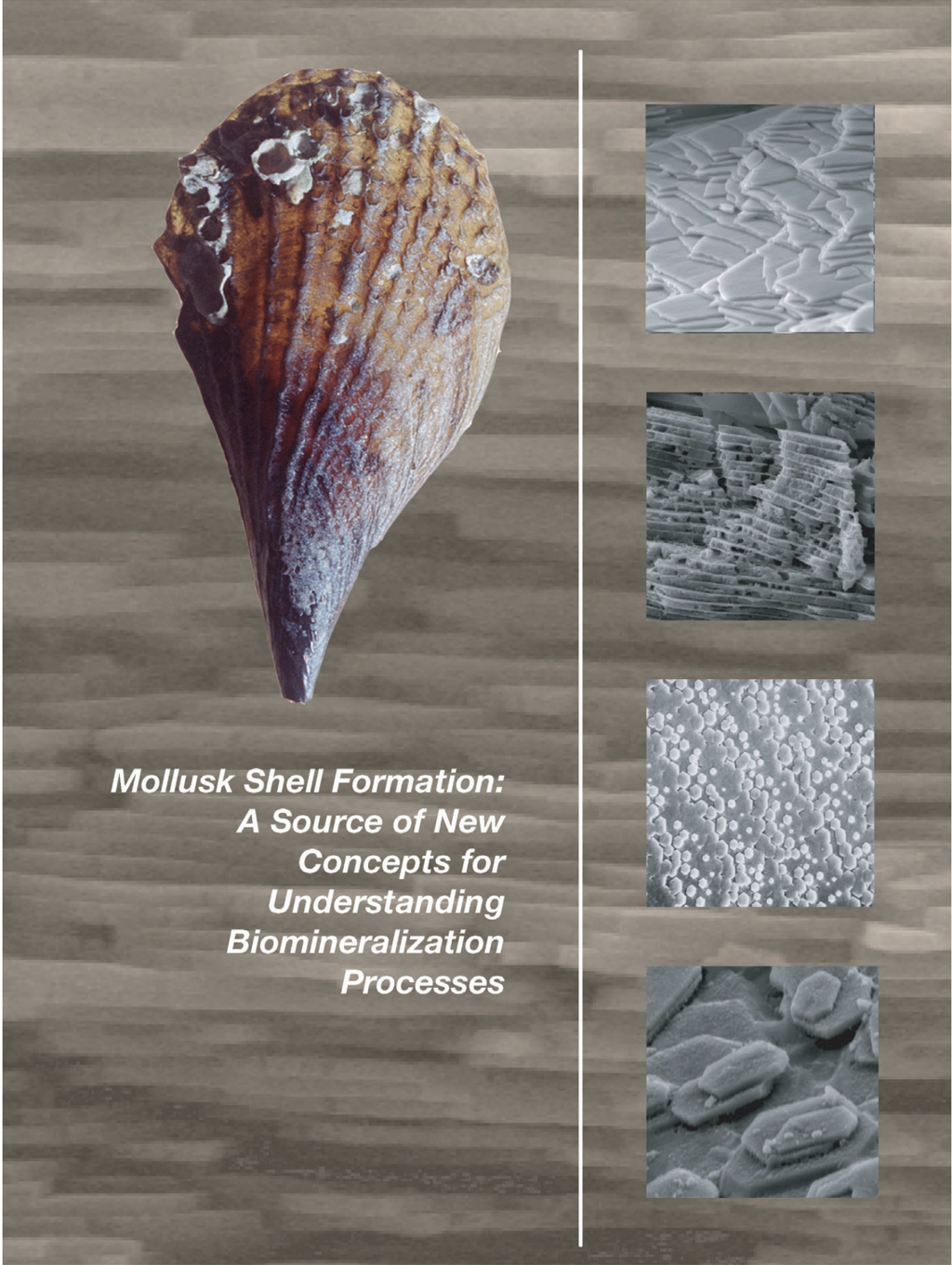
Mollusk Shell Formation: A Source of New Concepts for Understanding Biomineralization Processes
Open accessThe DOI matches its Crossref record; 44 of the 44 references it cites were found in a registry or an index.
Abstract
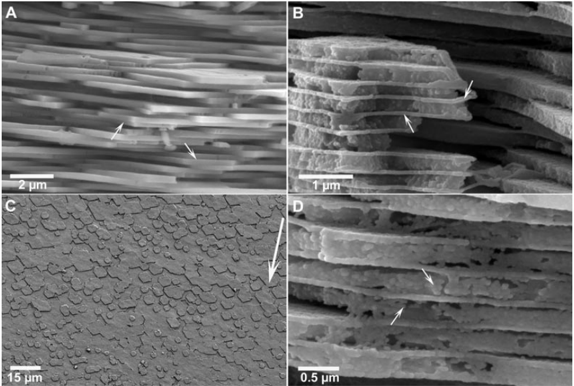
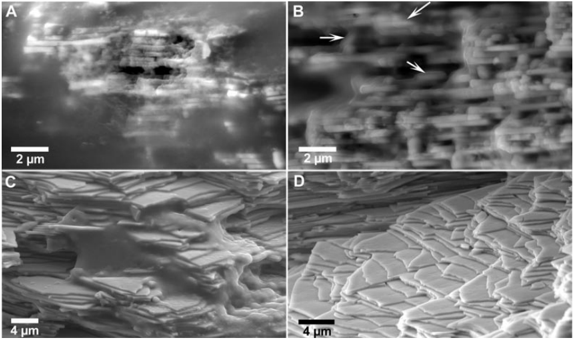
The biological approach to forming crystals is proving to be most surprising. Mollusks build their shells by using a hydrophobic silk gel, very acidic aspartic acid rich proteins, and apparently also an amorphous precursor phase from which the crystals form. All this takes place in a highly structured chitinous framework. Here we present ideas on how these disparate components work together to produce the highly structured pearly nacreous layer of the mollusk shell.
Overview
The claims and statistics of this paper haven’t been checked yet.
Free: it reads the open-access text and checks the first 5 claims that cite a source we can check. Create a free account to check every claim.
Integrity signals
Registry
Cites
Statistics
Figures


Verification
Claims the paper makes
The claims and statistics of this paper haven’t been checked yet.
Free: it reads the open-access text and checks the first 5 claims that cite a source we can check. Create a free account to check every claim.
Claims other papers make about this one
Each is checked against this paper’s own text: does it say what the citing paper says it does?
The source backs part of the claim, not all of it — or backs it for a different population, condition or comparison.
In the citing paper
“Previous works have demonstrated how various amino acids and chitin have direct effects on CaCO3 precipitation in mollusks,5 chitons,7,23 foraminifera,24 and corals.25”
From Organic Controls over Biomineral Ca-Mg Carbonate Compositions and Morphologies (2023) · cites this paper as [5]
Experimental — accuracy not yet measuredThe source backs part of the claim, not all of it — or backs it for a different population, condition or comparison.
In the citing paper
“In nature, acidic proteins are commonly associated with the biomineralization of carbonates that make up shells, skeletons, and spicules.5,25,41”
From Organic Controls over Biomineral Ca-Mg Carbonate Compositions and Morphologies (2023) · cites this paper as [5]
Experimental — accuracy not yet measured
Self-check
Percentages, sums and reported differences re-computed from the paper’s own numbers.
The self-check needs the paper’s full text.
Citations
Cites
Lowenstam, H. A., & Weiner, S. (1989) · doi:10.1093/oso/9780195049770.001.0001 · Cited by 2,090
Self-citationLiquid crystalline spinning of spider silk
Vollrath, F., & Knight, D. P. (2001) · Nature · doi:10.1038/35069000 · Cited by 1,610
Control of Aragonite or Calcite Polymorphism by Mollusk Shell Macromolecules
Falini, G., Albeck, S., Weiner, S., & Addadi, L. (1996) · Science · doi:10.1126/science.271.5245.67 · Cited by 1,437
Self-citationControl of crystal phase switching and orientation by soluble mollusc-shell proteins
Belcher, A. M., Wu, X. H., Christensen, R. J., Hansma, P. K., Stucky, G. D., & Morse, D. E. (1996) · Nature · doi:10.1038/381056a0 · Cited by 1,153
Sea Urchin Spine Calcite Forms via a Transient Amorphous Calcium Carbonate Phase
Politi, Y., Arad, T., Klein, E., Weiner, S., & Addadi, L. (2004) · Science · doi:10.1126/science.1102289 · Cited by 963
Self-citationStructure and Properties of Silk Hydrogels
Kim, U.-J., Park, J., Li, C., Jin, H.-J., Valluzzi, R., & Kaplan, D. L. (2004) · Biomacromolecules · doi:10.1021/bm0345460 · Cited by 856
Amorphous calcium carbonate transforms into calcite during sea urchin larval spicule growth
Beniash, E., Aizenberg, J., Addadi, L., & Weiner, S. (1997) · Proceedings of the Royal Society of London. Series B: Biological Sciences · doi:10.1098/rspb.1997.0066 · Cited by 729
Self-citationMollusc larval shell formation: amorphous calcium carbonate is a precursor phase for aragonite
Weiss, I. M., Tuross, N., Addadi, L., & Weiner, S. (2002) · Journal of Experimental Zoology · doi:10.1002/jez.90004 · Cited by 664
Self-citationA carbonic anhydrase from the nacreous layer in oyster pearls.
Miyamoto, H., Miyashita, T., Okushima, M., Nakano, S., Morita, T., & Matsushiro, A. (1996) · Proceedings of the National Academy of Sciences · doi:10.1073/pnas.93.18.9657 · Cited by 574
Addadi, L., Moradian, J., Shay, E., Maroudas, N. G., & Weiner, S. (1987) · Proceedings of the National Academy of Sciences · doi:10.1073/pnas.84.9.2732 · Cited by 563
Self-citation
Research works printed but not linked: 12
- 2. A. Veis, in Biomineralization. Reviews in Mineralogy and Geochem- istry, Vol. 53 (Eds.: P. M. Dove, J. J. De Yoreo, S. Weiner), Minera- logical Society of America, Washington DC, 2003, pp. 249 -290.
- 14. C. GrØgoire, in Chemical Zoology (Ed.: B. T. S. M. Florkin), Aca- demic Press, New York, 1972, pp. 45 -102.
- 15. C. Gregoire, G. Duchateau, M. Florkin, Ann. Inst. Oceanogr. 1955, 31, 1 -36.
- 22. O. Cohen, M.Sc. Thesis, Weizmann Institute of Science, Rehovot (Israel), 2003.
- 30. F. Nudelman, B. Gotliv, L. Addadi, S. Weiner, J. Struct. Biol. 2005, in press.
- 31. M. A. Crenshaw, H. Ristedt, in The Mechanisms of Mineralization in the Invertebrates and Plants (Eds.: N. Watabe, K. M. Wilbur), Uni- versity of South Carolina Press, Colombia, 1976, pp. 355 -367.
- 34. N. Watabe, V. R. Meenakshi, P. L. Blackwelder, E. M. Kurtz, D. G. Dunkelberger, in Mechanisms of Biomineralization in the Inverte- brates and Plants (Eds.: N. Watabe, K. M. Wilbur), University South Carolina Press, Columbia, 1976, pp. 283 -308.
- 44. S. Weiner, B. Gotliv, Y. Levi-Kalisman, S. Raz, I. M. Weiss, L. Addadi, in Biomineralization (BIOM2001): Formation, Diversity, Evolution and Application. Proceedings of the 8th International Sym- posium on Biomineralization (Eds.: I.
- 45. Kobayashi, H. Ozawa), Tokai University Press, Kanagawa, 2003, pp. 8-13.
- 48. L. Addadi, S. Weiner, in Biomineralization, Chemical and Biochemi- cal Perspectives (Eds.: S. Mann, J. Webb, J. P. Williams), VCH, Wein- heim, 1989, pp. 133 -156.
- 51. A. G. Checa, A. B. Rodriguez-Navarro, Biomaterials 2005, 26, 1071 - 1079. Published online: November 28, 2005
- 52. Chem. Eur. J. 2006, 12, 980 -987 2006 Wiley-VCH & Co. , Weinheim www.chemeurj.
Cited by
Items 401–500 of 1,000
Nautilin‐63, a novel acidic glycoprotein from the shell nacre of Nautilus macromphalus
Marie, B., Zanella‐Cléon, I., Corneillat, M., Becchi, M., Alcaraz, G., Plasseraud, L., Luquet, G., & Marin, F. (2011) · FEBS Journal · doi:10.1111/j.1742-4658.2011.08129.x · Cited by 31
Pérez‐Huerta, A., Etayo-Cadavid, M. F., Andrus, C. F. T., Jeffries, T. E., Watkins, C., Street, S. C., & Sandweiss, D. H. (2013) · PLoS ONE · doi:10.1371/journal.pone.0054274 · Cited by 31
“At the scar, Mg/Ca increases, in parallel to the disappearance of intercrystalline organic matrix and chromoproteins peaks in Raman spectra (Figure 2), indicating a possible intensification of Mg2+ incorporation into ACC for its stabilization [21], and in order to precipitate aragonite rapidly [33].”
BackgroundInfluentialCrystal Growth in the Foliated Aragonite of Monoplacophorans (Mollusca)
Checa, A. G., Sánchez‐Navas, A., & Rodríguez‐Navarro, A. B. (2009) · Crystal Growth & Design · doi:10.1021/cg9005949 · Cited by 30
Planchon, F., Poulain, C., Langlet, D., Paulet, Y., & André, L. (2013) · Geochimica et Cosmochimica Acta · doi:10.1016/j.gca.2013.07.002 · Cited by 30
Biomineralization State of Viruses and Their Biological Potential
Wang, X., Liu, X., Xiao, Y., Hao, H., Zhang, Y., & Tang, R. (2018) · Chemistry - A European Journal · doi:10.1002/chem.201705936 · Cited by 30
Cameron, L. P., Reymond, C. E., Müller-Lundin, F., Westfield, I., Grabowski, J. H., Westphal, H., & Ries, J. B. (2019) · Journal of Shellfish Research · doi:10.2983/035.038.0327 · Cited by 31
Nowacki, K., Stępniak, I., Machałowski, T., Wysokowski, M., Petrenko, I., Schimpf, C., Rafaja, D., Langer, E., Richter, A., Ziętek, J., et al. (2020) · Applied Physics A · doi:10.1007/s00339-020-03533-2 · Cited by 30
Weiner, S., Nudelman, F., Sone, E. D., Zaslansky, P., & Addadi, L. (2006) · Biointerphases · doi:10.1116/1.2207607 · Cited by 31
Self-citationEngland, J., Cusack, M., Dalbeck, P., & Pérez‐Huerta, A. (2006) · Crystal Growth & Design · doi:10.1021/cg060374p · Cited by 30
Calcifying plankton: From biomineralization to global change
Ziveri, P., Langer, G., Chaabane, S., de Vries, J., Gray, W. R., Keul, N., Hatton, I. A., Manno, C., Norris, R. D., Pallacks, S., et al. (2025) · Science · doi:10.1126/science.adq8520 · Cited by 29
Macromolecular templates for the development of organic/inorganic hybrid materials
Nishimura, T. (2014) · Polymer Journal · doi:10.1038/pj.2014.107 · Cited by 29
Otter, L. M., Agbaje, O. B. A., Kilburn, M. R., Lenz, C., Henry, H., Trimby, P. W., Höppe, P., & Jacob, D. E. (2019) · Biogeosciences · doi:10.5194/bg-16-3439-2019 · Cited by 30
“…(aragonite and/or calcite), intimately conjoined by organic macromolecules that control nucleation and growth of the mineral entity across all length scales (Weiner and Traub, 1980; Rodriguez-Navarro et al., 2012; Simkiss, 1965; Addadi et al., 2006; Cusack et al., 2008; Weiner et al., 1984).”
BackgroundPhosphate-dependent morphological evolution of hydroxyapatite and implication for biomineralisation
Jiang, S., Yao, Q., Ma, Y., Zhou, G., & Fu, S. (2014) · Gondwana Research · doi:10.1016/j.gr.2014.04.005 · Cited by 31
Pérez‐Huerta, A., & Cusack, M. (2007) · Zoology · doi:10.1016/j.zool.2007.03.004 · Cited by 29
Formation Mechanism of CaCO3 Spherulites in the Myostracum Layer of Limpet Shells
Wu, S., Chiang, C., & Zhou, W. (2017) · Crystals · doi:10.3390/cryst7100319 · Cited by 31
Lassoued, J., Babarro, J. M. F., Padín, X. A., Comeau, L., Bejaoui, N., & Pérez, F. F. (2019) · Marine Ecology Progress Series · doi:10.3354/meps13075 · Cited by 29
Quintela, D. U., Henrique, D. C., Lins, P. V. D. S., Ide, A. H., Erto, A., Duarte, J. L. D. S., & Meili, L. (2020) · Colloids and Surfaces B Biointerfaces · doi:10.1016/j.colsurfb.2020.111230 · Cited by 29
Transmission electron microscopy observation of nanoscale deformation structures in nacre
Sumitomo, T., Kakisawa, H., Owaki, Y., & Kagawa, Y. (2008) · Journal of materials research/Pratt's guide to venture capital sources · doi:10.1557/jmr.2008.0389 · Cited by 30
Amorphous-to-crystal transition in the layer-by-layer growth of bivalve shell prisms
Duboisset, J., Ferrand, P., Baroni, A., Grünewald, T. A., Dicko, H., Grauby, O., Vidal‐Dupiol, J., Saulnier, D., Moullac, G. L., Rosenthal, M., et al. (2022) · Acta Biomaterialia · doi:10.1016/j.actbio.2022.01.024 · Cited by 31
“These observations provide guidelines for 83 formulating biomineral growth models, as already proposed for sea urchin spine [43], the nacreous 84 layer [27,28] and the prismatic layer [16,26,44].”
MethodJia, S., Tao, T., Sun, J., Du, J., Xie, Y., Yu, L., Tang, W., Wang, J., & Gong, J. (2023) · Small Structures · doi:10.1002/sstr.202300139 · Cited by 28
Schoene, B. R., & Surge, D. M. (2012) · Treatise Online · doi:10.17161/to.v0i0.4297 · Cited by 47
Parker, W. G., Yanes, Y., Surge, D. M., & Hernández, E. M. M. (2017) · Palaeogeography Palaeoclimatology Palaeoecology · doi:10.1016/j.palaeo.2017.09.006 · Cited by 29
“1B), is the largest island of the archipelago by both elevation (3718 m) and land area (2030 km2) (Ancochea et al., 2003; Herrera et al., 2001).”
BackgroundKong, J., Liu, C., Yang, D., Yan, Y., Chen, Y., Huang, J., Liu, Y., Zheng, G., Xie, L., & Zhang, R. (2018) · Crystal Growth & Design · doi:10.1021/acs.cgd.8b00025 · Cited by 28
Ji, H., & Li, X. W. (2014) · Journal of the American Ceramic Society · doi:10.1111/jace.13246 · Cited by 27
Su, J., Liang, X., Zhou, Q., Zhang, G., Wang, H., Xie, L., & Zhang, R. (2013) · Biochemical Journal · doi:10.1042/bj20130285 · Cited by 27
Rubin, E. T., Tanguy, A., Perrigault, M., Espinosa, E. P., & Allam, B. (2014) · BMC Genomics · doi:10.1186/1471-2164-15-245 · Cited by 28
“Since the molluscan shell is partially composed of chitin [35,36] and QPX cells have been previously found associated with empty molluskan shells [5], QPX’s ability to digest shell material represents a venue for future investigations.”
BackgroundMultilayered CaCO3/block-copolymer materials via amorphous precursor to crystal transformation
Gong, H., Pluntke, M., Marti, O., Walther, P., Gower, L. B., Cölfen, H., & Volkmer, D. (2009) · Colloids and Surfaces A Physicochemical and Engineering Aspects · doi:10.1016/j.colsurfa.2009.08.002 · Cited by 28
Gries, K. I., Heinemann, F., Gummich, M., Ziegler, A., Rosenauer, A., & Fritz, M. (2011) · Crystal Growth & Design · doi:10.1021/cg101240e · Cited by 29
Suzuki, M., Kogure, T., & Nagasawa, H. (2017) · Agri-bioscience monographs · doi:10.5047/agbm.2017.00702.0025 · Cited by 28
“Other studies have implied that some macromolecules in the nacreous layer play important roles in the formation of aragonite crystals (Belcher et al. 1996; Falini et al. 1996; Gotliv et al. 2003; Addadi et al. 2006).”
BackgroundSaunders, M., Kong, C., Shaw, J., & Clode, P. L. (2011) · Microscopy and Microanalysis · doi:10.1017/s1431927610094547 · Cited by 27
“…deposition, while in chitons the teeth are fabricated in a manner resembling a production line, with each successive tooth row steadily progressing in distinct stages from the unmineralized to the mineralized state ~Lowenstam & Weiner, 1989; Addadi et al., 2006; Shaw et al., 2009a!.”
BackgroundMarchegiani, F., Cibej, E., Vergni, P., Tosi, G., Fermani, S., & Falini, G. (2009) · Journal of Crystal Growth · doi:10.1016/j.jcrysgro.2009.07.010 · Cited by 27
Zhou, D., Metzler, R. A., Tyliszczak, T., Guo, J., Abrecht, M., Coppersmith, S. N., & Gilbert, P. U. P. A. (2008) · The Journal of Physical Chemistry B · doi:10.1021/jp803176z · Cited by 27
Rapid regeneration of enamel-like-oriented inorganic crystals by using rotary evaporation
Wang, S., Zhang, L., Chen, W., Jin, H., Zhang, Y., Wu, L., Shao, H., Fang, Z., He, X., Zheng, S., et al. (2020) · Materials Science and Engineering C · doi:10.1016/j.msec.2020.111141 · Cited by 26
Splice Variants of Perlucin from Haliotis laevigata Modulate the Crystallisation of CaCO3
Dodenhof, T., Dietz, F., Franken, S., Grunwald, I., & Kelm, S. (2014) · PLoS ONE · doi:10.1371/journal.pone.0097126 · Cited by 26
“It is probable that amorphous CaCO3 is initially formed as a precursor of crystal growth [7,8].”
BackgroundFormation of elongated calcite mesocrystals and implication for biomineralization
Wang, Y., Yao, Q., Zhou, G., & Fu, S. (2013) · Chemical Geology · doi:10.1016/j.chemgeo.2013.10.013 · Cited by 27
“Biogenic minerals, or biominerals, are composite materials containing organic matrices and nano- or micro-scale amorphous or crystalline materials (e.g., Gilbert et al., 2005; Addadi et al., 2006; Ehrlicha et al., 2008; Beniash, 2010; Zhou et al., 2010).”
BackgroundSynergistic Biomineralization Phenomena Created by a Combinatorial Nacre Protein Model System
Chang, E. P., Roncal‐Herrero, T., Morgan, T. L., Dunn, K. E., Rao, A., Kunitake, J. A. M. R., Lui, S., Bilton, M. W., Estroff, L. A., Kröger, R., et al. (2016) · Biochemistry · doi:10.1021/acs.biochem.6b00163 · Cited by 28
“2 μm filtered Milli-Q grade water, which minimizes protein aggregation);(12,14,46) (2) 1:1 cAP7 : rPFMG1 under mineralization conditions at pH 8.”
BackgroundMethodStructure and Function of Stony Coral Intraskeletal Polysaccharides
Naggi, A., Torri, G., Iacomini, M., Castelli, G. C., Reggi, M., Fermani, S., Dubinsky, Z., Goffredo, S., & Falini, G. (2018) · ACS Omega · doi:10.1021/acsomega.7b02053 · Cited by 26
Biomimetic transformation of polyphosphate microparticles during restoration of damaged teeth
Ackermann, M., Tolba, E., Neufurth, M., Wang, S., Schröder, H. C., Wang, X., & Müller, W. E. G. (2018) · Dental Materials · doi:10.1016/j.dental.2018.11.014 · Cited by 26
Yin, X., Griesshaber, E., Fernández-Díaz, L., Ziegler, A., García-García, F. J., & Schmahl, W. W. (2019) · Crystal Growth & Design · doi:10.1021/acs.cgd.9b00679 · Cited by 28
Lyu, J., Qin, W., Zhang, C., & Li, F. (2020) · Geomicrobiology Journal · doi:10.1080/01490451.2020.1786866 · Cited by 26
Robotic synthesis of peptides containing metal-oxide-based amino acids
She, S., Bell, N. L., Zheng, D., Mathieson, J. S., Castro, M. D., Long, D., Koehnke, J., & Cronin, L. (2022) · Chem · doi:10.1016/j.chempr.2022.07.007 · Cited by 28
Assembly of Layered Monetite-Chitosan Nanocomposite and Its Transition to Organized Hydroxyapatite
Ruan, Q., Liberman, D., Zhang, Y., Ren, D., Zhang, Y., Nutt, S., & Moradian‐Oldak, J. (2016) · ACS Biomaterials Science & Engineering · doi:10.1021/acsbiomaterials.6b00164 · Cited by 27
Drake, J. L., Mass, T., & Falkowski, P. G. (2014) · Elementa Science of the Anthropocene · doi:10.12952/journal.elementa.000026 · Cited by 26
“Vesicles containing mineral precursors are also exported from specific cells within the animal and aid in facilitating biomineralization in some mollusks (reviewed by Addadi et al., 2006).”
BackgroundHwang, S. H., Miller, J. B., & Shahsavari, R. (2017) · ACS Applied Materials & Interfaces · doi:10.1021/acsami.7b12532 · Cited by 25
Arivalagan, J., Marie, B., Chiappetta, G., Vinh, J., Gallet, X., Lebon, M., M’Zoudi, S., Dubois, P., Berland, S., & Marie, A. (2020) · The Science of The Total Environment · doi:10.1016/j.scitotenv.2020.140878 · Cited by 25
Dong, Y., Chi, J., Ren, Z., Xiong, B., Liu, Z., Zhang, W., Wang, L., Fujii, S., Armes, S. P., & Ning, Y. (2023) · Angewandte Chemie International Edition · doi:10.1002/anie.202300031 · Cited by 26
Bai, Z., Lu, Y. C., Hu, H., Yuan, Y., Li, Y., Liu, X., Wang, G., Huang, D., Wang, Z., Mao, Y., et al. (2024) · International Journal of Molecular Sciences · doi:10.3390/ijms25063146 · Cited by 26
“The process of pearl—or shell—formation is a remarkable biomineralization phenomenon involving intricate organic matrices [5–7].”
BackgroundMultifunctional layered magnetic composites
Siglreitmeier, M., Wu, B., Kollmann, T., Neubauer, M. P., Nagy, G., Schwahn, D., Pipich, V., Faivre, D., Zahn, D., Fery, A., et al. (2015) · Beilstein Journal of Nanotechnology · doi:10.3762/bjnano.6.13 · Cited by 29
Analytical pyrolysis-based study on intra-skeletal organic matrices from Mediterranean corals
Adamiano, A., Goffredo, S., Dubinsky, Z., Levy, O., Fermani, S., Fabbri, D., & Falini, G. (2014) · Analytical and Bioanalytical Chemistry · doi:10.1007/s00216-014-7995-1 · Cited by 28
Bacchi, A., Cantoni, G., Cremona, D., Pelagatti, P., & Ugozzoli, F. (2011) · Angewandte Chemie International Edition · doi:10.1002/anie.201006561 · Cited by 25
Kádár, E., Lobo‐da‐Cunha, A., & Azevedo, C. (2009) · Marine Biology · doi:10.1007/s00227-009-1140-2 · Cited by 25
“Recent Wndings suggest that several calcifying models, including sponges, sea urchins and molluscs, elaborate their crystalline skeleton via a transient amorphous phase (Weiss et al. 2002; Weiner et al. 2003; Addadi et al. 2006 ) that is generally believed to be a more rapidly available source of ionic”
BackgroundVariability in the crystallographic texture of bivalve nacre
Frýda, J., Klicnarová, K., Frýdová, B., & Mergl, M. (2010) · Bulletin of Geosciences · doi:10.3140/bull.geosci.1217 · Cited by 29
Chitosan nanoparticles affect polymorph selection in crystallization of calcium carbonate
Hood, M. A., Landfester, K., & Muñoz‐Espí, R. (2017) · Colloids and Surfaces A Physicochemical and Engineering Aspects · doi:10.1016/j.colsurfa.2017.12.048 · Cited by 25
Liu, X., Dai, J., Li, W., Wang, K., Huang, J., Li, Q., & Zhan, G. (2019) · ACS Sustainable Chemistry & Engineering · doi:10.1021/acssuschemeng.9b04181 · Cited by 25
Tensile and shear behavior of microscale growth layers between nacre in red abalone
Alghamdi, S., Du, F., Yang, J., Pinder, G. F., & Tan, T. (2020) · Journal of the Mechanics and Physics of Solids · doi:10.1016/j.jmps.2020.103928 · Cited by 25
The strategic role of adsorption phenomena in biomineralization
Falini, G., & Fermani, S. (2013) · Crystal Research and Technology · doi:10.1002/crat.201200711 · Cited by 26
Liu, X., Zeng, S., Dong, S., Jin, C., & Li, J. (2015) · PLoS ONE · doi:10.1371/journal.pone.0135123 · Cited by 27
“packed with proteins, polysaccharides, and lipids [5].”
Du, J., Xu, G., Liu, C., & Zhang, R. (2018) · CrystEngComm · doi:10.1039/c8ce00755a · Cited by 25
Reich, E., Schoeppler, V., Lemanis, R. E., Lakin, E. E., Zolotoyabko, E., Zöllner, D., & Zlotnikov, I. (2018) · Acta Biomaterialia · doi:10.1016/j.actbio.2018.12.023 · Cited by 25
Mollusc N-glycosylation: Structures, Functions and Perspectives
Staudacher, E. (2021) · Biomolecules · doi:10.3390/biom11121820 · Cited by 28
“Shell matrix proteins, components of this organic matrix, control the necessary biomineralisation process [10].”
BackgroundGal, A., Habraken, W. J. E. M., Gur, D., Fratzl, P., Weiner, S., & Addadi, L. (2013) · Angewandte Chemie · doi:10.1002/ange.201210329 · Cited by 26
Self-citationPeng, X., Lee, S., Wilmers, J., Oh, S. H., & Bargmann, S. (2022) · Acta Biomaterialia · doi:10.1016/j.actbio.2022.05.033 · Cited by 25
Cao, M., Hong, W. B., Yang, X. D., Jia, Y. Q., Li, L., Wu, S. Y., Yang, H. S., & Chen, X. M. (2022) · Journal of the American Ceramic Society · doi:10.1111/jace.18877 · Cited by 24
Insights into the amorphous calcium carbonate (ACC) → ikaite → calcite transformations
Lázár, A., Molnár, Z., Demény, A., Kótai, L., Trif, L., Béres, K. A., Bódis, E., Bortel, G., Aradi, L. E., Karlik, M., et al. (2023) · CrystEngComm · doi:10.1039/d2ce01444k · Cited by 25
Falini, G., Sartor, G., Fabbri, D., Vergni, P., Fermani, S., Belcher, A. M., Stucky, G. D., & Morse, D. E. (2010) · Journal of Structural Biology · doi:10.1016/j.jsb.2010.08.002 · Cited by 26
Approaches to the manufacture of layered nanocomposites
Zhang, Y., & Evans, J. (2011) · Applied Surface Science · doi:10.1016/j.apsusc.2011.03.151 · Cited by 26
Mouchi, V., Lartaud, F., Guichard, N., Immel, F., de RAFÉLIS, M., Broussard, C., Crowley, Q., & Marin, F. (2016) · Marine Biology · doi:10.1007/s00227-016-3040-6 · Cited by 25
“Because of their mechanical properties, marine mollusc shells are often taken as a model for biomineralization studies (Addadi et al. 2006) and, more generally, as an inexhaustible source of inspiration for generating organic– inorganic composites with tailored mechanical properties and shapes (Cranford and Buehler 20…”
BackgroundOrganic macromolecules in shells of Arctica islandica: comparison with nacroprismatic bivalve shells
Agbaje, O. B. A., Thomas, D. E., McInerney, B. V., Molloy, M. P., & Jacob, D. E. (2017) · Marine Biology · doi:10.1007/s00227-017-3238-2 · Cited by 25
“(2002) suggested that the water-based methods mobilise apolar proteins that are covalently attached to sugars, whereas these components are insoluble when using EDTA (Addadi et al. 2006; Pereira-Mouriès et al. 2002).”
BackgroundLi, Y., Xue, Z., Luan, Y., Wang, L., Zhao, D., Xu, F., Xiao, Y., Guo, Z., & Wang, Z. (2019) · Composites Science and Technology · doi:10.1016/j.compscitech.2019.04.032 · Cited by 26
Xiong, X., Cao, Y., Li, Z., Jiao, Y., Du, X., & Zhe, Z. (2021) · Aquaculture Reports · doi:10.1016/j.aqrep.2021.100851 · Cited by 24
The organic interlamellar layer in abalone nacre: Formation and mechanical response
López, M. I., & Meyers, M. A. (2015) · Materials Science and Engineering C · doi:10.1016/j.msec.2015.07.051 · Cited by 24
Osuna‐Mascaró, A. J., Bustos, T. C., Marin, F., & Checa, A. G. (2015) · PLoS ONE · doi:10.1371/journal.pone.0122934 · Cited by 25
The Microstructure of the Cultured Freshwater Pearl
Murr, L. E., & Ramirez, D. A. (2012) · JOM · doi:10.1007/s11837-012-0297-1 · Cited by 24
Liang, J., Xie, J., Gao, J. Q., Xu, C., Yan, Y., Jia, G., Xiang, L., Xie, L., & Zhang, R. (2016) · Marine Biotechnology · doi:10.1007/s10126-016-9724-6 · Cited by 24
“However, the typical prismatic-nacre shell has been studied extensively because it is the best model for understanding biomineralization processes (Addadi et al. 2006).”
BackgroundRóżycka, M., Coronado, I., Brach, K., Olesiak‐Bańska, J., Samoc, M. J., Zarębski, M., Dobrucki, J. W., Ptak, M., Weber, E., Polishchuk, I., et al. (2019) · Chemistry - A European Journal · doi:10.1002/chem.201902157 · Cited by 24
Cameron, L. P., Grabowski, J. H., & Ries, J. B. (2022) · Limnology and Oceanography · doi:10.1002/lno.12153 · Cited by 25
Yeom, B., & Char, K. (2009) · Chemistry of Materials · doi:10.1021/cm9029566 · Cited by 23
Hahn, S., Griesshaber, E., Schmahl, W. W., Neuser, R. D., Ritter, A., Hoffmann, R., Buhl, D., Niedermayr, A., Geske, A., & Immenhauser, A. (2014) · Sedimentology · doi:10.1111/sed.12107 · Cited by 28
“In contrast, the complex issue of biomineralization (e.g. Lowenstam & Weiner, 1989; Weiner & Dove, 2003; Addadi et al., 2006; C€olfen, 2010), i.e. the biological processes by which living organisms form or induce carbonate mineral nucleation and growth, is under-explored on the genus-specific level…”
BackgroundMcDougall, C., Woodcroft, B. J., & Degnan, B. M. (2016) · PLoS ONE · doi:10.1371/journal.pone.0159128 · Cited by 24
Babarro, J. M. F., Abad, M. J., Gestoso, I., Silva, E., & Olabarría, C. (2017) · Hydrobiologia · doi:10.1007/s10750-017-3397-7 · Cited by 23
“of the organic (periostracum) content of shells (Addadi et al., 2006).”
BackgroundMethodChen, Y., Liu, C., Li, S., Liu, Z., Xie, L., & Zhang, R. (2018) · ACS Biomaterials Science & Engineering · doi:10.1021/acsbiomaterials.8b01355 · Cited by 23
Feng, Y., Li, X., Guo, S., Chen, X., Chen, T., He, Y., Shabala, S. N., & Yu, M. (2019) · Journal of Nanobiotechnology · doi:10.1186/s12951-019-0486-y · Cited by 23
Bioinspired Materials: From Living Systems to New Concepts in Materials Chemistry
Böhm, C. F., Harris, J., Schodder, P. I., & Wolf, S. E. (2019) · Materials · doi:10.3390/ma12132117 · Cited by 26
“Further, it allows the mollusc to spare water and thus to address a logistical issue of transporting a sufficient amount of scarcely soluble mineral to the mineralization site without removing large volumes of water from this site [17,18].”
BackgroundAcidic Shell Proteins of the Mediterranean Fan Mussel Pinna nobilis
Marin, F., Narayanappa, P., & Motreuil, S. (2011) · Progress in molecular and subcellular biology · doi:10.1007/978-3-642-21230-7_13 · Cited by 26
“Concerning the process of nacre growth itself, the paper from Addadi et al. (2006) underlines the following aspects: nacre tablets grow from their center, which is enriched in polyanionic polymers (carboxylate-rich, or sulfate-rich).”
BackgroundZhu, M., Yu, Q., van der Laan, S. R., & Chen, Y. (2025) · Cement and Concrete Research · doi:10.1016/j.cemconres.2025.107783 · Cited by 23
Stenger, P., Ky, C., REISSER, C. M. O., Cosseau, C., Grunau, C., Mège, M., Planes, S., & Vidal‐Dupiol, J. (2021) · Frontiers in Genetics · doi:10.3389/fgene.2021.630290 · Cited by 23
“A high number of the proteins found in the mineralized structure of P. margaritifera are known to be enriched in arginine and lysine, such as MSP-1, MSP-2, Aspein, Prismlain-14, and MSI60 (Addadi et al., 2006; Joubert et al., 2010; Gueguen et al., 2013).”
BackgroundInfluentialChitosan as a Canvas for Studies of Macromolecular Controls on CaCO3Biological Crystallization
Knight, B. M., Edgar, K. J., Yoreo, J. J. D., & Dove, P. M. (2023) · Biomacromolecules · doi:10.1021/acs.biomac.2c01394 · Cited by 24
Arroyo-Loranca, R. G., Hernández-Saavedra, N. Y., Hernández‐Adame, L., & Rivera-Pérez, C. (2020) · PLoS ONE · doi:10.1371/journal.pone.0230431 · Cited by 23
Sakalauskaite, J., Plasseraud, L., Thomas, J., Albéric, M., Thoury, M., Perrin, J., Jamme, F., Broussard, C., Demarchi, B., & Marin, F. (2020) · Journal of Structural Biology · doi:10.1016/j.jsb.2020.107497 · Cited by 22
Impact of sample pretreatment on the measured element concentrations in the bivalveArctica islandica
Krause-Nehring, J., Klügel, A., Nehrke, G., Brellochs, B., & Brey, T. (2011) · Geochemistry Geophysics Geosystems · doi:10.1029/2011gc003630 · Cited by 23
“, 2010] and plays an important role in the biomineralization process by controlling crystal growth and structural organization [Addadi et al., 2006; Krampitz et al., 1983; Levi‐Kalisman et al., 2001; Nudelman et al., 2006; Takeuchi et al., 2008].”
BackgroundEiblmeier, J., Kellermeier, M., Rengstl, D., García-Ruiz, J. M., & Kunz, W. (2012) · CrystEngComm · doi:10.1039/c2ce26132d · Cited by 22
Comparison of aragonitic molluscan shell proteins
Furuhashi, T., Mikšík, I., Smrz, M., Germann, B., Nebija, D., Lachmann, B., & Noe, C. R. (2009) · Comparative Biochemistry and Physiology Part B Biochemistry and Molecular Biology · doi:10.1016/j.cbpb.2009.11.007 · Cited by 22
Control of crystal polymorph in microfluidics using molluscan 28 kDa Ca2+-binding protein
Ji, B., Cusack, M., Freer, A. A., Dobson, P. S., Gadegaard, N., & Yin, H. (2010) · Integrative Biology · doi:10.1039/c0ib00007h · Cited by 23
Visualization of the internal structures of cultured pearls by computerized X-ray microtomography
Wehrmeister, U., Goetz, H., Jacob, D. E., Soldati, A. L., Xu, W., Duschner, H. J., & Hofmeister, W. (2008) · Journal of gemmology/The journal of gemmology · doi:10.15506/jog.2008.31.1.15 · Cited by 22
“However, in pearls, these carbonate phases are both intimately mixed with organic material (e.g. Addadi et al. , 2006) thus changing their densities.”
BackgroundKong, J., Liu, C., Yang, D., Yan, Y., Chen, Y., Liu, Y., Zheng, G., Xie, L., & Zhang, R. (2019) · CrystEngComm · doi:10.1039/c8ce02194e · Cited by 24
Bédouet, L., Marie, A., Berland, S., Marie, B., Auzoux-Bordenave, S., Marin, F., & Milet, C. (2011) · Marine Biotechnology · doi:10.1007/s10126-011-9425-0 · Cited by 24
Huang, D., Shen, J., Li, J., & Bai, Z. (2019) · Fish & Shellfish Immunology · doi:10.1016/j.fsi.2019.05.012 · Cited by 22
Katsikini, M., Proiou, E., Vouroutzis, N. Z., Pinakidou, F., Paloura, E. C., Smirnov, D. A., Brzhezinskaya, M. M., & Ves, S. (2020) · Journal of Structural Biology · doi:10.1016/j.jsb.2020.107557 · Cited by 21
Embedded proteins and sacrificial bonds provide the strong adhesive properties of gastroliths
Thormann, E., Mizuno, H., Jansson, K., Hedin, N., Fernández, M., Arias, J. L., Rutland, M. W., Pai, R. K., & Bergström, L. (2012) · Nanoscale · doi:10.1039/c2nr30536d · Cited by 21
Iglikowska, A., Bełdowski, J., Chełchowski, M., Chierici, M., Kędra, M., Przytarska, J., Sowa, A., & Kukliński, P. (2016) · Marine Pollution Bulletin · doi:10.1016/j.marpolbul.2016.10.071 · Cited by 21
Metadata
- Authors
- Addadi, L., Joester, D., Nudelman, F., & Weiner, S.
- Affiliations
- Weizmann Institute of Science (IL)
- Venue
- Chemistry – A European Journal
- Publisher
- Wiley
- Published
- 2006-01-13
- Volume
- 12
- Issue
- 4
- Pages
- 980-987
- ISSN
- 0947-6539 (ISSN-L)
- 1521-3765
- OpenAlex
- W2155818894
- Cited by
- 1,079
- References
- 44
- Citations by year
- 2026: 28 · 2025: 44 · 2024: 44 · 2023: 56 · 2022: 67 · 2021: 65 · 2020: 50 · 2019: 71 · 2018: 55 · 2017: 54 · 2016: 56 · 2015: 51 · 2014: 59 · 2013: 66 · 2012: 50
- FWCI
- 17.78
- Type
- journal article
- Language
- en
- Open access
- hybrid
- doi.org
- Locations
- Chemistry - A European Journal (publishedVersion, cc-by)
- PubMed (publishedVersion)
- Funders
- Minerva Foundation
- Topics
- Physical Sciences › Materials Science › Biomaterials › Calcium Carbonate Crystallization and Inhibition
- Life Sciences › Agricultural and Biological Sciences › Ecology, Evolution, Behavior and Systematics › Diatoms and Algae Research
- Physical Sciences › Physics and Astronomy › Astronomy and Astrophysics › Origins and Evolution of Life
- Keywords
- biomineralization, nacre, crystal growth
- MeSH terms
- Animals, Calcium Carbonate, Chitin, Crystallization, Gels, Mollusca, Silk
About these checks
Registry, retraction, Cites and statistics results are computed, not judged, with one exception: a printed reference that no index lists is read once by a model before it counts as a citation error. Claims are extracted by a model and kept only when their quote appears verbatim in the text; each cited source is then checked, with a model’s help, for whether it says what the claim relies on. Those verdicts can be wrong — read the claim’s quote and the cited source before relying on one.
Statistics and arithmetic are recomputed, not judged.
Confidence bands are shown only for fields calibrated on our annotated test set. None is calibrated yet, so no band is shown.
What counts as a claim ›How we measure confidence ›How we check this ›
Are you an author, or do you see a problem with this page? Request a review
Data sources
Bibliographic data: Semantic Scholar, OpenAlex, Crossref.
Contains information from the Semantic Scholar Academic Graph Datasets, made available under the ODC Attribution License (ODC-BY 1.0).
Semantic Scholar’s data is described in: Kinney, R., et al. (2023). The Semantic Scholar Open Data Platform. arXiv:2301.10140.
