

Air particulate matter SRM 1648a primes macrophages to hyperinflammatory response after LPS stimulation
Open accessThe DOI matches its Crossref record; 50 of the 51 references it cites were found in a registry or an index.
Abstract
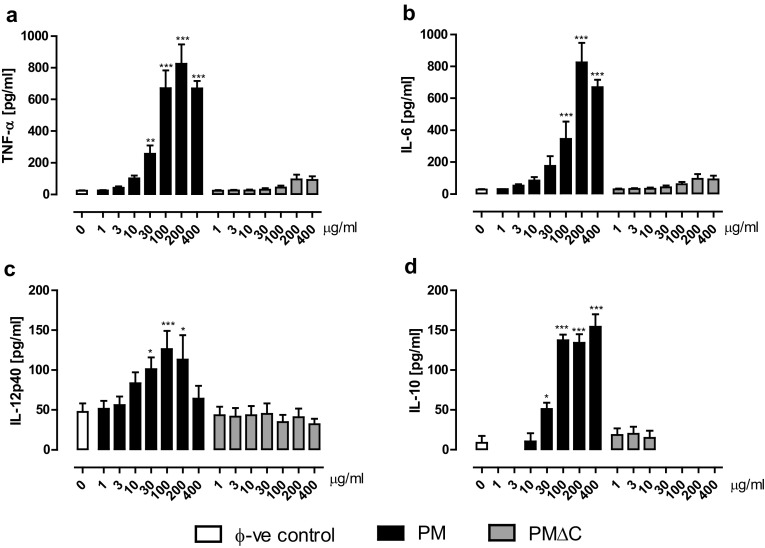
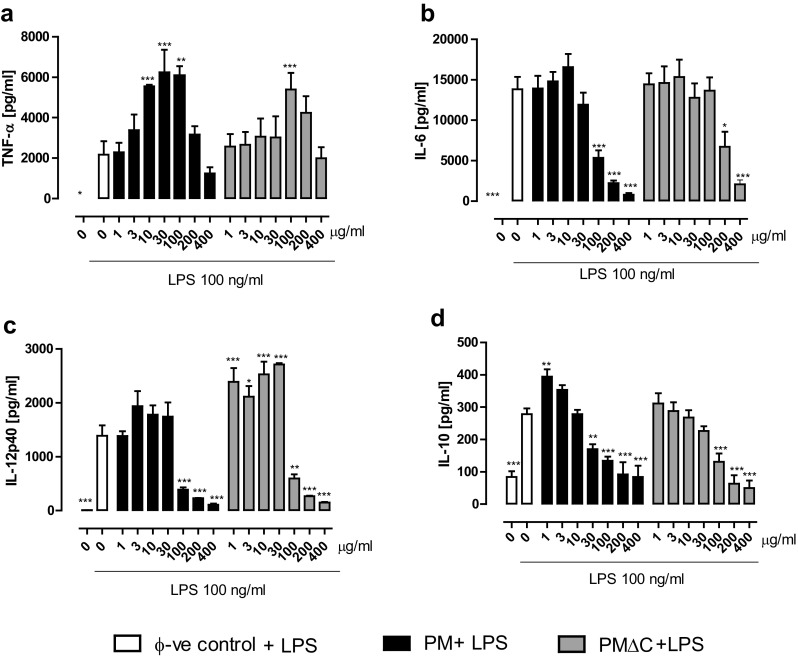
OBJECTIVE: Exposure to air particulate matter (PM) is associated with chronic inflammatory and autoimmune diseases. Macrophages are responsible for the regulation of chronic inflammation. However, whether PM affects macrophage polarization remains unclear. The aim of this study was to evaluate whether nontoxic concentrations of urban PM are able to prime macrophages to altered inflammatory response upon LPS challenge. METHODS: We used two forms of the urban particulate matter SRM 1648a, intact PM and PM deprived of organic compounds (PM∆C). Peritoneal murine macrophages were exposed to different concentrations of PM for 24 h and then challenged with LPS. Production of inflammatory mediators by macrophages was measured to test immunostimulatory/priming capacity of PM. RESULTS: Particulate matter used at non-cytotoxic concentrations induced a dose-dependent production of proinflammatory cytokines (TNF-α, IL-6, IL-12p40). By contrast, PM∆C were not able to stimulate macrophages. However, macrophages primed with both forms of PM show proinflammatory response upon LPS challenge. CONCLUSIONS: Our data indicate that exposure of macrophages to low concentrations of PM may prime the cells to hyperinflammatory response upon contact with LPS. Further studies are necessary to explain whether the exposure of patients suffering from chronic inflammatory diseases to particulate matter is responsible for the exacerbation of clinical symptoms during bacterial infections.
Overview
The claims and statistics of this paper haven’t been checked yet.
Free: it reads the open-access text and checks the first 5 claims that cite a source we can check. Create a free account to check every claim.
Integrity signals
Registry
Cites
Statistics
Figures
Verification
Claims the paper makes
The claims and statistics of this paper haven’t been checked yet.
Free: it reads the open-access text and checks the first 5 claims that cite a source we can check. Create a free account to check every claim.
Claims other papers make about this one
Each is checked against this paper’s own text: does it say what the citing paper says it does?
The source backs part of the claim, not all of it — or backs it for a different population, condition or comparison.
In the citing paper
“In a primary pathway of defense in the lower respiratory tract, macrophages phagocytose particles/fibers and promote their mucociliary and lymphatic clearance [90,91,92].”
From Asbestos and Iron (2023) · cites this paper as [92]
Experimental — accuracy not yet measured
Self-check
Percentages, sums and reported differences re-computed from the paper’s own numbers.
The self-check needs the paper’s full text.
Citations
Cites
Exploring the full spectrum of macrophage activation
Mosser, D. M., & Edwards, J. P. (2008) · Nature Reviews Immunology · doi:10.1038/nri2448 · Cited by 9,144 · cited 1×
“In general, macrophages, major phagocytes of the immune system, are key cells involved in the regulation of chronic inflammation accompanying numerous infectious and autoimmune diseases [10].”
BackgroundMacrophage activation and polarization
Martinez, F. O. (2008) · Frontiers in Bioscience · doi:10.2741/2692 · Cited by 3,160 · cited 1×
“Macrophages, depending on the properties of the stimulant used, may be polarized into distinct functional phenotypes: M1-type proinflammatory/ microbicidal cells, M2-type anti-inflammatory/suppressor cells or may acquire a mixed state of activation [11, 12].”
BackgroundDing, A. H., Nathan, C. F., & Stuehr, D. J. (1988) · The Journal of Immunology · doi:10.4049/jimmunol.141.7.2407 · Cited by 2,826 · cited 1×
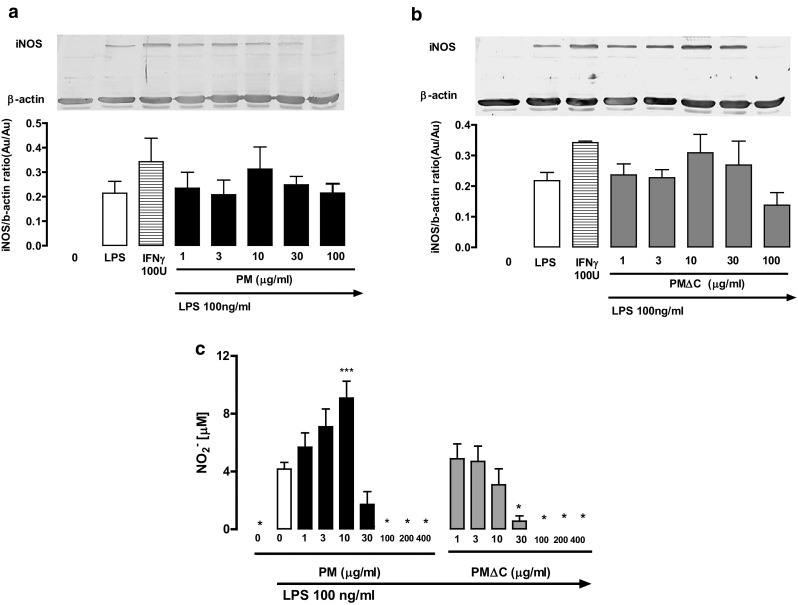
“The level of nitrites (an oxidative end product of NO) was determined by a microplate Griess assay [20].”
MethodPope, C. A., Burnett, R. T., Thurston, G. D., Thun, M. J., Calle, E. E., Krewski, D., & Godleski, J. J. (2004) · Circulation · doi:10.1161/01.cir.0000108927.80044.7f · Cited by 2,592 · cited 1×
“Notably, increased incidence and exacerbation of cardiopulmonary disorders has been found to associated with elevated levels of urban particulate matter [6, 25, 26].”
BackgroundBrook, R. D., Franklin, B., Cascio, W., Hong, Y., Howard, G., Lipsett, M., Luepker, R., Mittleman, M., Samet, J., Smith, S. C., et al. (2004) · Circulation · doi:10.1161/01.cir.0000128587.30041.c8 · Cited by 2,380
Passage of inhaled particles into the blood circulation in humans
Nemmar, A., Hoet, P. H. M., Vanquickenborne, B., Dinsdale, D., Thomeer, M., Hoylaerts, M. F., Vanbilloen, H., Mortelmans, L., & Nemery, B. (2002) · Circulation · doi:10.1161/hc0402.104118 · Cited by 1,719
Trained Immunity: A Memory for Innate Host Defense
Netea, M. G., Quintin, J., & van der Meer, J. W. M. (2011) · Cell Host & Microbe · doi:10.1016/j.chom.2011.04.006 · Cited by 1,682
iNOS-mediated nitric oxide production and its regulation
Aktan, F. (2004) · Life Sciences · doi:10.1016/j.lfs.2003.10.042 · Cited by 1,359 · cited 1×
“Therefore, without more advanced analytic studies, it is impossible to exclude the presence of other NO/NO2 breakdown intermediates resulting from formation of end products other than the nitrites [46].”
BackgroundMacrophage Polarization Comes of Age
Mantovani, Sica, & Locati, M. (2005) · Immunity · doi:10.1016/j.immuni.2005.10.001 · Cited by 1,259 · cited 2×
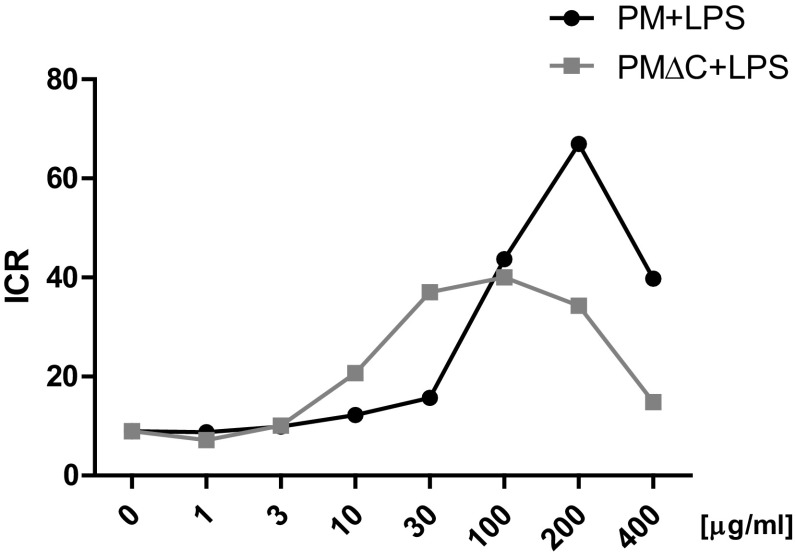
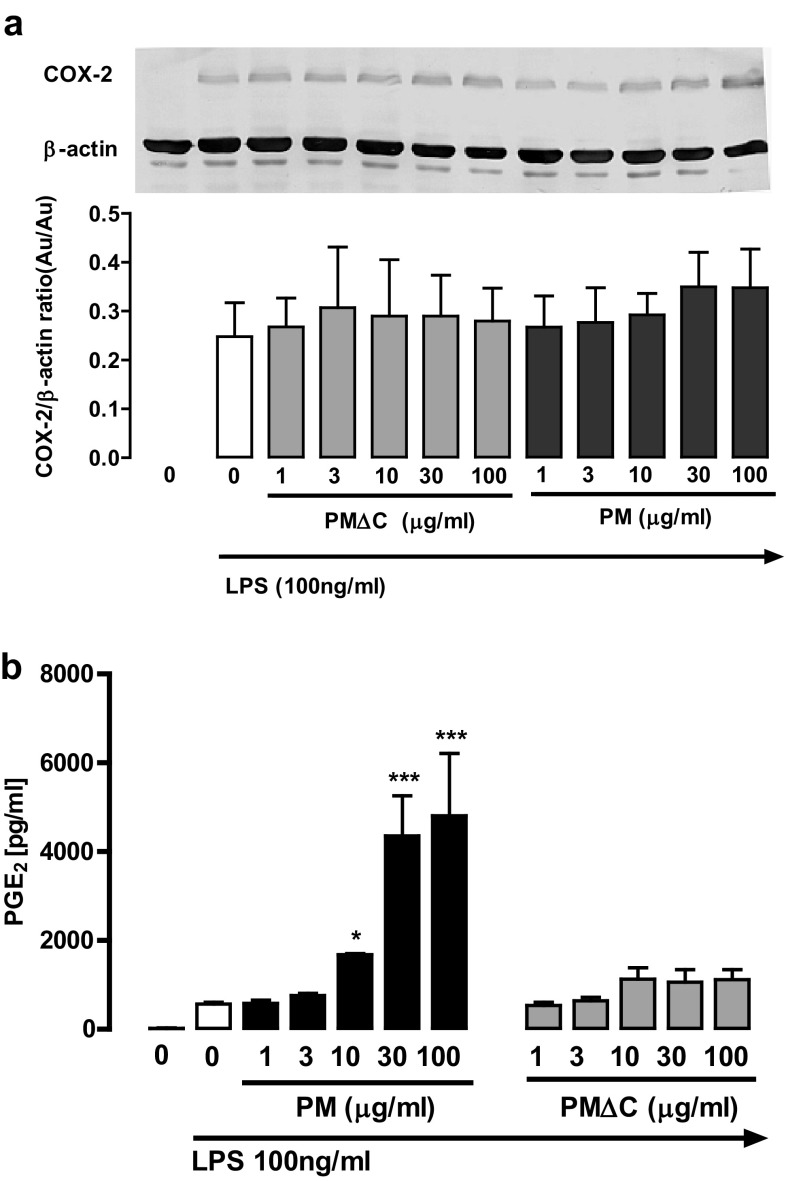
“To determine the impact of PM and PMΔC on macrophage state of activation, the cells were pre-incubated (primed) with various concentrations of either PM or PMΔC and then activated with LPS which induces M1-like pattern of proinflammatory mediators [18].”
Methodvan EEDEN, S. F., TAN, W. C., SUWA, T., MUKAE, H., TERASHIMA, T., FUJII, T., QUI, D., VINCENT, R., & HOGG, J. C. (2001) · American Journal of Respiratory and Critical Care Medicine · doi:10.1164/ajrccm.164.5.2010160 · Cited by 698
Cited by
Chen, Q., Wang, Y., Yang, L. T., Sun, L., Wen, Y., Huang, Y., Gao, K., Yang, W., Bai, F., Ling, L., et al. (2022) · Journal of Experimental & Clinical Cancer Research · doi:10.1186/s13046-022-02437-8 · Cited by 127
Prunicki, M., Cauwenberghs, N., Lee, J., Zhou, X., Movassagh, H., Noth, E., Lurmann, F., Hammond, S. K., Balmes, J. R., Desai, M., et al. (2021) · Scientific Reports · doi:10.1038/s41598-021-83577-3 · Cited by 98
Çayır, A., Barrow, T. M., Guo, L., & Byun, H. (2019) · Environmental Research · doi:10.1016/j.envres.2019.05.011 · Cited by 102
Air pollution and skin diseases: A comprehensive evaluation of the associated mechanism.
Gu, X., Li, Z., & Su, J. (2024) · Ecotoxicology and Environmental Safety · doi:10.1016/j.ecoenv.2024.116429 · Cited by 91
Tripathy, S., Marsland, A. L., Kinnee, E., Tunno, B. J., Manuck, S. B., Gianaros, P. J., & Clougherty, J. E. (2021) · Environmental Health Perspectives · doi:10.1289/ehp7089 · Cited by 87
“…no studies to date, to our knowledge, have systematically examined air pollution impacts on stimulated cytokine production across a cohort of healthy adults, Gawda et al. (2018), reported that macrophages exposed to PM ex vivo mounted larger proinflammatory (IL-6, TNF-a) responses to LPS challenge.”
BackgroundCáceres, L., Abogunloko, T., Malchow, S., Ehret, F., Merz, J., Li, X., Mitre, L. S., Magnani, N., Tasat, D. R., Mwinyella, T. B.-N., et al. (2023) · Environmental Pollution · doi:10.1016/j.envpol.2023.122997 · Cited by 73
Xiao, T., Ling, M., Xu, H., Luo, F., Xue, J., Chen, C., Bai, J., Zhang, Q., Wang, Y., Bian, Q., et al. (2019) · Toxicology and Applied Pharmacology · doi:10.1016/j.taap.2019.114616 · Cited by 53
Particulate Matter-Induced Cardiovascular Dysfunction: A Mechanistic Insight
Ain, N. U., & Qamar, S. U. R. (2021) · Cardiovascular Toxicology · doi:10.1007/s12012-021-09652-3 · Cited by 47
“The human airway epithelium is the primary target of PM-induced inflammation and activation of interleukins (IL-8, IL-6, IL-1b) [54], Tumor Necrosis Factor-Alpha (TNF-σ) [55], macrophages [56], monocytes [57], and matrix metalloproteinase (MMP) [58], which further recruits neutrophils and macrophages.”
BackgroundRole of Macrophages in Air Pollution Exposure Related Asthma
Li, C.-H., Tsai, M.-L., Chiou, H.-Y. (., Lin, Y.-C., Liao, W., & Hung, C. (2022) · International Journal of Molecular Sciences · doi:10.3390/ijms232012337 · Cited by 47
“It is well-known that exposure to PM in alveolar macrophages induces the production of the proinflammatory cytokines, especially TNF-α, IL-1β, IL-6, and IL-8, in both murine [42,46,52] and human [38,87,88] models.”
BackgroundMechanistic Implications of Biomass-Derived Particulate Matter for Immunity and Immune Disorders
Nagappan, A., Park, S. B., Lee, S., & Moon, Y. (2021) · Toxics · doi:10.3390/toxics9020018 · Cited by 42
Particulate matter exposure aggravates osteoarthritis severity
Peng, K., Liu, J., Chiang, Y., Chen, P., Chiang, M., Shih, H., Chang, P., & Lee, C. (2019) · Clinical Science · doi:10.1042/cs20190458 · Cited by 38
Movassagh, H., Prunicki, M. M., Kaushik, A., Zhou, X., Dunham, D., Smith, E. M., He, Z., Muench, G. R. A., Shi, M., Weimer, A. K. K., et al. (2023) · Allergy · doi:10.1111/all.15692 · Cited by 36
Effects of Particulate Matter on Inflammation and Thrombosis: Past Evidence for Future Prevention
Hantrakool, S., Kumfu, S., Chattipakorn, S. C., & Chattipakorn, N. (2022) · International Journal of Environmental Research and Public Health · doi:10.3390/ijerph19148771 · Cited by 34
Graf, J., Trautmann-Rodriguez, M., Sabnis, S., Kloxin, A. M., & Fromen, C. A. (2023) · European Journal of Pharmaceutical Sciences · doi:10.1016/j.ejps.2023.106596 · Cited by 32
Achyranthis radix Extract Improves Urban Particulate Matter-Induced Dry Eye Disease
Lee, T. G., Hyun, S., Jo, K., Park, B., Lee, I. S., Song, S. J., & Kim, C. (2019) · International Journal of Environmental Research and Public Health · doi:10.3390/ijerph16183229 · Cited by 30
“Moreover, UPM primes macrophages to generate a hyperinflammatory response to lipopolysaccharide [24].”
BackgroundSueiro-Benavides, R. A., Leiro, J. M., Salas-Sanchez, A. A., Rodríguez-González, J. A., Ares‐Pena, F., & López-Martín, M. E. (2020) · The Science of The Total Environment · doi:10.1016/j.scitotenv.2020.142681 · Cited by 29
Role of Innate Immune System in Environmental Lung Diseases
Guttenberg, M. A., Vose, A. T., & Tighe, R. M. (2021) · Current Allergy and Asthma Reports · doi:10.1007/s11882-021-01011-0 · Cited by 28
Gałuszka-Bulaga, A., Tkacz, K., Węglarczyk, K., Siedlar, M., & Baran, J. (2023) · Journal of Inflammation · doi:10.1186/s12950-023-00353-y · Cited by 25
“, observed the increase of proinflammatory cytokines production (TNF-α, IL-6 and IL-12p40) by murine macrophages after NIST treatment [92].”
BackgroundShahbaz, M. A., Martikainen, M., Rönkkö, T. J., Komppula, M., Jalava, P., & Roponen, M. (2020) · Environmental Research · doi:10.1016/j.envres.2020.110244 · Cited by 23
Mazuryk, O., Stochel, G., & Brindell, M. (2020) · Frontiers in Chemistry · doi:10.3389/fchem.2020.581752 · Cited by 21
“These results are in agreement with other reports (Holian et al., 1998; Gawda et al., 2018).”
ResultGałuszka-Bulaga, A., Stec, M., Węglarczyk, K., Kluczewska, A., Siedlar, M., & Baran, J. (2020) · International Journal of Environmental Research and Public Health · doi:10.3390/ijerph17041227 · Cited by 20
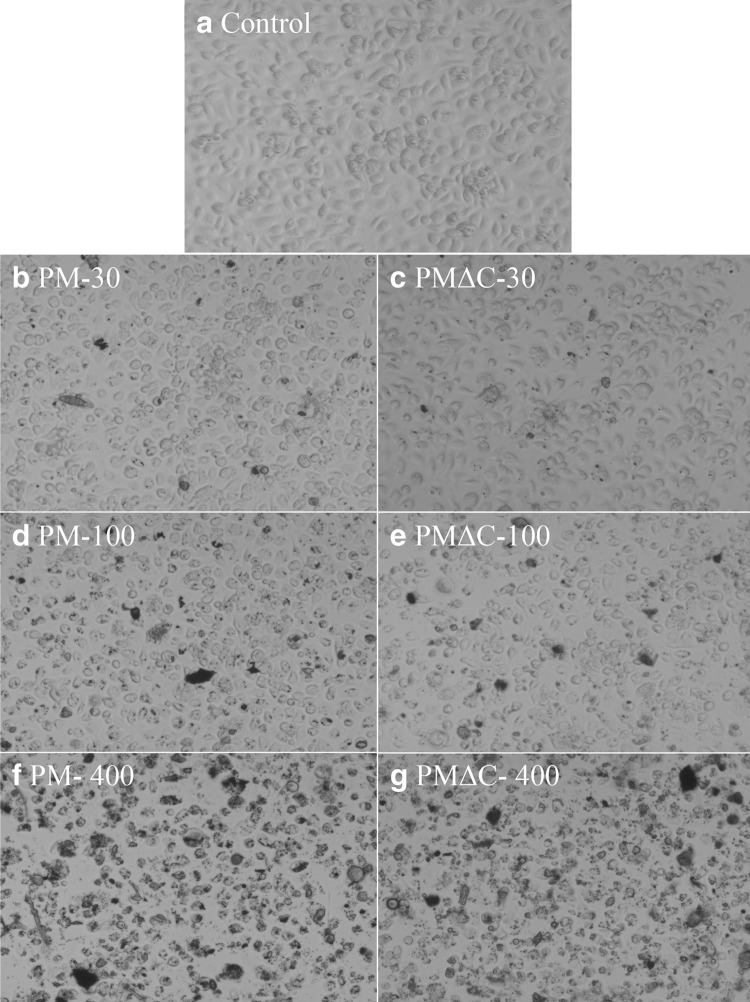
“The concentrations of NIST and LAP used in the study were established experimentally in a range from 1–100 μg/mL, as used at higher concentrations were cytotoxic (data not shown), confirming previous reports [22].”
BackgroundMethodInfluentialTang, C., Li, Q., Mao, Y., Xia, Y.-R., Guo, H.-S., Wang, J., Shuai, Z., & Ye, D. (2021) · Environmental Science and Pollution Research · doi:10.1007/s11356-021-14577-z · Cited by 18
Dubey, S., Khan, J., Alishlash, A. S., & Matalon, S. (2026) · Physiological Reviews · doi:10.1152/physrev.00038.2025 · Cited by 17
Gui, J., Liu, J., Han, Z., Yang, X., Ding, R., Yang, J., Luo, H., Huang, D., Chen, H., Cheng, L., et al. (2023) · Ecotoxicology and Environmental Safety · doi:10.1016/j.ecoenv.2023.114729 · Cited by 17
Yalamanchili, J., Hennigan, C. J., & Reed, B. E. (2022) · Environmental Science Processes & Impacts · doi:10.1039/d2em00005a · Cited by 16
Mazuryk, O., Gajda-Morszewski, P., Flejszar, M., Łabuz, P., van Eldik, R., Stochel, G., & Brindell, M. (2020) · Environmental Pollution · doi:10.1016/j.envpol.2020.114667 · Cited by 16
Ghio, A. J., Stewart, M., Sangani, R. G., Pavlisko, E. N., & Roggli, V. L. (2023) · International Journal of Molecular Sciences · doi:10.3390/ijms241512390 · Cited by 15
Wang, S., Feng, S., Liang, S., Li, Y., Yin, H., & Zhang, J. (2025) · Journal of Engineering Research · doi:10.1016/j.jer.2025.07.002 · Cited by 15
Lee, D. C., Choi, H., Oh, J., Lee, D. H., Kim, S. W., Kim, S. W., Kim, B. G., Cho, J. H., & Lee, J. (2019) · International Forum of Allergy & Rhinology · doi:10.1002/alr.22296 · Cited by 14
Smyth, T., & Jaspers, I. (2023) · American Journal of Physiology-Lung Cellular and Molecular Physiology · doi:10.1152/ajplung.00085.2023 · Cited by 13
Shirazi, J., Donzanti, M. J., Nelson, K. M., Zurakowski, R., Fromen, C. A., & Gleghorn, J. P. (2020) · Cellular and Molecular Bioengineering · doi:10.1007/s12195-020-00637-w · Cited by 12
Airborne culprits: A comprehensive review of PM, silica, and TCDD in autoimmune diseases
Galeano-Sánchez, D., Morales-González, V., Monsalve, D. M., Ramírez-Santana, C., & Acosta‐Ampudia, Y. (2024) · Journal of Translational Autoimmunity · doi:10.1016/j.jtauto.2024.100253 · Cited by 10
“Importantly, when murine peritoneal macrophages are exposed to low levels of PM, this exposure may predispose cells to an exaggerated inflammatory response upon encountering additional stimuli, such as bacterial toll-like receptor (TLR) ligands like lipopolysaccharide [26].”
He, Y.-S., Wu, Z., Wang, G., Wang, X., Mei, Y.-J., Sui, C., Tao, S.-S., Zhao, C., Wang, P., Ni, J., et al. (2023) · Environmental Science and Pollution Research · doi:10.1007/s11356-023-29694-0 · Cited by 10
“…respiratory tract, where it affects alveolar macrophages through different pathways, generates activate innate immune responses, affects cytokine levels, causes systemic inflammation, and releases a variety of proinflammatory factors, such as TNF-α and IL-6 (Michael et al. 2013; Gawda et al. 2018).”
BackgroundColaço, M., Duarte, A., Zuzarte, M., Costa, B. F. O., & Borges, O. (2020) · Ecotoxicology and Environmental Safety · doi:10.1016/j.ecoenv.2020.110500 · Cited by 9
Nowak, B., Majka, G., Śróttek, M., Skałkowska, A., & Marcinkiewicz, J. (2022) · Archivum Immunologiae et Therapiae Experimentalis · doi:10.1007/s00005-022-00654-9 · Cited by 9
“Based on in vitro studies (Gałuszka et al. 2020; Gawda et al. 2018), one may only speculate that the in vivo polarization of alveolar macrophages with particulate matter constituents will be responsible for aggravation of RA.”
Self-citationChan, Y.-C., Huang, Y.-H., Chuang, S., Kuo, Y., & Chen, Y. (2025) · Osteoarthritis and Cartilage · doi:10.1016/j.joca.2025.04.011 · Cited by 8
Gui, J., Liu, J., Wang, L., Yang, X., Tian, B., Luo, H., Huang, D., Han, Z., Yang, J., Ding, R., et al. (2024) · Toxicology · doi:10.1016/j.tox.2024.153730 · Cited by 8
Jankowska-Kieltyka, M., Roman, A., Mikrut, M., Kowalska, M., van Eldik, R., & Nalepa, I. (2021) · Toxics · doi:10.3390/toxics9090205 · Cited by 7
“Similar results were obtained by others [63], who showed that NIST1648a, but not LAp120, induced synthesis of proinflammatory cytokines: TNF-α, IL-6, and IL-12p40.”
ResultBardelli, F., Brun, F., De Panfilis, S., Cloetens, P., Capella, S., Belluso, E., Bellis, D., Di Napoli, A., & Cedola, A. (2021) · Toxicology Letters · doi:10.1016/j.toxlet.2021.05.002 · Cited by 6
Smyth, T., Brocke, S. A., Kim, Y. H., Christianson, C., Kovalcik, K. D., Pancras, J. P., Hays, M. D., Wu, W., An, Z., & Jaspers, I. (2024) · Chemical Research in Toxicology · doi:10.1021/acs.chemrestox.4c00291 · Cited by 5
Kim, H., Lee, J., Choi, J., Seo, J., Nam, D. H., & Jeong, T. (2025) · Innovations in Acupuncture and Medicine · doi:10.1186/s44424-025-00011-5 · Cited by 4
“In addition to PM exposure also has been shown to prime macrophages for a hyperinflammatory response upon subsequent stimulation, mainly through the upregulation of NF-κB/MAPK pathway [5].”
Zhang, W., Zhang, C., Lu, D., Nie, J., Hu, Z., Xian, C., & He, M. (2024) · Scientific Reports · doi:10.1038/s41598-024-65925-1 · Cited by 4
“Inhaled metal particles can cause local irritation and systemic inflammation 50 .”
Sumardiyono, S., Widjanarti, M. P., Suratna, F. S. N., Chahyadhi, B., Wijayanti, R., Fauzi, R. P., Ada, Y. R., Puspitasari, Y. D., & Agathara, R. A. (2025) · JURNAL KESEHATAN LINGKUNGAN · doi:10.20473/jkl.v17i1.2025.12-21 · Cited by 4
“However, long-term exposure can lead to chronic inflammation, damaging lung tissue and reducing its elasticity (23–24); 2) Tissue Damage.”
Park, S. H., Kim, J. H., Song, M., Lee, H. P., Yoon, J. H., Kim, D. S., Jang, S. G., Kim, D. S., & Cho, J. Y. (2022) · Foods · doi:10.3390/foods12010088 · Cited by 4
“In addition, UPM 1648a has been reported to exacerbate arthritis and induce hyperinflammatory responses [29,30].”
BackgroundMarie, L., Morin, L., Pottier, I., André, V., & Lecureur, V. (2025) · Cellular Immunology · doi:10.1016/j.cellimm.2025.105048 · Cited by 3
Mediation of PM2.5-induced cytotoxicity: the role of P2X7 receptor in NR8383 cells
Xiong, Q., Tian, X., Xu, C., Ma, B., Li, W., Xia, Y., Liu, W. D., Sun, B., Ru, Q., & Shu, X. (2023) · International Journal of Environmental Health Research · doi:10.1080/09603123.2023.2230920 · Cited by 3
“Proinflammatory mediators are closely related with airborne particles-stimulated cell cytox-ociticy (Gawda et al. 2018).”
BackgroundZhou, R., Niu, K., Wang, C., He, J., Huang, W., Li, T., Lan, H., Zhang, Y., Dang, X., & Mao, L. (2023) · Cell Biology International · doi:10.1002/cbin.12083 · Cited by 2
“…response are not limited to LPS. Macrophages can also be primed by cytokines, the urban air particulate, cytochrome P4502E1, dopamine, and HIV1 infection, among other metabolic cues (Aggarwal et al., 2014; Appelberg et al., 2017; Cao et al., 2005; Gawda et al., 2018; Nolan et al., 2020).”
BackgroundMandaglio‐Collados, D., Ruiz‐Alcaraz, A. J., Rivera‐Caravaca, J. M., Ramos‐Bratos, M. P., Marín, F. R., & López‐Gálvez, R. (2025) · Environmental Toxicology and Pharmacology · doi:10.1016/j.etap.2025.104652 · Cited by 2
Heliot, A. (2018) · theses.fr (ABES) · doi:10.70675/1ebb96d7zd98dz40f0za7d4zecce1e6acfca · Cited by 2
Rao, S. P., Saraf, K. S., Baghel, M., Vishwakarma, P., Verma, K., & Majumdar, A. (2025) · Research Journal of Pharmacy and Technology · doi:10.52711/0974-360x.2025.00136 · Cited by 1
Chen, Q., Wang, Y., Yang, L., Sun, L., Wen, Y., Huang, Y., Gao, K., Yang, W., Bai, F., Ling, L., et al. (2022) · Figshare · doi:10.6084/m9.figshare.20363957
Chen, Q., Wang, Y., Yang, L., Sun, L., Wen, Y., Huang, Y., Gao, K., Yang, W., Bai, F., Ling, L., et al. (2022) · Figshare · doi:10.6084/m9.figshare.20363990
Chen, Q., Wang, Y., Yang, L., Sun, L., Wen, Y., Huang, Y., Gao, K., Yang, W., Bai, F., Ling, L., et al. (2022) · Figshare · doi:10.6084/m9.figshare.20363933
Yalamanchili, J. (2023) · Maryland Shared Open Access Repository (USMAI Consortium) · doi:10.13016/m23xtz-q4eu
Chen, Q., Wang, Y., Yang, L., Sun, L., Wen, Y., Huang, Y., Gao, K., Yang, W., Bai, F., Ling, L., et al. (2022) · Figshare · doi:10.6084/m9.figshare.20363936
Chen, Q., Wang, Y., Yang, L., Sun, L., Wen, Y., Huang, Y., Gao, K., Yang, W., Bai, F., Ling, L., et al. (2022) · Figshare · doi:10.6084/m9.figshare.20363954
Chen, Q., Wang, Y., Yang, L., Sun, L., Wen, Y., Huang, Y., Gao, K., Yang, W., Bai, F., Ling, L., et al. (2022) · Figshare · doi:10.6084/m9.figshare.20363981
Gałuszka-Bulaga, A., Tkacz, K., Węglarczyk, K., Siedlar, M., & Baran, J. (2023) · Figshare · doi:10.6084/m9.figshare.23930218
Chen, Q., Wang, Y., Yang, L., Sun, L., Wen, Y., Huang, Y., Gao, K., Yang, W., Bai, F., Ling, L., et al. (2022) · Figshare · doi:10.6084/m9.figshare.20363963
Chen, Q., Wang, Y., Yang, L., Liyuan, S., Wen, Y., Huang, Y., Gao, K., Yang, W., Bai, F., Ling, L., et al. (2022) · Figshare · doi:10.6084/m9.figshare.20363972
Chen, Q., Wang, Y., Yang, L., Sun, L., Wen, Y., Huang, Y., Gao, K., Yang, W., Bai, F., Ling, L., et al. (2022) · Figshare · doi:10.6084/m9.figshare.20363945
Chen, Q., Wang, Y., Yang, L., Liyuan, S., Wen, Y., Huang, Y., Gao, K., Yang, W., Bai, F., Ling, L., et al. (2022) · Figshare · doi:10.6084/m9.figshare.20363978
Chen, Q., Wang, Y., Yang, L., Liyuan, S., Wen, Y., Huang, Y., Gao, K., Yang, W., Bai, F., Ling, L., et al. (2022) · Figshare · doi:10.6084/m9.figshare.20363987
Chen, Q., Wang, Y., Yang, L., Sun, L., Wen, Y., Huang, Y., Gao, K., Yang, W., Bai, F., Ling, L., et al. (2022) · Figshare · doi:10.6084/m9.figshare.20363975
Chen, Q., Wang, Y., Yang, L., Liyuan, S., Wen, Y., Huang, Y., Gao, K., Yang, W., Bai, F., Ling, L., et al. (2022) · Figshare · doi:10.6084/m9.figshare.20363960
Chen, Q., Wang, Y., Yang, L., Sun, L., Wen, Y., Huang, Y., Gao, K., Yang, W., Bai, F., Ling, L., et al. (2022) · Figshare · doi:10.6084/m9.figshare.20363951
Chen, Q., Wang, Y., Yang, L., Sun, L., Wen, Y., Huang, Y., Gao, K., Yang, W., Bai, F., Ling, L., et al. (2022) · Figshare · doi:10.6084/m9.figshare.20363966
Chen, Q., Wang, Y., Yang, L., Sun, L., Wen, Y., Huang, Y., Gao, K., Yang, W., Bai, F., Ling, L., et al. (2022) · Figshare · doi:10.6084/m9.figshare.20363948
Chen, Q., Wang, Y., Yang, L., Sun, L., Wen, Y., Huang, Y., Gao, K., Yang, W., Bai, F., Ling, L., et al. (2022) · Figshare · doi:10.6084/m9.figshare.20363939
Gałuszka-Bulaga, A., Tkacz, K., Węglarczyk, K., Siedlar, M., & Baran, J. (2023) · Figshare · doi:10.6084/m9.figshare.23930227
Gałuszka-Bulaga, A., Tkacz, K., Węglarczyk, K., Siedlar, M., & Baran, J. (2023) · Figshare · doi:10.6084/m9.figshare.23930224
Smyth, T., Brocke, S. A., Wu, W., An, Z., & Jaspers, I. (2026) · Toxicological Sciences · doi:10.1093/toxsci/kfag050
“First, although our exposure paradigm is well in line with previously published work (Zhao et al. 2016; Gawda et al. 2018; Shin et al. 2020; Smyth and Jaspers 2024; Smyth et al. 2024b), our use of 25 µ g/cm 2 PM represents a dose likely more than those delivered in vivo to human respiratory…”
Kim, H. J., & Park, H.-J. (2026) · Nutrients · doi:10.3390/nu18132043
Metadata
- Authors
- Gawda, A., Majka, G., Nowak, B., Śróttek, M., Walczewska, M., & Marcinkiewicz, J.
- Affiliations
- Jagiellonian University (PL)
- Corresponding author
- Marcinkiewicz, Janusz
- Venue
- Inflammation Research
- Published
- 2018-06-19
- Volume
- 67
- Issue
- 9
- Pages
- 765-776
- ISSN
- 1023-3830 (ISSN-L)
- 1420-908X
- PMC
- PMC6096616
- OpenAlex
- W2809180828
- Cited by
- 71
- References
- 51
- Citations by year
- 2026: 1 · 2025: 7 · 2024: 5 · 2023: 14 · 2022: 23 · 2021: 8 · 2020: 7 · 2019: 5 · 2018: 1
- FWCI
- 2.59
- Type
- journal article
- Language
- en
- Open access
- hybrid
- doi.org
- Licence
- cc-by
- creativecommons.org/licenses/by/4.0 (tdm)
- Locations
- Inflammation Research (publishedVersion, cc-by)
- Europe PMC (PubMed Central) (publishedVersion, cc-by)
- PubMed Central (publishedVersion, cc-by)
- PubMed (publishedVersion)
- Homo Politicus (Academy of Humanities and Economics in Lodz) (submittedVersion, cc-by-nc-nd)
- Jagiellonian University Repository (Jagiellonian University) (submittedVersion, cc-by-nc-nd)
- Funders
- Narodowe Centrum Nauki (2015/16/W/ST5/00005)
- Topics
- Physical Sciences › Environmental Science › Health, Toxicology and Mutagenesis › Air Quality and Health Impacts
- Life Sciences › Immunology and Microbiology › Immunology › Immunotoxicology and immune responses
- Life Sciences › Immunology and Microbiology › Immunology › Immune Response and Inflammation
- Keywords
- particulate matter, macrophage polarization, hyperinflammatory response, lipopolysaccharide, inflammatory cytokines, TNF-α, interleukin-6, IL-12p40, organic compound removal, peritoneal macrophages, chronic inflammation
- MeSH terms
- Air Pollutants, Animals, Cells, Cultured, Inflammation, Lipopolysaccharides, Male, Membrane Proteins, Mice, Inbred C57BL, Nitrites, Dinoprostone, Cytokines, Macrophages, Peritoneal, Cyclooxygenase 2, Heme Oxygenase-1, Nitric Oxide Synthase Type II, Particulate Matter
About these checks
Registry, retraction, Cites and statistics results are computed, not judged, with one exception: a printed reference that no index lists is read once by a model before it counts as a citation error. Claims are extracted by a model and kept only when their quote appears verbatim in the text; each cited source is then checked, with a model’s help, for whether it says what the claim relies on. Those verdicts can be wrong — read the claim’s quote and the cited source before relying on one.
Statistics and arithmetic are recomputed, not judged.
Confidence bands are shown only for fields calibrated on our annotated test set. None is calibrated yet, so no band is shown.
What counts as a claim ›How we measure confidence ›How we check this ›
Are you an author, or do you see a problem with this page? Request a review
Data sources
Bibliographic data: Semantic Scholar, OpenAlex, Crossref.
Contains information from the Semantic Scholar Academic Graph Datasets, made available under the ODC Attribution License (ODC-BY 1.0).
Semantic Scholar’s data is described in: Kinney, R., et al. (2023). The Semantic Scholar Open Data Platform. arXiv:2301.10140.
