

Air particulate matter SRM 1648a primes macrophages to hyperinflammatory response after LPS stimulation
Open accessThe DOI matches its Crossref record; 50 of the 51 references it cites were found in a registry or an index.
Abstract
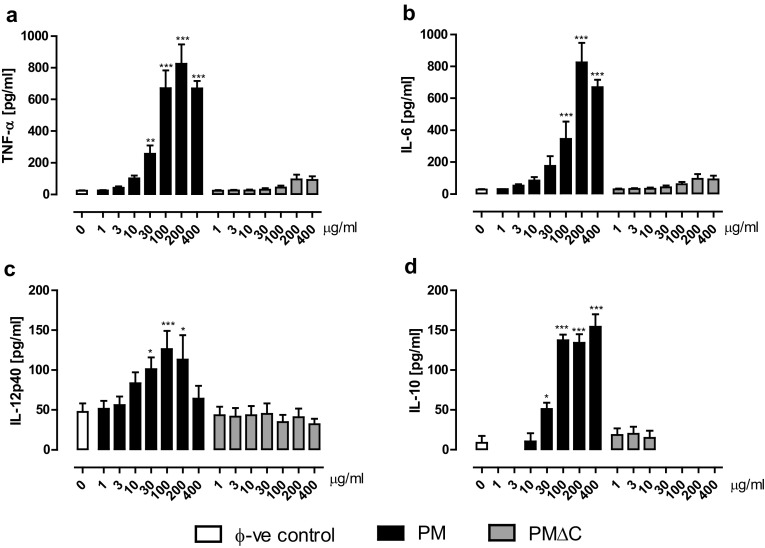
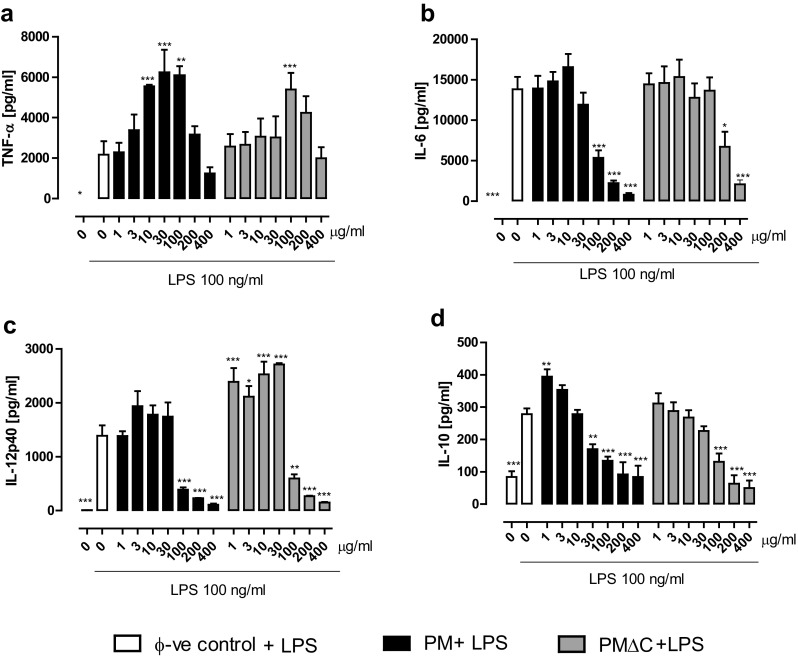
OBJECTIVE: Exposure to air particulate matter (PM) is associated with chronic inflammatory and autoimmune diseases. Macrophages are responsible for the regulation of chronic inflammation. However, whether PM affects macrophage polarization remains unclear. The aim of this study was to evaluate whether nontoxic concentrations of urban PM are able to prime macrophages to altered inflammatory response upon LPS challenge. METHODS: We used two forms of the urban particulate matter SRM 1648a, intact PM and PM deprived of organic compounds (PM∆C). Peritoneal murine macrophages were exposed to different concentrations of PM for 24 h and then challenged with LPS. Production of inflammatory mediators by macrophages was measured to test immunostimulatory/priming capacity of PM. RESULTS: Particulate matter used at non-cytotoxic concentrations induced a dose-dependent production of proinflammatory cytokines (TNF-α, IL-6, IL-12p40). By contrast, PM∆C were not able to stimulate macrophages. However, macrophages primed with both forms of PM show proinflammatory response upon LPS challenge. CONCLUSIONS: Our data indicate that exposure of macrophages to low concentrations of PM may prime the cells to hyperinflammatory response upon contact with LPS. Further studies are necessary to explain whether the exposure of patients suffering from chronic inflammatory diseases to particulate matter is responsible for the exacerbation of clinical symptoms during bacterial infections.
Overview
The claims and statistics of this paper haven’t been checked yet.
Free: it reads the open-access text and checks the first 5 claims that cite a source we can check. Create a free account to check every claim.
Integrity signals
Registry
Cites
Statistics
Figures
Verification
Claims the paper makes
The claims and statistics of this paper haven’t been checked yet.
Free: it reads the open-access text and checks the first 5 claims that cite a source we can check. Create a free account to check every claim.
Claims other papers make about this one
Each is checked against this paper’s own text: does it say what the citing paper says it does?
The source backs part of the claim, not all of it — or backs it for a different population, condition or comparison.
In the citing paper
“In a primary pathway of defense in the lower respiratory tract, macrophages phagocytose particles/fibers and promote their mucociliary and lymphatic clearance [90,91,92].”
From Asbestos and Iron (2023) · cites this paper as [92]
Experimental — accuracy not yet measured
Self-check
Percentages, sums and reported differences re-computed from the paper’s own numbers.
The self-check needs the paper’s full text.
Citations
Cites
Exploring the full spectrum of macrophage activation
Mosser, D. M., & Edwards, J. P. (2008) · Nature Reviews Immunology · doi:10.1038/nri2448 · Cited by 9,144 · cited 1×
“In general, macrophages, major phagocytes of the immune system, are key cells involved in the regulation of chronic inflammation accompanying numerous infectious and autoimmune diseases [10].”
BackgroundMacrophage activation and polarization
Martinez, F. O. (2008) · Frontiers in Bioscience · doi:10.2741/2692 · Cited by 3,160 · cited 1×
“Macrophages, depending on the properties of the stimulant used, may be polarized into distinct functional phenotypes: M1-type proinflammatory/ microbicidal cells, M2-type anti-inflammatory/suppressor cells or may acquire a mixed state of activation [11, 12].”
BackgroundDing, A. H., Nathan, C. F., & Stuehr, D. J. (1988) · The Journal of Immunology · doi:10.4049/jimmunol.141.7.2407 · Cited by 2,826 · cited 1×
“The level of nitrites (an oxidative end product of NO) was determined by a microplate Griess assay [20].”
MethodPope, C. A., Burnett, R. T., Thurston, G. D., Thun, M. J., Calle, E. E., Krewski, D., & Godleski, J. J. (2004) · Circulation · doi:10.1161/01.cir.0000108927.80044.7f · Cited by 2,592 · cited 1×
“Notably, increased incidence and exacerbation of cardiopulmonary disorders has been found to associated with elevated levels of urban particulate matter [6, 25, 26].”
BackgroundBrook, R. D., Franklin, B., Cascio, W., Hong, Y., Howard, G., Lipsett, M., Luepker, R., Mittleman, M., Samet, J., Smith, S. C., et al. (2004) · Circulation · doi:10.1161/01.cir.0000128587.30041.c8 · Cited by 2,380
Passage of inhaled particles into the blood circulation in humans
Nemmar, A., Hoet, P. H. M., Vanquickenborne, B., Dinsdale, D., Thomeer, M., Hoylaerts, M. F., Vanbilloen, H., Mortelmans, L., & Nemery, B. (2002) · Circulation · doi:10.1161/hc0402.104118 · Cited by 1,719
Trained Immunity: A Memory for Innate Host Defense
Netea, M. G., Quintin, J., & van der Meer, J. W. M. (2011) · Cell Host & Microbe · doi:10.1016/j.chom.2011.04.006 · Cited by 1,682
iNOS-mediated nitric oxide production and its regulation
Aktan, F. (2004) · Life Sciences · doi:10.1016/j.lfs.2003.10.042 · Cited by 1,359 · cited 1×
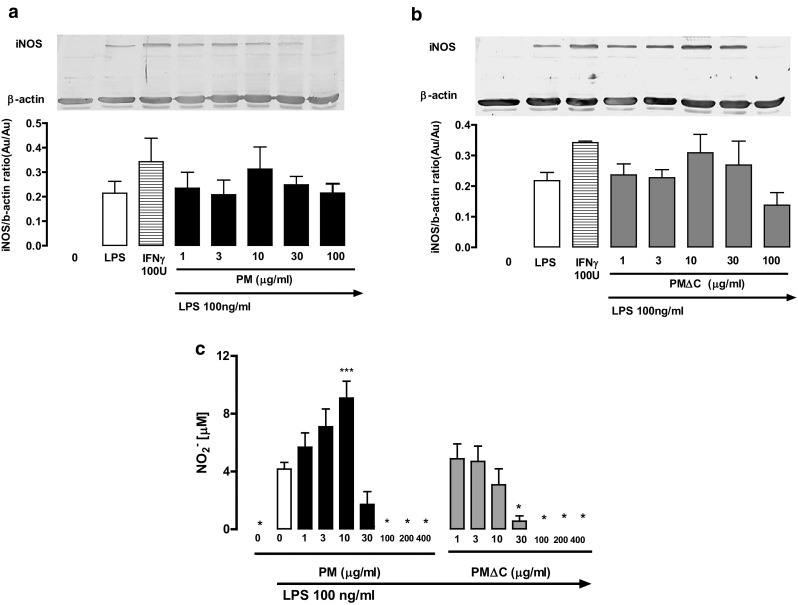
“Therefore, without more advanced analytic studies, it is impossible to exclude the presence of other NO/NO2 breakdown intermediates resulting from formation of end products other than the nitrites [46].”
BackgroundMacrophage Polarization Comes of Age
Mantovani, Sica, & Locati, M. (2005) · Immunity · doi:10.1016/j.immuni.2005.10.001 · Cited by 1,259 · cited 2×
“To determine the impact of PM and PMΔC on macrophage state of activation, the cells were pre-incubated (primed) with various concentrations of either PM or PMΔC and then activated with LPS which induces M1-like pattern of proinflammatory mediators [18].”
Methodvan EEDEN, S. F., TAN, W. C., SUWA, T., MUKAE, H., TERASHIMA, T., FUJII, T., QUI, D., VINCENT, R., & HOGG, J. C. (2001) · American Journal of Respiratory and Critical Care Medicine · doi:10.1164/ajrccm.164.5.2010160 · Cited by 698
DAMPs from Cell Death to New Life
Vénéreau, E., Ceriotti, C., & Bianchi, M. E. (2015) · Frontiers in Immunology · doi:10.3389/fimmu.2015.00422 · Cited by 666 · cited 1×
“In addition, dying cells might release damage-associated molecular patterns (DAMPs) that could then trigger neighboring, still alive macrophages, to produce the inflammatory mediators [41].”
BackgroundMultifaceted roles of PGE2 in inflammation and cancer
Nakanishi, M., & Rosenberg, D. W. (2013) · Seminars in Immunopathology · doi:10.1007/s00281-012-0342-8 · Cited by 591
Composition of Air Pollution Particles and Oxidative Stress in Cells, Tissues, and Living Systems
Ghio, A. J., Carraway, M. S., & Madden, M. C. (2012) · Journal of Toxicology and Environmental Health, Part B · doi:10.1080/10937404.2012.632359 · Cited by 544 · cited 2×
“However, the observed phenomenon might be limited to the SRM particles as we could not observe ROS generation in our experimental set-up (data not shown).”
BackgroundParticulate Matter in Polluted Air May Increase Biomarkers of Inflammation in Mouse Brain
Campbell, A., Oldham, M., Becaria, A., Bondy, S. C., Meacher, D., Sioutas, C., Misra, C., Mendez, L. B., & Kleinman, M. (2005) · NeuroToxicology · doi:10.1016/j.neuro.2004.08.003 · Cited by 421
Schins, R. P. F., Lightbody, J. H., Borm, P. J. A., Shi, T., Donaldson, K., & Stone, V. (2004) · Toxicology and Applied Pharmacology · doi:10.1016/j.taap.2003.10.002 · Cited by 368 · cited 1×
“Second, it seems possible that proinflammatory properties of particulate matter might be attributed to the LPS contamination of the samples, as described in some reports [33].”
ResultIfrim, D. C., Quintin, J., Joosten, L. A. B., Jacobs, C., Jansen, T., Jacobs, L., Gow, N. A. R., Williams, D. L., van der Meer, J. W. M., & Netea, M. G. (2014) · Clinical and Vaccine Immunology · doi:10.1128/cvi.00688-13 · Cited by 359 · cited 1×
“Such phenomenon characterized by macrophage priming with one agent and an increased cytokine production upon restimulation with the other, is termed “trained immunity” [47, 48].”
BackgroundNemmar, A. (2004) · Toxicology Letters · doi:10.1016/j.toxlet.2003.12.061 · Cited by 317
Miyata, R., & van Eeden, S. F. (2011) · Toxicology and Applied Pharmacology · doi:10.1016/j.taap.2011.09.007 · Cited by 285 · cited 1×
“Importantly, it has been documented that alveolar macrophages, the first line of defense of the respiratory tract, engulf PM and secrete a wide array of inflammatory mediators [9].”
BackgroundMacrophage polarization: the link between inflammation and related diseases
Bashir, S., Sharma, Y., Elahi, A., & Khan, F. (2016) · Inflammation Research · doi:10.1007/s00011-015-0874-1 · Cited by 267 · cited 1×
“Macrophages, depending on the properties of the stimulant used, may be polarized into distinct functional phenotypes: M1-type proinflammatory/ microbicidal cells, M2-type anti-inflammatory/suppressor cells or may acquire a mixed state of activation [11, 12].”
BackgroundContribution of Lung Macrophages to the Inflammatory Responses Induced by Exposure to Air Pollutants
Hiraiwa, K., & van Eeden, S. F. (2013) · Mediators of Inflammation · doi:10.1155/2013/619523 · Cited by 262
Costenbader, K. H., Gay, S., Alarcón-Riquelme, M. E., Iaccarino, L., & Doria, A. (2012) · Autoimmunity Reviews · doi:10.1016/j.autrev.2011.10.022 · Cited by 241 · cited 2×
“Among environmental factors, such as exposure to tobacco smoke, infectious agents, radiation and ultraviolet light exposure, air pollution seems to be specifically involved in the pathogenesis of AIDs [5].”
BackgroundQuay, J. L., Reed, W., Samet, J., & Devlin, R. B. (1998) · American Journal of Respiratory Cell and Molecular Biology · doi:10.1165/ajrcmb.19.1.3132 · Cited by 230 · cited 1×
“) are responsible for the particulate matter cytotoxicity [39].”
BackgroundAir pollution in autoimmune rheumatic diseases: A review
Farhat, S. C. L., Silva, C. A., Orione, M. A. M., Campos, L. M. A., Sallum, A. M. E., & Braga, A. L. F. (2011) · Autoimmunity Reviews · doi:10.1016/j.autrev.2011.06.008 · Cited by 224 · cited 1×
“While the coincidence of air pollution and AIDS occurrence has been reported several times, the mechanism behind this relationship is still not clear [7].”
BackgroundFujii, T., Hayashi, S., Hogg, J. C., Mukae, H., Suwa, T., Goto, Y., Vincent, R., & van Eeden, S. F. (2002) · American Journal of Respiratory Cell and Molecular Biology · doi:10.1165/ajrcmb.27.1.4787 · Cited by 217 · cited 1×
“What would be the underlying cause of such conflicting, discrepant effects described in the literature? It is plausible that the composition of the PM samples used in different studies may vary significantly leading to various effects in the experimental models employed [14, 37].”
BackgroundPozzi, R., De Berardis, B., Paoletti, L., & Guastadisegni, C. (2003) · Toxicology · doi:10.1016/s0300-483x(02)00545-0 · Cited by 166
Prostaglandin E Synthase, a Terminal Enzyme for Prostaglandin E2 Biosynthesis
Kudo, I., & Murakami, M. (2005) · BMB Reports · doi:10.5483/bmbrep.2005.38.6.633 · Cited by 165 · cited 1×
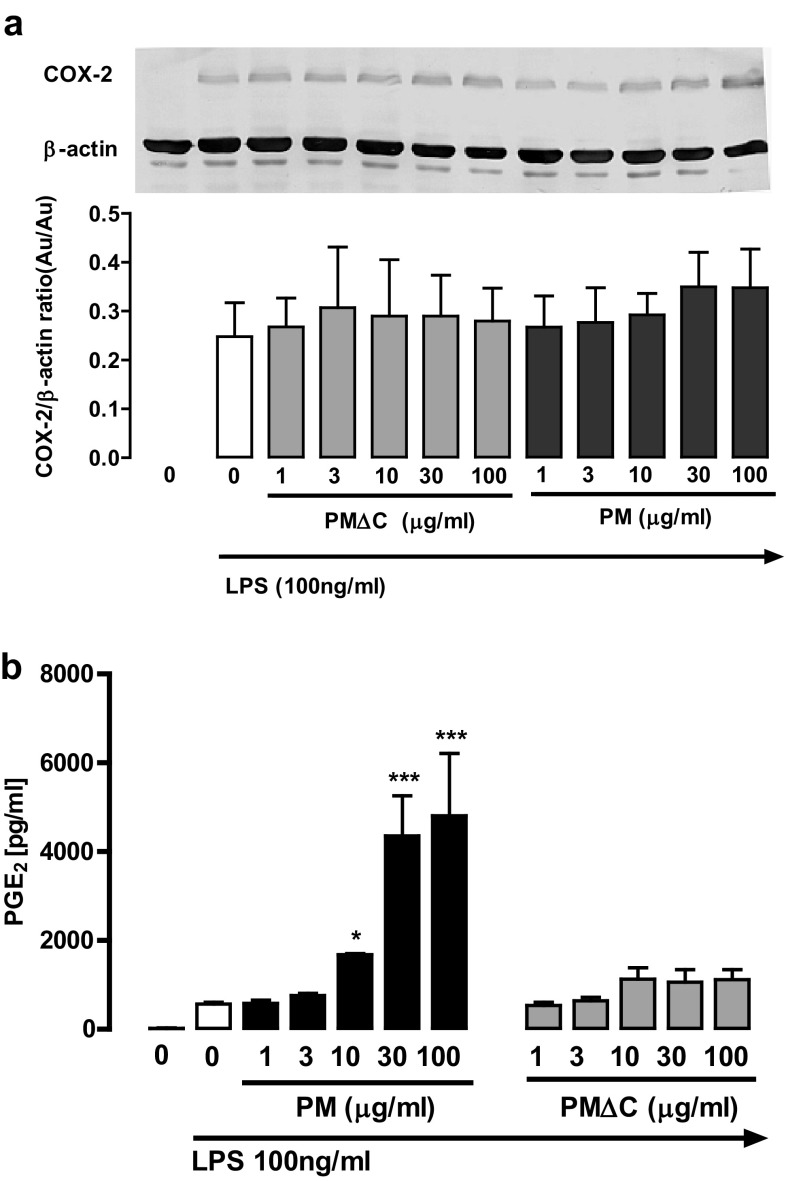
“However, to confirm such regulation in our experimental system the concentration of mPGES-1, the specific PGE2 synthase, should be determined in further studies [44].”
BackgroundDirect effects of airborne PM2.5 exposure on macrophage polarizations
Zhao, Q., Chen, H., Yang, T., Rui, W., Liu, F., Zhang, F., Zhao, Y. X., & Ding, W. (2016) · Biochimica et Biophysica Acta (BBA) - General Subjects · doi:10.1016/j.bbagen.2016.03.033 · Cited by 151
Common mechanisms of autoimmune diseases (the autoimmune tautology)
Anaya, J. (2012) · Autoimmunity Reviews · doi:10.1016/j.autrev.2012.02.002 · Cited by 149 · cited 1×
“The last decade has significantly changed the perception of etiopathogenesis of inflammatory and autoimmune disorders (AIDs) such as asthma, chronic obstructive pulmonary disease, rheumatoid arthritis and atherosclerosis [1, 2].”
BackgroundThe response of macrophages to titanium particles is determined by macrophage polarization
Pajarinen, J., Kouri, V., Jämsen, E., Li, T.-F., Mandelin, J., & Konttinen, Y. T. (2013) · Acta Biomaterialia · doi:10.1016/j.actbio.2013.06.027 · Cited by 147 · cited 1×
“All these data explain why we have chosen macrophages as the experimental model cells to be used in vitro to test the influence of PM on innate immunity and inflammatory response [16, 17].”
MethodNitric oxide in upper airways inflammatory diseases
Maniscalco, M., Sofia, M., & Pelaia, G. (2007) · Inflammation Research · doi:10.1007/s00011-006-6111-1 · Cited by 144
Molecular Mechanism Responsible for the Priming of Macrophage Activation
Deng, H., Maitra, U., Morris, M., & Li, L. (2013) · Journal of Biological Chemistry · doi:10.1074/jbc.m112.424390 · Cited by 128 · cited 1×
“Such phenomenon characterized by macrophage priming with one agent and an increased cytokine production upon restimulation with the other, is termed “trained immunity” [47, 48].”
BackgroundSu, R., Jin, X., Zhang, W., Li, Z., Liu, X., & Ren, J. (2016) · Chemosphere · doi:10.1016/j.chemosphere.2016.10.024 · Cited by 126
Air pollution, oxidative stress, and exacerbation of autoimmune diseases
Gawda, A., Majka, G., Nowak, B., & Marcinkiewicz, J. (2017) · Central European Journal of Immunology · doi:10.5114/ceji.2017.70975 · Cited by 122 · cited 1×
“Inflammatory response driven by the breakdown of immune tolerance and malfunctioning of the immune system were deemed to constitute a common background for the above-mentioned diseases [3].”
BackgroundSelf-citationSawyer, K., Mundandhara, S., Ghio, A. J., & Madden, M. C. (2009) · Journal of Toxicology and Environmental Health, Part A · doi:10.1080/15287390903248901 · Cited by 120 · cited 3×
“What would be the underlying cause of such conflicting, discrepant effects described in the literature? It is plausible that the composition of the PM samples used in different studies may vary significantly leading to various effects in the experimental models employed [14, 37].”
BackgroundProstaglandin E2 regulates inducible nitric oxide synthase in the murine macrophage cell line J774
Milano, S., Arcoleo, F., Dieli, M., D'Agostino, R., D’Agostino, P., Nucci, G. D., & Cillari, E. (1995) · Prostaglandins · doi:10.1016/0090-6980(94)00004-g · Cited by 119 · cited 1×
“It has been shown that low concentrations of PGE2 stimulate while high concentrations inhibit the production of nitric oxide [45].”
BackgroundPTEN/PI3k/AKT Regulates Macrophage Polarization in Emphysematous mice
Lu, J., Xie, L., Liu, C., Zhang, Q., & Sun, S. (2017) · Scandinavian Journal of Immunology · doi:10.1111/sji.12545 · Cited by 112 · cited 1×
“All these data explain why we have chosen macrophages as the experimental model cells to be used in vitro to test the influence of PM on innate immunity and inflammatory response [16, 17].”
MethodPenglis, P. S., Cleland, L. G., Demasi, M., Caughey, G. E., & James, M. J. (2000) · The Journal of Immunology · doi:10.4049/jimmunol.165.3.1605 · Cited by 108 · cited 1×
“The differential regulation of PGE2, PGD2 and TXA2 (thromboxane A2) production in macrophages has been demonstrated [42, 43].”
BackgroundAir pollution as a potential contributor to the ‘epidemic’ of autoimmune disease
Ritz, S. A. (2009) · Medical Hypotheses · doi:10.1016/j.mehy.2009.07.033 · Cited by 107 · cited 2×
“1 3 process? Some hypotheses hold the chronic inflammatory process responsible for the pathogenesis of these disorders [8].”
BackgroundIL-10 Plays Opposing Roles during Staphylococcus aureus Systemic and Localized Infections
Leech, J. M., Lacey, K. A., Mulcahy, M. E., Medina, E., & McLoughlin, R. M. (2017) · The Journal of Immunology · doi:10.4049/jimmunol.1601018 · Cited by 105
Fournier, T., Fadok, V., & Henson, P. M. (1997) · Journal of Biological Chemistry · doi:10.1074/jbc.272.49.31065 · Cited by 103
He, M., Ichinose, T., Kobayashi, M., Arashidani, K., Yoshida, S., Nishikawa, M., Takano, H., Sun, G., & Shibamoto, T. (2016) · Toxicology and Applied Pharmacology · doi:10.1016/j.taap.2016.02.017 · Cited by 101 · cited 1×
“In addition, the particulate matter has been shown to induce polarization of macrophages towards opposing M1 and M2 phenotypes [35, 36].”
BackgroundObot, C. J., Morandi, M. T., Beebe, T. P., Hamilton, R. F., & Holian, A. (2002) · Toxicology and Applied Pharmacology · doi:10.1006/taap.2002.9493 · Cited by 80 · cited 1×
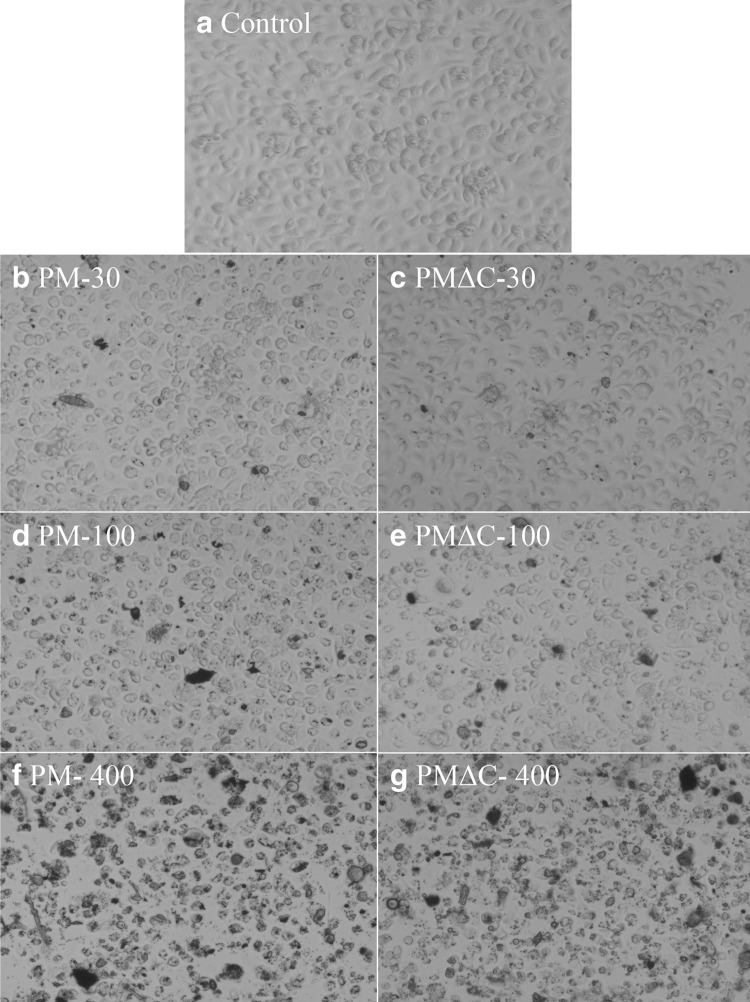
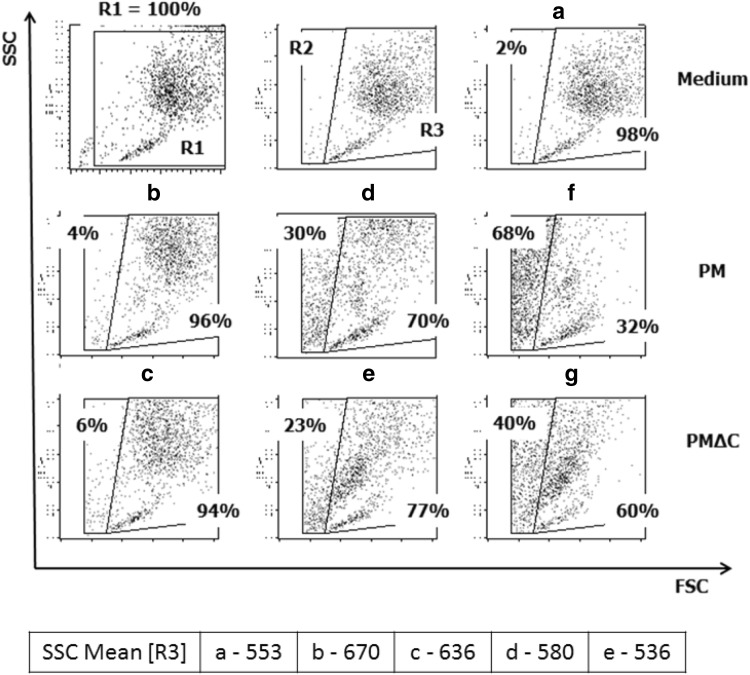
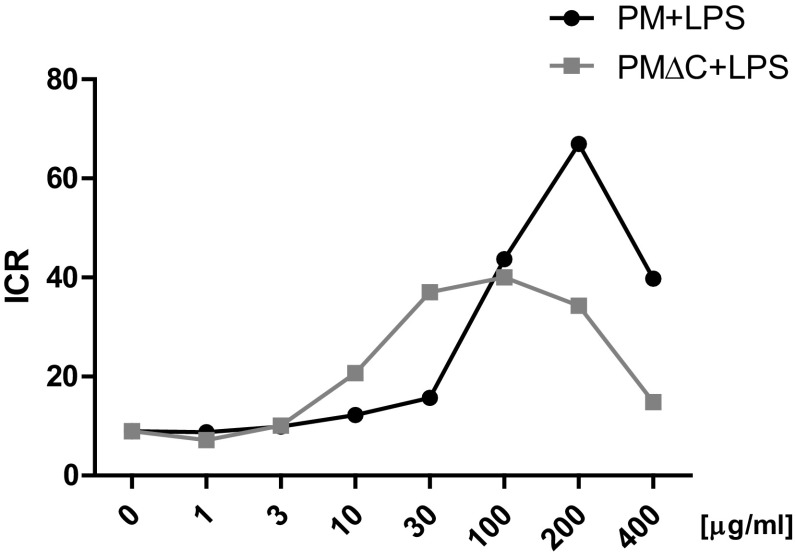
“In concordance with other studies [21, 38], our data have shown the toxic effect of SRM 1648a (PM and PMΔC) used at concentrations above 100 μg/ml (equivalent of ~ 60 μg/ cm2).”
ResultThe effect of pollutional haze on pulmonary function.
Liu, S., Cai, S., Chen, Y., Xiao, B., Chen, P., & Xiang, X.-D. (2016) · PubMed Central · doi:10.3978/j.issn.2072-1439.2016.01.18 · Cited by 73 · cited 2×
“Primarily, the increased concentration of pollutants in the air has been strongly associated with lung inflammatory diseases [6].”
BackgroundAmakawa, K., Terashima, T., Matsuzaki, T., Matsumaru, A., Sagai, M., & Yamaguchi, K. (2003) · Experimental Lung Research · doi:10.1080/01902140303770 · Cited by 60 · cited 1×
“On the other hand, there are also data on anti-inflammatory action of PM leading to suppression of the proinflammatory macrophage phenotype [14, 34].”
BackgroundSamek, L., Furman, L., Mikrut, M., Regiel-Futyra, A., Macyk, W., Stochel, G., & van Eldik, R. (2017) · Chemosphere · doi:10.1016/j.chemosphere.2017.08.090 · Cited by 58 · cited 1×
“The reference material consists of highest level of iron (Fe) and zinc (Zn) among transition metals [19].”
BackgroundKum, W. W. S., Cameron, S. B., Hung, R., Kalyan, S., & Chow, A. W. (2001) · Infection and Immunity · doi:10.1128/iai.69.12.7544-7549.2001 · Cited by 51 · cited 1×
“, very fast production of TNF-α vs cell death via necrosis or apoptosis) [40].”
BackgroundUrban Particle-Induced Apoptosis and Phenotype Shifts in Human Alveolar Macrophages
Holian, A., Hamilton, R. F., Morandi, M. T., Brown, S. D., & Li, L. (1998) · Environmental Health Perspectives · doi:10.1289/ehp.98106127 · Cited by 51 · cited 3×
“In concordance with other studies [21, 38], our data have shown the toxic effect of SRM 1648a (PM and PMΔC) used at concentrations above 100 μg/ml (equivalent of ~ 60 μg/ cm2).”
BackgroundResultAutoimmune Disorders: An Overview of Molecular and Cellular Basis in Today’s Perspective
Ray, S. (2013) · Journal of Clinical & Cellular Immunology · doi:10.4172/2155-9899.s10-003 · Cited by 41 · cited 1×
“The last decade has significantly changed the perception of etiopathogenesis of inflammatory and autoimmune disorders (AIDs) such as asthma, chronic obstructive pulmonary disease, rheumatoid arthritis and atherosclerosis [1, 2].”
BackgroundAdams, D. D., Knight, J. G., & Ebringer, A. (2010) · Autoimmunity Reviews · doi:10.1016/j.autrev.2009.12.012 · Cited by 30 · cited 1×
“Development of these chronic civilization diseases is triggered by a set of factors, both genetic and environmental [4].”
BackgroundNitric oxide – a pro-inflammatory and anti-inflammatory mediator
Marcinkiewicz, E., Marcinkiewicz, J., & Chłopicki, S. (2004) · Jagiellonian University Repository (Jagiellonian University) · Cited by 16
Self-citation
Cited by
Chen, Q., Wang, Y., Yang, L. T., Sun, L., Wen, Y., Huang, Y., Gao, K., Yang, W., Bai, F., Ling, L., et al. (2022) · Journal of Experimental & Clinical Cancer Research · doi:10.1186/s13046-022-02437-8 · Cited by 127
Prunicki, M., Cauwenberghs, N., Lee, J., Zhou, X., Movassagh, H., Noth, E., Lurmann, F., Hammond, S. K., Balmes, J. R., Desai, M., et al. (2021) · Scientific Reports · doi:10.1038/s41598-021-83577-3 · Cited by 98
Çayır, A., Barrow, T. M., Guo, L., & Byun, H. (2019) · Environmental Research · doi:10.1016/j.envres.2019.05.011 · Cited by 102
Air pollution and skin diseases: A comprehensive evaluation of the associated mechanism.
Gu, X., Li, Z., & Su, J. (2024) · Ecotoxicology and Environmental Safety · doi:10.1016/j.ecoenv.2024.116429 · Cited by 91
Tripathy, S., Marsland, A. L., Kinnee, E., Tunno, B. J., Manuck, S. B., Gianaros, P. J., & Clougherty, J. E. (2021) · Environmental Health Perspectives · doi:10.1289/ehp7089 · Cited by 87
“…no studies to date, to our knowledge, have systematically examined air pollution impacts on stimulated cytokine production across a cohort of healthy adults, Gawda et al. (2018), reported that macrophages exposed to PM ex vivo mounted larger proinflammatory (IL-6, TNF-a) responses to LPS challenge.”
Background
Metadata
- Authors
- Gawda, A., Majka, G., Nowak, B., Śróttek, M., Walczewska, M., & Marcinkiewicz, J.
- Affiliations
- Jagiellonian University (PL)
- Corresponding author
- Marcinkiewicz, Janusz
- Venue
- Inflammation Research
- Published
- 2018-06-19
- Volume
- 67
- Issue
- 9
- Pages
- 765-776
- ISSN
- 1023-3830 (ISSN-L)
- 1420-908X
- PMC
- PMC6096616
- OpenAlex
- W2809180828
- Cited by
- 71
- References
- 51
- Citations by year
- 2026: 1 · 2025: 7 · 2024: 5 · 2023: 14 · 2022: 23 · 2021: 8 · 2020: 7 · 2019: 5 · 2018: 1
- FWCI
- 2.59
- Type
- journal article
- Language
- en
- Open access
- hybrid
- doi.org
- Licence
- cc-by
- creativecommons.org/licenses/by/4.0 (tdm)
- Locations
- Inflammation Research (publishedVersion, cc-by)
- Europe PMC (PubMed Central) (publishedVersion, cc-by)
- PubMed Central (publishedVersion, cc-by)
- PubMed (publishedVersion)
- Homo Politicus (Academy of Humanities and Economics in Lodz) (submittedVersion, cc-by-nc-nd)
- Jagiellonian University Repository (Jagiellonian University) (submittedVersion, cc-by-nc-nd)
- Funders
- Narodowe Centrum Nauki (2015/16/W/ST5/00005)
- Topics
- Physical Sciences › Environmental Science › Health, Toxicology and Mutagenesis › Air Quality and Health Impacts
- Life Sciences › Immunology and Microbiology › Immunology › Immunotoxicology and immune responses
- Life Sciences › Immunology and Microbiology › Immunology › Immune Response and Inflammation
- Keywords
- particulate matter, macrophage polarization, hyperinflammatory response, lipopolysaccharide, inflammatory cytokines, TNF-α, interleukin-6, IL-12p40, organic compound removal, peritoneal macrophages, chronic inflammation
- MeSH terms
- Air Pollutants, Animals, Cells, Cultured, Inflammation, Lipopolysaccharides, Male, Membrane Proteins, Mice, Inbred C57BL, Nitrites, Dinoprostone, Cytokines, Macrophages, Peritoneal, Cyclooxygenase 2, Heme Oxygenase-1, Nitric Oxide Synthase Type II, Particulate Matter
About these checks
Registry, retraction, Cites and statistics results are computed, not judged, with one exception: a printed reference that no index lists is read once by a model before it counts as a citation error. Claims are extracted by a model and kept only when their quote appears verbatim in the text; each cited source is then checked, with a model’s help, for whether it says what the claim relies on. Those verdicts can be wrong — read the claim’s quote and the cited source before relying on one.
Statistics and arithmetic are recomputed, not judged.
Confidence bands are shown only for fields calibrated on our annotated test set. None is calibrated yet, so no band is shown.
What counts as a claim ›How we measure confidence ›How we check this ›
Are you an author, or do you see a problem with this page? Request a review
Data sources
Bibliographic data: Semantic Scholar, OpenAlex, Crossref.
Contains information from the Semantic Scholar Academic Graph Datasets, made available under the ODC Attribution License (ODC-BY 1.0).
Semantic Scholar’s data is described in: Kinney, R., et al. (2023). The Semantic Scholar Open Data Platform. arXiv:2301.10140.
