

Single cell multi-omics of fibrotic kidney reveal epigenetic regulation of antioxidation and apoptosis within proximal tubule
Open accessThe DOI matches its Crossref record; 48 of the 48 references it cites were found in a registry or an index.
Abstract
Background: Until now, there has been no particularly effective treatment for chronic kidney disease (CKD). Fibrosis is a common pathological change that exist in CKD. Methods: To better understand the transcriptional dynamics in fibrotic kidney, we make use of single-nucleus assay for transposase-accessible chromatin sequencing (snATAC-seq) and single-cell RNA sequencing (scRNA-seq) from GEO datasets and perform scRNA-seq of human biopsy to seek possible transcription factors (TFs) regulating target genes in the progress of kidney fibrosis across mouse and human kidneys. Results: Our analysis has displayed chromatin accessibility, gene expression pattern and cell–cell communications at single-cell level in kidneys suffering from unilateral ureteral obstruction (UUO) or chronic interstitial nephritis (CIN). Using multimodal data, there exists epigenetic regulation producing less Sod1 and Sod2 mRNA within the proximal tubule which is hard to withstand oxidative stress during fibrosis. Meanwhile, a transcription factor Nfix promoting the apoptosis-related gene Ifi27 expression found by multimodal data was validated by an in vitro study. And the gene Ifi27 upregulated by in situ AAV injection within the kidney cortex aggravates kidney fibrosis. Conclusions: In conclusion, as we know oxidation and apoptosis are traumatic factors during fibrosis, thus enhancing antioxidation and inhibiting the Nfix-Ifi27 pathway to inhibit apoptosis could be a potential treatment for kidney fibrosis.
Overview
The claims and statistics of this paper haven’t been checked yet.
Free: it reads the open-access text and checks the first 5 claims that cite a source we can check. Create a free account to check every claim.
Integrity signals
Registry
Cites
Statistics
Figures
Verification
Claims the paper makes
The claims and statistics of this paper haven’t been checked yet.
Free: it reads the open-access text and checks the first 5 claims that cite a source we can check. Create a free account to check every claim.
Claims other papers make about this one
Each is checked against this paper’s own text: does it say what the citing paper says it does?
The source backs part of the claim, not all of it — or backs it for a different population, condition or comparison.
In the citing paper
“The Nfix-Ifi27 pathway can cause kidney fibrosis by promoting apoptosis.”
From Single-cell sequencing to multi-omics: technologies and applications (2024) · cites this paper as [198]
Experimental — accuracy not yet measured
Self-check
Percentages, sums and reported differences re-computed from the paper’s own numbers.
The self-check needs the paper’s full text.
Citations
Cites
Integrating single-cell transcriptomic data across different conditions, technologies, and species
Butler, A., Hoffman, P., Smibert, P., Papalexi, E., & Satija, R. (2018) · Nature Biotechnology · doi:10.1038/nbt.4096 · Cited by 13,174 · cited 2×
“We employ UMAP to present dimensional reduction and we annotate each cell clusters based on the expression of known specific markers [11], and differentially expressed genes within one cell type across disease and con samples were calculated with the Seurat FindMarkers function.”
MethodFast, sensitive and accurate integration of single-cell data with Harmony
Korsunsky, I., Millard, N., Fan, J., Slowikowski, K., Zhang, F., Wei, K., Baglaenko, Y., Brenner, M., Loh, P.-R., & Raychaudhuri, S. (2019) · Nature Methods · doi:10.1038/s41592-019-0619-0 · Cited by 10,488 · cited 1×
“…instructions of SATIJALAB (https:// satij alab. org/ seurat/) [11], each dataset were integrated with batch effect corrected by R package Harmony [12], then the standard process of the calculation of 2000 high-variance genes, data normalization, scaling, dimensional reduction, clustering was…”
MethodSelf-citationInference and analysis of cell-cell communication using CellChat
Jin, S., Guerrero-Juarez, C. F., Zhang, L., Chang, I., Ramos, R., Kuan, C.-H., Myung, P., Plikus, M. V., & Nie, Q. (2021) · Nature Communications · doi:10.1038/s41467-021-21246-9 · Cited by 8,409 · cited 1×
“Ligand-receptor analysis was performed by CellChat according to instructions on GitHub (https:// github. com/ sqjin/ CellC hat) [13].”
MethodBikbov, B., Purcell, C. A., Levey, A. S., Smith, M., Abdoli, A., Abebe, M., Adebayo, O. M., Afarideh, M., Agarwal, S. K., Agudelo-Botero, M., et al. (2020) · The Lancet · doi:10.1016/s0140-6736(20)30045-3 · Cited by 6,648
SoupX removes ambient RNA contamination from droplet-based single-cell RNA sequencing data
Young, M. D., & Behjati, S. (2020) · GigaScience · doi:10.1093/gigascience/giaa151 · Cited by 1,739 · cited 1×
“Then we make use of R package SoupX to correct ambient RNA [10], then the cells, which were less than 50% mitochondria transcripts, with more than 200 and less than 3000 genes were retained.”
MethodchromVAR: inferring transcription-factor-associated accessibility from single-cell epigenomic data
Schep, A. N., Wu, B., Buenrostro, J. D., & Greenleaf, W. J. (2017) · Nature Methods · doi:10.1038/nmeth.4401 · Cited by 1,680 · cited 1×
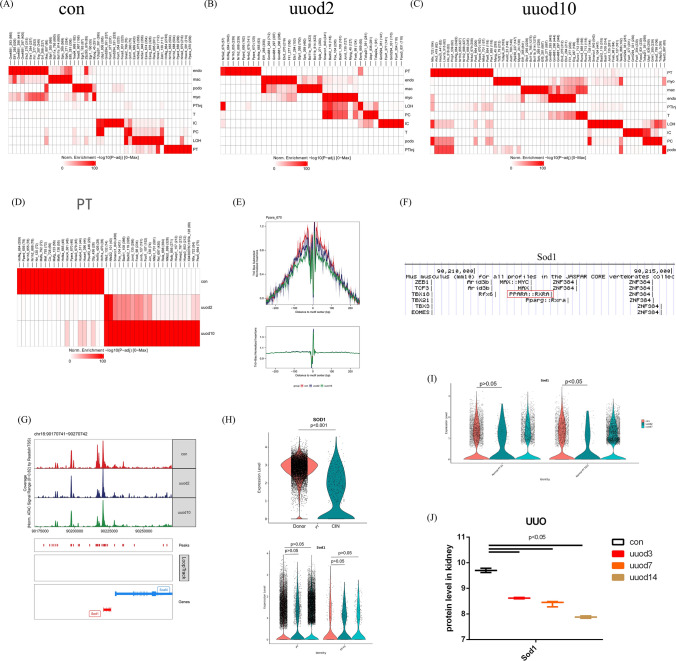
“…makes use of hyperactive Tn5 transposase to locate accessible chromatin at single-cell resolution [6], then besides providing complementary information to scRNA-seq through predicting transcription factors(TFs) activity, the snATAC-seq data-sets can also forecast cis-regulatory DNA networks [7–9].”
MethodSoupX removes ambient RNA contamination from droplet based single-cell RNA sequencing data
Young, M. D., & Behjati, S. (2018) · doi:10.1101/303727 · Cited by 1,648
ArchR is a scalable software package for integrative single-cell chromatin accessibility analysis
Granja, J. M., Corces, M. R., Pierce, S. E., Bagdatli, S. T., Choudhry, H., Chang, H. Y., & Greenleaf, W. J. (2021) · Nature Genetics · doi:10.1038/s41588-021-00790-6 · Cited by 1,392 · cited 1×
“Then R packages ArchR [14] was used to only keep the nucleus with a number of fragments more than 1000 and TSS enrichment more than 4.”
MethodOrigin and function of myofibroblasts in kidney fibrosis
LeBleu, V. S., Taduri, G., O'Connell, J., Teng, Y., Cooke, V. G., Woda, C., Sugimoto, H., & Kalluri, R. (2013) · Nature Medicine · doi:10.1038/nm.3218 · Cited by 1,263 · cited 1×
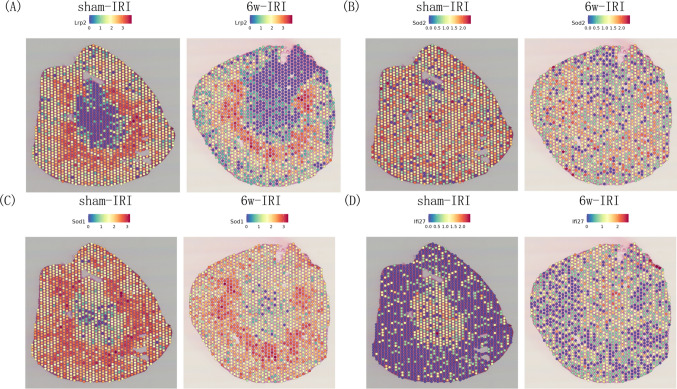
“…used the gene Lrp2 to mark the PT ( A ), then the genes of concern including Sod2 ( B ), Sod1 ( C ) and Ifi27 ( D ) were showed spatially between sham-IRI and 6w-IRI in kidney fibrosis, the epithelial-to-mesenchymal transition(EMT) accounted for 5% of myofibroblasts during UUO development [35].”
MethodSingle-cell transcriptomics of the mouse kidney reveals potential cellular targets of kidney disease
Park, J., Shrestha, R., Qiu, C., Kondo, A., Huang, S., Werth, M., Li, M., Barasch, J., & Suszták, K. (2018) · Science · doi:10.1126/science.aar2131 · Cited by 1,065 · cited 1×
“To have a better understanding of a variety of mechanisms involved in kidney fibrosis, single-cell RNA sequencing (scRNA-seq), which has pushed our understanding of disease at a single-cell level, is a better tool for research [5].”
MethodThe global burden of chronic kidney disease
Cockwell, P., & Fisher, L.-A. (2020) · The Lancet · doi:10.1016/s0140-6736(19)32977-0 · Cited by 857
Decoding myofibroblast origins in human kidney fibrosis
Kuppe, C., Ibrahim, M. M., Kranz, J., Zhang, X., Ziegler, S., Perales-Patón, J., Jansen, J., Reimer, K. C., Smith, J. R., Dobie, R., et al. (2021) · Nature · doi:10.1038/s41586-020-2941-1 · Cited by 769 · cited 3×
“As we know, Fibrosis is a common pathological change that exists in CKD from a variety of etiology [2], but how fibrosis forms remains undiscovered.”
BackgroundMethodSingle-cell transcriptomes from human kidneys reveal the cellular identity of renal tumors
Young, M. D., Mitchell, T. J., Vieira Braga, F. A., Tran, M. G. B., Stewart, B. J., Ferdinand, J. R., Collord, G., Botting, R. A., Popescu, D.-M., Loudon, K. W., et al. (2018) · Science · doi:10.1126/science.aat1699 · Cited by 762 · cited 1×
“As the most abundant cell type, proximal tubule epithelial cells are also the most vulnerable to various pathogenic factors [2, 23], when PT suffers injury, PT initiates repair by dedifferentiation, when the damage persists, PT will undergo failed repair, this failed repaired PT has been identified…”
BackgroundMuto, Y., Wilson, P. C., Ledru, N., Wu, H., Dimke, H., Waikar, S. S., & Humphreys, B. D. (2021) · Nature Communications · doi:10.1038/s41467-021-22368-w · Cited by 467 · cited 1×
“…makes use of hyperactive Tn5 transposase to locate accessible chromatin at single-cell resolution [6], then besides providing complementary information to scRNA-seq through predicting transcription factors(TFs) activity, the snATAC-seq data-sets can also forecast cis-regulatory DNA networks [7–9].”
MethodOrphan nuclear receptor NR4A1 regulates transforming growth factor-β signaling and fibrosis
Palumbo-Zerr, K., Zerr, P., Distler, A., Fliehr, J., Mancuso, R., Huang, J., Mielenz, D., Tomcik, M., Fürnrohr, B. G., Scholtysek, C., et al. (2015) · Nature Medicine · doi:10.1038/nm.3777 · Cited by 342 · cited 1×
“As we know, the nuclear receptor NR4A1, as an endogenous inhibitor of TGF-β signaling, can improve kidney fibrosis in mice [43], meanwhile, NR4A1 can upregulate the key enzymes of the TCA cycle which was found to be downregulated in uuo sample of this analysis [44].”
BackgroundDeng, F., Sharma, I., Dai, Y., Yang, M., & Kanwar, Y. S. (2019) · Journal of Clinical Investigation · doi:10.1172/jci129903 · Cited by 221
Li, H., Dixon, E. E., Wu, H., & Humphreys, B. D. (2022) · Cell Metabolism · doi:10.1016/j.cmet.2022.09.026 · Cited by 210 · cited 1×
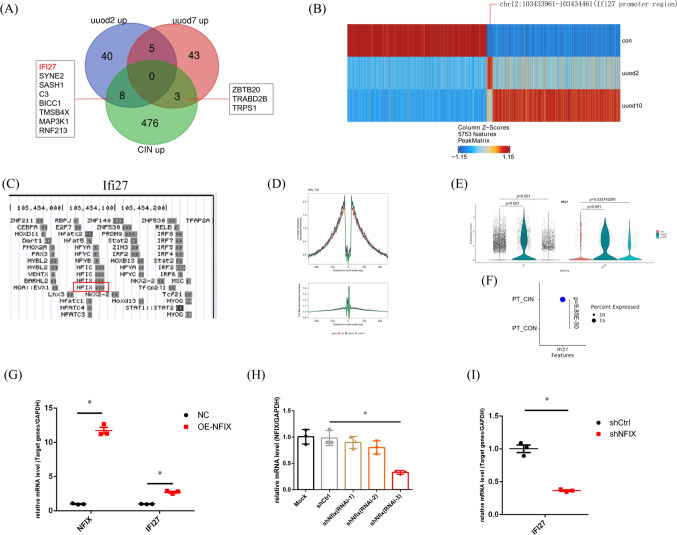
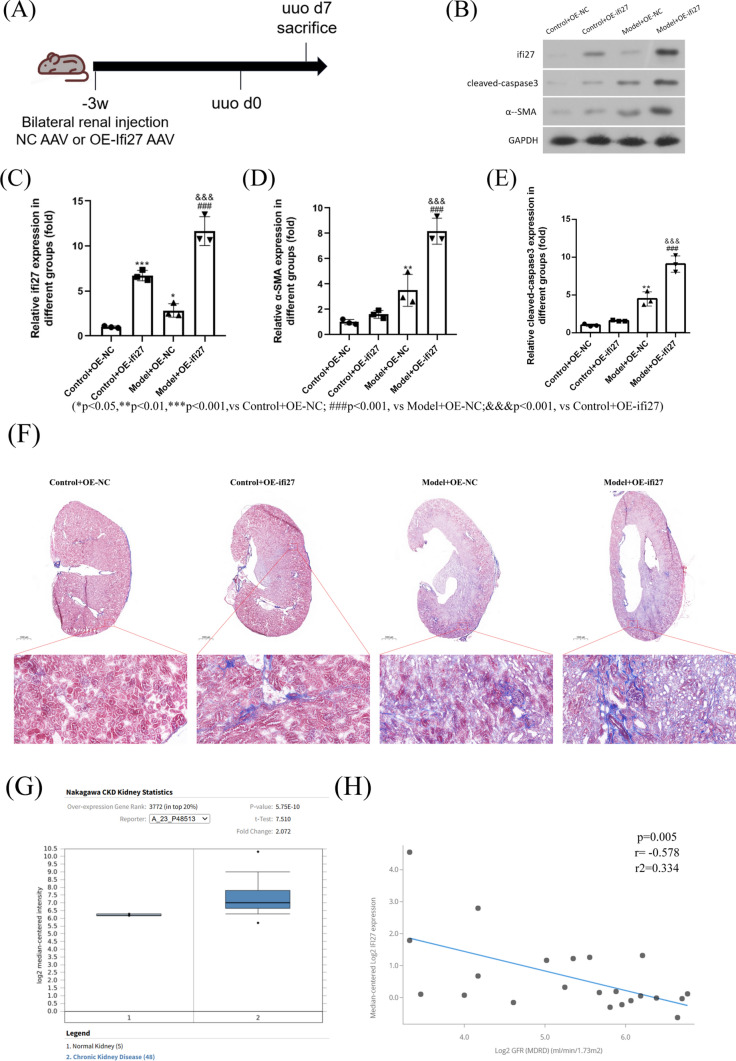
“…23], when PT suffers injury, PT initiates repair by dedifferentiation, when the damage persists, PT will undergo failed repair, this failed repaired PT has been identified by some markers [24], in this paper we also found the failed Fig.6 Ifi27 level within the kidney was associated with fibrosis.”
BackgroundMiao, Z., Balzer, M. S., Ma, Z., Liu, H., Wu, J., Shrestha, R., Aranyi, T., Kwan, A., Kondo, A., Pontoglio, M., et al. (2021) · Nature Communications · doi:10.1038/s41467-021-22266-1 · Cited by 208 · cited 1×
“H3k27ac ChIP-seq signal can be identified as an enhancer region [8], in this study, through combining H3k27ac ChIP-seq with snATAC coaccessibility analysis, we found a Fig.”
MethodA chemokine receptor CCR-1 antagonist reduces renal fibrosis after unilateral ureter ligation
Anders, H.-J., Vielhauer, V., Frink, M., Linde, Y., Cohen, C. D., Blattner, S. M., Kretzler, M., Strutz, F., Mack, M., Gröne, H.-J., et al. (2002) · Journal of Clinical Investigation · doi:10.1172/jci14040 · Cited by 207 · cited 1×
“2), thus suggesting innate immune activation existed in uuo, which is consistent with previous studies [33, 34].”
ResultConway, B. R., O’Sullivan, E. D., Cairns, C., O’Sullivan, J., Simpson, D. J., Salzano, A., Connor, K., Ding, P., Humphries, D., Stewart, K., et al. (2020) · Journal of the American Society of Nephrology · doi:10.1681/asn.2020060806 · Cited by 196
A chemokine receptor CCR-1 antagonist reduces renal fibrosis after unilateral ureter ligation
Anders, H.-J., Vielhauer, V., Frink, M., Linde, Y., Cohen, C. D., Blattner, S. M., Kretzler, M., Strutz, F., Mack, M., Gröne, H.-J., et al. (2002) · Journal of Clinical Investigation · doi:10.1172/jci0214040 · Cited by 183
Spatially Resolved Transcriptomic Analysis of Acute Kidney Injury in a Female Murine Model
Dixon, E. E., Wu, H., Muto, Y., Wilson, P. C., & Humphreys, B. D. (2022) · Journal of the American Society of Nephrology · doi:10.1681/asn.2021081150 · Cited by 143 · cited 1×
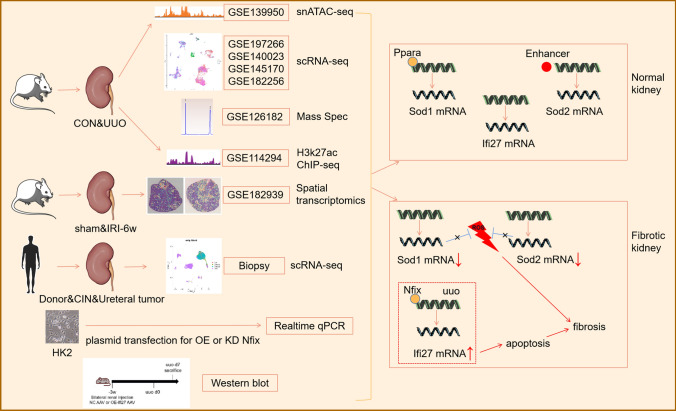
“The processed data of sham and IRI-6w from GSE182939 [15] was used to visualize spatially transcriptomics’ difference between normal and fibrosis.”
MethodMuto, Y., Dixon, E. E., Yoshimura, Y., Wu, H., Omachi, K., Ledru, N., Wilson, P. C., King, A. J., Olson, N. E., Gunawan, M. G., et al. (2022) · Nature Communications · doi:10.1038/s41467-022-34255-z · Cited by 131
Doke, T., Abedini, A., Aldridge, D. L., Yang, Y.-W., Park, J., Hernandez, C. M., Balzer, M. S., Shrestra, R., Coppock, G., Rico, J. M. I., et al. (2022) · Nature Immunology · doi:10.1038/s41590-022-01200-7 · Cited by 129 · cited 2×
“Because when we split all datasets included, we found the proportion of PT cells in uuod7 was similar to that in control from the datasets of Doke et al. [20].”
MethodResultWang, Y., Li, Y., Chen, Z., Yuan, Y., Su, Q., Ye, K., Chen, C., Li, G., Song, Y., Chen, H., et al. (2022) · Cell Death & Disease · doi:10.1038/s41419-022-05138-4 · Cited by 127 · cited 1×
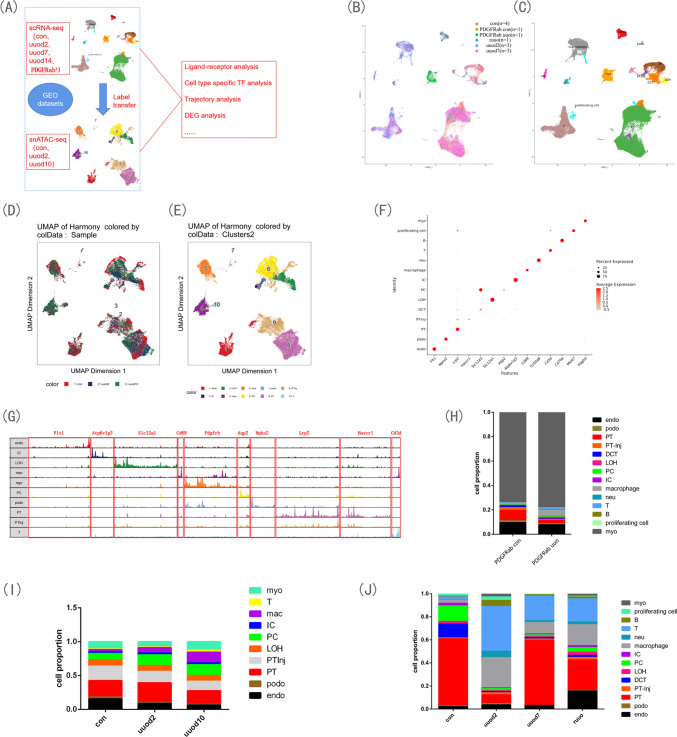
“1A) which form 14 clusters through integrating GEO datasets [2, 18–20] (GSE197266, GSE140023, GSE145170 and GSE182256).”
MethodSelf-citationChromatin-accessibility estimation from single-cell ATAC-seq data with scOpen
Li, Z., Kuppe, C., Ziegler, S., Cheng, M., Kabgani, N., Menzel, S., Zenke, M., Kramann, R., & Costa, I. G. (2021) · Nature Communications · doi:10.1038/s41467-021-26530-2 · Cited by 123 · cited 1×
“While to analyze the mechanisms underlying the change of transcript during the fibrosis process, we also make use of GEO data [21] (GSE139950) to finally acquire 33379 high-quality nucleus, and we transfer the cell labels of scRNA-seq data to snATAC-seq data, finally we obtain 10 clusters, they are…”
MethodSelf-citationIdentification of aldo-keto reductases as NRF2-target marker genes in human cells
Jung, K.-A., Choi, B.-H., Nam, C.-W., Song, M., Kim, S.-T., Lee, J. Y., & Kwak, M.-K. (2013) · Toxicology Letters · doi:10.1016/j.toxlet.2012.12.026 · Cited by 113 · cited 1×
“As NRF2-target marker genes [31], aldo–keto reductase 1C1(AKR1C1) may be a detoxifying molecule.”
BackgroundAnders, H.-J., Belemezova, E., Eis, V., Segerer, S., Vielhauer, V., de Lema, G. P., Kretzler, M., Cohen, C. D., Frink, M., Horuk, R., et al. (2004) · Journal of the American Society of Nephrology · doi:10.1097/01.asn.0000130082.67775.60 · Cited by 111 · cited 1×
“2), thus suggesting innate immune activation existed in uuo, which is consistent with previous studies [33, 34].”
ResultRedox signaling pathways in unilateral ureteral obstruction (UUO)-induced renal fibrosis
Aranda‐Rivera, A. K., Cruz‐Gregorio, A., Aparicio‐Trejo, O. E., Ortega-Lozano, A. J., & Pedraza‐Chaverrí, J. (2021) · Free Radical Biology and Medicine · doi:10.1016/j.freeradbiomed.2021.05.034 · Cited by 97 · cited 1×
“Besides the above molecules involved in fibrosis, reactive oxygen species (ROS) overproduction induced by UUO can promote inflammation, oxidative stress, and apoptosis, which contributes to fibrosis [36, 37].”
BackgroundChen, Z., Li, Y., Yuan, Y., Lai, K., Ye, K., Lin, Y., Lan, R., Chen, H., & Xu, Y. (2023) · Cell Death and Disease · doi:10.1038/s41419-023-05830-z · Cited by 92 · cited 2×
“After 3 weeks, the mouse was subjected to UUO operation [17] to induce kidney fibrosis, and kidneys were harvested at 7d after UUO establishment.”
MethodSelf-citationDing, W. Y., Kuzmuk, V., Hunter, S., Lay, A. C., Hayes, B., Beesley, M., Rollason, R., Hurcombe, J., Barrington, F., Masson, C., et al. (2023) · Science Translational Medicine · doi:10.1126/scitranslmed.abc8226 · Cited by 78 · cited 1×
“AAV-OE virus packaging plasmid was constructed first, and after purification and titration, AAV virus was injected into 3 independent sites (1*10 12 copy number) through the kidney cortex to achieve overexpression of target molecules in kidney tissue [16].”
MethodDjudjaj, S., Martin, I. V., Buhl, E. M., Nothofer, N. J., Leng, L., Piecychna, M., Floege, J., Bernhagen, J., Bucala, R., & Boor, P. (2017) · Journal of the American Society of Nephrology · doi:10.1681/asn.2017020190 · Cited by 76 · cited 1×
“Furthermore, the MIF within the tubular cells rather than immune cells have protective effects, which was confirmed by the phenotype of Knock-out mice [32].”
BackgroundAMPK activation coupling SENP1-Sirt3 axis protects against acute kidney injury
Zhu, M., He, J., Xu, Y., Zuo, Y., Zhou, W., Yue, Z., Shao, X., Cheng, J., Wang, T., & Mou, S. (2023) · Molecular Therapy · doi:10.1016/j.ymthe.2023.08.014 · Cited by 74
Self-citationEpidermal growth factor receptor activation is essential for kidney fibrosis development
Cao, S., Pan, Y., Terker, A. S., Arroyo, J. P., Wang, Y., Tang, J., Niu, A., Kar, S. A., Jiang, M., Luo, W., et al. (2023) · Nature Communications · doi:10.1038/s41467-023-43226-x · Cited by 67 · cited 1×
“[22].”
Hsieh, W. ‐., Huang, Y., Wang, T. ‐., Ming, Y.-C., Tsai, C., & Pang, J. S. (2015) · Cell Proliferation · doi:10.1111/cpr.12168 · Cited by 54 · cited 1×
“Ifi27 was reported to be involved in apoptosis signaling, while the results seem to be somewhat controversial, IFI27 knockdown and over-expression in keratinocytes had no effect on apoptosis [45].”
ResultSharma, I., Deng, F., Liao, Y., & Kanwar, Y. S. (2020) · Diabetes · doi:10.2337/db19-0935 · Cited by 46 · cited 1×
“…injury through oxidative stress and necroptosis [26, 27], MIOX-transgenetic mice have accelerated tubulointerstitial fibrosis when they are challenged with diabetic kidney disease [28], in our datasets, a PT cluster expressing high Miox/MIOX was found across human and mouse (Supplementary Fig.”
BackgroundMakled, M. N., & El‐Kashef, D. H. (2020) · Life Sciences · doi:10.1016/j.lfs.2020.117729 · Cited by 46 · cited 1×
“Peroxisome proliferator-activated receptors (PPARs) are a kind of transcription factor having anti-inflammatory effects, one study found the activation of PPAR-α by PPAR agonists can improve UUO phenotype [42].”
BackgroundSingle-cell analysis of senescent epithelia reveals targetable mechanisms promoting fibrosis
O’Sullivan, E. D., Mylonas, K. J., Bell, R., Carvalho, C., Baird, D. P., Cairns, C., Gallagher, K. M., Campbell, R., Docherty, M., Laird, A., et al. (2022) · JCI Insight · doi:10.1172/jci.insight.154124 · Cited by 43 · cited 1×
“It is known that fibrotic kidneys and CKD can caused by maladaptive repair of renal tubular epithelial cell [3].”
BackgroundZhang, W., Rong, G., Gu, J., Fan, C., Guo, T., Jiang, T., Deng, W., Xie, J., Su, Z., Yu, Q., et al. (2022) · The FASEB Journal · doi:10.1096/fj.202100913rrr · Cited by 42 · cited 1×
“As a protective role, Nicotinamide N-methyltransferase (NNMT) can reduce oxidative stress and cell death of PT induced by lipotoxicity [29], and NNMT can also improve renal fibrosis by targeting the TGF-β1 signalling pathway [30].”
BackgroundAranda‐Rivera, A. K., Cruz‐Gregorio, A., Aparicio‐Trejo, O. E., Tapia, E., Sánchez‐Lozada, L. G., García‐Arroyo, F. E., Amador‐Martínez, I., Orozco‐Ibarra, M., Fernández‐Valverde, F., & Pedraza‐Chaverrí, J. (2022) · Antioxidants · doi:10.3390/antiox11101854 · Cited by 41 · cited 1×
“During UUO, besides tubular damage, oxidative stress, inflammation, lipid metabolic disturbance, and mitochondrial dysfunction all contribute to fibrotic progression [4].”
BackgroundSharma, I., Liao, Y., Zheng, X., & Kanwar, Y. S. (2022) · JCI Insight · doi:10.1172/jci.insight.155487 · Cited by 39 · cited 1×
“…kidney injury, overexpression of MIOX can also aggravate the phenotype of kidney injury through oxidative stress and necroptosis [26, 27], MIOX-transgenetic mice have accelerated tubulointerstitial fibrosis when they are challenged with diabetic kidney disease [28], in our datasets,…”
BackgroundRam, C., Gairola, S., Syed, A. M., Verma, S., Mugale, M. N., & Sahu, B. D. (2022) · Food & Function · doi:10.1039/d2fo01384c · Cited by 34 · cited 1×
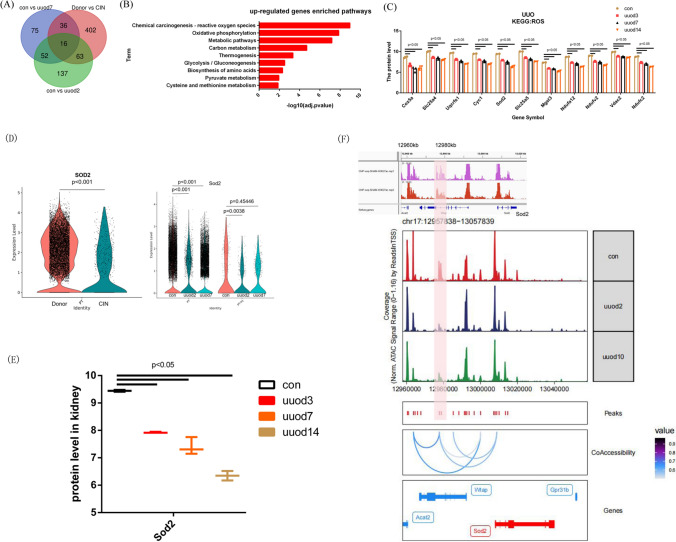
“…in the antioxidant capacity of UUO or CIN kidney, previous research found UUO induction resulted in impaired renal function along with the downregulation of antioxidant proteins, such as NRF2, NQO1 and SOD, as a result, more ROS produced finally leads to oxidative stress and fibrosis [38, 39].”
BackgroundZheng, X., Deng, F., Sharma, I., & Kanwar, Y. S. (2022) · American Journal of Physiology-Renal Physiology · doi:10.1152/ajprenal.00460.2021 · Cited by 28 · cited 1×
“…gentamicin-induced kidney injury, overexpression of MIOX can also aggravate the phenotype of kidney injury through oxidative stress and necroptosis [26, 27], MIOX-transgenetic mice have accelerated tubulointerstitial fibrosis when they are challenged with diabetic kidney disease [28], in our…”
BackgroundYin, L., Li, H., Liu, Z., Wu, W., Cai, J., Tang, C., & Dong, Z. (2021) · Frontiers in Immunology · doi:10.3389/fimmu.2021.690697 · Cited by 27 · cited 1×
“While the expression of SOD2, an antioxidant enzyme, can protect against chronic kidney injury and renal fibrosis by reducing oxidative stress in renal tubular cells [40, 41].”
BackgroundProtective effects of Amygdalus mongolica on rats with renal fibrosis based on serum metabolomics
Chang, H., Liu, Q., Bai, W., Bai, Y., Jia, X.-Y., Gao, C., Liu, Q., Shi, S., & Zhou, H. (2020) · Journal of Ethnopharmacology · doi:10.1016/j.jep.2020.112858 · Cited by 26 · cited 1×
“…in the antioxidant capacity of UUO or CIN kidney, previous research found UUO induction resulted in impaired renal function along with the downregulation of antioxidant proteins, such as NRF2, NQO1 and SOD, as a result, more ROS produced finally leads to oxidative stress and fibrosis [38, 39].”
BackgroundNoh, M. R., Jang, H., Salem, F. E., Ferrer, F. A., Kim, J., & Padanilam, B. J. (2022) · American Journal of Physiology-Renal Physiology · doi:10.1152/ajprenal.00052.2022 · Cited by 18
Kępka, A., Szajda, S. D., Stypułkowska, A., Waszkiewicz, N., Jankowska, A. K., Chojnowska, S., & Zwierz, K. (2008) · Clinical Chemistry and Laboratory Medicine (CCLM) · doi:10.1515/cclm.2008.171 · Cited by 12 · cited 2×
“…study found FBP-1 activity in urine can be detected higher in children with idiopathic nephrotic syndrome (INS) than that of healthy children [29], in our study, we found the proportion of Fbp-1 high PT was higher in uuod2 comparing with con, while Fbp-1 high PT disappear in longer uuo time…”
BackgroundResultHe, Z., Zhang, M., Xu, H., Zhou, W., Xu, C., Wang, Z., He, M., & Wang, X. (2022) · Pharmaceutical Biology · doi:10.1080/13880209.2022.2148168 · Cited by 10
Cited by
Single-cell sequencing to multi-omics: technologies and applications
Wu, X., Yang, X., Dai, Y., Zhao, Z., Zhu, J., Guo, H., & Yang, R. (2024) · Biomarker Research · doi:10.1186/s40364-024-00643-4 · Cited by 222
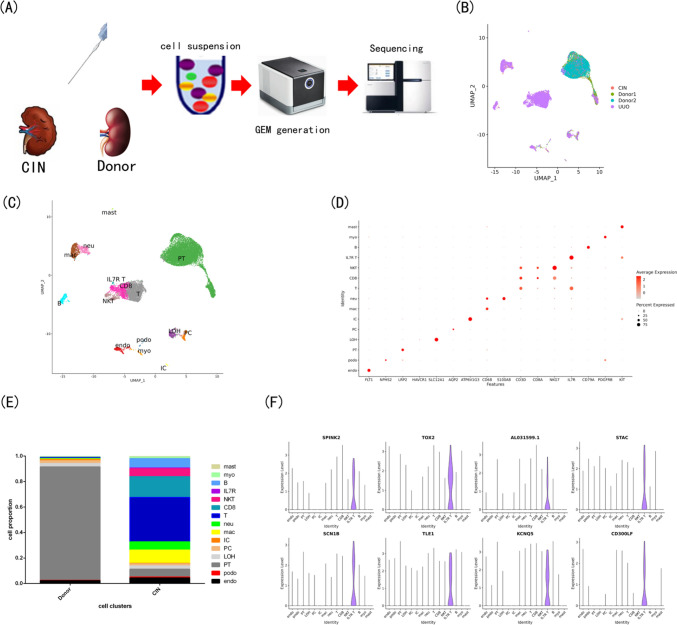
“In addition, integrated analysis of epigenomics and transcriptomics was applied to investigate the transcriptional dynamics of the fibrotic kidney, revealing that the TF Nfix could regulate the expression of the apoptosis-related gene Ifi27 [198].”
Lopes, M. B., Coletti, R., Duranton, F., Glorieux, G., Campos, M. A. J., Klein, J., Ley, M., Perco, P., Sampri, A., & Tur‐Sinai, A. (2025) · PROTEOMICS · doi:10.1002/pmic.202400108 · Cited by 44
Huang, X. Y., Wang, M. M., Yu, B., Ren, P., Bian, X., Wang, P., Yao, X., & Lin, W. (2026) · Molecular Biomedicine · doi:10.1186/s43556-026-00462-z · Cited by 11
“C motif chemokine ligand 9/6(Ccl9/6)-Ccr1 signaling, further drives innate immune activation in the UUO model [71].”
Chen, Z., Ye, L., Zhu, M., Lin, X., Wu, J., Zhang, X., Wang, Y., Xia, H., Li, Z., Hu, S., et al. (2025) · Translational research · doi:10.1016/j.trsl.2025.11.003 · Cited by 6
Self-citationTorres‐Machorro, A. L., Becerril, C., Hernández‐Plata, E., Luis‐García, E. R., Maldonado, M., Herrera, I., Negreros, M., Hernández‐Sánchez, F., Mendoza-Milla, C., Gaxiola, M., et al. (2024) · Scientific Reports · doi:10.1038/s41598-024-74267-x · Cited by 5
“The cells were left in contact with anti-IFI27 (Abcam, ab171919; 1:40) and anti-aSMA (Clone 1A4 Sigma, A2547; 1:100) antibodies at 4 °C overnight.”
Influential
Metadata
- Authors
- Chen, Z., Ye, L., Zhu, M., Xia, C., Fan, J., Chen, H., Li, Z., & Mou, S.
- Affiliations
- Zhejiang Chinese Medical University (CN)
- Shanghai Jiao Tong University (CN)
- Broad Institute (US)
- Corresponding author
- Chen, Zhejun
- Chen, Hongbo
- Li, Zhijian
- Mou, Shan
- Venue
- Cellular and Molecular Life Sciences
- Published
- 2024-01-25
- Volume
- 81
- Issue
- 1
- Pages
- 56-56
- ISSN
- 1420-682X (ISSN-L)
- 1420-9071
- PMC
- PMC10811088
- OpenAlex
- W4391229567
- Cited by
- 17
- References
- 47
- Citations by year
- 2026: 8 · 2025: 6 · 2024: 3
- FWCI
- 4.85
- Type
- journal article
- Language
- en
- Open access
- gold
- doi.org
- Licence
- cc-by
- creativecommons.org/licenses/by/4.0 (tdm)
- creativecommons.org/licenses/by/4.0 (vor)
- Locations
- Cellular and Molecular Life Sciences (publishedVersion, cc-by)
- PubMed Central (publishedVersion, cc-by)
- PubMed (publishedVersion)
- Funders
- the National Natural Science Foundation of China (81970574, 82170685, 82304989)
- the Science and Technology Commission of Shanghai Municipality, China (ZXYXZ-201904)
- Shanghai Municipal Health Commission Three-Year Action Plan for Traditional Chinese Medicine ((2021-2023))
- the Open Project Program Foundation of Key Laboratory of Liver and Kidney Diseases (Shanghai University of Traditional Chinese Medicine), Ministry of Education (GS2022-01)
- Zhejiang Provincial Administration of Traditional Chinese Medicine (2023ZR094)
- Zhejiang Provincial Health Commission (2023RC195)
- the Research Project of Zhejiang Chinese Medical University (2022JKJNTZ17)
- Topics
- Health Sciences › Medicine › Nephrology › Chronic Kidney Disease and Diabetes
- Health Sciences › Medicine › Nephrology › Acute Kidney Injury Research
- Life Sciences › Biochemistry, Genetics and Molecular Biology › Molecular Biology › Single-cell and spatial transcriptomics
- Keywords
- renal fibrosis, chronic kidney disease, proximal tubule, oxidative stress, anti-oxidation, apoptosis, NFIX, IFI27, SOD1, manganese superoxide dismutase, chromatin accessibility, transcription factors, intercellular communication, unilateral ureteral obstruction, chronic interstitial nephritis, single-nucleus ATAC-seq, single-cell RNA sequencing, AAV gene delivery
- MeSH terms
- Multiomics, Animals, Antioxidants, Chromatin, Fibrosis, Humans, Kidney, Apoptosis, Epigenesis, Genetic, Mice, Renal Insufficiency, Chronic, NFI Transcription Factors
About these checks
Registry, retraction, Cites and statistics results are computed, not judged, with one exception: a printed reference that no index lists is read once by a model before it counts as a citation error. Claims are extracted by a model and kept only when their quote appears verbatim in the text; each cited source is then checked, with a model’s help, for whether it says what the claim relies on. Those verdicts can be wrong — read the claim’s quote and the cited source before relying on one.
Statistics and arithmetic are recomputed, not judged.
Confidence bands are shown only for fields calibrated on our annotated test set. None is calibrated yet, so no band is shown.
What counts as a claim ›How we measure confidence ›How we check this ›
Are you an author, or do you see a problem with this page? Request a review
Data sources
Bibliographic data: Semantic Scholar, OpenAlex, Crossref.
Contains information from the Semantic Scholar Academic Graph Datasets, made available under the ODC Attribution License (ODC-BY 1.0).
Semantic Scholar’s data is described in: Kinney, R., et al. (2023). The Semantic Scholar Open Data Platform. arXiv:2301.10140.
