

Cancer research using organoid technology
Open accessThe DOI matches its Crossref record; 142 of the 142 references it cites were found in a registry or an index.
Abstract
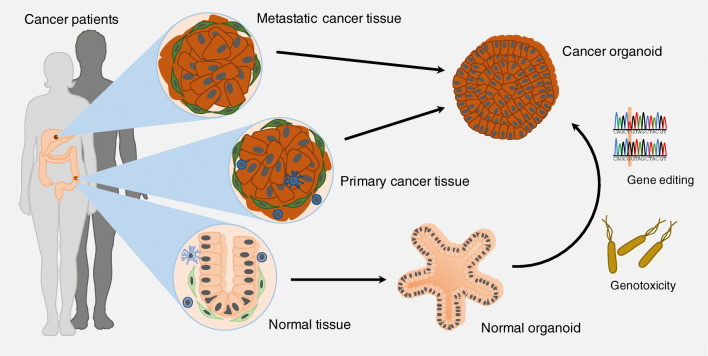
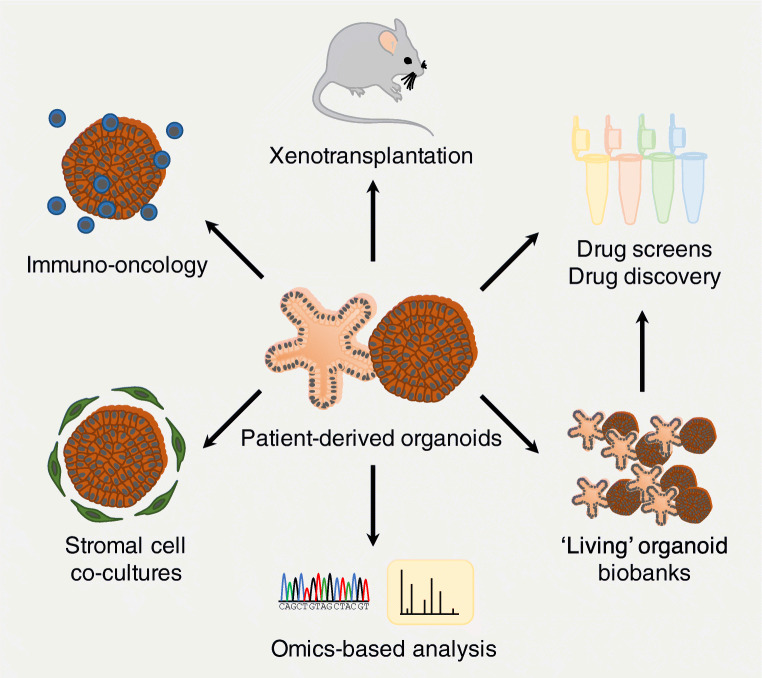
Organoid technology has rapidly transformed basic biomedical research and contributed to significant discoveries in the last decade. With the application of protocols to generate organoids from cancer tissue, organoid technology has opened up new opportunities for cancer research and therapy. Using organoid cultures derived from healthy tissues, different aspects of tumour initiation and progression are widely studied including the role of pathogens or specific cancer genes. Cancer organoid cultures, on the other hand, are applied to generate biobanks, perform drug screens, and study mutational signatures. With the incorporation of cellular components of the tumour microenvironment such as immune cells into the organoid cultures, the technology is now also exploited in the rapidly advancing field of immuno-oncology. In this review, I discuss how organoid technology is currently being utilised in cancer research and what obstacles are still to be overcome for its broader use in anti-cancer therapy.
Overview
The claims and statistics of this paper haven’t been checked yet.
Free: it reads the open-access text and checks the first 5 claims that cite a source we can check. Create a free account to check every claim.
Integrity signals
Registry
Cites
Statistics
Figures
Verification
Claims the paper makes
The claims and statistics of this paper haven’t been checked yet.
Free: it reads the open-access text and checks the first 5 claims that cite a source we can check. Create a free account to check every claim.
Claims other papers make about this one
Each is checked against this paper’s own text: does it say what the citing paper says it does?
In the citing paper
“Cancer organoids can reflect the heterogeneous structure of the tumor and preserve gene mutations of a specific cancer type, giving a reliable response to drugs in cytotoxicity assays.12”
From A layered cancer-on-a-chip system for anticancer drug screening and disease modeling (2023) · cites this paper as [12]
In the citing paper
“In contrast to organoids, the layered model is very versatile and can be widely used in drug screening.12”
From A layered cancer-on-a-chip system for anticancer drug screening and disease modeling (2023) · cites this paper as [12]
Self-check
Percentages, sums and reported differences re-computed from the paper’s own numbers.
The self-check needs the paper’s full text.
Citations
Cites
Hallmarks of Cancer: The Next Generation
Hanahan, D., & Weinberg, R. A. (2011) · Cell · doi:10.1016/j.cell.2011.02.013 · Cited by 66,590 · cited 4×
“On the other hand, an active immune response may suppress tumour growth and, therefore, cancer cells may develop means to avoid immune destruction [106].”
BackgroundInfluentialA genetic model for colorectal tumorigenesis
Fearon, E. R., & Vogelstein, B. (1990) · Cell · doi:10.1016/0092-8674(90)90186-i · Cited by 12,132 · cited 1×
“For instance, several studies have been published on the stepwise introduction of classical CRC driver mutations—APC, TP53, SMAD4, and KRAS—following the socalled Vogelgram cancer progression model [93].”
BackgroundSingle Lgr5 stem cells build crypt-villus structures in vitro without a mesenchymal niche
Sato, T., Vries, R. G., Snippert, H. J., van de Wetering, M., Barker, N., Stange, D. E., van Es, J. H., Abo, A., Kujala, P., Peters, P. J., et al. (2009) · Nature · doi:10.1038/nature07935 · Cited by 7,204 · cited 6×
“As such, it has also been possible to generate ASCenriched epithelial organoids from tissue pieces [11] or tissue pieces containing both epithelial and stromal cells [34].”
BackgroundInfluentialThe new frontier of genome engineering with CRISPR-Cas9
Doudna, J. A., & Charpentier, E. (2014) · Science · doi:10.1126/science.1258096 · Cited by 7,062
Wang, H., Naghavi, M., Allen, C., Barber, R. M., Bhutta, Z. A., Carter, A., Casey, D. C., Charlson, F. J., Chen, A. Z., Coates, M. M., et al. (2016) · The Lancet · doi:10.1016/s0140-6736(16)31012-1 · Cited by 6,596
Cerebral organoids model human brain development and microcephaly
Lancaster, M. A., Renner, M., Martin, C.-A., Wenzel, D., Bicknell, L. S., Hurles, M. E., Homfray, T., Penninger, J. M., Jackson, A. P., & Knoblich, J. A. (2013) · Nature · doi:10.1038/nature12517 · Cited by 5,372 · cited 1×
“PSC-derived organoids reflecting various types of tissues and organs including the brain [44], intestine [45], kidney [46, 47], and retina [48, 49] have been described.”
BackgroundNeoantigens in cancer immunotherapy
Schumacher, T. N., & Schreiber, R. D. (2015) · Science · doi:10.1126/science.aaa4971 · Cited by 4,783 · cited 1×
“Since high degree of neoantigen presentation is critical to elicit a robust antitumour immune response by antigen-specific T cells [109, 110], the authors chose organoids generated from specific subtypes of CRC and non-small cell lung cancer with a high mutational burden.”
BackgroundSato, T., Stange, D. E., Ferrante, M., Vries, R. G. J., van Es, J. H., van den Brink, S., van Houdt, W. J., Pronk, A., van Gorp, J., Siersema, P. D., et al. (2011) · Gastroenterology · doi:10.1053/j.gastro.2011.07.050 · Cited by 3,753 · cited 4×
“Therefore, pure CRC organoid cultures have been achieved by removal of Wnt pathway stimulants such as Wnt ligands and R-spondins from the growth medium [17, 72, 88].”
BackgroundInfluentialOrganoid Models and Applications in Biomedical Research
Xinaris, C., Brizi, V., & Remuzzi, G. (2015) · Nephron · doi:10.1159/000433566 · Cited by 3,515
Stratton, M. R., Campbell, P. J., & Futreal, P. A. (2009) · Nature · doi:10.1038/nature07943 · Cited by 3,449 · cited 2×
“While most of the DNA damage induced is being continuously repaired by one of the DNA repair pathways, errors in the DNA repair process may result in the gain ofmutations at a low frequency [52, 55].”
Background
Research works printed but not linked: 1
- 102. Betge J et al. (2019), Multiparametric phenotyping of compound effects on patient derived organoids. bioRxiv:660993 106.
Cited by
Tumor organoids: Opportunities and challenges to guide precision medicine
Veninga, V., & Voest, E. E. (2021) · Cancer Cell · doi:10.1016/j.ccell.2021.07.020 · Cited by 339
Patient-derived organoids in precision cancer medicine
Tong, L., Cui, W., Zhang, B., Fonseca, P., Zhao, Q. C., Zhang, P., Xu, B., Zhang, Q., Li, Z., Seashore-Ludlow, B. A., et al. (2024) · Med · doi:10.1016/j.medj.2024.08.010 · Cited by 209
Harane, S. E., Zidi, B., Harane, N. E., Krause, K., Matthes, T., & Preynat‐Seauve, O. (2023) · Cells · doi:10.3390/cells12071001 · Cited by 157
“Cancer organoids including the immune microenvironment can be used to study the effects of various immunotherapies such as checkpoint inhibitors, cancer vaccines, and chimeric antigen receptor (CAR)-T cell therapy [2,10,11].”
Background3D cancer models: One step closer to in vitro human studies
Manduca, N., Maccafeo, E., Maria, R. D., Sistigu, A., & Musella, M. (2023) · Frontiers in Immunology · doi:10.3389/fimmu.2023.1175503 · Cited by 111
Orthotopic and metastatic tumour models in preclinical cancer research
Stribbling, S. M., Beach, C., & Ryan, A. J. (2024) · Pharmacology & Therapeutics · doi:10.1016/j.pharmthera.2024.108631 · Cited by 109
“…al., 2020; Beshiri, Agarwal, Yin, & Kelly, 2023; Betge & Jackstadt, 2023; Chang, Wu, Harnod, & Ding, 2022; Hollins & Parry, 2016; Jin et al., 2018; Kretzschmar, 2021; Lee et al., 2018; Li, Liu, & Chen, 2022; Low et al., 2021; Meijer, 2021; Ren, Chen, Yang, Li, & Xu, 2022; Seidlitz & Stange, Table…”
An overview of kinase downregulators and recent advances in discovery approaches
Wang, B., Wu, H., Hu, C., Wang, H., Liu, J., Wang, W., & Liu, Q. (2021) · Signal Transduction and Targeted Therapy · doi:10.1038/s41392-021-00826-7 · Cited by 101
“Organoids have been successfully generated from primary tumors of the breast, colon, pancreas, lung, head and neck, ovary, and prostate.(155,156,158,159) In fact, there have been some promising results in terms of novel targeted molecular drugs identified with organoid models.”
BackgroundNanoparticle-mediated thermal Cancer therapies: Strategies to improve clinical translatability
Bravo, M., Fortuni, B., Mulvaney, P. A., Hofkens, J., Uji‐i, H., Rocha, S., & Hutchison, J. A. (2024) · Journal of Controlled Release · doi:10.1016/j.jconrel.2024.06.055 · Cited by 99
New trends in synthetic drugs and natural products targeting 20S proteasomes in cancers
Atta, H., Alzahaby, N., Hamdy, N. Μ., Emam, S. H., Sonousi, A. S. M., & Ziko, L. (2023) · Bioorganic Chemistry · doi:10.1016/j.bioorg.2023.106427 · Cited by 92
Standardization of organoid culture in cancer research
Zhou, C., Wu, Y., Wang, Z., Liu, Y., Yu, J., Wang, W., Chen, S., Wu, W., Wang, J., Qian, G., et al. (2023) · Cancer Medicine · doi:10.1002/cam4.5943 · Cited by 97
Advances in Microfluidic Technologies in Organoid Research
Liu, H., Gan, Z., Qin, X., Wang, Y., & Qin, J. (2023) · Advanced Healthcare Materials · doi:10.1002/adhm.202302686 · Cited by 76
Vascularised organoids: Recent advances and applications in cancer research
Zhou, R., Brislinger, D., Fuchs, J., Lyons, A., Langthaler, S., Hauser, C. A. E., & Baumgartner, C. (2025) · Clinical and Translational Medicine · doi:10.1002/ctm2.70258 · Cited by 41
“16 Another example is LudECM, which includes collagen type VI, laminin 521, fibrinogen, and the basement membrane-specific heparan sulphate proteoglycan core protein 2.”
Organoids: opportunities and challenges of cancer therapy
Jiang, X., Oyang, L., Qiu, P., Liu, Q., Xu, X., Wu, N., Tan, S., Yang, W., Han, Y., Lin, J., et al. (2023) · Frontiers in Cell and Developmental Biology · doi:10.3389/fcell.2023.1232528 · Cited by 47
“However, there were two deficiencies in the 2D cells culture model, one was poor tumor heterogeneity, the other was new mutation produced during the culture process, which were the main reasons for poor efficiency of antitumor drugs in clinical trials (Kretzschmar, 2021).”
BackgroundModeling cancer metastasis using acoustically bio-printed patient-derived 3D tumor microtissues
Chen, H., Du, L., Li, J., Wu, Z., Gong, Z., Xia, Y., Zhou, F., Qian, Q., Ding, Z., Hu, H., et al. (2022) · Journal of Materials Chemistry B · doi:10.1039/d1tb02789a · Cited by 35
Models for Translational Proton Radiobiology—From Bench to Bedside and Back
Suckert, T., Nexhipi, S., Dietrich, A., Koch, R. A., Kunz‐Schughart, L. A., Bahn, E., & Beyreuther, E. (2021) · Cancers · doi:10.3390/cancers13164216 · Cited by 26
“Here, patient-derived organoids represent a powerful tool for individualized treatment decisions [124,130].”
BackgroundConte, M., & Cauda, V. (2022) · Advanced Therapeutics · doi:10.1002/adtp.202200079 · Cited by 29
A layered cancer-on-a-chip system for anticancer drug screening and disease modeling
Flont, M., Dybko, A., & Jastrzębska, E. (2023) · The Analyst · doi:10.1039/d3an00959a · Cited by 21
Untangling the web of intratumor microbiota in lung cancer
Liu, W. L., Xu, J., Pi, Z., Chen, Y., Jiang, G., Wan, Y., & Mao, W. (2023) · Biochimica et Biophysica Acta (BBA) - Reviews on Cancer · doi:10.1016/j.bbcan.2023.189025 · Cited by 31
Advances and Applications of Cancer Organoids in Drug Screening and Personalized Medicine
Yang, Y., Kong, Y., Cui, J., Hou, Y., Gu, Z., & Ma, C. (2024) · Stem Cell Reviews and Reports · doi:10.1007/s12015-024-10714-6 · Cited by 24
“However, despite its promising potential, wider adoption of organoid technology in anticancer therapy faces the hurdles outlined by Kretzschmar et al. [5].”
Dang, Q., Zuo, L., Hu, X., Zhou, Z., Chen, S., Liu, S., Ba, Y., Zuo, A., Xu, H., Weng, S., et al. (2024) · Cancer Medicine · doi:10.1002/cam4.70041 · Cited by 32
“75, 136 We focus on the role of organoids in decoding cancer cell dynamics and complexity of TME, along with potential bi-directional crosstalk.”
BackgroundOrganoids: Construction and Application in Gastric Cancer
Huo, C., Zhang, X., Gu, Y., Wang, D., Zhang, S., Liu, T., Li, Y., & He, W. (2023) · Biomolecules · doi:10.3390/biom13050875 · Cited by 27
“Current studies on organoids not only focus on the optimization of construction methods, but also on the biological applications and medical translation of organoids [96,101].”
BackgroundColorectal cancer organoid models uncover oxaliplatin-resistant mechanisms at single cell resolution
Chen, G., Gong, T., Wang, Z., Wang, Z., Lin, X., Chen, S., Sun, C., Zhao, W., Kong, Y., Ai, H., et al. (2022) · Cellular Oncology · doi:10.1007/s13402-022-00705-5 · Cited by 41
Organoids: An Emerging Precision Medicine Model for Prostate Cancer Research
Waseem, M., & Wang, B. (2024) · International Journal of Molecular Sciences · doi:10.3390/ijms25021093 · Cited by 23
“Therefore, organoid models with PCa heterogeneity may provide a unique opportunity that benefits the PCa research community [134–136].”
BackgroundAdvances in organoid-on-a-chip for recapitulation of human physiological events
Park, B. J., Park, J., Han, S., Kwon, T., Sung, J. Y., Kim, J., Safarkhani, M., Min, K.-H., Lee, E.-H., Kang, S., et al. (2025) · Materials Today · doi:10.1016/j.mattod.2025.02.002 · Cited by 23
Tamoxifen induces ferroptosis in MCF-7 organoid
Ye, L., Zhong, F., Sun, S., Ou, X., Yuan, J., Zhu, J., & Zeng, Z. (2023) · Journal of Cancer Research and Therapeutics · doi:10.4103/jcrt.jcrt_608_23 · Cited by 25
Metastatic brain tumors: from development to cutting‐edge treatment
Tanzhu, G., Chen, L., Ning, J., Xue, W., Wang, C., Xiao, G., Yang, J., & Zhou, R. (2024) · MedComm · doi:10.1002/mco2.70020 · Cited by 25
Harnessing Organoid Platforms for Nanoparticle Drug Development
Chen, L., Luo, X., Zhang, J., Zhang, J., Yang, C., & Zhao, Y. (2025) · Drug Design Development and Therapy · doi:10.2147/dddt.s530999 · Cited by 21
“15 However, their potential to transform cancer nanomedicine development remains largely untapped.”
The progressive trend of modeling and drug screening systems of breast cancer bone metastasis
Azar, H. K., Gharibshahian, M., Rostami, M., Mansouri, V., Sabouri, L., Beheshtizadeh, N., & Rezaei, N. (2024) · Journal of Biological Engineering · doi:10.1186/s13036-024-00408-5 · Cited by 23
“Using organoids, researchers can simultaneously simulate the structure and function of healthy and tumor tissues [94–96].”
MethodDevelopment of patient derived organoids for cancer drug screening applications
Baskar, G., Palaniyandi, T., Viswanathan, S., Rajendran, B. K., Ravi, M., & Sivaji, A. (2022) · Acta Histochemica · doi:10.1016/j.acthis.2022.151895 · Cited by 19
From organoids to bedside: Advances in modeling, decoding and targeting of colorectal cancer
Betge, J., & Jackstadt, R. (2022) · International Journal of Cancer · doi:10.1002/ijc.34297 · Cited by 19
“functional insights towards treatment response and resistance mechanisms.(8,9)”
BackgroundThe challenge of making the right choice: patient avatars in the era of cancer immunotherapies
Kayser, C., Bräuer, A., Susanne, S., & Wandmacher, A. M. (2023) · Frontiers in Immunology · doi:10.3389/fimmu.2023.1237565 · Cited by 17
“To generate organoids, small tissue fragments from surgical specimen or biopsies are dissociated into single cells and subsequently cultured, most often embedded in 3D matrices providing ECM support and in complex culture media enriched with multiple growth factors (49, 50).”
MethodStemness regulation in prostate cancer: prostate cancer stem cells and targeted therapy
Liang, H., Zhou, B., Li, P.-X., Zhang, X., Zhang, S., Zhang, Y., Yao, S., Qu, S., & Chen, J. (2024) · Annals of Medicine · doi:10.1080/07853890.2024.2442067 · Cited by 18
Kumar, D., Gupta, S., Gupta, V., Tanwar, R., & Chandel, A. (2025) · Stem Cell Reviews and Reports · doi:10.1007/s12015-025-10893-w · Cited by 19
“Stem cells, particularly pluripotent and multipotent stem cells, play a central role in regenerative medicine due to their ability to differen - tiate into multiple cell types and regenerate damaged tissues [137 ].”
Neoantigen-Based Immunotherapy in Lung Cancer: Advances, Challenges and Prospects
Li, X., Zhu, Y., Xue, Y., Chen, T., Sun, X., & Shi, H. (2025) · Cancers · doi:10.3390/cancers17121953 · Cited by 18
Doerfler, R., Chen, J., Kim, C., Smith, J. D., Harris, M. K., Singh, K. B., Isett, B. R., Dadey, R., Brown, D. D., Lee, A. V., et al. (2025) · Oral Oncology · doi:10.1016/j.oraloncology.2025.107742 · Cited by 24
“Overgrowth of normal epithelial cells presents a frequent challenge in PDO development [40], as also reported in lung [38,41] and prostate [42] cancers.”
Tumor Organoids as a Research Tool: How to Exploit Them
Booij, T. H., Cattaneo, C. M., & Hirt, C. (2022) · Cells · doi:10.3390/cells11213440 · Cited by 17
“The success rate of establishment can vary greatly among tumor types, spanning from ~70–90% for colon tumors to as little as ~20% for lung tumors [8,9], limiting the clinical translation to a smaller fraction of patients.”
BackgroundAdvances of Patient-Derived Organoids in Personalized Radiotherapy
Wang, Y., Li, Y., Sheng, Z., Deng, W., Yuan, H., Wang, S., & Liu, Y. (2022) · Frontiers in Oncology · doi:10.3389/fonc.2022.888416 · Cited by 22
“The PDO model not only facilitates discovering and developing novel therapeutics in cancer research (19), but also plays an important role in clinical decision-making”
MethodReverse translation: the key to increasing the clinical success of immunotherapy?
Vanmeerbeek, I., Naulaerts, S., & Garg, A. D. (2023) · Genes and Immunity · doi:10.1038/s41435-023-00217-8 · Cited by 16
“…absent in the tumour) i.e., ‘ clonal replacement ’ [12]; (III) fi nally, stem-like progenitor T cells may be more enriched in lymph nodes or peripheral tissues rather than tumours due to ‘ T cell exclusion ’ [12, 14], and thus may not be captured with tumour-speci fi c organoids/explants [10, 15].”
BackgroundFarshbaf, A., Lotfi, M., Zare, R., & Mohtasham, N. (2022) · The Pharmacogenomics Journal · doi:10.1038/s41397-022-00296-2 · Cited by 18
“Cancer organoids with PDOs and specific cultures have been established for other types of cancer such as bladder, brain, breast, colon, endometrium, kidney, liver, lung, esophagus, ovaries, pancreas, prostate, rectum, and stomach cancers [19].”
BackgroundZhang, Y., Liu, M., Xie, N., Wang, Z., Yu, C., Li, J., & Zhou, X. (2024) · hLife · doi:10.1016/j.hlife.2024.05.002 · Cited by 19
“Therefore, as a new type of in vitro model, organoids have been applied extensively in the fi eld of cancer [11 – 13].”
Organoid: Biomedical application, biobanking, and pathways to translation
Sinha, A., Maibam, M., Jain, R., Aggarwal, K., Sahu, A. K., Gupta, P. K., Paul, S., Bisht, B., & Paul, M. K. (2025) · Heliyon · doi:10.1016/j.heliyon.2025.e43028 · Cited by 17
Modelling adult stem cells and their niche in health and disease with epithelial organoids
Szabó, L., Seubert, A. C., & Kretzschmar, K. (2022) · Seminars in Cell and Developmental Biology · doi:10.1016/j.semcdb.2022.09.006 · Cited by 14
Self-citationOrganoids for disease modeling and treatment: state-of-the-art
Xu, M., Kong, D., Sun, S., Wang, Y., Su, G., Zhang, S., Yan, J., Han, Z., Li, J., & Zhang, L. (2026) · Experimental Hematology and Oncology · doi:10.1186/s40164-026-00743-x · Cited by 16
“Differing from the patient-derived tumor xenograft (PDTX) model with notoriously inherent defects [19, 154], PDTOs faithfully replicate the multifaceted characteristics of primary tumors and TME, and thus provide innovative platforms for investigating tumor-immune cell interactions [16, 152, 155].”
InfluentialMelatonin blunted the angiogenic activity in 3D colon cancer tumoroids by the reduction of endocan
Narmi, M. T., Shoja, H. M., Haiaty, S., Mahdipour, M., & Rahbarghazi, R. (2023) · Cancer Cell International · doi:10.1186/s12935-023-02951-5 · Cited by 14
Three-dimensional bioprinting of in vitro tumor organoid and organ-on-a-chip models
Anderson, S. R., Stagner, E., Sivakumar, H., & Skardal, A. (2023) · MRS Bulletin · doi:10.1557/s43577-023-00559-8 · Cited by 15
Pospelov, A. D., Kutova, O. M., Efremov, Y. M., Nekrasova, A. A., Trushina, D. B., Gefter, S. D., Cherkasova, E. I., Timofeeva, L. B., Timashev, P. S., Zvyagin, A. V., et al. (2023) · Cells · doi:10.3390/cells12162030 · Cited by 12
“However, despite the wide use of mice as experimental animals, there are only a few protocols for the decellularization of murine organs and those are adapted to individual organs of certain tissue structure, for example, cardiopulmonary complex [26], lungs [43], or muscles [27].”
BackgroundNUMERICAL SOLUTION AND OPTIMAL CONTROL FOR FRACTIONAL TUMOR IMMUNE MODEL
Mahdy, A. M. S. (2024) · Journal of Applied Analysis & Computation · doi:10.11948/20240053 · Cited by 12
Zhu, J., Zhang, Y., Zhao, Y., Zhang, J., Hao, K., & He, H. (2023) · Pharmaceutics · doi:10.3390/pharmaceutics15092274 · Cited by 12
“PDTOs contain multiple cell types and can reproduce some key anatomical and functional characteristics of human tumors [4,5].”
BackgroundAvcı, Ç. B., Bağca, B. G., Shademan, B., Takanlou, L. S., Takanlou, M. S., & Nourazarian, A. (2024) · Frontiers in Cell and Developmental Biology · doi:10.3389/fcell.2024.1401504 · Cited by 12
“These structures emulate the intricate architecture and function of native tissues (Kretzschmar, 2021).”
BackgroundGuo, L., Chen, Q., Xu, M., Huang, J., & Ye, H. (2024) · Journal of Translational Medicine · doi:10.1186/s12967-024-05381-7 · Cited by 14
“Cell transformation is not only reflected in the increase in quantity, but also in significant changes in antigen presentation function [45].”
BackgroundApplication of Organoids in Carcinogenesis Modeling and Tumor Vaccination
Wang, Z., Zhao, S., Lin, X., Chen, G., Kang, J., Ma, Z., Wang, Y., Li, Z., Xiao, X., He, A., et al. (2022) · Frontiers in Oncology · doi:10.3389/fonc.2022.855996 · Cited by 15
“Having the in vivo modeling accessibility and developing application, organoid technology is expected to have a profound impact on both bench and bedside for precision medicine (84, 120).”
BackgroundMethodApplication and prospect of organoid technology in breast cancer
Huang, S., Mei, Z., Wan, A., Zhao, M., & Qi, X. (2024) · Frontiers in Immunology · doi:10.3389/fimmu.2024.1413858 · Cited by 18
“The other involves mutation analysis of patient-derived cancer organoids through whole-genome sequencing (WGS), whole-exome sequencing (WES), or targeted sequencing of cancer gene mutations (61).”
BackgroundMethodWang, Y., Zhang, Z., Li, X., Lu, X., ZhuanSun, X.-M., Li, Q., Zhang, J., Xu, X., Liu, X., Yuan, W., et al. (2025) · In vitro models · doi:10.1007/s44164-025-00084-9 · Cited by 11
“It also has the potential to bridge preclinical and clinical trials, so the orga-noid commercialization has taken center stage from 2019 [5].”
Colorectal Organoids: Models, Imaging, Omics, Therapy, Immunology, and Ethics
Taglieri, M., Gregorio, L. D., Matis, S., Uras, C. R. M., Ardy, M., Casati, S., Marchese, M., Poggi, A. D., Raffaghello, L., & Benelli, R. (2025) · Cells · doi:10.3390/cells14060457 · Cited by 14
“By combining data from different omics layers, omics technologies enable the study of complex interactions between genes, proteins, and metabolites providing a deeper understanding of key molecular mechanisms underlying colorectal diseases and novel therapeutic targets [103,104].”
Realizing the potential of organoids—an interview with Hans Clevers
Bartfeld, S. (2021) · Journal of Molecular Medicine · doi:10.1007/s00109-020-02025-3 · Cited by 14
“But currently there is a huge investment to develop organoid-based individual therapies for cancer [4].”
BackgroundYunxiu, L., Wei, Y., Jiang, M., Tang, X., Huang, F., & Yang, X. (2021) · Tissue and Cell · doi:10.1016/j.tice.2021.101622 · Cited by 9
Low-cost robotic manipulation of live microtissues for cancer drug testing
Stepanov, I., Gottshall, N. R., Ahmadianyazdi, A., Sinha, D., Lockhart, E. J., Nguyen, T. N. H., Hassan, S., Horowitz, L. F., Yeung, R. S. W., Gujral, T. S., et al. (2025) · Science Advances · doi:10.1126/sciadv.ads1631 · Cited by 11
Generation and Characterization of Murine Oral Mucosal Organoid Cultures
Seubert, A. C., Krafft, M., & Kretzschmar, K. (2021) · Journal of Visualized Experiments · doi:10.3791/62529 · Cited by 11
Self-citationZhang, X., Wen, J., Pan, Z., Liu, Y., & Zhu, Y. (2024) · International Immunopharmacology · doi:10.1016/j.intimp.2024.113665 · Cited by 9
Organoids in Haematologic Research: Advances and Future Directions
Chang, L., Li, L., Han, Y., Cheng, H., & Yang, L. (2025) · Cell Proliferation · doi:10.1111/cpr.13806 · Cited by 10
Tumor spheroids and organoids as preclinical model systems
Baniahmad, A. (2021) · Medizinische Genetik · doi:10.1515/medgen-2021-2093 · Cited by 9
“Organoids allow the analysis of tumor composition, cell–cell interactions, changes of non-cancer cells by the cancer cell, tumor evolution, the effects of drugs, and drug delivery [17].”
BackgroundTranslational Utility of Organoid Models for Biomedical Research on Gastrointestinal Diseases
Banerjee, P., & Senapati, S. (2024) · Stem Cell Reviews and Reports · doi:10.1007/s12015-024-10733-3 · Cited by 8
“Growth factors provided for organoid culture growth provide nutritional support and regulate the growth of various cells and tissues depending on their concentrations [125].”
Li, Y., Xu, C., Weng, W., & Goel, A. (2024) · Molecular Carcinogenesis · doi:10.1002/mc.23800 · Cited by 7
Endocrine cancer organoids in basic and translational medical research
Chen, D., Chen, Z., Yang, H., Zhang, L., Hu, C., Yang, Z., Li, P., Su, X., Liu, X., Wei, W., et al. (2025) · Science China Life Sciences · doi:10.1007/s11427-024-2888-8 · Cited by 7
“Therefore, PCa organoids with heterogeneity can offer a unique opportunity for the study of PCa (Chai et al., 2023; Kretzschmar, 2021; Tuveson and Clevers, 2019).”
Medical embryology and regenerative medicine: research and applications in clinical practice
Soczyńska, J., Gawełczyk, W., Obrycka, P., Żołyniak, M., Muzyka, A., Majcherczyk, K., Papierkowska, J., & Woźniak, S. (2025) · Frontiers in Cell and Developmental Biology · doi:10.3389/fcell.2025.1619036 · Cited by 9
“However,organoidsrequire further investigation to establish their role as reliable components of personalized anticancer treatment strategies (Kretzschmar, 2021).”
Organoid Modeling and Single-Cell Profiling Reveal Smooth Muscle Cell Migration in Moyamoya Disease
He, S., Zhang, J., Wang, X., Qi, Z., Zhou, Z., Wang, Y., Xu, S., Li, D., Ye, X., Liu, Z., et al. (2026) · Communications Biology · doi:10.1038/s42003-025-09476-9 · Cited by 7
Vasiliadou, I., Cattaneo, C., Chan, P. Y. K., Henley‐Smith, R., Gregson-Williams, H., Collins, L., Wojewodka, G., Urbano, T. G., Jeannon, J., Connor, S. E. J., et al. (2024) · BMJ Open · doi:10.1136/bmjopen-2024-084176 · Cited by 8
Identification of target cells of human papillomavirus 18 using squamocolumnar junction organoids
Toyohara, Y., Taguchi, A., Ishii, Y., Yoshimoto, D., Yamazaki, M., Matsunaga, H., Nakatani, K., Hoshi, D., Tsuchimochi, S., Kusakabe, M., et al. (2023) · Cancer Science · doi:10.1111/cas.15988 · Cited by 6
“Recently, organoid culture has emerged as a novel technique that accurately simulates in vivo conditions, 18 and SCJ organoids have been introduced by several research groups.”
BackgroundOrganoid technology in cervical cancer research
Ye, H., Song, L., Li, Q., Shen, C., He, Y., & Li, L. (2025) · American Journal of Cancer Research · doi:10.62347/fntd1712 · Cited by 7
“Based on this, the laboratory further added nicotinamide, anaplastic lymphoma kinase (ALK) inhibitor A-8301, prostaglandin E2 (PGE2), and p38 inhibitor SB202190, etc. to the improved formula, successfully establishing a human colorectal tumor organoid system [36].”
Harnessing human tumor organoids for cancer modeling and precision therapy
Zhou, T., Wang, Q., Mei-li, Z., & Huang, Y. (2026) · Protein & Cell · doi:10.1093/procel/pwag007 · Cited by 7
Dynamic culture system advances the applications of breast cancer organoids for precision medicine
Yang, J. J., Qu, J., Zhang, M., Li, X., Jiang, Q., Kang, J., Nie, P., Jing, N., & Wang, X. (2025) · Scientific Reports · doi:10.1038/s41598-025-86730-4 · Cited by 7
“Tumor organoids have similar genomic, histological and drug response characteristics to the parental tumors 4,5 .”
Snake Venom and 3D Microenvironment Cell Culture: From Production to Drug Development
Kato, E. E., Viala, V. L., & Sampaio, S. C. (2022) · Future Pharmacology · doi:10.3390/futurepharmacol2020009 · Cited by 5
“In order to induce a self-organizing structure, cells are embedded in a hydrogel rich in matrix extracellular proteins, such as Matrigel or Basement Membrane Extract (BME), to simulate the appropriate physiological microenvironment [42,60].”
BackgroundModel Selection for the Preclinical Development of New Drug–Radiotherapy Combinations
Singh, J., Hatcher, S. V., Ku, A. A., Ding, Z., Feng, F. Y.-C., Sharma, R. A., & Pfister, S. (2021) · Clinical Oncology · doi:10.1016/j.clon.2021.08.008 · Cited by 5
Liu, S., Guan, T., Yang, F., Zhang, H., Yao, Y., Huang, J., Zhao, P., Huang, W. M., Wu, T. T.-L., Lin, H., et al. (2025) · BMC Cancer · doi:10.1186/s12885-025-13973-9 · Cited by 6
“Instead, we generated the OTSCC-PSO from the tumor tissues of the patients to observe the process of CAR-NK cells killing OTSCC organoids straightly, in which the organoid being regarded as another valuable approach to translational study recently [19–21].”
Construction of Lymphoma Organoids and Applications in Tumor Microenvironment Research
Zhu, M., Li, T., Han, S., Zhao, D., Chen, X., Wong, V., Wang, H., & Liu, Y. (2025) · European Journal Of Haematology · doi:10.1111/ejh.14448 · Cited by 4
“Organoid technology has been widely applied in the study of epithelial-derived tumors, where the inherent properties of epithelial tissues confer significant advantages in organoid culture [4–6].”
Single-cell RNA sequencing in the study of human retinal organoids
Chen, Y., Xu, H., Xiao, L., Zhang, M., & Yan, N. (2025) · Experimental Eye Research · doi:10.1016/j.exer.2025.110417 · Cited by 7
Rebuilding the Marrow In Vitro: Translational Advances in the 3D Modeling of Blood Cancers
Silvestri, G., & Chatterjee, A. (2025) · Onco · doi:10.3390/onco5040051 · Cited by 6
“Instead, ex vivo LSC expansion assays maintain phenotypic/transcriptional LSC features and enable preclinical drug screens [19], while microfluidic/hydrogel co-cultures emulate niche signals and LSC persistence under TKIs [2,58,73,76,77].”
Deconstructing cancer in 3D: models, mechanisms, and personalized solutions
Huang, Z., Duan, X., Ji, J., Cai, Q., Jin, P., Yu, B., & (48506), J. Z. (2026) · Molecular Cancer · doi:10.1186/s12943-026-02704-8 · Cited by 6
“In PDO culture, a persistent issue is the overgrowth of normal epithelial organoids from adjacent healthy tissue within a sample, as well as stromal carryover or contamination such as fibroblasts that can confound downstream assays despite the use of selective conditions [241–243].”
Models of fibrolamellar carcinomas, tools for evaluation of a new era of treatments
Song, J., Lu, M., He, Z., & Zhang, W. (2024) · Frontiers in Immunology · doi:10.3389/fimmu.2024.1459942 · Cited by 4
Ning, Q., Liu, J., Zhu, X., Liu, S., Zou, Q., Li, K., & Li, Z. (2025) · International Immunopharmacology · doi:10.1016/j.intimp.2025.114610 · Cited by 5
CRISPR screening in cancer stem cells
Wang, B., & Wong, A. S. L. (2022) · Essays in Biochemistry · doi:10.1042/ebc20220009 · Cited by 4
Song, D., Kim, E., & Lee, S. E. (2020) · Archives of Pharmacal Research · doi:10.1007/s12272-020-01291-6 · Cited by 3
“Other 3D approaches including microfluidic device and patient-derived explants (PDXs) and organoid 3D culture can be found in another well-summarized review (Kretzschmar 2020; Li et al.”
BackgroundDoerfler, R., Chen, J., Kim, C., Smith, J. D., Harris, M. K., Singh, K. B., Isett, B. R., Dadey, R., Brown, D. D., Lee, A. V., et al. (2025) · bioRxiv (Cold Spring Harbor Laboratory) · doi:10.1101/2025.06.24.660824 · Cited by 3
“A frequent challenge in PDO development is overgrowth of normal epithelial cells 40 , as observed in other tumor types such as lung 38 41 and prostate 42 cancers.”
Haspels, B. J., Paul, M. W., Tewari, J. J., Bavelaar, M., Komar, Z. M., Jonkers, J., Kanaar, R., van Gent, D. C., & Kuijten, M. M. P. (2026) · Communications Medicine · doi:10.1038/s43856-025-01359-8 · Cited by 7
“Alternatively, patient-derived organoids (PDOs) are suitable for long-term culturing and passaging, allowing to create living biobanks of patient tumor models 40 and have been used to perform drug screens and for immune-oncology 41 .”
Zhang, Y., Yan, S., Mei, Z., Zhang, H., Ding, C., Zhang, S., & Wei, S. (2024) · Tissue Engineering and Regenerative Medicine · doi:10.1007/s13770-024-00632-6 · Cited by 2
“Derived from pluripotent stem cells (PSCs) or organ-specific progenitor cells, organoids are self-assembled cell aggregates that closely emulate the near-physiological cell behavior and structure of their in vivo counterparts [4, 5].”
3D Tumor Models—Nanomedicine in the Third Dimension
Bravo, M. L., Zundert, I. V., Uji‐i, H., Fortuni, B., & Rocha, S. (2024) · Nanomedicine and nanotoxicology · doi:10.1007/978-981-97-5288-1_11 · Cited by 4
Du, L., Wang, D., Yue, Y., Yang, R., Zhang, H., Chen, M., Ma, X., Xu, H., Zhu, H., Liu, Y., et al. (2025) · Bioorganic Chemistry · doi:10.1016/j.bioorg.2025.108610 · Cited by 2
Zhu, Y., Ding, Z., Wang, Y., Wu, Q., Chen, D., Wang, L., Li, Y., Yao, Y., Huang, J., Li, Y., et al. (2023) · Frontiers in Oncology · doi:10.3389/fonc.2023.1239957 · Cited by 2
“Organoid culture systems have rapidly emerged as promising tools in various research studies on human diseases and their phenotypic and molecular aspects (1).”
BackgroundIn-Vitro 3-Dimensional Organoid Models – A Concise Review on Clinical Importance
Bairagi, R., & Patil, R. (2024) · International Journal of Pharmaceutical Sciences and Nanotechnology · doi:10.37285/ijpsn.2024.17.1.8 · Cited by 1
Alaeq, R. A., & Mohammedsaeed, W. M. (2025) · Microbial Pathogenesis · doi:10.1016/j.micpath.2025.107938 · Cited by 2
Establishment of human histiocytic sarcoma organoids dependent on the SHH/YAP pathway
Yoshimura, Y., Yoshida, K., Matsuoka, Y., Sasagawa, S., Nagamine, N., Kukita, Y., Miyamoto, R., Suzuki, R., Tamiya, H., Kakunaga, S., et al. (2025) · Human Cell · doi:10.1007/s13577-025-01308-6 · Cited by 1
Huang, X., Xiong, Z., Xue, R., & Xiao, Z. (2025) · Molecular Carcinogenesis · doi:10.1002/mc.70057 · Cited by 1
“Organoids can maintain genomic stability and tumor heterogeneity, accurately simulating the tumor microenvironment [21].”
Organoids as a new approach in advancing cancer therapies for hematologic malignancies
Wisal, A. M. M., Farahzadi, R., Rajaraman, G., & Fathi, E. (2025) · Biochimica et Biophysica Acta (BBA) - Reviews on Cancer · doi:10.1016/j.bbcan.2025.189514 · Cited by 1
Dai, S., Wu, J., Chai, Y., Li, Z., Xie, Y., Wang, H., liu, Z., He, Y., Cao, H. J., Tang, W., et al. (2026) · Cellular Oncology · doi:10.1007/s13402-026-01190-w · Cited by 2
“Therefore, organoids are excellent tools for in vitro studies of tumorigenesis and cancer progression, and have shown great potential in translational research [11].”
Renal Cell Carcinoma: Histopathology, Molecular Features, and the Emerging Role of Organoid Models
Coppola, A. K., Shahini, A., Mehrjoo, Z., Tarikere, S., Tanguay, S., & Riazalhosseini, Y. (2026) · Gene · doi:10.1016/j.gene.2026.150216 · Cited by 1
Yang, F., Wang, H., & Wang, Y. (2026) · Biochimica et Biophysica Acta (BBA) - Reviews on Cancer · doi:10.1016/j.bbcan.2026.189652 · Cited by 1
Monaghan, D., & Gallicchio, V. S. (2023) · Journal Of Stem Cell Research · doi:10.52793/jscr.2023.4(1)-47 · Cited by 1
“Organoids A promising alternative to the conventional cancer models discussed above is based on the discovery of adult stem cells (ASC’s) that proliferate and spontaneously self-organize into three-dimensional organotypic cellular structures, termed organoids, in culture [35].”
Polysaccharide-Based Hydrogels for Bioengineering 3D Tumor Models
Magalhães, M. V., Coutinho, I., Barrias, C. C., & Bidarra, S. J. (2023) · Springer eBooks · doi:10.1007/978-3-030-92090-6_22-1 · Cited by 1
Modelling Meningioma Using Organoids: A Review of Methodologies and Applications
Vasquez, C., Gray, C., Henry, C. E., & Munro, M. J. (2023) · Organoids · doi:10.3390/organoids2040017 · Cited by 3
“In addition, the use of animal-derived resources in the cultivation process, such as Matrigel or Cultrex, may interfere with drug screening [58].”
BackgroundMethodInfluentialTumor tissue samples collection for scientific research in morphology and molecular oncology
Khabarov, O. R., Джелялович, С. Б., Aliev, K. A., ZIMA, D. V., Golubinskaya, E. P., & Zyablitskaya, E. Y. (2024) · Research and Practical Medicine Journal · doi:10.17709/2410-1893-2024-11-1-3 · Cited by 1
He, L., She, C., Jiang, S., Qi, Z., Deng, Z., Ji, L., Cui, Y., & Wu, J. (2024) · Biology Direct · doi:10.1186/s13062-024-00464-3 · Cited by 1
Metadata
- Authors
- Kretzschmar, K.
- Affiliations
- Universitätsklinikum Würzburg (DE)
- Corresponding author
- Kretzschmar, Kai
- ORCID
- Kretzschmar, Kai
- Venue
- Journal of Molecular Medicine
- Published
- 2020-10-14
- Volume
- 99
- Issue
- 4
- Pages
- 501-515
- ISSN
- 0946-2716 (ISSN-L)
- 1432-1440
- PMC
- PMC8026469
- OpenAlex
- W3093085024
- Cited by
- 120
- References
- 141
- Citations by year
- 2026: 13 · 2025: 29 · 2024: 32 · 2023: 22 · 2022: 14 · 2021: 9 · 2020: 1
- FWCI
- 1.23
- Type
- journal article
- Language
- en
- Open access
- hybrid
- doi.org
- Licence
- cc-by
- creativecommons.org/licenses/by/4.0 (tdm)
- creativecommons.org/licenses/by/4.0 (vor)
- Locations
- Journal of Molecular Medicine (publishedVersion, cc-by)
- PubMed Central (publishedVersion, cc-by)
- PubMed (publishedVersion)
- Informationszentrum Lebenswissenschaften (ZB MED) (submittedVersion, cc-by)
- Online Publication Service of Würzburg University (Würzburg University) (submittedVersion, cc-by)
- Funders
- Deutsche Krebshilfe (MSNZ Würzburg)
- Topics
- Health Sciences › Medicine › Oncology › Cancer Cells and Metastasis
- Physical Sciences › Engineering › Biomedical Engineering › 3D Printing in Biomedical Research
- Life Sciences › Biochemistry, Genetics and Molecular Biology › Cancer Research › Cancer Genomics and Diagnostics
- Keywords
- tumor organoids, organoid technology, cancer biobank, drug screening, mutational signatures, tumor microenvironment, immune cells, cancer immunotherapy, cancer therapy, cancer genes
- MeSH terms
- Cell Transformation, Neoplastic, DNA Mutational Analysis, Drug Screening Assays, Antitumor, Epithelial Cells, Forecasting, Humans, Medical Oncology, Neoplasm Metastasis, Neoplasms, Organoids, Neoplastic Stem Cells, Biological Specimen Banks, Genes, Neoplasm, Translational Research, Biomedical, Stem Cell Research, Tumor Microenvironment, Carcinogenesis
About these checks
Registry, retraction, Cites and statistics results are computed, not judged, with one exception: a printed reference that no index lists is read once by a model before it counts as a citation error. Claims are extracted by a model and kept only when their quote appears verbatim in the text; each cited source is then checked, with a model’s help, for whether it says what the claim relies on. Those verdicts can be wrong — read the claim’s quote and the cited source before relying on one.
Statistics and arithmetic are recomputed, not judged.
Confidence bands are shown only for fields calibrated on our annotated test set. None is calibrated yet, so no band is shown.
What counts as a claim ›How we measure confidence ›How we check this ›
Are you an author, or do you see a problem with this page? Request a review
Data sources
Bibliographic data: Semantic Scholar, OpenAlex, Crossref.
Contains information from the Semantic Scholar Academic Graph Datasets, made available under the ODC Attribution License (ODC-BY 1.0).
Semantic Scholar’s data is described in: Kinney, R., et al. (2023). The Semantic Scholar Open Data Platform. arXiv:2301.10140.
