

Cancer research using organoid technology
Open accessThe DOI matches its Crossref record; 142 of the 142 references it cites were found in a registry or an index.
Abstract
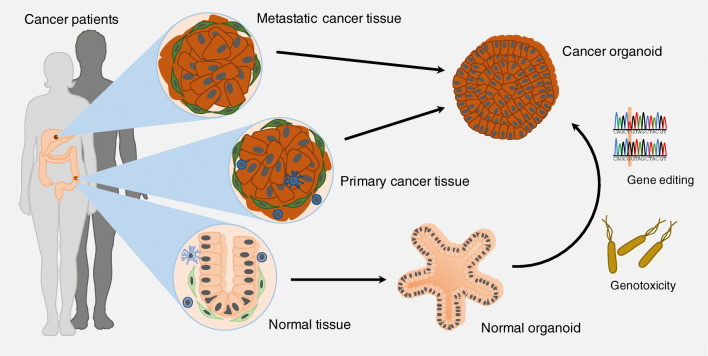
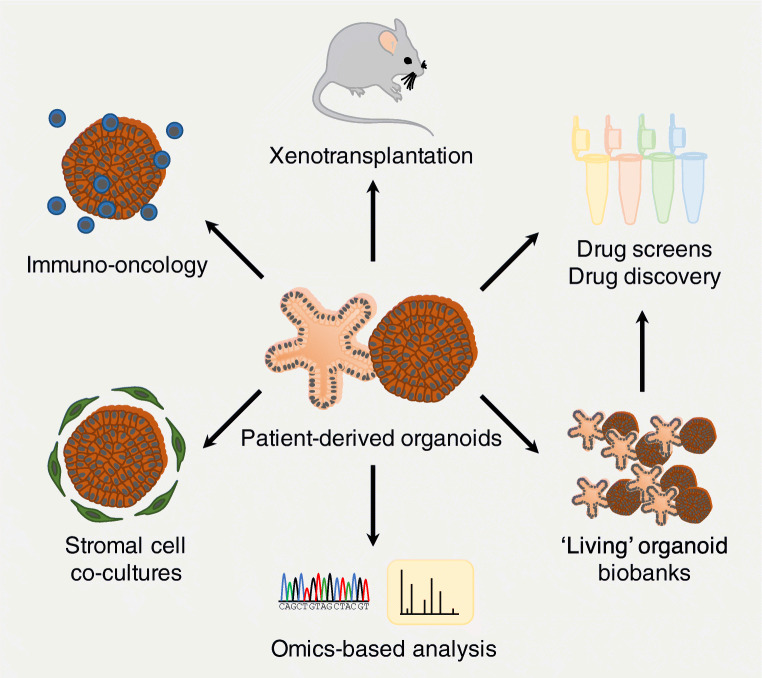
Organoid technology has rapidly transformed basic biomedical research and contributed to significant discoveries in the last decade. With the application of protocols to generate organoids from cancer tissue, organoid technology has opened up new opportunities for cancer research and therapy. Using organoid cultures derived from healthy tissues, different aspects of tumour initiation and progression are widely studied including the role of pathogens or specific cancer genes. Cancer organoid cultures, on the other hand, are applied to generate biobanks, perform drug screens, and study mutational signatures. With the incorporation of cellular components of the tumour microenvironment such as immune cells into the organoid cultures, the technology is now also exploited in the rapidly advancing field of immuno-oncology. In this review, I discuss how organoid technology is currently being utilised in cancer research and what obstacles are still to be overcome for its broader use in anti-cancer therapy.
Overview
The claims and statistics of this paper haven’t been checked yet.
Free: it reads the open-access text and checks the first 5 claims that cite a source we can check. Create a free account to check every claim.
Integrity signals
Registry
Cites
Statistics
Figures
Verification
Claims the paper makes
The claims and statistics of this paper haven’t been checked yet.
Free: it reads the open-access text and checks the first 5 claims that cite a source we can check. Create a free account to check every claim.
Claims other papers make about this one
Each is checked against this paper’s own text: does it say what the citing paper says it does?
In the citing paper
“Cancer organoids can reflect the heterogeneous structure of the tumor and preserve gene mutations of a specific cancer type, giving a reliable response to drugs in cytotoxicity assays.12”
From A layered cancer-on-a-chip system for anticancer drug screening and disease modeling (2023) · cites this paper as [12]
In the citing paper
“In contrast to organoids, the layered model is very versatile and can be widely used in drug screening.12”
From A layered cancer-on-a-chip system for anticancer drug screening and disease modeling (2023) · cites this paper as [12]
Self-check
Percentages, sums and reported differences re-computed from the paper’s own numbers.
The self-check needs the paper’s full text.
Citations
Cites
Hallmarks of Cancer: The Next Generation
Hanahan, D., & Weinberg, R. A. (2011) · Cell · doi:10.1016/j.cell.2011.02.013 · Cited by 66,590 · cited 4×
“On the other hand, an active immune response may suppress tumour growth and, therefore, cancer cells may develop means to avoid immune destruction [106].”
BackgroundInfluentialA genetic model for colorectal tumorigenesis
Fearon, E. R., & Vogelstein, B. (1990) · Cell · doi:10.1016/0092-8674(90)90186-i · Cited by 12,132 · cited 1×
“For instance, several studies have been published on the stepwise introduction of classical CRC driver mutations—APC, TP53, SMAD4, and KRAS—following the socalled Vogelgram cancer progression model [93].”
BackgroundSingle Lgr5 stem cells build crypt-villus structures in vitro without a mesenchymal niche
Sato, T., Vries, R. G., Snippert, H. J., van de Wetering, M., Barker, N., Stange, D. E., van Es, J. H., Abo, A., Kujala, P., Peters, P. J., et al. (2009) · Nature · doi:10.1038/nature07935 · Cited by 7,204 · cited 6×
“As such, it has also been possible to generate ASCenriched epithelial organoids from tissue pieces [11] or tissue pieces containing both epithelial and stromal cells [34].”
BackgroundInfluentialThe new frontier of genome engineering with CRISPR-Cas9
Doudna, J. A., & Charpentier, E. (2014) · Science · doi:10.1126/science.1258096 · Cited by 7,062
Wang, H., Naghavi, M., Allen, C., Barber, R. M., Bhutta, Z. A., Carter, A., Casey, D. C., Charlson, F. J., Chen, A. Z., Coates, M. M., et al. (2016) · The Lancet · doi:10.1016/s0140-6736(16)31012-1 · Cited by 6,596
Cerebral organoids model human brain development and microcephaly
Lancaster, M. A., Renner, M., Martin, C.-A., Wenzel, D., Bicknell, L. S., Hurles, M. E., Homfray, T., Penninger, J. M., Jackson, A. P., & Knoblich, J. A. (2013) · Nature · doi:10.1038/nature12517 · Cited by 5,372 · cited 1×
“PSC-derived organoids reflecting various types of tissues and organs including the brain [44], intestine [45], kidney [46, 47], and retina [48, 49] have been described.”
BackgroundNeoantigens in cancer immunotherapy
Schumacher, T. N., & Schreiber, R. D. (2015) · Science · doi:10.1126/science.aaa4971 · Cited by 4,783 · cited 1×
“Since high degree of neoantigen presentation is critical to elicit a robust antitumour immune response by antigen-specific T cells [109, 110], the authors chose organoids generated from specific subtypes of CRC and non-small cell lung cancer with a high mutational burden.”
BackgroundSato, T., Stange, D. E., Ferrante, M., Vries, R. G. J., van Es, J. H., van den Brink, S., van Houdt, W. J., Pronk, A., van Gorp, J., Siersema, P. D., et al. (2011) · Gastroenterology · doi:10.1053/j.gastro.2011.07.050 · Cited by 3,753 · cited 4×
“Therefore, pure CRC organoid cultures have been achieved by removal of Wnt pathway stimulants such as Wnt ligands and R-spondins from the growth medium [17, 72, 88].”
BackgroundInfluentialOrganoid Models and Applications in Biomedical Research
Xinaris, C., Brizi, V., & Remuzzi, G. (2015) · Nephron · doi:10.1159/000433566 · Cited by 3,515
Stratton, M. R., Campbell, P. J., & Futreal, P. A. (2009) · Nature · doi:10.1038/nature07943 · Cited by 3,449 · cited 2×
“While most of the DNA damage induced is being continuously repaired by one of the DNA repair pathways, errors in the DNA repair process may result in the gain ofmutations at a low frequency [52, 55].”
BackgroundModeling Development and Disease with Organoids
Clevers, H. (2016) · Cell · doi:10.1016/j.cell.2016.05.082 · Cited by 3,196 · cited 2×
“Another complementary approach is to generate organoids using pluripotent stem cells (PSCs), namely embryonic stem cells or induced pluripotent stem cells (iPSCs) (reviewed in [12, 13]).”
BackgroundInfluence of tumour micro-environment heterogeneity on therapeutic response
Junttila, M. R., & de Sauvage, F. J. (2013) · Nature · doi:10.1038/nature12626 · Cited by 2,694 · cited 9×
“The tumour microenvironment plays a critical role in tumour formation and progression (reviewed in [6]).”
BackgroundInfluentialProspective Derivation of a Living Organoid Biobank of Colorectal Cancer Patients
van de Wetering, M., Francies, H. E., Francis, J. M., Bounova, G., Iorio, F., Pronk, A., van Houdt, W., van Gorp, J., Taylor-Weiner, A., Kester, L., et al. (2015) · Cell · doi:10.1016/j.cell.2015.03.053 · Cited by 2,408 · cited 4×
“Therefore, pure CRC organoid cultures have been achieved by removal of Wnt pathway stimulants such as Wnt ligands and R-spondins from the growth medium [17, 72, 88].”
BackgroundInfluentialCrypt stem cells as the cells-of-origin of intestinal cancer
Barker, N., Ridgway, R. A., van Es, J. H., van de Wetering, M., Begthel, H., van den Born, M., Danenberg, E., Clarke, A. R., Sansom, O. J., & Clevers, H. (2009) · Nature · doi:10.1038/nature07602 · Cited by 2,166 · cited 1×
“The authors then showed that Ptgs2-expressing fibroblasts secreted prostaglandin E2 (PGE2), which promoted adenoma formation in the classical Apc tumour mouse model in vivo [116].”
BackgroundOrganoid models of human and mouse ductal pancreatic cancer
Boj, S. F., Hwang, C.-I., Baker, L. A., Chio, I. I. C., Engle, D. D., Corbo, V., Jager, M., Ponz-Sarvise, M., Tiriac, H., Spector, M. S., et al. (2015) · Cell · doi:10.1016/j.cell.2014.12.021 · Cited by 2,150 · cited 2×
“Establishment of cancer organoid cultures has been described for primary and/or metastatic tumour tissue sampled from the bladder [14, 69], brain [70, 71], breast [15], colon [17, 72–74], endometrium [18, 75], head and neck [25, 68], kidney [76, 77], liver [78], lung [23], oesophagus [17], ovaries [79, 80], pancreas […”
BackgroundPatient-derived organoids model treatment response of metastatic gastrointestinal cancers
Vlachogiannis, G., Hedayat, S., Vatsiou, A., Jamin, Y., Fernández-Mateos, J., Khan, K., Lampis, A., Eason, K., Huntingford, I., Burke, R., et al. (2018) · Science · doi:10.1126/science.aao2774 · Cited by 2,096 · cited 5×
“CRC, gastro-oesophageal cancer, and cholangiocarcinoma) [87].”
BackgroundResultInfluentialSelf-organizing optic-cup morphogenesis in three-dimensional culture
Eiraku, M., Takata, N., Ishibashi, H., Kawada, M., Sakakura, E., Okuda, S., Sekiguchi, K., Adachi, T., & Sasai, Y. (2011) · Nature · doi:10.1038/nature09941 · Cited by 2,001
Checkpoint blockade cancer immunotherapy targets tumour-specific mutant antigens
Gubin, M. M., Zhang, X., Schuster, H., Caron, E., Ward, J. P., Noguchi, T., Ivanova, Y., Hundal, J., Arthur, C. D., Krebber, W.-J., et al. (2014) · Nature · doi:10.1038/nature13988 · Cited by 1,974 · cited 1×
“Since high degree of neoantigen presentation is critical to elicit a robust antitumour immune response by antigen-specific T cells [109, 110], the authors chose organoids generated from specific subtypes of CRC and non-small cell lung cancer with a high mutational burden.”
BackgroundA living biobank of breast cancer organoids captures disease heterogeneity
Sachs, N., de Ligt, J., Kopper, O., Gogola, E., Bounova, G., Weeber, F., Balgobind, A. V., Wind, K., Gracanin, A., Begthel, H., et al. (2018) · Cell · doi:10.1016/j.cell.2017.11.010 · Cited by 1,973 · cited 2×
“Establishment of cancer organoid cultures has been described for primary and/or metastatic tumour tissue sampled from the bladder [14, 69], brain [70, 71], breast [15], colon [17, 72–74], endometrium [18, 75], head and neck [25, 68], kidney [76, 77], liver [78], lung [23], oesophagus [17], ovaries [79, 80], pancreas […”
BackgroundSnippert, H. J., van der Flier, L. G., Sato, T., van Es, J. H., van den Born, M., Kroon-Veenboer, C., Barker, N., Klein, A. M., van Rheenen, J., Simons, B. D., et al. (2010) · Cell · doi:10.1016/j.cell.2010.09.016 · Cited by 1,951 · cited 1×
“Here, clonal drift describes the process during which genetically diverse and polyclonal (cancer) organoid cultures reach a bottleneck with only one or a few dominant genetic clones surviving, as also seen in the homoeostatic small intestinal epithelium in vivo [91].”
BackgroundDirected differentiation of human pluripotent stem cells into intestinal tissue in vitro
Spence, J. R., Mayhew, C. N., Rankin, S. A., Kuhar, M. F., Vallance, J. E., Tolle, K., Hoskins, E. E., Kalinichenko, V. V., Wells, S. I., Zorn, A. M., et al. (2011) · Nature · doi:10.1038/nature09691 · Cited by 1,922 · cited 1×
“PSC-derived organoids reflecting various types of tissues and organs including the brain [44], intestine [45], kidney [46, 47], and retina [48, 49] have been described.”
BackgroundDrost, J., & Clevers, H. (2018) · Nature Reviews Cancer · doi:10.1038/s41568-018-0007-6 · Cited by 1,790 · cited 1×
“to human pathology and tumourigenesis (reviewed in [4, 5]).”
BackgroundLong-Term Culture of Genome-Stable Bipotent Stem Cells from Adult Human Liver
Huch, M., Gehart, H., van Boxtel, R., Hamer, K., Blokzijl, F., Verstegen, M. M. A., Ellis, E., van Wenum, M., Fuchs, S. A., de Ligt, J., et al. (2015) · Cell · doi:10.1016/j.cell.2014.11.050 · Cited by 1,619 · cited 1×
“1; reviewed in [12, 13]) such as the bladder [14], breast [15], colon (and rectum) [16, 17], endometrium [18], fallopian tubes [19], kidney [20], liver [21, 22], lung [23], oesophagus [24], oral mucosa [25], pancreas [26], prostate [27, 28], salivary gland [29], skin epidermis [30], stomach [31], and taste buds [32],…”
BackgroundOrganoid Cultures Derived from Patients with Advanced Prostate Cancer
Gao, D., Vela, I., Sboner, A., Iaquinta, P. J., Karthaus, W. R., Gopalan, A., Dowling, C., Wanjala, J. N., Undvall, E. A., Arora, V. K., et al. (2014) · Cell · doi:10.1016/j.cell.2014.08.016 · Cited by 1,559 · cited 3×
“ination with normal epithelial cells remains a problem, making organoid culture from some primary cancers such as prostate cancer very difficult [83].”
BackgroundOrganoid modeling of the tumor immune microenvironment
Neal, J. T., Li, X., Zhu, J., Giangarra, V., Grzeskowiak, C. L., Ju, J., Liu, I. H., Chiou, S.-H., Salahudeen, A. A., Smith, A. R., et al. (2018) · Cell · doi:10.1016/j.cell.2018.11.021 · Cited by 1,556 · cited 3×
“These ALI-based cultures could be established from various cancers such as CRC, lung cancer, head and neck cancer, and melanoma and also allowed for modelling of immune checkpoint blockade [114].”
BackgroundHuman primary liver cancer–derived organoid cultures for disease modeling and drug screening
Broutier, L., Mastrogiovanni, G., Verstegen, M. M., Francies, H. E., Gavarró, L. M., Bradshaw, C. R., Allen, G. E., Arnes-Benito, R., Sidorova, O., Gaspersz, M. P., et al. (2017) · Nature Medicine · doi:10.1038/nm.4438 · Cited by 1,471 · cited 1×
“Establishment of cancer organoid cultures has been described for primary and/or metastatic tumour tissue sampled from the bladder [14, 69], brain [70, 71], breast [15], colon [17, 72–74], endometrium [18, 75], head and neck [25, 68], kidney [76, 77], liver [78], lung [23], oesophagus [17], ovaries [79, 80], pancreas […”
BackgroundSelf-formation of optic cups and storable stratified neural retina from human ESCs
Nakano, T., Ando, S., Takata, N., Kawada, M., Muguruma, K., Sekiguchi, K., Saito, K., Yonemura, S., Eiraku, M., & Sasai, Y. (2012) · Cell stem cell · doi:10.1016/j.stem.2012.05.009 · Cited by 1,447 · cited 1×
“PSC-derived organoids reflecting various types of tissues and organs including the brain [44], intestine [45], kidney [46, 47], and retina [48, 49] have been described.”
BackgroundDesigner matrices for intestinal stem cell and organoid culture
Gjorevski, N., Sachs, N., Manfrin, A., Giger, S., Bragina, M. E., Ordóñez-Morán, P., Clevers, H., & Lutolf, M. P. (2016) · Nature · doi:10.1038/nature20168 · Cited by 1,426 · cited 1×
“Bioengineering approaches such as the development of hydrogels using artificial matrices [121] or the use of alternatives to conditioned media may help to overcome some of these limitations in the future [122].”
BackgroundWirbel, J., Pyl, P. T., Kartal, E., Zych, K., Kashani, A., Milanese, A., Fleck, J. S., Voigt, A. Y., Palleja, A., Ponnudurai, R., et al. (2019) · Nature Medicine · doi:10.1038/s41591-019-0406-6 · Cited by 1,373
Replication of human noroviruses in stem cell–derived human enteroids
Ettayebi, K., Crawford, S. E., Murakami, K., Broughman, J. R., Karandikar, U., Tenge, V. R., Neill, F. H., Blutt, S. E., Zeng, X.-L., Qu, L., et al. (2016) · Science · doi:10.1126/science.aaf5211 · Cited by 1,305 · cited 1×
“Other studies demonstrated, for example, that human noroviruses can replicate in human small intestinal organoid cultures [60]; that human papilloma viruses (HPV), described as oncogenic factors in subtypes of head and neck cancer [61], can infect human oral epithelial organoids [25]; and that the parasite Cryptospori…”
Single-cell messenger RNA sequencing reveals rare intestinal cell types
Grün, D., Lyubimova, A., Kester, L., Wiebrands, K., Basak, O., Sasaki, N., Clevers, H., & van Oudenaarden, A. (2015) · Nature · doi:10.1038/nature14966 · Cited by 1,234 · cited 1×
“single-cell transcriptomics [39], gene editing and tagging [40], (whole-mount) imaging [41], xenotransplantation [42], and co-culture with other cells such as immune cells (reviewed”
BackgroundMutational signature in colorectal cancer caused by genotoxic pks+ E. coli
Pleguezuelos-Manzano, C., Puschhof, J., Rosendahl Huber, A., van Hoeck, A., Wood, H. M., Nomburg, J., Gurjao, C., Manders, F., Dalmasso, G., Stege, P. B., et al. (2020) · Nature · doi:10.1038/s41586-020-2080-8 · Cited by 1,208 · cited 5×
“coli-induced mutational signatures were found in more than 20% of all CRC genomes analysed [63].”
BackgroundInfluentialDNA damage and the balance between survival and death in cancer biology
Roos, W. P., Thomas, A. D., & Kaina, B. (2016) · Nature Reviews Cancer · doi:10.1038/nrc.2015.2 · Cited by 1,189 · cited 1×
“While most of the DNA damage induced is being continuously repaired by one of the DNA repair pathways, errors in the DNA repair process may result in the gain ofmutations at a low frequency [52, 55].”
BackgroundEscherichia coli Induces DNA Double-Strand Breaks in Eukaryotic Cells
Nougayrède, J.-P., Homburg, S., Taieb, F., Boury, M., Brzuszkiewicz, E., Gottschalk, G., Buchrieser, C., Hacker, J., Dobrindt, U., & Oswald, E. (2006) · Science · doi:10.1126/science.1127059 · Cited by 1,188 · cited 1×
“In line with a previous report demonstrating that colibactin induces double-strand breaks in cultured cells [65], the authors found that organoids co-cultured with pks E.”
ResultJacob, F., Salinas, R. D., Zhang, D. Y., Nguyen, P. T. T., Schnoll, J. G., Wong, S. Z. H., Thokala, R., Sheikh, S., Saxena, D., Prokop, S., et al. (2020) · Cell · doi:10.1016/j.cell.2019.11.036 · Cited by 1,149 · cited 3×
“Establishment of cancer organoid cultures has been described for primary and/or metastatic tumour tissue sampled from the bladder [14, 69], brain [70, 71], breast [15], colon [17, 72–74], endometrium [18, 75], head and neck [25, 68], kidney [76, 77], liver [78], lung [23], oesophagus [17], ovaries [79, 80], pancreas […”
BackgroundModeling colorectal cancer using CRISPR-Cas9–mediated engineering of human intestinal organoids
Matano, M., Date, S., Shimokawa, M., Takano, A., Fujii, M., Ohta, Y., Watanabe, T., Kanai, T., & Sato, T. (2015) · Nature Medicine · doi:10.1038/nm.3802 · Cited by 1,135 · cited 1×
“Starting from patient-derived normal colon organoid cultures, the groups replicated key features of CRC progression, including independence of niche factors [88, 94], chromosome instability, aneuploidy, invasiveness [88], and ability to metastasise when the gene-edited quadruple mutated organoids were orthotopically t…”
BackgroundDijkstra, K. K., Cattaneo, C. M., Weeber, F., Chalabi, M., van de Haar, J., Fanchi, L. F., Slagter, M., van der Velden, D. L., Kaing, S., Kelderman, S., et al. (2018) · Cell · doi:10.1016/j.cell.2018.07.009 · Cited by 1,135 · cited 3×
“One such approach used cancer organoid co-cultures with peripheral blood mononuclear cells (PBMCs) to generate patient-specific tumour-reactive cytotoxic T cells [107, 108].”
BackgroundOrganoid Profiling Identifies Common Responders to Chemotherapy in Pancreatic Cancer
Tiriac, H., Belleau, P., Engle, D. D., Plenker, D., Deschênes, A., Somerville, T. D. D., Froeling, F. E. M., Burkhart, R. A., Denroche, R. E., Jang, G.-H., et al. (2018) · Cancer Discovery · doi:10.1158/2159-8290.cd-18-0349 · Cited by 1,092 · cited 2×
“Establishment of cancer organoid cultures has been described for primary and/or metastatic tumour tissue sampled from the bladder [14, 69], brain [70, 71], breast [15], colon [17, 72–74], endometrium [18, 75], head and neck [25, 68], kidney [76, 77], liver [78], lung [23], oesophagus [17], ovaries [79, 80], pancreas […”
BackgroundLong‐term expanding human airway organoids for disease modeling
Sachs, N., Papaspyropoulos, A., Zomer‐van Ommen, D. D., Heo, I., Böttinger, L., Klay, D., Weeber, F., Huelsz‐Prince, G., Iakobachvili, N., Amatngalim, G. D., et al. (2019) · The EMBO Journal · doi:10.15252/embj.2018100300 · Cited by 1,082
Sequential cancer mutations in cultured human intestinal stem cells
Drost, J., van Jaarsveld, R. H., Ponsioen, B., Zimberlin, C., van Boxtel, R., Buijs, A., Sachs, N., Overmeer, R. M., Offerhaus, G. J., Begthel, H., et al. (2015) · Nature · doi:10.1038/nature14415 · Cited by 1,067 · cited 5×
“specific growth factor independencies [73, 88].”
BackgroundInfluentialThomas, A. M., Manghi, P., Asnicar, F., Pasolli, E., Armanini, F., Zolfo, M., Beghini, F., Manara, S., Karcher, N., Pozzi, C., et al. (2019) · Nature Medicine · doi:10.1038/s41591-019-0405-7 · Cited by 1,030
A functional CFTR assay using primary cystic fibrosis intestinal organoids
Dekkers, J. F., Wiegerinck, C. L., de Jonge, H. R., Bronsveld, I., Janssens, H. M., de Winter-de Groot, K. M., Brandsma, A. M., de Jong, N. W. M., Bijvelds, M. J. C., Scholte, B. J., et al. (2013) · Nature Medicine · doi:10.1038/nm.3201 · Cited by 999 · cited 1×
“assay was developed using normal intestinal organoids generated from rectal biopsies of patients that allows for the prediction of patient response to CF drugs [101].”
MethodCystic fibrosis genetics: from molecular understanding to clinical application
Cutting, G. R. (2015) · Nature Reviews Genetics · doi:10.1038/nrg3849 · Cited by 965 · cited 1×
“CF is a monogenic disease caused by a wide spectrum of mutations in the cystic fibrosis transmembrane conductor regulator (CFTR) gene encoding a chloride ion transport channel [100].”
BackgroundPersonalized In Vitro and In Vivo Cancer Models to Guide Precision Medicine
Pauli, C., Hopkins, B. D., Prandi, D., Shaw, R., Fedrizzi, T., Sboner, A., Sailer, V., Augello, M., Puca, L., Rosati, R., et al. (2017) · Cancer Discovery · doi:10.1158/2159-8290.cd-16-1154 · Cited by 937
Tissue-specific mutation accumulation in human adult stem cells during life
Blokzijl, F., de Ligt, J., Jager, M., Sasselli, V., Roerink, S., Sasaki, N., Huch, M., Boymans, S., Kuijk, E., Prins, P., et al. (2016) · Nature · doi:10.1038/nature19768 · Cited by 935 · cited 2×
“genetically stable, reflecting their tissue of origin [36].”
BackgroundCancer modeling meets human organoid technology
Tuveson, D., & Clevers, H. (2019) · Science · doi:10.1126/science.aaw6985 · Cited by 935 · cited 1×
“to human pathology and tumourigenesis (reviewed in [4, 5]).”
BackgroundSustained in vitro intestinal epithelial culture within a Wnt-dependent stem cell niche
Ootani, A., Li, X., Sangiorgi, E., Ho, Q. T., Ueno, H., Toda, S., Sugihara, H., Fujimoto, K., Weissman, I. L., Capecchi, M. R., et al. (2009) · Nature Medicine · doi:10.1038/nm.1951 · Cited by 906 · cited 1×
“As such, it has also been possible to generate ASCenriched epithelial organoids from tissue pieces [11] or tissue pieces containing both epithelial and stromal cells [34].”
BackgroundPathobiology of Helicobacter pylori–Induced Gastric Cancer
Amieva, M., & Peek, R. M. (2016) · Gastroenterology · doi:10.1053/j.gastro.2015.09.004 · Cited by 895
Tumor Evolution and Drug Response in Patient-Derived Organoid Models of Bladder Cancer
Lee, S. H., Hu, W., Matulay, J. T., Silva, M. V., Owczarek, T. B., Kim, K., Chua, C. W., Barlow, L. J., Kandoth, C., Williams, A. B., et al. (2018) · Cell · doi:10.1016/j.cell.2018.03.017 · Cited by 873 · cited 1×
“Establishment of cancer organoid cultures has been described for primary and/or metastatic tumour tissue sampled from the bladder [14, 69], brain [70, 71], breast [15], colon [17, 72–74], endometrium [18, 75], head and neck [25, 68], kidney [76, 77], liver [78], lung [23], oesophagus [17], ovaries [79, 80], pancreas […”
BackgroundTaguchi, A., Kaku, Y., Ohmori, T., Sharmin, S., Ogawa, M., Sasaki, H., & Nishinakamura, R. (2014) · Cell Stem Cell · doi:10.1016/j.stem.2013.11.010 · Cited by 865 · cited 1×
“PSC-derived organoids reflecting various types of tissues and organs including the brain [44], intestine [45], kidney [46, 47], and retina [48, 49] have been described.”
BackgroundFujii, M., Shimokawa, M., Date, S., Takano, A., Matano, M., Nanki, K., Ohta, Y., Toshimitsu, K., Nakazato, Y., Kawasaki, K., et al. (2016) · Cell Stem Cell · doi:10.1016/j.stem.2016.04.003 · Cited by 852 · cited 1×
“specific growth factor independencies [73, 88].”
Long-Term Expansion of Functional Mouse and Human Hepatocytes as 3D Organoids
Hu, H., Gehart, H., Artegiani, B., LÖpez-Iglesias, C., Dekkers, F., Basak, O., van Es, J., Chuva de Sousa Lopes, S. M., Begthel, H., Korving, J., et al. (2018) · Cell · doi:10.1016/j.cell.2018.11.013 · Cited by 837 · cited 1×
“1; reviewed in [12, 13]) such as the bladder [14], breast [15], colon (and rectum) [16, 17], endometrium [18], fallopian tubes [19], kidney [20], liver [21, 22], lung [23], oesophagus [24], oral mucosa [25], pancreas [26], prostate [27, 28], salivary gland [29], skin epidermis [30], stomach [31], and taste buds [32],…”
BackgroundAn organoid platform for ovarian cancer captures intra- and interpatient heterogeneity
Kopper, O., de Witte, C. J., Lõhmussaar, K., Valle-Inclan, J. E., Hami, N., Kester, L., Balgobind, A. V., Korving, J., Proost, N., Begthel, H., et al. (2019) · Nature Medicine · doi:10.1038/s41591-019-0422-6 · Cited by 834 · cited 4×
“Establishment of cancer organoid cultures has been described for primary and/or metastatic tumour tissue sampled from the bladder [14, 69], brain [70, 71], breast [15], colon [17, 72–74], endometrium [18, 75], head and neck [25, 68], kidney [76, 77], liver [78], lung [23], oesophagus [17], ovaries [79, 80], pancreas […”
BackgroundInfluentialIn Vitro Expansion of Human Gastric Epithelial Stem Cells and Their Responses to Bacterial Infection
Bartfeld, S., Bayram, T., van de Wetering, M., Huch, M., Begthel, H., Kujala, P., Vries, R., Peters, P. J., & Clevers, H. (2015) · Gastroenterology · doi:10.1053/j.gastro.2014.09.042 · Cited by 820 · cited 2×
“For instance, gastric organoids have been cultured with Helicobacter pylori [31], a known pathogen populating the stomach that has long been”
BackgroundOoft, S. N., Weeber, F., Dijkstra, K. K., McLean, C. M., Kaing, S., van Werkhoven, E., Schipper, L., Hoes, L., Vis, D. J., van de Haar, J., et al. (2019) · Science Translational Medicine · doi:10.1126/scitranslmed.aay2574 · Cited by 813 · cited 2×
“However, robustness, reproducibility, and applicability of the assays to different cancer types still require further assessment before cancer organoid-based drug (or small molecule) screenings may be more broadly used for personalised medicine approaches [68, 87, 104, 105].”
BackgroundResultPatient-derived lung cancer organoids as in vitro cancer models for therapeutic screening
Kim, M., Mun, H., Sung, C. O., Cho, E. J., Jeon, H.-J., Chun, S.-M., Jung, D. J., Shin, T. H., Jeong, G. S., Kim, D. K., et al. (2019) · Nature Communications · doi:10.1038/s41467-019-11867-6 · Cited by 812
Long-term, hormone-responsive organoid cultures of human endometrium in a chemically defined medium
Turco, M. Y., Gardner, L., Hughes, J., Cindrova-Davies, T., Gomez, M. J., Farrell, L., Hollinshead, M., Marsh, S. G. E., Brosens, J. J., Critchley, H. O., et al. (2017) · Nature Cell Biology · doi:10.1038/ncb3516 · Cited by 789 · cited 2×
“Establishment of cancer organoid cultures has been described for primary and/or metastatic tumour tissue sampled from the bladder [14, 69], brain [70, 71], breast [15], colon [17, 72–74], endometrium [18, 75], head and neck [25, 68], kidney [76, 77], liver [78], lung [23], oesophagus [17], ovaries [79, 80], pancreas […”
BackgroundPatient-Derived Organoids Predict Chemoradiation Responses of Locally Advanced Rectal Cancer
Yao, Y., Xu, X., Yang, L., Zhu, J., Wan, J., Shen, L., Xia, F., Fu, G., Deng, Y., Pan, M., et al. (2020) · Cell Stem Cell · doi:10.1016/j.stem.2019.10.010 · Cited by 755 · cited 2×
“Establishment of cancer organoid cultures has been described for primary and/or metastatic tumour tissue sampled from the bladder [14, 69], brain [70, 71], breast [15], colon [17, 72–74], endometrium [18, 75], head and neck [25, 68], kidney [76, 77], liver [78], lung [23], oesophagus [17], ovaries [79, 80], pancreas […”
BackgroundIdentification of Multipotent Luminal Progenitor Cells in Human Prostate Organoid Cultures
Karthaus, W. R., Iaquinta, P. J., Drost, J., Gracanin, A., van Boxtel, R., Wongvipat, J., Dowling, C. M., Gao, D., Begthel, H., Sachs, N., et al. (2014) · Cell · doi:10.1016/j.cell.2014.08.017 · Cited by 727 · cited 1×
“1; reviewed in [12, 13]) such as the bladder [14], breast [15], colon (and rectum) [16, 17], endometrium [18], fallopian tubes [19], kidney [20], liver [21, 22], lung [23], oesophagus [24], oral mucosa [25], pancreas [26], prostate [27, 28], salivary gland [29], skin epidermis [30], stomach [31], and taste buds [32],…”
BackgroundYan, H. H. N., Siu, H. C., Law, S., Ho, S. L., Yue, S. S. K., Tsui, W. Y., Chan, D., Chan, A. S., Ma, S., Lam, K. O., et al. (2018) · Cell Stem Cell · doi:10.1016/j.stem.2018.09.016 · Cited by 724
Takasato, M., Er, P. X., Becroft, M., Vanslambrouck, J. M., Stanley, E. G., Elefanty, A. G., & Little, M. H. (2014) · Nature Cell Biology · doi:10.1038/ncb2894 · Cited by 720 · cited 1×
“PSC-derived organoids reflecting various types of tissues and organs including the brain [44], intestine [45], kidney [46, 47], and retina [48, 49] have been described.”
BackgroundIsolation and in vitro expansion of human colonic stem cells
Jung, P., Sato, T., Merlos-Suárez, A., Barriga, F. M., Iglesias, M., Rossell, D., Auer, H., Gallardo, M., Blasco, M. A., Sancho, E., et al. (2011) · Nature Medicine · doi:10.1038/nm.2470 · Cited by 709 · cited 2×
“Interestingly, PGE2 is a critical component of the growth factor cocktail for human intestinal organoid culture promoting stem cell proliferation and formation of the very characteristic cystic spheroids [16, 17].”
BackgroundHubert, C. G., Rivera, M., Spangler, L. C., Wu, Q., Mack, S. C., Prager, B. C., Couce, M., McLendon, R. E., Sloan, A. E., & Rich, J. N. (2016) · Cancer Research · doi:10.1158/0008-5472.can-15-2402 · Cited by 663 · cited 1×
“Establishment of cancer organoid cultures has been described for primary and/or metastatic tumour tissue sampled from the bladder [14, 69], brain [70, 71], breast [15], colon [17, 72–74], endometrium [18, 75], head and neck [25, 68], kidney [76, 77], liver [78], lung [23], oesophagus [17], ovaries [79, 80], pancreas […”
BackgroundEstablishment of patient-derived cancer organoids for drug-screening applications
Driehuis, E., Kretzschmar, K., & Clevers, H. (2020) · Nature Protocols · doi:10.1038/s41596-020-0379-4 · Cited by 654 · cited 5×
“hydrogels (such as Matrigel, BME, Geltrex) or bovine-derived foetal calf serum or bovine serum in growth factor-conditioned media [68].”
BackgroundInfluentialSelf-citationSeino, T., Kawasaki, S., Shimokawa, M., Tamagawa, H., Toshimitsu, K., Fujii, M., Ohta, Y., Matano, M., Nanki, K., Kawasaki, K., et al. (2018) · Cell Stem Cell · doi:10.1016/j.stem.2017.12.009 · Cited by 631 · cited 6×
“aggressive [81], which suggests that PDACs dependent on Wnt supplementation by CAFs may represent an initial stage”
BackgroundResultInfluentialNiche-independent high-purity cultures of Lgr5+ intestinal stem cells and their progeny
Yin, X., Farin, H. F., van Es, J. H., Clevers, H., Langer, R., & Karp, J. M. (2014) · Nature Methods · doi:10.1038/nmeth.2737 · Cited by 574
A rectal cancer organoid platform to study individual responses to chemoradiation
Ganesh, K., Wu, C., O’Rourke, K. P., Szeglin, B. C., Zheng, Y., Sauvé, C.-E. G., Adileh, M., Wasserman, I., Marco, M. R., Kim, A. S., et al. (2019) · Nature Medicine · doi:10.1038/s41591-019-0584-2 · Cited by 569
Self-organization and symmetry breaking in intestinal organoid development
Serra, D., Mayr, U., Boni, A., Lukonin, I., Rempfler, M., Challet Meylan, L., Stadler, M. B., Strnad, P., Papasaikas, P., Vischi, D., et al. (2019) · Nature · doi:10.1038/s41586-019-1146-y · Cited by 561 · cited 1×
“cells, most prominently seen in the crypt–villus differentiation observed in murine small intestinal organoids [11, 35] or stratification and cornification described for murine skin epider-”
BackgroundIntra-tumour diversification in colorectal cancer at the single-cell level
Roerink, S. F., Sasaki, N., Lee-Six, H., Young, M. D., Alexandrov, L. B., Behjati, S., Mitchell, T. J., Grossmann, S., Lightfoot, H., Egan, D. A., et al. (2018) · Nature · doi:10.1038/s41586-018-0024-3 · Cited by 551 · cited 3×
“Another study generated clonal organoid lines from several locations within CRC tissue as well as from adjacent normal colorectal epithelium from three different patients and analysed genome, epigenome, and transcriptome of each line [89].”
BackgroundInfluentialDekkers, J. F., Berkers, G., Kruisselbrink, E., Vonk, A., de Jonge, H. R., Janssens, H. M., Bronsveld, I., van de Graaf, E. A., Nieuwenhuis, E. E. S., Houwen, R. H. J., et al. (2016) · Science Translational Medicine · doi:10.1126/scitranslmed.aad8278 · Cited by 548 · cited 1×
“proof-of-concept, several further studies validated the suitability of the drug testing platform utilising organoid cultures [102, 103].”
BackgroundHigh-resolution 3D imaging of fixed and cleared organoids
Dekkers, J. F., Alieva, M., Wellens, L. M., Ariese, H. C. R., Jamieson, P. R., Vonk, A. M., Amatngalim, G. D., Hu, H., Oost, K. C., Snippert, H. J. G., et al. (2019) · Nature Protocols · doi:10.1038/s41596-019-0160-8 · Cited by 539 · cited 1×
“single-cell transcriptomics [39], gene editing and tagging [40], (whole-mount) imaging [41], xenotransplantation [42], and co-culture with other cells such as immune cells (reviewed”
BackgroundVisualization of a short-range Wnt gradient in the intestinal stem-cell niche
Farin, H. F., Jordens, I., Mosa, M. H., Basak, O., Korving, J., Tauriello, D. V. F., de Punder, K., Angers, S., Peters, P. J., Maurice, M. M., et al. (2016) · Nature · doi:10.1038/nature16937 · Cited by 525 · cited 1×
“In this co-culture system, Wnt-dependent PDAC organoids formed in the absence of Wnt supplementation [81], as Wnt3A was provided by the CAFs in short range to PDAC cells, in line with earlier studies describing a short-range Wnt gradient in intestinal organoids [120].”
ResultBoretto, M., Maenhoudt, N., Luo, X., Hennes, A., Boeckx, B., Bui, B., Heremans, R., Perneel, L., Kobayashi, H., Van Zundert, I., et al. (2019) · Nature Cell Biology · doi:10.1038/s41556-019-0360-z · Cited by 503 · cited 1×
“Establishment of cancer organoid cultures has been described for primary and/or metastatic tumour tissue sampled from the bladder [14, 69], brain [70, 71], breast [15], colon [17, 72–74], endometrium [18, 75], head and neck [25, 68], kidney [76, 77], liver [78], lung [23], oesophagus [17], ovaries [79, 80], pancreas […”
BackgroundWeeber, F., van de Wetering, M., Hoogstraat, M., Dijkstra, K. K., Krijgsman, O., Kuilman, T., Gadellaa-van Hooijdonk, C. G. M., van der Velden, D. L., Peeper, D. S., Cuppen, E. P. J. G., et al. (2015) · Proceedings of the National Academy of Sciences · doi:10.1073/pnas.1516689112 · Cited by 482
Organoids: Modeling Development and the Stem Cell Niche in a Dish
Kretzschmar, K., & Clevers, H. (2016) · Developmental Cell · doi:10.1016/j.devcel.2016.08.014 · Cited by 479 · cited 2×
“Another complementary approach is to generate organoids using pluripotent stem cells (PSCs), namely embryonic stem cells or induced pluripotent stem cells (iPSCs) (reviewed in [12, 13]).”
BackgroundSelf-citationDrost, J., van Boxtel, R., Blokzijl, F., Mizutani, T., Sasaki, N., Sasselli, V., de Ligt, J., Behjati, S., Grolleman, J. E., van Wezel, T., et al. (2017) · Science · doi:10.1126/science.aao3130 · Cited by 461 · cited 2×
“CRISPR–Cas9 gene editing of human colon organoids has further been applied to investigate the role of mutations in DNA mismatch repair genes such as MLH1 [96] or BRAFV600E mutations [97] in CRC.”
BackgroundThe Notch and Wnt pathways regulate stemness and differentiation in human fallopian tube organoids
Kessler, M., Hoffmann, K., Brinkmann, V., Thieck, O., Jackisch, S., Toelle, B., Berger, H., Mollenkopf, H.-J., Mangler, M., Sehouli, J., et al. (2015) · Nature Communications · doi:10.1038/ncomms9989 · Cited by 459 · cited 1×
“1; reviewed in [12, 13]) such as the bladder [14], breast [15], colon (and rectum) [16, 17], endometrium [18], fallopian tubes [19], kidney [20], liver [21, 22], lung [23], oesophagus [24], oral mucosa [25], pancreas [26], prostate [27, 28], salivary gland [29], skin epidermis [30], stomach [31], and taste buds [32],…”
BackgroundPancreatic cancer organoids recapitulate disease and allow personalized drug screening
Driehuis, E., van Hoeck, A., Moore, K., Kolders, S., Francies, H. E., Gulersonmez, M. C., Stigter, E. C. A., Burgering, B., Geurts, V., Gracanin, A., et al. (2019) · Proceedings of the National Academy of Sciences · doi:10.1073/pnas.1911273116 · Cited by 459
Prediction of DNA Repair Inhibitor Response in Short-Term Patient-Derived Ovarian Cancer Organoids
Hill, S. J., Decker, B., Roberts, E. A., Horowitz, N. S., Muto, M. G., Worley, M. J., Feltmate, C. M., Nucci, M. R., Swisher, E. M., Nguyen, H., et al. (2018) · Cancer Discovery · doi:10.1158/2159-8290.cd-18-0474 · Cited by 452 · cited 1×
“Establishment of cancer organoid cultures has been described for primary and/or metastatic tumour tissue sampled from the bladder [14, 69], brain [70, 71], breast [15], colon [17, 72–74], endometrium [18, 75], head and neck [25, 68], kidney [76, 77], liver [78], lung [23], oesophagus [17], ovaries [79, 80], pancreas […”
BackgroundTubuloids derived from human adult kidney and urine for personalized disease modeling
Schutgens, F., Rookmaaker, M. B., Margaritis, T., Rios, A., Ammerlaan, C., Jansen, J., Gijzen, L., Vormann, M., Vonk, A., Viveen, M., et al. (2019) · Nature Biotechnology · doi:10.1038/s41587-019-0048-8 · Cited by 449 · cited 1×
“1; reviewed in [12, 13]) such as the bladder [14], breast [15], colon (and rectum) [16, 17], endometrium [18], fallopian tubes [19], kidney [20], liver [21, 22], lung [23], oesophagus [24], oral mucosa [25], pancreas [26], prostate [27, 28], salivary gland [29], skin epidermis [30], stomach [31], and taste buds [32],…”
BackgroundOncogenic transformation of diverse gastrointestinal tissues in primary organoid culture
Li, X., Nadauld, L., Ootani, A., Corney, D. C., Pai, R. K., Gevaert, O., Cantrell, M. A., Rack, P. G., Neal, J. T., Chan, C. W.-M., et al. (2014) · Nature Medicine · doi:10.1038/nm.3585 · Cited by 442 · cited 1×
“Probing the role of (cancer) gene mutations in organoids Epithelial organoid cultures are amendable to gene editing via different genetical tools, including CRISPR–Cas9 and RNAi [30, 40, 90, 92].”
BackgroundPatient-derived orthotopic xenografts: better mimic of metastasis than subcutaneous xenografts
Hoffman, R. M. (2015) · Nature Reviews Cancer · doi:10.1038/nrc3972 · Cited by 425 · cited 2×
“PDTXs are generated by transplanting primary patient tumour material into immunocompromised mice [8].”
BackgroundNature and nurture – lessons from chemical carcinogenesis
Luch, A. (2005) · Nature Reviews Cancer · doi:10.1038/nrc1546 · Cited by 421
Tumor organoid–T-cell coculture systems
Cattaneo, C. M., Dijkstra, K. K., Fanchi, L. F., Kelderman, S., Kaing, S., van Rooij, N., van den Brink, S., Schumacher, T. N., & Voest, E. E. (2020) · Nature Protocols · doi:10.1038/s41596-019-0232-9 · Cited by 410 · cited 1×
“One such approach used cancer organoid co-cultures with peripheral blood mononuclear cells (PBMCs) to generate patient-specific tumour-reactive cytotoxic T cells [107, 108].”
Oral Mucosal Organoids as a Potential Platform for Personalized Cancer Therapy
Driehuis, E., Kolders, S., Spelier, S., Lõhmussaar, K., Willems, S. M., Devriese, L. A., de Bree, R., de Ruiter, E. J., Korving, J., Begthel, H., et al. (2019) · Cancer Discovery · doi:10.1158/2159-8290.cd-18-1522 · Cited by 408
Surrogate Wnt agonists that phenocopy canonical Wnt and β-catenin signalling
Janda, C. Y., Dang, L. T., You, C., Chang, J., de Lau, W., Zhong, Z. A., Yan, K. S., Marecic, O., Siepe, D., Li, X., et al. (2017) · Nature · doi:10.1038/nature22306 · Cited by 403
Xenograft and organoid model systems in cancer research
Bleijs, M., van de Wetering, M., Clevers, H., & Drost, J. (2019) · The EMBO Journal · doi:10.15252/embj.2019101654 · Cited by 400
Cheon, D.-J., & Orsulic, S. (2011) · Annual Review of Pathology: Mechanisms of Disease · doi:10.1146/annurev.pathol.3.121806.154244 · Cited by 395 · cited 1×
“For instance, animal cancer models, in particular genetically engineered mouse models (GEMMs), have provided significant insights into the cellular and genetic basis of cancer [3].”
BackgroundModelling Cryptosporidium infection in human small intestinal and lung organoids
Heo, I., Dutta, D., Schaefer, D. A., Iakobachvili, N., Artegiani, B., Sachs, N., Boonekamp, K. E., Bowden, G., Hendrickx, A. P. A., Willems, R. J. L., et al. (2018) · Nature Microbiology · doi:10.1038/s41564-018-0177-8 · Cited by 389 · cited 1×
“Other studies demonstrated, for example, that human noroviruses can replicate in human small intestinal organoid cultures [60]; that human papilloma viruses (HPV), described as oncogenic factors in subtypes of head and neck cancer [61], can infect human oral epithelial organoids [25]; and that the parasite Cryptospori…”
Organoid cultures for the analysis of cancer phenotypes
Sachs, N., & Clevers, H. (2014) · Current Opinion in Genetics & Development · doi:10.1016/j.gde.2013.11.012 · Cited by 371 · cited 1×
“clones) can be maintained in culture long-term, which are frequently genetically instable [6, 7].”
BackgroundOrganoids in immunological research
Bar-Ephraim, Y. E., Kretzschmar, K., & Clevers, H. (2020) · Nature Reviews Immunology · doi:10.1038/s41577-019-0248-y · Cited by 361 · cited 1×
“While some in vitro approaches have been developed to incorporate cells of the tumour microenvironment such as immune cells and fibroblasts into the cancer organoid culture [43, 107, 112, 114, 115], existing methods need further improvement and incorporation of more (non-epithelial) cell types.”
BackgroundSelf-citationGenome sequencing of normal cells reveals developmental lineages and mutational processes
Behjati, S., Huch, M., van Boxtel, R., Karthaus, W., Wedge, D. C., Tamuri, A. U., Martincorena, I., Petljak, M., Alexandrov, L. B., Gundem, G., et al. (2014) · Nature · doi:10.1038/nature13448 · Cited by 357
3D model for CAR‐mediated cytotoxicity using patient‐derived colorectal cancer organoids
Schnalzger, T. E., de Groot, M. H., Zhang, C., Mosa, M. H., Michels, B. E., Röder, J., Darvishi, T., Wels, W. S., & Farin, H. F. (2019) · The EMBO Journal · doi:10.15252/embj.2018100928 · Cited by 354 · cited 3×
“The first group generated chimeric antigen receptorengineered natural killer cells recognising the antigens of choice [112], while the second group generated T cell receptor”
BackgroundSingle luminal epithelial progenitors can generate prostate organoids in culture
Chua, C. W., Shibata, M., Lei, M., Toivanen, R., Barlow, L. J., Bergren, S. K., Badani, K. K., McKiernan, J. M., Benson, M. C., Hibshoosh, H., et al. (2014) · Nature Cell Biology · doi:10.1038/ncb3047 · Cited by 351 · cited 1×
“1; reviewed in [12, 13]) such as the bladder [14], breast [15], colon (and rectum) [16, 17], endometrium [18], fallopian tubes [19], kidney [20], liver [21, 22], lung [23], oesophagus [24], oral mucosa [25], pancreas [26], prostate [27, 28], salivary gland [29], skin epidermis [30], stomach [31], and taste buds [32],…”
BackgroundExamining the utility of patient-derived xenograft mouse models
Aparicio, S., Hidalgo, M., & Kung, A. L. (2015) · Nature Reviews Cancer · doi:10.1038/nrc3944 · Cited by 345
Schütte, M., Risch, T., Abdavi-Azar, N., Boehnke, K., Schumacher, D., Keil, M., Yildiriman, R., Jandrasits, C., Borodina, T., Amstislavskiy, V., et al. (2017) · Nature Communications · doi:10.1038/ncomms14262 · Cited by 339
Human tissues in a dish: The research and ethical implications of organoid technology
Bredenoord, A. L., Clevers, H., & Knoblich, J. A. (2017) · Science · doi:10.1126/science.aaf9414 · Cited by 334
Divergent Routes toward Wnt and R-spondin Niche Independency during Human Gastric Carcinogenesis
Nanki, K., Toshimitsu, K., Takano, A., Fujii, M., Shimokawa, M., Ohta, Y., Matano, M., Seino, T., Nishikori, S., Ishikawa, K., et al. (2018) · Cell · doi:10.1016/j.cell.2018.07.027 · Cited by 332 · cited 1×
“Establishment of cancer organoid cultures has been described for primary and/or metastatic tumour tissue sampled from the bladder [14, 69], brain [70, 71], breast [15], colon [17, 72–74], endometrium [18, 75], head and neck [25, 68], kidney [76, 77], liver [78], lung [23], oesophagus [17], ovaries [79, 80], pancreas […”
BackgroundHuman gastric cancer modelling using organoids
Seidlitz, T., Merker, S. R., Rothe, A., Zakrzewski, F., von Neubeck, C., Grützmann, K., Sommer, U., Schweitzer, C., Schölch, S., Uhlemann, H., et al. (2019) · Gut · doi:10.1136/gutjnl-2017-314549 · Cited by 328
Ward, E. M., Sherman, R. L., Henley, S. J., Jemal, A., Siegel, D. A., Feuer, E. J., Firth, A. U., Kohler, B. A., Scott, S., Ma, J., et al. (2019) · JNCI: Journal of the National Cancer Institute · doi:10.1093/jnci/djz106 · Cited by 323 · cited 1×
“For example in the USA, incidences of the prominent cancer types of lung or colorectal cancer are decreasing partially due to increased knowledge on cancer biology and, hence, improved prevention, while incidence rates of other cancer types such as liver or oral cancers are increasing [2].”
BackgroundAn organoid biobank for childhood kidney cancers that captures disease and tissue heterogeneity
Calandrini, C., Schutgens, F., Oka, R., Margaritis, T., Candelli, T., Mathijsen, L., Ammerlaan, C., van Ineveld, R. L., Derakhshan, S., de Haan, S., et al. (2020) · Nature Communications · doi:10.1038/s41467-020-15155-6 · Cited by 305 · cited 3×
“Establishment of cancer organoid cultures has been described for primary and/or metastatic tumour tissue sampled from the bladder [14, 69], brain [70, 71], breast [15], colon [17, 72–74], endometrium [18, 75], head and neck [25, 68], kidney [76, 77], liver [78], lung [23], oesophagus [17], ovaries [79, 80], pancreas […”
Backgroundde Witte, C. J., Espejo Valle-Inclan, J., Hami, N., Lõhmussaar, K., Kopper, O., Vreuls, C. P. H., Jonges, G. N., van Diest, P., Nguyen, L., Clevers, H., et al. (2020) · Cell Reports · doi:10.1016/j.celrep.2020.107762 · Cited by 303
Artegiani, B., Hendriks, D., Beumer, J., Kok, R., Zheng, X., Joore, I., Chuva de Sousa Lopes, S., van Zon, J., Tans, S., & Clevers, H. (2020) · Nature Cell Biology · doi:10.1038/s41556-020-0472-5 · Cited by 301 · cited 3×
“Probing the role of (cancer) gene mutations in organoids Epithelial organoid cultures are amendable to gene editing via different genetical tools, including CRISPR–Cas9 and RNAi [30, 40, 90, 92].”
BackgroundParacrine orchestration of intestinal tumorigenesis by a mesenchymal niche
Roulis, M., Kaklamanos, A., Schernthanner, M., Bielecki, P., Zhao, J., Kaffe, E., Frommelt, L.-S., Qu, R., Knapp, M. S., Henriques, A., et al. (2020) · Nature · doi:10.1038/s41586-020-2166-3 · Cited by 295 · cited 4×
“on murine intestinal organoids, the effect of PGE2 on human colon organoid cultures could also be blocked by PTGER4 inhibition [115], suggesting a conservation of the mechanism”
BackgroundInfluentialProstaglandin E2 Promotes Colorectal Cancer Stem Cell Expansion and Metastasis in Mice
Wang, D., Fu, L., Sun, H., Guo, L., & DuBois, R. N. (2015) · Gastroenterology · doi:10.1053/j.gastro.2015.07.064 · Cited by 292 · cited 5×
“The authors then showed that Ptgs2-expressing fibroblasts secreted prostaglandin E2 (PGE2), which promoted adenoma formation in the classical ApcMin/+ tumour mouse model in vivo [116].”
BackgroundInfluentialMouse and human urothelial cancer organoids: A tool for bladder cancer research
Mullenders, J., de Jongh, E., Brousali, A., Roosen, M., Blom, J. P. A., Begthel, H., Korving, J., Jonges, T., Kranenburg, O., Meijer, R., et al. (2019) · Proceedings of the National Academy of Sciences · doi:10.1073/pnas.1803595116 · Cited by 277 · cited 2×
“Establishment of cancer organoid cultures has been described for primary and/or metastatic tumour tissue sampled from the bladder [14, 69], brain [70, 71], breast [15], colon [17, 72–74], endometrium [18, 75], head and neck [25, 68], kidney [76, 77], liver [78], lung [23], oesophagus [17], ovaries [79, 80], pancreas […”
BackgroundTargeting mutant RAS in patient-derived colorectal cancer organoids by combinatorial drug screening
Verissimo, C. S., Overmeer, R. M., Ponsioen, B., Drost, J., Mertens, S., Verlaan-Klink, I., Gerwen, B. V., van der Ven, M., Wetering, M. V. D., Egan, D. A., et al. (2016) · eLife · doi:10.7554/elife.18489 · Cited by 263
Fumagalli, A., Drost, J., Suijkerbuijk, S. J. E., van Boxtel, R., de Ligt, J., Offerhaus, G. J., Begthel, H., Beerling, E., Tan, E. H., Sansom, O. J., et al. (2017) · Proceedings of the National Academy of Sciences · doi:10.1073/pnas.1701219114 · Cited by 258 · cited 2×
“Starting from patient-derived normal colon organoid cultures, the groups replicated key features of CRC progression, including independence of niche factors [88, 94], chromosome instability, aneuploidy, invasiveness [88], and ability to metastasise when the gene-edited quadruple mutated organoids were orthotopically t…”
BackgroundLong-Term In Vitro Expansion of Salivary Gland Stem Cells Driven by Wnt Signals
Maimets, M., Rocchi, C., Bron, R., Pringle, S., Kuipers, J., Giepmans, B. N. G., Vries, R. G. J., Clevers, H., de Haan, G., van Os, R., et al. (2016) · Stem Cell Reports · doi:10.1016/j.stemcr.2015.11.009 · Cited by 235
Establishment of Patient-Derived Organoids and Drug Screening for Biliary Tract Carcinoma
Saito, Y., Muramatsu, T., Kanai, Y., Ojima, H., Sukeda, A., Hiraoka, N., Arai, E., Sugiyama, Y., Matsuzaki, J., Uchida, R., et al. (2019) · Cell Reports · doi:10.1016/j.celrep.2019.03.088 · Cited by 230
DeWard, A. D., Cramer, J., & Lagasse, E. (2014) · Cell Reports · doi:10.1016/j.celrep.2014.09.027 · Cited by 227 · cited 1×
“1; reviewed in [12, 13]) such as the bladder [14], breast [15], colon (and rectum) [16, 17], endometrium [18], fallopian tubes [19], kidney [20], liver [21, 22], lung [23], oesophagus [24], oral mucosa [25], pancreas [26], prostate [27, 28], salivary gland [29], skin epidermis [30], stomach [31], and taste buds [32],…”
BackgroundA causal role for human papillomavirus in head and neck cancer
Gillison, M., & Lowy, D. (2004) · The Lancet · doi:10.1016/s0140-6736(04)16194-1 · Cited by 226 · cited 1×
“Other studies demonstrated, for example, that human noroviruses can replicate in human small intestinal organoid cultures [60]; that human papilloma viruses (HPV), described as oncogenic factors in subtypes of head and neck cancer [61], can infect human oral epithelial organoids [25]; and that the parasite Cryptospori…”
Single Lgr5- or Lgr6-expressing taste stem/progenitor cells generate taste bud cells ex vivo
Ren, W., Lewandowski, B. C., Watson, J., Aihara, E., Iwatsuki, K., Bachmanov, A. A., Margolskee, R. F., & Jiang, P. (2014) · Proceedings of the National Academy of Sciences · doi:10.1073/pnas.1409064111 · Cited by 223
Michels, B. E., Mosa, M. H., Streibl, B. I., Zhan, T., Menche, C., Abou-El-Ardat, K., Darvishi, T., Członka, E., Wagner, S., Winter, J., et al. (2020) · Cell Stem Cell · doi:10.1016/j.stem.2020.04.003 · Cited by 222 · cited 2×
“Probing the role of (cancer) gene mutations in organoids Epithelial organoid cultures are amendable to gene editing via different genetical tools, including CRISPR–Cas9 and RNAi [30, 40, 90, 92].”
BackgroundProbing the Tumor Suppressor Function of BAP1 in CRISPR-Engineered Human Liver Organoids
Artegiani, B., van Voorthuijsen, L., Lindeboom, R. G. H., Seinstra, D., Heo, I., Tapia, P., López-Iglesias, C., Postrach, D., Dayton, T., Oka, R., et al. (2019) · Cell Stem Cell · doi:10.1016/j.stem.2019.04.017 · Cited by 218 · cited 9×
“As described above, Nutlin-3 could then be used to select for TP53 mutant organoids, which very likely were also BAP1 mutant due to the high efficiency of plasmid cotransfection observed in the system [98].”
BackgroundInfluentialHuman primary liver cancer organoids reveal intratumor and interpatient drug response heterogeneity
Li, L., Knutsdottir, H., Hui, K., Weiss, M. J., He, J., Philosophe, B., Cameron, A. M., Wolfgang, C. L., Pawlik, T. M., Ghiaur, G., et al. (2019) · JCI Insight · doi:10.1172/jci.insight.121490 · Cited by 215
Allen, J., & Sears, C. L. (2019) · Genome Medicine · doi:10.1186/s13073-019-0621-2 · Cited by 204 · cited 1×
“A recent study addressed whether the microbiome directly contributes to tumourigenesis using organoid technology [63], as it has long been suggested that gut microbiota may have been involved in colorectal cancer (CRC) development [64].”
BackgroundJabs, J., Zickgraf, F. M., Park, J., Wagner, S., Jiang, X., Jechow, K., Kleinheinz, K., Toprak, U. H., Schneider, M. A., Meister, M., et al. (2017) · Molecular Systems Biology · doi:10.15252/msb.20177697 · Cited by 202
Somatic cell-derived organoids as prototypes of human epithelial tissues and diseases
Fujii, M., & Sato, T. (2021) · Nature Materials · doi:10.1038/s41563-020-0754-0 · Cited by 165
Prostaglandin E2 promotes intestinal tumor growth via DNA methylation
Xia, D., Wang, D., Kim, S.-H., Katoh, H., & DuBois, R. N. (2012) · Nature Medicine · doi:10.1038/nm.2608 · Cited by 161
Grassi, L., Alfonsi, R., Francescangeli, F., Signore, M., De Angelis, M. L., Addario, A., Costantini, M., Flex, E., Ciolfi, A., Pizzi, S., et al. (2019) · Cell Death & Disease · doi:10.1038/s41419-019-1453-0 · Cited by 160 · cited 1×
“Establishment of cancer organoid cultures has been described for primary and/or metastatic tumour tissue sampled from the bladder [14, 69], brain [70, 71], breast [15], colon [17, 72–74], endometrium [18, 75], head and neck [25, 68], kidney [76, 77], liver [78], lung [23], oesophagus [17], ovaries [79, 80], pancreas […”
BackgroundPatient-derived induced pluripotent stem cells in cancer research and precision oncology
Papapetrou, E. P. (2016) · Nature Medicine · doi:10.1038/nm.4238 · Cited by 160 · cited 1×
“As PSC-derived organoids typically remain phenotypically and transcriptionally immature (reviewed in [50]) and, therefore, are more similar to embryonic-like tissue, their use for cancer research has been limited so far (reviewed in [51]).”
BackgroundTGFβ signaling directs serrated adenomas to the mesenchymal colorectal cancer subtype
Fessler, E., Drost, J., van Hooff, S. R., Linnekamp, J. F., Wang, X., Jansen, M., De Sousa E Melo, F., Prasetyanti, P. R., IJspeert, J. E., Franitza, M., et al. (2016) · EMBO Molecular Medicine · doi:10.15252/emmm.201606184 · Cited by 159 · cited 1×
“CRISPR–Cas9 gene editing of human colon organoids has further been applied to investigate the role of mutations in DNA mismatch repair genes such as MLH1 [96] or BRAF mutations [97] in CRC.”
BackgroundCristobal, A., van den Toorn, H. W. P., van de Wetering, M., Clevers, H., Heck, A. J. R., & Mohammed, S. (2017) · Cell Reports · doi:10.1016/j.celrep.2016.12.016 · Cited by 153
Boehnke, K., Iversen, P. W., Schumacher, D., Lallena, M. J., Haro, R., Amat, J., Haybaeck, J., Liebs, S., Lange, M., Schäfer, R., et al. (2016) · SLAS Discovery · doi:10.1177/1087057116650965 · Cited by 144
Modeling infectious diseases and host-microbe interactions in gastrointestinal organoids
Bartfeld, S. (2016) · Developmental Biology · doi:10.1016/j.ydbio.2016.09.014 · Cited by 129
Boj, S. F., Vonk, A. M., Statia, M., Su, J., Dekkers, J. F., Vries, R. R. G., Beekman, J. M., & Clevers, H. (2017) · Journal of Visualized Experiments · doi:10.3791/55159 · Cited by 125 · cited 1×
“proof-of-concept, several further studies validated the suitability of the drug testing platform utilising organoid cultures [102, 103].”
BackgroundThe mutational impact of culturing human pluripotent and adult stem cells
Kuijk, E., Jager, M., van der Roest, B., Locati, M. D., Van Hoeck, A., Korzelius, J., Janssen, R., Besselink, N., Boymans, S., van Boxtel, R., et al. (2020) · Nature Communications · doi:10.1038/s41467-020-16323-4 · Cited by 124 · cited 1×
“passages of the cultures, or keeping the culture period as short as possible [38].”
Fumagalli, A., Suijkerbuijk, S. J. E., Begthel, H., Beerling, E., Oost, K. C., Snippert, H. J. G., van Rheenen, J., & Drost, J. (2018) · Nature Protocols · doi:10.1038/nprot.2017.137 · Cited by 119 · cited 1×
“single-cell transcriptomics [39], gene editing and tagging [40], (whole-mount) imaging [41], xenotransplantation [42], and co-culture with other cells such as immune cells (reviewed”
BackgroundPost, Y., Puschhof, J., Beumer, J., Kerkkamp, H. M., de Bakker, M. A. G., Slagboom, J., de Barbanson, B., Wevers, N. R., Spijkers, X. M., Olivier, T., et al. (2020) · Cell · doi:10.1016/j.cell.2019.11.038 · Cited by 117 · cited 1×
“1; reviewed in [12, 13]) such as the bladder [14], breast [15], colon (and rectum) [16, 17], endometrium [18], fallopian tubes [19], kidney [20], liver [21, 22], lung [23], oesophagus [24], oral mucosa [25], pancreas [26], prostate [27, 28], salivary gland [29], skin epidermis [30], stomach [31], and taste buds [32],…”
BackgroundTranscriptional mutagenesis: causes and involvement in tumour development
Brégeon, D., & Doetsch, P. W. (2011) · Nature Reviews Cancer · doi:10.1038/nrc3006 · Cited by 116 · cited 6×
“In line with a previous report demonstrating that colibactin induces double-strand breaks in cultured cells [65], the authors found that organoids co-cultured with pks E. coli had increased levels of DNA damage [63].”
BackgroundInfluentialThe drug-induced phenotypic landscape of colorectal cancer organoids
Betge, J., Rindtorff, N., Sauer, J., Rauscher, B., Dingert, C., Gaitantzi, H., Herweck, F., Srour-Mhanna, K., Miersch, T., Valentini, E., et al. (2022) · Nature Communications · doi:10.1038/s41467-022-30722-9 · Cited by 112 · cited 1×
“However, robustness, reproducibility, and applicability of the assays to different cancer types still require further assessment before cancer organoid-based drug (or small molecule) screenings may be more broadly used for personalised medicine approaches [68, 87, 104, 105].”
BackgroundKong, J. C. H., Guerra, G. R., Millen, R. M., Roth, S., Xu, H., Neeson, P. J., Darcy, P. K., Kershaw, M. H., Sampurno, S., Malaterre, J., et al. (2018) · JCO Precision Oncology · doi:10.1200/po.18.00075 · Cited by 96 · cited 2×
“separately expanded using their respective gold standard methods and then combined to assess T cell-mediated organoid killing [111].”
MethodLong-term expansion and differentiation of adult murine epidermal stem cells in 3D organoid cultures
Boonekamp, K. E., Kretzschmar, K., Wiener, D. J., Asra, P., Derakhshan, S., Puschhof, J., López-Iglesias, C., Peters, P. J., Basak, O., & Clevers, H. (2019) · Proceedings of the National Academy of Sciences · doi:10.1073/pnas.1715272116 · Cited by 96 · cited 3×
“mal organoids [30] as well as murine and human oral epithelial organoids [25].”
BackgroundSelf-citationBiologically inspired approaches to enhance human organoid complexity
Holloway, E. M., Capeling, M. M., & Spence, J. R. (2019) · Development · doi:10.1242/dev.166173 · Cited by 96 · cited 1×
“As PSC-derived organoids typically remain phenotypically and transcriptionally immature (reviewed in [50]) and, therefore, are more similar to embryonic-like tissue, their use for cancer research has been limited so far (reviewed in [51]).”
BackgroundGao, M., Lin, M., Rao, M., Thompson, H., Hirai, K., Choi, M., Georgakis, G. V., Sasson, A. R., Bucobo, J. C., Tzimas, D. J., et al. (2018) · Annals of Surgical Oncology · doi:10.1245/s10434-018-6662-8 · Cited by 88
Takahashi, N., Hoshi, H., Higa, A., Hiyama, G., Tamura, H., Ogawa, M., Takagi, K., Goda, K., Okabe, N., Muto, S., et al. (2019) · Cells · doi:10.3390/cells8050481 · Cited by 80
Tamura, H., Higa, A., Hoshi, H., Hiyama, G., Takahashi, N., Ryufuku, M., Morisawa, G., Yanagisawa, Y., Ito, E., Imai, J., et al. (2018) · Oncology Reports · doi:10.3892/or.2018.6501 · Cited by 54
An organoid-based carcinogenesis model induced by in vitro chemical treatment
Naruse, M., Masui, R., Ochiai, M., Maru, Y., Hippo, Y., & Imai, T. (2020) · Carcinogenesis · doi:10.1093/carcin/bgaa011 · Cited by 34 · cited 2×
“Murine lung organoids, irrespective of their Trp53 status, developed tumours in vivo following exposure to EMS and AA [56], overall demonstrating that organoids”
BackgroundInfluentialBradbury, A. R., Patrick‐Miller, L. J., Egleston, B. L., Maxwell, K. N., DiGiovanni, L., Brower, J., Fetzer, D., Gaieski, J. B., Brandt, A. C., McKenna, D. B., et al. (2018) · JCO Precision Oncology · doi:10.1200/po.17.00250 · Cited by 32
The drug-induced phenotypic landscape of colorectal cancer organoidsPreprint
Betge, J., Rindtorff, N., Sauer, J., et al. (2019) · bioRxiv (Cold Spring Harbor Laboratory) · doi:10.1101/660993 · Cited by 16
Modelling cancer immunomodulation using epithelial organoid culturesPreprint
Bar‐Ephraïm, Y. E., Kretzschmar, K., Asra, P., de Jongh, E., Boonekamp, K. E., Drost, J., van Gorp, J., Pronk, A., Smakman, N., Gan, I. J., et al. (2018) · bioRxiv (Cold Spring Harbor Laboratory) · doi:10.1101/377655 · Cited by 8 · cited 1×
“In both cases, robust antigen-specific cytotoxicity was observed against cancer organoids presenting the antigen of choice [112, 113].”
BackgroundSelf-citation
Research works printed but not linked: 1
- 102. Betge J et al. (2019), Multiparametric phenotyping of compound effects on patient derived organoids. bioRxiv:660993 106.
Cited by
Tumor organoids: Opportunities and challenges to guide precision medicine
Veninga, V., & Voest, E. E. (2021) · Cancer Cell · doi:10.1016/j.ccell.2021.07.020 · Cited by 339
Patient-derived organoids in precision cancer medicine
Tong, L., Cui, W., Zhang, B., Fonseca, P., Zhao, Q. C., Zhang, P., Xu, B., Zhang, Q., Li, Z., Seashore-Ludlow, B. A., et al. (2024) · Med · doi:10.1016/j.medj.2024.08.010 · Cited by 209
Harane, S. E., Zidi, B., Harane, N. E., Krause, K., Matthes, T., & Preynat‐Seauve, O. (2023) · Cells · doi:10.3390/cells12071001 · Cited by 157
“Cancer organoids including the immune microenvironment can be used to study the effects of various immunotherapies such as checkpoint inhibitors, cancer vaccines, and chimeric antigen receptor (CAR)-T cell therapy [2,10,11].”
Background3D cancer models: One step closer to in vitro human studies
Manduca, N., Maccafeo, E., Maria, R. D., Sistigu, A., & Musella, M. (2023) · Frontiers in Immunology · doi:10.3389/fimmu.2023.1175503 · Cited by 111
Orthotopic and metastatic tumour models in preclinical cancer research
Stribbling, S. M., Beach, C., & Ryan, A. J. (2024) · Pharmacology & Therapeutics · doi:10.1016/j.pharmthera.2024.108631 · Cited by 109
“…al., 2020; Beshiri, Agarwal, Yin, & Kelly, 2023; Betge & Jackstadt, 2023; Chang, Wu, Harnod, & Ding, 2022; Hollins & Parry, 2016; Jin et al., 2018; Kretzschmar, 2021; Lee et al., 2018; Li, Liu, & Chen, 2022; Low et al., 2021; Meijer, 2021; Ren, Chen, Yang, Li, & Xu, 2022; Seidlitz & Stange, Table…”
Metadata
- Authors
- Kretzschmar, K.
- Affiliations
- Universitätsklinikum Würzburg (DE)
- Corresponding author
- Kretzschmar, Kai
- ORCID
- Kretzschmar, Kai
- Venue
- Journal of Molecular Medicine
- Published
- 2020-10-14
- Volume
- 99
- Issue
- 4
- Pages
- 501-515
- ISSN
- 0946-2716 (ISSN-L)
- 1432-1440
- PMC
- PMC8026469
- OpenAlex
- W3093085024
- Cited by
- 120
- References
- 141
- Citations by year
- 2026: 13 · 2025: 29 · 2024: 32 · 2023: 22 · 2022: 14 · 2021: 9 · 2020: 1
- FWCI
- 1.23
- Type
- journal article
- Language
- en
- Open access
- hybrid
- doi.org
- Licence
- cc-by
- creativecommons.org/licenses/by/4.0 (tdm)
- creativecommons.org/licenses/by/4.0 (vor)
- Locations
- Journal of Molecular Medicine (publishedVersion, cc-by)
- PubMed Central (publishedVersion, cc-by)
- PubMed (publishedVersion)
- Informationszentrum Lebenswissenschaften (ZB MED) (submittedVersion, cc-by)
- Online Publication Service of Würzburg University (Würzburg University) (submittedVersion, cc-by)
- Funders
- Deutsche Krebshilfe (MSNZ Würzburg)
- Topics
- Health Sciences › Medicine › Oncology › Cancer Cells and Metastasis
- Physical Sciences › Engineering › Biomedical Engineering › 3D Printing in Biomedical Research
- Life Sciences › Biochemistry, Genetics and Molecular Biology › Cancer Research › Cancer Genomics and Diagnostics
- Keywords
- tumor organoids, organoid technology, cancer biobank, drug screening, mutational signatures, tumor microenvironment, immune cells, cancer immunotherapy, cancer therapy, cancer genes
- MeSH terms
- Cell Transformation, Neoplastic, DNA Mutational Analysis, Drug Screening Assays, Antitumor, Epithelial Cells, Forecasting, Humans, Medical Oncology, Neoplasm Metastasis, Neoplasms, Organoids, Neoplastic Stem Cells, Biological Specimen Banks, Genes, Neoplasm, Translational Research, Biomedical, Stem Cell Research, Tumor Microenvironment, Carcinogenesis
About these checks
Registry, retraction, Cites and statistics results are computed, not judged, with one exception: a printed reference that no index lists is read once by a model before it counts as a citation error. Claims are extracted by a model and kept only when their quote appears verbatim in the text; each cited source is then checked, with a model’s help, for whether it says what the claim relies on. Those verdicts can be wrong — read the claim’s quote and the cited source before relying on one.
Statistics and arithmetic are recomputed, not judged.
Confidence bands are shown only for fields calibrated on our annotated test set. None is calibrated yet, so no band is shown.
What counts as a claim ›How we measure confidence ›How we check this ›
Are you an author, or do you see a problem with this page? Request a review
Data sources
Bibliographic data: Semantic Scholar, OpenAlex, Crossref.
Contains information from the Semantic Scholar Academic Graph Datasets, made available under the ODC Attribution License (ODC-BY 1.0).
Semantic Scholar’s data is described in: Kinney, R., et al. (2023). The Semantic Scholar Open Data Platform. arXiv:2301.10140.
