

Glucagon-like peptide-1 (GLP-1) and the regulation of human invariant natural killer T cells: lessons from obesity, diabetes and psoriasis
Open accessThe DOI matches its Crossref record; 50 of the 50 references it cites were found in a registry or an index.
Abstract
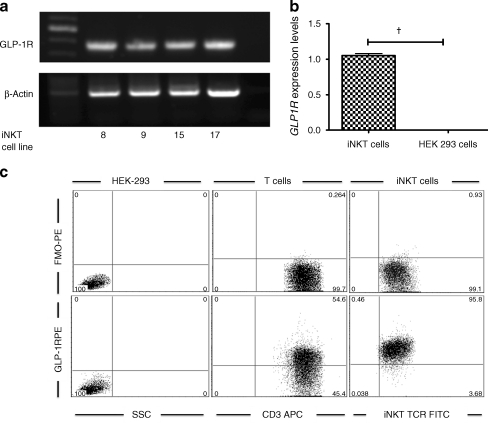
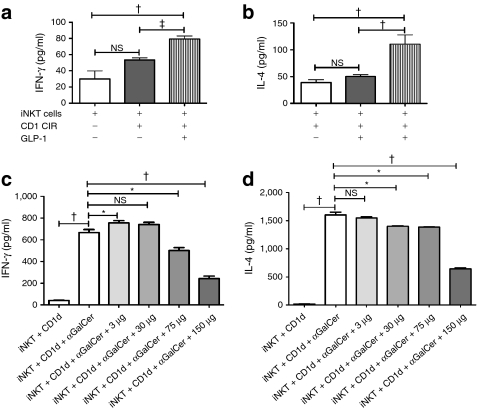
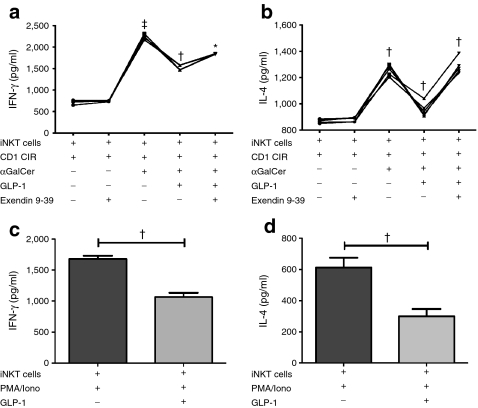
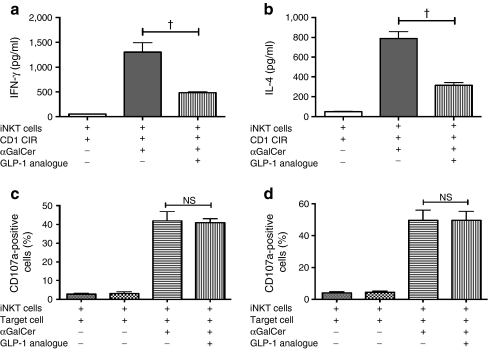
AIMS/HYPOTHESIS: The innate immune cells, invariant natural killer T cells (iNKT cells), are implicated in the pathogenesis of psoriasis, an inflammatory condition associated with obesity and other metabolic diseases, such as diabetes and dyslipidaemia. We observed an improvement in psoriasis severity in a patient within days of starting treatment with an incretin-mimetic, glucagon-like peptide-1 (GLP-1) receptor agonist. This was independent of change in glycaemic control. We proposed that this unexpected clinical outcome resulted from a direct effect of GLP-1 on iNKT cells. METHODS: We measured circulating and psoriatic plaque iNKT cell numbers in two patients with type 2 diabetes and psoriasis before and after commencing GLP-1 analogue therapy. In addition, we investigated the in vitro effects of GLP-1 on iNKT cells and looked for a functional GLP-1 receptor on these cells. RESULTS: The Psoriasis Area and Severity Index improved in both patients following 6 weeks of GLP-1 analogue therapy. This was associated with an alteration in iNKT cell number, with an increased number in the circulation and a decreased number in psoriatic plaques. The GLP-1 receptor was expressed on iNKT cells, and GLP-1 induced a dose-dependent inhibition of iNKT cell cytokine secretion, but not cytolytic degranulation in vitro. CONCLUSIONS/INTERPRETATION: The clinical effect observed and the direct interaction between GLP-1 and the immune system raise the possibility of therapeutic applications for GLP-1 in inflammatory conditions such as psoriasis.
Overview
The claims and statistics of this paper haven’t been checked yet.
Free: it reads the open-access text and checks the first 5 claims that cite a source we can check. Create a free account to check every claim.
Integrity signals
Registry
Cites
Statistics
Figures
Verification
Claims the paper makes
The claims and statistics of this paper haven’t been checked yet.
Free: it reads the open-access text and checks the first 5 claims that cite a source we can check. Create a free account to check every claim.
Claims other papers make about this one
Each is checked against this paper’s own text: does it say what the citing paper says it does?
The source backs part of the claim, not all of it — or backs it for a different population, condition or comparison.
In the citing paper
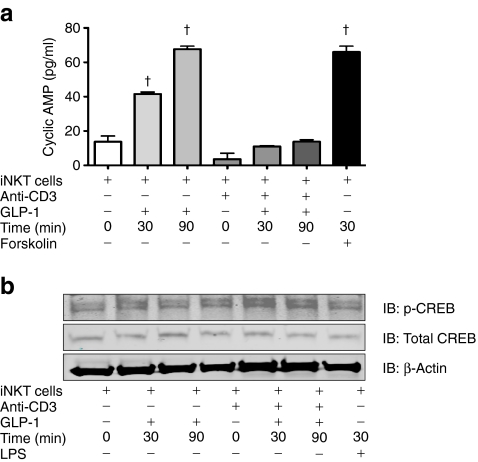
“Human iNKT cells treated with 3.5 nM liraglutide show increased cAMP within 30 minutes, and 18 nM liraglutide inhibits IFN-γ and IL-4 secretion upon α-galactosylceramide stimulation presented by CD1d-expressing cells (43).”
From Antiinflammatory actions of glucagon-like peptide-1–based therapies beyond metabolic benefits (2025) · cites this paper as [43]
Experimental — accuracy not yet measuredThe source backs part of the claim, not all of it — or backs it for a different population, condition or comparison.
In the citing paper
“Thus, GLP-1 therapy may be beneficial for the treatment of chronic inflammatory diseases including nonalcoholic steatohepatitis, atherosclerosis, neurodegenerative disorders, diabetic nephropathy, asthma, and psoriasis [14, 26–32].”
From Anti-Inflammatory Effects of GLP-1-Based Therapies beyond Glucose Control (2016) · cites this paper as [31]
Experimental — accuracy not yet measuredThe source backs part of the claim, not all of it — or backs it for a different population, condition or comparison.
In the citing paper
“In type 2 diabetes patients, GLP-1 and liraglutide also improve clinical symptoms of psoriasis, a skin inflammatory disease, by downregulation of invariant natural killer T cells [31, 113, 114].”
From Anti-Inflammatory Effects of GLP-1-Based Therapies beyond Glucose Control (2016) · cites this paper as [31]
Experimental — accuracy not yet measuredThe cited source says what the claim attributes to it.
In the citing paper
“In humans, GLP-1R immunoreactivity has been detected in T cells by flow cytometry, including in invariant natural killer T (iNKT) cells (43), PBMC T cells (36), and chimeric antigen receptor (CAR) T cells (44).”
From Antiinflammatory actions of glucagon-like peptide-1–based therapies beyond metabolic benefits (2025) · cites this paper as [43]
Experimental — accuracy not yet measuredIn the citing paper
“From the observations of this study, it seems that whatever role glucolipotoxicity may have in impairing GSIS in T2D is disconnected from mitochondrial dysfunction, which is surprising given the role of the mitochondria in ATP and reactive oxygen species (ROS) generation needed for both phases of insulin secretion.174,175”
From A review of current trends with type 2 diabetes epidemiology, aetiology, pathogenesis, treatments and future perspectives (2021) · cites this paper as [174]
Self-check
Percentages, sums and reported differences re-computed from the paper’s own numbers.
The self-check needs the paper’s full text.
Citations
Cites
1 retracted
Hattori, Y., Jojima, T., Tomizawa, A., Satoh, H., Hattori, S., Kasai, K., & Hayashi, T. (2010) · Diabetologia · doi:10.1007/s00125-010-1831-8 · Cited by 183
RetractedInflammation, stress, and diabetes
Wellen, K. E., & Hotamisligil, G. S. (2005) · Journal of Clinical Investigation · doi:10.1172/jci25102 · Cited by 4,143
The Physiology of Glucagon-like Peptide 1
Holst, J. J. (2007) · Physiological Reviews · doi:10.1152/physrev.00034.2006 · Cited by 3,371
Risk of myocardial infarction in patients with psoriasis
Gelfand, J. M., Neimann, A. L., Shin, D. B., Wang, X., Margolis, D. J., & Troxel, A. B. (2006) · JAMA · doi:10.1001/jama.296.14.1735 · Cited by 1,899 · cited 1×
“Both conditions are associated with chronic systemic inflammatory activation [5, 6] and an increased risk of cardiovascular morbidity and mortality [7–9].”
BackgroundBan, K., Noyan-Ashraf, M. H., Hoefer, J., Bolz, S.-S., Drucker, D. J., & Husain, M. (2008) · Circulation · doi:10.1161/circulationaha.107.739938 · Cited by 1,057 · cited 1×
“Cardiovascular [31–33], neuroprotective [34–36] and anti-inflammatory [37, 38] effects have been described, along with potential therapeutic implications for multiple disease states.”
BackgroundPrevalence of cardiovascular risk factors in patients with psoriasis
Neimann, A. L., Shin, D. B., Wang, X., Margolis, D. J., Troxel, A. B., & Gelfand, J. M. (2006) · Journal of the American Academy of Dermatology · doi:10.1016/j.jaad.2006.08.040 · Cited by 1,010
Nikolaidis, L. A., Mankad, S., Sokos, G. G., Miske, G., Shah, A., Elahi, D., & Shannon, R. P. (2004) · Circulation · doi:10.1161/01.cir.0000120505.91348.58 · Cited by 901 · cited 1×
“Cardiovascular [31–33], neuroprotective [34–36] and anti-inflammatory [37, 38] effects have been described, along with potential therapeutic implications for multiple disease states.”
BackgroundDeacon, C. F., Nauck, M. A., Toft-Nielsen, M., Pridal, L., Willms, B., & Holst, J. J. (1995) · Diabetes · doi:10.2337/diab.44.9.1126 · Cited by 878
Prevalence of metabolic syndrome in patients with psoriasis: a hospital-based case?control study
Gisondi, P., Tessari, G., Conti, A., Piaserico, S., Schianchi, S., Peserico, A., Giannetti, A., & Girolomoni, G. (2007) · British Journal of Dermatology · doi:10.1111/j.1365-2133.2007.07986.x · Cited by 675
Increased prevalence of the metabolic syndrome in patients with moderate to severe psoriasis
Sommer, D. M., Jenisch, S., Suchan, M., Christophers, E., & Weichenthal, M. (2006) · Archives of Dermatological Research · doi:10.1007/s00403-006-0703-z · Cited by 667
Cited by
GLP-1 receptor agonists in the treatment of type 2 diabetes - state-of-the-art
Nauck, M. A., Quast, D. R., Wefers, J., & Meier, J. J. (2021) · Molecular Metabolism · doi:10.1016/j.molmet.2020.101102 · Cited by 1,647
“Two case reports generated interest in using GLP-1 RAs as a potentially novel treatment option for psoriasis [235,236].”
BackgroundPharmacology, physiology, and mechanisms of incretin hormone action.
Campbell, J. E., & Drucker, D. J. (2013) · Cell Metabolism · doi:10.1016/j.cmet.2013.04.008 · Cited by 1,500
The Cardiovascular Biology of Glucagon-like Peptide-1
Drucker, D. J. (2016) · Cell Metabolism · doi:10.1016/j.cmet.2016.06.009 · Cited by 665
Anxiety, depression, and the microbiome: A role for gut peptides
Lach, G., Schellekens, H., Dinan, T. G., & Cryan, J. F. (2018) · Neurotherapeutics · doi:10.1007/s13311-017-0585-0 · Cited by 573
Anti-Inflammatory Effects of GLP-1-Based Therapies beyond Glucose Control
Lee, Y.-S., & Jun, H.-S. (2016) · Mediators of Inflammation · doi:10.1155/2016/3094642 · Cited by 530
“In type 2 diabetes patients, GLP-1 and liraglutide also improve clinical symptoms of psoriasis, a skin inflammatory disease, by downregulation of invariant natural killer T cells [31, 113, 114].”
BackgroundReed, J., Bain, S., & Kanamarlapudi, V. (2021) · Diabetes, Metabolic Syndrome and Obesity: Targets and Therapy · doi:10.2147/dmso.s319895 · Cited by 441
The anti-inflammatory and immunological properties of GLP-1 Receptor Agonists
Bendotti, G., Montefusco, L., Lunati, M. E., Usuelli, V., Pastore, I., Lazzaroni, E., Assi, E., Seelam, A. J., El Essawy, B., Jang, J., et al. (2022) · Pharmacological Research · doi:10.1016/j.phrs.2022.106320 · Cited by 406
Graaf, C. D., Donnelly, D., Wootten, D., Lau, J., Sexton, P. M., Miller, L. J., Ahn, J.-M., Liao, J., Fletcher, M. M., Yang, D., et al. (2016) · Pharmacological Reviews · doi:10.1124/pr.115.011395 · Cited by 403
Glucagon-like peptide-1: a multi-faceted anti-inflammatory agent
Mehdi, S. F., Pusapati, S., Anwar, M. S., Lohana, D., Kumar, P., Nandula, S. A., Nawaz, F. K., Tracey, K., Yang, H., LeRoith, D., et al. (2023) · Frontiers in Immunology · doi:10.3389/fimmu.2023.1148209 · Cited by 317
Revisiting the Complexity of GLP-1 Action from Sites of Synthesis to Receptor Activation
McLean, B. A., Wong, C. K., Campbell, J. E., Hodson, D. J., Trapp, S., & Drucker, D. J. (2021) · Endocrine Reviews · doi:10.1210/endrev/bnaa032 · Cited by 289
Worthington, J. J., Reimann, F., & Gribble, F. M. (2018) · Mucosal Immunology · doi:10.1038/mi.2017.73 · Cited by 262
Hogan, A. E., Gaoatswe, G., Lynch, L., Corrigan, M. A., Woods, C., O’Connell, J., & O’Shea, D. (2014) · Diabetologia · doi:10.1007/s00125-013-3145-0 · Cited by 239
“We previously observed changes in invariant natural killer T (iNKT) cell number and function in obese diabetic patients following GLP-1 analogue therapy [9].”
BackgroundSelf-citationGlucagon-like peptide-1 analogues: An overview
Gupta, V. (2013) · Indian Journal of Endocrinology and Metabolism · doi:10.4103/2230-8210.111625 · Cited by 186
“GLP‐1 Analogues and skin protection: Independent reports are emerging suggesting a potential beneficial role of liraglutide and exenatide in psoriasis via its influence on natural killer cells (implicated in pathogenesis of psoriasis).[45]”
BackgroundiNKT Cells Induce FGF21 for Thermogenesis and Are Required for Maximal Weight Loss in GLP1 Therapy
Lynch, L., Hogan, A. E., Duquette, D., Lester, C., Banks, A., LeClair, K., Cohen, D. E., Ghosh, A., Lu, B., Corrigan, M., et al. (2016) · Cell Metabolism · doi:10.1016/j.cmet.2016.08.003 · Cited by 181
Self-citationSeufert, J., & Gallwitz, B. (2014) · Diabetes, Obesity and Metabolism · doi:10.1111/dom.12251 · Cited by 156
Innate immune activation in obesity
Lumeng, C. N. (2013) · Molecular Aspects of Medicine · doi:10.1016/j.mam.2012.10.002 · Cited by 142
Harnedy, P. A., Parthsarathy, V., McLaughlin, C. M., O’Keeffe, M. B., Allsopp, P. J., McSorley, E. M., O'Harte, F. P. M., & Fitzgerald, R. J. (2018) · Food Research International · doi:10.1016/j.foodres.2018.01.025 · Cited by 142
GLP-1 receptor agonist as a modulator of innate immunity
Chen, J., Mei, A., Wei, Y., Li, C., Qian, H., Min, X., Yang, H., Dong, L., Rao, X., & Zhong, J. (2022) · Frontiers in Immunology · doi:10.3389/fimmu.2022.997578 · Cited by 120
“Glucagon-like peptide-1 (GLP-1) is an endogenous incretin secreted by small intestinal L cells, consisting of two bioactive isoforms: GLP-1 (7-37) and GLP-1 (736).”
BackgroundMahil, S. K., McSweeney, S. M., Kloczko, E., McGowan, B. M., Barker, J. N., & Smith, C. H. (2019) · British Journal of Dermatology · doi:10.1111/bjd.17741 · Cited by 115
Antiinflammatory actions of glucagon-like peptide-1–based therapies beyond metabolic benefits
Wong, C. K., & Drucker, D. J. (2025) · Journal of Clinical Investigation · doi:10.1172/jci194751 · Cited by 112
“In humans, GLP-1R immunoreactivity has been detected in T cells by flow cytometry, including in invariant natural killer T (iNKT) cells (43), PBMC T cells (36), and chimeric antigen receptor (CAR) T cells (44).”
InfluentialSong, S., Guo, R., Mehmood, A., Zhang, L., Yin, B., Yuan, C., Zhang, H., Guo, L., & Li, B. (2022) · CNS Neuroscience & Therapeutics · doi:10.1111/cns.13791 · Cited by 109
Buysschaert, M., Baeck, M., Preumont, V., Marot, L., Hendrickx, E., Van Belle, A., & Dumoutier, L. (2014) · British Journal of Dermatology · doi:10.1111/bjd.12886 · Cited by 104
Toki, S., Goleniewska, K., Reiss, S., Zhang, J., Bloodworth, M. H., Stier, M. T., Zhou, W., Newcomb, D. C., Ware, L. B., Stanwood, G. D., et al. (2018) · Journal of Allergy and Clinical Immunology · doi:10.1016/j.jaci.2017.11.043 · Cited by 104
Glucagon-like peptide 1 receptor is a T cell-negative costimulatory molecule
Ben Nasr, M., Usuelli, V., Dellepiane, S., Seelam, A. J., Fiorentino, T. V., D’Addio, F., Fiorina, E., Xu, C., Xie, Y., Balasubramanian, H. B., et al. (2024) · Cell Metabolism · doi:10.1016/j.cmet.2024.05.001 · Cited by 102
Ahern, T., Tobin, A. ‐., Corrigan, M., Hogan, A., Sweeney, C., Kirby, B., & O’Shea, D. (2013) · Journal of the European Academy of Dermatology and Venereology · doi:10.1111/j.1468-3083.2012.04609.x · Cited by 90
Self-citationLarraufie, P., Doré, J., Lapaque, N., & Blottière, H. M. (2017) · Cellular Microbiology · doi:10.1111/cmi.12648 · Cited by 99
Faurschou, A., Gyldenløve, M., Rohde, U., Thyssen, J. P., Zachariae, C., Skov, L., Knop, F. K., & Vilsbøll, T. (2015) · Journal of the European Academy of Dermatology and Venereology · doi:10.1111/jdv.12629 · Cited by 89
Schürmann, C., Linke, A., Engelmann-Pilger, K., Steinmetz, C., Mark, M., Pfeilschifter, J. M., Klein, T., & Frank, S. (2012) · Journal of Pharmacology and Experimental Therapeutics · doi:10.1124/jpet.111.191098 · Cited by 97
Peng, X.-R., Feng, L., Jiang, W., Wu, P., Liu, Y., Jiang, J., Kuang, S., Tang, L., & Zhou, X. (2019) · Fish & Shellfish Immunology · doi:10.1016/j.fsi.2019.06.047 · Cited by 95
Lin, L., Xu, X., Yu, Y., Ye, H., He, X., Chen, S., Chen, X., Shao, Z., & Chen, P. (2022) · Journal of Dermatological Treatment · doi:10.1080/09546634.2020.1826392 · Cited by 81
Xu, X., Lin, L., Chen, P., Yunjie, Y., Chen, S., Chen, X., & Shao, Z. (2019) · Diabetes Research and Clinical Practice · doi:10.1016/j.diabres.2019.03.002 · Cited by 86
Krajewski, P. K., Złotowska, A., & Szepietowski, J. C. (2024) · Journal of Clinical Medicine · doi:10.3390/jcm13216292 · Cited by 84
GLP-1 nanomedicine alleviates gut inflammation
Anbazhagan, A. N., Thaqi, M., Priyamvada, S., Jayawardena, D., Kumar, A., Gujral, T., Chatterjee, I., Mugarza, E., Saksena, S., Onyuksel, H., et al. (2017) · Nanomedicine: Nanotechnology, Biology and Medicine · doi:10.1016/j.nano.2016.08.004 · Cited by 80
Karacabeyli, D., & Lacaille, D. V. (2023) · JCR Journal of Clinical Rheumatology · doi:10.1097/rhu.0000000000001949 · Cited by 80
Mitchell, P. D., Salter, B. M., Oliveria, J. P., El‐Gammal, A., Tworek, D., Smith, S. G., Sehmi, R., Gauvreau, G. M., Butler, M., & O'Byrne, P. M. (2017) · Clinical & Experimental Allergy · doi:10.1111/cea.12860 · Cited by 78
Nagae, K., Uchi, H., Morino‐Koga, S., Tanaka, Y., Mari, O. D. A., & Furue, M. (2018) · Diabetes Research and Clinical Practice · doi:10.1016/j.diabres.2018.10.013 · Cited by 80
The treatment of hidradenitis suppurativa with the glucagon‐like peptide‐1 agonist liraglutide
Jennings, L., Nestor, L. A., Molloy, O. E., Hughes, R., Moriarty, B., & Kirby, B. (2016) · British Journal of Dermatology · doi:10.1111/bjd.15233 · Cited by 75
Self-citationGreig, N. H., Tweedie, D., Rachmany, L., Li, Y., Rubovitch, V., Schreiber, S., Chiang, Y.-H., Hoffer, B. J., Miller, J., Lahiri, D. K., et al. (2014) · Alzheimer's & Dementia · doi:10.1016/j.jalz.2013.12.011 · Cited by 70
Bifari, F., Manfrini, R., Dei Cas, M., Berra, C., Siano, M., Zuin, M., Paroni, R., & Folli, F. (2018) · Pharmacological Research · doi:10.1016/j.phrs.2018.09.025 · Cited by 69
Adipokines, psoriasis, systemic inflammation, and endothelial dysfunction
Lynch, M., Ahern, T., Sweeney, C. M., Malara, A., Tobin, A., O'Shea, D. B., & Kirby, B. (2017) · International Journal of Dermatology · doi:10.1111/ijd.13699 · Cited by 74
Self-citationHe, L., Wong, C. K., Cheung, K. K., Yau, H. C., Fu, A., Zhao, H., Leung, K. M., Kong, A. P., Wong, G. W., Chan, P. K., et al. (2013) · Journal of Diabetes Investigation · doi:10.1111/jdi.12063 · Cited by 70
The Interplay Between Immunity, Inflammation and Endothelial Dysfunction
Chee, Y. J., Dalan, R., & Cheung, C. (2025) · International Journal of Molecular Sciences · doi:10.3390/ijms26041708 · Cited by 71
Recent advances in understanding the role of glucagon-like peptide 1
Reed, J., Bain, S., & Kanamarlapudi, V. (2020) · F1000Research · doi:10.12688/f1000research.20602.1 · Cited by 66
Glucagon-like peptide-1 (GLP-1) receptor agonists, obesity and psoriasis: diabetes meets dermatology
Drucker, D. J., & Rosen, C. F. (2011) · Diabetologia · doi:10.1007/s00125-011-2297-z · Cited by 66
Faurschou, A., Knop, F. K., Thyssen, J. P., Zachariae, C., Skov, L., & Vilsbøll, T. (2014) · Acta Diabetologica · doi:10.1007/s00592-011-0359-9 · Cited by 65
Exenatide regulates Th17/Treg balance via PI3K/Akt/FoxO1 pathway in db/db mice
Xu, Q., Zhang, X., Li, T., & Shao, S. (2022) · Molecular Medicine · doi:10.1186/s10020-022-00574-6 · Cited by 65
Treatment of Obesity in Mitigating Metabolic Risk
Heffron, S. P., Parham, J. S., Pendse, J., & Alemán, J. O. (2020) · Circulation Research · doi:10.1161/circresaha.119.315897 · Cited by 59
GLP-1 based therapies: clinical implications for gastroenterologists
Smits, M. M., van Raalte, D. H., Tonneijck, L., Muskiet, M. H. A., Kramer, M. H. H., & Cahen, D. L. (2016) · Gut · doi:10.1136/gutjnl-2015-310572 · Cited by 61
Increased expression of glucagon‐like peptide‐1 receptors in psoriasis plaques
Faurschou, A., Pedersen, J., Gyldenløve, M., Poulsen, S. S., Holst, J. J., Thyssen, J. P., Zachariae, C., Vilsbøll, T., Skov, L., & Knop, F. K. (2013) · Experimental Dermatology · doi:10.1111/exd.12081 · Cited by 63
GLP-1: A Mediator of the Beneficial Metabolic Effects of Bariatric Surgery?
Manning, S., Pucci, A., & Batterham, R. L. (2015) · Physiology · doi:10.1152/physiol.00027.2014 · Cited by 63
Improvement of psoriasis during exenatide treatment in a patient with diabetes
Buysschaert, M., Tennstedt, D., & Preumont, V. (2012) · Diabetes & Metabolism · doi:10.1016/j.diabet.2011.11.004 · Cited by 60
Psoriasis improvement after bariatric surgery
Romero‐Talamás, H., Aminian, A., Corcelles, R., Fernandez, A. P., Schauer, P. R., & Brethauer, S. A. (2014) · Surgery for Obesity and Related Diseases · doi:10.1016/j.soard.2014.03.025 · Cited by 59
Sandoval-Talamantes, A. K., Gómez-González, B. A., Uriarte-Mayorga, D. F., Martinez-Guzman, M. A., Hidalgo, K. A. W., & Alvarado‐Navarro, A. (2019) · Neuropeptides · doi:10.1016/j.npep.2019.102004 · Cited by 59
Onoviran, O. F., Li, D., Toombs Smith, S., & Raji, M. A. (2019) · Therapeutic Advances in Chronic Disease · doi:10.1177/2040622319862691 · Cited by 57
Bılgın, E., Venerito, V., & Bogdanos, D. P. (2025) · Autoimmunity Reviews · doi:10.1016/j.autrev.2025.103864 · Cited by 57
The effects of GLP‐1RA on inflammatory skin diseases: A comprehensive review
Paschou, I. A., Sali, E., Paschou, S. Α., Ψαλτοπούλου, Θ., Nicolaidou, E., & Stratigos, A. J. (2025) · Journal of the European Academy of Dermatology and Venereology · doi:10.1111/jdv.20694 · Cited by 56
Barra, C. D., Khalil, M., Mat, A., O’Donnell, C., Shaamile, F., Brennan, K., O'Shea, D. B., & Hogan, A. E. (2023) · Obesity · doi:10.1002/oby.23772 · Cited by 56
Self-citationGlucagon‐like peptide‐1 protects synaptic and learning functions from neuroinflammation in rodents
Iwai, T., Sawabe, T., Tanimitsu, K., Suzuki, M., Sasaki‐Hamada, S., & Oka, J. (2014) · Journal of Neuroscience Research · doi:10.1002/jnr.23335 · Cited by 49
GLP-1 receptor agonist impairs keratinocytes inflammatory signals by activating AMPK
Yang, J. X., Wang, Z., & Zhang, X. (2019) · Experimental and Molecular Pathology · doi:10.1016/j.yexmp.2019.01.014 · Cited by 53
Induced Human Regulatory T Cells Express the Glucagon-like Peptide-1 Receptor
Rode, A. K. O., Buus, T. B., Mraz, V., Al-Jaberi, F. A. H., Lopez, D. V., Ford, S. L., Hennen, S., Eliasen, I. P., Klewe, I. V., Gharehdaghi, L., et al. (2022) · Cells · doi:10.3390/cells11162587 · Cited by 54
The effect of bariatric surgery on renal function and disease: a focus on outcomes and inflammation
Neff, K., Frankel, A., Tam, F. W. K., Sadlier, D. M., Godson, C., & le Roux, C. W. (2013) · Nephrology Dialysis Transplantation · doi:10.1093/ndt/gft262 · Cited by 51
The obesity–inflammation axis in psoriatic disease: mechanisms and therapeutic strategies
Haberman, R. H., Ogdie, A., Merola, J. F., Scher, J. U., & Eder, L. (2025) · Nature Reviews Rheumatology · doi:10.1038/s41584-025-01326-6 · Cited by 52
Chang, G., Chen, B., & Zhang, L. (2021) · Journal of Dermatological Treatment · doi:10.1080/09546634.2021.1882658 · Cited by 50
Kamiya, M., Mizoguchi, F., & Yasuda, S. (2022) · Journal of Cachexia, Sarcopenia and Muscle · doi:10.1002/jcsm.13025 · Cited by 49
Glucagon, GLP-1 and Thermogenesis
González-García, I., Milbank, E., Diéguez, C., López, M., & Contreras, C. (2019) · International Journal of Molecular Sciences · doi:10.3390/ijms20143445 · Cited by 49
“The ability of GLP-1 to act directly on iNKT cell has been demonstrated, since iNKT cell lines for human express GLP-1R which stimulation results in augmented cAMP levels [105].”
BackgroundGLP‐1 receptor agonists: effects on the progression of non‐alcoholic fatty liver disease
Liu, J., Wang, G., Jia, Y., & Xu, Y. (2015) · Diabetes/Metabolism Research and Reviews · doi:10.1002/dmrr.2580 · Cited by 48
Effect of glucagon-like peptide-1 receptor agonists in patients with psoriasis
Al-Badri, M. R., & Azar, S. T. (2014) · Therapeutic Advances in Endocrinology and Metabolism · doi:10.1177/2042018814543483 · Cited by 47
Shao, S., Zhang, X., Xu, Q., Pan, R., & Chen, Y. (2022) · Pharmacology & Therapeutics · doi:10.1016/j.pharmthera.2022.108270 · Cited by 46
Yang, L., Chen, L., Li, D., Xu, H., Chen, J., Min, X., He, M., Wu, T., Zhong, J., Yang, H., et al. (2021) · Mediators of Inflammation · doi:10.1155/2021/5568159 · Cited by 45
Anti-Inflammatory Effects of GLP-1R Activation in the Retina
Puddu, A., & Maggi, D. C. (2022) · International Journal of Molecular Sciences · doi:10.3390/ijms232012428 · Cited by 42
Metabolic responses and benefits of glucagon‐like peptide‐1 (GLP‐1) receptor ligands
Tanday, N., Flatt, P. R., & Irwin, N. (2022) · British Journal of Pharmacology · doi:10.1111/bph.15485 · Cited by 41
Nanotechnology in the Treatment of Inflammatory Bowel Disease
Giron, F., Pastò, A., Tasciotti, E., & Abraham, B. P. (2019) · Inflammatory Bowel Diseases · doi:10.1093/ibd/izz205 · Cited by 41
Glycemic Control in the Treatment of Psoriasis
Ip, W., & Kirchhof, M. G. (2017) · Dermatology · doi:10.1159/000472149 · Cited by 40
High-fat diet exacerbates imiquimod-induced psoriasis-like dermatitis in mice
Higashi, Y., Yamakuchi, M., Fukushige, T., Ibusuki, A., Hashiguchi, T., & Kanekura, T. (2018) · Experimental Dermatology · doi:10.1111/exd.13484 · Cited by 39
More than skin-deep: the many dimensions of the psoriatic disease
Boehncke, W., & Boehncke, S. (2014) · Swiss Medical Weekly · doi:10.4414/smw.2014.13968 · Cited by 39
Broide, E., Bloch, O., Ben-Yehudah, G., Cantrell, D., Shirin, H., & Rapoport, M. J. (2013) · Journal of Histochemistry & Cytochemistry · doi:10.1369/0022155413497586 · Cited by 38
Stanisavljević, I., Pavlovic, S. M., Marković, B. S., Jurišević, M., Krajnović, T., Mijatović, S., Spasojević, M., Mitrović, S., Corovic, I. F., & Jovanović, I. (2024) · Biomedicine & Pharmacotherapy · doi:10.1016/j.biopha.2024.117668 · Cited by 35
Impact of GLP-1 Receptor Agonists on Psoriasis and Cardiovascular Comorbidities: A Narrative Review
Haran, K., Johnson, C., Smith, P. L., Venable, Z., Kranyak, A. C., Bhutani, T., Jeon, C., & Liao, W. J. (2024) · Psoriasis Targets and Therapy · doi:10.2147/ptt.s485061 · Cited by 34
GLP-1 mimetics as a potential therapy for nonalcoholic steatohepatitis
Chen, Y., Xu, Y.-N., Ye, C.-Y., Feng, W., Zhou, Q., Yang, D., & Wang, M. (2021) · Acta Pharmacologica Sinica · doi:10.1038/s41401-021-00836-9 · Cited by 36
Chen, P., Lin, L., Xu, X., Zhang, Z., Cai, W., Shao, Z., Chen, S., Chen, X., & Weng, Q. (2019) · Journal of Dermatological Treatment · doi:10.1080/09546634.2019.1708853 · Cited by 33
Degen, A., Krynytska, І., & Kamyshnyi, O. (2020) · Endocrine Regulations · doi:10.2478/enr-2020-0019 · Cited by 32
Bakbak, E., Terenzi, D. C., Trac, J. Z., Teoh, H., Quan, A., Glazer, S. A., Rotstein, O. D., Al-Omran, M. A., Verma, S., & Hess, D. A. (2021) · Reviews in Endocrine and Metabolic Disorders · doi:10.1007/s11154-021-09669-7 · Cited by 32
Olbrich, H., Kridin, K., Zirpel, H., Hernández, G., Sadik, C. D., Gaffal, E., Thaçi, D., & Ludwig, R. J. (2025) · British Journal of Dermatology · doi:10.1093/bjd/ljaf346 · Cited by 30
Deng, S., Chen, Z., & Shi, Y. (2025) · Cell & Bioscience · doi:10.1186/s13578-025-01486-8 · Cited by 30
Pinheiro, M. M., Pinheiro, F. M. M., & Trabachin, M. L. (2018) · International Immunopharmacology · doi:10.1016/j.intimp.2018.02.003 · Cited by 30
Chen, J., Mei, A., Liu, X., Braunstein, Z., Wei, Y., Wang, B., Duan, L., Rao, X., Rajagopalan, S., Dong, L., et al. (2022) · Frontiers in Immunology · doi:10.3389/fimmu.2022.772446 · Cited by 29
Vilarrasa, E., Nicolau, J., de la Cueva, P., Goday, A., Gallardo, F., Martorell, A., & Carrascosa, J. M. (2023) · Actas Dermo-Sifiliográficas · doi:10.1016/j.ad.2023.06.017 · Cited by 28
Cedirian, S., Donati, M., Rapparini, L., Pampaloni, F., Plaça, M. L., Sgarzani, R., Negosanti, L., Raschi, E., & Starace, M. V. R. (2025) · Dermatology and Therapy · doi:10.1007/s13555-025-01537-5 · Cited by 29
Psoriasis and cardiometabolic disorders
Nowowiejska, J., Baran, A. M., & Flisiak, I. (2020) · Dermatology Review · doi:10.5114/dr.2020.103887 · Cited by 27
Preliminary asthma-related outcomes following glucagon-like peptide 1 agonist therapy
Khan, F., Mat, A., Hogan, A. E., Kent, B. D., Eigenheer, S., Corrigan, M., O'Shea, D. B., & Butler, M. W. (2017) · QJM · doi:10.1093/qjmed/hcx125 · Cited by 27
Self-citationGLP-1 receptor agonists in IBD: exploring the crossroads of metabolism and inflammation
Migliorisi, G., Gabbiadini, R., Buono, A. D., Ferraris, M., Privitera, G., Petronio, L., Bertoli, P., Bezzio, C., & Armuzzi, A. (2025) · Frontiers in Immunology · doi:10.3389/fimmu.2025.1610368 · Cited by 26
Liraglutide in combination with acitretin for severe recalcitrant psoriasis
Reid, C., Tobin, A., Ahern, T., O'Shea, D. B., & Kirby, B. (2013) · British Journal of Dermatology · doi:10.1111/bjd.12380 · Cited by 26
Self-citationThe Use of GLP-1 Agonists in the Management of Cutaneous Disease.
Lal, K., & Herringshaw, E. A. (2024) · PubMed Central · Cited by 26
Thompson, A., & Kanamarlapudi, V. (2015) · Molecular and Cellular Endocrinology · doi:10.1016/j.mce.2015.06.012 · Cited by 25
Genetics and the metabolic syndrome
Fanning, E., & O'Shea, D. B. (2017) · Clinics in Dermatology · doi:10.1016/j.clindermatol.2017.09.003 · Cited by 25
Self-citationReed, J., Bain, S. C., & Kanamarlapudi, V. (2024) · Diabetes Metabolic Syndrome and Obesity · doi:10.2147/dmso.s415934 · Cited by 24
The role of incretins and incretin-based drugs in autoimmune diseases
Radbakhsh, S., Atkin, S. L., Simental‐Mendía, L. E., & Sahebkar, A. (2021) · International Immunopharmacology · doi:10.1016/j.intimp.2021.107845 · Cited by 24
Buonanno, S., Gaggiano, C., Terribili, R., Cantarini, L., Frediani, B., & Gentileschi, S. (2025) · Inflammation Research · doi:10.1007/s00011-025-02140-2 · Cited by 24
Effects of Hypolipidemic Drugs on Psoriasis
Matwiejuk, M., Myśliwiec, H., Jakubowicz-Zalewska, O., Chabowski, A., & Flisiak, I. (2023) · Metabolites · doi:10.3390/metabo13040493 · Cited by 23
NK cells vs. obesity: A tale of dysfunction & redemption
Barra, C. D., O'Shea, D. B., & Hogan, A. E. (2023) · Clinical Immunology · doi:10.1016/j.clim.2023.109744 · Cited by 21
Self-citation
Metadata
- Authors
- Hogan, A. E., Tobin, A. M., Ahern, T., Corrigan, M. A., Gaoatswe, G., Jackson, R., O’Reilly, V., Lynch, L., Doherty, D. G., Moynagh, P. N., Kirby, B., O’Connell, J., & O’Shea, D.
- Affiliations
- University College Dublin (IE)
- National University of Ireland, Maynooth (IE)
- Trinity College Dublin (IE)
- ORCID
- Venue
- Diabetologia
- Published
- 2011-07-09
- Volume
- 54
- Issue
- 11
- Pages
- 2745-2754
- ISSN
- 0012-186X (ISSN-L)
- 1432-0428
- PMC
- PMC3188710
- OpenAlex
- W2131873059
- Cited by
- 191
- References
- 50
- Citations by year
- 2026: 22 · 2025: 31 · 2024: 12 · 2023: 11 · 2022: 14 · 2021: 9 · 2020: 10 · 2019: 13 · 2018: 7 · 2017: 10 · 2016: 12 · 2015: 6 · 2014: 15 · 2013: 11 · 2012: 6
- FWCI
- 4.82
- Type
- journal article
- Language
- en
- Open access
- hybrid
- doi.org
- Licence
- cc-by-nc
- Locations
- Diabetologia (publishedVersion, cc-by-nc)
- PubMed Central (publishedVersion, cc-by-nc)
- PubMed (publishedVersion)
- Maynooth University ePrints and eTheses Archive (Maynooth University) (acceptedVersion)
- Lenus, The Irish Health Repository (Dr Steevens Hospital Library) (submittedVersion)
- Topics
- Life Sciences › Immunology and Microbiology › Immunology › Psoriasis: Treatment and Pathogenesis
- Health Sciences › Medicine › Dermatology › Skin Diseases and Diabetes
- Health Sciences › Medicine › Endocrinology, Diabetes and Metabolism › Diabetes Treatment and Management
- Keywords
- glucagon-like peptide-1, GLP-1 receptor agonists, invariant natural killer T cells, psoriasis, type 2 diabetes, obesity, incretin-based therapy, innate immunity, cytokine production, psoriatic plaques, metabolic inflammation
- MeSH terms
- Glucagon-Like Peptide-1 Receptor, Liraglutide, Cell Count, Cell Line, Diabetes Mellitus, Type 2, Female, Gene Expression Regulation, Humans, Hypoglycemic Agents, Immunologic Factors, Male, Middle Aged, Obesity, Psoriasis, RNA, Messenger, Severity of Illness Index, Skin, Signal Transduction, Cytokines, Receptors, Glucagon, Glucagon-Like Peptide 1, Natural Killer T-Cells, Molecular Targeted Therapy
About these checks
Registry, retraction, Cites and statistics results are computed, not judged, with one exception: a printed reference that no index lists is read once by a model before it counts as a citation error. Claims are extracted by a model and kept only when their quote appears verbatim in the text; each cited source is then checked, with a model’s help, for whether it says what the claim relies on. Those verdicts can be wrong — read the claim’s quote and the cited source before relying on one.
Statistics and arithmetic are recomputed, not judged.
Confidence bands are shown only for fields calibrated on our annotated test set. None is calibrated yet, so no band is shown.
What counts as a claim ›How we measure confidence ›How we check this ›
Are you an author, or do you see a problem with this page? Request a review
Data sources
Bibliographic data: Semantic Scholar, OpenAlex, Crossref.
Contains information from the Semantic Scholar Academic Graph Datasets, made available under the ODC Attribution License (ODC-BY 1.0).
Semantic Scholar’s data is described in: Kinney, R., et al. (2023). The Semantic Scholar Open Data Platform. arXiv:2301.10140.
