

Early prediction of autoimmune (type 1) diabetes.
Open accessThe DOI matches its Crossref record; 127 of the 127 references it cites were found in a registry or an index.
Abstract
Underlying type 1 diabetes is a genetic aetiology dominated by the influence of specific HLA haplotypes involving primarily the class II DR-DQ region. In genetically predisposed children with the DR4-DQ8 haplotype, exogenous factors, yet to be identified, are thought to trigger an autoimmune reaction against insulin, signalled by insulin autoantibodies as the first autoantibody to appear. In children with the DR3-DQ2 haplotype, the triggering reaction is primarily against GAD signalled by GAD autoantibodies (GADA) as the first-appearing autoantibody. The incidence rate of insulin autoantibodies as the first-appearing autoantibody peaks during the first years of life and declines thereafter. The incidence rate of GADA as the first-appearing autoantibody peaks later but does not decline. The first autoantibody may variably be followed, in an apparently non-HLA-associated pathogenesis, by a second, third or fourth autoantibody. Although not all persons with a single type of autoantibody progress to diabetes, the presence of multiple autoantibodies seems invariably to be followed by loss of functional beta cell mass and eventually by dysglycaemia and symptoms. Infiltration of mononuclear cells in and around the islets appears to be a late phenomenon appearing in the multiple-autoantibody-positive with dysglycaemia. As our understanding of the aetiology and pathogenesis of type 1 diabetes advances, the improved capability for early prediction should guide new strategies for the prevention of type 1 diabetes.
Overview
The claims and statistics of this paper haven’t been checked yet.
Free: it reads the open-access text and checks the first 5 claims that cite a source we can check. Create a free account to check every claim.
Integrity signals
Registry
Cites
Statistics
Figures
Verification
Claims the paper makes
The claims and statistics of this paper haven’t been checked yet.
Free: it reads the open-access text and checks the first 5 claims that cite a source we can check. Create a free account to check every claim.
Claims other papers make about this one
Each is checked against this paper’s own text: does it say what the citing paper says it does?
The source backs part of the claim, not all of it — or backs it for a different population, condition or comparison.
In the citing paper
“Although the prevalence of several autoantibodies associated with T1DM tends to decrease with increasing age at diagnosis61, GADA remains the dominant autoantibody in adult-onset T1DM regardless of ethnicity62–64.”
From The epidemiology of type 1 diabetes mellitus in older adults (2025) · cites this paper as [61]
Experimental — accuracy not yet measuredThe check wasn’t confident either way, so it gives no verdict — never disputed.
In the citing paper
“Approximately twice as many women are diagnosed with gestational diabetes using the IADPSG criteria compared with the Carpenter-Coustan criteria.6”
From Association of Gestational Diabetes With Maternal Disorders of Glucose Metabolism and Childhood Adiposity (2018) · cites this paper as [6]
Experimental — accuracy not yet measuredThe check wasn’t confident either way, so it gives no verdict — never disputed.
In the citing paper
“The risk factors for progression to type 2 diabetes include maternal age, prepartum and postpartum BMI, family history of type 2 diabetes, receipt of insulin for gestational diabetes, and fasting glucose level during pregnancy.6,[24][25][26]”
From Association of Gestational Diabetes With Maternal Disorders of Glucose Metabolism and Childhood Adiposity (2018) · cites this paper as [6]
Experimental — accuracy not yet measured
Self-check
Percentages, sums and reported differences re-computed from the paper’s own numbers.
The self-check needs the paper’s full text.
Citations
Cites
Association of the T-cell regulatory gene CTLA4 with susceptibility to autoimmune disease
Ueda, H., Howson, J. M. M., Esposito, L., Heward, J., Snook, Chamberlain, G., Rainbow, D. B., Hunter, K. M. D., Smith, A. N., Di Genova, G., et al. (2003) · Nature · doi:10.1038/nature01621 · Cited by 2,175 · cited 1×
“Many of these genes are implicated in immune system regulation in particular and beta cell function less often [38, 39].”
BackgroundSeroconversion to multiple islet autoantibodies and risk of progression to diabetes in children
Ziegler, A. G., Rewers, M., Simell, O., Simell, T., Lempainen, J., Steck, A., Winkler, C., Ilonen, J., Veijola, R., Knip, M., et al. (2013) · JAMA · doi:10.1001/jama.2013.6285 · Cited by 1,312
Insel, R. A., Dunne, J. L., Atkinson, M. A., Chiang, J. L., Dabelea, D., Gottlieb, P. A., Greenbaum, C. J., Herold, K. C., Krischer, J. P., Lernmark, Å., et al. (2015) · Diabetes Care · doi:10.2337/dc15-1419 · Cited by 1,216 · cited 1×
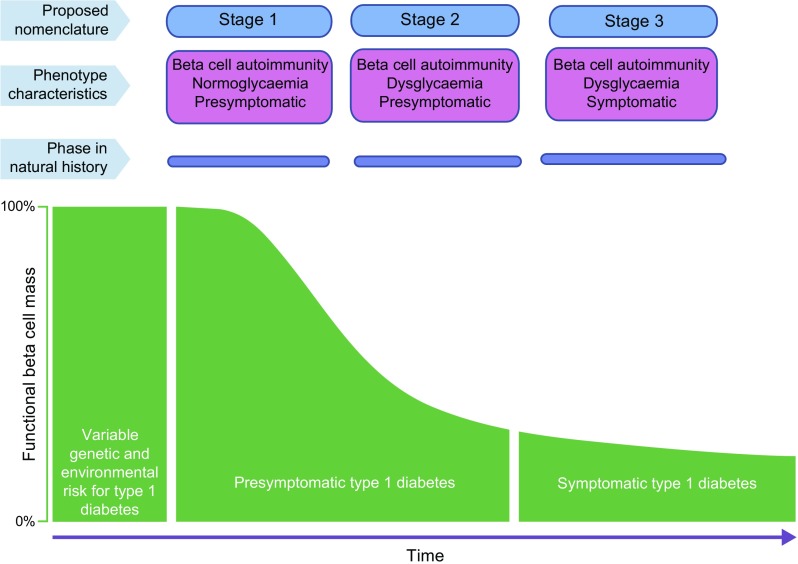
“The staging of type 1 diabetes pathogenesis was proposed by Insel et al [1] and the figure is adapted with permission from Insel et al [1].”
MethodSelf-citationIncidence of childhood type 1 diabetes worldwide. Diabetes Mondiale (DiaMond) Project Group
Karvonen, M., Viik-Kajander, M., Moltchanova, E., Libman, I., LaPorte, R., & Tuomilehto, J. (2000) · Diabetes Care · doi:10.2337/diacare.23.10.1516 · Cited by 1,072
Type 1 Diabetes: Etiology, Immunology, and Therapeutic Strategies
Van Belle, T. L., Coppieters, K. T., & Von Herrath, M. G. (2011) · Physiological Reviews · doi:10.1152/physrev.00003.2010 · Cited by 1,022 · cited 1×
“Beta cell autoantibodies, long regarded as merely markers of the autoimmune process, may contribute through B cells presenting antigens to CD4 and CD8 T cells [79].”
BackgroundThe role of inflammation in insulitis and β-cell loss in type 1 diabetes
Eizirik, D. L., Colli, M. L., & Ortis, F. (2009) · Nature Reviews Endocrinology · doi:10.1038/nrendo.2009.21 · Cited by 1,011 · cited 1×
“Although B and Tcell activity is a known key driver of beta cell destruction, the role of the innate immune system in type 1 diabetes is also recognised [86].”
BackgroundType 1 Diabetes Through the Life Span: A Position Statement of the American Diabetes Association
Chiang, J. L., Kirkman, M. S., Laffel, L. M. B., Peters, A. L., & Authors, O. B. O. T. T. 1. D. S. (2014) · Diabetes Care · doi:10.2337/dc14-1140 · Cited by 965
β-Cell death during progression to diabetes
Mathis, D., Vence, L., & Benoist, C. (2001) · Nature · doi:10.1038/414792a · Cited by 884
HLA DR-DQ Haplotypes and Genotypes and Type 1 Diabetes Risk
Erlich, H., Valdes, A. M., Noble, J., Carlson, J. A., Varney, M., Concannon, P., Mychaleckyj, J. C., Todd, J. A., Bonella, P., Fear, A. L., et al. (2008) · Diabetes · doi:10.2337/db07-1331 · Cited by 790 · cited 1×
“5% of individuals with and without type 1 diabetes, respectively [25].”
BackgroundMajor Histocompatibility Complex Genomics and Human Disease
Trowsdale, J., & Knight, J. C. (2013) · Annual Review of Genomics and Human Genetics · doi:10.1146/annurev-genom-091212-153455 · Cited by 759 · cited 2×
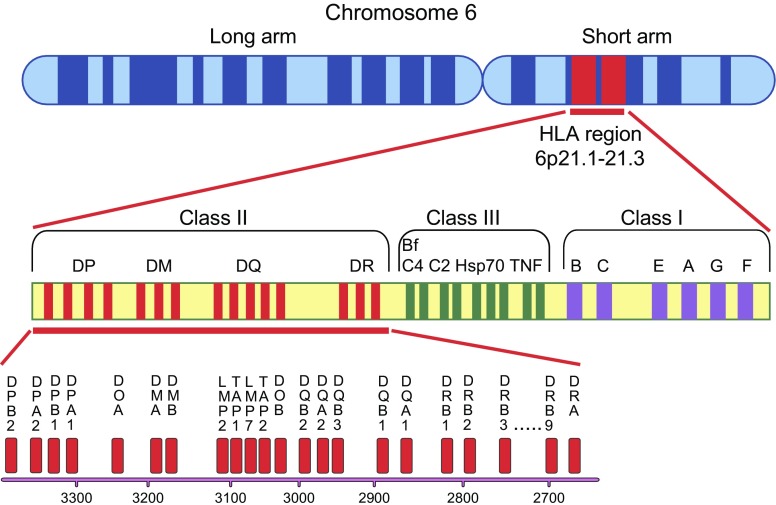
“The HLA class III region is genetically dense and codes for several proteins important to the immune system, such as complement factors and TNF-α [12].”
Background
Cited by
Items 101–198 of 198
Chaperones may cause the focus of diabetes autoimmunity on distinct (pro)insulin peptides
Kolb, H., & Burkart, V. (2019) · Journal of Autoimmunity · doi:10.1016/j.jaut.2019.102304 · Cited by 7
Primary Prevention of CVD with Aspirin: Benefits vs Risks
Weisman (2021) · The Journal of Family Practice · doi:10.12788/jfp.0222 · Cited by 9
Tronko, M. D., & Kp, Z. (2021) · INTERNATIONAL JOURNAL OF ENDOCRINOLOGY (Ukraine) · doi:10.22141/2224-0721.15.6.2019.185403 · Cited by 8
Environmental Factors in the Development of Diabetes Mellitus
Formichi, C., Trimarchi, A., Maccora, C., Nigi, L., & Dotta, F. (2022) · Sustainable development goals series · doi:10.1007/978-3-030-83160-8_14 · Cited by 8
Liu, Y., Chen, Z., Xiao, Y., Chen, H., & Zhou, Z. (2022) · Frontiers in Endocrinology · doi:10.3389/fendo.2022.937109 · Cited by 7
“GADA, IA-2A, and ZnT8A levels were measured by radiobinding assays (17, 18), which were validated by the Diabetes Antibody Standardization Program (International”
MethodScreening for Autoantibodies in Type 1 Diabetes: A Call to Action
Петерс (2021) · The Journal of Family Practice · doi:10.12788/jfp.0223 · Cited by 11
Chuzho, N., Kumar, N., Mishra, N., Tandon, N., Kanga, U., Kaur, G., Singh, P., Mishra, G., Sharma, S., & Mehra, N. K. (2021) · Journal of Diabetes Research · doi:10.1155/2021/4012893 · Cited by 8
“Earlier studies have shown that with the presence of just one type of autoantibody, there is a low risk of progression to clinical onset, whereas the appearance of two or more autoantibodies increases the risk [2, 21].”
BackgroundNanotechnology: Antidiabetics, Antioxidant and Anti-inflammatory
Samrat, K., Murthy, T. P. K., Divyashri, G., Krishna, R. H., & Chandraprabha, M. N. (2023) · Springer eBooks · doi:10.1007/978-981-99-1635-1_8 · Cited by 6
Bahendeka, S., Wesonga, R., Piloya, T., & Nyangabyaki, C. (2018) · International Journal of Diabetes in Developing Countries · doi:10.1007/s13410-018-0622-5 · Cited by 6
“Insulin auto antibodies are known to peak early in the development of T1DM and decline following the onset of clinical symptoms of the disease [44].”
BackgroundVeronese-Paniagua, D., & Millman, J. R. (2025) · Frontiers in Endocrinology · doi:10.3389/fendo.2025.1734431 · Cited by 6
“However, insulitis is rare in nondiabetic, AAb+ individuals and only affects a small part of the islet (13, 49).”
InfluentialArman, M., Alinaghizadeh, M., Kordi, M., Jahromi, S. T., Amrulloh, H., & Kioumarsi, H. (2024) · Journal of Multidisciplinary Applied Natural Science · doi:10.47352/jmans.2774-3047.226 · Cited by 6
Zhang, M., Wang, X., Wang, R., Shu, J., Zhi, X., Gu, C., Pu, L., Cai, C., Yang, W. Y. L., & Lv, L. (2021) · Journal of Clinical Laboratory Analysis · doi:10.1002/jcla.24164 · Cited by 5
Yabuki, S., Hirai, H., MORIYA, C. T., Kusano, Y., & Hasegawa, T. (2024) · Frontiers in Endocrinology · doi:10.3389/fendo.2024.1407192 · Cited by 5
“Glutamic acid decarboxylase (GAD) antibody and human leukocyte antigen (HLA) haplotypes are recognized for their roles in the diagnosis and pathogenesis of T1DM (7, 8).”
BackgroundObesity 2021: Current Clinical Management of a Chronic, Serious Disease
Kushner (2021) · The Journal of Family Practice · doi:10.12788/jfp.0221 · Cited by 8
Jores, R. D., Baldera, D., Schirru, E., Muntoni, S., Rossino, R., Manchinu, M. F., Marongiu, M. F., Caria, C. A., Ripoli, C., Ricciardi, M. R., et al. (2023) · Frontiers in Immunology · doi:10.3389/fimmu.2023.1130019 · Cited by 8
“Finally, in genetically at-risk T1D patients, autoantibodies against GAD65 are foundmainly in HLA-DR3, -DQ2 and less commonly in HLA-DR4, -DQ8 patients (19, 47).”
BackgroundEducational consequences of a sibling's disability: Evidence from type 1 diabetes
Eriksen, T. L. M., Gaulke, A., Skipper, N., Svensson, J., & Thingholm, P. (2023) · Economics of Education Review · doi:10.1016/j.econedurev.2023.102407 · Cited by 11
Arhire, A. I., Ioacără, S., Papuc, T., Sinziana, C. M., DuŢescu, I. M., Moise, A., Badea, I. R., Florea, S., Vlad, A., & Fica, S. V. (2024) · Life · doi:10.3390/life14060781 · Cited by 6
“The most prominent predisposing variant is B39:06, followed by other noteworthy T1DM-associated alleles including A24:02, A02:01, B18:01, and C05:01 [5].”
BackgroundOral tolerance therapy in type 1 diabetes mellitus
Mao, R., Chen, Y., Diao, E., Chang, X., Chi, Z., & Wang, Y. (2020) · Chinese Medical Journal · doi:10.1097/cm9.0000000000001130 · Cited by 6
“As an antigen-based immunotherapy, we believe that oral tolerance therapy shows promise for restoring immune tolerance to autoantigen(s) and subsequently preventing, delaying or reversing T1DM.”
BackgroundInfluentialThe Dynamic Origins of Type 1 Diabetes
Leslie, R. D., & Grant, S. F. A. (2018) · Diabetes Care · doi:10.2337/dci18-0034 · Cited by 4
“(IA-2A) with IgG1 isotype, and high heritability and genetic risk scores (GRS) (4,8), where GRS is an index of genetic risk based on the summation of odds ratios of selected single nucleotide polymorphisms (SNPs).”
BackgroundInfluentialEvaluating T cell responses prior to the onset of type 1 diabetes
Arif, S., Yusuf, N., Domingo‐Vila, C., Liu, Y., Bingley, P. J., & Peakman, M. (2022) · Diabetic Medicine · doi:10.1111/dme.14860 · Cited by 5
Extracellular metallothionein as a therapeutic target in the early progression of type 1 diabetes
Melchiorre, C. K., Lynes, M. D., Bhandari, S., Su, S., Potts, C. M., Thees, A. V., Norris, C. E., Liaw, L., Tseng, Y., & Lynes, M. A. (2024) · Cell Stress and Chaperones · doi:10.1016/j.cstres.2024.03.005 · Cited by 3
Dysbiosis, Tolerance, and Development of Autoimmune Diseases
Pîrcălăbioru, G. G., Savu, O., Mihăescu, G., Vrâncianu, C. O., & Chifiriuc, M. C. (2022) · IntechOpen eBooks · doi:10.5772/intechopen.104221 · Cited by 6
Mendis, T., Filipova, B., Wang, J. J., Pietropaolo, M., & Jackson, M. W. (2022) · Biochemistry and Biophysics Reports · doi:10.1016/j.bbrep.2022.101413 · Cited by 3
Shirizadeh, A., Razavi, Z., Saeedi, V., Faradmal, J., Roshanaei, G., Hajilooi, M., Morahan, G., & Solgi, G. (2024) · HLA · doi:10.1111/tan.15446 · Cited by 5
Liu, Y., Du, X., Cui, J., Li, C., Guo, M., Lv, J., Liu, X., Dou, J., Du, X., Fang, H., et al. (2020) · Journal of Diabetes Research · doi:10.1155/2020/9010314 · Cited by 3
“The pathogenesis of T1D has three stages: asymptomatic beta cell autoimmunity with normoglycemia, asymptomatic beta cell autoimmunity with dysglycemia, and overt T1D [7].”
BackgroundГеоргиевна, К. К., Strongin, L. G., Владимировна, К. Е., Валерьевна, Б. М., Makeeva, N., & Загайнов, В. Е. (2020) · Современные технологии в медицине · doi:10.17691/stm2020.12.6.04 · Cited by 3
“As a rule, 70% of children have three or four positive AAb types by the time the clinical symptoms of diabetes appear, and only 10% have at least one positive AAb type [6].”
BackgroundMansachs, S. J., Villumsen, S. O., Johannesen, J., Lind, A., Kaur, S., & Pociot, F. (2022) · Genes · doi:10.3390/genes13050869 · Cited by 4
Beta-cell Death and/or Stress Biomarkers in Diabetes Mellitus Type 1
Khudhair, H. A. A., & Khudhair, H. A. A. (2019) · Al-Kufa University Journal for Biology · doi:10.36320/ajb/v11.i1.8030 · Cited by 4
“It has been assumed that existence of islet cell antigen (ICA) autoantibodies is important proves for the immune system deregulation in T1D which can help in the prediction of the disease occurrence among patient’s relatives (15).”
BackgroundImmunological predictors of type 1 diabetes mellitus (literature review)
Георгиевна, К. К., Strongin, L. G., & Загайнов, В. Е. (2021) · Diabetes Mellitus · doi:10.14341/dm12308 · Cited by 2
Terada, H., Urakami, T., Nagano, N., Mine, Y., Kuwabara, R., Aoki, M., Suzuki, J., & Morioka, I. (2023) · Endocrine Journal · doi:10.1507/endocrj.ej22-0432 · Cited by 2
Immunotherapy for Type 1 Diabetes: Mechanistic Insights and Impact of Delivery Systems
Agrawal, N., Kumar, G., Pandey, S. P., Yadav, S., Kumar, M., Sudheesh, M. S., & Pandey, R. S. (2024) · Current Pharmaceutical Design · doi:10.2174/0113816128343081241030054303 · Cited by 2
Boettcher, C., Holl, R. W., Nagl, K., Karges, B., von Sengbusch, S., Welters, A., Warncke, K., Flury, M., Nahdiyati, D., Berge, T. V. D., et al. (2026) · BMJ Open Diabetes Research & Care · doi:10.1136/bmjdrc-2025-005349 · Cited by 2
Joseph, K., Waikar, A. R., Siebel, S., & Patel, A. (2021) · Contemporary Endocrinology · doi:10.1007/978-3-030-64133-7_3 · Cited by 2
A Case of Acute-Onset Type 1 Diabetes Mellitus with Diabetic Ketoacidosis Triggered by COVID-19
Zenri, M., Higa, M., Ikehara, K., Ichijo, T., & Hirose, T. (2023) · American Journal of Case Reports · doi:10.12659/ajcr.940986 · Cited by 2
“Anti-GAD antibody is an indicator that reflects autoimmunity against pancreatic beta cells [11] and is useful in diagnosing type 1 diabetes.”
BackgroundChildhood Health Shocks and the Intergenerational Transmission of Inequality
Eriksen, T. L. M., Gaulke, A., Skipper, N., Svensson, J., & Thingholm, P. (2023) · American Economic Journal Economic Policy · doi:10.1257/pol.20240586 · Cited by 2
Type 1 Diabetes Mellitus in Children: Diagnosis and Management
Rizqina, R. D., Rizkia, A., Widyantari, D. D., Syafinatunnajah, G., Cristagalli, G., Cristagalli, G., Bharata, I. H., Mufida, I., & Susani, Y. P. (2023) · JURNAL BIOLOGI TROPIS · doi:10.29303/jbt.v23i4b.5820 · Cited by 6
“Mekanisme infeksi virus dapat menginduksi autoimunitas sel beta terutama pada ibu hamil yang terinfeksi oleh virus dan dapat meningkatkan DMT1 pada keturunannya (Regnell & Lernmark, 2017).”
BackgroundStifter, K., Schuster, C., Krieger, J., Spyrantis, A., Boehm, B. O., & Schirmbeck, R. (2018) · Molecular Therapy — Methods & Clinical Development · doi:10.1016/j.omtm.2018.12.002 · Cited by 2
“Diabetes development is characterized by continuous lymphoid cell accumulations in the periphery of pancreatic islets (peri-insulitis) and infiltration of the islets (insulitis) (Figures 5A and 5B), finally leading to the destruction of beta cells and the development of severe hyperglycemia.(20) To determine whether p…”
BackgroundNoli, M., Meloni, T., Simula, E. R., Manca, M. A., Jasemi, S., Ruberto, S., Cossu, D., Palermo, M., & Sechi, L. A. (2022) · Zoonotic Diseases · doi:10.3390/zoonoticdis2010005 · Cited by 2
Nandedkar-Kulkarni, N., Esakov, E. L., Gregg, B. E., Atkinson, M. A., Rogers, D. G., Horner, J. D., Singer, K., Lundy, S. K., Felton, J. L., Al-Huniti, T., et al. (2021) · The Journal of Immunology · doi:10.4049/jimmunol.1900357 · Cited by 2
van Rhijn, R. I., van Trotsenburg, A. S. P., & Mentink, R. (2026) · Hormone Research in Paediatrics · doi:10.1159/000550312 · Cited by 1
Li, Q., Zhu, Y., Luo, Y., Zhang, M., Yu, L., Liu, Y., & Yang, T. (2022) · Endocrine Connections · doi:10.1530/ec-22-0325 · Cited by 1
Li, N., Li, Y.-P., Xu, Q., Xu, J., Yu, Y.-H., Su, J., Shen, C., Yu, J.-Y., & Gu, H. F. (2026) · World Journal of Diabetes · doi:10.4239/wjd.v17.i3.113947 · Cited by 1
Ranasinghe, P. D., Senadeera, V. R., Senarathna, R., Sapurnika, U., Ramanayake, V., & Jayawardena, R. (2018) · International Journal of Pediatrics · doi:10.1155/2018/1036214 · Cited by 1
“The symptoms arise only when 70–90% of β-cells have been destroyed; however the extent of β-cells destruction varies with age; those who are older at onset tend to have more β-cells than young children and loss of 40% of β-cells can be sufficient to induce symptoms in a 20-year-old person [2].”
RetractedПопова, В. В., Kp, Z., & Tronko, M. D. (2019) · PROBLEMS OF ENDOCRINE PATHOLOGY · doi:10.21856/j-pep.2019.3.18 · Cited by 3
Huynh, Q. T. V., Trinh, M. T. T., Doan, K. K., Ho, B. T., Shen, S., Trinh, T. H., Vo, T. H., Le, N. Q. K., & Nguyen, N. T. K. (2023) · Journal of Clinical Medicine · doi:10.3390/jcm12041420 · Cited by 3
Valdez, S. N. (2020) · Revista de la Sociedad Argentina de Diabetes · doi:10.47196/diab.v54i3sup.325 · Cited by 1
New Perspectives in COPD Management
Yawn (2021) · The Journal of Family Practice · doi:10.12788/jfp.0220 · Cited by 2
Decision Points in the Management of Patients with Diabetic Kidney Disease
Weir (2021) · The Journal of Family Practice · doi:10.12788/jfp.0217 · Cited by 1
Utilizing CGM Ambulatory Glucose Profiles to Optimize Diabetes Management
Miller (2021) · The Journal of Family Practice · doi:10.12788/jfp.0226 · Cited by 2
Thompson, P. J., & Bhushan, A. (2021) · Elsevier eBooks · doi:10.1016/b978-0-12-822514-1.00008-0 · Cited by 1
Romeo, G. R., Silva, P. S., & Cavallerano, J. D. (2022) · Springer eBooks · doi:10.1007/978-3-030-42634-7_294 · Cited by 1
Association of Auto-Antigen SLC30A8 Gene Variants with Type 1 Diabetes Mellitus
Bhatty, A., Baig, S., Waris, N., Zil-e-Rubab, Shahid, M. A., & Fawwad, A. (2022) · Journal of Hunan University Natural Sciences · doi:10.55463/issn.1674-2974.49.3.16 · Cited by 1
Kaur, K. K. (2020) · Open Access Journal of Endocrinology · doi:10.23880/oaje-16000149 · Cited by 1
Early Diagnosis of Type 1 Diabetes – Useful or a Pyrrhic Victory?
Pozzilli, P., & Pieralice, S. (2021) · Wiley eBooks · doi:10.1002/9781119603207.ch2 · Cited by 1
Endocrine disorders in infants, children, and adolescents
Shi, M., & PAGE, L. C. (2021) · Elsevier eBooks · doi:10.1016/b978-0-12-818872-9.00050-9 · Cited by 2
Kyriacou, A., Evans, J. M. M., & Kyriacou, A. (2017) · Endocrine Abstracts · doi:10.1530/endoabs.49.ep481 · Cited by 1
Alshehri, A. M., Mendis, T., & Jackson, M. W. (2018) · Journal of Immunological Methods · doi:10.1016/j.jim.2018.06.012
Investigation of glutamate receptors in human pancreatic β-cells and their role in insulin secretion
Caygill, C. H. (2020) · UWE Research Repository (UWE Bristol)
The developing microbiome and autoimmunity
Neu, J. (2021) · Elsevier eBooks · doi:10.1016/b978-0-12-820590-7.00010-3
Gao, L., Wang, X., Shu, J., Zhang, M., Zhi, X., Guan, J., Gu, C., Pu, L., Cai, C., Yang, W., et al. (2021) · Research Square · doi:10.21203/rs.3.rs-340966/v1
“Metabolomics techniques have shown that patients who progress to diabetes have different levels of certain lipids when compared with persons who remain non-diabetic [1].”
BackgroundShu, J., Wang, X., Zhang, M., Zhi, X., Guan, J., Gu, C., Pu, L., Gao, L., Cai, C., Yang, W. Y., et al. (2021) · Research Square · doi:10.21203/rs.3.rs-405274/v1
Shu, J., Wang, X., Zhang, M., Zhi, X., Guan, J., Gu, C., Pu, L., Gao, L., Cai, C., Yang, W. Y., et al. (2021) · Research Square · doi:10.21203/rs.3.rs-323788/v1
Cardiometabolic Risk Reduction: A Review of Clinical Guidelines and the Role of SGLT-2 Inhibitors
Reid (2021) · The Journal of Family Practice · doi:10.12788/jfp.0216
Use of SGLT-2 Inhibitors in Patients with Chronic Kidney Disease
Mottl (2021) · The Journal of Family Practice · doi:10.12788/jfp.0225 · Cited by 3
Improving Shingles Vaccination Rates in Family Medicine
Luther (2021) · The Journal of Family Practice · doi:10.12788/jfp.0218
The Challenge: Finding the Most Appropriate Statin and Dose for Each Patient
Lillo (2021) · The Journal of Family Practice · doi:10.12788/jfp.0224
Gao, L., Wang, X., Shu, J., Zhang, M., Zhi, X., Guan, J., Gu, C., Pu, L., Cai, C., Yang, W., et al. (2021) · Research Square · doi:10.21203/rs.3.rs-927175/v1
“Type 1 diabetes mellitus (T1DM) is a chronic disease with genetic predisposition and environmental in uences predominantly early in life, which induces pancreatic β-cell autoimmunity eventually resulting in both loss of function and destruction[1].”
BackgroundPerinatal risk factors for type 1 diabetes in children and adolescents
Lindell, N. (2021) · Linköping University medical dissertations · doi:10.3384/diss.diva-180918 · Cited by 1
Bhatty, A., Rubab, Z. E., Jafri, H. S. M. O., & Zano, S. (2021) · AIMS molecular science · doi:10.3934/molsci.2021023
Romeo, G. R., Silva, P. S., & Cavallerano, J. D. (2021) · Springer eBooks · doi:10.1007/978-3-319-90495-5_294-1
Vastrad, B. M., & Vastrad, C. M. (2022) · bioRxiv (Cold Spring Harbor Laboratory) · doi:10.1101/2022.03.17.484749
A unique profile of insulin antibody titer in islet‐transplanted patients
Keidai, Y., Fujikura, J., Nakamura, T., Anazawa, T., Ito, R., Ogura, M., Hatano, E., & Inagaki, N. (2022) · Journal of Diabetes Investigation · doi:10.1111/jdi.13878
“Autoantibodies to endogenous insulin are frequently observed at the onset of type 1 diabetes and can predict the development of type 1 diabetes.(1) In rare cases, in patients without diabetes with no history of insulin exposure, the autoantibodies cause prolonged hypoglycemia, a condition known as ‘insulin autoimmune…”
BackgroundIshaq, H. A., Ibrahim, M., Ismail, A. M., Abubaker, N. E., & Elfaki, E. M. (2022) · Biomedical & Pharmacology Journal · doi:10.13005/bpj/2485
Anderzén, J. (2023) · Linköping University medical dissertations · doi:10.3384/9789180750325
Primary Care Medicine - Theory and Practice
Çakmur, H. (2023) · IntechOpen eBooks · doi:10.5772/intechopen.111122 · Cited by 1
Nanotechnology in tissue engineering for diabetes management
Behera, A., Mohanty, B., Behera, S., Pradhan, A., Kahnar, S., & Giri, Y. (2023) · Elsevier eBooks · doi:10.1016/b978-0-323-95134-0.00018-3
A Patient-Centered Management of Patients with Diabetes Type 2: Are All Diabetic Patients the Same?
Bosnić, Z., Šojat, D., Kurevija, T., Pirić, M., Božinović, R., Miletić, M., Feldi, I., Bačun, T., Žagar, S., & Majnarić, L. T. (2023) · IntechOpen eBooks · doi:10.5772/intechopen.1003106
Teplizumab: toma de posición de la Sociedad Argentina de Diabetes
Caracotche, L., Cerrone, G. E., Dios, A. D., Frechtel, G. D., Mazza, C., Perone, M. J., Pietropaolo, G., Trabucchi, A., Trifone, L., & Valdez, S. N. (2023) · Revista de la Sociedad Argentina de Diabetes · doi:10.47196/diab.v57i3.729
Diabetes in children and adolescents
Askari, S., Ogle, G. D., & Eigenmann, C. A. (2024) · Elsevier eBooks · doi:10.1016/b978-0-443-22106-4.00015-2 · Cited by 2
Type 2 Diabetes: Molecular mechanism, Understanding and Prevention
Pancholi, K., Kethar, J., & Appavu, R. (2023) · Journal of Student Research · doi:10.47611/jsrhs.v12i3.4663 · Cited by 1
Metabolic Control, Morbidity and Mortality in Type 1 Diabetes with Onset in Childhood/Adolescence
Samuelsson, J. (2024) · Linköping University medical dissertations · doi:10.3384/9789180755269 · Cited by 1
A RELAÇÃO ENTRE O “PÉ DIABÉTICO” E AMPUTAÇÕES DOS MEMBROS INFERIORES: UMA REVISÃO SISTEMÁTICA
Toledo, M. C. B., Soares, S. P. A., Costa, A. M. M., Rocha, I. F., Brustoloni, J. G. F., Rodrigues, M. M. D. S., Farias, G. S., & Bakalarczyk, I. D. (2025) · Revista CPAQV - Centro de Pesquisas Avançadas em Qualidade de Vida · doi:10.36692/v17n1-19r
Maziarz, M., Koskenniemi, J. J., Martinez, M. M., Spiliopoulos, L., Salami, F., Toppari, J., Kero, J. T., Veijola, R., Tossavainen, P. H., Palmu, S. A., et al. (2025) · Journal of the Endocrine Society · doi:10.1210/jendso/bvaf073
Self-citationMukherjee, A., Malakar, R., Samanta, S., & Majumdar, T. (2025) · Lecture notes in computer science · doi:10.1007/978-3-031-87657-8_10
Type 1 Diabetes Onset in Children after COVID-19: Cross-Sectional Study
Lazareva, A. N., Rtishchev, A. Y., Геннадьевна, В. И., Rybkina, I. G., & Petryaykina, E. E. (2025) · Вопросы современной педиатрии · doi:10.15690/vsp.v24i2.2899
SANDINI, E. R., Laakso, S. M., Tuomaala, A., Mäkitie, O., & Paldánius, P. M. (2025) · Journal of the Endocrine Society · doi:10.1210/jendso/bvaf187
“In the general population, the presence of autoantibodies against the 65-kDa isoform of glutamic acid decarboxylase (GAD65) has been found to predict T1D onset [22, 23].”
Type 1 Diabetes Autoimmunity: To What Extent Vitamin D is Beneficial
Al‐Madhagi, H. (2025) · Biochemistry Research International · doi:10.1155/bri/3557065
Clustering patterns in Finnish type 1 diabetes patients: a nationwide register-based study
Ventelä, J., Hyöty, H., Lohi, O., & Nikkilä, A. (2025) · BMJ Open Diabetes Research & Care · doi:10.1136/bmjdrc-2025-005547
Bibi, T., Bano, S., Shabbir, A., & Khan, S. (2026) · Molecular and Cellular Endocrinology · doi:10.1016/j.mce.2026.112785
Hou, X., Feng, Z., Zhang, B., Yang, F., & Yang, M. (2026) · Eurasian Journal of Medicine and Oncology · doi:10.36922/ejmo025440460
HLA Class I Haplotype in Glutamic Acid Decarboxylase Antibody‐Associated Neurological Disease
Bai, L., Ren, H., Lu, Q., Zhang, H., Yang, Y., 杨卓, Yang, X. L., Fan, S. Y., Wan, X. R., Zhu, Y., et al. (2026) · European Journal of Neurology · doi:10.1111/ene.70619
Unravelling the Genetic Tapestry of Immunity: A Comprehensive Review of Immunogenetics
Yousafzai, I. K., Mehreen, A., Ehsan, S., & Noreen, N. (2025) · Immunology Research and Perspectives · doi:10.64229/71q2ja58 · Cited by 3
Therapeutic Opportunities for Macrophage Targeted Nanomedicine in Diabetes Mellitus
Luo, J., Hou, Y., Yang, L., Zhang, X., Zhang, W., & Sun, K. (2026) · International Journal of Nanomedicine · doi:10.2147/ijn.s615865
“55 In addition, hyperglycemia symptoms may appear many years after the onset of diabetes, making early intervention difficult.”
Wu, T.-Y., Chen, C.-Y., Chen, M. Y., Wang, C.-H., Kao, A., Wang, K.-H., Chuang, K., & Lin, S.-Y. (2025) · Immunotherapy Advances · doi:10.1093/immadv/ltag017
“Progressive β -cell loss results in insulin deficiency, and patients transition through normoglycemic, presymptomatic dys-glycemic, and symptomatic stages of disease [5, 6].”
From genes to environment: A life-course approach to prevent pediatric autoimmune diseases
Al‐Beltagi, M., Saeed, N. K., Bediwy, A. S., Bediwy, E. A., & Elbeltagi, R. M. (2026) · World Journal of Clinical Pediatrics · doi:10.5409/wjcp.117421
Abujlambo, A. I., Nabaa, S., Woldemeskel, M., Cutaia, J., Zaidi, M., Ferdous, S., Aung, T., Asfand, S., War, N. N. W., Pulpandi, S., et al. (2026) · The Egyptian Journal of Internal Medicine · doi:10.1186/s43162-026-00687-y
“Accordingly, serial autoantibody assessment supports risk stratification, targeted surveillance, and individualized endocrine follow-up, although predictive performance varies according to the autoantibody profile and target disease [52–55].”
González-Saitz, A., & Kaser, S. (2026) · Frontiers in Endocrinology · doi:10.3389/fendo.2026.1874930
Veronese-Paniagua, D., Banks, C. E., Bradley, K., Mukherjee, N., Gale, S. E., Hinshaw, K. E., Meacham, A. M., Iwaloye, O. F., Tse, H. M., Mathews, C. E., et al. (2026) · iScience · doi:10.1016/j.isci.2026.117560
Metadata
- Authors
- Regnell, S. E., & Lernmark, Å.
- Affiliations
- Lund University (SE)
- Corresponding author
- Lernmark, Åke
- Venue
- Diabetologia
- Published
- 2017-05-26
- Volume
- 60
- Issue
- 8
- Pages
- 1370-1381
- ISSN
- 0012-186X (ISSN-L)
- 1432-0428
- PMC
- PMC5491594
- OpenAlex
- W2620432821
- Cited by
- 195
- References
- 127
- Citations by year
- 2026: 8 · 2025: 12 · 2024: 16 · 2023: 26 · 2022: 30 · 2021: 41 · 2020: 20 · 2019: 20 · 2018: 17 · 2017: 5
- FWCI
- 2.19
- Type
- journal article
- Language
- en
- Open access
- hybrid
- doi.org
- Locations
- Diabetologia (publishedVersion, cc-by)
- PubMed Central (publishedVersion, cc-by)
- PubMed (publishedVersion)
- Lund University Publications (Lund University) (submittedVersion)
- Funders
- Lund University
- Topics
- Life Sciences › Biochemistry, Genetics and Molecular Biology › Genetics › Diabetes and associated disorders
- Health Sciences › Medicine › Endocrinology, Diabetes and Metabolism › Diabetes Management and Research
- Life Sciences › Immunology and Microbiology › Immunology › T-cell and B-cell Immunology
- Keywords
- type 1 diabetes, early prediction, insulin autoantibodies, glutamic acid decarboxylase antibodies, HLA-DQ8, HLA-DQ2, HLA class II, beta-cell mass loss, islet infiltration, mononuclear cell infiltration, type 1 diabetes prevention, genetic susceptibility
- MeSH terms
- Autoantibodies, Child, Diabetes Mellitus, Type 1, Female, Glutamate Decarboxylase, Humans, Insulin Antibodies, Male
About these checks
Registry, retraction, Cites and statistics results are computed, not judged, with one exception: a printed reference that no index lists is read once by a model before it counts as a citation error. Claims are extracted by a model and kept only when their quote appears verbatim in the text; each cited source is then checked, with a model’s help, for whether it says what the claim relies on. Those verdicts can be wrong — read the claim’s quote and the cited source before relying on one.
Statistics and arithmetic are recomputed, not judged.
Confidence bands are shown only for fields calibrated on our annotated test set. None is calibrated yet, so no band is shown.
What counts as a claim ›How we measure confidence ›How we check this ›
Are you an author, or do you see a problem with this page? Request a review
Data sources
Bibliographic data: Semantic Scholar, OpenAlex, Crossref.
Contains information from the Semantic Scholar Academic Graph Datasets, made available under the ODC Attribution License (ODC-BY 1.0).
Semantic Scholar’s data is described in: Kinney, R., et al. (2023). The Semantic Scholar Open Data Platform. arXiv:2301.10140.
