

Early prediction of autoimmune (type 1) diabetes.
Open accessThe DOI matches its Crossref record; 127 of the 127 references it cites were found in a registry or an index.
Abstract
Underlying type 1 diabetes is a genetic aetiology dominated by the influence of specific HLA haplotypes involving primarily the class II DR-DQ region. In genetically predisposed children with the DR4-DQ8 haplotype, exogenous factors, yet to be identified, are thought to trigger an autoimmune reaction against insulin, signalled by insulin autoantibodies as the first autoantibody to appear. In children with the DR3-DQ2 haplotype, the triggering reaction is primarily against GAD signalled by GAD autoantibodies (GADA) as the first-appearing autoantibody. The incidence rate of insulin autoantibodies as the first-appearing autoantibody peaks during the first years of life and declines thereafter. The incidence rate of GADA as the first-appearing autoantibody peaks later but does not decline. The first autoantibody may variably be followed, in an apparently non-HLA-associated pathogenesis, by a second, third or fourth autoantibody. Although not all persons with a single type of autoantibody progress to diabetes, the presence of multiple autoantibodies seems invariably to be followed by loss of functional beta cell mass and eventually by dysglycaemia and symptoms. Infiltration of mononuclear cells in and around the islets appears to be a late phenomenon appearing in the multiple-autoantibody-positive with dysglycaemia. As our understanding of the aetiology and pathogenesis of type 1 diabetes advances, the improved capability for early prediction should guide new strategies for the prevention of type 1 diabetes.
Overview
The claims and statistics of this paper haven’t been checked yet.
Free: it reads the open-access text and checks the first 5 claims that cite a source we can check. Create a free account to check every claim.
Integrity signals
Registry
Cites
Statistics
Figures
Verification
Claims the paper makes
The claims and statistics of this paper haven’t been checked yet.
Free: it reads the open-access text and checks the first 5 claims that cite a source we can check. Create a free account to check every claim.
Claims other papers make about this one
Each is checked against this paper’s own text: does it say what the citing paper says it does?
The source backs part of the claim, not all of it — or backs it for a different population, condition or comparison.
In the citing paper
“Although the prevalence of several autoantibodies associated with T1DM tends to decrease with increasing age at diagnosis61, GADA remains the dominant autoantibody in adult-onset T1DM regardless of ethnicity62–64.”
From The epidemiology of type 1 diabetes mellitus in older adults (2025) · cites this paper as [61]
Experimental — accuracy not yet measuredThe check wasn’t confident either way, so it gives no verdict — never disputed.
In the citing paper
“Approximately twice as many women are diagnosed with gestational diabetes using the IADPSG criteria compared with the Carpenter-Coustan criteria.6”
From Association of Gestational Diabetes With Maternal Disorders of Glucose Metabolism and Childhood Adiposity (2018) · cites this paper as [6]
Experimental — accuracy not yet measuredThe check wasn’t confident either way, so it gives no verdict — never disputed.
In the citing paper
“The risk factors for progression to type 2 diabetes include maternal age, prepartum and postpartum BMI, family history of type 2 diabetes, receipt of insulin for gestational diabetes, and fasting glucose level during pregnancy.6,[24][25][26]”
From Association of Gestational Diabetes With Maternal Disorders of Glucose Metabolism and Childhood Adiposity (2018) · cites this paper as [6]
Experimental — accuracy not yet measured
Self-check
Percentages, sums and reported differences re-computed from the paper’s own numbers.
The self-check needs the paper’s full text.
Citations
Cites
Association of the T-cell regulatory gene CTLA4 with susceptibility to autoimmune disease
Ueda, H., Howson, J. M. M., Esposito, L., Heward, J., Snook, Chamberlain, G., Rainbow, D. B., Hunter, K. M. D., Smith, A. N., Di Genova, G., et al. (2003) · Nature · doi:10.1038/nature01621 · Cited by 2,175 · cited 1×
“Many of these genes are implicated in immune system regulation in particular and beta cell function less often [38, 39].”
BackgroundSeroconversion to multiple islet autoantibodies and risk of progression to diabetes in children
Ziegler, A. G., Rewers, M., Simell, O., Simell, T., Lempainen, J., Steck, A., Winkler, C., Ilonen, J., Veijola, R., Knip, M., et al. (2013) · JAMA · doi:10.1001/jama.2013.6285 · Cited by 1,312
Insel, R. A., Dunne, J. L., Atkinson, M. A., Chiang, J. L., Dabelea, D., Gottlieb, P. A., Greenbaum, C. J., Herold, K. C., Krischer, J. P., Lernmark, Å., et al. (2015) · Diabetes Care · doi:10.2337/dc15-1419 · Cited by 1,216 · cited 1×
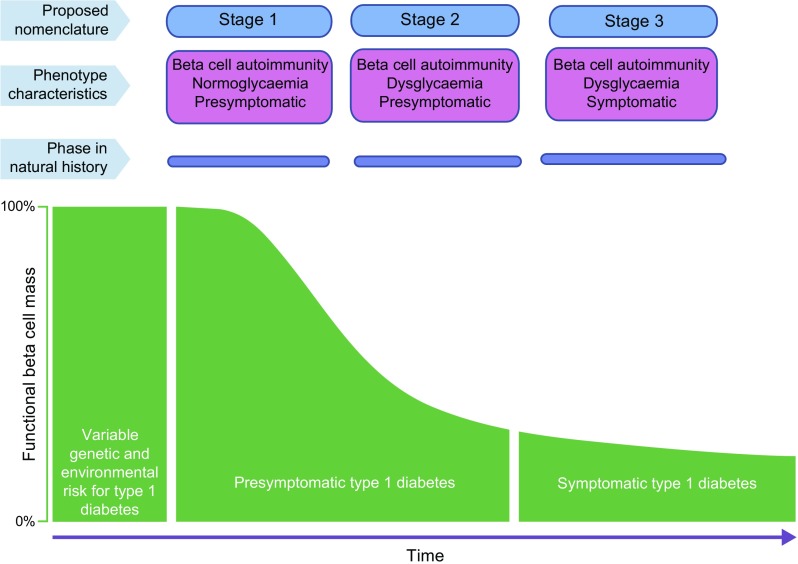
“The staging of type 1 diabetes pathogenesis was proposed by Insel et al [1] and the figure is adapted with permission from Insel et al [1].”
MethodSelf-citationIncidence of childhood type 1 diabetes worldwide. Diabetes Mondiale (DiaMond) Project Group
Karvonen, M., Viik-Kajander, M., Moltchanova, E., Libman, I., LaPorte, R., & Tuomilehto, J. (2000) · Diabetes Care · doi:10.2337/diacare.23.10.1516 · Cited by 1,072
Type 1 Diabetes: Etiology, Immunology, and Therapeutic Strategies
Van Belle, T. L., Coppieters, K. T., & Von Herrath, M. G. (2011) · Physiological Reviews · doi:10.1152/physrev.00003.2010 · Cited by 1,022 · cited 1×
“Beta cell autoantibodies, long regarded as merely markers of the autoimmune process, may contribute through B cells presenting antigens to CD4 and CD8 T cells [79].”
BackgroundThe role of inflammation in insulitis and β-cell loss in type 1 diabetes
Eizirik, D. L., Colli, M. L., & Ortis, F. (2009) · Nature Reviews Endocrinology · doi:10.1038/nrendo.2009.21 · Cited by 1,011 · cited 1×
“Although B and Tcell activity is a known key driver of beta cell destruction, the role of the innate immune system in type 1 diabetes is also recognised [86].”
BackgroundType 1 Diabetes Through the Life Span: A Position Statement of the American Diabetes Association
Chiang, J. L., Kirkman, M. S., Laffel, L. M. B., Peters, A. L., & Authors, O. B. O. T. T. 1. D. S. (2014) · Diabetes Care · doi:10.2337/dc14-1140 · Cited by 965
β-Cell death during progression to diabetes
Mathis, D., Vence, L., & Benoist, C. (2001) · Nature · doi:10.1038/414792a · Cited by 884
HLA DR-DQ Haplotypes and Genotypes and Type 1 Diabetes Risk
Erlich, H., Valdes, A. M., Noble, J., Carlson, J. A., Varney, M., Concannon, P., Mychaleckyj, J. C., Todd, J. A., Bonella, P., Fear, A. L., et al. (2008) · Diabetes · doi:10.2337/db07-1331 · Cited by 790 · cited 1×
“5% of individuals with and without type 1 diabetes, respectively [25].”
BackgroundMajor Histocompatibility Complex Genomics and Human Disease
Trowsdale, J., & Knight, J. C. (2013) · Annual Review of Genomics and Human Genetics · doi:10.1146/annurev-genom-091212-153455 · Cited by 759 · cited 2×
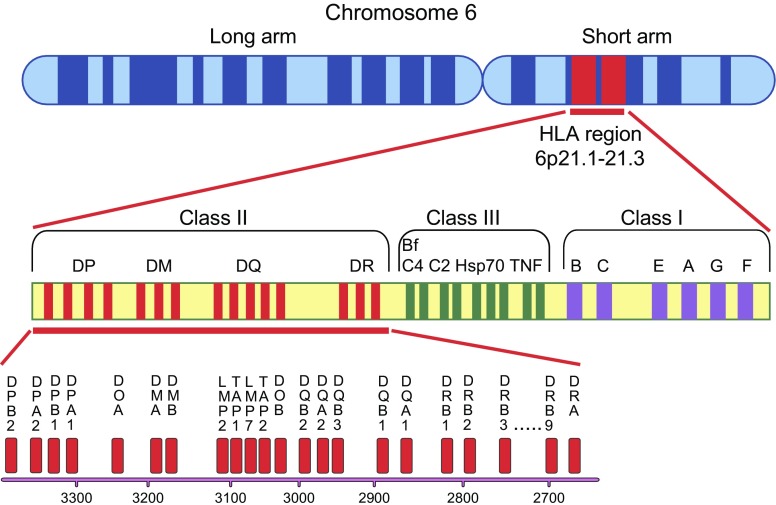
“The HLA class III region is genetically dense and codes for several proteins important to the immune system, such as complement factors and TNF-α [12].”
Background
Cited by
Lowe, W. L., Scholtens, D. M., Lowe, L. P., Kuang, A., Nodzenski, M., Talbot, O., Catalano, P. M., Linder, B., Brickman, W. J., Clayton, P., et al. (2018) · JAMA · doi:10.1001/jama.2018.11628 · Cited by 591
“Therewere4motherswithdiabeteswhowereexcludedbased onantibodies consistentwith type 1diabetes.(7)Prediabeteswas”
Chen, B., Yu, P., Chan, W. N., Xie, F., Zhang, Y., Liang, L., Leung, K. T., Lo, K. W., Yu, J., Tse, G. M. K., et al. (2024) · Signal Transduction and Targeted Therapy · doi:10.1038/s41392-023-01679-y · Cited by 420
“228 231 Furthermore, ZnT8 autoantibodies are detected in approximately 60 – 80% of new cases that are clinically con fi rmed as being affected by type 1 diabetes within the patient population.”
BackgroundTargeted Elimination of Senescent Beta Cells Prevents Type 1 Diabetes
Thompson, P. J., Shah, A., Ntranos, V., Van Gool, F., Atkinson, M., & Bhushan, A. (2019) · Cell Metabolism · doi:10.1016/j.cmet.2019.01.021 · Cited by 353
Subtypes of Type 2 Diabetes Determined From Clinical Parameters
Ahlqvist, E., Prasad, R. B., & Groop, L. (2020) · Diabetes · doi:10.2337/dbi20-0001 · Cited by 229
“Type 1 diabetes (T1D) and latent autoimmune diabetes of the adult (LADA) both result from autoimmune destruction of b-cells, often, but not always, reflected by presence of pancreatic autoantibodies in the blood that can be used as a diagnostic marker (3).”
BackgroundDiagnosis and treatment of type 1 diabetes at the dawn of the personalized medicine era
Akil, A. A.-S., Yassin, E., Al-Maraghi, A., Aliyev, E., Al-Malki, K., & Fakhro, K. A. (2021) · Journal of Translational Medicine · doi:10.1186/s12967-021-02778-6 · Cited by 168
Beta Cell Dedifferentiation Induced by IRE1α Deletion Prevents Type 1 Diabetes
Lee, H., Lee, Y.-S., Harenda, Q., Pietrzak, S., Oktay, H. Z., Schreiber, S., Liao, Y., Sonthalia, S., Ciecko, A. E., Chen, Y.-G., et al. (2020) · Cell Metabolism · doi:10.1016/j.cmet.2020.03.002 · Cited by 152
“The presence of multiple autoantibodies is associated with a high risk of progression to overt disease (Regnell and Lernmark, 2017).”
Chen, Y.-G., Mathews, C. E., & Driver, J. P. (2018) · Frontiers in Endocrinology · doi:10.3389/fendo.2018.00051 · Cited by 134
“However, in the NOD mouse, the initiating antigen appears to be insulin (1), whereas in human T1D it is thought to result from several initiating antigens (5, 6).”
BackgroundRunthala, A., Mbye, M., Ayyash, M. M., Xu, Y., & Kamal‐Eldin, A. (2023) · Molecules · doi:10.3390/molecules28052023 · Cited by 133
Etiology and Pathogenesis of Latent Autoimmune Diabetes in Adults (LADA) Compared to Type 2 Diabetes
Carlsson, S. (2019) · Frontiers in Physiology · doi:10.3389/fphys.2019.00320 · Cited by 128
“Whereas type 1 diabetes typically is characterized by a clustering of different islet autoantibodies (Regnell and Lernmark, 2017), LADA patients tend to be positive primarily for GADA (Tuomi et al.”
BackgroundMethylglyoxal – An emerging biomarker for diabetes mellitus diagnosis and its detection methods
Ramachandra, B. L., Vedantham, S., Krishnan, U. M., & Rayappan, J. B. B. (2019) · Biosensors and Bioelectronics · doi:10.1016/j.bios.2019.03.010 · Cited by 104
Genetics of Type 2 Diabetes: Past, Present, and Future
Laakso, M., & Silva, L. F. (2022) · Nutrients · doi:10.3390/nu14153201 · Cited by 108
“Type 1 diabetes occurs in about 10% of cases, and latent autoimmune diabetes of the adult (LADA) occurs in about 5% of cases [70].”
BackgroundType 1 Diabetes Mellitus: A Review on Advances and Challenges in Creating Insulin Producing Devices
Oliveira, S. M. R., Rebocho, A., Ahmadpour, E., Nissapatorn, V., & Pereira, M. D. L. (2023) · Micromachines · doi:10.3390/mi14010151 · Cited by 103
Nanomedicine-Based Strategies for Diabetes: Diagnostics, Monitoring, and Treatment
Lemmerman, L. R., Das, D., Higuita‐Castro, N., Mirmira, R. G., & Gallego‐Perez, D. (2020) · Trends in Endocrinology and Metabolism · doi:10.1016/j.tem.2020.02.001 · Cited by 91
“In the setting of clinical trials, the measurement of autoantibodies is often used as a diagnostic test to identify individuals at high risk for the development of diabetes, and in the clinical setting autoantibodies are sometimes used to distinguish those with type 1 diabetes when the nature of diabetes is unclear [2…”
BackgroundGastrointestinal Microbiota and Type 1 Diabetes Mellitus: The State of Art
Durazzo, M., Ferro, A., & Gruden, G. (2019) · Journal of Clinical Medicine · doi:10.3390/jcm8111843 · Cited by 80
“Therefore, clinical T1DM is preceded by a silent phase in which the presence of autoantibodies (insulin, glutamic acid decarboxylase, insulinoma-2-associated, and zinc transporter 8 autoantibodies), which are biomarkers of T1DM-associated autoimmunity, is the only detectable abnormality [9,10].”
BackgroundThe Genetic Architecture of Type 1 Diabetes
Jerram, S. T., & Leslie, R. D. (2017) · Genes · doi:10.3390/genes8080209 · Cited by 97
“Glutamic acid decarboxylase autoantibodies (GADA), when found in isolation, are more common than insulin autoantibodies (IAA) in Human Leukocyte Antigen (HLA)-DR3/3 children, but less common in HLA-DR4/8 children [6].”
BackgroundThe Influence of Different Types of Diabetes on Vascular Complications
Wei, J., Tian, J., Tang, C. C., Fang, X., Miao, R., Wu, H., Wang, X., & Tong, X. (2022) · Journal of Diabetes Research · doi:10.1155/2022/3448618 · Cited by 86
“Immune mediation plays an important role in the development of T1DM especially the immune response centered on T lymphocytes [7], where B cells act as antigenpresenting cells presenting antigens to CD4 and CD8 T lymphocytes, producing antibodies that activate T lymphocytes and trigger or exacerbate islet autoimmunity…”
BackgroundZamboni, W. C., Szebeni, J., Kozlov, S., Lucas, A. T., Piscitelli, J. A., & Dobrovolskaia, M. A. (2018) · Advanced Drug Delivery Reviews · doi:10.1016/j.addr.2018.09.012 · Cited by 66
Wilson, D. M., Pietropaolo, S. L., Acevedo-Calado, M., Huang, S., Anyaiwe, D., Scheinker, D., Steck, A. K., Vasudevan, M. M., McKay, S. V., Sherr, J. L., et al. (2023) · Diabetes Care · doi:10.2337/dc22-1297 · Cited by 56
The epidemiology of type 1 diabetes mellitus in older adults
Tomic, D., Harding, J. L., Jenkins, A. J., Shaw, J. E., & Magliano, D. J. (2025) · Nature Reviews Endocrinology · doi:10.1038/s41574-024-01046-z · Cited by 58
“Although the prevalence of several autoantibodies associated with T1DM tends to decrease with increasing age at diagnosis 61 , GADA remains the dominant autoantibody in adult-onset T1DM regardless of ethnicity 62–64 .”
Yi, J., Miller, A. T., Archambault, A. S., Jones, A., Bradstreet, T. R., Bandla, S., Hsu, Y.-S., Edelson, B. T., Zhou, Y. W., Fremont, D. H., et al. (2022) · Science Immunology · doi:10.1126/sciimmunol.abo0777 · Cited by 59
Can nanoparticles and nano‒protein interactions bring a bright future for insulin delivery?
Zhang, T., Tang, J. Z., Fei, X., Li, Y., Song, Y., Qian, Z., & Peng, Q. (2020) · Acta Pharmaceutica Sinica B · doi:10.1016/j.apsb.2020.08.016 · Cited by 54
Viruses and Type 1 Diabetes: From Enteroviruses to the Virome
Isaacs, S. R., Foskett, D. B., Maxwell, A. J., Ward, E. J., Faulkner, C. L., Luo, J. Y. X., Rawlinson, W. D., Craig, M. E., & Kim, K. W. (2021) · Microorganisms · doi:10.3390/microorganisms9071519 · Cited by 59
100 YEARS OF INSULIN: Towards improved precision and a new classification of diabetes mellitus
Ahlqvist, E., Prasad, R. B., & Groop, L. (2021) · Journal of Endocrinology · doi:10.1530/joe-20-0596 · Cited by 62
“Both T1D and LADA result from autoimmune destruction of beta cells, often, but not always, reflected by the presence of pancreatic autoantibodies in the blood (Regnell & Lernmark 2017).”
BackgroundPopp, S. K., Vecchio, F., Brown, D. J., Fukuda, R., Suzuki, Y., Takeda, Y., Wakamatsu, R., Sarma, M. A., Garrett, J., Giovenzana, A., et al. (2022) · JCI Insight · doi:10.1172/jci.insight.153993 · Cited by 51
“In particular, longitudinal studies in at-risk children could potentially determine whether the combination of blood PNA levels, the number/titres of T1D-specific autoantibodies, and glucose tolerance testing (73, 75) more sensitively predicts T1D in children and identifies individuals with an underlying neutrophil-as…”
BackgroundType 1 Diabetes-related Autoantibodies in Different Forms of Diabetes
Sørgjerd, E. P. (2019) · Current Diabetes Reviews · doi:10.2174/1573399814666180730105351 · Cited by 57
Endesfelder, D., zu Castell, W., Bonifacio, E. E., Rewers, M., Hagopian, W., She, J., Lernmark, Å., Toppari, J., Vehik, K., Williams, A. J. K., et al. (2018) · Diabetes · doi:10.2337/db18-0594 · Cited by 49
“Clinical type 1 diabetes is commonly preceded by the development of autoantibodies against pancreatic b-cell antigens, such as insulin autoantibodies (IAA), GAD autoantibodies (GADA), insulinoma-associated antigen-2 autoantibodies (IA-2A), and zinc transporter 8 autoantibodies (ZnT8A) (1).”
BackgroundSelf-citationThe phenotype of type 1 diabetes in sub-Saharan Africa
Katte, J.-C. N., McDonald, T. J., Sobngwi, E., & Jones, A. G. (2023) · Frontiers in Public Health · doi:10.3389/fpubh.2023.1014626 · Cited by 48
“autoantibodies, islet antigen 2 (IA-2) autoantibodies and variants of the zinc transporter 8 (ZnT8) autoantibodies (85, 86).”
BackgroundBauer, W., Veijola, R., Lempainen, J., Kiviniemi, M., Härkönen, T., Toppari, J., Knip, M., Gyenesei, A., & Ilonen, J. (2019) · The Journal of Clinical Endocrinology & Metabolism · doi:10.1210/jc.2019-00421 · Cited by 46
Cadario, F., Pozzi, E., Rizzollo, S., Stracuzzi, M., Beux, S., Giorgis, A., Carrera, D., Fullin, F., Riso, S., Rizzo, A. M., et al. (2019) · Nutrients · doi:10.3390/nu11092158 · Cited by 47
Gómez-Lopera, N., Pineda-Trujillo, N., & Valencia, P. A. D. (2019) · World Journal of Diabetes · doi:10.4239/wjd.v10.i12.560 · Cited by 52
Intercepting psoriatic arthritis in patients with psoriasis: buy one get one free?
McGonagle, D., Zabotti, A., Watad, ., Bridgewood, C., Marco, G. D., Kerschbaumer, A., & Aletaha, D. (2021) · Annals of the Rheumatic Diseases · doi:10.1136/annrheumdis-2021-221255 · Cited by 43
Berryman, M. A., Ilonen, J., Triplett, E. W., & Ludvigsson, J. (2023) · Frontiers in Immunology · doi:10.3389/fimmu.2023.1270488 · Cited by 48
“5 (12, 52 – 55).”
BackgroundCurrent Management of Glycemia in Children with Type 1 Diabetes Mellitus
Sperling, M. A., & Laffel, L. M. (2022) · New England Journal of Medicine · doi:10.1056/nejmcp2112175 · Cited by 43
No Time to Die—How Islets Meet Their Demise in Transplantation
Kale, A., & Rogers, N. M. (2023) · Cells · doi:10.3390/cells12050796 · Cited by 42
“Patients with T1DM and a concurrent burden of autoimmune antibodies have a lower rate of islet transplant success due to the presence of memory CD4+ and CD8+ T cells that are rapidly reactivated to target islet antigens (IA-2, GAD-54 and ZnT8) and destroy β-cells [42,43].”
BackgroundInfluentialNathan, B. M., REDONDO, M. J., Ismail, H. M., Jacobsen, L. M., Sims, E. K., Palmer, J. P., Skyler, J. S., Bocchino, L. E., Geyer, S. M., & Sosenko, J. M. (2021) · Diabetes Care · doi:10.2337/dc21-0944 · Cited by 38
Potential role of type I interferon in the pathogenic process leading to type 1 diabetes
Qaisar, N., Jurczyk, A., & Wang, J. P. (2018) · Current Opinion in Endocrinology Diabetes and Obesity · doi:10.1097/med.0000000000000399 · Cited by 39
“vation of b-cell-reactive T cells, and failure of immune tolerance [1].”
BackgroundReview—Electrochemical Sensors for Large and Small Molecules in Biofluids
Krishnan, S. (2020) · Journal of The Electrochemical Society · doi:10.1149/1945-7111/abcbb5 · Cited by 34
Therapies to Suppress β Cell Autoimmunity in Type 1 Diabetes
Kroger, C. J., Clark, M., Qi, K., & Tisch, R. (2018) · Frontiers in Immunology · doi:10.3389/fimmu.2018.01891 · Cited by 44
“The progression of T1D affords three windows of therapeutic intervention to alter disease outcome (90, 91).”
BackgroundAlagpulinsa, D. A., Cao, J. J. L., Sobell, D., & Poznansky, M. C. (2018) · Pharmacology & Therapeutics · doi:10.1016/j.pharmthera.2018.08.011 · Cited by 39
Traversi, D., Rabbone, I., Scaioli, G., Vallini, C., Carletto, G., Racca, I., Ala, U., Durazzo, M., Collo, A., Ferro, A., et al. (2020) · Scientific Reports · doi:10.1038/s41598-020-74678-6 · Cited by 42
“1% (9) Clostridium dakarense 97% Firmicutes Clostridia Clostridiales Peptostreptococcaceae Romboutsia 5% (2) 5.”
BackgroundNovel Insights into the Immunotherapy-Based Treatment Strategy for Autoimmune Type 1 Diabetes
Rathod, S. (2022) · Diabetology · doi:10.3390/diabetology3010007 · Cited by 40
Webb‐Robertson, B., Bramer, L., Stanfill, B., Akers, S. M., Nakayasu, E. S., Metz, T., Frohnert, B. I., Norris, J. M., Johnson, R. K., Rich, S. S., et al. (2020) · Journal of Diabetes · doi:10.1111/1753-0407.13093 · Cited by 35
Maciejczyk, M., Kossakowska, A., Szulimowska, J., Klimiuk, A., Knaś, M., Car, H., Niklinska, W. E., Ładny, J. R., Chabowski, A., & Zalewska, A. (2017) · Journal of Diabetes Research · doi:10.1155/2017/9850398 · Cited by 30
“Diabetes mellitus (DM) is a group of frequent metabolic disorders characterized by abnormalities in insulin secretion and/or insulin action [1].”
BackgroundEarly Nutrition and Risk of Type 1 Diabetes: The Role of Gut Microbiota
Verduci, E., Mameli, C., Amatruda, M., Petitti, A., Vizzuso, S., Assadi, F. E., Zuccotti, G., Alabduljabbar, S., & Terranegra, A. (2020) · Frontiers in Nutrition · doi:10.3389/fnut.2020.612377 · Cited by 38
Beta Cell Therapies for Preventing Type 1 Diabetes: From Bench to Bedside
Brawerman, G. M., & Thompson, P. J. (2020) · Biomolecules · doi:10.3390/biom10121681 · Cited by 30
Hjort, R., Löfvenborg, J. E., Ahlqvist, E., Alfredsson, L. S., Andersson, T., Grill, V., Groop, L., Sørgjerd, E. P., Tuomilehto, J., Åsvold, B. O., et al. (2019) · The Journal of Clinical Endocrinology & Metabolism · doi:10.1210/jc.2019-00183 · Cited by 30
New Insights into Immunotherapy Strategies for Treating Autoimmune Diabetes
Cabello-Olmo, M., Araña, M., Radichev, I., Smith, P., Huarte, E., & Barajas, M. A. (2019) · International Journal of Molecular Sciences · doi:10.3390/ijms20194789 · Cited by 29
“The progression of T1D can be divided into three critical stages [9,10].”
BackgroundAntigen-specific immunotherapies in type 1 diabetes
Zhang, X., Dong, Y., Liu, D., Yang, L., Xu, J., & Wang, Q. (2022) · Journal of Trace Elements in Medicine and Biology · doi:10.1016/j.jtemb.2022.127040 · Cited by 27
The Multifactorial Progression from the Islet Autoimmunity to Type 1 Diabetes in Children
Bauer, W., Gyenesei, A., & Kretowski, A. J. (2021) · International Journal of Molecular Sciences · doi:10.3390/ijms22147493 · Cited by 30
“Other risk factors associated with the rapidity of disease development are genetic susceptibilities, defined by the T1D-associated HLA genotypes and non-HLA associated genes [15,16], age of the appearance of autoantibodies [5], sex [17,18] and probably still unknown environmental factors [9,19].”
BackgroundZhang, X. D., Gu, H., Wang, L., Huang, F., & Cai, J. (2019) · The Journal of Gene Medicine · doi:10.1002/jgm.3145 · Cited by 23
Zhang, L., Jonscher, K. R., Zhang, Z., Xiong, Y., Mueller, R., Friedman, J. E., & Pan, C. (2022) · Nature Communications · doi:10.1038/s41467-022-31227-1 · Cited by 26
“The seven fixed effects were: [1] age at collection (an integer number of months), [2] delivery method (a categorical variable of caesarian or vaginal), [3] collection center (a categorical variable of SWE, FIN, GER, WAS, COL and GEO), [4] breastfeeding status (a categorical variable of yes or no), [5] solid food stat…”
BackgroundFrohnert, B. I., Ghalwash, M. F., Li, Y., Ng, K., Dunne, J. L., Lundgren, M., Hagopian, W., Lou, O., Winkler, C., Toppari, J., et al. (2023) · Diabetes Care · doi:10.2337/dc22-1960 · Cited by 27
Self-citationThymic B Cell-Mediated Attack of Thymic Stroma Precedes Type 1 Diabetes Development
Pinto, A. I., Smith, J., Kissack, M. R., Hogg, K., & Green, E. A. (2018) · Frontiers in Immunology · doi:10.3389/fimmu.2018.01281 · Cited by 22
“he initial stages of T1D, where priming of the immune response to islet antigen occurs but not overt β cell destruction, is characterized by autoantibodies to β antigens (39).”
BackgroundZhao, L. P., Papadopoulos, G. K., Kwok, W. W., Moustakas, A. K., Bondinas, G. P., Larsson, H. E., Ludvigsson, J., Marcus, C., Samuelsson, U., Wang, R., et al. (2020) · Diabetes · doi:10.2337/db20-0075 · Cited by 24
Self-citationEdstorp, J., Lampousi, A., & Carlsson, S. (2022) · Diabetic Medicine · doi:10.1111/dme.14830 · Cited by 25
Troxerutin affects the male fertility in prepubertal type 1 diabetic male rats.
Oskuye, Z. Z., Mirzaei, F., Hamidian, G., Mehri, K., Qadiri, A., Ahmadi, M., Oghbaei, H., Vatankhah, A. M., & Keyhanmanesh, . (2019) · PubMed Central · doi:10.22038/ijbms.2018.32678.7814 · Cited by 25
“In diabetes mellitus type 1, pancreatic beta cells are damaged by the immune system, therefore, patients must use exogenous insulin to control blood sugar and inhibit risk of developing long-term complications (6, 7).”
BackgroundPrognosis and outcome of latent autoimmune diabetes in adults: T1DM or T2DM?
Zhou, Z., Mingyue, X., Xiong, P., Yuan, J., Zheng, D., & Piao, S. (2024) · Diabetology & Metabolic Syndrome · doi:10.1186/s13098-024-01479-6 · Cited by 24
Webb‐Robertson, B., Nakayasu, E. S., Frohnert, B. I., Bramer, L., Akers, S. M., Norris, J. M., Vehik, K., Ziegler, A., Metz, T., Rich, S. S., et al. (2022) · The Journal of Clinical Endocrinology & Metabolism · doi:10.1210/clinem/dgac225 · Cited by 20
Savastio, S., Cadario, F., Beux, S., Giorgis, A., Genoni, G., Bagnati, M., Bellomo, G., Bona, G., & Maiuri, L. (2018) · The Open Rheumatology Journal · doi:10.2174/1874312901812010289 · Cited by 20
An Insight into the Polymeric Nanoparticles Applications in Diabetes Diagnosis and Treatment
Sivakumar, P. M., Zarrabi, A., Dehghani, P., Rad, M. E., & Zarepour, A. (2021) · Mini-Reviews in Medicinal Chemistry · doi:10.2174/1389557521666211116123002 · Cited by 18
Glucose tolerance in fibromyalgia
Zetterman, T., Markkula, R., & Kalso, E. (2021) · Medicine · doi:10.1097/md.0000000000027803 · Cited by 16
“The presence of GADAb is a risk factor for the onset of type 1 diabetes mellitus.([24]) Glucose samples were taken in fluoride citrate tubes, centrifugated, and measured photometrically using the hexokinase method.”
MethodFunda, D. P., Palová-Jelínková, L., Goliáš, J., Kroulíková, Z., Fajstová, A., Hudcovic, T., & Špíšek, R. (2019) · Frontiers in Immunology · doi:10.3389/fimmu.2019.00967 · Cited by 19
“In the NOD mouse, the initiating antigen seems to be (pro) insulin, whereas in human T1D more antigens can give rise to autoimmune reactivity [reviewed (124)].”
BackgroundSavastio, S., Cadario, F., D’Alfonso, S., Stracuzzi, M., Pozzi, E., Raviolo, S., Rizzollo, S., Gigliotti, C. L., Boggio, E. M., Bellomo, G., et al. (2020) · The Journal of Clinical Endocrinology & Metabolism · doi:10.1210/clinem/dgaa588 · Cited by 17
Mottalib, A., Tomah, S., Hafida, S., Elseaidy, T., Kasetty, M., Ashrafzadeh, S., & Hamdy, O. (2019) · Diabetes, Obesity and Metabolism · doi:10.1111/dom.13478 · Cited by 15
“destruction of insulin-producing pancreatic β cells, mandating use of exogenous insulin.(1,2) Insulin, through its myriad of physiological effects, acts as a double-edged sword.”
BackgroundType 1 Diabetes: Disease Stratification
Insel, R. A., Dutta, S., & Hedrick, J. A. (2017) · Biomedicine Hub · doi:10.1159/000481131 · Cited by 20
HLA high-resolution typing by next-generation sequencing in Pandemrix-induced narcolepsy
Lind, A., Akel, O., Wallenius, M., Ramelius, A., Maziarz, M., Zhao, L. P., Geraghty, D. E., Palm, L., Lernmark, Å., & Larsson, H. E. (2019) · PLoS ONE · doi:10.1371/journal.pone.0222882 · Cited by 15
Self-citationType 1 diabetes: what is the role of autoimmunity in β cell death?
Donath, M. Y. (2022) · Journal of Clinical Investigation · doi:10.1172/jci164460 · Cited by 16
“, before metabolic decompensation, as evidenced by the appearance of autoantibodies directed against β cell antigens several months to years earlier (1).”
BackgroundYue, L., Li, J., Yao, M., Song, S., Zhang, X., & Wang, Y. (2024) · Frontiers in Immunology · doi:10.3389/fimmu.2024.1455691 · Cited by 15
“CD4 T cells can provide “ help ” to B cells and stimulate antibody production (as described above), as well as promote effector CD8 T cell responses and stimulate resident macrophages in the islets (42, 43).”
BackgroundAssociation of Zinc Transporter-8 Autoantibody (ZnT8A) with Type 1 Diabetes Mellitus
Bhatty, A., Baig, S., Fawwad, A., Rubab, Z. E., Shahid, M. A., & Waris, N. (2020) · Cureus · doi:10.7759/cureus.7263 · Cited by 14
Potential Therapeutic Targeting Neurotransmitter Receptors in Diabetes
Pan, X., Tao, S., & Tong, N. (2022) · Frontiers in Endocrinology · doi:10.3389/fendo.2022.884549 · Cited by 15
“The presence of GAD autoantibodies is important for the diagnosis of autoimmune diabetes (44).”
BackgroundAdvances in Immunotherapeutic Approaches to Type 1 Diabetes
Cudini, A., & Fierabracci, A. (2023) · International Journal of Molecular Sciences · doi:10.3390/ijms24119220 · Cited by 18
“It is possible to identify three critical stages in the progression of T1D [2,3].”
BackgroundTargeting dysfunctional beta-cell signaling for the potential treatment of type 1 diabetes mellitus
Fenske, R. J., & Kimple, M. E. (2018) · Experimental Biology and Medicine · doi:10.1177/1535370218761662 · Cited by 16
National Asthma Education and Prevention Program 2020 Guidelines: What’s Important for Primary Care
Murphy, M. (2021) · The Journal of Family Practice · doi:10.12788/jfp.0219 · Cited by 16
Kosheleva, L., Koshelev, D., Lagunas‐Rangel, F. A., Levit, S., Rabinovitch, A., & Schiöth, H. B. (2025) · Pharmacological Reviews · doi:10.1016/j.pharmr.2025.100044 · Cited by 12
Esmaeili, S., Moghaddam, S. S., Namazi, N., Bandarian, F., Esfahani, Z., Peimani, M., Shahin, S., Nasli‐Esfahani, E., Akbarzadeh, I., Ghanbari, A., et al. (2022) · Diabetes Research and Clinical Practice · doi:10.1016/j.diabres.2022.109912 · Cited by 12
Comparative analysis of gene expression profiles in children with type 1 diabetes mellitus
Qian, L., Shi, H., & Ding, M.-L. (2019) · Molecular Medicine Reports · doi:10.3892/mmr.2019.10099 · Cited by 15
Scherbaum, W. A. (2021) · Handbook of clinical neurology · doi:10.1016/b978-0-12-820683-6.00015-4 · Cited by 13
Luppi, S., Aldegheri, L., Azzalini, E., Pacetti, E., Sebastiani, G. B., Fabiani, C., Robino, A., & Comar, M. (2024) · International Journal of Molecular Sciences · doi:10.3390/ijms251910611 · Cited by 16
Vasilev, G., Kokudeva, M., Siliogka, E., Padilla, N., Shumnalieva, R., Della‐Morte, D., Ricordi, C., Mihova, A., Infante, M., & Velikova, T. V. (2025) · World Journal of Diabetes · doi:10.4239/wjd.v16.i4.99936 · Cited by 12
“Experimental studies in non-obese diabetic (NOD) mice have shown that interventions targeting Th17 cells and IL-17 can modulate the progression of T1D, suggesting that inhibition of Th17 cells and inhibition of IL-17 production could be viable therapeutic strategies for T1D[21].”
InfluentialGougourelas, D., Tsentidis, C., Koufadaki, A. M., Koutsovasilis, A., Gougourela, E., Karanasios, S., Sotiropoulos, A., Bousboulas, S., & Karavanaki, K. (2021) · Diabetes Research and Clinical Practice · doi:10.1016/j.diabres.2021.108847 · Cited by 14
Enczmann, J., Balz, V., Hoffmann, M., Kummer, S., Reinauer, C., Döing, C., Förtsch, K., Welters, A., Mayatepek, E., Meißner, T., et al. (2021) · Genes · doi:10.3390/genes12121879 · Cited by 14
Type 1 diabetes mellitus and its oral tolerance therapy
Mao, R., Chen, Y., Zhang, J., Chang, X., & Wang, Y. (2020) · World Journal of Diabetes · doi:10.4239/wjd.v11.i10.400 · Cited by 14
Argyropoulos, T., Korakas, E., Gikas, A., Kountouri, A., Kostaridou, S., Raptis, A. E., & Lambadiari, V. (2021) · Frontiers in Pediatrics · doi:10.3389/fped.2021.670976 · Cited by 12
Asseri, S. M., Elsherbiny, N. M., El‐Sherbiny, M., Sherif, I. O., Alsamman, A. M., Maysarah, N. M., & Elsherbini, A. M. (2022) · Scientific Reports · doi:10.1038/s41598-021-04594-w · Cited by 11
RetractedNolasco-Rosales, G. A., Ramírez-González, D., Rodríguez-Sánchez, E., Ávila-Fernández, Á., Villar-Juárez, G. E., González‐Castro, T. B., Tovilla‐Zárate, C. A., Guzmán‐Priego, C. G., Mendoza, A. D. G., Blé‐Castillo, J. L., et al. (2023) · Scientific Reports · doi:10.1038/s41598-023-34171-2 · Cited by 10
“Individuals with LADA are younger at diagnosis than T2D, but older than those with T1D4,5.”
BackgroundInfluentialTempleman, E. L., Ferrat, L. A., Parikh, H. M., You, L., Triolo, T. M., Steck, A. K., Hagopian, W., Vehik, K., Önengüt-Gümüşcü, S., Gottlieb, P. A., et al. (2025) · BMC Medicine · doi:10.1186/s12916-025-04225-5 · Cited by 10
“The good discrimination of the original prediction model in the TrialNet dataset highlights that, in keeping with existing knowledge, the main and strongest predictors of type 1 diabetes are consistent across many study designs [38–40].”
Kumar, N., Patiyal, S., Choudhury, S., Tomer, R., Dhall, A., & Raghava, G. P. S. (2022) · Briefings in Bioinformatics · doi:10.1093/bib/bbac525 · Cited by 9
Autoimmune liver diseases and diabetes
Jensen, A. H., Ytting, H., Winther‐Sørensen, M., Burisch, J. M., Bergquist, A. M., Gluud, L. L., & Albrechtsen, N. J. W. (2023) · European Journal of Gastroenterology & Hepatology · doi:10.1097/meg.0000000000002594 · Cited by 12
HLA, infections and inflammation in early stages of atherosclerosis in children with type 1 diabetes
Odermarsky, M., Pesonen, E. J., Sorsa, T. A., Lernmark, Å., Pussinen, P. J., & Liuba, P. (2017) · Acta Diabetologica · doi:10.1007/s00592-017-1063-1 · Cited by 11
Self-citationInteractions Between the Neuroendocrine System and T Lymphocytes in Diabetes
Andreone, L., Gimeno, M. L., & Perone, M. J. (2018) · Frontiers in Endocrinology · doi:10.3389/fendo.2018.00229 · Cited by 11
“Islet autoantibodies are the best currently available biomarkers to detect ongoing autoimmune process and T1D development risk (56).”
BackgroundHLA-DQA1 and HLA-DQB1 Gene Polymorphism in Indonesian Children with Type I Diabetes Mellitus
Soetjipto, Rochmah, N., Faizi, M., Hisbiyah, Y., & Endaryanto, A. (2022) · The Application of Clinical Genetics · doi:10.2147/tacg.s348115 · Cited by 8
Gut microbiota as a modulator of type 1 diabetes: A molecular perspective
Nikola, L., & Iva, L. (2024) · Life Sciences · doi:10.1016/j.lfs.2024.123187 · Cited by 11
Vitamin D effects and endocrine diseases
Savastio, S., Cinquatti, R., Tagliaferri, F., Rabbone, I., & Bona, G. (2020) · Minerva Pediatrics · doi:10.23736/s0026-4946.20.05915-0 · Cited by 9
Fuentes, S., Rodríguez, C. G., Rodríguez-Chacón, C., Toribio, R. G., Hermosín-Escudero, J., Pérez‐Pérez, A., & León‐Justel, A. (2023) · Laboratory Medicine · doi:10.1093/labmed/lmad079 · Cited by 9
Nanomedicine’s transformative impact on anti-diabetic drug discovery: an appraisal
Saini, K., & Sharma, S. (2023) · Journal of Nanoparticle Research · doi:10.1007/s11051-023-05870-8 · Cited by 7
“Furthermore, the hyperglycemia manifestation does not frequently become clinically noticeable after years of disease commencement [29], which hinders initial intervention.”
BackgroundInsights in Nutrition to Optimize Type 1 Diabetes Therapy
Cadario, F. (2024) · Nutrients · doi:10.3390/nu16213639 · Cited by 10
“A variable span of time from the first years of life to the clinical onset of the disease, peaking at puberty, during which autoimmunity selectively reduces β -cell mass, should be the ideal period to counteract the process [19].”
BackgroundLi, C. W., Osman, R., Menconi, F., Faustino, L. C., Kim, K., Clarke, O. B., Hou, H., & Tomer, Y. (2021) · Frontiers in Immunology · doi:10.3389/fimmu.2021.796552 · Cited by 7
Pancreas Islet Cell-Specific Antibody Detection by ELISA
Aelst, S. V., Gillard, P., Weets, I., Dillaerts, D., Billen, J., Mathieu, C., & Bossuyt, X. (2022) · The Journal of Applied Laboratory Medicine · doi:10.1093/jalm/jfab141 · Cited by 7
Sisnande, T., Brum, F. L., Matias, D. O., Ribeiro, F. D. S., Beninatto, T. M., Mohana‐Borges, R., de Magalhães, M. T. Q., & Lima, L. M. T. R. (2024) · Analytical Biochemistry · doi:10.1016/j.ab.2024.115570 · Cited by 7
Lindbladh, I., Svärd, A. A., & Lernmark, Å. (2019) · Elsevier eBooks · doi:10.1016/b978-0-12-812102-3.00041-5 · Cited by 9
Self-citation
Metadata
- Authors
- Regnell, S. E., & Lernmark, Å.
- Affiliations
- Lund University (SE)
- Corresponding author
- Lernmark, Åke
- Venue
- Diabetologia
- Published
- 2017-05-26
- Volume
- 60
- Issue
- 8
- Pages
- 1370-1381
- ISSN
- 0012-186X (ISSN-L)
- 1432-0428
- PMC
- PMC5491594
- OpenAlex
- W2620432821
- Cited by
- 195
- References
- 127
- Citations by year
- 2026: 8 · 2025: 12 · 2024: 16 · 2023: 26 · 2022: 30 · 2021: 41 · 2020: 20 · 2019: 20 · 2018: 17 · 2017: 5
- FWCI
- 2.19
- Type
- journal article
- Language
- en
- Open access
- hybrid
- doi.org
- Locations
- Diabetologia (publishedVersion, cc-by)
- PubMed Central (publishedVersion, cc-by)
- PubMed (publishedVersion)
- Lund University Publications (Lund University) (submittedVersion)
- Funders
- Lund University
- Topics
- Life Sciences › Biochemistry, Genetics and Molecular Biology › Genetics › Diabetes and associated disorders
- Health Sciences › Medicine › Endocrinology, Diabetes and Metabolism › Diabetes Management and Research
- Life Sciences › Immunology and Microbiology › Immunology › T-cell and B-cell Immunology
- Keywords
- type 1 diabetes, early prediction, insulin autoantibodies, glutamic acid decarboxylase antibodies, HLA-DQ8, HLA-DQ2, HLA class II, beta-cell mass loss, islet infiltration, mononuclear cell infiltration, type 1 diabetes prevention, genetic susceptibility
- MeSH terms
- Autoantibodies, Child, Diabetes Mellitus, Type 1, Female, Glutamate Decarboxylase, Humans, Insulin Antibodies, Male
About these checks
Registry, retraction, Cites and statistics results are computed, not judged, with one exception: a printed reference that no index lists is read once by a model before it counts as a citation error. Claims are extracted by a model and kept only when their quote appears verbatim in the text; each cited source is then checked, with a model’s help, for whether it says what the claim relies on. Those verdicts can be wrong — read the claim’s quote and the cited source before relying on one.
Statistics and arithmetic are recomputed, not judged.
Confidence bands are shown only for fields calibrated on our annotated test set. None is calibrated yet, so no band is shown.
What counts as a claim ›How we measure confidence ›How we check this ›
Are you an author, or do you see a problem with this page? Request a review
Data sources
Bibliographic data: Semantic Scholar, OpenAlex, Crossref.
Contains information from the Semantic Scholar Academic Graph Datasets, made available under the ODC Attribution License (ODC-BY 1.0).
Semantic Scholar’s data is described in: Kinney, R., et al. (2023). The Semantic Scholar Open Data Platform. arXiv:2301.10140.
