

Normal and disordered gastric emptying in diabetes: recent insights into (patho)physiology, management and impact on glycaemic control
Open accessThe DOI matches its Crossref record; 91 of the 91 references it cites were found in a registry or an index.
Abstract
Gastric emptying is a major determinant of postprandial blood glucose, accounting for ~35% of variance in peak glucose in both healthy individuals and those with type 2 diabetes. Gastric emptying is frequently disordered in individuals with diabetes (both abnormally delayed and accelerated). Delayed gastric emptying, i.e. diabetic gastroparesis, may be linked to upper gastrointestinal symptoms for which current treatment remains suboptimal; pharmacological acceleration of delayed emptying is only weakly associated with symptom improvement. Accordingly, the relationship between symptoms and delayed gastric emptying is not simply ‘cause and effect’. In insulin-treated patients, disordered gastric emptying, even when not associated with gastrointestinal symptoms, can cause a mismatch between the onset of insulin action and the availability of absorbed carbohydrate, leading to suboptimal glycaemic control. In patients with type 2 diabetes, interventions that slow gastric emptying, e.g. glucagon-like peptide-1 receptor agonists, reduce postprandial blood glucose. This review focuses on recent insights into the impact of gastric emptying on postprandial blood glucose, effects of diabetes therapy on gastric emptying and the management of disordered gastric emptying in diabetes. In view of the broad relevance of gastric emptying to diabetes management, it is important that future clinical trials evaluating novel therapies that may affect gastric emptying should quantify the latter with an appropriate technique, such as scintigraphy or a stable isotope breath test. Graphical abstract
Overview
The claims and statistics of this paper haven’t been checked yet.
Free: it reads the open-access text and checks the first 5 claims that cite a source we can check. Create a free account to check every claim.
Integrity signals
Registry
Cites
Statistics
Figures
Verification
Claims the paper makes
The claims and statistics of this paper haven’t been checked yet.
Free: it reads the open-access text and checks the first 5 claims that cite a source we can check. Create a free account to check every claim.
Claims other papers make about this one
Each is checked against this paper’s own text: does it say what the citing paper says it does?
The source backs part of the claim, not all of it — or backs it for a different population, condition or comparison.
In the citing paper
“Even minimal fluctuations in gastric motility can therefore produce substantial differences in the timing and magnitude of postprandial hyperglycemia [92, 93].”
From Diabetic gastroparesis: pathophysiology and impact on insulin timing choices (2026) · cites this paper as [92]
Experimental — accuracy not yet measuredThe source backs part of the claim, not all of it — or backs it for a different population, condition or comparison.
In the citing paper
“In consistently slow gastric emptying, switching from rapid-acting insulin analogues to regular human insulin may be beneficial, as its slower onset (30–60 min) and longer duration (6–8 h) can better match the delayed absorption of carbohydrates [3, 14, 92, 113, 114].”
From Diabetic gastroparesis: pathophysiology and impact on insulin timing choices (2026) · cites this paper as [92]
Experimental — accuracy not yet measuredThe source backs part of the claim, not all of it — or backs it for a different population, condition or comparison.
In the citing paper
“Furthermore, chronic and acute hyperglycemia inhibit gastric motility by reducing vagal cholinergic activity, impairing fundic relaxation, slowing antral peristalsis, and diminishing pyloric compliance, creating a self-perpetuating cycle between worsening metabolic control and gastrointestinal symptoms [6, 23, 92, 103, 104].”
From Diabetic gastroparesis: pathophysiology and impact on insulin timing choices (2026) · cites this paper as [92]
Experimental — accuracy not yet measuredThe source backs part of the claim, not all of it — or backs it for a different population, condition or comparison.
In the citing paper
“Splitting the bolus (e.g., part at mealtime and part 30–60 min later) may improve alignment between insulin and nutrient appearance, particularly when supported by CGM trends [92, 112].”
From Diabetic gastroparesis: pathophysiology and impact on insulin timing choices (2026) · cites this paper as [92]
Experimental — accuracy not yet measuredThe cited source says what the claim attributes to it.
In the citing paper
“GE is a major determinant of glycemic response after food intake.7”
From The novel GIP , GLP ‐1 and glucagon receptor agonist retatrutide delays gastric emptying (2023) · cites this paper as [7]
1 more claim about this paper
Create a free account to see every claim other papers make about this one.
Self-check
Percentages, sums and reported differences re-computed from the paper’s own numbers.
The self-check needs the paper’s full text.
Citations
Cites
(1996) · Institutional Research Information System University of Turin (University of Turin) · doi:10.1111/j · Cited by 5,486
Drucker, D. J., Buse, J. B., Taylor, K., Kendall, D. M., Trautmann, M., Zhuang, D., & Porter, L. (2008) · The Lancet · doi:10.1016/s0140-6736(08)61206-4 · Cited by 1,070 · cited 3×
“Drucker et al [42] 5 μg sc BD for 14 weeks T2D (n=50) Paracetamol absorption Exenatide vs placebo: +”
BackgroundInfluentialAbell, T. L., Camilleri, M., Donohoe, K., Hasler, W. L., Lin, H. C., Maurer, A. H., McCallum, R. W., Nowak, T., Nusynowitz, M. L., Parkman, H. P., et al. (2008) · Journal of Nuclear Medicine Technology · doi:10.2967/jnmt.107.048116 · Cited by 440
Gastric and oesophageal emptying in patients with Type 2 (non-insulin-dependent) diabetes mellitus
Horowitz, M., Harding, P. E., Maddox, A. F., Wishart, J. M., Akkermans, L. M. A., Chatterton, B. E., & Shearman, D. J. C. (1989) · Diabetologia · doi:10.1007/bf00265086 · Cited by 392 · cited 3×
“tionship of delayed gastric emptying with autonomic dysfunction, as assessed by cardiovascular reflex tests, is weak [1, 2].”
BackgroundSelf-citationNauck, M. A., Quast, D. R., Wefers, J., & Pfeiffer, A. F. H. (2021) · Diabetes, Obesity and Metabolism · doi:10.1111/dom.14496 · Cited by 388
Botulinum Toxin A for the Treatment of Delayed Gastric Emptying
Friedenberg, F. K., Palit, A., Parkman, H. P., Hanlon, A., & Nelson, D. B. (2008) · The American Journal of Gastroenterology · doi:10.1111/j.1572-0241.2007.01676.x · Cited by 370 · cited 1×
“Open-label studies initially suggested a benefit of intrapyloric injection of botulinum toxin; however, subsequent sham-controlled trials in gastroparesis of various aetiologies failed to demonstrate improvement in either symptoms or gastric emptying [83].”
BackgroundMathieu, C., Zinman, B., Hemmingsson, J. U., Woo, V., Colman, P., Christiansen, E., Linder, M., Bode, B., & for the ADJUNCT ONE Investigators (2016) · Diabetes Care · doi:10.2337/dc16-0691 · Cited by 347
Relationships between oesophageal transit and solid and liquid gastric emptying in diabetes mellitus
Horowitz, M., Maddox, A., Wishart, J., Harding, P., Chatterton, B., & Shearman, D. C. (1991) · European Journal of Nuclear Medicine · doi:10.1007/bf00186645 · Cited by 326 · cited 4×
“tionship of delayed gastric emptying with autonomic dysfunction, as assessed by cardiovascular reflex tests, is weak [1, 2].”
BackgroundInfluentialSelf-citationGastric emptying and glycaemia in health and diabetes mellitus
Phillips, L. K., Deane, A. M., Jones, K. L., Rayner, C. K., & Horowitz, M. (2015) · Nature Reviews Endocrinology · doi:10.1038/nrendo.2014.202 · Cited by 273 · cited 12×
“The latter is now recognised to be both complex and heterogeneous [6].”
BackgroundInfluentialSelf-citationMeier, J. J., Rosenstock, J., Hincelin-Méry, A., Roy-Duval, C., Delfolie, A., Coester, H.-V., Menge, B. A., Forst, T., & Kapitza, C. (2015) · Diabetes Care · doi:10.2337/dc14-1984 · Cited by 262 · cited 1×
“persists with both liraglutide [37, 46] and exenatide QW [44], two long-acting GLP-1RAs for which gastric emptying has been quantified using a methodologically sound technique.”
Method
Cited by
Clinical Consequences of Delayed Gastric Emptying With GLP-1 Receptor Agonists and Tirzepatide
Jalleh, R. J., Plummer, M. P., Marathe, C. S., Umapathysivam, M. M., Quast, D. R., Rayner, C. K., Jones, K. L., Wu, T., Horowitz, M., & Nauck, M. A. (2024) · The Journal of Clinical Endocrinology & Metabolism · doi:10.1210/clinem/dgae719 · Cited by 157
Self-citationGastrointestinal effects of GLP-1 receptor agonists: mechanisms, management, and future directions
Jalleh, R. J., Rayner, C. K., Hausken, T., Jones, K. L., Camilleri, M., & Horowitz, M. (2024) · The Lancet Gastroenterology & Hepatology · doi:10.1016/s2468-1253(24)00188-2 · Cited by 144
Self-citationApproach to Obesity Treatment in Primary Care: A Review
Yanovski, S. Z., & Yanovski, J. A. (2024) · JAMA Internal Medicine · doi:10.1001/jamainternmed.2023.8526 · Cited by 103
Hiramoto, B., McCarty, T. R., Lodhia, N. A., Jenkins, A., Elnaiem, A., Muftah, M., Flanagan, R., & Chan, W. W. (2024) · American Journal of Gastroenterology · doi:10.14309/ajg.0000000000002820 · Cited by 94
“Prior studies of the gastroparesis population have found poor correlations between measures of gastric emptying and clinical symptoms (66,67).”
BackgroundCalvarysky, B., Dotan, I., Shepshelovich, D., Leader, A., & Cohen, T. D. (2024) · Drug Safety · doi:10.1007/s40264-023-01392-3 · Cited by 97
Jalleh, R. J., Marathe, C. S., Rayner, C. K., Jones, K. L., Umapathysivam, M. M., Wu, T., Quast, D. R., Plummer, M. P., Nauck, M. A., & Horowitz, M. (2024) · Endocrinology · doi:10.1210/endocr/bqae155 · Cited by 61
Self-citationPostoperative Aspiration Pneumonia Among Adults Using GLP-1 Receptor Agonists
Chen, Y.-H., Zink, T., Chen, Y.-W., Nin, D. Z., Talmo, C. T., Hollenbeck, B. L., Grant, A. R., Niu, R., Chang, D. C., & Smith, E. L. (2025) · JAMA Network Open · doi:10.1001/jamanetworkopen.2025.0081 · Cited by 60
Risks of peri‐ and postoperative complications with glucagon‐like peptide‐1 receptor agonists
Klonoff, D. C., Kim, S. H., Galindo, R. J., Joseph, J. I., Garrett, V., Gombar, S., Aaron, R. E., Tian, T., & Kerr, D. (2024) · Diabetes, Obesity and Metabolism · doi:10.1111/dom.15636 · Cited by 58
“14 Although the GLP1-RA effect to delay gastric emptying is preserved in the use of short-acting GLP1-RAs, this delay has been reported to diminish when a long-acting GLP1-RA is administered.”
Oprea, A. D., Umpierrez, G. E., Sweitzer, B., & Hepner, D. L. (2024) · Anesthesiology · doi:10.1097/aln.0000000000005204 · Cited by 45
“45 21 • It is notable that in these reports, the patients followed current recommendations for fasting ( i.e. , 8 h fasting time for solids and 2 h for liquids).”
Sanger, G. J., & Andrews, P. L. R. (2023) · Alimentary Pharmacology & Therapeutics · doi:10.1111/apt.17466 · Cited by 40
Manipulation of Post-Prandial Hyperglycaemia in Type 2 Diabetes: An Update for Practitioners
Shibib, L., Al-Qaisi, M., Guess, N. D., Miras, A. D., Greenwald, S. E., Pelling, M., & Ahmed, A. (2024) · Diabetes Metabolic Syndrome and Obesity · doi:10.2147/dmso.s458894 · Cited by 50
“45,62,63,91 Most recently, the Endocrine Society convened in 2018 in Washington DC to look at novel self-management methods of addressing post-prandial hyperglycemia in insulin-dependent diabetics.”
BackgroundSmedegaard, S., Kampmann, U., Ovesen, P. G., Støvring, H., & Rittig, N. (2023) · The American Journal of Clinical Nutrition · doi:10.1016/j.ajcnut.2023.05.012 · Cited by 28
The novel GIP , GLP ‐1 and glucagon receptor agonist retatrutide delays gastric emptying
Urva, S., O'Farrell, L., Du, Y., Loh, M. T., Hemmingway, A., Qu, H., Alsina‐Fernandez, J., Haupt, A., Milicevic, Z., & Coskun, T. (2023) · Diabetes, Obesity and Metabolism · doi:10.1111/dom.15167 · Cited by 28
Amylin: From Mode of Action to Future Clinical Potential in Diabetes and Obesity
Volčanšek, Š., Koceva, A., Jensterle, M., Janež, A., & Muzurović, E. M. (2025) · Diabetes Therapy · doi:10.1007/s13300-025-01733-8 · Cited by 35
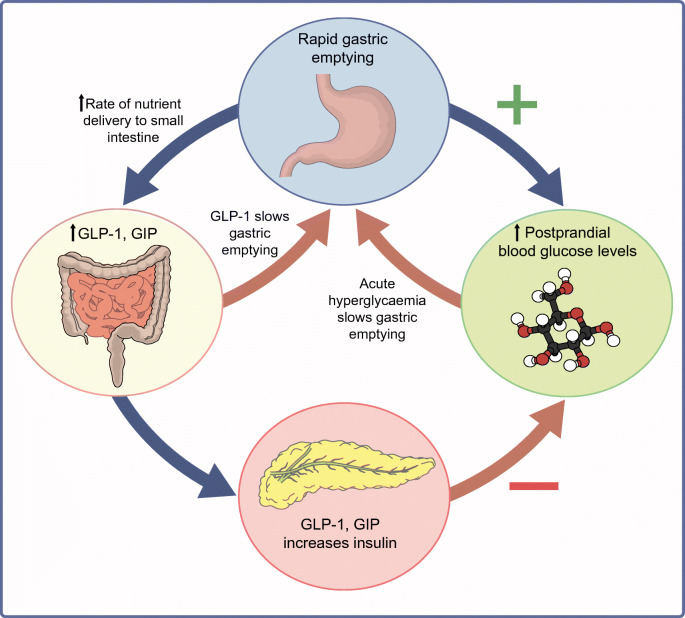
“Finally, the accelerated rate of gastric emptying, which is a critical determinant of postprandial glucose excursions, can overwhelm the capacity of exogenous insulin to manage the rapid influx of glucose into the circulation [61, 62].”
Tong, Y., Huang, J., Chen, Y., Tu, M., & Wang, W. (2023) · Frontiers in Pharmacology · doi:10.3389/fphar.2023.1176206 · Cited by 27
“Few studies found that metformin and α-glucosidase inhibitors might affect gastrointestinal motility, but these effects are weak and easily affected by other intestinal hormones (Jalleh et al., 2022).”
BackgroundPrevalence of gastroparesis in diabetic patients: a systematic review and meta-analysis
Li, L., Wang, L., Long, R., Song, L., & Yue, R. (2023) · Scientific Reports · doi:10.1038/s41598-023-41112-6 · Cited by 35
Jalleh, R. J., Jones, K. L., Nauck, M., & Horowitz, M. (2023) · Annals of Internal Medicine · doi:10.7326/m23-2019 · Cited by 18
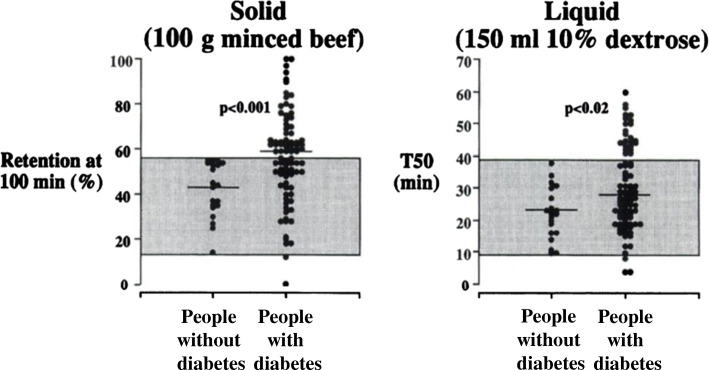
“With the use of scintigraphy, it was shown that delayed gastric emptying occurred frequently (30% to 50% of cases) in patients with long-standing type 1 or type 2 diabetes, providing a plausible basis for upper GI symptoms, which were recognized to also occur frequently (6).”
BackgroundMethodInfluentialSelf-citationTricò, D., Chiriacò, M., Nouws, J., Vash‐Margita, A., Kursawe, R., Tarabra, E., Galderisi, A., Natali, A., Giannini, C., Hellerstein, M. K., et al. (2023) · Diabetes · doi:10.2337/db23-0450 · Cited by 24
Jalleh, R. J., Umapathysivam, M. M., Plummer, M. P., Deane, A. M., Jones, K. L., & Horowitz, M. (2023) · Reviews in Endocrine and Metabolic Disorders · doi:10.1007/s11154-023-09823-3 · Cited by 22
“Gastric emptying has been recognized as a major deter - minant of postprandial glycaemic excursions in individuals with and without type 2 diabetes [ 52 ] but was not evaluated in any of the included studies.”
BackgroundSelf-citationNoh, Y., Yin, H., Yu, O. H. Y., Bitton, A., & Azoulay, L. (2025) · Annals of Internal Medicine · doi:10.7326/annals-24-03420 · Cited by 18
Striking a gut–liver balance for the antidiabetic effects of metformin
Barroso, E., Montori-Grau, M., Wahli, W., Palomer, X., & Vázquez‐Carrera, M. (2023) · Trends in Pharmacological Sciences · doi:10.1016/j.tips.2023.04.004 · Cited by 15
Should glucagon‐like peptide‐1 receptor agonist treatment be withheld in preoperative management?
Bloomgarden, Z. T. (2023) · Journal of Diabetes · doi:10.1111/1753-0407.13469 · Cited by 15
Tan, Y. C. R. S., Zhang, X., Lv, X., Sun, Y.-N., Yang, J., & Xiao, X. (2025) · Digestive and Liver Disease · doi:10.1016/j.dld.2025.03.002 · Cited by 18
Vig, H., Ravinandan, A. P., Vishwas, H. N., Tyagi, S., Rathore, S., Wal, A., & Wal, P. (2023) · Current Diabetes Reviews · doi:10.2174/1573399819666230502110511 · Cited by 14
Fano, M. D., Porcellati, F., Fanelli, C. G., Corio, S., Mazzieri, A., Lucidi, P., Bolli, G. B., & Bassotti, G. (2023) · Diabetes Research and Clinical Practice · doi:10.1016/j.diabres.2023.110828 · Cited by 15
Retatrutide: A Triple Incretin Receptor Agonist for Obesity Management
Ray, A. (2023) · Expert Opinion on Investigational Drugs · doi:10.1080/13543784.2023.2276754 · Cited by 11
“Focusing on such life-threatening adverse events and understanding their potential long-term impact is critical in designing future roadmaps of retatrutide and other such triple agonists in the pipeline, especially since long-standing T2DM is commonly associated with underlying gastroparesis [44].”
BackgroundKovoor, J. G., Rayner, C. K., Wu, T., Jalleh, R. J., Maddern, G. J., Horowitz, M., & Jones, K. L. (2024) · Journal of Diabetes and its Complications · doi:10.1016/j.jdiacomp.2024.108793 · Cited by 11
“In the population we studied (uncomplicated type 2 diabetes), gastric emptying is more likely to be accelerated, rather than delayed, 6 as is the case in obese individuals without diabetes.”
BackgroundSelf-citationAlqifari, S. F., Komi, O. A., Esmail, A., Alkhawami, K., Yousri, S., Muqresh, M. A., Alharbi, N., Khojah, A. A. A., Aljabri, A. M., Allahham, A., et al. (2024) · World Journal of Diabetes · doi:10.4239/wjd.v15.i3.331 · Cited by 11
Xiang, C., Sun, Y., Luo, Y., Xie, C., Huang, W., Jones, K. L., Horowitz, M., Sun, Z., Rayner, C. K., Ma, J., et al. (2024) · Diabetes Obesity and Metabolism · doi:10.1111/dom.15635 · Cited by 11
Self-citationSaller, T., Allmendinger, J., Knabe, P., Knabe, M., Lenninger, L., Just, A.-M., Seidenspinner, D., Holzapfel, B. M., Neuerburg, C., & Tomasi, R. (2025) · Journal of Clinical Medicine · doi:10.3390/jcm14155477 · Cited by 10
“Measuring the CSA offers a quick and cost-effective method of increasing patient safety and minimising the risk of aspiration, while at the same time, it is still possible to implement a liberal fluid fasting concept [18].”
Mendes, F. F., Carvalho, L. I. M., & Lopes, M. B. (2024) · Brazilian Journal of Anesthesiology (English Edition) · doi:10.1016/j.bjane.2024.844538 · Cited by 12
“10,15 While tachyphylaxis is a known phenomenon, further research is necessary to understand the factors in fl uencing it and its impact on dose selection and surgical planning.”
BackgroundMilanovic, S. M., Dedic, N., Lew, R., Burton, D. D., Koblan, K. S., Camilleri, M., & Hopkins, S. C. (2024) · Diabetes Obesity and Metabolism · doi:10.1111/dom.15569 · Cited by 8
“34,36 Accordingly, gastrointestinal traits relevant to the pathophysiology of diabetes and obesity may constitute potential targets for therapy.”
BackgroundHuang, W., Xie, C., Albrechtsen, N. J. W., Jones, K. L., Horowitz, M., Rayner, C. K., & Wu, T. (2023) · Peptides · doi:10.1016/j.peptides.2023.170941 · Cited by 9
Self-citationXiang, C., Sun, Y., Luo, Y., Xie, C., Huang, W., Sun, Z., Jones, K. L., Horowitz, M., Rayner, C. K., Ma, J., et al. (2024) · Nutrition and Diabetes · doi:10.1038/s41387-024-00264-8 · Cited by 7
“…in both health and diabetes [1 – 4], such that even modest differences in the rate of GE may have a major impact on the postprandial blood glucose pro fi le, particularly in type 2 diabetes (T2D) where, as a result of impaired glucose tolerance, the effect of GE is more sustained [5, 6].”
BackgroundSelf-citationDesigner GLP1 poly-agonist peptides in the management of diabesity
Statham, L., Pelling, M., Hanson, P., Kyrou, I., Randeva, H. S., & Barber, T. M. (2023) · Expert Review of Endocrinology & Metabolism · doi:10.1080/17446651.2023.2204976 · Cited by 8
“This is important given the effect of gastric emptying as a major determinant of postprandial blood glucose (accounting for around 35% of the variance in peak glucose levels in both T2D and healthy individuals) [30].”
BackgroundComputational Models of the Fluid Mechanics of the Stomach
Kuhar, S., & Mittal, R. (2024) · Journal of the Indian Institute of Science · doi:10.1007/s41745-024-00421-z · Cited by 9
Jalleh, R. J., Wu, T., Umapathysivam, M. M., Young, R. L., Jones, K. L., Marathe, C. S., Rayner, C. K., Plummer, M. P., & Horowitz, M. (2026) · Physiological Reviews · doi:10.1152/physrev.00009.2025 · Cited by 6
Self-citationProposed treatment strategy for reactive hypoglycaemia
Younes, Y. R., Cron, N., Field, B. C. T., Nayyar, V., Clark, J., Zachariah, S., Lakshmipathy, K., Isuga, J., Maghsoodi, N., & Emmanuel, J. J. (2024) · Frontiers in Endocrinology · doi:10.3389/fendo.2024.1332702 · Cited by 7
“It is believed that GLP-1 analogues effectively slow down gastric emptying (26), small intestinal transit (27), decrease postprandial hyperglycaemia, and regulate endogenous GLP-1 excursions, and incretin-stimulated insulin secretion (24).”
BackgroundCritical Illness-Associated Hyperglycemia and New-Onset Diabetes: A Retrospective Cohort Study
Soltani, N., Häbel, H., Nelson, D., & Mårtensson, J. (2025) · Critical Care Medicine · doi:10.1097/ccm.0000000000006884 · Cited by 6
“Since OGTT results are depends on gastric emptying, this could affect the accuracy of their findings (11).”
Bolli, G. B., Porcellati, F., Lucidi, P., Fanelli, C. G., Perseghin, G., Horowitz, M., & Owens, D. R. (2025) · Diabetes Obesity and Metabolism · doi:10.1111/dom.16616 · Cited by 6
“71 Although the PK/PD of lixisenatide suggests twice daily dosing like exenatide, lixi-senatide has been approved for once-a-day dosing based unfortunately on only one study in people with T2DM on metformin-only treatment.”
Self-citationLee, M. H., Febriana, E., Lim, M., Baig, S., Shen, L., Dalakoti, M., Chew, N., Loh, T. P., Chan, M. Y., Chia, K. S., et al. (2024) · The Lancet Regional Health - Western Pacific · doi:10.1016/j.lanwpc.2024.101278 · Cited by 11
A case series of incidents reported to webAIRS relating to glucagon-like peptide 1 agonist use
Lam, C. Y., Lin, D., & Endlich, Y. (2025) · Anaesthesia and Intensive Care · doi:10.1177/0310057x241311597 · Cited by 5
“35,36 Of direct concern to anaesthesia providers is the impact on gastric emptying and aspiration risk in patients with T2DM treated with GLP-1 agonists.”
A bibliometric analysis of diabetic gastroparesis from 1979 to 2024
Xu, H., Miao, F.-R., & Fan, Y.-S. (2024) · Frontiers in Medicine · doi:10.3389/fmed.2024.1445276 · Cited by 4
Medication reconciliation enhances the accuracy of gastric emptying scintigraphy
Nail, V., Chapot, A., Nachar, O., Gabriel, S., Moyon, A., Taïeb, D., Guillet, B. A., & Garrigue, P. (2024) · EJNMMI Radiopharmacy and Chemistry · doi:10.1186/s41181-024-00299-3 · Cited by 3
“Additionally, various other drugs can influence stomach motility, potentially affecting GES outcomes (Hasler 2011; Jalleh et al. 2022).”
BackgroundSeize the whey! Whey Preloads for Control of Postprandial Glycemia in Metabolic Disease
Wu, T., Rayner, C. K., Jones, K. L., & Horowitz, M. (2023) · American Journal of Clinical Nutrition · doi:10.1016/j.ajcnut.2023.05.030 · Cited by 3
Self-citationHorowitz, M., Cai, L., & Islam, M. S. (2024) · World Journal of Diabetes · doi:10.4239/wjd.v15.i3.326 · Cited by 3
Self-citationKey variables associated with gastroparesis in diabetes patients with gastroparesis-like symptoms
Bekkelund, M., Steinsvik, E. K., Valeur, J., Søfteland, E., Dimcevski, G., & Sangnes, D. A. (2025) · Scandinavian Journal of Gastroenterology · doi:10.1080/00365521.2025.2531038 · Cited by 2
Camilleri, M., & Parkman, H. P. (2026) · Alimentary Pharmacology & Therapeutics · doi:10.1111/apt.70544 · Cited by 2
“…are demonstrably broader and include impaired glycaemic control in diabetes and delayed oral drug absorption, since acceleration of emptying per se also has the potential to improve glycaemic control by optimising the coordination be-tween nutrient absorption and insulin delivery in diabetes [3].”
Peng, Z., Li, S., Yu, Y., Wang, X., Wu, Y., Cao, D., & Chen, L. (2026) · Journal of Anesthesia · doi:10.1007/s00540-026-03796-8 · Cited by 2
Gong, J. Y., Sivaratnam, D. A., Armstrong, E., Hebbard, G., Brett, A. J., & Fourlanos, S. (2023) · Internal Medicine Journal · doi:10.1111/imj.16221 · Cited by 3
Quast, D. R., Lancaster, D., Xie, C., Bound, M. J., Grivell, J., Jones, K. L., Horowitz, M., Meier, J. J., Wu, T., Rayner, C. K., et al. (2024) · Diabetes Obesity and Metabolism · doi:10.1111/dom.15736 · Cited by 3
Self-citationQin, Y., Yao, S., Wang, G., Xu, Z., Zhu, G., Li, Y., Yang, P., Wang, J., Zou, C., & Chen, C. (2024) · Journal of Inflammation Research · doi:10.2147/jir.s475352 · Cited by 3
Li, J., Mohamed, B. A., Huang, S., & Peng, Y. G. (2025) · Current Medical Research and Opinion · doi:10.1080/03007995.2025.2494646 · Cited by 3
“Further studies are necessary to evaluate individual-based management and multidisciplinary approaches for reducing the aspiration risk in patients using GLP-1 RAs 19 .”
Meling, S., Tjora, E., Eichele, H., Nedergaard, R. B., Knop, F. K., Ejskjær, N., Carlsen, S., Njølstad, P. R., Brock, C., & Søfteland, E. W. (2023) · Endocrinology Diabetes & Metabolism · doi:10.1002/edm2.463 · Cited by 3
Is caloric restriction enough to increase longevity? Fasting and circadian alignment
Hamamoto, Y., Kurose, T., & Seino, Y. (2023) · Journal of Diabetes Investigation · doi:10.1111/jdi.14033 · Cited by 1
Jensen, M. M., Albertsen, N., Wegeberg, A., Pedersen, M. L., Andersen, S., & Brock, C. (2024) · International Journal of Circumpolar Health · doi:10.1080/22423982.2024.2392406 · Cited by 1
Personalized Blood Glucose Prediction Using Physiology- Informed Machine Learning
Ghimire, S., Çelik, T., Gerdes, M. W., & Omlin, C. W. P. (2026) · Machine Learning and Knowledge Extraction · doi:10.3390/make8040096 · Cited by 3
“In the context of postprandial glucose dynamics, gastric emptying plays a critical role in determining the rate at which ingested glucose appears in the bloodstream [63].”
Gastroparesis in Type 1 Diabetes: Myths, Facts and Relevance to Automated Insulin Delivery
Wu, T., Rayner, C. K., Jones, K. L., Marathe, C. S., & Horowitz, M. (2026) · Diabetes Obesity and Metabolism · doi:10.1111/dom.70793 · Cited by 1
Self-citationBelani, J. D. (2026) · Nutrients · doi:10.3390/nu18152578 · Cited by 1
“Dietary fat also modifies postprandial glucose regulation by slowing gastric emptying and altering nutrient absorption kinetics [69,78,79].”
Wang, Z., Ma, M., Wu, X., Xu, X., Xu, X., Cui, B., Wen, Q., Lv, K., Wang, J., & Zhang, F. (2026) · Annals of Medicine · doi:10.1080/07853890.2026.2718626 · Cited by 1
“However, delayed gastric emptying correlates only weakly with upper gastrointestinal symptom severity, particularly in patients with diabetes [9].”
Rapid gastric emptying during pregnancy in a rat model
Salman, U. A., McMahan, C. A., Schwartz, J. G., Michalek, J. E., & Phillips, W. T. (2023) · European Journal of Obstetrics & Gynecology and Reproductive Biology · doi:10.1016/j.ejogrb.2023.08.370 · Cited by 1
Jalleh, R. J., Phillips, L. K., Umapathysivam, M. M., Jones, K. L., Marathe, C. S., Watson, L. E., Bound, M. J., Rayner, C. K., & Horowitz, M. (2024) · BMJ Open Diabetes Research & Care · doi:10.1136/bmjdrc-2023-003854 · Cited by 1
Self-citationWang, Z., Cao, Q., Xiang, C., Yu, C., Xie, C. H., Luo, B., Zhu, D., Xu, Y., Chen, Y., Wu, T., et al. (2024) · Diabetes Obesity and Metabolism · doi:10.1111/dom.15803 · Cited by 1
“18 Although people with diabetes may exhibit delayed gastric emptying (i.e. gastroparesis), individuals with fewer complications often have abnormally rapid gastric emptying, which exacerbates postprandial glycaemic excursions.”
Self-citationXie, C., Huang, W., Rayner, C. K., Horowitz, M., & Wu, T. (2024) · The Journal of Clinical Endocrinology & Metabolism · doi:10.1210/clinem/dgae366 · Cited by 1
Self-citationDiabetic gastroparesis: pathophysiology and impact on insulin timing choices
Galeano, F., Tumminia, A., Oteri, V., Le Moli, R., Piticchio, T., Scilletta, S., Di Marco, M., Di Pino, A., & Frasca, F. (2026) · Endocrine · doi:10.1007/s12020-026-04693-6
“Splitting the bolus (e.g., part at mealtime and part 30–60 min later) may improve alignment between insulin and nutrient appearance, particularly when supported by CGM trends [92, 112].”
InfluentialEditorial: empirical pharmacological management of gastroparesis—a cautionary tale
Jones, K. L., Rayner, C. K., & Horowitz, M. (2023) · Alimentary Pharmacology & Therapeutics · doi:10.1111/apt.17499
Self-citationYu, Z., Mei, D., Mao, C., Jiang, Z., Shao, J., Cai, W., Zheng, J., Zhu, S., Xue, X., & Shen, X. (2023) · Research Square · doi:10.21203/rs.3.rs-3306146/v1
Il ruolo dello svuotamento gastrico nell’omeostasi e nella controregolazione glucidica
Scientifica, D., Squatrito, S., Direttore, C., & Melloni, R. S. (2024) · il Diabete · doi:10.30682/ildia2304b
“La fisiopatologia delle alterazioni dello svuotamento gastrico nel diabete è stata oggetto di due recenti rasse-gne, che ne hanno sviluppato anche aspetti di diagnosi e trattamento clinico (17, 33).”
BackgroundKruthi, N., Rose, N., & Reddy, D. (2024) · Current Medicine Research and Practice · doi:10.4103/cmrp.cmrp_40_24
Sun, Y., Luo, Y., Xie, C., Jones, K. L., Horowitz, M., Rayner, C. K., & Wu, T. (2024) · Diabetes Research and Clinical Practice · doi:10.1016/j.diabres.2024.111877
Self-citationKoloskopie geplant? Worauf es jetzt bei Menschen mit Diabetes mellitus ankommt
Adamek, H. E., & Müssig, K. (2024) · Info Diabetologie · doi:10.1007/s15034-024-5012-0
“Die Daten zu Acarbose sind heterogen, allerdings spielt dieses Therapieprinzip in Deutschland allenfalls noch eine ge-ringe Rolle [7].”
Opio, C. K., Shah, R., Mbith, A., Odada, D., Shah, J., Mutiso, M. D., Sokwala, A., Nguku, S., & Makhdomi, K. B. (2025) · Research Square · doi:10.21203/rs.3.rs-5903154/v1
Barlowe, T. S., Gouker, L. N., Buse, J. B., Sandler, R. S., & Dougherty, M. (2025) · Current Treatment Options in Gastroenterology · doi:10.1007/s11938-025-00472-w
“In the gastrointestinal tract, GLP-1 signaling results in decreased motility, delayed gastric emptying and increased gastric acid secretion [8].”
The global embrace of SipTilSend and lessons for de-implementation in perioperative care
Gümüşkaya, O., Aitken, S., & Sarkies, M. (2025) · Journal of Perioperative Nursing · doi:10.26550/2209-1092.1375
Jang, H. N., Hong, E. S., Yang, Y., Lee, S. O., Jang, M., Mari, A., Kwak, S. H., Park, K. S., Jang, H. C., & Jung, H. S. (2025) · Diabetes & Metabolism Journal · doi:10.4093/dmj.2024.0741
“Because gastric emptying regulates the entry of nutrients into the small intestine, it modulates the secretion of both in-cretins [26].”
InfluentialFull stomach and gastric ultrasound: Debunking some myths
Sastre, J. A., & Vaquero, M. Á. F. (2025) · Journal of Clinical Anesthesia · doi:10.1016/j.jclinane.2025.111998
Zhang, Y., Yin, R., Zhang, Y., Ji, H., Zheng, J., Zhang, C., Zhang, L.-L., Wu, X., Liu, Y., & Tian, J.-X. (2025) · BMC Complementary Medicine and Therapies · doi:10.1186/s12906-025-05104-5 · Cited by 1
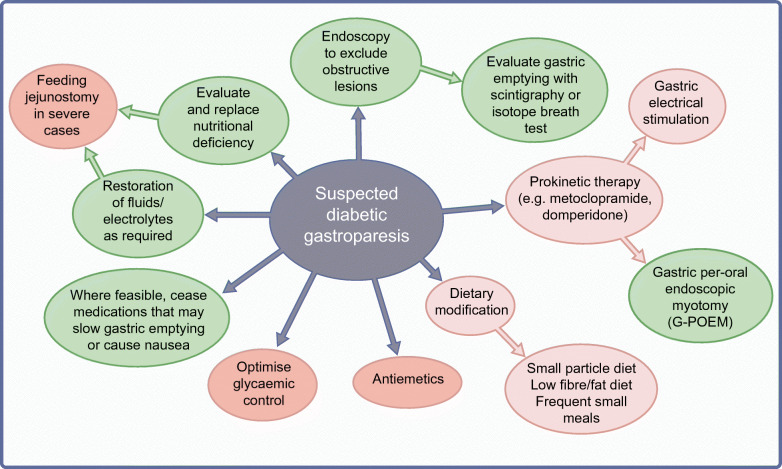
“The principles of treatment for patients with type 2 diabetes mellitus combined with gastroparesis include eating smaller meals and avoiding a high-fat diet and pharmacological treatment focusing on gastroprokinetic agents and insulin [8].”
Oprea, A. D., Hepner, D. L., & Sweitzer, B. (2026) · British Journal of Anaesthesia · doi:10.1016/j.bja.2025.11.022
Sänger, K., Reyes, C. R. T., Cahyadi, O., Ebigbo, A., Schmidt, W. E., & Quast, D. R. (2026) · Frontiers in Endocrinology · doi:10.3389/fendo.2026.1780005
Brunasso, A., Lange, N. F., Poli, S., Schiavon, M., Herzig, D., Man, C. D., Kreis, R., & Bally, L. (2026) · Diabetologia · doi:10.1007/s00125-026-06677-7
Luo, Y., Jin, Z., Zhao, Y., Luo, Y., Xie, C., Sun, Y., Horowitz, M., Jones, K. L., Rayner, C. K., Ma, J., et al. (2026) · Diabetes Obesity and Metabolism · doi:10.1111/dom.70811
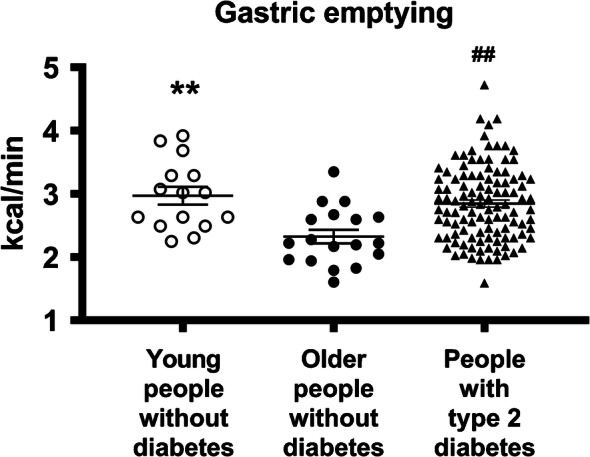
“In health, it occurs at a relatively constant caloric rate in the range of 1–4 kcal/min [3].”
InfluentialSelf-citationWang, Y., Song, D., Wu, T., & Othman, E. M. (2026) · International Journal of Molecular Sciences · doi:10.3390/ijms27114734 · Cited by 1
“Although in most individuals, intestinal glucose absorption is largely complete within 4 h, delayed gastric emptying can prolong carbohydrate delivery to the intestine and extend the contribution of exogenous glucose to circulating levels in a subset of individuals [39,53].”
Self-citationSun, Y., Xie, C., Borg, M. J., Huang, W., Bound, M. J., Grivell, J., Jones, K. L., Horowitz, M., Wu, T., & Rayner, C. K. (2026) · The Journal of Clinical Endocrinology & Metabolism · doi:10.1210/clinem/dgag273
Self-citationVirgilio, N., Schön, C., Steiner, N., Schlageter, V., Wilhelm, M., Silva, C. I. F., Gevaert, E., & Prawitt, J. (2026) · Current Developments in Nutrition · doi:10.1016/j.cdnut.2026.109512
“Gastric emptying is a key determinant of postprandial glycemia, accounting for ~35% of the variability in peak glucose levels [14].”
Glucose curve morphology and peak time as biomarkers of metabolic health
Fatahimeiabadi, Z., Apaflo, J. N., & Bajpeyi, S. (2026) · American Journal of Physiology-Endocrinology and Metabolism · doi:10.1152/ajpendo.00550.2025
Nagapan, G., Hong, Y. C., Zakaria, R., Mohaideen, A. K. M., Narayanan, S. S., Hao, L. J., Selvaduray, K. R., Gafor, A. H. A., Hock, K., & Karupaiah, T. (2026) · F1000Research · doi:10.12688/f1000research.187396.1
The Intersection of Diabetes and Gastrointestinal Health: A Narrative Review
Bi’aragh, S. H., Afsahi, R., Nasab, A. E., Khani, M., Rasouli, K., Ahangar, M. H., Soltani, A. S., & Pourahmad, R. (2026) · SN Comprehensive Clinical Medicine · doi:10.1007/s42399-026-02712-1
“Thus, the diabetes–gastrointestinal relationship is bidirectional and encompasses causal, predisposing, contributory, and associative pathways rather than a single causal sequence [ 15].”
Metadata
- Authors
- Jalleh, R. J., Jones, K. L., Rayner, C. K., Marathe, C. S., Wu, T., & Horowitz, M.
- Affiliations
- Royal Adelaide Hospital (AU)
- The University of Adelaide (AU)
- Corresponding author
- Horowitz, Michael
- ORCID
- Venue
- Diabetologia
- Published
- 2022-10-04
- Volume
- 65
- Issue
- 12
- Pages
- 1981-1993
- ISSN
- 0012-186X (ISSN-L)
- 1432-0428
- PMC
- PMC9630190
- OpenAlex
- W4300819191
- Cited by
- 87
- References
- 88
- Citations by year
- 2026: 18 · 2025: 16 · 2024: 31 · 2023: 22
- FWCI
- 3.57
- Type
- journal article
- Language
- en
- Open access
- hybrid
- doi.org
- Licence
- cc-by
- creativecommons.org/licenses/by/4.0 (tdm)
- creativecommons.org/licenses/by/4.0 (vor)
- Locations
- Diabetologia (publishedVersion, cc-by)
- PubMed Central (publishedVersion, cc-by)
- PubMed (publishedVersion)
- Adelaide Research & Scholarship (AR&S) (University of Adelaide) (submittedVersion, cc-by)
- Funders
- The University of Adelaide
- Topics
- Health Sciences › Medicine › Gastroenterology › Gastrointestinal motility and disorders
- Health Sciences › Medicine › Endocrinology, Diabetes and Metabolism › Diabetes Treatment and Management
- Health Sciences › Medicine › Endocrinology, Diabetes and Metabolism › Diabetes Management and Research
- Keywords
- gastric emptying, type 2 diabetes, diabetic gastroparesis, delayed gastric emptying, postprandial blood glucose, glycemic control, insulin therapy, GLP-1 receptor agonists, upper gastrointestinal symptoms, scintigraphy
- MeSH terms
- Glycemic Control, Blood Glucose, Diabetes Mellitus, Type 2, Gastric Emptying, Humans, Insulin, Gastroparesis, Postprandial Period
About these checks
Registry, retraction, Cites and statistics results are computed, not judged, with one exception: a printed reference that no index lists is read once by a model before it counts as a citation error. Claims are extracted by a model and kept only when their quote appears verbatim in the text; each cited source is then checked, with a model’s help, for whether it says what the claim relies on. Those verdicts can be wrong — read the claim’s quote and the cited source before relying on one.
Statistics and arithmetic are recomputed, not judged.
Confidence bands are shown only for fields calibrated on our annotated test set. None is calibrated yet, so no band is shown.
What counts as a claim ›How we measure confidence ›How we check this ›
Are you an author, or do you see a problem with this page? Request a review
Data sources
Bibliographic data: Semantic Scholar, OpenAlex, Crossref.
Contains information from the Semantic Scholar Academic Graph Datasets, made available under the ODC Attribution License (ODC-BY 1.0).
Semantic Scholar’s data is described in: Kinney, R., et al. (2023). The Semantic Scholar Open Data Platform. arXiv:2301.10140.
