

Normal and disordered gastric emptying in diabetes: recent insights into (patho)physiology, management and impact on glycaemic control
Open accessThe DOI matches its Crossref record; 91 of the 91 references it cites were found in a registry or an index.
Abstract
Gastric emptying is a major determinant of postprandial blood glucose, accounting for ~35% of variance in peak glucose in both healthy individuals and those with type 2 diabetes. Gastric emptying is frequently disordered in individuals with diabetes (both abnormally delayed and accelerated). Delayed gastric emptying, i.e. diabetic gastroparesis, may be linked to upper gastrointestinal symptoms for which current treatment remains suboptimal; pharmacological acceleration of delayed emptying is only weakly associated with symptom improvement. Accordingly, the relationship between symptoms and delayed gastric emptying is not simply ‘cause and effect’. In insulin-treated patients, disordered gastric emptying, even when not associated with gastrointestinal symptoms, can cause a mismatch between the onset of insulin action and the availability of absorbed carbohydrate, leading to suboptimal glycaemic control. In patients with type 2 diabetes, interventions that slow gastric emptying, e.g. glucagon-like peptide-1 receptor agonists, reduce postprandial blood glucose. This review focuses on recent insights into the impact of gastric emptying on postprandial blood glucose, effects of diabetes therapy on gastric emptying and the management of disordered gastric emptying in diabetes. In view of the broad relevance of gastric emptying to diabetes management, it is important that future clinical trials evaluating novel therapies that may affect gastric emptying should quantify the latter with an appropriate technique, such as scintigraphy or a stable isotope breath test. Graphical abstract
Overview
The claims and statistics of this paper haven’t been checked yet.
Free: it reads the open-access text and checks the first 5 claims that cite a source we can check. Create a free account to check every claim.
Integrity signals
Registry
Cites
Statistics
Figures
Verification
Claims the paper makes
The claims and statistics of this paper haven’t been checked yet.
Free: it reads the open-access text and checks the first 5 claims that cite a source we can check. Create a free account to check every claim.
Claims other papers make about this one
Each is checked against this paper’s own text: does it say what the citing paper says it does?
The source backs part of the claim, not all of it — or backs it for a different population, condition or comparison.
In the citing paper
“Even minimal fluctuations in gastric motility can therefore produce substantial differences in the timing and magnitude of postprandial hyperglycemia [92, 93].”
From Diabetic gastroparesis: pathophysiology and impact on insulin timing choices (2026) · cites this paper as [92]
Experimental — accuracy not yet measuredThe source backs part of the claim, not all of it — or backs it for a different population, condition or comparison.
In the citing paper
“In consistently slow gastric emptying, switching from rapid-acting insulin analogues to regular human insulin may be beneficial, as its slower onset (30–60 min) and longer duration (6–8 h) can better match the delayed absorption of carbohydrates [3, 14, 92, 113, 114].”
From Diabetic gastroparesis: pathophysiology and impact on insulin timing choices (2026) · cites this paper as [92]
Experimental — accuracy not yet measuredThe source backs part of the claim, not all of it — or backs it for a different population, condition or comparison.
In the citing paper
“Furthermore, chronic and acute hyperglycemia inhibit gastric motility by reducing vagal cholinergic activity, impairing fundic relaxation, slowing antral peristalsis, and diminishing pyloric compliance, creating a self-perpetuating cycle between worsening metabolic control and gastrointestinal symptoms [6, 23, 92, 103, 104].”
From Diabetic gastroparesis: pathophysiology and impact on insulin timing choices (2026) · cites this paper as [92]
Experimental — accuracy not yet measuredThe source backs part of the claim, not all of it — or backs it for a different population, condition or comparison.
In the citing paper
“Splitting the bolus (e.g., part at mealtime and part 30–60 min later) may improve alignment between insulin and nutrient appearance, particularly when supported by CGM trends [92, 112].”
From Diabetic gastroparesis: pathophysiology and impact on insulin timing choices (2026) · cites this paper as [92]
Experimental — accuracy not yet measuredThe cited source says what the claim attributes to it.
In the citing paper
“GE is a major determinant of glycemic response after food intake.7”
From The novel GIP , GLP ‐1 and glucagon receptor agonist retatrutide delays gastric emptying (2023) · cites this paper as [7]
1 more claim about this paper
Create a free account to see every claim other papers make about this one.
Self-check
Percentages, sums and reported differences re-computed from the paper’s own numbers.
The self-check needs the paper’s full text.
Citations
Cites
(1996) · Institutional Research Information System University of Turin (University of Turin) · doi:10.1111/j · Cited by 5,486
Drucker, D. J., Buse, J. B., Taylor, K., Kendall, D. M., Trautmann, M., Zhuang, D., & Porter, L. (2008) · The Lancet · doi:10.1016/s0140-6736(08)61206-4 · Cited by 1,070 · cited 3×
“Drucker et al [42] 5 μg sc BD for 14 weeks T2D (n=50) Paracetamol absorption Exenatide vs placebo: +”
BackgroundInfluentialAbell, T. L., Camilleri, M., Donohoe, K., Hasler, W. L., Lin, H. C., Maurer, A. H., McCallum, R. W., Nowak, T., Nusynowitz, M. L., Parkman, H. P., et al. (2008) · Journal of Nuclear Medicine Technology · doi:10.2967/jnmt.107.048116 · Cited by 440
Gastric and oesophageal emptying in patients with Type 2 (non-insulin-dependent) diabetes mellitus
Horowitz, M., Harding, P. E., Maddox, A. F., Wishart, J. M., Akkermans, L. M. A., Chatterton, B. E., & Shearman, D. J. C. (1989) · Diabetologia · doi:10.1007/bf00265086 · Cited by 392 · cited 3×
“tionship of delayed gastric emptying with autonomic dysfunction, as assessed by cardiovascular reflex tests, is weak [1, 2].”
BackgroundSelf-citationNauck, M. A., Quast, D. R., Wefers, J., & Pfeiffer, A. F. H. (2021) · Diabetes, Obesity and Metabolism · doi:10.1111/dom.14496 · Cited by 388
Botulinum Toxin A for the Treatment of Delayed Gastric Emptying
Friedenberg, F. K., Palit, A., Parkman, H. P., Hanlon, A., & Nelson, D. B. (2008) · The American Journal of Gastroenterology · doi:10.1111/j.1572-0241.2007.01676.x · Cited by 370 · cited 1×
“Open-label studies initially suggested a benefit of intrapyloric injection of botulinum toxin; however, subsequent sham-controlled trials in gastroparesis of various aetiologies failed to demonstrate improvement in either symptoms or gastric emptying [83].”
BackgroundMathieu, C., Zinman, B., Hemmingsson, J. U., Woo, V., Colman, P., Christiansen, E., Linder, M., Bode, B., & for the ADJUNCT ONE Investigators (2016) · Diabetes Care · doi:10.2337/dc16-0691 · Cited by 347
Relationships between oesophageal transit and solid and liquid gastric emptying in diabetes mellitus
Horowitz, M., Maddox, A., Wishart, J., Harding, P., Chatterton, B., & Shearman, D. C. (1991) · European Journal of Nuclear Medicine · doi:10.1007/bf00186645 · Cited by 326 · cited 4×
“tionship of delayed gastric emptying with autonomic dysfunction, as assessed by cardiovascular reflex tests, is weak [1, 2].”
BackgroundInfluentialSelf-citationGastric emptying and glycaemia in health and diabetes mellitus
Phillips, L. K., Deane, A. M., Jones, K. L., Rayner, C. K., & Horowitz, M. (2015) · Nature Reviews Endocrinology · doi:10.1038/nrendo.2014.202 · Cited by 273 · cited 12×
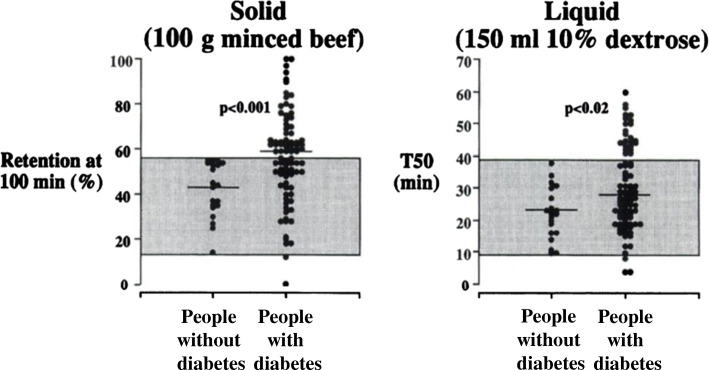
“The latter is now recognised to be both complex and heterogeneous [6].”
BackgroundInfluentialSelf-citationMeier, J. J., Rosenstock, J., Hincelin-Méry, A., Roy-Duval, C., Delfolie, A., Coester, H.-V., Menge, B. A., Forst, T., & Kapitza, C. (2015) · Diabetes Care · doi:10.2337/dc14-1984 · Cited by 262 · cited 1×
“persists with both liraglutide [37, 46] and exenatide QW [44], two long-acting GLP-1RAs for which gastric emptying has been quantified using a methodologically sound technique.”
MethodEffect of exenatide on gastric emptying and relationship to postprandial glycemia in type 2 diabetes
Linnebjerg, H., Park, S., Kothare, P. A., Trautmann, M. E., Mace, K., Fineman, M., Wilding, I., Nauck, M., & Horowitz, M. (2008) · Regulatory Peptides · doi:10.1016/j.regpep.2008.07.003 · Cited by 261 · cited 4×
“Linnebjerg et al [34] 5 or 10 μg sc BD for 5 days T2D (n=7) Scintigraphy Exenatide vs placebo: +++”
BackgroundMethodInfluentialSelf-citationHjerpsted, J. B., Flint, A., Brooks, A., Axelsen, M. B., Kvist, T., & Blundell, J. (2018) · Diabetes, Obesity and Metabolism · doi:10.1111/dom.13120 · Cited by 245
Deane, A. M., Nguyen, N. Q., Stevens, J. E., Fraser, R. J. L., Holloway, R. H., Besanko, L. K., Burgstad, C., Jones, K. L., Chapman, M. J., Rayner, C. K., et al. (2010) · The Journal of Clinical Endocrinology & Metabolism · doi:10.1210/jc.2009-1503 · Cited by 238 · cited 1×
“slows gastric emptying in healthy individuals [31].”
Self-citationHalawi, H., Khemani, D., Eckert, D., O'Neill, J., Kadouh, H., Grothe, K., Clark, M. M., Burton, D. D., Vella, A., Acosta, A., et al. (2017) · The Lancet Gastroenterology & Hepatology · doi:10.1016/s2468-1253(17)30285-6 · Cited by 224 · cited 3×
“Halawi et al [46] 3 mg sc daily for 16 weeks Obesity (n=40) Scintigraphy Liraglutide vs placebo: ++”
BackgroundMethodInfluentialVilarrasa, N., Goday, A., Rubio, M. A., Caixàs, A., Pellitero, S., Ciudin, A., Calañas, A., Botella, J. I., Bretón, I., Morales, M. J., et al. (2016) · Obesity Facts · doi:10.1159/000442764 · Cited by 197
Pilichiewicz, A. N., Chaikomin, R., Brennan, I. M., Wishart, J. M., Rayner, C. K., Jones, K. L., Smout, A. J. P. M., Horowitz, M., & Feinle-Bisset, C. (2007) · American Journal of Physiology-Endocrinology and Metabolism · doi:10.1152/ajpendo.00159.2007 · Cited by 195 · cited 1×
“(1–2 kcal/min), but a substantial response at 13–17 kJ/min (3–4 kcal/min) in both healthy individuals and thosewith type 2 diabetes [12, 29].”
BackgroundSelf-citationUmapathysivam, M. M., Lee, M. Y., Jones, K. L., Annink, C. E., Cousins, C. E., Trahair, L. G., Rayner, C. K., Chapman, M. J., Nauck, M. A., Horowitz, M., et al. (2014) · Diabetes · doi:10.2337/db13-0893 · Cited by 193
Self-citationGastrointestinal Symptoms in Diabetes: Prevalence, Assessment, Pathogenesis, and Management
Du, Y. T., Rayner, C. K., Jones, K. L., Talley, N. J., & Horowitz, M. (2018) · Diabetes Care · doi:10.2337/dc17-1536 · Cited by 180 · cited 1×
“drug therapy for functional gastrointestinal diseases [19].”
Self-citationEffect of Nortriptyline on Symptoms of Idiopathic Gastroparesis: The NORIG Randomized Clinical Trial
Parkman, H. P., Van Natta, M. L., Abell, T. L., McCallum, R. W., Sarosiek, I., Nguyen, L., Snape, W. J., Koch, K. L., Hasler, W. L., Farrugia, G., et al. (2013) · JAMA · doi:10.1001/jama.2013.282833 · Cited by 176 · cited 1×
“symptoms in idiopathic gastroparesis [76].”
Jones, K. L., Horowitz, M., Wishart, M. J., Af, M., Harding, P., & Chatterton, B. E. (1995) · PubMed · Cited by 164
Self-citationGastric Electrical Stimulation Reduces Refractory Vomiting in a Randomized Crossover Trial
Ducrotte, P., Coffin, B., Bonaz, B., Fontaine, S., Bruley Des Varannes, S., Zerbib, F., Caiazzo, R., Grimaud, J. C., Mion, F., Hadjadj, S., et al. (2020) · Gastroenterology · doi:10.1053/j.gastro.2019.10.018 · Cited by 162 · cited 2×
“accelerated, nor was there an improvement in overall quality of life [82].”
BackgroundMethodLorenz, M., Pfeiffer, C., Steinsträßer, A., Becker, R. H. A., Rütten, H., Ruus, P., & Horowitz, M. (2013) · Regulatory Peptides · doi:10.1016/j.regpep.2013.04.001 · Cited by 149 · cited 2×
“In Table 1 Effects of GLP-1RAs on gastric emptying in humans GLP-1RA Dose and duration Health condition Method of gastric emptying measurement Effect on gastric emptying Short-acting Exenatide BD Drucker et al [42] 5 μg sc BD for 14 weeks T2D (n=50) Paracetamol absorption Exenatide vs placebo: + Linnebjerg et al [34]…”
BackgroundInfluentialSelf-citationUrva, S., Coskun, T., Loghin, C., Cui, X., Beebe, E., O'Farrell, L., Briere, D. A., Benson, C., Nauck, M. A., & Haupt, A. (2020) · Diabetes, Obesity and Metabolism · doi:10.1111/dom.14110 · Cited by 143
Martinek, J., Hustak, R., Mares, J., Vackova, Z., Spicak, J., Kieslichova, E., Buncova, M., Pohl, D., Amin, S., & Tack, J. (2022) · Gut · doi:10.1136/gutjnl-2022-326904 · Cited by 137 · cited 2×
“These observations suggest that G-POEM may have a place in the management of individuals with refractory symptomatic gastroparesis [80].”
BackgroundResultVosoughi, K., Ichkhanian, Y., Benias, P., Miller, L., Aadam, A. A., Triggs, J. R., Law, R., Hasler, W., Bowers, N., Chaves, D., et al. (2022) · Gut · doi:10.1136/gutjnl-2020-322756 · Cited by 128
Barrington, P., Chien, J. Y., Showalter, H. D. H., Schneck, K., Cui, S., Tibaldi, F., Ellis, B., & Hardy, T. A. (2011) · Diabetes, Obesity and Metabolism · doi:10.1111/j.1463-1326.2011.01364.x · Cited by 120 · cited 2×
“Barrington et al [43] 5 and 8 mg sc weekly for 5 weeks T2D (n=15) Paracetamol absorption Dulaglutide vs placebo: ++”
BackgroundInfluentialNguyen, N. Q., Debreceni, T. L., Bambrick, J. E., Bellon, M., Wishart, J., Standfield, S., Rayner, C. K., & Horowitz, M. (2014) · Obesity · doi:10.1002/oby.20791 · Cited by 119 · cited 1×
“accelerated following Roux-en-Y gastric bypass [59] and sleeve gastrectomy [60], leading to a supraphysiologic GLP-”
BackgroundSelf-citationNew Developments in Prokinetic Therapy for Gastric Motility Disorders
Camilleri, M., & Atieh, J. (2021) · Frontiers in Pharmacology · doi:10.3389/fphar.2021.711500 · Cited by 104 · cited 4×
“are also concerns regarding potential drug-interactions and a reduction in long-term efficacy due to tachyphylaxis [73].”
BackgroundInfluentialMCCALLUM, R. W., CYNSHI, O., & US INVESTIGATIVE TEAM (2007) · Alimentary Pharmacology & Therapeutics · doi:10.1111/j.1365-2036.2007.03346.x · Cited by 103 · cited 1×
“Mitemcinal, a newer motilin receptor agonist, was reported to improve symptoms in diabetic gastroparesis only in the subgroup of patients with BMI <25 kg/m(2) and HbA1c <86 mmol/mol (10%), for uncertain reasons [75].”
BackgroundVargas, E. J., Bazerbachi, F., Calderon, G., Prokop, L. J., Gomez, V., Murad, M. H., Acosta, A., Camilleri, M., & Abu Dayyeh, B. K. (2020) · Clinical Gastroenterology and Hepatology · doi:10.1016/j.cgh.2019.03.047 · Cited by 100 · cited 1×
“Fluid-filled (but not air-filled) intragastric balloons slow gastric emptying of solids substantially [64], probably because air-filled balloons float to the fundus of the stomach, whereas fluid-filled balloons reside in the antrum and impair grinding and emptying of solids.”
BackgroundMeasurement of gastric emptying after gastric bypass surgery using radionuclides
Horowitz, M., Cook, D. J., Collins, P. J., Harding, P. E., Hooper, M. J., Walsh, J. F., & Shearman, D. J. C. (1982) · Journal of British Surgery · doi:10.1002/bjs.1800691108 · Cited by 99 · cited 1×
“Gastric emptying of solids following gastric bypass may be delayed or accelerated; emptying is influenced by concurrently ingested liquids [62] and may relate to weight loss [63].”
BackgroundSelf-citationWatson, L. E., Xie, C., Wang, X., Li, Z., Phillips, L. K., Sun, Z., Jones, K. L., Horowitz, M., Rayner, C. K., & Wu, T. (2019) · The Journal of Clinical Endocrinology & Metabolism · doi:10.1210/jc.2018-02736 · Cited by 99 · cited 4×
“Adapted fromWatson et al [4] by permission of Oxford University Press on behalf of the Endocrine Society.”
BackgroundMethodInfluentialSelf-citationThe effect of sleeve gastrectomy on GLP-1 secretion and gastric emptying: a prospective study
Sista, F., Abruzzese, V., Clementi, M., Carandina, S., Cecilia, M., & Amicucci, G. (2016) · Surgery for Obesity and Related Diseases · doi:10.1016/j.soard.2016.08.004 · Cited by 98 · cited 1×
“accelerated following Roux-en-Y gastric bypass [59] and sleeve gastrectomy [60], leading to a supraphysiologic GLP-”
BackgroundMarathe, C. S., Horowitz, M., Trahair, L. G., Wishart, J. M., Bound, M., Lange, K., Rayner, C. K., & Jones, K. L. (2015) · The Journal of Clinical Endocrinology & Metabolism · doi:10.1210/jc.2015-2482 · Cited by 97 · cited 3×
“Accordingly, gastric emptying represents a specific therapeutic target [6, 7].”
BackgroundSelf-citationMetabolic consequences of a 50% partial pancreatectomy in humans
Menge, B., Schrader, H., Breuer, T. G. K., Dabrowski, Y., Uhl, W. H., Schmidt, W. E., & Meier, J. J. (2008) · Diabetologia · doi:10.1007/s00125-008-1219-1 · Cited by 97 · cited 4×
“In patients who have undergone partial pancreatectomy, particularly proximal resection, there is often a transient postoperative delay in gastric emptying, which may result in a reduction in the glycaemic response to an OGTT [33].”
BackgroundInfluentialGastroparesis, metoclopramide, and tardive dyskinesia: Risk revisited
Al‐Saffar, A., Lennernäs, H., & Hellström, P. M. (2019) · Neurogastroenterology & Motility · doi:10.1111/nmo.13617 · Cited by 97 · cited 1×
“1% per 1000 patient-years with metoclopramide [71].”
Perano, S. J., Couper, J. J., Horowitz, M., Martin, A. J., Kritas, S., Sullivan, T., & Rayner, C. K. (2014) · The Journal of Clinical Endocrinology & Metabolism · doi:10.1210/jc.2013-4417 · Cited by 87 · cited 2×
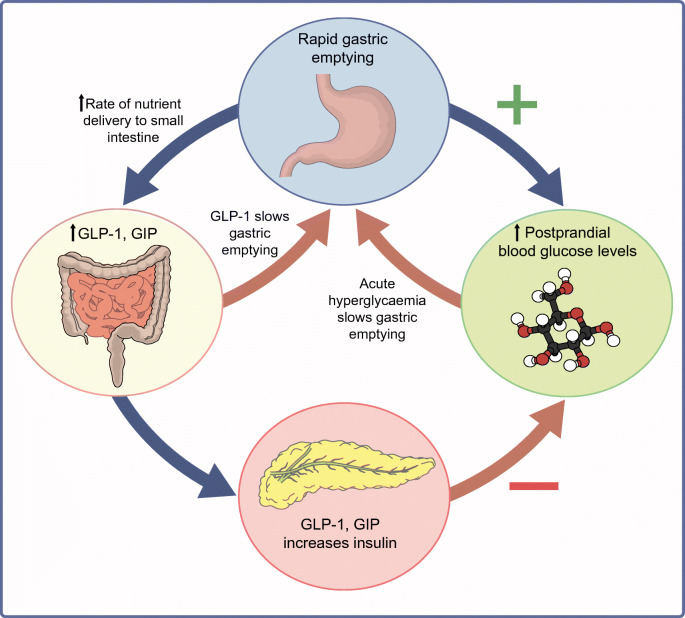
“Consequently, gastric emptying is often abnormally rapid, and the secretion of both GLP-1 and GIP is attenuated, favouring an increase in the postprandial glycaemic excursion [32].”
BackgroundSelf-citationDahl, K., Brooks, A., Almazedi, F., Hoff, S. T., Boschini, C., & Bækdal, T. A. (2021) · Diabetes, Obesity and Metabolism · doi:10.1111/dom.14373 · Cited by 87 · cited 2×
“In Table 1 Effects of GLP-1RAs on gastric emptying in humans GLP-1RA Dose and duration Health condition Method of gastric emptying measurement Effect on gastric emptying Short-acting Exenatide BD Drucker et al [42] 5 μg sc BD for 14 weeks T2D (n=50) Paracetamol absorption Exenatide vs placebo: + Linnebjerg et al [34]…”
BackgroundInfluentialThazhath, S. S., Marathe, C. S., Wu, T., Chang, J., Khoo, J., Kuo, P., Checklin, H. L., Bound, M. J., Rigda, R. S., Crouch, B., et al. (2016) · Diabetes · doi:10.2337/db15-0893 · Cited by 83
Self-citationCarlin, J. L., Lieberman, V. R., Dahal, A., Keefe, M. S., Xiao, C., Birznieks, G., Abell, T. L., Lembo, A., Parkman, H. P., & Polymeropoulos, M. H. (2021) · Gastroenterology · doi:10.1053/j.gastro.2020.07.029 · Cited by 82 · cited 1×
“antagonist tradipitant was reported to improve nausea in gastroparesis, but the study was underpowered to show a benefit in the subgroup with diabetes [77].”
MethodDifferential effect of PYY1-36 and PYY3-36 on gastric emptying in man
Witte, A.-B., Grybäck, P., Holst, J. J., Hilsted, L., Hellström, P. M., Jacobsson, H., & Schmidt, P. T. (2009) · Regulatory Peptides · doi:10.1016/j.regpep.2009.07.013 · Cited by 81 · cited 1×
“The absence of an effect on gastric emptying is likely to reflect the much lesser stimulation of GLP-1 receptors than with GLP-1RAs; moreover, DPP-4 inhibition prevents the conversion of inactive PYY1-36 to the active 3-36 form which slows gastric emptying [55].”
BackgroundJones, K. L., Huynh, L. Q., Hatzinikolas, S., Rigda, R. S., Phillips, L. K., Pham, H. T., Marathe, C. S., Wu, T., Malbert, C. H., Stevens, J. E., et al. (2020) · Diabetes, Obesity and Metabolism · doi:10.1111/dom.13956 · Cited by 76 · cited 5×
“exenatide once weekly [QW], liraglutide, dulaglutide, semaglutide [subcutaneous and oral] and tirzepatide [a dual GIP/GLP-1 receptor agonist]) on gastric emptying have, for the main part, been evaluated with the suboptimal paracetamol test [17, 39–43], rather than a more accurate technique [44].”
BackgroundMethodInfluentialSelf-citationJones, K. L., Rigda, R. S., Buttfield, M. D. M., Hatzinikolas, S., Pham, H. T., Marathe, C. S., Wu, T., Lange, K., Trahair, L. G., Rayner, C. K., et al. (2019) · Diabetes, Obesity and Metabolism · doi:10.1111/dom.13633 · Cited by 66 · cited 4×
“In Table 1 Effects of GLP-1RAs on gastric emptying in humans GLP-1RA Dose and duration Health condition Method of gastric emptying measurement Effect on gastric emptying Short-acting Exenatide BD Drucker et al [42] 5 μg sc BD for 14 weeks T2D (n=50) Paracetamol absorption Exenatide vs placebo: + Linnebjerg et al [34]…”
BackgroundInfluentialSelf-citationChanges in Gastric Emptying in Recipients of Successful Combined Pancreas-Kidney Transplants
Gaber, O., Oxley, D., Karas, J., Cardoso, S., Hathaway, D., Shokouh-Amiri, H., Jensen, S. L., & Abell, T. L. (1991) · Digestive Diseases · doi:10.1159/000171334 · Cited by 65 · cited 1×
“There is anecdotal evidence that pancreatic transplantation may be effective in managing diabetic gastroparesis [85]; the effect of islet cell transplantation has not been reported.”
Background‘Gastric’ hypoglycaemia – an important concept in diabetes management
Horowitz, M., Jones, K. L., Rayner, C. K., & Read, N. W. (2006) · Neurogastroenterology & Motility · doi:10.1111/j.1365-2982.2006.00804.x · Cited by 63 · cited 1×
“addition to suppressing glucagon, the slowing of gastric emptying may attenuate the counterregulatory acceleration of gastric emptying by hypoglycaemia [50], which could increase the risk of hypoglycaemia, as observed in a trial with liraglutide [51].”
Self-citationHücking, K., Kostic, Z., Pox, C., Ritzel, R., Holst, J. J., Schmiegel, W., & Nauck, M. A. (2005) · Diabetic Medicine · doi:10.1111/j.1464-5491.2005.01451.x · Cited by 57
Bergman, M., Jagannathan, R., Buysschaert, M., Pareek, M., Olsen, M. H., Nilsson, P. M., Medina, J. L., Roth, J., Chetrit, A., Groop, L., et al. (2018) · Diabetes/Metabolism Research and Reviews · doi:10.1002/dmrr.2992 · Cited by 56 · cited 1×
“An understanding of the determinants of the blood glucose at 60min may be the strongest predictor of future type 2 diabetes [21].”
BackgroundA 25-Year Longitudinal Evaluation of Gastric Emptying in Diabetes
Chang, J., Russo, A., Bound, M., Rayner, C. K., Jones, K. L., & Horowitz, M. (2012) · Diabetes Care · doi:10.2337/dc12-0028 · Cited by 55 · cited 1×
“remain relatively stable for up to 25 years [25].”
BackgroundSelf-citationNutritional approaches for gastroparesis
Limketkai, B. N., LeBrett, W., Lin, L., & Shah, N. D. (2020) · The Lancet Gastroenterology & Hepatology · doi:10.1016/s2468-1253(20)30078-9 · Cited by 55 · cited 2×
“feeding into the small intestine) may be necessary when there are severe, refractory symptoms associated with dehydration or malnutrition, but again, the evidence base for this approach is limited [65].”
BackgroundPerano, S. J., Rayner, C. K., Kritas, S., Horowitz, M., Donaghue, K., Mpundu-Kaambwa, C., Giles, L., & Couper, J. J. (2015) · The Journal of Clinical Endocrinology & Metabolism · doi:10.1210/jc.2015-1055 · Cited by 54 · cited 1×
“associated with abnormally rapid gastric emptying [5, 22].”
Self-citationMarathe, C. S., Rayner, C. K., Bound, M., Checklin, H., Standfield, S., Wishart, J., Lange, K., Jones, K. L., & Horowitz, M. (2014) · Diabetes · doi:10.2337/db13-1757 · Cited by 53 · cited 2×
“(1–2 kcal/min), but a substantial response at 13–17 kJ/min (3–4 kcal/min) in both healthy individuals and thosewith type 2 diabetes [12, 29].”
BackgroundSelf-citationZhang, X., Young, R. L., Bound, M., Hu, S., Jones, K. L., Horowitz, M., Rayner, C. K., & Wu, T. (2019) · Diabetes Care · doi:10.2337/dc18-2156 · Cited by 52 · cited 1×
“to nutrients modulate this feedback [12, 13].”
Self-citationMolina Infante, J., ROMANO, M., Fernández Bermejo, M., Federico, A., G., G. A., Pozzati, L., Garcia Abadia, E., Vinagre Rodriguez, G., Martinez Alcala, C., Hernandez Alonso, M., et al. (2013) · Archivio Istituzionale della Ricerca - Università degli Studi della Campania "Luigi Vanvitelli" · doi:10.1053/j.gastro · Cited by 52
Hypoglycaemia following gastric bypass surgery—diabetes remission in the extreme?
Patti, M., & Goldfine, A. B. (2010) · Diabetologia · doi:10.1007/s00125-010-1884-8 · Cited by 50 · cited 1×
“1 response that attenuates the rise in blood glucose and, in some cases, subsequent hypoglycaemia [61].”
BackgroundRayner, C. K., Watson, L. E., Phillips, L. K., Lange, K., Bound, M. J., Grivell, J., Wu, T., Jones, K. L., Horowitz, M., Ferrannini, E., et al. (2020) · Diabetes Care · doi:10.2337/dc20-0190 · Cited by 50 · cited 2×
“Rayner et al [36] 5 μg sc daily initially, increased to 10 μg sc daily after 7 days and then 20 μg sc daily after 14 days (total duration 56 days) T2D (n=30) Scintigraphy Baseline vs day 56 lixisenatide: +++”
BackgroundInfluentialSelf-citationGastric Emptying Abnormalities in Diabetes Mellitus
Goyal, R. K. (2021) · New England Journal of Medicine · doi:10.1056/nejmra2020927 · Cited by 49 · cited 4×
“Recent studies by the Gastroparesis Clinical Research Consortium (GCRC) in the USA, where full thickness gastric biopsies have been obtained in individuals with refractory gastroparesis, have yielded important insights relating to the pathophysiology of diabetic gastroparesis [11].”
BackgroundResultInfluentialGeyer, M. C., Sullivan, T., Tai, A., Morton, J. M., Edwards, S., Martin, A. J., Perano, S. J., Gagliardi, L., Rayner, C. K., Horowitz, M., et al. (2019) · Diabetes, Obesity and Metabolism · doi:10.1111/dom.13544 · Cited by 46 · cited 1×
“rapid gastric emptying can be slowed using the short-acting GLP-1RA exenatide BD, to reduce the postprandial glycaemic excursion [53].”
BackgroundSelf-citationKong, M., King, P., Macdonald, I. A., Blackshaw, P. E., Horowitz, M., Perkins, A. C., Armstrong, E., Buchanan, K. D., & Tattersall, R. B. (1999) · Diabetologia · doi:10.1007/s001250051164 · Cited by 44 · cited 1×
“Lastly, while insulin may influence gastric emptying through modulating blood glucose levels, hyperinsulinaemia per se does not appear to affect gastric emptying [58].”
BackgroundSelf-citationAcupuncture for symptomatic gastroparesis
Kim, K. H., Lee, M. S., Choi, T.-Y., & Kim, T.-H. (2018) · Cochrane Database of Systematic Reviews · doi:10.1002/14651858.cd009676.pub2 · Cited by 44 · cited 1×
“Likewise, a systematic review of 32 studies failed to support acupuncture for management of symptomatic gastroparesis [84].”
BackgroundParacetamol as a Post Prandial Marker for Gastric Emptying, A Food-Drug Interaction on Absorption
Bartholomé, R., Salden, B., Vrolijk, M. F., Troost, F. J., Masclee, A., Bast, A., & Haenen, G. R. (2015) · PLOS ONE · doi:10.1371/journal.pone.0136618 · Cited by 43 · cited 1×
“However, this technique has substantial limitations including uncertainty as to which component of a meal the paracetamol is emptying with, and the inability to measure gastric emptying of solids [17, 18].”
BackgroundMedication-Induced Gastroparesis: A Case Report
Kalas, M. A., Galura, G. M., & McCallum, R. W. (2021) · Journal of Investigative Medicine High Impact Case Reports · doi:10.1177/23247096211051919 · Cited by 40
Gastric bypass surgery as treatment of recalcitrant gastroparesis
Papasavas, P. K., Ng, J., Stone, A. M., Ajayi, O. A., Muddasani, K. P., & Tishler, D. S. (2014) · Surgery for Obesity and Related Diseases · doi:10.1016/j.soard.2014.01.013 · Cited by 39 · cited 1×
“en-Y gastric bypass surgery [86], sleeve gastrectomy [87] and gastrojejunostomy [88] have also been reported to improve”
BackgroundLaway, B. A., Malik, T. S., Khan, S. H., & Rather, T. A. (2012) · Journal of Diabetes and its Complications · doi:10.1016/j.jdiacomp.2012.08.001 · Cited by 37 · cited 1×
“delayed gastric emptying, measured with scintigraphy, following improved glycaemic control [66].”
BackgroundWang, X., Xie, C., Marathe, C. S., Malbert, C.-H., Horowitz, M., Jones, K. L., Rayner, C. K., Sun, Z., & Wu, T. (2020) · Diabetes Research and Clinical Practice · doi:10.1016/j.diabres.2019.107951 · Cited by 37 · cited 1×
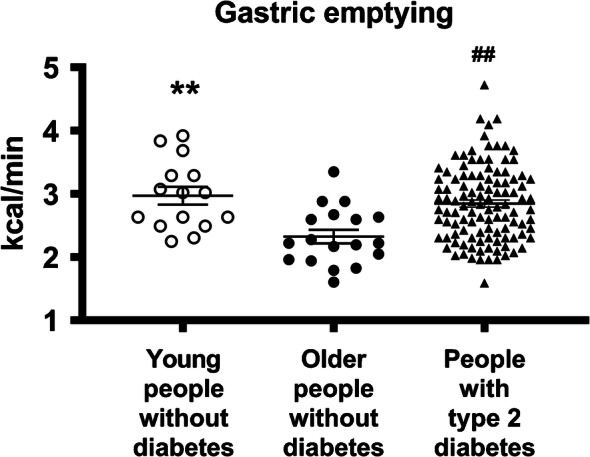
“In some ethnic populations (Han Chinese, Mexican Americans and American Indians) predisposed to type 2 diabetes, gastric emptying appears to be more rapid than in individuals of European descent [9, 10].”
BackgroundSelf-citationKuo, B., Barnes, C. N., Nguyen, D. D., Shaywitz, D. A., Grimaldi, M., Renzulli, C., Canafax, D. M., & Parkman, H. P. (2021) · Alimentary Pharmacology & Therapeutics · doi:10.1111/apt.16344 · Cited by 35
Gastric emptying in health and type 2 diabetes: An evaluation using a 75 g oral glucose drink
Xie, C., Huang, W., Wang, X., Trahair, L. G., Pham, H. T., Marathe, C. S., Young, R. L., Jones, K. L., Horowitz, M., Rayner, C. K., et al. (2020) · Diabetes Research and Clinical Practice · doi:10.1016/j.diabres.2020.108610 · Cited by 35 · cited 2×
“associated with abnormally rapid gastric emptying [5, 22].”
BackgroundSelf-citationEndoscopic treatment of gastroparesis
McCarty, T. R., & Rustagi, T. (2015) · World Journal of Gastroenterology · doi:10.3748/wjg.v21.i22.6842 · Cited by 34
Xie, C., Huang, W., Watson, L. E., Soenen, S., Young, R. L., Jones, K. L., Horowitz, M., Rayner, C. K., & Wu, T. (2021) · The Journal of Clinical Endocrinology & Metabolism · doi:10.1210/clinem/dgab828 · Cited by 33 · cited 1×
“It has recently been shown that there is a direct relationship between the rate of gastric emptying of oral glucose and the stimulation of plasma GLP-1 in response to intraduodenal glucose [30], indicating that the rate of gastric emptying in”
BackgroundSelf-citationHypoglycaemia and gastric emptying
Marathe, C. S., Marathe, J. A., Rayner, C. K., Kar, P., Jones, K. L., & Horowitz, M. (2019) · Diabetes, Obesity and Metabolism · doi:10.1111/dom.13570 · Cited by 32 · cited 1×
“6 mmol/l) robustly accelerates gastric emptying in individuals with type 1 diabetes, even in those with cardiovascular autonomic neuropathy and gastroparesis [27] (Fig.”
BackgroundSelf-citationGlucagon‐like peptide‐1 receptor agonists and the appropriate measurement of gastric emptying
Horowitz, M., Rayner, C. K., Marathe, C. S., Wu, T., & Jones, K. L. (2020) · Diabetes, Obesity and Metabolism · doi:10.1111/dom.14166 · Cited by 32 · cited 1×
“However, this technique has substantial limitations including uncertainty as to which component of a meal the paracetamol is emptying with, and the inability to measure gastric emptying of solids [17, 18].”
BackgroundSelf-citationJalleh, R., Pham, H., Marathe, C. S., Wu, T., Buttfield, M. D., Hatzinikolas, S., Malbert, C. H., Rigda, R. S., Lange, K., Trahair, L. G., et al. (2020) · Nutrients · doi:10.3390/nu12071962 · Cited by 29 · cited 1×
“While it has been suggested that the frequent gastrointestinal adverse effects (which may compromise longer-term usage) and appetite suppression induced by GLP-1RAs are related to slowing of gastric emptying, this may not be the case [52].”
BackgroundSelf-citationStevens, J. E., Buttfield, M., Wu, T., Hatzinikolas, S., Pham, H., Lange, K. M., Rayner, C. K., Horowitz, M., & Jones, K. L. (2019) · Diabetes Obesity and Metabolism · doi:10.1111/dom.13864 · Cited by 29 · cited 1×
“whom gastric emptying is relatively faster [54].”
Self-citationHong, S. W., Chun, J., Kim, J., Lee, J., Lee, H. J., Chung, H., Cho, S., Im, J. P., Kim, S. G., & Kim, J. S. (2019) · Gut and Liver · doi:10.5009/gnl19103 · Cited by 28
Phillips, W. T. (2006) · PubMed · Cited by 25
Kuo, B., Scimia, C., Dukes, G., Zhang, W., Gupta, S., Chen, C., Chuang, E., & Camilleri, M. (2021) · Alimentary Pharmacology & Therapeutics · doi:10.1111/apt.16451 · Cited by 25 · cited 1×
“A newer dopamine D2/D3 receptor antagonist, trazpiroben (TAK-906), developed to have reduced cardiovascular and neurologic adverse effects, failed to show symptom improvement [72].”
BackgroundAigner, L., Becker, B., Gerken, S., Quast, D. R., Meier, J. J., & Nauck, M. A. (2020) · Diabetes Care · doi:10.2337/dc20-1660 · Cited by 24 · cited 1×
“glucose slows emptying, although there is recent evidence that this may not apply to spontaneous elevations in blood glucose [26].”
BackgroundHybrid Closed-loop to Manage Gastroparesis in People With Type 1 Diabetes: a Case Series
Daly, A., Hartnell, S., Boughton, C. K., & Evans, M. (2021) · Journal of Diabetes Science and Technology · doi:10.1177/19322968211035447 · Cited by 23 · cited 1×
“4%, however neither gastrointestinal symptoms nor gastric emptying were evaluated [67].”
BackgroundDeden, L. N., Cooiman, M. I., Aarts, E. O., Janssen, I. M. C., Gotthardt, M., Hendrickx, B. W., & Berends, F. J. (2017) · Surgery for Obesity and Related Diseases · doi:10.1016/j.soard.2017.07.031 · Cited by 21 · cited 1×
“Gastric emptying of solids following gastric bypass may be delayed or accelerated; emptying is influenced by concurrently ingested liquids [62] and may relate to weight loss [63].”
BackgroundJalleh, R. J., Wu, T., Jones, K. L., Rayner, C. K., Horowitz, M., & Marathe, C. S. (2022) · The Journal of Clinical Endocrinology & Metabolism · doi:10.1210/clinem/dgac330 · Cited by 21
Self-citationTrahair, L. G., Nauck, M. A., Wu, T., Stevens, J. E., Buttfield, M. D., Hatzinikolas, S., Pham, H., Meier, J. J., Rayner, C. K., Horowitz, M., et al. (2022) · Experimental and Clinical Endocrinology & Diabetes · doi:10.1055/a-1784-6185 · Cited by 20 · cited 2×
“now well-validated, simple to perform and avoids exposure to ionising radiation [16].”
BackgroundMethodSelf-citationSleeve Gastrectomy as a Novel Procedure for Gastroparesis
Alicuben, E. T., Samaan, J. S., Houghton, C. C., Soffer, E., Lipham, J. C., & Samakar, K. (2020) · The American Surgeon · doi:10.1177/0003134820979781 · Cited by 20 · cited 1×
“en-Y gastric bypass surgery [86], sleeve gastrectomy [87] and gastrojejunostomy [88] have also been reported to improve”
BackgroundGastroparesis: A Dead-end Street After All?
Tack, J. F., Schol, J., & Horowitz, M. (2021) · Gastroenterology · doi:10.1053/j.gastro.2021.02.042 · Cited by 20 · cited 1×
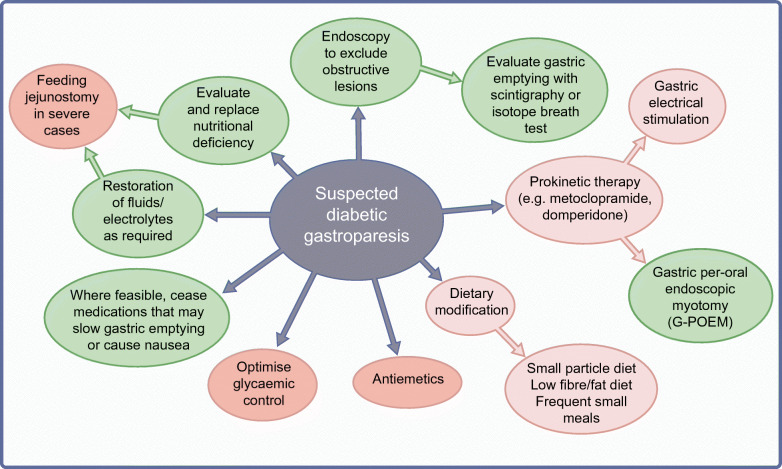
“Pharmacological management Pharmacological treatment has focused on prokinetic medications, but, as discussed, it is now appreciated that the relationship between symptomatic improvement and acceleration of gastric emptying is, at best, modest [68].”
BackgroundSelf-citationBor, S., & the ESNM gastroparesis consensus group (2021) · United European Gastroenterology Journal · doi:10.1002/ueg2.12090 · Cited by 19
Gastrointestinal Mechanisms Underlying the Cardiovascular Effect of Metformin
Borg, M. J., Rayner, C. K., Jones, K. L., Horowitz, M., Xie, C., & Wu, T. (2020) · Pharmaceuticals · doi:10.3390/ph13110410 · Cited by 18 · cited 2×
“The mechanism(s) may reflect greater stimulation of GLP-1 from the distal gut resulting from a reduction in proximal intestinal glucose absorption, inhibition of bile acid resorption, and/or alterations in the gut microbiota [56].”
BackgroundSelf-citationA Break in the Brake Mechanism in Diabetes
Vinik, A. I., Nakave, A., & Chuecos, M. D. P. S. (2008) · Diabetes Care · doi:10.2337/dc08-1694 · Cited by 17
Kuwelker, S., Muthyala, A., O’Connor, M. K., & Bharucha, A. E. (2020) · Neurogastroenterology & Motility · doi:10.1111/nmo.13779 · Cited by 17 · cited 1×
“which cannot be discriminated from those associated with gastroparesis [24].”
BackgroundAbell, T. L., Garcia, L. M., Wiener, G. J., Wo, J. M., Bulat, R., & Smith, N. (2021) · Journal of Diabetes and its Complications · doi:10.1016/j.jdiacomp.2021.107961 · Cited by 12 · cited 1×
“Sepiapterin, an essential cofactor of NOS, has been reported to improve gastric accommodation, but not symptoms, in women with diabetic gastroparesis [78].”
BackgroundGajendran, M., Sarosiek, I., & McCallum, R. W. (2021) · Expert Review of Endocrinology & Metabolism · doi:10.1080/17446651.2021.1886922 · Cited by 11 · cited 1×
“Oral metoclopramide has been used for decades, but recently a nasal formulation, which may be absorbed more reliably, has been shown to accelerate gastric emptying and provide symptomatic relief in women (but not men) with diabetic gastroparesis [69].”
BackgroundTendulkar, P., Kant, R., Rana, S. V., Yadav, P., Mirza, A. A., & Agarwal, D. (2022) · Cureus · doi:10.7759/cureus.20990 · Cited by 6 · cited 1×
“a comparable extent to metoclopramide [70].”
Rayner, C. K., Jones, K. L., & Horowitz, M. (2020) · Elsevier eBooks · doi:10.1016/b978-0-12-818586-5.00018-1 · Cited by 4
Self-citationBarbero (2014) · doi:10.1016/j · Cited by 1
Cited by
Clinical Consequences of Delayed Gastric Emptying With GLP-1 Receptor Agonists and Tirzepatide
Jalleh, R. J., Plummer, M. P., Marathe, C. S., Umapathysivam, M. M., Quast, D. R., Rayner, C. K., Jones, K. L., Wu, T., Horowitz, M., & Nauck, M. A. (2024) · The Journal of Clinical Endocrinology & Metabolism · doi:10.1210/clinem/dgae719 · Cited by 157
Self-citationGastrointestinal effects of GLP-1 receptor agonists: mechanisms, management, and future directions
Jalleh, R. J., Rayner, C. K., Hausken, T., Jones, K. L., Camilleri, M., & Horowitz, M. (2024) · The Lancet Gastroenterology & Hepatology · doi:10.1016/s2468-1253(24)00188-2 · Cited by 144
Self-citationApproach to Obesity Treatment in Primary Care: A Review
Yanovski, S. Z., & Yanovski, J. A. (2024) · JAMA Internal Medicine · doi:10.1001/jamainternmed.2023.8526 · Cited by 103
Hiramoto, B., McCarty, T. R., Lodhia, N. A., Jenkins, A., Elnaiem, A., Muftah, M., Flanagan, R., & Chan, W. W. (2024) · American Journal of Gastroenterology · doi:10.14309/ajg.0000000000002820 · Cited by 94
“Prior studies of the gastroparesis population have found poor correlations between measures of gastric emptying and clinical symptoms (66,67).”
BackgroundCalvarysky, B., Dotan, I., Shepshelovich, D., Leader, A., & Cohen, T. D. (2024) · Drug Safety · doi:10.1007/s40264-023-01392-3 · Cited by 97
Metadata
- Authors
- Jalleh, R. J., Jones, K. L., Rayner, C. K., Marathe, C. S., Wu, T., & Horowitz, M.
- Affiliations
- Royal Adelaide Hospital (AU)
- The University of Adelaide (AU)
- Corresponding author
- Horowitz, Michael
- ORCID
- Venue
- Diabetologia
- Published
- 2022-10-04
- Volume
- 65
- Issue
- 12
- Pages
- 1981-1993
- ISSN
- 0012-186X (ISSN-L)
- 1432-0428
- PMC
- PMC9630190
- OpenAlex
- W4300819191
- Cited by
- 87
- References
- 88
- Citations by year
- 2026: 18 · 2025: 16 · 2024: 31 · 2023: 22
- FWCI
- 3.57
- Type
- journal article
- Language
- en
- Open access
- hybrid
- doi.org
- Licence
- cc-by
- creativecommons.org/licenses/by/4.0 (tdm)
- creativecommons.org/licenses/by/4.0 (vor)
- Locations
- Diabetologia (publishedVersion, cc-by)
- PubMed Central (publishedVersion, cc-by)
- PubMed (publishedVersion)
- Adelaide Research & Scholarship (AR&S) (University of Adelaide) (submittedVersion, cc-by)
- Funders
- The University of Adelaide
- Topics
- Health Sciences › Medicine › Gastroenterology › Gastrointestinal motility and disorders
- Health Sciences › Medicine › Endocrinology, Diabetes and Metabolism › Diabetes Treatment and Management
- Health Sciences › Medicine › Endocrinology, Diabetes and Metabolism › Diabetes Management and Research
- Keywords
- gastric emptying, type 2 diabetes, diabetic gastroparesis, delayed gastric emptying, postprandial blood glucose, glycemic control, insulin therapy, GLP-1 receptor agonists, upper gastrointestinal symptoms, scintigraphy
- MeSH terms
- Glycemic Control, Blood Glucose, Diabetes Mellitus, Type 2, Gastric Emptying, Humans, Insulin, Gastroparesis, Postprandial Period
About these checks
Registry, retraction, Cites and statistics results are computed, not judged, with one exception: a printed reference that no index lists is read once by a model before it counts as a citation error. Claims are extracted by a model and kept only when their quote appears verbatim in the text; each cited source is then checked, with a model’s help, for whether it says what the claim relies on. Those verdicts can be wrong — read the claim’s quote and the cited source before relying on one.
Statistics and arithmetic are recomputed, not judged.
Confidence bands are shown only for fields calibrated on our annotated test set. None is calibrated yet, so no band is shown.
What counts as a claim ›How we measure confidence ›How we check this ›
Are you an author, or do you see a problem with this page? Request a review
Data sources
Bibliographic data: Semantic Scholar, OpenAlex, Crossref.
Contains information from the Semantic Scholar Academic Graph Datasets, made available under the ODC Attribution License (ODC-BY 1.0).
Semantic Scholar’s data is described in: Kinney, R., et al. (2023). The Semantic Scholar Open Data Platform. arXiv:2301.10140.
