

Noradrenergic versus dopaminergic modulation of impulsivity, attention and monitoring behaviour in rats performing the stop-signal task: Possible relevance to ADHD
Open accessThe DOI matches its Crossref record; 246 of the 246 references it cites were found in a registry or an index.
Abstract
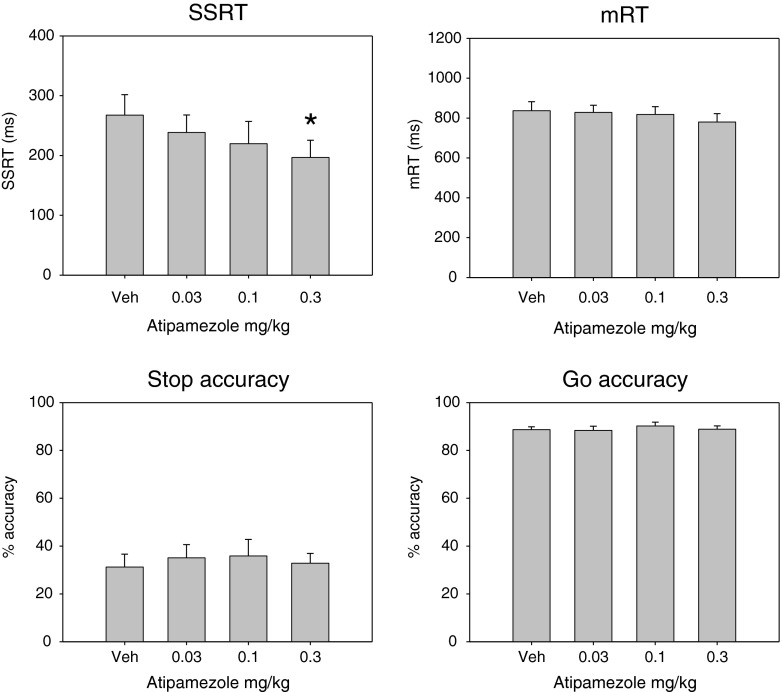
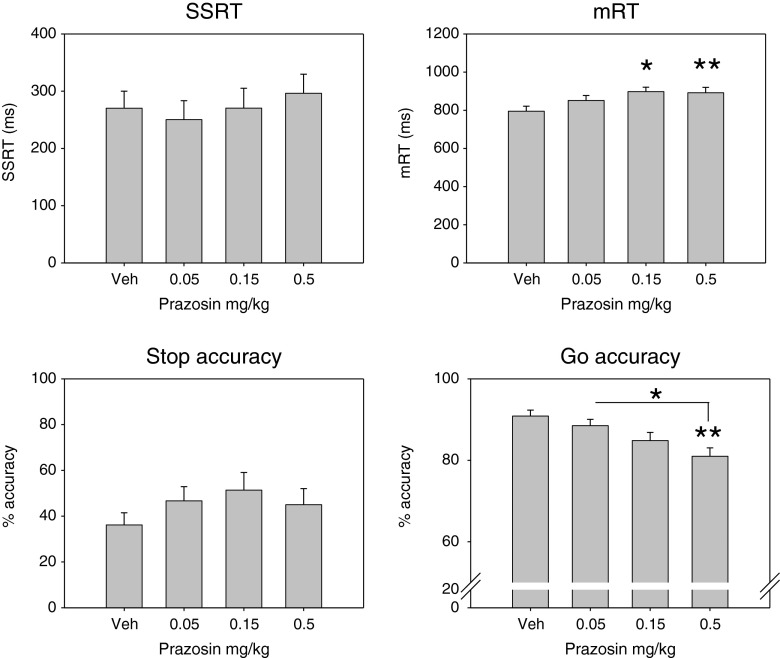
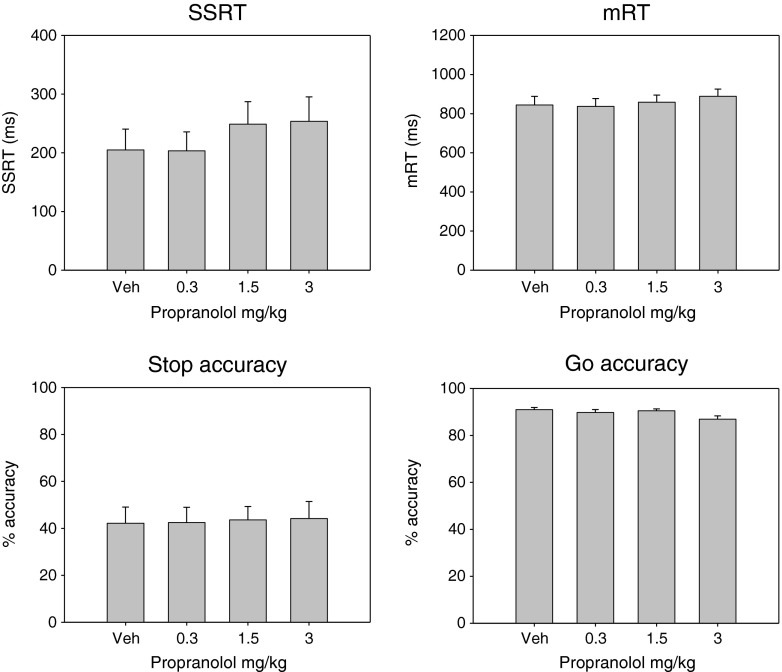
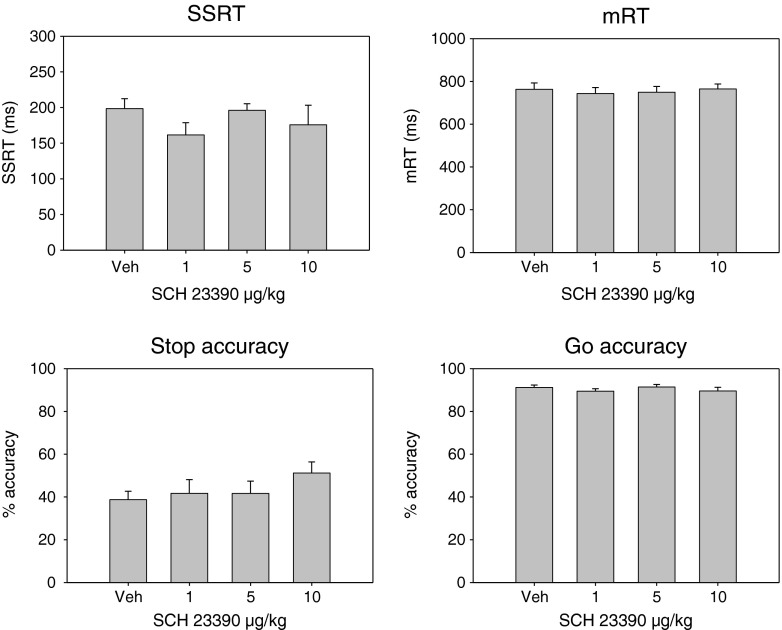
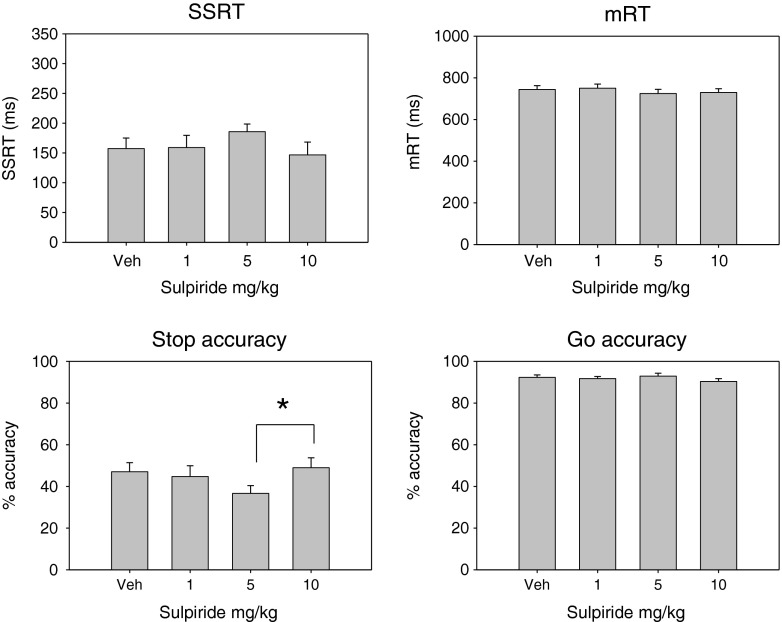
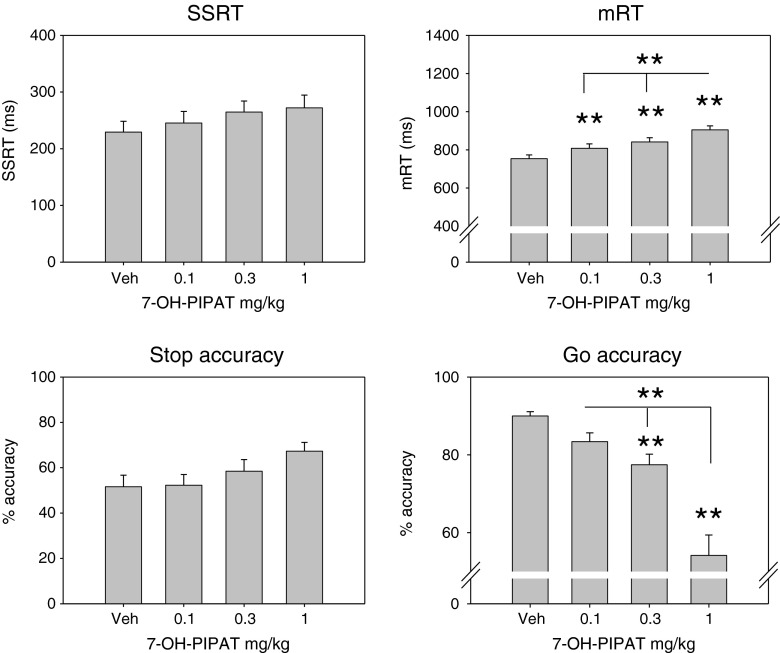
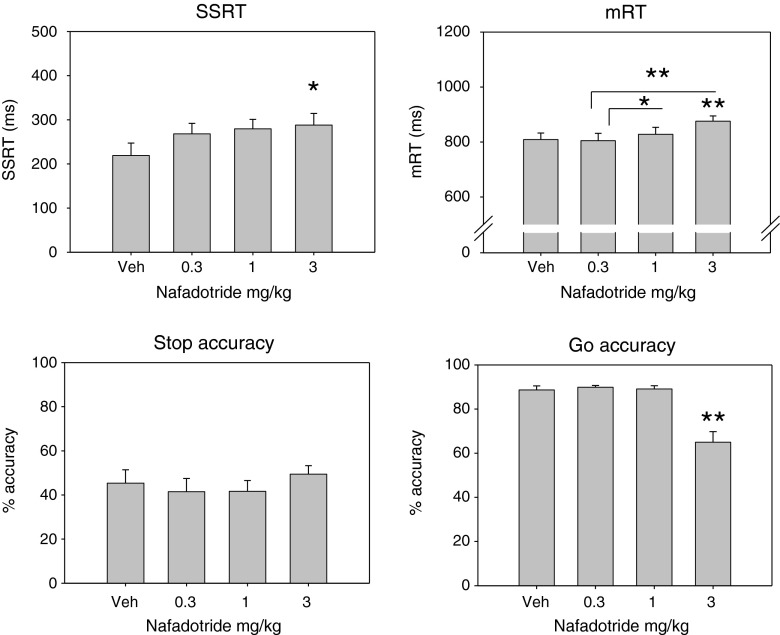
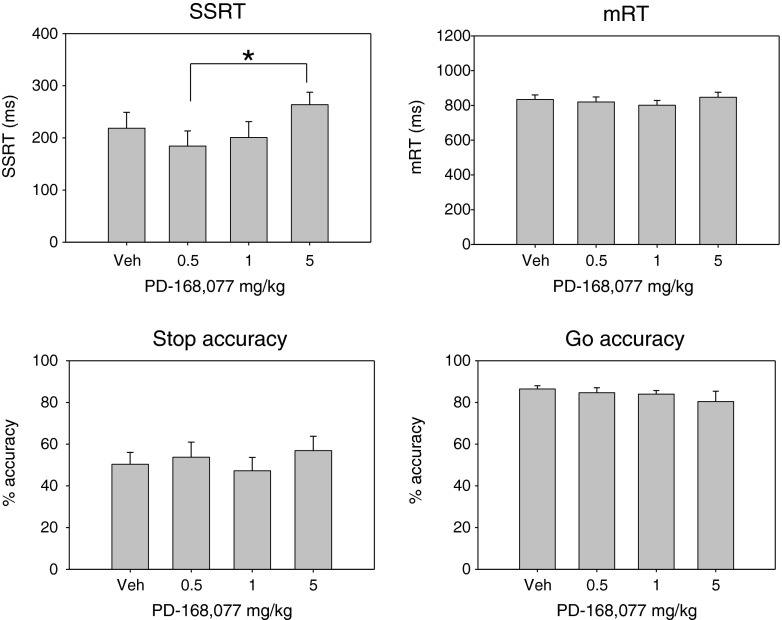
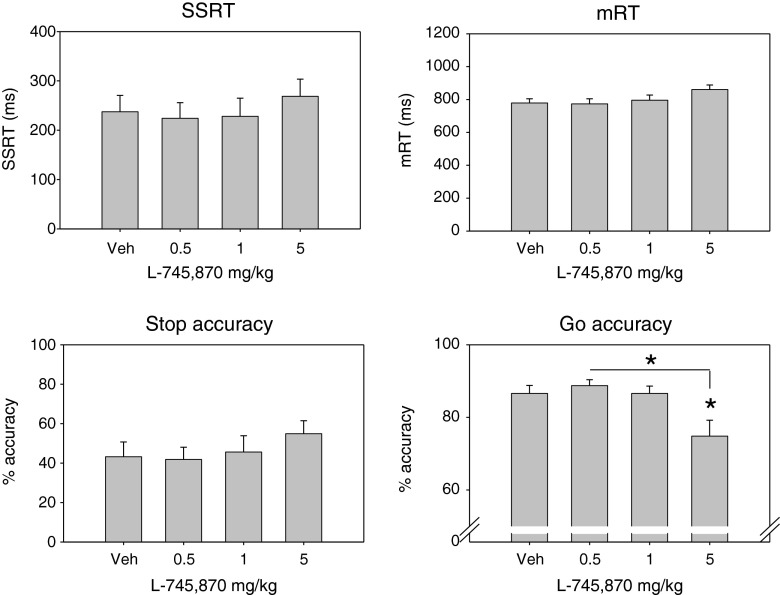
RATIONALE: Deficient response inhibition is a prominent feature of many pathological conditions characterised by impulsive and compulsive behaviour. Clinically effective doses of catecholamine reuptake inhibitors are able to improve such inhibitory deficits as measured by the stop-signal task (SST) in humans and other animals. However, the precise therapeutic mode of action of these compounds in terms of their relative effects on dopamine (DA) and noradrenaline (NA) systems in prefrontal cortical and striatal regions mediating attention and cognitive control remains unclear. OBJECTIVES: We sought to fractionate the effects of global catecholaminergic manipulations on SST performance by using receptor-specific compounds for NA or DA. The results are described in terms of the effects of modulating specific receptor subtypes on various behavioural measures such as response inhibition, perseveration, sustained attention, error monitoring and motivation. RESULTS: Blockade of α2-adrenoceptors improved sustained attention and response inhibition, whereas α1 and β1/2 adrenergic receptor antagonists disrupted go performance and sustained attention, respectively. No relevant effects were obtained after targeting DA D1, D2 or D4 receptors, while both a D3 receptor agonist and antagonist improved post-error slowing and compulsive nose-poke behaviour, though generally impairing other task measures. CONCLUSIONS: Our results suggest that the use of specific pharmacological agents targeting α2 and β noradrenergic receptors may improve existing treatments for attentional deficits and impulsivity, whereas DA D3 receptors may modulate error monitoring and perseverative behaviour.
Overview
The claims and statistics of this paper haven’t been checked yet.
Free: it reads the open-access text and checks the first 5 claims that cite a source we can check. Create a free account to check every claim.
Integrity signals
Registry
Cites
Statistics
Figures
Verification
Claims the paper makes
The claims and statistics of this paper haven’t been checked yet.
Free: it reads the open-access text and checks the first 5 claims that cite a source we can check. Create a free account to check every claim.
Claims other papers make about this one
Each is checked against this paper’s own text: does it say what the citing paper says it does?
In the citing paper
“blockade of noradrenergic α2 receptors improves sustained attention and response inhibition while α1- and β1- and β2-adrenergic receptor blockade disrupted go performance and sustained attention”
From The neurobiological link between OCD and ADHD (2014) · cites this paper as Bari and Robbins 2013
Self-check
Percentages, sums and reported differences re-computed from the paper’s own numbers.
The self-check needs the paper’s full text.
Citations
Cites
Conflict monitoring and cognitive control
Botvinick, M. M., Braver, T. S., Barch, D. M., Carter, C. S., & Cohen, J. D. (2001) · Psychological Review · doi:10.1037/0033-295x.108.3.624 · Cited by 7,351 · cited 2×
“PES is thus regarded as a measure of performance monitoring (Botvinick et al. 2001; Kerns et al. 2004) and of the ability to dynamically implement cognitive control over one's behaviour (Gilmour et al. 2012).”
BackgroundThe Endophenotype Concept in Psychiatry: Etymology and Strategic Intentions
Gottesman, I. I., & Gould, T. D. (2003) · American Journal of Psychiatry · doi:10.1176/appi.ajp.160.4.636 · Cited by 5,615 · cited 1×
“Both measures represent potential endophenotypes to be used as ‘biomarkers’ (Gottesman and Gould 2003; Rommelse et al. 2008) that would help the diagnosis and treatment of clinical disorders such as ADHD and schizophrenia (Castellanos and Tannock 2002; Gilmour et al.”
BackgroundHolroyd, C. B., & Coles, M. G. H. (2002) · Psychological Review · doi:10.1037/0033-295x.109.4.679 · Cited by 4,027
Neural systems of reinforcement for drug addiction: from actions to habits to compulsion
Everitt, B. J., & Robbins, T. W. (2005) · Nature Neuroscience · doi:10.1038/nn1579 · Cited by 3,785 · cited 1×
“The presence of D3 mRNA in key fronto-striatal loops involved in drug-seeking, relapse to drug addiction and impulsive/compulsive behaviour is consistent with their role in motivation and self-control (Everitt and Robbins 2005; Heidbreder and Newman 2010; Koob and Le Moal 1997).”
ResultSelf-citationThe role of the medial frontal cortex in cognitive control
Ridderinkhof, K. R., Ullsperger, M., Crone, E. A., & Nieuwenhuis, S. (2004) · Science · doi:10.1126/science.1100301 · Cited by 2,974 · cited 1×
“Error monitoring, conflict detection and the subsequent adjustment of performance are known to depend on the dorso-medial PFC in humans and rats (Brown and Braver 2005; Chevrier et al. 2007; Falkenstein et al. 2000; Kerns et al. 2004; Li et al. 2008; Modirrousta and Fellows 2008; Narayanan and Laubach 2008; Ridderinkh…”
BackgroundAnterior Cingulate Conflict Monitoring and Adjustments in Control
Kerns, J. G., Cohen, J. D., MacDonald, A. W., Cho, R. Y., Stenger, V. A., & Carter, C. S. (2004) · Science · doi:10.1126/science.1089910 · Cited by 2,891 · cited 3×
“Error monitoring, conflict detection and the subsequent adjustment of performance are known to depend on the dorso-medial PFC in humans and rats (Brown and Braver 2005; Chevrier et al. 2007; Falkenstein et al. 2000; Kerns et al. 2004; Li et al. 2008; Modirrousta and Fellows 2008; Narayanan and Laubach 2008; Ridderinkh…”
BackgroundA neural system for error detection and compensation
Gehring, W. J., Goss, B., Coles, M. G. H., Meyer, D. E., & Donchin, E. (1993) · Psychological Science · doi:10.1111/j.1467-9280.1993.tb00586.x · Cited by 2,862 · cited 2×
“This latter variable is considered as a measure of performance monitoring/adjustment (Gehring et al. 1993; Li et al. 2006b; Schachar et al. 2004) in the human literature but, since rats usually show a decrease in GoRT after a failed stop trial, it is usually a negative value (see discussion).”
BackgroundSokoloff, P., Giros, B., Martres, M.-P., Bouthenet, M.-L., & Schwartz, J.-C. (1990) · Nature · doi:10.1038/347146a0 · Cited by 2,609 · cited 2×
“Rreaction time variability”
BackgroundDrug abuse: hedonic homeostatic dysregulation
Koob, G. F., & Moal, M. L. (1997) · Science · doi:10.1126/science.278.5335.52 · Cited by 2,535
Berridge, C. W., & Waterhouse, B. D. (2003) · Brain Research Reviews · doi:10.1016/s0165-0173(03)00143-7 · Cited by 2,529 · cited 1×
“The results described above are consistent with the suggestion that NA acts post-synaptically to enhance stimulusevoked neural responsiveness and to regulate tonic spontaneous firing during attentional tasks (Aston-Jones et al. 2000; Berridge and Waterhouse 2003).”
Result
Cited by
Inhibition and impulsivity: behavioral and neural basis of response control
Bari, A., & Robbins, T. W. (2013) · Progress in Neurobiology · doi:10.1016/j.pneurobio.2013.06.005 · Cited by 1,921
Self-citationPrefrontal cortex executive processes affected by stress in health and disease
Girotti, M., Adler, S. M., Bulin, S. E., Fucich, E. A., Paredes, D., & Morilak, D. A. (2018) · Progress in Neuro-Psychopharmacology and Biological Psychiatry · doi:10.1016/j.pnpbp.2017.07.004 · Cited by 176
“Conversely, guanfacine, an agonist of α2-adrenergic autoreceptors, which reduces ascending norepinephrine release, worsens response inhibition in rats (Bari et al 2009, Bari et al 2011) while the antagonist atipamezole improves performance (Bari & Robbins 2013b).”
BackgroundLocus Ceruleus Norepinephrine Release: A Central Regulator of CNS Spatio-Temporal Activation?
Atzori, M., Cuevas-Olguin, R., Esquivel-Rendon, E., Garcia-Oscos, F., Salgado-Delgado, R. C., Saderi, N., Miranda-Morales, M., Treviño, M., Pineda, J. C., & Salgado, H. (2016) · Frontiers in Synaptic Neuroscience · doi:10.3389/fnsyn.2016.00025 · Cited by 144
“Activation of βRs impairs sustained attention (Bari and Robbins, 2013), and increases the power (but not the frequency) of γ-oscillations (Haggerty et al., 2013), apparently without impairing cognitive flexibility (Steenbergen et al., 2015).”
BackgroundResultInfluentialMultiple Modes of Impulsivity in Parkinson's Disease
Nombela, C., Rittman, T., Robbins, T. W., & Rowe, J. B. (2014) · PLoS ONE · doi:10.1371/journal.pone.0085747 · Cited by 134
Self-citationImpulsivity in disorders of food and drug misuse
Mole, T. B., Irvine, M. A., Worbe, Y., Collins, P., Mitchell, S. P., Bolton, S., Harrison, N. A., Robbins, T. W., & Voon, V. (2015) · Psychological Medicine · doi:10.1017/s0033291714001834 · Cited by 128
Self-citationNeural and behavioral mechanisms of proactive and reactive inhibition
Meyer, H. C., & Bucci, D. J. (2016) · Learning & Memory · doi:10.1101/lm.040501.115 · Cited by 120
Developing treatments for cognitive deficits in schizophrenia: The challenge of translation
Young, J., & Geyer, M. (2015) · Journal of Psychopharmacology · doi:10.1177/0269881114555252 · Cited by 110
“In contrast to human PES studies, however, rats performing the SSRT exhibit post-error speeding instead of slowing (Bari and Robbins, 2013).”
ResultThe neurobiological link between OCD and ADHD
Brem, S., Grünblatt, E., Drechsler, R., Riederer, P., & Walitza, S. (2014) · ADHD Attention Deficit and Hyperactivity Disorders · doi:10.1007/s12402-014-0146-x · Cited by 109
“This is shown by recent experiments demonstrating that blockade of noradrenergic a2 receptors improves sustained attention and response inhibition while a1- and b1- and b2-adrenergic receptor blockade disrupted go performance and sustained attention (Bari and Robbins 2013).”
BackgroundImproving Response Inhibition in Parkinson’s Disease with Atomoxetine
Ye, Z., Altena, E., Nombela, C., Housden, C. R., Maxwell, H., Rittman, T., Huddleston, C., Rae, C. L., Regenthal, R., Sahakian, B. J., et al. (2015) · Biological Psychiatry · doi:10.1016/j.biopsych.2014.01.024 · Cited by 105
“Studies that used more selective dopaminergic agents, such as levodopa and dopamine transporter blocker, have observed minor effects on SSRT, and patients with PD have poor response inhibition both on and off medication (12,30,55,62).”
BackgroundSelf-citationAtomoxetine restores the response inhibition network in Parkinson’s disease
Rae, C. L., Nombela, C., Rodríguez, P. V., Ye, Z., Hughes, L. E., Jones, P. S., Ham, T., Rittman, T., Coyle-Gilchrist, I., Regenthal, R., et al. (2016) · Brain · doi:10.1093/brain/aww138 · Cited by 95
“Although we emphasize the role of noradrenaline in response inhibition (Eagle and Baunez, 2010; Bari and Robbins, 2013), dopamine also influences impulsivity and the control of action (Hughes et al., 2010, 2013; Cummins et al., 2012; Nandam et al., 2013; Cubillo et al., 2014; Napier et al., 2014).”
BackgroundSelf-citationTranscutaneous Vagus Nerve Stimulation Enhances Post-error Slowing
Sellaro, R., van Leusden, J. W. R., Tona, K., Verkuil, B., Nieuwenhuis, S., & Colzato, L. S. (2015) · Journal of Cognitive Neuroscience · doi:10.1162/jocn_a_00851 · Cited by 105
“Recently, Bari and Robbins (2013) examined, in rats, the effect of three different adrenergic receptor agents on PES during a stop-signal task and failed to find evidence supporting the role of NE in PES.”
BackgroundRobertson, C. L., Ishibashi, K., Mandelkern, M. A., Brown, A. K., Ghahremani, D. G., Sabb, F., Bilder, R., Cannon, T., Borg, J., & London, E. D. (2015) · The Journal of Neuroscience · doi:10.1523/jneurosci.4850-14.2015 · Cited by 84
“…main focus of this study, contributions of other neurotransmitter systems cannot be overlooked, as there is substantial evidence for a role of noradrenergic and other transmitter systems in the striatal control of response inhibition (Zheng et al., 1999; Eagle et al., 2011; Bari and Robbins, 2013).”
BackgroundInfluentialLayer- and area-specific actions of norepinephrine on cortical synaptic transmission
Salgado, H., Treviño, M., & Atzori, M. (2016) · Brain Research · doi:10.1016/j.brainres.2016.01.033 · Cited by 79
Recent insights into the neurobiology of impulsivity
Mitchell, M. R., & Potenza, M. N. (2014) · Current Addiction Reports · doi:10.1007/s40429-014-0037-4 · Cited by 70
Ye, Z., Rae, C. L., Nombela, C., Ham, T., Rittman, T., Jones, P. S., Rodríguez, P. V., Coyle‐Gilchrist, I., Regenthal, R., Altena, E., et al. (2016) · Human Brain Mapping · doi:10.1002/hbm.23087 · Cited by 68
“…to impulse control disorders such as pathological gambling [Ray and Strafella, 2013], levodopa withdrawal studies in patients and selective dopaminergic treatments in animal models indicate minimal effects of dopamine on stop-signal response inhibition [Bari and Robbins, 2013; Obeso et al., 2011b].”
BackgroundSelf-citationFallon, S. J., van der Schaaf, M. E., ter Huurne, N., & Cools, R. (2017) · Journal of Cognitive Neuroscience · doi:10.1162/jocn_a_01065 · Cited by 75
“…to contribute to the direction and extent of catecholaminergic drug effects (Fallon et al., 2015; Linssen, Sambeth, Vuurman, & Riedel, 2014; Bari & Robbins, 2013; Floresco, 2013; Mehta, Manes, Magnolfi, Sahakian, & Robbins, 2004; Cools, Barker, Sahakian, & Robbins, 2001; Gotham, Brown, & Marsden,…”
Sonntag, K. C., Brenhouse, H. C., Freund, N., Thompson, B. S., Puhl, M., & Andersen, S. L. (2014) · Psychopharmacology · doi:10.1007/s00213-013-3399-8 · Cited by 64
Hirjak, D., Meyer-Lindenberg, A., Fritze, S., Sambataro, F., Kubera, K. M., & Wolf, R. C. (2018) · Neuroscience & Biobehavioral Reviews · doi:10.1016/j.neubiorev.2018.09.009 · Cited by 60
“…et al., 2015; Mersin Kilic et al., 2016; Voon et al., 2017; Blum et al., 2018; Carlisi et al., 2017; Heinzel et al., 2018; Menzies et al., 2007; Bari and Robbins, 2013a; de Wit et al., 2012; Fan et al., 2017), 23 studies on GMA, motor impulsivity and inhibitory control in ASD (Hirjak et al.,…”
BackgroundCope, Z. A., Halberstadt, A. L., van Enkhuizen, J., Flynn, A. D., Breier, M. R., Swerdlow, N. R., Geyer, M. A., & Young, J. W. (2016) · Psychopharmacology · doi:10.1007/s00213-016-4389-4 · Cited by 59
“Considering the critical role for norepinephrine in tasks requiring inhibition of a learned response (Robinson et al. 2008; Bari and Robbins 2013), it is clear that impulsivity and timing behaviors can be dissociable and, further, may diverge depending on modulation of norepinephrine.”
Convergent pharmacological mechanisms in impulsivity and addiction: insights from rodent models
Jupp, B., & Dalley, J. W. (2014) · British Journal of Pharmacology · doi:10.1111/bph.12787 · Cited by 65
“The significance of opponent interactions between NAc subregion and dopamine receptor subtype is unclear; 4732 British Journal of Pharmacology (2014) 171 4729–4766 Table 1 Selected examples of the effects of acute systemic administration of dopaminergic compounds on measures of impulsivity and addiction-like behaviour…”
InfluentialSystemic inflammation enhances stimulant-induced striatal dopamine elevation
Petrulli, J. R., Kalish, B., Nabulsi, N., Huang, Y. H., Hannestad, J. O., & Morris, E. D. (2017) · Translational Psychiatry · doi:10.1038/tp.2017.18 · Cited by 65
Barrus, M. M., Hosking, J. G., Zeeb, F. D., Tremblay, M., & Winstanley, C. A. (2015) · Journal of Psychiatry and Neuroscience · doi:10.1503/jpn.140045 · Cited by 54
Alkam, T., Mamiya, T., Kimura, N., Yoshida, A., Kihara, D., Tsunoda, Y., Aoyama, Y., Hiramatsu, M., Kim, H.-C., & Nabeshima, T. (2017) · Psychopharmacology · doi:10.1007/s00213-017-4591-z · Cited by 50
“Both drugs can increase brain levels of DA and NA with different efficiency due to different complex mechanisms (Newcorn et al. 2008), which still remain to be fully specified (Bari and Robbins 2013b; Del Campo et al. 2011; Zhu et al. 2016).”
BackgroundFrom Reward to Anhedonia-Dopamine Function in the Global Mental Health Context
Dresp, B. (2023) · Biomedicines · doi:10.3390/biomedicines11092469 · Cited by 103
“Motivational changes related to the sudden withdrawal of a reward [58,59] in both those healthy and addicted produce negative affects and changes in mood.”
BackgroundBloemendaal, M., Froböse, M. I., Wegman, J., Zandbelt, B. B., van de Rest, O., Cools, R., & Aarts, E. (2018) · eNeuro · doi:10.1523/eneuro.0035-17.2018 · Cited by 55
Atomoxetine Decreases Vulnerability to Develop Compulsivity in High Impulsive Rats
Ansquer, S., Belin‐Rauscent, A., Dugast, E., Duran, T., Bénatru, I., Mar, A. C., Houéto, J., & Belin, D. (2013) · Biological Psychiatry · doi:10.1016/j.biopsych.2013.09.031 · Cited by 49
Voon, V., & Dalley, J. W. (2015) · Current topics in behavioral neurosciences · doi:10.1007/7854_2015_5013 · Cited by 54
The effect of vagus nerve stimulation on response inhibition
Schevernels, H., van Bochove, M. E., Taeye, L. D., Bombeke, K., Vonck, K. E. J., Roost, D. V., Herdt, V. D., Santens, P., Raedt, R., & Boehler, C. N. (2016) · Epilepsy & Behavior · doi:10.1016/j.yebeh.2016.09.014 · Cited by 50
Cognitive impairment in Parkinson's disease: A clinical and pathophysiological overview
Brandão, P. R. D. P., Munhoz, R. P., Grippe, T. C., Cardoso, F., Castro, B. M. D. A. E., Titze‐de‐Almeida, R., Tomaz, C. A. B., & Tavares, M. C. H. (2020) · Journal of the Neurological Sciences · doi:10.1016/j.jns.2020.117177 · Cited by 53
Subjective Family Socioeconomic Status and Adolescents’ Attention: Blacks’ Diminished Returns
Assari, S., Boyce, S., & Bazargan, M. (2020) · Children · doi:10.3390/children7080080 · Cited by 44
Greenwald, M. K. (2018) · Neurobiology of Stress · doi:10.1016/j.ynstr.2018.08.003 · Cited by 34
“Moreover, across animal and human studies (Adams et al., 2017; Bari and Robbins, 2013; Ma et al., 2003; Sanger, 1988; Schippers et al., 2016; Sun et al., 2010; Swann et al., 2005), YOH and other α2-antagonists increase impulsive responding (i.e., decrease self-control; see Fig.”
BackgroundMarshall, C. A., Brodnik, Z. D., Mortensen, O. V., Reith, M. E. A., Shumsky, J. S., Waterhouse, B. D., España, R. A., & Kortagere, S. (2019) · Neuropharmacology · doi:10.1016/j.neuropharm.2019.01.003 · Cited by 35
“Administration of either a D3R agonist (7-OH-PIPAT) or antagonist (nafadotride) increased reaction time and decreased accuracy in rodents performing a sustained attention task (Bari and Robbins, 2013).”
BackgroundThe impact of Yohimbine-induced arousal on facets of behavioural impulsivity
Herman, A. M., Critchley, H., & Duka, T. (2019) · Psychopharmacology · doi:10.1007/s00213-018-5160-9 · Cited by 33
“This modified version of the commonly used Stop Signal Task was introduced as previous reports suggested that yohimbine might affect amygdala responses to fearful faces and change the perception of emotional faces (Schwabe et al. 2013).”
BackgroundInfluentialFunctional Coupling of the Locus Coeruleus Is Linked to Successful Cognitive Control
Grueschow, M., Kleim, B., & Ruff, C. C. (2022) · Brain Sciences · doi:10.3390/brainsci12030305 · Cited by 37
Wiskerke, J., James, M. H., & Aston‐Jones, G. (2019) · Brain Research · doi:10.1016/j.brainres.2019.04.017 · Cited by 30
Schneider, J. S., Marshall, C. A., Keibel, L., Snyder, N. W., Hill, M. P., Brotchie, J. M., Johnston, T. H., Waterhouse, B. D., & Kortagere, S. (2020) · Experimental Neurology · doi:10.1016/j.expneurol.2020.113514 · Cited by 29
“These results are similar to those from previous studies using other D3R agonists which were found to reduce errors and perseverative behavior in a stop signal task in rodents, suggesting that there could be a common mechanism of action of D3R agonists in attention specific tasks [28].”
ResultParental Human Capital and Adolescents’ Executive Function: Immigrants’ Diminished Returns
Assari, S., Akhlaghipour, G., Boyce, S., Bazargan, M., & Caldwell, C. H. (2020) · Medical Research Archives · doi:10.18103/mra.v8i10.2235 · Cited by 36
Davies, W., Humby, T., Trent, S., Eddy, J. B., Ojarikre, O. A., & Wilkinson, L. S. (2014) · Neuropsychopharmacology · doi:10.1038/npp.2014.115 · Cited by 32
“In rodents attentional and impulsivity phenotypes are dissociable both psychologically and in terms of discrete underlying neural substrates (Bari and Robbins, 2013; Robbins, 2002), and work by Blondeau and Dellu-Hagedorn (2007) has shown individual differences whereby the same animal can display…”
MPTP-induced executive dysfunction is associated with altered prefrontal serotonergic function
Maiti, P., Gregg, L. C., & McDonald, M. P. (2015) · Behavioural Brain Research · doi:10.1016/j.bbr.2015.09.014 · Cited by 28
“Bari A, Robbins TW. Noradrenergic versus dopaminergic modulation of impulsivity, attention and monitoring behaviour in rats performing the stop-signal task: possible relevance to ADHD.”
Hvoslef‐Eide, M., Oomen, C. A., Fisher, B. M., Heath, C. J., Robbins, T. W., Saksida, L. M., & Bussey, T. J. (2015) · Psychopharmacology · doi:10.1007/s00213-015-4038-3 · Cited by 29
“In addition, α1 antagonists have been found to depress baseline or reverse facilitated performance in a number of paradigms, suggesting a potential role for this receptor sub-type in enhancement of prefrontal-dependent cognition (Lapiz and Morilak 2006; Bari and Robbins 2013).”
BackgroundSelf-citationJones, J. A., Zühlsdorff, K., & Dalley, J. W. (2021) · Journal of Neurochemistry · doi:10.1111/jnc.15380 · Cited by 23
“…van Gaalen et al. (2006) SSRTT Atomoxetine Selective NA reuptake inhibitor I.P ↓ SSRT Robinson, Dalley, et al. (2008), Robinson, Eagle, et al. (2008) SSRTT Atipamezole ɑ2- adrenoceptor antagonist I.P ↓ SSRT Bari and Robbins (2013) (Continues) responses can be associated with delayed and…”
Haloperidol 2 mg impairs inhibition but not visuospatial attention
Logemann, H. N. A., Böcker, K. B. E., Deschamps, P. K. H., van Harten, P. N., Koning, J., Kemner, C., Logemann-Molnár, Z., & Kenemans, J. L. (2016) · Psychopharmacology · doi:10.1007/s00213-016-4454-z · Cited by 21
“However, genetic (Gurvich and Rossell 2014), animal (Bari et al. 2009; Eagle et al. 2011; Bari and Robbins 2013), and pharmacological studies with human subjects (Lijffijt et al. 2006; Overtoom et al. 2009) suggest a link between dopamine and inhibition, although relatively recent animal studies…”
Holton, K. F., Johnstone, J. M., Brandley, E. T., & Nigg, J. T. (2018) · Nutritional Neuroscience · doi:10.1080/1028415x.2018.1427661 · Cited by 31
A search for cortical correlates of trait impulsivity in Parkinson´s disease
Kubera, K. M., Schmitgen, M. M., Nagel, S., Hess, K., Herweh, C., Hirjak, D., Sambataro, F., & Wolf, R. C. (2019) · Behavioural Brain Research · doi:10.1016/j.bbr.2019.111911 · Cited by 21
Mapping Large-Scale Networks Associated with Action, Behavioral Inhibition and Impulsivity
Fakhraei, L., Francoeur, M. J., Balasubramani, P. P., Tang, T., Hulyalkar, S., Buscher, N., Claros, C., Terry, A., Gupta, A., Xiong, H., et al. (2021) · eNeuro · doi:10.1523/eneuro.0406-20.2021 · Cited by 23
“…2011; Dalley and Robbins, 2017), including action-postponement (waiting; Navarra et al., 2008; Narayanan et al., 2013; Bari et al., 2008; Hardung et al., 2017), stop signal reaction time tasks (SSRT; Eagle et al., 2009; Bari and Robbins, 2013), and standard go/no-go tasks (Masaki et al., 2006).”
Testa, G., Mora‐Maltas, B., Camacho‐Barcia, L., Granero, R., Lucas, I., Agüera, Z., Jiménez‐Múrcia, S., Baños, R., Bertaina‐Anglade, V., Botella, C., et al. (2021) · Nutrients · doi:10.3390/nu13124426 · Cited by 21
An insulin resistance associated neural correlate of impulsivity in type 2 diabetes mellitus
Eckstrand, K., Mummareddy, N., Kang, H., Cowan, R. L., Zhou, M., Zald, D. H., Silver, H. J., Niswender, K. D., & Avison, M. J. (2017) · PLoS ONE · doi:10.1371/journal.pone.0189113 · Cited by 22
Effects of Exercise on Neural Changes in Inhibitory Control: An ALE Meta-Analysis of fMRI Studies
Wu, J., Xiao, W., Yip, J. Y. W., Peng, L. H., Zheng, K., Bentil, O. T., & Ren, Z. (2022) · Frontiers in Human Neuroscience · doi:10.3389/fnhum.2022.891095 · Cited by 25
“…feature of several neuropsychological DSM-5 disorders including attention-deficit/hyperactivity disorder (ADHD; Crosbie et al., 2008; Bari and Robbins, 2013), bipolar disorder (Hidiroglu et al., 2015), schizophrenia (Enticott et al., 2008; Hughes et al., 2012), and substance use disorders…”
BackgroundHavranek, M. M., Hulka, L. M., Tasiudi, E., Eisenegger, C., Vonmoos, M., Preller, K. H., Mößner, R., Baumgartner, M. R., Seifritz, E., Grünblatt, E., et al. (2015) · Addiction Biology · doi:10.1111/adb.12324 · Cited by 22
Decreased olfactory discrimination is associated with impulsivity in healthy volunteers
Herman, A. M., Critchley, H., & Duka, T. (2018) · Scientific Reports · doi:10.1038/s41598-018-34056-9 · Cited by 23
Beta receptor-mediated modulation of the oddball P3 but not error-related ERP components in humans
de Rover, M., Brown, S. B. R. E., Band, G. P. H., Giltay, E. J., van Noorden, M. S., van der Wee, N. J. A., & Nieuwenhuis, S. (2015) · Psychopharmacology · doi:10.1007/s00213-015-3966-2 · Cited by 24
“This finding is consistent with a recent study that found no effect of propranolol on post-error slowing in rats (Bari and Robbins 2013).”
ResultNeurobiology and clinical features of impulse control failure in Parkinson’s disease
Béreau, M., Krack, P., Brüggemann, N., & Münte, T. F. (2019) · Neurological Research and Practice · doi:10.1186/s42466-019-0013-5 · Cited by 17
Freund, N., Jordan, C. J., Lukkes, J. L., Norman, K. J., & Andersen, S. L. (2018) · Psychopharmacology · doi:10.1007/s00213-018-5096-0 · Cited by 19
“The alpha2A antagonist atipamezole increases attention (Bari and Robbins 2013) and guanfacine reduces discounting in rats (Abela and Chudasama 2014), but see (Pardey et al. 2013).”
BackgroundSlowed Movement Stopping in Parkinson’s Disease and Focal Dystonia is Improved by Standard Treatment
Choudhury, S., Roy, A., Mondal, B., Singh, R., Halder, S., Chatterjee, K., Baker, M. R., Kumar, H., & Baker, S. N. (2019) · Scientific Reports · doi:10.1038/s41598-019-55321-5 · Cited by 17
Velázquez-Sánchez, C., Mureşan, L., Martí‐Prats, L., & Belin, D. (2023) · Neuropsychopharmacology · doi:10.1038/s41386-022-01522-y · Cited by 18
Chiang, F.-K., Cheng, R., & Liao, R. (2015) · Pharmacology Biochemistry and Behavior · doi:10.1016/j.pbb.2015.01.002 · Cited by 16
Deficiency of Sustained Attention in ADHD and Its Potential Genetic Contributor MAOA
Liu, L., Cheng, J. R., Su, Y., Ji, N., Gao, Q., Li, H., Yang, L., Sun, L., Qian, Q., & Wang, Y. (2015) · Journal of Attention Disorders · doi:10.1177/1087054715574832 · Cited by 23
“In humans, pharmacological suppression of noradrenergic function impairs sustained attention, whereas these dysfunctions can be rescued by the provision of phasic alerts that extrinsically release NE from the LC (Bari & Robbins, 2013; Bellgrove & Mattingley, 2008).”
BackgroundНовиков, Н. Ю., Brazhnik, E. S., & Kitchigina, V. F. (2023) · Biochemistry (Moscow) · doi:10.1134/s0006297923110172 · Cited by 16
Giller, F., Mückschel, M., Ziemssen, T., & Beste, C. (2020) · Cortex · doi:10.1016/j.cortex.2020.03.008 · Cited by 16
Man, K. N. M., Bartels, P., Henderson, P. B., Kim, K., Shi, M., Zhang, M., Ho, S., Nieves‐Cintrón, M., Navedo, M. F., Horne, M. C., et al. (2023) · eLife · doi:10.7554/elife.79648 · Cited by 16
Furlong, T. M., Leavitt, L. S., Keefe, K. A., & Son, J. (2016) · Neurotoxicity Research · doi:10.1007/s12640-016-9605-9 · Cited by 13
“, methylphenidate, propranolol or prazosin) may be more beneficial to AMPH abusers (Eagle et al. 2007; Bari and Robbins 2013).”
InfluentialEvidence for a role of corticopetal, noradrenergic systems in the development of executive function
Mokler, D. J., Miller, C. E., & McGaughy, J. A. (2017) · Neurobiology of Learning and Memory · doi:10.1016/j.nlm.2017.02.011 · Cited by 13
“However, studies confirm many aspects of executive function are critically linked to cortical noradrenergic systems (Bari & Robbins, 2013; Dalley et al., 2004; Lapiz & Morilak, 2006; McGaughy, Ross, & Eichenbaum, 2008), that effective doses of medications used to treat ADHD may result primarily…”
BackgroundOptogenetic and pharmacological interventions link hypocretin neurons to impulsivity in mice
Tyree, S. M., Jennings, K. J., Gonzalez, O. C., Li, S., Nicholson, J. R., von Heimendahl, M., & de Lecea, L. (2023) · Communications Biology · doi:10.1038/s42003-023-04409-w · Cited by 14
Roychowdhury, S., Zwierzchowski-Zarate, A. N., García‐Oscos, F., Cuevas‐Olguin, R., Delgado, R. S., & Atzori, M. (2014) · Neurochemical Research · doi:10.1007/s11064-014-1440-x · Cited by 15
Meyer, A. E., Miller, M. M., Sprowles, J. L. N., Levine, L. R., & Sable, H. J. K. (2015) · Neurotoxicology and Teratology · doi:10.1016/j.ntt.2015.05.009 · Cited by 12
Peters, M. S., Park, C. H. J., Turner, A., Guerin, A. A., & Kim, J. H. (2023) · Addiction Neuroscience · doi:10.1016/j.addicn.2023.100064 · Cited by 11
Torrisi, S. A., Geraci, F., Contarini, G., Salomone, S., Drago, F., & Leggio, G. M. (2022) · Current topics in behavioral neurosciences · doi:10.1007/7854_2022_326 · Cited by 12
Zack, M. H., Boileau, I., Payer, D. E., Chugani, B., Lobo, D. S. S., Houle, S., Wilson, A. A., Warsh, J. J., & Kish, S. J. (2015) · Journal of Psychopharmacology · doi:10.1177/0269881115592338 · Cited by 11
“Table 3 reports the correlations for each physiological index, drug-free GoRT and SSRT, and the trait factors.”
BackgroundInfluentialEnhanced inhibitory control by neuropeptide Y Y5 receptor blockade in rats
Bari, A., Dec, A. M., Lee, A. W., Lee, J., Song, D., Dale, E., Peterson, J., Zorn, S. J., Huang, X., Campbell, B., et al. (2014) · Psychopharmacology · doi:10.1007/s00213-014-3730-z · Cited by 10
“These two latter variables represent putative measures of sustained att ntion and motivation, respectively (Bari and Robbins 2013b).”
Self-citationSex differences in noradrenergic modulation of attention and impulsivity in rats
Mei, X., Wang, L., Yang, B., & Li, X. (2021) · Psychopharmacology · doi:10.1007/s00213-021-05841-8 · Cited by 13
“In contrast, some NE receptor antagonists (mainly α1 receptors) have been shown to have no significant effects or even adverse effects on impulsivity and sustained attention in rats when administered alone (A. Bari and Robbins 2013; Liu et al. 2009; Roychowdhury et al. 2012).”
BackgroundMethodResultInfluentialCriaud, M., Laurencin, C., Poisson, A., Météreau, É., Redouté, J., Thobois, S., Boulinguez, P., & Ballanger, B. (2022) · Cells · doi:10.3390/cells11172640 · Cited by 12
Modelling ADHD-Like Phenotypes in Zebrafish
Fontana, B. D., Norton, W., & Parker, M. O. (2022) · Current topics in behavioral neurosciences · doi:10.1007/7854_2022_343 · Cited by 11
Lane, J. M., Curtin, P. C. P., Chelonis, J. J., Pantic, I., Martínez-Medina, S., Téllez‐Rojo, M. M., & Wright, R. O. (2023) · Environmental Research · doi:10.1016/j.envres.2023.116880 · Cited by 8
Kaduk, K., Henry, T., Guitton, J., Meunier, M., Thura, D., & Hadj‐Bouziane, F. (2023) · Neuropharmacology · doi:10.1016/j.neuropharm.2023.109736 · Cited by 10
Systemic inflammation enhances stimulant-induced striatal dopamine elevation in tobacco smokers
Zakiniaeiz, Y., Hoye, J., Petrulli, J. R., LeVasseur, B., Stanley, G., Gao, H., Najafzadeh, S., Ropchan, J. R., Nabulsi, N., Huang, Y. H., et al. (2022) · Brain Behavior and Immunity · doi:10.1016/j.bbi.2022.08.016 · Cited by 7
“An elevated dopamine response in the striatum is linked to important behavioral characteristics of tobacco smoking, such as inhibitory control (Colzato et al., 2007; Monterosso et al., 2005) and impulsivity (Bari and Robbins, 2013).”
Effects of copper toxicity on response inhibition processes: a study in Wilson’s disease
Stock, A., Reuner, U., Gohil, K., & Beste, C. (2015) · Archives of Toxicology · doi:10.1007/s00204-015-1609-3 · Cited by 9
Новиков, Н. Ю., Brazhnik, E. S., & Кичигина, В. Ф. (2023) · Biochemistry (Moscow) · doi:10.31857/s0320972523110180 · Cited by 7
Netter, P. (2021) · Neuropsychobiology · doi:10.1159/000514074 · Cited by 6
Dynamic modulation of inhibition ability following repeated exposures to morphine in macaque monkey
Ghasemian, S., Vardanjani, M. M., Sheibani, V., & Mansouri, F. A. (2022) · Journal of Psychopharmacology · doi:10.1177/02698811221112952 · Cited by 6
“Rodent models are advantageous for revealing detailed neurobiological processes in opioid addiction, but they have also been applied for studying alterations in executive functions (Bari and Robbins, 2013; Maguire et al., 2018; Moazen et al., 2018; Pattij et al., 2009).”
BackgroundXiong, Z., Yan, J., & Shi, S. (2021) · Medicine · doi:10.1097/md.0000000000027867 · Cited by 4
“Bari and Robbins([33]) found that dopamine was involved in the motivational processes, whereas noradrenalin was involved in the inhibition deficits in the catecholaminergic neurotransmitters.”
BackgroundKlem, L., Nielsen, M. M., Gestsdóttir, S., FRANDSEN, S., Prichardt, S., & Andreasen, J. T. (2023) · Psychopharmacology · doi:10.1007/s00213-023-06387-7 · Cited by 4
“Similarly, in the stop signal reaction time task (SSRT), both D 3 R agonism and antagonism decreased go accuracy, equivalent to decreased HR in the rCPT, while a D 2/3 R antagonist showed no significant effect on HR (Bari and Robbins 2013).”
BackgroundAtomoxetine modulates the relationship between perceptual abilities and response bias
Guedj, C., Reynaud, A. J., Monfardini, E., Salemme, R., Farnè, A., Meunier, M., & Hadj‐Bouziane, F. (2019) · Psychopharmacology · doi:10.1007/s00213-019-05336-7 · Cited by 7
Olgiati, P., Messina, A., Oliva, V., Luca, M., Luca, A., Baune, B. T., Ferri, R., & Serretti, A. (2025) · International Clinical Psychopharmacology · doi:10.1097/yic.0000000000000607 · Cited by 5
“In animal models, administration of either a D ₃ agonist (7-OH-PIPAT) or antagonist (nafadotride) increased reaction times and reduced accuracy in rodents performing a sustained attention task (Bari and Robbins, 2013).”
The point of no return in the Emotional Stop-Signal Task: A matter of affect or method?
Coccaro, A., Maffei, A., Kleffner, K., Carolan, P. L., Vallesi, A., D’Adamo, G., & Liotti, M. (2024) · PLoS ONE · doi:10.1371/journal.pone.0315082 · Cited by 5
Increased meso-striatal connectivity mediates trait impulsivity in FTO variant carriers
Thanarajah, S. E., Hanßen, R., Melzer, C., & Tittgemeyer, M. (2023) · Frontiers in Endocrinology · doi:10.3389/fendo.2023.1130203 · Cited by 4
Wang, J., Fu, L., Lei, Q., & Zhuang, J.-Y. (2025) · Physiology & Behavior · doi:10.1016/j.physbeh.2025.114842 · Cited by 3
Attention-Deficit and Hyperactivity Disorder: A Disorder or a Fraud?
Chaaya, R., & Khoury, D. E. (2019) · Global Journal of Health Science · doi:10.5539/gjhs.v11n5p100 · Cited by 3
“Both D2/D3R antagonists impaired sustained attention performance in rats, confirming a role for both DA and NE in promoting sustained attention (Bari & Robbins, 2013; Hillhouse & Prus, 2013; Puumala, Riekkinen SR, & Sirviö, 1997; Shoaib & Bizarro, 2005).”
BackgroundLifespan Changes in the Countermanding Performance of Young and Middle Aged Adult Rats
Beuk, J., Beninger, R. J., & Paré, M. (2016) · Frontiers in Aging Neuroscience · doi:10.3389/fnagi.2016.00190 · Cited by 3
“…et al., 2006; Eagle et al., 2007, 2009, 2011; Pattij et al., 2007, 2009; Robinson et al., 2008, 2009; Bari et al., 2009, 2011, 2014; Kirshenbaum et al., 2011; Bryden et al., 2012; Torregrossa et al., 2012; Bari and Robbins, 2013; Schmidt et al., 2013; Walker and Kissler, 2013; Mayse et al., 2014).”
BackgroundHervig, M. E.-S., Toschi, C., Petersen, A., Vangkilde, S., Gether, U., & Robbins, T. W. (2022) · Psychopharmacology · doi:10.1007/s00213-022-06269-4 · Cited by 2
“…et al. 2012; Fernando et al. 2012), while blocking the α2-adrenoceptor has been reported to improve attention in humans (Mervaala et al. 1993) and rats performing different attention tasks (Sir-vio et al. 1993; Koskinen et al. 2003; Lapiz and Morilak 2006; Brown et al. 2012; Bari and Robbins 2013).”
BackgroundSelf-citationKlem, L., Nielsen, M. M., Gestsdóttir, S., FRANDSEN, S., Prichardt, S., & Andreasen, J. T. (2023) · Psychopharmacology · doi:10.1007/s00213-023-06385-9 · Cited by 2
“However, our findings oppose those of a rat SSRT study, where PRO decreased go accuracy, translating to decreased rCPT HR, and where no effect was found on stop accuracy, translating to rCPT FAR (Bari and Robbins, 2013).”
BackgroundResultContextual response time adaptation in the countermanding performance of rats
Beuk, J., Beninger, R. J., Mechefske, E., & Paré, M. (2016) · Neuroscience · doi:10.1016/j.neuroscience.2016.09.009 · Cited by 2
“It is possible that post-error RT speeding observed by Bari and Robbins (2013) resulted from differences in countermanding task experimental design.”
BackgroundMethodResultInfluentialFaraji, N., Meftahi, G. H., Shiravi, A., & Bahari, Z. (2022) · Learning and Motivation · doi:10.1016/j.lmot.2022.101868 · Cited by 2
Matt, R. A., Westhorpe, F. G., Romuar, R. F., Rana, P., Gever, J. R., & Ford, A. P. D. W. (2023) · Frontiers in Molecular Biosciences · doi:10.3389/fmolb.2023.1214102 · Cited by 2
Pain Comorbidities with Attention Deficit: A Narrative Review of Clinical and Preclinical Research
Liang, H.-B., He, W., Liu, Y., & Wang, H. (2024) · Journal of Pain Research · doi:10.2147/jpr.s443915 · Cited by 6
Okada, H., Shimizu, Y., Yoshikawa, E., Eda, H., & Ouchi, Y. (2015) · Nippon Laser Igakkaishi · doi:10.2530/jslsm.jslsm-36_0015 · Cited by 1
Li, Y., Zheng, X., Gao, C. F., Li, S., Liu, Z., Lv, M., Xiao, F., & Bai, Y. (2025) · Frontiers in Behavioral Neuroscience · doi:10.3389/fnbeh.2025.1552055 · Cited by 2
Beuk, J. (2016) · QSpace (Queen's University Library)
Apathy and Impulsivity in Frontotemporal Lobar Degeneration
Coyle-Gilchrist, I. T. S. (2019) · Apollo (University of Cambridge) · doi:10.17863/cam.49834
Velázquez-Sánchez, C., Mureşan, L., & Belin, D. (2022) · bioRxiv (Cold Spring Harbor Laboratory) · doi:10.1101/2022.09.13.507749
The Impact of Instrumental Group Relations on Response Monitoring of Aggressive BehaviorPreprint
Tao, A., Ouyang, Z., Zhou, C., & Liu, H. (2023) · Research Square · doi:10.21203/rs.3.rs-2633067/v1
Metadata
- Authors
- Bari, A., & Robbins, T. W.
- Affiliations
- University of Cambridge (GB)
- Corresponding author
- Bari, A.
- Venue
- Psychopharmacology
- Published
- 2013-05-17
- Volume
- 230
- Issue
- 1
- Pages
- 89-111
- ISSN
- 0033-3158 (ISSN-L)
- 1432-2072
- PMC
- PMC3824307
- OpenAlex
- W2262309309
- Cited by
- 105
- References
- 246
- Citations by year
- 2026: 2 · 2025: 4 · 2024: 3 · 2023: 14 · 2022: 10 · 2021: 6 · 2020: 5 · 2019: 9 · 2018: 6 · 2017: 6 · 2016: 13 · 2015: 14 · 2014: 11 · 2013: 2
- FWCI
- 6.54
- Type
- journal article
- Language
- en
- Open access
- hybrid
- doi.org
- Locations
- Psychopharmacology (publishedVersion, cc-by)
- Europe PMC (PubMed Central) (publishedVersion, cc-by-nc)
- PubMed Central (publishedVersion, cc-by-nc)
- PubMed (publishedVersion)
- Funders
- Wellcome Trust (089589/Z/09/Z, G0001354, 089589)
- University of Cambridge
- Medical Research Council (G0001354, 089589/Z/09/Z)
- Topics
- Life Sciences › Neuroscience › Cellular and Molecular Neuroscience › Neurotransmitter Receptor Influence on Behavior
- Life Sciences › Neuroscience › Cognitive Neuroscience › Neural and Behavioral Psychology Studies
- Health Sciences › Medicine › Psychiatry and Mental health › Schizophrenia research and treatment
- Keywords
- noradrenergic modulation, dopaminergic modulation, impulsivity, response inhibition, stop-signal task, sustained attention, error monitoring, perseveration, alpha2-adrenoceptors, beta-adrenergic receptors, dopamine D3 receptor, compulsive behaviour, motivation, prefrontal cortex, striatum
- MeSH terms
- Animals, Attention, Attention Deficit Disorder with Hyperactivity, Behavior, Animal, Corpus Striatum, Dopamine, Impulsive Behavior, Male, Motivation, Norepinephrine, Reaction Time, Receptors, Adrenergic, beta, Receptors, Dopamine, Prefrontal Cortex, Receptors, Adrenergic, alpha-2, Receptors, Dopamine D3, Rats
About these checks
Registry, retraction, Cites and statistics results are computed, not judged, with one exception: a printed reference that no index lists is read once by a model before it counts as a citation error. Claims are extracted by a model and kept only when their quote appears verbatim in the text; each cited source is then checked, with a model’s help, for whether it says what the claim relies on. Those verdicts can be wrong — read the claim’s quote and the cited source before relying on one.
Statistics and arithmetic are recomputed, not judged.
Confidence bands are shown only for fields calibrated on our annotated test set. None is calibrated yet, so no band is shown.
What counts as a claim ›How we measure confidence ›How we check this ›
Are you an author, or do you see a problem with this page? Request a review
Data sources
Bibliographic data: Semantic Scholar, OpenAlex, Crossref.
Contains information from the Semantic Scholar Academic Graph Datasets, made available under the ODC Attribution License (ODC-BY 1.0).
Semantic Scholar’s data is described in: Kinney, R., et al. (2023). The Semantic Scholar Open Data Platform. arXiv:2301.10140.
