

Noradrenergic versus dopaminergic modulation of impulsivity, attention and monitoring behaviour in rats performing the stop-signal task: Possible relevance to ADHD
Open accessThe DOI matches its Crossref record; 246 of the 246 references it cites were found in a registry or an index.
Abstract
RATIONALE: Deficient response inhibition is a prominent feature of many pathological conditions characterised by impulsive and compulsive behaviour. Clinically effective doses of catecholamine reuptake inhibitors are able to improve such inhibitory deficits as measured by the stop-signal task (SST) in humans and other animals. However, the precise therapeutic mode of action of these compounds in terms of their relative effects on dopamine (DA) and noradrenaline (NA) systems in prefrontal cortical and striatal regions mediating attention and cognitive control remains unclear. OBJECTIVES: We sought to fractionate the effects of global catecholaminergic manipulations on SST performance by using receptor-specific compounds for NA or DA. The results are described in terms of the effects of modulating specific receptor subtypes on various behavioural measures such as response inhibition, perseveration, sustained attention, error monitoring and motivation. RESULTS: Blockade of α2-adrenoceptors improved sustained attention and response inhibition, whereas α1 and β1/2 adrenergic receptor antagonists disrupted go performance and sustained attention, respectively. No relevant effects were obtained after targeting DA D1, D2 or D4 receptors, while both a D3 receptor agonist and antagonist improved post-error slowing and compulsive nose-poke behaviour, though generally impairing other task measures. CONCLUSIONS: Our results suggest that the use of specific pharmacological agents targeting α2 and β noradrenergic receptors may improve existing treatments for attentional deficits and impulsivity, whereas DA D3 receptors may modulate error monitoring and perseverative behaviour.
Overview
The claims and statistics of this paper haven’t been checked yet.
Free: it reads the open-access text and checks the first 5 claims that cite a source we can check. Create a free account to check every claim.
Integrity signals
Registry
Cites
Statistics
Figures
Verification
Claims the paper makes
The claims and statistics of this paper haven’t been checked yet.
Free: it reads the open-access text and checks the first 5 claims that cite a source we can check. Create a free account to check every claim.
Claims other papers make about this one
Each is checked against this paper’s own text: does it say what the citing paper says it does?
In the citing paper
“blockade of noradrenergic α2 receptors improves sustained attention and response inhibition while α1- and β1- and β2-adrenergic receptor blockade disrupted go performance and sustained attention”
From The neurobiological link between OCD and ADHD (2014) · cites this paper as Bari and Robbins 2013
Self-check
Percentages, sums and reported differences re-computed from the paper’s own numbers.
The self-check needs the paper’s full text.
Citations
Cites
Conflict monitoring and cognitive control
Botvinick, M. M., Braver, T. S., Barch, D. M., Carter, C. S., & Cohen, J. D. (2001) · Psychological Review · doi:10.1037/0033-295x.108.3.624 · Cited by 7,351 · cited 2×
“PES is thus regarded as a measure of performance monitoring (Botvinick et al. 2001; Kerns et al. 2004) and of the ability to dynamically implement cognitive control over one's behaviour (Gilmour et al. 2012).”
BackgroundThe Endophenotype Concept in Psychiatry: Etymology and Strategic Intentions
Gottesman, I. I., & Gould, T. D. (2003) · American Journal of Psychiatry · doi:10.1176/appi.ajp.160.4.636 · Cited by 5,615 · cited 1×
“Both measures represent potential endophenotypes to be used as ‘biomarkers’ (Gottesman and Gould 2003; Rommelse et al. 2008) that would help the diagnosis and treatment of clinical disorders such as ADHD and schizophrenia (Castellanos and Tannock 2002; Gilmour et al.”
BackgroundHolroyd, C. B., & Coles, M. G. H. (2002) · Psychological Review · doi:10.1037/0033-295x.109.4.679 · Cited by 4,027
Neural systems of reinforcement for drug addiction: from actions to habits to compulsion
Everitt, B. J., & Robbins, T. W. (2005) · Nature Neuroscience · doi:10.1038/nn1579 · Cited by 3,785 · cited 1×
“The presence of D3 mRNA in key fronto-striatal loops involved in drug-seeking, relapse to drug addiction and impulsive/compulsive behaviour is consistent with their role in motivation and self-control (Everitt and Robbins 2005; Heidbreder and Newman 2010; Koob and Le Moal 1997).”
ResultSelf-citationThe role of the medial frontal cortex in cognitive control
Ridderinkhof, K. R., Ullsperger, M., Crone, E. A., & Nieuwenhuis, S. (2004) · Science · doi:10.1126/science.1100301 · Cited by 2,974 · cited 1×
“Error monitoring, conflict detection and the subsequent adjustment of performance are known to depend on the dorso-medial PFC in humans and rats (Brown and Braver 2005; Chevrier et al. 2007; Falkenstein et al. 2000; Kerns et al. 2004; Li et al. 2008; Modirrousta and Fellows 2008; Narayanan and Laubach 2008; Ridderinkh…”
BackgroundAnterior Cingulate Conflict Monitoring and Adjustments in Control
Kerns, J. G., Cohen, J. D., MacDonald, A. W., Cho, R. Y., Stenger, V. A., & Carter, C. S. (2004) · Science · doi:10.1126/science.1089910 · Cited by 2,891 · cited 3×
“Error monitoring, conflict detection and the subsequent adjustment of performance are known to depend on the dorso-medial PFC in humans and rats (Brown and Braver 2005; Chevrier et al. 2007; Falkenstein et al. 2000; Kerns et al. 2004; Li et al. 2008; Modirrousta and Fellows 2008; Narayanan and Laubach 2008; Ridderinkh…”
BackgroundA neural system for error detection and compensation
Gehring, W. J., Goss, B., Coles, M. G. H., Meyer, D. E., & Donchin, E. (1993) · Psychological Science · doi:10.1111/j.1467-9280.1993.tb00586.x · Cited by 2,862 · cited 2×
“This latter variable is considered as a measure of performance monitoring/adjustment (Gehring et al. 1993; Li et al. 2006b; Schachar et al. 2004) in the human literature but, since rats usually show a decrease in GoRT after a failed stop trial, it is usually a negative value (see discussion).”
BackgroundSokoloff, P., Giros, B., Martres, M.-P., Bouthenet, M.-L., & Schwartz, J.-C. (1990) · Nature · doi:10.1038/347146a0 · Cited by 2,609 · cited 2×
“Rreaction time variability”
BackgroundDrug abuse: hedonic homeostatic dysregulation
Koob, G. F., & Moal, M. L. (1997) · Science · doi:10.1126/science.278.5335.52 · Cited by 2,535
Berridge, C. W., & Waterhouse, B. D. (2003) · Brain Research Reviews · doi:10.1016/s0165-0173(03)00143-7 · Cited by 2,529 · cited 1×
“The results described above are consistent with the suggestion that NA acts post-synaptically to enhance stimulusevoked neural responsiveness and to regulate tonic spontaneous firing during attentional tasks (Aston-Jones et al. 2000; Berridge and Waterhouse 2003).”
ResultInhibitory Processes in Attention, Memory and Language
Carr, T. H., & Dagenbach, D. (1994) · Medical Entomology and Zoology · Cited by 2,364
Neuroscience of attention-deficit/hyperactivity disorder: the search for endophenotypes
Castellanos, F. X., & Tannock, R. (2002) · Nature Reviews Neuroscience · doi:10.1038/nrn896 · Cited by 1,827 · cited 4×
“Moreover, since mRTand go accuracy are often considered as secondary measures of sustained attention (Castellanos and Tannock 2002; Lijffijt et al. 2005, 2006; Overtoom et al. 2002), the effects of prazosin on SST performance are indicative of detrimental effects on attention but not impulsivity, in keeping with previ…”
BackgroundResultInfluentialERP components on reaction errors and their functional significance: A tutorial
Falkenstein, M., Hoormann, J., Christ, S., & Hohnsbein, J. (2000) · Biological Psychology · doi:10.1016/s0301-0511(99)00031-9 · Cited by 1,442 · cited 1×
“Error monitoring, conflict detection and the subsequent adjustment of performance are known to depend on the dorso-medial PFC in humans and rats (Brown and Braver 2005; Chevrier et al. 2007; Falkenstein et al. 2000; Kerns et al. 2004; Li et al. 2008; Modirrousta and Fellows 2008; Narayanan and Laubach 2008; Ridderinkh…”
BackgroundResponse inhibition in the stop-signal paradigm
Verbruggen, F., & Logan, G. D. (2008) · Trends in Cognitive Sciences · doi:10.1016/j.tics.2008.07.005 · Cited by 1,373 · cited 1×
“Response inhibition is impaired in several psychiatric disorders characterised by impulsive behaviour (Lipszyc and Schachar 2010), especially in patients with attention deficit/hyperactivity disorder (ADHD; Aron and Poldrack 2005; Schachar et al. 1995; Verbruggen and Logan 2008).”
BackgroundThe 5-choice serial reaction time task: behavioural pharmacology and functional neurochemistry
Robbins, T. (2002) · Psychopharmacology · doi:10.1007/s00213-002-1154-7 · Cited by 1,282 · cited 1×
“Recently, Pattij and co-workers (2012) have shown that selective β1 and β2 adrenoceptor agonists improve attention and impulsivity in the 5-CSRTT (Bari et al. 2008; Robbins 2002).”
BackgroundSelf-citationNucleus accumbens D2/3 receptors predict trait impulsivity and cocaine reinforcement
Dalley, J. W., Fryer, T. D., Brichard, L., Robinson, E. S. J., Theobald, D. E. H., Lääne, K., Peña, Y., Murphy, E. R., Shah, Y., Probst, K., et al. (2007) · Science · doi:10.1126/science.1137073 · Cited by 1,188 · cited 1×
“Moreover, in humans and other animals, striatal dopamine D2/D3 receptors represent an important link between impulsivity and drug addiction (Caprioli et al. 2013; Dalley et al. 2007; Volkow et al. 2007).”
BackgroundSelf-citationCharacterizing cognition in ADHD: beyond executive dysfunction
Castellanos, F. X., Sonuga-Barke, E. J. S., Milham, M. P., & Tannock, R. (2006) · Trends in Cognitive Sciences · doi:10.1016/j.tics.2006.01.011 · Cited by 1,170 · cited 4×
“2006) and is considered diagnostic of ‘lapses of attention’ (Castellanos et al. 2006; Leth-Steensen et al. 2000).”
BackgroundMethodInfluentialLindvall, O., & Björklund, A. (1974) · PubMed · Cited by 1,131
Bymaster, F. (2002) · Neuropsychopharmacology · doi:10.1016/s0893-133x(02)00346-9 · Cited by 1,123 · cited 1×
“Rodent studies have shown that methylphenidate and atomoxetine increase in vivo extracellular levels of NA and DA in PFC, whereas only methylphenidate increases subcortical DA levels (Bymaster et al. 2002).”
BackgroundOn the ability to inhibit thought and action: A users' guide to the stop signal paradigm
Logan, G. D. (1994) · UvA-DARE (University of Amsterdam) · Cited by 1,115
THE BEHAVIOR OF CHILDREN RECEIVING BENZEDRINE
Bradley, C. (1937) · American Journal of Psychiatry · doi:10.1176/ajp.94.3.577 · Cited by 1,035
Errors and error correction in choice-response tasks.
Rabbitt, P. M. (1966) · Journal of Experimental Psychology · doi:10.1037/h0022853 · Cited by 1,021 · cited 1×
“On the other hand, PES depends on the ability of the subject to adjust ongoing performance on the basis of negative feedback (Rabbitt 1966).”
BackgroundThe Neuropsychopharmacology of Fronto-Executive Function: Monoaminergic Modulation
Robbins, T. W., & Arnsten, A. F. T. (2009) · Annual Review of Neuroscience · doi:10.1146/annurev.neuro.051508.135535 · Cited by 957 · cited 3×
“…of impulsive behaviour is whether the effects of anti-impulsivity drugs are mainly mediated by DA, NA or both (deWit et al. 2002; Eagle et al. 2008; Robbins and Arnsten 2009), although this is not a simple task due to the complex interactions between the two catecholaminergic systems in the PFC…”
BackgroundSelf-citationNeurobiology of Executive Functions: Catecholamine Influences on Prefrontal Cortical Functions
Arnsten, A. F. T., & Li, B.-M. (2005) · Biological Psychiatry · doi:10.1016/j.biopsych.2004.08.019 · Cited by 948 · cited 1×
“This pattern of results apparently contrasts with previous evidence of a deleterious effect of the less selective α2 receptor antagonists idazoxan and yohimbine on attention and impulsivity (Arnsten and Li 2005; Rowe et al. 1996; Sun et al. 2010; Swann et al. 2005, 2013).”
ResultLearned predictions of error likelihood in the anterior cingulate cortex
Brown, J. W., & Braver, T. S. (2005) · Science · doi:10.1126/science.1105783 · Cited by 928
Bouthenet, M.-L., Souil, E., Martres, M.-P., Sokoloff, P., Giros, B., & Schwartz, J.-C. (1991) · Brain Research · doi:10.1016/0006-8993(91)91456-b · Cited by 868 · cited 3×
“1999), are mainly located in the nucleus accumbens, cerebellum, olfactory tubercle and islands of Calleja (Bouthenet et al. 1991; Sokoloff et al. 1990).”
BackgroundDopamine D4 receptor gene polymorphism is associated with attention deficit hyperactivity disorder.
LaHoste, G. J., Swanson, J. M., Wigal, S. B., Glabe, C. G., Wigal, T. L., King, N., & Kennedy, J. L. (1996) · PubMed · Cited by 791
Faraone, S. V., Doyle, A. E., Mick, E., & Biederman, J. (2001) · American Journal of Psychiatry · doi:10.1176/appi.ajp.158.7.1052 · Cited by 753 · cited 2×
“…gene (DRD4), coding for a Gprotein coupled receptor primarily found in cortico-limbic areas (Ariano et al. 1997; Oak et al. 2000), has been one of the most consistently implicated genes in ADHD (Faraone et al. 2001; Holmes et al. 2002; LaHoste et al. 1996; Langley et al. 2004; Smalley et al. 1998).”
BackgroundHorse-race model simulations of the stop-signal procedure
Band, G. P. H., van der Molen, M. W., & Logan, G. D. (2003) · Acta Psychologica · doi:10.1016/s0001-6918(02)00079-3 · Cited by 687 · cited 2×
“, better stop accuracy with longer SSDs); (2) too low or too high average stop accuracy (not within the 20–80 % range; Band et al. 2003); (3) go accuracy below 80 %.”
BackgroundMorón, J. A., Brockington, A., Wise, R. A., Rocha, B. A., & Hope, B. T. (2002) · The Journal of Neuroscience · doi:10.1523/jneurosci.22-02-00389.2002 · Cited by 681 · cited 2×
“There, the NA transporter participates in the reuptake of DA (Carboni and Silvagni 2004; Moron et al. 2002; Tanda et al. 1997), compensating for the paucity of dopamine transporter (DAT) sites in this area (Ciliax et al.”
BackgroundSolanto, M. V., Abikoff, H., Sonuga-Barke, E., Schachar, R., Logan, G. D., Wigal, T., Hechtman, L., Hinshaw, S., & Turkel, E. (2001) · Journal of Abnormal Child Psychology · doi:10.1023/a:1010329714819 · Cited by 639 · cited 2×
“The n value was obtained by multiplying the number of GoRTs in the distribution by the probability of responding on stop trials at one given SSD.”
BackgroundMethodInhibitory control and psychopathology: A meta-analysis of studies using the stop signal task
LIPSZYC, J., & SCHACHAR, R. (2010) · Journal of the International Neuropsychological Society · doi:10.1017/s1355617710000895 · Cited by 627 · cited 2×
“Response inhibition is impaired in several psychiatric disorders characterised by impulsive behaviour (Lipszyc and Schachar 2010), especially in patients with attention deficit/hyperactivity disorder (ADHD; Aron and Poldrack 2005; Schachar et al.”
BackgroundBerridge, C. W., Devilbiss, D. M., Andrzejewski, M. E., Arnsten, A. F. T., Kelley, A. E., Schmeichel, B., Hamilton, C., & Spencer, R. C. (2006) · Biological Psychiatry · doi:10.1016/j.biopsych.2006.04.022 · Cited by 617
Dopamine in Drug Abuse and Addiction: Results of Imaging Studies and Treatment Implications
Volkow, N. D., Fowler, J. S., Wang, G.-J., Swanson, J. M., & Telang, F. (2007) · Archives of Neurology · doi:10.1001/archneur.64.11.1575 · Cited by 605
Aron, A. R., & Poldrack, R. A. (2005) · Biological Psychiatry · doi:10.1016/j.biopsych.2004.10.026 · Cited by 602 · cited 1×
“Response inhibition is impaired in several psychiatric disorders characterised by impulsive behaviour (Lipszyc and Schachar 2010), especially in patients with attention deficit/hyperactivity disorder (ADHD; Aron and Poldrack 2005; Schachar et al. 1995; Verbruggen and Logan 2008).”
BackgroundLijffijt, M., Kenemans, J. L., Verbaten, M. N., & van Engeland, H. (2005) · Journal of Abnormal Psychology · doi:10.1037/0021-843x.114.2.216 · Cited by 592 · cited 1×
“Moreover, since mRTand go accuracy are often considered as secondary measures of sustained attention (Castellanos and Tannock 2002; Lijffijt et al. 2005, 2006; Overtoom et al. 2002), the effects of prazosin on SST performance are indicative of detrimental effects on attention but not impulsivity,…”
BackgroundThe dopamine transporter: immunochemical characterization and localization in brain
Ciliax, B., Heilman, C., Demchyshyn, L., Pristupa, Z., Ince, E., Hersch, S., Niznik, H., & Levey, A. (1995) · The Journal of Neuroscience · doi:10.1523/jneurosci.15-03-01714.1995 · Cited by 589 · cited 2×
“Rreaction time variability”
BackgroundScahill, L., Chappell, P. B., Kim, Y. S., Schultz, R. T., Katsovich, L., Shepherd, E., Arnsten, A. F. T., Cohen, D. J., & Leckman, J. F. (2001) · American Journal of Psychiatry · doi:10.1176/appi.ajp.158.7.1067 · Cited by 588 · cited 1×
“The α2 receptor agonist guanfacine has been proposed as a potential treatment for ADHD and as a useful alternative to psychostimulant medication (Scahill et al. 2001; Taylor and Russo 2001).”
BackgroundLeth-Steensen, C., King Elbaz, Z., & Douglas, V. I. (2000) · Acta Psychologica · doi:10.1016/s0001-6918(00)00019-6 · Cited by 580 · cited 4×
“2006) and is considered diagnostic of ‘lapses of attention’ (Castellanos et al. 2006; Leth-Steensen et al. 2000).”
BackgroundMethodInfluentialNeurochemical Modulation of Response Inhibition and Probabilistic Learning in Humans
Chamberlain, S. R., Müller, U., Blackwell, A. D., Clark, L., Robbins, T. W., & Sahakian, B. J. (2006) · Science · doi:10.1126/science.1121218 · Cited by 573
Self-citationSelective inhibition of cocaine-seeking behaviour by a partial dopamine D3 receptor agonist
Pilla, M., Perachon, S., Sautel, F., Garrido, F., Mann, A., Wermuth, C. G., Schwartz, J.-C., Everitt, B. J., & Sokoloff, P. (1999) · Nature · doi:10.1038/22560 · Cited by 565 · cited 2×
“…and the reinforcing properties of drugs and food (Barik and de Beaurepaire 2005; Caine and Koob 1993; Daly and Waddington 1993; Duarte et al. 2003a; Pilla et al. 1999), are mainly located in the nucleus accumbens, cerebellum, olfactory tubercle and islands of Calleja (Bouthenet et al. 1991;…”
BackgroundPathological Gambling Caused by Drugs Used to Treat Parkinson Disease
Dodd, M. L., Klos, K. J., Bower, J. H., Geda, Y. E., Josephs, K. A., & Ahlskog, J. E. (2005) · Archives of Neurology · doi:10.1001/archneur.62.9.noc50009 · Cited by 563 · cited 2×
“However, these effects usually develop only after months of escalating dosage (Dodd et al. 2005), which may explain the inconsistency with the risk-adverse behaviour (St Onge and Floresco 2009) and the increase in post-error behavioural adjustment (present investigation) observed in rats after acute D3 agonist adminis…”
BackgroundEagle, D. M., Bari, A., & Robbins, T. W. (2008) · Psychopharmacology · doi:10.1007/s00213-008-1127-6 · Cited by 548 · cited 4×
“…psychopharmacology of impulsive behaviour is whether the effects of anti-impulsivity drugs are mainly mediated by DA, NA or both (deWit et al. 2002; Eagle et al. 2008; Robbins and Arnsten 2009), although this is not a simple task due to the complex interactions between the two catecholaminergic…”
BackgroundResultInfluentialSelf-citationGranon, S., Passetti, F., Thomas, K. L., Dalley, J. W., Everitt, B. J., & Robbins, T. W. (2000) · The Journal of Neuroscience · doi:10.1523/jneurosci.20-03-01208.2000 · Cited by 546 · cited 1×
“2011), but does not affect 5-CSRTT performance when infused in the mPFC (Granon et al. 2000).”
BackgroundSelf-citationRubia, K., Smith, A. B., Brammer, M. J., Toone, B., & Taylor, E. (2005) · American Journal of Psychiatry · doi:10.1176/appi.ajp.162.6.1067 · Cited by 537 · cited 1×
“1994), whereas D3 receptor modulation by pharmacological agents may improve deficits in error monitoring and performance adjustment, which are commonly observed in schizophrenia, ADHD and drug addiction (Carter et al. 2001; Gilmour et al. 2012; Li et al. 2006a; Rubia et al. 2005).”
BackgroundAttention-deficit/hyperactivity disorder (adhd) as a noradrenergic disorder
Biederman, J., & Spencer, T. (1999) · Biological Psychiatry · doi:10.1016/s0006-3223(99)00192-4 · Cited by 513 · cited 1×
“Converging evidence points to noradrenergic neurotransmission being primarily involved in the therapeutic effects of anti-ADHD drugs (Biederman and Spencer 1999; Robbins and Arnsten 2009).”
BackgroundDopaminergic Terminals in the Rat Cortex
Thierry, A. M., Blanc, G., Sobel, A., Stinus, L., & Glowinski, J. (1973) · Science · doi:10.1126/science.182.4111.499 · Cited by 504 · cited 8×
“Because of the high levels of D4 receptors in PFC and its high affinity for NA (Lanau et al. 1997; Newman-Tancredi et al. 1997), it is conceivable that drugs acting at D4 receptors may play a role in response inhibition as measured by the SST.”
BackgroundInfluentialDanielmeier, C., & Ullsperger, M. (2011) · Frontiers in Psychology · doi:10.3389/fpsyg.2011.00233 · Cited by 482
Modulation of Cocaine Self-Administration in the Rat Through D-3 Dopamine Receptors
Caine, S. B., & Koob, G. F. (1993) · Science · doi:10.1126/science.8099761 · Cited by 454 · cited 2×
“Dopamine D3 receptors modulating locomotor activity, and the reinforcing properties of drugs and food (Barik and de Beaurepaire 2005; Caine and Koob 1993; Daly and Waddington 1993; Duarte et al. 2003a; Pilla et al. 1999), are mainly located in the nucleus accumbens, cerebellum, olfactory tubercle…”
BackgroundBari, A., Dalley, J. W., & Robbins, T. W. (2008) · Nature Protocols · doi:10.1038/nprot.2008.41 · Cited by 452
Self-citationAcute administration of d-amphetamine decreases impulsivity in healthy volunteers
de Wit, H. (2002) · Neuropsychopharmacology · doi:10.1016/s0893-133x(02)00343-3 · Cited by 436
The dopamine D4 receptor: one decade of research
Oak, J. N., Oldenhof, J., & Van Tol, H. H. M. (2000) · European Journal of Pharmacology · doi:10.1016/s0014-2999(00)00562-8 · Cited by 419 · cited 2×
“Rreaction time variability”
BackgroundCarter, C. S., MacDonald, A. W., Ross, L. L., & Stenger, V. A. (2001) · American Journal of Psychiatry · doi:10.1176/appi.ajp.158.9.1423 · Cited by 413 · cited 1×
“1994), whereas D3 receptor modulation by pharmacological agents may improve deficits in error monitoring and performance adjustment, which are commonly observed in schizophrenia, ADHD and drug addiction (Carter et al. 2001; Gilmour et al. 2012; Li et al. 2006a; Rubia et al. 2005).”
BackgroundIntra-Subject Variability in Attention-Deficit Hyperactivity Disorder
Klein, C., Wendling, K., Huettner, P., Ruder, H., & Peper, M. (2006) · Biological Psychiatry · doi:10.1016/j.biopsych.2006.04.003 · Cited by 410
Antelman, S. M., & Caggiula, A. R. (1977) · Science · doi:10.1126/science.841304 · Cited by 409 · cited 2×
“…anti-impulsivity drugs are mainly mediated by DA, NA or both (deWit et al. 2002; Eagle et al. 2008; Robbins and Arnsten 2009), although this is not a simple task due to the complex interactions between the two catecholaminergic systems in the PFC (e.g., Antelman and Caggiula 1977; Pan et al. 2004).”
BackgroundLocus coeruleus and regulation of behavioral flexibility and attention
(2000) · Progress in Brain Research · doi:10.1016/s0079-6123(00)26013-5 · Cited by 400 · cited 1×
“The results described above are consistent with the suggestion that NA acts post-synaptically to enhance stimulusevoked neural responsiveness and to regulate tonic spontaneous firing during attentional tasks (Aston-Jones et al. 2000; Berridge and Waterhouse 2003).”
ResultArnsten, A., Cai, J., & Goldman-Rakic, P. (1988) · The Journal of Neuroscience · doi:10.1523/jneurosci.08-11-04287.1988 · Cited by 391 · cited 2×
“…post-synaptic α2 receptors have been implicated in the memory improvements seen after α2 receptor agonist administration (Ji et al. 2008), especially in animals with memory impairments (Arnsten and Cai 1993; Arnsten et al. 1988; Berridge et al. 1993; Franowicz and Arnsten 1998; Rama et al. 1996).”
BackgroundDeficient inhibitory control in attention deficit hyperactivity disorder
Schachar, R., Tannock, R., Marriott, M., & Logan, G. (1995) · Journal of Abnormal Child Psychology · doi:10.1007/bf01447206 · Cited by 390 · cited 2×
“Rreaction time variability”
BackgroundEffects of focal frontal lesions on response inhibition
Picton, T. W., Stuss, D. T., Alexander, M. P., Shallice, T., Binns, M. A., & Gillingham, S. (2006) · Cerebral Cortex · doi:10.1093/cercor/bhk031 · Cited by 387 · cited 2×
“2000) or of an inability to sustain stimulus–response contingencies (Picton et al. 2007).”
BackgroundMethodWhat does a Man do after he Makes an Error? An Analysis of Response Programming
Rabbitt, P., & Rodgers, B. (1977) · Quarterly Journal of Experimental Psychology · doi:10.1080/14640747708400645 · Cited by 362 · cited 1×
“One possible reason for this discrepancy may be the presence of the TO period after a stop error, since it is known that PES decreases as a function of the inter-trial (Rabbitt and Rodgers 1977), or the response–stimulus (Danielmeier and Ullsperger 2011; Jentzsch and Dudschig 2009) interval.”
BackgroundRobinson, E. S. J., Eagle, D. M., Mar, A. C., Bari, A., Banerjee, G., Jiang, X., Dalley, J. W., & Robbins, T. W. (2008) · Neuropsychopharmacology · doi:10.1038/sj.npp.1301487 · Cited by 359 · cited 1×
“The positive effects of atomoxetine (Robinson et al. 2008) and atipamezole (present experiment) on SST performance, point to a beneficial role of increasing NA neurotransmission in forebrain areas, although achieved by different mechanisms.”
BackgroundSelf-citationNieuwenhuis, S., Ridderinkhof, K. R., Talsma, D., Coles, M. G. H., Holroyd, C. B., Kok, A., & van der Molen, M. W. (2002) · Cognitive, Affective, & Behavioral Neuroscience · doi:10.3758/cabn.2.1.19 · Cited by 348
Dopaminergic Modulation of Risk-Based Decision Making
St Onge, J. R., & Floresco, S. B. (2009) · Neuropsychopharmacology · doi:10.1038/npp.2008.121 · Cited by 336 · cited 1×
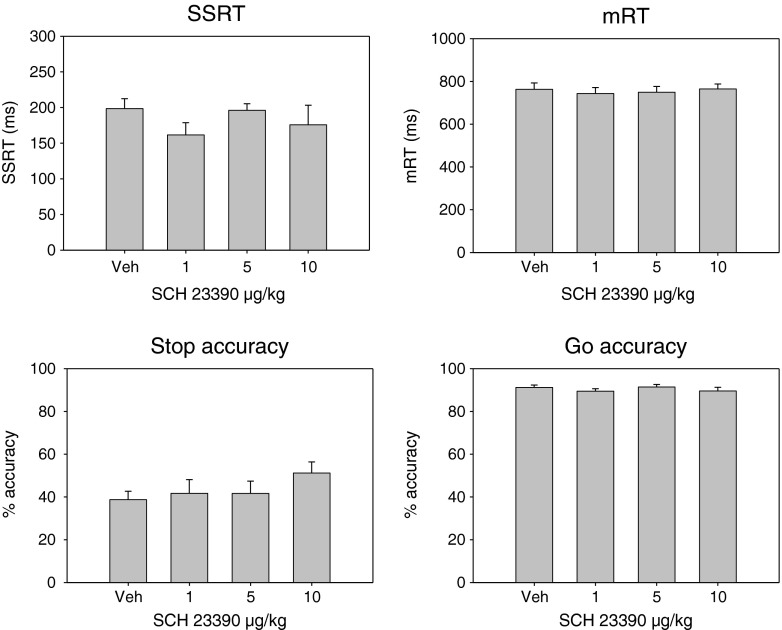
“However, previous studies have found significant effects on impulsivity in the 5-CSRTT after 10 μg/kg of SCH-23390 (Koskinen and Sirvio 2001; van Gaalen et al. 2006) and increased risk-aversion after 5 μg/kg (St Onge and Floresco 2009).”
BackgroundDissociation between conflict detection and error monitoring in the human anterior cingulate cortex
Swick, D., & Turken, A. U. (2002) · Proceedings of the National Academy of Sciences · doi:10.1073/pnas.252521499 · Cited by 334 · cited 1×
“Error monitoring, conflict detection and the subsequent adjustment of performance are known to depend on the dorso-medial PFC in humans and rats (Brown and Braver 2005; Chevrier et al. 2007; Falkenstein et al. 2000; Kerns et al. 2004; Li et al. 2008; Modirrousta and Fellows 2008; Narayanan and Laubach 2008; Ridderinkh…”
BackgroundLapiz, M. D. S., & Morilak, D. A. (2006) · Neuroscience · doi:10.1016/j.neuroscience.2005.09.031 · Cited by 325 · cited 2×
“…might be non-specific to α2 receptor antagonism because the more selective drug atipamezole improves attention and other cognitive functions (Devauges and Sara 1990; Haapalinna et al. 1998; Lapiz and Morilak 2006; Mervaala et al. 1993; Pertovaara et al. 2005), consistent with the present findings.”
ResultKuczenski, R., & Segal, D. S. (2002) · The Journal of Neuroscience · doi:10.1523/jneurosci.22-16-07264.2002 · Cited by 316 · cited 1×
“Moreover, the stimulant methylphenidate preferentially releases NA in PFC at clinical doses (Berridge et al. 2006; Kuczenski and Segal 2002), which may underlie its efficacy on ADHD symptoms.”
BackgroundBeta-adrenergic Modulation of Cognitive Flexibility during Stress
Alexander, J. K., Hillier, A., Smith, R. M., Tivarus, M. E., & Beversdorf, D. Q. (2007) · Journal of Cognitive Neuroscience · doi:10.1162/jocn.2007.19.3.468 · Cited by 306
Pharmacological profiles of medetomidine and its antagonist, atipamezole.
Virtanen, R. (1989) · PubMed · Cited by 297
Effects of methylphenidate on inhibitory control in hyperactive children
Tannock, R., Schachar, R. J., Carr, R. P., Chajczyk, D., & Logan, G. D. (1989) · Journal of Abnormal Child Psychology · doi:10.1007/bf00916508 · Cited by 290 · cited 2×
“Three animals were excluded from the final analysis for violation of the race model assumptions (final n=11).”
BackgroundMethodAtomoxetine improved response inhibition in adults with attention deficit/hyperactivity disorder
Chamberlain, S. R., del Campo, N., Dowson, J., Müller, U., Clark, L., Robbins, T. W., & Sahakian, B. J. (2007) · Biological Psychiatry · doi:10.1016/j.biopsych.2007.03.003 · Cited by 288 · cited 1×
“Finally, the SNARI atomoxetine improves attention in ADHD patients (Barry et al. 2009; Chamberlain et al. 2007; Maziade et al. 2009), healthy volunteers (Chamberlain et al.”
BackgroundSelf-citationDrug-induced stimulation and suppression of action monitoring in healthy volunteers
de Bruijn, E. R. A., Hulstijn, W., Verkes, R. J., Ruigt, G. S. F., & Sabbe, B. G. C. (2004) · Psychopharmacology · doi:10.1007/s00213-004-1915-6 · Cited by 282
Berger, B., Tassin, J. P., Blanc, G., Moyne, M. A., & Thierry, A. M. (1974) · Brain Research · doi:10.1016/0006-8993(74)90948-2 · Cited by 279 · cited 8×
“Because of the high levels of D4 receptors in PFC and its high affinity for NA (Lanau et al. 1997; Newman-Tancredi et al. 1997), it is conceivable that drugs acting at D4 receptors may play a role in response inhibition as measured by the SST.”
BackgroundInfluentialChevrier, A. D., Noseworthy, M. D., & Schachar, R. (2007) · Human Brain Mapping · doi:10.1002/hbm.20355 · Cited by 277 · cited 1×
“Error monitoring, conflict detection and the subsequent adjustment of performance are known to depend on the dorso-medial PFC in humans and rats (Brown and Braver 2005; Chevrier et al. 2007; Falkenstein et al. 2000; Kerns et al. 2004; Li et al. 2008; Modirrousta and Fellows 2008; Narayanan and Laubach 2008; Ridderinkh…”
BackgroundHeidbreder, C. A., & Newman, A. H. (2010) · Annals of the New York Academy of Sciences · doi:10.1111/j.1749-6632.2009.05149.x · Cited by 273
Dopamine D3Receptor Antagonism Inhibits Cocaine-Seeking and Cocaine-Enhanced Brain Reward in Rats
Vorel, S. R., Ashby, C. R., Paul, M., Liu, X., Hayes, R., Hagan, J. J., Middlemiss, D. N., Stemp, G., & Gardner, E. L. (2002) · The Journal of Neuroscience · doi:10.1523/jneurosci.22-21-09595.2002 · Cited by 269
Wilens, T. E. (2008) · Journal of Clinical Psychopharmacology · doi:10.1097/jcp.0b013e318173312f · Cited by 269
Darracq, L., Blanc, G., Glowinski, J., & Tassin, J.-P. (1998) · The Journal of Neuroscience · doi:10.1523/jneurosci.18-07-02729.1998 · Cited by 256 · cited 2×
“Drug doses were chosen based on published studies (e.g., Darracq et al. 1998; Selken and Nichols 2007).”
BackgroundMethodEagle, D. M., & Robbins, T. W. (2003) · Behavioral Neuroscience · doi:10.1037/0735-7044.117.6.1302 · Cited by 252 · cited 1×
“Behavioural training Rats were trained following a procedure modified from Eagle and Robbins (2003) and written in Visual Basic by A. C. Mar to perform the SST. Subjects were first habituated to the testing apparatus where they learned to collect free pellets from the food well.”
MethodSelf-citationDe Sarro, G. B., Ascioti, C., Froio, F., Libri, V., & Nisticò, G. (1987) · British Journal of Pharmacology · doi:10.1111/j.1476-5381.1987.tb11220.x · Cited by 242 · cited 1×
“…in turn decreases spontaneous noradrenergic system activity through α2-adrenoceptor stimulation at the level of the LC (Bari and Aston-Jones 2013; De Sarro et al. 1987; Fernandez-Pastor et al. 2005; Grandoso et al. 2004; Szabo and Blier 2001), while atipamezole increases prefrontal NA release by…”
BackgroundVaurio, R. G., Simmonds, D. J., & Mostofsky, S. H. (2009) · Neuropsychologia · doi:10.1016/j.neuropsychologia.2009.01.022 · Cited by 240
Behavioral disinhibition requires dopamine receptor activation
van Gaalen, M. M., Brueggeman, R. J., Bronius, P. F. C., Schoffelmeer, A. N. M., & Vanderschuren, L. J. M. J. (2006) · Psychopharmacology · doi:10.1007/s00213-006-0396-1 · Cited by 238 · cited 3×
“SCH23390 doses were 1, 5, 10 μg/kg, plus vehicle (0.9 % saline) administered 45 min before testing (Koffarnus et al. 2011; van Gaalen et al. 2006).”
BackgroundMethodInfluentialFrank, M. J., Santamaria, A., O'Reilly, R. C., & Willcutt, E. (2007) · Neuropsychopharmacology · doi:10.1038/sj.npp.1301278 · Cited by 227 · cited 3×
“These include the intra-individual variability of reaction times (SDGoRT) and the post-error slowing (PES) that have been extensively investigated in the human literature and are found to be altered in ADHD, impulsive subjects and several pathological conditions (e.g., Adams et al. 2011; Baldwin et al. 2004; Boonstra…”
BackgroundMethylphenidate and cognitive flexibility: Dissociated dose effects in hyperactive children
Tannock, R., Schachar, R., & Logan, G. (1995) · Journal of Abnormal Child Psychology · doi:10.1007/bf01447091 · Cited by 226 · cited 1×
“Here we showed, for the first time in the rat, a dissociation between SSRT and SDGoRT measures; the first assessing the speed of the inhibitory processes (Logan 1994) and the second the intra-individual variability of the go response (Tannock et al. 1995; Teicher et al. 2004).”
BackgroundJentzsch, I., & Dudschig, C. (2009) · Quarterly Journal of Experimental Psychology · doi:10.1080/17470210802240655 · Cited by 226 · cited 1×
“One possible reason for this discrepancy may be the presence of the TO period after a stop error, since it is known that PES decreases as a function of the inter-trial (Rabbitt and Rodgers 1977), or the response–stimulus (Danielmeier and Ullsperger 2011; Jentzsch and Dudschig 2009) interval.”
BackgroundEvidence for an Error Monitoring Deficit in Attention Deficit Hyperactivity Disorder
Schachar, R. J., Chen, S., Logan, G. D., Ornstein, T. J., Crosbie, J., Ickowicz, A., & Pakulak, A. (2004) · Journal of Abnormal Child Psychology · doi:10.1023/b:jacp.0000026142.11217.f2 · Cited by 221 · cited 2×
“This latter variable is considered as a measure of performance monitoring/adjustment (Gehring et al. 1993; Li et al. 2006b; Schachar et al. 2004) in the human literature but, since rats usually show a decrease in GoRT after a failed stop trial, it is usually a negative value (see discussion).”
BackgroundSibley, D. R., Strasser, R. H., Benovic, J. L., Daniel, K., & Lefkowitz, R. J. (1986) · Proceedings of the National Academy of Sciences · doi:10.1073/pnas.83.24.9408 · Cited by 220 · cited 1×
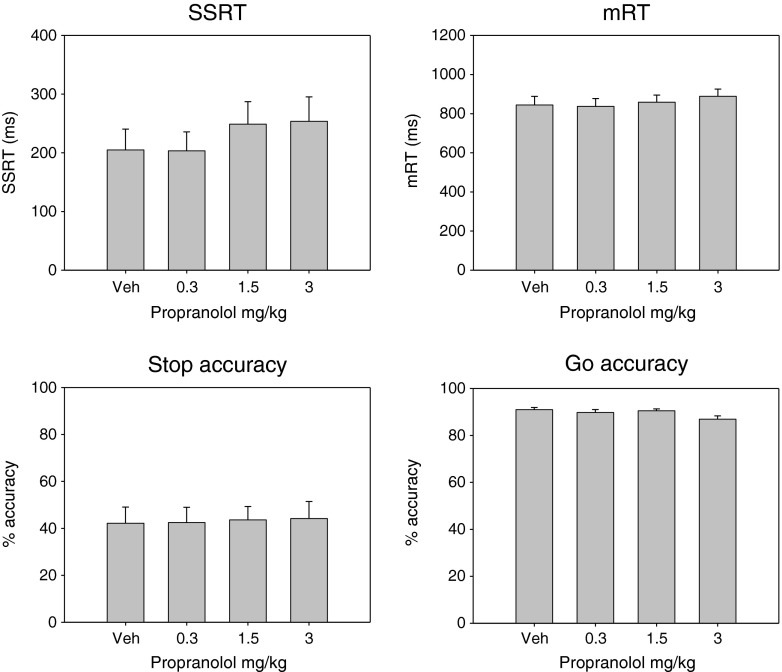
“Propranolol blocks both β1- and β2-adrenergic receptors (Sibley et al. 1986) and has been shown to impair attentional performance in humans (De Martino et al. 2008; Strange and Dolan 2007) and rats (Hahn and Stolerman 2005), which is consistent with the increase in response variability (SDGoRT)…”
ResultRegulation of Extracellular Dopamine by the Norepinephrine Transporter
Yamamoto, B. K., & Novotney, S. (1998) · Journal of Neurochemistry · doi:10.1046/j.1471-4159.1998.71010274.x · Cited by 218 · cited 2×
“…are mediated also by DA, since this and other α2-adrenergic receptor antagonists increase DA release in the rat mPFC (Devoto et al. 2001; Gobert et al. 1997; Gresch et al. 1995; Matsumoto et al. 1998; Yamamoto and Novotney 1998), possibly via indirect activation of α1 receptors (Anden et al. 1982).”
BackgroundCongdon, E., Lesch, K. P., & Canli, T. (2008) · American Journal of Medical Genetics Part B: Neuropsychiatric Genetics · doi:10.1002/ajmg.b.30557 · Cited by 218 · cited 2×
“The DRD4 7-allele repeat has been positively associated with novelty-seeking and impulsivity (Colzato et al. 2010; Congdon et al. 2008), and shown to affect prefrontal grey matter volume in normal and ADHD subjects (Durston et al.”
BackgroundDurston, S., Fossella, J. A., Casey, B. J., Hulshoff Pol, H. E., Galvan, A., Schnack, H. G., Steenhuis, M. P., Minderaa, R. B., Buitelaar, J. K., Kahn, R. S., et al. (2005) · Molecular Psychiatry · doi:10.1038/sj.mp.4001649 · Cited by 217 · cited 2×
“Rreaction time variability”
BackgroundSmalley, S. L., Bailey, J. N., Palmer, C. G., Cantwell, D. P., McGough, J. J., Del'Homme, M. A., Asarnow, J. R., Woodward, J. A., Ramsey, C., & Nelson, S. F. (1998) · Molecular Psychiatry · doi:10.1038/sj.mp.4000457 · Cited by 217 · cited 2×
“…gene (DRD4), coding for a Gprotein coupled receptor primarily found in cortico-limbic areas (Ariano et al. 1997; Oak et al. 2000), has been one of the most consistently implicated genes in ADHD (Faraone et al. 2001; Holmes et al. 2002; LaHoste et al. 1996; Langley et al. 2004; Smalley et al. 1998).”
BackgroundScatton, B. (1977) · European Journal of Pharmacology · doi:10.1016/0014-2999(77)90230-8 · Cited by 212 · cited 1×
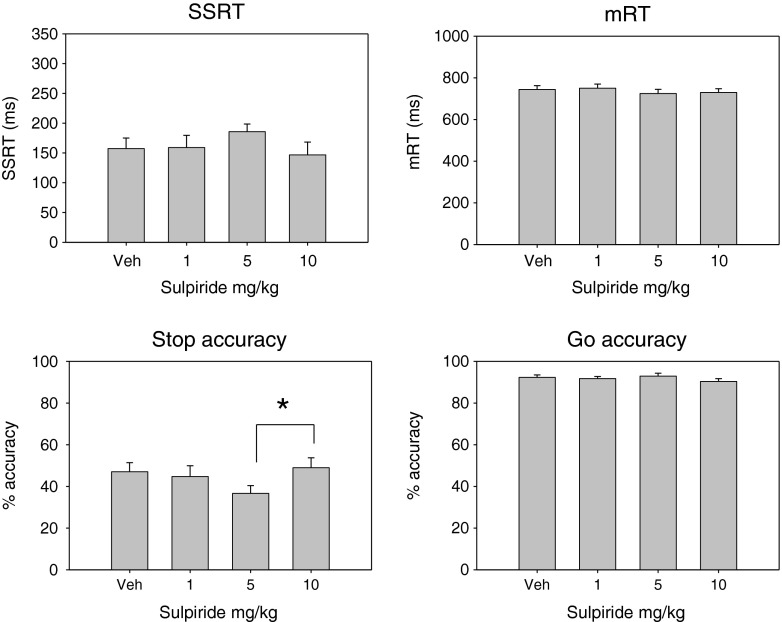
“On the other hand, sulpiride is known to preferentially affect PFC DA receptors at low doses (Bowers 1984; Kaneno et al. 2001; Kaneno et al. 1991; Kohler et al. 1981; Scatton 1977; Thierry et al. 1986) and to cause place aversion at doses as low as 1 mg/kg (Karami and Zarrindast 2008).”
BackgroundPattij, T., Janssen, M. C. W., Vanderschuren, L. J. M. J., Schoffelmeer, A. N. M., & van Gaalen, M. M. (2007) · Psychopharmacology · doi:10.1007/s00213-006-0533-x · Cited by 208 · cited 1×
“Thus, since DA D1- and D2-like receptors may have opposite effects on impulsivity (Pattij et al. 2007; Pezze et al. 2007; van Gaalen et al. 2006), the systemic administration of selective compounds could produce results not observed previously on SST performance.”
BackgroundGresch, P. J., Sved, A. F., Zigmond, M. J., & Finlay, J. M. (1995) · Journal of Neurochemistry · doi:10.1046/j.1471-4159.1995.65010111.x · Cited by 208 · cited 2×
“…are mediated also by DA, since this and other α2-adrenergic receptor antagonists increase DA release in the rat mPFC (Devoto et al. 2001; Gobert et al. 1997; Gresch et al. 1995; Matsumoto et al. 1998; Yamamoto and Novotney 1998), possibly via indirect activation of α1 receptors (Anden et al. 1982).”
BackgroundActivation of the noradrenergic system facilitates an attentional shift in the rat
Devauges, V., & Sara, S. J. (1990) · Behavioural Brain Research · doi:10.1016/0166-4328(90)90118-x · Cited by 200 · cited 2×
“…results might be non-specific to α2 receptor antagonism because the more selective drug atipamezole improves attention and other cognitive functions (Devauges and Sara 1990; Haapalinna et al. 1998; Lapiz and Morilak 2006; Mervaala et al. 1993; Pertovaara et al. 2005), consistent with the present…”
ResultDevoto, P., Flore, G., Pani, L., & Gessa, G. L. (2001) · Molecular Psychiatry · doi:10.1038/sj.mp.4000904 · Cited by 196
Ariano, M. A., Wang, J., Noblett, K. L., Larson, E. R., & Sibley, D. R. (1997) · Brain Research · doi:10.1016/s0006-8993(96)01422-9 · Cited by 195 · cited 2×
“The dopamine D4 receptor gene (DRD4), coding for a Gprotein coupled receptor primarily found in cortico-limbic areas (Ariano et al. 1997; Oak et al. 2000), has been one of the most consistently implicated genes in ADHD (Faraone et al.”
BackgroundBari, A., Eagle, D. M., Mar, A. C., Robinson, E. S. J., & Robbins, T. W. (2009) · Psychopharmacology · doi:10.1007/s00213-009-1537-0 · Cited by 194 · cited 3×
“However, previous studies failed to find any improvement of guanfacine on SST performance in humans (Muller et al. 2005) and rats (Bari et al. 2009). α1-Adrenoceptor agonists improve sustained attention in rats, whereas α1 antagonist administration has the opposite effect and abolishes the positive…”
Self-citationTaylor, F. B., & Russo, J. (2001) · Journal of Clinical Psychopharmacology · doi:10.1097/00004714-200104000-00015 · Cited by 189 · cited 1×
“The α2 receptor agonist guanfacine has been proposed as a potential treatment for ADHD and as a useful alternative to psychostimulant medication (Scahill et al. 2001; Taylor and Russo 2001).”
BackgroundPrefrontal and monoaminergic contributions to stop-signal task performance in rats
Bari, A., Mar, A. C., Theobald, D. E., Elands, S. A., Oganya, K. C. N. A., Eagle, D. M., & Robbins, T. W. (2011) · Journal of Neuroscience · doi:10.1523/jneurosci.1543-11.2011 · Cited by 188
Self-citationGerlach, M., Double, K., Arzberger, T., Leblhuber, F., Tatschner, T., & Riederer, P. (2003) · Journal of Neural Transmission · doi:10.1007/s00702-003-0027-5 · Cited by 187 · cited 1×
“2012), a compound with D3 receptor affinity comparable to that of pramipexole (Gerlach et al. 2003) on error awareness, consistent with the present results.”
ResultNavarra, R., Graf, R., Huang, Y., Logue, S., Comery, T., Hughes, Z., & Day, M. (2008) · Progress in Neuro-Psychopharmacology and Biological Psychiatry · doi:10.1016/j.pnpbp.2007.06.017 · Cited by 183
Langley, K., Marshall, L., van den Bree, M., Thomas, H., Owen, M., O’Donovan, M., & Thapar, A. (2004) · American Journal of Psychiatry · doi:10.1176/appi.ajp.161.1.133 · Cited by 183 · cited 2×
“…gene (DRD4), coding for a Gprotein coupled receptor primarily found in cortico-limbic areas (Ariano et al. 1997; Oak et al. 2000), has been one of the most consistently implicated genes in ADHD (Faraone et al. 2001; Holmes et al. 2002; LaHoste et al. 1996; Langley et al. 2004; Smalley et al. 1998).”
BackgroundBidwell, L. C., Willcutt, E. G., DeFries, J. C., & Pennington, B. F. (2007) · Biological Psychiatry · doi:10.1016/j.biopsych.2007.04.003 · Cited by 183
Overtoom, C. C. E., Kenemans, J. L., Verbaten, M. N., Kemner, C., van der Molen, M. W., van Engeland, H., Buitelaar, J. K., & Koelega, H. S. (2002) · Biological Psychiatry · doi:10.1016/s0006-3223(01)01290-2 · Cited by 180 · cited 1×
“…mRTand go accuracy are often considered as secondary measures of sustained attention (Castellanos and Tannock 2002; Lijffijt et al. 2005, 2006; Overtoom et al. 2002), the effects of prazosin on SST performance are indicative of detrimental effects on attention but not impulsivity, in keeping…”
BackgroundDaly, S. A., & Waddington, J. L. (1993) · Neuropharmacology · doi:10.1016/0028-3908(93)90177-5 · Cited by 179
Virtanen, R., Savola, J., & Saano, V. (1989) · PubMed · Cited by 178
Eagle, D. M., Tufft, M. R. A., Goodchild, H. L., & Robbins, T. W. (2007) · Psychopharmacology · doi:10.1007/s00213-007-0701-7 · Cited by 176 · cited 2×
“…systemic administration of the mixed D1/D2 DA receptor antagonist cis-flupenthixol did not alter SST performance up to doses that impaired the ability of the animals to complete the task and also failed to antagonise the beneficial effects of methylphenidate or modafinil (Eagle et al. 2007).”
BackgroundResultSelf-citationCoull, J. T., Jones, M. E. P., Egan, T. D., Frith, C., & Maze, M. (2004) · NeuroImage · doi:10.1016/j.neuroimage.2003.12.022 · Cited by 175 · cited 2×
“On the other hand, α2 receptor agonist administration has deleterious consequences on attention (Smith and Nutt 1996) and target detection (Brown et al. 2012; Coull et al. 2004) in some studies, but positive effects in others (Fernando et al. 2012).”
BackgroundNoradrenergic modulation of working memory and emotional memory in humans
Chamberlain, S. R., Müller, U., Blackwell, A. D., Robbins, T. W., & Sahakian, B. J. (2006) · Psychopharmacology · doi:10.1007/s00213-006-0391-6 · Cited by 173
Self-citationHaloperidol Impairs Learning and Error-related Negativity in Humans
Zirnheld, P. J., Carroll, C. A., Kieffaber, P. D., O'Donnell, B. F., Shekhar, A., & Hetrick, W. P. (2004) · Journal of Cognitive Neuroscience · doi:10.1162/0898929041502779 · Cited by 170
Pezze, M.-A., Dalley, J. W., & Robbins, T. W. (2007) · Neuropsychopharmacology · doi:10.1038/sj.npp.1301073 · Cited by 169 · cited 2×
“Rreaction time variability”
BackgroundSelf-citationNoradrenaline and attention lapses
Smith, A., & Nutt, D. (1996) · Nature · doi:10.1038/380291a0 · Cited by 169 · cited 2×
“On the other hand, α2 receptor agonist administration has deleterious consequences on attention (Smith and Nutt 1996) and target detection (Brown et al. 2012; Coull et al. 2004) in some studies, but positive effects in others (Fernando et al. 2012).”
BackgroundTanda, G., Pontieri, F. E., Frau, R., & Di Chiara, G. (1997) · European Journal of Neuroscience · doi:10.1111/j.1460-9568.1997.tb01375.x · Cited by 169 · cited 2×
“There, the NA transporter participates in the reuptake of DA (Carboni and Silvagni 2004; Moron et al. 2002; Tanda et al. 1997), compensating for the paucity of dopamine transporter (DAT) sites in this area (Ciliax et al.”
BackgroundReversible inactivations of rat medial prefrontal cortex impair the ability to wait for a stimulus
Narayanan, N. S., Horst, N. K., & Laubach, M. (2006) · Neuroscience · doi:10.1016/j.neuroscience.2005.11.072 · Cited by 167 · cited 2×
“Although relatively few studies have reported SDGoRT in rats, reaction time variability seems to predict attentional performance in both normal animals and animals made distractible by experimental manipulations (Hausknecht et al. 2005; Loos et al. 2012; Narayanan et al. 2006).”
BackgroundPerformance monitoring and stop signal inhibition in abstinent patients with cocaine dependence
Li, C.-S. R., Milivojevic, V., Kemp, K., Hong, K., & Sinha, R. (2006) · Drug and Alcohol Dependence · doi:10.1016/j.drugalcdep.2006.04.008 · Cited by 167 · cited 1×
“This latter variable is considered as a measure of performance monitoring/adjustment (Gehring et al. 1993; Li et al. 2006b; Schachar et al. 2004) in the human literature but, since rats usually show a decrease in GoRT after a failed stop trial, it is usually a negative value (see discussion).”
BackgroundNafadotride, a potent preferential dopamine D3 receptor antagonist, activates locomotion in rodents.
Sautel, F., Griffon, N., Sokoloff, P., Schwartz, J. C., Launay, C., Simon, P., Costentin, J., Schoenfelder, A., Garrido, F., & Mann, A. (1995) · The Journal of Pharmacology and Experimental Therapeutics · doi:10.1016/s0022-3565(25)12176-9 · Cited by 164
Jones, C. R. G., Malone, T., Dirnberger, G., Edwards, M. J., & Jahanshahi, M. (2008) · Brain and Cognition · doi:10.1016/j.bandc.2008.02.121 · Cited by 161 · cited 2×
“These include the intra-individual variability of reaction times (SDGoRT) and the post-error slowing (PES) that have been extensively investigated in the human literature and are found to be altered in ADHD, impulsive subjects and several pathological conditions (e.g., Adams et al. 2011; Baldwin et al. 2004; Boonstra…”
BackgroundKaiser, S., Roth, A., Rentrop, M., Friederich, H.-C., Bender, S., & Weisbrod, M. (2008) · Brain and Cognition · doi:10.1016/j.bandc.2007.05.007 · Cited by 160 · cited 2×
“These include the intra-individual variability of reaction times (SDGoRT) and the post-error slowing (PES) that have been extensively investigated in the human literature and are found to be altered in ADHD, impulsive subjects and several pathological conditions (e.g., Adams et al. 2011; Baldwin et al. 2004; Boonstra…”
BackgroundBoonstra, A. M., Kooij, J. J. S., Oosterlaan, J., Sergeant, J. A., & Buitelaar, J. K. (2005) · Journal of Clinical and Experimental Neuropsychology · doi:10.1080/13803390490515757 · Cited by 157 · cited 3×
“These include the intra-individual variability of reaction times (SDGoRT) and the post-error slowing (PES) that have been extensively investigated in the human literature and are found to be altered in ADHD, impulsive subjects and several pathological conditions (e.g., Adams et al. 2011; Baldwin et al. 2004; Boonstra…”
BackgroundResultNandam, L. S., Hester, R., Wagner, J., Cummins, T. D. R., Garner, K., Dean, A. J., Kim, B.-N., Nathan, P. J., Mattingley, J. B., & Bellgrove, M. A. (2010) · Biological Psychiatry · doi:10.1016/j.biopsych.2010.11.014 · Cited by 155 · cited 3×
“These include the intra-individual variability of reaction times (SDGoRT) and the post-error slowing (PES) that have been extensively investigated in the human literature and are found to be altered in ADHD, impulsive subjects and several pathological conditions (e.g., Adams et al. 2011; Baldwin et al. 2004; Boonstra…”
BackgroundResultEagle, D. M., Wong, J. C. K., Allan, M. E., Mar, A. C., Theobald, D. E., & Robbins, T. W. (2011) · The Journal of Neuroscience · doi:10.1523/jneurosci.6182-10.2011 · Cited by 145 · cited 3×
“…inhibition (Eagle et al. 2008), recent findings have demonstrated a more complex role for dopaminergic neurotransmission during SST performance: blocking D2 receptors in the dorso-medial striatum prolonged SSRT, whereas D1 receptor antagonism in the same area improved stopping (Eagle et al. 2011).”
BackgroundInfluentialSelf-citationAssessing medication effects in the MTA study using neuropsychological outcomes
Epstein, J. N., Keith Conners, C., Hervey, A. S., Tonev, S. T., Eugene Arnold, L., Abikoff, H. B., Elliott, G., Greenhill, L. L., Hechtman, L., Hoagwood, K., et al. (2006) · Journal of Child Psychology and Psychiatry · doi:10.1111/j.1469-7610.2005.01469.x · Cited by 139 · cited 2×
“…to be altered in ADHD, impulsive subjects and several pathological conditions (e.g., Adams et al. 2011; Baldwin et al. 2004; Boonstra et al. 2005; Epstein et al. 2006, 2011; Fitzpatrick et al. 1992; Frank et al. 2007; Jones et al. 2008; Kaiser et al. 2008; Kollins et al. 2008; MacDonald et al.…”
BackgroundO’Connell, R. G., Bellgrove, M. A., Dockree, P. M., Lau, A., Hester, R., Garavan, H., Fitzgerald, M., Foxe, J. J., & Robertson, I. H. (2009) · Neuropsychologia · doi:10.1016/j.neuropsychologia.2009.01.011 · Cited by 137 · cited 1×
“Moreover, these evaluative and regulative functions are found to be impaired in ADHD children (Korenblum et al. 2007; O'Connell et al. 2009; Schachar et al. 2004) and other patient populations.”
BackgroundFernando, A. B. P., Economidou, D., Theobald, D. E., Zou, M.-F., Newman, A. H., Spoelder, M., Caprioli, D., Moreno, M., Hipόlito, L., Aspinall, A. T., et al. (2012) · Psychopharmacology · doi:10.1007/s00213-011-2408-z · Cited by 135 · cited 2×
“2004) in some studies, but positive effects in others (Fernando et al. 2012).”
BackgroundResultSelf-citationDimensional Analysis of ADHD Subtypes in Rats
Blondeau, C., & Dellu-Hagedorn, F. (2006) · Biological Psychiatry · doi:10.1016/j.biopsych.2006.06.030 · Cited by 133
Stanwood, G. D., Artymyshyn, R. P., Kung, M.-P., Kung, H. F., Lucki, I., & McGonigle, P. (2000) · The Journal of Pharmacology and Experimental Therapeutics · doi:10.1016/s0022-3565(24)39024-x · Cited by 131 · cited 1×
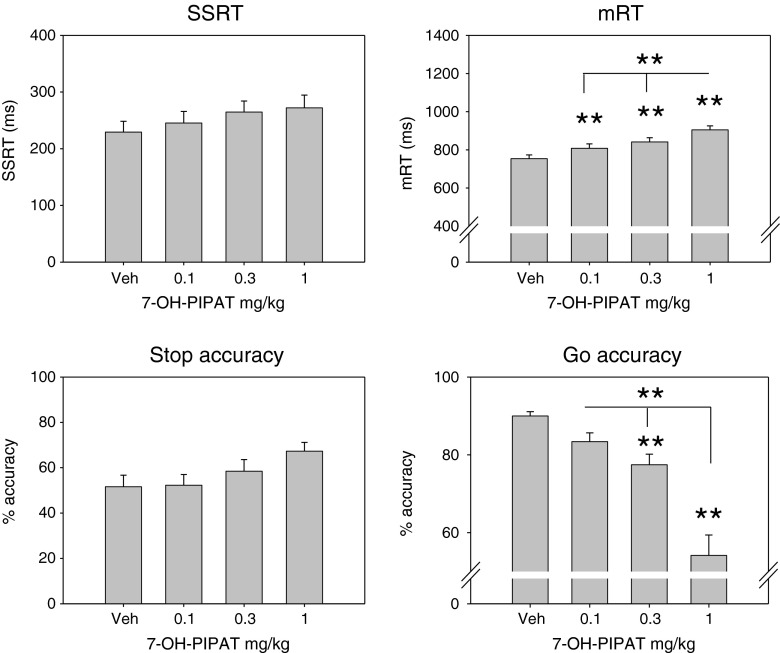
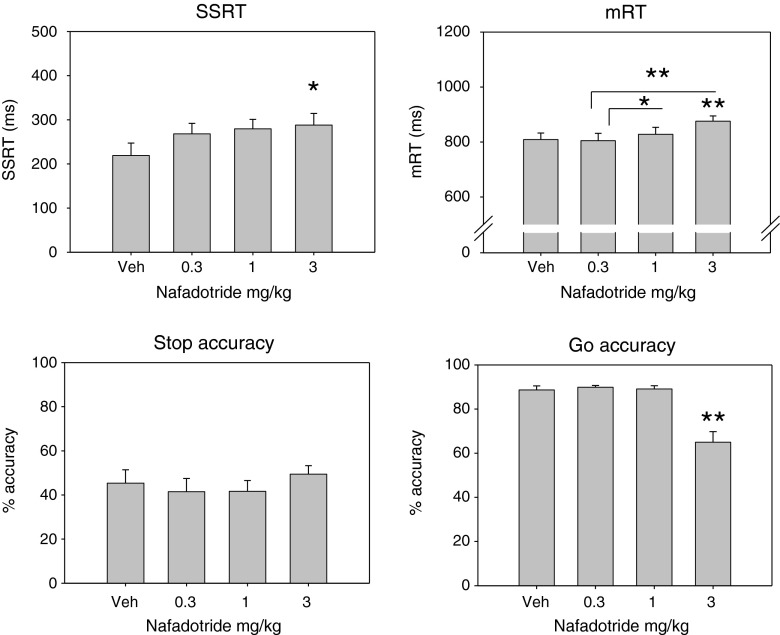
“Both nafadotride and 7-OHPIPAT increased performance monitoring/adjustment as measured by PES, which may be mediated by the mesolimbic DA system where D3 receptors are located (Sokoloff et al. 1990; Stanwood et al. 2000).”
BackgroundCoull, J. T., Sahakian, B. J., & Hodges, J. R. (1996) · Psychopharmacology · doi:10.1007/bf02246578 · Cited by 128 · cited 1×
“Similarly, the beneficial effects of atipamezole on cognition are most reliably seen in aged or poor performing subjects, or in situations of increased attentional demand (Coull et al. 1996; Haapalinna et al. 1998, 2000; Jakala et al. 1992; Sirvio et al. 1993).”
BackgroundDorsal Medial Prefrontal Cortex Plays a Necessary Role in Rapid Error Prediction in Humans
Modirrousta, M., & Fellows, L. K. (2008) · The Journal of Neuroscience · doi:10.1523/jneurosci.4450-08.2008 · Cited by 126 · cited 1×
“Error monitoring, conflict detection and the subsequent adjustment of performance are known to depend on the dorso-medial PFC in humans and rats (Brown and Braver 2005; Chevrier et al. 2007; Falkenstein et al. 2000; Kerns et al. 2004; Li et al. 2008; Modirrousta and Fellows 2008; Narayanan and Laubach 2008; Ridderinkh…”
BackgroundEpinephrine and Norepinephrine Act as Potent Agonists at the Recombinant Human Dopamine D4 Receptor
Lanau, F., Zenner, M., Civelli, O., & Hartman, D. S. (1997) · Journal of Neurochemistry · doi:10.1046/j.1471-4159.1997.68020804.x · Cited by 124 · cited 1×
“Because of the high levels of D4 receptors in PFC and its high affinity for NA (Lanau et al. 1997; Newman-Tancredi et al. 1997), it is conceivable that drugs acting at D4 receptors may play a role in response inhibition as measured by the SST.”
MethodKrämer, U. M., Cunillera, T., Càmara, E., Marco-Pallarés, J., Cucurell, D., Nager, W., Bauer, P., Schüle, R., Schöls, L., Rodriguez-Fornells, A., et al. (2007) · The Journal of Neuroscience · doi:10.1523/jneurosci.4229-07.2007 · Cited by 124
Szabo, S. T., & Blier, P. (2001) · European Journal of Neuroscience · doi:10.1046/j.0953-816x.2001.01583.x · Cited by 121 · cited 2×
“…α2-adrenoceptor stimulation at the level of the LC (Bari and Aston-Jones 2013; De Sarro et al. 1987; Fernandez-Pastor et al. 2005; Grandoso et al. 2004; Szabo and Blier 2001), while atipamezole increases prefrontal NA release by disrupting the feedback inhibitory mechanism (Gobert et al. 1997).”
BackgroundFranowicz, J. S., & Arnsten, A. F. T. (1998) · Psychopharmacology · doi:10.1007/s002130050533 · Cited by 120 · cited 1×
“…post-synaptic α2 receptors have been implicated in the memory improvements seen after α2 receptor agonist administration (Ji et al. 2008), especially in animals with memory impairments (Arnsten and Cai 1993; Arnsten et al. 1988; Berridge et al. 1993; Franowicz and Arnsten 1998; Rama et al. 1996).”
BackgroundCarr, D. B., Andrews, G. D., Glen, W. B., & Lavin, A. (2007) · The Journal of Physiology · doi:10.1113/jphysiol.2007.141671 · Cited by 119 · cited 1×
“…blocking NA reuptake are at least twofold: it prevents (1) the α2 pre-synaptic autoreceptor-mediated negative feedback on NA activity (Gobert et al. 1997) and (2) the postsynaptic α2 receptor-mediated decrease in stimulus-evoked neural responsiveness (Carr et al. 2007; Ji et al. 2008) (Table 3).”
BackgroundColzato, L. S., van den Wildenberg, W. P. M., Van der Does, A. J. W., & Hommel, B. (2010) · Neuroscience · doi:10.1016/j.neuroscience.2010.07.050 · Cited by 117 · cited 2×
“The DRD4 7-allele repeat has been positively associated with novelty-seeking and impulsivity (Colzato et al. 2010; Congdon et al. 2008), and shown to affect prefrontal grey matter volume in normal and ADHD subjects (Durston et al.”
BackgroundMacDonald, S. W. S., Červenka, S., Farde, L., Nyberg, L. H., & Bäckman, L. (2009) · Neuropsychologia · doi:10.1016/j.neuropsychologia.2009.01.016 · Cited by 115
Pertovaara, A., Haapalinna, A., Sirviö, J., & Virtanen, R. (2005) · CNS Drug Reviews · doi:10.1111/j.1527-3458.2005.tb00047.x · Cited by 112
Behavioural and neurochemical effects of antipamezole, a novel α2-adrenoceptor antagonist
Scheinin, H., MacDonald, E., & Scheinin, M. (1988) · European Journal of Pharmacology · doi:10.1016/0014-2999(88)90689-9 · Cited by 112
Neuronal Correlates of Post-Error Slowing in the Rat Dorsomedial Prefrontal Cortex
Narayanan, N. S., & Laubach, M. (2008) · Journal of Neurophysiology · doi:10.1152/jn.00035.2008 · Cited by 112 · cited 1×
“Error monitoring, conflict detection and the subsequent adjustment of performance are known to depend on the dorso-medial PFC in humans and rats (Brown and Braver 2005; Chevrier et al. 2007; Falkenstein et al. 2000; Kerns et al. 2004; Li et al. 2008; Modirrousta and Fellows 2008; Narayanan and Laubach 2008; Ridderinkh…”
BackgroundDrouin, C., Blanc, G., Villégier, A., Glowinski, J., & Tassin, J. (2002) · Synapse · doi:10.1002/syn.10023 · Cited by 112 · cited 1×
“Prazosin inhibits the electrically or pharmacologically-evoked release of DA in the nucleus accumbens and PFC, as well as the locomotor enhancing effects of amphetamine and cocaine (Darracq et al. 1998; Drouin et al. 2002; Gioanni et al. 1998).”
BackgroundRommelse, N. N. J., Altink, M. E., Oosterlaan, J., Beem, L., Buschgens, C. J. M., Buitelaar, J., & Sergeant, J. A. (2008) · Behavior Genetics · doi:10.1007/s10519-007-9186-8 · Cited by 110 · cited 1×
“Both measures represent potential endophenotypes to be used as ‘biomarkers’ (Gottesman and Gould 2003; Rommelse et al. 2008) that would help the diagnosis and treatment of clinical disorders such as ADHD and schizophrenia (Castellanos and Tannock 2002; Gilmour et al.”
BackgroundHess, C., Reif, A., Strobel, A., Boreatti-Hümmer, A., Heine, M., Lesch, K.-P., & Jacob, C. P. (2009) · Journal of Neural Transmission · doi:10.1007/s00702-008-0138-0 · Cited by 104
Prenatal Alcohol Exposure Causes Attention Deficits in Male Rats.
Hausknecht, K. A., Acheson, A., Farrar, A. M., Kieres, A. K., Shen, R., Richards, J. B., & Sabol, K. E. (2005) · Behavioral Neuroscience · doi:10.1037/0735-7044.119.1.302 · Cited by 104 · cited 2×
“Although relatively few studies have reported SDGoRT in rats, reaction time variability seems to predict attentional performance in both normal animals and animals made distractible by experimental manipulations (Hausknecht et al. 2005; Loos et al. 2012; Narayanan et al. 2006).”
BackgroundNoradrenergic neuromodulation of human attention for emotional and neutral stimuli
De Martino, B., Strange, B. A., & Dolan, R. J. (2008) · Psychopharmacology · doi:10.1007/s00213-007-1015-5 · Cited by 103 · cited 1×
“Propranolol blocks both β1- and β2-adrenergic receptors (Sibley et al. 1986) and has been shown to impair attentional performance in humans (De Martino et al. 2008; Strange and Dolan 2007) and rats (Hahn and Stolerman 2005), which is consistent with the increase in response variability (SDGoRT)…”
ResultCellular and subcellular localization of the dopamine transporter in rat cortex
Sesack, S. R., Hawrylak, V. A., Guido, M. A., & Levey, A. I. (1997) · Advances in pharmacology · doi:10.1016/s1054-3589(08)60720-6 · Cited by 101 · cited 2×
“Rreaction time variability”
BackgroundSirviö, J., & MacDonald, E. (1999) · Pharmacology & Therapeutics · doi:10.1016/s0163-7258(99)00017-0 · Cited by 101 · cited 1×
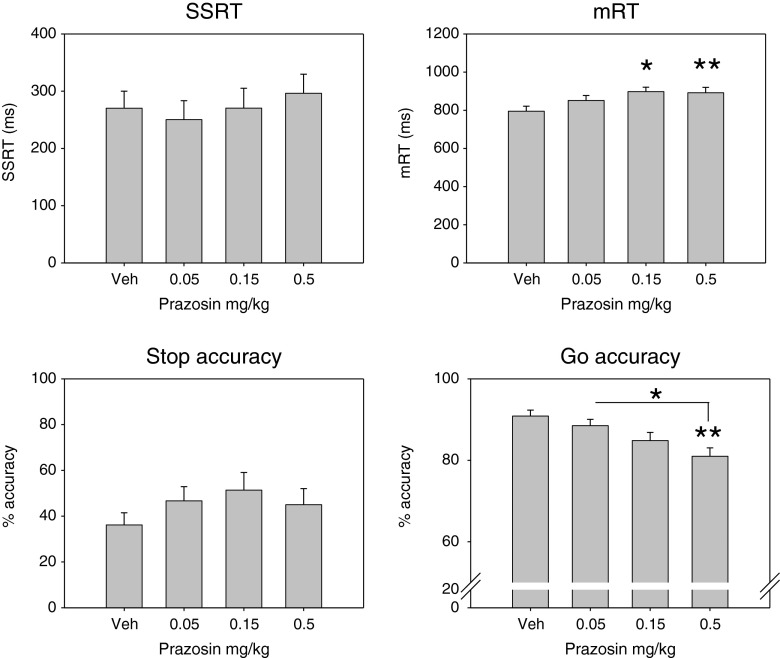
“Blocking α1-adrenergic receptors by prazosin increased mRT and decreased go accuracy and NP/TO, consistent with a mild sedative effect of this drug (Berridge and Espana 2000) and, more generally, with the role of α1 adrenoceptors in locomotor activity and arousal (Sirvio and MacDonald 1999).”
BackgroundAssociation of DRD4 in children with ADHD and comorbid conduct problems
Holmes, J., Payton, A., Barrett, J., Harrington, R., McGuffin, P., Owen, M., Ollier, W., Worthington, J., Gill, M., Kirley, A., et al. (2002) · American Journal of Medical Genetics · doi:10.1002/ajmg.10149 · Cited by 101 · cited 2×
“…gene (DRD4), coding for a Gprotein coupled receptor primarily found in cortico-limbic areas (Ariano et al. 1997; Oak et al. 2000), has been one of the most consistently implicated genes in ADHD (Faraone et al. 2001; Holmes et al. 2002; LaHoste et al. 1996; Langley et al. 2004; Smalley et al. 1998).”
BackgroundLacroix, L. P., Hows, M. E. P., Shah, A. J., Hagan, J. J., & Heidbreder, C. A. (2002) · Neuropsychopharmacology · doi:10.1038/sj.npp.1300114 · Cited by 100 · cited 2×
“9 % saline) injected 45 min before test and the solution adjusted with hydrochloric acid to give a pH of ~6 (Lacroix et al. 2003; Passetti et al. 2003; Sorge and Clarke 2009).”
MethodInfluentialGobert, A., Rivet, J. ‐., Cistarelli, L., Melon, C., & Millan, M. J. (1997) · Journal of Neurochemistry · doi:10.1046/j.1471-4159.1997.69062616.x · Cited by 99
Attention deficit disorder with hyperactivity (ADDH): The contribution of catecholaminergic activity
Oades, R. D. (1987) · Progress in Neurobiology · doi:10.1016/0301-0082(87)90019-0 · Cited by 97 · cited 2×
“…catecholamine levels in prefrontal cortex (PFC) improve cognitive and behavioural deficits in disorders characterised by impulsivity (Bradley 1937; Oades 1987) has opened the way for the investigation of the role of dopamine (DA) and noradrenaline (NA) in behavioural inhibition and attention.”
BackgroundJentsch, J. D., Taylor, J. R., Redmond, D. E., Elsworth, J. D., Youngren, K. D., & Roth, R. H. (1999) · Psychopharmacology · doi:10.1007/s002130050865 · Cited by 96 · cited 1×
“2002, 2004) and primates (Arnsten et al. 2000; Jentsch et al. 1999) after administration of D4 antagonists, suggesting that D4 modulation may normalize naturally or chemically altered levels of catecholamines in the PFC.”
BackgroundMarquand, A. F., De Simoni, S., O'Daly, O. G., Williams, S. C., Mourão-Miranda, J., & Mehta, M. A. (2011) · Neuropsychopharmacology · doi:10.1038/npp.2011.9 · Cited by 95
Berridge, C. W., Shumsky, J. S., Andrzejewski, M. E., McGaughy, J. A., Spencer, R. C., Devilbiss, D. M., & Waterhouse, B. D. (2012) · Biological Psychiatry · doi:10.1016/j.biopsych.2011.07.022 · Cited by 93 · cited 1×
“Antagonists at the α1 receptor also counteract the beneficial effects of methylphenidate (Berridge et al. 2012) and of the selective NA reuptake inhibitor (SNARI) reboxetine (Liu et al. 2009).”
BackgroundSpencer, S. V., Hawk, L. W., Richards, J. B., Shiels, K., Pelham, W. E., & Waxmonsky, J. G. (2009) · Journal of Abnormal Child Psychology · doi:10.1007/s10802-009-9316-2 · Cited by 93 · cited 2×
“…several pathological conditions (e.g., Adams et al. 2011; Baldwin et al. 2004; Boonstra et al. 2005; Epstein et al. 2006, 2011; Fitzpatrick et al. 1992; Frank et al. 2007; Jones et al. 2008; Kaiser et al. 2008; Kollins et al. 2008; MacDonald et al. 2009; Nandam et al. 2010; Spencer et al. 2009).”
BackgroundEffects of selective dopaminergic compounds on a delay-discounting task
Koffarnus, M. N., Newman, A. H., Grundt, P., Rice, K. C., & Woods, J. H. (2011) · Behavioural Pharmacology · doi:10.1097/fbp.0b013e3283473bcb · Cited by 91 · cited 2×
“SCH23390 doses were 1, 5, 10 μg/kg, plus vehicle (0.9 % saline) administered 45 min before testing (Koffarnus et al. 2011; van Gaalen et al. 2006).”
MethodInfluentialRegulation of Working Memory by Dopamine D4 Receptor in Rats
Zhang, K., Grady, C. J., Tsapakis, E.-M., Andersen, S. L., Tarazi, F. I., & Baldessarini, R. J. (2004) · Neuropsychopharmacology · doi:10.1038/sj.npp.1300491 · Cited by 90
Sun, H., Green, T. A., Theobald, D. E. H., Birnbaum, S. G., Graham, D. L., Zeeb, F. D., Nestler, E. J., & Winstanley, C. A. (2010) · Biological Psychiatry · doi:10.1016/j.biopsych.2009.11.030 · Cited by 87 · cited 1×
“This pattern of results apparently contrasts with previous evidence of a deleterious effect of the less selective α2 receptor antagonists idazoxan and yohimbine on attention and impulsivity (Arnsten and Li 2005; Rowe et al. 1996; Sun et al. 2010; Swann et al. 2005, 2013).”
ResultLi, C.-S. R., Yan, P., Chao, H. H.-A., Sinha, R., Paliwal, P., Constable, R. T., Zhang, S., & Lee, T.-W. (2008) · Neuroscience · doi:10.1016/j.neuroscience.2008.06.062 · Cited by 87
Gilmour, G., Arguello, P. A., Bari, A., Brown, V. J., Carter, C., Floresco, S., Jentsch, J. D., Tait, D. S., Young, J. W., & Robbins, T. W. (2012) · Neuroscience & Biobehavioral Reviews · doi:10.1016/j.neubiorev.2012.04.006 · Cited by 87 · cited 4×
“1994), whereas D3 receptor modulation by pharmacological agents may improve deficits in error monitoring and performance adjustment, which are commonly observed in schizophrenia, ADHD and drug addiction (Carter et al. 2001; Gilmour et al. 2012; Li et al. 2006a; Rubia et al. 2005).”
BackgroundInfluentialSelf-citationHaapalinna, A., Viitamaa, T., MacDonald, E., Savola, J., Tuomisto, L. M., Virtanen, R., & Heinonen, E. H. (1997) · Naunyn-Schmiedeberg s Archives of Pharmacology · doi:10.1007/pl00005092 · Cited by 86 · cited 1×
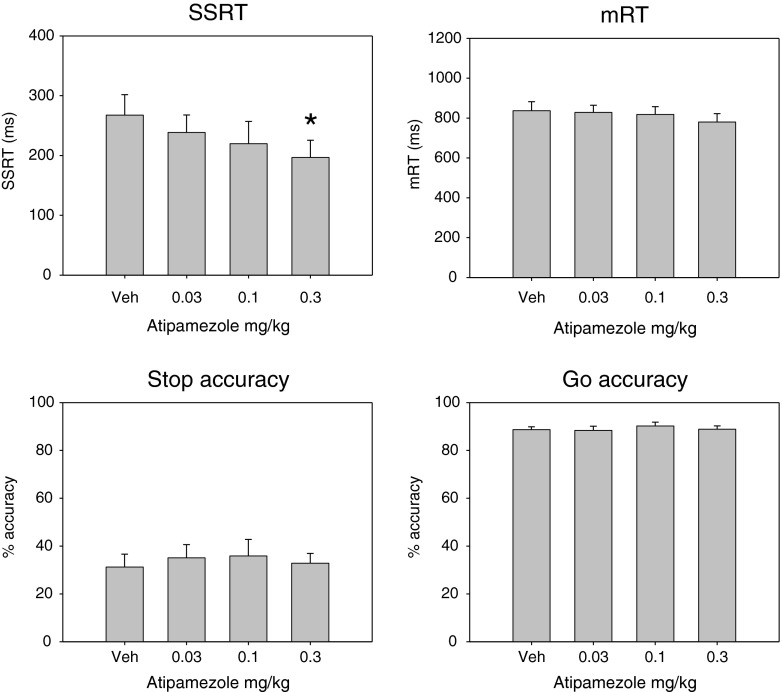
“Effects of noradrenergic ligands We showed that atipamezole, a very selective and potent α2adrenergic receptor antagonist (Haapalinna et al. 1997; Virtanen 1989), speeded SSRT at the 0.3 mg/kg dose and decreased response variability (i.e., improved sustained attention).”
BackgroundInfluentialSorge, R. E., & Clarke, P. B. S. (2009) · Journal of Pharmacology and Experimental Therapeutics · doi:10.1124/jpet.109.154641 · Cited by 85 · cited 2×
“SCH23390 doses were 1, 5, 10 μg/kg, plus vehicle (0.9 % saline) administered 45 min before testing (Koffarnus et al. 2011; van Gaalen et al. 2006).”
MethodInfluentialBari, A., & Aston-Jones, G. (2013) · Neuropharmacology · doi:10.1016/j.neuropharm.2012.07.020 · Cited by 85 · cited 2×
“…NA content which in turn decreases spontaneous noradrenergic system activity through α2-adrenoceptor stimulation at the level of the LC (Bari and Aston-Jones 2013; De Sarro et al. 1987; Fernandez-Pastor et al. 2005; Grandoso et al. 2004; Szabo and Blier 2001), while atipamezole…”
BackgroundSelf-citationDuarte, C., Lefebvre, C., Chaperon, F., Hamon, M., & Thiébot, M.-H. (2003) · Neuropsychopharmacology · doi:10.1038/sj.npp.1300276 · Cited by 84 · cited 1×
“…locomotor activity, and the reinforcing properties of drugs and food (Barik and de Beaurepaire 2005; Caine and Koob 1993; Daly and Waddington 1993; Duarte et al. 2003a; Pilla et al. 1999), are mainly located in the nucleus accumbens, cerebellum, olfactory tubercle and islands of Calleja…”
BackgroundBerridge, C. W., Arnsten, A. F. T., & Foote, S. L. (1993) · Psychological Medicine · doi:10.1017/s0033291700025332 · Cited by 83 · cited 2×
“…post-synaptic α2 receptors have been implicated in the memory improvements seen after α2 receptor agonist administration (Ji et al. 2008), especially in animals with memory impairments (Arnsten and Cai 1993; Arnsten et al. 1988; Berridge et al. 1993; Franowicz and Arnsten 1998; Rama et al. 1996).”
BackgroundAdams, Z. W., Roberts, W. M., Milich, R., & Fillmore, M. T. (2011) · Psychological Assessment · doi:10.1037/a0022112 · Cited by 82 · cited 2×
“…extensively investigated in the human literature and are found to be altered in ADHD, impulsive subjects and several pathological conditions (e.g., Adams et al. 2011; Baldwin et al. 2004; Boonstra et al. 2005; Epstein et al. 2006, 2011; Fitzpatrick et al. 1992; Frank et al. 2007; Jones et al.…”
BackgroundFITZPATRICK, P. A., KLORMAN, R., BRUMAGHIM, J. T., & BORGSTEDT, A. D. (1992) · Journal of the American Academy of Child & Adolescent Psychiatry · doi:10.1097/00004583-199203000-00008 · Cited by 82 · cited 3×
“These include the intra-individual variability of reaction times (SDGoRT) and the post-error slowing (PES) that have been extensively investigated in the human literature and are found to be altered in ADHD, impulsive subjects and several pathological conditions (e.g., Adams et al. 2011; Baldwin et al. 2004; Boonstra…”
BackgroundResultDepoortère, R., Perrault, G., & Sanger, D. J. (1996) · Psychopharmacology · doi:10.1007/bf02246662 · Cited by 82
Morphine sex-dependently induced place conditioning in adult Wistar rats
Karami, M., & Zarrindast, M. (2007) · European Journal of Pharmacology · doi:10.1016/j.ejphar.2007.12.010 · Cited by 82 · cited 2×
“On the other hand, sulpiride is known to preferentially affect PFC DA receptors at low doses (Bowers 1984; Kaneno et al. 2001; Kaneno et al. 1991; Kohler et al. 1981; Scatton 1977; Thierry et al. 1986) and to cause place aversion at doses as low as 1 mg/kg (Karami and Zarrindast 2008).”
BackgroundGuyon, A., Assouly-Besse, F., Biała, G., Puech, A. J., & Thiébot, M.-H. (1993) · Psychopharmacology · doi:10.1007/bf02244653 · Cited by 82
Cognitive Impairment in Acute Cocaine Withdrawal
Kelley, B. J., Yeager, K. R., Pepper, T. H., & Beversdorf, D. Q. (2005) · Cognitive and Behavioral Neurology · doi:10.1097/01.wnn.0000160823.61201.20 · Cited by 81
Young, J. W., Powell, S. B., Scott, C. N., Zhou, X., & Geyer, M. A. (2011) · Behavioural Brain Research · doi:10.1016/j.bbr.2011.03.054 · Cited by 80 · cited 1×
“2008) and impaired response inhibition in the murine version of the continuous performance task (Young et al. 2011).”
BackgroundAcute Yohimbine Increases Laboratory-Measured Impulsivity in Normal Subjects
Swann, A. C., Birnbaum, D., Hood, A. J., Dougherty, D. M., & Moeller, F. G. (2005) · Biological Psychiatry · doi:10.1016/j.biopsych.2005.02.007 · Cited by 80 · cited 1×
“This pattern of results apparently contrasts with previous evidence of a deleterious effect of the less selective α2 receptor antagonists idazoxan and yohimbine on attention and impulsivity (Arnsten and Li 2005; Rowe et al. 1996; Sun et al. 2010; Swann et al. 2005, 2013).”
ResultThierry, A. M., Douarin, C. L., Penit-Soria, J., Perron, A., & Glowinski, J. (1986) · Brain Research Bulletin · doi:10.1016/0361-9230(86)90027-4 · Cited by 79 · cited 1×
“On the other hand, sulpiride is known to preferentially affect PFC DA receptors at low doses (Bowers 1984; Kaneno et al. 2001; Kaneno et al. 1991; Kohler et al. 1981; Scatton 1977; Thierry et al. 1986) and to cause place aversion at doses as low as 1 mg/kg (Karami and Zarrindast 2008).”
BackgroundEpstein, J. N., Brinkman, W. B., Froehlich, T., Langberg, J. M., Narad, M. E., Antonini, T. N., Shiels, K., Simon, J. O., & Altaye, M. (2011) · Neuropsychopharmacology · doi:10.1038/npp.2010.243 · Cited by 78 · cited 1×
“…to be altered in ADHD, impulsive subjects and several pathological conditions (e.g., Adams et al. 2011; Baldwin et al. 2004; Boonstra et al. 2005; Epstein et al. 2006, 2011; Fitzpatrick et al. 1992; Frank et al. 2007; Jones et al. 2008; Kaiser et al. 2008; Kollins et al. 2008; MacDonald et al.…”
BackgroundDopamine Reuptake by Norepinephrine Neurons: Exception or Rule?
Carboni, E., & Silvagni, A. (2004) · Critical Reviews™ in Neurobiology · doi:10.1615/critrevneurobiol.v16.i12.130 · Cited by 77
Arnsten, A. F. T., & Cai, J. X. (1993) · Neurobiology of Aging · doi:10.1016/0197-4580(93)90044-c · Cited by 77 · cited 2×
“…post-synaptic α2 receptors have been implicated in the memory improvements seen after α2 receptor agonist administration (Ji et al. 2008), especially in animals with memory impairments (Arnsten and Cai 1993; Arnsten et al. 1988; Berridge et al. 1993; Franowicz and Arnsten 1998; Rama et al. 1996).”
BackgroundModulation of Vigilance and Behavioral Activation by Alpha-1 Adrenoceptors in the Rat
Puumala, T., Riekkinen, P. J., & Sirviö, J. (1997) · Pharmacology Biochemistry and Behavior · doi:10.1016/s0091-3057(96)00408-x · Cited by 75 · cited 4×
“…of guanfacine on SST performance in humans (Muller et al. 2005) and rats (Bari et al. 2009). α1-Adrenoceptor agonists improve sustained attention in rats, whereas α1 antagonist administration has the opposite effect and abolishes the positive effects of the agonist (Puumala et al. 1997).”
BackgroundResultInfluentialSulpiride alleviates the attentional impairments of rats with medial prefrontal cortex lesions
Passetti, F., Levita, L., & Robbins, T. W. (2002) · Behavioural Brain Research · doi:10.1016/s0166-4328(02)00229-2 · Cited by 75 · cited 2×
“9 % saline) injected 45 min before test and the solution adjusted with hydrochloric acid to give a pH of ~6 (Lacroix et al. 2003; Passetti et al. 2003; Sorge and Clarke 2009).”
MethodInfluentialSelf-citationLack of effects of guanfacine on executive and memory functions in healthy male volunteers
Müller, U., Clark, L., Lam, M. L., Moore, R. M., Murphy, C. L., Richmond, N. K., Sandhu, R. S., Wilkins, I. A., Menon, D. K., Sahakian, B. J., et al. (2005) · Psychopharmacology · doi:10.1007/s00213-005-0078-4 · Cited by 73 · cited 2×
“However, previous studies failed to find any improvement of guanfacine on SST performance in humans (Muller et al. 2005) and rats (Bari et al. 2009). α1-Adrenoceptor agonists improve sustained attention in rats, whereas α1 antagonist administration has the opposite effect and abolishes the positive…”
ResultSelf-citationBerridge, C. W., & España, R. A. (2000) · Neuroscience · doi:10.1016/s0306-4522(00)00215-3 · Cited by 72 · cited 2×
“In general α1adrenergic receptors are thought to influence behavioural states and arousal levels in synergy with β-adrenoceptors (Berridge and Espana 2000; Stone and Quartermain 1999).”
BackgroundNorepinephrine and impulsivity: effects of acute yohimbine
Swann, A. C., Lijffijt, M., Lane, S. D., Cox, B., Steinberg, J. L., & Moeller, F. G. (2013) · Psychopharmacology · doi:10.1007/s00213-013-3088-7 · Cited by 72
[125I]SCH 23982: the ligand of choice for identifying the D-1 dopamine receptor
Sidhu, A., van Oene, J. C., Dandridge, P. A., KAISER, C., & Kebabian, J. W. (1986) · European Journal of Pharmacology · doi:10.1016/0014-2999(86)90768-5 · Cited by 71
Noradrenaline and adrenaline are high affinity agonists at dopamine D4 receptors
Newman‐Tancredi, A., Audinot, V., Gobert, A., & Millan, M. J. (1997) · European Journal of Pharmacology · doi:10.1016/s0014-2999(96)00985-5 · Cited by 71 · cited 1×
“Because of the high levels of D4 receptors in PFC and its high affinity for NA (Lanau et al. 1997; Newman-Tancredi et al. 1997), it is conceivable that drugs acting at D4 receptors may play a role in response inhibition as measured by the SST.”
MethodSahakian, B. J., Coull, J. T., & Hodges, J. R. (1994) · Journal of Neurology Neurosurgery & Psychiatry · doi:10.1136/jnnp.57.1.120 · Cited by 71 · cited 1×
“Similarly, blockade of α2-adrenoceptors represents a promising target mechanism for future pharmacological treatments of cognitive impairments (Coull et al. 1996; Haapalinna et al. 2000; Sahakian et al. 1994), whereas D3 receptor modulation by pharmacological agents may improve deficits in error monitoring and perform…”
BackgroundArnsten, A. F. T., Murphy, B., & Merchant, K. (2000) · Neuropsychopharmacology · doi:10.1016/s0893-133x(00)00133-0 · Cited by 70 · cited 1×
“2002, 2004) and primates (Arnsten et al. 2000; Jentsch et al. 1999) after administration of D4 antagonists, suggesting that D4 modulation may normalize naturally or chemically altered levels of catecholamines in the PFC.”
BackgroundAlpha-1-noradrenergic neurotransmission, corticosterone, and behavioral depression
Stone, E. A., & Quartermain, D. (1999) · Biological Psychiatry · doi:10.1016/s0006-3223(99)00234-6 · Cited by 69 · cited 1×
“In general α1adrenergic receptors are thought to influence behavioural states and arousal levels in synergy with β-adrenoceptors (Berridge and Espana 2000; Stone and Quartermain 1999).”
BackgroundNeurochemical Enhancement of Conscious Error Awareness
Hester, R., Nandam, L. S., O'Connell, R. G., Wagner, J., Strudwick, M., Nathan, P. J., Mattingley, J. B., & Bellgrove, M. A. (2012) · The Journal of Neuroscience · doi:10.1523/jneurosci.4052-11.2012 · Cited by 68 · cited 1×
“The present data suggest that DA D3 receptors are involved in the PES component of the SST, consistent with previous literature on the role of DA in error-monitoring and behavioural adjustment (Chevrier and Schachar 2010; de Bruijn et al. 2004; Hester et al. 2012; Holroyd and Coles 2002; Nandam et al. 2012; Nieuwenhui…”
ResultJi, X.-H., Ji, J.-Z., Zhang, H., & Li, B.-M. (2007) · Neuropsychopharmacology · doi:10.1038/sj.npp.1301603 · Cited by 67 · cited 2×
“…blocking NA reuptake are at least twofold: it prevents (1) the α2 pre-synaptic autoreceptor-mediated negative feedback on NA activity (Gobert et al. 1997) and (2) the postsynaptic α2 receptor-mediated decrease in stimulus-evoked neural responsiveness (Carr et al. 2007; Ji et al. 2008) (Table 3).”
BackgroundAcute atomoxetine effects on the EEG of children with Attention-Deficit/Hyperactivity Disorder
Barry, R. J., Clarke, A. R., Hajós, M., McCarthy, R., Selikowitz, M., & Bruggemann, J. M. (2009) · Neuropharmacology · doi:10.1016/j.neuropharm.2009.08.003 · Cited by 66 · cited 1×
“Finally, the SNARI atomoxetine improves attention in ADHD patients (Barry et al. 2009; Chamberlain et al. 2007; Maziade et al. 2009), healthy volunteers (Chamberlain et al.”
BackgroundKollins, S. H., Anastopoulos, A. D., Lachiewicz, A. M., FitzGerald, D., Morrissey‐Kane, E., Garrett, M. E., Keatts, S. L., & Ashley‐Koch, A. E. (2008) · American Journal of Medical Genetics Part B: Neuropsychiatric Genetics · doi:10.1002/ajmg.b.30876 · Cited by 65
Hazell, P. L., Kohn, M. R., Dickson, R., Walton, R. J., Granger, R. E., & van Wyk, G. W. (2011) · Journal of Attention Disorders · doi:10.1177/1087054710379737 · Cited by 65 · cited 1×
“Both have comparable efficacy in ADHD (Hazell et al. 2011; van Wyk et al. 2012), although psychostimulants remain widely used for this purpose (Wilens 2008).”
BackgroundKieling, C., Genro, J. P., Hutz, M. H., & Rohde, L. A. (2008) · American Journal of Medical Genetics Part B: Neuropsychiatric Genetics · doi:10.1002/ajmg.b.30636 · Cited by 65
K�hler, C., Haglund, L., Ögren, S. O., & �ngeby, T. (1981) · Journal of Neural Transmission · doi:10.1007/bf01249601 · Cited by 64 · cited 1×
“On the other hand, sulpiride is known to preferentially affect PFC DA receptors at low doses (Bowers 1984; Kaneno et al. 2001; Kaneno et al. 1991; Kohler et al. 1981; Scatton 1977; Thierry et al. 1986) and to cause place aversion at doses as low as 1 mg/kg (Karami and Zarrindast 2008).”
BackgroundPan, W. H. T., Yang, S., & Lin, S. (2004) · Synapse · doi:10.1002/syn.20034 · Cited by 64 · cited 10×
“…anti-impulsivity drugs are mainly mediated by DA, NA or both (deWit et al. 2002; Eagle et al. 2008; Robbins and Arnsten 2009), although this is not a simple task due to the complex interactions between the two catecholaminergic systems in the PFC (e.g., Antelman and Caggiula 1977; Pan et al. 2004).”
BackgroundInfluentialZhang, K., Davids, E., Tarazi, F. I., & Baldessarini, R. J. (2002) · Psychopharmacology · doi:10.1007/s00213-002-1018-1 · Cited by 62
Barik, S., & de Beaurepaire, R. (2005) · Progress in Neuro-Psychopharmacology and Biological Psychiatry · doi:10.1016/j.pnpbp.2005.04.020 · Cited by 59 · cited 1×
“Rreaction time variability”
Koskinen, T., & Sirviö, J. (2001) · Brain Research Bulletin · doi:10.1016/s0361-9230(00)00425-1 · Cited by 58 · cited 5×
“However, previous studies have found significant effects on impulsivity in the 5-CSRTT after 10 μg/kg of SCH-23390 (Koskinen and Sirvio 2001; van Gaalen et al. 2006) and increased risk-aversion after 5 μg/kg (St Onge and Floresco 2009).”
BackgroundInfluentialCaprioli, D., Hong, Y. T., Sawiak, S. J., Ferrari, V., Williamson, D. J., Jupp, B., Adrian Carpenter, T., Aigbirhio, F. I., Everitt, B. J., Robbins, T. W., et al. (2013) · Neuropsychopharmacology · doi:10.1038/npp.2013.44 · Cited by 58 · cited 1×
“Moreover, in humans and other animals, striatal dopamine D2/D3 receptors represent an important link between impulsivity and drug addiction (Caprioli et al. 2013; Dalley et al. 2007; Volkow et al. 2007).”
BackgroundSelf-citationD4 receptor deficiency in mice has limited effects on impulsivity and novelty seeking
Helms, C. M., Gubner, N. R., Wilhelm, C., Mitchell, S. H., & Grandy, D. K. (2008) · Pharmacology Biochemistry and Behavior · doi:10.1016/j.pbb.2008.03.013 · Cited by 58
And�n, N.-E., Pauksens, K., & Svensson, K. (1982) · Journal of Neural Transmission · doi:10.1007/bf01243754 · Cited by 57 · cited 2×
“…are mediated also by DA, since this and other α2-adrenergic receptor antagonists increase DA release in the rat mPFC (Devoto et al. 2001; Gobert et al. 1997; Gresch et al. 1995; Matsumoto et al. 1998; Yamamoto and Novotney 1998), possibly via indirect activation of α1 receptors (Anden et al. 1982).”
Background
Cited by
Inhibition and impulsivity: behavioral and neural basis of response control
Bari, A., & Robbins, T. W. (2013) · Progress in Neurobiology · doi:10.1016/j.pneurobio.2013.06.005 · Cited by 1,921
Self-citationPrefrontal cortex executive processes affected by stress in health and disease
Girotti, M., Adler, S. M., Bulin, S. E., Fucich, E. A., Paredes, D., & Morilak, D. A. (2018) · Progress in Neuro-Psychopharmacology and Biological Psychiatry · doi:10.1016/j.pnpbp.2017.07.004 · Cited by 176
“Conversely, guanfacine, an agonist of α2-adrenergic autoreceptors, which reduces ascending norepinephrine release, worsens response inhibition in rats (Bari et al 2009, Bari et al 2011) while the antagonist atipamezole improves performance (Bari & Robbins 2013b).”
BackgroundLocus Ceruleus Norepinephrine Release: A Central Regulator of CNS Spatio-Temporal Activation?
Atzori, M., Cuevas-Olguin, R., Esquivel-Rendon, E., Garcia-Oscos, F., Salgado-Delgado, R. C., Saderi, N., Miranda-Morales, M., Treviño, M., Pineda, J. C., & Salgado, H. (2016) · Frontiers in Synaptic Neuroscience · doi:10.3389/fnsyn.2016.00025 · Cited by 144
“Activation of βRs impairs sustained attention (Bari and Robbins, 2013), and increases the power (but not the frequency) of γ-oscillations (Haggerty et al., 2013), apparently without impairing cognitive flexibility (Steenbergen et al., 2015).”
BackgroundResultInfluentialMultiple Modes of Impulsivity in Parkinson's Disease
Nombela, C., Rittman, T., Robbins, T. W., & Rowe, J. B. (2014) · PLoS ONE · doi:10.1371/journal.pone.0085747 · Cited by 134
Self-citationImpulsivity in disorders of food and drug misuse
Mole, T. B., Irvine, M. A., Worbe, Y., Collins, P., Mitchell, S. P., Bolton, S., Harrison, N. A., Robbins, T. W., & Voon, V. (2015) · Psychological Medicine · doi:10.1017/s0033291714001834 · Cited by 128
Self-citation
Metadata
- Authors
- Bari, A., & Robbins, T. W.
- Affiliations
- University of Cambridge (GB)
- Corresponding author
- Bari, A.
- Venue
- Psychopharmacology
- Published
- 2013-05-17
- Volume
- 230
- Issue
- 1
- Pages
- 89-111
- ISSN
- 0033-3158 (ISSN-L)
- 1432-2072
- PMC
- PMC3824307
- OpenAlex
- W2262309309
- Cited by
- 105
- References
- 246
- Citations by year
- 2026: 2 · 2025: 4 · 2024: 3 · 2023: 14 · 2022: 10 · 2021: 6 · 2020: 5 · 2019: 9 · 2018: 6 · 2017: 6 · 2016: 13 · 2015: 14 · 2014: 11 · 2013: 2
- FWCI
- 6.54
- Type
- journal article
- Language
- en
- Open access
- hybrid
- doi.org
- Locations
- Psychopharmacology (publishedVersion, cc-by)
- Europe PMC (PubMed Central) (publishedVersion, cc-by-nc)
- PubMed Central (publishedVersion, cc-by-nc)
- PubMed (publishedVersion)
- Funders
- Wellcome Trust (089589/Z/09/Z, G0001354, 089589)
- University of Cambridge
- Medical Research Council (G0001354, 089589/Z/09/Z)
- Topics
- Life Sciences › Neuroscience › Cellular and Molecular Neuroscience › Neurotransmitter Receptor Influence on Behavior
- Life Sciences › Neuroscience › Cognitive Neuroscience › Neural and Behavioral Psychology Studies
- Health Sciences › Medicine › Psychiatry and Mental health › Schizophrenia research and treatment
- Keywords
- noradrenergic modulation, dopaminergic modulation, impulsivity, response inhibition, stop-signal task, sustained attention, error monitoring, perseveration, alpha2-adrenoceptors, beta-adrenergic receptors, dopamine D3 receptor, compulsive behaviour, motivation, prefrontal cortex, striatum
- MeSH terms
- Animals, Attention, Attention Deficit Disorder with Hyperactivity, Behavior, Animal, Corpus Striatum, Dopamine, Impulsive Behavior, Male, Motivation, Norepinephrine, Reaction Time, Receptors, Adrenergic, beta, Receptors, Dopamine, Prefrontal Cortex, Receptors, Adrenergic, alpha-2, Receptors, Dopamine D3, Rats
About these checks
Registry, retraction, Cites and statistics results are computed, not judged, with one exception: a printed reference that no index lists is read once by a model before it counts as a citation error. Claims are extracted by a model and kept only when their quote appears verbatim in the text; each cited source is then checked, with a model’s help, for whether it says what the claim relies on. Those verdicts can be wrong — read the claim’s quote and the cited source before relying on one.
Statistics and arithmetic are recomputed, not judged.
Confidence bands are shown only for fields calibrated on our annotated test set. None is calibrated yet, so no band is shown.
What counts as a claim ›How we measure confidence ›How we check this ›
Are you an author, or do you see a problem with this page? Request a review
Data sources
Bibliographic data: Semantic Scholar, OpenAlex, Crossref.
Contains information from the Semantic Scholar Academic Graph Datasets, made available under the ODC Attribution License (ODC-BY 1.0).
Semantic Scholar’s data is described in: Kinney, R., et al. (2023). The Semantic Scholar Open Data Platform. arXiv:2301.10140.
