

Noradrenergic versus dopaminergic modulation of impulsivity, attention and monitoring behaviour in rats performing the stop-signal task: Possible relevance to ADHD
Open accessThe DOI matches its Crossref record; 246 of the 246 references it cites were found in a registry or an index.
Abstract
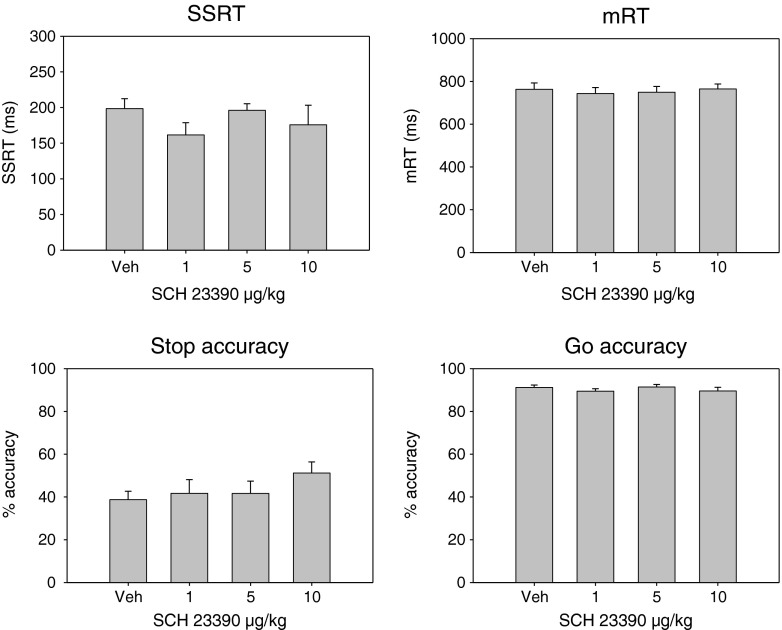
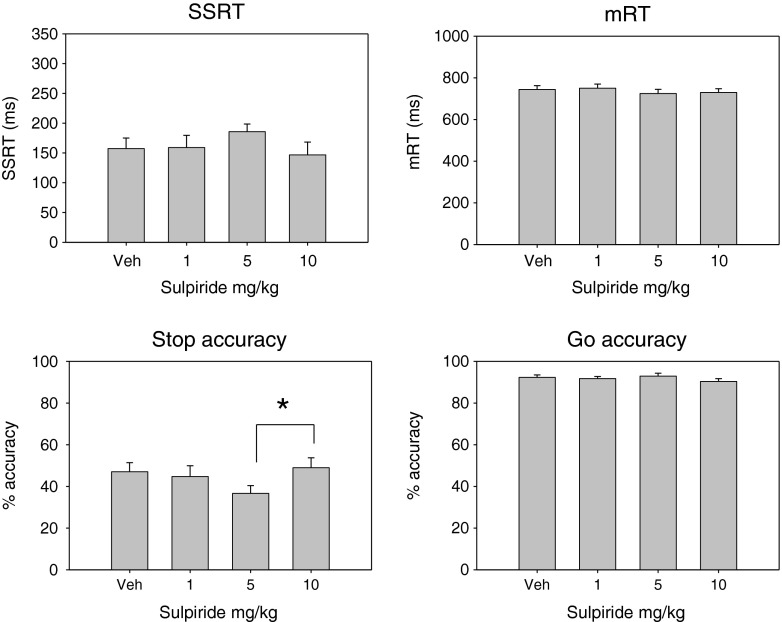
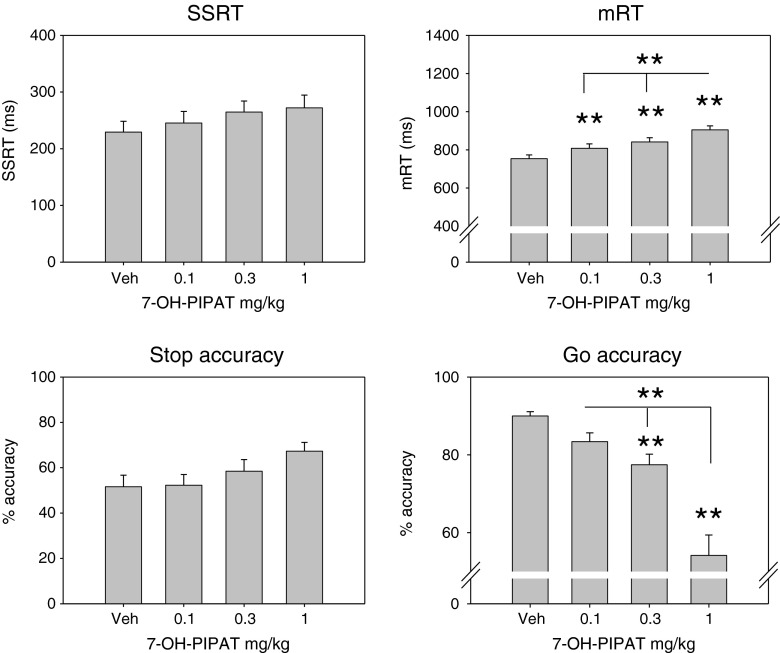
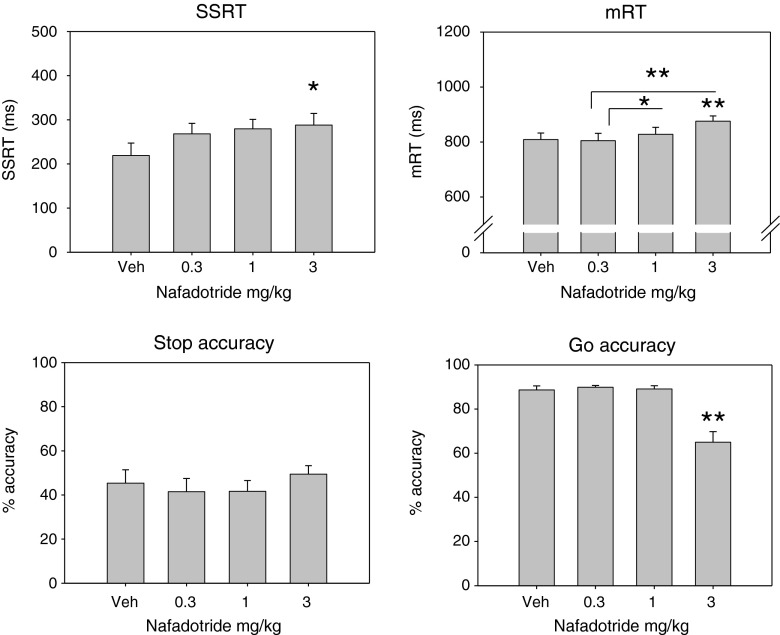
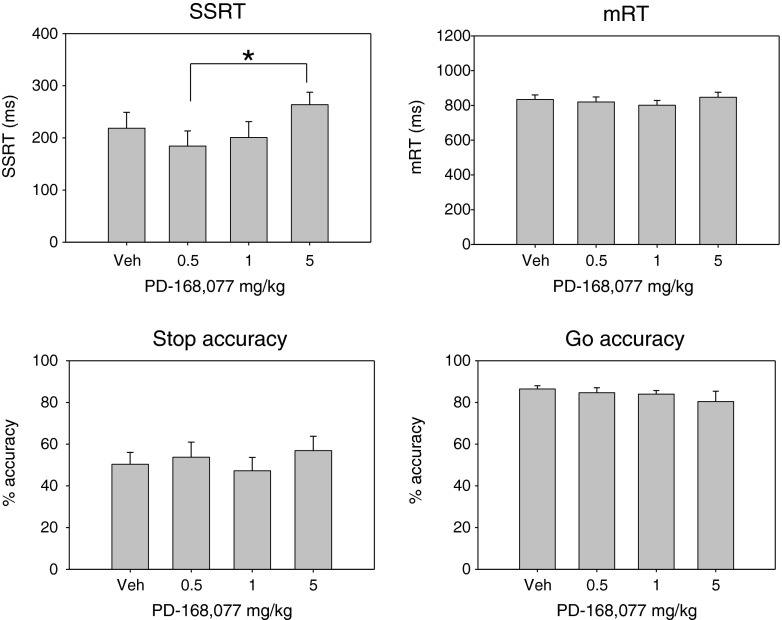
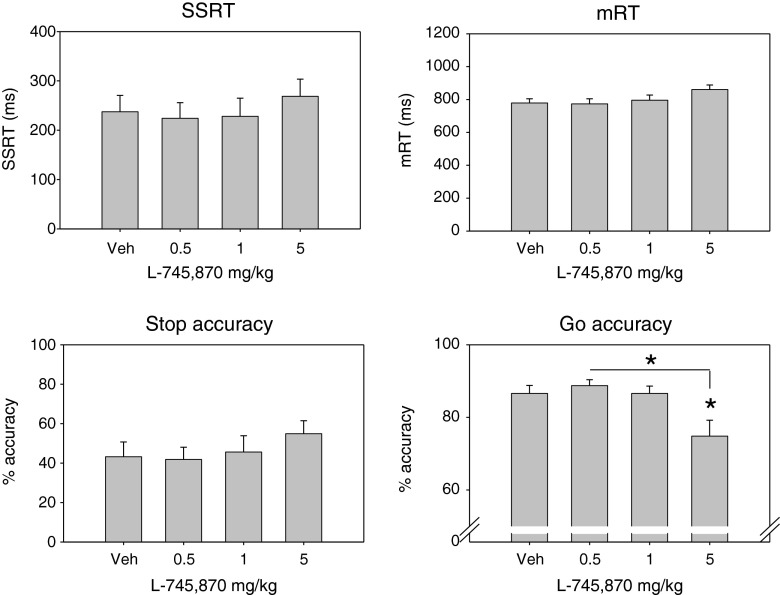
RATIONALE: Deficient response inhibition is a prominent feature of many pathological conditions characterised by impulsive and compulsive behaviour. Clinically effective doses of catecholamine reuptake inhibitors are able to improve such inhibitory deficits as measured by the stop-signal task (SST) in humans and other animals. However, the precise therapeutic mode of action of these compounds in terms of their relative effects on dopamine (DA) and noradrenaline (NA) systems in prefrontal cortical and striatal regions mediating attention and cognitive control remains unclear. OBJECTIVES: We sought to fractionate the effects of global catecholaminergic manipulations on SST performance by using receptor-specific compounds for NA or DA. The results are described in terms of the effects of modulating specific receptor subtypes on various behavioural measures such as response inhibition, perseveration, sustained attention, error monitoring and motivation. RESULTS: Blockade of α2-adrenoceptors improved sustained attention and response inhibition, whereas α1 and β1/2 adrenergic receptor antagonists disrupted go performance and sustained attention, respectively. No relevant effects were obtained after targeting DA D1, D2 or D4 receptors, while both a D3 receptor agonist and antagonist improved post-error slowing and compulsive nose-poke behaviour, though generally impairing other task measures. CONCLUSIONS: Our results suggest that the use of specific pharmacological agents targeting α2 and β noradrenergic receptors may improve existing treatments for attentional deficits and impulsivity, whereas DA D3 receptors may modulate error monitoring and perseverative behaviour.
Overview
The claims and statistics of this paper haven’t been checked yet.
Free: it reads the open-access text and checks the first 5 claims that cite a source we can check. Create a free account to check every claim.
Integrity signals
Registry
Cites
Statistics
Figures
Verification
Claims the paper makes
The claims and statistics of this paper haven’t been checked yet.
Free: it reads the open-access text and checks the first 5 claims that cite a source we can check. Create a free account to check every claim.
Claims other papers make about this one
Each is checked against this paper’s own text: does it say what the citing paper says it does?
In the citing paper
“blockade of noradrenergic α2 receptors improves sustained attention and response inhibition while α1- and β1- and β2-adrenergic receptor blockade disrupted go performance and sustained attention”
From The neurobiological link between OCD and ADHD (2014) · cites this paper as Bari and Robbins 2013
Self-check
Percentages, sums and reported differences re-computed from the paper’s own numbers.
The self-check needs the paper’s full text.
Citations
Cites
Items 201–246 of 246
Error detection in the stop signal task
Chevrier, A., & Schachar, R. J. (2010) · NeuroImage · doi:10.1016/j.neuroimage.2010.06.056 · Cited by 57 · cited 2×
“The present data suggest that DA D3 receptors are involved in the PES component of the SST, consistent with previous literature on the role of DA in error-monitoring and behavioural adjustment (Chevrier and Schachar 2010; de Bruijn et al. 2004; Hester et al. 2012; Holroyd and Coles 2002; Nandam et al. 2012; Nieuwenhui…”
BackgroundResultMaziade, M., Rouleau, N., Lee, B., Rogers, A., Davis, L., & Dickson, R. (2009) · Journal of Child and Adolescent Psychopharmacology · doi:10.1089/cap.2008.0166 · Cited by 57 · cited 1×
“Finally, the SNARI atomoxetine improves attention in ADHD patients (Barry et al. 2009; Chamberlain et al. 2007; Maziade et al. 2009), healthy volunteers (Chamberlain et al.”
BackgroundMethylphenidate-induced impulsivity: pharmacological antagonism by β-adrenoreceptor blockade
Milstein, J., Dalley, J., & Robbins, T. (2010) · Journal of Psychopharmacology · doi:10.1177/0269881108098146 · Cited by 55 · cited 1×
“These results are consistent with the evidence that methylphenidate-induced premature responses in the 5-CSRTT can be abolished by co-administration of the β1/2 antagonist propranolol (Milstein et al. 2010).”
ResultSelf-citationTeicher, M. H., Lowen, S. B., Polcari, A., Foley, M., & McGreenery, C. E. (2004) · Journal of Child and Adolescent Psychopharmacology · doi:10.1089/1044546041648995 · Cited by 54 · cited 1×
“Here we showed, for the first time in the rat, a dissociation between SSRT and SDGoRT measures; the first assessing the speed of the inhibitory processes (Logan 1994) and the second the intra-individual variability of the go response (Tannock et al. 1995; Teicher et al. 2004).”
BackgroundSirviö, J., Jäkälä, P., Mazurkiewicz‐Bełdzińska, M., Haapalinna, A., Riekkinen, P. J., & Riekkinen, P. J. (1993) · Pharmacology Biochemistry and Behavior · doi:10.1016/0091-3057(93)90095-b · Cited by 51 · cited 2×
“Similarly, the beneficial effects of atipamezole on cognition are most reliably seen in aged or poor performing subjects, or in situations of increased attentional demand (Coull et al. 1996; Haapalinna et al. 1998, 2000; Jakala et al. 1992; Sirvio et al. 1993).”
BackgroundMethodInfluentialDopamine D2 Receptor Modulation of Human Response Inhibition and Error Awareness
Nandam, L. S., Hester, R., Wagner, J., Dean, A. J., Messer, C., Honeysett, A., Nathan, P. J., & Bellgrove, M. A. (2013) · Journal of Cognitive Neuroscience · doi:10.1162/jocn_a_00327 · Cited by 50
Pattij, T., Schetters, D., Schoffelmeer, A. N. M., & van Gaalen, M. M. (2012) · Psychopharmacology · doi:10.1007/s00213-011-2405-2 · Cited by 46 · cited 1×
“These results suggest that β-adrenergic agonists may be used therapeutically to improve response inhibition and attention, in keeping with the findings that β-adrenoceptor agonists improve response accuracy and impulsivity in the 5-CSRTT (Pattij et al. 2012).”
ResultPerformance monitoring and response inhibition in anxiety disorders with and without comorbid ADHD
Korenblum, C. B., Chen, S. X., Manassis, K., & Schachar, R. J. (2007) · Depression and Anxiety · doi:10.1002/da.20237 · Cited by 45 · cited 1×
“Moreover, these evaluative and regulative functions are found to be impaired in ADHD children (Korenblum et al. 2007; O'Connell et al. 2009; Schachar et al. 2004) and other patient populations.”
BackgroundBaldwin, R. L., Chelonis, J. J., Flake, R. A., Edwards, M. C., Feild, C. R., Meaux, J. B., & Paule, M. G. (2004) · Experimental and Clinical Psychopharmacology · doi:10.1037/1064-1297.12.1.57 · Cited by 44
In Vivo Occupancy of D2 Dopamine Receptors by Nafadotride
Levant, B., & Vansell, N. R. (1997) · Neuropsychopharmacology · doi:10.1016/s0893-133x(97)00024-9 · Cited by 41
Fernández‐Pastor, B., Mateo, Y., Gómez‐Urquijo, S., & Meana, J. J. (2005) · Psychopharmacology · doi:10.1007/s00213-005-2181-y · Cited by 41 · cited 2×
“…noradrenergic system activity through α2-adrenoceptor stimulation at the level of the LC (Bari and Aston-Jones 2013; De Sarro et al. 1987; Fernandez-Pastor et al. 2005; Grandoso et al. 2004; Szabo and Blier 2001), while atipamezole increases prefrontal NA release by disrupting the…”
BackgroundLijffijt, M., Kenemans, J. L., Wal, A. T., Quik, E. H., Kemner, C., Westenberg, H., Verbaten, M. N., & van Engeland, H. (2006) · European Psychiatry · doi:10.1016/j.eurpsy.2005.04.003 · Cited by 41 · cited 1×
“Moreover, since mRTand go accuracy are often considered as secondary measures of sustained attention (Castellanos and Tannock 2002; Lijffijt et al. 2005, 2006; Overtoom et al. 2002), the effects of prazosin on SST performance are indicative of detrimental effects on attention but not impulsivity,…”
BackgroundRespective roles of dopamine D2 and D3 receptors in food-seeking behaviour in rats
Duarte, C., Biała, G., Bihan, C. L., Hamon, M., & Thiébot, M.-H. (2003) · Psychopharmacology · doi:10.1007/s00213-002-1310-0 · Cited by 40 · cited 1×
“…locomotor activity, and the reinforcing properties of drugs and food (Barik and de Beaurepaire 2005; Caine and Koob 1993; Daly and Waddington 1993; Duarte et al. 2003a; Pilla et al. 1999), are mainly located in the nucleus accumbens, cerebellum, olfactory tubercle and islands of Calleja…”
BackgroundSzarfman, A., Doraiswamy, P. M., Tonning, J. M., & Levine, J. G. (2006) · Archives of Neurology · doi:10.1001/archneur.63.2.299-b · Cited by 40 · cited 1×
“, pathological gambling) in Parkinson’s disease patients receiving this medication (Dodd et al. 2005; Szarfman et al. 2006).”
BackgroundKeys, A. S., Mark, G. P., Emre, N., & Meshul, C. K. (1998) · Synapse · doi:10.1002/(sici)1098-2396(199812)30:4<393::aid-syn6>3.0.co;2-h · Cited by 40
Selken, J., & Nichols, D. E. (2007) · Pharmacology Biochemistry and Behavior · doi:10.1016/j.pbb.2007.02.006 · Cited by 40 · cited 2×
“Drug doses were chosen based on published studies (e.g., Darracq et al. 1998; Selken and Nichols 2007).”
BackgroundMethodMedetomidine, atipamezole, and guanfacine in delayed response performance of aged monkeys
Rämä, P., Linnankoski, I., Tanila, H., Pertovaara, A., & Carlson, S. (1996) · Pharmacology Biochemistry and Behavior · doi:10.1016/s0091-3057(96)00111-6 · Cited by 40 · cited 2×
“…post-synaptic α2 receptors have been implicated in the memory improvements seen after α2 receptor agonist administration (Ji et al. 2008), especially in animals with memory impairments (Arnsten and Cai 1993; Arnsten et al. 1988; Berridge et al. 1993; Franowicz and Arnsten 1998; Rama et al. 1996).”
BackgroundEffects of idazoxan on dopamine release in the prefrontal cortex of freely moving rats
Matsumoto, M., Yoshioka, M., Togashi, H., Mori, K., Ueno, K.-I., & Saito, H. (1998) · European Journal of Pharmacology · doi:10.1016/s0014-2999(97)01544-6 · Cited by 38 · cited 2×
“…are mediated also by DA, since this and other α2-adrenergic receptor antagonists increase DA release in the rat mPFC (Devoto et al. 2001; Gobert et al. 1997; Gresch et al. 1995; Matsumoto et al. 1998; Yamamoto and Novotney 1998), possibly via indirect activation of α1 receptors (Anden et al. 1982).”
BackgroundGrandoso, L., Pineda, J., & Ugedo, L. (2004) · Neuropharmacology · doi:10.1016/j.neuropharm.2003.11.033 · Cited by 38 · cited 2×
“NA reuptake blockers like atomoxetine increase extrasynaptic NA content which in turn decreases spontaneous noradrenergic system activity through α2-adrenoceptor stimulation at the level of the LC (Bari and Aston-Jones 2013; De Sarro et al. 1987; Fernandez-Pastor et al. 2005; Grandoso et al. 2004; Szabo and Blier 2001…”
BackgroundFacilitation of cognitive functions by a specific α2-adrenoceptor antagonist, atipamezole
Haapalinna, A., Sirviö, J., & Lammintausta, R. A. S. (1998) · European Journal of Pharmacology · doi:10.1016/s0014-2999(98)00077-6 · Cited by 36 · cited 3×
“…might be non-specific to α2 receptor antagonism because the more selective drug atipamezole improves attention and other cognitive functions (Devauges and Sara 1990; Haapalinna et al. 1998; Lapiz and Morilak 2006; Mervaala et al. 1993; Pertovaara et al. 2005), consistent with the present findings.”
BackgroundMethodResultInfluentialLiu, Y. P., Lin, Y., Chuang, C. H., Kao, Y.-C., Chang, S. T., & Tung, C. S. (2009) · Journal of Biomedical Science · doi:10.1186/1423-0127-16-72 · Cited by 33 · cited 2×
“Antagonists at the α1 receptor also counteract the beneficial effects of methylphenidate (Berridge et al. 2012) and of the selective NA reuptake inhibitor (SNARI) reboxetine (Liu et al. 2009).”
Backgroundβ-adrenergic modulation of oddball responses in humans
Strange, B. A., & Dolan, R. J. (2007) · Behavioral and Brain Functions · doi:10.1186/1744-9081-3-29 · Cited by 33 · cited 1×
“…both β1- and β2-adrenergic receptors (Sibley et al. 1986) and has been shown to impair attentional performance in humans (De Martino et al. 2008; Strange and Dolan 2007) and rats (Hahn and Stolerman 2005), which is consistent with the increase in response variability (SDGoRT) observed in the…”
Bellgrove, M. A., Mattingley, J. B., Hawi, Z., Mullins, C., Kirley, A., Gill, M., & Robertson, I. H. (2006) · Biological Psychiatry · doi:10.1016/j.biopsych.2006.03.062 · Cited by 32
Khroyan, T. V., Fuchs, R. A., Baker, D. L., & Neisewander, J. L. (1997) · Behavioural Pharmacology · doi:10.1097/00008877-199702000-00007 · Cited by 32 · cited 1×
“Doses were: nafadotride, 0.3, 1, 3 mg/kg, plus saline; 7-OH-PIPAT, 0.1, 0.3, 1 mg/kg, plus saline (Flietstra and Levant 1998; Khroyan et al. 1997; Levant and Vansell 1997).”
InfluentialModulation of nicotine-induced attentional enhancement in rats by adrenoceptor antagonists
Hahn, B., & Stolerman, I. P. (2004) · Psychopharmacology · doi:10.1007/s00213-004-1969-5 · Cited by 31 · cited 6×
“2008; Strange and Dolan 2007) and rats (Hahn and Stolerman 2005), which is consistent with the increase in response variability (SDGoRT) observed in the present study.”
BackgroundMethodResultInfluentialNayak, S., & Cassaday, H. J. (2003) · Progress in Neuro-Psychopharmacology and Biological Psychiatry · doi:10.1016/s0278-5846(03)00031-9 · Cited by 31 · cited 2×
“5, 1, 5 mg/kg, plus vehicle, for both drugs (Koffarnus et al. 2011; Nayak and Cassaday 2003).”
BackgroundMethodInfluentialLi, J., Wang, Y., Zhou, R., Zhang, H., Yang, L., Wang, B., & Faraone, S. V. (2006) · American Journal of Medical Genetics Part B: Neuropsychiatric Genetics · doi:10.1002/ajmg.b.30260 · Cited by 30 · cited 2×
“This latter variable is considered as a measure of performance monitoring/adjustment (Gehring et al. 1993; Li et al. 2006b; Schachar et al. 2004) in the human literature but, since rats usually show a decrease in GoRT after a failed stop trial, it is usually a negative value (see discussion).”
BackgroundThe Effect of Propranolol on Cognitive Flexibility and Memory in Acute Cocaine Withdrawal
Kelley, B. J., Yeager, K. R., Pepper, T. H., Bornstein, R. A., & Beversdorf, D. Q. (2008) · Neurocase · doi:10.1080/13554790701846148 · Cited by 29
Mervaala, E., Alhainen, K., Helkala, E.-L., Partanen, J. V., Jousmäki, V., Väyrynen, M., Heinonen, E., & Riekkinen, P. J. (1993) · Behavioural Brain Research · doi:10.1016/0166-4328(93)90010-n · Cited by 28 · cited 1×
“…might be non-specific to α2 receptor antagonism because the more selective drug atipamezole improves attention and other cognitive functions (Devauges and Sara 1990; Haapalinna et al. 1998; Lapiz and Morilak 2006; Mervaala et al. 1993; Pertovaara et al. 2005), consistent with the present findings.”
ResultIntraindividual variability (IIV) in an animal model of ADHD - the Spontaneously Hypertensive Rat
Perry, G. M., Sagvolden, T., & Faraone, S. V. (2010) · Behavioral and Brain Functions · doi:10.1186/1744-9081-6-56 · Cited by 26
Depoortère, R., Perrault, G., & Sanger, D. J. (1999) · Psychopharmacology · doi:10.1007/s002130050883 · Cited by 25
Jäkälä, P., Sirviö, J., Riekkinen, P. J., Haapalinna, A., & Riekkinen, P. J. (1992) · Pharmacology Biochemistry and Behavior · doi:10.1016/0091-3057(92)90047-j · Cited by 25 · cited 1×
“Similarly, the beneficial effects of atipamezole on cognition are most reliably seen in aged or poor performing subjects, or in situations of increased attentional demand (Coull et al. 1996; Haapalinna et al. 1998, 2000; Jakala et al. 1992; Sirvio et al. 1993).”
BackgroundLoos, M., Staal, J., Pattij, T., Smit, A. B., & Spijker, S. (2011) · Genes Brain & Behavior · doi:10.1111/j.1601-183x.2011.00754.x · Cited by 24 · cited 2×
“2010b), which suggests a genetic origin for this behavioural trait (Loos et al. 2012; Perry et al. 2010a).”
BackgroundSabol, K. E., Richards, J. B., Broom, S. L., Roach, J. T., & Hausknecht, K. (2003) · Behavioural Pharmacology · doi:10.1097/00008877-200311000-00001 · Cited by 24 · cited 1×
“Experimental manipulations known to decrease reaction time variability in rodents are increased stimulus salience and, like in humans, stimulant administration (Sabol et al. 2003).”
BackgroundEffect of d-amphetamine on post-error slowing in healthy volunteers
Wardle, M. C., Yang, A., & de Wit, H. (2011) · Psychopharmacology · doi:10.1007/s00213-011-2462-6 · Cited by 23 · cited 1×
“The present data suggest that DA D3 receptors are involved in the PES component of the SST, consistent with previous literature on the role of DA in error-monitoring and behavioural adjustment (Chevrier and Schachar 2010; de Bruijn et al. 2004; Hester et al. 2012; Holroyd and Coles 2002; Nandam et al. 2012; Nieuwenhui…”
ResultComparison of D2 and D3 dopamine receptor affinity of dopaminergic compounds in rat brain
Flietstra, R. J., & Levant, B. (1998) · Life Sciences · doi:10.1016/s0024-3205(98)00148-9 · Cited by 23 · cited 1×
“Doses were: nafadotride, 0.3, 1, 3 mg/kg, plus saline; 7-OH-PIPAT, 0.1, 0.3, 1 mg/kg, plus saline (Flietstra and Levant 1998; Khroyan et al. 1997; Levant and Vansell 1997).”
InfluentialIncreased Cortisol after Stress is Associated with Variability in Response Time in ADHD Children
Lee, S. H., Shin, D., & Stein, M. A. (2010) · Yonsei Medical Journal · doi:10.3349/ymj.2010.51.2.206 · Cited by 21 · cited 1×
“2009) and point to a possible involvement of noradrenergic neurotransmission in this behavioural measure (Frank et al. 2007; Kollins et al. 2008; Lee et al. 2010).”
BackgroundHaapalinna, A., Sirviö, J., MacDonald, E., Virtanen, R., & Heinonen, E. H. (2000) · European Journal of Pharmacology · doi:10.1016/s0014-2999(99)00819-5 · Cited by 20 · cited 2×
“Similarly, the beneficial effects of atipamezole on cognition are most reliably seen in aged or poor performing subjects, or in situations of increased attentional demand (Coull et al. 1996; Haapalinna et al. 1998, 2000; Jakala et al. 1992; Sirvio et al. 1993).”
BackgroundResultvan Wyk, G. W., Hazell, P. L., Kohn, M. R., Granger, R. E., & Walton, R. J. (2012) · Journal of Attention Disorders · doi:10.1177/1087054710389989 · Cited by 20 · cited 1×
“Both have comparable efficacy in ADHD (Hazell et al. 2011; van Wyk et al. 2012), although psychostimulants remain widely used for this purpose (Wilens 2008).”
BackgroundHomovanillic acid in caudate and pre-frontal cortex following neuroleptics
Bowers, M. B. (1984) · European Journal of Pharmacology · doi:10.1016/0014-2999(84)90438-2 · Cited by 19 · cited 1×
“On the other hand, sulpiride is known to preferentially affect PFC DA receptors at low doses (Bowers 1984; Kaneno et al. 2001; Kaneno et al. 1991; Kohler et al. 1981; Scatton 1977; Thierry et al. 1986) and to cause place aversion at doses as low as 1 mg/kg (Karami and Zarrindast 2008).”
BackgroundBrown, D. C., Co, M., Wolff, R. C., & Atzori, M. (2012) · Neuropharmacology · doi:10.1016/j.neuropharm.2011.12.024 · Cited by 18 · cited 1×
“On the other hand, α2 receptor agonist administration has deleterious consequences on attention (Smith and Nutt 1996) and target detection (Brown et al. 2012; Coull et al. 2004) in some studies, but positive effects in others (Fernando et al. 2012).”
BackgroundPerry, G. M. L., Sagvolden, T., & Faraone, S. V. (2010) · American Journal of Medical Genetics Part B Neuropsychiatric Genetics · doi:10.1002/ajmg.b.31070 · Cited by 18
Rowe, J. B., Saunders, J. R., Durantou, F., & Robbins, T. W. (1996) · Journal of Psychopharmacology · doi:10.1177/026988119601000303 · Cited by 14 · cited 1×
“This pattern of results apparently contrasts with previous evidence of a deleterious effect of the less selective α2 receptor antagonists idazoxan and yohimbine on attention and impulsivity (Arnsten and Li 2005; Rowe et al. 1996; Sun et al. 2010; Swann et al. 2005, 2013).”
ResultSelf-citationΚάττουλας, Ε. Ν., Evdokimidis, I., Stefanis, N. C., Avramopoulos, D., Stefanis, C. N., & Smyrnis, N. (2010) · Experimental Brain Research · doi:10.1007/s00221-010-2250-2 · Cited by 7 · cited 1×
“On the other hand, sulpiride is known to preferentially affect PFC DA receptors at low doses (Bowers 1984; Kaneno et al. 2001; Kaneno et al. 1991; Kohler et al. 1981; Scatton 1977; Thierry et al. 1986) and to cause place aversion at doses as low as 1 mg/kg (Karami and Zarrindast 2008).”
BackgroundKaneno, S., Fukamauchi, F., Komatsu, H., Koyama, K., & Ikawa, K. (2001) · Behavioural Pharmacology · doi:10.1097/00008877-200102000-00008 · Cited by 3 · cited 1×
“On the other hand, sulpiride is known to preferentially affect PFC DA receptors at low doses (Bowers 1984; Kaneno et al. 2001; Kaneno et al. 1991; Kohler et al. 1981; Scatton 1977; Thierry et al. 1986) and to cause place aversion at doses as low as 1 mg/kg (Karami and Zarrindast 2008).”
BackgroundBiochemical basis of antidepressant effect of low dose of sulpiride.
Kaneno, S., Komatsu, H., Fukamauchi, F., Ikawa, K., & Watanabe, A. (1991) · PubMed · Cited by 1
Cited by
Inhibition and impulsivity: behavioral and neural basis of response control
Bari, A., & Robbins, T. W. (2013) · Progress in Neurobiology · doi:10.1016/j.pneurobio.2013.06.005 · Cited by 1,921
Self-citationPrefrontal cortex executive processes affected by stress in health and disease
Girotti, M., Adler, S. M., Bulin, S. E., Fucich, E. A., Paredes, D., & Morilak, D. A. (2018) · Progress in Neuro-Psychopharmacology and Biological Psychiatry · doi:10.1016/j.pnpbp.2017.07.004 · Cited by 176
“Conversely, guanfacine, an agonist of α2-adrenergic autoreceptors, which reduces ascending norepinephrine release, worsens response inhibition in rats (Bari et al 2009, Bari et al 2011) while the antagonist atipamezole improves performance (Bari & Robbins 2013b).”
BackgroundLocus Ceruleus Norepinephrine Release: A Central Regulator of CNS Spatio-Temporal Activation?
Atzori, M., Cuevas-Olguin, R., Esquivel-Rendon, E., Garcia-Oscos, F., Salgado-Delgado, R. C., Saderi, N., Miranda-Morales, M., Treviño, M., Pineda, J. C., & Salgado, H. (2016) · Frontiers in Synaptic Neuroscience · doi:10.3389/fnsyn.2016.00025 · Cited by 144
“Activation of βRs impairs sustained attention (Bari and Robbins, 2013), and increases the power (but not the frequency) of γ-oscillations (Haggerty et al., 2013), apparently without impairing cognitive flexibility (Steenbergen et al., 2015).”
BackgroundResultInfluentialMultiple Modes of Impulsivity in Parkinson's Disease
Nombela, C., Rittman, T., Robbins, T. W., & Rowe, J. B. (2014) · PLoS ONE · doi:10.1371/journal.pone.0085747 · Cited by 134
Self-citationImpulsivity in disorders of food and drug misuse
Mole, T. B., Irvine, M. A., Worbe, Y., Collins, P., Mitchell, S. P., Bolton, S., Harrison, N. A., Robbins, T. W., & Voon, V. (2015) · Psychological Medicine · doi:10.1017/s0033291714001834 · Cited by 128
Self-citation
Metadata
- Authors
- Bari, A., & Robbins, T. W.
- Affiliations
- University of Cambridge (GB)
- Corresponding author
- Bari, A.
- Venue
- Psychopharmacology
- Published
- 2013-05-17
- Volume
- 230
- Issue
- 1
- Pages
- 89-111
- ISSN
- 0033-3158 (ISSN-L)
- 1432-2072
- PMC
- PMC3824307
- OpenAlex
- W2262309309
- Cited by
- 105
- References
- 246
- Citations by year
- 2026: 2 · 2025: 4 · 2024: 3 · 2023: 14 · 2022: 10 · 2021: 6 · 2020: 5 · 2019: 9 · 2018: 6 · 2017: 6 · 2016: 13 · 2015: 14 · 2014: 11 · 2013: 2
- FWCI
- 6.54
- Type
- journal article
- Language
- en
- Open access
- hybrid
- doi.org
- Locations
- Psychopharmacology (publishedVersion, cc-by)
- Europe PMC (PubMed Central) (publishedVersion, cc-by-nc)
- PubMed Central (publishedVersion, cc-by-nc)
- PubMed (publishedVersion)
- Funders
- Wellcome Trust (089589/Z/09/Z, G0001354, 089589)
- University of Cambridge
- Medical Research Council (G0001354, 089589/Z/09/Z)
- Topics
- Life Sciences › Neuroscience › Cellular and Molecular Neuroscience › Neurotransmitter Receptor Influence on Behavior
- Life Sciences › Neuroscience › Cognitive Neuroscience › Neural and Behavioral Psychology Studies
- Health Sciences › Medicine › Psychiatry and Mental health › Schizophrenia research and treatment
- Keywords
- noradrenergic modulation, dopaminergic modulation, impulsivity, response inhibition, stop-signal task, sustained attention, error monitoring, perseveration, alpha2-adrenoceptors, beta-adrenergic receptors, dopamine D3 receptor, compulsive behaviour, motivation, prefrontal cortex, striatum
- MeSH terms
- Animals, Attention, Attention Deficit Disorder with Hyperactivity, Behavior, Animal, Corpus Striatum, Dopamine, Impulsive Behavior, Male, Motivation, Norepinephrine, Reaction Time, Receptors, Adrenergic, beta, Receptors, Dopamine, Prefrontal Cortex, Receptors, Adrenergic, alpha-2, Receptors, Dopamine D3, Rats
About these checks
Registry, retraction, Cites and statistics results are computed, not judged, with one exception: a printed reference that no index lists is read once by a model before it counts as a citation error. Claims are extracted by a model and kept only when their quote appears verbatim in the text; each cited source is then checked, with a model’s help, for whether it says what the claim relies on. Those verdicts can be wrong — read the claim’s quote and the cited source before relying on one.
Statistics and arithmetic are recomputed, not judged.
Confidence bands are shown only for fields calibrated on our annotated test set. None is calibrated yet, so no band is shown.
What counts as a claim ›How we measure confidence ›How we check this ›
Are you an author, or do you see a problem with this page? Request a review
Data sources
Bibliographic data: Semantic Scholar, OpenAlex, Crossref.
Contains information from the Semantic Scholar Academic Graph Datasets, made available under the ODC Attribution License (ODC-BY 1.0).
Semantic Scholar’s data is described in: Kinney, R., et al. (2023). The Semantic Scholar Open Data Platform. arXiv:2301.10140.
