

Neurotrophic factors and neuroplasticity pathways in the pathophysiology and treatment of depression
Open accessThe DOI matches its Crossref record; 373 of the 378 references it cites were found in a registry or an index; 122 of the 287 sources its claims cite were checked for support.
Abstract
Depression is a major health problem with a high prevalence and a heavy socioeconomic burden in western societies. It is associated with atrophy and impaired functioning of cortico-limbic regions involved in mood and emotion regulation. It has been suggested that alterations in neurotrophins underlie impaired neuroplasticity, which may be causally related to the development and course of depression. Accordingly, mounting evidence suggests that antidepressant treatment may exert its beneficial effects by enhancing trophic signaling on neuronal and synaptic plasticity. However, current antidepressants still show a delayed onset of action, as well as lack of efficacy. Hence, a deeper understanding of the molecular and cellular mechanisms involved in the pathophysiology of depression, as well as in the action of antidepressants, might provide further insight to drive the development of novel fast-acting and more effective therapies. Here, we summarize the current literature on the involvement of neurotrophic factors in the pathophysiology and treatment of depression. Further, we advocate that future development of antidepressants should be based on the neurotrophin theory.
Overview
CoChat Summary
## TL;DR
This is a narrative review arguing that depression is closely linked to disrupted neuroplasticity and altered neurotrophic signaling, especially in cortico-limbic circuits such as the hippocampus, prefrontal cortex, amygdala, and ventral striatum. The authors conclude that antidepressant development should increasingly target neurotrophin pathways, especially BDNF/TrkB, to achieve faster and more effective treatments.
## Key findings
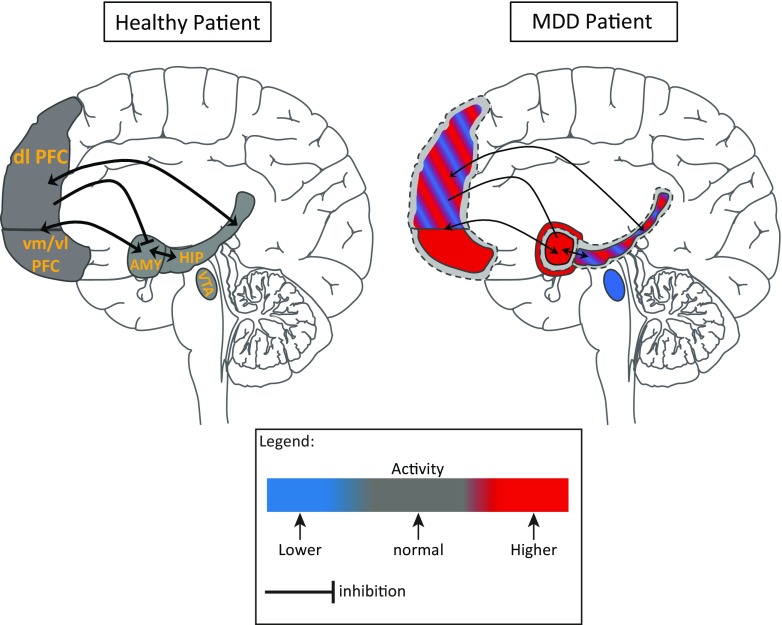
- Depression is associated with structural and functional changes in mood-related brain regions, including reduced hippocampal volume, reduced size of multiple PFC areas, altered amygdala activity, and impaired ventral striatal reward processing.
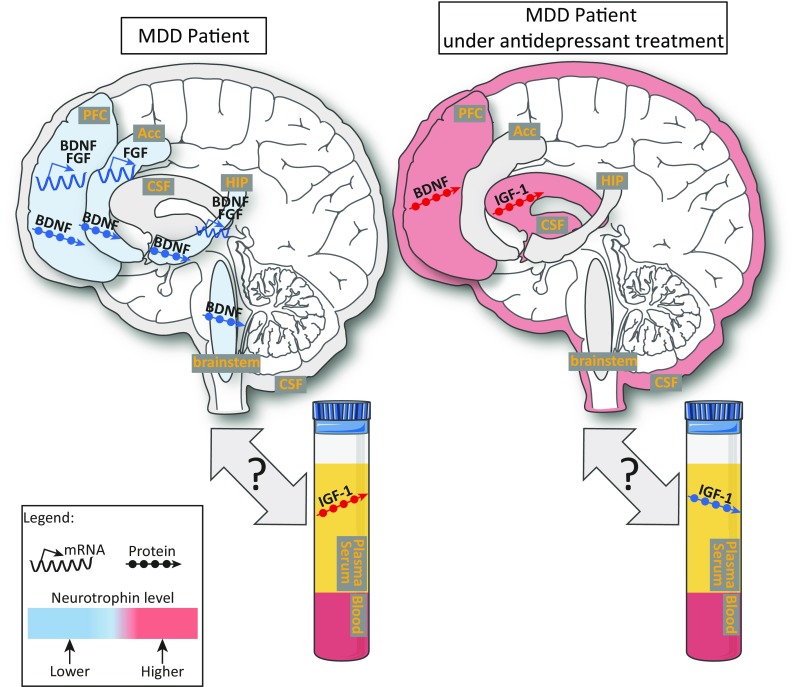
- The paper states that serum BDNF is “overall lower in depressed patients” in a meta-analysis, and that this was “confirmed by two other meta-analytic efforts”; however, it also says serum BDNF is not a reliable biomarker because of assay variability and unclear relation to brain BDNF.
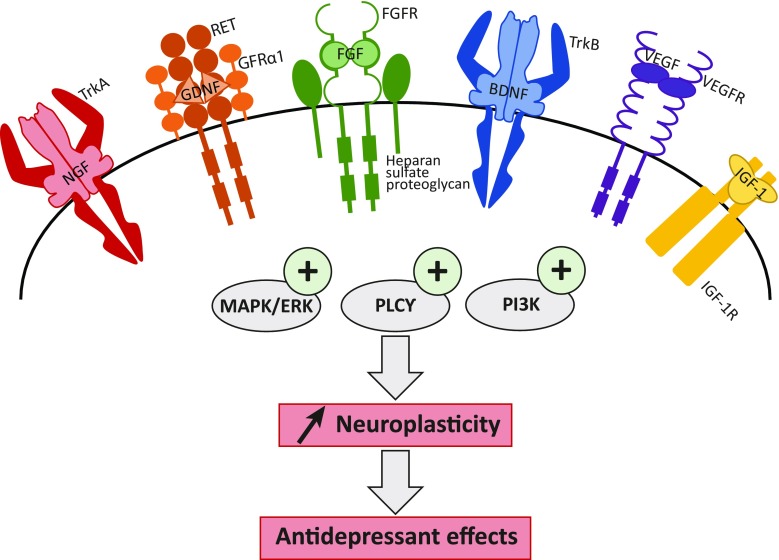
- Multiple growth factors are described as altered in MDD and linked to plasticity: FGF1/FGF2 are reported lower in dorsolateral PFC and ACC, VEGF data are described as conflicting in plasma but relevant to SSRI-induced neurogenesis, and IGF-1 is reported as often higher in serum of depressed patients and reduced with effective antidepressant treatment.
- Antidepressant and stimulation treatments are summarized as having plasticity-related effects, including increased hippocampal volume after 3 years of medication, increased hippocampal volume after ECT, and increased progenitor/dividing cells in dentate gyrus in post-mortem brains treated with nortriptyline and clomipramine.
## Methods
- Narrative review of the literature, explicitly stating that it “summarize[s] the current literature” on neurotrophic factors and neuroplasticity pathways in depression and treatment.
- No original sample, cohort, or experimental dataset is reported in the text provided; instead, the paper synthesizes findings from human imaging, post-mortem studies, meta-analyses, and animal/preclinical studies.
- Main analysis is qualitative synthesis across brain regions, neuroplasticity mechanisms, growth factors, and therapeutic interventions, with conclusions drawn from the accumulated literature rather than a new statistical analysis.
## Limitations
- The paper itself notes that much of the human evidence on neuroplasticity is indirect because of “methodological limitations” and “ethical constraints.”
- It states that several peripheral biomarkers are hard to interpret because there is “no evidence that serum BDNF is related to brain BDNF and neuroplasticity,” and similarly that blood levels of other neurotrophins may not reflect brain levels.
- Evident from the text: this is a non-exhaustive narrative review, so the conclusions depend on the cited literature rather than a systematic search or meta-analysis by the authors.
Model-written summary. Check it against the paper before relying on it.
Integrity signals
Registry
Cites
Statistics
Figures
Verification
Claims the paper makes
100 Valid · 5 Not valid · 78 Not checked · 14 Own results and interpretations
At least one cited source doesn’t support this claim or points to a different paper, and none confirmed it — see the verdicts below.
In the paper
“Although these data and other (Baquet et al. 2004) indicate a temperate effect of BDNF in the maintenance of the cellular architecture of the adult brain, most of the studies evidenced its central role in neuronal plasticity.”
§ Neurotrophic factors and neuroplasticity pathways in the pathophysiology and treatment of depression > Neurotrophins and other growth factors > Brain-derived neurotrophic factor or BDNF
What the sources say
- Disputedcites Baquet et al. 2004 matched to “Early Striatal Dendrite Deficits followed by Neuron Loss with Advanced Age in the Absence of Anterograde Cortical Brain-Derived Neurotrophic Factor” (2004) sourceExperimental — accuracy not yet measured
The Introduction (page unavailable) says cortical BDNF has a major role in medium spiny neuron dendritic structure, contrary to describing its effect on cellular architecture as temperate. The Discussion (page unavailable) also reports substantial changes in soma, dendrite, and spine morphology, while noting that neuron survival was relatively unaffected at younger ages. (LLM, conf=0.84)
Checked by a reasoning model — may be wrong.
hedgedstates a cause- Asserted: passes — The authors put it forward as true.
- Checkable: passes — It can be checked against evidence.
- Load-bearing: unclear — It is unclear whether the paper’s conclusions depend on it.
- Based: passes — The paper gives a reason why it holds.
- Disputed
At least one cited source doesn’t support this claim or points to a different paper, and none confirmed it — see the verdicts below.
In the paper
“Interestingly, it has been shown that BDNF expression was increased in post-mortem brains of depressed patients treated with antidepressant drugs as compared to non-treated patients (Chen et al. 2001; Dunham et al. 2009).”
§ Neurotrophic factors and neuroplasticity pathways in the pathophysiology and treatment of depression > Neurotrophins and other growth factors > Brain-derived neurotrophic factor or BDNF
What the sources say
- Not checked — no full text of the sourcecites Chen et al. 2001 matched to “Increased hippocampal bdnf immunoreactivity in subjects treated with antidepressant medication” (2001) source
- Disputedcites Dunham et al. 2009 matched to “Expression of hippocampal brain-derived neurotrophic factor and its receptors in Stanley consortium brains” (2009) sourceExperimental — accuracy not yet measured
The Drug Treatment section acknowledges antidepressant-associated BDNF increases reported in earlier studies, but says this study could not confirm them. The Additional information section reports no significant difference between treated and untreated patients and no trend toward an increase among treated patients with MDD. (LLM, conf=0.89)
Checked by a reasoning model — may be wrong.
plainstates an association- Asserted: passes — The authors put it forward as true.
- Checkable: passes — It can be checked against evidence.
- Load-bearing: unclear — It is unclear whether the paper’s conclusions depend on it.
- Based: passes — The paper gives a reason why it holds.
The sources with a verdict support this claim; the rest weren’t checked yet, have no full text we could read, or their verdicts aren’t rated yet.
In the paper
“Animal studies revealed that chronic stress causes atrophy of apical dendrites of pyramidal neurons in the CA3 region of the hippocampus (Magarinos et al. 1996; Vyas et al. 2002; Watanabe et al. 1992).”
§ Neurotrophic factors and neuroplasticity pathways in the pathophysiology and treatment of depression > Brain regions and neurocircuits involved in depression: neuroanatomical evidence > Hippocampus
What the sources say
- Supportedcites Magarinos et al. 1996 matched to “Chronic Psychosocial Stress Causes Apical Dendritic Atrophy of Hippocampal CA3 Pyramidal Neurons in Subordinate Tree Shrews” (1996) source
The Discussion reports stress-induced apical dendritic atrophy in hippocampal CA3 pyramidal cells of subordinate tree shrews after 28 days of psychosocial stress, compared with controls. This directly supports the cited animal-study claim; the supplied passage does not specify a page. (LLM, conf=0.94)
- Supportedcites Vyas et al. 2002 matched to “Chronic stress induces contrasting patterns of dendritic remodeling in hippocampal and amygdaloid neurons” (2002) source
The Results section, “Effects of chronic immobilization stress on dendritic morphology of hippocampal CA3 pyramidal neurons,” reports significant atrophy of apical dendrites in CA3 pyramidal cells after chronic immobilization stress in rats. No page number is supplied in the passages. (LLM, conf=0.94)
- Not checked — no full text of the sourcecites Watanabe et al. 1992 matched to “Stress induces atrophy of apical dendrites of hippocampal CA3 pyramidal neurons” (1992) source
plainstates a cause- Asserted: passes — The authors put it forward as true.
- Checkable: passes — It can be checked against evidence.
- Load-bearing: passes — The paper’s conclusions depend on it.
- Based: passes — The paper gives a reason why it holds.
- Supported
The cited sources support only part of this claim — read each source’s verdict below.
In the paper
“PFC abnormalities observed either in MDD patients or in rodent models are partly corrected by antidepressants.”
§ Neurotrophic factors and neuroplasticity pathways in the pathophysiology and treatment of depression > Brain regions and neurocircuits involved in depression: neuroanatomical evidence > Prefrontal cortex
What the sources say
- Not checked — no full text of the sourcecites Lyttle et al. 2015 matched to “Repeated fluvoxamine treatment recovers juvenile stress-induced morphological changes and depressive-like behavior in rats” (2015) source
- Partly supportedcites Wang et al. 2015a matched to “The effects of antidepressant treatment on resting-state functional brain networks in patients with major depressive disorder” (2015) sourceExperimental — accuracy not yet measured
The Discussion reports that escitalopram reduced abnormally high connectivity strength in the dorsomedial prefrontal cortex of patients with MDD, supporting the patient portion of the claim. It does not report correction of prefrontal cortex abnormalities in rodent models; its discussion of animal studies concerns the hippocampus instead. (LLM, conf=0.88)
plainstates a cause- Asserted: passes — The authors put it forward as true.
- Checkable: passes — It can be checked against evidence.
- Load-bearing: passes — The paper’s conclusions depend on it.
- Based: passes — The paper gives a reason why it holds.
The cited sources support only part of this claim — read each source’s verdict below.
In the paper
“Depressed patients show an attenuated activation of the VTA-NAc pathway or the NAc itself when compared to normal patients in fMRI analyses (Epstein et al. 2006; Furman et al. 2011; Pizzagalli et al. 2009; Smoski et al. 2009).”
§ Neurotrophic factors and neuroplasticity pathways in the pathophysiology and treatment of depression > Brain regions and neurocircuits involved in depression: neuroanatomical evidence > Ventral striatum
What the sources say
- Not checked — no full text of the sourcecites Epstein et al. 2006 matched to “Lack of Ventral Striatal Response to Positive Stimuli in Depressed Versus Normal Subjects” (2006) source
- Partly supportedcites Furman et al. 2011 matched to “Frontostriatal functional connectivity in major depressive disorder” (2011) sourceExperimental — accuracy not yet measured
The Ventral striatum results report attenuated functional connectivity between the ventral striatum and two prefrontal regions in participants with major depressive disorder compared with controls; the Discussion describes the striatal seed as approximating the nucleus accumbens. That supports an alteration in an accumbens-related network, but not attenuated activation of the nucleus accumbens itself or of a VTA–NAc pathway. Page numbers were not available in our copy. (LLM, conf=0.87)
- Supportedcites Pizzagalli et al. 2009 matched to “Reduced caudate and nucleus accumbens response to rewards in unmedicated individuals with major depressive disorder” (2009) source
The Results (Functional MRI Data) report weaker left nucleus accumbens responses to monetary gains in the MDD group than in healthy comparison subjects. The finding concerns reward outcomes, and the authors caution that the nucleus accumbens difference is preliminary after correction for multiple comparisons. (LLM, conf=0.88)
plain- Asserted: passes — The authors put it forward as true.
- Checkable: passes — It can be checked against evidence.
- Load-bearing: unclear — It is unclear whether the paper’s conclusions depend on it.
- Based: passes — The paper gives a reason why it holds.
127 more claims · 64 with their cited sources checked
Create a free account to see all 197 claims and to verify the 6 references still open.
- It may state two separate claims as one. 59
- Probably not a substantial claim. 8
Claims other papers make about this one
Each is checked against this paper’s own text: does it say what the citing paper says it does?
The cited source says what the claim attributes to it.
In the citing paper
“Another candidate gene is brain-derived neurotrophic factor (BDNF) which is involved in neuroplastic changes associated with stress and depression13,14.”
From Methylome-wide change associated with response to electroconvulsive therapy in depressed patients (2021) · cites this paper as [13]
The check wasn’t confident either way, so it gives no verdict — never disputed.
In the citing paper
“In depression, altered epigenetic patterns have been observed in key genes related to neurodevelopment and neurotransmission, including the serotonin transporter gene (SLC6A4) and brain-derived neurotrophic factor (BDNF) (Jiang et al., 2019; Levy et al., 2018).”
From Histone modifications and depression: epigenetic mechanisms, therapeutic targets, and translational outlook (2026) · cites this paper as Levy et al., 2018
Experimental — accuracy not yet measuredIn the citing paper
“exercise among patients with depression upregulated brain-derived neurotrophic factor (BDNF), which stimulates and mediates neurogenesis and regulates depressive behavior [67], in the hippocampus and cortex, promoted hippocampal neurogenesis, and significantly enhanced synaptic plasticity [68].”
From Systematic review and meta-analysis of the effects of exercise on depression in adolescents (2022) · cites this paper as [67]
In the citing paper
“BDNF has been consistently associated to the therapeutic effect of antidepressant drugs [199,200,201].”
From P2X7 Receptor Signaling in Stress and Depression (2019) · cites this paper as [199]
Self-check
Percentages, sums and reported differences re-computed from the paper’s own numbers.
Each contradiction between two passages listed here was confirmed by an independent check.
Rated minor: it would not touch a result — a value no result rests on, a p-value that stays on the same side of the significance level, or a conflict that is clerical, resolved elsewhere in the paper, or outside its own findings.
In the paper
§ Neurotrophic factors and neuroplasticity pathways in the pathophysiology and treatment of depression > Future directions: targeting growth factor signaling with synthetic small molecules, focus on the BDNF/TrkB pathway > TrkB antagonists
“To our knowledge, only ANA-12 and cyclotraxin B, both described as selective antagonists for TrkB, have been tested so far.”
§ Neurotrophic factors and neuroplasticity pathways in the pathophysiology and treatment of depression > Future directions: targeting growth factor signaling with synthetic small molecules, focus on the BDNF/TrkB pathway > TrkB antagonists
“ANA-12 is a selective partial agonist that was first developed by Carzola et al. in 2011 using a structure-based in silico screening (Cazorla et al. 2011).”
Citations
Cites
Molecular Mechanisms of Depression: Perspectives on New Treatment Strategies
Lang, U. E., & Borgwardt, S. (2013) · Cellular Physiology and Biochemistry · doi:10.1159/000350094 · Cited by 8,475
LeDoux, J. E. (2000) · Annual Review of Neuroscience · doi:10.1146/annurev.neuro.23.1.155 · Cited by 8,444 · cited 1×
“The amygdala is an integrant part of the limbic system implicated in cognitive and emotional processing, in particular that involved in fear and anxiety (Aggleton 1993; LeDoux 2000).”
BackgroundNeurogenesis in the adult human hippocampus
Eriksson, P. S., Perfilieva, E., Björk-Eriksson, T., Alborn, A.-M., Nordborg, C., Peterson, D. A., & Gage, F. H. (1998) · Nature Medicine · doi:10.1038/3305 · Cited by 6,369
Higgins, S. M. F., Macken, A. P., Cullen, W., Saunders, J., Dunne, C. P., & O’Gorman, C. S. (2013) · PubMed · doi:10.34961/9953 · Cited by 4,808
Requirement of hippocampal neurogenesis for the behavioral effects of antidepressants
Santarelli, L., Saxe, M., Gross, C., Surget, A., Battaglia, F., Dulawa, S., Weisstaub, N., Lee, J., Duman, R., Arancio, O., et al. (2003) · Science · doi:10.1126/science.1083328 · Cited by 4,321
Domingos da Silveira da Luz, A. C., Pereira Dias, G., do Nascimento Bevilaqua, M. C., Cocks, G., Gardino, P. F., Thuret, S., & Nardi, A. E. (2013) · Neuropsychobiology · doi:10.1159/000353269 · Cited by 3,995
Egan, M. F., Kojima, M., Callicott, J. H., Goldberg, T. E., Kolachana, B. S., Bertolino, A., Zaitsev, E., Gold, B., Goldman, D., Dean, M., et al. (2003) · Cell · doi:10.1016/s0092-8674(03)00035-7 · Cited by 3,888
The size and burden of mental disorders and other disorders of the brain in Europe 2010
Wittchen, H. U., Jacobi, F., Rehm, J., Gustavsson, A., Svensson, M., Jönsson, B., Olesen, J., Allgulander, C., Alonso, J., Faravelli, C., et al. (2011) · European Neuropsychopharmacology · doi:10.1016/j.euroneuro.2011.07.018 · Cited by 3,754
The Neuroendocrinology of Stress: A Never Ending Story
Lightman, S. L. (2008) · Journal of Neuroendocrinology · doi:10.1111/j.1365-2826.2008.01711.x · Cited by 3,566
Nestler, E. J., Barrot, M., DiLeone, R. J., Eisch, A. J., Gold, S. J., & Monteggia, L. M. (2002) · Neuron · doi:10.1016/s0896-6273(02)00653-0 · Cited by 3,217
Cited by
Items 101–200 of 309
Guclu, E., Inan, S. Y., & Vural, H. C. (2022) · Molecular Neurobiology · doi:10.1007/s12035-022-03026-8 · Cited by 21
“Decrement in the neurotrophic factors and the level of neuroplasticity are one of the significant mechanisms of depression [33].”
BackgroundDu, Y., Yan, T., Wu, B., He, B., & Jia, Y. (2023) · Journal of Ethnopharmacology · doi:10.1016/j.jep.2023.117190 · Cited by 21
Tremendous Fidelity of Vitamin D3 in Age-related Neurological Disorders
Skv, M., Abraham, S. M., Eshwari, O., Golla, K., Jhelum, P., Maity, S., & Komal, P. (2024) · Molecular Neurobiology · doi:10.1007/s12035-024-03989-w · Cited by 20
Woods, S. P., Babicz, M. A., Shahani, L., Colpo, G. D., Morgan, E. E., & Teixeira, A. L. (2020) · Journal of NeuroVirology · doi:10.1007/s13365-020-00916-2 · Cited by 19
Effects of Baihui electroacupuncture in a rat model of depression
Mao, L., Lv, F., Yang, W.-F., Zhang, T.-F., Li, Z.-C., Li, D., & Chen, Z. (2020) · Annals of Translational Medicine · doi:10.21037/atm-20-7459 · Cited by 21
“Investigations into the pathogenesis of MDD have made significant progress in recent times, with evidence suggesting that dysfunctional hippocampal neurogenesis and BDNF downregulation contribute to this disorder (31).”
Réus, G. Z., Abitante, M. S., Manosso, L. M., de Moura, A. B., Borba, L. A., Botelho, M. E. M., Darabas, A. C., Demo, J. P., Behenck, J. P., Arent, C. O., et al. (2021) · Molecular Neurobiology · doi:10.1007/s12035-021-02588-3 · Cited by 19
Both Ketamine and NBQX Attenuate Alcohol-Withdrawal Induced Depression in Male Rats
Getachew, B., & Tizabi, Y. (2018) · Journal of Drug and Alcohol Research · doi:10.4303/jdar/236069 · Cited by 17
Brain circuit dysfunction in specific symptoms of depression
Lv, Q. Y., Chen, M., Li, Y., Yu, Y. W., & Liao, H. (2021) · European Journal of Neuroscience · doi:10.1111/ejn.15221 · Cited by 17
“Based on the neuroimaging data, depressed patients show lower resting- state activity in prefrontal cortex and task- related activity in hippocampus, while higher activity and metabolism in amygdala (Levy et al., 2018).”
MethodRossi, G. N., Hallak, J. E. C., Baker, G. B., Dursun, S. M., & SANTOS, R. G. D. (2022) · European Archives of Psychiatry and Clinical Neuroscience · doi:10.1007/s00406-022-01460-2 · Cited by 16
van de Mortel, L. A., Bruin, W. B., Thomas, R. M., Abbott, C., Árgyelán, M., van Eijndhoven, P., Mulders, P. C. R., Narr, K. L., Tendolkar, I., Verdijk, J. P. A. J., et al. (2022) · Brain stimulation · doi:10.1016/j.brs.2022.07.053 · Cited by 18
“Both animaland human studies point to an effect of ECT on structural gray matter increases in many regions [8,33,34], but other studies have not always been able to find relations between this structural increase of brain volumes and clinical improvement [5,12,14,35].”
BackgroundThe Association of Biochemical and Genetic Biomarkers in VEGF Pathway with Depression
Nunes, F. D. D., Ferezin, L. P., Pereira, S. C., Fígaro-Drumond, F. V., Pinheiro, L. C., Menezes, I. C., Baes, C. V. W., Coeli‐Lacchini, F. B., Tanus-Santos, J. E., Juruena, M. F., et al. (2022) · Pharmaceutics · doi:10.3390/pharmaceutics14122757 · Cited by 19
“Noting that neuroplasticity is affected in depression [50], especially in brain regions such as the hippocampus and prefrontal cortex [50], and in other psychiatric disorders, such as schizophrenia [51] and bipolar affective disorder [52], some studies with animal models [53,54] suggest that the pathophysiology of the…”
Neurobiological Mechanisms of Electroconvulsive Therapy: Molecular Perspectives of Brain Stimulation
Fetahović, E., Janjic, V. S., Muric, M. D., Jovicic, N. U., Radmanović, B., Rosic, G. L., Selaković, D., Filipovic, M., & Muric, N. N. (2025) · International Journal of Molecular Sciences · doi:10.3390/ijms26125905 · Cited by 21
“One of the most extensively studied systems implicated in the pathogenesis of MDD is the neurotrophic system, where it has been shown that antidepressants influence the concentrations of neurotrophins and neurotrophic factors [145].”
A focus on Rho/ROCK signaling pathway: An emerging therapeutic target in depression
Hanifa, M., Singh, M., Randhawa, P. K., Jaggi, A. S., & Bali, A. (2023) · European Journal of Pharmacology · doi:10.1016/j.ejphar.2023.175648 · Cited by 22
Chmiel, J., Rybakowski, F., & Leszek, J. (2024) · Journal of Clinical Medicine · doi:10.3390/jcm13030699 · Cited by 20
“BDNF plays a crucial role in neuronal survival and synaptic potentiation [58], and its involvement in the development of depressive disorders and response to antidepressant treatments has been well-recognised [59].”
BackgroundLim, S.-H., Shin, S., Kim, M., Kim, E. C., Lee, D. Y., Moon, J., Park, H.-Y., Ryu, Y., Kang, Y.-M., Kang, Y. J., et al. (2020) · Journal of Cell Science · doi:10.1242/jcs.243972 · Cited by 15
Correlation of brain-derived neurotrophic factor with severity of depression and treatment response
Chauhan, V. S., Khan, S. A., & Kulhari, K. (2020) · Medical Journal Armed Forces India · doi:10.1016/j.mjafi.2020.09.014 · Cited by 16
Endocannabinoids and aging—Inflammation, neuroplasticity, mood and pain
Park, Y., & Watkins, B. A. (2021) · Vitamins and hormones · doi:10.1016/bs.vh.2020.12.007 · Cited by 19
Molecular Biological Aspects of Depressive Disorders: A Modern View
Ushakova, V. M., Morozova, A. Y., Reznik, A. M., Kostyuk, G. P., & Chekhonin, V. P. (2020) · Molecular Biology · doi:10.1134/s0026893320050118 · Cited by 17
Jee, H. J., Ryu, D., Kim, S., Yeon, S. H., Son, R. H., Hwang, S. H., & Jung, Y. (2022) · International Journal of Molecular Sciences · doi:10.3390/ijms24010622 · Cited by 17
“Stress-induced depression, which is highly relevant in a modern society constantly and unavoidably exposed to stressors [3], not only poses a serious threat to human health due to its high incidence and mortality rates, but also causes a massive economic burden globally [4,5].”
Backgroundvan den Berg, M., Magaraggia, I., Schreiber, R., Hillhouse, T. M., & Porter, J. H. (2022) · Psychopharmacology · doi:10.1007/s00213-022-06106-8 · Cited by 13
Karmakar, V., & Gorain, B. (2023) · Drug Discovery Today · doi:10.1016/j.drudis.2023.103850 · Cited by 14
Jahed, F. J., Rahbarghazi, R., Shafaei, H., Rezabakhsh, A., & Karimipour, M. (2021) · Brain Research Bulletin · doi:10.1016/j.brainresbull.2021.04.014 · Cited by 16
Schurgers, G., Walter, S., Pishva, E., Gülöksüz, S., Peerbooms, O., Incio, L. R., Arts, B. M. G., Kenis, G., & Rutten, B. P. F. (2022) · European Neuropsychopharmacology · doi:10.1016/j.euroneuro.2022.07.183 · Cited by 20
Self-citationCaliman-Fontesa, A. T., Leal, G. C., Correia-Melo, F. S., Paixão, C. S., Carvalho, M. S., Jesus-Nunes, A. P., Vieira, F., Magnavita, G., Bandeira, I. D., Mello, R. P., et al. (2023) · Trends in Psychiatry and Psychotherapy · doi:10.47626/2237-6089-2021-0298 · Cited by 14
Межлумян, А. Г., Таллерова, А. В., Povarnina, P. Y., Тарасюк, А. В., Sazonova, N. M., Гудашева, Т. А., & Середенин, С. Б. (2022) · Pharmaceuticals · doi:10.3390/ph15030284 · Cited by 16
“The central role of the brain-derived neurotrophic factor (BDNF) in neuroplasticity maintenance in these structures is well documented [5,6].”
BackgroundNahar, Z., Nowshin, D. T., Roknuzzaman, A. S. M., Sohan, M., Islam, S., Qusar, M. S., & Islam, M. R. (2024) · BMC Psychiatry · doi:10.1186/s12888-023-05463-8 · Cited by 16
“Also, it has been discovered that in the progression of depressive disorders, neurotrophic factors play a part [29].”
BackgroundChen, C.-Y., & Zhang, Y. (2025) · European Journal of Medicinal Chemistry · doi:10.1016/j.ejmech.2025.117475 · Cited by 16
Abnormalities in FGF family members and their roles in modulating depression‐related molecules
Xu, Y., Zhu, Y., Zhu, Y., Wei, H., Zhang, N., Qin, J., Zhu, X., Yu, M., & Li, Y. (2019) · European Journal of Neuroscience · doi:10.1111/ejn.14570 · Cited by 14
“fibroblast growth factors, FGFs; brain‐derived neurotrophic factor, BDNF) in depression (Levy et al., 2018).”
BackgroundInfluentialOptogenetics: What it has uncovered in potential pathways of depression
Cheng, Z., Cui, R., Ge, T., Yang, W., & Li, B. (2019) · Pharmacological Research · doi:10.1016/j.phrs.2019.104596 · Cited by 15
Amodeo, G., Verduci, B., Sartori, P., Procacci, P., Conte, V., Balboni, G., Sacerdote, P., & Franchi, S. (2021) · International Journal of Molecular Sciences · doi:10.3390/ijms221910256 · Cited by 15
“Hippocampus (HPC) and prefrontal cortex (PFC) are key sites in mood control [20,21] as well as important regulators of the affective and emotional component of pain and are also involved in hypothalamus-pituitary-adrenal (HPA) axis regulation [21,22].”
BackgroundRossetti, C., Cherix, A., Guiraud, L., & Cardinaux, J. (2022) · Frontiers in Molecular Neuroscience · doi:10.3389/fnmol.2022.810641 · Cited by 15
Li, M., Wang, D., Bi, W., Jiang, Z.-E., Piao, R.-L., & Yu, H.-L. (2019) · Journal of Pharmacology and Experimental Therapeutics · doi:10.1124/jpet.118.254524 · Cited by 16
“BDNF and GDNF, two important members of the neurotrophin family (Levy et al., 2018), are involved in the survival, differentiation, and growth of neurons (Halappa et al.”
BackgroundZheng, W., Gu, L.-M., Zhou, Y.-L., Wang, C.-Y., Lan, X.-F., Zhang, B., Shi, H.-S., Wang, D.-F., & Ning, Y.-P. (2021) · Frontiers in Psychiatry · doi:10.3389/fpsyt.2021.780975 · Cited by 12
Falaschi, V., Palego, L., Marazziti, D., Betti, L., Musetti, L., Maglio, A., Dell’Oste, V., Sagona, S., Felicioli, A., Carpita, B., et al. (2023) · Life · doi:10.3390/life13071555 · Cited by 14
“Interestingly, at the crossroads between neurotoxicity, inflammation and oxidative stress, there are neuropeptides and neurotrophic factors, particularly the secretory protein brain-derived neurotrophic factor (BDNF) [15].”
BackgroundInfluentialGalimberti, G., Amodeo, G., Magni, G., Riboldi, B., Balboni, G., Onnis, V., Ceruti, S., Sacerdote, P., & Franchi, S. (2023) · Cells · doi:10.3390/cells12182255 · Cited by 13
“The presence of such behavioral alterations is related to a clear neuroinflammatory condition in brain areas, such as the hippocampus and prefrontal cortex, that are crucial for mood control [76,77] and are important regulators of the affective and emotional component of pain.”
BackgroundPark, J. Y., Chae, S., Kim, C. S., Kim, Y. J., Yi, H. J., Han, E.-J., Joo, Y., Hong, S., Yun, J. W., Kim, H., et al. (2019) · Korean Journal of Physiology and Pharmacology · doi:10.4196/kjpp.2019.23.6.427 · Cited by 14
Yoshimura, R., Okamoto, N., Chibaatar, E., Natsuyama, T., & Ikenouchi, A. (2023) · Biomedicines · doi:10.3390/biomedicines11020584 · Cited by 15
“Although there have been reports of increased serum and plasma BDNF levels after antidepressant treatment in patients with MD [21,22], the findings of the relationship between changes in serum or plasma BDNF levels and response to pharmacotherapy, however controversial, cannot be fully elucidated.”
BackgroundThe protective role of Neuregulin1-ErbB4 signaling in a chronic social defeat stress model
Wang, W., Qiao, Y., Qu, H., Zhu, L., Mu, L., Li, C., Fang, J., & Lian, H. (2020) · Neuroreport · doi:10.1097/wnr.0000000000001464 · Cited by 13
Exercise − A unique endogenous regulator of irisin, BDNF, leptin and cortisol against depression
de Assis, G. G., & Cięszczyk, P. (2020) · Baltic Journal of Health and Physical Activity · doi:10.29359/bjhpa.12.4.01 · Cited by 12
“2174/187152707780619326 [12] Levy MJF, Boulle F, Steinbusch HW, van den Hove DLA, Kenis G, Lanfumey L.”
BackgroundShafiee, A., Seighali, N., Athar, M. M. T., Abdollahi, A. K., Jafarabady, K., & Bakhtiyari, M. (2023) · European Archives of Psychiatry and Clinical Neuroscience · doi:10.1007/s00406-023-01681-z · Cited by 13
Kouba, B. R., & Rodrigues, A. L. S. (2024) · Pharmacology Biochemistry and Behavior · doi:10.1016/j.pbb.2024.173899 · Cited by 15
Wang, Z.-Y., Deng, Y.-L., Zhou, T.-Y., Jiang, Z.-Y., Liu, Y., Liu, B., & Cao, Y. (2025) · Frontiers in Physiology · doi:10.3389/fphys.2025.1492221 · Cited by 15
Towards Novel Potential Molecular Targets for Antidepressant and Antipsychotic Pharmacotherapies
Kositsyn, Y. M., de Abreu, M. S., Kolesnikova, T. O., Lagunin, A. A., Poroikov, V., Harutyunyan, H. S., Yenkoyan, K. B., & Kalueff, A. V. (2023) · International Journal of Molecular Sciences · doi:10.3390/ijms24119482 · Cited by 12
Alnsasra, H., Khalil, F. M., Perue, R. K., & Azab, A. N. (2023) · International Journal of Molecular Sciences · doi:10.3390/ijms241411270 · Cited by 17
Lapmanee, S., Bhubhanil, S., Sriwong, S., Yuajit, C., Wongchitrat, P., Teerapornpuntakit, J., Suntornsaratoon, P., Charoenphandhu, J., & Charoenphandhu, N. (2023) · PLoS ONE · doi:10.1371/journal.pone.0290106 · Cited by 11
Bai, Y., Zhang, Y., Li, S., Zhang, W., Wang, X., He, B., & Ju, W. (2021) · Frontiers in Pharmacology · doi:10.3389/fphar.2021.711303 · Cited by 11
Qipo, O., Gajauskaitė, G., Vints, W. A. J., Levin, O., Masiulis, N., & Bautmans, I. (2025) · Ageing Research Reviews · doi:10.1016/j.arr.2025.102917 · Cited by 15
Serum BDNF levels are involved in the diagnosis and treatment response in patients with PD
Li, R., Li, J., Liu, Y., Li, D., Chu, L., Zhang, J., Luο, X., & Zhang, Y. (2023) · Journal of Affective Disorders · doi:10.1016/j.jad.2023.01.107 · Cited by 11
Merabtine, T., Tarhini, Z., Preux, P., Christou, N., & Jost, J. (2024) · Psychiatry Research · doi:10.1016/j.psychres.2024.115946 · Cited by 13
“One hypothesis suggests that by targeting neurotransmitter systems, antidepressant medications may influence signalling pathways that lead to an increase in BDNF (Levy et al., 2018).”
Padhan, M., Mohapatra, D., Mishra, B. R., Maiti, R., & Jena, M. (2024) · Journal of Psychiatric Research · doi:10.1016/j.jpsychires.2024.08.026 · Cited by 14
Adolescent social isolation induces sex-specific behavioral and neural alterations
Albanese, N. C., Poggini, S., Reccagni, A., Barezzi, C., Salciccia, C., Poleggi, A., & Branchi, I. (2024) · Psychoneuroendocrinology · doi:10.1016/j.psyneuen.2024.107264 · Cited by 14
Zheng, W., Gu, L.-M., Zhou, Y., Wang, C., Lan, X., Zhang, B., Li, Z., & Ning, Y. (2022) · Current Neuropharmacology · doi:10.2174/1570159x20666220927085706 · Cited by 11
“Blood BDNF concentrations appeared to be not associated with cerebrospinal fluid concentrations [46].”
BackgroundLv, H., Gao, Z., Wang, Y., Chen, S., Liu, P., Xie, Y., Guan, M., Cong, J., & Xu, Y. (2023) · Neurochemical Research · doi:10.1007/s11064-023-04012-9 · Cited by 10
“BDNF is a neurotrophin widely distributed in the brain and plays a crucial role in neuronal survival, neuronal development, neurogenesis, and synaptic plasticity [29].”
BackgroundZimath, P. L., Dalmagro, A. P., da Silva, L. M., Malheiros, Â., & de Souza, M. M. (2021) · Chemico-Biological Interactions · doi:10.1016/j.cbi.2021.109603 · Cited by 12
Yen, C., Valentine, E. P., & Chiang, M. (2024) · Life · doi:10.3390/life14030329 · Cited by 16
“Changes in the expression of neurotrophic factors and alterations in the density of synaptic connections may contribute to the impaired synaptic plasticity observed in depression [130].”
BackgroundA Comprehensive Review on Anxiolytic Effect of Lavandula Angustifolia Mill. in Clinical Studies
Manzoor, S., Rakha, A., Rasheed, H., Bhat, Z. F., Khan, M. S. A., Abdi, G., & Aadil, R. M. (2025) · Food Science & Nutrition · doi:10.1002/fsn3.70993 · Cited by 20
“This is consistent with previous findings that suggest a key role for impaired structural and functional neuroplasticity in the pathophysiology of depression (Levy et al. 2018).”
NEUROPLASTICITY IN DEPRESSION: A NARRATIVE REVIEW WITH EVIDENCE-BASED INSIGHTS
Petra, Mudgal, S. K., Nath, S., Chaturvedi, J., Sharma, S. K., & Joshi, J. (2022) · Psychiatria Danubina · doi:10.24869/psyd.2022.390 · Cited by 14
A potential research target for cardiac rehabilitation: brain-derived neurotrophic factor
Zou, J., & Hao, S. (2024) · Frontiers in Cardiovascular Medicine · doi:10.3389/fcvm.2024.1348645 · Cited by 11
Tripathi, K. K., Hazra, S., Hazra, J. D., Mandel, S. A., Anunu, R., Kriebel, M., Volkmer, H., & Richter‐Levin, G. (2024) · European Journal of Neuroscience · doi:10.1111/ejn.16441 · Cited by 10
“The DG exhibits an active level of neurogenesis, constituting one main target for antidepressant therapy (Levy et al., 2018; Segi-Nishida, 2017).”
Ünal, G. Ö., Erkılınç, G., Öztürk, K. H., Doğuç, D. K., & Özmen, Ö. (2023) · Psychopharmacology · doi:10.1007/s00213-023-06445-0 · Cited by 10
“A deficiency of neurotrophic support appears to be a major factor in the marked atrophy and death of neurons linked to depressive behavior (Levy et al. 2018).”
BackgroundMatsuzaka, Y., & Yashiro, R. (2025) · Biologics · doi:10.3390/biologics5010007 · Cited by 11
“Serum GDNF levels are notably lower in individuals with MDD before treatment compared to healthy individuals [15,35].”
InfluentialThe Therapeutic Effects of Ketamine in Mental Health Disorders: A Narrative Review
Ramos, C. S., Thornburg, M., Long, K., Sharma, K., Roth, J., Lacatusu, D., Whitaker, R., Pacciulli, D., Loo, S. M., Manzoor, M., et al. (2022) · Cureus · doi:10.7759/cureus.23647 · Cited by 14
“However, these medications routinely take several weeks to take effect and come with a variety of side effects including weight gain and sexual dysfunction, resulting in adherence issues [8].”
BackgroundÇelebi, Z., Yazıcı, E., Güzel, D., Davutoglu, O., & Yazıcı, A. B. (2025) · BMC Psychiatry · doi:10.1186/s12888-025-06469-0 · Cited by 10
Amodeo, G., Galimberti, G., Ceruti, S., Riboldi, B. P., Franchi, S., & Sacerdote, P. (2025) · Life Sciences · doi:10.1016/j.lfs.2025.123710 · Cited by 12
Potential strategies to optimize the efficacy of antidepressants: Beyond the monoamine theory
Gammoh, O., & Bashatwah, R. M. (2023) · Electronic Journal of General Medicine · doi:10.29333/ejgm/13295 · Cited by 7
“factors that try to explain the complex interaction between genetic and environmental factors [7, 8].”
BackgroundZheng, W., Gu, L.-M., Zhou, Y., Wang, C., Lan, X., Zhang, B., & Ning, Y. (2022) · Frontiers in Psychiatry · doi:10.3389/fpsyt.2022.855995 · Cited by 7
Designing multi-target drugs for the treatment of major depressive disorder
Halder, A. K., Mitra, S., & Cordeiro, M. N. D. S. (2023) · Expert Opinion on Drug Discovery · doi:10.1080/17460441.2023.2214361 · Cited by 9
“neurotrophins which are capable of inducing synaptic plasticity through the aforementioned pathways [103,105].”
BackgroundGonçalves, F. D. T., Marques, L. M., Pessotto, A. V., Barbosa, S. P., Imamura, M., Simis, M., Fregni, F., & Battistella, L. R. (2023) · Neurophysiologie Clinique · doi:10.1016/j.neucli.2023.102917 · Cited by 7
Молекулярно-биологические аспекты депрессивных состояний: современный взгляд на проблему
Ushakova, V. M., Морозова, А. Ю., Reznik, A. M., Kostyuk, G. P., & Chekhonin, V. P. (2020) · Molecular Biology · doi:10.31857/s0026898420050110 · Cited by 12
Therapeutic potential of the cannabinoid receptor 2 in neuropsychiatry
García‐Gutiérrez, M. S., Navarrete, F., Gasparyan, A., & Manzanares, J. (2021) · Exploration of Neuroprotective Therapy · doi:10.37349/ent.2021.00006 · Cited by 7
Helman, T. J., Headrick, J. P., Peart, J. N., & Stapelberg, N. J. C. (2022) · European Journal of Neuroscience · doi:10.1111/ejn.15747 · Cited by 7
miRNAs in Major Depression: Possible Association of miR-17 and miR-92 with Childhood Traumas
Mert, A., Yücens, B., Karagür, E. R., Akça, H., Tümkaya, S., & Ateşçi, F. Ç. (2024) · Clinical Psychopharmacology and Neuroscience · doi:10.9758/cpn.24.1218 · Cited by 7
NRXN3-NLGN1 complex influences the development of depression induced by maternal separation in rats
Rong, Y., Yan, W., Gao, Z., Yang, Y., Xu, C., & Zhang, C. (2025) · Brain Research · doi:10.1016/j.brainres.2025.149659 · Cited by 6
Cho, H.-S., Lee, W. S., Yoon, K. J., Park, S. H., Shin, H. E., Kim, Y. S., Chang, H., & Moon, H. Y. (2020) · Physical Activity and Nutrition · doi:10.20463/pan.2020.0023 · Cited by 9
Neurotoxic and cytoprotective mechanisms in the ischemic neocortex
Kalinichenko, S. G., Pushchin, I. I., & Matveeva, N. Y. (2023) · Journal of Chemical Neuroanatomy · doi:10.1016/j.jchemneu.2022.102230 · Cited by 10
Kirchner, K., Garvert, L., Wittfeld, K., Ameling, S., Bülow, R., zu Schwabedissen, H. E. M., Nauck, M. A., Völzke, H., Grabe, H. J., & der Auwera, S. V. (2023) · International Journal of Molecular Sciences · doi:10.3390/ijms24021120 · Cited by 6
“Since BDNF acts as a factor for neurogenesis and is associated with the growth, differentiation, and survival of neurons [64], disturbances of the homeostatic equilibrium of 5-HTTLPR and BDNF might explain hippocampal volume alterations [63].”
BackgroundVega‐Rivera, N. M., González-Trujano, M. E., Luna‐Angulo, A. B., Sánchez‐Chapul, L., & Estrada-Camarena, E. M. (2023) · Frontiers in Pharmacology · doi:10.3389/fphar.2023.1211663 · Cited by 7
Zhu, Y., Qu, Y., Zhang, J., Hou, J., Fang, J., Shen, J., Xu, C. S., Huang, M., Qiao, H., & An, S.-C. (2021) · Behavioural Pharmacology · doi:10.1097/fbp.0000000000000660 · Cited by 6
Lejri, I., Grimm, A., Trempat, P., Boujedaini, N., & Eckert, A. (2024) · Journal of Ethnopharmacology · doi:10.1016/j.jep.2024.118714 · Cited by 6
Wathra, R. A., Men, X., Elsheikh, S. S. M., Marshe, V. S., Rajji, T. K., Lissemore, J. I., Mulsant, B. H., Karp, J. F., Reynolds, C. F., Lenze, E. J., et al. (2023) · Translational Psychiatry · doi:10.1038/s41398-023-02532-0 · Cited by 5
“The BDNF gene encodes a protein that has been implicated in neuronal survival, neuroplasticity, and synaptogenesis [18].”
The Impact of UFP-512 in Mice with Osteoarthritis Pain: The Role of Hydrogen Sulfide
Batallé, G., Bai, X., Balboni, G., & Pol, O. (2023) · Antioxidants · doi:10.3390/antiox12122085 · Cited by 6
“Other studies also indicate that the emotional disorders associated with chronic pain are related to inflammatory responses in some brain areas, such as the HIP, which plays a crucial role in controlling affective disorders [57].”
BackgroundNeuroplasticity: Pathophysiology and Role in Major Depressive Disorder
Kadiyala, S., Bhamidipati, P., & Malla, R. R. (2024) · Critical Reviews™ in Oncogenesis · doi:10.1615/critrevoncog.2024051197 · Cited by 9
Behavioral Effects of Dimeric Dipeptide BDNF Mimetic GSB-106 in a Rat Model of Depressive-Like State
Гарибова, Т. Л., Крайнева, В. А., Олеговна, К. С., Povarnina, P. Y., Гудашева, Т. А., & Середенин, С. Б. (2020) · Bulletin of Experimental Biology and Medicine · doi:10.1007/s10517-020-04869-8 · Cited by 5
“The second approach is aimed at correction of the key pathophysiological sign of depression, namely BDNF/TrkB-dependent impairment of neuroplasticity in the cortex and hippocampus [11].”
BackgroundBrain-derived neurotrophic factor and neurogenesis
Numakawa, T., & Odaka, H. (2021) · Elsevier eBooks · doi:10.1016/b978-0-12-817986-4.00011-0 · Cited by 10
Chimera dynamics in an array of coupled FitzHugh-Nagumo system with shift of close neighbors
Soh, G. B., Louodop, P., Kengne, R., & Tchitnga, R. (2020) · Heliyon · doi:10.1016/j.heliyon.2020.e03739 · Cited by 6
Lv, L.-Z., Wang, Z.-D., Ren, J.-J., Li, L.-H., Liu, X.-B., Li, J.-L., Zhu, H., Jiang, B., Han, Y.-P., Zhou, X.-M., et al. (2026) · Frontiers in Genetics · doi:10.3389/fgene.2025.1722453 · Cited by 7
Mutwalli, H., Keeler, J., Chung, R., Dalton, B., Patsalos, O., Hodsoll, J., Schmidt, U., Breen, G., Treasure, J., & Himmerich, H. (2025) · Nutrients · doi:10.3390/nu17081341 · Cited by 3
“In addition, the cross-sectional nature of this investigation limited our ability to draw conclusions about the directionality of the relationship in our regression analyses.”
Liu, L., Hao, M., Yu, H., Tian, Y., Yang, C. Z., Fan, H., Zhao, X., Geng, F., Mo, D., Xia, L., et al. (2025) · European Archives of Psychiatry and Clinical Neuroscience · doi:10.1007/s00406-025-01984-3 · Cited by 9
Deciphering the role of miRNA-134 in the pathophysiology of depression: A comprehensive review
Wang, Y., Huang, Y., Luo, X., Lai, X., Yu, L., Zhao, Z., Zhang, A., Li, H., Huang, G., Li, Y., et al. (2024) · Heliyon · doi:10.1016/j.heliyon.2024.e39026 · Cited by 5
“As a brain-specific microRNA, miRNA-134 regulates genes involved in synaptic connectivity and signaling, affecting dendritic spine morphology and synaptic strength, which are essential for learning and memory [36].”
BackgroundИродионовна, В. Т., Ахапкин, Р. В., & Aleksandrovsky, Y. A. (2019) · Annals of the Russian academy of medical sciences · doi:10.15690/vramn1107 · Cited by 5
Epigenetic marks in suicide: a review
Ramos-Rosales, D. F., Vázquez-Alaníz, F., Urtiz-Estrada, N., Ramirez-Valles, E. G., Méndez-Hernández, E. M., Salas-Leal, A. C., & Barraza-Salas, M. (2021) · Psychiatric Genetics · doi:10.1097/ypg.0000000000000297 · Cited by 6
“Interestingly, BEGAIN and GRIK2 encode proteins that participate at the synapse level, related to neurological and psychiatric disorders in murine models (Li et al., 2011; Katano et al., 2016).”
BackgroundSzekeres, T., & Hargitai, R. (2021) · Mentálhigiéné és Pszichoszomatika · doi:10.1556/0406.22.2021.008 · Cited by 6
Inflammatory and metabolic markers in patients with mood disorders
Mucci, F., Marazziti, D., Vecchia, A. D., Baroni, S., Massimetti, G., Morana, P., Mangiapane, P., Morana, F., Carpita, B., Morana, B., et al. (2020) · The World Journal of Biological Psychiatry · doi:10.1080/15622975.2020.1775891 · Cited by 8
“…of their trophism CONTACT Federico Mucci federico.mucci@med.unipi.it Department of Clinical and Experimental Medicine, University of Pisa, Via Roma 67, 56100 Pisa, Italy 2020 Informa UK Limited, trading as Taylor & Francis Group (Sapolsky 2001; Qiao et al. 2016; Levy et al. 2018; Tang et al. 2019).”
BackgroundAssociation of Polymorphic Variants in Argonaute Genes with Depression Risk in a Polish Population
Kowalczyk, M., Kowalczyk, E., Galita, G., Majsterek, I., Talarowska, M. E., Popławski, T., Kwiatkowski, P. A., Lichota, A., & Sienkiewicz, M. (2022) · International Journal of Molecular Sciences · doi:10.3390/ijms231810586 · Cited by 6
Downregulation of Bdnf Expression in Adult Mice Causes Body Weight Gain
Suzuki, T., & Tanaka, K. F. (2022) · Neurochemical Research · doi:10.1007/s11064-021-03523-7 · Cited by 4
Boltaev, U., Park, H. W., Brown, K. R., Delgado, M., Wu, J., Diaz-Pacheco, B. N., Botero-Pinzon, M., He, K., Ahern, E., Goldshmid, N., et al. (2024) · bioRxiv (Cold Spring Harbor Laboratory) · doi:10.1101/2024.03.04.583022 · Cited by 4
“In this broad context, Brain-Derived Neurotrophic Factor (BDNF) and its receptor, TrkB, have emerged as one of the central signaling hubs 4,5 .”
BackgroundTakahashi, K., Noda, Y., Hondo, N., Shibukawa, S., Kamagata, K., Wada, M., Honda, S., Homma, S., Tsukazaki, A., Tsugawa, S., et al. (2025) · Journal of Psychiatric Research · doi:10.1016/j.jpsychires.2025.02.007 · Cited by 4
Yaeger, J. D. W., John, M. M., Ledesma, L. J., Krupp, K. T., Booth, C. D., Jones, N., Valiño, A., Popp, N., Sathyanesan, M., Newton, S. S., et al. (2025) · Neuropharmacology · doi:10.1016/j.neuropharm.2025.110558 · Cited by 3
“…and behavioral outcomes of cEPo in hippocampus likely encompass neuroprotective, neurotrophic, and anti-inflammatory effects, which leads to the suggestion that neuro-trophins underlie the causal mechanisms related to the development of depression and other affective disorders (Levy et al., 2018).”
Amodeo, G., Niada, S., Galimberti, G., Franchi, S., Morte, E. D., Taiana, M. M., Piccolo, S., Ceruti, S., de Girolamo, L., Brini, A. T., et al. (2026) · Brain Behavior and Immunity · doi:10.1016/j.bbi.2026.106297 · Cited by 3
Frycz, B. A., Dutsch-Wicherek, M., Płaza, O., Szulc, A., Bijata, M., Włodarczyk, J., & Dzwonek, J. (2026) · Pharmacological Reports · doi:10.1007/s43440-026-00827-9 · Cited by 2
Metadata
- Authors
- Levy, M. J. F., Boulle, F., Steinbusch, H. W., van den Hove, D. L. A., Kenis, G., & Lanfumey, L.
- Affiliations
- Inserm (FR)
- Maastricht University (NL)
- Corresponding author
- Lanfumey, Laurence
- Venue
- Psychopharmacology
- Published
- 2018-06-30
- Volume
- 235
- Issue
- 8
- Pages
- 2195-2220
- ISSN
- 0033-3158 (ISSN-L)
- 1432-2072
- PMC
- PMC6061771
- OpenAlex
- W2810237733
- Cited by
- 308
- References
- 378
- Citations by year
- 2026: 18 · 2025: 66 · 2024: 34 · 2023: 47 · 2022: 46 · 2021: 49 · 2020: 34 · 2019: 12 · 2018: 1
- FWCI
- 2.81
- Type
- journal article
- Language
- en
- Open access
- hybrid
- doi.org
- Licence
- cc-by
- creativecommons.org/licenses/by/4.0 (tdm)
- Locations
- Psychopharmacology (publishedVersion, cc-by)
- Europe PMC (PubMed Central) (publishedVersion, cc-by)
- PubMed Central (publishedVersion, cc-by)
- PubMed (publishedVersion)
- Research Publications (Maastricht University) (publishedVersion, cc-by)
- Research Publications (Maastricht University) (submittedVersion, other-oa)
- Funders
- Inserm
- Agence Nationale de la Recherche (2011-BSV-017-01)
- Internationale Stichting Alzheimer Onderzoek (12530)
- Topics
- Health Sciences › Medicine › Pharmacology (medical) › Treatment of Major Depression
- Life Sciences › Neuroscience › Cellular and Molecular Neuroscience › Nerve injury and regeneration
- Life Sciences › Neuroscience › Biological Psychiatry › Tryptophan and brain disorders
- Keywords
- depression, neurotrophic factors, neuroplasticity, antidepressants, synaptic plasticity, rapid-acting antidepressants, antidepressant mechanism, depression pathophysiology
- MeSH terms
- Affect, Animals, Antidepressive Agents, Depression, Emotions, Humans, Nerve Growth Factors, Neuronal Plasticity, Signal Transduction, Biomarkers, Treatment Outcome, Brain-Derived Neurotrophic Factor
About these checks
Registry, retraction, Cites and statistics results are computed, not judged, with one exception: a printed reference that no index lists is read once by a model before it counts as a citation error. Claims are extracted by a model and kept only when their quote appears verbatim in the text; each cited source is then checked, with a model’s help, for whether it says what the claim relies on. Those verdicts can be wrong — read the claim’s quote and the cited source before relying on one.
The claim verdicts this report counts are experimental: their accuracy is not yet measured.
A language model drew the claims from the paper on 2026-10-02, under version 3 of the claim definition (model deepseek-v4.1-flash, prompt extract-v3).
A second model labelled each claim on 2026-10-02 (model jev-1.13-20260917, definition revision gold-guideline-v0.2).
Cited sources are checked with a language model’s help (gpt-6-sol).
Statistics and arithmetic are recomputed, not judged.
Confidence bands are shown only for fields calibrated on our annotated test set. None is calibrated yet, so no band is shown.
What counts as a claim ›How we measure confidence ›How we check this ›
Are you an author, or do you see a problem with this page? Request a review
Data sources
Bibliographic data: Semantic Scholar, OpenAlex, Crossref.
Contains information from the Semantic Scholar Academic Graph Datasets, made available under the ODC Attribution License (ODC-BY 1.0).
Semantic Scholar’s data is described in: Kinney, R., et al. (2023). The Semantic Scholar Open Data Platform. arXiv:2301.10140.
