

Complement as a regulator of adaptive immunity
Open accessThe DOI matches its Crossref record; 101 of the 101 references it cites were found in a registry or an index.
Abstract
The complement system is an ancient and evolutionarily conserved effector system comprising in mammals over 50 circulating and membrane bound proteins. Complement has long been described as belonging to the innate immune system; however, a number of recent studies have demonstrated its key role in the modulation of the adaptive immune response. This review does not set out to be an exhaustive list of the numerous interactions of the many complement components with adaptive immunity; rather, we will focus more precisely on the role of some complement molecules in the regulation of antigen presenting cells, as well as on their direct effect on the activation of the core adaptive immune cells, B and T lymphocytes. Recent reports on the local production and activation of complement proteins also suggest a major role in the control of effector responses. The crucial role of complement in adaptive immunity is further highlighted by several examples of dysregulation of these pathways in human diseases.
Overview
The claims and statistics of this paper haven’t been checked yet.
Free: it reads the open-access text and checks the first 5 claims that cite a source we can check. Create a free account to check every claim.
Integrity signals
Registry
Cites
Statistics
Figures
Verification
Claims the paper makes
The claims and statistics of this paper haven’t been checked yet.
Free: it reads the open-access text and checks the first 5 claims that cite a source we can check. Create a free account to check every claim.
Claims other papers make about this one
Each is checked against this paper’s own text: does it say what the citing paper says it does?
In the citing paper
“In particular, complement may reduce Treg function (20, 21) and promote T and B cell activation (22, 23).”
From Pre-existing humoral immunity and complement pathway contribute to immunogenicity of adeno-associated virus (AAV) vector in human blood (2022) · cites this paper as [23]
Self-check
Percentages, sums and reported differences re-computed from the paper’s own numbers.
The self-check needs the paper’s full text.
Citations
Cites
Walport, M. J. (2001) · New England Journal of Medicine · doi:10.1056/nejm200104053441406 · Cited by 2,927
Posttranscriptional Control of T Cell Effector Function by Aerobic Glycolysis
Chang, C.-H., Curtis, J. D., Maggi, L. B., Faubert, B., Villarino, A. V., O’Sullivan, D., Huang, S. C.-C., van der Windt, G. J. W., Blagih, J., Qiu, J., et al. (2013) · Cell · doi:10.1016/j.cell.2013.05.016 · Cited by 2,204 · cited 1×
“the cells rise to support the increased energy demands of cellular proliferation and effector functions [81, 82].”
BackgroundThe transcription factor Myc controls metabolic reprogramming upon T lymphocyte activation
Wang, R., Dillon, C. P., Shi, L. Z., Milasta, S., Carter, R., Finkelstein, D., McCormick, L. L., Fitzgerald, P., Chi, H., Munger, J., et al. (2011) · Immunity · doi:10.1016/j.immuni.2011.09.021 · Cited by 2,140 · cited 2×
“This subsequently enhances the expression of the transcription factors myc and HIF1α, resulting in increased expression of the glycolytic machinery required for metabolic reprogramming and effector function [85, 87].”
BackgroundThe CD28 Signaling Pathway Regulates Glucose Metabolism
Frauwirth, K. A., Riley, J. L., Harris, M. H., Parry, R. V., Rathmell, J. C., Plas, D. R., Elstrom, R. L., June, C. H., & Thompson, C. B. (2002) · Immunity · doi:10.1016/s1074-7613(02)00323-0 · Cited by 1,475 · cited 1×
“the cells rise to support the increased energy demands of cellular proliferation and effector functions [81, 82].”
BackgroundRegulatory B Cells: Origin, Phenotype, and Function
Rosser, E. C., & Mauri, C. (2015) · Immunity · doi:10.1016/j.immuni.2015.04.005 · Cited by 1,455 · cited 5×
“Recent studies have highlighted the existence of specific regulatory B cells (Bregs) that also contribute to themaintenance of immune homeostasis in a manner analogous to Tregs [8].”
BackgroundInfluentialC3d of complement as a molecular adjuvant: Bridging innate and acquired immunity
Dempsey, P. W., Allison, M. E. D., Akkaraju, S., Goodnow, C. C., & Fearon, D. T. (1996) · Science · doi:10.1126/science.271.5247.348 · Cited by 1,197
Macintyre, A. N., Gerriets, V. A., Nichols, A. G., Michalek, R. D., Rudolph, M. C., Deoliveira, D., Anderson, S. M., Abel, E. D., Chen, B. J., Hale, L. P., et al. (2014) · Cell Metabolism · doi:10.1016/j.cmet.2014.05.004 · Cited by 1,127
Regulatory T cells exert checks and balances on self tolerance and autoimmunity
Wing, K., & Sakaguchi, S. (2010) · Nature Immunology · doi:10.1038/ni.1818 · Cited by 1,107 · cited 1×
“In counterpoint to these effector Th subsets, a variety of regulatory T cells (Tregs) operate, essential to control immune homeostasis by counteracting overactivation of effector T cells [7].”
BackgroundSinclair, L. V., Rolf, J., Emslie, E., Shi, Y.-B., Taylor, P. M., & Cantrell, D. A. (2013) · Nature Immunology · doi:10.1038/ni.2556 · Cited by 930 · cited 5×
“While a limitation of glucose availability severely impacts T cell activation and effector function [84, 87, 88], T cells display improved effector function with increased glucose [88].”
BackgroundInfluentialJacobs, S. R., Herman, C. E., MacIver, N. J., Wofford, J. A., Wieman, H. L., Hammen, J. J., & Rathmell, J. C. (2008) · The Journal of Immunology · doi:10.4049/jimmunol.180.7.4476 · Cited by 850 · cited 1×
“While a limitation of glucose availability severely impacts T cell activation and effector function [84, 87, 88], T cells display improved effector function with increased glucose [88].”
Background
Cited by
Complosome — the intracellular complement system
West, E. E., & Kemper, C. (2023) · Nature Reviews Nephrology · doi:10.1038/s41581-023-00704-1 · Cited by 253
Justification of specific genetic modifications in pigs for clinical organ xenotransplantation
Cooper, D. K. C., Hara, H., Iwase, H., Yamamoto, T., Li, Q., Ezzelarab, M., Federzoni, E., Dandro, A., & Ayares, D. (2019) · Xenotransplantation · doi:10.1111/xen.12516 · Cited by 178
Role of immune cells in hypertension
Caillon, A., Paradis, P., & Schiffrin, E. L. (2019) · British Journal of Pharmacology · doi:10.1111/bph.14427 · Cited by 163
“The complement system is an important component of the innate immune system that also plays an important role in the induction of adaptive immune responses (Cravedi et al., 2013; Killick et al., 2018).”
BackgroundChronic biofilm-based infections: skewing of the immune response
González, J. F., Hahn, M. M., & Gunn, J. S. (2018) · Pathogens and Disease · doi:10.1093/femspd/fty023 · Cited by 159
Myasthenia gravis: the changing treatment landscape in the era of molecular therapies
Iorio, R. (2024) · Nature Reviews Neurology · doi:10.1038/s41582-023-00916-w · Cited by 154
“One study provided insights into the involvement of complement in adaptive immunity 106 , supporting the hypothesis that inhibiting complement activation can also have an impact on T and B cell subsets in people with MG 107 .”
Mohammadpour, R., Cheney, D. L., Grunberger, J. W., Yazdimamaghani, M., Jedrzkiewicz, J., Isaacson, K. J., Dobrovolskaia, M. A., & Ghandehari, H. (2020) · Journal of Controlled Release · doi:10.1016/j.jconrel.2020.05.027 · Cited by 129
Mechanisms of Pathogenic Candida Species to Evade the Host Complement Attack
Singh, D. K., Tóth, R., & Gácser, A. (2020) · Frontiers in Cellular and Infection Microbiology · doi:10.3389/fcimb.2020.00094 · Cited by 135
“…pathogenic fungi builds a certain level of resistance to direct lysis due to complement activation, binding of complement factors to the fungal surface facilitates their phagocytosis and alters inflammatory responses from host immune cells (Kozel, 1996; Cheng et al., 2012; van Strijp et al., 2015).”
BackgroundMast cells and complement system: Ancient interactions between components of innate immunity
Komi, D. E. A., Shafaghat, F., Kovanen, P. T., & Meri, S. (2020) · Allergy · doi:10.1111/all.14413 · Cited by 106
Lasorsa, F. M., Rutigliano, M., Milella, M., Ferro, M., Pandolfo, S. D., Crocetto, F., Simone, S., Gesualdo, L., Battaglia, M., Ditonno, P., et al. (2023) · International Journal of Molecular Sciences · doi:10.3390/ijms242216515 · Cited by 105
Interplay between coagulation and inflammation in cancer: Limitations and therapeutic opportunities
Bauer, A. T., Gorzelanny, C., Gebhardt, C., Pantel, K., & Schneider, S. W. (2021) · Cancer Treatment Reviews · doi:10.1016/j.ctrv.2021.102322 · Cited by 103
Smith, C. J., Ross, N., Kamal, A., Kim, K. Y., Kropf, E., Deschatelets, P., Francois, C., Quinn, W. J., Singh, I., Majowicz, A., et al. (2022) · Frontiers in Immunology · doi:10.3389/fimmu.2022.999021 · Cited by 86
“In particular, complement may reduce Treg function (20, 21) and promote T and B cell activation (22, 23).”
BackgroundWadhwa, M., Prabhakar, A., Anand, J. P., Ray, K., Prasad, D. N., Kumar, B., & Panjwani, U. (2019) · Brain Behavior and Immunity · doi:10.1016/j.bbi.2019.08.004 · Cited by 82
RetractedNon-Neutralizing Antibodies Directed against HIV and Their Functions
Mayr, L. M., Su, B., & Moog, C. (2017) · Frontiers in Immunology · doi:10.3389/fimmu.2017.01590 · Cited by 84
“Complement activation results in the generation of C3 and C5 convertase complexes, which cleave C3 and C5, respectively, to generate the anaphylatoxin components C3a and C5a as well as the opsonin C3b, membrane attack complexes initiator C5b and, finally, to perforate the viral surface causing disruption and, thus, co…”
BackgroundUpdate on Fc-Mediated Antibody Functions Against HIV-1 Beyond Neutralization
Su, B., Dispinseri, S., Iannone, V., Zhang, T., Wu, H., Carapito, R., Bahram, S., Scarlatti, G., & Moog, C. (2019) · Frontiers in Immunology · doi:10.3389/fimmu.2019.02968 · Cited by 73
“Complement activation occurs through three distinct pathways (classical, alternative and lectin), which result in several types of antimicrobial activity, such as opsonization, inflammatory cell recruitment, cell lysis and virolysis [see review (24, 26, 166, 167)].”
BackgroundThe complex functioning of the complement system in xenotransplantation
Zhou, H., Hara, H., & Cooper, D. K. C. (2019) · Xenotransplantation · doi:10.1111/xen.12517 · Cited by 65
Charvet, B., Reynaud, J. M., Gourru-Lesimple, G., Perron, H., Marche, P. N., & Horvat, B. (2018) · Frontiers in Immunology · doi:10.3389/fimmu.2018.02803 · Cited by 61
“In this context, we could hypothesize that CD46 pathway could be dysfunctional in certain patients, as it has be shown in some chronic inflammatory diseases (50, 72), and if such alterations occur in glial cells, they could facilitate MSRV transactivation in the CNS.”
BackgroundCandida lusitaniae: Biology, Pathogenicity, Virulence Factors, Diagnosis, and Treatment
Mendoza-Reyes, D. F., Gómez-Gaviria, M., & Mora-Montes, H. M. (2022) · Infection and Drug Resistance · doi:10.2147/idr.s383785 · Cited by 69
“In addition to the responses mentioned above, complement proteins play an important role in the defense of the host against the pathogen, especially against members of the Candida species, since they promote phagocytosis and activate inflammatory responses.(91,92) This system is a link between innate and adaptive immu…”
BackgroundTsao, L.-C., Crosby, E. J., Trotter, T. N., Wei, J.-P., Wang, T., Yang, X. Y., Summers, A. N., Lei, G., Rabiola, C. A., Chodosh, L. A., et al. (2022) · JCI Insight · doi:10.1172/jci.insight.155636 · Cited by 57
“While these anaphylotoxins and their receptors can also impact adaptive immunity such as DC, B cell, and T cell function (24, 25, 62), our studies of immunocompetent HER2 transgenic mice did not reveal drastic changes in lymphocyte infiltration (Supplemental Figure 14) or HER2-specific T cell…”
Complement as a Biological Tool to Control Tumor Growth
Macor, P., Capolla, S., & Tedesco, F. (2018) · Frontiers in Immunology · doi:10.3389/fimmu.2018.02203 · Cited by 59
“Almost two decades ago, we analyzed various Blymphoma cell lines for their susceptibility to CDC and found that all expressed increased levels of CD55, CD46, and CD59 and were variably resistant to C lysis (46).”
BackgroundInfluentialThe hijackers guide to escaping complement: Lessons learned from pathogens
Ermert, D., Ram, S., & Laabei, M. (2019) · Molecular Immunology · doi:10.1016/j.molimm.2019.07.018 · Cited by 59
Complement After Trauma: Suturing Innate and Adaptive Immunity
Chakraborty, S., Karasu, E., & Huber-Lang, M. S. (2018) · Frontiers in Immunology · doi:10.3389/fimmu.2018.02050 · Cited by 50
“Furthermore, CR1 binds to the complement components C3b and C4b and has co-factor activities in their cleavage by factor I to iC3b, a substrate for CD21, and iC4b, respectively (160).”
BackgroundZeng-Brouwers, J., Pandey, S., Trebicka, J., Wygrecka, M., & Schaefer, L. (2020) · Journal of Histochemistry & Cytochemistry · doi:10.1369/0022155420930303 · Cited by 48
Extracellular vesicle biomarkers for complement dysfunction in schizophrenia
Xue, T., Liu, W., Wang, L., Shi, Y., Hu, Y. C., Yang, J. Y., Li, G., Huang, H., & Cui, D. (2023) · Brain · doi:10.1093/brain/awad341 · Cited by 47
“The complement sys-tem plays key roles in bridging innate and adaptive immunity under normal physiological conditions, 44,45 and its overall activity is tightly controlled.”
BackgroundXie, J., Zhi, H., Garrigues, R. J., Keightley, A., Garcia, B. L., & Skare, J. T. (2019) · PLoS Pathogens · doi:10.1371/journal.ppat.1007659 · Cited by 54
Singh, D. K., Miller, C. M., Orgel, K., Dave, M., Mackay, S., & Good, M. L. (2023) · Frontiers in Pediatrics · doi:10.3389/fped.2022.1107404 · Cited by 57
“During infection, complement proteins assist in the phagocytosis of invading pathogens by opsonization, generating inflammatory responses, and altering the activity of B and T lymphocytes (75, 76).”
BackgroundZhang, X., Shen, Y., Xu, X., Zhang, M., Bai, Y., Miao, Y., Yuan, F., Zhang, J., Wang, R., & Li, J. (2018) · Fish & Shellfish Immunology · doi:10.1016/j.fsi.2018.09.047 · Cited by 45
Yang, Z., Feng, J. C., Li, X., Chen, X., Yao, Y., Li, Y., Tang, Y., Zhang, S., Lu, M. M., Yu, Q., et al. (2019) · Hepatology · doi:10.1002/hep.30924 · Cited by 45
Li, X., Xu, H., Chen, S., Jiang, W., Afridi, S. K., Wang, Y., Ren, X., Zhao, Y., Lai, S., Qiu, X., et al. (2023) · Molecular Therapy · doi:10.1016/j.ymthe.2023.07.017 · Cited by 41
Sharma, S., Bhatnagar, R., & Gaur, D. (2020) · Frontiers in Immunology · doi:10.3389/fimmu.2020.00462 · Cited by 48
“The complement system also interacts with the adaptive immune system and facilitates its activation through downstream signaling pathways (16).”
Backgroundl ‐Fucose prevention of renal ischaemia/reperfusion injury in Mice
Howard, M. C., Nauser, C. L., Farrar, C. A., Wallis, R., & Sacks, S. H. (2019) · The FASEB Journal · doi:10.1096/fj.201901582r · Cited by 39
Complement in ischaemia–reperfusion injury and transplantation
Howard, M. C., Nauser, C. L., Farrar, C. A., & Sacks, S. H. (2021) · Seminars in Immunopathology · doi:10.1007/s00281-021-00896-3 · Cited by 39
“APCs take up foreign material and present the digested fragments on MHC molecules, which in turn activate specific T cells [30].”
BackgroundComplement, complosome, and complotype: A perspective
Singh, P., & Kemper, C. (2023) · European Journal of Immunology · doi:10.1002/eji.202250042 · Cited by 38
“…considered critical to regulating innate immunity only, when it was discovered that it also provides important co-stimulatory signals to APCs and directly to B and T cells, it became widely accepted that complement is a required functional bridge between innate and adaptive immunity [6–8].”
BackgroundThe Role of Complement in HSCT-TMA: Basic Science to Clinical Practice
Meri, S., Bunjes, D. W., Cofiell, R., & Jodele, S. (2022) · Advances in Therapy · doi:10.1007/s12325-022-02184-4 · Cited by 35
Brandli, A. A., Vessey, K. A., & Fletcher, E. L. (2024) · Journal of Neuroinflammation · doi:10.1186/s12974-024-03055-1 · Cited by 37
“While the mounting evidence for the adaptive immune system involvement is reviewed in [10, 11], the focus of the present review will be on the innate immune system and the importance of para-inflamma-tion in the development of AMD.”
BackgroundIntegrins meet complement: The evolutionary tip of an iceberg orchestrating metabolism and immunity
Merle, N. S., Singh, P., Rahman, J., & Kemper, C. (2020) · British Journal of Pharmacology · doi:10.1111/bph.15168 · Cited by 29
Ebrahimi, N., Aslani, S., Babaie, F., Hemmatzadeh, M., Hosseinzadeh, R., Joneidi, Z., Tourzani, Z. M., Pakravan, N., & Mohammadi, H. (2020) · International Immunopharmacology · doi:10.1016/j.intimp.2020.107082 · Cited by 29
“seminated intravascular coagulation (DIC), and finally leads to multiple organ failure and death [58,59].”
Sekine, H., Machida, T., & Fujita, T. (2022) · Immunological Reviews · doi:10.1111/imr.13155 · Cited by 32
Innate Immune Defense Mechanisms by Myeloid Cells That Hamper Cancer Immunotherapy
Lebegge, E., Arnouk, S. M., Bardet, P. M. R., Kiss, M., Raes, G., & Ginderachter, J. A. V. (2020) · Frontiers in Immunology · doi:10.3389/fimmu.2020.01395 · Cited by 30
“Complement can also steer the adaptive immunity by activating B and T cells through combined engagement of complement receptors and the B-cell receptor or TCR, respectively (121).”
BackgroundZhang, L., Liu, S., & Piao, X. (2020) · Journal of the Science of Food and Agriculture · doi:10.1002/jsfa.10889 · Cited by 29
Aspects of the Complement System in New Era of Xenotransplantation
Miyagawa, S., Maeda, A., Toyama, C., Kogata, S., Okamatsu, C., Yamamoto, R., Masahata, K., Kamiyama, M., Eguchi, H., Watanabe, M., et al. (2022) · Frontiers in Immunology · doi:10.3389/fimmu.2022.860165 · Cited by 30
“It might be necessary to verify whether the porcine complement produced by xenografts reacts with human complement receptors, and the possibility that the local porcine complement could attack human immune cells, in addition to the case of liver transplantation (61).”
BackgroundCommon and rare genetic variants of complement components in human disease
de Jorge, E. G., López‐Lera, A., Bayarri‐Olmos, R., Yébenes, H., López‐Trascasa, M., & de Córdoba, S. R. (2018) · Molecular Immunology · doi:10.1016/j.molimm.2018.06.011 · Cited by 28
Complement and T Cell Metabolism: Food for Thought
West, E. E., & Kemper, C. (2019) · Immunometabolism · doi:10.20900/immunometab20190006 · Cited by 25
RETRACTED: Coagulation and inflammation in cancer: Limitations and prospects for treatment
Singh, A. K., & Malviya, R. (2022) · Biochimica et Biophysica Acta (BBA) - Reviews on Cancer · doi:10.1016/j.bbcan.2022.188727 · Cited by 27
RetractedNunes, J. M., Vlok, M., Proal, A. D., Kell, D. B., & Pretorius, E. (2024) · Cardiovascular Diabetology · doi:10.1186/s12933-024-02315-x · Cited by 28
“The complement system is a well-established element of the innate immune system, with more recent studies revealing its participation in adaptive immunity [107].”
BackgroundKim, Y., Lee, Y.-W., Kim, H., & Chung, D. (2019) · Toxins · doi:10.3390/toxins11050239 · Cited by 27
“It has long been described as belonging to the innate immune system, but recently a number of papers have demonstrated that it also contributes to adaptive immunity by regulating antigen-presenting cells [19].”
BackgroundComplement Evasion Strategies of Human Pathogenic Bacteria
Sharma, S., Bhatnagar, R., & Gaur, D. (2020) · Indian Journal of Microbiology · doi:10.1007/s12088-020-00872-9 · Cited by 24
The role of the complement system in HIV infection and preeclampsia
Pillay, Y., Moodley, J., & Naicker, T. (2019) · Inflammation Research · doi:10.1007/s00011-019-01240-0 · Cited by 25
Cho, O., Kim, D. W., & Cheong, J. Y. (2021) · Journal of Clinical Medicine · doi:10.3390/jcm10102110 · Cited by 21
Balduit, A., Agostinis, C., & Bulla, R. (2025) · Seminars in Immunology · doi:10.1016/j.smim.2025.101929 · Cited by 22
Jash, A., Pridmore, T., Collins, J. B., Hay, A. M., Hudson, K. E., Luckey, C. J., & Zimring, J. C. (2024) · Journal of Clinical Investigation · doi:10.1172/jci167665 · Cited by 21
Testosterone Influence on Gene Expression in Lacrimal Glands of Mouse Models of Sjögren Syndrome
Morthen, M. K., Tellefsen, S., Richards, S. M., Lieberman, S. M., Darabad, R. R., Kam, W. R., & Sullivan, D. A. (2019) · Investigative Ophthalmology & Visual Science · doi:10.1167/iovs.19-26815 · Cited by 20
Hrubá, P., Krejčík, Z., Stránecký, V., Malušková, J., Slatinská, J., Gueler, F., Gwinner, W., Bräsen, J. H., Wohlfahrtová, M., Paříková, A., et al. (2019) · Transplantation · doi:10.1097/tp.0000000000002604 · Cited by 17
Saez-Calveras, N., Brewster, A. L., & Stüve, O. (2022) · Frontiers in Molecular Neuroscience · doi:10.3389/fnmol.2022.1017484 · Cited by 18
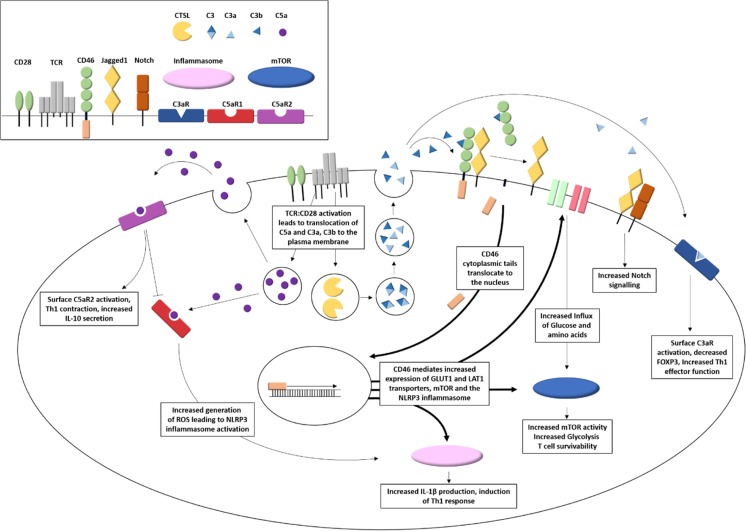
“Autocrine activation of C3aR by C3a in T cells resulted in increased Th1 effector functions, IFNy secretion and Notch signaling, as well as increased expression of mTOR and the NLRP3 inflammasome (Liszewski et al., 2013; Killick et al., 2018).”
BackgroundSulfated Dendritic Polyglycerol Is a Potent Complement Inhibitor
Silberreis, K., Niesler, N., Rades, N., Haag, R., & Dernedde, J. (2019) · Biomacromolecules · doi:10.1021/acs.biomac.9b00889 · Cited by 16
Smith-Oliver, M. R., Dixon, C. B., Wang, Y., Liu, Y., D’Agostino, R., Ruiz, J., Oliver, G., Miller, L. D., Topaloĝlu, Ü., Chan, M. D., et al. (2024) · Cancer Research · doi:10.1158/0008-5472.can-24-0658 · Cited by 20
dos Reis, L. M., Berçot, M. R., Castelucci, B. G., Martins, A. J. E., Castro, G., & Moraes‐Vieira, P. M. (2023) · Viruses · doi:10.3390/v15020525 · Cited by 19
“The complement receptor CD21 modulates B cell functions (such as antigen internalization and presentation) and the complement regulator CD46 regulates T-cell-mediated immunity [240].”
BackgroundDiversion of complement-mediated killing by Bordetella
Thiriard, A., Raze, D., & Locht, C. (2018) · Microbes and Infection · doi:10.1016/j.micinf.2018.02.002 · Cited by 18
Immunity and Coagulation in COVID-19
Авдонин, П. П., Blinova, M. S., Serkova, A. A., Komleva, L. A., & Avdonin, P. V. (2024) · International Journal of Molecular Sciences · doi:10.3390/ijms252011267 · Cited by 19
Adamovicz, L. A., Baker, S. J., Merchant, M., Darville, L. N. F., & Allender, M. C. (2020) · Journal of Experimental Zoology Part A Ecological and Integrative Physiology · doi:10.1002/jez.2423 · Cited by 16
C5b-9 mediates ferroptosis of tubular epithelial cells in trichloroethylene-sensitization mice
Liu, Z., Ma, J., Zuo, X., Zhang, X., Hong, Y., Cai, S., Huang, H., Wang, F., Wu, C., Zhang, J., et al. (2022) · Ecotoxicology and Environmental Safety · doi:10.1016/j.ecoenv.2022.114020 · Cited by 15
“C5b-9 is the final product of the complement system activation, which can be assembled by C5b and plasma proteins C6, C7, C8 and C9 on the surface of cell membrane, thereby damaging the target cells (Killick et al., 2018).”
Mba, I. E., Sharndama, H. C., Osondu-chuka, G. O., & Okeke, O. P. (2021) · Scandinavian Journal of Infectious Diseases · doi:10.1080/23744235.2021.1916071 · Cited by 13
“tion (DIC) that can cause organ failure [133,134] The complement system’s activation through either the alternative or the mannose lectin binding pathway inactivate virions and recruit immune cells.”
BackgroundGut-immunity-joint axis: a new therapeutic target for gouty arthritis
Chen, P., Luo, Z., Lu, C., Jian, G., Qi, X., & Xiong, H. (2024) · Frontiers in Pharmacology · doi:10.3389/fphar.2024.1353615 · Cited by 13
“Initially, the prevailing belief was that the complement system ’ s primary function lay in recognizing and eliminating pathogens exclusively through the stimulation of phagocytosis by immune cells (Killick et al., 2018).”
BackgroundThe Interactions of the Complement System with Human Cytomegalovirus
Lujan, E., Zhang, I., Garon, A. C., & Liu, F. (2024) · Viruses · doi:10.3390/v16071171 · Cited by 12
Introduction to complement in health and disease: novel aspects and insights
Morgan, B. P., & Kavanagh, D. (2018) · Seminars in Immunopathology · doi:10.1007/s00281-017-0664-7 · Cited by 12
“Anne Astier and colleagues [3] take on the challenge of making sense of these complex interactions.”
BackgroundRole of Complement in Liver Diseases
Prado, L. G., & Nagy, L. E. (2024) · Seminars in Liver Disease · doi:10.1055/s-0044-1795143 · Cited by 13
“21 25 – 27 Complement is activated by three different pathways: classical, lectin, and alternative ( ► Fig.”
Polyphosphates and Complement Activation
Conway, E. M. (2019) · Frontiers in Medicine · doi:10.3389/fmed.2019.00067 · Cited by 13
Complement system in Anti-CD20 mAb therapy for cancer: A mini-review
Gao, Y. (2023) · International Journal of Immunopathology and Pharmacology · doi:10.1177/03946320231181464 · Cited by 12
Yao, Y., Ma, H., Wu, K., Yonggang, S., Han, W., Cai, Z., Xu, N., Qi, M.-Y., Zhao, C., & Wu, C. (2017) · Gene · doi:10.1016/j.gene.2017.12.057 · Cited by 13
Gao, N., Tang, H., Li, T., Yang, Y., Zhao, H., Wang, L., Guo, Y., Qiao, B., & Pan, L. (2025) · Arthritis Research & Therapy · doi:10.1186/s13075-025-03523-w · Cited by 14
“…with complement receptor CD46CYT − 1, thereby mediating a series of genes that support the assembly and activation of the mammalian target of rapamycin (mTOR) pathway—a nutrient-sensing mechanism crucial for glycolysis, cell survival, and particularly for the demanding IFN-γ and Th1 responses [20].”
The multiverse of CD46 and oncologic interactions
Liszewski, M. K., & Atkinson, J. P. (2025) · Journal of Clinical Investigation · doi:10.1172/jci188355 · Cited by 10
“The signaling capabilities of CD46 have been more extensively studied in T cells, where CD46 plays a key role in cell regulation (24, 25).”
Tirado, T. C., Bavia, L., Ambrósio, A. R., Campos, M. P., Santiago, M. D. A., Messias-Reason, I., & Figueiredo, F. B. (2021) · Developmental & Comparative Immunology · doi:10.1016/j.dci.2021.104061 · Cited by 16
Kohn, M., Lanfermann, C., Laudeley, R., Glage, S., Rheinheimer, C., & Klos, A. (2021) · Frontiers in Immunology · doi:10.3389/fimmu.2021.626627 · Cited by 9
Zhao, Y., Zhai, L., Qin, T., Hu, L., Wang, J., Zhang, Z., Sui, C., Zhang, L., Zhou, D., Lv, M., et al. (2023) · Biomolecules · doi:10.3390/biom13020347 · Cited by 10
“In addition, it is now widely believed that the complement system controls T cell and B cell responses, cross-linking innate and adaptive immunity [66,67].”
BackgroundMałecka, A., Østlie, I., Trøen, G., Małecki, J., Delabie, J., Tierens, A. M., Munthe, L. A., Berentsen, S., & Tjønnfjord, G. E. (2023) · Clinical & Experimental Immunology · doi:10.1093/cei/uxad135 · Cited by 10
“This finding is of interest because complement, in addition to its critical role for hemolysis in CAD [1, 16], has been shown to control B-and T-cell responses, and thus is a regulator of adaptive immunity [24].”
BackgroundAlshammari, A. M., Smith, D. D., Parriott, J., Stewart, J. P., Curran, S. M., McCulloh, R. J., Barry, P. A., Iyer, S. S., Palermo, N. Y., Phillips, J. A., et al. (2020) · ACS Infectious Diseases · doi:10.1021/acsinfecdis.0c00005 · Cited by 13
Linzey, M. R., DiSano, K. D., Welsh, N. C., Pachner, A. R., & Gilli, F. (2022) · Frontiers in Immunology · doi:10.3389/fimmu.2022.924734 · Cited by 10
“The complement system has also been shown to directly control the adaptive immune responses, both B and T cells, including their recruitment in the CNS (18).”
BackgroundContrast subgraphs allow comparing homogeneous and heterogeneous networks derived from omics data
Lanciano, T., Savino, A., Porcu, F., Cittaro, D., Bonchi, F., & Provero, P. (2022) · GigaScience · doi:10.1093/gigascience/giad010 · Cited by 8
“…are mostly regulated at the protein level: a proteolytic cascade mediated by convertases leads to the amplification of complement activity [51, 52], while regulators such as CD55 and CD35 promote the degradation of C3 and C5 convertases, preventing the formation of the membrane attack complex [53].”
Guo, S., Kang, B., Wang, R., & Yang, L. (2023) · The Science of The Total Environment · doi:10.1016/j.scitotenv.2023.165215 · Cited by 9
Kohn, M., Lanfermann, C., Laudeley, R., Glage, S., Rheinheimer, C., & Klos, A. (2021) · Frontiers in Immunology · doi:10.3389/fimmu.2021.580594 · Cited by 9
Liang, X., Du, L., & Fan, Y. (2023) · Aging · doi:10.18632/aging.204766 · Cited by 12
Brandacher, G., Messner, F., Al-Salmay, Y., & Kaufman, C. L. (2025) · Transplantation · doi:10.1097/tp.0000000000005450 · Cited by 8
Moss, A., Kuttippurathu, L., Srivastava, A., Schwaber, J. S., & Vadigepalli, R. (2023) · Physiological Genomics · doi:10.1152/physiolgenomics.00073.2023 · Cited by 9
Jadczyk, T., Barański, K., Syzdół, M., Nabiałek, E., Wańha, W., Kurzelowski, R., Ratajczak, M. Z., Kucia, M., Dołęgowska, B., Niewczas, M., et al. (2018) · Mediators of Inflammation · doi:10.1155/2018/2691934 · Cited by 7
“The complement cascade is a crucial element of the adaptive and innate immune system [36].”
BackgroundZhao, C., Han, Y., Wang, C., Ren, M., Hu, Q., Gu, Y., Ye, P., Li, S., & Jin, E. (2021) · Biological Trace Element Research · doi:10.1007/s12011-021-02983-w · Cited by 7
Zhang, Q., Ye, J., Zhang, Z., Hu, Y., Wang, X., Jiang, W., Guo, X., Chen, L., Cheng, S., Li, J., et al. (2023) · Toxicology Letters · doi:10.1016/j.toxlet.2023.04.009 · Cited by 8
Complement is primarily activated in the lung in a mouse model of severe COVID-19
Szachowicz, P. J., Wohlford-Lenane, C., Donelson, C. J. H., Ghimire, S., Thurman, A. L., Xue, B., Boly, T. J., Verma, A., MašinoviĆ, L., Bermick, J., et al. (2025) · iScience · doi:10.1016/j.isci.2025.111930 · Cited by 6
Impact of smoking on the complement system: a narrative review
Alarabi, A. B., Alshbool, F. Z., & Khasawneh, F. T. (2025) · Frontiers in Immunology · doi:10.3389/fimmu.2025.1619835 · Cited by 8
Fu, G., Chen, T., Wu, J., Jiang, T., Tang, D., Bonaroti, J., Conroy, J., Scott, M. J., Deng, M., & Billiar, T. R. (2021) · Shock · doi:10.1097/shk.0000000000001765 · Cited by 6
“C3 has been shown to regulate lymphocyte function through interaction with cell surface complement receptors (44).”
BackgroundRole of the Complement System in the Modulation of T-Cell Responses in Chronic Chagas Disease
Caputo, M. B., Elias, J., Cesar, G. L., Alvarez, M. G., Laucella, S. A., & Albareda, M. C. (2022) · Frontiers in Cellular and Infection Microbiology · doi:10.3389/fcimb.2022.910854 · Cited by 8
“However, the findings that most of immune cells can produce complement proteins and express their receptors have led to the notion that the complement system also has non canonical functions in the adaptive immune response (Klos et al., 2009; Ricklin et al., 2010; Killick et al., 2018).”
BackgroundGarcía‐Gasalla, M., Berman-Riu, M., Rodríguez, A., Iglesias, A., Fraile-Ribot, P. A., Toledo-Pons, N., Pol-Pol, E., Beltran, A. F., Serra, F. A., Martín-Pena, M. L., et al. (2023) · Cytokine · doi:10.1016/j.cyto.2023.156295 · Cited by 7
“The complement system plays an important role in the innate immune response to pathogens, but also instructs the adaptive immune response [22].”
Halačová, N., Brndiarová, M., Slenker, B., Bobčáková, A., Schniederova, M., Markocsy, A., Urbančíková, I., & Jeseňák, M. (2026) · Biologics · doi:10.3390/biologics6010003 · Cited by 4
“…of MAC/C5b-9 Lysis of bacteria and target cells [1,2] Opsonisation Deposition of C3b/iC3b and C4b on pathogens Enhancement of phagocytosis via CR1/CR3 [1,3,5] Anaphylatoxin generation Release of C3a and C5a Chemotaxis, activation of neutrophils and monocytes, oxidative burst [1,3,4] Table 1.”
InfluentialChen, D.-W., Cheng, Y., Li, P., Wu, X., Huang, X.-X., Long, J.-H., Xiong, Z., Chen, C., Ye, S., & Lan, P. (2025) · Journal for ImmunoTherapy of Cancer · doi:10.1136/jitc-2024-010873 · Cited by 5
Transcriptional response to mild therapeutic hypothermia in noise-induced cochlear injury
Sabatino, S. R., Sangaletti, R., Griswold, A. J., Dietrich, W. D., King, C. S., & Rajguru, S. M. (2024) · Frontiers in Neuroscience · doi:10.3389/fnins.2023.1296475 · Cited by 5
Molecular and genetic landscapes of retina and brain microglia in neurodegenerative diseases
Ma, K., & Ratnapriya, R. (2025) · Genome Research · doi:10.1101/gr.280554.125 · Cited by 4
“…complement and immunoinflammatory genes like CFH , CFI , CFB , C3 , HTRA1 , and APOE , which exhibit significant effect sizes (Fritsche et al. 2016), are predominantly expressed in retinal immune cells (Menon et al. 2019), and play pivotal roles in regulating immune responses (Killick et al. 2018).”
Anshad, A. R., Saravanan, S., Murugesan, A., Vighnesh, R., Raju, S., Rajendran, K., Yong, Y. K., Larsson, M., & Shankar, E. M. (2026) · Frontiers in Immunology · doi:10.3389/fimmu.2025.1731011 · Cited by 3
“The complement system bridges the innate and the adaptive immune systems (12, 13) via three major pathways, namely, the classical, the alternative, and the lectin pathways (14), and also the blood coagulation pathway.”
Immunological Responses to Infection
Çipe, F., Arısoy, E. S., & Correa, A. G. (2021) · Springer eBooks · doi:10.1007/978-3-030-80691-0_1 · Cited by 4
Singh, A. D., Balakrishna, N., Patnam, S., Satyanaryana, G., Andrews, R., Panigrahi, A. K., Mudigonda, S. S., Maitra, S., Rengan, A. K., & Manda, S. V. (2023) · Clinica Chimica Acta · doi:10.1016/j.cca.2023.117525 · Cited by 5
Complement component C1q plays a critical role in VLRA/VLRC-mediated immune response
Li, J., Ma, Q., Liu, H., Song, X., Pang, Y., Su, P., Sun, F., Gou, M., Lu, J., Shan, Y., et al. (2020) · Developmental & Comparative Immunology · doi:10.1016/j.dci.2020.103750 · Cited by 4
Complement in structure and immune homeostasis in placentaPreprint
Jin, S., Wu, C., & Zhang, Y. (2021) · Authorea · doi:10.22541/au.161925487.75181178/v1 · Cited by 2
Yang, J., Peng, Q., Shen, M., Liu, G., Xu, X., Wang, C., & Ning, J. (2025) · Fish & Shellfish Immunology · doi:10.1016/j.fsi.2025.110438 · Cited by 2
Metadata
- Authors
- Killick, J., Morisse, G., Sieger, D., & Astier, A. L.
- Affiliations
- Centre for Inflammation Research (GB)
- University of Edinburgh (GB)
- Centre National de la Recherche Scientifique (FR)
- Corresponding author
- Astier, Anne L.
- Venue
- Seminars in Immunopathology
- Published
- 2017-08-25
- Volume
- 40
- Issue
- 1
- Pages
- 37-48
- ISSN
- 1863-2297 (ISSN-L)
- 1863-2300
- PMC
- PMC5794818
- OpenAlex
- W2748098899
- Cited by
- 129
- References
- 101
- Citations by year
- 2026: 9 · 2025: 14 · 2024: 12 · 2023: 19 · 2022: 16 · 2021: 14 · 2020: 14 · 2019: 18 · 2018: 11 · 2017: 2
- FWCI
- 1.26
- Type
- journal article
- Language
- en
- Open access
- hybrid
- doi.org
- Locations
- Seminars in Immunopathology (publishedVersion, cc-by)
- PubMed Central (publishedVersion, cc-by)
- PubMed (publishedVersion)
- HAL (submittedVersion, other-oa)
- Edinburgh Research Explorer (University of Edinburgh) (submittedVersion, cc-by)
- Funders
- Multiple Sclerosis Society (41, 34)
- Topics
- Life Sciences › Immunology and Microbiology › Immunology › Complement system in diseases
- Life Sciences › Immunology and Microbiology › Immunology › Biomarkers in Disease Mechanisms
- Life Sciences › Immunology and Microbiology › Immunology › Immune Response and Inflammation
- Keywords
- complement system, adaptive immunity, antigen-presenting cells, B cells, T cells, complement dysregulation, local complement activation
- MeSH terms
- Animals, Antigen-Presenting Cells, B-Lymphocytes, Carrier Proteins, Cell Communication, Complement System Proteins, Complement Activation, Disease Susceptibility, Humans, Immunologic Factors, Lymphocyte Activation, Protein Binding, T-Lymphocytes, Signal Transduction, Adaptive Immunity, Immunomodulation, Molecular Targeted Therapy
About these checks
Registry, retraction, Cites and statistics results are computed, not judged, with one exception: a printed reference that no index lists is read once by a model before it counts as a citation error. Claims are extracted by a model and kept only when their quote appears verbatim in the text; each cited source is then checked, with a model’s help, for whether it says what the claim relies on. Those verdicts can be wrong — read the claim’s quote and the cited source before relying on one.
Statistics and arithmetic are recomputed, not judged.
Confidence bands are shown only for fields calibrated on our annotated test set. None is calibrated yet, so no band is shown.
What counts as a claim ›How we measure confidence ›How we check this ›
Are you an author, or do you see a problem with this page? Request a review
Data sources
Bibliographic data: Semantic Scholar, OpenAlex, Crossref.
Contains information from the Semantic Scholar Academic Graph Datasets, made available under the ODC Attribution License (ODC-BY 1.0).
Semantic Scholar’s data is described in: Kinney, R., et al. (2023). The Semantic Scholar Open Data Platform. arXiv:2301.10140.
