

The DOI matches its Crossref record; 50 of the 50 references it cites were found in a registry or an index.
Modeling key pathological features of frontotemporal dementia with C9ORF72 repeat expansion in iPSC-derived human neurons
Open accessAbstract
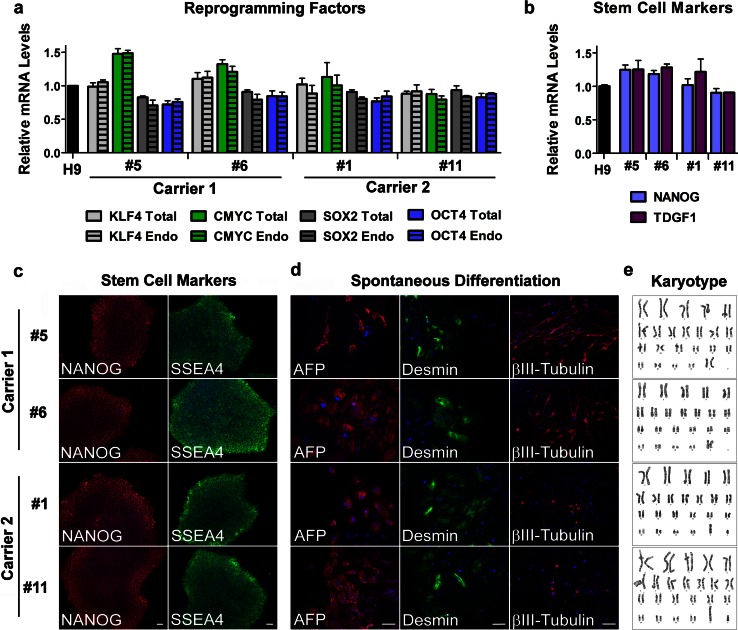
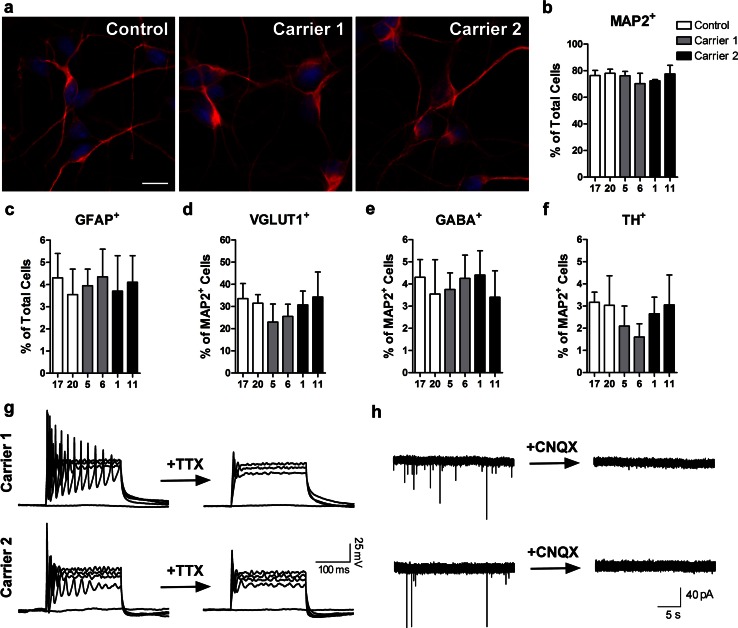
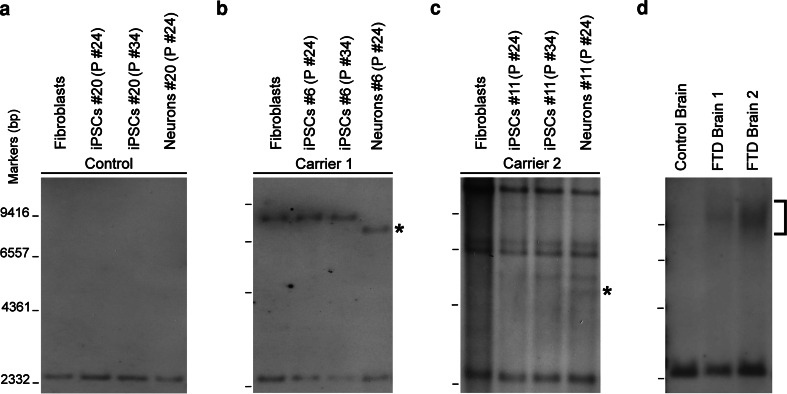
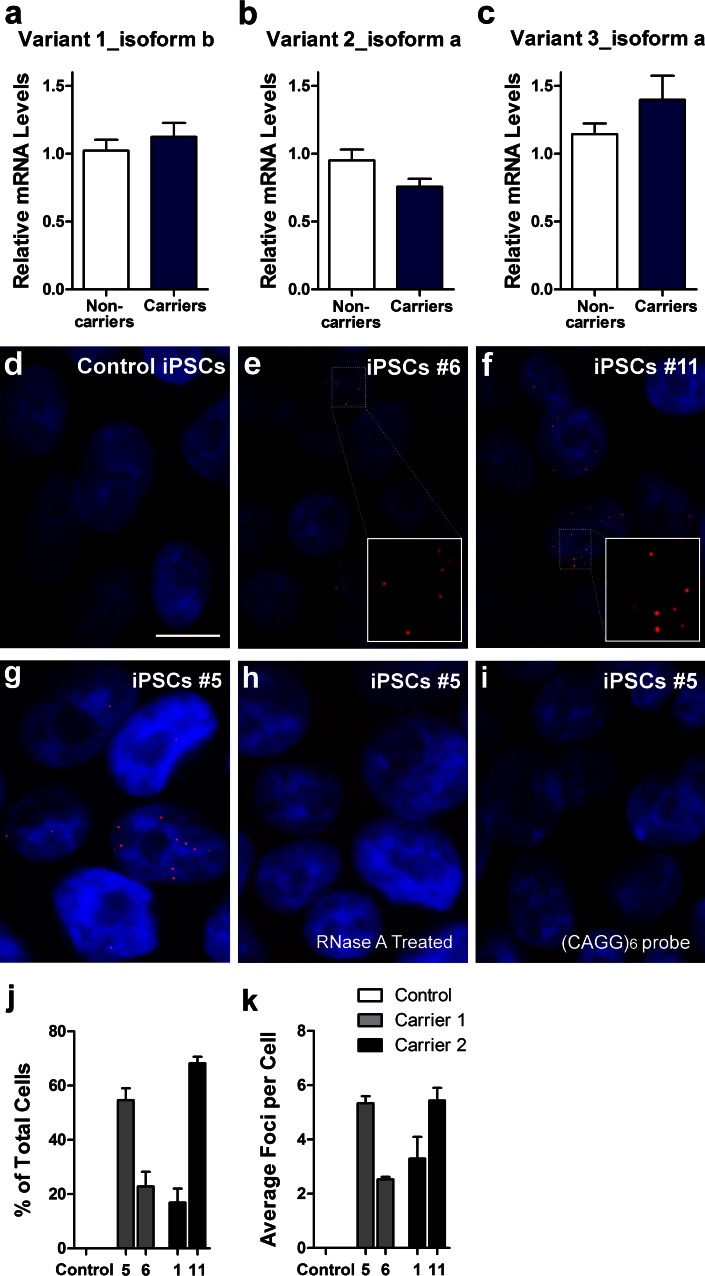
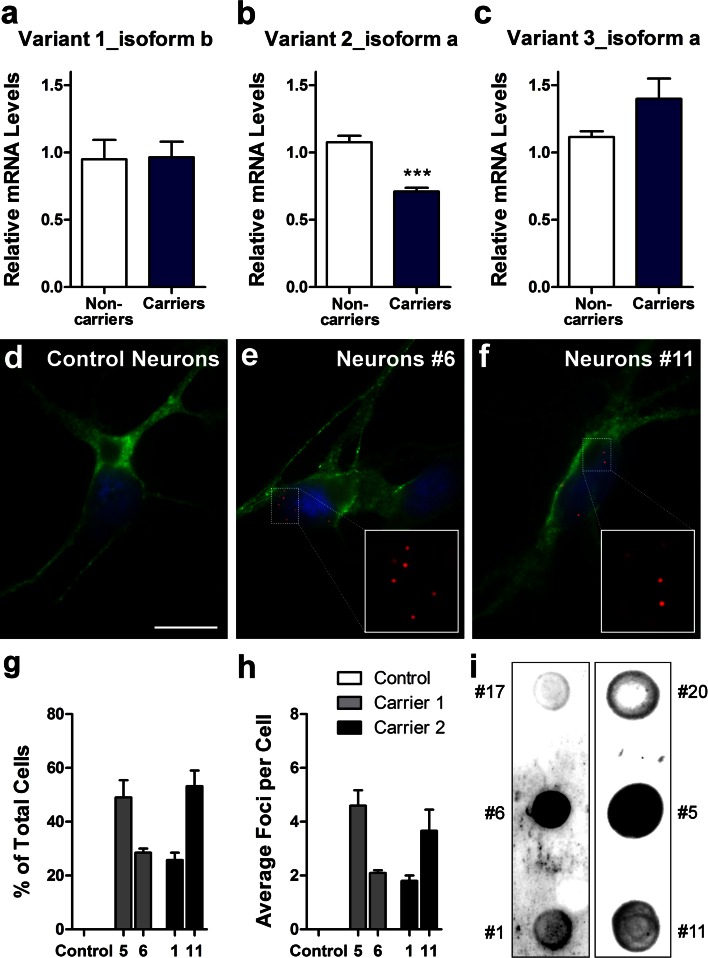
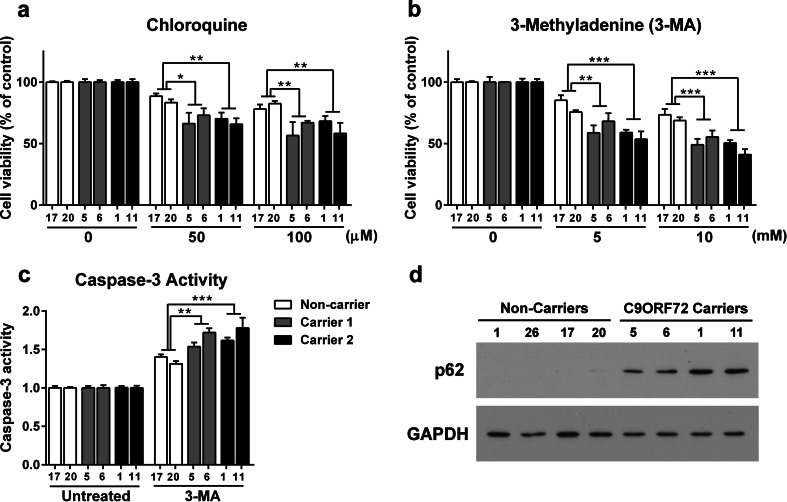
The recently identified GGGGCC repeat expansion in the noncoding region of C9ORF72 is the most common pathogenic mutation in patients with frontotemporal dementia (FTD) or amyotrophic lateral sclerosis (ALS). We generated a human neuronal model and investigated the pathological phenotypes of human neurons containing GGGGCC repeat expansions. Skin biopsies were obtained from two subjects who had >1,000 GGGGCC repeats in C9ORF72 and their respective fibroblasts were used to generate multiple induced pluripotent stem cell (iPSC) lines. After extensive characterization, two iPSC lines from each subject were selected, differentiated into postmitotic neurons, and compared with control neurons to identify disease-relevant phenotypes. Expanded GGGGCC repeats exhibit instability during reprogramming and neuronal differentiation of iPSCs. RNA foci containing GGGGCC repeats were present in some iPSCs, iPSC-derived human neurons and primary fibroblasts. The percentage of cells with foci and the number of foci per cell appeared to be determined not simply by repeat length but also by other factors. These RNA foci do not seem to sequester several major RNA-binding proteins. Moreover, repeat-associated non-ATG (RAN) translation products were detected in human neurons with GGGGCC repeat expansions and these neurons showed significantly elevated p62 levels and increased sensitivity to cellular stress induced by autophagy inhibitors. Our findings demonstrate that key neuropathological features of FTD/ALS with GGGGCC repeat expansions can be recapitulated in iPSC-derived human neurons and also suggest that compromised autophagy function may represent a novel underlying pathogenic mechanism.
Overview
The claims and statistics of this paper haven’t been checked yet.
Run the check — free, no account needed. It reads the open-access text and checks the sources it cites.
Integrity signals
Registry
Cites
Statistics
Figures
Verification
Claims the paper makes
The claims and statistics of this paper haven’t been checked yet.
Run the check — free, no account needed. It reads the open-access text and checks the sources it cites.
Claims other papers make about this one
Each is checked against this paper’s own text: does it say what the citing paper says it does?
In the citing paper
“C9orf72 mutations are associated with reduced basal autophagy and enhanced sensitivity to autophagy inhibitors in human iPSC-derived neurons [153,178].”
From Autophagy and ALS: mechanistic insights and therapeutic implications (2022) · cites this paper as [178]
Self-check
Percentages, sums and reported differences re-computed from the paper’s own numbers.
The self-check needs the paper’s full text.
Citations
Cites
Induction of Pluripotent Stem Cells from Adult Human Fibroblasts by Defined Factors
Takahashi, K., Tanabe, K., Ohnuki, M., Narita, M., Ichisaka, T., Tomoda, K., & Yamanaka, S. (2007) · Cell · doi:10.1016/j.cell.2007.11.019 · Cited by 20,221
Ubiquitinated TDP-43 in Frontotemporal Lobar Degeneration and Amyotrophic Lateral Sclerosis
Neumann, M., Sampathu, D. M., Kwong, L. K., Truax, A. C., Micsenyi, M. C., Chou, T. T., Bruce, J., Schuck, T., Grossman, M., Clark, C. M., et al. (2006) · Science · doi:10.1126/science.1134108 · Cited by 6,576
Self-citationDeJesus-Hernandez, M., Mackenzie, I. R., Boeve, B. F., Boxer, A. L., Baker, M., Rutherford, N. J., Nicholson, A. M., Finch, N. A., Flynn, H., Adamson, J., et al. (2011) · Neuron · doi:10.1016/j.neuron.2011.09.011 · Cited by 4,936 · cited 11×
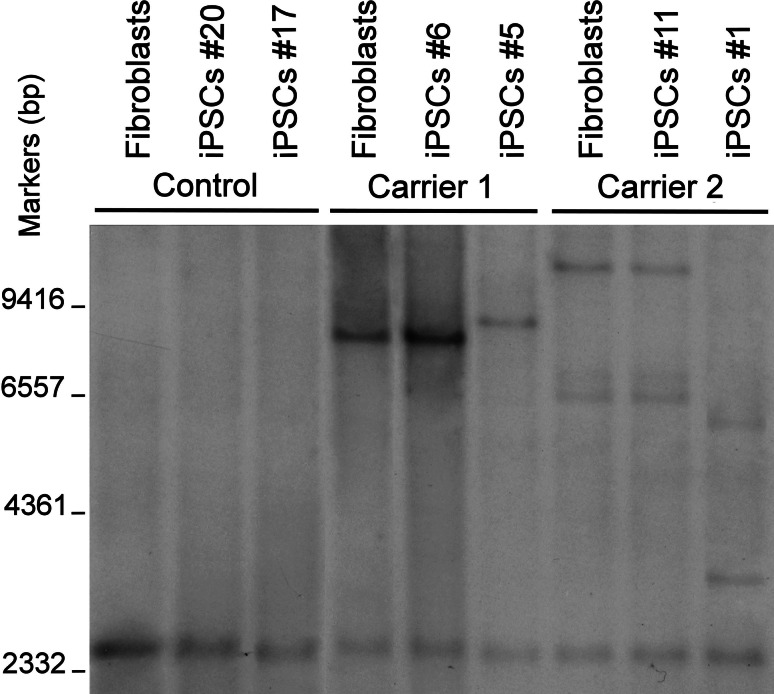
“After the publication of studies showing that GGGGCC repeat expansion is the disease-causing mutation in the VSM-20 family and other patients with FTD/ALS [12, 39], we first performed southern blot analysis to confirm the presence of the repeat expansion in skin fibroblasts from these two members of the VSM-20 family.”
BackgroundMethodResultInfluentialSelf-citationA Hexanucleotide Repeat Expansion in C9ORF72 Is the Cause of Chromosome 9p21-Linked ALS-FTD
Renton, A. E., Majounie, E., Waite, A., Simón-Sánchez, J., Rollinson, S., Gibbs, J. R., Schymick, J. C., Laaksovirta, H., van Swieten, J. C., Myllykangas, L., et al. (2011) · Neuron · doi:10.1016/j.neuron.2011.09.010 · Cited by 4,409
Arai, T., Hasegawa, M., Akiyama, H., Ikeda, K., Nonaka, T., Mori, H., Mann, D., Tsuchiya, K., Yoshida, M., Hashizume, Y., et al. (2006) · Biochemical and Biophysical Research Communications · doi:10.1016/j.bbrc.2006.10.093 · Cited by 2,732
Mutations in FUS, an RNA Processing Protein, Cause Familial Amyotrophic Lateral Sclerosis Type 6
Vance, C. A., Rogelj, B., Hortobágyi, T., Vos, K. J. D., Nishimura, A. L., Sreedharan, J., Hu, X., Smith, B. N., Ruddy, D., Wright, P. D., et al. (2009) · Science · doi:10.1126/science.1165942 · Cited by 2,625
Mutations in the FUS/TLS Gene on Chromosome 16 Cause Familial Amyotrophic Lateral Sclerosis
Kwiatkowski, T. J., Bosco, D. A., LeClerc, A. L., Tamrazian, E., Vanderburg, C. R., Russ, C., Davis, A., Gilchrist, J. M., Kasarskis, E. J., Munsat, T. L., et al. (2009) · Science · doi:10.1126/science.1166066 · Cited by 2,624
Dimos, J. T., Rodolfa, K. T., Niakan, K. K., Weisenthal, L. M., Mitsumoto, H., Chung, W. K., Croft, G. F., Saphier, G., Leibel, R. L., Goland, R., et al. (2008) · Science · doi:10.1126/science.1158799 · Cited by 2,019
Soldner, F., Hockemeyer, D. F., Beard, C., Gao, Q., Bell, G. W., Cook, E. G., Hargus, G., Blak, A. A., Cooper, O., Mitalipova, M. M., et al. (2009) · Cell · doi:10.1016/j.cell.2009.02.013 · Cited by 1,584
Induced pluripotent stem cells from a spinal muscular atrophy patient
Ebert, A. D., Yu, J., Rose, F. F., Mattis, V. B., Lorson, C. L., Thomson, J. A., & Svendsen, C. N. (2009) · Nature · doi:10.1038/nature07677 · Cited by 1,441
Cited by
Sorted by citations
Items 201–300 of 322
Ho, P., Hsieh, T., & Tsai, K. (2024) · Ageing Research Reviews · doi:10.1016/j.arr.2024.102441 · Cited by 28
Shum, C., Macedo, S. C., Warre-Cornish, K. M., Cocks, G. D., Price, J., & Srivastava, D. P. (2015) · Hormones and Behavior · doi:10.1016/j.yhbeh.2015.06.014 · Cited by 24
Preclinical Interventions in Mouse Models of Frontotemporal Dementia Due to Progranulin Mutations
Kashyap, S. N., Boyle, N. R., & Roberson, E. D. (2023) · Neurotherapeutics · doi:10.1007/s13311-023-01348-6 · Cited by 22
Epigenetic Research of Neurodegenerative Disorders Using Patient iPSC‐Based Models
Fernández‐Santiago, R., & Ezquerra, M. (2015) · Stem Cells International · doi:10.1155/2016/9464591 · Cited by 24
Paré, B., & Gros‐Louis, F. (2017) · Reviews in the Neurosciences · doi:10.1515/revneuro-2017-0004 · Cited by 24
Human stem cell models of dementia
Livesey, F. J. (2014) · Human Molecular Genetics · doi:10.1093/hmg/ddu302 · Cited by 22
Jiménez-Moreno, N., Stathakos, P., Caldwell, M. A., & Lane, J. D. (2017) · Cells · doi:10.3390/cells6030024 · Cited by 22
Cohen‐Hadad, Y., Altarescu, G., Eldar‐Geva, T., Levy‐Lahad, E., Zhang, M., Rogaeva, E. A., Gotkine, M., Bartok, O., Ashwal-Fluss, R., Kadener, S., et al. (2016) · Stem Cell Reports · doi:10.1016/j.stemcr.2016.09.011 · Cited by 24
Jiang, X., Schaeffer, L., Patni, D., Russo, T., Lee, C.-Z., Aguilar, C., Marques, C., Jansen‐West, K. R., Hruška-Plocháň, M., Ray-Soni, A., et al. (2026) · Science · doi:10.1126/science.adv2600 · Cited by 22
Self-citationGoodier, J. L., Soares, A. O., Pereira, G., Devine, L. R., Sánchez, L., Cole, R. N., & Garcia-Perez, J. L. (2020) · Acta Neuropathologica Communications · doi:10.1186/s40478-020-00982-x · Cited by 21
Evaluation of established human iPSC-derived neurons to model neurodegenerative diseases
Meneghello, G., Verheyen, A., Ingen, M. V., Kuijlaars, J., Tuefferd, M., den Wyngaert, I. V., & Nuydens, R. (2015) · Neuroscience · doi:10.1016/j.neuroscience.2015.05.071 · Cited by 23
Reverse engineering human neurodegenerative disease using pluripotent stem cell technology
Liu, Y., & Deng, W. (2015) · Brain Research · doi:10.1016/j.brainres.2015.09.023 · Cited by 23
Seranova, E., Palhegyi, A. M., Verma, S., Dimova, S., Lasry, R., Naama, M., Sun, C., Barrett, T. G., Rosenstock, T. R., Kumar, D., et al. (2020) · Journal of Molecular Biology · doi:10.1016/j.jmb.2020.01.024 · Cited by 20
Douglas, A. G. L. (2018) · Non-coding RNA Research · doi:10.1016/j.ncrna.2018.09.001 · Cited by 20
Current status and future prospects of patient-derived induced pluripotent stem cells
Wang, Z., Zheng, J., Pan, R., & Chen, Y. (2021) · Human Cell · doi:10.1007/s13577-021-00592-2 · Cited by 20
Hedges, E. C., Mehler, V. J., & Nishimura, A. L. (2016) · Stem Cells International · doi:10.1155/2016/9279516 · Cited by 19
Knock in of a hexanucleotide repeat expansion in the C9orf72 gene induces ALS in rats
Dong, W., Zhang, L., Sun, C., Gao, X., Guan, F., Li, J., Chen, W., Ma, Y., & Zhang, L. (2020) · Animal Models and Experimental Medicine · doi:10.1002/ame2.12129 · Cited by 18
C9orf72; abnormal RNA expression is the key
Heutink, P., Jansen, I. E., & Lynes, E. M. (2014) · Experimental Neurology · doi:10.1016/j.expneurol.2014.05.020 · Cited by 17
The translational potential of human induced pluripotent stem cells for clinical neurology
Devine, H. E., & Patani, R. (2016) · Cell Biology and Toxicology · doi:10.1007/s10565-016-9372-7 · Cited by 18
Modeling simple repeat expansion diseases with iPSC technology
Jaworska, E., Kozłowska, E., Switonski, P. M., & Krzyżosiak, W. J. (2016) · Cellular and Molecular Life Sciences · doi:10.1007/s00018-016-2284-0 · Cited by 17
Lee, J.-H., Liu, J.-W., Lin, S., Harn, H., & Chiou, T. (2018) · Cell Transplantation · doi:10.1177/0963689718785154 · Cited by 21
Quezada, E. R., Cappelli, C., Díaz, I. D. P., Jury, N., Wightman, N., Brown, R. H., Montecino, M. A., & van Zundert, B. (2021) · Clinical Epigenetics · doi:10.1186/s13148-021-01039-z · Cited by 17
Elevated 4R‐tau in astrocytes from asymptomatic carriers of the MAPT 10+16 intronic mutation
Setó‐Salvia, N., Esteras, N., de Silva, R., Pablo‐Fernández, E. D., Arber, C., Toomey, C. E., Polke, J. M., Morris, H. R., Rohrer, J. D., Abramov, A. Y., et al. (2021) · Journal of Cellular and Molecular Medicine · doi:10.1111/jcmm.17136 · Cited by 16
Pistollato, F., Canovas-Jorda, D., Zagoura, D., & Price, A. (2017) · Journal of Visualized Experiments · doi:10.3791/55702-v · Cited by 16
Beckers, J., & Damme, P. V. (2025) · Autophagy Reports · doi:10.1080/27694127.2025.2474796 · Cited by 19
The Fragile X Protein Family in Amyotrophic Lateral Sclerosis
Mueller, S., Decker, L., Menge, S., Ludolph, A. C., & Freischmidt, A. (2023) · Molecular Neurobiology · doi:10.1007/s12035-023-03330-x · Cited by 19
Sonobe, Y., Lee, S., Krishnan, G., Gu, Y., Kwon, D. Y., Gao, F., Roos, R. P., & Kratsios, P. (2023) · eLife · doi:10.7554/elife.83189 · Cited by 15
Self-citationModeling the C9ORF72 repeat expansion mutation using human induced pluripotent stem cells
Selvaraj, B. T., Livesey, M. R., & Chandran, S. (2017) · Brain Pathology · doi:10.1111/bpa.12520 · Cited by 14
Modelling C9orf72-Related Amyotrophic Lateral Sclerosis in Zebrafish
Fortier, G., Butti, Z., & Patten, S. A. (2020) · Biomedicines · doi:10.3390/biomedicines8100440 · Cited by 15
Aberrant Rna Homeostasis in Amyotrophic Lateral Sclerosis: Potential for New Therapeutic targets?
Donnelly, C. J., Grima, J. C., & Sattler, R. (2014) · Neurodegenerative Disease Management · doi:10.2217/nmt.14.36 · Cited by 15
Discovery of new epigenomics-based biomarkers and the early diagnosis of neurodegenerative diseases
Lee, D., Choi, Y. H., Seo, J., Kim, J. K., & Lee, S. B. (2020) · Ageing Research Reviews · doi:10.1016/j.arr.2020.101069 · Cited by 14
Pribadi, M., Yang, Z., Kim, T. S., Swartz, E. W., Huang, A., Chen, J., Dokuru, D. R., Baek, J., Gao, F., Fua, A., et al. (2016) · bioRxiv (Cold Spring Harbor Laboratory) · doi:10.1101/051193 · Cited by 15
Self-citationLost & found: C9ORF72 and the autophagy pathway in ALS/FTD
Almeida, S., & Gao, F. (2016) · The EMBO Journal · doi:10.15252/embj.201694578 · Cited by 13
Self-citationSoumya, B. S., Shreenidhi, V. P., Agarwal, A., Gandhirajan, R. K., Dharmarajan, A., & Warrier, S. R. (2023) · Cellular Signalling · doi:10.1016/j.cellsig.2023.110807 · Cited by 14
Thiry, L., Sirois, J., Durcan, T. M., & Stifani, S. (2024) · Communications Biology · doi:10.1038/s42003-024-05925-z · Cited by 12
C9orf72 protein quality control by UBR5‐mediated heterotypic ubiquitin chains
Jülg, J., Edbauer, D., & Behrends, C. (2023) · EMBO Reports · doi:10.15252/embr.202255895 · Cited by 11
Sultana, J., Ragagnin, A., Parakh, S., Saravanabavan, S., Soo, K. Y., Vidal, M., Jagaraj, C. J., Ding, K., Wu, S., Shadfar, S., et al. (2024) · Molecular Neurobiology · doi:10.1007/s12035-024-04187-4 · Cited by 12
Deneubourg, C., Dafsari, H. S., Lowe, S. A., Martinez-Cotrina, A., Mazaud, D., Park, S. H., Vergani, V., Almacellas‐Barbanoj, A., Maroofian, R., Averdunk, L., et al. (2024) · Autophagy · doi:10.1080/15548627.2024.2405956 · Cited by 13
Gregoire, M. J., Sirtori, R., Donatelli, L., Potts, E. M., Collins, A., Zamor, D., Katenka, N., & Fallini, C. (2024) · Proceedings of the National Academy of Sciences · doi:10.1073/pnas.2406998121 · Cited by 12
Epigenetics of cell fate reprogramming and its implications for neurological disorders modelling
Grzybek, M., Golonko, A., Walczak, M., & Lisowski, P. (2016) · Neurobiology of Disease · doi:10.1016/j.nbd.2016.11.007 · Cited by 12
Multifaceted role of SMCR8 as autophagy regulator
Jung, J., & Behrends, C. (2017) · Small GTPases · doi:10.1080/21541248.2017.1346553 · Cited by 13
The genetic basis of amyotrophic lateral sclerosis: recent breakthroughs
Robberecht, W., & Eykens, C. (2015) · Advances in Genomics and Genetics · doi:10.2147/agg.s57397 · Cited by 14
Doege, C. A., & Abeliovich, A. (2014) · Biological Psychiatry · doi:10.1016/j.biopsych.2014.01.007 · Cited by 11
Chen, J., Huang, L., Yang, Y., Xu, W., Qin, Q., Qin, R., Liang, X., Lai, X., Huang, X., Xie, M., et al. (2023) · Brain Sciences · doi:10.3390/brainsci13030524 · Cited by 11
Bardelli, D., Sassone, F., Colombrita, C., Volpe, C., Gumina, V., Peverelli, S., Catusi, I., Ratti, A., Silani, V., & Bossolasco, P. (2020) · Journal of Cellular and Molecular Medicine · doi:10.1111/jcmm.15048 · Cited by 11
Gagliardi, D., Costamagna, G., Taiana, M. M., Andreoli, L., Biella, F., Bersani, M., Bresolin, N., Comi, G. P., & Corti, S. P. (2020) · Ageing Research Reviews · doi:10.1016/j.arr.2020.101172 · Cited by 11
Phenylalanine-tRNA aminoacylation is compromised by ALS/FTD-associated C9orf72 C4G2 repeat RNA
Malnar, M., Čerček, U., Yin, X., Ho, M. T., Lampret, B. R., Neumann, M., Hermann, A., Rouleau, G. A., Suter, B., Mayr, M., et al. (2023) · Nature Communications · doi:10.1038/s41467-023-41511-3 · Cited by 13
Review: Induced pluripotent stem cell models of frontotemporal dementia
Preza, E., Hardy, J., Warner, T. T., & Wray, S. (2016) · Neuropathology and Applied Neurobiology · doi:10.1111/nan.12334 · Cited by 10
Developmental anatomy of the primary olfactory pathway in the opossum Monodelphis domestica.
Chuah, M. I., Tennent, R., & Teague, R. (1997) · PubMed · Cited by 10
Modeling diseases of noncoding unstable repeat expansions using mutant pluripotent stem cells
Yanovsky‐Dagan, S. (2015) · World Journal of Stem Cells · doi:10.4252/wjsc.v7.i5.823 · Cited by 10
Frontotemporal lobar dementia and amyotrophic lateral sclerosis associated with c9orf72 expansion
Ber, I. L. (2015) · Revue Neurologique · doi:10.1016/j.neurol.2015.04.004 · Cited by 8
Ben‐Dor, I., Pacut, C. M., Nevo, Y., Feldman, E. L., & Reubinoff, B. E. (2021) · PLoS Genetics · doi:10.1371/journal.pgen.1009445 · Cited by 6
Bauer, P. O., Dunmore, J., Sasaguri, H., & Maťoška, V. (2019) · Frontiers in Neuroscience · doi:10.3389/fnins.2019.00935 · Cited by 6
Autophagy in motor neuron diseases
Rodríguez‐Muela, N. (2020) · Progress in molecular biology and translational science · doi:10.1016/bs.pmbts.2020.03.009 · Cited by 7
Kolahdouzmohammadi, M., Totonchi, M., & Pahlavan, S. (2020) · Stem Cell Reviews and Reports · doi:10.1007/s12015-020-10077-8 · Cited by 6
Liu, W.-C., Liu, N., Wang, Y., Huang, C., Li, Y., Wang, H., Li, X., & Deng, M. (2021) · Chinese Medical Journal · doi:10.1097/cm9.0000000000001693 · Cited by 6
Disease Modeling of Neurodegenerative Disorders Using Direct Neural Reprogramming
Legault, E. M., Bouquety, J., & Drouin‐Ouellet, J. (2022) · Cellular Reprogramming · doi:10.1089/cell.2021.0172 · Cited by 7
Aspects of degradation and translation of the expanded C9orf72 hexanucleotide repeat RNA
Mori, K., Gotoh, S., & Ikeda, M. (2023) · Journal of Neurochemistry · doi:10.1111/jnc.15847 · Cited by 6
Enhanced hybridization-proximity labeling discovers protein interactomes of single RNA molecules
Yap, K., Chung, T. H., Hedges, E. C., Nishimura, A. L., Shaw, C. E., & Makeyev, E. V. (2025) · Nature Communications · doi:10.1038/s41467-025-64282-5 · Cited by 7
Neurodegenerative disease and autophagy in iPSC-based models
Odonchimed, S., Imamura, K., & Inoue, H. (2025) · Neuroscience Research · doi:10.1016/j.neures.2025.104991 · Cited by 5
DNA Methylation in Neurodegenerative Diseases
Fedotova, E. Y., & Illarioshkin, S. N. (2019) · Russian Journal of Genetics · doi:10.1134/s1022795419030062 · Cited by 5
Induced Pluripotent Stem Cells as a Novel Tool in Psychiatric Research
Kim, S., Kim, M., Oh, D., Lee, S., & Kim, B. (2016) · Psychiatry Investigation · doi:10.4306/pi.2016.13.1.8 · Cited by 5
Yin, X. L., Wang, S., Wang, X., Yang, Y., Jiang, H., Wang, T., Wang, Y., Zhang, C., & Feng, H. (2019) · Molecular Biology Reports · doi:10.1007/s11033-019-05071-4 · Cited by 5
Genetics of Frontotemporal Dementia
Heetveld, S., Rizzu, P., & Heutink, P. (2015) · Springer eBooks · doi:10.1007/978-3-319-17223-1_5 · Cited by 5
An Epigenetic Spin to ALS and FTD
Ebbert, M., Lank, R. J., & Belzil, V. (2018) · Advances in neurobiology · doi:10.1007/978-3-319-89689-2_1 · Cited by 5
Wauters, E., Sleegers, K., Cruts, M., & Broeckhoven, C. V. (2017) · Elsevier eBooks · doi:10.1016/b978-0-12-805120-7.00009-9 · Cited by 6
Neurodegenerative Diseases and RNA-Mediated Toxicity
Todd, T. W., & Petrucelli, L. (2018) · Elsevier eBooks · doi:10.1016/b978-0-12-811304-2.00015-8 · Cited by 5
Self-citationC9orf72-Associated FTD/ALS: When Less Is More
Todd, P. K., & Paulson, H. L. (2013) · Neuron · doi:10.1016/j.neuron.2013.10.010 · Cited by 5
Huber, N., Hietanen, T., Heikkinen, S., Shakirzyanova, A., Hoffmann, D. B., Rostalski, H., Dhingra, A., Rodrı́guez-Nieto, S., Kärkkäinen, S., Koskuvi, M., et al. (2025) · Molecular Psychiatry · doi:10.1038/s41380-025-03272-x · Cited by 5
Manzano, R., Aoki, Y., Lee, Y., Dafinca, R., Aoki, M., Douglas, A. G. L., Varela, M. A., Sathyaprakash, C., Scaber, J., Barbagallo, P., et al. (2017) · Neuromuscular Disorders · doi:10.1016/s0960-8966(17)30312-7 · Cited by 4
The Evolution of Stem Cells, Disease Modeling, and Drug Discovery for Neurological Disorders
Pernia, C. D., Tobe, B. T. D., O'Donnell, R., & Snyder, E. Y. (2020) · Stem Cells and Development · doi:10.1089/scd.2019.0217 · Cited by 4
Sathyaprakash, C., Manzano, R., Varela, M. A., Hashimoto, Y., Wood, M. J. A., Talbot, K., & Aoki, Y. (2020) · Methods in molecular biology · doi:10.1007/978-1-0716-0771-8_14 · Cited by 4
Bhatt, N. N., Puangmalai, N., Sengupta, U., Jerez, C., Kidd, M., Gandhi, S. S., & Kayed, R. (2024) · Journal of Biological Chemistry · doi:10.1016/j.jbc.2024.105628 · Cited by 5
Shim, Y. J., Shin, M. K., Jung, J., Koo, B., & Jang, W. (2022) · Frontiers in Molecular Neuroscience · doi:10.3389/fnmol.2022.996698 · Cited by 5
Oligonucleotide Therapies: The Future of Amyotrophic Lateral Sclerosis Treatment?
Aoki, Y., Douglas, A. G. L., & Wood, M. J. A. (2015) · Neurodegenerative Disease Management · doi:10.2217/nmt.15.4 · Cited by 3
Novel therapeutic approaches for motor neuron disease
Muzio, L., Ghirelli, A., Agosta, F., & Martino, G. (2023) · Handbook of clinical neurology · doi:10.1016/b978-0-323-98817-9.00027-2 · Cited by 3
[Dementia caused by vitamin B12 deficiency. Clinical case].
Behrens, M. I., Díaz, V., Vásquez, C., & Donoso, A. (2003) · PubMed · Cited by 3
Structural Basis for the GGGGCC Repeat RNA Binding to SRSF2 Protein†
Liu, Y., Yang, Y., Zhang, Y., Yi, J., Wan, L., Wang, Y., Gao, Q., Xu, D., Guo, P., & Han, D. (2025) · Chinese Journal of Chemistry · doi:10.1002/cjoc.70004 · Cited by 3
C9ORF72 Is Pivotal to Maintain a Proper Protein Homeostasis in Mouse Skeletal Muscle
Sironi, F. M., Parlanti, P., Margotta, C., Cassarà, J., Bonetto, V., Bendotti, C., Tortarolo, M., & Cappello, V. (2025) · Cells · doi:10.3390/cells14221765 · Cited by 2
Global transcriptional changes across multiple isogenic C9orf72 patient iPSC-derived neurons
Sreeram, A., Baron, D. M., Brusati, A., Stallworth, K. M., Humphrey, J., & Landers, J. E. (2026) · iScience · doi:10.1016/j.isci.2026.116054 · Cited by 2
Liang, W., Zhang, C., Wang, D., Su, X., Tan, X., Yang, Y., Cong, C., Wang, Y., Huo, D., Wang, H., et al. (2025) · CNS Neuroscience & Therapeutics · doi:10.1111/cns.70341 · Cited by 2
Arrant, A. E., & Roberson, E. D. (2017) · Elsevier eBooks · doi:10.1016/b978-0-12-801942-9.00006-9 · Cited by 3
Shpilyukova, Y. A., Fedotova, E. Y., Погода, Т. В., Abramycheva, N. Y., Vetchinova, A. S., Zakharova, M. N., & Illarioshkin, S. N. (2018) · Neuromuscular Diseases · doi:10.17650/2222-8721-2018-8-2-33-41 · Cited by 2
Rounding, N. (2018) · White Rose eTheses Online (University of Leeds, The University of Sheffield, University of York) · Cited by 2
Ababneh, N. A., Scaber, J., Flynn, R., Douglas, A. G. L., Turner, M. R., Sims, D., Dafinca, R., Cowley, S. A., & Talbot, K. (2019) · bioRxiv (Cold Spring Harbor Laboratory) · doi:10.1101/2019.12.17.864520 · Cited by 3
The exocyst subunit EXOC2 regulates the toxicity of expanded GGGGCC repeats in C9ORF72-ALS/FTD
Halim, D. O., Krishnan, G., Hass, E. P., Lee, S., Verma, M., Almeida, S., Gu, Y., Kwon, D. Y., Fazzio, T. G., & Gao, F. (2024) · Cell Reports · doi:10.1016/j.celrep.2024.114375 · Cited by 1
Self-citationChromatin Landscape and Epigenetic Signatures in Neurological Disorders
Milani, P., & Fraenkel, E. (2015) · Elsevier eBooks · doi:10.1016/b978-0-12-801899-6.00026-7 · Cited by 1
Modelling Neurodegenerative Diseases Using Human Pluripotent Stem Cells
Hall, V. J. (2016) · InTech eBooks · doi:10.5772/63521 · Cited by 1
Pharmacologictherapy for FTD and related disorders
Tsai, R. M., & Boxer, A. L. (2015) · Cambridge University Press eBooks · doi:10.1017/cbo9781316091586.021 · Cited by 1
Self-citationFrontotemporal Lobar Degeneration: Genetics and Clinical Phenotypes
Serpente, M., & Galimberti, D. (2014) · Springer eBooks · doi:10.1007/978-1-4471-6380-0_7 · Cited by 1
Cáceres, D., Torres, F., Castillo, C. A., Maureira, A., Franco-Campos, F. A., Osorio, M., Segovia, R., Tapia, J. C., & Carrasco, M. A. (2019) · International Journal of Morphology · doi:10.4067/s0717-95022019000401203 · Cited by 1
Induced pluripotent stem cell derived from postmortem tissue in neurodegenerative disease research
Rogers, J., Myers, A., & Dykxhoorn, D. M. (2021) · Elsevier eBooks · doi:10.1016/b978-0-12-822135-8.00008-2 · Cited by 1
Phenylalanine-tRNA aminoacylation is compromised by ALS/FTD-associated C9orf72 C4G2 repeat RNAPreprint
Malnar, M., Čerček, U., Yin, X., Ho, M. T., Lampret, B. R., Neumann, M., Hermann, A., Rouleau, G. A., Suter, B., Mayr, M., et al. (2022) · Research Square · doi:10.21203/rs.3.rs-2166624/v1 · Cited by 1
Deneubourg, C., Dafsari, H. S., Lowe, S. A., Martinez-Cotrina, A., Mazaud, D., Park, S. H., Vergani, V., Maroofian, R., Averdunk, L., Karimiani, E. G., et al. (2024) · bioRxiv (Cold Spring Harbor Laboratory) · doi:10.1101/2024.04.23.590762 · Cited by 1
Aoki, Y., Raquel, M., Lee, Y., Douglas, A. G. L., Aoki, M., Varela, M. A., Sathyaprakash, C., Mutihac, R., Talbot, K., & Wood, M. J. A. (2015) · Neuromuscular Disorders · doi:10.1016/j.nmd.2015.06.459
Induced Pluripotent Stem Cells and Amyotrophic Lateral Sclerosis
Mitne‐Neto, M. (2015) · Stem cell biology and regenerative medicine · doi:10.1007/978-3-319-18314-5_3
Modelling C9orf72-linked frontotemporal dementia and amyotrophic lateral sclerosis
Ryan, S. (2015) · Research Explorer (The University of Manchester)
Dickerson, B. C. (2015) · Cambridge University Press eBooks · doi:10.1017/cbo9781316091586.019
Pluripotent Stem Cells for Modeling Motor Neuron Diseases
Bohl, D. (2016) · Stem cell biology and regenerative medicine · doi:10.1007/978-3-319-33270-3_5
Development of a cellular model for C9ORF72-related Amyotrophic Lateral Sclerosis
Stopford, M. J. (2016) · White Rose eTheses Online (University of Leeds, The University of Sheffield, University of York)
Metadata
- Authors
- Almeida, S., Gascon, E., Tran, H., Chou, H. J., Gendron, T. F., DeGroot, S., Tapper, A. R., Sellier, C., Charlet-Berguerand, N., Karydas, A., Seeley, W. W., Boxer, A. L., Petrucelli, L., Miller, B. L., & Gao, F.-B.
- Affiliations
- University of Massachusetts Chan Medical School (US)
- Mayo Clinic in Florida (US)
- Centre National de la Recherche Scientifique (FR)
- University of California, San Francisco (US)
- Corresponding author
- Gao, Fen-Biao
- ORCID
- Venue
- Acta Neuropathologica
- Published
- 2013-07-09
- Volume
- 126
- Issue
- 3
- Pages
- 385-399
- ISSN
- 0001-6322 (ISSN-L)
- 1432-0533
- PMC
- PMC3753484
- OpenAlex
- W2113670539
- Cited by
- 321
- References
- 50
- Citations by year
- 2026: 6 · 2025: 9 · 2024: 10 · 2023: 15 · 2022: 6 · 2021: 21 · 2020: 28 · 2019: 30 · 2018: 23 · 2017: 34 · 2016: 40 · 2015: 49 · 2014: 36 · 2013: 12
- FWCI
- 29.00
- Type
- journal article
- Language
- en
- Update notices
- correction (2014-04-09)
- Open access
- hybrid
- doi.org
- Locations
- Acta Neuropathologica (publishedVersion, cc-by)
- Europe PMC (PubMed Central) (publishedVersion, cc-by)
- PubMed Central (publishedVersion, cc-by)
- PubMed (publishedVersion)
- The Journal of the American Medical Association (JAMA) Network (American Medical Association) (submittedVersion, cc-by)
- HAL (submittedVersion, cc-by)
- eScholarship (California Digital Library) (submittedVersion)
- Funders
- Mayo Clinic
- California Institute for Regenerative Medicine (RL1-00650)
- ALS Therapy Alliance
- National Institutes of Health (AG023501, AG019724, NS063964, AG17216, NS057553)
- National Institute on Aging (R56AG026251, AG 17216, AG023501, AG019724, P01AG017216, R01AG026251, R01AG038791, AG026251, P01AG019724, P50AG023501)
- National Institute of Neurological Disorders and Stroke (R01NS063964, R01NS077402, NS057553, R01NS057553, R37NS057553, NS077402, NS063964)
- Topics
- Health Sciences › Medicine › Clinical Neurology › Amyotrophic Lateral Sclerosis Research
- Life Sciences › Neuroscience › Cellular and Molecular Neuroscience › Genetic Neurodegenerative Diseases
- Life Sciences › Neuroscience › Cellular and Molecular Neuroscience › Alzheimer's disease research and treatments
- Keywords
- frontotemporal dementia, amyotrophic lateral sclerosis, C9orf72, GGGGCC repeat expansion, induced pluripotent stem cells, iPSC-derived neurons, RNA foci, repeat-associated non-ATG translation, p62, autophagy, fibroblast reprogramming, RNA-binding proteins, disease modeling
- MeSH terms
- C9orf72 Protein, Amyotrophic Lateral Sclerosis, Animals, Cell Differentiation, Genotype, Humans, Mutation, Neurons, Proteins, RNA-Binding Proteins, DNA Repeat Expansion, Mice, Induced Pluripotent Stem Cells, Frontotemporal Dementia
About these checks
Registry, retraction, Cites and statistics results are computed, not judged, with one exception: a printed reference that no index lists is read once by a model before it counts as a citation error. Claims are extracted by a model and kept only when their quote appears verbatim in the text; each cited source is then checked, with a model’s help, for whether it says what the claim relies on. Those verdicts can be wrong — read the claim’s quote and the cited source before relying on one.
Statistics and arithmetic are recomputed, not judged.
Confidence bands are shown only for fields calibrated on our annotated test set. None is calibrated yet, so no band is shown.
What counts as a claim ›How we measure confidence ›How we check this ›
Are you an author, or do you see a problem with this page? Request a review
