

Second-generation molecular subgrouping of medulloblastoma: an international meta-analysis of Group 3 and Group 4 subtypes
Open accessThe DOI matches its Crossref record; 32 of the 33 references it cites were found in a registry or an index.
Abstract
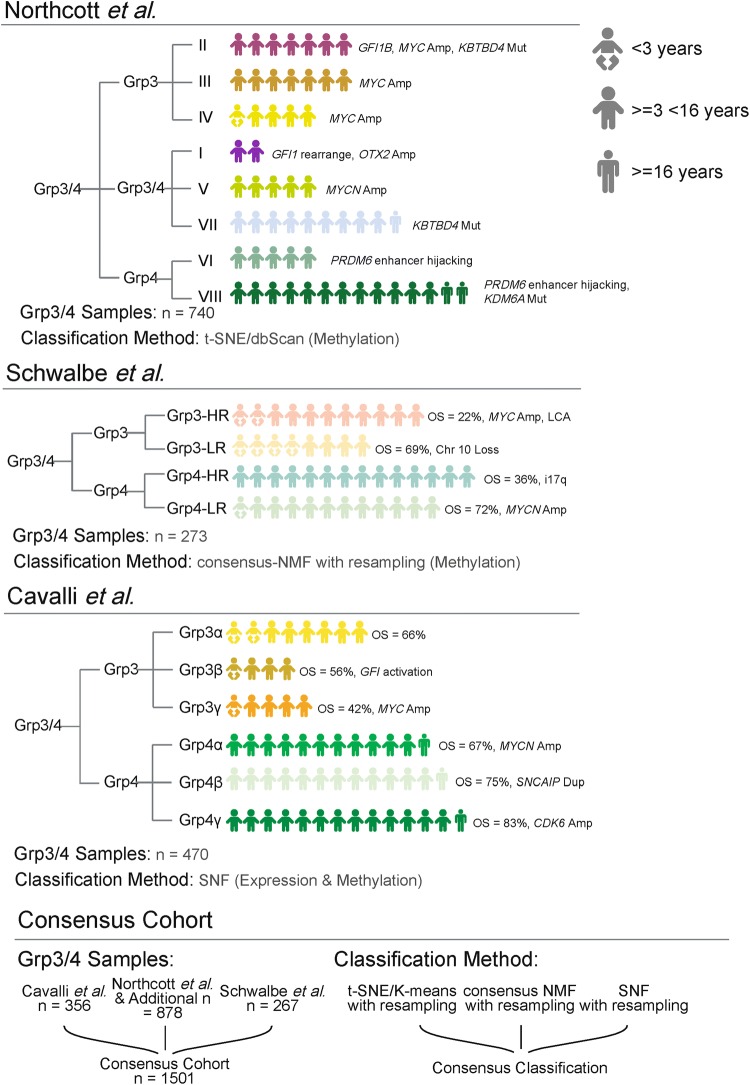
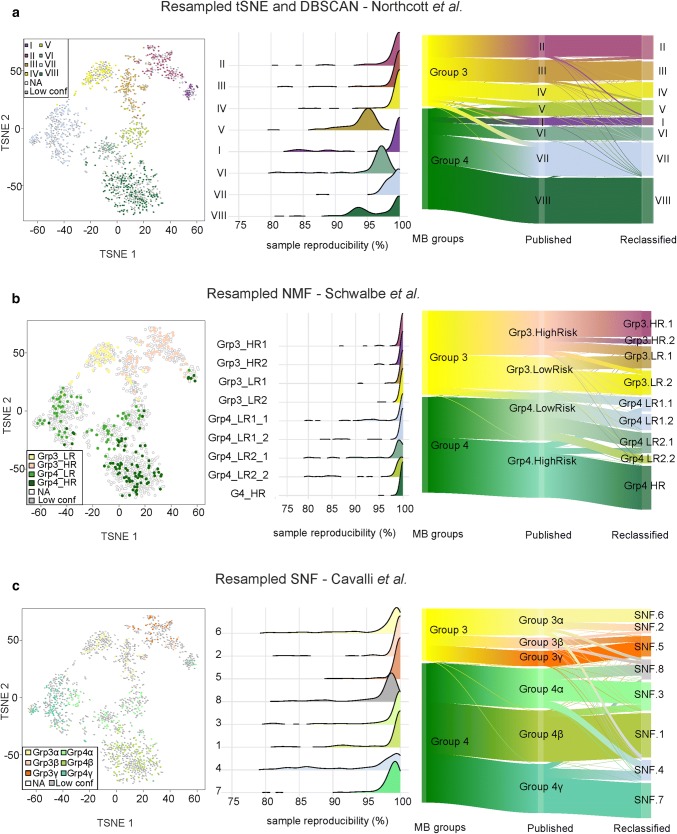
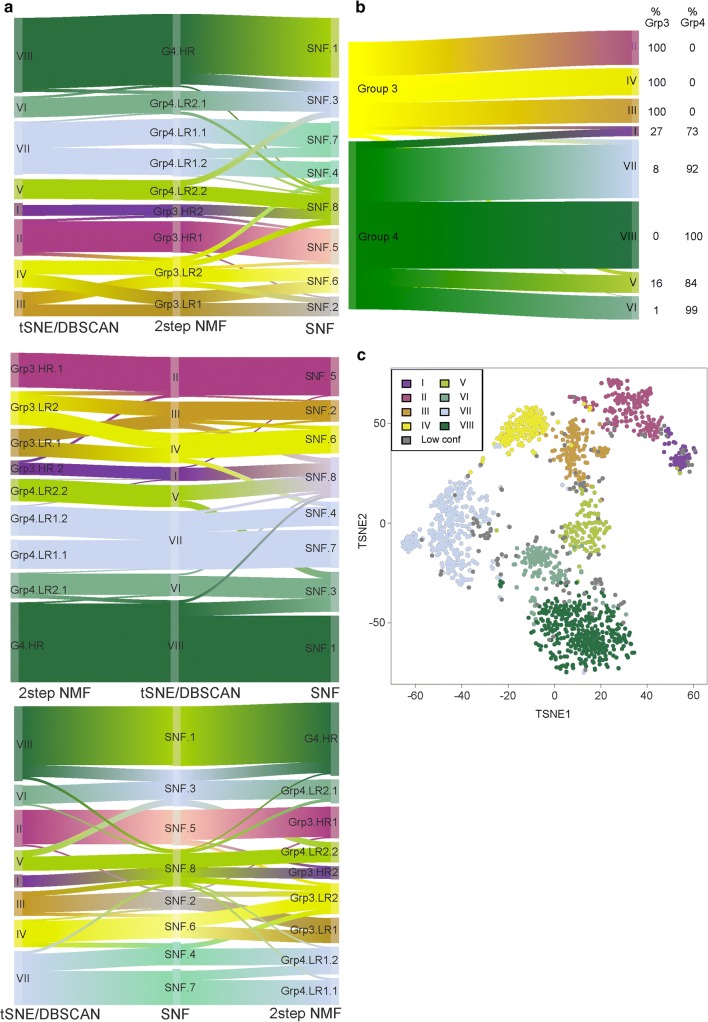
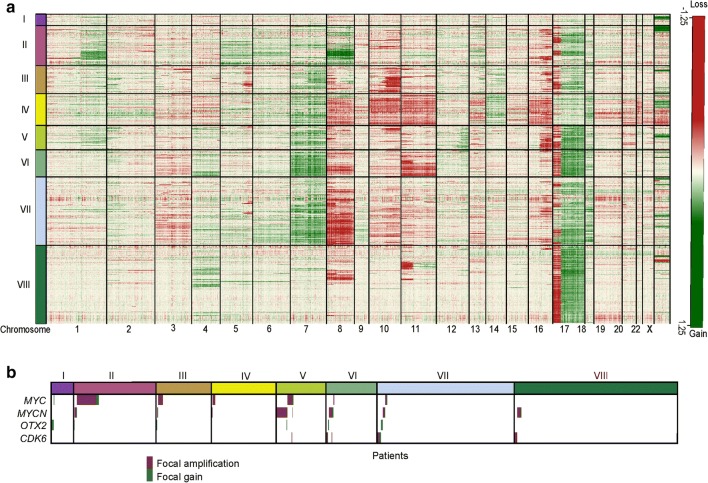
In 2012, an international consensus paper reported that medulloblastoma comprises four molecular subgroups (WNT, SHH, Group 3, and Group 4), each associated with distinct genomic features and clinical behavior. Independently, multiple recent reports have defined further intra-subgroup heterogeneity in the form of biologically and clinically relevant subtypes. However, owing to differences in patient cohorts and analytical methods, estimates of subtype number and definition have been inconsistent, especially within Group 3 and Group 4. Herein, we aimed to reconcile the definition of Group 3/Group 4 MB subtypes through the analysis of a series of 1501 medulloblastomas with DNA-methylation profiling data, including 852 with matched transcriptome data. Using multiple complementary bioinformatic approaches, we compared the concordance of subtype calls between published cohorts and analytical methods, including assessments of class-definition confidence and reproducibility. While the lowest complexity solutions continued to support the original consensus subgroups of Group 3 and Group 4, our analysis most strongly supported a definition comprising eight robust Group 3/Group 4 subtypes (types I-VIII). Subtype II was consistently identified across all component studies, while all others were supported by multiple class-definition methods. Regardless of analytical technique, increasing cohort size did not further increase the number of identified Group 3/Group 4 subtypes. Summarizing the molecular and clinico-pathological features of these eight subtypes indicated enrichment of specific driver gene alterations and cytogenetic events amongst subtypes, and identified highly disparate survival outcomes, further supporting their biological and clinical relevance. Collectively, this study provides continued support for consensus Groups 3 and 4 while enabling robust derivation of, and categorical accounting for, the extensive intertumoral heterogeneity within Groups 3 and 4, revealed by recent high-resolution subclassification approaches. Furthermore, these findings provide a basis for application of emerging methods (e.g., proteomics/single-cell approaches) which may additionally inform medulloblastoma subclassification. Outputs from this study will help shape definition of the next generation of medulloblastoma clinical protocols and facilitate the application of enhanced molecularly guided risk stratification to improve outcomes and quality of life for patients and their families.
Overview
The claims and statistics of this paper haven’t been checked yet.
Free: it reads the open-access text and checks the first 5 claims that cite a source we can check. Create a free account to check every claim.
Integrity signals
Registry
Cites
Statistics
Figures
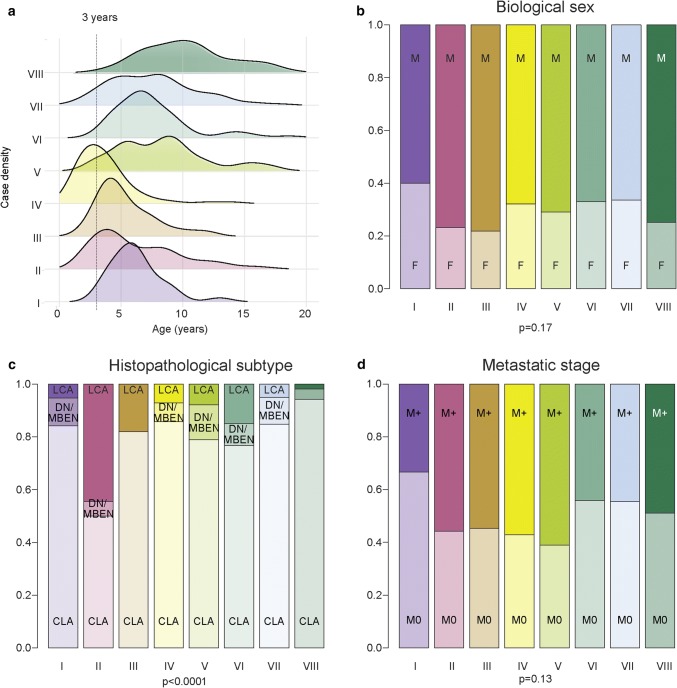
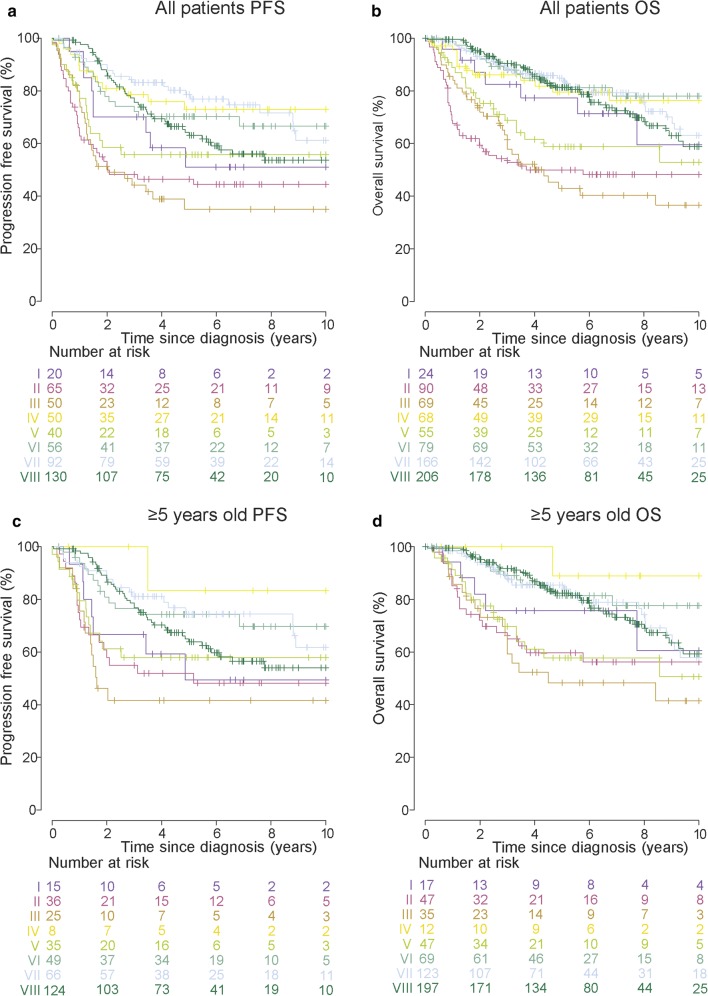
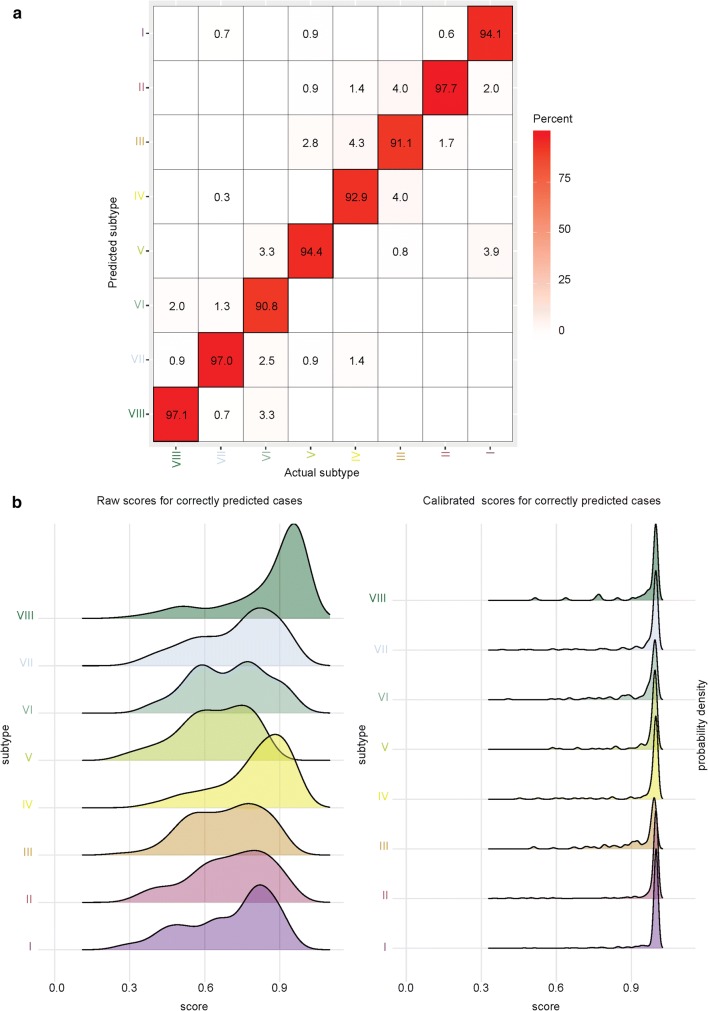
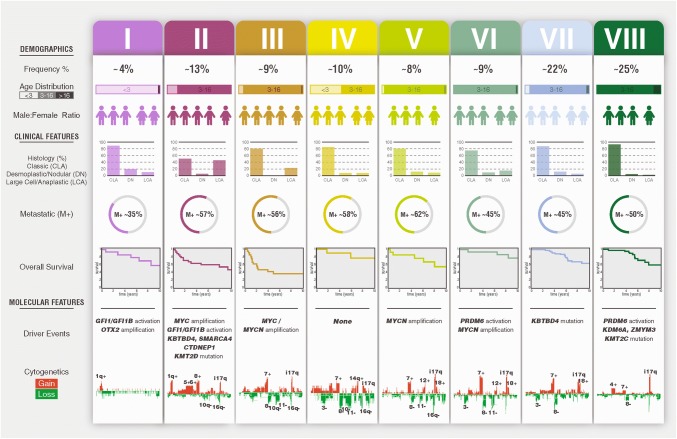
Verification
Claims the paper makes
The claims and statistics of this paper haven’t been checked yet.
Free: it reads the open-access text and checks the first 5 claims that cite a source we can check. Create a free account to check every claim.
Claims other papers make about this one
Each is checked against this paper’s own text: does it say what the citing paper says it does?
The cited source says what the claim attributes to it.
In the citing paper
“Identification of molecular subgroups and their corresponding scores among the G3/G4 group was based on the work of Sharma and colleagues (14).”
From The Medulloblastoma Meta-Analysis Portal Enables Integrative Exploration of Clinical and Genomic Data from Patients (2025) · cites this paper as [14]
Self-check
Percentages, sums and reported differences re-computed from the paper’s own numbers.
The self-check needs the paper’s full text.
Citations
Cites
The 2016 World Health Organization Classification of Tumors of the Central Nervous System: a summary
Louis, D. N., Perry, A., Reifenberger, G., von Deimling, A., Figarella-Branger, D., Cavenee, W. K., Ohgaki, H., Wiestler, O. D., Kleihues, P., & Ellison, D. W. (2016) · Acta Neuropathologica · doi:10.1007/s00401-016-1545-1 · Cited by 15,657
The 2007 WHO Classification of Tumours of the Central Nervous System
Louis, D. N., Ohgaki, H., Wiestler, O. D., Cavenee, W. K., Burger, P. C., Jouvet, A., Scheithauer, B. W., & Kleihues, P. (2007) · Acta Neuropathologica · doi:10.1007/s00401-007-0243-4 · Cited by 15,397
Erratum to: The 2007 WHO classification of tumours of the central nervous system
Louis, D. N., Ohgaki, H., Wiestler, O. D., Cavenee, W. K., Burger, P. C., Jouvet, A., Scheithauer, B. W., & Kleihues, P. (2007) · Zurich Open Repository and Archive (University of Zurich) · doi:10.5167/uzh-156115 · Cited by 4,442
DNA methylation-based classification of central nervous system tumours
Capper, D., Jones, D. T. W., Sill, M., Hovestadt, V., Schrimpf, D., Sturm, D., Koelsche, C., Sahm, F., Chavez, L., Reuss, D. E., et al. (2018) · Nature · doi:10.1038/nature26000 · Cited by 3,033
Self-citationMolecular subgroups of medulloblastoma: the current consensus
Taylor, M. D., Northcott, P. A., Korshunov, A., Remke, M., Cho, Y.-J., Clifford, S. C., Eberhart, C. G., Parsons, D. W., Rutkowski, S., Gajjar, A., et al. (2012) · Acta Neuropathologica · doi:10.1007/s00401-011-0922-z · Cited by 1,936
Self-citationVisvader, J. E. (2011) · Nature · doi:10.1038/nature09781 · Cited by 1,449
Intertumoral Heterogeneity within Medulloblastoma Subgroups
Cavalli, F. M. G., Remke, M., Rampasek, L., Peacock, J., Shih, D. J. H., Luu, B., Garzia, L., Torchia, J., Nor, C., Morrissy, A. S., et al. (2017) · Cancer Cell · doi:10.1016/j.ccell.2017.05.005 · Cited by 1,219
Self-citationThe whole-genome landscape of medulloblastoma subtypes
Northcott, P. A., Buchhalter, I., Morrissy, A. S., Hovestadt, V., Weischenfeldt, J., Ehrenberger, T., Gröbner, S., Segura-Wang, M., Zichner, T., Rudneva, V. A., et al. (2017) · Nature · doi:10.1038/nature22973 · Cited by 1,112
Self-citationKool, M., Korshunov, A., Remke, M., Jones, D. T. W., Schlanstein, M., Northcott, P. A., Cho, Y.-J., Koster, J., Schouten-van Meeteren, A., van Vuurden, D., et al. (2012) · Acta Neuropathologica · doi:10.1007/s00401-012-0958-8 · Cited by 1,056
Self-citationSubgroup-specific structural variation across 1,000 medulloblastoma genomes
Northcott, P. A., Shih, D. J. H., Peacock, J., Garzia, L., Sorana Morrissy, A., Zichner, T., Stütz, A. M., Korshunov, A., Reimand, J., Schumacher, S. E., et al. (2012) · Nature · doi:10.1038/nature11327 · Cited by 899
Self-citation
Cited by
The 2021 WHO classification of tumors of the central nervous system: a summary
Louis, D. N., Perry, A., Wesseling, P., Brat, D. J., Cree, I. A., Figarella-Branger, D., Hawkins, C., Ng, H. K., Pfister, S. M., Reifenberger, G., et al. (2021) · Neuro-Oncology · doi:10.1093/neuonc/noab106 · Cited by 12,273
Self-citationResolving medulloblastoma cellular architecture by single-cell genomics
Hovestadt, V., Smith, K. S., Bihannic, L., Filbin, M. G., Shaw, M. L., Baumgartner, A., DeWitt, J. C., Groves, A., Mayr, L., Weisman, H. R., et al. (2019) · Nature · doi:10.1038/s41586-019-1434-6 · Cited by 402
Self-citationHorbinski, C., Berger, T., Packer, R. J., & Wen, P. Y. (2022) · Nature Reviews Neurology · doi:10.1038/s41582-022-00679-w · Cited by 312
Medulloblastomics revisited: biological and clinical insights from thousands of patients
Hovestadt, V., Ayrault, O., Swartling, F. J., Robinson, G. W., Pfister, S. M., & Northcott, P. A. (2020) · Nature Reviews Cancer · doi:10.1038/s41568-019-0223-8 · Cited by 271
Self-citationGajjar, A., Robinson, G. W., Smith, K. S., Lin, T., Merchant, T. E., Chintagumpala, M., Mahajan, A., Su, J., Bouffet, E., Bartels, U., et al. (2021) · Journal of Clinical Oncology · doi:10.1200/jco.20.01372 · Cited by 241
Self-citationMolecular subgrouping of atypical teratoid/rhabdoid tumors—a reinvestigation and current consensus
Ho, B., Johann, P. D., Grabovska, Y., De Dieu Andrianteranagna, M. J., Yao, F., Frühwald, M., Hasselblatt, M., Bourdeaut, F., Williamson, D., Huang, A., et al. (2020) · Neuro-Oncology · doi:10.1093/neuonc/noz235 · Cited by 235
Self-citationGrabovska, Y., Mackay, A., O’Hare, P., Crosier, S., Finetti, M., Schwalbe, E. C., Pickles, J. C., Fairchild, A. R., Avery, A., Cockle, J., et al. (2020) · Nature Communications · doi:10.1038/s41467-020-18070-y · Cited by 213
Self-citationPfister, S. M., Reyes-Múgica, M., Chan, J. K. C., Hasle, H., Lazar, A. J., Rossi, S., Ferrari, A., Jarzembowski, J. A., Pritchard-Jones, K., Hill, D. A., et al. (2022) · Cancer Discovery · doi:10.1158/2159-8290.cd-21-1094 · Cited by 212
“…types such as WNT-driven medulloblastoma to prevent confusion with treating physicians and patients as explained above, and (iii) molecular subtypes were introduced for SHH medulloblastomas ( n = 4) and for non-WNT/non-SHH medulloblastomas ( n = 8) according to recent publications (129–132).”
BackgroundSelf-citationPathology, diagnostics, and classification of medulloblastoma
Orr, B. A. (2020) · Brain Pathology · doi:10.1111/bpa.12837 · Cited by 204
“A recent consensus study established eight subclasses for the G3 and G4 tumors, designated I-VIII (75).”
Unified rhombic lip origins of group 3 and group 4 medulloblastoma
Smith, K. S., Bihannic, L., Gudenas, B. L., Haldipur, P., Tao, R., Gao, Q., Li, Y., Aldinger, K. A., Iskusnykh, I. Y., Chizhikov, V. V., et al. (2022) · Nature · doi:10.1038/s41586-022-05208-9 · Cited by 188
Self-citationModeling medulloblastoma in vivo and with human cerebellar organoids
Ballabio, C., Anderle, M., Gianesello, M., Lago, C., Miele, E., Cardano, M., Aiello, G., Piazza, S., Caron, D., Gianno, F., et al. (2020) · Nature Communications · doi:10.1038/s41467-019-13989-3 · Cited by 175
“0 that takes into account the new consensus on the second-generation molecular sub-grouping of medulloblastoma 9 , GM samples were classi fi ed as Subtype II, high-risk G3 tumors, while OM samples as Subtype IV, standard-risk G3 tumors.”
Riemondy, K. A., Venkataraman, S., Willard, N., Nellan, A., Sanford, B. L., Griesinger, A. M., Amani, V. M., Mitra, S. S., Hankinson, T. C., Handler, M. H., et al. (2020) · Neuro-Oncology · doi:10.1093/neuonc/noab135 · Cited by 171
Self-citationRecent progress in the treatment of cancer in children
Butler, E. B., Ludwig, K. F., Pacenta, H. L., Klesse, L. J., Watt, T. C., & Laetsch, T. W. (2021) · CA A Cancer Journal for Clinicians · doi:10.3322/caac.21665 · Cited by 156
Maros, M. E., Capper, D., Jones, D., Hovestadt, V., von Deimling, A., Pfister, S. M., Benner, A., Zucknick, M., & Sill, M. (2020) · Nature Protocols · doi:10.1038/s41596-019-0251-6 · Cited by 146
Self-citationMajor Features of the 2021 WHO Classification of CNS Tumors
Smith, H. L., Wadhwani, N. R., & Horbinski, C. (2022) · Neurotherapeutics · doi:10.1007/s13311-022-01249-0 · Cited by 137
Franceschi, E., Höfer, S., Brandes, A. A., Frappaz, D., Kortmann, R., Bromberg, J. E. C., Dangouloff‐Ros, V., Boddaert, N., Hattingen, E., Wiestler, B., et al. (2019) · The Lancet Oncology · doi:10.1016/s1470-2045(19)30669-2 · Cited by 124
Self-citationHill, R. M., Richardson, S., Schwalbe, E. C., Hicks, D., Lindsey, J. C., Crosier, S., Rafiee, G., Grabovska, Y., Wharton, S. B., Jacques, T. S., et al. (2020) · The Lancet Child & Adolescent Health · doi:10.1016/s2352-4642(20)30246-7 · Cited by 122
Self-citationBrain tumour diagnostics using a DNA methylation‐based classifier as a diagnostic support tool
Priesterbach-Ackley, L. P., Boldt, H. B., Petersen, J. K., Bervoets, N., Scheie, D., Ulhøi, B. P., Gardberg, M., Brännström, T., TORP, S. H., Aronica, E., et al. (2020) · Neuropathology and Applied Neurobiology · doi:10.1111/nan.12610 · Cited by 121
La classification de l’OMS 2021 des tumeurs du système nerveux central
Figarella‐Branger, D., Appay, R., Métais, A., Tauziède‐Espariat, A., Colin, C., Rousseau, A., & Varlet, P. (2021) · Annales de Pathologie · doi:10.1016/j.annpat.2021.11.005 · Cited by 98
Advances in the molecular classification of pediatric brain tumors: a guide to the galaxy
Cacciotti, C., Fleming, A. J., & Ramaswamy, V. (2020) · The Journal of Pathology · doi:10.1002/path.5457 · Cited by 97
“Similar groups have been identified using DNA methylation, with a poor prognosis group enriched for MYC and rarely MYCN [83,95,96].”
BackgroundInfluentialSelf-citationMedulloblastoma: WHO 2021 and Beyond
Cotter, J. A., & Hawkins, C. E. (2022) · Pediatric and Developmental Pathology · doi:10.1177/10935266211018931 · Cited by 96
Clinical Outcomes and Patient-Matched Molecular Composition of Relapsed Medulloblastoma
Kumar, R., Smith, K. S., Deng, M. Y., Terhune, C., Robinson, G. W., Orr, B. A., Liu, A. P. Y., Lin, T., Billups, C. A., Chintagumpala, M., et al. (2021) · Journal of Clinical Oncology · doi:10.1200/jco.20.01359 · Cited by 92
Self-citationMedulloblastoma: Current Perspectives and Recent Advances
Choi, J. Y. (2023) · Brain Tumor Research and Treatment · doi:10.14791/btrt.2022.0046 · Cited by 89
“Each type has different driver events and cytogenetics and differs in terms of survival [22,27,28].”
BackgroundCell senescence in neuropathology: A focus on neurodegeneration and tumours
Carreno, G., Guiho, R., & Martinez‐Barbera, J. P. (2021) · Neuropathology and Applied Neurobiology · doi:10.1111/nan.12689 · Cited by 74
Williamson, D., Schwalbe, E. C., Hicks, D., Aldinger, K. A., Lindsey, J. C., Crosier, S., Richardson, S., Goddard, J., Hill, R. M., Castle, J., et al. (2022) · Cell Reports · doi:10.1016/j.celrep.2022.111162 · Cited by 87
“Here, we show that, in regard to their transcriptomes, the primary intertumoral variation in MBGrp3/MBGrp4 patients is continuous, in contrast to the discrete nature of the methylation MBGrp3/MBGrp4 subtypes (I–VIII) (Cavalli et al., 2017; Northcott et al., 2017; Schwalbe et al., 2013; Sharma et al., 2019).”
BackgroundMethodInfluentialSelf-citationDNA methylation profiling as a model for discovery and precision diagnostics in neuro-oncology
Pratt, D. W., Sahm, F., & Aldape, K. (2021) · Neuro-Oncology · doi:10.1093/neuonc/noab143 · Cited by 87
Medulloblastoma genomics in the modern molecular era
Kumar, R., Liu, A. P. Y., & Northcott, P. A. (2019) · Brain Pathology · doi:10.1111/bpa.12804 · Cited by 85
“recently performed a meta-analysis based on the aforementioned studies to summarize the second-generation subtypeing of Group 3/4 MBs and developed a random forest classifier for eight molecular subtypes of Group 3/4 MBs based on DNA methylation array (99) (Figure 5).”
MethodSelf-citationAdvancing CNS tumor diagnostics with expanded DNA methylation-based classification
Sill, M., Schrimpf, D., Patel, A., Sturm, D., Jäger, N., Sievers, P., Schweizer, L., Banan, R., Reuss, D., Suwala, A. K., et al. (2025) · Cancer Cell · doi:10.1016/j.ccell.2025.11.002 · Cited by 83
Self-citationAldape, K., Capper, D., von Deimling, A., Giannini, C., Gilbert, M. R., Hawkins, C. E., Hench, J., Jacques, T. S., Jones, D., Louis, D. N., et al. (2024) · Neuro-Oncology Advances · doi:10.1093/noajnl/vdae228 · Cited by 82
Self-citationSubgroup and subtype-specific outcomes in adult medulloblastoma
Coltin, H., Sundaresan, L., Smith, K. S., Skowron, P., Massimi, L., Eberhart, C. G., Schreck, K. C., Gupta, N. M., Weiss, W. A., Tirapelli, D. P. D. C., et al. (2021) · Acta Neuropathologica · doi:10.1007/s00401-021-02358-4 · Cited by 79
Self-citationPatient-derived orthotopic xenografts of pediatric brain tumors: a St. Jude resource
Smith, K. S., Xu, K., Mercer, K., Boop, F. A., Klimo, P., DeCupyere, M., Grenet, J. A., Robinson, S., Dunphy, P. S., Baker, S. J., et al. (2020) · Acta Neuropathologica · doi:10.1007/s00401-020-02171-5 · Cited by 77
Self-citationLiu, A. P. Y., Gudenas, B. L., Lin, T., Orr, B. A., Klimo, P. D., Kumar, R., Bouffet, É., Gururangan, S., Crawford, J. R., Kellie, S. J., et al. (2019) · Acta Neuropathologica · doi:10.1007/s00401-019-02106-9 · Cited by 68
Self-citationFunctional Precision Medicine Identifies New Therapeutic Candidates for Medulloblastoma
Rusert, J. M., Juarez, E. F., Brabetz, S., Jensen, J., Garancher, A., Chau, L. Q., Tacheva-Grigorova, S. K., Wahab, S., Udaka, Y. T., Finlay, D., et al. (2020) · Cancer Research · doi:10.1158/0008-5472.can-20-1655 · Cited by 67
Self-citationChildhood Malignant Brain Tumors: Balancing the Bench and Bedside
Thorbinson, C., & Kilday, J. (2021) · Cancers · doi:10.3390/cancers13236099 · Cited by 69
“Group 3 and 4 MBs also demonstrate variable outcomes, influenced by inherent molecular heterogeneity spanning both groups [14].”
BackgroundResultInfluentialSheikholeslami, K., Ali Sher, A., Lockman, S., Kroft, D., Ganjibakhsh, M., Nejati-Koshki, K., Shojaei, S., Ghavami, S., & Rastegar, M. (2019) · Cancers · doi:10.3390/cancers11070994 · Cited by 65
“There are four medulloblastoma subgroups, which have distinguishing features, and include: Wingless-INT (WNT), Sonic Hedgehog (SHH), subgroup 3, and subgroup 4 [5].”
BackgroundLazow, M., Palmer, J. D., Fouladi, M., & Salloum, R. (2022) · Neurotherapeutics · doi:10.1007/s13311-022-01273-0 · Cited by 66
“1 3 Finally, despite an improved understanding of biologically distinct subtypes within group 3 (as well as group 4) medulloblastoma defined by methylomic and transcriptomic profiles [43, 45], translation of findings into subtype-specific clinical treatment has lagged; future efforts should therefore seek to identify…”
BackgroundEmergence and maintenance of actionable genetic drivers at medulloblastoma relapse
Richardson, S., Hill, R. M., Kui, C., Lindsey, J. C., Grabovksa, Y., Keeling, C., Pease, L. I., Bashton, M., Crosier, S., Vinci, M., et al. (2021) · Neuro-Oncology · doi:10.1093/neuonc/noab178 · Cited by 64
Self-citationRecent Advances in Pediatric Medulloblastoma
Jackson, K., & Packer, R. J. (2023) · Current Neurology and Neuroscience Reports · doi:10.1007/s11910-023-01316-9 · Cited by 63
“They are the most common malignant brain tumors in children with a median presenting age of 7 years and a male predominance [1].”
BackgroundThe molecular biology of medulloblastoma metastasis
Ommeren, R. V., Garzia, L., Holgado, B., Ramaswamy, V., & Taylor, M. D. (2020) · Brain Pathology · doi:10.1111/bpa.12811 · Cited by 62
Self-citationPeyrl, A., Chocholous, M., Sabel, M., Lassaletta, Á., Štěrba, J., Leblond, P., Nysom, K., Torsvik, I. K., Chi, S. N., Perwein, T., et al. (2023) · JAMA Oncology · doi:10.1001/jamaoncol.2023.4437 · Cited by 60
Self-citationMapping pediatric brain tumors to their origins in the developing cerebellum
Okonechnikov, K., Joshi, P. K., Sepp, M., Leiss, K., Sarropoulos, I., Murat, F., Sill, M., Beck, P., Chan, K. C.-H., Korshunov, A., et al. (2023) · Neuro-Oncology · doi:10.1093/neuonc/noad124 · Cited by 59
Self-citationClinical Trials in High-Risk Medulloblastoma: Evolution of the SIOP-Europe HR-MB Trial
Bailey, S., André, N., Gandola, L., Massimino, M., Wheatley, K., Gates, S., Homer, V., Rutkowski, S., & Clifford, S. C. (2022) · Cancers · doi:10.3390/cancers14020374 · Cited by 56
“The current international consensus recognises four subgroups—WNT, SHH, Group 3 and Group 4 [29] and further subtypes within these subgroups were recently described [3,5,30,31].”
BackgroundSelf-citationAdvanced Neuroimaging Approaches to Pediatric Brain Tumors
Nikam, R. M., Yue, X., Kaur, G., Kandula, V. V. R., Khair, A. M., Kecskemethy, H. H., Averill, L. W., & Langhans, S. A. (2022) · Cancers · doi:10.3390/cancers14143401 · Cited by 56
“Following the lead of the WNT and SHH subgroups in molecular and biological stratification, an international metaanalysis study has recently suggested that Group 3/4 may be further divided into eight subtypes (types 1–8) based on transcriptomes, DNA methylation profiling, and clinicopathological features [16,28].”
BackgroundInvited Review: DNA methylation‐based classification of paediatric brain tumours
Pérez, E., & Capper, D. (2020) · Neuropathology and Applied Neurobiology · doi:10.1111/nan.12598 · Cited by 53
Molecular Stratification of Medulloblastoma: Clinical Outcomes and Therapeutic Interventions
Sursal, T., Ronecker, J. S., Dicpinigaitis, A. J., MOHAN, A. L., Tobias, M. E., Gandhi, C. D., & Jhanwar‐Uniyal, M. (2022) · Anticancer Research · doi:10.21873/anticanres.15703 · Cited by 52
The long noncoding RNA lnc-HLX-2-7 is oncogenic in Group 3 medulloblastomas
Katsushima, K., Lee, B., Kunhiraman, H., Zhong, C., Murad, R., Yin, J., Liu, B., Garancher, A., González-Gómez, I., Monforte, H. L., et al. (2020) · Neuro-Oncology · doi:10.1093/neuonc/noaa235 · Cited by 50
Keck, M., Sill, M., Wittmann, A., Joshi, P. K., Stichel, D., Beck, P., Okonechnikov, K., Sievers, P., Wefers, A. K., Roncaroli, F., et al. (2022) · Acta Neuropathologica · doi:10.1007/s00401-022-02516-2 · Cited by 48
“Molecular analyses classify ependymomas, for example, into at least ten subgroups despite shared histological features, and revealed that medulloblastomas comprise multiple distinct molecular groups and subgroups [11, 33, 52].”
Self-citationNazio, F., Pò, A., Abballe, L., Ballabio, C., Diomedi‐Camassei, F., Bordi, M., Camera, A., Caruso, S., Caruana, I., Pezzullo, M., et al. (2021) · Acta Neuropathologica · doi:10.1007/s00401-021-02347-7 · Cited by 48
“More recently, using multiple complementary bioinformatic approaches, a study refined Group 3/4 classification, identifying eight subtypes (I–VIII), and describing a more complex intratumoral heterogeneity within Group 3 and 4 [39, 84].”
MethodSchepke, E., Löfgren, M., Pietsch, T., Bontell, T. O., Kling, T., Wenger, A., Vega, S. F., Danielsson, A., Dósa, S., Holm, S., et al. (2022) · Neuropathology and Applied Neurobiology · doi:10.1111/nan.12838 · Cited by 46
“DNA methylation profiling is recognised as an important tool to stratify paediatric brain tumour patients into clinically relevant subgroups [ 12 – 15] and to better predict prognosis and response to treatment [ 16, 17].”
MethodSelf-citationNeurotrophin Signaling in Medulloblastoma
Thomaz, A., Jaeger, M. D. C., Brunetto, A. L., Brunetto, A. T., Gregianin, L. J., de Farias, C. B., Ramaswamy, V., Nör, C., Taylor, M. D., & Roesler, R. (2020) · Cancers · doi:10.3390/cancers12092542 · Cited by 46
“Both SHH subtypes are more prevalent in infants, and SHHβ tumors are frequently metastatic and have a worse overall survival compared with SHHγ [7,18].”
BackgroundInfluentialSelf-citationHussain, I., Qureshi, M., Ismail, M., Iftikhar, H., Żywiołek, J., & López‐Gonzales, J. L. (2024) · Heliyon · doi:10.1016/j.heliyon.2024.e37241 · Cited by 44
“The most important component of microarray technology is hybridization [32].”
BackgroundHorbinski, C., Solomon, D. A., Lukas, R. V., Packer, R. J., Brastianos, P. K., Wen, P. Y., Snuderl, M., Berger, M. S., Chang, S. M., Fouladi, M., et al. (2024) · JAMA Oncology · doi:10.1001/jamaoncol.2024.5506 · Cited by 44
Isocitrate dehydrogenase 1 primes group-3 medulloblastomas for cuproptosis
Dang, D., Deogharkar, A., McKolay, J., Smith, K. S., Panwalkar, P., HOFFMAN, S. S., Tian, W., Ji, S., Azambujá, A. P., Natarajan, S. K., et al. (2025) · Cancer Cell · doi:10.1016/j.ccell.2025.04.013 · Cited by 44
Self-citationPosterior fossa tumors in children: current insights
Formentin, C., Joaquim, A. F., & Ghizoni, E. (2023) · European Journal of Pediatrics · doi:10.1007/s00431-023-05189-5 · Cited by 42
“In the latest WHO classification [34–37].”
Schwalbe, E. C., Lindsey, J. C., Danilenko, M., Hill, R. M., Crosier, S., Ryan, S. L., Williamson, D., Castle, J., Hicks, D., Kool, M., et al. (2024) · Neuro-Oncology · doi:10.1093/neuonc/noae178 · Cited by 41
“20,23,35,36 Gene fusions were detected from RNA-seq data as previously described.”
Self-citationBailey, S., Jacobs, S. A., Kourti, M., Massimino, M., André, N., Doz, F., Dufour, C., Vennarini, S., Padovani, L., Aquilina, K., et al. (2024) · EJC Paediatric Oncology · doi:10.1016/j.ejcped.2024.100205 · Cited by 40
Self-citationMethylation‐based algorithms for diagnosis: experience from neuro‐oncology
Pickles, J. C., Stone, T. J., & Jacques, T. S. (2020) · The Journal of Pathology · doi:10.1002/path.5397 · Cited by 38
“much greater molecular granularity across Groups 3 and 4 [20,23–25] and a consensus of eight separate groups has been reached, associated with different clinical outcomes [20] (Figure 1A).”
BackgroundInfluentialDNA methylation-based age estimation in pediatric healthy tissues and brain tumors
Kling, T., Wenger, A., & Carén, H. (2020) · Aging · doi:10.18632/aging.202145 · Cited by 35
Typical Pediatric Brain Tumors Occurring in Adults—Differences in Management and Outcome
Greuter, L., Guzman, R. G., & Soleman, J. (2021) · Biomedicines · doi:10.3390/biomedicines9040356 · Cited by 34
“Recently, new subclassifications for Group 3 and Group 4 medulloblastomas were added based on DNA methylation profiling [19].”
BackgroundRelapsed Medulloblastoma in Pre-Irradiated Patients: Current Practice for Diagnostics and Treatment
Hill, R. M., Plasschaert, S. L. A., Timmermann, B., Dufour, C., Aquilina, K., Avula, S., Donovan, L., Lequin, M. H., Pietsch, T., Thomale, U. W., et al. (2021) · Cancers · doi:10.3390/cancers14010126 · Cited by 33
“Many of these second-generation subgroups have clinical utility at diagnosis; for example, subgroup 2 and 3 of MBGroup3/4 are associated with MYC amplification and demonstrate a particularly poor prognosis [10].”
BackgroundSelf-citationRare Primary Central Nervous System Tumors in Adults: An Overview
Franceschi, E., Frappaz, D., Rudà, R., Hau, P., Preusser, M., Houillier, C., Lombardi, G., Asioli, S., Dehais, C., Bielle, F., et al. (2020) · Frontiers in Oncology · doi:10.3389/fonc.2020.00996 · Cited by 33
Childhood Medulloblastoma: An Overview
Suk, Y., Gwynne, W. D., Burns, I., Venugopal, C., & Singh, S. K. (2022) · Methods in molecular biology · doi:10.1007/978-1-0716-1952-0_1 · Cited by 32
Translational genomics of malignant rhabdoid tumours: Current impact and future possibilities
Finetti, M. A., Grabovska, Y., Bailey, S., & Williamson, D. (2020) · Seminars in Cancer Biology · doi:10.1016/j.semcancer.2019.12.017 · Cited by 32
Self-citationJackson, H. K., Mitoko, C. A., Linke, F., Macarthur, D., Kerr, I. D., & Coyle, B. (2023) · Cancers · doi:10.3390/cancers15092601 · Cited by 31
“The underlying biology of group three and group four patients remains less clear, and a substantial number of these patients relapse and are associated with high levels of metastasis [22,23].”
BackgroundHigh-Dose Chemotherapy in Children with Newly Diagnosed Medulloblastoma
Lafay‐Cousin, L., & Dufour, C. (2022) · Cancers · doi:10.3390/cancers14030837 · Cited by 30
“However, due to differences in patients cohorts and analytical methods used to subtype MB, there is still significant difficulty in separating group 3 and group 4 MB from each other routinely [32].”
BackgroundLuo, Z., Liao, Y., Xin, D., Berry, K., Ogurek, S., Dong, X., Li, H., Yu, J., Zhang, F., Han, R., et al. (2023) · Nature Communications · doi:10.1038/s41467-023-36400-8 · Cited by 30
Self-citationOncogene aberrations drive medulloblastoma progression, not initiation
Okonechnikov, K., Joshi, P. K., Körber, V., Rademacher, A., Bortolomeazzi, M., Mallm, J., Vaillant, J., da Silva, P. B. G., Statz, B., Sepp, M., et al. (2025) · Nature · doi:10.1038/s41586-025-08973-5 · Cited by 30
“3i), whereas expressed genes in non-MYC subclones demonstrated enrichment in unipolar brush cell-related genes ( P < 1.54 × 10 −11 ; Supplementary Table 2).”
InfluentialSelf-citationBiological Role of MYCN in Medulloblastoma: Novel Therapeutic Opportunities and Challenges Ahead
Shrestha, S., Morcavallo, A., Gorrini, C., & Chesler, L. (2021) · Frontiers in Oncology · doi:10.3389/fonc.2021.694320 · Cited by 29
Adult Medulloblastoma: Updates on Current Management and Future Perspectives
Franceschi, E., Giannini, C., Furtner, J., Pajtler, K. W., Asioli, S., Guzman, R. G., Seidel, C., Gatto, L., & Hau, P. (2022) · Cancers · doi:10.3390/cancers14153708 · Cited by 29
“[57] found eight robust subgroups within MB group 3/4.”
BackgroundHicks, D., Rafiee, G., Schwalbe, E. C., Howell, C. I., Lindsey, J. C., Hill, R. M., Smith, A. J., Adidharma, P., Steel, C., Richardson, S., et al. (2020) · Neuropathology and Applied Neurobiology · doi:10.1111/nan.12656 · Cited by 28
Self-citationBomken, S. N., Enshaei, A., Schwalbe, E. C., Mikulášová, A., Dai, Y. E., Zaka, M., Fung, K. T. M., Bashton, M., Lim, H., Jones, L., et al. (2022) · Haematologica · doi:10.3324/haematol.2021.280557 · Cited by 28
“Within the small subcohort suitable for analysis, we did not identify a survival difference between children treated on an ALL trial versus those taken off an ALL trial with 3year EFS being 47% (21-69) versus 67% (37-85) (P= 0.”
Self-citationMethylation Profiling in Diffuse Gliomas: Diagnostic Value and Considerations
Wenger, A., & Carén, H. (2022) · Cancers · doi:10.3390/cancers14225679 · Cited by 28
Godbole, S., Voß, H., Gocke, A., Schlumbohm, S., Schumann, Y., Peng, B., Mynarek, M., Rutkowski, S., Dottermusch, M., Dorostkar, M. M., et al. (2024) · Nature Communications · doi:10.1038/s41467-024-50554-z · Cited by 28
Self-citationRisk Factors for Survival in Patients With Medulloblastoma: A Systematic Review and Meta-Analysis
Liu, Y., Xiao, B., Li, S., & Liu, J. (2022) · Frontiers in Oncology · doi:10.3389/fonc.2022.827054 · Cited by 28
Mynarek, M., Obrecht, D., Sill, M., Sturm, D., Kloth‐Stachnau, K., Selt, F., Ecker, J., von Hoff, K., Juhnke, B.-O., Goschzik, T., et al. (2022) · Acta Neuropathologica · doi:10.1007/s00401-022-02522-4 · Cited by 27
Self-citationGoddard, J., Castle, J., Southworth, E., Fletcher, A., Crosier, S., Martín‐Guerrero, I., García-Ariza, M., Navajas, A., Masliah‐Planchon, J., Bourdeaut, F., et al. (2023) · Acta Neuropathologica · doi:10.1007/s00401-023-02566-0 · Cited by 27
Self-citationBrain Tumor Classification by Methylation Profile
Park, J. W., Lee, K., Kim, E. E., Kim, S., & Park, S. (2023) · Journal of Korean Medical Science · doi:10.3346/jkms.2023.38.e356 · Cited by 27
Keeling, C., Davies, S., Goddard, J., Ramaswamy, V., Schwalbe, E. C., Bailey, S., Hicks, D., & Clifford, S. C. (2024) · EClinicalMedicine · doi:10.1016/j.eclinm.2024.102469 · Cited by 26
Self-citationA Regulatory Loop of FBXW7-MYC-PLK1 Controls Tumorigenesis of MYC-Driven Medulloblastoma
Wang, D., Pierce, A. M., Veo, B. L., Fosmire, S. P., Danis, E. P., Donson, A. M., Venkataraman, S., & Vibhakar, R. (2021) · Cancers · doi:10.3390/cancers13030387 · Cited by 25
“By current international consensus, there are four main sub-groups of MB: WNT, SHH, group 3, and group 4 with multiple subtypes [5,6].”
BackgroundLalchungnunga, H., Hao, W., Maris, J. M., Asgharzadeh, S., Henrich, K., Westermann, F., Tweddle, D. A., Schwalbe, E. C., & Strathdee, G. R. (2022) · British Journal of Cancer · doi:10.1038/s41416-022-01988-z · Cited by 25
Self-citationVo, T., Balderson, B., Jones, K., Ni, G., Crawford, J., Millar, A., Tolson, E., Singleton, M., Mulay, O., Walters, S. B., et al. (2023) · Genome Medicine · doi:10.1186/s13073-023-01185-4 · Cited by 25
Embryonal Tumors of the Central Nervous System
Blessing, M. M., & Alexandrescu, S. (2020) · Surgical pathology clinics · doi:10.1016/j.path.2020.01.003 · Cited by 25
Linke, F., Aldighieri, M., Lourdusamy, A., Grabowska, A. M., Stolnik, S., Kerr, I. D., Merry, C. L. R., & Coyle, B. (2020) · The Journal of Pathology · doi:10.1002/path.5591 · Cited by 25
“During the past decade, theseMB subgroups have been defined based on gene expression, and further refined with the help of additional DNA methylation data, resulting in four major MB subgroups with additional subtypes [1,2,5,6].”
BackgroundPartap, S., & Monje, M. (2020) · CONTINUUM Lifelong Learning in Neurology · doi:10.1212/con.0000000000000955 · Cited by 26
Modeling Human Brain Tumors and the Microenvironment Using Induced Pluripotent Stem Cells
Khamis, Z. I., Sarker, D. B., Xue, Y., Al-Akkary, N., James, V. D., Zeng, C., Li, Y., & Sang, Q. A. (2023) · Cancers · doi:10.3390/cancers15041253 · Cited by 24
Rossi, M., Talbot, J., Piris, P., Grand, M. L., Montero, M.-P., Matteudi, M., Agavnian, E., Appay, R., Keime, C., Williamson, D., et al. (2022) · EBioMedicine · doi:10.1016/j.ebiom.2022.104149 · Cited by 23
Self-citationda Silva, L. S., Mançano, B. M., de Paula, F. E., dos Reis, M. B., de Almeida, G. C., Matsushita, M., Carlos, A., Evangelista, A. F., Saggioro, F. P., Serafini, L. N., et al. (2020) · Journal of Molecular Diagnostics · doi:10.1016/j.jmoldx.2020.04.207 · Cited by 22
Self-citationPathology of the Tumors of the Central Nervous System
Bumci, R., Parthymos, I., Zamboglou, C., & GOUSSIA, A. C. (2023) · Springer eBooks · doi:10.1007/978-3-031-33517-4_6 · Cited by 22
Wagner, M. W., Maralani, P. J., Bennett, J., Nobre, L. F., Lim-Fat, M. J., Dirks, P. B., Laughlin, S., Tabori, U. Y., Ramaswamy, V., Hawkins, C. E., et al. (2024) · Radiology · doi:10.1148/radiol.230777 · Cited by 21
“Group 3 and group 4 tumors comprise multiple molecular subgroups that are identified by DNA methylation profiling (6,16,80,81).”
Self-citationLopez‐Nunez, O. F., Alaggio, R., John, I., Ciolfi, A., Pedace, L., Mastronuzzi, A., Gianno, F., Giangaspero, F., Rossi, S., Donofrio, V., et al. (2021) · Cancers · doi:10.3390/cancers13040706 · Cited by 21
“0”, which takes into account the new consensus on the second-generation molecular subgrouping of medulloblastoma [16], the PAT was classified as subtype III (calibrated score 0.”
BackgroundARID4B Knockdown Suppresses PI3K/AKT Signaling and Induces Apoptosis in Human Glioma Cells
Luo, S.-M., Tsai, W., Tsai, C., Chen, Y., & Hueng, D. (2021) · OncoTargets and Therapy · doi:10.2147/ott.s286837 · Cited by 21
“included the different cohorts and different analytical methods.(10) Therefore, further enroll large cohort human glio-”
MethodGhasemi, D. R., Okonechnikov, K., Rademacher, A., Tirier, S. M., Maaß, K. K., Schumacher, H., Joshi, P. K., Gold, M. P., Sundheimer, J. K., Statz, B., et al. (2024) · Nature Communications · doi:10.1038/s41467-023-44117-x · Cited by 21
“5a, Supplementary Data 6).”
InfluentialSelf-citationMolecular tumor classification using DNA methylome analysis
Sill, M., Plass, C., Pfister, S. M., & Lipka, D. B. (2020) · Human Molecular Genetics · doi:10.1093/hmg/ddaa147 · Cited by 20
Self-citationTauziède‐Espariat, A., Huybrechts, S., Indersie, É., Dufour, C., Puget, S., Chivet, A., Roux, A., Pagès, M., Gareton, A., Chrétien, F., et al. (2020) · The American Journal of Surgical Pathology · doi:10.1097/pas.0000000000001640 · Cited by 20
Inter and intra-tumoral heterogeneity as a platform for personalized therapies in medulloblastoma
Danilenko, M., Clifford, S. C., & Schwalbe, E. C. (2021) · Pharmacology & Therapeutics · doi:10.1016/j.pharmthera.2021.107828 · Cited by 20
Self-citationOkonechnikov, K., Federico, A., Schrimpf, D., Sievers, P., Sahm, F., Köster, J., Jones, D., von Deimling, A., Pfister, S. M., Kool, M., et al. (2023) · Acta Neuropathologica Communications · doi:10.1186/s40478-023-01504-1 · Cited by 20
“In 2021, in the 5th WHO edition of the classification of CNS tumors, a refined molecular classification has been adopted; this update includes a split of SHH-MB into four subgroups [7] and Group 3/4 MB (also termed as non-SHH/nonWNT) into eight subgroups, each with distinct genetic and clinical characteristics [23].”
BackgroundSelf-citationMeredith, D. M., & Alexandrescu, S. (2022) · Brain Pathology · doi:10.1111/bpa.13059 · Cited by 19
“One recent study showed the existence of 8 distinct subgroups with prognostic significance in the nonWNT/non- SHH group, illustrating the modality's unique ability to resolve otherwise indistinguishable or subtle genomic differences [1, 10].”
BackgroundPitolli, C., Marini, A., Guerra, M., Pieraccioli, M., Marabitti, V., Palluzzi, F., Giacò, L., Tamburrini, G., Cecconi, F., Nazio, F., et al. (2023) · Journal of Experimental & Clinical Cancer Research · doi:10.1186/s13046-023-02790-2 · Cited by 20
“We also analyzed the Pfister’s dataset [40, 41], in which the non-WNT/non-SHH MB patients ( n = 167) were classi - fied in eight different subtypes (I to VIII) according to the WHO 2021 Classification of Brain Tumours [42].”
MethodRahmani, E. S., Lawarde, A., Lingasamy, P., Moreno, S. V., Salumets, A., & Modhukur, V. (2023) · Frontiers in Genetics · doi:10.3389/fgene.2023.1233657 · Cited by 19
Ronsley, R. J., Bertrand, K. C., Song, E. Z., Timpanaro, A., Choe, M., Tlais, D., Vitanza, N. A., & Park, J. R. (2024) · Cancer and Metastasis Reviews · doi:10.1007/s10555-024-10208-4 · Cited by 19
Metadata
- Authors
- Sharma, T., Schwalbe, E. C., Williamson, D., Sill, M., Hovestadt, V., Mynarek, M., Rutkowski, S., Robinson, G. W., Gajjar, A., Cavalli, F., Ramaswamy, V., Taylor, M. D., Lindsey, J. C., Hill, R. M., Jäger, N., Korshunov, A., Hicks, D., Bailey, S., Kool, M., Chavez, L., Northcott, P. A., Pfister, S. M., & Clifford, S. C.
- Affiliations
- German Cancer Research Center (DE)
- Newcastle University (GB)
- Broad Institute (US)
- University Medical Center Hamburg-Eppendorf (DE)
- St. Jude Children's Research Hospital (US)
- Hospital for Sick Children (CA)
- University of Toronto (CA)
- Corresponding author
- Pfister, Stefan M.
- Clifford, Steven C.
- ORCID
- Sharma, Tanvi
- Williamson, Daniel
- Sill, Martin
- Hovestadt, Volker
- Mynarek, Martin
- Rutkowski, Stefan
- Robinson, Giles W.
- Gajjar, Amar
- Cavalli, Florence
- Ramaswamy, Vijay
- Taylor, Michael D.
- Lindsey, Janet C.
- Hill, Rebecca M.
- Jäger, Natalie
- Korshunov, Andrey
- Hicks, Debbie
- Bailey, Simon
- Kool, Marcel
- Northcott, Paul A.
- Pfister, Stefan M.
- Clifford, Steven C.
- Venue
- Acta Neuropathologica
- Published
- 2019-05-10
- Volume
- 138
- Issue
- 2
- Pages
- 309-326
- ISSN
- 0001-6322 (ISSN-L)
- 1432-0533
- PMC
- PMC6660496
- OpenAlex
- W2944076627
- Cited by
- 310
- References
- 33
- Citations by year
- 2026: 33 · 2025: 43 · 2024: 46 · 2023: 52 · 2022: 47 · 2021: 38 · 2020: 38 · 2019: 10
- FWCI
- 4.04
- Type
- journal article
- Language
- en
- Open access
- hybrid
- doi.org
- Licence
- cc-by
- creativecommons.org/licenses/by/4.0 (tdm)
- Locations
- Acta Neuropathologica (publishedVersion, cc-by)
- Europe PMC (PubMed Central) (publishedVersion, cc-by)
- PubMed Central (publishedVersion, cc-by)
- PubMed (publishedVersion)
- Northumbria Research Link (Northumbria University) (submittedVersion, cc-by)
- Newcastle University ePrints (Newcastle Univesity) (cc-by)
- Funders
- Deutsche Krebshilfe (109252)
- Bundesministerium für Bildung und Forschung (01KU1201A, 1KU1505A)
- Cancer Research UK (C8464/A13457, C8464/A23391)
- INSTINCT network
- Topics
- Health Sciences › Medicine › Oncology › Glioma Diagnosis and Treatment
- Health Sciences › Medicine › Oncology › Neuroblastoma Research and Treatments
- Health Sciences › Medicine › Hematology › Acute Lymphoblastic Leukemia research
- Keywords
- medulloblastoma, Group 3 medulloblastoma, Group 4 medulloblastoma, molecular subtypes, DNA methylation profiling, transcriptome, subtype classification, intertumoral heterogeneity, driver gene alterations, survival outcomes, risk stratification, consensus molecular subtypes
- MeSH terms
- Adolescent, Cerebellar Neoplasms, Child, Child, Preschool, DNA, Neoplasm, Female, Humans, Infant, Male, Medulloblastoma, Genes, myc, DNA Methylation, Gene Expression Profiling, Kaplan-Meier Estimate, Transcriptome
About these checks
Registry, retraction, Cites and statistics results are computed, not judged, with one exception: a printed reference that no index lists is read once by a model before it counts as a citation error. Claims are extracted by a model and kept only when their quote appears verbatim in the text; each cited source is then checked, with a model’s help, for whether it says what the claim relies on. Those verdicts can be wrong — read the claim’s quote and the cited source before relying on one.
Statistics and arithmetic are recomputed, not judged.
Confidence bands are shown only for fields calibrated on our annotated test set. None is calibrated yet, so no band is shown.
What counts as a claim ›How we measure confidence ›How we check this ›
Are you an author, or do you see a problem with this page? Request a review
Data sources
Bibliographic data: Semantic Scholar, OpenAlex, Crossref.
Contains information from the Semantic Scholar Academic Graph Datasets, made available under the ODC Attribution License (ODC-BY 1.0).
Semantic Scholar’s data is described in: Kinney, R., et al. (2023). The Semantic Scholar Open Data Platform. arXiv:2301.10140.
