

Second-generation molecular subgrouping of medulloblastoma: an international meta-analysis of Group 3 and Group 4 subtypes
Open accessThe DOI matches its Crossref record; 32 of the 33 references it cites were found in a registry or an index.
Abstract
In 2012, an international consensus paper reported that medulloblastoma comprises four molecular subgroups (WNT, SHH, Group 3, and Group 4), each associated with distinct genomic features and clinical behavior. Independently, multiple recent reports have defined further intra-subgroup heterogeneity in the form of biologically and clinically relevant subtypes. However, owing to differences in patient cohorts and analytical methods, estimates of subtype number and definition have been inconsistent, especially within Group 3 and Group 4. Herein, we aimed to reconcile the definition of Group 3/Group 4 MB subtypes through the analysis of a series of 1501 medulloblastomas with DNA-methylation profiling data, including 852 with matched transcriptome data. Using multiple complementary bioinformatic approaches, we compared the concordance of subtype calls between published cohorts and analytical methods, including assessments of class-definition confidence and reproducibility. While the lowest complexity solutions continued to support the original consensus subgroups of Group 3 and Group 4, our analysis most strongly supported a definition comprising eight robust Group 3/Group 4 subtypes (types I-VIII). Subtype II was consistently identified across all component studies, while all others were supported by multiple class-definition methods. Regardless of analytical technique, increasing cohort size did not further increase the number of identified Group 3/Group 4 subtypes. Summarizing the molecular and clinico-pathological features of these eight subtypes indicated enrichment of specific driver gene alterations and cytogenetic events amongst subtypes, and identified highly disparate survival outcomes, further supporting their biological and clinical relevance. Collectively, this study provides continued support for consensus Groups 3 and 4 while enabling robust derivation of, and categorical accounting for, the extensive intertumoral heterogeneity within Groups 3 and 4, revealed by recent high-resolution subclassification approaches. Furthermore, these findings provide a basis for application of emerging methods (e.g., proteomics/single-cell approaches) which may additionally inform medulloblastoma subclassification. Outputs from this study will help shape definition of the next generation of medulloblastoma clinical protocols and facilitate the application of enhanced molecularly guided risk stratification to improve outcomes and quality of life for patients and their families.
Overview
The claims and statistics of this paper haven’t been checked yet.
Free: it reads the open-access text and checks the first 5 claims that cite a source we can check. Create a free account to check every claim.
Integrity signals
Registry
Cites
Statistics
Figures
Verification
Claims the paper makes
The claims and statistics of this paper haven’t been checked yet.
Free: it reads the open-access text and checks the first 5 claims that cite a source we can check. Create a free account to check every claim.
Claims other papers make about this one
Each is checked against this paper’s own text: does it say what the citing paper says it does?
The cited source says what the claim attributes to it.
In the citing paper
“Identification of molecular subgroups and their corresponding scores among the G3/G4 group was based on the work of Sharma and colleagues (14).”
From The Medulloblastoma Meta-Analysis Portal Enables Integrative Exploration of Clinical and Genomic Data from Patients (2025) · cites this paper as [14]
Self-check
Percentages, sums and reported differences re-computed from the paper’s own numbers.
The self-check needs the paper’s full text.
Citations
Cites
The 2016 World Health Organization Classification of Tumors of the Central Nervous System: a summary
Louis, D. N., Perry, A., Reifenberger, G., von Deimling, A., Figarella-Branger, D., Cavenee, W. K., Ohgaki, H., Wiestler, O. D., Kleihues, P., & Ellison, D. W. (2016) · Acta Neuropathologica · doi:10.1007/s00401-016-1545-1 · Cited by 15,657
The 2007 WHO Classification of Tumours of the Central Nervous System
Louis, D. N., Ohgaki, H., Wiestler, O. D., Cavenee, W. K., Burger, P. C., Jouvet, A., Scheithauer, B. W., & Kleihues, P. (2007) · Acta Neuropathologica · doi:10.1007/s00401-007-0243-4 · Cited by 15,397
Erratum to: The 2007 WHO classification of tumours of the central nervous system
Louis, D. N., Ohgaki, H., Wiestler, O. D., Cavenee, W. K., Burger, P. C., Jouvet, A., Scheithauer, B. W., & Kleihues, P. (2007) · Zurich Open Repository and Archive (University of Zurich) · doi:10.5167/uzh-156115 · Cited by 4,442
DNA methylation-based classification of central nervous system tumours
Capper, D., Jones, D. T. W., Sill, M., Hovestadt, V., Schrimpf, D., Sturm, D., Koelsche, C., Sahm, F., Chavez, L., Reuss, D. E., et al. (2018) · Nature · doi:10.1038/nature26000 · Cited by 3,033
Self-citationMolecular subgroups of medulloblastoma: the current consensus
Taylor, M. D., Northcott, P. A., Korshunov, A., Remke, M., Cho, Y.-J., Clifford, S. C., Eberhart, C. G., Parsons, D. W., Rutkowski, S., Gajjar, A., et al. (2012) · Acta Neuropathologica · doi:10.1007/s00401-011-0922-z · Cited by 1,936
Self-citationVisvader, J. E. (2011) · Nature · doi:10.1038/nature09781 · Cited by 1,449
Intertumoral Heterogeneity within Medulloblastoma Subgroups
Cavalli, F. M. G., Remke, M., Rampasek, L., Peacock, J., Shih, D. J. H., Luu, B., Garzia, L., Torchia, J., Nor, C., Morrissy, A. S., et al. (2017) · Cancer Cell · doi:10.1016/j.ccell.2017.05.005 · Cited by 1,219
Self-citationThe whole-genome landscape of medulloblastoma subtypes
Northcott, P. A., Buchhalter, I., Morrissy, A. S., Hovestadt, V., Weischenfeldt, J., Ehrenberger, T., Gröbner, S., Segura-Wang, M., Zichner, T., Rudneva, V. A., et al. (2017) · Nature · doi:10.1038/nature22973 · Cited by 1,112
Self-citationKool, M., Korshunov, A., Remke, M., Jones, D. T. W., Schlanstein, M., Northcott, P. A., Cho, Y.-J., Koster, J., Schouten-van Meeteren, A., van Vuurden, D., et al. (2012) · Acta Neuropathologica · doi:10.1007/s00401-012-0958-8 · Cited by 1,056
Self-citationSubgroup-specific structural variation across 1,000 medulloblastoma genomes
Northcott, P. A., Shih, D. J. H., Peacock, J., Garzia, L., Sorana Morrissy, A., Zichner, T., Stütz, A. M., Korshunov, A., Reimand, J., Schumacher, S. E., et al. (2012) · Nature · doi:10.1038/nature11327 · Cited by 899
Self-citation
Cited by
Items 101–200 of 365
Chen, X., Fan, Z., Li, K. K., Wu, G., Yang, Z. H., Gao, X., Liu, Y., Wu, H., Chen, H., Tang, Q., et al. (2020) · Neuro-Oncology Advances · doi:10.1093/noajnl/vdaa079 · Cited by 19
Stepien, N. M., Senfter, D., Furtner, J., Haberler, C., Dorfer, C., Czech, T., Lötsch-Gojo, D., Mayr, L., Hedrich, C., Baumgartner, A., et al. (2023) · Cancers · doi:10.3390/cancers15092525 · Cited by 18
“We identified 5 cases of group 3 non-WNT/non-SHH MB (4 subgroup II, 1 subgroup III) [23].”
BackgroundDrivers Underlying Metastasis and Relapse in Medulloblastoma and Targeting Strategies
Holmberg, K. O., Borgenvik, A., Zhao, M., Giraud, G., & Swartling, F. J. (2024) · Cancers · doi:10.3390/cancers16091752 · Cited by 18
Arrested development: the dysfunctional life history of medulloblastoma
Tao, R., Han, K., Wu, S., Friske, J. D., Roussel, M. F., & Northcott, P. A. (2024) · Genes & Development · doi:10.1101/gad.351936.124 · Cited by 18
Self-citationDrug Resistance in Medulloblastoma Is Driven by YB-1, ABCB1 and a Seven-Gene Drug Signature
Taylor, L., Wade, P., Johnson, J. E. C., Aldighieri, M., Morlando, S., Leva, G. D., Kerr, I. D., & Coyle, B. (2023) · Cancers · doi:10.3390/cancers15041086 · Cited by 18
“It comprises four principal molecular groups with different patterns of metastasis and overall prognosis—WNT (MBWNT), SHH (Sonic Hedgehog; MBSHH), Group 3 (MBGroup3) and Group 4 (MBGroup4)—which can now be further categorised into second-generation sub-groups [1,2].”
BackgroundMedulloblastoma epigenetics and the path to clinical innovation
Haltom, A. R., Toll, S. A., Cheng, D., Maegawa, S., Gopalakrishnan, V., & Khatua, S. (2020) · Journal of Neuro-Oncology · doi:10.1007/s11060-020-03591-9 · Cited by 17
Epigenetics and immune cells in medulloblastoma
Gorini, F., Miceli, M., Antonellis, P. D., Amente, S., Zollo, M., & Ferrucci, V. (2023) · Frontiers in Genetics · doi:10.3389/fgene.2023.1135404 · Cited by 17
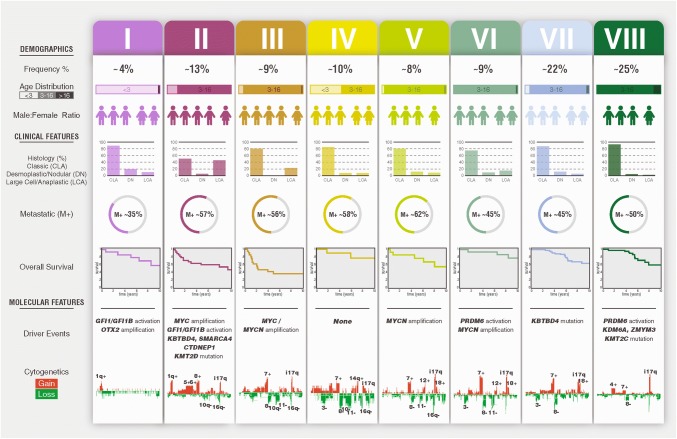
“Subtype VIII exhibited a relatively balanced genome with i17q.”
BackgroundInfluentialEYA2 tyrosine phosphatase inhibition reduces MYC and prevents medulloblastoma progression
Wolin, A. R., Vincent, M. Y., Hotz, T. J., Purdy, S. C., Rosenbaum, S. R., Hughes, C. J., Hsu, J. Y., Oliphant, M. U. J., Armstrong, B. A., Wessells, V. M., et al. (2023) · Neuro-Oncology · doi:10.1093/neuonc/noad128 · Cited by 17
Lettieri, A., Oleari, R., Paganoni, A. J. J., Gervasini, C., Massa, V., Fantin, A., & Cariboni, A. M. (2021) · Frontiers in Cell and Developmental Biology · doi:10.3389/fcell.2021.638674 · Cited by 17
Paul, R., Bapat, P., Deogharkar, A., Kazi, S., Singh, S. K. V., Gupta, T., Jalali, R., Epari, S., Moiyadi, A. V., Shetty, P. M., et al. (2021) · Human Molecular Genetics · doi:10.1093/hmg/ddab201 · Cited by 17
Current status of DNA methylation profiling in neuro-oncology as a diagnostic support tool: A review
Singh, J., Sahu, S., Mohan, T., Mahajan, S., Sharma, M. C., Sarkar, C., & Suri, V. S. (2023) · Neuro-Oncology Practice · doi:10.1093/nop/npad040 · Cited by 16
MYC overexpression and SMARCA4 loss cooperate to drive medulloblastoma formation in mice
Göbel, C., Godbole, S., Schoof, M., Holdhof, D., Kresbach, C., Loose, C., Neumann, J. E., & Schüller, U. (2023) · Acta Neuropathologica Communications · doi:10.1186/s40478-023-01654-2 · Cited by 16
“These data were integrated with a human MB dataset comprising in-house analyzed samples and previously published cohorts [9, 59].”
MethodLuo, Z., Dong, X., Yu, J., Xia, Y., Berry, K., Rao, R., Xu, L., Xue, P., Chen, T., Lin, Y., et al. (2021) · Frontiers in Cell and Developmental Biology · doi:10.3389/fcell.2021.634056 · Cited by 17
Surviving the hunger games: Metabolic reprogramming in medulloblastoma
Manfreda, L., Rampazzo, E., Persano, L., Viola, G., & Bortolozzi, R. (2023) · Biochemical Pharmacology · doi:10.1016/j.bcp.2023.115697 · Cited by 15
A transcriptome-based classifier to determine molecular subtypes in medulloblastoma
Rathi, K. S., Arif, S., Koptyra, M., Naqvi, A. S., Taylor, D. M., Storm, P. B., Resnick, A. C., Rokita, J. L., & Raman, P. (2020) · PLoS Computational Biology · doi:10.1371/journal.pcbi.1008263 · Cited by 15
“It is important to note that there are recent studies that classify medulloblastomas into many more subgroups utilizing methylation data [11, 18], however, there is insufficient training data, that is, patient tumors with transcriptomic data labeled using these subgroups, to develop a model to classify into these more…”
BackgroundBibbò, F., Sorice, C., Ferrucci, V., & Zollo, M. (2021) · Frontiers in Oncology · doi:10.3389/fonc.2021.758146 · Cited by 15
Delaidelli, A., Dunham, C., Santi, M., Negri, G. L., Triscott, J., Zheludkova, O., Голанов, А. В., Ryzhova, M., Okonechnikov, K., Schrimpf, D., et al. (2022) · Clinical Cancer Research · doi:10.1158/1078-0432.ccr-21-2057 · Cited by 15
“19; mainly 6q and 17q) or subgroup affiliation (10), are often difficult to delineate.”
BackgroundMethodSelf-citationEmbryonal tumors in the WHO CNS5 classification: A Review.
Gianno, F., Miele, E., Antonelli, M., & Giangaspero, F. (2022) · PubMed · doi:10.4103/ijpm.ijpm_1049_21 · Cited by 15
Wang, Q., Xin, X., Dai, Q., Sun, M., Chen, J., Mostafavi, E., Shen, Y., & Li, X. (2023) · Pharmacology & Therapeutics · doi:10.1016/j.pharmthera.2023.108527 · Cited by 15
Evolution of Systemic Therapy in Medulloblastoma Including Irradiation-Sparing Approaches
Mushtaq, N., Ain, R. U., Hamid, S. A., & Bouffet, É. (2023) · Diagnostics · doi:10.3390/diagnostics13243680 · Cited by 15
“Methylation and “omics” studies have further identified new subgroups and currently, there are two different WNT subgroups, four different SHH subgroups, and eight subgroups of non-WNT/non-SHH medulloblastoma [7,8].”
BackgroundPreclinical Models of Craniospinal Irradiation for Medulloblastoma
Stripay, J. L., Merchant, T. E., Roussel, M. F., & Tinkle, C. L. (2020) · Cancers · doi:10.3390/cancers12010133 · Cited by 15
Jiang, X., Li, Z., Mehmood, A., Wang, H., Wang, Q., Chu, Y., Mao, X., Zhao, J. Y., Jiang, M., Zhao, B., et al. (2023) · Interdisciplinary Sciences Computational Life Sciences · doi:10.1007/s12539-023-00563-1 · Cited by 14
“DNA methylation-based tumor diagnostics is currently emerging as a state-of-the-art technology [7–10].”
BackgroundPediatric brain tumors: A neuropathologist's approach to the integrated diagnosis
Viaene, A. N. (2023) · Frontiers in Pediatrics · doi:10.3389/fped.2023.1143363 · Cited by 14
Medulloblastoma: Current Standard of Care and Future Treatment Opportunities
Mayr, L., Azizi, A. A., Gojo, J., & Peyrl, A. (2025) · Pediatric Drugs · doi:10.1007/s40272-025-00726-1 · Cited by 13
“The four subgroups have recently been differentiated into further sub-types [9, 10].”
Epigenetic mechanisms in paediatric brain tumours: regulators lose control
Badodi, S., & Marino, S. (2022) · Biochemical Society Transactions · doi:10.1042/bst20201227 · Cited by 14
Guerin, J. B., Kaufmann, T. J., Eckel, L. J., Morris, J. M., Vaubel, R. A., Giannini, C., & Johnson, D. R. (2023) · Radiology · doi:10.1148/radiol.221885 · Cited by 13
Crosier, S., Hicks, D., Schwalbe, E. C., Williamson, D., Nicholson, S. L., Smith, A. J., Lindsey, J. C., Michalski, A. J., Pizer, B. L., Bailey, S., et al. (2021) · Neuropathology and Applied Neurobiology · doi:10.1111/nan.12716 · Cited by 13
Self-citationThe Current Landscape of Targeted Clinical Trials in Non-WNT/Non-SHH Medulloblastoma
Ghasemi, D. R., Fleischhack, G., Milde, T., & Pajtler, K. W. (2022) · Cancers · doi:10.3390/cancers14030679 · Cited by 13
“However, this approach would collide with dividing patients according to genetic alterations, such as MYC-amplification, which is not restricted to just one of the abovementioned molecular subgroups [34].”
BackgroundKorshunov, A., Okonechnikov, K., Stichel, D., Schrimpf, D., Delaidelli, A., Tonn, S., Mynarek, M., Sievers, P., Sahm, F., Jones, D., et al. (2022) · Acta Neuropathologica · doi:10.1007/s00401-022-02460-1 · Cited by 13
“Numerous reports have indicated the presence of significant heterogeneity among Grp 3 MB, describing various and partly overlapping subgroups/subtypes differing both from clinical and molecular standpoints [3, 21, 28, 29].”
BackgroundMethodResultInfluentialSelf-citationRestoration of miR-193a expression is tumor-suppressive in MYC amplified Group 3 medulloblastoma
Bharambe, H. S., Joshi, A. A., Yogi, K., Kazi, S., & Shirsat, N. V. (2020) · Acta Neuropathologica Communications · doi:10.1186/s40478-020-00942-5 · Cited by 12
Danilenko, M., Zaka, M., Keeling, C., Crosier, S., Lyman, S., Finetti, M. A., Williamson, D., Hussain, R., Coxhead, J., Zhou, P., et al. (2022) · Acta Neuropathologica · doi:10.1007/s00401-022-02464-x · Cited by 12
“Tumours further represented the major molecular risk-groups in current clinical use [22, 31], encompassing favourable (MBWNT and infant DN MBSHH), standard, high- and very high-risk tumours (MYC-amplified MBGroup3 and TP53-mutated MBSHH) [42, 43] (Fig.”
BackgroundMethodInfluentialSelf-citationSenescence- and Immunity-Related Changes in the Central Nervous System: A Comprehensive Review
Feng, H., Li, J., Wang, H., Wei, Z., & Feng, S. (2024) · Aging and Disease · doi:10.14336/ad.2024.0755 · Cited by 11
Adiamah, M., Poole, B., Lindsey, J. C., Kohe, S. E., Morcavallo, A., Burté, F., Hill, R. M., Blair, H., Thompson, D., Singh, M., et al. (2024) · Neuro-Oncology · doi:10.1093/neuonc/noae179 · Cited by 11
“3,5 In contrast, MYCN -amplification, not associated with increased risk in MB GRP4,3,5,41 was also not correlated with PHGDH expression in this group (Figure 6F).”
Self-citationLiu, Z., Ren, S., Zhang, H., Liao, Z., Liu, Z., An, X., Cheng, J., Li, C., Gong, J. F., Niu, H., et al. (2025) · European Radiology · doi:10.1007/s00330-025-11385-8 · Cited by 11
“The molecular subgroups ’ identi fi cation has paved the way for more nuanced exploration of medulloblastoma [9], enabling more precise prognosis prediction and risk strati fi cation [8, 10].”
PLAG1 fusions define a third subtype of CNS embryonal tumor with PLAG family gene alteration
Keck, M., Al-Hussaini, M. A., Amayiri, N. Y., Yiadom, A. B., Chamyan, G., Cheesman, E., Faure‐Conter, C., García-Ariza, M., Gauchotte, G., Hasselblatt, M., et al. (2025) · Acta Neuropathologica · doi:10.1007/s00401-025-02917-z · Cited by 11
“…types that share histological and morphological features, but differ molecularly, and can only be reliably discriminated and classified based on molecular analyses—such as the former group of primitive neuroecto-dermal tumors (PNET), or distinct ependymoma or medulloblastoma subtypes [3, 21, 24].”
Self-citationSmith, K. S., Dhanda, S. K., Billups, C. A., Sioson, E., Lu, C., Peraza, A. Z., Gangwani, K., Li, Y., Li, Q., Lin, T., et al. (2025) · Neuro-Oncology · doi:10.1093/neuonc/noaf250 · Cited by 11
Self-citationUpdate on Pediatric Brain Tumors: the Molecular Era and Neuro-immunologic Beginnings
Duke, E. S., & Packer, R. J. (2020) · Current Neurology and Neuroscience Reports · doi:10.1007/s11910-020-01050-6 · Cited by 11
Overview and recent advances in the targeting of medulloblastoma cancer stem cells
Paul, M. R., & Zage, P. E. (2021) · Expert Review of Anticancer Therapy · doi:10.1080/14737140.2021.1932472 · Cited by 11
Group-specific cellular metabolism in Medulloblastoma
Funke, V. L. E., Walter, C., Melcher, V., Wei, L., Sandmann, S., Hotfilder, M., Varghese, J., Jäger, N., Kool, M., Jones, D., et al. (2023) · Journal of Translational Medicine · doi:10.1186/s12967-023-04211-6 · Cited by 11
“Likewise, our data showed a clear overlap of highrisk metabolic clusters with published G3/G4 consensus methylation subgroup II and correspondingly a high fraction of MYC-amplified samples [2].”
BackgroundInfluentialSelf-citationDUBing Primary Tumors of the Central Nervous System: Regulatory Roles of Deubiquitinases
Klonisch, T. C., Logue, S. E., Hombach‐Klonisch, S., & Vriend, J. P. (2023) · Biomolecules · doi:10.3390/biom13101503 · Cited by 11
“Group 3 MB frequently have elevated MYC levels due to MYC overexpression or MYC gene amplifications and these patients have the worst prognosis of all MB groups with less than 50% survival [139,140].”
BackgroundNovel Molecular Hallmarks of Group 3 Medulloblastoma by Single-Cell Transcriptomics
Qin, C., Pan, Y., Li, Y., Li, Y., Long, W., & Liu, Q. (2021) · Frontiers in Oncology · doi:10.3389/fonc.2021.622430 · Cited by 11
G9a/EHMT2 is a Potential Prognostic Biomarker and Molecular Target in SHH Medulloblastoma
Souza, B. K., Freire, N. H., Jaeger, M. D. C., de Farias, C. B., Brunetto, A. L., Brunetto, A. T., & Roesler, R. (2022) · NeuroMolecular Medicine · doi:10.1007/s12017-022-08702-5 · Cited by 11
Elevated Kir2.1/nuclear N2ICD defines a highly malignant subtype of non-WNT/SHH medulloblastomas
Wang, Y., Wu, H., Ren, Y., Lv, S., Ji, C., Xiang, D., Zhang, M., Lu, H., Fu, W., Liu, Q., et al. (2022) · Signal Transduction and Targeted Therapy · doi:10.1038/s41392-022-00890-7 · Cited by 11
Nanomedicine approaches for medulloblastoma therapy
Lim, C., Koo, J., & Oh, K. T. (2022) · Journal of Pharmaceutical Investigation · doi:10.1007/s40005-022-00597-5 · Cited by 11
“recurrent driver events in G4 tumors (Hovestadt et al. 2019; Sharma et al. 2019).”
BackgroundValinciute, G., Ecker, J., Selt, F., Hielscher, T., Sigaud, R., Ridinger, J., Thatikonda, V., Gatzweiler, C., Robinson, S., Talbot, J., et al. (2023) · Journal of Neuro-Oncology · doi:10.1007/s11060-023-04319-1 · Cited by 11
“f PLK1 mRNA expression in three group 3 subgroups of MB (Cavalli (n = 763) [2], equivalent subgroup in parentheses as suggested previously [6]).”
BackgroundSelf-citationZeuner, S., Vollmer, J., Sigaud, R., Oppermann, S., Peterziel, H., ElHarouni, D., Oehme, I., Witt, O., Milde, T., & Ecker, J. (2024) · Journal of Neuro-Oncology · doi:10.1007/s11060-023-04526-w · Cited by 11
“Group 3 MB tumors of subtype II harbor an amplification of the proto-oncogene and transcription factor MYC [4].”
BackgroundBernardi, F., Torrejon-Diaz, J., Basili, I., Ommeren, R. V., Marsaud, V., Yu, H., Talbot, J., Souphron, J., Indersie, É., Forget, A., et al. (2026) · Cancer Cell · doi:10.1016/j.ccell.2025.12.012 · Cited by 11
Self-citationSchwalbe, E. C., Lalchungnunga, H., Lafta, F. M., Barrow, T. M., & Strathdee, G. R. (2021) · Oncogene · doi:10.1038/s41388-021-01923-1 · Cited by 10
Self-citationGringmuth, M., Walther, J., Greiser, S., Toussaint, M., Schwalm, B., Kool, M., Kortmann, R., Glasow, A., & Patties, I. (2022) · International Journal of Molecular Sciences · doi:10.3390/ijms23073815 · Cited by 10
“Thereby, children > 4 years with sonic hedgehog- (SHH-) activated and TP53-mutated MB (5-y OS 43%) and patients with MYC-amplificated non-WNT/non-SHH MB (5-y OS 42%) have the worst prognosis [2,3,5].”
BackgroundSelf-citationNtenti, C., Lallas, K., & Papazisis, G. (2023) · Diagnostics · doi:10.3390/diagnostics13111915 · Cited by 10
“Thereafter, for the first time in 2016, molecular subgroups of MBs were incorporated into the WHO’s MB stratification [16,17].”
BackgroundMethodAngiogenesis and Lymphangiogenesis in Medulloblastoma Development
Penco-Campillo, M., Pagès, G., & Martial, S. (2023) · Biology · doi:10.3390/biology12071028 · Cited by 10
A spatiotemporal cancer cell trajectory underlies glioblastoma heterogeneity
de Jong, G., Memi, F., Gracia, T., Lazareva, O., Gould, O., Solomou, G., Aivazidis, A., Dave, M., Zhang, Q., Jensen, M., et al. (2026) · Nature · doi:10.1101/2025.05.13.653495 · Cited by 11
Y-Box Binding Protein-1: A Neglected Target in Pediatric Brain Tumors?
Taylor, L., Kerr, I. D., & Coyle, B. (2021) · Molecular Cancer Research · doi:10.1158/1541-7786.mcr-20-0655 · Cited by 10
Global trends, gaps, and future agenda in medulloblastoma research: a bibliometric analysis
Alcantara, J. H., Ornos, E. D. B., & Tantengco, O. A. G. (2023) · Child s Nervous System · doi:10.1007/s00381-023-05969-2 · Cited by 10
“Their analyses supported eight group 3/4 medulloblastoma subtypes and provided a basis for future medulloblastoma subclassification and eventually molecularly guided risk stratification [18].”
ResultThe role of methylation profiling in histologically diagnosed neurocytoma: a case series
Kalawi, A. Z., Malicki, D. M., Abdullaev, Z., Pratt, D. W., Quezado, M., Aldape, K., Elster, J. D., Paul, M. R., Khanna, P. C., Levy, M. L., et al. (2022) · Journal of Neuro-Oncology · doi:10.1007/s11060-022-04117-1 · Cited by 10
Korshunov, A., Okonechnikov, K., Schrimpf, D., Tonn, S., Mynarek, M., Köster, J., Sievers, P., Milde, T., Sahm, F., Jones, D., et al. (2023) · Acta Neuropathologica · doi:10.1007/s00401-023-02575-z · Cited by 9
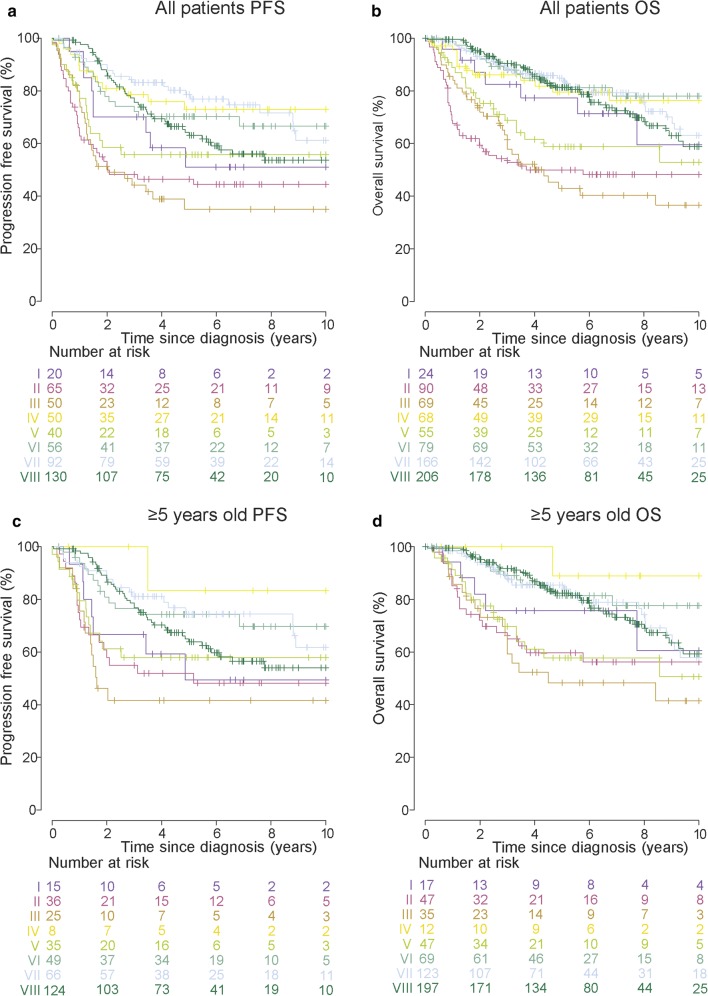
“In line with previous reports [17, 25], unfavorable (SGS MB II and III), intermediate (SGS MB IV and V), and standard/low-risk (SGS MB VI, VII, and VIII) survival cohorts were identified.”
BackgroundMethodResultSelf-citationde Araújo, M. A., Malafaia, O., Ribas-Filho, J. M., Fratini, L., Roesler, R., & Isolan, G. R. (2023) · International Journal of Molecular Sciences · doi:10.3390/ijms241411601 · Cited by 9
“Within each subgroup, intra- and intertumoral heterogeneity has led to further classification into twelve subtypes [6,7].”
BackgroundFukuoka, K., Kurihara, J., Shofuda, T., Kagawa, N., Yamasaki, K., Ando, R., Ishida, J., Kanamori, M., Kawamura, A., Park, Y.-S., et al. (2023) · Acta Neuropathologica Communications · doi:10.1186/s40478-023-01652-4 · Cited by 9
“Subtypes II, III, and V were determined as poor prognostic subtypes in Group 3/4 medulloblastomas due to the worse prognosis among subtypes in the past literature [7].”
BackgroundInfluentialJiao, X., Balaei, M. R., Abu‐El‐Rub, E., Casoni, F., Modarres, H. P., Dhingra, S., Kong, J., Consalez, G. G., & Marzban, H. (2021) · International Journal of Molecular Sciences · doi:10.3390/ijms22062994 · Cited by 9
Long-read sequencing for brain tumors
Shelton, W. J., Zandpazandi, S., Nix, J. S., Gökden, M., Bauer, M., Ryan, K. R., Wardell, C. P., Vaske, O. M., & Rodriguez, A. (2024) · Frontiers in Oncology · doi:10.3389/fonc.2024.1395985 · Cited by 8
“…c CpG island promoter hypermethylation ” (155) and which represents the blueprint of the “ somatically acquired DNA methylation changes ” of precursor cells (13), is an important biomarker that can be used for stratifying tumors into subgroups and better predicting treatment responses (169 – 171).”
BackgroundNanopore sequencing as a cutting-edge technology for medulloblastoma classification
Filser, M., Torrejon-Diaz, J., Merchadou, K., Dufour, C., Girard, E., Bourneix, C., Lemaître, E., Gharsalli, T., Brillet, R., Wong, J., et al. (2024) · Neuro-Oncology · doi:10.1093/neuonc/noae279 · Cited by 8
Clinical and Molecular Features in Medulloblastomas Subtypes in Children in a Cohort in Taiwan
Wu, K.-S., Sung, S., Huang, M., Lin, Y., Chang, C., Fang, C., Wong, T., Chen, H., & Tsai, M. (2022) · Cancers · doi:10.3390/cancers14215419 · Cited by 8
“MYCN amplifications were predominantly found in subtype V, followed by subtype VI, which was associated with poor outcomes (Figures 4g,h,j and S6) [6,50].”
BackgroundSMARCA4 Loss and Mutated β-Catenin Induce Proliferative Lesions in the Murine Embryonic Cerebellum
Göbel, C., Schoof, M., Holdhof, D., Spohn, M., & Schüller, U. (2024) · Journal of Neuroscience · doi:10.1523/jneurosci.1605-23.2024 · Cited by 7
SNUH methylation classifier for CNS tumors
Lee, K.-H., Jeon, J., Park, J. W., Yu, S., Won, J., Kim, K., Park, C., & Park, S. (2025) · Clinical Epigenetics · doi:10.1186/s13148-025-01824-0 · Cited by 7
Clinical impact of molecular profiling in rare brain tumors
Pratt, D. W., Peñas-Prado, M., & Gilbert, M. R. (2023) · Current Opinion in Neurology · doi:10.1097/wco.0000000000001211 · Cited by 8
Reznicek, J., Sharifai, N., Jamshidi, P., Wadhwani, N. R., & Ahrendsen, J. T. (2023) · Cytopathology · doi:10.1111/cyt.13350 · Cited by 6
“33,35”
Carbonic Anhydrase Inhibition Sensitizes Group 3 Medulloblastoma to Radiotherapy
Richman, C. M., Rasnitsyn, A., Holgado, B. L., Vladoiu, M. C., Abeysundara, N., Majo, S., Chabi, S., Taunay, L. J., Suzuki, H., Shibahara, I., et al. (2025) · Cancer Research · doi:10.1158/0008-5472.can-24-3894 · Cited by 6
Self-citationObrecht, D., Mynarek, M., Hagel, C., Kwiecien, R., Spohn, M., Bockmayr, M. L., Bison, B., Pfister, S. M., Jones, D., Sturm, D., et al. (2022) · Journal of Neuro-Oncology · doi:10.1007/s11060-021-03913-5 · Cited by 6
Self-citationMolecular subgrouping based on immunohistochemistry in medulloblastoma: a single-center experience
Babaoğlu, B., Hanalıoğlu, Ş., Varan, A., Oğuz, K. K., Bilginer, B., Dolgun, A., & Söylemezoğlu, F. (2024) · Turkish Neurosurgery · doi:10.5137/1019-5149.jtn.45863-23.2 · Cited by 6
Gupta, T., Mani, S., Chatterjee, A., Dasgupta, A., Epari, S., & Chinnaswamy, G. (2024) · Expert Review of Anticancer Therapy · doi:10.1080/14737140.2024.2357807 · Cited by 6
“Second [62] generation molecular subgrouping [49,53–55] has identified four different sub-types of SHH-medulloblastoma (α, β, γ, and δ).”
BackgroundTreatment of Medulloblastoma in the Adolescent and Young Adult Population: A Systematic Review
Otth, M., Weiser, A., Lee, S.-Y., von Rohr, L. R., Heesen, P., Stücklin, A. G., & Scheinemann, K. (2024) · Journal of Adolescent and Young Adult Oncology · doi:10.1089/jayao.2024.0044 · Cited by 6
Joshi, K., Yuan, M., Katsushima, K., Saulnier, O., Ray, A., Amankwah, E. K., Stapleton, S. L., Jallo, G. I., Taylor, M. D., Eberhart, C. G., et al. (2024) · Acta Neuropathologica Communications · doi:10.1186/s40478-024-01848-2 · Cited by 6
“MB is broadly divided into four main molecular subgroups: WNT signaling-activated (WNT), sonic hedgehog signaling-activated (SHH) and non-WNT/non-SHH tumors split into two main subtypes: group 3 (Grp3), and group 4 (Grp4) [1, 2], although other subtypes have been identi�ed [3].”
BackgroundSelf-citationEmbryonal tumors of the central nervous system
Pagès, M., Masliah‐Planchon, J., & Bourdeaut, F. (2020) · Current Opinion in Oncology · doi:10.1097/cco.0000000000000686 · Cited by 6
Immunohistochemical Surrogates for Molecular Stratification in Medulloblastoma
Chinnam, D., Saraswati, A., Jogunoori, S., Verma, A., Kiran, T., Salunke, P., Gupta, N., Kumar, N., Madan, R., Radotra, B. D., et al. (2023) · Applied immunohistochemistry & molecular morphology · doi:10.1097/pai.0000000000001143 · Cited by 6
Evolution of neurosurgical advances and nuances in medulloblastoma therapy
Rechberger, J. S., Power, E. A., DeCuypere, M. G., & Daniels, D. J. (2023) · Child s Nervous System · doi:10.1007/s00381-023-06239-x · Cited by 5
“Importantly, the four principal molecular subgroups (wingless [WNT], sonic hedgehog [SHH], Group 3, and Group 4) do exhibit distinctive patterns of patient demographics and tumor stage at diagnosis [22, 23, 32].”
Smith, H. L., Aouad, P. J., & Wadhwani, N. R. (2025) · Cancers · doi:10.3390/cancers17233768 · Cited by 5
“Currently, these should be localized to methylation class Medulloblastoma, non-WNT/non-SHH, Group 3 subtype, subclass II [30].”
Modeling medulloblastoma pathogenesis and treatment in human cerebellar organoids
Willott, T., Nicholson, J. G., Zhang, X., Xiao, Y., Ogunbiyi, O. K., Draper, B., Mistry, T., Donovan, L., Merve, A., Zabet, N. R., et al. (2026) · Genes & Development · doi:10.1101/gad.353292.125 · Cited by 5
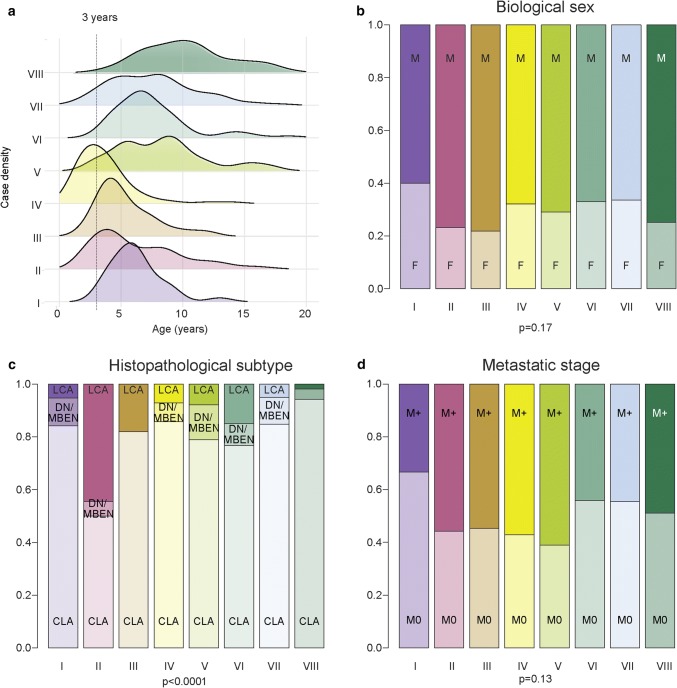
“Indeed, most MB subtypes have different male:female incidence ratios (Sharma et al. 2019), which may be linked to their developmental origins and known differences in male and female fetal brain development (Spiers et al. 2015; Wheelock et al. 2019).”
InfluentialRichardson, S., Hicks, D., Gough, M., Butler, E. R., Thompson, D., Castle, J., Crosier, S., García-Ariza, M., Martín‐Guerrero, I., Plasschaert, S. L. A., et al. (2026) · The Lancet Child & Adolescent Health · doi:10.1016/s2352-4642(26)00067-2 · Cited by 5
Self-citationMultidisciplinary Management of Medulloblastoma: Consensus, Challenges, and Controversies
Chatterjee, A., Maitre, M., Dasgupta, A., Epari, S., & Gupta, T. (2022) · Methods in molecular biology · doi:10.1007/978-1-0716-1952-0_19 · Cited by 5
Establishment and Characterization of Three Human Ocular Adnexal Sebaceous Carcinoma Cell Lines
Lee, S.-C., Peterson, C., Wang, K., Alaali, L., Eshleman, J. R., Mahoney, N. R., Li, E., Eberhart, C. G., & Campbell, A. A. (2024) · International Journal of Molecular Sciences · doi:10.3390/ijms251810183 · Cited by 5
“MYC protein has been detected in each of our three cell lines by Western blot, at similar or greater levels as in two established Group 3 medulloblastoma cell lines that are known to be MYC-driven [59,60].”
ResultCho, H. W., Lee, H., Ju, H. Y., Yoo, K. H., Koo, H. H., Lim, D. H., Sung, K. W., Shin, H. J., Suh, Y., & Lee, J. W. (2022) · Journal of Korean Medical Science · doi:10.3346/jkms.2022.37.e59 · Cited by 5
Chan, G., & Chan, C. M. (2020) · Pediatric Investigation · doi:10.1002/ped4.12211 · Cited by 5
Research progress in molecular pathology markers in medulloblastoma
Zhou, Z., Zhu, B., Meng, Q., Zhang, T., Wu, Y., Yu, R., & Gao, S. (2023) · Exploration of Targeted Anti-tumor Therapy · doi:10.37349/etat.2023.00126 · Cited by 5
“A subset of pediatric patients with SHH MBs (aged 3 years to 16 years) showed GLI2 and MYCN amplification to be mutually exclusive with PTCH, but 30% of which harbored phylogenetic (Li-Fraumeni syndrome) or TP53 mutations [24].”
BackgroundInfluentialSöylemezoğlu, F., Öz, B., Eğilmez, R., Pekmezci, M., Bozkurt, S., Danyeli, A. E., Öngürü, Ö., Kulaç, İ., & Tihan, T. (2022) · Turkish Journal of Pathology · doi:10.5146/tjpath.2022.01584 · Cited by 5
lncRNAs and circRNAs: Emerging Players in Pediatric Medulloblastoma Pathology
Beylerli, O., Мусаев, Э. Р., Ilyasova, T., & Sufianov, A. A. (2025) · Current Medicinal Chemistry · doi:10.2174/0109298673354413250325073924 · Cited by 4
Hruby, L., Schaal, K., Delaidelli, A., Picard, D. J., Dunham, C. P., Lewandowska, O., Reiff, T., Larcher, M., Pouponnot, C., Sorensen, P. H. B., et al. (2025) · Cell Death Discovery · doi:10.1038/s41420-025-02601-x · Cited by 4
“Strati fi cation of Group 3 and Group 4 MB patients has been recently harmonized by analyzing a large number of MB patients, including patients of the Cavalli et al. cohort [9].”
The pivotal role of autophagy in the pathogenesis and therapy of medulloblastoma
Richard, S. A. (2024) · Future Oncology · doi:10.1080/14796694.2024.2420629 · Cited by 4
Freire, N. H., Herlinger, A. L., Vanini, J., Dalmolin, M., Fernandes, M. A. C., Nör, C., Ramaswamy, V., de Farias, C. B., Brunetto, A. T., Brunetto, A. L., et al. (2025) · Cells · doi:10.3390/cells14020072 · Cited by 5
“In the D283 neurospheres, VPA also increased the TP53 levels (20-fold, p 0.01) (Figure 4B) Moreover, the ChIP-qPCR results indicated that TP53 may be epigenetically modulated by VPA in the D283 neurospheres (Figure 4C).”
InfluentialSelf-citationIntegrative Machine Learning Framework for Enhanced Subgroup Classification in Medulloblastoma
Hein, K. H., Woo, W. L., & Rafiee, G. (2025) · Healthcare · doi:10.3390/healthcare13101114 · Cited by 4
Troncon, I., Guerriero, A., Rossi, S., Ronzon, M., Padovan, M., Caccese, M., Zanatta, L., Toffolatti, L., Marton, E., Lombardi, G., et al. (2020) · Case Reports in Pathology · doi:10.1155/2020/4502878 · Cited by 4
“meta-analysis has clarified the complexity and heterogeneity of Groups 3 and 4 MB identifying eight biologically and clinically relevant subtypes [5].”
BackgroundChagas, P. S., Veronez, L. C., de Sousa, G. R., Cruzeiro, G. A. V., Corrêa, C. A. P., Saggioro, F. P., Queiróz, R. G. D. P., Marie, S. K. N., Brandalise, S. R., Cardinalli, I. A., et al. (2023) · Human Cell · doi:10.1007/s13577-023-00954-y · Cited by 4
“MBs originate in the cerebellum and are classified into four different molecular subgroups: Wingless signaling activated (WNT), Sonic Hedgehog (SHH), Groups 3 (Grp3-MBs) and 4 (Grp4-MBs) [2].”
BackgroundIrikura, T., Fukuoka, K., Nakazawa, A., Ichimura, K., Kurihara, J., & Koh, K. (2023) · Child s Nervous System · doi:10.1007/s00381-023-05971-8 · Cited by 4
“, subtypes I, IV, VI, and VII, represented by cases 1 and 2 in the present report, are associated with a better prognosis than other group 3/4 tumors [5].”
BackgroundMethodInfluentialLiu, A. P. Y., Gudenas, B. L., Lin, T., Orr, B. A., Klimo, P. D., Kumar, R., Bouffet, É., Gururangan, S., Crawford, J. R., Kellie, S. J., et al. (2019) · Acta Neuropathologica · doi:10.1007/s00401-019-02115-8 · Cited by 4
Self-citationCell-state plasticity drives heterogeneity in Group 3/4 medulloblastomaPreprint
Joshi, P. K., da Silva, P. B. G., Okonechnikov, K., Stelzer, T., Sarropoulos, I., Sepp, M., Nolle, J., Pour-Jamnani, M. V., Rademacher, A., Yamada-Saito, T., et al. (2024) · bioRxiv (Cold Spring Harbor Laboratory) · doi:10.1101/2024.02.09.579680 · Cited by 4
“Group 3 and 4 medulloblastomas (hereafter Group 3/4 tumors), further categorized into 8 molecular subtypes (I-VIII) spanning pure Group 3 (II, III, IV), mixed (I, V, VII), to pure Group 4 (VI, VIII) tumors 5 , together represent the most common and lethal cohort.”
InfluentialSelf-citationLiterature review: CAR T-cell therapy as a promising immunotherapeutic approach for medulloblastoma
Eksteen, C., Riedemann, J., Johnson, H. A., & Engelbrecht, A. (2025) · Revue Neurologique · doi:10.1016/j.neurol.2025.07.005 · Cited by 3
Euzébio, M. F., Silva, F. L. T., Hoffmann, I. L., Ruas, J. S., Kido, L. A., de Lima, D. G., Queiróz, L. D. S., Cardinalli, I. A., Seidinger, A. L., Nascimento, S., et al. (2025) · Neuropathology and Applied Neurobiology · doi:10.1111/nan.70041 · Cited by 3
“Similar to other studies, the WNT-activated group had a better prognosis, whereas Groups 3 and 4 showed a higher frequency of metastasis and worse outcomes [41, 42].”
Sun, M., Wang, J., & Wan, S. (2026) · Molecular Oncology · doi:10.1002/1878-0261.70211 · Cited by 3
“…features where Group 3 patients have the most unfavorable prognosis due to a higher incidence of ‘high-risk’ features, such as LCA (large cell/anaplastic) histology and MYC amplification [5,13 – 15], and Group 4 has an intermediate prognosis with the feature of isochromo-some 17q ( i17q ) [16].”
Ruggiero, A., Gessi, M., d’Amati, A., Albanese, A., & Attinà, G. (2026) · Current Issues in Molecular Biology · doi:10.3390/cimb48030297 · Cited by 3
“Unlike Group 3, MYC amplifications are exceedingly rare in Group 4 [68,69].”
Barateiro, L. G. R. P., Cavagna, R. D. O., dos Reis, M. B., de Paula, F. E., Teixeira, G. R., Moreno, D. A., Bonatelli, M., Santana, I. V. V., Saggioro, F. P., Neder, L., et al. (2024) · Neuropathology · doi:10.1111/neup.12979 · Cited by 3
“6,7 The treatment of medulloblastoma primarily involves surgical resection, chemotherapy with multiple drugs, and radiotherapy.”
Filippidou, M., Glentis, S., Binenbaum, I., Sill, M., Roka, K., Vlachou, A., Avgerinou, G., Ecker, J., Selt, F., Hasselblatt, M., et al. (2024) · EJC Paediatric Oncology · doi:10.1016/j.ejcped.2024.100198 · Cited by 3
Self-citation
Metadata
- Authors
- Sharma, T., Schwalbe, E. C., Williamson, D., Sill, M., Hovestadt, V., Mynarek, M., Rutkowski, S., Robinson, G. W., Gajjar, A., Cavalli, F., Ramaswamy, V., Taylor, M. D., Lindsey, J. C., Hill, R. M., Jäger, N., Korshunov, A., Hicks, D., Bailey, S., Kool, M., Chavez, L., Northcott, P. A., Pfister, S. M., & Clifford, S. C.
- Affiliations
- German Cancer Research Center (DE)
- Newcastle University (GB)
- Broad Institute (US)
- University Medical Center Hamburg-Eppendorf (DE)
- St. Jude Children's Research Hospital (US)
- Hospital for Sick Children (CA)
- University of Toronto (CA)
- Corresponding author
- Pfister, Stefan M.
- Clifford, Steven C.
- ORCID
- Sharma, Tanvi
- Williamson, Daniel
- Sill, Martin
- Hovestadt, Volker
- Mynarek, Martin
- Rutkowski, Stefan
- Robinson, Giles W.
- Gajjar, Amar
- Cavalli, Florence
- Ramaswamy, Vijay
- Taylor, Michael D.
- Lindsey, Janet C.
- Hill, Rebecca M.
- Jäger, Natalie
- Korshunov, Andrey
- Hicks, Debbie
- Bailey, Simon
- Kool, Marcel
- Northcott, Paul A.
- Pfister, Stefan M.
- Clifford, Steven C.
- Venue
- Acta Neuropathologica
- Published
- 2019-05-10
- Volume
- 138
- Issue
- 2
- Pages
- 309-326
- ISSN
- 0001-6322 (ISSN-L)
- 1432-0533
- PMC
- PMC6660496
- OpenAlex
- W2944076627
- Cited by
- 310
- References
- 33
- Citations by year
- 2026: 33 · 2025: 43 · 2024: 46 · 2023: 52 · 2022: 47 · 2021: 38 · 2020: 38 · 2019: 10
- FWCI
- 4.04
- Type
- journal article
- Language
- en
- Open access
- hybrid
- doi.org
- Licence
- cc-by
- creativecommons.org/licenses/by/4.0 (tdm)
- Locations
- Acta Neuropathologica (publishedVersion, cc-by)
- Europe PMC (PubMed Central) (publishedVersion, cc-by)
- PubMed Central (publishedVersion, cc-by)
- PubMed (publishedVersion)
- Northumbria Research Link (Northumbria University) (submittedVersion, cc-by)
- Newcastle University ePrints (Newcastle Univesity) (cc-by)
- Funders
- Deutsche Krebshilfe (109252)
- Bundesministerium für Bildung und Forschung (01KU1201A, 1KU1505A)
- Cancer Research UK (C8464/A13457, C8464/A23391)
- INSTINCT network
- Topics
- Health Sciences › Medicine › Oncology › Glioma Diagnosis and Treatment
- Health Sciences › Medicine › Oncology › Neuroblastoma Research and Treatments
- Health Sciences › Medicine › Hematology › Acute Lymphoblastic Leukemia research
- Keywords
- medulloblastoma, Group 3 medulloblastoma, Group 4 medulloblastoma, molecular subtypes, DNA methylation profiling, transcriptome, subtype classification, intertumoral heterogeneity, driver gene alterations, survival outcomes, risk stratification, consensus molecular subtypes
- MeSH terms
- Adolescent, Cerebellar Neoplasms, Child, Child, Preschool, DNA, Neoplasm, Female, Humans, Infant, Male, Medulloblastoma, Genes, myc, DNA Methylation, Gene Expression Profiling, Kaplan-Meier Estimate, Transcriptome
About these checks
Registry, retraction, Cites and statistics results are computed, not judged, with one exception: a printed reference that no index lists is read once by a model before it counts as a citation error. Claims are extracted by a model and kept only when their quote appears verbatim in the text; each cited source is then checked, with a model’s help, for whether it says what the claim relies on. Those verdicts can be wrong — read the claim’s quote and the cited source before relying on one.
Statistics and arithmetic are recomputed, not judged.
Confidence bands are shown only for fields calibrated on our annotated test set. None is calibrated yet, so no band is shown.
What counts as a claim ›How we measure confidence ›How we check this ›
Are you an author, or do you see a problem with this page? Request a review
Data sources
Bibliographic data: Semantic Scholar, OpenAlex, Crossref.
Contains information from the Semantic Scholar Academic Graph Datasets, made available under the ODC Attribution License (ODC-BY 1.0).
Semantic Scholar’s data is described in: Kinney, R., et al. (2023). The Semantic Scholar Open Data Platform. arXiv:2301.10140.
