

A common genetic network underlies substance use disorders and disruptive or externalizing disorders
Open accessThe DOI matches its Crossref record; 62 of the 62 references it cites were found in a registry or an index.
Abstract
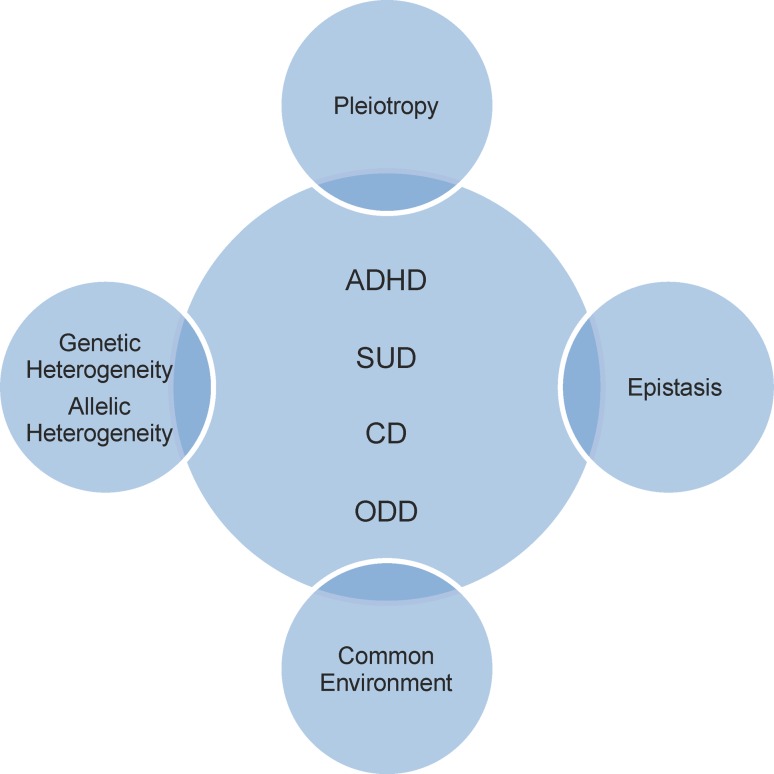
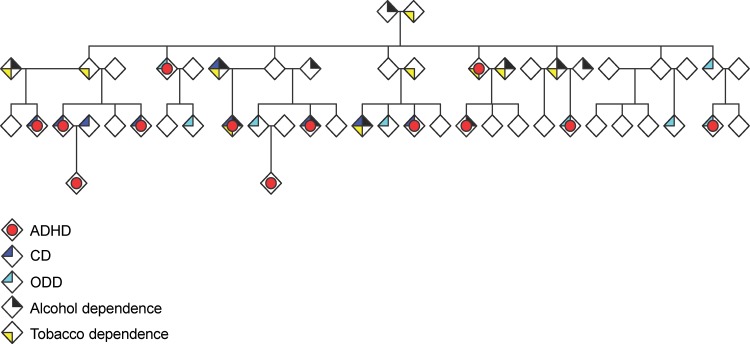
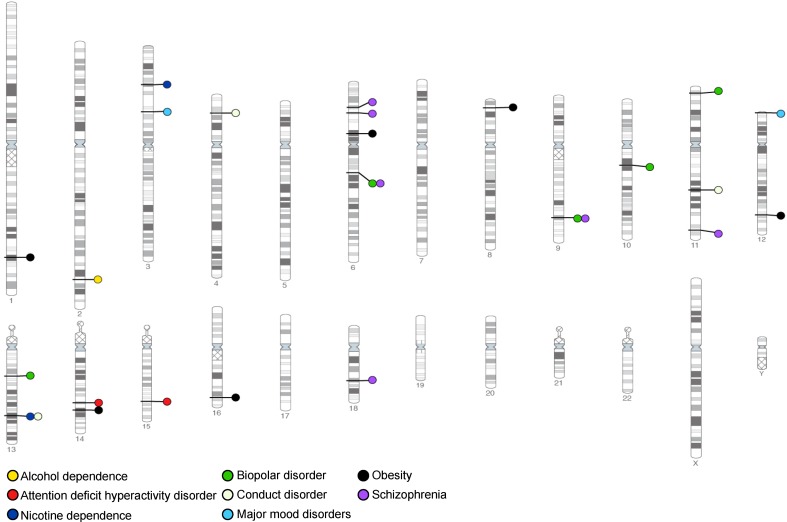
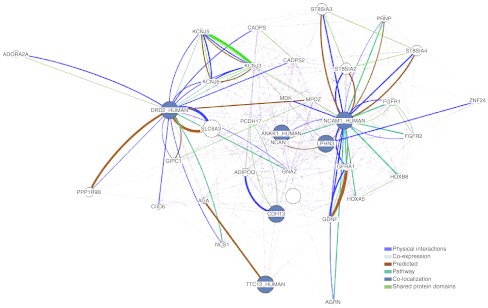
Here we summarize evidence obtained by our group during the last two decades, and contrasted it with a review of related data from the available literature to show that behavioral syndromes involving attention deficit/hyperactivity disorder (ADHD), externalizing disorders, and substance-use disorder (SUD) share similar signs and symptoms (i.e., have a biological basis as common syndromes), physiopathological and psychopathological mechanisms, and genetic factors. Furthermore, we will show that the same genetic variants harbored in different genes are associated with different syndromes and that non-linear interactions between genetic variants (epistasis) best explain phenotype severity, long-term outcome, and response to treatment. These data have been depicted in our studies by extended pedigrees, where ADHD, externalizing symptoms, and SUD segregate and co-segregate. Finally, we applied here a new formal network analysis using the set of significantly replicated genes that have been shown to be either associated and/or linked to ADHD, disruptive behaviors, and SUD in order to detect significantly enriched gene categories for protein and genetic interactions, pathways, co-expression, co-localization, and protein domain similarity. We found that networks related to pathways involved in axon guidance, regulation of synaptic transmission, and regulation of transmission of nerve impulse are overrepresented. In summary, we provide compiled evidence of complex networks of genotypes underlying a wide phenotype that involves SUD and externalizing disorders.
Overview
The claims and statistics of this paper haven’t been checked yet.
Free: it reads the open-access text and checks the first 5 claims that cite a source we can check. Create a free account to check every claim.
Integrity signals
Registry
Cites
Statistics
Figures
Verification
Claims the paper makes
The claims and statistics of this paper haven’t been checked yet.
Free: it reads the open-access text and checks the first 5 claims that cite a source we can check. Create a free account to check every claim.
Claims other papers make about this one
Each is checked against this paper’s own text: does it say what the citing paper says it does?
In the citing paper
“attention-deficit hyperactivity disorder (ADHD), which shares common etiological influences, including similar genetic factors [11] and neural underpinnings [12], with other externalizing disorders”
From ADHD and the externalizing spectrum: direct comparison of categorical, continuous, and hybrid models of liability in a nationally representative sample (2014) · cites this paper as [11]
Self-check
Percentages, sums and reported differences re-computed from the paper’s own numbers.
The self-check needs the paper’s full text.
Citations
Cites
Diagnostic and Statistical Manual of Mental Disorders
Williams, J. B. W., & First, M. (2013) · Encyclopedia of Social Work · doi:10.1093/acrefore/9780199975839.013.104 · Cited by 109,519
Diagnostic and Statistical Manual of Mental Disorders.
Widiger, T. A. (2000) · Encyclopedia of Psychology, Vol. 3. · doi:10.1037/10518-009 · Cited by 19,744
The Self-Medication Hypothesis of Substance Use Disorders: A Reconsideration and Recent Applications
Khantzian, E. J. (1997) · Harvard Review of Psychiatry · doi:10.3109/10673229709030550 · Cited by 3,242 · cited 2×
“It has also been proposed that patients with ADHD use addictive substances in an attempt to self-medicate symptoms of the disorder (Khantzian 1997), and that the poor judgment and impulsivity associated with ADHD contribute to the development of dependence (Wilens and Biederman 2006).”
BackgroundMethodNeuroscience of attention-deficit/hyperactivity disorder: the search for endophenotypes
Castellanos, F. X., & Tannock, R. (2002) · Nature Reviews Neuroscience · doi:10.1038/nrn896 · Cited by 1,827 · cited 1×
“Attention deficit/hyperactivity disorder is the most common neurodevelopmental behavioral disorder of childhood (Castellanos and Tannock 2002), and is characterized by elevated levels of inattention and/or hyperactive or impulsive behaviors that cause significant impairment (American Psychiatric…”
BackgroundChambers, R. A., Taylor, J. R., & Potenza, M. N. (2003) · American Journal of Psychiatry · doi:10.1176/appi.ajp.160.6.1041 · Cited by 1,719 · cited 2×
“Attention deficit/hyperactivity disorder is the most common neurodevelopmental behavioral disorder of childhood (Castellanos and Tannock 2002), and is characterized by elevated levels of inattention and/or hyperactive or impulsive behaviors that cause significant impairment (American Psychiatric…”
BackgroundWilens, T. E., Faraone, S. V., Biederman, J., & Gunawardene, S. (2003) · Pediatrics · doi:10.1542/peds.111.1.179 · Cited by 872
Genome-wide search for genes affecting the risk for alcohol dependence
Reich, T., Edenberg, H. J., Goate, A., Williams, J. T., Rice, J. P., Van Eerdewegh, P., Foroud, T., Hesselbrock, V., Schuckit, M. A., Bucholz, K., et al. (1998) · American Journal of Medical Genetics · doi:10.1002/(sici)1096-8628(19980508)81:3<207::aid-ajmg1>3.0.co;2-t · Cited by 735 · cited 2×
“Another independent study utilized two-point linkage analysis in families with alcohol dependence to identify a nominally significant locus at D4S244 (Reich et al. 1998), which is *5 Mb downstream of LPHN3.”
BackgroundMethodTsuang, M. T., Lyons, M. J., Meyer, J. M., Doyle, T., Eisen, S. A., Goldberg, J., True, W., Lin, N., Toomey, R., & Eaves, L. (1998) · Archives of General Psychiatry · doi:10.1001/archpsyc.55.11.967 · Cited by 710 · cited 2×
“Mutations in one gene might be associated with several AIDs (Jin et al. 2010; Spritz 2011) and variants in two genes might converge in a cooperative interaction (epistasis) to outline a complex AID phenotype, as described in membranous nephropathy (Stanescu et al. 2011).”
BackgroundChildhood predictors of adolescent substance use in a longitudinal study of children with ADHD
Molina, B. S. G., & Pelham, W. E. (2003) · Journal of Abnormal Psychology · doi:10.1037/0021-843x.112.3.497 · Cited by 706 · cited 2×
“Children diagnosed with ADHD monitored during the transition into adolescence exhibited higher rates of alcohol, tobacco, and psychoactive drug use than control groups of children without ADHD (Biederman et al. 1995; Molina and Pelham 2003).”
BackgroundResultAttention‐Deficit‐Hyperactivity Disorder: An Update
Dopheide, J. A., & Pliszka, S. R. (2009) · Pharmacotherapy: The Journal of Human Pharmacology and Drug Therapy · doi:10.1592/phco.29.6.656 · Cited by 645
A Test for Linkage and Association in General Pedigrees: The Pedigree Disequilibrium Test
Martin, E. R., Monks, S. A., Warren, L. L., & Kaplan, N. L. (2000) · The American Journal of Human Genetics · doi:10.1086/302957 · Cited by 538
(1995) · American Journal of Psychiatry · doi:10.1176/ajp.152.11.1652 · Cited by 528 · cited 2×
“Children diagnosed with ADHD monitored during the transition into adolescence exhibited higher rates of alcohol, tobacco, and psychoactive drug use than control groups of children without ADHD (Biederman et al. 1995; Molina and Pelham 2003).”
BackgroundRisk HLA-DQA1 and PLA 2 R1 Alleles in Idiopathic Membranous Nephropathy
Stanescu, H. C., Arcos-Burgos, M., Medlar, A., Bockenhauer, D., Kottgen, A., Dragomirescu, L., Voinescu, C., Patel, N., Pearce, K., Hubank, M., et al. (2011) · New England Journal of Medicine · doi:10.1056/nejmoa1009742 · Cited by 523 · cited 1×
“Mutations in one gene might be associated with several AIDs (Jin et al. 2010; Spritz 2011) and variants in two genes might converge in a cooperative interaction (epistasis) to outline a complex AID phenotype, as described in membranous nephropathy (Stanescu et al. 2011).”
BackgroundSelf-citation(2010) · PsycEXTRA Dataset · doi:10.1037/e664852010-002 · Cited by 456 · cited 1×
“Attention deficit/ hyperactivity disorder affects 10 % of children and adolescents in the US (Visser et al. 2010); affected individuals are at increased risk for poor educational achievement, low income, underemployment, legal difficulties, and impaired social relationships (Arcos-Burgos et al.…”
BackgroundVariant of TYR and Autoimmunity Susceptibility Loci in Generalized Vitiligo
Jin, Y., Birlea, S. A., Fain, P. R., Gowan, K., Riccardi, S. L., Holland, P. J., Mailloux, C. M., Sufit, A. J. D., Hutton, S. M., Amadi-Myers, A., et al. (2010) · New England Journal of Medicine · doi:10.1056/nejmoa0908547 · Cited by 415 · cited 4×
“Mutations in one gene might be associated with several AIDs (Jin et al. 2010; Spritz 2011) and variants in two genes might converge in a cooperative interaction (epistasis) to outline a complex AID phenotype, as described in membranous nephropathy (Stanescu et al. 2011).”
BackgroundInfluentialLong, J. C., Knowler, W. C., Hanson, R. L., Robin, R. W., Urbanek, M., Moore, E., Bennett, P. H., & Goldman, D. (1998) · American Journal of Medical Genetics · doi:10.1002/(sici)1096-8628(19980508)81:3<216::aid-ajmg2>3.0.co;2-u · Cited by 394
The Economic Impact of Attention-Deficit/Hyperactivity Disorder in Children and Adolescents
Pelham, W. E., Foster, E. M., & Robb, J. A. (2007) · Journal of Pediatric Psychology · doi:10.1093/jpepsy/jsm022 · Cited by 327
Arcos-Burgos, M., Jain, M., Acosta, M. T., Shively, S., Stanescu, H., Wallis, D., Domené, S., Vélez, J. I., Karkera, J. D., Balog, J., et al. (2010) · Molecular Psychiatry · doi:10.1038/mp.2010.6 · Cited by 291
Self-citationUhl, G. R., Liu, Q.-R., Walther, D., Hess, J., & Naiman, D. (2001) · The American Journal of Human Genetics · doi:10.1086/324467 · Cited by 251 · cited 2×
“Mutations in one gene might be associated with several AIDs (Jin et al. 2010; Spritz 2011) and variants in two genes might converge in a cooperative interaction (epistasis) to outline a complex AID phenotype, as described in membranous nephropathy (Stanescu et al. 2011).”
BackgroundNew insights into the genetics of addiction
Li, M. D., & Burmeister, M. (2009) · Nature Reviews Genetics · doi:10.1038/nrg2536 · Cited by 227 · cited 1×
“The World Health Organization estimates that there are at least 2 billion alcohol users, more than 1 billion tobacco users, and almost 185 million illicit drug users worldwide (Li and Burmeister 2009).”
BackgroundPoelmans, G., Pauls, D. L., Buitelaar, J. K., & Franke, B. (2011) · American Journal of Psychiatry · doi:10.1176/appi.ajp.2010.10070948 · Cited by 223 · cited 2×
“These results are compatible with other network analyses that used the most highly ADHD-associated genes, which found that they encode proteins involved in directed neurite outgrowth (Poelmans et al. 2011).”
BackgroundResultArcos-Burgos, M., Castellanos, F. X., Pineda, D., Lopera, F., David Palacio, J., Guillermo Palacio, L., Rapoport, J. L., Berg, K., Bailey-Wilson, J. E., & Muenke, M. (2004) · The American Journal of Human Genetics · doi:10.1086/426154 · Cited by 211
Self-citationPsychiatric syndromes in adolescent substance abusers
(1989) · American Journal of Psychiatry · doi:10.1176/ajp.146.9.1212 · Cited by 197 · cited 2×
“The Diagnostic and Statistical Manual of Mental Disorders (DSM-IV) includes in its classification attention deficit/ hyperactivity disorder (ADHD), disruptive behavior disorders including conduct disorder (CD) and oppositional defiant disorder (ODD), as well as substance-use disorder (SUD).”
BackgroundHublin, C., Kaprio, J., Partinen, M., & Koskenvuo, M. (1999) · American Journal of Medical Genetics · doi:10.1002/(sici)1096-8628(19990820)88:4<329::aid-ajmg8>3.0.co;2-e · Cited by 194
Howard, R. (1982) · Case Western Reserve University School of Law Scholarly Commons (Case Western Reserve University) · Cited by 184
Gelernter, J., Yu, Y., Weiss, R., Brady, K., Panhuysen, C., Yang, B.-Z., Kranzler, H. R., & Farrer, L. (2006) · Human Molecular Genetics · doi:10.1093/hmg/ddl426 · Cited by 171 · cited 4×
“It is intriguing that variants within the NCAM1-TTC12ANKK1-DRD2 gene cluster were also found to be strongly associated with nicotine dependence (ND) in two independent American populations, consisting of 1,615 individuals from AA and EA ancestry (Gelernter et al. 2006).”
BackgroundInfluentialLiu, Q., Drgon, T., Johnson, C., Walther, D., Hess, J., & Uhl, G. R. (2006) · American Journal of Medical Genetics Part B: Neuropsychiatric Genetics · doi:10.1002/ajmg.b.30436 · Cited by 166 · cited 2×
“Mutations in one gene might be associated with several AIDs (Jin et al. 2010; Spritz 2011) and variants in two genes might converge in a cooperative interaction (epistasis) to outline a complex AID phenotype, as described in membranous nephropathy (Stanescu et al. 2011).”
BackgroundCase-Control Genome-Wide Association Study of Attention-Deficit/Hyperactivity Disorder
Neale, B. M., Medland, S., Ripke, S., Anney, R. J. L., Asherson, P., Buitelaar, J., Franke, B., Gill, M., Kent, L., Holmans, P., et al. (2010) · Journal of the American Academy of Child & Adolescent Psychiatry · doi:10.1016/j.jaac.2010.06.007 · Cited by 163
Horner, B., & Scheibe, K. E. (1997) · Journal of the American Academy of Child & Adolescent Psychiatry · doi:10.1097/00004583-199701000-00014 · Cited by 162 · cited 2×
“The Diagnostic and Statistical Manual of Mental Disorders (DSM-IV) includes in its classification attention deficit/ hyperactivity disorder (ADHD), disruptive behavior disorders including conduct disorder (CD) and oppositional defiant disorder (ODD), as well as substance-use disorder (SUD).”
BackgroundDevelopmental Sequence From Disruptive Behavior Diagnosis to Adolescent Alcohol Dependence
Kuperman, S., Schlosser, S. S., Kramer, J. R., Bucholz, K., Hesselbrock, V., Reich, T., & Reich, W. (2001) · American Journal of Psychiatry · doi:10.1176/appi.ajp.158.12.2022 · Cited by 159 · cited 2×
“The Diagnostic and Statistical Manual of Mental Disorders (DSM-IV) includes in its classification attention deficit/ hyperactivity disorder (ADHD), disruptive behavior disorders including conduct disorder (CD) and oppositional defiant disorder (ODD), as well as substance-use disorder (SUD).”
BackgroundJohnson, C., Drgon, T., Liu, Q., Walther, D., Edenberg, H., Rice, J., Foroud, T., & Uhl, G. R. (2006) · American Journal of Medical Genetics Part B: Neuropsychiatric Genetics · doi:10.1002/ajmg.b.30346 · Cited by 153
Uhl, G. R., Drgon, T., Johnson, C., Fatusin, O. O., Liu, Q., Contoreggi, C. S., Li, C., Buck, K. J., & Crabbe, J. C. (2007) · Biochemical Pharmacology · doi:10.1016/j.bcp.2007.06.042 · Cited by 148 · cited 1×
“…network analysis, we will show that these apparently unrelated genes are overrepresented by statistically significant gene ontology (GO) networks related to pathways such as those that involve axon guidance, regulation of synaptic transmission, and regulation of transmission of nerve impulse.”
BackgroundGenome-Wide Association for Methamphetamine Dependence: Convergent Results From 2 Samples
Uhl, G. R., Drgon, T., Liu, Q.-R., Johnson, C., Walther, D., Komiyama, T., Harano, M., Sekine, Y., Inada, T., Ozaki, N., et al. (2008) · Archives of General Psychiatry · doi:10.1001/archpsyc.65.3.345 · Cited by 140 · cited 2×
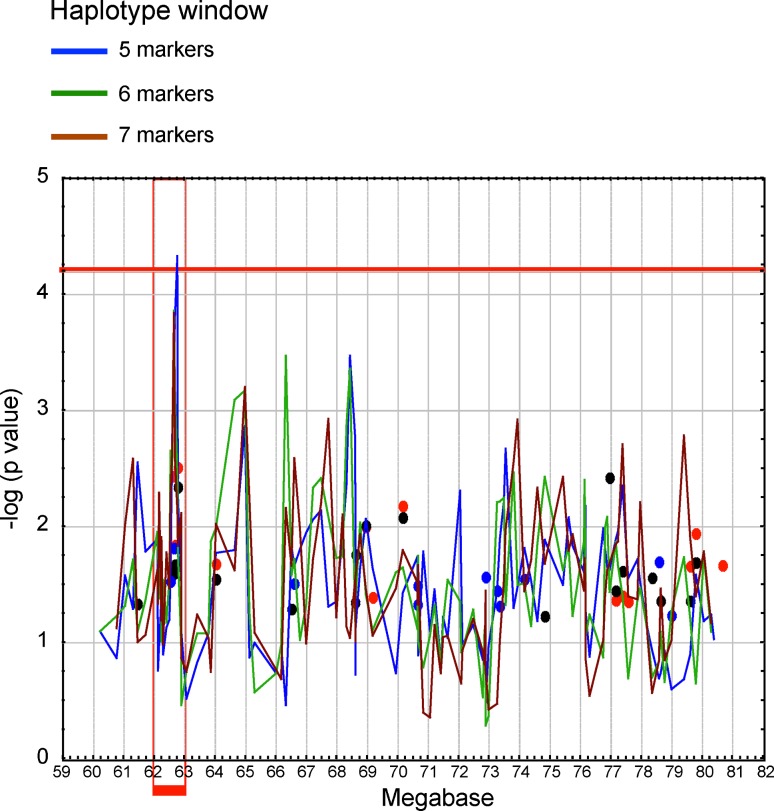
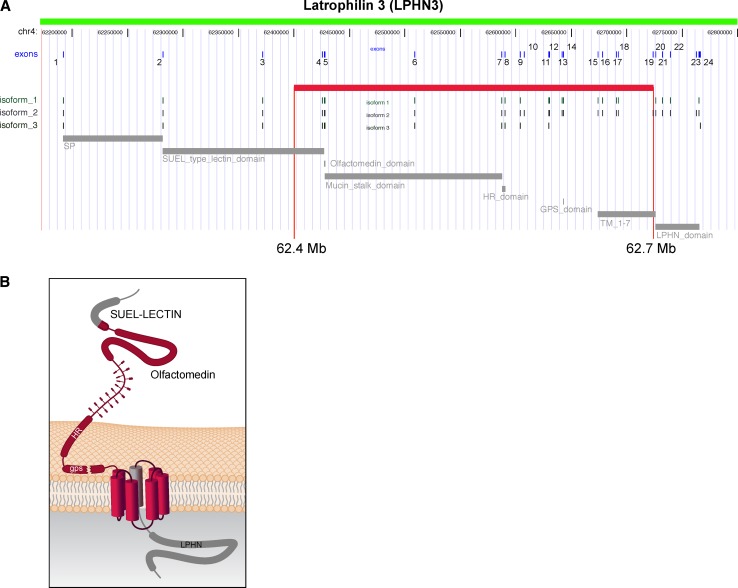
“This group utilized this information and replicated these as well as additional LPHN3 SNPs in several populations including polysubstance abuser individuals from the National Institute on Drug Abuse (NIDA) (Bergen et al. 1999), samples from alcohol-dependent individuals from the Collaborative Studies on Genetics of Al…”
BackgroundKarkowski, L. M., Prescott, C. A., & Kendler, K. S. (2000) · American Journal of Medical Genetics · doi:10.1002/1096-8628(20001009)96:5<665::aid-ajmg13>3.0.co;2-o · Cited by 136 · cited 1×
“Vulnerability to addictions is a complex trait with strong genetic influences that are largely shared by abusers of different legal and illegal addictive substances (Karkowski et al. 2000; Liu et al. 2006; True et al. 1999; Tsuang et al. 1998; Uhl et al. 2001).”
BackgroundYang, B.-Z., Kranzler, H. R., Zhao, H., Gruen, J. R., Luo, X., & Gelernter, J. (2007) · Human Molecular Genetics · doi:10.1093/hmg/ddm240 · Cited by 131 · cited 4×
“…from Arcos-Burgos et al. (2010) As in tobacco behavior, case/control- and family-based haplotype analyses with 43 SNPs within the NCAM1TTC12-ANKK1-DRD2 gene cluster have been performed in studies of alcohol dependence (AD) (Yang et al. 2007) and drug dependence (DD) (Yang et al. 2008).”
BackgroundMethodInfluentialWilens, T. E., & Biederman, J. (2006) · Journal of Psychopharmacology · doi:10.1177/0269881105058776 · Cited by 125 · cited 4×
“It has also been proposed that patients with ADHD use addictive substances in an attempt to self-medicate symptoms of the disorder (Khantzian 1997), and that the poor judgment and impulsivity associated with ADHD contribute to the development of dependence (Wilens and Biederman 2006).”
BackgroundInfluentialContribution of LPHN3 to the genetic susceptibility to ADHD in adulthood: a replication study
Ribasés, M., Ramos-Quiroga, J. A., Sánchez-Mora, C., Bosch, R., Richarte, V., Palomar, G., Gastaminza, X., Bielsa, A., Arcos-Burgos, M., Muenke, M., et al. (2011) · Genes, Brain and Behavior · doi:10.1111/j.1601-183x.2010.00649.x · Cited by 119 · cited 3×
“In order to validate these findings, we pursued replication in additional samples from Colombia, Germany, Norway, Spain, and in two separate US populations.”
BackgroundSelf-citationTrue, W. R., Heath, A. C., Scherrer, J. F., Xian, H., Lin, N., Eisen, S. A., Lyons, M. J., Goldberg, J., & Tsuang, M. T. (1999) · American Journal of Medical Genetics · doi:10.1002/(sici)1096-8628(19990820)88:4<391::aid-ajmg17>3.0.co;2-l · Cited by 119
Molina, B. S. G., Smith, B. H., & Pelham, W. E. (1999) · Psychology of Addictive Behaviors · doi:10.1037//0893-164x.13.4.348 · Cited by 112 · cited 1×
“Autoimmune diseases preferentially tend to affect females (i.e., they demonstrate a gender bias), share similar causal environmental agents, and several AIDs might respond to the same pharmacological treatment (Anaya 2010).”
BackgroundA genome‐wide search for loci contributing to smoking and alcoholism
Bergen, A. W., Korczak, J. F., Weissbecker, K., & Goldstein, A. M. (1999) · Genetic Epidemiology · doi:10.1002/gepi.1370170710 · Cited by 103 · cited 3×
“This group utilized this information and replicated these as well as additional LPHN3 SNPs in several populations including polysubstance abuser individuals from the National Institute on Drug Abuse (NIDA) (Bergen et al. 1999), samples from alcohol-dependent individuals from the Collaborative Studies on Genetics of Al…”
BackgroundMethodYang, B., Kranzler, H. R., Zhao, H., Gruen, J. R., Luo, X., & Gelernter, J. (2008) · Alcoholism: Clinical and Experimental Research · doi:10.1111/j.1530-0277.2008.00800.x · Cited by 102 · cited 4×
“…from Arcos-Burgos et al. (2010) As in tobacco behavior, case/control- and family-based haplotype analyses with 43 SNPs within the NCAM1TTC12-ANKK1-DRD2 gene cluster have been performed in studies of alcohol dependence (AD) (Yang et al. 2007) and drug dependence (DD) (Yang et al. 2008).”
BackgroundMethodInfluentialAnaya, J. (2010) · Arthritis Research & Therapy · doi:10.1186/ar3175 · Cited by 97 · cited 9×
“Mutations in one gene might be associated with several AIDs (Jin et al. 2010; Spritz 2011) and variants in two genes might converge in a cooperative interaction (epistasis) to outline a complex AID phenotype, as described in membranous nephropathy (Stanescu et al. 2011).”
BackgroundInfluentialAttention deficit/hyperactivity disorder (ADHD): Complex phenotype, simple genotype?
Acosta, M., Arcos‐Burgos, M., & Muenke, M. (2004) · Genetics in Medicine · doi:10.1097/01.gim.0000110413.07490.0b · Cited by 94
Self-citationSzobot, C. M., Rohde, L. A., Bukstein, O., Molina, B. S. G., Martins, C., Ruaro, P., & Pechansky, F. (2007) · Addiction · doi:10.1111/j.1360-0443.2007.01850.x · Cited by 89 · cited 2×
“ADHD plus SUD: Individuals with ADHD are at increased risk for SUD (Bukstein 2008; Molina BSGM 1999; Szobot et al. 2007).”
BackgroundGenome‐wide association study in German patients with attention deficit/hyperactivity disorder
Hinney, A., Scherag, A., Jarick, I., Albayrak, Ö., Pütter, C., Pechlivanis, S., Dauvermann, M. R., Beck, S., Weber, H., Scherag, S., et al. (2011) · American Journal of Medical Genetics Part B: Neuropsychiatric Genetics · doi:10.1002/ajmg.b.31246 · Cited by 87
Jain, M., Palacio, L. G., Castellanos, F. X., Palacio, J. D., Pineda, D. A., Restrepo, M. I., Muñoz, J. F., Lopera, F. J., WALLIS, D. E., Berg, K. A., et al. (2006) · Biological Psychiatry · doi:10.1016/j.biopsych.2006.06.026 · Cited by 86 · cited 4×
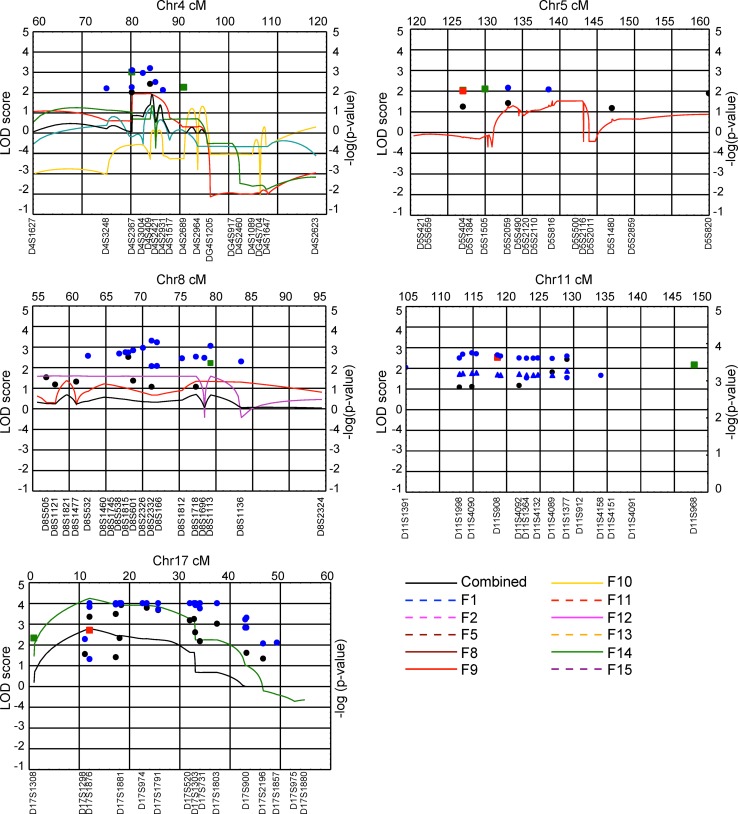
“1–22.2, suggesting that these patterns of cosegregation of ADHD with disruptive behavior and substance abuse comorbidities, and the linkage to similar regions, were indicative of a common major genetic cause (Jain et al. 2007).”
BackgroundInfluentialSelf-citationUhl, G. R. (2004) · Neuropharmacology · doi:10.1016/j.neuropharm.2004.07.029 · Cited by 83 · cited 1×
“…network analysis, we will show that these apparently unrelated genes are overrepresented by statistically significant gene ontology (GO) networks related to pathways such as those that involve axon guidance, regulation of synaptic transmission, and regulation of transmission of nerve impulse.”
BackgroundUHL, G. R. (2004) · Annals of the New York Academy of Sciences · doi:10.1196/annals.1316.001 · Cited by 78
Ducci, F., Kaakinen, M., Pouta, A., Hartikainen, A.-L., Veijola, J., Isohanni, M., Charoen, P., Coin, L., Hoggart, C., Ekelund, J., et al. (2011) · Biological Psychiatry · doi:10.1016/j.biopsych.2010.09.055 · Cited by 77 · cited 4×
“In adolescence, this variant also conferred increased risk of occasionally (OR = 1.12, 95 % CI = 1.12–1.48) smoking (Ducci et al. 2011).”
BackgroundInfluentialArcos‐Burgos, M., Castellanos, F. X., Konecki, D. S., Lopera, F. J., Pineda, D. A., Palacio, J. D., Rapoport, J. L., Berg, K., Wilson, J., & Muenke, M. (2004) · Molecular Psychiatry · doi:10.1038/sj.mp.4001396 · Cited by 77 · cited 5×
“With modifications from Arcos-Burgos et al. (2010) 924 Hum Genet (2012) 131:917–929”
BackgroundMethodInfluentialSelf-citationWhite, A. M., Jordan, J. D., Schroeder, K. M., Acheson, S. K., Georgi, B. D., Sauls, G., Ellington, R. R., & Swartzwelder, H. S. (2004) · Substance Abuse · doi:10.1300/j465v25n01_08 · Cited by 74 · cited 2×
“In the following sections, we will present data that support our model proposing that these constructs, grouped under the label ‘‘externalizing disorders’’, can be considered to be related syndromes, and that they share common physiopathological and psychopathological mechanisms, with evidence for…”
BackgroundInfluentialPalacio, J. D., Castellanos, F. X., Pineda, D. A., Lopera, F. J., Arcos‐Burgos, M., Quiroz, Y. T., Henao, G. C., Lópera, I. C. P., Ramirez, D., Rapoport, J. L., et al. (2004) · Journal of the American Academy of Child & Adolescent Psychiatry · doi:10.1097/01.chi.0000142279.79805.dc · Cited by 74 · cited 5×
“Although ADHD can occur as a single disorder in a minority of diagnosed individuals, it generally co-occurs with other disruptive behaviors disorders and with SUD (Palacio et al. 2004).”
BackgroundInfluentialSelf-citationCHILDHOOD ATTENTION DEFICIT/HYPERACTIVITY DISORDER AND ALCOHOL DEPENDENCE: A 1-YEAR FOLLOW-UP
Ercan, E. S. (2003) · Alcohol and Alcoholism · doi:10.1093/alcalc/agg084 · Cited by 72 · cited 2×
“In the following sections, we will present data that support our model proposing that these constructs, grouped under the label ‘‘externalizing disorders’’, can be considered to be related syndromes, and that they share common physiopathological and psychopathological mechanisms, with evidence for…”
BackgroundInfluentialRecent progress in the genetics of generalized vitiligo
Spritz, R. A. (2011) · Journal of genetics and genomics/Journal of Genetics and Genomics · doi:10.1016/j.jgg.2011.05.005 · Cited by 71 · cited 1×
“Mutations in one gene might be associated with several AIDs (Jin et al. 2010; Spritz 2011) and variants in two genes might converge in a cooperative interaction (epistasis) to outline a complex AID phenotype, as described in membranous nephropathy (Stanescu et al. 2011).”
BackgroundA cooperative interaction between LPHN3 and 11q doubles the risk for ADHD
Jain, M., Vélez, J. I., Acosta, M. T., Palacio, L. G., Balog, J., Roessler, E., Pineda, D., Londoño, A. C., Palacio, J. D., Arbelaez, A., et al. (2012) · Molecular Psychiatry · doi:10.1038/mp.2011.59 · Cited by 57 · cited 7×
“In summary, we provide compiled evidence of complex networks of genotypes underlying a wide phenotype that involves SUD and externalizing disorders.”
BackgroundInfluentialSelf-citationADHD latent class clusters: DSM-IV subtypes and comorbidity
Elia, J., Arcos-Burgos, M., Bolton, K. L., Ambrosini, P. J., Berrettini, W., & Muenke, M. (2009) · Psychiatry Research · doi:10.1016/j.psychres.2008.10.008 · Cited by 53 · cited 2×
“1) (Acosta et al. 2004; Arcos-Burgos et al. 2004a, 2010; Elia et al. 2009; Jain et al. 2011; Martinez et al. 2011; Pineda et al. 2011; Ribases et al. 2011).”
BackgroundSelf-citationToward a better understanding of ADHD: LPHN3 gene variants and the susceptibility to develop ADHD
Arcos‐Burgos, M., & Muenke, M. (2010) · ADHD Attention Deficit and Hyperactivity Disorders · doi:10.1007/s12402-010-0030-2 · Cited by 46 · cited 2×
“Furthermore, we show that same genetic variants, harbored at different genes (loci), may be associated with different syndromes (Arcos-Burgos and Muenke 2010; Jain et al. 2007) and, in particular cases, non-linear interactions between these variants (epistasis) correlate with the specific phenotype, the severity of th…”
BackgroundSelf-citationMartinez, A. F., Muenke, M., & Arcos‐Burgos, M. (2010) · American Journal of Medical Genetics Part B Neuropsychiatric Genetics · doi:10.1002/ajmg.b.31137 · Cited by 45 · cited 6×
“In summary, we provide compiled evidence of complex networks of genotypes underlying a wide phenotype that involves SUD and externalizing disorders.”
BackgroundInfluentialSelf-citationA two-locus genetic interaction between LPHN3 and 11q predicts ADHD severity and long-term outcome
Acosta, M. T., Vélez, J. I., Bustamante, M. L., Balog, J. Z., Arcos-Burgos, M., & Muenke, M. (2011) · Translational Psychiatry · doi:10.1038/tp.2011.14 · Cited by 41 · cited 1×
“Furthermore, we demonstrated that this genetic interaction not only predicts ADHD severity but also long-term outcome, which is related to comorbidities (Acosta et al. 2011).”
BackgroundSelf-citationSubstance abuse in patients with attention-deficit/hyperactivity disorder.
Bukstein, O. G. (2008) · PubMed Central · Cited by 34
David, S. P., Mezuk, B. R., Zandi, P. P., Strong, D. R., Anthony, J. C., NIAURA, R. S., Uhl, G. R., & Eaton, W. W. (2010) · Nicotine & Tobacco Research · doi:10.1093/ntr/ntp201 · Cited by 25 · cited 3×
“…with ADHD, and the Tetratricopeptide Repeat Domain 12 (TTC12), and Ankyrin repeat and Kinase Domain Containing 1 (ANKK1), two genes associated with externalizing symptoms and nicotine dependence (David et al. 2010; Ducci et al. 2011; Gelernter et al. 2006; Yang et al. 2007, 2008) (Table 1).”
BackgroundPineda, D. A., Lopera, F. J., Lópera, I. C. P., Trujillo, N., Aguirre–Acevedo, D. C., Hincapié, L., Arango, C. P., Acosta, M. T., Holzinger, S. I., Palacio, J. D., et al. (2011) · ADHD Attention Deficit and Hyperactivity Disorders · doi:10.1007/s12402-011-0061-3 · Cited by 18 · cited 2×
“1) (Acosta et al. 2004; Arcos-Burgos et al. 2004a, 2010; Elia et al. 2009; Jain et al. 2011; Martinez et al. 2011; Pineda et al. 2011; Ribases et al. 2011).”
BackgroundSelf-citation
Research works printed but not linked: 2
- Reich T Edenberg HJ Goate A Williams JT Rice JP Van Eerdewegh P Foroud T Hesselbrock V Schuckit MA Bucholz K Porjesz B Li TK Conneally PM Nurnberger JI Jr Tischfield JA Crowe RR Cloninger CR Wu W Shears S Carr K Crose C Willig C Begleiter H Genome-wide search for genes affecting the risk for alcohol dependence Am J Med Genet 1998 81 207 215 10.1002/(SICI)1096-8628(19980508)81:3<207::AID-AJMG1>3.0.CO;2-T 9603606 · DOI · Paper page
- Ribases M Ramos-Quiroga JA Sanchez-Mora C Bosch R Richarte V Palomar G Gastaminza X Bielsa A Arcos-Burgos M Muenke M Castellanos FX Cormand B Bayes M Casas M Contribution of LPHN3 to the genetic susceptibility to ADHD in adulthood: a replication study Genes Brain Behav 2011 10 149 157 10.1111/j.1601-183X.2010.00649.x 21040458 · DOI · Paper page
Cited by
Kotov, R., Krueger, R. F., Watson, D., Achenbach, T. M., Althoff, R. R., Bagby, R. M., Brown, T. A., Carpenter, W. T., Caspi, A., Clark, L. A., et al. (2017) · Journal of Abnormal Psychology · doi:10.1037/abn0000258 · Cited by 3,335
A hierarchical causal taxonomy of psychopathology across the life span.
Lahey, B. B., Krueger, R. F., Rathouz, P. J., Waldman, I. D., & Zald, D. H. (2017) · Psychological Bulletin · doi:10.1037/bul0000069 · Cited by 443
Molina, B. S. G., & Pelham, W. E. (2014) · Annual Review of Clinical Psychology · doi:10.1146/annurev-clinpsy-032813-153722 · Cited by 186
“Further, genetic and neurobiological models of addiction and ADHD share strikingly similar overlap in targeted regions of interest (e.g., Arcos-Burgos et al. 2012, Goldstein & Volkow, 2002).”
BackgroundPrenatal stress and the developing brain: Risks for neurodevelopmental disorders
Van den Bergh, B. R. H., Dahnke, R., & Mennes, M. (2018) · Development and Psychopathology · doi:10.1017/s0954579418000342 · Cited by 158
Alcohol use disorders and ADHD.
Luderer, M., Ramos Quiroga, J. A., Faraone, S. V., Zhang-James, Y., & Reif, A. (2021) · Neuroscience & Biobehavioral Reviews · doi:10.1016/j.neubiorev.2021.07.010 · Cited by 102
Metadata
- Authors
- Arcos-Burgos, M., Vélez, J. I., Solomon, B. D., & Muenke, M.
- Affiliations
- National Institutes of Health (US)
- Corresponding author
- Muenke, Maximilian
- Venue
- Human Genetics
- Published
- 2012-04-11
- Volume
- 131
- Issue
- 6
- Pages
- 917-929
- ISSN
- 0018-7348 (ISSN-L)
- 0340-6717
- 1432-1203
- PMC
- PMC3351604
- OpenAlex
- W2123368493
- Cited by
- 58
- References
- 62
- Citations by year
- 2026: 2 · 2025: 2 · 2024: 3 · 2023: 4 · 2022: 4 · 2021: 6 · 2019: 6 · 2018: 6 · 2017: 5 · 2016: 6 · 2015: 3 · 2014: 5 · 2013: 4 · 2012: 2
- FWCI
- 0.60
- Type
- journal article
- Language
- en
- Open access
- hybrid
- doi.org
- Licence
- cc-by
- Locations
- Human Genetics (publishedVersion, cc-by)
- PubMed Central (publishedVersion, cc-by)
- PubMed (publishedVersion)
- ANU Open Research (Australian National University) (submittedVersion)
- Funders
- U.S. Department of Health and Human Services
- National Institutes of Health
- NHLBI Division of Intramural Research
- Topics
- Health Sciences › Medicine › Psychiatry and Mental health › Attention Deficit Hyperactivity Disorder
- Life Sciences › Biochemistry, Genetics and Molecular Biology › Genetics › Genetic Associations and Epidemiology
- Life Sciences › Neuroscience › Cellular and Molecular Neuroscience › Neurotransmitter Receptor Influence on Behavior
- Keywords
- substance use disorders, externalizing disorders, attention deficit hyperactivity disorder, disruptive behavior, gene networks, epistasis, gene-gene interaction, co-segregation, extended pedigrees, gene co-expression, genetic colocalization, axon guidance, synaptic transmission, network analysis
- MeSH terms
- Epistasis, Genetic, Humans, Genetic Linkage, Pedigree, Phenotype, Genetic Variation, Attention Deficit and Disruptive Behavior Disorders, Substance-Related Disorders, Gene Regulatory Networks
About these checks
Registry, retraction, Cites and statistics results are computed, not judged, with one exception: a printed reference that no index lists is read once by a model before it counts as a citation error. Claims are extracted by a model and kept only when their quote appears verbatim in the text; each cited source is then checked, with a model’s help, for whether it says what the claim relies on. Those verdicts can be wrong — read the claim’s quote and the cited source before relying on one.
Statistics and arithmetic are recomputed, not judged.
Confidence bands are shown only for fields calibrated on our annotated test set. None is calibrated yet, so no band is shown.
What counts as a claim ›How we measure confidence ›How we check this ›
Are you an author, or do you see a problem with this page? Request a review
Data sources
Bibliographic data: Semantic Scholar, OpenAlex, Crossref.
Contains information from the Semantic Scholar Academic Graph Datasets, made available under the ODC Attribution License (ODC-BY 1.0).
Semantic Scholar’s data is described in: Kinney, R., et al. (2023). The Semantic Scholar Open Data Platform. arXiv:2301.10140.
