

Using an Automated Speech Recognition Approach to Differentiate Between Normal and Aspirating Swallowing Sounds Recorded from Digital Cervical Auscultation in Children
Open accessThe DOI matches its Crossref record; 65 of the 65 references it cites were found in a registry or an index.
Abstract
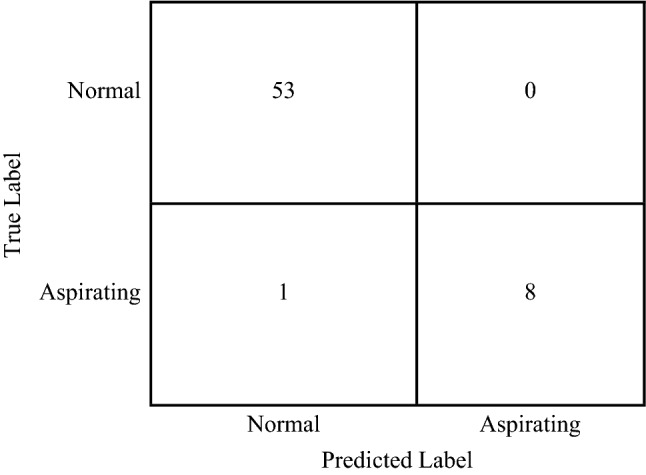
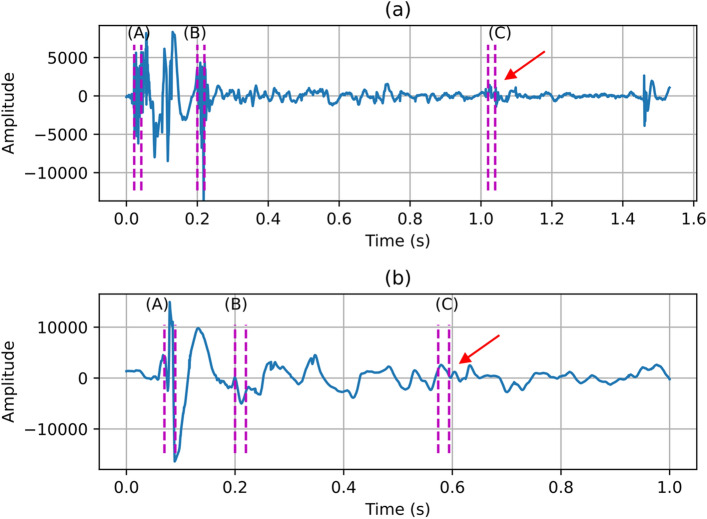
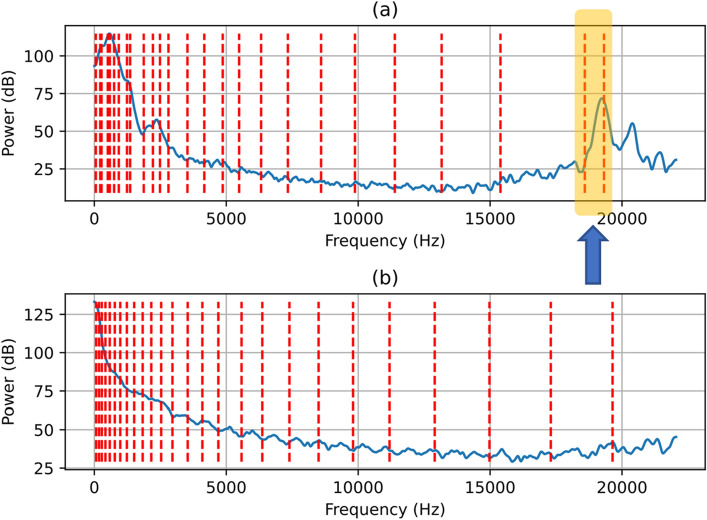
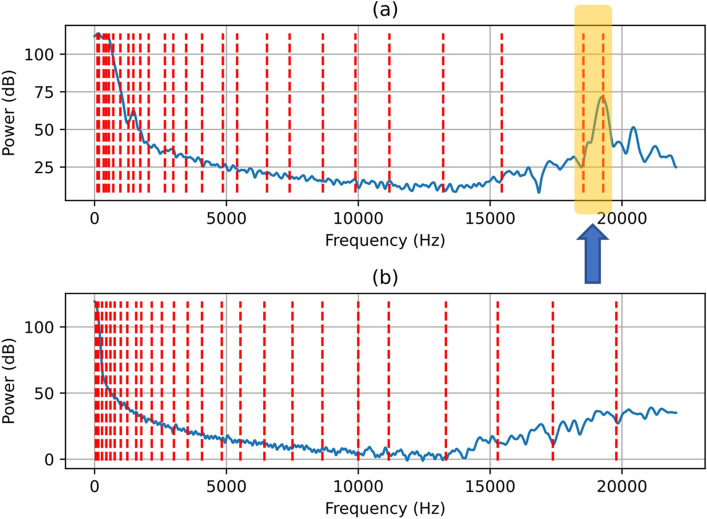
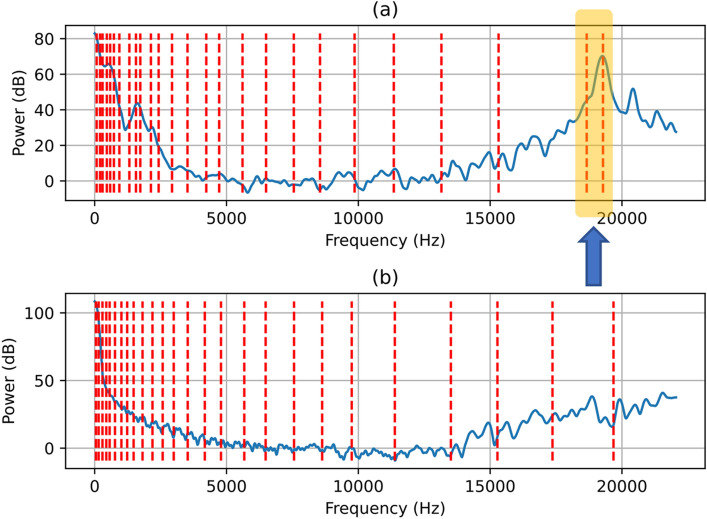
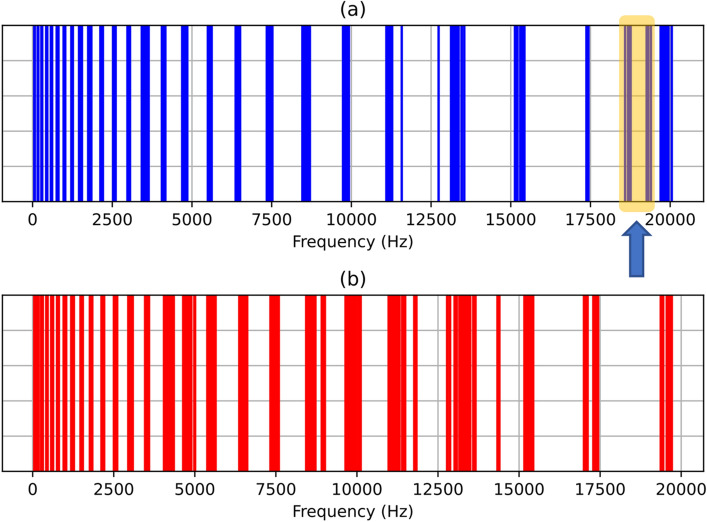
Use of machine learning to accurately detect aspirating swallowing sounds in children is an evolving field. Previously reported classifiers for the detection of aspirating swallowing sounds in children have reported sensitivities between 79 and 89%. This study aimed to investigate the accuracy of using an automatic speaker recognition approach to differentiate between normal and aspirating swallowing sounds recorded from digital cervical auscultation in children. We analysed 106 normal swallows from 23 healthy children (median 13 months; 52.1% male) and 18 aspirating swallows from 18 children (median 10.5 months; 61.1% male) who underwent concurrent videofluoroscopic swallow studies with digital cervical auscultation. All swallowing sounds were on thin fluids. A support vector machine classifier with a polynomial kernel was trained on feature vectors that comprised the mean and standard deviation of spectral subband centroids extracted from each swallowing sound in the training set. The trained support vector machine was then used to classify swallowing sounds in the test set. We found high accuracy in the differentiation of aspirating and normal swallowing sounds with 98% overall accuracy. Sensitivity for the detection of aspiration and normal swallowing sounds were 89% and 100%, respectively. There were consistent differences in time, power spectral density and spectral subband centroid features between aspirating and normal swallowing sounds in children. This study provides preliminary research evidence that aspirating and normal swallowing sounds in children can be differentiated accurately using machine learning techniques.
Overview
The claims and statistics of this paper haven’t been checked yet.
Free: it reads the open-access text and checks the first 5 claims that cite a source we can check. Create a free account to check every claim.
Integrity signals
Registry
Cites
Statistics
Figures
Verification
Claims the paper makes
The claims and statistics of this paper haven’t been checked yet.
Free: it reads the open-access text and checks the first 5 claims that cite a source we can check. Create a free account to check every claim.
Claims other papers make about this one
Each is checked against this paper’s own text: does it say what the citing paper says it does?
The source backs part of the claim, not all of it — or backs it for a different population, condition or comparison.
In the citing paper
“In the pediatric population, cerebral palsy was the most cited condition in studies focusing on this age group(20,37,49).”
From Artificial intelligence in the diagnosis and management of dysphagia: a scoping review (2025) · cites this paper as [20]
Experimental — accuracy not yet measured
Self-check
Percentages, sums and reported differences re-computed from the paper’s own numbers.
The self-check needs the paper’s full text.
Citations
Cites
Scikit-learn: Machine Learning in Python
Pedregosa, F., Varoquaux, G., Gramfort, A., Michel, V., Thirion, B., Grisel, O., Blondel, M., Müller, A., Nothman, J., Louppe, G., et al. (2012) · arXiv · doi:10.48550/arxiv.1201.0490 · Cited by 71,016 · cited 1×
“The SVM classifier in the Python library scikit-learn [53] was utilised in the experiments for training and testing.”
MethodThe Nature of Statistical Learning Theory
Vapnik, V. N. (1995) · doi:10.1007/978-1-4757-2440-0 · Cited by 39,138
Fundamentals of speech recognition
Rabiner, L. R., & Juang, B.-H. F. (1993) · Cited by 7,680
Davis, S., & Mermelstein, P. (1980) · IEEE Transactions on Acoustics, Speech, and Signal Processing · doi:10.1109/tassp.1980.1163420 · Cited by 5,465
A penetration-aspiration scale
Rosenbek, J. C., Robbins, J. A., Roecker, E. B., Coyle, J. L., & Wood, J. L. (1996) · Dysphagia · doi:10.1007/bf00417897 · Cited by 2,803 · cited 1×
“Conferral on the presence/absence of aspiration was jointly completed by a paediatric speech pathologist and radiologist; and objectively rated by a speech pathologist post-VFSS, using the Penetration–Aspiration Scale [47].”
MethodPattern recognition and machine learning
(2007) · Choice Reviews Online · doi:10.5860/choice.44-5091 · Cited by 2,650
Perceptual linear predictive (PLP) analysis of speech
Hermansky, H. (1990) · The Journal of the Acoustical Society of America · doi:10.1121/1.399423 · Cited by 2,536 · cited 1×
“It is therefore reasonable to hypothesise that formant-based speech features, such as LPCCs (or linear prediction cepstral coefficients) [36], MFCCs (or Mel-frequency warped cepstral coefficients) [37] and PLPs (or perceptual linear prediction) [38], could convey useful information for discriminating aspirating from n…”
BackgroundMachine learning in medicine: a practical introduction
Sidey-Gibbons, J. A. M., & Sidey-Gibbons, C. J. (2019) · BMC Medical Research Methodology · doi:10.1186/s12874-019-0681-4 · Cited by 1,271 · cited 1×
“SVM classifiers are considered the most appropriate for use in sound classification, given its non-linear ability to differentiate binary classes (i.e. aspiration versus non-aspiration) using feature selection techniques on smaller datasets [24–26].”
MethodSpeech Analysis and Synthesis by Linear Prediction of the Speech Wave
Atal, B. S., & Hanauer, S. L. (1971) · The Journal of the Acoustical Society of America · doi:10.1121/1.1912679 · Cited by 1,209
Ethical Machine Learning in Healthcare
Chen, I. Y., Pierson, E., Rose, S., Joshi, S., Ferryman, K., & Ghassemi, M. (2021) · Annual Review of Biomedical Data Science · doi:10.1146/annurev-biodatasci-092820-114757 · Cited by 645 · cited 1×
“In addition, comparative studies of different classifiers are required to provide reliable interpretation of reported diagnostic accuracies which are performed on the same dataset to reduce known bias’ in machine learning within healthcare [66].”
BackgroundSteele, C. M., Alsanei, W. A., Ayanikalath, S., Barbon, C. E. A., Chen, J., Cichero, J. A. Y., Coutts, K., Dantas, R. O., Duivestein, J., Giosa, L., et al. (2015) · Dysphagia · doi:10.1007/s00455-014-9578-x · Cited by 616 · cited 1×
“These are limitations as age and viscosity influences swallowing kinematics and acoustic swallowing parameters of amplitude, frequency and duration for children [31–33].”
BackgroundTheory and Applications of Digital Speech Processing
Rabiner, L. R., & Schafer, R. W. (2010) · Medical Entomology and Zoology · Cited by 579
Assessment of pediatric dysphagia and feeding disorders: Clinical and instrumental approaches
Arvedson, J. C. (2008) · Developmental Disabilities Research Reviews · doi:10.1002/ddrr.17 · Cited by 420 · cited 1×
“…of 89% for the detection of aspiration is higher than previously documented sensitivities of between 33 and 92% for routinely performed clinical feeding evaluations in children when compared with gold standard tests, such as the VFSS or fiberoptic endoscopic evaluation (FEES) [10, 56–63].”
ResultPediatric Dysphagia: Physiology, Assessment, and Management
Dodrill, P., & Gosa, M. M. (2015) · Annals of Nutrition and Metabolism · doi:10.1159/000381372 · Cited by 283
Feeding children with cerebral palsy and swallowing difficulties
Arvedson, J. C. (2013) · European Journal of Clinical Nutrition · doi:10.1038/ejcn.2013.224 · Cited by 239 · cited 1×
“In current clinical practice, a videofluoroscopic swallow study (VFSS) is the preferred instrumental assessment for aspiration in infants and children due to the ability to visualise all phases of the swallow, including direct visualisation of aspiration events [10].”
BackgroundOropharyngeal Aspiration and Silent Aspiration in Children
Weir, K. A., McMahon, S., Taylor, S., & Chang, A. B. (2011) · Chest · doi:10.1378/chest.10-1618 · Cited by 211
Self-citationAdvances in the diagnosis and management of chronic pulmonary aspiration in children
Boesch, R. P., Daines, C., Willging, J. P., Kaul, A., Cohen, A. P., Wood, R. E., & Amin, R. S. (2006) · European Respiratory Journal · doi:10.1183/09031936.06.00138305 · Cited by 183
Fiberoptic Endoscopic Evaluation of Swallowing in the Pediatric Population
Leder, S. B., & Karas, D. E. (2000) · The Laryngoscope · doi:10.1097/00005537-200007000-00012 · Cited by 153
Spectral subband centroid features for speech recognition
Paliwal, K. K. (2002) · Proceedings of the 1998 IEEE International Conference on Acoustics, Speech and Signal Processing, ICASSP '98 (Cat. No.98CH36181) · doi:10.1109/icassp.1998.675340 · Cited by 147
Clinical signs and symptoms of oropharyngeal aspiration and dysphagia in children
Weir, K. A., McMahon, S., Barry, L. K., Masters, I. B., & Chang, A. B. (2008) · European Respiratory Journal · doi:10.1183/09031936.00090308 · Cited by 141 · cited 1×
“reflexive cough generated to expel aspirated material) or considered silent when there is an absence of cough within 20 s of the aspiration event [2].”
BackgroundSelf-citationDeMatteo, C. A., Matovich, D., & Hjartarson, A. (2005) · Developmental Medicine & Child Neurology · doi:10.1017/s0012162205000289 · Cited by 139
Oropharyngeal aspiration and pneumonia in children
Weir, K. A., McMahon, S., Barry, L. K., Ware, R. S., Masters, I. B., & Chang, A. B. (2007) · Pediatric Pulmonology · doi:10.1002/ppul.20687 · Cited by 134
Self-citationImpact of Children’s Feeding/Swallowing Problems: Validation of a New Caregiver Instrument
Lefton‐Greif, M. A., Okelo, S. O., Wright, J. M., Collaco, J. M., McGrath‐Morrow, S. A., & Eakin, M. N. (2014) · Dysphagia · doi:10.1007/s00455-014-9560-7 · Cited by 114
Link, D. T., Willging, J. P., Cotton, R. T., Miller, C. K., & Rudolph, C. D. (2000) · Annals of Otology Rhinology & Laryngology · doi:10.1177/000348940010901002 · Cited by 114
Classification of acoustic events using SVM-based clustering schemes
Temko, A., & Nadeu, C. (2005) · Pattern Recognition · doi:10.1016/j.patcog.2005.11.005 · Cited by 113 · cited 1×
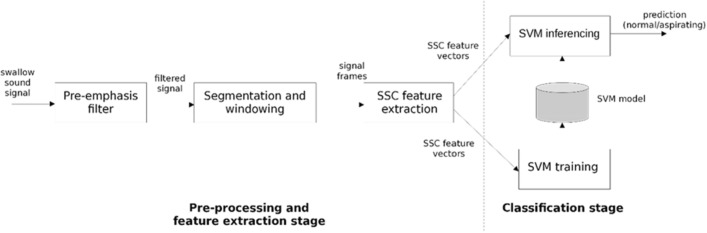
“Based on features from a previous study on SVM classification of acoustic events [50], a feature vector for each patient is then formed by computing the mean and standard deviation of the SSC vectors and concatenating them together, giving the final feature dimension of 52.”
MethodSchedule for Oral-Motor Assessment (SOMA): Methods of validation
Skuse, D., Stevenson, J., Reilly, S., & Mathisen, B. (1995) · Dysphagia · doi:10.1007/bf00260976 · Cited by 112 · cited 2×
“Instead, we used the results of the SOMA [46] and/or pre-feeding checklists [45] to objectively categorise normal feeding/swallowing skills.”
MethodAcoustic Signature of the Normal Swallow: Characterization by Age, Gender, and Bolus Volume
Cichero, J. A. Y., & Murdoch, B. E. (2002) · Annals of Otology, Rhinology & Laryngology · doi:10.1177/000348940211100710 · Cited by 112 · cited 1×
“Exclusively focussing on thin fluids is essential in the development of a swallowing sounds classifier because there are known differences in the acoustic properties (e.g. intensity, duration, frequency) between thin and puree bolus’ in children [32] and adults [54, 55].”
BackgroundA Survey of Australian Dysphagia Practice Patterns
Rumbach, A. F., Coombes, C., & Doeltgen, S. (2017) · Dysphagia · doi:10.1007/s00455-017-9849-4 · Cited by 100 · cited 2×
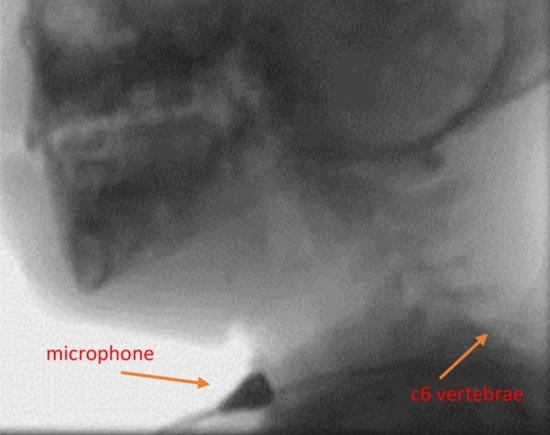
“Visual images of children drinking thin fluids were captured via a digital video-recorder (Model DCR-DVD605E, Sony Corporation, Tokyo, Japan) for the normal group, whilst VFSS images were captured at 15 frames per second via a digital fluoroscopy unit (Toshiba KXO-80G, North Ryde, NSW, Australia) for the aspiration gr…”
BackgroundSilent aspiration: Who is at risk?
Velayutham, P., Irace, A. L., Kawai, K., Dodrill, P., Perez, J. A., Londahl, M., Mundy, L., Dombrowski, N. D., & Rahbar, R. (2017) · The Laryngoscope · doi:10.1002/lary.27070 · Cited by 100 · cited 1×
“The prevalence of silent aspiration in infants and children is between 80 and 89% in children with paediatric feeding disorders [3, 4].”
BackgroundPediatric Fiberoptic Endoscopic Evaluation of Swallowing
Hartnick, C. J., Miller, C. K., Hartley, B., & Willging, J. P. (2000) · Annals of Otology Rhinology & Laryngology · doi:10.1177/000348940010901102 · Cited by 76
A radial basis classifier for the automatic detection of aspiration in children with dysphagia
Lee, J., Blain, S., Casas, M., Kenny, D., Berall, G., & Chau, T. (2006) · Journal of NeuroEngineering and Rehabilitation · doi:10.1186/1743-0003-3-14 · Cited by 74
Adult Dysphagia Assessment in the UK and Ireland: Are SLTs Assessing the Same Factors?
Bateman, C., Leslie, P., & Drinnan, M. J. (2007) · Dysphagia · doi:10.1007/s00455-006-9070-3 · Cited by 66
Bell, K. L., Benfer, K. A., Ware, R. S., Patrao, T. A., Garvey, J. J., Arvedson, J. C., Boyd, R. N., Davies, P. S. W., & Weir, K. A. (2019) · Developmental Medicine & Child Neurology · doi:10.1111/dmcn.14220 · Cited by 64 · cited 1×
“The accurate detection of aspiration, including silent aspiration, is important in infants and children because missed detection of aspiration can lead to acute and chronic lung sequelae [5–7], reduced nutritional growth and development [8] and decreased caregiver health-related quality of life [9].”
BackgroundSelf-citationPediatric FEESST: Fiberoptic endoscopic evaluation of swallowing with sensory testing
Willging, J. P., & Thompson, D. M. (2005) · Current Gastroenterology Reports · doi:10.1007/s11894-005-0041-x · Cited by 59 · cited 1×
“…of 89% for the detection of aspiration is higher than previously documented sensitivities of between 33 and 92% for routinely performed clinical feeding evaluations in children when compared with gold standard tests, such as the VFSS or fiberoptic endoscopic evaluation (FEES) [10, 56–63].”
ResultNormal Swallowing Acoustics Across Age, Gender, Bolus Viscosity, and Bolus Volume
Youmans, S. R., & Stierwalt, J. A. G. (2011) · Dysphagia · doi:10.1007/s00455-010-9323-z · Cited by 56 · cited 1×
“intensity, duration, frequency) between thin and puree bolus’ in children [32] and adults [54, 55].”
BackgroundCichero, J. A. Y., Nicholson, T. M., & Dodrill, P. (2010) · Dysphagia · doi:10.1007/s00455-010-9303-3 · Cited by 54 · cited 1×
“…[11–13] and may not replicate typical mealtimes due to time constraints associated with minimisation of screening time [14], observations of eating and drinking in an unfamiliar environment and difficulties replicating typical infant formula or breastmilk with barium impregnated fluids [15, 16].”
BackgroundMcAllister, S., Kruger, S., Doeltgen, S., & Tyler-Boltrek, E. (2016) · Dysphagia · doi:10.1007/s00455-016-9724-8 · Cited by 48 · cited 1×
“Cervical auscultation has the potential capability of helping health professionals worldwide working in the field of paediatric feeding disorders to personalise feeding management plans which are patient and family centred [67] due to its non-invasive nature, low cost and repeatability in multiple environments.”
BackgroundCalvo, I., Conway, A., Henriques, F., & Walshe, M. (2016) · Developmental Medicine & Child Neurology · doi:10.1111/dmcn.13058 · Cited by 47
Sitton, M. S., Arvedson, J. C., Visotcky, A. M., Braun, N. M., Kerschner, J. E., Tarima, S. S., & Brown, D. (2011) · International Journal of Pediatric Otorhinolaryngology · doi:10.1016/j.ijporl.2011.05.010 · Cited by 46
Donohue, C., Mao, S., Sejdić, E., & Coyle, J. L. (2021) · Dysphagia · doi:10.1007/s00455-020-10124-z · Cited by 45
Frakking, T. T., Chang, A. B., O’Grady, K.-A. F., David, M., Walker‐Smith, K., & Weir, K. A. (2016) · Dysphagia · doi:10.1007/s00455-016-9727-5 · Cited by 45 · cited 2×
“…our overall sensitivity for the differentiation between aspirating and normal swallows is superior to subjective clinician judgement when cervical auscultation was used in conjunction with the clinical feeding evaluation 85% (95% CI 0.62–0.97) [21] or in isolation 93.9% (95% CI 91.8–95.6) [22].”
BackgroundInfluentialSelf-citationMartin‐Harris, B., Carson, K. A., Pinto, J. M., & Lefton‐Greif, M. A. (2019) · Dysphagia · doi:10.1007/s00455-019-10008-x · Cited by 44 · cited 3×
“We hypothesise that the SSC and power spectral density features on aspirating swallow sounds are one out of 21 physiologic components in the oropharyngeal mechanics of feeding/swallowing in infants [64, 65].”
BackgroundMethodHersh, C. J., Wentland, C. J., Sally, S., de Stadler, M., Hardy, S. G., Fracchia, M. S., Liu, B., & Hartnick, C. J. (2016) · International Journal of Pediatric Otorhinolaryngology · doi:10.1016/j.ijporl.2016.07.032 · Cited by 43 · cited 1×
“However, VFSS is not readily available, involves exposure to ionising radiation (although at safe levels) [11–13] and may not replicate typical mealtimes due to time constraints associated with minimisation of screening time [14], observations of eating and drinking in an unfamiliar environment and…”
BackgroundA statistical analysis of cervical auscultation signals from adults with unsafe airway protection
Dudik, J. M., Kurosu, A., Coyle, J. L., & Sejdić, E. (2016) · Journal of NeuroEngineering and Rehabilitation · doi:10.1186/s12984-015-0110-9 · Cited by 42 · cited 1×
“To date, CA has differentiated between safe and unsafe swallows [39], swallow function [40] and correlated specific swallow kinematic events such as hyoid bone displacement [41–43] and laryngeal closure [44] in adults.”
BackgroundDeep learning for classification of normal swallows in adults
Dudik, J. M., Coyle, J. L., El-Jaroudi, A., Mao, Z.-H., Sun, M., & Sejdić, E. (2018) · Neurocomputing · doi:10.1016/j.neucom.2017.12.059 · Cited by 42 · cited 1×
“Using pre-selected mathematical or physiological features to classify aspirating swallow sounds in adults likely resulted in unintentional bias and reduced accuracy of the classifier of previous CA studies [30].”
BackgroundLefton‐Greif, M. A., McGrattan, K. E., Carson, K. A., Pinto, J. M., Wright, J. M., & Martin‐Harris, B. (2017) · Dysphagia · doi:10.1007/s00455-017-9834-y · Cited by 42 · cited 1×
“We hypothesise that the SSC and power spectral density features on aspirating swallow sounds are one out of 21 physiologic components in the oropharyngeal mechanics of feeding/swallowing in infants [64, 65].”
BackgroundDonohue, C., Khalifa, Y., Perera, S., Sejdić, E., & Coyle, J. L. (2021) · Dysphagia · doi:10.1007/s00455-020-10177-0 · Cited by 41 · cited 1×
“To date, CA has differentiated between safe and unsafe swallows [39], swallow function [40] and correlated specific swallow kinematic events such as hyoid bone displacement [41–43] and laryngeal closure [44] in adults.”
BackgroundHe, Q., Perera, S., Khalifa, Y., Zhang, Z., Mahoney, A. S., Sabry, A., Donohue, C., Coyle, J. L., & Sejdic, E. (2019) · IEEE Transactions on Neural Systems and Rehabilitation Engineering · doi:10.1109/tnsre.2019.2935302 · Cited by 39
Quantitative classification of pediatric swallowing through accelerometry
Celeste, M., Azadeh, K., Sejdić, E., Berall, G., & Chau, T. (2012) · Journal of NeuroEngineering and Rehabilitation · doi:10.1186/1743-0003-9-34 · Cited by 37 · cited 5×
“Also, previous classifier accuracy results were based on swallowing sounds collected from children with large age ranges (2–11.6 years [27] and 2–9.9 years [28]) and on a variety of fluid viscosities.”
BackgroundResultInfluentialRebrion, C., Zhang, Z., Khalifa, Y., Ramadan, M., Kurosu, A., Coyle, J. L., Perera, S., & Sejdic, E. (2019) · IEEE Journal of Translational Engineering in Health and Medicine · doi:10.1109/jtehm.2018.2881468 · Cited by 34 · cited 1×
“To date, CA has differentiated between safe and unsafe swallows [39], swallow function [40] and correlated specific swallow kinematic events such as hyoid bone displacement [41–43] and laryngeal closure [44] in adults.”
BackgroundUnderstanding the Viscosity of Liquids used in Infant Dysphagia Management
Frazier, J. B., Chestnut, A. H., Jackson, A. J., Barbon, C. E. A., Steele, C. M., & Pickler, L. L. (2016) · Dysphagia · doi:10.1007/s00455-016-9726-6 · Cited by 34
Estimation of laryngeal closure duration during swallowing without invasive X-rays
Mao, S., Sabry, A., Khalifa, Y., Coyle, J. L., & Sejdic, E. (2021) · Future Generation Computer Systems · doi:10.1016/j.future.2020.09.040 · Cited by 33 · cited 1×
“To date, CA has differentiated between safe and unsafe swallows [39], swallow function [40] and correlated specific swallow kinematic events such as hyoid bone displacement [41–43] and laryngeal closure [44] in adults.”
BackgroundAssessing inter-rater reliability when the raters are fixed: Two concepts and two estimates
Rousson, V. (2011) · Biometrical Journal · doi:10.1002/bimj.201000066 · Cited by 33 · cited 1×
“Inter-rater reliability for swallow segmentation was performed on a random selection of 25% of swallows and intra-class coefficients of > 0.99 were obtained for both raters [31, 48].”
MethodInfluentialClassifying Dysphagic Swallowing Sounds with Support Vector Machines
Miyagi, S., Sugiyama, S., Kozawa, K., Moritani, S., Sakamoto, S., & Sakai, O. (2020) · Healthcare · doi:10.3390/healthcare8020103 · Cited by 32
Can We Reduce Frame Rate to 15 Images per Second in Pediatric Videofluoroscopic Swallow Studies?
Layly, J., Marmouset, F., Chassagnon, G., Bertrand, P., Sirinelli, D., Cottier, J., & Morel, B. (2019) · Dysphagia · doi:10.1007/s00455-019-10027-8 · Cited by 29
High-resolution cervical auscultation and data science: new tools to address an old problem
Coyle, J. L., & Sejdić, E. (2020) · American Journal of Speech-Language Pathology · doi:10.1044/2020_ajslp-19-00155 · Cited by 28 · cited 1×
“vasomotion of major arteries, head movement) [29].”
Reliability for detecting oropharyngeal aspiration in children using cervical auscultation
Frakking, T. T., Chang, A. B., O’Grady, K.-A. F., David, M., & Weir, K. A. (2016) · International Journal of Speech-Language Pathology · doi:10.1080/17549507.2016.1222452 · Cited by 24 · cited 1×
“98) in detecting aspirating swallows [21, 22].”
Self-citationAspirating and Nonaspirating Swallow Sounds in Children: A Pilot Study
Frakking, T. T., Chang, A. B., O’Grady, K.-A. F., David, M., & Weir, K. A. (2016) · Annals of Otology Rhinology & Laryngology · doi:10.1177/0003489416669953 · Cited by 22 · cited 1×
“Recent studies have also shown that specific sound features of swallow [23] and post-swallow breath [19] sounds can accurately differentiate between aspirating and non-aspirating swallows in children based on digital cervical auscultation.”
BackgroundSelf-citationFrakking, T. T., Chang, A. B., O’Grady, K.-A. F., Walker‐Smith, K., & Weir, K. A. (2013) · Trials · doi:10.1186/1745-6215-14-377 · Cited by 20 · cited 1×
“CA is a repeatable, non-invasive technique that uses a stethoscope, digital accelerometer or digital microphone to capture swallow and breath sounds generated during the oral preparatory, oral and pharyngeal phases of swallowing [19, 20].”
MethodSelf-citationFrakking, T. T., Chang, A. B., O’Grady, K.-A. F., Yang, J., David, M., & Weir, K. A. (2016) · Dysphagia · doi:10.1007/s00455-016-9755-1 · Cited by 20 · cited 1×
“Children were excluded if they had a medical history of any of the following: developmental delay, visual/hearing impairment, neurological impairment, aerodigestive tract structural abnormalities, genetic syndromes, paediatric feeding disorder, neurodevelopmental disorder and/or prematurity (< 37 weeks of gestation) […”
BackgroundSelf-citationIm, H. W., Kim, S. Y., Oh, B., Han, T. R., & Seo, H. G. (2019) · Dysphagia · doi:10.1007/s00455-019-10006-z · Cited by 20
Pulmonary Function in Infants with Swallowing Dysfunction
Tutor, J. D., Srinivasan, S., Gosa, M. M., Spentzas, T., & Stokes, D. C. (2015) · PLoS ONE · doi:10.1371/journal.pone.0123125 · Cited by 17
Acoustic signal of silent tracheal aspiration in children with oropharyngeal dysphagia
de Almeida, S. T., Ferlin, E. L., Maciel, A. C., Fagondes, S. C., Callegari-Jacques, S. M., Fornari, F., Silva, D. B. S. G., & Goldani, H. A. S. (2018) · Logopedics Phoniatrics Vocology · doi:10.1080/14015439.2018.1487993 · Cited by 12 · cited 2×
“CA is a repeatable, non-invasive technique that uses a stetho-scope, digital accelerometer or digital microphone to capture swallow and breath sounds generated during the oral preparatory, oral and pharyngeal phases of swallowing [19, 20].”
BackgroundMethodDevelopmental changes in pharyngeal swallowing acoustics: a comparison of adults and children
Hennessey, N. W., Fisher, G., & Ciccone, N. (2017) · Logopedics Phoniatrics Vocology · doi:10.1080/14015439.2017.1326526 · Cited by 10 · cited 1×
“intensity, duration, frequency) between thin and puree bolus’ in children [32] and adults [54, 55].”
BackgroundHow to use the videofluoroscopy swallow study in paediatric practice
Batchelor, G., McNaughten, B., Bourke, T. W., Dick, J., Leonard, C., & Thompson, A. J. (2018) · Archives of Disease in Childhood Education & Practice · doi:10.1136/archdischild-2017-313787 · Cited by 10 · cited 12×
“However, VFSS is not readily available, involves exposure to ionising radiation (although at safe levels) [11–13] and may not replicate typical mealtimes due to time constraints associated with minimisation of screening time [14], observations of eating and drinking in an unfamiliar environment and difficulties replic…”
BackgroundInfluential
Research works printed but not linked: 1
- Vieira AMS Machine learning 2019 Cambridge Academic Press
Cited by
Lai, D. K.-H., Cheng, E. S.-W., Lim, H.-J., So, B. P.-H., Lam, W., Cheung, D. S. K., Wong, D. W., & Cheung, J. C. (2023) · Frontiers in Bioengineering and Biotechnology · doi:10.3389/fbioe.2023.1205009 · Cited by 22
“It is skeptical when accuracy falls below 50%, which FIGURE 4 Coupled forest plot on the sensitivity and specificity, forest plot for a univariate random effects meta-analysis using diagnostic odds ratio and summary plot of proportional hazard model (Lee et al., 2006; Lee et al., 2011; Merey et al., 2012; Frakking et…”
BackgroundMethodResultInfluentialKonradi, J., Zajber, M., Betz, U., Drees, P., Gerken, A., & Meine, H. (2022) · Sensors · doi:10.3390/s22239468 · Cited by 14
“In general, the detection of (impaired) swallowing based on auscultation is the subject of research in many studies [33–35].”
BackgroundArtificial Intelligence and Pediatric Otolaryngology
Huang, A. E., & Valdez, T. A. (2024) · Otolaryngologic Clinics of North America · doi:10.1016/j.otc.2024.04.011 · Cited by 10
Kimura, S., Emoto, T., Suzuki, Y., Shinkai, M., Shibagaki, A., & Shichijo, F. (2024) · Sensors · doi:10.3390/s24103057 · Cited by 7
“…al. used a Support Vector Machine (SVM) to identify swallowing sounds in healthy children and children with dysphagia and demonstrated 98% accuracy [21], whereas Sarraf Shirazi et al. used K-means clustering to detect aspiration, with 86.4% accuracy, from a sub-band frequency of 300 Hz or less…”
MethodInfluentialCron, A. C., David, M., Orbell‐Smith, J., Chang, A. B., Weir, K. A., & Frakking, T. T. (2024) · Clinical Otolaryngology · doi:10.1111/coa.14202 · Cited by 8
Self-citation
Metadata
- Authors
- Frakking, T. T., Chang, A. B., Carty, C., Newing, J., Weir, K. A., Schwerin, B., & So, S.
- Affiliations
- Queensland Health (AU)
- Queensland University of Technology (AU)
- Griffith University (AU)
- Corresponding author
- Frakking, Thuy T.
- Venue
- Dysphagia
- Published
- 2022-01-29
- Volume
- 37
- Issue
- 6
- Pages
- 1482-1492
- ISSN
- 0179-051X (ISSN-L)
- 1432-0460
- PMC
- PMC9643257
- OpenAlex
- W4210547799
- Cited by
- 23
- References
- 65
- Citations by year
- 2026: 7 · 2025: 6 · 2024: 4 · 2023: 3 · 2022: 2
- FWCI
- 4.72
- Type
- journal article
- Language
- en
- Open access
- hybrid
- doi.org
- Licence
- cc-by
- creativecommons.org/licenses/by/4.0 (tdm)
- creativecommons.org/licenses/by/4.0 (vor)
- Locations
- Dysphagia (publishedVersion, cc-by)
- PubMed Central (publishedVersion, cc-by)
- PubMed (publishedVersion)
- QUT ePrints (Queensland University of Technology) (submittedVersion, cc-by)
- Minerva Access (University of Melbourne) (submittedVersion, cc-by)
- Griffith Research Online (submittedVersion, cc-by)
- Funders
- national health and medical research council (1058213)
- metro north hospital and health service (CRF-145-2021)
- The University of Queensland
- Topics
- Health Sciences › Health Professions › Speech and Hearing › Dysphagia Assessment and Management
- Health Sciences › Health Professions › Speech and Hearing › Voice and Speech Disorders
- Health Sciences › Medicine › Pulmonary and Respiratory Medicine › Phonocardiography and Auscultation Techniques
- Keywords
- aspiration detection, children, support vector machine, power spectral density, swallowing sounds, videofluoroscopic swallowing study
- MeSH terms
- Auscultation, Child, Deglutition, Deglutition Disorders, Female, Humans, Male, Sound, Speech Perception
About these checks
Registry, retraction, Cites and statistics results are computed, not judged, with one exception: a printed reference that no index lists is read once by a model before it counts as a citation error. Claims are extracted by a model and kept only when their quote appears verbatim in the text; each cited source is then checked, with a model’s help, for whether it says what the claim relies on. Those verdicts can be wrong — read the claim’s quote and the cited source before relying on one.
Statistics and arithmetic are recomputed, not judged.
Confidence bands are shown only for fields calibrated on our annotated test set. None is calibrated yet, so no band is shown.
What counts as a claim ›How we measure confidence ›How we check this ›
Are you an author, or do you see a problem with this page? Request a review
Data sources
Bibliographic data: Semantic Scholar, OpenAlex, Crossref.
Contains information from the Semantic Scholar Academic Graph Datasets, made available under the ODC Attribution License (ODC-BY 1.0).
Semantic Scholar’s data is described in: Kinney, R., et al. (2023). The Semantic Scholar Open Data Platform. arXiv:2301.10140.
