

Insomnia evaluation and treatment during peripartum: a joint position paper from the European Insomnia Network task force “Sleep and Women,” the Italian Marcè Society and international experts task force for perinatal mental health
Open accessThe DOI matches its Crossref record; 114 of the 116 references it cites were found in a registry or an index.
Abstract
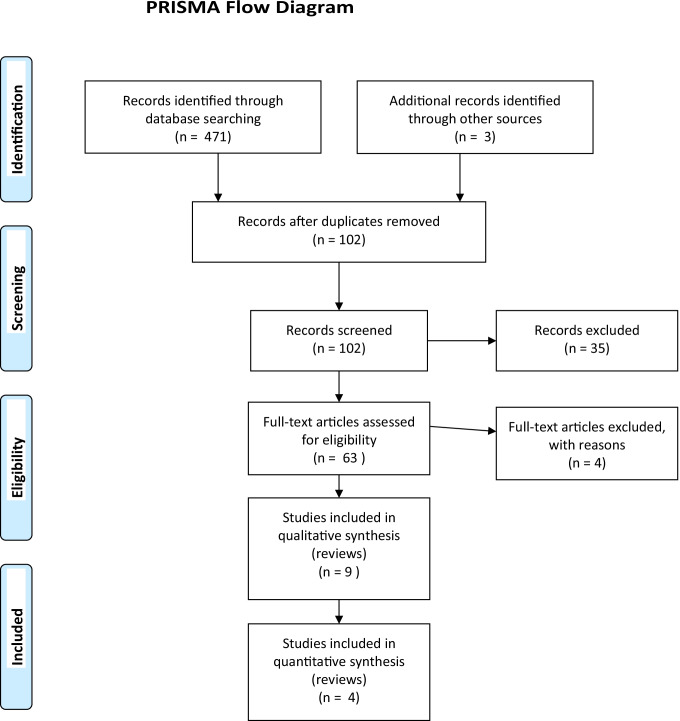
Insomnia symptoms are frequent during peripartum and are considered risk factors for peripartum psychopathology. Assessing and treating insomnia and related conditions of sleep loss during peripartum should be a priority in the clinical practice. The aim of this paper was to conduct a systematic review on insomnia evaluation and treatment during peripartum which may be useful for clinicians. The literature review was carried out between January 2000 and May 2021 on the evaluation and treatment of insomnia during the peripartum period. The PubMed, PsycINFO, and Embase electronic databases were searched for literature published according to the PRISMA guidance with several combinations of search terms “insomnia” and “perinatal period” or “pregnancy” or “post partum” or “lactation” or “breastfeeding” and “evaluation” and “treatment.” Based on this search, 136 articles about insomnia evaluation and 335 articles on insomnia treatment were found and we conducted at the end a narrative review. According to the inclusion/exclusion criteria, 41 articles were selected for the evaluation part and 22 on the treatment part, including the most recent meta-analyses and systematic reviews. Evaluation of insomnia during peripartum, as for insomnia patients, may be conducted at least throughout a clinical interview, but specific rating scales are available and may be useful for assessment. Cognitive behavioral therapy for insomnia (CBT-I), as for insomnia patients, should be the preferred treatment choice during peripartum, and it may be useful to also improve mood, anxiety symptoms, and fatigue. Pharmacological treatment may be considered when women who present with severe forms of insomnia symptoms do not respond to nonpharmacologic therapy.
Overview
The claims and statistics of this paper haven’t been checked yet.
Free: it reads the open-access text and checks the first 5 claims that cite a source we can check. Create a free account to check every claim.
Integrity signals
Registry
Cites
Statistics
Figures
Verification
Claims the paper makes
The claims and statistics of this paper haven’t been checked yet.
Free: it reads the open-access text and checks the first 5 claims that cite a source we can check. Create a free account to check every claim.
Claims other papers make about this one
Each is checked against this paper’s own text: does it say what the citing paper says it does?
The source backs part of the claim, not all of it — or backs it for a different population, condition or comparison.
In the citing paper
“existing clinical guidelines recommend optimizing alternative therapeutic approaches (e.g., CBT, CBT-I) and advise caution with BZD dosing during pregnancy.187”
From Joint Clinical Practice Guideline on Benzodiazepine Tapering: Considerations When Risks Outweigh Benefits (2025) · cites this paper as [187]
Experimental — accuracy not yet measured
Self-check
Percentages, sums and reported differences re-computed from the paper’s own numbers.
The self-check needs the paper’s full text.
Citations
Cites
Preferred Reporting Items for Systematic Reviews and Meta-Analyses: The PRISMA Statement
Moher, D., Liberati, A., Tetzlaff, J., Altman, D. G., & The PRISMA Group (2009) · PLoS Medicine · doi:10.1371/journal.pmed.1000097 · Cited by 64,042
Preferred reporting items for systematic reviews and meta-analyses: the PRISMA Statement.
(2009) · PubMed Central · Cited by 44,859
The Pittsburgh Sleep Quality Index: a new instrument for psychiatric practice and research
Buysse, D. J., Reynolds, C. F., Monk, T. H., Berman, S. R., & Kupfer, D. J. (1989) · Psychiatry Research · doi:10.1016/0165-1781(89)90047-4 · Cited by 35,234 · cited 1×
“1 3 (Buysse et al. 1989) that should be useful for evaluation of sleep duration and other sleep disorders in pregnancy.”
BackgroundA New Method for Measuring Daytime Sleepiness: The Epworth Sleepiness Scale
Johns, M. W. (1991) · Sleep · doi:10.1093/sleep/14.6.540 · Cited by 17,364 · cited 2×
“In addition, the administration of questionnaires and survey instruments has been suggested to assesses outcomes and to guiding treatment including the Insomnia Severity Index (ISI) (Morin 1993) and the Epworth Sleepiness Scale (ESS) (Johns 1991) (Riemann et al.”
Background(1993) · Medical Entomology and Zoology · Cited by 2,324
The consensus sleep diary: standardizing prospective sleep self-monitoring
Carney, C. E., Buysse, D. J., Ancoli-Israel, S., Edinger, J. D., Krystal, A. D., Lichstein, K. L., & Morin, C. M. (2012) · Sleep · doi:10.5665/sleep.1642 · Cited by 2,172 · cited 1×
“International guidelines suggest evaluating insomnia symptoms using the Consensus Sleep Diary for at least 1/2 weeks to assess the insomnia day-to-day variability (Carney et al. 2012; Sateia et al. 2017; Riemann et al. 2017; Palagini et al. 2020).”
MethodEuropean guideline for the diagnosis and treatment of insomnia
Riemann, D., Baglioni, C., Bassetti, C., Bjorvatn, B., Dolenc Groselj, L., Ellis, J. G., Espie, C. A., Garcia‐Borreguero, D., Gjerstad, M., Gonçalves, M., et al. (2017) · Journal of Sleep Research · doi:10.1111/jsr.12594 · Cited by 2,049 · cited 8×
“Papers were excluded if they concerned other sleep disorders such for example sleep disorder breathing or restless leg syndrome, or studies evaluating sleep quality, studies including complementary and alternative medicine for insomnia which are not recommended for insomnia treatment (Riemann et al. 2017).”
BackgroundMethodInfluentialSelf-citationThe hyperarousal model of insomnia: A review of the concept and its evidence
Riemann, D., Spiegelhalder, K., Feige, B., Voderholzer, U., Berger, M., Perlis, M., & Nissen, C. (2010) · Sleep Medicine Reviews · doi:10.1016/j.smrv.2009.04.002 · Cited by 1,789
Self-citationSateia, M. J., Buysse, D. J., Krystal, A. D., Neubauer, D. N., & Heald, J. L. (2017) · Journal of Clinical Sleep Medicine · doi:10.5664/jcsm.6470 · Cited by 1,519 · cited 4×
“International guidelines suggest evaluating insomnia symptoms using the Consensus Sleep Diary for at least 1/2 weeks to assess the insomnia day-to-day variability (Carney et al. 2012; Sateia et al. 2017; Riemann et al. 2017; Palagini et al. 2020).”
BackgroundMethodInfluentialInsomnia as a predictor of mental disorders: a systematic review and meta-analysis
Hertenstein, E., Feige, B., Gmeiner, T., Kienzler, C., Spiegelhalder, K., Johann, A., Jansson-Fröjmark, M., Palagini, L., Rücker, G., Riemann, D., et al. (2019) · Sleep Medicine Reviews · doi:10.1016/j.smrv.2018.10.006 · Cited by 1,201
Self-citation
Research works printed but not linked: 2
- Baglioni C, Palagini L (2021) CBT-I protocols for women’s age span. In: Baglioni C, Espie CA, Riemann D (eds) European CBT-I Textbook. Wiley and Sons, in press
- National Institute for Health and Care Excellence NICE (2018) Antenatal and postnatal mental health clinical management and service guidance updated edition 2018 31990493
Cited by
Altena, E., Baglioni, C., Sanz‐Arigita, E., Cajochen, C., & Riemann, D. W. (2022) · Journal of Sleep Research · doi:10.1111/jsr.13704 · Cited by 57
“Women's sleep during pregnancy and post-partum is altered by anatomical, endocrinological, physiological, psychological, behavioural, socioeconomic and cultural factors (Baglioni et al., 2020b; Palagini et al., 2022).”
BackgroundSelf-citationPotential genetic and epigenetic mechanisms in insomnia: A systematic review
Palagini, L., Geoffroy, P. A., Gehrman, P. R., Miniati, M., Gemignani, A., & Riemann, D. (2023) · Journal of Sleep Research · doi:10.1111/jsr.13868 · Cited by 48
Self-citationBrunner, E., Chen, C.-Y. A., Klein, T., Maust, D., Mazer-Amirshahi, M., Mecca, M., Najera, D., Ogbonna, C., Rajneesh, K. F., Roll, E., et al. (2025) · Journal of General Internal Medicine · doi:10.1007/s11606-025-09499-2 · Cited by 51
“187 The CGC suggests that clinicians prescribe BZDs sparingly at the lowest effective dose and with consideration of the pharmacokinetic changes that occur during pregnancy (see Appendix 6).”
Insomnia, poor sleep quality and perinatal suicidal risk: A systematic review and meta‐analysis
Palagini, L., Cipriani, E., Miniati, M., Bramante, A., Gemignani, A., Geoffroy, P. A., & Riemann, D. W. (2023) · Journal of Sleep Research · doi:10.1111/jsr.14000 · Cited by 41
“…and inflammatory systems has in fact already been hypothesised as a factor possibly correlated with a negative pregnancy outcome including maternal psychopathology which is linked to increased suicidal risk (Emamian et al., 2019; Palagini et al., 2014; Palagini et al., 2022; Swan-son et al., 2020).”
BackgroundSelf-citationPalagini, L., Cipriani, E., Caruso, V., Sharma, V., Gemignani, A., Bramante, A., Miniati, M., & Riemann, D. W. (2023) · Current Psychiatry Reports · doi:10.1007/s11920-023-01463-3 · Cited by 27
Self-citationInsomnia Disorder: Gender Issues Over the Lifespan
Baldi, E., Cerolini, S., Meneo, D., Baglioni, C., & Palagini, L. (2025) · Journal of Sleep Research · doi:10.1111/jsr.70110 · Cited by 25
Self-citationPreventing recurrence of postpartum depression by regulating sleep
Sharma, V., Sharkey, K. M., Palagini, L., Mazmanian, D. S., & Thomson, M. (2023) · Expert Review of Neurotherapeutics · doi:10.1080/14737175.2023.2237194 · Cited by 23
“Since many women have an onset of depression during or before index pregnancy [2], early identification of at-risk women in pregnancy is necessary to implement strategies [74].”
BackgroundSelf-citationSpiegelhalder, K., Baglioni, C., Morin, C. M., Nissen, C., Palagini, L., Perlis, M. L., Scott, H., & Riemann, D. W. (2026) · Nature Reviews Disease Primers · doi:10.1038/s41572-026-00693-y · Cited by 22
Self-citationMeneo, D., Baldi, E., Cerolini, S., Curati, S., Bastianini, S., Berteotti, C., Simonazzi, G., Manconi, M., Zoccoli, G., Bartolo, P. D., et al. (2024) · BMC Psychology · doi:10.1186/s40359-024-01827-1 · Cited by 16
“The peripartum represent a stressful period marked by societal, physiological, and hormonal changes, the adaptation to which can have long lasting consequences on the women, the newborn, and the whole family system [25].”
BackgroundInfluentialSelf-citationShang, X., Ye, L., Wang, M. P., Lam, T. H., & Lai, A. Y. K. (2023) · Sleep Medicine · doi:10.1016/j.sleep.2023.11.002 · Cited by 12
Pan, X., Chen, Y., Chen, C., Chen, J., Wang, J., Chen, Y., Zhang, W., Wu, J., Liu, W., Zou, Z., et al. (2025) · BMC Pregnancy and Childbirth · doi:10.1186/s12884-025-07649-2 · Cited by 12
“Women’s sleep and mood during pregnancy and postpartum is affected by anatomical, endocrinological, physiological, psychological, behavioral, socioeconomic, and cultural factors [17].”
Huang, J., Lin, Y., Xu, Z., Xu, Z., Hong, H., Arbing, R. H. A., Chen, W., Wang, A., & Huang, F. (2024) · Midwifery · doi:10.1016/j.midw.2024.104187 · Cited by 8
Bahmani, D. S., Brand, S., Meinlschmidt, G., Tegethoff, M., Kurath, J., Bürki, N., Hösli, I., & Mikoteit, T. (2025) · Biological Psychiatry Global Open Science · doi:10.1016/j.bpsgos.2025.100454 · Cited by 7
Palagini, L., Miniati, M., Driul, L., Colizzi, M., Comacchio, C., Gemignani, A., & Balestrieri, M. (2024) · Journal of Sleep Research · doi:10.1111/jsr.14202 · Cited by 6
“The most common problems during all trimesters of pregnancy include short sleep duration, poor sleep quality and insomnia (Kalmbach et al., 2019; Palagini et al., 2014; Palagini et al., 2022; Pengo et al., 2018; Sharma & Xie, 2011; Swanson et al., 2020).”
InfluentialSelf-citationTu, X., Junna, M. R., & Kolla, B. P. (2025) · Journal of Clinical Sleep Medicine · doi:10.5664/jcsm.11740 · Cited by 3
“…another study on early pregnancy exposure to benzodiazepines and Z-drugs (zolpidem, zopiclone, zaleplon; unknown dose; median duration, 7 [3 – 28] days) did not reveal an association between exposure and risk for preterm birth or stillbirth, but showed a slightly elevated risk for small…”
Peng, Z., Wang, M., Geng, L., Meng, Z., Zhang, Y., Liu, B., Liu, J., Li, P., Peng, Y., Qin, X., et al. (2025) · Journal of Affective Disorders · doi:10.1016/j.jad.2025.120974 · Cited by 3
Prevalence of and Risk Factors for Postpartum Anxiety in a U.S. Cohort With Commercial Insurance
Smith, M., Koons, N. J., Callihan, P., Guo, N., Simard, J. F., Gardner, R. M., Carvalho, B., Bateman, B. T., Leonard, S. A., & Sultan, P. (2026) · Obstetrics and Gynecology · doi:10.1097/aog.0000000000006220 · Cited by 2
Palagini, L., Bruni, O., Colizzi, M., Comacchio, C., Gemignani, A., Nobili, L., Balestrieri, M., & Drake, C. L. (2025) · Sleep Medicine · doi:10.1016/j.sleep.2025.106732 · Cited by 1
Self-citationSleep is an opportunity to reduce pregnancy-related severe morbidity and mortality
Bourjeily, G. R., Izci‐Balserak, B., Habr, N., Louis, J. M., & Dominguez, J. E. (2025) · Obstetric Medicine · doi:10.1177/1753495x251397470 · Cited by 2
Ali, Z., Akhtar, O., Ehsaan, Z., Maaz, M., Ahmad, S., & Daniyal, M. (2026) · Cureus · doi:10.7759/cureus.102902 · Cited by 1
“These benefits are observed from mid-pregnancy through the postpartum period [26,44,45].”
Dual hypocretin receptor antagonists enhance sleep and nursing behavior in lactating rats
Rivas, M., Peña, F., Prota, C., Carrera-Cañas, C., Garzón, M., Torterolo, P., & Benedetto, L. (2026) · Psychopharmacology · doi:10.1007/s00213-026-07049-0 · Cited by 1
Cognitive and emotional correlates of sleep in the peripartum period: a systematic review
Baldi, E., Meneo, D., Rizzuti, M., Cerolini, S., Benz, F., Riemann, D. W., Gelfo, F., & Baglioni, C. (2026) · Behaviour Research and Therapy · doi:10.1016/j.brat.2026.105055 · Cited by 1
Self-citationPassive Addiction and Teratogenic Effects
McPherson, C. C., Inder, T. E., & Volpe, J. J. (2024) · Elsevier eBooks · doi:10.1016/b978-0-443-10513-5.00042-5
TRATAMENTO FARMACOLÓGICO DA INSÔNIA NA GESTAÇÃO
Tozzi, J. V., Boschetti, C. D. M., Nogueira, G. N., & Gonçalves, R. F. (2024) · Revista Contemporânea · doi:10.56083/rcv4n11-157
Pharmacological Treatment of Peripartum Insomnia
Palagini, L., Miniati, M., Geoffroy, P. A., & Riemann, D. W. (2025) · Springer eBooks · doi:10.1007/978-3-031-95948-6_13
Self-citationScreening, Evaluation, and Diagnosis of Peripartum Sleep–Wake Disorders
Palagini, L., Bramante, A., Riemann, D. W., & Miniati, M. (2025) · Springer eBooks · doi:10.1007/978-3-031-95948-6_10
Self-citationInsomnia and Common Complications of Pregnancy
Sanapo, L., & Garbazza, C. (2025) · Springer eBooks · doi:10.1007/978-3-031-95948-6_2
Sleep Disturbances and Suicidal Risk During the Peripartum Period
Palagini, L., Bramante, A., Gemignani, A., Miniati, M., & Riemann, D. W. (2025) · Springer eBooks · doi:10.1007/978-3-031-95948-6_9
Self-citationSleep Health During Pregnancy: A Focus on Prevention
Meneo, D., Baldi, E., Cascone, R., & Baglioni, C. (2025) · Springer eBooks · doi:10.1007/978-3-031-95948-6_11
Self-citationPharmacological Approaches to Managing Common Sleep Disorders
Palagini, L. (2025) · Springer eBooks · doi:10.1007/978-3-031-99720-4_23
Self-citationJamil, A. A. M., Alsabi, R. N. S., Dasrilsyah, R. A., Alimuddin, A. S., & Durai, R. R. (2025) · Research Square · doi:10.21203/rs.3.rs-7580820/v1
Stagg, B. (2025) · cIRcle (University of British Columbia) · doi:10.14288/1.0447150
Meneo, D., Baldi, E., Cerolini, S., Curati, S., Bastianini, S., Berteotti, C., Simonazzi, G., Manconi, M., Zoccoli, G., Bartolo, P. D., et al. (2024) · Figshare · doi:10.6084/m9.figshare.26011968
Self-citationMeneo, D., Baldi, E., Cerolini, S., Curati, S., Bastianini, S., Berteotti, C., Simonazzi, G., Manconi, M., Zoccoli, G., Bartolo, P. D., et al. (2024) · Figshare · doi:10.6084/m9.figshare.26011844
Self-citationSleep and bipolar disorder: Associations with delivery and neonatal outcomes
Hendriks, S. M., Stevens, A. W. M. M., & Geerling, B. (2026) · Journal of Affective Disorders · doi:10.1016/j.jad.2026.121178
Hartley, S., Fernández-Bolaños, M., & Dagneaux, S. (2026) · Médecine du Sommeil · doi:10.1016/j.msom.2026.02.003
Sleep Motives and Expectancies for Cannabis Use in Pregnancy
Miller, M. B., Sieger, M. L., Moskal, K. R., Marut, E., Gupta, S., & Wycoff, A. M. (2026) · Cannabis · doi:10.26828/cannabis/2026/000372
“…a treatment gap for pregnant adults, as cognitive behavioral therapy (CBT) for insomnia retains efficacy during pregnancy (Felder et al., 2020; Kalmbach et al., 2020; Manber et al., 2019; Silang et al., 2024) and is the recommended treatment of choice for prenatal insomnia (Palagini et al., 2022) .”
The postpartum period and bipolar disorder: early identification, prevention, and management
Sharma, V. (2026) · Expert Review of Neurotherapeutics · doi:10.1080/14737175.2026.2653163
“Cognitive behavioral therapy for insomnia (CBT-I) is recommended as the preferred treatment during and after pregnancy, as it may also improve mood, anxiety symptoms, and fatigue; however, it remains unclear whether it alone is sufficient to manage insomnia in women with bipolar disorder [77].”
Self-citationInsomnia and women: exploring vulnerability, impact, and intervention
Kim, H. R., Kim, S. I., Jeong, S., Jeong, S., Ahn, S. H., Jeong, E., & Kim, S. (2026) · Sleep And Breathing · doi:10.1007/s11325-026-03704-0
“It is hypothesized that a vicious cycle may form, wherein poor sleep could lead to an abnormal increase in placental CRH, which in turn further stimulates the HPA axis, increases cortisol secretion, and ultimately worsens insomnia [31, 32].”
InfluentialWang, N., 艾建民, Hao, C., Yuan, Y., Gu, Y., Yang, J., & Nie, J. (2026) · BMC Public Health · doi:10.1186/s12889-026-27845-9
“For instance, researchers have noted that poor sleep quality (including duration, efficiency, disturbances) predicted increased emotional distress among pregnant women in samples from the western developed countries [17, 18].”
Depresión postparto en pacientes con insomnio del embarazo
Ramírez, E. J. B. (2026) · Revista Científica Internacional · doi:10.46734/revcientifica.v9i1.247
Zhao, F.-Y., Yue, L.-P., Ho, Y.-S., Xu, P., Broadbear, J. H., Zhang, W., Wang, Y.-M., Fu, Q.-Q., & Conduit, R. (2026) · Nature and Science of Sleep · doi:10.2147/nss.s607896
“The single clinical decision aid 16 was based on a high-quality guideline concerning antenatal and postnatal mental health management and service provision issued by NICE.”
InfluentialPregnancy in a young woman with bipolar disorder
Gertsman, S., Bengi, D., Clark, C. T., & Frey, B. N. (2026) · Canadian Medical Association Journal · doi:10.1503/cmaj.251879
Beyond ‘Baby Brain’: Memory and Sleep Health During Pregnancy—A Biopsychosocial Perspective
Baldi, E., Gfüllner, J., Meneo, D., Cerolini, S., Hoedlmoser, K., & Baglioni, C. (2026) · Brain Sciences · doi:10.3390/brainsci16080821
Self-citationHuang, J., Lin, Y.-P., Hsieh, M., Chou, M., & Chang, H.-P. (2026) · Archives of Women s Mental Health · doi:10.1007/s00737-026-01762-7
“When non-pharmacological approaches are insufficient, the judicious use of these medi - cations remains a clinically reasonable strategy to preserve maternal stability and optimize overall outcomes (Paulino et al. 2022; Palagini et al. 2022; Hashmi et al. 2016).”
Updates on Pharmacological Treatments for Insomnia
Gugliotta, A. A., Mansukhani, M. P., & Kolla, B. P. (2026) · Current Sleep Medicine Reports · doi:10.1007/s40675-026-00406-7
Metadata
- Authors
- Palagini, L., Bramante, A., Baglioni, C., Tang, N., Grassi, L., Altena, E., Johann, A. F., Geoffroy, P. A., Biggio, G., Mencacci, C., Sharma, V., & Riemann, D.
- Affiliations
- University of Pisa (IT)
- University of Freiburg (DE)
- University of Warwick (GB)
- University of Ferrara (IT)
- Centre National de la Recherche Scientifique (FR)
- Assistance Publique – Hôpitaux de Paris (FR)
- University of Cagliari (IT)
- ASST Fatebenefratelli Sacco (IT)
- Western University (CA)
- Corresponding author
- Palagini, Laura
- ORCID
- Venue
- Archives of Women's Mental Health
- Published
- 2022-04-13
- Volume
- 25
- Issue
- 3
- Pages
- 561-575
- ISSN
- 1434-1816 (ISSN-L)
- 1435-1102
- PMC
- PMC9072480
- OpenAlex
- W4224092737
- Cited by
- 42
- References
- 116
- Citations by year
- 2026: 13 · 2025: 16 · 2024: 7 · 2023: 5 · 2022: 1
- FWCI
- 6.67
- Type
- journal article
- Language
- en
- Open access
- hybrid
- doi.org
- Licence
- cc-by
- creativecommons.org/licenses/by/4.0 (tdm)
- creativecommons.org/licenses/by/4.0 (vor)
- Locations
- Archives of Women s Mental Health (publishedVersion, cc-by)
- PubMed Central (publishedVersion, cc-by)
- PubMed (publishedVersion)
- Warwick Research Archive Portal (University of Warwick) (acceptedVersion)
- HAL (submittedVersion)
- Scholarship@Western (Western University) (submittedVersion)
- Institutional Research Information System University of Ferrara (University of Ferrara) (submittedVersion, other-oa)
- Funders
- Università degli Studi di Ferrara
- Topics
- Social Sciences › Psychology › Experimental and Cognitive Psychology › Sleep and related disorders
- Health Sciences › Medicine › Public Health, Environmental and Occupational Health › Maternal Mental Health During Pregnancy and Postpartum
- Health Sciences › Medicine › Pediatrics, Perinatology and Child Health › Infant Health and Development
- Keywords
- insomnia, transition period, pregnancy, postpartum period, breastfeeding, sleep deprivation, cognitive behavioral therapy for insomnia, insomnia treatment, insomnia assessment, rating scales, pharmacotherapy, perinatal mental health
- MeSH terms
- Female, Humans, Sleep Initiation and Maintenance Disorders, Mental Health, Pregnancy, Sleep, Cognitive Behavioral Therapy, Peripartum Period
About these checks
Registry, retraction, Cites and statistics results are computed, not judged, with one exception: a printed reference that no index lists is read once by a model before it counts as a citation error. Claims are extracted by a model and kept only when their quote appears verbatim in the text; each cited source is then checked, with a model’s help, for whether it says what the claim relies on. Those verdicts can be wrong — read the claim’s quote and the cited source before relying on one.
Statistics and arithmetic are recomputed, not judged.
Confidence bands are shown only for fields calibrated on our annotated test set. None is calibrated yet, so no band is shown.
What counts as a claim ›How we measure confidence ›How we check this ›
Are you an author, or do you see a problem with this page? Request a review
Data sources
Bibliographic data: Semantic Scholar, OpenAlex, Crossref.
Contains information from the Semantic Scholar Academic Graph Datasets, made available under the ODC Attribution License (ODC-BY 1.0).
Semantic Scholar’s data is described in: Kinney, R., et al. (2023). The Semantic Scholar Open Data Platform. arXiv:2301.10140.
