

Insomnia evaluation and treatment during peripartum: a joint position paper from the European Insomnia Network task force “Sleep and Women,” the Italian Marcè Society and international experts task force for perinatal mental health
Open accessThe DOI matches its Crossref record; 114 of the 116 references it cites were found in a registry or an index.
Abstract
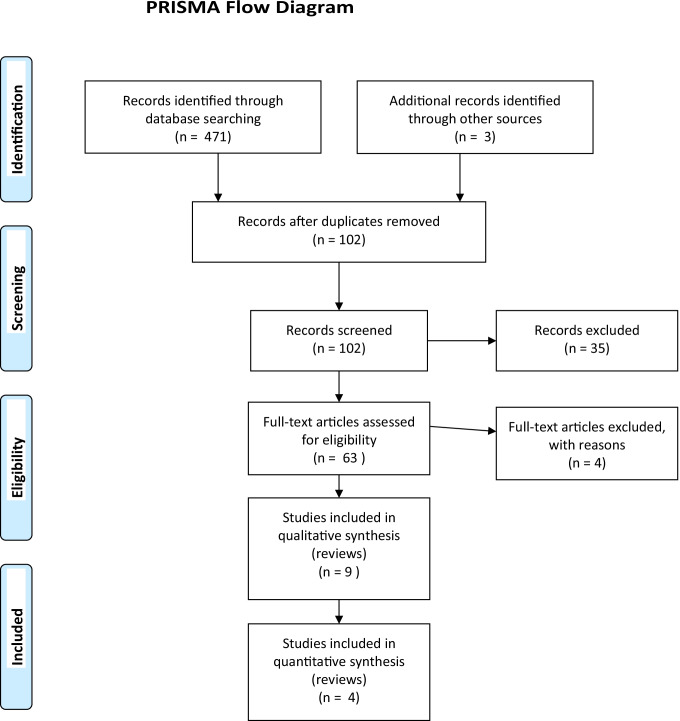
Insomnia symptoms are frequent during peripartum and are considered risk factors for peripartum psychopathology. Assessing and treating insomnia and related conditions of sleep loss during peripartum should be a priority in the clinical practice. The aim of this paper was to conduct a systematic review on insomnia evaluation and treatment during peripartum which may be useful for clinicians. The literature review was carried out between January 2000 and May 2021 on the evaluation and treatment of insomnia during the peripartum period. The PubMed, PsycINFO, and Embase electronic databases were searched for literature published according to the PRISMA guidance with several combinations of search terms “insomnia” and “perinatal period” or “pregnancy” or “post partum” or “lactation” or “breastfeeding” and “evaluation” and “treatment.” Based on this search, 136 articles about insomnia evaluation and 335 articles on insomnia treatment were found and we conducted at the end a narrative review. According to the inclusion/exclusion criteria, 41 articles were selected for the evaluation part and 22 on the treatment part, including the most recent meta-analyses and systematic reviews. Evaluation of insomnia during peripartum, as for insomnia patients, may be conducted at least throughout a clinical interview, but specific rating scales are available and may be useful for assessment. Cognitive behavioral therapy for insomnia (CBT-I), as for insomnia patients, should be the preferred treatment choice during peripartum, and it may be useful to also improve mood, anxiety symptoms, and fatigue. Pharmacological treatment may be considered when women who present with severe forms of insomnia symptoms do not respond to nonpharmacologic therapy.
Overview
The claims and statistics of this paper haven’t been checked yet.
Free: it reads the open-access text and checks the first 5 claims that cite a source we can check. Create a free account to check every claim.
Integrity signals
Registry
Cites
Statistics
Figures
Verification
Claims the paper makes
The claims and statistics of this paper haven’t been checked yet.
Free: it reads the open-access text and checks the first 5 claims that cite a source we can check. Create a free account to check every claim.
Claims other papers make about this one
Each is checked against this paper’s own text: does it say what the citing paper says it does?
The source backs part of the claim, not all of it — or backs it for a different population, condition or comparison.
In the citing paper
“existing clinical guidelines recommend optimizing alternative therapeutic approaches (e.g., CBT, CBT-I) and advise caution with BZD dosing during pregnancy.187”
From Joint Clinical Practice Guideline on Benzodiazepine Tapering: Considerations When Risks Outweigh Benefits (2025) · cites this paper as [187]
Experimental — accuracy not yet measured
Self-check
Percentages, sums and reported differences re-computed from the paper’s own numbers.
The self-check needs the paper’s full text.
Citations
Cites
Preferred Reporting Items for Systematic Reviews and Meta-Analyses: The PRISMA Statement
Moher, D., Liberati, A., Tetzlaff, J., Altman, D. G., & The PRISMA Group (2009) · PLoS Medicine · doi:10.1371/journal.pmed.1000097 · Cited by 64,042
Preferred reporting items for systematic reviews and meta-analyses: the PRISMA Statement.
(2009) · PubMed Central · Cited by 44,859
The Pittsburgh Sleep Quality Index: a new instrument for psychiatric practice and research
Buysse, D. J., Reynolds, C. F., Monk, T. H., Berman, S. R., & Kupfer, D. J. (1989) · Psychiatry Research · doi:10.1016/0165-1781(89)90047-4 · Cited by 35,234 · cited 1×
“1 3 (Buysse et al. 1989) that should be useful for evaluation of sleep duration and other sleep disorders in pregnancy.”
BackgroundA New Method for Measuring Daytime Sleepiness: The Epworth Sleepiness Scale
Johns, M. W. (1991) · Sleep · doi:10.1093/sleep/14.6.540 · Cited by 17,364 · cited 2×
“In addition, the administration of questionnaires and survey instruments has been suggested to assesses outcomes and to guiding treatment including the Insomnia Severity Index (ISI) (Morin 1993) and the Epworth Sleepiness Scale (ESS) (Johns 1991) (Riemann et al.”
Background(1993) · Medical Entomology and Zoology · Cited by 2,324
The consensus sleep diary: standardizing prospective sleep self-monitoring
Carney, C. E., Buysse, D. J., Ancoli-Israel, S., Edinger, J. D., Krystal, A. D., Lichstein, K. L., & Morin, C. M. (2012) · Sleep · doi:10.5665/sleep.1642 · Cited by 2,172 · cited 1×
“International guidelines suggest evaluating insomnia symptoms using the Consensus Sleep Diary for at least 1/2 weeks to assess the insomnia day-to-day variability (Carney et al. 2012; Sateia et al. 2017; Riemann et al. 2017; Palagini et al. 2020).”
MethodEuropean guideline for the diagnosis and treatment of insomnia
Riemann, D., Baglioni, C., Bassetti, C., Bjorvatn, B., Dolenc Groselj, L., Ellis, J. G., Espie, C. A., Garcia‐Borreguero, D., Gjerstad, M., Gonçalves, M., et al. (2017) · Journal of Sleep Research · doi:10.1111/jsr.12594 · Cited by 2,049 · cited 8×
“Papers were excluded if they concerned other sleep disorders such for example sleep disorder breathing or restless leg syndrome, or studies evaluating sleep quality, studies including complementary and alternative medicine for insomnia which are not recommended for insomnia treatment (Riemann et al. 2017).”
BackgroundMethodInfluentialSelf-citationThe hyperarousal model of insomnia: A review of the concept and its evidence
Riemann, D., Spiegelhalder, K., Feige, B., Voderholzer, U., Berger, M., Perlis, M., & Nissen, C. (2010) · Sleep Medicine Reviews · doi:10.1016/j.smrv.2009.04.002 · Cited by 1,789
Self-citationSateia, M. J., Buysse, D. J., Krystal, A. D., Neubauer, D. N., & Heald, J. L. (2017) · Journal of Clinical Sleep Medicine · doi:10.5664/jcsm.6470 · Cited by 1,519 · cited 4×
“International guidelines suggest evaluating insomnia symptoms using the Consensus Sleep Diary for at least 1/2 weeks to assess the insomnia day-to-day variability (Carney et al. 2012; Sateia et al. 2017; Riemann et al. 2017; Palagini et al. 2020).”
BackgroundMethodInfluentialInsomnia as a predictor of mental disorders: a systematic review and meta-analysis
Hertenstein, E., Feige, B., Gmeiner, T., Kienzler, C., Spiegelhalder, K., Johann, A., Jansson-Fröjmark, M., Palagini, L., Rücker, G., Riemann, D., et al. (2019) · Sleep Medicine Reviews · doi:10.1016/j.smrv.2018.10.006 · Cited by 1,201
Self-citationDiagnostic and Statistical Manual of Mental Disorders, Fifth Edition (DSM-5)
(2017) · The SAGE Encyclopedia of Abnormal and Clinical Psychology · doi:10.4135/9781483365817.n433 · Cited by 863
The phenomenology of the pre-sleep state: the development of the pre-sleep arousal scale
Nicassio, P. M., Mendlowitz, D. R., Fussell, J. J., & Petras, L. (1985) · Behaviour Research and Therapy · doi:10.1016/0005-7967(85)90004-x · Cited by 704 · cited 2×
“2020) and the pre-sleep arousal which may perpetuate insomnia with Pre-sleep Arousal Scale (Nicassio et al. 1985) in 4 studies (Table 1).”
BackgroundAnothaisintawee, T., Reutrakul, S., Van Cauter, E., & Thakkinstian, A. (2016) · Sleep Medicine Reviews · doi:10.1016/j.smrv.2015.10.002 · Cited by 640 · cited 1×
“Cumulative evidence points out that disrupted sleep in pregnancy including insomnia may be linked to negative gestational and birth outcomes, emergency cesarean section, gestational diabetes (Okun et al. 2011; Anothaisintawee et al. 2016; Paine et al. 2020), and most importantly are risk factors for peripartum psychop…”
BackgroundThe neurobiology, investigation, and treatment of chronic insomnia
Riemann, D., Nissen, C., Palagini, L., Otte, A., Perlis, M. L., & Spiegelhalder, K. (2015) · The Lancet Neurology · doi:10.1016/s1474-4422(15)00021-6 · Cited by 628 · cited 1×
“According to the “3-P” model of insomnia with predisposing, precipitating, and perpetuating factors relevant to the development and maintenance of insomnia (Riemann et al. 2015), hormonal and physical factors may predispose pregnant women to develop insomnia in response to pregnancy related emotional distress (Palagin…”
BackgroundSelf-citationSleep patterns and sleep disturbances across pregnancy
Mindell, J. A., Cook, R. A., & Nikolovski, J. (2015) · Sleep Medicine · doi:10.1016/j.sleep.2014.12.006 · Cited by 556 · cited 2×
“Most common problems during all three trimesters include short sleep duration, poor sleep quality, conditions of sleep loss, and insomnia (Palagini et al. 2014; Mindell et al. 2015; Pengo et al. 2018; Garbazza et al. 2020; Baglioni et al. 2020a, 2020b, 2020c; Swanson et al. 2020).”
BackgroundBasic Nordic Sleep Questionnaire (BNSQ): a quantitated measure of subjective sleep complaints
PARTINEN, M., & GISLASON, T. (1995) · Journal of Sleep Research · doi:10.1111/j.1365-2869.1995.tb00205.x · Cited by 527 · cited 2×
“The Nordic Basic Sleep Questionnaire (Partinen and Gislason 1995) was also used to evaluate insomnia and other sleep disorders during peripartum (Table 1) but in studies conducted in Finland only.”
MethodVulnerability to Stress-related Sleep Disturbance and Hyperarousal
Drake, C., Richardson, G., Roehrs, T., Scofield, H., & Roth, T. (2004) · Sleep · doi:10.1093/sleep/27.2.285 · Cited by 469 · cited 2×
“Additional evaluations 1 3 during pregnancy have included the measure of stress related sleep reactivity with the Ford Insomnia Response to Stress Test (FIRST) (Drake et al.”
MethodA new scale for measuring insomnia: the Bergen Insomnia Scale.
Pallesen, S., Bjorvatn, B., Nordhus, I. H., Sivertsen, B., Hjørnevik, M., & Morin, C. M. (2008) · Perceptual and Motor Skills · doi:10.2466/pms.107.3.691-706 · Cited by 426 · cited 2×
“Other questionnaires which have been used to evaluated insomnia during peripartum were the Bergen Insomnia Scale (Pallesen et al. 2008) but it was used in studies from Norway only, the Insomnia Symptom Questionnaire (ISQ) which is an insomnia questionnaire validated among pregnant women (Okun et al.”
MethodSleep Disturbances in Pregnancy
Facco, F. L., Kramer, J., Ho, K. H., Zee, P. C., & Grobman, W. A. (2010) · Obstetrics & Gynecology · doi:10.1097/aog.0b013e3181c4f8ec · Cited by 403
Sleep in Women Across the Life Span
Pengo, M. F., Won, C. H., & Bourjeily, G. (2018) · Chest · doi:10.1016/j.chest.2018.04.005 · Cited by 334 · cited 4×
“Most common problems during all three trimesters include short sleep duration, poor sleep quality, conditions of sleep loss, and insomnia (Palagini et al. 2014; Mindell et al. 2015; Pengo et al. 2018; Garbazza et al. 2020; Baglioni et al. 2020a, 2020b, 2020c; Swanson et al. 2020).”
BackgroundInfluentialSleep Loss and Hypertension: A Systematic Review
Palagini, L., Maria Bruno, R., Gemignani, A., Baglioni, C., Ghiadoni, L., & Riemann, D. (2013) · Current Pharmaceutical Design · doi:10.2174/1381612811319130009 · Cited by 293 · cited 1×
“Consistently, sleep problems are recognized as a major risk factor for mental and physical health problems (Palagini et al. 2013; Hertenstein et al. 2019) and sleep is commonly impaired during peripartum (Palagini et al.”
BackgroundSelf-citationBaglioni, C., Altena, E., Bjorvatn, B., Blom, K., Bothelius, K., Devoto, A., Espie, C. A., Frase, L., Gavriloff, D., Tuuliki, H., et al. (2020) · Journal of Sleep Research · doi:10.1111/jsr.12967 · Cited by 259
Self-citationPoor Sleep Quality is Associated with Preterm Birth
Okun, M. L., Schetter, C. D., & Glynn, L. M. (2011) · Sleep · doi:10.5665/sleep.1384 · Cited by 256 · cited 1×
“Cumulative evidence points out that disrupted sleep in pregnancy including insomnia may be linked to negative gestational and birth outcomes, emergency cesarean section, gestational diabetes (Okun et al. 2011; Anothaisintawee et al. 2016; Paine et al. 2020), and most importantly are risk factors for peripartum psychop…”
BackgroundACOG Practice Bulletin No. 92: Use of Psychiatric Medications During Pregnancy and Lactation
(2008) · Obstetrics & Gynecology · doi:10.1097/aog.0b013e31816fd910 · Cited by 246
Factors related to insomnia and sleepiness in the late third trimester of pregnancy
Fernández‐Alonso, A. M., Trabalón-Pastor, M., Chedraui, P. A., & Pérez-López, F. R. (2012) · Archives of Gynecology and Obstetrics · doi:10.1007/s00404-012-2248-z · Cited by 236
Chronic sleep loss during pregnancy as a determinant of stress: impact on pregnancy outcome
Palagini, L., Gemignani, A., Banti, S., Manconi, M., Mauri, M., & Riemann, D. (2014) · Sleep Medicine · doi:10.1016/j.sleep.2014.02.013 · Cited by 220 · cited 7×
“2017) with 75–98%, of during the third trimester of pregnancy (Palagini et al. 2014; Balserak and Lee 2017; Kay-Stacey and Attarian 2017; Baglioni et al. 2020a, 2020b, 2020c; Swanson et al. 2020).”
BackgroundInfluentialSelf-citationSleep and perinatal mood disorders: a critical review
Ross, L. E., Murray, B. J., & Steiner, M. (2005) · Journal of Psychiatry and Neuroscience · doi:10.1139/jpn.0534 · Cited by 211 · cited 1×
“In addition, insomnia symptoms during pregnancy may mediate the relation between post-partum blues and increased risk of postpartum depression (Ross et al. 2005).”
BackgroundMcElhatton, P. R., Garbis, H. M., Eléfant, E., Vial, T., Bellemin, B., Mastroiacovo, P., Arnon, J., Rodríguez-Pinilla, E., Schaefer, C., Pexieder, T., et al. (1996) · Reproductive Toxicology · doi:10.1016/0890-6238(96)00057-3 · Cited by 202
Insomnia symptoms during pregnancy: A meta‐analysis
Sedov, I. D., Anderson, N. J., Dhillon, A. K., & Tomfohr‐Madsen, L. M. (2020) · Journal of Sleep Research · doi:10.1111/jsr.13207 · Cited by 185 · cited 3×
“2015) but it has been used in two studies only (Sedov et al. 2021).”
BackgroundMethodTrajectories of Sleep Quality and Associations with Mood during the Perinatal Period
Tomfohr, L. M., Buliga, E., Letourneau, N. L., Campbell, T. S., & Giesbrecht, G. F. (2015) · Sleep · doi:10.5665/sleep.4900 · Cited by 182 · cited 2×
“Insomnia symptoms in early pregnancy may predict depressive symptoms in late pregnancy and sleep disturbances in late pregnancy have shown to independently predicting symptoms of post-partum depression (Tomfohr et al. 2015; Palagini et al. 2014; Emamian et al. 2019).”
BackgroundFelder, J. N., Epel, E. S., Neuhaus, J., Krystal, A. D., & Prather, A. A. (2020) · JAMA Psychiatry · doi:10.1001/jamapsychiatry.2019.4491 · Cited by 172 · cited 4×
“2019), and 6-session digital CBT-I (using Sleepio) including standard protocol with adapted SRT (Felder et al. 2020; Kalmbach et al. 2020a, 2020b, 2020c).”
MethodInfluentialSivertsen, B., Hysing, M., Dørheim, S. K., & Eberhard-Gran, M. (2015) · BMC Pregnancy and Childbirth · doi:10.1186/s12884-015-0577-1 · Cited by 171
Sleep and Social-Emotional Development in Infants and Toddlers
Mindell, J. A., Leichman, E. S., DuMond, C., & Sadeh, A. (2017) · Journal of Clinical Child & Adolescent Psychology · doi:10.1080/15374416.2016.1188701 · Cited by 169
Einarson, A., Choi, J., Einarson, T. R., & Koren, G. (2009) · The Canadian Journal of Psychiatry · doi:10.1177/070674370905400405 · Cited by 163 · cited 1×
“In humans, no major congenital malformations have been reported based on few studies (McElhatton et al. 1996; Einarson et al. 2003; Einarson et al. 2009).”
BackgroundInsomnia and Depressive Symptoms in Late Pregnancy: A Population-Based Study
D⊘rheim, S. K., Bjorvatn, B., & Eberhard-Gran, M. (2012) · Behavioral Sleep Medicine · doi:10.1080/15402002.2012.660588 · Cited by 158
A randomized controlled trial of digital cognitive behavioral therapy for insomnia in pregnant women
Kalmbach, D. A., Cheng, P., O'Brien, L. M., Swanson, L. M., Sangha, R., Sen, S., Guille, C., Cuamatzi-Castelan, A., Henry, A. L., Roth, T., et al. (2020) · Sleep Medicine · doi:10.1016/j.sleep.2020.03.016 · Cited by 154
Sleep loss and postpartum psychosis
Sharma, V., & Mazmanian, D. (2003) · Bipolar Disorders · doi:10.1034/j.1399-5618.2003.00015.x · Cited by 150 · cited 3×
“Insomnia and disrupted sleep have considered a risk factor for unipolar and bipolar depression during pregnancy and postpartum (Sharma and Mazmanian 2003; Tomfohr et al.”
BackgroundSelf-citationCognitive Behavioral Therapy for Prenatal Insomnia: A Randomized Controlled Trial
Manber, R., Bei, B., Simpson, N., Asarnow, L., Rangel, E., Sit, A., & Lyell, D. (2019) · Obstetrics & Gynecology · doi:10.1097/aog.0000000000003216 · Cited by 145
Interventions for sleep problems during pregnancy: A systematic review
Bacaro, V., Benz, F., Pappaccogli, A., De Bartolo, P., Johann, A. F., Palagini, L., Lombardo, C., Feige, B., Riemann, D., & Baglioni, C. (2020) · Sleep Medicine Reviews · doi:10.1016/j.smrv.2019.101234 · Cited by 145 · cited 3×
“Alternative therapies herbal or dietary supplements such as chamomile tea or lavender pillows acupuncture also are used as sleep aids but controlled studies are needed to assess the benefits and risks to fetal and maternal health (Bacaro et al. 2020) while mindfulness may be useful (Kalmbach et al.”
BackgroundSelf-citationTrajectories of mothers’ and fathers’ depressive symptoms from pregnancy to 24 months postpartum
Kiviruusu, O., Pietikäinen, J. T., Kylliäinen, A., Pölkki, P., Saarenpää-Heikkilä, O., Marttunen, M., Paunio, T., & Paavonen, E. J. (2020) · Journal of Affective Disorders · doi:10.1016/j.jad.2019.09.038 · Cited by 143
Meltzer, L. J., & Montgomery-Downs, H. E. (2011) · Pediatric Clinics of North America · doi:10.1016/j.pcl.2011.03.010 · Cited by 141 · cited 1×
“Maternal sleep patterns in pregnancy may also affect infant sleep patterns, such that disrupted maternal sleep in pregnancy is associated with worse infant sleep, which can in turn further disrupt maternal postpartum sleep (Meltzer and Montgomery-Downs 2011; Mindell et al.”
BackgroundEinarson, A., Bonari, L., Voyer-Lavigne, S., Addis, A., Matsui, D., Johnson, Y., & Koren, G. (2003) · The Canadian Journal of Psychiatry · doi:10.1177/070674370304800207 · Cited by 139 · cited 1×
“In humans, no major congenital malformations have been reported based on few studies (McElhatton et al. 1996; Einarson et al. 2003; Einarson et al. 2009).”
BackgroundInsomnia in Pregnancy and Factors Related to Insomnia
Kızılırmak, A., Timur, S., & Kartal, B. (2012) · The Scientific World Journal · doi:10.1100/2012/197093 · Cited by 135
Motherisk Rounds: The Fetal Safety of Benzodiazepines: An Updated Meta-analysis
Enato, E. F. O., Moretti, M. E., & Koren, G. (2011) · Journal of Obstetrics and Gynaecology Canada · doi:10.1016/s1701-2163(16)34772-7 · Cited by 123
Sleep and Mood during Pregnancy and the Postpartum Period
Bei, B., Coo, S., & Trinder, J. (2015) · Sleep Medicine Clinics · doi:10.1016/j.jsmc.2014.11.011 · Cited by 122
Mourady, D., Richa, S., Karam, R., Papazian, T., Hajj Moussa, F., El Osta, N., Kesrouani, A., Azouri, J., Jabbour, H., Hajj, A., et al. (2017) · PLOS ONE · doi:10.1371/journal.pone.0178181 · Cited by 122
Kanto, J. (1982) · Drugs · doi:10.2165/00003495-198223050-00002 · Cited by 121
Tikotzky, L. (2016) · Behavioral Sleep Medicine · doi:10.1080/15402002.2014.940111 · Cited by 119
Bais, B., Molenaar, N. M., Bijma, H. H., Hoogendijk, W. J. G., Mulder, C. L., Luik, A. I., den Berg, M. P. L., & Kamperman, A. M. (2020) · Journal of Affective Disorders · doi:10.1016/j.jad.2020.03.014 · Cited by 108 · cited 3×
“On the other hand, it is also mentioned that late third trimester use is associated with more risks for the fetus or neonate including the risk of floppy infant syndrome, which could lead to hypoxia and even irreversible damage in the neonate (Bulletins–Obstetrics 2008; Chaudhry and Susser 2018; Bais et al. 2020).”
BackgroundIncreased Risk of Adverse Pregnancy Outcomes in Women Receiving Zolpidem During Pregnancy
Wang, L.-H., Lin, H.-C., Lin, C.-C., Chen, Y.-H., & Lin, H.-C. (2010) · Clinical Pharmacology & Therapeutics · doi:10.1038/clpt.2010.97 · Cited by 107
Link between insomnia and perinatal depressive symptoms: A meta‐analysis
Emamian, F., Khazaie, H., Okun, M. L., Tahmasian, M., & Sepehry, A. A. (2019) · Journal of Sleep Research · doi:10.1111/jsr.12858 · Cited by 107
Predictors of sleep-disordered breathing in pregnancy
Louis, J. M., Koch, M. A., Reddy, U. M., Silver, R. M., Parker, C. B., Facco, F. L., Redline, S., Nhan-Chang, C.-L., Chung, J. H., Pien, G. W., et al. (2018) · American Journal of Obstetrics and Gynecology · doi:10.1016/j.ajog.2018.01.031 · Cited by 106
Kalmbach, D. A., Cheng, P., Ong, J. C., Ciesla, J. A., Kingsberg, S. A., Sangha, R., Swanson, L. M., O'Brien, L. M., Roth, T., & Drake, C. L. (2020) · Sleep Medicine · doi:10.1016/j.sleep.2019.07.010 · Cited by 101
Oyiengo, D., Louis, M., Hott, B., & Bourjeily, G. R. (2014) · Clinics in Chest Medicine · doi:10.1016/j.ccm.2014.06.012 · Cited by 97 · cited 1×
“Ramelteon melatonin receptor agonists are associated with teratogenicity in animal studies but no human data on either pregnancy or breastfeeding are available (Oyiengo et al. 2014; Miller et al. 2020).”
BackgroundSleep Pharmacotherapy for Common Sleep Disorders in Pregnancy and Lactation
Miller, M. A., Mehta, N. D., Bilodeau, C. C., & Bourjeily, G. R. (2019) · CHEST Journal · doi:10.1016/j.chest.2019.09.026 · Cited by 97 · cited 7×
“For these reasons, exogenous melatonin is not currently suggested for insomnia treatment during pregnancy and postpartum (Miller et al. 2020).”
BackgroundInfluentialThe psychological impact of the COVID-19 pandemic on pregnant women
Puertas‐Gonzalez, J. A., Mariño-Narváez, C., Peralta‐Ramírez, M. I., & Romero‐Gonzalez, B. (2021) · Psychiatry Research · doi:10.1016/j.psychres.2021.113978 · Cited by 89
Polysomnographic features of pregnancy: A systematic review
Garbazza, C., Hackethal, S., Riccardi, S., Cajochen, C., Cicolin, A., D’Agostino, A., Cirignotta, F., & Manconi, M. (2019) · Sleep Medicine Reviews · doi:10.1016/j.smrv.2019.101249 · Cited by 87 · cited 2×
“Most common problems during all three trimesters include short sleep duration, poor sleep quality, conditions of sleep loss, and insomnia (Palagini et al. 2014; Mindell et al. 2015; Pengo et al. 2018; Garbazza et al. 2020; Baglioni et al. 2020a, 2020b, 2020c; Swanson et al. 2020).”
BackgroundSleeping for Two: An Open-Pilot Study of Cognitive Behavioral Therapy for Insomnia in Pregnancy
Tomfohr-Madsen, L. M., Clayborne, Z. M., Rouleau, C. R., & Campbell, T. S. (2017) · Behavioral Sleep Medicine · doi:10.1080/15402002.2016.1141769 · Cited by 86
Sheehy, O., Zhao, J., & Bérard, A. (2019) · JAMA Psychiatry · doi:10.1001/jamapsychiatry.2019.0963 · Cited by 85
Factors associated with insomnia in pregnancy: A prospective Cohort Study
Román-Gálvez, R. M., Amezcua‐Prieto, C., Salcedo‐Bellido, I., Martínez‐Galiano, J. M., Khan, K. S., & Bueno‐Cavanillas, A. (2017) · European Journal of Obstetrics & Gynecology and Reproductive Biology · doi:10.1016/j.ejogrb.2017.12.007 · Cited by 79
Sleep disturbances in Korean pregnant and postpartum women
Ko, H. S., Shin, J., Kim, M. Y., Kim, Y. H., Lee, J., Kil, K., Moon, H. B., Lee, G., Kim, S.-J., & Kim, B. (2012) · Journal of Psychosomatic Obstetrics & Gynecology · doi:10.3109/0167482x.2012.658465 · Cited by 78
A New Safety Scoring System for the Use of Psychotropic Drugs During Lactation
Uğuz, F. (2018) · American Journal of Therapeutics · doi:10.1097/mjt.0000000000000909 · Cited by 78 · cited 10×
“Lorazepam is among the benzodiazepines most commonly prescribed during the lactation period (for an overview, see Uguz 2021).”
BackgroundInfluentialPalagini, L., Manni, R., Aguglia, E., Amore, M., Brugnoli, R., Girardi, P., Grassi, L., Mencacci, C., Plazzi, G., Minervino, A., et al. (2020) · Frontiers in Psychiatry · doi:10.3389/fpsyt.2020.00558 · Cited by 71
Self-citationPerinatal Insomnia and Mental Health: a review of recent literature
Swanson, L. M., Kalmbach, D. A., Raglan, G. B., & O’Brien, L. M. (2020) · Current Psychiatry Reports · doi:10.1007/s11920-020-01198-5 · Cited by 70 · cited 8×
“2017) with 75–98%, of during the third trimester of pregnancy (Palagini et al. 2014; Balserak and Lee 2017; Kay-Stacey and Attarian 2017; Baglioni et al. 2020a, 2020b, 2020c; Swanson et al. 2020).”
BackgroundInfluentialPalagini, L., Cipollone, G., Masci, I., Novi, M., Caruso, D., Kalmbach, D. A., & Drake, C. L. (2019) · Sleep Medicine · doi:10.1016/j.sleep.2019.01.009 · Cited by 67 · cited 2×
“Most importantly, insomnia symptoms during peripartum have linked to an increased suicidal risk (Palagini et al. 2019; Kalmbach et al. 2020a, 2020b, 2020c).”
BackgroundSelf-citationSedov, I. D., & Tomfohr‐Madsen, L. M. (2020) · Behavioral Sleep Medicine · doi:10.1080/15402002.2020.1771339 · Cited by 67
Insomnia Treatment Preferences During Pregnancy
Sedov, I. D., Goodman, S. H., & Tomfohr-Madsen, L. M. (2017) · Journal of Obstetric, Gynecologic & Neonatal Nursing · doi:10.1016/j.jogn.2017.01.005 · Cited by 66 · cited 1×
“Preliminary support was evidenced for cognitive behavioral interventions for insomnia (Table 2), which was also found to be the preferred therapy for pregnant women compared to pharmacological therapy (Sedov et al. 2017).”
ResultZolpidem (Ambien®) in pregnancy: placental passage and outcome
Jurić, S., Newport, D. J., Ritchie, J., Galanti, M., & Stowe, Z. N. (2009) · Archives of Women s Mental Health · doi:10.1007/s00737-009-0100-7 · Cited by 65
Baglioni, C., Bostanova, Z., Bacaro, V., Benz, F., Hertenstein, E., Spiegelhalder, K., Rücker, G., Frase, L., Riemann, D., & Feige, B. (2020) · Journal of Clinical Medicine · doi:10.3390/jcm9061949 · Cited by 64
Self-citationOkun, M. L., Buysse, D. J., & Hall, M. H. (2015) · Journal of Clinical Sleep Medicine · doi:10.5664/jcsm.4776 · Cited by 57 · cited 1×
“2008) but it was used in studies from Norway only, the Insomnia Symptom Questionnaire (ISQ) which is an insomnia questionnaire validated among pregnant women (Okun et al. 2015) but it has been used in two studies only (Sedov et al.”
MethodInsomnia in Pregnancy Is Associated With Depressive Symptoms and Eating at Night
Wołyńczyk-Gmaj, D., Różańska-Walędziak, A. M., Ziemka, S., Ufnal, M., Brzezicka, A., Gmaj, B., Januszko, P., Fudalej, S., Czajkowski, K., & Wojnar, M. (2017) · Journal of Clinical Sleep Medicine · doi:10.5664/jcsm.6764 · Cited by 56
Kalmbach, D. A., Cheng, P., Sangha, R., O'Brien, L. M., Swanson, L. M., Palagini, L., Bazan, L. F., Roth, T., & Drake, C. L. (2019) · Nature and Science of Sleep · doi:10.2147/nss.s226291 · Cited by 56
Self-citationPrevalence and associated risk factors of insomnia among pregnant women in China
Wang, W., Hou, C., Jiang, Y., Han, F., Wang, X., Wang, S., Ng, C. H., & Jia, F. (2020) · Comprehensive Psychiatry · doi:10.1016/j.comppsych.2020.152168 · Cited by 54 · cited 1×
“Particularly for the evaluation of perpetuating negative behaviors and cognitive processes, the Dysfunctional Beliefs and Attitudes About Sleep Scale (DBAS) (Morin 1993) that is suggested for insomnia has been used in one study during pregnancy (Wang et al. 2020) and the pre-sleep arousal which may perpetuate insomnia…”
MethodHuitfeldt, A., Sundbakk, L. M., Skurtveit, S. O., Handal, M., & Nordeng, H. (2020) · JAMA Network Open · doi:10.1001/jamanetworkopen.2020.5860 · Cited by 52
Making sleep easier: pharmacological interventions for insomnia
Frase, L., Nissen, C., Riemann, D., & Spiegelhalder, K. (2018) · Expert Opinion on Pharmacotherapy · doi:10.1080/14656566.2018.1511705 · Cited by 50 · cited 2×
“Among antidepressants, doxepin has been recommended for insomnia treatment (Riemann et al. 2017; Frase et al. 2018) and trazodone for insomnia treatment in patients over 65 years (Palagini et al.”
BackgroundSelf-citationKalmbach, D. A., Roth, T., Cheng, P., Ong, J. C., Rosenbaum, E., & Drake, C. L. (2020) · Sleep Health · doi:10.1016/j.sleh.2019.11.011 · Cited by 50
Aukia, L., Paavonen, E. J., Jänkälä, T., Tolvanen, M., Korja, R., Karlsson, L., Karlsson, H., & Polo‐Kantola, P. (2020) · Sleep Medicine · doi:10.1016/j.sleep.2020.03.031 · Cited by 50
Association of stress-related sleep disturbance with psychiatric symptoms among pregnant women
Sánchez, S. E., Friedman, L. E., Rondón, M. B., Drake, C. L., Williams, M. A., & Gelaye, B. (2020) · Sleep Medicine · doi:10.1016/j.sleep.2020.02.007 · Cited by 48 · cited 1×
“2004) to measure the vulnerability to insomnia and psychopathology during pregnancy (Gelaye et al. 2016; Palagini et al. 2019; Gelaye et al. 2016; Sanchez et al. 2020).”
BackgroundBaglioni, C., Tang, N. K. Y., Johann, A. F., Altena, E., Bramante, A., Riemann, D. W., & Palagini, L. (2020) · The Journal of Maternal-Fetal & Neonatal Medicine · doi:10.1080/14767058.2020.1854718 · Cited by 48 · cited 1×
“Sleep is an important regulatory psychophysiological behavior in life, influencing mood, emotion, and impulse behaviors, which are key mediators of stress adjustments so commonly needed in the perinatal period (Baglioni et al. 2020).”
BackgroundSelf-citationConsiderations in Treating Insomnia During Pregnancy: A Literature Review
Chaudhry, S. K., & Susser, L. C. (2018) · Psychosomatics · doi:10.1016/j.psym.2018.03.009 · Cited by 47 · cited 5×
“Benzodiazepines and benzodiazepine-related drugs during pregnancy pass through the placenta, with a greater placental transfer in late pregnancy, compared to early pregnancy (Chaudhry and Susser 2018; Bei and Coo 2015).”
BackgroundInfluentialTinker, S. C., Reefhuis, J., Bitsko, R. H., Gilboa, S. M., Mitchell, A. A., Tran, E. L., Werler, M. M., Broussard, C. S., & Study, T. N. B. D. P. (2019) · Birth Defects Research · doi:10.1002/bdr2.1497 · Cited by 47
Osnes, R. S., Eberhard-Gran, M., Follestad, T., Kallestad, H., Morken, G., & Roaldset, J. O. (2020) · Journal of Affective Disorders · doi:10.1016/j.jad.2020.01.140 · Cited by 47
Kalmbach, D. A., Cheng, P., & Drake, C. L. (2021) · SLEEP · doi:10.1093/sleep/zsab028 · Cited by 46
Palmer, K. R., Mockler, J. C., Davies-Tuck, M. L., Miller, S., Goergen, S., Fahey, M. C., Anderson, P. J., Groom, K. M., & Wallace, E. M. (2019) · BMJ Open · doi:10.1136/bmjopen-2018-028243 · Cited by 44 · cited 1×
“On this topic, an ongoing trial is testing the neuroprotective effect of exogenous melatonin administration in fetuses diagnosed with growth restriction (Palmer et al. 2019).”
BackgroundFactors Associated with Clinically Significant Insomnia Among Pregnant Low-Income Latinas
Manber, R., Steidtmann, D., Chambers, A. S., Ganger, W., Horwitz, S., & Connelly, C. D. (2013) · Journal of Women's Health · doi:10.1089/jwh.2012.4039 · Cited by 43
Osnes, R. S., Eberhard‐Gran, M., Follestad, T., Kallestad, H., Morken, G., & Roaldset, J. O. (2020) · Behavioral Sleep Medicine · doi:10.1080/15402002.2020.1743705 · Cited by 41
Concurrent insomnia and habitual snoring are associated with adverse pregnancy outcomes
Okun, M. L., & O'Brien, L. M. (2018) · Sleep Medicine · doi:10.1016/j.sleep.2018.03.004 · Cited by 40
Kugbey, N., Ayanore, M. A., Doegah, P. T., Chirwa, M. S., Bartels, S. A., Davison, C., & Purkey, E. (2021) · International Journal of Environmental Research and Public Health · doi:10.3390/ijerph18115857 · Cited by 40
Ogawa, Y., Takeshima, N., & Furukawa, T. A. (2018) · Asia-Pacific Psychiatry · doi:10.1111/appy.12309 · Cited by 35
Kalmbach, D. A., Cheng, P., Roth, T. G., Swanson, L. M., Cuamatzi-Castelan, A. S., Roth, A., & Drake, C. L. (2021) · Behavioral Sleep Medicine · doi:10.1080/15402002.2021.1895793 · Cited by 34
Gordon, L. K., Mason, K. A., Mepham, E. R., & Sharkey, K. M. (2021) · Sleep Health · doi:10.1016/j.sleh.2021.01.004 · Cited by 33
Rezaei, E., Moghadam, Z. B., Nejat, S., & Nayeri, N. D. (2014) · PubMed Central · Cited by 32
Sleep and Sleep Disorders Associated with Pregnancy
Izci‐Balserak, B., & Lee, K. A. (2016) · Elsevier eBooks · doi:10.1016/b978-0-323-24288-2.00156-2 · Cited by 31 · cited 8×
“2014; Balserak and Lee 2017; Kay-Stacey and Attarian 2017; Pengo et al.”
BackgroundInfluentialSweeney, B., Signal, T. L., & Babbage, D. R. (2020) · Journal of Clinical Sleep Medicine · doi:10.5664/jcsm.8484 · Cited by 30
Umeno, S., Kato, C., Nagaura, Y., Kondo, H., & Eto, H. (2020) · BMC Pregnancy and Childbirth · doi:10.1186/s12884-020-02868-1 · Cited by 28
Adler, I., Weidner, K., Eberhard‐Gran, M., & Garthus‐Niegel, S. (2020) · Behavioral Sleep Medicine · doi:10.1080/15402002.2020.1746661 · Cited by 28
Bei, B., Pinnington, D. M., Shen, L., Blumfield, M., Drummond, S. P. A., Newman, L. K., & Manber, R. (2019) · BMC Pregnancy and Childbirth · doi:10.1186/s12884-019-2390-8 · Cited by 27
Liset, R., Grønli, J., Henriksen, R. E., Henriksen, T. E. G., Nilsen, R. M., & Pallesen, S. (2021) · PLoS ONE · doi:10.1371/journal.pone.0252285 · Cited by 27
Paine, S., Signal, T. L., Sweeney, B., Priston, M., Muller, D., Smith, A., Huthwaite, M., Gander, P. H., & Lee, K. A. (2020) · Sleep Health · doi:10.1016/j.sleh.2019.11.004 · Cited by 26 · cited 1×
“Cumulative evidence points out that disrupted sleep in pregnancy including insomnia may be linked to negative gestational and birth outcomes, emergency cesarean section, gestational diabetes (Okun et al. 2011; Anothaisintawee et al. 2016; Paine et al. 2020), and most importantly are risk factors for peripartum psychop…”
BackgroundAmezcua‐Prieto, C., Naveiro‐Fuentes, M., Arco-Jiménez, N., Olmedo‐Requena, R., Barrios‐Rodríguez, R., Vico-Zúñiga, I., Galán, S. M., Mozas‐Moreno, J., Jiménez‐Moleón, J. J., & Gallo-Vallejo, J. L. (2020) · BMC Pregnancy and Childbirth · doi:10.1186/s12884-020-03225-y · Cited by 21
Couples’ treatment preferences for insomnia experienced during pregnancy.
Sedov, I. D., Madsen, J. W., Goodman, S. H., & Tomfohr‐Madsen, L. M. (2018) · Families Systems & Health · doi:10.1037/fsh0000391 · Cited by 20
Managing Sleep Disorders during Pregnancy
Kay-Stacey, M., & Attarian, H. P. (2017) · Gender and the Genome · doi:10.1089/gg.2016.0006 · Cited by 19
Pregnant Patient Perceptions of Provider Detection and Treatment of Insomnia
Felder, J. N., Hartman, A. R., Epel, E. S., & Prather, A. A. (2019) · Behavioral Sleep Medicine · doi:10.1080/15402002.2019.1688153 · Cited by 18
Okun, M. L., Obetz, V., & Feliciano, L. (2020) · International Journal of Behavioral Medicine · doi:10.1007/s12529-020-09880-x · Cited by 17
Psychometric Evaluation of the Ford Insomnia Response to Stress Test (FIRST) in Early Pregnancy
Gelaye, B., Zhong, Q., Barrios, Y. V., Redline, S. S., Drake, C. L., & Williams, M. A. (2016) · Journal of Clinical Sleep Medicine · doi:10.5664/jcsm.5696 · Cited by 15 · cited 1×
“2004) to measure the vulnerability to insomnia and psychopathology during pregnancy (Gelaye et al. 2016; Palagini et al. 2019; Gelaye et al. 2016; Sanchez et al. 2020).”
BackgroundPietikäinen, J. T., Härkänen, T., Polo‐Kantola, P., Karlsson, H., Paunio, T., Karlsson, L., & Paavonen, E. J. (2021) · Social Psychiatry and Psychiatric Epidemiology · doi:10.1007/s00127-021-02101-0 · Cited by 15
Evaluating the Safety of Medications During Pregnancy and Lactation
Howland, R. H. (2009) · Journal of Psychosocial Nursing and Mental Health Services · doi:10.3928/02793695-20090301-06 · Cited by 12 · cited 1×
“The US Food and Drug Administration (FDA) has categorized various drugs according to their risk during pregnancy and lactation (Howland 2009).”
BackgroundBais, B., Lindeboom, R., van Ravesteyn, L. M., Tulen, J. H. M., Hoogendijk, W. J. G., den Berg, M. P. L., & Kamperman, A. M. (2019) · International Journal of Environmental Research and Public Health · doi:10.3390/ijerph16091587 · Cited by 12
Relationship between sleep characteristics and depressive symptoms in last trimester of pregnancy
Nacar, G., & Taşhan, S. T. (1970) · African Health Sciences · doi:10.4314/ahs.v19i4.14 · Cited by 12
Kantrowitz-Gordon, I., McCurry, S. M., Landis, C. A., Lee, R., & Wi, D. (2020) · Pilot and Feasibility Studies · doi:10.1186/s40814-020-00675-1 · Cited by 11 · cited 4×
“2014; Balserak and Lee 2017; Kay-Stacey and Attarian 2017; Pengo et al.”
BackgroundInfluentialShould we target insomnia to treat and prevent postpartum depression?
Sharma, V., Palagini, L., & Riemann, D. W. (2021) · The Journal of Maternal-Fetal & Neonatal Medicine · doi:10.1080/14767058.2021.2005021 · Cited by 8 · cited 4×
“Assessing and treating insomnia during peripartum period should be of importance and should be included in the routine evaluation of pregnant women; it may prevent peripartum psychopathology (Sharma et al. 2021).”
BackgroundInfluentialSelf-citationUnderstanding the new pregnancy and lactation drug labeling
Watkins, E. J., & Archambault, M. E. (2016) · JAAPA · doi:10.1097/01.jaa.0000475474.25004.cf · Cited by 4 · cited 1×
“…decision-making reccomanding a shared decision-making approach when treating pregnant or lactating women an included three categories: (1) pregnancy, including labor and birth; (2) lactation; and (3) female and male subjects of reproductive potential (Watkins and Archambault 2016, Miller et al.”
BackgroundHuang, Y., Ye, Y., Huang, X., Feng, W., Chen, Q., He, C. Y., Li, Z., & Wang, N. (2019) · PubMed · doi:10.3760/cma.j.issn.0578-1310.2019.08.008 · Cited by 4
Luo, G., & Yang, H.-X. (2020) · Maternal-Fetal Medicine · doi:10.1097/fm9.0000000000000038 · Cited by 3
Research works printed but not linked: 2
- Baglioni C, Palagini L (2021) CBT-I protocols for women’s age span. In: Baglioni C, Espie CA, Riemann D (eds) European CBT-I Textbook. Wiley and Sons, in press
- National Institute for Health and Care Excellence NICE (2018) Antenatal and postnatal mental health clinical management and service guidance updated edition 2018 31990493
Cited by
Altena, E., Baglioni, C., Sanz‐Arigita, E., Cajochen, C., & Riemann, D. W. (2022) · Journal of Sleep Research · doi:10.1111/jsr.13704 · Cited by 57
“Women's sleep during pregnancy and post-partum is altered by anatomical, endocrinological, physiological, psychological, behavioural, socioeconomic and cultural factors (Baglioni et al., 2020b; Palagini et al., 2022).”
BackgroundSelf-citationPotential genetic and epigenetic mechanisms in insomnia: A systematic review
Palagini, L., Geoffroy, P. A., Gehrman, P. R., Miniati, M., Gemignani, A., & Riemann, D. (2023) · Journal of Sleep Research · doi:10.1111/jsr.13868 · Cited by 48
Self-citationBrunner, E., Chen, C.-Y. A., Klein, T., Maust, D., Mazer-Amirshahi, M., Mecca, M., Najera, D., Ogbonna, C., Rajneesh, K. F., Roll, E., et al. (2025) · Journal of General Internal Medicine · doi:10.1007/s11606-025-09499-2 · Cited by 51
“187 The CGC suggests that clinicians prescribe BZDs sparingly at the lowest effective dose and with consideration of the pharmacokinetic changes that occur during pregnancy (see Appendix 6).”
Insomnia, poor sleep quality and perinatal suicidal risk: A systematic review and meta‐analysis
Palagini, L., Cipriani, E., Miniati, M., Bramante, A., Gemignani, A., Geoffroy, P. A., & Riemann, D. W. (2023) · Journal of Sleep Research · doi:10.1111/jsr.14000 · Cited by 41
“…and inflammatory systems has in fact already been hypothesised as a factor possibly correlated with a negative pregnancy outcome including maternal psychopathology which is linked to increased suicidal risk (Emamian et al., 2019; Palagini et al., 2014; Palagini et al., 2022; Swan-son et al., 2020).”
BackgroundSelf-citationPalagini, L., Cipriani, E., Caruso, V., Sharma, V., Gemignani, A., Bramante, A., Miniati, M., & Riemann, D. W. (2023) · Current Psychiatry Reports · doi:10.1007/s11920-023-01463-3 · Cited by 27
Self-citation
Metadata
- Authors
- Palagini, L., Bramante, A., Baglioni, C., Tang, N., Grassi, L., Altena, E., Johann, A. F., Geoffroy, P. A., Biggio, G., Mencacci, C., Sharma, V., & Riemann, D.
- Affiliations
- University of Pisa (IT)
- University of Freiburg (DE)
- University of Warwick (GB)
- University of Ferrara (IT)
- Centre National de la Recherche Scientifique (FR)
- Assistance Publique – Hôpitaux de Paris (FR)
- University of Cagliari (IT)
- ASST Fatebenefratelli Sacco (IT)
- Western University (CA)
- Corresponding author
- Palagini, Laura
- ORCID
- Venue
- Archives of Women's Mental Health
- Published
- 2022-04-13
- Volume
- 25
- Issue
- 3
- Pages
- 561-575
- ISSN
- 1434-1816 (ISSN-L)
- 1435-1102
- PMC
- PMC9072480
- OpenAlex
- W4224092737
- Cited by
- 42
- References
- 116
- Citations by year
- 2026: 13 · 2025: 16 · 2024: 7 · 2023: 5 · 2022: 1
- FWCI
- 6.67
- Type
- journal article
- Language
- en
- Open access
- hybrid
- doi.org
- Licence
- cc-by
- creativecommons.org/licenses/by/4.0 (tdm)
- creativecommons.org/licenses/by/4.0 (vor)
- Locations
- Archives of Women s Mental Health (publishedVersion, cc-by)
- PubMed Central (publishedVersion, cc-by)
- PubMed (publishedVersion)
- Warwick Research Archive Portal (University of Warwick) (acceptedVersion)
- HAL (submittedVersion)
- Scholarship@Western (Western University) (submittedVersion)
- Institutional Research Information System University of Ferrara (University of Ferrara) (submittedVersion, other-oa)
- Funders
- Università degli Studi di Ferrara
- Topics
- Social Sciences › Psychology › Experimental and Cognitive Psychology › Sleep and related disorders
- Health Sciences › Medicine › Public Health, Environmental and Occupational Health › Maternal Mental Health During Pregnancy and Postpartum
- Health Sciences › Medicine › Pediatrics, Perinatology and Child Health › Infant Health and Development
- Keywords
- insomnia, transition period, pregnancy, postpartum period, breastfeeding, sleep deprivation, cognitive behavioral therapy for insomnia, insomnia treatment, insomnia assessment, rating scales, pharmacotherapy, perinatal mental health
- MeSH terms
- Female, Humans, Sleep Initiation and Maintenance Disorders, Mental Health, Pregnancy, Sleep, Cognitive Behavioral Therapy, Peripartum Period
About these checks
Registry, retraction, Cites and statistics results are computed, not judged, with one exception: a printed reference that no index lists is read once by a model before it counts as a citation error. Claims are extracted by a model and kept only when their quote appears verbatim in the text; each cited source is then checked, with a model’s help, for whether it says what the claim relies on. Those verdicts can be wrong — read the claim’s quote and the cited source before relying on one.
Statistics and arithmetic are recomputed, not judged.
Confidence bands are shown only for fields calibrated on our annotated test set. None is calibrated yet, so no band is shown.
What counts as a claim ›How we measure confidence ›How we check this ›
Are you an author, or do you see a problem with this page? Request a review
Data sources
Bibliographic data: Semantic Scholar, OpenAlex, Crossref.
Contains information from the Semantic Scholar Academic Graph Datasets, made available under the ODC Attribution License (ODC-BY 1.0).
Semantic Scholar’s data is described in: Kinney, R., et al. (2023). The Semantic Scholar Open Data Platform. arXiv:2301.10140.
