

miRNAs regulate the HIF switch during hypoxia: a novel therapeutic target
Open accessThe DOI matches its Crossref record; 174 of the 174 references it cites were found in a registry or an index.
Abstract
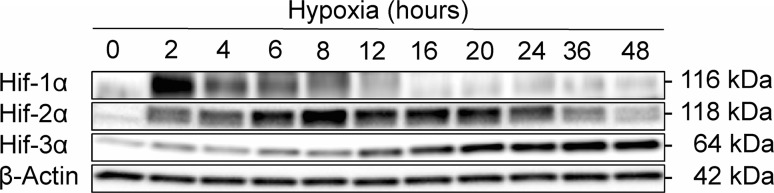
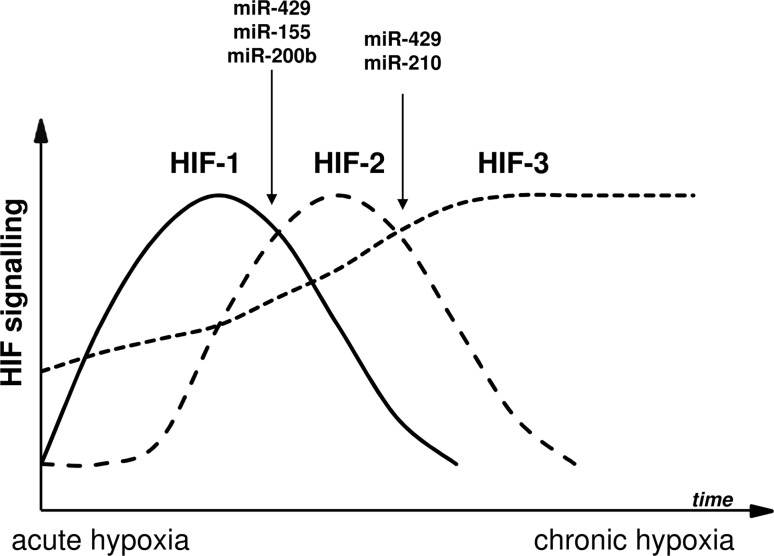
The decline of oxygen tension in the tissues below the physiological demand leads to the hypoxic adaptive response. This physiological consequence enables cells to recover from this cellular insult. Understanding the cellular pathways that mediate recovery from hypoxia is therefore critical for developing novel therapeutic approaches for cardiovascular diseases and cancer. The master regulators of oxygen homeostasis that control angiogenesis during hypoxia are hypoxia-inducible factors (HIFs). HIF-1 and HIF-2 function as transcriptional regulators and have both unique and overlapping target genes, whereas the role of HIF-3 is less clear. HIF-1 governs the acute adaptation to hypoxia, whereas HIF-2 and HIF-3 expressions begin during chronic hypoxia in human endothelium. When HIF-1 levels decline, HIF-2 and HIF-3 increase. This switch from HIF-1 to HIF-2 and HIF-3 signaling is required in order to adapt the endothelium to prolonged hypoxia. During prolonged hypoxia, the HIF-1 levels and activity are reduced, despite the lack of oxygen-dependent protein degradation. Although numerous protein factors have been proposed to modulate the HIF pathways, their application for HIF-targeted therapy is rather limited. Recently, the miRNAs that endogenously regulate gene expression via the RNA interference (RNAi) pathway have been shown to play critical roles in the hypoxia response pathways. Furthermore, these classes of RNAs provide therapeutic possibilities to selectively target HIFs and thus modulate the HIF switch. Here, we review the significance of the microRNAs on the relationship between the HIFs under both physiological and pathophysiological conditions.
Overview
The claims and statistics of this paper haven’t been checked yet.
Free: it reads the open-access text and checks the first 5 claims that cite a source we can check. Create a free account to check every claim.
Integrity signals
Registry
Cites
Statistics
Figures
Verification
Claims the paper makes
The claims and statistics of this paper haven’t been checked yet.
Free: it reads the open-access text and checks the first 5 claims that cite a source we can check. Create a free account to check every claim.
Claims other papers make about this one
Each is checked against this paper’s own text: does it say what the citing paper says it does?
The cited source says what the claim attributes to it.
In the citing paper
“In contrast, HIF-β subunits are constitutively expressed in an oxygen-independent manner; thus, degradation of HIF-α prevents the formation of transcriptionally active HIF heterodimers [48]”
From HIF inhibition: Current strategies and clinical challenges (2026) · cites this paper as [48]
The check wasn’t confident either way, so it gives no verdict — never disputed.
In the citing paper
“Therefore, it is plausible that increased levels of 2-HG may enable a switch to an entirely HIF-independent mechanism.”
From HIF-1-Independent Mechanisms Regulating Metabolic Adaptation in Hypoxic Cancer Cells (2021) · cites this paper as [159]
Experimental — accuracy not yet measured
Self-check
Percentages, sums and reported differences re-computed from the paper’s own numbers.
The self-check needs the paper’s full text.
Citations
Cites
1 retracted
Cai, Q., Wang, Z., Wang, S., Weng, M., Zhou, D., Li, C., Wang, J., Chen, E., & Quan, Z. (2017) · Open Biology · doi:10.1098/rsob.160247 · Cited by 107
RetractedMicroRNAs: Target Recognition and Regulatory Functions
Bartel, D. P. (2009) · Cell · doi:10.1016/j.cell.2009.01.002 · Cited by 20,068 · cited 1×
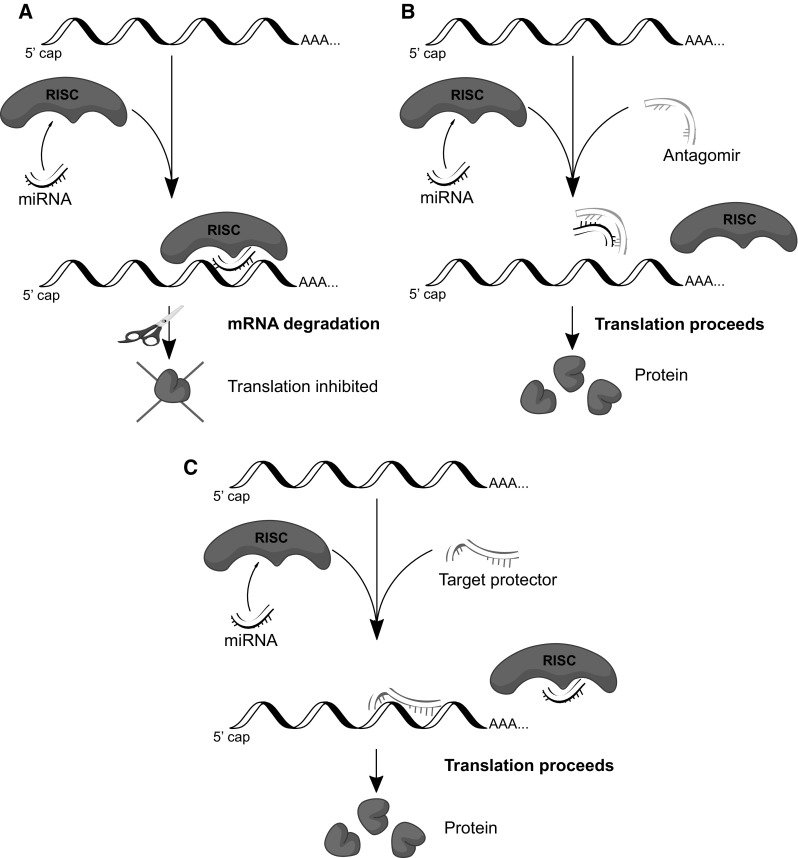
“Mature miRNAs recognize their target mRNAs through base-pairing interactions between nucleotides numbers 2 and 8 of the miRNA (the seed region) and the complementary nucleotides in the 3′-untranslated region (3′-UTR) of the mRNAs [87].”
Wang, G. L., Jiang, B. H., Rue, E. A., & Semenza, G. L. (1995) · Proceedings of the National Academy of Sciences · doi:10.1073/pnas.92.12.5510 · Cited by 6,212 · cited 2×
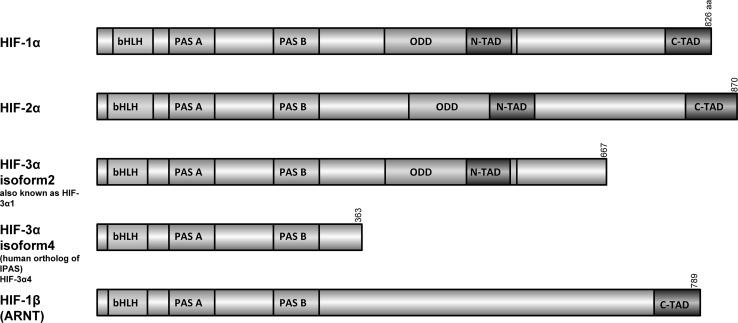
“The amino-terminal end of both α and β subunits consists of basic helix–loop–helix (bHLH) and PAS (PER–ARNT–SIM) domains that mediate heterodimerization and DNA binding [6].”
BackgroundThe tumour suppressor protein VHL targets hypoxia-inducible factors for oxygen-dependent proteolysis
Maxwell, P. H., Wiesener, M. S., Chang, G.-W., Clifford, S. C., Vaux, E. C., Cockman, M. E., Wykoff, C. C., Pugh, C. W., Maher, E. R., & Ratcliffe, P. J. (1999) · Nature · doi:10.1038/20459 · Cited by 5,180 · cited 1×
“During normoxia, these hydroxylase enzymes target the alpha subunits for polyubiquitination and degradation [13].”
BackgroundTargeting Hypoxia-Inducible Factors for the Treatment of Anemia in Chronic Kidney Disease Patients
Locatelli, F., Fishbane, S., Block, G. A., & Macdougall, I. C. (2017) · American Journal of Nephrology · doi:10.1159/000455166 · Cited by 4,813
A Mammalian microRNA Expression Atlas Based on Small RNA Library Sequencing
Landgraf, P., Rusu, M., Sheridan, R., Sewer, A., Iovino, N., Aravin, A., Pfeffer, S., Rice, A., Kamphorst, A. O., Landthaler, M., et al. (2007) · Cell · doi:10.1016/j.cell.2007.04.040 · Cited by 3,626
Oxygen sensing by metazoans: the central role of the HIF hydroxylase pathway.
Kaelin, W. G., & Ratcliffe, P. J. (2008) · Molecular Cell · doi:10.1016/j.molcel.2008.04.009 · Cited by 3,251 · cited 4×
“There are three different HIFs, HIF-1, HIF-2 and HIF-3, that are present in human tissues and are tightly regulated through changes in oxygen tension [4].”
BackgroundInfluentialMany roads to maturity: microRNA biogenesis pathways and their regulation
Winter, J., Jung, S., Keller, S., Gregory, R. I., & Diederichs, S. (2009) · Nature Cell Biology · doi:10.1038/ncb0309-228 · Cited by 2,656
Cellular and developmental control of O 2 homeostasis by hypoxia-inducible factor 1α
Iyer, N. V., Kotch, L. E., Agani, F., Leung, S. W., Laughner, E., Wenger, R. H., Gassmann, M., Gearhart, J. D., Lawler, A. M., Yu, A. Y., et al. (1998) · Genes & Development · doi:10.1101/gad.12.2.149 · Cited by 2,476 · cited 2×
“Mice that are HIF-1α heterozygous develop normally and are indistinguishable from their wild-type littermates in normoxia [50, 58].”
BackgroundHypoxia-inducible factors and the response to hypoxic stress
Majmundar, A. J., Wong, W. J., & Simon, M. C. (2010) · Molecular Cell · doi:10.1016/j.molcel.2010.09.022 · Cited by 2,380 · cited 2×
“There are three different HIFs, HIF-1, HIF-2 and HIF-3, that are present in human tissues and are tightly regulated through changes in oxygen tension [4].”
Background
Research works printed but not linked: 1
- Koh MY Powis G SART1/HAF, a protein widely over expressed in human cancer, decreases HIF-1α levels and inhibits tumor growth Can Res 2006 66 8 Supplement 409
Cited by
Items 101–200 of 287
Chen, J., Wang, F., Huang, S., Liu, X., Li, Z., Qi, A., Liu, X., Yi, T., & Li, S. (2019) · Evidence-based Complementary and Alternative Medicine · doi:10.1155/2019/2807926 · Cited by 18
Zhang, C., Bai, H., Zhang, L., Zhang, Y., Chen, X., Shi, R., Zhang, G., Xu, Q., & Lin, G. (2022) · Scientific Reports · doi:10.1038/s41598-022-15859-3 · Cited by 15
Davis, D. A., Shrestha, P., & Yarchoan, R. (2023) · Journal of Medical Virology · doi:10.1002/jmv.29071 · Cited by 15
A Systematic Review and Meta-Analysis of microRNA Profiling Studies in Chronic Kidney Diseases
Garmaa, G., Bunduc, Ș., Kói, T., Hegyi, P. J., Csupor, D., GANBAT, D., Dembrovszky, F., Meznerics, F. A., Nasirzadeh, A., Barbagallo, C., et al. (2024) · Non-Coding RNA · doi:10.3390/ncrna10030030 · Cited by 20
Non-coding RNAs in Cancer: Mechanistic insights and therapeutic implications
John, A., Almulla, N., Elboughdiri, N. A., Gacem, A., Yadav, K. K., Abass, A. M., Alam, M. W., Wani, A. W., Bashir, S. M., Rab, S. O., et al. (2024) · Pathology - Research and Practice · doi:10.1016/j.prp.2024.155745 · Cited by 20
Orchestration of lincRNA-p21 and miR-155 in Modulating the Adaptive Dynamics of HIF-1α
Sun, C., Zhang, X., Liu, F., & Wang, W. (2020) · Frontiers in Genetics · doi:10.3389/fgene.2020.00871 · Cited by 15
Wu, L., Zhou, J., Zhou, W., Huang, X., Chen, Q., Wang, W., Zhai, L., Li, S., & Tang, Z. (2020) · Pathology - Research and Practice · doi:10.1016/j.prp.2020.153270 · Cited by 15
The role of hypoxia-inducible factors in breast cancer stem cell specification
Fath, M. K., Garousi, S., Mottahedi, M., Ghasemzadeh, N., Salmani, K., Olfati, F., Saeed, M. B., Sotoudeh, S., & Barati, G. (2023) · Pathology - Research and Practice · doi:10.1016/j.prp.2023.154349 · Cited by 18
Yang, S. A., Rhee, K. H., Yoo, H. J., Pyo, M. C., & Lee, K. (2023) · Toxicology Reports · doi:10.1016/j.toxrep.2023.01.006 · Cited by 18
Hypoxia and Tissue Regeneration: Adaptive Mechanisms and Therapeutic Opportunities
Vásquez, I. C., Domínguez, C. M. C., Sánchez, M. J. F., & Garavito-Aguilar, Z. V. (2025) · International Journal of Molecular Sciences · doi:10.3390/ijms26199272 · Cited by 26
The Role of Growth Factors and Signaling Pathways in Ovarian Angiogenesis
Ziemak, H., Kulus, M., Partyńska, A., Kulus, J., Data, K., Domagała, D., Niebora, J., Gorska, A., Podralska, M., Podhorska‐Okołów, M., et al. (2025) · Cells · doi:10.3390/cells14191555 · Cited by 19
Barton, A., Jaśkiewicz, M., Więch -Walów, A., Moszyńska, A., Cabaj, A., Wielockx, B., Schaefer, L., Collawn, J. F., & Bartoszewski, R. (2025) · Cell Communication and Signaling · doi:10.1186/s12964-025-02459-7 · Cited by 14
“…the Fisher exact test and multiplying it by the z-score, and this reflects the deviation from the expected rank [34] The functional consequences of HIF-regulated miRNA expression are profound given their influence on pathways such as angiogenesis, apoptosis, and metabolic reprogramming [10, 20].”
Self-citationRobert, A. W., Marcon, B. H., Angulski, A. B. B., Martins, S. D. T., Leitolis, A., Stimamiglio, M. A., Senegaglia, A. C., Correa, A., & Alves, L. R. (2022) · International Journal of Molecular Sciences · doi:10.3390/ijms231710066 · Cited by 17
A Tale of Two: When Neural Stem Cells Encounter Hypoxia
Fan, Y., Li, J., & Fang, B. (2022) · Cellular and Molecular Neurobiology · doi:10.1007/s10571-022-01293-6 · Cited by 14
Markey, G. E., Ryan, S. M., Furuta, G. T., Menard-Katcher, C. D., McNamee, E. N., & Masterson, J. C. (2023) · The FASEB Journal · doi:10.1096/fj.202301934r · Cited by 17
MicroRNA‐34a‐Dependent Attenuation of Angiogenesis in Right Ventricular Failure
Reddy, S., Hu, D., Zhao, M., Ichimura, S., Barnes, E. A., Cornfield, D. N., Alcazar, M. A. A., Spiekerkoetter, E. F., Fajardo, G., & Bernstein, D. (2024) · Journal of the American Heart Association · doi:10.1161/jaha.123.029427 · Cited by 14
Snyder, B., Wu, H., Tillman, B., & Floyd, T. F. (2022) · Cells · doi:10.3390/cells11030423 · Cited by 13
Man, H. S. J., Subramaniam, N., Downs, T., Sukumar, A. N., Saha, A. D., Nair, R., Chen, L. L., Teitelbaum, D. H., Turgeon, P. J., Ku, K. H., et al. (2023) · Journal of Biological Chemistry · doi:10.1016/j.jbc.2023.103029 · Cited by 16
Martino, E. D., Brunetti, D., Canzonieri, V., Conforti, C., Eisendle, K., Mazzoleni, G., Nobile, C., Rao, F., Zschocke, J., Jukic, E., et al. (2020) · Cancers · doi:10.3390/cancers12102796 · Cited by 17
HypoxaMIRs: Key Regulators of Hallmarks of Colorectal Cancer
Coronel-Hernández, J., Delgado-Waldo, I., Cantú de León, D., López-Camarillo, C., Jacobo-Herrera, N., Ramos-Payán, R., & Pérez-Plasencia, C. (2022) · Cells · doi:10.3390/cells11121895 · Cited by 13
“HIF-1α promotes the expression of EIF2C4, which positively regulates Argonaut (AGO4), inducing mir-18a, mir 107, mir-155, and mir-210 overexpression and a giogenesis induction [58].”
BackgroundStrategies to Improve AFT Volume Retention After Fat Grafting
Liu, M., Shang, Y., Liu, N., Zhen, Y., Chen, Y., & An, Y. (2022) · Aesthetic Plastic Surgery · doi:10.1007/s00266-022-03088-y · Cited by 14
Hypoxia Pathway in Osteoporosis: Laboratory Data for Clinical Prospects
Wang, J., Zhao, B., Che, J., & Shang, P. (2023) · International Journal of Environmental Research and Public Health · doi:10.3390/ijerph20043129 · Cited by 16
Long, K., Feng, S., Ma, J., Zhang, J., Jin, L. G., Tang, Q., Wang, X., Mai, M., Xiao, W., Liu, L., et al. (2019) · Scientific Data · doi:10.1038/s41597-019-0204-5 · Cited by 16
Dynamic Oxygen Conditions Promote the Translocation of HIF‐1α to the Nucleus in Mouse Blastocysts
Choi, J., Kim, W., Yoon, H.-J., Lee, J., & Jun, J. H. (2021) · BioMed Research International · doi:10.1155/2021/5050527 · Cited by 14
Pathways of Hypoxia-Inducible Factor (HIF) in the Orchestration of Uterine Fibroids Development
Fedotova, M., Барышева, Е. М., & Bushueva, O. Y. (2023) · Life · doi:10.3390/life13081740 · Cited by 13
Choi, Y.-J., Kim, I., Lee, J. E., & Park, J. (2019) · Scientific Reports · doi:10.1038/s41598-019-47071-1 · Cited by 12
Effect of different intensities aerobic exercise to cardiac angiogenesis regulation on Wistar rats
Sylviana, N., Goenawan, H., Susanti, Y., Lesmana, R., Megantara, I., & Setiawan (2023) · Polish Journal of Veterinary Sciences · doi:10.24425/pjvs.2022.140848 · Cited by 14
Role of MicroRNAs in Regulation of Cellular Response to Hypoxia
Silina, M. V., Dzhalilova, D. S., & Makarova, O. V. (2023) · Biochemistry (Moscow) · doi:10.1134/s0006297923060032 · Cited by 18
Lv, D., Shen, T., Yao, J., Yang, Q., Xiang, Y., & Ma, Z. (2021) · Frontiers in Cell and Developmental Biology · doi:10.3389/fcell.2021.775642 · Cited by 12
Mortazavi‐Jahromi, S. S., & Aslani, M. (2022) · International Immunopharmacology · doi:10.1016/j.intimp.2022.109040 · Cited by 13
Chee, N. T., Carriere, C. H., Miller, Z., Welford, S. M., & Brothers, S. P. (2022) · Oncology Reports · doi:10.3892/or.2022.8451 · Cited by 13
Evidence of increased hypoxia signaling in fetal liver from maternal nutrient restriction in mice
Radford, B. N., & Han, V. K. M. (2019) · Pediatric Research · doi:10.1038/s41390-019-0447-z · Cited by 11
Airway Basal Cells Mediate Hypoxia-Induced EMT by Increasing Ribosome Biogenesis
Hou, Y., Ding, Y. P., Du, D., Yu, T., Zhou, W., Cui, Y., & Nie, H. (2021) · Frontiers in Pharmacology · doi:10.3389/fphar.2021.783946 · Cited by 12
Krishnan, S., Stearman, R. S., Zeng, L., Fisher, A. J., Mickler, E. A., Rodriguez, B., Simpson, E. R., Cook, T. G., Slaven, J. E., Ivan, M., et al. (2020) · American Journal of Physiology-Lung Cellular and Molecular Physiology · doi:10.1152/ajplung.00487.2019 · Cited by 12
Rustum, Y. M., Reis, R. J., & Rustum, T. M. (2023) · International Journal of Molecular Sciences · doi:10.3390/ijms24020902 · Cited by 12
Obstructive Sleep Apnea and Hypertensive Heart Disease: From Pathophysiology to Therapeutics
Liu, L., Wang, Y., Hong, L., Bragazzi, N. L., Dai, H., & Chen, H. (2023) · Reviews in Cardiovascular Medicine · doi:10.31083/j.rcm2412342 · Cited by 12
Unlocking ocular therapy: Harnessing the power of non-coding RNAs
Mohammadzadeh, V., Mostajeran, N., Shaban, M., Atapour‐Mashhad, H., Rad, B. T., Feizpour, R., Ghazy, E., Rahdar, A., & Fathi‐karkan, S. (2024) · Journal of Drug Delivery Science and Technology · doi:10.1016/j.jddst.2024.105847 · Cited by 10
Isosteviol improves cardiac function and promotes angiogenesis after myocardial infarction in rats
Liu, F., Song, L., Lu, Z., Sun, T., Lun, J., Zhou, C., Sun, X., Tan, W., & Zhao, H. (2021) · Cell and Tissue Research · doi:10.1007/s00441-021-03559-9 · Cited by 10
Tang, S., Ding, Y., Zhou, Z., & Yang, W. (2023) · BMC Pulmonary Medicine · doi:10.1186/s12890-023-02513-5 · Cited by 11
Fatimy, R. E., Boulaassafre, S., Bouchmaa, N., Khayari, A. E., Vergely, C., Malka, G., & Rochette, L. (2021) · Mechanisms of Ageing and Development · doi:10.1016/j.mad.2021.111566 · Cited by 12
Galbraith, M., Levine, H., Onuchic, J. N., & Jia, D. (2022) · iScience · doi:10.1016/j.isci.2022.105719 · Cited by 11
Jaśkiewicz, M., Moszyńska, A., Gebert, M., Collawn, J. F., & Bartoszewski, R. (2023) · Gene · doi:10.1016/j.gene.2023.147376 · Cited by 9
Self-citationCecchi, R., Camatti, J., Bonasoni, M. P., Clemente, G. M., Nicolì, S., Campanini, N., & Mozzoni, P. (2024) · Legal Medicine · doi:10.1016/j.legalmed.2024.102508 · Cited by 9
Liu, H., Su, Q., Zheng, Y., Sun, W., Lü, C., Cai, W., Ji, C., Gao, C., Zhang, Y., Xiao, S., et al. (2025) · Advanced Fiber Materials · doi:10.1007/s42765-025-00604-y · Cited by 22
Age-related differences in hypoxia-associated genes and cytokine profile in male Wistar rats
Dzhalilova, D. S., Kosyreva, A. M., Vishnyakova, P., Zolotova, N. A., Цветков, И. С., Аршакович, М. В., Михайлова, Л. П., Kakturskiy, L., & Makarova, O. V. (2021) · Heliyon · doi:10.1016/j.heliyon.2021.e08085 · Cited by 14
Loscalzo, G., Scheel, J., Ibáñez-Cabellos, J. S., García-López, E., Gupta, S. K., García‐Giménez, J. L., Mena, S., Perales, A., & Morales‐Roselló, J. (2021) · International Journal of Molecular Sciences · doi:10.3390/ijms23010293 · Cited by 12
Wang, C., Zhao, M., Wang, J., Shi, J., Wang, W., Zhang, Y., Meng, X., Sang, C., Zhu, L., & Yang, J. (2022) · Journal of Food Biochemistry · doi:10.1111/jfbc.14448 · Cited by 10
Bartoszewska, S., Sławski, J., Collawn, J. F., & Bartoszewski, R. (2023) · Cancers · doi:10.3390/cancers15112903 · Cited by 10
Self-citationZhang, L., Qiang, W., Li, M.-Q., Si-Jia, W., Jia, W., Wang, R., Shu-Wei, B., Qian‐Feng, W., & Wang, H. (2024) · Nanomedicine · doi:10.1080/17435889.2024.2393075 · Cited by 9
Proangiogenic signature in advanced laryngeal carcinoma after microRNA expression profiling
Popov, T. M., Giragosyan, S., Petkova, V., Stancheva, G. S., Marinov, T., Belitova, M., Rangachev, J., Popova, D. P., & Kaneva, R. P. (2020) · Molecular Biology Reports · doi:10.1007/s11033-020-05250-8 · Cited by 9
Potential Use of Thalidomide in Glioblastoma Treatment: An Updated Brief Overview
Eatmann, A. I., Hamouda, E., Hamouda, H., Farouk, H. K., Jobran, A. W. M., Omar, A. A., Madeeh, A. K., Al-dardery, N. M., Elnoamany, S., Abd-Elnasser, E. G., et al. (2023) · Metabolites · doi:10.3390/metabo13040543 · Cited by 9
Predominant factors influencing reactive oxygen species in cancer stem cells
Soundararajan, L., Warrier, S. R., Dharmarajan, A., & Bhaskaran, N. (2023) · Journal of Cellular Biochemistry · doi:10.1002/jcb.30506 · Cited by 12
Zhu, H., Zhao, M., Chen, Y., & Li, D. (2020) · Journal of Cellular Physiology · doi:10.1002/jcp.29904 · Cited by 9
de Almeida, A., Parthimos, D., Dew, H., Smart, O., Wiltshire, M., & Errington, R. J. (2021) · Cells · doi:10.3390/cells10040838 · Cited by 8
Pérez-Regalado, S., León, J., & Feriche, B. (2022) · Journal of Cancer Research and Clinical Oncology · doi:10.1007/s00432-022-03918-1 · Cited by 9
Meng, W., Ye, H., Ma, Z., Liu, L., Zhang, T., Han, Q., Xiang, Z., Xia, Y. Q., Ke, Y., Guan, X., et al. (2023) · ChemMedChem · doi:10.1002/cmdc.202300312 · Cited by 7
Song, J., Hou, M., Guo, Y., Peng, H., Liu, S., Zhu, J. W., Wang, Q., Li, J., Yi, C., & Li, H. (2025) · Aesthetic Plastic Surgery · doi:10.1007/s00266-024-04645-3 · Cited by 7
Abudukeremu, A., Aikemu, A., Yang, T., Fang, L., Shanahati, D., & Nijiati, Y. (2025) · Chemico-Biological Interactions · doi:10.1016/j.cbi.2025.111596 · Cited by 7
Fan, L., Wang, J., & Ma, C. (2019) · Journal of Receptors and Signal Transduction · doi:10.1080/10799893.2019.1652649 · Cited by 7
A positive feedback loop between miR-574-3p and HIF-1α in promoting angiogenesis under hypoxia
Zhang, R., Miao, Z., Liu, Y., Zhang, X., & Yang, Q. (2023) · Microvascular Research · doi:10.1016/j.mvr.2023.104589 · Cited by 8
Malik, N., Kundu, A., Gupta, Y., Irshad, K., Arora, M., Goswami, S., Mahajan, S., Sarkar, C., Suri, V. S., Suri, A., et al. (2023) · Molecular Carcinogenesis · doi:10.1002/mc.23617 · Cited by 7
Ariyeloye, S., Kämmerer, S., Klapproth, E., Wielockx, B., & El‐Armouche, A. (2024) · Pflügers Archiv - European Journal of Physiology · doi:10.1007/s00424-024-02921-4 · Cited by 9
Cell size dependent migration of T-cells latently infected with HIV
Timón‐Gómez, A., & Barrientos, A. (2020) · JoLS Journal of Life Sciences · doi:10.36069/jols/20200601 · Cited by 12
Regulation of Cancer‐Associated miRNAs Expression under Hypoxic Conditions
Valencia-Cervantes, J., & Sierra-Vargas, M. P. (2024) · Analytical Cellular Pathology · doi:10.1155/2024/5523283 · Cited by 8
Liu, C., Liu, C., Liu, G., Wang, M., Jiao, Y., Sun, Y., Guo, H., Wang, L., Lu, Y., Chen, Y., et al. (2025) · Acta Pharmacologica Sinica · doi:10.1038/s41401-024-01461-y · Cited by 7
Sun, L., Huang, N., Yang, C., Feng, J., Chen, H., Feng, W., Gao, Z., Wang, B., & Wang, J. (2025) · American Journal of Men s Health · doi:10.1177/15579883241310763 · Cited by 6
The role of hypoxia-inducible factor-3α in human disease
López-Mejía, A., Briseño-Díaz, P., & Robles‐Flores, M. (2025) · Biochimica et Biophysica Acta (BBA) - Molecular Cell Research · doi:10.1016/j.bbamcr.2025.120007 · Cited by 11
Duan, Z., Tao, J., Liu, W., Liu, Y., Fang, S., Yang, Y., Liu, X., Deng, X., Song, Y., & Wang, S. (2023) · Academic Radiology · doi:10.1016/j.acra.2023.08.021 · Cited by 6
Popazova, O., Belenichev, I. F., Bukhtiyarova, N. V., Ryzhenko, V. P., Gorchakova, N., Oksenych, V., & Kamyshnyi, O. (2025) · Antioxidants · doi:10.3390/antiox14060743 · Cited by 13
Anexelekto (AXL) no more: microRNA-155 (miR-155) controls the “Uncontrolled” in SARS-CoV-2
Papadopoulos, K. I., Papadopoulou, A., & Aw, T. C. (2024) · Human Cell · doi:10.1007/s13577-024-01041-6 · Cited by 8
Genetic approaches to understand cellular responses to oxygen availability
Ortmann, B. M., & Nathan, J. A. (2021) · FEBS Journal · doi:10.1111/febs.16072 · Cited by 7
LRP5 Regulates HIF-1α Stability via Interaction with PHD2 in Ischemic Myocardium
Ju, S., Lim, L., Wi, K., Park, C., Ki, Y.-J., Choi, D.-H., & Song, H. (2021) · International Journal of Molecular Sciences · doi:10.3390/ijms22126581 · Cited by 6
MicroRNA-185-5p: a marker of brain-sparing in foetuses with late-onset growth restriction
Morales‐Roselló, J., Loscalzo, G., García-López, E., Ibáñez-Cabellos, J. S., García‐Giménez, J. L., Martínez, A. J. C., & Alfredo Perales, M. (2021) · Epigenetics · doi:10.1080/15592294.2021.2023271 · Cited by 6
The Key Network of mRNAs and miRNAs Regulated by HIF1A in Hypoxic Hepatocellular Carcinoma Cells
Liu, T., Tang, J. Y., Li, X., Lin, Y., Yang, Y., Ma, K., Hui, Z., Ma, H., Qin, Y., Lei, H., et al. (2022) · Frontiers in Genetics · doi:10.3389/fgene.2022.857507 · Cited by 6
Liu, C., Qu, D., Li, C., Pu, W., Li, J., & Cai, L. (2025) · CNS Neuroscience & Therapeutics · doi:10.1111/cns.70239 · Cited by 7
Pawlik, M. T., Rinneberg, G., Koch, A., Meyringer, H., Loew, T. H., & Kjellberg, A. (2024) · European Archives of Psychiatry and Clinical Neuroscience · doi:10.1007/s00406-024-01911-y · Cited by 11
Acute Three‐Dimensional Hypoxia Regulates Angiogenesis
Ntekoumes, D., Song, J., Liu, H., Amelung, C. D., Guan, Y., & Gerecht, S. (2024) · Advanced Healthcare Materials · doi:10.1002/adhm.202403860 · Cited by 8
Gusar, V. A., Timofeeva, A. V., Chagovets, V. V., Кан, Н. Е., Ivanets, T. Y., & Sukhikh, G. T. (2022) · Bulletin of Experimental Biology and Medicine · doi:10.1007/s10517-022-05668-z · Cited by 7
Panir, K., Hull, M. L., & Greaves, E. (2021) · Elsevier eBooks · doi:10.1016/b978-0-12-820661-4.00019-4 · Cited by 5
MicroRNA 452 regulates ASB8, NOL8, and CDR2 expression in colorectal cancer cells
Mo, J., & Chae, S. (2021) · Genes & Genomics · doi:10.1007/s13258-020-01016-5 · Cited by 5
Alvarado-Ortiz, E., Castañeda‐Patlán, M. C., Moreno-Londoño, Á. P., Tinajero-Rodríguez, J. M., Briseño-Díaz, P., Sarabia-Sánchez, M. Á., Vargas, M. A., Ortíz-Sánchez, E., & Robles‐Flores, M. (2025) · Biochimica et Biophysica Acta (BBA) - Molecular Cell Research · doi:10.1016/j.bbamcr.2025.119968 · Cited by 5
Berek, K., Berek, A., Bauer, A., Rudzki, D., Pauli, F. D., Bsteh, G., Ponleitner, M., Treml, B., Kleinsasser, A. T., Berger, T., et al. (2025) · Frontiers in Neurology · doi:10.3389/fneur.2025.1608763 · Cited by 4
HIF-1α as a Target Molecule in the Use of Triazino-Indole Derivative on the Acoustic Trauma Model
Пастушенков, В. Л., Buynov, L. G., Kuznetsov, M. S., Dvoryanchikov, V. V., Glaznikov, L. A., & Pastushenkov, A. L. (2021) · Audiology Research · doi:10.3390/audiolres11030034 · Cited by 4
Singh, V. M. (2021) · Molecular Biology Reports · doi:10.1007/s11033-021-06769-0 · Cited by 4
Moreno, J. D. E., Castiblanco, J. L. F., Rodriguez, L. C. R., Ospina, P. M. B., Bello, C., Roa, E. N. M., & Rivera, H. M. (2024) · Antioxidants · doi:10.3390/antiox13111326 · Cited by 5
Yang, Q. L., Yu, J., Jiang, L., Liu, X., Liu, F., Cai, Y., Niu, L., Price, M., & Li, J. (2020) · Molecular Genetics and Genomics · doi:10.1007/s00438-020-01720-7 · Cited by 4
Zhang, T., Song, X., Qiao, J., Zhu, R., Ren, Y., & Shan, P. (2022) · Frontiers in Medicine · doi:10.3389/fmed.2022.856606 · Cited by 4
ISGylation directly modifies hypoxia‐inducible factor‐2α and enhances its polysome association
Melanson, G., Bois, A. C. D., Webster, C., & Uniacke, J. (2022) · FEBS Letters · doi:10.1002/1873-3468.14476 · Cited by 4
Surinkaew, S., Sun, D., Kooltheat, N., Boonhok, R., Somsak, V., & Kumphune, S. (2024) · Heliyon · doi:10.1016/j.heliyon.2024.e35846 · Cited by 5
Lavranos, G. (2020) · Qeios · doi:10.32388/67wh9k · Cited by 3
HIF inhibition: Current strategies and clinical challenges
Więch-Walów, A., Bartoszewska, S., Barton, A., Czechowicz, P., Dudzik, J., Wielockx, B., Collawn, J. F., & Bartoszewski, R. (2026) · Redox biology · doi:10.1016/j.redox.2026.104220 · Cited by 3
“Numerous miRNAs are transcriptionally induced by HIF-1, including miR-210, miR-146a, miR-145, miR-382, miR-191, miR-363, miR-421, miR-204, miR-30a, miR-21, miR-687, miR-155, miR-429, and miR-19a [48,122 – 136].”
InfluentialSelf-citationQi, S., Wang, C., Li, L., Li, T., Chen, Q., & Wang, J. (2021) · Genetic Testing and Molecular Biomarkers · doi:10.1089/gtmb.2021.0154 · Cited by 3
Jiang, Z., Jia, Y., Zhang, J., Li, X., & Dong, C. (2022) · Journal of Fish Diseases · doi:10.1111/jfd.13616 · Cited by 3
Gunjegaonkar, S. M., Joshi Amol, A., Wankhede Sagar, B., Siraskar Balasaheb, D., Merekar Abhijit, N., & Shinde Sachin, D. (2022) · IntechOpen eBooks · doi:10.5772/intechopen.102783 · Cited by 3
Oxidative Stress-Mediated miRNA Regulation in Cancer
Datta, D., & Bhattacharyya, S. N. (2022) · Handbook of Oxidative Stress in Cancer: Therapeutic Aspects · doi:10.1007/978-981-16-5422-0_67 · Cited by 3
Hypoxia-associated markers in the prognosis of oral canine melanoma
Gola, C., Maniscalco, L., Iussich, S., Morello, E. M., Olimpo, M., Martignani, E., Accornero, P., Giacobino, D., Mazzone, E., Modesto, P., et al. (2024) · Veterinary Pathology · doi:10.1177/03009858241244853 · Cited by 5
MicroRNA 452 regulates GTF2E1 expression in colorectal cancer cells
Mo, J. S., & Chae, S. (2021) · Journal of Genetics · doi:10.1007/s12041-021-01312-3 · Cited by 3
Zygotic hypoxia-inducible factor alpha regulates spicule elongation in the sea urchin embryo
Chang, W.-L., & Su, Y. (2022) · Developmental Biology · doi:10.1016/j.ydbio.2022.02.004 · Cited by 3
Lee, C. L., Lee, M., Lee, J. Y., Hong, S., Yang, S. W., Min, J.-H., Lee, D.-E., Baek, J., Kim, C., Lim, J. S., et al. (2022) · Cancers · doi:10.3390/cancers14163959 · Cited by 5
Small RNA Deep Sequencing Uncovers microRNAs Associated with Hearing Loss in Vestibular Schwannoma
Litwiniuk, M., Makuszewska, M., Niemczyk, K., Bartoszewicz, R., Wojtaś, B., & Gielniewski, B. (2024) · The Laryngoscope · doi:10.1002/lary.31385 · Cited by 3
Metadata
- Authors
- Serocki, M., Bartoszewska, S., Janaszak-Jasiecka, A., Ochocka, R. J., Collawn, J. F., & Bartoszewski, R.
- Affiliations
- Gdańsk Medical University (PL)
- University of Alabama at Birmingham (US)
- Corresponding author
- Bartoszewski, Rafał
- Venue
- Angiogenesis
- Published
- 2018-01-27
- Volume
- 21
- Issue
- 2
- Pages
- 183-202
- ISSN
- 0969-6970 (ISSN-L)
- 1573-7209
- PMC
- PMC5878208
- OpenAlex
- W2787814498
- Cited by
- 288
- References
- 174
- Citations by year
- 2026: 21 · 2025: 27 · 2024: 34 · 2023: 51 · 2022: 45 · 2021: 48 · 2020: 35 · 2019: 23 · 2018: 4
- FWCI
- 2.83
- Type
- journal article
- Language
- en
- Open access
- hybrid
- doi.org
- Licence
- cc-by
- creativecommons.org/licenses/by/4.0 (tdm)
- Locations
- Angiogenesis (publishedVersion, cc-by)
- PubMed Central (publishedVersion, cc-by)
- PubMed (publishedVersion)
- Funders
- National Institutes of Health (NIH P30 DK072482, DK072482)
- National Institute of Diabetes and Digestive and Kidney Diseases (P30DK072482)
- Topics
- Life Sciences › Biochemistry, Genetics and Molecular Biology › Cancer Research › Cancer, Hypoxia, and Metabolism
- Life Sciences › Biochemistry, Genetics and Molecular Biology › Cancer Research › MicroRNA in disease regulation
- Life Sciences › Biochemistry, Genetics and Molecular Biology › Molecular Biology › Angiogenesis and VEGF in Cancer
- Keywords
- microRNA, hypoxia-inducible factor, HIF-1, HIF-2, hypoxia adaptation, oxygen homeostasis, endothelial cells, chronic hypoxia, HIF-targeted therapy, cardiovascular disease, cancer
- MeSH terms
- Animals, Hypoxia, Gene Expression Regulation, Humans, Transcription, Genetic, Signal Transduction, MicroRNAs, Basic Helix-Loop-Helix Proteins
About these checks
Registry, retraction, Cites and statistics results are computed, not judged, with one exception: a printed reference that no index lists is read once by a model before it counts as a citation error. Claims are extracted by a model and kept only when their quote appears verbatim in the text; each cited source is then checked, with a model’s help, for whether it says what the claim relies on. Those verdicts can be wrong — read the claim’s quote and the cited source before relying on one.
Statistics and arithmetic are recomputed, not judged.
Confidence bands are shown only for fields calibrated on our annotated test set. None is calibrated yet, so no band is shown.
What counts as a claim ›How we measure confidence ›How we check this ›
Are you an author, or do you see a problem with this page? Request a review
Data sources
Bibliographic data: Semantic Scholar, OpenAlex, Crossref.
Contains information from the Semantic Scholar Academic Graph Datasets, made available under the ODC Attribution License (ODC-BY 1.0).
Semantic Scholar’s data is described in: Kinney, R., et al. (2023). The Semantic Scholar Open Data Platform. arXiv:2301.10140.
