

miRNAs regulate the HIF switch during hypoxia: a novel therapeutic target
Open accessThe DOI matches its Crossref record; 174 of the 174 references it cites were found in a registry or an index.
Abstract
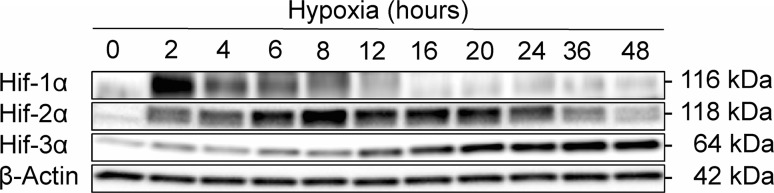
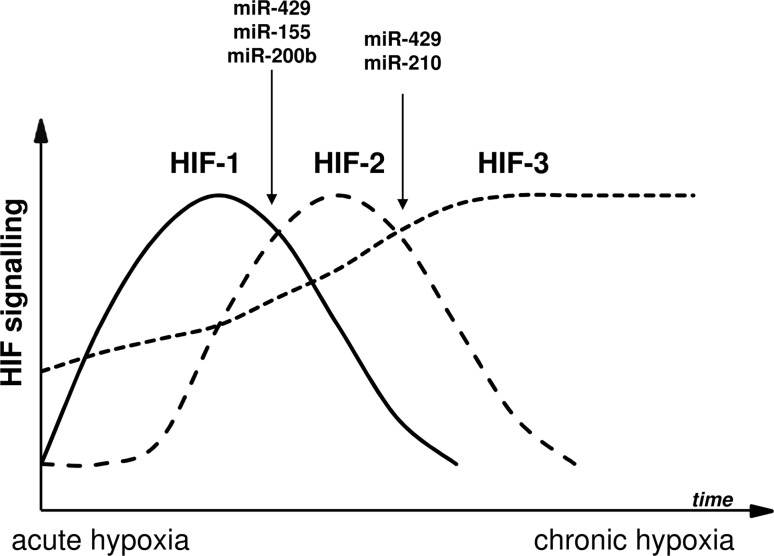
The decline of oxygen tension in the tissues below the physiological demand leads to the hypoxic adaptive response. This physiological consequence enables cells to recover from this cellular insult. Understanding the cellular pathways that mediate recovery from hypoxia is therefore critical for developing novel therapeutic approaches for cardiovascular diseases and cancer. The master regulators of oxygen homeostasis that control angiogenesis during hypoxia are hypoxia-inducible factors (HIFs). HIF-1 and HIF-2 function as transcriptional regulators and have both unique and overlapping target genes, whereas the role of HIF-3 is less clear. HIF-1 governs the acute adaptation to hypoxia, whereas HIF-2 and HIF-3 expressions begin during chronic hypoxia in human endothelium. When HIF-1 levels decline, HIF-2 and HIF-3 increase. This switch from HIF-1 to HIF-2 and HIF-3 signaling is required in order to adapt the endothelium to prolonged hypoxia. During prolonged hypoxia, the HIF-1 levels and activity are reduced, despite the lack of oxygen-dependent protein degradation. Although numerous protein factors have been proposed to modulate the HIF pathways, their application for HIF-targeted therapy is rather limited. Recently, the miRNAs that endogenously regulate gene expression via the RNA interference (RNAi) pathway have been shown to play critical roles in the hypoxia response pathways. Furthermore, these classes of RNAs provide therapeutic possibilities to selectively target HIFs and thus modulate the HIF switch. Here, we review the significance of the microRNAs on the relationship between the HIFs under both physiological and pathophysiological conditions.
Overview
The claims and statistics of this paper haven’t been checked yet.
Free: it reads the open-access text and checks the first 5 claims that cite a source we can check. Create a free account to check every claim.
Integrity signals
Registry
Cites
Statistics
Figures
Verification
Claims the paper makes
The claims and statistics of this paper haven’t been checked yet.
Free: it reads the open-access text and checks the first 5 claims that cite a source we can check. Create a free account to check every claim.
Claims other papers make about this one
Each is checked against this paper’s own text: does it say what the citing paper says it does?
The cited source says what the claim attributes to it.
In the citing paper
“In contrast, HIF-β subunits are constitutively expressed in an oxygen-independent manner; thus, degradation of HIF-α prevents the formation of transcriptionally active HIF heterodimers [48]”
From HIF inhibition: Current strategies and clinical challenges (2026) · cites this paper as [48]
The check wasn’t confident either way, so it gives no verdict — never disputed.
In the citing paper
“Therefore, it is plausible that increased levels of 2-HG may enable a switch to an entirely HIF-independent mechanism.”
From HIF-1-Independent Mechanisms Regulating Metabolic Adaptation in Hypoxic Cancer Cells (2021) · cites this paper as [159]
Experimental — accuracy not yet measured
Self-check
Percentages, sums and reported differences re-computed from the paper’s own numbers.
The self-check needs the paper’s full text.
Citations
Cites
1 retracted
Cai, Q., Wang, Z., Wang, S., Weng, M., Zhou, D., Li, C., Wang, J., Chen, E., & Quan, Z. (2017) · Open Biology · doi:10.1098/rsob.160247 · Cited by 107
RetractedMicroRNAs: Target Recognition and Regulatory Functions
Bartel, D. P. (2009) · Cell · doi:10.1016/j.cell.2009.01.002 · Cited by 20,068 · cited 1×
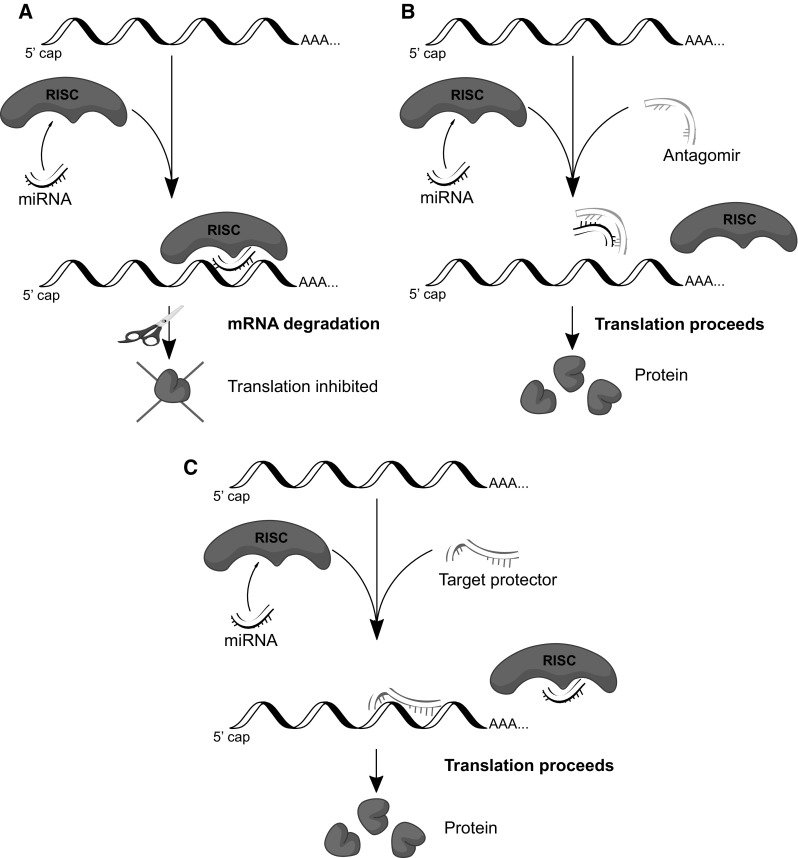
“Mature miRNAs recognize their target mRNAs through base-pairing interactions between nucleotides numbers 2 and 8 of the miRNA (the seed region) and the complementary nucleotides in the 3′-untranslated region (3′-UTR) of the mRNAs [87].”
Wang, G. L., Jiang, B. H., Rue, E. A., & Semenza, G. L. (1995) · Proceedings of the National Academy of Sciences · doi:10.1073/pnas.92.12.5510 · Cited by 6,212 · cited 2×
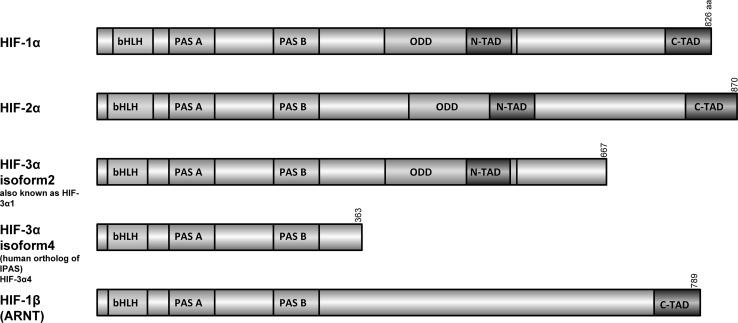
“The amino-terminal end of both α and β subunits consists of basic helix–loop–helix (bHLH) and PAS (PER–ARNT–SIM) domains that mediate heterodimerization and DNA binding [6].”
BackgroundThe tumour suppressor protein VHL targets hypoxia-inducible factors for oxygen-dependent proteolysis
Maxwell, P. H., Wiesener, M. S., Chang, G.-W., Clifford, S. C., Vaux, E. C., Cockman, M. E., Wykoff, C. C., Pugh, C. W., Maher, E. R., & Ratcliffe, P. J. (1999) · Nature · doi:10.1038/20459 · Cited by 5,180 · cited 1×
“During normoxia, these hydroxylase enzymes target the alpha subunits for polyubiquitination and degradation [13].”
BackgroundTargeting Hypoxia-Inducible Factors for the Treatment of Anemia in Chronic Kidney Disease Patients
Locatelli, F., Fishbane, S., Block, G. A., & Macdougall, I. C. (2017) · American Journal of Nephrology · doi:10.1159/000455166 · Cited by 4,813
A Mammalian microRNA Expression Atlas Based on Small RNA Library Sequencing
Landgraf, P., Rusu, M., Sheridan, R., Sewer, A., Iovino, N., Aravin, A., Pfeffer, S., Rice, A., Kamphorst, A. O., Landthaler, M., et al. (2007) · Cell · doi:10.1016/j.cell.2007.04.040 · Cited by 3,626
Oxygen sensing by metazoans: the central role of the HIF hydroxylase pathway.
Kaelin, W. G., & Ratcliffe, P. J. (2008) · Molecular Cell · doi:10.1016/j.molcel.2008.04.009 · Cited by 3,251 · cited 4×
“There are three different HIFs, HIF-1, HIF-2 and HIF-3, that are present in human tissues and are tightly regulated through changes in oxygen tension [4].”
BackgroundInfluentialMany roads to maturity: microRNA biogenesis pathways and their regulation
Winter, J., Jung, S., Keller, S., Gregory, R. I., & Diederichs, S. (2009) · Nature Cell Biology · doi:10.1038/ncb0309-228 · Cited by 2,656
Cellular and developmental control of O 2 homeostasis by hypoxia-inducible factor 1α
Iyer, N. V., Kotch, L. E., Agani, F., Leung, S. W., Laughner, E., Wenger, R. H., Gassmann, M., Gearhart, J. D., Lawler, A. M., Yu, A. Y., et al. (1998) · Genes & Development · doi:10.1101/gad.12.2.149 · Cited by 2,476 · cited 2×
“Mice that are HIF-1α heterozygous develop normally and are indistinguishable from their wild-type littermates in normoxia [50, 58].”
BackgroundHypoxia-inducible factors and the response to hypoxic stress
Majmundar, A. J., Wong, W. J., & Simon, M. C. (2010) · Molecular Cell · doi:10.1016/j.molcel.2010.09.022 · Cited by 2,380 · cited 2×
“There are three different HIFs, HIF-1, HIF-2 and HIF-3, that are present in human tissues and are tightly regulated through changes in oxygen tension [4].”
Background
Research works printed but not linked: 1
- Koh MY Powis G SART1/HAF, a protein widely over expressed in human cancer, decreases HIF-1α levels and inhibits tumor growth Can Res 2006 66 8 Supplement 409
Cited by
Hypoxia: Overview on Hypoxia-Mediated Mechanisms with a Focus on the Role of HIF Genes
Tirpe, A. A., Gulei, D., Ciortea, S. M., Crivii, C., & Berindan-Neagoe, I. (2019) · International Journal of Molecular Sciences · doi:10.3390/ijms20246140 · Cited by 438
Saxena, K., & Jolly, M. K. (2019) · Biomolecules · doi:10.3390/biom9080339 · Cited by 216
Bartoszewski, R., Moszyńska, A., Serocki, M., Cabaj, A., Polten, A., Ochocka, R., Dell'Italia, L., Bartoszewska, S., Króliczewski, J., Dąbrowski, M., et al. (2019) · The FASEB Journal · doi:10.1096/fj.201802650rr · Cited by 199
Self-citationMechanisms of Taxane Resistance
Maloney, S., Spring, C., Morejon-Lasso, L., & Prosperi, J. (2020) · Cancers · doi:10.3390/cancers12113323 · Cited by 198
Endothelial Dysfunction Driven by Hypoxia—The Influence of Oxygen Deficiency on NO Bioavailability
Janaszak-Jasiecka, A., Siekierzycka, A., Płoska, A., Dobrucki, I. T., & Kalinowski, L. (2021) · Biomolecules · doi:10.3390/biom11070982 · Cited by 186
Self-citationRegulation of the Hypoxia-Inducible Factor (HIF) by Pro-Inflammatory Cytokines
Malkov, M. I., Lee, C. T., & Taylor, C. T. (2021) · Cells · doi:10.3390/cells10092340 · Cited by 183
Hypoxia, endoplasmic reticulum stress and chemoresistance: dangerous liaisons
Akman, M., Belisario, D. C., Salaroglio, I. C., Kopecka, J., Donadelli, M., De Smaele, E., & Riganti, C. (2021) · Journal of Experimental & Clinical Cancer Research · doi:10.1186/s13046-020-01824-3 · Cited by 174
HIF-1-Independent Mechanisms Regulating Metabolic Adaptation in Hypoxic Cancer Cells
Lee, S.-H., Golinska, M., & Griffiths, J. R. (2021) · Cells · doi:10.3390/cells10092371 · Cited by 169
HIF‑1α in myocardial ischemia‑reperfusion injury (Review)
Zheng, J., Chen, P., Zhong, J., Cheng, Y., Chen, H., He, Y. Z., & Chen, C. (2021) · Molecular Medicine Reports · doi:10.3892/mmr.2021.11991 · Cited by 172
Yang, R., Chen, H., Xing, L., Wang, B., Hu, M., Ou, X., Chen, H., Deng, Y., Liu, D., Jiang, R., et al. (2022) · Molecular Cancer · doi:10.1186/s12943-022-01567-z · Cited by 163
HIF in the heart: development, metabolism, ischemia, and atherosclerosis
Knutson, A. K., Williams, A. L., Boisvert, W. A., & Shohet, R. V. (2021) · Journal of Clinical Investigation · doi:10.1172/jci137557 · Cited by 161
Unfolded protein response (UPR) integrated signaling networks determine cell fate during hypoxia
Bartoszewska, S., & Collawn, J. F. (2020) · Cellular & Molecular Biology Letters · doi:10.1186/s11658-020-00212-1 · Cited by 146
Self-citationJaśkiewicz, M., Moszyńska, A., Króliczewski, J., Cabaj, A., Bartoszewska, S., Charzyńska, A., Gebert, M., Dąbrowski, M., Collawn, J. F., & Bartoszewski, R. (2022) · Cellular & Molecular Biology Letters · doi:10.1186/s11658-022-00408-7 · Cited by 143
“Although changing HIF-α isoform dependency during hypoxia has been recognized both in endothelial and cancer cells [4, 17, 39, 40] as an important regulator of the adaptive response and a potential therapy target, the mechanisms responsible for the hypoxic HIF-1α protein destabilization under low oxygen pressure were…”
BackgroundSelf-citationHypoxia-induced switch in SNAT2/SLC38A2 regulation generates endocrine resistance in breast cancer
Morotti, M., Bridges, E., Valli, A., Choudhry, H., Sheldon, H., Wigfield, S., Gray, N., Zois, C. E., Grimm, F., Jones, D., et al. (2019) · Proceedings of the National Academy of Sciences · doi:10.1073/pnas.1818521116 · Cited by 131
Hypoxia Dictates Metabolic Rewiring of Tumors: Implications for Chemoresistance
Belisario, D. C., Kopecka, J., Pasino, M., Akman, M., De Smaele, E., Donadelli, M., & Riganti, C. (2020) · Cells · doi:10.3390/cells9122598 · Cited by 133
Liu, L., Yu, F., Li, L., Zhou, L., Zhou, T., Xu, Y., Lin, K., Fang, B., & Xia, L. (2021) · Acta Biomaterialia · doi:10.1016/j.actbio.2020.10.038 · Cited by 129
Hypoxia-Inducible Factor (HIF) in Ischemic Stroke and Neurodegenerative Disease
Mitroshina, Е. V., Saviuk, M. O., Ponimaskin, E. G., & Vedunova, M. V. (2021) · Frontiers in Cell and Developmental Biology · doi:10.3389/fcell.2021.703084 · Cited by 147
Hypoxic tumor microenvironment: Implications for cancer therapy
Roy, S., Kumaravel, S., Sharma, A., Duran, C. L., Bayless, K. J., & Chakraborty, S. (2020) · Experimental Biology and Medicine · doi:10.1177/1535370220934038 · Cited by 143
Mazumder, S., Higgins, P. J., & Samarakoon, R. (2023) · Cancers · doi:10.3390/cancers15041316 · Cited by 131
eNOS expression and NO release during hypoxia is inhibited by miR-200b in human endothelial cells
Janaszak-Jasiecka, A., Siekierzycka, A., Bartoszewska, S., Serocki, M., Dobrucki, L. W., Collawn, J. F., Kalinowski, L., & Bartoszewski, R. (2018) · Angiogenesis · doi:10.1007/s10456-018-9620-y · Cited by 85
Self-citationThe role of hypoxia-inducible factors in cardiovascular diseases
Yu, B., Wang, X., Song, Y., Xie, G., Jiao, S., Shi, L., Cao, X., Han, X., & Qu, A. (2022) · Pharmacology & Therapeutics · doi:10.1016/j.pharmthera.2022.108186 · Cited by 93
Hypoxia Pathway Proteins are Master Regulators of Erythropoiesis
Watts, D., Gaete, D., Rodriguez, D., Hoogewijs, D., Rauner, M., Sormendi, S., & Wielockx, B. (2020) · International Journal of Molecular Sciences · doi:10.3390/ijms21218131 · Cited by 101
Zhong, J., Tan, Y., Lu, J., Liu, J., Xiao, X., Zhu, P., Chen, S., Zheng, S., Chen, Y., Hu, Y., et al. (2019) · Redox Biology · doi:10.1016/j.redox.2019.101287 · Cited by 82
Cardioprotective Role of Melatonin in Acute Myocardial Infarction
Fu, Z., Jiao, Y., Wang, J., Zhang, Y., Shen, M., Reiter, R. J., Xi, Q., & Chen, Y. (2020) · Frontiers in Physiology · doi:10.3389/fphys.2020.00366 · Cited by 84
Александровна, Б. Э., Fridman, M. V., Loginov, V. I., Dmitriev, A. A., & Morozov, S. (2019) · Frontiers in Genetics · doi:10.3389/fgene.2019.00320 · Cited by 82
Dzhalilova, D., & Makarova, O. (2020) · Biomedicines · doi:10.3390/biomedicines8100428 · Cited by 75
Update on uveal melanoma: Translational research from biology to clinical practice (Review)
Ortega, M. A., Fraile‐Μartinez, O., García‐Honduvilla, N., Coca, S., Álvarez‐Mon, M., Buján, J., & Teus, M. A. (2020) · International Journal of Oncology · doi:10.3892/ijo.2020.5140 · Cited by 82
Liu, Y., Luo, Q., Su, Z., Xing, J., Wu, J., Li, X., Huang, Y., Pan, H., Wu, X., Zhang, X., et al. (2021) · Circulation · doi:10.1161/circulationaha.120.051937 · Cited by 73
The Yin-Yang Regulation of Reactive Oxygen Species and MicroRNAs in Cancer
Babu, K. R., & Tay, Y. (2019) · International Journal of Molecular Sciences · doi:10.3390/ijms20215335 · Cited by 69
HIF-1 and HIF-2 in cancer: structure, regulation, and therapeutic prospects
Shi, Y., & Gilkes, D. M. (2025) · Cellular and Molecular Life Sciences · doi:10.1007/s00018-024-05537-0 · Cited by 90
HIF-1, an important regulator in potential new therapeutic approaches to ischemic stroke
Vatte, S., & Ugale, R. R. (2023) · Neurochemistry International · doi:10.1016/j.neuint.2023.105605 · Cited by 70
Moszyńska, A., Jaśkiewicz, M., Serocki, M., Cabaj, A., Crossman, D. K., Bartoszewska, S., Gebert, M., Dąbrowski, M., Collawn, J. F., & Bartoszewski, R. (2022) · The FASEB Journal · doi:10.1096/fj.202101987r · Cited by 53
Self-citationJin, F., Zheng, X., Yang, Y., Yao, G., Ye, L., Doeppner, T. R., Hermann, D. M., Wang, H., & Dai, Y. (2019) · Aging · doi:10.18632/aging.101726 · Cited by 50
Cancer stem cells targets and combined therapies to prevent cancer recurrence
Raghav, P. K., & Mann, Z. (2021) · Life Sciences · doi:10.1016/j.lfs.2021.119465 · Cited by 53
Hypoxia‐inducible factors in metabolic reprogramming during sepsis
Vanderhaeghen, T., Vandewalle, J., & Libert, C. (2020) · FEBS Journal · doi:10.1111/febs.15222 · Cited by 51
MicroRNAs, Hypoxia and the Stem-Like State as Contributors to Cancer Aggressiveness
Macharia, L. W., Muriithi, W., Mureithi, M., Pereira, C. M., Ferrer, V. P., & Moura‐Neto, V. (2019) · Frontiers in Genetics · doi:10.3389/fgene.2019.00125 · Cited by 49
The potential role and trend of HIF‑1α in intervertebral disc degeneration: Friend or foe? (Review)
Li, Y., Liu, S., Pan, D., Xu, B., Xing, X., Zhou, H., Zhang, B., Zhou, S., Ning, G., & Feng, S. (2021) · Molecular Medicine Reports · doi:10.3892/mmr.2021.11878 · Cited by 48
Khan, M. A., & Islam, A. B. M. M. K. (2021) · Frontiers in Molecular Biosciences · doi:10.3389/fmolb.2020.598583 · Cited by 42
Li, G., Liu, J., Guo, M., Gu, Y., Guan, Y., Shao, Q., Ma, W., & Ji, X. (2022) · Cell Death Discovery · doi:10.1038/s41420-022-01260-6 · Cited by 47
Molecular basis and clinical implications of HIFs in cardiovascular diseases
Hu, Y., Lu, H., Li, H., & Ge, J. (2022) · Trends in Molecular Medicine · doi:10.1016/j.molmed.2022.09.004 · Cited by 45
Perspectives on Hypoxia Signaling in Tumor Stroma
Zhang, Y., Coleman, M., & Brekken, R. A. (2021) · Cancers · doi:10.3390/cancers13123070 · Cited by 39
Insight into Hypoxia Stemness Control
Mattia, M. D., Mauro, A., Citeroni, M. R., Dufrusine, B., Peserico, A., Russo, V., Berardinelli, P., Dainese, E., Cimini, A., & Barboni, B. (2021) · Cells · doi:10.3390/cells10082161 · Cited by 46
Li, Z., Ning, F., Wang, C., Yu, H., Ma, Q., & Sun, Y. (2021) · Nanoscale · doi:10.1039/d1nr03387e · Cited by 46
The molecular code of kidney cancer: A path of discovery for gene mutation and precision therapy
Xie, D., Li, G., Zheng, Z., Zhang, X., Wang, S., Jiang, B., Li, X., Wang, X., & Wu, G. (2024) · Molecular Aspects of Medicine · doi:10.1016/j.mam.2024.101335 · Cited by 45
Ben‐Aicha, S., Escate, R., Casaní, L., Padró, T., Peña, E., Arderiu, G., Mendieta, G., Badimón, L., & Vilahur, G. (2019) · Cardiovascular Research · doi:10.1093/cvr/cvz239 · Cited by 40
Ivanova, I. G., Park, C. V., & Kenneth, N. S. (2019) · Cells · doi:10.3390/cells8020114 · Cited by 44
Zheng, H., Wang, N., Li, L., Ge, L., Jia, H., & Fan, Z. (2021) · International Journal of Oral Science · doi:10.1038/s41368-021-00148-y · Cited by 39
Trujillo-Rangel, W. Á., García-Valdés, L., Villar, M. M.-D., Castañeda‐Arellano, R., Totsuka-Sutto, S. E., & García‐Benavides, L. (2022) · Oxidative Medicine and Cellular Longevity · doi:10.1155/2022/8624318 · Cited by 44
Ma, S., Yeom, J., & Lim, Y. (2022) · Biomedicine & Pharmacotherapy · doi:10.1016/j.biopha.2022.113672 · Cited by 43
HIF-Prolyl Hydroxylase Domain Proteins (PHDs) in Cancer—Potential Targets for Anti-Tumor Therapy?
Gaete, D., Rodriguez, D., Watts, D., Sormendi, S., Chavakis, T., & Wielockx, B. (2021) · Cancers · doi:10.3390/cancers13050988 · Cited by 37
Mo, J. S., Park, W. C., Choi, S. C., Yun, K. J., & Chae, S. (2019) · Cancers · doi:10.3390/cancers11101613 · Cited by 35
Gómez-Acevedo, H., Dai, Y., Strub, G. M., Shawber, C. J., Wu, J. K., & Richter, G. T. (2020) · Scientific Reports · doi:10.1038/s41598-020-60025-2 · Cited by 42
Recent advances in understanding the role of hypoxia-inducible factor 1α in renal fibrosis
Wei, X. S., Zhu, X., Jiang, L., Huang, X., Zhang, Y., Zhao, D., & Du, Y. (2020) · International Urology and Nephrology · doi:10.1007/s11255-020-02474-2 · Cited by 37
Nazari‐Shafti, T. Z., Neuber, S., Duran, A. G., Exarchos, V., Beez, C. M., Meýborg, H., Krüger, K., Wolint, P., Buschmann, J., Böni, R., et al. (2020) · Biomolecules · doi:10.3390/biom10091353 · Cited by 39
Cerebral Oxygen Delivery and Consumption in Brain-Injured Patients
Siwicka-Gieroba, D., Robba, C., Gołacki, J., Badenes, R., & Dąbrowski, W. (2022) · Journal of Personalized Medicine · doi:10.3390/jpm12111763 · Cited by 38
miRNA networks modulate human endothelial cell adaptation to cyclic hypoxia
Kochan-Jamrozy, K., Króliczewski, J., Moszyńska, A., Collawn, J. F., & Bartoszewski, R. (2019) · Cellular Signalling · doi:10.1016/j.cellsig.2018.11.020 · Cited by 30
Self-citationXiao, J., Guo, X., & Wang, Z. (2024) · Frontiers in Immunology · doi:10.3389/fimmu.2024.1385907 · Cited by 36
Dai, M., Chen, N., Li, J., Tan, L., Li, X., Wen, J., Lei, L.-S., & Guo, D. (2021) · Phytomedicine · doi:10.1016/j.phymed.2021.153580 · Cited by 32
Exenatide inhibits NF-κB and attenuates ER stress in diabetic cardiomyocyte models
Fu, Z., Mui, D., Zhu, H., & Zhang, Y. (2020) · Aging · doi:10.18632/aging.103181 · Cited by 29
Potential Roles of Hypoxia-Inducible Factor-1 in Alzheimer’s Disease: Beneficial or Detrimental?
Lin, T., Huang, C.-R., Lin, K.-J., Hsieh, Y.-H., Chen, S., Lin, Y., Chao, A., & Yang, D. (2024) · Antioxidants · doi:10.3390/antiox13111378 · Cited by 34
Garabet, L., Ghanima, W., Rangberg, A., Teruel‐Montoya, R., Martínez, C., Lozano, M. L., Nystrand, C. F., Bussel, J. B., Sandset, P. M., & Jonassen, C. M. (2019) · Platelets · doi:10.1080/09537104.2019.1585527 · Cited by 29
Farhat, E., Talarico, G. G. M., Grégoire, M., Weber, J., & Mennigen, J. A. (2022) · Scientific Reports · doi:10.1038/s41598-022-09374-8 · Cited by 28
Huang, J., Xu, Z. Z., Jiao, J., Li, Z., Li, S., Liu, Y., Li, Z., Qu, G., Wu, J., Zhao, Y., et al. (2023) · Bioactive Materials · doi:10.1016/j.bioactmat.2023.07.001 · Cited by 39
Impact of Hypoxia-Induced miR-210 on Pancreatic Cancer
Lian, M., Mortoglou, M., & Onganer, P. U. (2023) · Current Issues in Molecular Biology · doi:10.3390/cimb45120611 · Cited by 29
Samaja, M., & Ottolenghi, S. (2023) · International Journal of Molecular Sciences · doi:10.3390/ijms24043670 · Cited by 36
Regulation of the HIF switch in human endothelial and cancer cells
Slawski, J., Jaśkiewicz, M., Barton, A., Kozioł, S., Collawn, J. F., & Bartoszewski, R. (2024) · European Journal of Cell Biology · doi:10.1016/j.ejcb.2024.151386 · Cited by 26
Self-citationAn overview of biological research on hypoxia-inducible factors (HIFs)
Liu, Z., Wu, Z., Fan, Y., & Fang, Y. (2020) · Endokrynologia Polska · doi:10.5603/ep.a2020.0064 · Cited by 30
The role of the hypoxia signaling pathway in cellular adaptation to hypoxia
Titova, O. N., Кузубова, Н. А., & Лебедева, Е. С. (2020) · Russian Medical Inquiry · doi:10.32364/2587-6821-2020-4-4-207-213 · Cited by 32
Hypoxia-induced epigenetic regulation of breast cancer progression and the tumour microenvironment
Capatina, A. L., Malcolm, J. R., Stenning, J., Moore, R. L., Bridge, K. S., Brackenbury, W. J., & Holding, A. N. (2024) · Frontiers in Cell and Developmental Biology · doi:10.3389/fcell.2024.1421629 · Cited by 35
Mechanisms controlling bacterial infection in myeloid cells under hypoxic conditions
Hayek, I., Schatz, V., Bogdan, C., Jantsch, J., & Lührmann, A. (2020) · Cellular and Molecular Life Sciences · doi:10.1007/s00018-020-03684-8 · Cited by 27
Focus on Hypoxia-Related Pathways in Pediatric Osteosarcomas and Their Druggability
Pierrevelcin, M., Fuchs, Q., Lhermitte, B., Messé, M., Guérin, É., Weingertner, N., Martin, S., Lelong-Rebel, I., Nazon, C., Dontenwill, M., et al. (2020) · Cells · doi:10.3390/cells9091998 · Cited by 23
Regenerative cross talk between cardiac cells and macrophages
Whitehead, A. J., & Engler, A. J. (2021) · American Journal of Physiology-Heart and Circulatory Physiology · doi:10.1152/ajpheart.00056.2021 · Cited by 27
Impact of Hypoxia over Human Viral Infections and Key Cellular Processes
Reyes, A., Duarte, L. F., Farías, M. A., Tognarelli, E. I., Kalergis, A. M., Bueno, S. M., & González, P. A. (2021) · International Journal of Molecular Sciences · doi:10.3390/ijms22157954 · Cited by 26
Integrative Map of HIF1A Regulatory Elements and Variations
Kunej, T. (2021) · Genes · doi:10.3390/genes12101526 · Cited by 43
HIF-1α is essential for the augmentation of myometrial contractility during labor
Wen, B., Zheng, Z., Wang, L., Qian, X., Wang, X., Chen, Y., Bao, J., Jiang, Y., Ji, K., & Liu, H. (2022) · Biology of Reproduction · doi:10.1093/biolre/ioac174 · Cited by 25
Cen, W.-N., Pang, J., Huang, J., Hou, J., Bao, W., He, R., Ma, J., Peng, Z., Hu, X., & Ma, F. (2018) · Pathology - Research and Practice · doi:10.1016/j.prp.2018.09.010 · Cited by 25
Zhao, M., Chang, J., Liu, R., Liu, Y., Qi, J., Wang, Y., Zhang, X., Qiao, L., Yu, J. H., An, H., et al. (2020) · 癌症:英文版 · doi:10.1002/cac2.12076 · Cited by 22
Colson, A., Depoix, C. L., Lambert, I., Leducq, C., Bedin, M., Beukelaer, M. D., Gatto, L., Loriot, A. E., de Nieuwburgh, M. P., Bouhna, K., et al. (2023) · Hypertension · doi:10.1161/hypertensionaha.122.20739 · Cited by 22
Renal Organic Anion Transporters 1 and 3 In Vitro: Gone but Not Forgotten
Caetano-Pinto, P., & Stahl, S. H. (2023) · International Journal of Molecular Sciences · doi:10.3390/ijms242015419 · Cited by 24
Wang, P., Zhang, X., Liu, F., & Wang, W. (2025) · Research · doi:10.34133/research.0651 · Cited by 30
Guo, X., Ji, J., Sreena, G. S. J. K., Hou, X., Luo, Y., Fu, X., Mei, Z., & Feng, Z. (2020) · Frontiers in Pharmacology · doi:10.3389/fphar.2020.566129 · Cited by 20
Hypoxia‐Inducible Factor‐2α Signaling in the Skeletal System
Mendoza, S. V., Genetos, D. C., & Yellowley, C. E. (2023) · JBMR Plus · doi:10.1002/jbm4.10733 · Cited by 29
Doğanlar, O., Doğanlar, Z. B., Delen, E., & Doğan, A. (2021) · Tissue and Cell · doi:10.1016/j.tice.2021.101617 · Cited by 21
HIF-1α: A potential therapeutic opportunity in renal fibrosis
Liu, D., Wang, L., Ha, W., Li, K., Shen, R., & Wang, D. (2023) · Chemico-Biological Interactions · doi:10.1016/j.cbi.2023.110808 · Cited by 29
The Roles of Hypoxia-Inducible Factors and Non-Coding RNAs in Gastrointestinal Cancer
Cho, H., Han, T., Hur, K., & Ban, H. S. (2019) · Genes · doi:10.3390/genes10121008 · Cited by 20
Intermittent Hypoxic Preconditioning: A Potential New Powerful Strategy for COVID-19 Rehabilitation
Cai, M., Chen, X., Shan, J., Yang, R., Guo, Q., Bi, X., Xu, P., Shi, X., Chu, L., & Wang, L. (2021) · Frontiers in Pharmacology · doi:10.3389/fphar.2021.643619 · Cited by 20
Melatonin targeting non-coding RNAs in cancer: Focus on mechanisms and potential therapeutic targets
Mafi, A., Keshavarzmotamed, A., Hedayati, N., Boroujeni, Z. Y., Reiter, R. J., Dehmordi, R. M., Aarabi, M. H., Rezaee, M., & Asemi, Z. (2023) · European Journal of Pharmacology · doi:10.1016/j.ejphar.2023.175755 · Cited by 19
Improved epicardial cardiac fibroblast generation from iPSCs
Whitehead, A. J., Hocker, J. D., Ren, B., & Engler, A. J. (2021) · Journal of Molecular and Cellular Cardiology · doi:10.1016/j.yjmcc.2021.11.011 · Cited by 21
Oxygen sensing decoded: a Nobel concept in biology
Griffioen, A. W., & Bischoff, J. E. (2019) · Angiogenesis · doi:10.1007/s10456-019-09692-y · Cited by 19
Integrating epigenetics and metabolomics to advance treatments for pulmonary arterial hypertension
Ranasinghe, A. D. C. U., & Schwarz, M. A. (2022) · Biochemical Pharmacology · doi:10.1016/j.bcp.2022.115245 · Cited by 18
Ni, W., Zhang, H., Mei, Z., Hongyi, Z., Wu, Y., Xu, W., Ma, Y., Yang, W., Liang, Y., Gu, T., et al. (2023) · Redox Biology · doi:10.1016/j.redox.2023.102858 · Cited by 19
Koch, E., Finne, K., Eikrem, Ø., Landolt, L. Z., Beisland, C., Leh, S. M., Delaleu, N., Granly, M., Vikse, B. E., Osman, T., et al. (2019) · American Journal of Physiology-Renal Physiology · doi:10.1152/ajprenal.00424.2018 · Cited by 20
Chen, X., Tian, F., Sun, Z., Zeng, G., & Tang, P. (2022) · Journal of Diabetes Research · doi:10.1155/2022/9611509 · Cited by 20
Circ_0010729 knockdown protects cardiomyocytes against hypoxic dysfunction via miR-370-3p/TRAF6 axis
Zhang, J., Gao, C., Zhang, J., & Ye, F. (2020) · EXCLI journal · doi:10.17179/excli2020-2809 · Cited by 16
Ning, X., Han, B., Shi, Y., Qian, X., Zhang, K., & Yin, S. (2023) · Aquatic Toxicology · doi:10.1016/j.aquatox.2023.106619 · Cited by 16
Si, J., Guo, J., Zhang, X., Li, W., Zhang, S., Shang, S., & Zhang, Q. (2024) · Biology Direct · doi:10.1186/s13062-024-00487-w · Cited by 22
Arizmendi-Izazaga, A., Navarro‐Tito, N., Jiménez‐Wences, H., Evaristo-Priego, A., Priego-Hernández, V. D., Dircio-Maldonado, R., Zacapala-Gómez, A. E., Catalán, M. A. M., Illades‐Aguiar, B., Nova-Ocampo, M. D., et al. (2024) · Current Issues in Molecular Biology · doi:10.3390/cimb46060370 · Cited by 22
Upadhyay, P., Ghosh, A., Basu, A., Pranati, P. A., Gupta, P. C. S., Das, S., Sarker, S., Bhattacharjee, M., Bhattacharya, S., Ghosh, S., et al. (2021) · Biomaterials Science · doi:10.1039/d1bm01148k · Cited by 19
Regulatory miRNAs in Cardiovascular and Alzheimer’s Disease: A Focus on Copper
Sacco, A., Martelli, F., Pal, A., Saraceno, C., Benussi, L., Ghidoni, R., Rongioletti, M. C. A., & Squitti, R. (2022) · International Journal of Molecular Sciences · doi:10.3390/ijms23063327 · Cited by 16
McDermott, A., & Tavassoli, A. (2024) · Transcription · doi:10.1080/21541264.2024.2417475 · Cited by 21
Metadata
- Authors
- Serocki, M., Bartoszewska, S., Janaszak-Jasiecka, A., Ochocka, R. J., Collawn, J. F., & Bartoszewski, R.
- Affiliations
- Gdańsk Medical University (PL)
- University of Alabama at Birmingham (US)
- Corresponding author
- Bartoszewski, Rafał
- Venue
- Angiogenesis
- Published
- 2018-01-27
- Volume
- 21
- Issue
- 2
- Pages
- 183-202
- ISSN
- 0969-6970 (ISSN-L)
- 1573-7209
- PMC
- PMC5878208
- OpenAlex
- W2787814498
- Cited by
- 288
- References
- 174
- Citations by year
- 2026: 21 · 2025: 27 · 2024: 34 · 2023: 51 · 2022: 45 · 2021: 48 · 2020: 35 · 2019: 23 · 2018: 4
- FWCI
- 2.83
- Type
- journal article
- Language
- en
- Open access
- hybrid
- doi.org
- Licence
- cc-by
- creativecommons.org/licenses/by/4.0 (tdm)
- Locations
- Angiogenesis (publishedVersion, cc-by)
- PubMed Central (publishedVersion, cc-by)
- PubMed (publishedVersion)
- Funders
- National Institutes of Health (NIH P30 DK072482, DK072482)
- National Institute of Diabetes and Digestive and Kidney Diseases (P30DK072482)
- Topics
- Life Sciences › Biochemistry, Genetics and Molecular Biology › Cancer Research › Cancer, Hypoxia, and Metabolism
- Life Sciences › Biochemistry, Genetics and Molecular Biology › Cancer Research › MicroRNA in disease regulation
- Life Sciences › Biochemistry, Genetics and Molecular Biology › Molecular Biology › Angiogenesis and VEGF in Cancer
- Keywords
- microRNA, hypoxia-inducible factor, HIF-1, HIF-2, hypoxia adaptation, oxygen homeostasis, endothelial cells, chronic hypoxia, HIF-targeted therapy, cardiovascular disease, cancer
- MeSH terms
- Animals, Hypoxia, Gene Expression Regulation, Humans, Transcription, Genetic, Signal Transduction, MicroRNAs, Basic Helix-Loop-Helix Proteins
About these checks
Registry, retraction, Cites and statistics results are computed, not judged, with one exception: a printed reference that no index lists is read once by a model before it counts as a citation error. Claims are extracted by a model and kept only when their quote appears verbatim in the text; each cited source is then checked, with a model’s help, for whether it says what the claim relies on. Those verdicts can be wrong — read the claim’s quote and the cited source before relying on one.
Statistics and arithmetic are recomputed, not judged.
Confidence bands are shown only for fields calibrated on our annotated test set. None is calibrated yet, so no band is shown.
What counts as a claim ›How we measure confidence ›How we check this ›
Are you an author, or do you see a problem with this page? Request a review
Data sources
Bibliographic data: Semantic Scholar, OpenAlex, Crossref.
Contains information from the Semantic Scholar Academic Graph Datasets, made available under the ODC Attribution License (ODC-BY 1.0).
Semantic Scholar’s data is described in: Kinney, R., et al. (2023). The Semantic Scholar Open Data Platform. arXiv:2301.10140.
