

miRNAs regulate the HIF switch during hypoxia: a novel therapeutic target
Open accessThe DOI matches its Crossref record; 174 of the 174 references it cites were found in a registry or an index.
Abstract
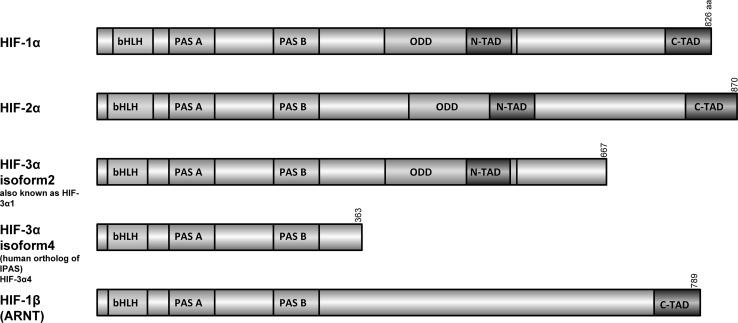
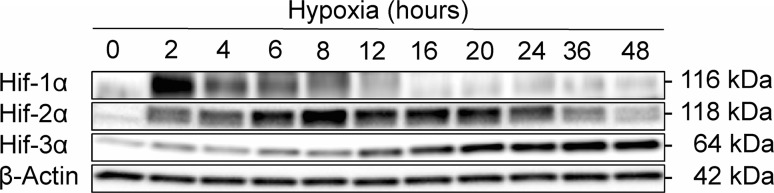
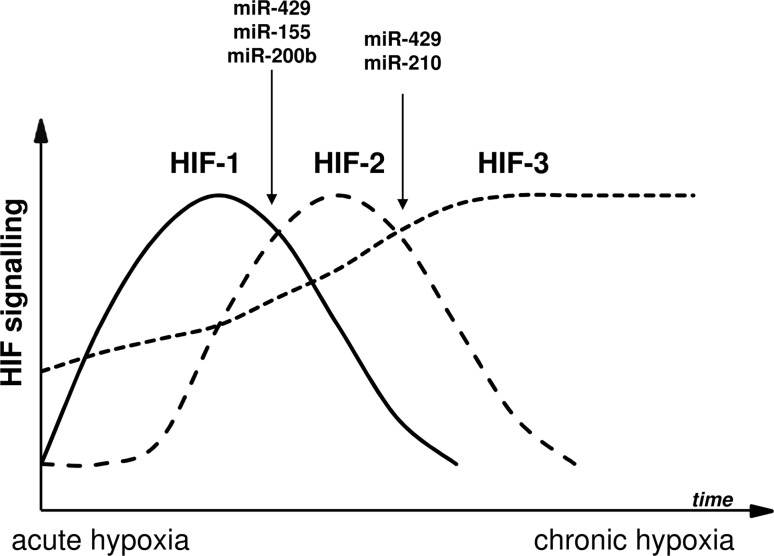
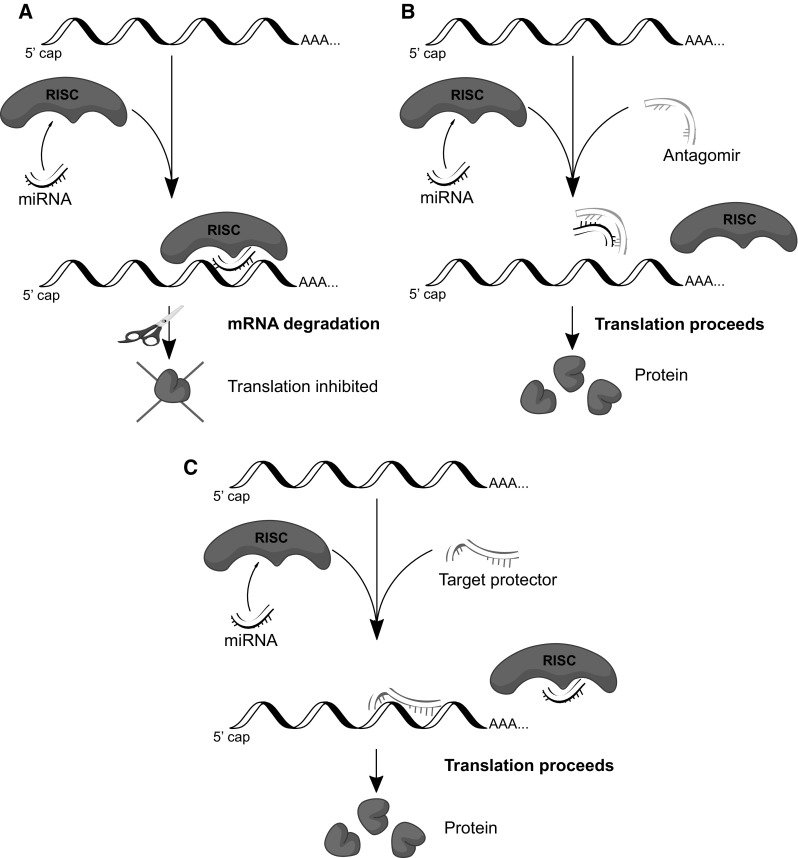
The decline of oxygen tension in the tissues below the physiological demand leads to the hypoxic adaptive response. This physiological consequence enables cells to recover from this cellular insult. Understanding the cellular pathways that mediate recovery from hypoxia is therefore critical for developing novel therapeutic approaches for cardiovascular diseases and cancer. The master regulators of oxygen homeostasis that control angiogenesis during hypoxia are hypoxia-inducible factors (HIFs). HIF-1 and HIF-2 function as transcriptional regulators and have both unique and overlapping target genes, whereas the role of HIF-3 is less clear. HIF-1 governs the acute adaptation to hypoxia, whereas HIF-2 and HIF-3 expressions begin during chronic hypoxia in human endothelium. When HIF-1 levels decline, HIF-2 and HIF-3 increase. This switch from HIF-1 to HIF-2 and HIF-3 signaling is required in order to adapt the endothelium to prolonged hypoxia. During prolonged hypoxia, the HIF-1 levels and activity are reduced, despite the lack of oxygen-dependent protein degradation. Although numerous protein factors have been proposed to modulate the HIF pathways, their application for HIF-targeted therapy is rather limited. Recently, the miRNAs that endogenously regulate gene expression via the RNA interference (RNAi) pathway have been shown to play critical roles in the hypoxia response pathways. Furthermore, these classes of RNAs provide therapeutic possibilities to selectively target HIFs and thus modulate the HIF switch. Here, we review the significance of the microRNAs on the relationship between the HIFs under both physiological and pathophysiological conditions.
Overview
The claims and statistics of this paper haven’t been checked yet.
Free: it reads the open-access text and checks the first 5 claims that cite a source we can check. Create a free account to check every claim.
Integrity signals
Registry
Cites
Statistics
Figures
Verification
Claims the paper makes
The claims and statistics of this paper haven’t been checked yet.
Free: it reads the open-access text and checks the first 5 claims that cite a source we can check. Create a free account to check every claim.
Claims other papers make about this one
Each is checked against this paper’s own text: does it say what the citing paper says it does?
The cited source says what the claim attributes to it.
In the citing paper
“In contrast, HIF-β subunits are constitutively expressed in an oxygen-independent manner; thus, degradation of HIF-α prevents the formation of transcriptionally active HIF heterodimers [48]”
From HIF inhibition: Current strategies and clinical challenges (2026) · cites this paper as [48]
The check wasn’t confident either way, so it gives no verdict — never disputed.
In the citing paper
“Therefore, it is plausible that increased levels of 2-HG may enable a switch to an entirely HIF-independent mechanism.”
From HIF-1-Independent Mechanisms Regulating Metabolic Adaptation in Hypoxic Cancer Cells (2021) · cites this paper as [159]
Experimental — accuracy not yet measured
Self-check
Percentages, sums and reported differences re-computed from the paper’s own numbers.
The self-check needs the paper’s full text.
Citations
Cites
1 retracted
Cai, Q., Wang, Z., Wang, S., Weng, M., Zhou, D., Li, C., Wang, J., Chen, E., & Quan, Z. (2017) · Open Biology · doi:10.1098/rsob.160247 · Cited by 107
RetractedMicroRNAs: Target Recognition and Regulatory Functions
Bartel, D. P. (2009) · Cell · doi:10.1016/j.cell.2009.01.002 · Cited by 20,068 · cited 1×
“Mature miRNAs recognize their target mRNAs through base-pairing interactions between nucleotides numbers 2 and 8 of the miRNA (the seed region) and the complementary nucleotides in the 3′-untranslated region (3′-UTR) of the mRNAs [87].”
Wang, G. L., Jiang, B. H., Rue, E. A., & Semenza, G. L. (1995) · Proceedings of the National Academy of Sciences · doi:10.1073/pnas.92.12.5510 · Cited by 6,212 · cited 2×
“The amino-terminal end of both α and β subunits consists of basic helix–loop–helix (bHLH) and PAS (PER–ARNT–SIM) domains that mediate heterodimerization and DNA binding [6].”
BackgroundThe tumour suppressor protein VHL targets hypoxia-inducible factors for oxygen-dependent proteolysis
Maxwell, P. H., Wiesener, M. S., Chang, G.-W., Clifford, S. C., Vaux, E. C., Cockman, M. E., Wykoff, C. C., Pugh, C. W., Maher, E. R., & Ratcliffe, P. J. (1999) · Nature · doi:10.1038/20459 · Cited by 5,180 · cited 1×
“During normoxia, these hydroxylase enzymes target the alpha subunits for polyubiquitination and degradation [13].”
BackgroundTargeting Hypoxia-Inducible Factors for the Treatment of Anemia in Chronic Kidney Disease Patients
Locatelli, F., Fishbane, S., Block, G. A., & Macdougall, I. C. (2017) · American Journal of Nephrology · doi:10.1159/000455166 · Cited by 4,813
A Mammalian microRNA Expression Atlas Based on Small RNA Library Sequencing
Landgraf, P., Rusu, M., Sheridan, R., Sewer, A., Iovino, N., Aravin, A., Pfeffer, S., Rice, A., Kamphorst, A. O., Landthaler, M., et al. (2007) · Cell · doi:10.1016/j.cell.2007.04.040 · Cited by 3,626
Oxygen sensing by metazoans: the central role of the HIF hydroxylase pathway.
Kaelin, W. G., & Ratcliffe, P. J. (2008) · Molecular Cell · doi:10.1016/j.molcel.2008.04.009 · Cited by 3,251 · cited 4×
“There are three different HIFs, HIF-1, HIF-2 and HIF-3, that are present in human tissues and are tightly regulated through changes in oxygen tension [4].”
BackgroundInfluentialMany roads to maturity: microRNA biogenesis pathways and their regulation
Winter, J., Jung, S., Keller, S., Gregory, R. I., & Diederichs, S. (2009) · Nature Cell Biology · doi:10.1038/ncb0309-228 · Cited by 2,656
Cellular and developmental control of O 2 homeostasis by hypoxia-inducible factor 1α
Iyer, N. V., Kotch, L. E., Agani, F., Leung, S. W., Laughner, E., Wenger, R. H., Gassmann, M., Gearhart, J. D., Lawler, A. M., Yu, A. Y., et al. (1998) · Genes & Development · doi:10.1101/gad.12.2.149 · Cited by 2,476 · cited 2×
“Mice that are HIF-1α heterozygous develop normally and are indistinguishable from their wild-type littermates in normoxia [50, 58].”
BackgroundHypoxia-inducible factors and the response to hypoxic stress
Majmundar, A. J., Wong, W. J., & Simon, M. C. (2010) · Molecular Cell · doi:10.1016/j.molcel.2010.09.022 · Cited by 2,380 · cited 2×
“There are three different HIFs, HIF-1, HIF-2 and HIF-3, that are present in human tissues and are tightly regulated through changes in oxygen tension [4].”
Background
Research works printed but not linked: 1
- Koh MY Powis G SART1/HAF, a protein widely over expressed in human cancer, decreases HIF-1α levels and inhibits tumor growth Can Res 2006 66 8 Supplement 409
Cited by
Items 201–287 of 287
Ammar, A. Y., Minisy, F. M., Shawki, H. H., Mansour, M., Hemeda, S. A., Nahas, A. F. E., Sherif, A. H., & Oishi, H. (2024) · Biomedicines · doi:10.3390/biomedicines12051016 · Cited by 3
Sabirin, R. M., Yunus, J., & Agustiningsih, D. (2022) · Sport Sciences for Health · doi:10.1007/s11332-022-00914-3 · Cited by 4
Ogata, R., Soda, H., Senju, H., Fujioka, M., Shimada, M., Yamashita, K., Irifune, S., Tagawa, R., Dotsu, Y., Iwasaki, K., et al. (2022) · Thoracic Cancer · doi:10.1111/1759-7714.14613 · Cited by 3
Barrio, E., Quirós, A., Lerma-Puertas, D., Labarta, J. I., & Gascón-Catalán, A. (2022) · Journal of Clinical Medicine · doi:10.3390/jcm11195808 · Cited by 3
Li, Y., Song, D., Yu, Z., Zhang, Y., Liu, Z., & Yan, T. (2023) · In Vitro Cellular & Developmental Biology - Animal · doi:10.1007/s11626-023-00833-8 · Cited by 2
Kyurkchiyan, S. G., Stancheva, G. S., Petkova, V., Panova, S., Dobriyanova, V., Stancheva, I., Marinov, V., Zahariev, Z., Kaneva, R. P., & Popov, T. M. (2024) · Cells · doi:10.3390/cells13070633 · Cited by 2
Effect of hypoxia on extracellular vesicles in malignant and non-malignant conditions
Niazi, V., & Ghafouri‐Fard, S. (2025) · Cancer Treatment and Research Communications · doi:10.1016/j.ctarc.2025.100924 · Cited by 2
Unraveling the Mystery of Hemoglobin in Hypoxia-Accelerated Neurodegenerative Diseases
Tian, Z., Jin, F., Geng, Z., Xu, Z., Shao, Q., Liu, G., Ji, X., & Liu, J. (2025) · Biomolecules · doi:10.3390/biom15091221 · Cited by 2
The implied dysregulated RKIP-hypoxia axis in cancer and immune evasion: Clinical implications
McWhorter, R., Chouaïb, S., & Bonavida, B. (2025) · Drug Resistance Updates · doi:10.1016/j.drup.2025.101328 · Cited by 2
A dynamic model of gene activation in response to hypoxia accounting for both HIF-1 and HIF-2
Cabaj, A., Charzyńska, A., Moszyńska, A., Jaśkiewicz, M., Bartoszewski, R., & Dąbrowski, M. (2025) · Briefings in Functional Genomics · doi:10.1093/bfgp/elaf021 · Cited by 3
Self-citationLiang, X., Zhu, X., Zhang, Y., Chen, M. M., & Liu, N. (2026) · Discover Oncology · doi:10.1007/s12672-025-04326-w · Cited by 3
A mechanistic computational model of the HIF signaling pathway in endothelial cells
Oliveira, R. H. D. M., Pathak, A. P., & Popel, A. S. (2026) · iScience · doi:10.1016/j.isci.2026.116195 · Cited by 2
Intermittent Hypoxia Maintains Neovascular Blood-Brain Barrier Integrity Via the HIF-1α/VEGFB Axis
Cao, M., Xu, Z., Gu, Y., Zhang, Q., Guo, M., Tian, Z., Jin, F., Shao, Q., Guo, X., Liu, J., et al. (2026) · Translational Stroke Research · doi:10.1007/s12975-026-01454-5 · Cited by 2
Regulatory Role of microRNAs in Tumor Angiogenesis
Popov, T. M., Giragosyan, S., Petkova, V., Marinov, T., Belitova, M., Rangachev, J., Kaneva, R. P., & Mitev, V. (2020) · Acta Medica Bulgarica · doi:10.2478/amb-2020-0012 · Cited by 2
Hypoxia-inducible Factors—Their Regulation and Function in Neural Tissue
Baranich, T. I., Voronkova, A. S., Ануфриев, П. Л., Brydun, A. V., Анатольевна, Т. С., Glinkina, V. V., & Sukhorukov, V. S. (2020) · Human Physiology · doi:10.1134/s0362119720080022 · Cited by 2
Regulation of HIF-1 by MicroRNAs in Various Cardiovascular Diseases
Sarabi, M. M., Tarhriz, V., & Abkhooie, L. (2023) · Current Cardiology Reviews · doi:10.2174/1573403x19666230330105259 · Cited by 2
Reducing erythroblast apoptosis in β-thalassemia via unfolded protein response (UPR) signaling
Noulsri, E., & Lerdwana, S. (2023) · Medical Hypotheses · doi:10.1016/j.mehy.2023.111117 · Cited by 2
Etiology and Treatment of the Nutritional Fatty Liver in Fish: A Review
Zhao, X., Chen, W., Chang, K., Sun, P., & Gao, S. (2023) · Pakistan Journal of Zoology · doi:10.17582/journal.pjz/20230301120341 · Cited by 3
Effect of Moringa oleifera Leaf Meal on Mineral Contents of Labeo rohita Fingerlings
Arsalan, M. Z.-U.-H., Hussain, S. M., Ali, B., Ahmad, B., Qurban, M., Naeem, A., Naeem, E., & Rasheed, T. (2023) · Pakistan Journal of Zoology · doi:10.17582/journal.pjz/20230413200442 · Cited by 2
Ray, S. K., & Mukherjee, S. (2024) · Current Molecular Medicine · doi:10.2174/0115665240303179240427071748 · Cited by 3
Afşar, B., & Afşar, R. E. (2023) · Pharmacological Reports · doi:10.1007/s43440-023-00497-x · Cited by 2
S, G. S., Keshav, T. R., Hariharapura, R. C., & Fayaz, S. M. (2023) · Current Bioinformatics · doi:10.2174/1574893618666230731164002 · Cited by 2
Research Progress in the Regulation of Tumor Microenvironment for Vascular Normalization
李, 璐. (2023) · Advances in Clinical Medicine · doi:10.12677/acm.2023.134883 · Cited by 1
miR ‐135b: A Potential Biomarker for Pathological Diagnosis and Biological Therapy
Yan, D., He, Q., Wang, C., Li, T. X., Xing, Y., Yu, H., Wu, W., Yang, H., Wang, W., & Ma, L. (2025) · Wiley Interdisciplinary Reviews - RNA · doi:10.1002/wrna.70002 · Cited by 2
Li, X.-N., Wei, L. L., Wang, S.-Y., Yu, Y.-K., Hazaisihan, Y., Gao, X., Huang, L.-J., Meng, Q.-H., Zheng, Y.-Q., & Jia, W. (2026) · Scientific Reports · doi:10.1038/s41598-026-42628-3 · Cited by 2
Sun, L., Lin, Z., Feng, J., Feng, W., Mao, P., Yang, C., Gao, Z., & Wang, L. (2026) · American Journal of Men s Health · doi:10.1177/15579883261433804 · Cited by 1
Zhao, P., Yang, S., Wei, P., Li, S., He, J., Cui, Y., & Yu, S. (2026) · Molecular Biology of the Cell · doi:10.1091/mbc.e25-11-0529 · Cited by 1
Curi-Curi, P., Castillo-Hernandez, M. C., Chavez-Martinez, M., Loredo-Mendoza, L., Rios-Garcia, E., Kormanovski, A., & Guevara‐Balcázar, G. (2020) · Archives of Medical Science · doi:10.5114/aoms.2020.98985 · Cited by 1
Dvoryanchikov, V. V., Kuznetsov, M. S., Пастушенков, В. Л., Glaznikov, L. A., & Karev, V. E. (2022) · Russian otorhinolaryngology · doi:10.18692/1810-4800-2022-6-37-43 · Cited by 2
VEGF Gene Expression and Angiogenesis in the Chorioallantoic Membrane: the Role of Cloprostenol
Abdullah, N. K., Shindala, M. K., & Mustafa, N. G. (2023) · Egyptian Journal of Veterinary Science · doi:10.21608/ejvs.2023.183294.1420 · Cited by 2
Wang, R.-H., Lin, Y.-K., Xie, H., Li, H., Li, M., & He, D. (2023) · Medicine · doi:10.1097/md.0000000000035220 · Cited by 2
Exploring mRNA Translation Strategies for Hypoxia Adaptation Across Distantly Related Metazoans
Liang, M., Zhao, Q., Song, Y., & Chen, J. (2023) · Epigenomics · doi:10.2217/epi-2023-0245 · Cited by 1
Muhammad, M. D., Chand, N., Naz, S., Alhidary, I. A., Shah, A. A., Khan, R. U., & Losacco, C. (2023) · Pakistan Journal of Zoology · doi:10.17582/journal.pjz/20220308070343 · Cited by 4
Kyurkchiyan, S. G., Stancheva, G. S., Petkova, V., Hadzhiev, Y., Dobriyanova, V., Popova, D. P., Kaneva, R. P., & Popov, T. M. (2024) · Oncology Letters · doi:10.3892/ol.2024.14425 · Cited by 1
Identification of autophagy-related biomarkers in the circulatory system of ischemic stroke
Xu, Y., Duan, J., Zhong, D., Yuan, M., Zhang, G., Zhu, Z., & Xie, Y. (2025) · Neurological Research · doi:10.1080/01616412.2025.2556537 · Cited by 2
Bezerra, M. A. S., Ferreira, L. A. M., Kawasaki‐Oyama, R. S., Nascimento, M. C. A., Cuzziol, C. I., Castanhole-Nunes, M. M. U., Pavarino, É. C., Maníglia, J. V., & Goloni‐Bertollo, E. M. (2020) · doi:10.46619/cmj.2020.3.s1-1003 · Cited by 1
周晓霞, Deng, J., Zhang, W., & Wang, J. (2021) · PubMed Central · doi:10.12122/j.issn.1673-4254.2021.02.07 · Cited by 1
The Role of N6-Methyladenosine Modification in Microvascular Dysfunction
Zhang, Y.-R., Ji, J.-D., Wang, J., Wang, Y., Zhu, H.-J., Sun, R.-X., Liu, Q., & Chen, X. (2022) · Cells · doi:10.3390/cells11203193 · Cited by 3
Hypoxia-inducible factor 1 regulates SERCA2 in the heart by modulating miR-29c levels
Rabinovich-Nikitin, I., & Kirshenbaum, L. A. (2019) · American Journal of Physiology-Heart and Circulatory Physiology · doi:10.1152/ajpheart.00019.2019 · Cited by 1
Aripaka, K. (2019) · DiVA at Umeå University (Umeå University)
Hypoxia, Obesity and Drug Resistance; Towards Sustainable Development Goals and Globalization
Munir, F., Maqbool, F., Naeem, S., Shaharbano, Atif, M. R., Rehman, A. U., Ahmed, S., Mustafa, F., Hassan, M. S., Munir, S., et al. (2021) · Springer eBooks · doi:10.1007/978-3-030-76320-6_19
Mechanism of antisurdant action of triazin-indole derivative at experimental acoustic trauma
Пастушенков, В. Л., Kuznecov, M., Dvorjanchikov, V., Pastushenkov, A. L., & Магаметовна, Г. М. (2021) · Vestnik of Saint Petersburg University Medicine · doi:10.21638/spbu11.2021.102
Farhat, E. (2021) · uO Research (University of Ottawa) · doi:10.20381/ruor-26815
Oxidative Stress-Mediated miRNA Regulation in Cancer
Datta, D., & Bhattacharyya, S. N. (2022) · Handbook of Oxidative Stress in Cancer: Therapeutic Aspects · doi:10.1007/978-981-16-1247-3_67-1
To Explore the Mechanism of Tibetan Medicine Gaoyuan' an Capsule Improving Plateau Hypoxia TolerancePreprint
He, C., Xing, S., Peng, L., Li, D., Wang, L., Yuan, D., & Jin, T. (2021) · doi:10.21203/rs.3.rs-137713/v1
Li, G., Liu, J., Guo, M., Gu, Y., Guan, Y., Shao, Q., Ma, W., & Ji, X. (2022) · Research Square · doi:10.21203/rs.3.rs-1427101/v1
Functional association of Micrornas with molecular subtypes of breast cancer
Arif, K. T. (2021) · Queensland University of Technology · doi:10.5204/thesis.eprints.213110
Белогубов, П. В., Рузов, В. И., Slesarev, S. M., & Sharafutdinova, R. R. (2022) · Ulyanovsk Medico-biological Journal · doi:10.34014/2227-1848-2022-2-102-116 · Cited by 1
The Impact of MicroRNAs in Cell Adhesion and Tumour Angiogenesis
Singh, G., Prasad, D., Sushma, P. S., & Manjari, K. S. (2022) · Springer eBooks · doi:10.1007/978-981-16-9186-7_4
Jia, H., Wang, Y., Liu, Q., Xiao, Q., Hou, Z., Li, N., & Lin, Y. (2022) · Materials Express · doi:10.1166/mex.2022.2181
Sakitani, M. (2023) · Open Access Journal of Microbiology & Biotechnology · doi:10.23880/oajmb-16000256 · Cited by 5
MicroRNA Signatures of Tumor Hypoxia
Sharma, K., Sharma, S., & Kanwar, J. R. (2023) · Springer eBooks · doi:10.1007/978-981-99-0313-9_7
MicroRNAs in Gut Health: Modulation of Host-Microbial Interactions in the Gastrointestinal Tract
Malmuthuge, N., & Guan, L. L. (2023) · Elsevier eBooks · doi:10.1016/b978-0-12-820719-2.00035-1
Каде, А. Х., Polyakov, P. P., Zanin, S. A., & Джиджихия, З. М. (2023) · Springer eBooks · doi:10.1007/978-3-031-49707-0_4
The role of microRNA in the regulation of cellular responses to hypoxia
Silina, M. V., Dzhalilova, D. S., & Makarova, O. V. (2023) · Biochemistry (Moscow) · doi:10.31857/s0320972523060039 · Cited by 1
Shanmugam, G. (2024) · Oral Oncology Reports · doi:10.1016/j.oor.2024.100551
Recent discoveries about HIF-1α related mechanism and application
Feng, T. (2024) · E3S Web of Conferences · doi:10.1051/e3sconf/202455305015
Hypoxia Stress-Induced miRNAs: A Comprehensive Enrichment Analysis in High-Altitude Livestock
Kumar, S., Singh, J., Swati, & Nancy, N. (2024) · E3S Web of Conferences · doi:10.1051/e3sconf/202458802019
Hypoxia-Induced Autophagy Promotes Fracture Healing in Type 2 Diabetes Mellitus Rats
沈, 佳. (2025) · Advances in Clinical Medicine · doi:10.12677/acm.2025.1551614
Bai, X., Lu, H., Lü, Z., Yu, S., Ma, R., He, J., & Cui, Y. (2025) · International Journal of Biological Macromolecules · doi:10.1016/j.ijbiomac.2025.146522 · Cited by 1
High-Altitude Maladies: Unravelling Diagnostic and Therapeutic Potentials of microRNAs
Arya, S., & Srivastava, S. (2025) · Springer eBooks · doi:10.1007/978-981-96-8642-1_8
Non-Coding RNA Hubs in Bladder Cancer Highlight Potential Liquid Biopsy CandidatesPreprint
Verma¹, P., & Kumari, S. (2025) · Research Square · doi:10.21203/rs.3.rs-7934501/v1
Neat1 alleviates ischemic injury in skeletal musclesPreprint
Kim, K., Yu, T., Mun, H., Oh, D. G., Lee, S., Kim, M., Kim, J., Kang, Y., Li, J., Jang, Y. C., et al. (2025) · bioRxiv (Cold Spring Harbor Laboratory) · doi:10.1101/2025.11.08.687205
Kirillova, M. V., Dzhalilova, D. S., & Makarova, O. V. (2025) · Bulletin of Experimental Biology and Medicine · doi:10.1007/s10517-026-06682-1
Jaśkiewicz, M., Moszyńska, A., Króliczewski, J., Cabaj, A., Bartoszewska, S., Charzyńska, A., Gebert, M., Dąbrowski, M., Collawn, J. F., & Bartoszewski, R. (2024) · Figshare · doi:10.6084/m9.figshare.26551648
Self-citationJaśkiewicz, M., Moszyńska, A., Króliczewski, J., Cabaj, A., Bartoszewska, S., Charzyńska, A., Gebert, M., Dąbrowski, M., Collawn, J. F., & Bartoszewski, R. (2024) · Figshare · doi:10.6084/m9.figshare.26551642
Self-citationJaśkiewicz, M., Moszyńska, A., Króliczewski, J., Cabaj, A., Bartoszewska, S., Charzyńska, A., Gebert, M., Dąbrowski, M., Collawn, J. F., & Bartoszewski, R. (2024) · Figshare · doi:10.6084/m9.figshare.26551645
Self-citationJaśkiewicz, M., Moszyńska, A., Króliczewski, J., Cabaj, A., Bartoszewska, S., Charzyńska, A., Gebert, M., Dąbrowski, M., Collawn, J. F., & Bartoszewski, R. (2024) · Figshare · doi:10.6084/m9.figshare.26551654
Self-citationJaśkiewicz, M., Moszyńska, A., Króliczewski, J., Cabaj, A., Bartoszewska, S., Charzyńska, A., Gebert, M., Dąbrowski, M., Collawn, J. F., & Bartoszewski, R. (2024) · Figshare · doi:10.6084/m9.figshare.26551651
Self-citationJaśkiewicz, M., Moszyńska, A., Króliczewski, J., Cabaj, A., Bartoszewska, S., Charzyńska, A., Gebert, M., Dąbrowski, M., Collawn, J. F., & Bartoszewski, R. (2024) · Figshare · doi:10.6084/m9.figshare.26551639
Self-citationLombardi, M., Barki, M., Spartano, L., Lazzeroni, D., Benedetti, G., Pisano, A., Zerboni, R., Lapenna, E., Olivotto, I., d’Amati, G., et al. (2026) · Basic Research in Cardiology · doi:10.1007/s00395-025-01158-1 · Cited by 1
The hypoxia-mediated HIF-1α/miR-381-3p signaling pathway promotes retinal neovascularization
Guo, Q., Xu, X. L., Tian, Q., Zhu, H., Pei, L., Luo, G., & Liu, Y. (2026) · Experimental Eye Research · doi:10.1016/j.exer.2026.110925
Yuan, Y., Yang, Z., Guo, F., Liu, T., Li, Q., Wen, K., Liu, G., Zhou, Y., & Zhou, Y. (2026) · Biochemical Pharmacology · doi:10.1016/j.bcp.2026.117808 · Cited by 1
Kirillova, M., Dzhalilova, D. S., Maiak, M. A., Kirillov, V., Tsvetkov, I. S., Fokichev, N., & Makarova, O. V. (2026) · Frontiers in Molecular Biosciences · doi:10.3389/fmolb.2026.1796967 · Cited by 3
Rôle de l'hypoxie dans l'immunothérapie des ostéosarcomes pédiatriques ciblant le GD2
Pierrevelcin, M. (2021) · theses.fr (ABES) · doi:10.70675/9d2c6f5dzb23ez4823z9c0fze8ea3c9c8bc7
Hétérogénéité et plasticité de l’intégrine α5 dans les cellules souches de glioblastome
Messé, M. (2023) · theses.fr (ABES) · doi:10.70675/5bee424dz19e3z4870zb9b1z927eaa272304
Kalita, R., Rajan, R. K., Ali, F., Roselin, R. B., Maida Engels, S. E., Malakar, S., Chakraborty, M., Bhattacharjee, A., Ramanathan, M., & Ahmed, A. B. (2026) · Journal of Ethnopharmacology · doi:10.1016/j.jep.2026.121689
Yin, L., Liu, Z., Li, Y., Li, L., Li, X., Yang, X., Zhang, J., Huang, S., Sun, H., Yan, X., et al. (2026) · Antioxidants · doi:10.3390/antiox15050525
Yang, R., Chen, Y., Ma, J. F., Zhao, Y., & Feng, X. (2026) · Journal of Photochemistry and Photobiology B Biology · doi:10.1016/j.jphotobiol.2026.113505
Metabolic Symbiosis Between Cancer Cells and Endothelial Cells: A Key Driver of Tumor Angiogenesis
Serpa, J. (2026) · Advances in experimental medicine and biology · doi:10.1007/978-3-032-12166-0_6
Zhou, D., Li, X., Wang, Y., Yang, L., Huang, Y., Chen, Q., Wang, Y., Wen, Y., Gao, K., Liu, Q., et al. (2026) · Translational Oncology · doi:10.1016/j.tranon.2026.102908
Varma, S., Duttaroy, A. K., & Basak, S. (2026) · Environmental Toxicology and Pharmacology · doi:10.1016/j.etap.2026.105131
Tan, Q., Wang, X., Han, Q., Jiang, Y., Miao, R., Jiang, W., Mei, J., Xiong, Y., & Huang, P. (2026) · Aquaculture · doi:10.1016/j.aquaculture.2026.744497
Sultana, F., De, A., Bose, S., Roychowdhury, A., Khatun, M., Chatterjee, P., Vernekar, M., Banerjee, D., Chakrabarti, J., Mandal, R., et al. (2026) · Genetic Testing and Molecular Biomarkers · doi:10.1177/19450265261491098
Niches in cancer: from primary tumors to metastatic disease
Chao, Z., Wang, X., Wang, Z., Wu, K., & Li, L. (2026) · Journal of Hematology & Oncology · doi:10.1186/s13045-026-01858-8
Navigating hypoxia in tissue engineering: From biological mechanisms to therapeutic strategies
Vieira, B., Cerqueira, A., Nunes, P. J., & Mano, J. F. (2026) · Acta Biomaterialia · doi:10.1016/j.actbio.2026.10.041
Metadata
- Authors
- Serocki, M., Bartoszewska, S., Janaszak-Jasiecka, A., Ochocka, R. J., Collawn, J. F., & Bartoszewski, R.
- Affiliations
- Gdańsk Medical University (PL)
- University of Alabama at Birmingham (US)
- Corresponding author
- Bartoszewski, Rafał
- Venue
- Angiogenesis
- Published
- 2018-01-27
- Volume
- 21
- Issue
- 2
- Pages
- 183-202
- ISSN
- 0969-6970 (ISSN-L)
- 1573-7209
- PMC
- PMC5878208
- OpenAlex
- W2787814498
- Cited by
- 288
- References
- 174
- Citations by year
- 2026: 21 · 2025: 27 · 2024: 34 · 2023: 51 · 2022: 45 · 2021: 48 · 2020: 35 · 2019: 23 · 2018: 4
- FWCI
- 2.83
- Type
- journal article
- Language
- en
- Open access
- hybrid
- doi.org
- Licence
- cc-by
- creativecommons.org/licenses/by/4.0 (tdm)
- Locations
- Angiogenesis (publishedVersion, cc-by)
- PubMed Central (publishedVersion, cc-by)
- PubMed (publishedVersion)
- Funders
- National Institutes of Health (NIH P30 DK072482, DK072482)
- National Institute of Diabetes and Digestive and Kidney Diseases (P30DK072482)
- Topics
- Life Sciences › Biochemistry, Genetics and Molecular Biology › Cancer Research › Cancer, Hypoxia, and Metabolism
- Life Sciences › Biochemistry, Genetics and Molecular Biology › Cancer Research › MicroRNA in disease regulation
- Life Sciences › Biochemistry, Genetics and Molecular Biology › Molecular Biology › Angiogenesis and VEGF in Cancer
- Keywords
- microRNA, hypoxia-inducible factor, HIF-1, HIF-2, hypoxia adaptation, oxygen homeostasis, endothelial cells, chronic hypoxia, HIF-targeted therapy, cardiovascular disease, cancer
- MeSH terms
- Animals, Hypoxia, Gene Expression Regulation, Humans, Transcription, Genetic, Signal Transduction, MicroRNAs, Basic Helix-Loop-Helix Proteins
About these checks
Registry, retraction, Cites and statistics results are computed, not judged, with one exception: a printed reference that no index lists is read once by a model before it counts as a citation error. Claims are extracted by a model and kept only when their quote appears verbatim in the text; each cited source is then checked, with a model’s help, for whether it says what the claim relies on. Those verdicts can be wrong — read the claim’s quote and the cited source before relying on one.
Statistics and arithmetic are recomputed, not judged.
Confidence bands are shown only for fields calibrated on our annotated test set. None is calibrated yet, so no band is shown.
What counts as a claim ›How we measure confidence ›How we check this ›
Are you an author, or do you see a problem with this page? Request a review
Data sources
Bibliographic data: Semantic Scholar, OpenAlex, Crossref.
Contains information from the Semantic Scholar Academic Graph Datasets, made available under the ODC Attribution License (ODC-BY 1.0).
Semantic Scholar’s data is described in: Kinney, R., et al. (2023). The Semantic Scholar Open Data Platform. arXiv:2301.10140.
