

Explainable AI for clinical and remote health applications: a survey on tabular and time series data
Open accessThe DOI matches its Crossref record; 193 of the 193 references it cites were found in a registry or an index.
Abstract
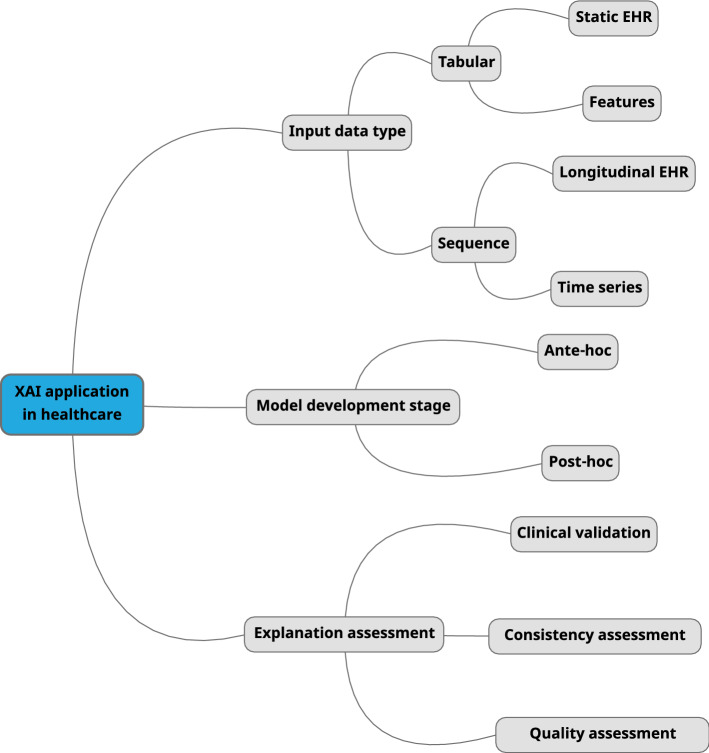
Nowadays Artificial Intelligence (AI) has become a fundamental component of healthcare applications, both clinical and remote, but the best performing AI systems are often too complex to be self-explaining. Explainable AI (XAI) techniques are defined to unveil the reasoning behind the system’s predictions and decisions, and they become even more critical when dealing with sensitive and personal health data. It is worth noting that XAI has not gathered the same attention across different research areas and data types, especially in healthcare. In particular, many clinical and remote health applications are based on tabular and time series data, respectively, and XAI is not commonly analysed on these data types, while computer vision and Natural Language Processing (NLP) are the reference applications. To provide an overview of XAI methods that are most suitable for tabular and time series data in the healthcare domain, this paper provides a review of the literature in the last 5 years, illustrating the type of generated explanations and the efforts provided to evaluate their relevance and quality. Specifically, we identify clinical validation, consistency assessment, objective and standardised quality evaluation, and human-centered quality assessment as key features to ensure effective explanations for the end users. Finally, we highlight the main research challenges in the field as well as the limitations of existing XAI methods.
Overview
The claims and statistics of this paper haven’t been checked yet.
Free: it reads the open-access text and checks the first 5 claims that cite a source we can check. Create a free account to check every claim.
Integrity signals
Registry
Cites
Statistics
Figures
Verification
Claims the paper makes
The claims and statistics of this paper haven’t been checked yet.
Free: it reads the open-access text and checks the first 5 claims that cite a source we can check. Create a free account to check every claim.
Claims other papers make about this one
Each is checked against this paper’s own text: does it say what the citing paper says it does?
The cited source says what the claim attributes to it.
In the citing paper
“Saliency maps suited for radiological data might not be applicable for other data types, such as tabular data43.”
From Orchestrating explainable artificial intelligence for multimodal and longitudinal data in medical imaging (2024) · cites this paper as [43]
Self-check
Percentages, sums and reported differences re-computed from the paper’s own numbers.
The self-check needs the paper’s full text.
Citations
Cites
Deep Residual Learning for Image Recognition
He, K., Zhang, X., Ren, S., & Sun, J. (2016) · 2016 IEEE Conference on Computer Vision and Pattern Recognition (CVPR) · doi:10.1109/cvpr.2016.90 · Cited by 235,474 · cited 2×
“To apply these metrics, the authors developed a ResNet [125] CNN architecture for photoplethysmography (PPG) signal/image quality assessment (i.”
MethodBERT: Pre-training of Deep Bidirectional Transformers for Language Understanding
Devlin, J., Chang, M.-W., Lee, K., & Toutanova, K. (2018) · arXiv · doi:10.48550/arxiv.1810.04805 · Cited by 73,173 · cited 2×
“Transformers have found their major applications in NLP, as demonstrated by very popular language models such as BERT (Devlin et al.”
MethodGreedy function approximation: A gradient boosting machine
Friedman, J. H. (2001) · The Annals of Statistics · doi:10.1214/aos/1013203451 · Cited by 30,731 · cited 3×
“Partial Dependence Plots (PDP) (Friedman 2001) show the average marginal effect of one or two features on model outcomes, assuming that the features are uncorrelated (which may not always be true).”
BackgroundGrad-CAM: Visual Explanations from Deep Networks via Gradient-Based Localization
Selvaraju, R. R., Cogswell, M., Das, A., Vedantam, R., Parikh, D., & Batra, D. (2017) · 2017 IEEE International Conference on Computer Vision (ICCV) · doi:10.1109/iccv.2017.74 · Cited by 24,513
MobileNets: Efficient Convolutional Neural Networks for Mobile Vision Applications
Howard, A. G., Zhu, M., Chen, B., Kalenichenko, D., Wang, W., Weyand, T., Andreetto, M., & Adam, H. (2017) · arXiv · doi:10.48550/arxiv.1704.04861 · Cited by 19,015 · cited 2×
“To this aim, they first trained a MobileNet (Howard et al.”
Method"Why Should I Trust You?": Explaining the Predictions of Any Classifier
Ribeiro, M. T., Singh, S., & Guestrin, C. (2016) · Proceedings of the 22nd ACM SIGKDD International Conference on Knowledge Discovery and Data Mining · doi:10.1145/2939672.2939778 · Cited by 17,555 · cited 33×
“For instance SHAP consider N-best (i.e., extent of involvement of regional lymph nodes) as the second most important feature, whereas LIME considers the behaviour of the tumour.”
MethodInfluentialNeural Machine Translation by Jointly Learning to Align and Translate
Bahdanau, D., Cho, K., & Bengio, Y. (2014) · arXiv · doi:10.48550/arxiv.1409.0473 · Cited by 16,213 · cited 1×
“For what concerns RNN, Attention mechanism [43], sometimes also referred as Self-Attention, is currently the state-of-the-art method for explainability.”
MethodVisualizing and understanding convolutional networks
Zeiler, M. D., & Fergus, R. (2014) · Lecture Notes in Computer Science · doi:10.1007/978-3-319-10590-1_53 · Cited by 15,839 · cited 4×
“In this context, the Occlusion method by [37] is one of the most used techniques coming from computer vision applications.”
MethodInfluentialGoldberger, A. L., Amaral, L. A. N., Glass, L., Hausdorff, J. M., Ivanov, P. C., Mark, R. G., Mietus, J. E., Moody, G. B., Peng, C.-K., & Stanley, H. E. (2000) · Circulation · doi:10.1161/01.cir.101.23.e215 · Cited by 14,809
Learning Deep Features for Discriminative Localization
Zhou, B., Khosla, A., Lapedriza, A., Oliva, A., & Torralba, A. (2016) · 2016 IEEE Conference on Computer Vision and Pattern Recognition (CVPR) · doi:10.1109/cvpr.2016.319 · Cited by 11,428 · cited 9×
“To overcome these limitations, a more general CAM implementation, Gradient-weighted CAM (Grad-CAM) (Selvaraju et al.”
MethodInfluential
Research works printed but not linked: 13
- Alvarez Melis D, Jaakkola T (2018) Towards robust interpretability with self-explaining neural networks. In: Advances in Neural Information Processing Systems, vol 31
- Cox DR Regression models and life-tables. breakthroughs in statistics Stat Soc 1992 372 527 541
- Ghorbani A, Wexler J, Zou JY, Kim B (2019) Towards automatic concept-based explanations. In: Advances in Neural Information Processing Systems, vol 32
- Guvenir HA, Acar B, Demiroz G, Cekin A (1997) A supervised machine learning algorithm for arrhythmia analysis. In: Computers in Cardiology 1997, pp 433–436. IEEE
- Hardt M, Price E, Srebro N (2016) Equality of opportunity in supervised learning. In: Advances in Neural Information Processing Systems, vol 29
- Kim B, Wattenberg M, Gilmer J, Cai C, Wexler J, Viegas F, et al (2018) Interpretability beyond feature attribution: quantitative testing with concept activation vectors (tcav). In: International Conference on Machine Learning, pp 2668–2677. PMLR
- Krishnakumar S, Abdou T (2020) Towards interpretable and maintainable supervised learning using shapley values in arrhythmia. In: Proceedings of the 30th Annual International Conference on Computer Science and Software Engineering, pp 23–32
- Lundberg SM, Lee S-I (2017) A unified approach to interpreting model predictions. Adv Neural Inf Process Syst 30
- Rubini LJ Eswaran P Uci chronic kidney disease 2015 California, Irvine School Inf. Comput., Sci. Univ
- Van der Maaten L Hinton G Visualizing data using t-sne J Mach Learn Res 2008 9 11 2579 2605
- Vaswani A, Shazeer N, Parmar N, Uszkoreit J, Jones L, Gomez AN, Kaiser Ł, Polosukhin I (2017) Attention is all you need. In: Conference on Neural Information Processing Systems, vol 30
- Wachter S Mittelstadt B Russell C Counterfactual explanations without opening the black box: automated decisions and the gdpr Harv. JL & Tech. 2017 31 841
- Yeh C-K Kim B Arik S Li C-L Pfister T Ravikumar P On completeness-aware concept-based explanations in deep neural networks Adv Neural Inf Process Syst 2020 33 20554 20565
Cited by
Nasarian, E., Alizadehsani, R., Acharya, U. R., & Tsui, K.-L. (2024) · Information Fusion · doi:10.1016/j.inffus.2024.102412 · Cited by 207
Harishbhai Tilala, M., Kumar Chenchala, P., Choppadandi, A., Kaur, J., Naguri, S., Saoji, R., & Devaguptapu, B. (2024) · Cureus · doi:10.7759/cureus.62443 · Cited by 198
Ghasemi, A., Hashtarkhani, S., Schwartz, D. L., & Shaban‐Nejad, A. (2024) · Cancer Innovation · doi:10.1002/cai2.136 · Cited by 193
“Most of the review articles on XAI models investigate the application of XAI in general healthcare [18 – 20].”
BackgroundHao, X., Demir, E., & Eyers, D. (2024) · Technology in Society · doi:10.1016/j.techsoc.2024.102662 · Cited by 152
Advancing 6G: Survey for Explainable AI on Communications and Network Slicing
Sun, H., Liu, Y., Al-Tahmeesschi, A., Nag, A., Soleimanpour-Moghadam, M., Canberk, B., Arslan, H., & Ahmadi, H. (2025) · IEEE Open Journal of the Communications Society · doi:10.1109/ojcoms.2025.3534626 · Cited by 159
“In remote surgery systems, XAI is critical in explaining the actions and decisions made by AI-assisted surgical robots, thereby increasing the confidence of both surgeons and patients in the technology [14].”
Advances of AI in image-based computer-aided diagnosis: A review
Yeasmin, M. N., Amin, M. A., Joti, T. J., Aung, Z., & Azim, M. A. (2024) · Array · doi:10.1016/j.array.2024.100357 · Cited by 120
Biró, A., Vargas, A. I. C., & Szilágyi, L. S. (2023) · Sensors · doi:10.3390/s24010132 · Cited by 118
“Complex feature interactions [42,43]: AI models can discover non-linear interactions and dependencies between features that may not be apparent in univariate analysis.”
BackgroundA Survey of Explainable Artificial Intelligence (XAI) in Financial Time Series Forecasting
Arsenault, P.-D., Wang, S., & Patenaude, J.-M. (2025) · ACM Computing Surveys · doi:10.1145/3729531 · Cited by 162
Pahud de Mortanges, A., Luo, H., Shu, S. Z., Kamath, A., Suter, Y., Shelan, M., Pöllinger, A., & Reyes, M. (2024) · npj Digital Medicine · doi:10.1038/s41746-024-01190-w · Cited by 93
“Saliencymapssuitedforradiologicaldatamight notbeapplicable forotherdata types, such astabulardata 43 .”
Monitoring performance of clinical artificial intelligence in health care: a scoping review
Andersen, E. S., Birk-Korch, J. B., Hansen, R. S., Fly, L. H., Röttger, R., Arcani, D. M. C., Brasen, C. L., Brandslund, I., & Madsen, J. S. (2024) · JBI Evidence Synthesis · doi:10.11124/jbies-24-00042 · Cited by 73
A review of evaluation approaches for explainable AI with applications in cardiology
Salih, A. M., Galazzo, I. B., Gkontra, P., Rauseo, E., Lee, A. M., Lekadir, K., Radeva, P. I., Petersen, S. E., & Menegaz, G. (2024) · Artificial Intelligence Review · doi:10.1007/s10462-024-10852-w · Cited by 107
“Clinical relevance: It means that the explanation should be in agreement with the physicians’s opinions and support their clinical decision and reasoning (Di Martino and Delmastro 2022).”
ResultPersonalized health monitoring using explainable AI: bridging trust in predictive healthcare
Vani, M. S., Sudhakar, R. V., Mahendar, A., Ledalla, S., Radha, M., & Sunitha, M. (2025) · Scientific Reports · doi:10.1038/s41598-025-15867-z · Cited by 99
“Martino et al. Cross-sectional analyses, although important as starting points, have limited interpretability when the goal of a detection model is to trigger personalized interventions, as emphasized convincingly by 7 .”
InfluentialNikiforidis, K., Kyrtsoglou, A., Vafeiadis, T., Kotsiopoulos, T., Nizamis, A., Ioannidis, D., Votis, K., Tzovaras, D., & Sarigiannidis, P. G. (2024) · ICT Express · doi:10.1016/j.icte.2024.12.001 · Cited by 90
AI Advancements: Comparison of Innovative Techniques
Taherdoost, H., & Madanchian, M. (2023) · AI · doi:10.3390/ai5010003 · Cited by 77
“In quantum AI, researchers and scientists use quantum physics to accomplish computations that are virtually or physically impossible for conventional computers.”
BackgroundAl-Hejri, A. M., Sable, A. H., Al-Tam, R. M., Al–antari, M. A., Alshamrani, S. S., Alshmrany, K. M., & Alatebi, W. (2025) · Scientific Reports · doi:10.1038/s41598-025-96527-0 · Cited by 65
Diversify: A General Framework for Time Series Out-of-Distribution Detection and Generalization
Wang, L., Wang, J., Sun, X., Chen, Y., Ji, X., Yang, Q., & Xie, X. (2024) · IEEE Transactions on Pattern Analysis and Machine Intelligence · doi:10.1109/tpami.2024.3355212 · Cited by 67
“Time series data finds extensive application across a diverse spectrum, including industrial processes [7], stock prediction [8], and clinical and remote health monitoring [9].”
BackgroundExploring Local Explanation of Practical Industrial AI Applications: A Systematic Literature Review
Le, T.-T.-H., Prihatno, A. T., Oktian, Y. E., Kang, H., & Kim, H. (2023) · Applied Sciences · doi:10.3390/app13095809 · Cited by 64
Caterson, J., Lewin, A., & Williamson, E. (2024) · Digital Health · doi:10.1177/20552076241272657 · Cited by 60
“31,37,52 Thus, using the SHAP method enables authors to gain in-depth insight into their black box models, with a strong theoretical backing, 31 without needing to use multiple methods.”
BackgroundMethodInfluentialZhang, K., Wang, D., Lin, F., Xie, J., & Zhou, W. (2026) · iScience · doi:10.1016/j.isci.2026.115026 · Cited by 50
Xu, C., Zhu, P., Wang, J., & Fortino, G. (2025) · Information Fusion · doi:10.1016/j.inffus.2025.102928 · Cited by 32
Explainable Image Classification: The Journey So Far and the Road Ahead
Kamakshi, V., & Krishnan, N. C. (2023) · AI · doi:10.3390/ai4030033 · Cited by 45
Exploiting temporal features in water resource carrying capacity assessment based on extended VIKOR
Yang, X., & Chen, Z. (2024) · Sustainable Cities and Society · doi:10.1016/j.scs.2024.105801 · Cited by 29
Enhancing Transparency in Smart Farming: Local Explanations for Crop Recommendations Using LIME
Akkem, Y., Biswas, S. K., Aruna, V., & Tripathi, D. (2025) · Procedia Computer Science · doi:10.1016/j.procs.2025.04.450 · Cited by 36
Explainable AI for malnutrition risk prediction from m-Health and clinical data
Martino, F. D., Delmastro, F., & Dolciotti, C. (2023) · Smart Health · doi:10.1016/j.smhl.2023.100429 · Cited by 45
Self-citationThe crucial role of explainable artificial intelligence (XAI) in improving health care management
Johannssen, A., & Chukhrova, N. (2025) · Health Care Management Science · doi:10.1007/s10729-025-09720-y · Cited by 42
“XAI can help clinicians and administrators understand whether AI-driven recommendations align with evidence-based guidelines [ 3, 13, 23 ].”
InfluentialAlfaraj, A., Nagai, T., AlQallaf, H., & Lin, W. (2024) · Dentistry Journal · doi:10.3390/dj13010013 · Cited by 33
“Additionally, a combined effort among healthcare providers, technology developers, regulatory agencies, and patient groups is vital for developing consensus standards and best practices [50,51].”
Physics-informed deep learning framework for explainable remaining useful life prediction
Kim, M., Yoo, S., Son, S., Chang, S. Y., & Oh, K. (2025) · Engineering Applications of Artificial Intelligence · doi:10.1016/j.engappai.2025.110072 · Cited by 36
Representation Learning for Tabular Data: A Comprehensive Survey
Jiang, J., Liu, S.-Y., Cai, H.-R., Zhou, Q.-L., & Ye, H.-J. (2026) · IEEE Transactions on Pattern Analysis and Machine Intelligence · doi:10.1109/tpami.2026.3657217 · Cited by 120
“[48] introduces “cocktails,” dataset-specific combinations of 13 regularization techniques, showing that even simple neural networks can outperform tree-based architectures when optimized with these methods.”
Nizamani, M. M., Zhang, H.-L., & Lai, Z. (2025) · Technology in Society · doi:10.1016/j.techsoc.2025.103121 · Cited by 35
Aliyeva, K. R., & Mehdiyev, N. (2023) · Information Sciences · doi:10.1016/j.ins.2023.119987 · Cited by 31
Literature Review of Explainable Tabular Data Analysis
Quinn, H. O., Sedky, M., Francis, J., & Streeton, M. (2024) · Electronics · doi:10.3390/electronics13193806 · Cited by 31
Bonis, M. L. N. D., Fasano, G., Lombardi, A., Ardito, C. A., Ferrara, A., Sciascio, E. D., & Noia, T. D. (2024) · Brain Informatics · doi:10.1186/s40708-024-00244-9 · Cited by 26
Trivedi, J., Tahir, M., & Isoaho, J. (2025) · IEEE Access · doi:10.1109/access.2025.3572626 · Cited by 28
الدور الوسيط للذكاء الاصطناعي القابل للتفسير في العلاقة بين حوكمة البيانات والأداء المؤسسي
الجداوي, م. ن. (2024) · المجلة العربية للعلوم الإدارية. · doi:10.34120/ajas.v30i1.213 · Cited by 22
Panfilova, A. S., & Турдаков, Д. (2024) · Scientific Reports · doi:10.1038/s41598-024-56080-8 · Cited by 29
“In mental health research, the demand for explainability and interpretability is on the rise 42–44 , particularly since data describing syndromes, outcomes, disorders, and symptoms often interrelate probabilistically, as evidenced in studies analyzing suicide predictors 45,46 .”
BackgroundSustainable Development Goal 14: Explainable AI (XAI) for Ocean Health
Shafik, W. (2024) · The Springer series in applied machine learning · doi:10.1007/978-3-031-64642-3_8 · Cited by 21
Shareef, R. A., Fathelrahman, E., Osman, R., Challa, T. G., & Platat, C. (2025) · Frontiers in Nutrition · doi:10.3389/fnut.2025.1698147 · Cited by 20
Chithaluru, P., Singh, A. D., Dhatterwal, J. S., Sodhro, A. H., Albahar, M. A., Jurcut, A. D., & Alkhayyat, A. H. (2023) · Future Generation Computer Systems · doi:10.1016/j.future.2023.06.003 · Cited by 16
AI-Based Task Classification With Pressure Insoles for Occupational Safety
O’Sullivan, P., Menolotto, M., Visentin, A., O’Flynn, B., & Komaris, D.-S. (2024) · IEEE Access · doi:10.1109/access.2024.3361754 · Cited by 19
“References [56] and [57] provide detailed explanations of SHAP and its variations, including a survey of SHAP uses on health sensor data.”
BackgroundIqbal, T., Khalid, A., & Ullah, I. (2024) · Journal of Real-Time Image Processing · doi:10.1007/s11554-023-01411-7 · Cited by 19
“Model-Agnostic Explanations) generates local explanations by approximating complex model behaviour with simpler, inter-pretable models on a subset of data points [31].”
BackgroundClinician perspectives on explainability in AI-driven closed-loop neurotechnology
Schopp, L., Starke, G., & Ienca, M. (2025) · Scientific Reports · doi:10.1038/s41598-025-19510-9 · Cited by 22
“XAI implementation in the field is further complicated by the difficulty of applying standard XAI models to time series data, such as electroencephalography (EEG), as recently stressed by two reviews 24,25 .”
Wolf, T. N., Pölsterl, S., & Wachinger, C. (2023) · Lecture notes in computer science · doi:10.1007/978-3-031-34048-2_7 · Cited by 21
Sriraam, N., Chinta, B., Seshadri, S., & Suresh, S. (2025) · Artificial Intelligence Review · doi:10.1007/s10462-025-11160-7 · Cited by 24
Balasubramanian, K., Rajendran, S. R., & Pati, S. (2025) · IEEE Access · doi:10.1109/access.2025.3603848 · Cited by 16
Settouti, N., & Saidi, M. (2023) · Evolutionary Intelligence · doi:10.1007/s12065-023-00833-3 · Cited by 17
“It would therefore be desirable to be able to explain the predictions of digital AI to a human (physician or patient) by developing eXplainable Artificial Intelligence (XAI) [3, 52].”
How Explainable Is Explainability? Towards Better Metrics for Explainable AI
Pawlicka, A., Pawlicki, M., Kozik, R., Kurek, W., & Choraś, M. (2024) · Springer proceedings in complexity · doi:10.1007/978-3-031-44721-1_52 · Cited by 14
Roychowdhury, S., Lanfranchi, V., & Mazumdar, S. (2025) · Computers in Biology and Medicine · doi:10.1016/j.compbiomed.2025.110944 · Cited by 22
Image processing: an early detection tool for Alzheimer’s disease
Ballav, S., Biswas, B., Dey, S., Sahu, V. K., & Basu, S. (2023) · Elsevier eBooks · doi:10.1016/b978-0-323-95539-3.00001-6 · Cited by 17
Özcan, F. (2024) · Health Information Science and Systems · doi:10.1007/s13755-024-00302-w · Cited by 16
A study on improving drug–drug interactions prediction using convolutional neural networks
Kumari, D., Agrawal, D., Nema, A., Raj, N., Panda, S., Christopher, J. J., Singh, J. K., & Behera, S. (2024) · Applied Soft Computing · doi:10.1016/j.asoc.2024.112242 · Cited by 12
Velmurugan, M., Ouyang, C., Xu, Y., Sindhgatta, R., Wickramanayake, B., & Moreira, C. (2024) · Engineering Applications of Artificial Intelligence · doi:10.1016/j.engappai.2024.109772 · Cited by 18
Explainable Artificial Intelligence (XAI) for Methods Working on Point Cloud Data: A Survey
Mulawade, R. N., Garth, C., & Wiebel, A. (2024) · IEEE Access · doi:10.1109/access.2024.3472872 · Cited by 12
“Di Martino et al. [13] focused on surveying tabular and time series data-based XAI literature in the field of clinical and remote health applications.”
BackgroundA hybrid AI method for lung cancer classification using explainable AI techniques
Shivwanshi, R. R., & Nirala, N. (2025) · Physica Medica · doi:10.1016/j.ejmp.2025.104985 · Cited by 13
Synthesizing Explainability Across Multiple ML Models for Structured Data
Veledar, E., Zhou, L., Veledar, O., Gardener, H. E., Gutierrez, C. M., Romano, J. G., & Rundek, T. (2025) · Algorithms · doi:10.3390/a18060368 · Cited by 12
Verma, P., Shaikh, T. A., Sood, S. K., Kaur, H., Kumar, M., Wu, H., & Gill, S. S. (2024) · IEEE Transactions on Fuzzy Systems · doi:10.1109/tfuzz.2024.3412197 · Cited by 13
“Time-seriessequenceconsistsofa realvaluesetofdifferentevents,whichareanalyzedusinga temporalgranulationmechanism[30].”
Yasheng, P., Yusufu, A., Yimiti, Y., Luan, H., Peng, C., & Song, X. (2025) · Frontiers in Physiology · doi:10.3389/fphys.2025.1542240 · Cited by 9
Alam, M. S. B., Lameesa, A., Sharmin, S., Afrin, S., Ahmed, S. F., Nikoo, M. R., & Gandomi, A. H. (2025) · Digital Communications and Networks · doi:10.1016/j.dcan.2025.04.001 · Cited by 9
Differentiability of voice disorders through explainable AI
Özcan, F. (2025) · Scientific Reports · doi:10.1038/s41598-025-03444-3 · Cited by 11
Mekonnen, E. T., Longo, L., & Dondio, P. (2024) · Frontiers in Artificial Intelligence · doi:10.3389/frai.2024.1381921 · Cited by 14
Ye, J. (2026) · Artificial Intelligence Review · doi:10.1007/s10462-025-11487-1 · Cited by 11
Camilleri, M. A. (2026) · Technological Forecasting and Social Change · doi:10.1016/j.techfore.2026.124710 · Cited by 12
Kumbhar, E. A. U. T. (2024) · Journal of Electrical Systems · doi:10.52783/jes.648 · Cited by 10
Vu-Han, T.-L., Schettino, R. B., Weiss, C., Perka, C., Winkler, T., Sunkara, V., & Pumberger, M. (2024) · Scientific Reports · doi:10.1038/s41598-024-62720-w · Cited by 7
Ji, J., Cao, Y., Ma, Y., & Yan, J. (2025) · Applied Intelligence · doi:10.1007/s10489-025-06293-9 · Cited by 15
Deepika, R. M., & Pradeep Kumar, T. S. (2025) · Scientific Reports · doi:10.1038/s41598-025-98365-6 · Cited by 7
Qureshi, M. A., Noor, A. A., Manzoor, A., Mazhar Qureshi, M. D., Younus, A., & Rashwan, W. (2026) · PLOS One · doi:10.1371/journal.pone.0351473 · Cited by 7
“Prior surveys synthesize concepts and taxonomies for explainability but stop short of a unified, auditable benchmarking recipe for clinical tabular settings [3,4,6,33].”
InfluentialAbuhani, D. A., Khan, J., & Sulieman, H. (2023) · Advances in Science and Engineering Technology International Conferences (ASET) · doi:10.1109/aset56582.2023.10180556 · Cited by 7
“When dealing with sensitive and private health data, XAI techniques—which are specified to reveal the logic behind the system's predictions and decisions—become even more important [6].”
Contextual Explanations for Decision Support in Predictive Maintenance
Kozielski, M. (2023) · Applied Sciences · doi:10.3390/app131810068 · Cited by 10
Shaik, T., Tao, X., Xie, H., Li, L., Higgins, N., & Velasquez, J. D. (2025) · Human-Centric Intelligent Systems · doi:10.1007/s44230-025-00104-7 · Cited by 12
Antweiler, D., Albiez, D., Bures, D., Hosters, B., Jovy-Klein, F., Nickel, K., Reibel, T., Schramm, J., Sander, J., Antons, D., et al. (2023) · Bundesgesundheitsblatt - Gesundheitsforschung - Gesundheitsschutz · doi:10.1007/s00103-023-03817-x · Cited by 8
Comparison and use of explainable machine learning-based survival models for heart failure patients
Shi, T., Yang, J., Zhang, N., Rong, W., Gao, L., Xia, P., Zou, J., Zhu, N., Yang, F., & Chen, L. (2024) · Digital Health · doi:10.1177/20552076241277027 · Cited by 9
Passera, R., Zompi, S., Gill, J., & Busca, A. (2023) · BioMedInformatics · doi:10.3390/biomedinformatics3030048 · Cited by 6
Bhardwaj, S., Vekariya, V., Singh, B., Vinay, S., Arul, A., & Roopa, M. D. (2024) · Measurement Sensors · doi:10.1016/j.measen.2024.101053 · Cited by 12
Personalized Medicine for Cardiovascular Disease Risk in Artificial Intelligence FrameworkPreprint
Singh, M., Kumar, A., Khanna, N. N., Laird, J. R., Nicolaides, A. N., Faa, G., Johri, A. M., Mantella, L. E., Fernandes, J., Teji, J. S., et al. (2023) · Research Square · doi:10.21203/rs.3.rs-3446513/v1 · Cited by 6
Eachempati, P., Supe, A. N., Nagraj, S. K., Cresswell-Boyes, A. J., Robinson, S., & Yalamanchili, S. (2025) · BDJ In Practice · doi:10.1038/s41404-025-3014-9 · Cited by 8
Generating realistic synthetic tabular data with integrated LLM and diffusion models
Isomura, T., Shimizu, R., & Goto, M. (2025) · Neurocomputing · doi:10.1016/j.neucom.2025.131371 · Cited by 6
Explainable AI in Tabular Medical Data: A Path to Trustworthy Healthcare Decisions
Zaib, M. A., Rehman, S. U., Malik, E., & Mastoi, Q.-U.-A. (2025) · IEEE Conference on Communications and Network Security · doi:10.1109/cns66487.2025.11194944 · Cited by 7
“While significant progress has been made in applying XAI techniques to image-based medical datasets, a noticeable research gap persists in the application of XAI to structured (tabular) data and NLP-based clinical texts [10].”
Accuracy of artificial intelligence applications in periodontics: a thematic narrative review
Azhari, A. (2026) · Frontiers in Dental Medicine · doi:10.3389/fdmed.2026.1729825 · Cited by 5
Wang, P., Wu, X., Song, Y., Tian, D., & Wang, X. (2026) · Computer Science Review · doi:10.1016/j.cosrev.2026.100953 · Cited by 5
Empowering Medical Data Analysis: An Advanced Deep Fusion Model for Sorting Medicine Document
Bo, G., Wang, S., Zhang, Q., Pang, B., & Yan, Z. (2023) · IEEE Access · doi:10.1109/access.2023.3347029 · Cited by 5
“Di et al. [18] employed the chi-square method for feature word selection, and by using Bayesian networks and naive Bayesian classification methods on different quantities of feature words and classes, they enhanced the effectiveness of machine learning methods in remote healthcare.”
MethodExplainability and Interpretability Concepts for Edge AI Systems
Vermesan, O., Piuri, V., Scotti, F., Genovese, A., Labati, R. D., & Coscia, P. (2024) · River Publishers eBooks · doi:10.1201/9781003478713-9 · Cited by 12
Predicting early cessation of exclusive breastfeeding using machine learning techniques
Nejsum, F. M., Wiingreen, R., Jensen, A. K., Løkkegaard, E., & Hansen, B. M. (2025) · PLoS ONE · doi:10.1371/journal.pone.0312238 · Cited by 5
Role of Artificial Intelligence in Nanomedicine and Organ-specific Therapy: An Updated Review
Rajpoot, K. (2025) · Current Drug Targets · doi:10.2174/0113894501394785250715165404 · Cited by 5
Lin, T., Lau, R. Y. K., & Hu, S. (2026) · Artificial Intelligence Review · doi:10.1007/s10462-026-11565-y · Cited by 13
An eXplainable Artificial Intelligence Methodology on Big Data Architecture
Gatta, V. L., Moscato, V., Postiglione, M., & Sperlí, G. (2024) · Cognitive Computation · doi:10.1007/s12559-024-10272-6 · Cited by 9
“In the field of healthcare, [28] examines XAI methods aimed at boosting accountability, transparency, and reliability in medical applications.”
Categorical Foundation of Explainable AI: A Unifying Theory
Giannini, F., Fioravanti, S., Barbiero, P., Tonda, A. P., Lió, P., & Lavore, E. D. (2024) · Communications in computer and information science · doi:10.1007/978-3-031-63800-8_10 · Cited by 12
“, intrinsic/post-hoc, model-specific/agnostic, local/global (55); or the specific data types, such as images (45), graphs (47), natural language (11), and tabular data (16).”
BackgroundReconstructing damaged fNIRS signals with a generative deep learning model
Zhi, Y., Zhang, B., Xu, B., Wan, F., Niu, P., & Niu, H. (2024) · Artificial Intelligence Review · doi:10.1007/s10462-024-11028-2 · Cited by 5
Unveiling the Depths of Explainable AI: A Comprehensive Review
Khan, W., & Ishrat, M. (2024) · Advances in systems analysis, software engineering, and high performance computing book series · doi:10.4018/979-8-3693-0968-1.ch004 · Cited by 5
A review on recent advancements of ChatGPT and datafication in healthcare applications
Jagatheesaperumal, S. K., Pandiyarajan, A., Prabadevi, B., Deepa, N., Barreto, A. G., & de Albuquerque, V. H. C. (2025) · Computers in Biology and Medicine · doi:10.1016/j.compbiomed.2025.110885 · Cited by 6
Evaluating Model Interpretability in Speech-Based Clinical Artificial Intelligence Systems
Xu, L., Berisha, V., Utianski, R. L., & Liss, J. (2025) · Perspectives of the ASHA Special Interest Groups · doi:10.1044/2025_persp-25-00003 · Cited by 6
Pham, M.-K., Mai, T. T., Crane, M., Brennan, R., Ward, M. E., Geary, Ú., Byrne, D., O'Connell, B. C., Bergin, C. J., Creagh, D., et al. (2025) · BMC Medical Informatics and Decision Making · doi:10.1186/s12911-025-03214-1 · Cited by 5
Privacy-Preserving Classification of Medical Tabular Data with Homomorphic Encryption
Haq, F., Chen, C., & Chen, Z. (2025) · Algorithms · doi:10.3390/a18120731 · Cited by 5
Grimland, M., Liberman, M., Yeshayahu, H., Benatov, J., Munz, N., Segal, A., Dayan, L. B., Shenfeld, I., Gal, K., & Levi‐Belz, Y. (2025) · Frontiers in Medicine · doi:10.3389/fmed.2025.1703755 · Cited by 7
“Such approaches can bridge the gap between data-driven advances and clinical practice by allowing clinicians and primary care providers to understand why a model signals elevated risk and to act accordingly (7).”
Li, D.-M., Yu, F., Xia, W., Jiang, M.-H., Yang, L.-J., Yang, H.-Y., Yin, S.-J., Wang, P., Meng, R., Cun, S.-H., et al. (2025) · Renal Failure · doi:10.1080/0886022x.2025.2611198 · Cited by 4
“However, negative SHAP values were observed at extremely high AIP levels, possibly reflecting high-order feature interactions within the XGBoost model [63].”
Real-World Applications of Fuzzy Logic: Bridging Human Reasoning and Machine Intelligence
Ghosh, R., Chakraborty, S., Dutta, G., & Chakraborty, S. (2026) · Information systems engineering and management · doi:10.1007/978-3-032-07922-0_3 · Cited by 5
Luo, Y., Mou, Y., Li, Z., Liao, B. Z. J., & Wan, J. (2026) · Frontiers in Pharmacology · doi:10.3389/fphar.2026.1793532 · Cited by 4
“AI-enabled integration of nutritional and pharmacological data can elucidate how dietary modulation influences target expression, pathway crosstalk, and drug efficacy (Di Martino and Delmastro, 2023).”
Arora, T., Balasubramanian, V., Stranieri, A., & Menon, V. G. (2024) · IEEE Access · doi:10.1109/access.2024.3396274 · Cited by 7
“AI and ML models can only be useful in healthcare if they produce interpretable structures and outcomes that healthcare workers can comprehend and apply successfully [40].”
BackgroundCoutinho‐Almeida, J., Cruz-Correia, R. J., & Rodrigues, P. P. (2024) · Scientific Reports · doi:10.1038/s41598-024-61371-1 · Cited by 4
Wang, M., Li, Z., Zeng, S., Wang, Z., Ying, Y., He, W., Zhang, Z., Wang, H., & Xu, C. (2024) · Cancer Medicine · doi:10.1002/cam4.7324 · Cited by 5
Turki, H., Dossou, B. F. P., Emezue, C. C., Owodunni, A. T., Taieb, M. A. H., Aouicha, M. B., Hassen, H. B., & Masmoudi, A. (2024) · Journal of Biomedical Semantics · doi:10.1186/s13326-024-00319-w · Cited by 6
“Due to the nature of our data-set, model-specific feature permutation and ablation have been the simplest strategies for evaluating the feature significance in our models [64].”
Method
Metadata
- Authors
- Di Martino, F., & Delmastro, F.
- Affiliations
- Institute of Informatics and Telematics (IT)
- ORCID
- Delmastro, Franca
- Venue
- Artificial Intelligence Review
- Published
- 2022-10-26
- Volume
- 56
- Issue
- 6
- Pages
- 5261-5315
- ISSN
- 0269-2821 (ISSN-L)
- 1573-7462
- PMC
- PMC9607788
- OpenAlex
- W4307572272
- Cited by
- 216
- References
- 157
- Citations by year
- 2026: 81 · 2025: 62 · 2024: 50 · 2023: 23
- FWCI
- 11.11
- Type
- journal article
- Language
- en
- Open access
- hybrid
- doi.org
- Licence
- cc-by
- creativecommons.org/licenses/by/4.0 (tdm)
- creativecommons.org/licenses/by/4.0 (vor)
- Locations
- Artificial Intelligence Review (publishedVersion, cc-by)
- PubMed Central (publishedVersion, cc-by)
- PubMed (publishedVersion)
- arXiv (Cornell University) (submittedVersion)
- arXiv (Cornell University)
- Funders
- Horizon 2020 Framework Programme (871042)
- Topics
- Physical Sciences › Computer Science › Artificial Intelligence › Explainable Artificial Intelligence (XAI)
- Health Sciences › Medicine › Health Informatics › Artificial Intelligence in Healthcare and Education
- Physical Sciences › Computer Science › Artificial Intelligence › Machine Learning in Healthcare
- Keywords
- explainable AI, health care, tabular data, time series, clinical application, remote health, explanation quality evaluation, clinical validation, consistency analysis, human-centered evaluation, sensitive health data
About these checks
Registry, retraction, Cites and statistics results are computed, not judged, with one exception: a printed reference that no index lists is read once by a model before it counts as a citation error. Claims are extracted by a model and kept only when their quote appears verbatim in the text; each cited source is then checked, with a model’s help, for whether it says what the claim relies on. Those verdicts can be wrong — read the claim’s quote and the cited source before relying on one.
Statistics and arithmetic are recomputed, not judged.
Confidence bands are shown only for fields calibrated on our annotated test set. None is calibrated yet, so no band is shown.
What counts as a claim ›How we measure confidence ›How we check this ›
Are you an author, or do you see a problem with this page? Request a review
Data sources
Bibliographic data: Semantic Scholar, OpenAlex, Crossref.
Contains information from the Semantic Scholar Academic Graph Datasets, made available under the ODC Attribution License (ODC-BY 1.0).
Semantic Scholar’s data is described in: Kinney, R., et al. (2023). The Semantic Scholar Open Data Platform. arXiv:2301.10140.
