

Explainable AI for clinical and remote health applications: a survey on tabular and time series data
Open accessThe DOI matches its Crossref record; 193 of the 193 references it cites were found in a registry or an index.
Abstract
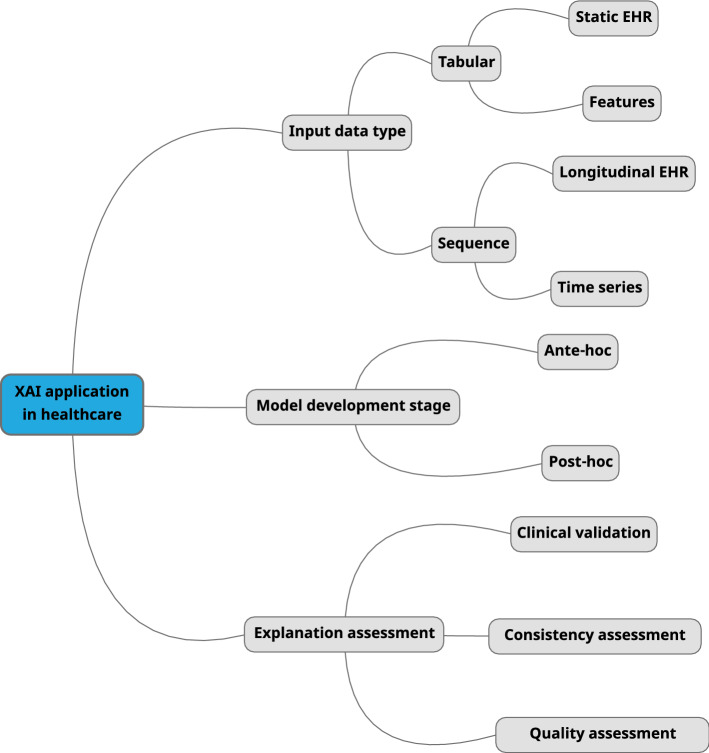
Nowadays Artificial Intelligence (AI) has become a fundamental component of healthcare applications, both clinical and remote, but the best performing AI systems are often too complex to be self-explaining. Explainable AI (XAI) techniques are defined to unveil the reasoning behind the system’s predictions and decisions, and they become even more critical when dealing with sensitive and personal health data. It is worth noting that XAI has not gathered the same attention across different research areas and data types, especially in healthcare. In particular, many clinical and remote health applications are based on tabular and time series data, respectively, and XAI is not commonly analysed on these data types, while computer vision and Natural Language Processing (NLP) are the reference applications. To provide an overview of XAI methods that are most suitable for tabular and time series data in the healthcare domain, this paper provides a review of the literature in the last 5 years, illustrating the type of generated explanations and the efforts provided to evaluate their relevance and quality. Specifically, we identify clinical validation, consistency assessment, objective and standardised quality evaluation, and human-centered quality assessment as key features to ensure effective explanations for the end users. Finally, we highlight the main research challenges in the field as well as the limitations of existing XAI methods.
Overview
The claims and statistics of this paper haven’t been checked yet.
Free: it reads the open-access text and checks the first 5 claims that cite a source we can check. Create a free account to check every claim.
Integrity signals
Registry
Cites
Statistics
Figures
Verification
Claims the paper makes
The claims and statistics of this paper haven’t been checked yet.
Free: it reads the open-access text and checks the first 5 claims that cite a source we can check. Create a free account to check every claim.
Claims other papers make about this one
Each is checked against this paper’s own text: does it say what the citing paper says it does?
The cited source says what the claim attributes to it.
In the citing paper
“Saliency maps suited for radiological data might not be applicable for other data types, such as tabular data43.”
From Orchestrating explainable artificial intelligence for multimodal and longitudinal data in medical imaging (2024) · cites this paper as [43]
Self-check
Percentages, sums and reported differences re-computed from the paper’s own numbers.
The self-check needs the paper’s full text.
Citations
Cites
Deep Residual Learning for Image Recognition
He, K., Zhang, X., Ren, S., & Sun, J. (2016) · 2016 IEEE Conference on Computer Vision and Pattern Recognition (CVPR) · doi:10.1109/cvpr.2016.90 · Cited by 235,474 · cited 2×
“To apply these metrics, the authors developed a ResNet [125] CNN architecture for photoplethysmography (PPG) signal/image quality assessment (i.”
MethodBERT: Pre-training of Deep Bidirectional Transformers for Language Understanding
Devlin, J., Chang, M.-W., Lee, K., & Toutanova, K. (2018) · arXiv · doi:10.48550/arxiv.1810.04805 · Cited by 73,173 · cited 2×
“Transformers have found their major applications in NLP, as demonstrated by very popular language models such as BERT (Devlin et al.”
MethodGreedy function approximation: A gradient boosting machine
Friedman, J. H. (2001) · The Annals of Statistics · doi:10.1214/aos/1013203451 · Cited by 30,731 · cited 3×
“Partial Dependence Plots (PDP) (Friedman 2001) show the average marginal effect of one or two features on model outcomes, assuming that the features are uncorrelated (which may not always be true).”
BackgroundGrad-CAM: Visual Explanations from Deep Networks via Gradient-Based Localization
Selvaraju, R. R., Cogswell, M., Das, A., Vedantam, R., Parikh, D., & Batra, D. (2017) · 2017 IEEE International Conference on Computer Vision (ICCV) · doi:10.1109/iccv.2017.74 · Cited by 24,513
MobileNets: Efficient Convolutional Neural Networks for Mobile Vision Applications
Howard, A. G., Zhu, M., Chen, B., Kalenichenko, D., Wang, W., Weyand, T., Andreetto, M., & Adam, H. (2017) · arXiv · doi:10.48550/arxiv.1704.04861 · Cited by 19,015 · cited 2×
“To this aim, they first trained a MobileNet (Howard et al.”
Method"Why Should I Trust You?": Explaining the Predictions of Any Classifier
Ribeiro, M. T., Singh, S., & Guestrin, C. (2016) · Proceedings of the 22nd ACM SIGKDD International Conference on Knowledge Discovery and Data Mining · doi:10.1145/2939672.2939778 · Cited by 17,555 · cited 33×
“For instance SHAP consider N-best (i.e., extent of involvement of regional lymph nodes) as the second most important feature, whereas LIME considers the behaviour of the tumour.”
MethodInfluentialNeural Machine Translation by Jointly Learning to Align and Translate
Bahdanau, D., Cho, K., & Bengio, Y. (2014) · arXiv · doi:10.48550/arxiv.1409.0473 · Cited by 16,213 · cited 1×
“For what concerns RNN, Attention mechanism [43], sometimes also referred as Self-Attention, is currently the state-of-the-art method for explainability.”
MethodVisualizing and understanding convolutional networks
Zeiler, M. D., & Fergus, R. (2014) · Lecture Notes in Computer Science · doi:10.1007/978-3-319-10590-1_53 · Cited by 15,839 · cited 4×
“In this context, the Occlusion method by [37] is one of the most used techniques coming from computer vision applications.”
MethodInfluentialGoldberger, A. L., Amaral, L. A. N., Glass, L., Hausdorff, J. M., Ivanov, P. C., Mark, R. G., Mietus, J. E., Moody, G. B., Peng, C.-K., & Stanley, H. E. (2000) · Circulation · doi:10.1161/01.cir.101.23.e215 · Cited by 14,809
Learning Deep Features for Discriminative Localization
Zhou, B., Khosla, A., Lapedriza, A., Oliva, A., & Torralba, A. (2016) · 2016 IEEE Conference on Computer Vision and Pattern Recognition (CVPR) · doi:10.1109/cvpr.2016.319 · Cited by 11,428 · cited 9×
“To overcome these limitations, a more general CAM implementation, Gradient-weighted CAM (Grad-CAM) (Selvaraju et al.”
MethodInfluentialArrieta, A. B., Díaz-Rodríguez, N., Del Ser, J., Bennetot, A., Tabik, S., Barbado, A., García, S., Gil-López, S., Molina, D., Benjamins, R., et al. (2019) · arXiv · doi:10.48550/arxiv.1910.10045 · Cited by 11,321
From local explanations to global understanding with explainable AI for trees
Lundberg, S. M., Erion, G., Chen, H., DeGrave, A., Prutkin, J. M., Nair, B., Katz, R., Himmelfarb, J., Bansal, N., & Lee, S.-I. (2020) · Nature Machine Intelligence · doi:10.1038/s42256-019-0138-9 · Cited by 10,551 · cited 1×
“However, it is important to outline that only TreeSHAP algorithm is used for tree-based models as it provides fast and exact results [136].”
BackgroundHigh-performance medicine: the convergence of human and artificial intelligence
Topol, E. J. (2019) · Nature Medicine · doi:10.1038/s41591-018-0300-7 · Cited by 10,450 · cited 2×
“…National Research Council of Italy (CNR), Via Moruzzi 1, Pisa 56100, Italy 1 3 of the main barriers to its real adoption in the clinical practice (Topol 2019), and even more in those systems that require a direct interaction with a non-expert user (e.g., remote patient monitoring and…”
BackgroundBarredo Arrieta, A., Díaz-Rodríguez, N., Del Ser, J., Bennetot, A., Tabik, S., Barbado, A., Garcia, S., Gil-Lopez, S., Molina, D., Benjamins, R., et al. (2020) · Information Fusion · doi:10.1016/j.inffus.2019.12.012 · Cited by 10,423
MIMIC-III, a freely accessible critical care database
Johnson, A. E. W., Pollard, T. J., Shen, L., Lehman, L.-W. H., Feng, M., Ghassemi, M., Moody, B., Szolovits, P., Anthony Celi, L., & Mark, R. G. (2016) · Scientific Data · doi:10.1038/sdata.2016.35 · Cited by 8,141 · cited 1×
“The model has been subjected to a internal validation using the Emory cohort dataset (ICU patients admitted to the hospitals within the Emory Healthcare system in Atlanta, Georgia from 2014 to 2018), and to an external validation using a patient cohort taken by the Medical Information Mart for Intensive Care (MIMIC)-I…”
MethodU1 snRNP regulates cancer cell migration and invasion in vitro
Oh, J.-M., Venters, C. C., Di, C., Pinto, A. M., Wan, L., Younis, I., Cai, Z., Arai, C., So, B. R., Duan, J., et al. (2020) · Nature Communications · doi:10.1038/s41467-019-13993-7 · Cited by 7,157
The genomic and transcriptomic architecture of 2,000 breast tumours reveals novel subgroups
METABRIC Group, Curtis, C., Shah, S. P., Chin, S.-F., Turashvili, G., Rueda, O. M., Dunning, M. J., Speed, D., Lynch, A. G., Samarajiwa, S., et al. (2012) · Nature · doi:10.1038/nature10983 · Cited by 6,097 · cited 3×
“1995), and METABRIC (Curtis et al.”
MethodDeep Inside Convolutional Networks: Visualising Image Classification Models and Saliency Maps
Simonyan, K., Vedaldi, A., & Zisserman, A. (2013) · arXiv · doi:10.48550/arxiv.1312.6034 · Cited by 5,370 · cited 2×
“A first gradient-based explanation method has been proposed in [34] to create saliency maps corresponding to the gradient of an output neuron with respect to changes in a small neighborhood around the input, thus highlighting image regions that are relevant for a target class.”
MethodYang (2021) · doi:10.1038/s41598-020-79139-8 · Cited by 5,035
Factorial Sampling Plans for Preliminary Computational Experiments
Morris, M. D. (1991) · Technometrics · doi:10.1080/00401706.1991.10484804 · Cited by 4,943
Domain Adaptation via Transfer Component Analysis
Pan, S. J., Tsang, I. W., Kwok, J. T., & Yang, Q. (2011) · IEEE Transactions on Neural Networks · doi:10.1109/tnn.2010.2091281 · Cited by 4,753 · cited 1×
“adjMMD is a modified version of the traditional MMD metric, which is widely used in transfer learning for measuring the data distribution shift between source and target data [110].”
BackgroundOn Pixel-Wise Explanations for Non-Linear Classifier Decisions by Layer-Wise Relevance Propagation
Bach, S., Binder, A., Montavon, G., Klauschen, F., Müller, K.-R., & Samek, W. (2015) · PLOS ONE · doi:10.1371/journal.pone.0130140 · Cited by 4,524 · cited 9×
“Finally, Layer-wise Relevant Propagation (LRP) (Bach et al.”
MethodInfluentialAxiomatic attribution for deep networks
Sundararajan, M., Taly, A., & Yan, Q. (2017) · arXiv · doi:10.48550/arxiv.1703.01365 · Cited by 4,087
Saltelli, A., Annoni, P., Azzini, I., Campolongo, F., Ratto, M., & Tarantola, S. (2010) · Computer Physics Communications · doi:10.1016/j.cpc.2009.09.018 · Cited by 3,623 · cited 1×
“Therefore, other lightweight solutions have been proposed, such as those based on Analysis of Variance (ANOVA) decomposition (Saltelli et al. 2010).”
MethodStriving for Simplicity: The All Convolutional Net
Springenberg, J. T., Dosovitskiy, A., Brox, T., & Riedmiller, M. (2014) · arXiv · doi:10.48550/arxiv.1412.6806 · Cited by 3,447 · cited 1×
“Moreover, the guided backpropagation technique [39], also known as guided saliency, has been proposed as a variant of the deconvolution approach to extend its applicability to all possible CNN architectures to visualise saliency of the learned features.”
MethodTowards A Rigorous Science of Interpretable Machine Learning
Doshi-Velez, F., & Kim, B. (2017) · arXiv · doi:10.48550/arxiv.1702.08608 · Cited by 3,121 · cited 2×
“According to Doshi-Velez and Kim (2017), quality evaluation approaches can be divided into functionality-grounded, application-grounded, and human-grounded.”
BackgroundBCI2000: A General-Purpose Brain-Computer Interface (BCI) System
Schalk, G., McFarland, D. J., Hinterberger, T., Birbaumer, N., & Wolpaw, J. R. (2004) · IEEE Transactions on Biomedical Engineering · doi:10.1109/tbme.2004.827072 · Cited by 3,024 · cited 2×
“[134] (2021) 24 Seizure detection, fist movement detection EEG CNN Attention Seizure dataset [135], Physionet DB”
BackgroundMethodExplainable AI: a review of machine learning interpretability methods
Linardatos, P., Papastefanopoulos, V., & Kotsiantis, S. (2020) · Entropy · doi:10.3390/e23010018 · Cited by 2,922 · cited 1×
“In addition, evaluating the level of consistency of explanations generated by multiple methods may provide some preliminary insights into AI systems’ reliability, despite sensitivity analysis may be needed to better expose model vulnerabilities and draw more accurate conclusions about stability and robustness properti…”
MethodLearning Important Features Through Propagating Activation Differences
Shrikumar, A., Greenside, P., & Kundaje, A. (2017) · arXiv · doi:10.48550/arxiv.1704.02685 · Cited by 2,761 · cited 3×
“A first gradient-based explanation method has been proposed in Simonyan et al. (2013) to create saliency maps corresponding to the gradient of an output neuron with respect to changes in a small neighborhood around the input, thus highlighting image regions that are relevant for a target class.”
BackgroundMethodInfluentialIshwaran, H., Kogalur, U. B., Blackstone, E. H., & Lauer, M. S. (2008) · The Annals of Applied Statistics · doi:10.1214/08-aoas169 · Cited by 2,714
A Survey on Explainable Artificial Intelligence (XAI): Toward Medical XAI
Tjoa, E., & Guan, C. (2021) · IEEE Transactions on Neural Networks and Learning Systems · doi:10.1109/tnnls.2020.3027314 · Cited by 2,524
Film: Visual reasoning with a general conditioning layer
Perez, E., Strub, F., De Vries, H., Dumoulin, V., & Courville, A. (2018) · Proceedings of the AAAI Conference on Artificial Intelligence · doi:10.1609/aaai.v32i1.11671 · Cited by 2,490
Explainability for artificial intelligence in healthcare: a multidisciplinary perspective
the Precise4Q consortium, Amann, J., Blasimme, A., Vayena, E., Frey, D., & Madai, V. I. (2020) · BMC Medical Informatics and Decision Making · doi:10.1186/s12911-020-01332-6 · Cited by 2,203 · cited 1×
“Clinical validation is currently one of the most widely discussed requirements to build trust in AI-empowered decision making in healthcare [13], as it is a critical step for a model to gain clinical credibility by matching data-driven knowledge with evidence-based assessment.”
BackgroundAnchors: High-Precision Model-Agnostic Explanations
Ribeiro, M. T., Singh, S., & Guestrin, C. (2018) · Proceedings of the AAAI Conference on Artificial Intelligence · doi:10.1609/aaai.v32i1.11491 · Cited by 2,162 · cited 1×
“Anchors algorithm [23] represents an evolution of LIME that exploits reinforcement learning and graph search to detect a region in the neighbourhood, defined by a range of values for some features, representing a sufficient and high-precision condition (i.”
MethodGoldstein, A., Kapelner, A., Bleich, J., & Pitkin, E. (2015) · Journal of Computational and Graphical Statistics · doi:10.1080/10618600.2014.907095 · Cited by 1,861 · cited 1×
“Their equivalent for local predictions, called Individual Conditional Expectation (ICE) plots, has been proposed by [29] to visualise the dependence of the prediction on a feature for each instance separately.”
BackgroundA symbolic representation of time series, with implications for streaming algorithms
Lin, J., Keogh, E., Lonardi, S., & Chiu, B. (2003) · Proceedings of the 8th ACM SIGMOD workshop on Research issues in data mining and knowledge discovery · doi:10.1145/882082.882086 · Cited by 1,799 · cited 2×
“Fuzzy inference systems are a viable solution to simulate logical thinking, whereas Symbolic Aggregate ApproXimation (SAX) [47] works by converting time series into strings.”
TabNet: Attentive Interpretable Tabular Learning
Arik, S. Ö., & Pfister, T. (2021) · Proceedings of the AAAI Conference on Artificial Intelligence · doi:10.1609/aaai.v35i8.16826 · Cited by 1,771
Visualizing the effects of predictor variables in black box supervised learning models
Apley, D. W., & Zhu, J. (2020) · Journal of the Royal Statistical Society Series B: Statistical Methodology · doi:10.1111/rssb.12377 · Cited by 1,535 · cited 1×
“Finally, Accumulated Local Effects (ALE) (Apley and Zhu 2020) plots represent an unbiased alternative to PDP, as they account for feature correlation when showing feature influence on model outcomes.”
BackgroundNetwork Dissection: Quantifying Interpretability of Deep Visual Representations
Bau, D., Zhou, B., Khosla, A., Oliva, A., & Torralba, A. (2017) · 2017 IEEE Conference on Computer Vision and Pattern Recognition (CVPR) · doi:10.1109/cvpr.2017.354 · Cited by 1,389
Predictive learning via rule ensembles
Friedman, J. H., & Popescu, B. E. (2008) · The Annals of Applied Statistics · doi:10.1214/07-aoas148 · Cited by 1,315 · cited 2×
“…selected the best performing RF classifier to compare a variety of XAI methods, including feature permutation, PDP, ICE plots, feature interaction with Friedman’s H statistic (Friedman and Popescu 2008), and surrogate models for global explanations, as well as LIME and SHAP for local explanations.”
MethodAn interpretable mortality prediction model for COVID-19 patients
Yan, L., Zhang, H.-T., Goncalves, J., Xiao, Y., Wang, M., Guo, Y., Sun, C., Tang, X., Jing, L., Zhang, M., et al. (2020) · Nature Machine Intelligence · doi:10.1038/s42256-020-0180-7 · Cited by 1,301 · cited 1×
“In the first case, the GBDT model has been evaluated on a private COVID-19 dataset coming from Wuhan hospital (EHR data from 350 patients), whereas a public dataset available in [74] has been used for the mortality prediction task (485 patients) by considering only lactic dehydrogenase, lymphocyte, and C-Reactive Prot…”
MethodTechniques for interpretable machine learning
Du, M., Liu, N., & Hu, X. (2019) · Communications of the ACM · doi:10.1145/3359786 · Cited by 1,268
Techniques for Interpretable Machine Learning
Du, M., Liu, N., & Hu, X. (2018) · arXiv · doi:10.48550/arxiv.1808.00033 · Cited by 1,261
Adaptive deconvolutional networks for mid and high level feature learning
Zeiler, M. D., Taylor, G. W., & Fergus, R. (2011) · 2011 International Conference on Computer Vision · doi:10.1109/iccv.2011.6126474 · Cited by 1,217 · cited 1×
“Deconvolution [37], is a technique to visualise CNN-based saliency maps by using DeconvNets networks [38], which leverage the same CNN layers and operators in an exactly reversed order for mapping encoded features to input”
MethodToward Causal Representation Learning
Scholkopf, B., Locatello, F., Bauer, S., Ke, N. R., Kalchbrenner, N., Goyal, A., & Bengio, Y. (2021) · Proceedings of the IEEE · doi:10.1109/jproc.2021.3058954 · Cited by 1,170
Dau, H. A., Bagnall, A., Kamgar, K., Yeh, C.-C. M., Zhu, Y., Gharghabi, S., Ratanamahatana, C. A., & Keogh, E. (2019) · IEEE/CAA Journal of Automatica Sinica · doi:10.1109/jas.2019.1911747 · Cited by 1,128 · cited 2×
“The proposed model has been tested for AMI detection from echocardiogram signals using the ECG200 dataset [129], and for Surgical Site Infection (SSI) detection from longitudinal blood measurements of CRP using a EHR dataset collected in [130].”
BackgroundMethodRETAIN: an interpretable predictive model for healthcare using reverse time attention mechanism
Choi, E., Bahadori, M. T., Kulas, J. A., Schuetz, A., Stewart, W. F., & Sun, J. (2016) · arXiv · doi:10.48550/arxiv.1608.05745 · Cited by 1,029
Time series shapelets: a new primitive for data mining
Ye, L., & Keogh, E. (2009) · Proceedings of the 15th ACM SIGKDD international conference on Knowledge discovery and data mining · doi:10.1145/1557019.1557122 · Cited by 987 · cited 1×
“In this context, Shapelets (Ye and Keogh 2009) is a time series-specific, prototype-based method to explain AI models by extracting input sub-sequences that are representative to each class.”
MethodThe National Sleep Research Resource: towards a sleep data commons
Zhang, G.-Q., Cui, L., Mueller, R., Tao, S., Kim, M., Rueschman, M., Mariani, S., Mobley, D., & Redline, S. (2018) · Journal of the American Medical Informatics Association · doi:10.1093/jamia/ocy064 · Cited by 917
Generalized N-Dimensional Biomechanical Field Analysis Using Statistical Parametric Mapping
Pataky, T. C. (2010) · Journal of Biomechanics · doi:10.1016/j.jbiomech.2010.03.008 · Cited by 907 · cited 5×
“1 3 has been performed through two interrelated approaches: a quantitative statistical analysis using Statistical Parametric Mapping (SPM) (Pataky 2010), and a qualitative evaluation conducted by clinical experts. In case of binary classification (i.e., normal VS. disordered gait), SPM analysis shows significant diffe…”
MethodInfluentialDesigning Theory-Driven User-Centric Explainable AI
Wang, D., Yang, Q., Abdul, A., & Lim, B. Y. (2019) · Proceedings of the 2019 CHI Conference on Human Factors in Computing Systems · doi:10.1145/3290605.3300831 · Cited by 906 · cited 2×
“According to [147], designing effective human-centered XAI strategies should first bridge algorithm-generated explanations with user explanation goals and expected reasoning methods.”
BackgroundOverview and Findings from the Rush Memory and Aging Project
A. Bennett, D., A. Schneider, J., S. Buchman, A., L. Barnes, L., A. Boyle, P., & S. Wilson, R. (2012) · Current Alzheimer Research · doi:10.2174/156720512801322663 · Cited by 862 · cited 3×
“(2021) proposed an explainable risk assessment for imminent (i.e., within 3 years) dementia diagnosis, by training XGBoost, Multi-Layer Perceptron (MLP), and Long Short-Term Memory (LSTM) models with multi-year, extensive cognitive testing data coming from the Religious Orders Study and Rush Memory and Aging Project (…”
BackgroundMethodApplied Survival Analysis: Regression Modeling of Time to Event Data
Rao, P. V., Hosmer, D. W., & Lemeshow, S. (2000) · Journal of the American Statistical Association · doi:10.2307/2669422 · Cited by 861 · cited 2×
“Both networks have been tested on three public follow-up datasets, namely WHAS (Lemeshow et al. 2011), SUPPORT (Knaus et al.”
MethodClifford, G., Liu, C., Moody, B., Lehman, L.-W., Silva, I., Li, Q., Johnson, A., & Mark, R. (2017) · Computing in Cardiology Conference (CinC) · doi:10.22489/cinc.2017.065-469 · Cited by 838 · cited 2×
“[81] (2021) 4 AF detection ECG CNN Feature ablation/permutation, LIME, guided saliency PhysioNet 2017 [83]”
MethodMarkus, A. F., Kors, J. A., & Rijnbeek, P. R. (2021) · Journal of Biomedical Informatics · doi:10.1016/j.jbi.2020.103655 · Cited by 811
Antoniadi, A. M., Du, Y., Guendouz, Y., Wei, L., Mazo, C., Becker, B. A., & Mooney, C. (2021) · Applied Sciences · doi:10.3390/app11115088 · Cited by 629 · cited 1×
“Non-expert users generally have difficulties due to the gap between algorithmic outputs and human-consumable explanations [144].”
BackgroundKim, L., Kim, J.-A., & Kim, S. (2014) · Epidemiology and Health · doi:10.4178/epih/e2014008 · Cited by 618
The SUPPORT Prognostic Model: Objective Estimates of Survival for Seriously Ill Hospitalized Adults
Knaus, W. A., Harrell, F. E., Lynn, J., Goldman, L., Phillips, R. S., Connors, A. F., Dawson, N. V., Fulkerson, W. J., Califf, R. M., Desbiens, N., et al. (1995) · Annals of Internal Medicine · doi:10.7326/0003-4819-122-3-199502010-00007 · Cited by 585
The (Un)reliability of Saliency Methods
Kindermans, P.-J., Hooker, S., Adebayo, J., Alber, M., Schütt, K. T., Dähne, S., Erhan, D., & Kim, B. (2019) · Lecture Notes in Computer Science · doi:10.1007/978-3-030-28954-6_14 · Cited by 580
The temple university hospital EEG data corpus
Obeid, I., & Picone, J. (2016) · Frontiers in Neuroscience · doi:10.3389/fnins.2016.00196 · Cited by 528
The What-If Tool: Interactive Probing of Machine Learning Models
Wexler, J., Pushkarna, M., Bolukbasi, T., Wattenberg, M., Viegas, F., & Wilson, J. (2019) · IEEE Transactions on Visualization and Computer Graphics · doi:10.1109/tvcg.2019.2934619 · Cited by 505
Opportunities and Challenges in Explainable Artificial Intelligence (XAI): A Survey
Das, A., & Rad, P. (2020) · arXiv · doi:10.48550/arxiv.2006.11371 · Cited by 504 · cited 2×
“…AI (XAI) techniques have the potentiality to support all these types of users by making AI models more expressive and improving human understanding and confidence in AI-empowered Decision Support Systems (DSSs) (Das and Rad 2020), but they generally do not offer a one-fits-all solution (Cinà et al.”
BackgroundMartínez-Sancho, E., Slámová, L., Morganti, S., Grefen, C., Carvalho, B., Dauphin, B., Rellstab, C., Gugerli, F., Opgenoorth, L., Heer, K., et al. (2020) · Scientific Data · doi:10.1038/s41597-019-0340-y · Cited by 496
Lauritsen, S. M., Kristensen, M., Olsen, M. V., Larsen, M. S., Lauritsen, K. M., Jørgensen, M. J., Lange, J., & Thiesson, B. (2020) · Nature Communications · doi:10.1038/s41467-020-17431-x · Cited by 448
Drew, B. J., Harris, P., Zègre-Hemsey, J. K., Mammone, T., Schindler, D., Salas-Boni, R., Bai, Y., Tinoco, A., Ding, Q., & Hu, X. (2014) · PLoS ONE · doi:10.1371/journal.pone.0110274 · Cited by 438 · cited 2×
“[124] (2021) 8 Signal quality assessment PPG CNN SHAP, integrated gradients, guided saliency Training: ICU dataset [126]; Test: stroke dataset [127]”
MethodHolzinger, A., Carrington, A., & Müller, H. (2020) · KI - Künstliche Intelligenz · doi:10.1007/s13218-020-00636-z · Cited by 406 · cited 1×
“To this aim, [159] proposed a novel evaluation framework, namely System Causability Scale (SCS), which allows to quantify the level reached by an explanation in providing a cause-effect understanding with effectiveness, efficiency, and satisfaction by end users.”
MethodEarly Prediction of Sepsis From Clinical Data: The PhysioNet/Computing in Cardiology Challenge 2019
Reyna, M. A., Josef, C. S., Jeter, R., Shashikumar, S. P., Westover, M. B., Nemati, S., Clifford, G. D., & Sharma, A. (2020) · Critical Care Medicine · doi:10.1097/ccm.0000000000004145 · Cited by 383
Asymptomatic internal carotid artery stenosis and cerebrovascular risk stratification
Nicolaides, A. N., Kakkos, S. K., Kyriacou, E., Griffin, M., Sabetai, M., Thomas, D. J., Tegos, T., Geroulakos, G., Labropoulos, N., Doré, C. J., et al. (2010) · Journal of Vascular Surgery · doi:10.1016/j.jvs.2010.07.021 · Cited by 381 · cited 1×
“Specifically, they applied SHAP to SVM and RF classifiers trained on lab test data provided by the COVID-19 Data Sharing/BR (over 50k suspected COVID-19 patients), then they compared feature relevance with both LR coefficients and feature importance scores provided by Explainable Boosting Machine (EBM) algorithm (Nori…”
MethodInterpretable Counterfactual Explanations Guided by Prototypes
Van Looveren, A., & Klaise, J. (2021) · Lecture Notes in Computer Science · doi:10.1007/978-3-030-86520-7_40 · Cited by 346
Freezing of gait in Parkinson's disease: The impact of dual‐tasking and turning
Spildooren, J., Vercruysse, S., Desloovere, K., Vandenberghe, W., Kerckhofs, E., & Nieuwboer, A. (2010) · Movement Disorders · doi:10.1002/mds.23327 · Cited by 338 · cited 1×
“The model has been built by using an existing dataset (Spildooren et al. 2010) containing 3-D motion data from 28 PD patients with and without FoG, and 14 healthy subjects.”
MethodThorsen-Meyer, H.-C., Nielsen, A. B., Nielsen, A. P., Kaas-Hansen, B. S., Toft, P., Schierbeck, J., Strøm, T., Chmura, P. J., Heimann, M., Dybdahl, L., et al. (2020) · The Lancet Digital Health · doi:10.1016/s2589-7500(20)30018-2 · Cited by 336
Moncada-Torres, A., van Maaren, M. C., Hendriks, M. P., Siesling, S., & Geleijnse, G. (2021) · Scientific Reports · doi:10.1038/s41598-021-86327-7 · Cited by 335 · cited 2×
“Similarly, [104] compared the performance of a conventional WCPH regression model against three different ML methods, namely Random Survival Forest [105], Survival SVM [106], and XGBoost, for breast cancer survival prediction from patient, tumor, and treatment-related characteristics.”
BackgroundMethodOviedo, F., Ren, Z., Sun, S., Settens, C., Liu, Z., Hartono, N. T. P., Ramasamy, S., DeCost, B. L., Tian, S. I. P., Romano, G., et al. (2019) · npj Computational Materials · doi:10.1038/s41524-019-0196-x · Cited by 327 · cited 1×
“For instance, [154] averaged CAM saliency maps across all training examples to detect the main discriminating features for each class.”
BackgroundInterpretML: A Unified Framework for Machine Learning Interpretability
Nori, H., Jenkins, S., Koch, P., & Caruana, R. (2019) · arXiv · doi:10.48550/arxiv.1909.09223 · Cited by 322 · cited 1×
“Specifically, they applied SHAP to SVM and RF classifiers trained on lab test data provided by the COVID-19 Data Sharing/BR (over 50k suspected COVID-19 patients), then they compared feature relevance with both LR coefficients and feature importance scores provided by Explainable Boosting Machine (EBM) algorithm [93].”
MethodPayrovnaziri, S. N., Chen, Z., Rengifo-Moreno, P., Miller, T., Bian, J., Chen, J. H., Liu, X., & He, Z. (2020) · Journal of the American Medical Informatics Association · doi:10.1093/jamia/ocaa053 · Cited by 313 · cited 1×
“EHRs are the major source of tabular data for clinical settings [8], which contain rich, longitudinal, heterogeneous, and patient-specific information including demographics, clinical information, questionnaire outcomes, lab tests, and vital sign measurements.”
BackgroundOn the Robustness of Interpretability Methods
Alvarez-Melis, D., & Jaakkola, T. S. (2018) · arXiv · doi:10.48550/arxiv.1806.08049 · Cited by 310 · cited 2×
“Similar results have been also shown by Alvarez-Melis and Jaakkola (2018) for model-agnostic methods such as LIME and SHAP, and the authors also claimed such methods are even more non-robust than gradient-based ones.”
ResultKwon, B. C., Choi, M.-J., Kim, J. T., Choi, E., Kim, Y. B., Kwon, S., Sun, J., & Choo, J. (2019) · IEEE Transactions on Visualization and Computer Graphics · doi:10.1109/tvcg.2018.2865027 · Cited by 294 · cited 6×
“[70] (2018) 196 HF diagnosis Longitudinal EHR RETAIN variant Attention HIRA-NPS [72]”
BackgroundMethodInfluentialArtificial Intelligence and Patient-Centered Decision-Making
Bjerring, J. C., & Busch, J. (2021) · Philosophy & Technology · doi:10.1007/s13347-019-00391-6 · Cited by 274 · cited 1×
“As patients are nowadays considered active partners in the care provisioning process, they have the right to choose and control their medical treatments and recommendations (Bjerring and Busch 2021).”
BackgroundOn the interpretability of machine learning-based model for predicting hypertension
Elshawi, R., Al-Mallah, M. H., & Sakr, S. (2019) · BMC Medical Informatics and Decision Making · doi:10.1186/s12911-019-0874-0 · Cited by 271 · cited 2×
“[98] performed an extensive analysis for investigating the outcomes of ML models for hypertension prediction from cardio-respiratory fitness data obtained after a treadmill test.”
BackgroundInterpreting tree ensembles with inTrees
Deng, H. (2019) · International Journal of Data Science and Analytics · doi:10.1007/s41060-018-0144-8 · Cited by 253 · cited 1×
“InTrees [31] has been proposed as a framework to extract a compact set of decision rules from tree ensembles, by selecting and pruning rules according to a trade-off among their frequency within tree nodes, their error rate, as well as their length.”
MethodBeyond Sparsity: Tree Regularization of Deep Models for Interpretability
Wu, M., Hughes, M., Parbhoo, S., Zazzi, M., Roth, V., & Doshi-Velez, F. (2018) · Proceedings of the AAAI Conference on Artificial Intelligence · doi:10.1609/aaai.v32i1.11501 · Cited by 213
HiTANet: Hierarchical Time-Aware Attention Networks for Risk Prediction on Electronic Health Records
Luo, J., Ye, M., Xiao, C., & Ma, F. (2020) · Proceedings of the 26th ACM SIGKDD International Conference on Knowledge Discovery & Data Mining · doi:10.1145/3394486.3403107 · Cited by 196
Survival analysis of heart failure patients: A case study
Ahmad, T., Munir, A., Bhatti, S. H., Aftab, M., & Raza, M. A. (2017) · PLOS ONE · doi:10.1371/journal.pone.0181001 · Cited by 195
Diprose, W. K., Buist, N., Hua, N., Thurier, Q., Shand, G., & Robinson, R. (2020) · Journal of the American Medical Informatics Association · doi:10.1093/jamia/ocz229 · Cited by 188 · cited 1×
“A recent statistical study with more than 1300 physicians demonstrated that 88% positively evaluated AI systems accompanied by model-agnostic explanations [145] in terms of trust and system understanding.”
BackgroundALIME: Autoencoder Based Approach for Local Interpretability
Shankaranarayana, S. M., & Runje, D. (2019) · Lecture notes in computer science · doi:10.1007/978-3-030-33607-3_49 · Cited by 182
Ranjbari, S., Khatibi, T., Vosough Dizaji, A., Sajadi, H., Totonchi, M., & Ghaffari, F. (2021) · BMC Medical Informatics and Decision Making · doi:10.1186/s12911-020-01362-0 · Cited by 181
Local Rule-Based Explanations of Black Box Decision Systems
Guidotti, R., Monreale, A., Ruggieri, S., Pedreschi, D., Turini, F., & Giannotti, F. (2018) · arXiv (Cornell University) · doi:10.48550/arxiv.1805.10820 · Cited by 179 · cited 3×
“Guidotti et al. (2018) proposed Local Rule-Based Explanations of black-box decision systems (LORE), a model-agnostic method to extend counterfactual explanations beyond differentiable models.”
BackgroundMethodInfluentialPropedia: a database for protein–peptide identification based on a hybrid clustering algorithm
Martins, P. M., Santos, L. H., Mariano, D., Queiroz, F. C., Bastos, L. L., Gomes, I. D. S., Fischer, P. H. C., Rocha, R. E. O., Silveira, S. A., de Lima, L. H. F., et al. (2021) · BMC Bioinformatics · doi:10.1186/s12859-020-03881-z · Cited by 178
xViTCOS: Explainable Vision Transformer Based COVID-19 Screening Using Radiography
Mondal, A. K., Bhattacharjee, A., Singla, P., & Prathosh, A. P. (2021) · IEEE Journal of Translational Engineering in Health and Medicine · doi:10.1109/jtehm.2021.3134096 · Cited by 168 · cited 19×
“2021) and COVID-19 (Mondal et al.”
BackgroundInfluentialHAN-ECG: An interpretable atrial fibrillation detection model using hierarchical attention networks
Mousavi, S., Afghah, F., & Acharya, U. R. (2020) · Computers in Biology and Medicine · doi:10.1016/j.compbiomed.2020.104057 · Cited by 166
Plasma Metabolite Profiles of Alzheimer’s Disease and Mild Cognitive Impairment
Wang, G., Zhou, Y., Huang, F.-J., Tang, H.-D., Xu, X.-H., Liu, J.-J., Wang, Y., Deng, Y.-L., Ren, R.-J., Xu, W., et al. (2014) · Journal of Proteome Research · doi:10.1021/pr5000895 · Cited by 161 · cited 2×
“The algorithm has been implemented using a metabolomic dataset reported in [53], which includes plasma concentration of 242 metabolites from 57 AD subjects, 58 Mild Cognitive Impairment (MCI) subjects, and 57 healthy controls.”
BackgroundMethodEarly Prediction of Sepsis from Clinical Data: The PhysioNet/Computing in Cardiology Challenge 2019
Reyna, M., Prajwal Shashikumar, S., Moody, B., Gu, P., Sharma, A., nemati, S., & Clifford, G. (2019) · Computing in Cardiology Conference (CinC) · doi:10.22489/cinc.2019.412 · Cited by 153
Adversarial Representation Learning for Robust Patient-Independent Epileptic Seizure Detection
Zhang, X., Yao, L., Dong, M., Liu, Z., Zhang, Y., & Li, Y. (2020) · IEEE Journal of Biomedical and Health Informatics · doi:10.1109/jbhi.2020.2971610 · Cited by 146
A Review of Explainable Deep Learning Cancer Detection Models in Medical Imaging
Gulum, M. A., Trombley, C. M., & Kantardzic, M. (2021) · Applied Sciences · doi:10.3390/app11104573 · Cited by 145 · cited 1×
“It is generally applied in Computer-Aided Diagnosis (CAD) with different targets, such as cancer [5] and COVID-19 [6, 7].”
PIC, a paediatric-specific intensive care database
Zeng, X., Yu, G., Lu, Y., Tan, L., Wu, X., Shi, S., Duan, H., Shu, Q., & Li, H. (2020) · Scientific Data · doi:10.1038/s41597-020-0355-4 · Cited by 138 · cited 3×
“As running example for their study, they trained several ML models on the Pediatric Intensive Care (PIC) database (Zeng et al.”
BackgroundMethodInfluentialExplainable Artificial Intelligence for Tabular Data: A Survey
Sahakyan, M., Aung, Z., & Rahwan, T. (2021) · IEEE Access · doi:10.1109/access.2021.3116481 · Cited by 135 · cited 1×
“However, several existing XAI methods are currently not suitable for tabular data due to the unique characteristics that distinguish them from images (and also text records), such as the potential interactions between features and the coexistence of continuous and categorical predictors [10].”
Barr Kumarakulasinghe, N., Blomberg, T., Liu, J., Saraiva Leao, A., & Papapetrou, P. (2020) · 2020 IEEE 33rd International Symposium on Computer-Based Medical Systems (CBMS) · doi:10.1109/cbms49503.2020.00009 · Cited by 133 · cited 2×
“[117] (2020) 13 Sepsis detection EHR RF LIME PhysioNet 2019 [118]”
BackgroundMethodRashed-Al-Mahfuz, M., Haque, A., Azad, A., Alyami, S. A., Quinn, J. M. W., & Moni, M. A. (2021) · IEEE Journal of Translational Engineering in Health and Medicine · doi:10.1109/jtehm.2021.3073629 · Cited by 132 · cited 2×
“[56] (2021) 6 CKD diagnosis EHR RF, GBDT, XGBoost SHAP UCI CKD dataset [57]”
BackgroundSadhukhan, D., Pal, S., & Mitra, M. (2018) · IEEE Transactions on Instrumentation and Measurement · doi:10.1109/tim.2018.2816458 · Cited by 131
A Step Towards the Automated Diagnosis of Parkinson's Disease: Analyzing Handwriting Movements
Pereira, C. R., Pereira, D. R., Silva, F. A. D., Hook, C., Weber, S. A. T., Pereira, L. A. M., & Papa, J. P. (2015) · 2015 IEEE 28th International Symposium on Computer-Based Medical Systems · doi:10.1109/cbms.2015.34 · Cited by 129
Sakr, S., Elshawi, R., Ahmed, A. M., Qureshi, W., Brawner, C. A., Keteyian, S. J., Blaha, M. J., & Al-Mallah, M. H. (2018) · PLoS ONE · doi:10.1371/journal.pone.0195344 · Cited by 127 · cited 1×
“The authors exploited data from > 23k patients and models coming from the FIT project (Sakr et al. 2018), then they selected the best performing RF classifier to compare a variety of XAI methods, including feature permutation, PDP, ICE plots, feature interaction with Friedman’s H statistic (Friedman and Popescu 2008),…”
MethodFundamentals of Predictive Text Mining
Weiss, S. M., Indurkhya, N., & Zhang, T. (2010) · Texts in computer science · doi:10.1007/978-1-84996-226-1 · Cited by 126
Alves, M. A., de Castro, G. Z., Oliveira, B. A. S., Ferreira, L. A., Ramírez, J. A., Silva, R., & Guimarães, F. G. (2021) · Computers in Biology and Medicine · doi:10.1016/j.compbiomed.2021.104335 · Cited by 125 · cited 2×
“[94] (2021) 36 COVID-19 diagnosis EHR RF DTX, Criteria graph, LIME, SHAP COVID-19 datasetb”
BackgroundMethodExplainable Prediction of Acute Myocardial Infarction Using Machine Learning and Shapley Values
Ibrahim, L., Mesinovic, M., Yang, K.-W., & Eid, M. A. (2020) · IEEE Access · doi:10.1109/access.2020.3040166 · Cited by 123
Wormgoor, M. E. A., & Rodenburg, S. C. (2021) · Journal of Translational Medicine · doi:10.1186/s12967-020-02683-4 · Cited by 123
Song, X., Yu, A. S. L., Kellum, J. A., Waitman, L. R., Matheny, M. E., Simpson, S. Q., Hu, Y., & Liu, M. (2020) · Nature Communications · doi:10.1038/s41467-020-19551-w · Cited by 120 · cited 3×
“[108] and [111] are two pioneer research studies reviewed in this survey that proposed a joint analysis of performance degradation and explanation consistency to reveal model transportability and temporal validity concerns, respectively.”
BackgroundRecent advances in heart sound analysis
Clifford, G. D., Liu, C., Moody, B., Millet, J., Schmidt, S., Li, Q., Silva, I., & Mark, R. G. (2017) · Physiological Measurement · doi:10.1088/1361-6579/aa7ec8 · Cited by 118 · cited 1×
“[85] developed an interpretable DL framework for heart anomaly detection from Mel-Frequency Cepstral Coefficient (MFCC) spectral features [86] extracted from phonocardiogram (PCG) signals (i.”
MethodExplainable Artificial Intelligence (XAI) on TimeSeries Data: A Survey
Rojat, T., Puget, R., Filliat, D., Del Ser, J., Gelin, R., & Díaz-Rodríguez, N. (2021) · arXiv · doi:10.48550/arxiv.2104.00950 · Cited by 116 · cited 2×
“The unintuitive nature of some time series also poses additional challenges as even domain experts may struggle in understanding the information hidden in the most relevant signal components [11].”
BackgroundMethodRule Extraction from Support Vector Machines: A Sequential Covering Approach
Barakat, N. H., & Bradley, A. P. (2007) · IEEE Transactions on Knowledge and Data Engineering · doi:10.1109/tkde.2007.190610 · Cited by 114 · cited 2×
“Additional methods have been also developed for approximating DNN (Wu 2018) and Support Vector Machine (SVM) models (Barakat and Bradley 2007).”
MethodDeepAISE – An interpretable and recurrent neural survival model for early prediction of sepsis
Shashikumar, S. P., Josef, C. S., Sharma, A., & Nemati, S. (2021) · Artificial Intelligence in Medicine · doi:10.1016/j.artmed.2021.102036 · Cited by 109 · cited 2×
“[61] (2021) 15 Sepsis prediction Longitudinal EHR WCPH-RNN Saliency Retrospective study”
BackgroundDuckworth, C., Chmiel, F. P., Burns, D. K., Zlatev, Z. D., White, N. M., Daniels, T. W. V., Kiuber, M., & Boniface, M. J. (2021) · Scientific Reports · doi:10.1038/s41598-021-02481-y · Cited by 109 · cited 3×
“[108] and [111] are two pioneer research studies reviewed in this survey that proposed a joint analysis of performance degradation and explanation consistency to reveal model transportability and temporal validity concerns, respectively.”
BackgroundMethodZhang, Y., Yang, D. H., Liu, Z., Chen, C., Ge, M., Li, X., Luo, T., Wu, Z., Shi, C., Wang, B., et al. (2021) · Journal of Translational Medicine · doi:10.1186/s12967-021-02990-4 · Cited by 109 · cited 2×
“[60] developed an explainable model for the early prediction of Acute Kidney Injury (AKI) after Liver Transplantation (LT) using more than 100 variables mainly covering patient/donor demographic and clinical characteristics, such as comorbidities, laboratory values, and medications.”
BackgroundDeep Interpretable Early Warning System for the Detection of Clinical Deterioration
Shamout, F. E., Zhu, T., Sharma, P., Watkinson, P., & Clifton, D. A. (2019) · IEEE Journal of Biomedical and Health Informatics · doi:10.1109/jbhi.2019.2937803 · Cited by 105
A Robust Interpretable Deep Learning Classifier for Heart Anomaly Detection Without Segmentation
Dissanayake, T., Fernando, T., Denman, S., Sridharan, S., Ghaemmaghami, H., & Fookes, C. (2021) · IEEE Journal of Biomedical and Health Informatics · doi:10.1109/jbhi.2020.3027910 · Cited by 105 · cited 2×
“[85] (2020) 18 Heart anomaly detection PCG features stacked LSTMCNN-MLP network SHAP, occlusion maps PhysioNet DB [87]”
MethodBarda, A. J., Horvat, C. M., & Hochheiser, H. (2020) · BMC Medical Informatics and Decision Making · doi:10.1186/s12911-020-01276-x · Cited by 105 · cited 2×
“[120] (2020) 24 Mortality risk prediction EHR RF SHAP Retrospective study”
BackgroundHealthXAI: Collaborative and explainable AI for supporting early diagnosis of cognitive decline
Khodabandehloo, E., Riboni, D., & Alimohammadi, A. (2021) · Future Generation Computer Systems · doi:10.1016/j.future.2020.10.030 · Cited by 103 · cited 1×
“Most HAR applications are related to human wellbeing and fitness through physical activity monitoring, as well as to active and healthy aging by supporting older and impaired subjects in the correct execution of daily activities in their home environment, and/or by detecting abnormal behavioural and locomotion pattern…”
BackgroundAda-WHIPS: explaining AdaBoost classification with applications in the health sciences
Hatwell, J., Gaber, M. M., & Atif Azad, R. M. (2020) · BMC Medical Informatics and Decision Making · doi:10.1186/s12911-020-01201-2 · Cited by 102 · cited 2×
“[123] proposed a novel approach to explain the AdaBoost (AB) classification algorithm, a black-box model widely used in the CAD literature.”
BackgroundMethodThe Ten Commandments of Ethical Medical AI
Muller, H., Mayrhofer, M. T., Van Veen, E.-B., & Holzinger, A. (2021) · Computer · doi:10.1109/mc.2021.3074263 · Cited by 102 · cited 1×
“Recently, [161] elaborated ten practical principles from the most recent and relevant works on the ethical application of AI, with particular reference to the medical field, addressing several issues such as clear identification of decisions, actions, and communications performed by an AI agent, accountability, lawful…”
BackgroundGaitRec, a large-scale ground reaction force dataset of healthy and impaired gait
Horsak, B., Slijepčević, D., Raberger, A.-M., Schwab, C., Worisch, M., & Zeppelzauer, M. (2020) · Scientific Data · doi:10.1038/s41597-020-0481-z · Cited by 99 · cited 2×
“[131] (2021) 5 Gait disorder detection 3-D GRF CNN, SVM, MLP LRP GaitRec dataset [132]”
MethodHsieh, T.-Y., Wang, S., Sun, Y., & Honavar, V. (2021) · ACM International Conference on Web Search and Data Mining (WSDM) · doi:10.1145/3437963.3441815 · Cited by 96 · cited 2×
“[134] (2021) 24 Seizure detection, fist movement detection EEG CNN Attention Seizure dataset [135], Physionet DB”
BackgroundMethodTSViz: Demystification of Deep Learning Models for Time-Series Analysis
Siddiqui, S. A., Mercier, D., Munir, M., Dengel, A., & Ahmed, S. (2019) · IEEE Access · doi:10.1109/access.2019.2912823 · Cited by 95 · cited 2×
“[140] clustered CNN filters according to their activation pattern, based on the assumption that filters with similar activation patterns basically detect the same content.”
BackgroundZhai, B., Perez-Pozuelo, I., Clifton, E. A. D., Palotti, J., & Guan, Y. (2020) · Proceedings of the ACM on Interactive Mobile Wearable and Ubiquitous Technologies · doi:10.1145/3397325 · Cited by 95
Li, B., & Sano, A. (2020) · Proceedings of the ACM on Interactive, Mobile, Wearable and Ubiquitous Technologies · doi:10.1145/3397318 · Cited by 95
Toward Human–AI Interfaces to Support Explainability and Causability in Medical AI
Holzinger, A., & Muller, H. (2021) · Computer · doi:10.1109/mc.2021.3092610 · Cited by 95 · cited 2×
“Therefore, a consistent mapping of explainability with causability is crucial to design effective interactions for physicians and, consequently, successful user interfaces [158].”
BackgroundDempster's rule of combination
Shafer, G. R. (2015) · International Journal of Approximate Reasoning · doi:10.1016/j.ijar.2015.12.009 · Cited by 92 · cited 2×
“…into the learning process through the a priori definition of rules by medical users, then it exploits the Dempster-Shafer (DS) mathematical framework (Shafer 2016) to reason with data uncertainty, along with a GD optimisation to derive a sub-optimal set of the best performing decision rules.”
MethodExplaining Classifiers with Causal Concept Effect (CaCE)
Goyal, Y., Feder, A., Shalit, U., & Kim, B. (2019) · arXiv (Cornell University) · doi:10.48550/arxiv.1907.07165 · Cited by 90 · cited 1×
“Some recent concept-based methods include Testing with Concept Activation Vectors (T-CAV) [150], Automatic Concept-based Explanations (ACE) [151], Causal Concept Effect (CaCE) [152], as well as ConceptSHAP [153].”
MethodInterpretable clinical prediction via attention-based neural network
Chen, P., Dong, W., Wang, J., Lu, X., Kaymak, U., & Huang, Z. (2020) · BMC Medical Informatics and Decision Making · doi:10.1186/s12911-020-1110-7 · Cited by 86
Explaining Machine Learning Models for Clinical Gait Analysis
Slijepcevic, D., Horst, F., Lapuschkin, S., Horsak, B., Raberger, A.-M., Kranzl, A., Samek, W., Breiteneder, C., Schöllhorn, W. I., & Zeppelzauer, M. (2022) · ACM Transactions on Computing for Healthcare · doi:10.1145/3474121 · Cited by 82 · cited 1×
“Sun et al. (2021) proposed AttenSurv, an attention-based RNN for Heart Failure (HF) survival prediction of seriously ill patients from longitudinal and heterogeneous EHR.”
MethodWard, I. R., Wang, L., Lü, J., Bennamoun, M., Dwivedi, G., & Sanfilippo, F. M. (2021) · Computer Methods and Programs in Biomedicine · doi:10.1016/j.cmpb.2021.106415 · Cited by 82 · cited 2×
“[114] (2021) 5 Pharmacovigilance monitoring EHR RF, XGBoost, ExtraTrees MDA, MDI, LIME, SHAP Retrospective study”
BackgroundA Survey on the Robustness of Feature Importance and Counterfactual ExplanationsPreprint
Mishra, S., Dutta, S., Long, J., & Magazzeni, D. (2021) · arXiv (Cornell University) · doi:10.48550/arxiv.2111.00358 · Cited by 79 · cited 1×
“Empirical and theoretical analysis demonstrated that the majority of popular feature importance and counterfactual explanation methods are non-robust [137].”
BackgroundCEFEs: A CNN Explainable Framework for ECG Signals
Maweu, B. M., Dakshit, S., Shamsuddin, R., & Prabhakaran, B. (2021) · Artificial Intelligence in Medicine · doi:10.1016/j.artmed.2021.102059 · Cited by 75
Bonaz, B. L., Sinniger, V., & Pellissier, S. (2020) · Bioelectronic Medicine · doi:10.1186/s42234-020-00051-7 · Cited by 72 · cited 1×
“These findings match with earlier studies suggesting that heart vagal stimulation increases in the post-COVID recovery phase (Bonaz et al. 2020).”
ResultZafar, M. R., & Khan, N. M. (2019) · arXiv · doi:10.48550/arxiv.1906.10263 · Cited by 69 · cited 2×
“ALIME [20] exploits an auto-encoder as weighting function, whereas hierarchical clustering is adopted in DLIME [21] instead of random perturbations to group training data, and then it selects the cluster closer to the target instance.”
MethodDeXAR: Deep Explainable Sensor-Based Activity Recognition in Smart-Home Environments
Arrotta, L., Civitarese, G., & Bettini, C. (2022) · Proceedings of the ACM on Interactive Mobile Wearable and Ubiquitous Technologies · doi:10.1145/3517224 · Cited by 68 · cited 1×
“Eventually, XAI is also gaining increasing attention in the field of Human Activity Recognition (HAR), based both on wearable sensing and smart home environments [88].”
BackgroundDevelopment of an Explainable Prediction Model of Heart Failure Survival by Using Ensemble Trees
Moreno-Sánchez, P. A. (2020) · IEEE International Conference on Big Data (BigData) · doi:10.1109/bigdata50022.2020.9378460 · Cited by 67 · cited 1×
“Oba et al. (2021) performed a similar study to analyse explanations related to diabetes aggravation detection from medical records that integrate patient interviews with lab tests and physiological measurements.”
BackgroundThe Greater Plains Collaborative: a PCORnet Clinical Research Data Network
Waitman, L. R., Aaronson, L. S., Nadkarni, P. M., Connolly, D. W., & Campbell, J. R. (2014) · Journal of the American Medical Informatics Association · doi:10.1136/amiajnl-2014-002756 · Cited by 66 · cited 2×
“To this aim, they developed a GBDT classifier using a huge amount of input features collected from patients enrolled in the Greater Plain Collaborative (Waitman et al.”
MethodThe Next Generation of Medical Decision Support: A Roadmap Toward Transparent Expert Companions
Bruckert, S., Finzel, B., & Schmid, U. (2020) · Frontiers in Artificial Intelligence · doi:10.3389/frai.2020.507973 · Cited by 66 · cited 3×
“Human assessment of post-hoc, model-agnostic methods often criticised that explanations mainly show correlations (Bruckert et al. 2020), while they cannot fulfil expectations when it comes to enhance medical decisions on tasks where there is a need to understand causal relationships. Therefore, a consistent mapping of…”
BackgroundInfluentialPal, A., & Sankarasubbu, M. (2021) · Proceedings of the 36th Annual ACM Symposium on Applied Computing · doi:10.1145/3412841.3441943 · Cited by 62 · cited 3×
“[78] (2021) 50 COVID-19 diagnosis Cough sounds, symptoms metadata TabNet, DNN Attention Pilot study”
BackgroundDuell, J., Fan, X., Burnett, B., Aarts, G., & Zhou, S.-M. (2021) · 2021 IEEE EMBS International Conference on Biomedical and Health Informatics (BHI) · doi:10.1109/bhi50953.2021.9508618 · Cited by 62 · cited 2×
“[103] (2021) 9 Lung cancer mortality prediction EHR XGBoost LIME, SHAP, Anchors Simulacrum dataset”
BackgroundMethodKovalchuk, S. V., Kopanitsa, G., Derevitskii, I. V., Matveev, G. A., & Savitskaya, D. A. (2022) · Journal of Biomedical Informatics · doi:10.1016/j.jbi.2022.104013 · Cited by 60 · cited 2×
“For instance, [148] highlights the need of explicit references to existing clinical norms (e.”
BackgroundExplainable Artificial Intelligence Based Framework for Non-Communicable Diseases Prediction
Davagdorj, K., Bae, J.-W., Pham, V.-H., Theera-Umpon, N., & Ryu, K. H. (2021) · IEEE Access · doi:10.1109/access.2021.3110336 · Cited by 60
ILIME: Local and Global Interpretable Model-Agnostic Explainer of Black-Box Decision
Elshawi, R., Sherif, Y., Al-Mallah, M. H., & Sakr, S. (2019) · Lecture notes in computer science · doi:10.1007/978-3-030-28730-6_4 · Cited by 57 · cited 2×
“In addition, an alternative weighting approach has been proposed in ILIME (ElShawi et al.”
BackgroundOchoa, J. G. D., Csiszár, O., & Schimper, T. (2021) · BMC Medical Informatics and Decision Making · doi:10.1186/s12911-021-01553-3 · Cited by 57
An Efficient Training Algorithm for Kernel Survival Support Vector MachinesPreprint
Pölsterl, S., Navab, N., & Katouzian, A. (2016) · arXiv (Cornell University) · doi:10.48550/arxiv.1611.07054 · Cited by 55 · cited 5×
“Similarly, [104] compared the performance of a conventional WCPH regression model against three different ML methods, namely Random Survival Forest [105], Survival SVM [106], and XGBoost, for breast cancer survival prediction from patient, tumor, and treatment-related characteristics.”
MethodInfluentialVBridge: Connecting the Dots Between Features and Data to Explain Healthcare Models
Cheng, F., Liu, D., Du, F., Lin, Y., Zytek, A., Li, H., Qu, H., & Veeramachaneni, K. (2022) · IEEE Transactions on Visualization and Computer Graphics · doi:10.1109/tvcg.2021.3114836 · Cited by 54 · cited 9×
“(2021) developed VBridge, a novel visual analytics tool to address three key challenges related to XAI adoption in healthcare, namely clinicians’ unfamiliarity with ML features, lack of contextual information, and need for cohort-level evidence.”
BackgroundMethodInfluentialWhy we do need explainable AI for healthcare
Cinà, G., Röber, T. E., Goedhart, R., & Birbil, Ş. İ. (2025) · Diagnostic and Prognostic Research · doi:10.1186/s41512-025-00209-4 · Cited by 53
Prentzas, N., Nicolaides, A., Kyriacou, E., Kakas, A., & Pattichis, C. (2019) · 2019 IEEE 19th International Conference on Bioinformatics and Bioengineering (BIBE) · doi:10.1109/bibe.2019.00152 · Cited by 52
Pereira, T., Ding, C., Gadhoumi, K., Tran, N., Colorado, R. A., Meisel, K., & Hu, X. (2019) · Physiological Measurement · doi:10.1088/1361-6579/ab5b84 · Cited by 51 · cited 2×
“[124] (2021) 8 Signal quality assessment PPG CNN SHAP, integrated gradients, guided saliency Training: ICU dataset [126]; Test: stroke dataset [127]”
MethodKim, S.-H., Jeon, E., Yu, S., Oh, K., Kim, C. K., Song, T., Kim, Y., Heo, S. H., Park, K., Kim, J., et al. (2021) · Scientific Reports · doi:10.1038/s41598-021-99920-7 · Cited by 51 · cited 2×
“[54] proposed an interpretable model to predict Early Neurological Deterioration (END) in stroke patients from heterogeneous EHR data.”
BackgroundUncertainty-Aware Deep Ensembles for Reliable and Explainable Predictions of Clinical Time Series
Wickstrom, K., Mikalsen, K. O., Kampffmeyer, M., Revhaug, A., & Jenssen, R. (2021) · IEEE Journal of Biomedical and Health Informatics · doi:10.1109/jbhi.2020.3042637 · Cited by 47
Explainable machine-learning predictions for complications after pediatric congenital heart surgery
Zeng, X., Hu, Y., Shu, L., Li, J., Duan, H., Shu, Q., & Li, H. (2021) · Scientific Reports · doi:10.1038/s41598-021-96721-w · Cited by 47 · cited 2×
“[59] (2021) 5 Postoperative complication risk prediction EHR XGBoost SHAP Retrospective study”
BackgroundA Comprehensive Explanation Framework for Biomedical Time Series Classification
Ivaturi, P., Gadaleta, M., Pandey, A. C., Pazzani, M., Steinhubl, S. R., & Quer, G. (2021) · IEEE Journal of Biomedical and Health Informatics · doi:10.1109/jbhi.2021.3060997 · Cited by 46 · cited 5×
“[81] presented a XAI framework for AF prediction from single-lead ECG signals.”
BackgroundMethodInfluentialA Human-Grounded Evaluation Benchmark for Local Explanations of Machine Learning
Mohseni, S., Block, J. E., & Ragan, E. D. (2018) · arXiv (Cornell University) · doi:10.48550/arxiv.1801.05075 · Cited by 45 · cited 1×
“This approach has been originally proposed for image-based applications to compare saliency maps with expert annotations [143], then it has been adapted for the time series domain, as it can be noticed in Section 4.”
MethodPredicting Stroke Risk With an Interpretable Classifier
Peñafiel, S., Baloian, N. A., Sanson, H., & Pino, J. A. (2020) · IEEE Access · doi:10.1109/access.2020.3047195 · Cited by 44 · cited 2×
“[121] (2020) 4 Stroke prediction EHR DS-GD DS rules, LIME Retrospective study”
BackgroundJian, J.-Y., Bisantz, A. M., & Drury, C. G. (1998) · Proceedings of the Human Factors and Ergonomics Society Annual Meeting · doi:10.1177/154193129804200512 · Cited by 41 · cited 1×
“It first evaluates the percentage of model explanations accepted by clinicians and the percentage of overlap between LIME and clinicians for the top-K ranked features (both general match and exact ranking match), then it includes a survey adapted from [119] for a qualitative assessment of trust and reliance on AI outc…”
BackgroundExplainable Artificial Intelligence for COVID-19 Diagnosis Through Blood Test Variables
Thimoteo, L. M., Vellasco, M. M. B. R., Amaral, J. L. M., Figueiredo, K., Yokoyama, C. L., & Marques, E. (2022) · Journal of Control Automation and Electrical Systems · doi:10.1007/s40313-021-00858-y · Cited by 39 · cited 2×
“[92] compared post-hoc explanations for COVID-19 diagnosis with other glassbox AI approaches.”
BackgroundParkinson’s Disease Diagnosis: Towards Grammar-based Explainable Artificial Intelligence
Cavaliere, F., Cioppa, A. D., Marcelli, A., Parziale, A., & Senatore, R. (2020) · IEEE Symposium on Computers and Communications (ISCC) · doi:10.1109/iscc50000.2020.9219616 · Cited by 37
Gullapalli, B. T., Carreiro, S., Chapman, B. P., Ganesan, D., Sjoquist, J., & Rahman, T. (2021) · Proceedings of the ACM on Interactive Mobile Wearable and Ubiquitous Technologies · doi:10.1145/3478107 · Cited by 37
Understanding Early Childhood Obesity via Interpretation of Machine Learning Model Predictions
Pang, X., Forrest, C. B., Lê‐Scherban, F., & Masino, A. J. (2019) · International Conference on Machine Learning and Applications · doi:10.1109/icmla.2019.00235 · Cited by 36 · cited 2×
“[58] (2019) 10 Early childhood obesity prediction EHR XGBoost SHAP Retrospective study”
BackgroundExMed: An AI Tool for Experimenting Explainable AI Techniques on Medical Data Analytics
Kapcia, M., Eshkiki, H., Duell, J., Fan, X., Zhou, S., & Mora, B. (2021) · IEEE International Conference on Tools with Artificial Intelligence (ICTAI) · doi:10.1109/ictai52525.2021.00134 · Cited by 36 · cited 2×
“[102] proposed ExMed, a tool to enable XAI data analytics and visualisation for clinicians by supporting multiple ML models and feature attribution algorithms, and they tested it using lung cancer life expectancy prediction from EHR as main application.”
BackgroundMethodAntoniadi, A. M., Galvin, M., Heverin, M., Hardiman, O. M., & Mooney, C. (2021) · Scientific Reports · doi:10.1038/s41598-021-91632-2 · Cited by 34 · cited 1×
“Non-expert users generally have difficulties due to the gap between algorithmic outputs and human-consumable explanations (Antoniadi et al. 2021).”
BackgroundZheng, K., Cai, S., Chua, H., Wang, W., Ngiam, K. Y., & Ooi, B. C. (2020) · ACM SIGMOD International Conference on Management of Data (SIGMOD) · doi:10.1145/3318464.3389720 · Cited by 32 · cited 2×
“[68] (2020) 9 Mortality prediction, AKI prediction Longitudinal EHR TITV network FiLM, attention NUH-AKI, MIMIC-III”
BackgroundMethodExplainability Metrics of Deep Convolutional Networks for Photoplethysmography Quality Assessment
Zhang, O. R., Ding, C., Pereira, T., Xiao, R., Gadhoumi, K., Meisel, K. M., Lee, R. J., Chen, Y., & Hu, X. (2021) · IEEE Access · doi:10.1109/access.2021.3054613 · Cited by 32 · cited 3×
“[124] (2021) 8 Signal quality assessment PPG CNN SHAP, integrated gradients, guided saliency Training: ICU dataset [126]; Test: stroke dataset [127]”
BackgroundMethodAlliance for Advancing Bioelectronic Medicine (2020) · Bioelectronic Medicine · doi:10.1186/s42234-020-0037-8 · Cited by 31
El-Bouri, R., Eyre, D. W., Watkinson, P., Zhu, T., & Clifton, D. A. (2021) · IEEE Journal of Biomedical and Health Informatics · doi:10.1109/jbhi.2020.2990309 · Cited by 30
Chmiel, F. P., Burns, D. K., Azor, M., Borca, F., Boniface, M. J., Zlatev, Z. D., White, N. M., Daniels, T. W. V., & Kiuber, M. (2020) · doi:10.1101/2020.12.02.20239194 · Cited by 30
SMILE: systems metabolomics using interpretable learning and evolution
Sha, C., Čuperlović‐Culf, M., & Hu, T. (2021) · BMC Bioinformatics · doi:10.1186/s12859-021-04209-1 · Cited by 30
Explainability and Adversarial Robustness for RNNs
Hartl, A., Bachl, M., Fabini, J., & Zseby, T. (2020) · 2020 IEEE Sixth International Conference on Big Data Computing Service and Applications (BigDataService) · doi:10.1109/bigdataservice49289.2020.00030 · Cited by 29 · cited 1×
“Sensitivity analysis conducted in [141] highlighted the most salient features as the same with highest potential to cause misclassification, thus making the model easily susceptible to adversarial attacks.”
BackgroundFiltjens, B., Ginis, P., Nieuwboer, A., Afzal, M. R., Spildooren, J., Vanrumste, B., & Slaets, P. (2021) · BMC Medical Informatics and Decision Making · doi:10.1186/s12911-021-01699-0 · Cited by 29
Explainable Data Analytics for Disease and Healthcare Informatics
Leung, C. K.-S., Fung, D. L. X., Mai, D., Wen, Q., Tran, J., & Souza, J. (2021) · International Database Engineering and Applications Symposium (IDEAS) · doi:10.1145/3472163.3472175 · Cited by 27
Efficient and Explainable Risk Assessments for Imminent Dementia in an Aging Cohort Study
Beebe-Wang, N., Okeson, A., Althoff, T., & Lee, S. (2021) · IEEE Journal of Biomedical and Health Informatics · doi:10.1109/jbhi.2021.3059563 · Cited by 26 · cited 2×
“[50] (2021) 7 Imminent dementia diagnosis EHR XGBoost SHAP ROSMAP dataset [51]”
BackgroundDwivedi, P., Khan, A. A., Mugde, S., & Sharma, G. (2021) · International Conference on Electronics, Computers and Artificial Intelligence (ECAI) · doi:10.1109/ecai52376.2021.9515033 · Cited by 25
Cho, S., Lee, G., Chang, W., & Choi, J. (2020) · arXiv (Cornell University) · doi:10.48550/arxiv.2004.12538 · Cited by 22 · cited 1×
“[156] proposed an alternative clustering approach by grouping input sub-sequences that activate the same nodes, and associating each cluster to a representative example.”
BackgroundOba, Y., Tezuka, T., Sanuki, M., & Wagatsuma, Y. (2021) · IEEE International Conference on Data Science and Advanced Analytics (DSAA) · doi:10.1109/dsaa53316.2021.9564151 · Cited by 21 · cited 2×
“[97] performed a similar study to analyse explanations related to diabetes aggravation detection from medical records that integrate patient interviews with lab tests and physiological measurements.”
BackgroundInterpretable Machine Learning: A Case Study of Healthcare
Okay, F. Y., Yildirim, M., & Özdemir, S. (2021) · International Symposium on Networks, Computers and Communications (ISNCC) · doi:10.1109/isncc52172.2021.9615727 · Cited by 21 · cited 2×
“[96] (2021) 1 Diabetes diagnosis EHR RF, GBDT SHAP, LIME Sylhet Diabetes dataset2”
BackgroundSeedat, N., Aharonson, V., & Hamzany, Y. (2020) · IEEE Asia-Pacific Conference on Computer Science and Data Engineering (CSDE) · doi:10.1109/csde50874.2020.9411529 · Cited by 18 · cited 2×
“Another automated and interpretable diagnostic application has been proposed by [101] for voice pathology assessment from smartphone-based microphone recordings.”
BackgroundMethodInterpretable time-aware and co-occurrence-aware network for medical prediction
Sun, C., Dui, H., & Li, H. (2021) · BMC Medical Informatics and Decision Making · doi:10.1186/s12911-021-01662-z · Cited by 18
An Explainable System for Diagnosis and Prognosis of COVID-19
Lu, J., Jin, R., Song, E., Alrashoud, M. R., Al-Mutib, K. N., & Al-Rakhami, M. S. (2020) · IEEE Internet of Things Journal · doi:10.1109/jiot.2020.3037915 · Cited by 15 · cited 2×
“[73] (2020) 5 COVID-19 diagnosis and prognosis EHR GBDT, RF SHAP Retrospective study”
BackgroundAttention-Based Deep Recurrent Model for Survival Prediction
Sun, Z., Dong, W., Shi, J., He, K., & Huang, Z. (2021) · ACM Transactions on Computing for Healthcare · doi:10.1145/3466782 · Cited by 15 · cited 2×
“[64] proposed AttenSurv, an attention-based RNN for Heart Failure (HF) survival prediction of seriously ill patients from longitudinal and heterogeneous EHR.”
MethodAnalyzing Description, User Understanding and Expectations of AI in Mobile Health Applications
Su, Z., Figueiredo, M. C., Jo, J., Zheng, K., & Chen, Y. (2020) · PubMed Central · doi:10.13140/rg.2.2.10530.25280 · Cited by 14
Tahmassebi, A., Martin, J., Meyer‐Baese, A., & Gandomi, A. H. (2020) · IEEE Symposium Series on Computational Intelligence (SSCI) · doi:10.1109/ssci47803.2020.9308230 · Cited by 13 · cited 2×
“[112] compared SHAP explanations for XGBoost and DNN models for eye state detection from multi-channel Electroencephalogram (EEG) signals.”
BackgroundMethodExplainable Deep Learning for Readmission Prediction with Tree-GloVe Embedding
Jiang, J., Hewner, S. J., & Chandola, V. (2021) · IEEE International Conference on Healthcare Informatics (ICHI) · doi:10.1109/ichi52183.2021.00031 · Cited by 11
A Multi-attention Collaborative Deep Learning Approach for Blood Pressure Prediction
He, L., Liu, H., Yang, Y., & Wang, B. (2021) · ACM Transactions on Management Information Systems · doi:10.1145/3471571 · Cited by 11 · cited 7×
“To apply these metrics, the authors developed a ResNet (He et al. 2016) CNN architecture for photoplethysmography (PPG) signal/image quality assessment (i.e., normal VS. abnormal). The network has been trained using PPG data from an ICU dataset used in Drew et al. (2014) and tested over PPG data from a stroke dataset…”
MethodInfluentialHolzinger, A., Carrington, A., & Müller, H. (2019) · arXiv · doi:10.48550/arxiv.1912.09024 · Cited by 11 · cited 1×
“To this aim, [159] proposed a novel evaluation framework, namely System Causability Scale (SCS), which allows to quantify the level reached by an explanation in providing a cause-effect understanding with effectiveness, efficiency, and satisfaction by end users.”
MethodExplainable Artificial Intelligence (XAI) for Internet of Things: A SurveyPreprint
Kök, İ., Okay, F. Y., Muyanlı, Ö., et al. (2022) · arXiv (Cornell University) · doi:10.48550/arxiv.2206.04800 · Cited by 10 · cited 4×
“The introduction of these models to solve MTS classification and forecasting tasks significantly boosted predictive performance without requiring heavy data pre-processing.”
BackgroundInfluentialJung, J., Kim, Y., Yu, S., Kyungmi, O., Kim, C. K., Song, T., Kim, Y., Kim, B. J., Heo, S. H., Park, K., et al. (2019) · Journal of Clinical Neurology · doi:10.3988/jcn.2019.15.4.545 · Cited by 9 · cited 3×
“[54] (2021) 3 END detection in stroke patients EHR LightGBM SHAP K-Attention dataset [55]”
BackgroundMethodInterpretable AI Model-Based Predictions of ECG changes in COVID-recovered patients
Gupta, A., Jain, J., Poundrik, S., Shetty, M. K., Girish, M. P., & Gupta, M. D. (2021) · International Conference on Bio-engineering for Smart Technologies (BioSMART) · doi:10.1109/biosmart54244.2021.9677747 · Cited by 8 · cited 2×
“[76] (2021) 1 COVID-19 recovered subject detection HR/HRV features XGBoost SHAP Retrospective study”
BackgroundMethodInterpretable Multivariate Time Series Classification Based on Prototype Learning
Ma, D., Wang, Z., Xie, J., Guo, B., & Yu, Z. (2020) · Lecture notes in computer science · doi:10.1007/978-3-030-64243-3_16 · Cited by 7
Interpreting Deep Glucose Predictive Models for Diabetic People Using RETAIN
Bois, M. D., El‐Yacoubi, M. A., & Ammi, M. (2020) · Lecture notes in computer science · doi:10.1007/978-3-030-59830-3_59 · Cited by 6
An Interpretable Intensive Care Unit Mortality Risk Calculator
Ang, E. T. Y., Nambiar, M., Soh, Y. S., & Tan, V. Y. F. (2021) · Annual International Conference of the IEEE Engineering in Medicine and Biology Society (EMBC) · doi:10.1109/embc46164.2021.9631058 · Cited by 5 · cited 2×
“[107] (2021) 0 ICU mortality risk prediction EHR RF, MLP SHAP MIMIC-III”
BackgroundPredicting the Evolution of Pain Relief: Ensemble Learning by Diversifying Model Explanations
da Costa, A. B., Moreira, L. I., de Andrade, D. C., Veloso, A., & Ziviani, N. (2021) · ACM Transactions on Computing for Healthcare · doi:10.1145/3466781 · Cited by 5
Explaining the Neural Network: A Case Study to Model the Incidence of Cervical Cancer
Lisboa, P. J. G., Ortega‐Martorell, S., & Olier, I. (2020) · Communications in computer and information science · doi:10.1007/978-3-030-50146-4_43 · Cited by 4
ResidualCovid-Net: An Interpretable Deep Network to Screen COVID-19 Utilizing Chest CT Images
Faruk, M. F. (2021) · International Conference on Electrical & Electronic Engineering (ICEEE) · doi:10.1109/iceee54059.2021.9718776 · Cited by 2 · cited 19×
“2021) and COVID-19 (Mondal et al.”
Influential
Research works printed but not linked: 13
- Alvarez Melis D, Jaakkola T (2018) Towards robust interpretability with self-explaining neural networks. In: Advances in Neural Information Processing Systems, vol 31
- Cox DR Regression models and life-tables. breakthroughs in statistics Stat Soc 1992 372 527 541
- Ghorbani A, Wexler J, Zou JY, Kim B (2019) Towards automatic concept-based explanations. In: Advances in Neural Information Processing Systems, vol 32
- Guvenir HA, Acar B, Demiroz G, Cekin A (1997) A supervised machine learning algorithm for arrhythmia analysis. In: Computers in Cardiology 1997, pp 433–436. IEEE
- Hardt M, Price E, Srebro N (2016) Equality of opportunity in supervised learning. In: Advances in Neural Information Processing Systems, vol 29
- Kim B, Wattenberg M, Gilmer J, Cai C, Wexler J, Viegas F, et al (2018) Interpretability beyond feature attribution: quantitative testing with concept activation vectors (tcav). In: International Conference on Machine Learning, pp 2668–2677. PMLR
- Krishnakumar S, Abdou T (2020) Towards interpretable and maintainable supervised learning using shapley values in arrhythmia. In: Proceedings of the 30th Annual International Conference on Computer Science and Software Engineering, pp 23–32
- Lundberg SM, Lee S-I (2017) A unified approach to interpreting model predictions. Adv Neural Inf Process Syst 30
- Rubini LJ Eswaran P Uci chronic kidney disease 2015 California, Irvine School Inf. Comput., Sci. Univ
- Van der Maaten L Hinton G Visualizing data using t-sne J Mach Learn Res 2008 9 11 2579 2605
- Vaswani A, Shazeer N, Parmar N, Uszkoreit J, Jones L, Gomez AN, Kaiser Ł, Polosukhin I (2017) Attention is all you need. In: Conference on Neural Information Processing Systems, vol 30
- Wachter S Mittelstadt B Russell C Counterfactual explanations without opening the black box: automated decisions and the gdpr Harv. JL & Tech. 2017 31 841
- Yeh C-K Kim B Arik S Li C-L Pfister T Ravikumar P On completeness-aware concept-based explanations in deep neural networks Adv Neural Inf Process Syst 2020 33 20554 20565
Cited by
Nasarian, E., Alizadehsani, R., Acharya, U. R., & Tsui, K.-L. (2024) · Information Fusion · doi:10.1016/j.inffus.2024.102412 · Cited by 207
Harishbhai Tilala, M., Kumar Chenchala, P., Choppadandi, A., Kaur, J., Naguri, S., Saoji, R., & Devaguptapu, B. (2024) · Cureus · doi:10.7759/cureus.62443 · Cited by 198
Ghasemi, A., Hashtarkhani, S., Schwartz, D. L., & Shaban‐Nejad, A. (2024) · Cancer Innovation · doi:10.1002/cai2.136 · Cited by 193
“Most of the review articles on XAI models investigate the application of XAI in general healthcare [18 – 20].”
BackgroundHao, X., Demir, E., & Eyers, D. (2024) · Technology in Society · doi:10.1016/j.techsoc.2024.102662 · Cited by 152
Advancing 6G: Survey for Explainable AI on Communications and Network Slicing
Sun, H., Liu, Y., Al-Tahmeesschi, A., Nag, A., Soleimanpour-Moghadam, M., Canberk, B., Arslan, H., & Ahmadi, H. (2025) · IEEE Open Journal of the Communications Society · doi:10.1109/ojcoms.2025.3534626 · Cited by 159
“In remote surgery systems, XAI is critical in explaining the actions and decisions made by AI-assisted surgical robots, thereby increasing the confidence of both surgeons and patients in the technology [14].”
Metadata
- Authors
- Di Martino, F., & Delmastro, F.
- Affiliations
- Institute of Informatics and Telematics (IT)
- ORCID
- Delmastro, Franca
- Venue
- Artificial Intelligence Review
- Published
- 2022-10-26
- Volume
- 56
- Issue
- 6
- Pages
- 5261-5315
- ISSN
- 0269-2821 (ISSN-L)
- 1573-7462
- PMC
- PMC9607788
- OpenAlex
- W4307572272
- Cited by
- 216
- References
- 157
- Citations by year
- 2026: 81 · 2025: 62 · 2024: 50 · 2023: 23
- FWCI
- 11.11
- Type
- journal article
- Language
- en
- Open access
- hybrid
- doi.org
- Licence
- cc-by
- creativecommons.org/licenses/by/4.0 (tdm)
- creativecommons.org/licenses/by/4.0 (vor)
- Locations
- Artificial Intelligence Review (publishedVersion, cc-by)
- PubMed Central (publishedVersion, cc-by)
- PubMed (publishedVersion)
- arXiv (Cornell University) (submittedVersion)
- arXiv (Cornell University)
- Funders
- Horizon 2020 Framework Programme (871042)
- Topics
- Physical Sciences › Computer Science › Artificial Intelligence › Explainable Artificial Intelligence (XAI)
- Health Sciences › Medicine › Health Informatics › Artificial Intelligence in Healthcare and Education
- Physical Sciences › Computer Science › Artificial Intelligence › Machine Learning in Healthcare
- Keywords
- explainable AI, health care, tabular data, time series, clinical application, remote health, explanation quality evaluation, clinical validation, consistency analysis, human-centered evaluation, sensitive health data
About these checks
Registry, retraction, Cites and statistics results are computed, not judged, with one exception: a printed reference that no index lists is read once by a model before it counts as a citation error. Claims are extracted by a model and kept only when their quote appears verbatim in the text; each cited source is then checked, with a model’s help, for whether it says what the claim relies on. Those verdicts can be wrong — read the claim’s quote and the cited source before relying on one.
Statistics and arithmetic are recomputed, not judged.
Confidence bands are shown only for fields calibrated on our annotated test set. None is calibrated yet, so no band is shown.
What counts as a claim ›How we measure confidence ›How we check this ›
Are you an author, or do you see a problem with this page? Request a review
Data sources
Bibliographic data: Semantic Scholar, OpenAlex, Crossref.
Contains information from the Semantic Scholar Academic Graph Datasets, made available under the ODC Attribution License (ODC-BY 1.0).
Semantic Scholar’s data is described in: Kinney, R., et al. (2023). The Semantic Scholar Open Data Platform. arXiv:2301.10140.
