

Therapeutic Potential of GLP-1 Receptor Agonists in Diabetes and Cardiovascular Disease: Mechanisms and Clinical Implications
Open accessThe DOI matches its Crossref record; 107 of the 107 references it cites were found in a registry or an index.
Abstract
BACKGROUND: Glucagon-like peptide-1 (GLP-1) is a crucial incretin hormone secreted by intestinal endocrine L cells. Given its pivotal physiological role, researchers have developed GLP-1 receptor agonists (GLP-1 RAs) through structural modifications. These analogues display pharmacological effects similar to those of GLP-1 but with augmented stability and are regarded as an effective means of regulating blood glucose levels in clinical practice. OBJECTIVE: This review aims to comprehensively summarize the role of GLP-1 RAs in the management of diabetes mellitus (DM) and cardiovascular disease (CVD), with a particular emphasis on the underlying signal transduction pathways and their therapeutic potential. METHODS: A comprehensive review was carried out through literature research. RESULTS AND DISCUSSION: In pancreatic β-cells, GLP-1 RAs regulate the secretion of insulin and glucagon in a glucosedependent manner by influencing signaling pathways such as cAMP, PI3K, and MAPK. They also contribute to the regulation of blood glucose levels by promoting the proliferation of β-cells and inhibiting apoptosis in these cells. Recent comprehensive studies have also demonstrated the favorable impact of GLP-1 RAs on cardiovascular wellbeing. In addition to the cardiovascular protection afforded by glucose metabolism regulation, a large body of evidence from animal and cellular studies has corroborated the beneficial effects of GLP-1 RAs on conditions such as heart failure (HF), hypertension, and ischemic cardiomyopathy. These benefits are mainly attributed to the alleviation of inflammatory responses, reduction of oxidative stress, and prevention of cell apoptosis. Clinical data shows that GLP-1 RAs can reduce the risk of major adverse cardiovascular events (MACE) in diabetic patients. CONCLUSION: GLP-1 RAs play an important role in the management of both diabetes and cardiovascular diseases. They show potential therapeutic value through the modulation of multiple signal transduction pathways. However, there may still be some issues in practical applications that require further research and resolution.
Overview
The claims and statistics of this paper haven’t been checked yet.
Free: it reads the open-access text and checks the first 5 claims that cite a source we can check. Create a free account to check every claim.
Integrity signals
Registry
Cites
Statistics
Figures
Verification
Claims the paper makes
The claims and statistics of this paper haven’t been checked yet.
Free: it reads the open-access text and checks the first 5 claims that cite a source we can check. Create a free account to check every claim.
Claims other papers make about this one
Each is checked against this paper’s own text: does it say what the citing paper says it does?
The source backs part of the claim, not all of it — or backs it for a different population, condition or comparison.
In the citing paper
“Cardiovascular outcome trials confirm reductions in major adverse cardiovascular events, and emerging evidence suggests benefits for renal function and inflammation (8, 24–29).”
From GLP-1 agonists and exercise: the future of lifestyle prioritization (2025) · cites this paper as [27]
Experimental — accuracy not yet measured
Self-check
Percentages, sums and reported differences re-computed from the paper’s own numbers.
The self-check needs the paper’s full text.
Citations
Cites
Mozaffarian, D., Benjamin, E. J., Go, A. S., Arnett, D. K., Blaha, M. J., Cushman, M., Das, S. R., de Ferranti, S., Després, J.-P., Fullerton, H. J., et al. (2016) · Circulation · doi:10.1161/cir.0000000000000366 · Cited by 2,466 · cited 1×
“Cardiovascular ailments associated with diabetes have become the foremost cause of diabetes-related morbidity and mortality, imposing a significant economic burden on society [7].”
Glucagon-like peptide 1 (GLP-1)
Müller, T. D., Finan, B., Bloom, S. R., D'Alessio, D., Drucker, D. J., Flatt, P. R., Fritsche, A., Gribble, F., Grill, H. J., Habener, J. F., et al. (2019) · Molecular Metabolism · doi:10.1016/j.molmet.2019.09.010 · Cited by 1,868 · cited 1×
“GLP-1 is a gut-derived hormone secreted in response to oral nutrient intake, exhibiting potent insulinotropic activity across several species, including humans [8].”
Tirzepatide for Heart Failure with Preserved Ejection Fraction and Obesity
Packer, M., Zile, M. R., Kramer, C. M., Baum, S. J., Litwin, S. E., Menon, V., Ge, J., Weerakkody, G. J., Ou, Y., Bunck, M. C., et al. (2025) · New England Journal of Medicine · doi:10.1056/nejmoa2410027 · Cited by 1,009 · cited 1×
“…trial, among patients with HFpEF, the dual glucagon-like peptide-1/glucose-dependent insulinotropic polypeptide agonist, tirzepatide, significantly reduces the combined risk of cardiovascular death or the exacerbation of HF. Specifically, it brings down the hospitalization rate for HF by 38% [68].”
Insulin Staining of ES Cell Progeny from Insulin Uptake
Rajagopal, J., Anderson, W. J., Kume, S., Martinez, O. I., & Melton, D. A. (2003) · Science · doi:10.1126/science.1077838 · Cited by 931 · cited 1×
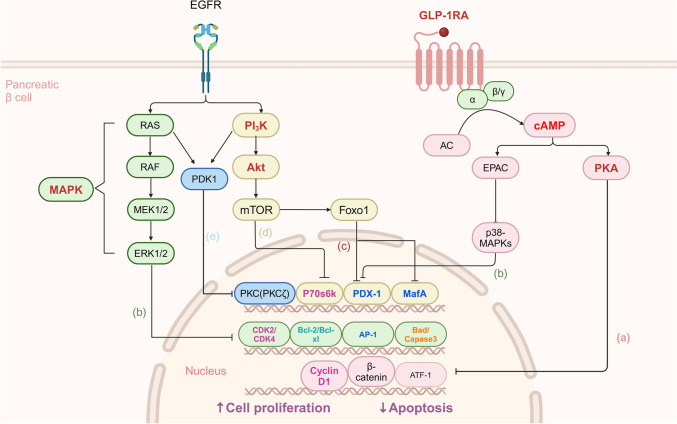
“Epac activates the MAPK pathway, thereby promoting the activity of cyclin-dependent kinase 2 (CDK2) and CDK4, which in turn facilitate β-cell differentiation and proliferation [35, 36] (Fig.”
Molecular mechanisms of diabetic cardiomyopathy
Bugger, H., & Abel, E. D. (2014) · Diabetologia · doi:10.1007/s00125-014-3171-6 · Cited by 903
Nikolaidis, L. A., Mankad, S., Sokos, G. G., Miske, G., Shah, A., Elahi, D., & Shannon, R. P. (2004) · Circulation · doi:10.1161/01.cir.0000120505.91348.58 · Cited by 901 · cited 1×
“Above all, these benefits of IV infusion of GLP-1 are confirmed in preliminary studies in humans [57, 58].”
Blood pressure variability and cardiovascular disease: systematic review and meta-analysis
Stevens, S. L., Wood, S., Koshiaris, C., Law, K., Glasziou, P., Stevens, R. J., & McManus, R. J. (2016) · BMJ · doi:10.1136/bmj.i4098 · Cited by 871
Semaglutide in Patients with Obesity-Related Heart Failure and Type 2 Diabetes
Kosiborod, M. N., Petrie, M. C., Borlaug, B. A., Butler, J., Davies, M. J., Hovingh, G. K., Kitzman, D. W., Møller, D. V., Treppendahl, M. B., Verma, S., et al. (2024) · New England Journal of Medicine · doi:10.1056/nejmoa2313917 · Cited by 758 · cited 1×
“In HF with preserved ejection fraction (HFpEF), GLP-1 RAs may not reduce HF hospitalization but might lower atherosclerotic event risks [66, 67].”
Mechanisms of action of glucagon-like peptide 1 in the pancreas
Doyle, M. E., & Egan, J. M. (2007) · Pharmacology & Therapeutics · doi:10.1016/j.pharmthera.2006.11.007 · Cited by 680 · cited 1×
“These factors have been demonstrated to enhance both β-cell proliferation and α-to-β-cell trans-differentiation [38–40].”
Sokos, G. G., Nikolaidis, L. A., Mankad, S., Elahi, D., & Shannon, R. P. (2006) · Journal of Cardiac Failure · doi:10.1016/j.cardfail.2006.08.211 · Cited by 656
Jorsal, A., Kistorp, C., Holmager, P., Tougaard, R. S., Nielsen, R., Hänselmann, A., Nilsson, B., Møller, J. E., Hjort, J., Rasmussen, J., et al. (2017) · European Journal of Heart Failure · doi:10.1002/ejhf.657 · Cited by 592 · cited 1×
“In HF with preserved ejection fraction (HFpEF), GLP-1 RAs may not reduce HF hospitalization but might lower atherosclerotic event risks [66, 67].”
The Influence of GLP-1 on Glucose-Stimulated Insulin Secretion
Kjems, L. L., Holst, J. J., Vølund, A., & Madsbad, S. (2003) · Diabetes · doi:10.2337/diabetes.52.2.380 · Cited by 582
mTOR coordinates protein synthesis, mitochondrial activity and proliferation
Morita, M., Gravel, S.-P., Hulea, L., Larsson, O., Pollak, M., St-Pierre, J., & Topisirovic, I. (2015) · Cell Cycle · doi:10.4161/15384101.2014.991572 · Cited by 552 · cited 1×
“Ex-4 Ex-4 exerts its influence on cell proliferation via the PKB/mTOR/p70S6K pathway [41].”
Exenatide reduces reperfusion injury in patients with ST-segment elevation myocardial infarction
Lønborg, J., Vejlstrup, N., Kelbæk, H., Bøtker, H. E., Kim, W. Y., Mathiasen, A. B., Jørgensen, E., Helqvist, S., Saunamäki, K., Clemmensen, P., et al. (2012) · European Heart Journal · doi:10.1093/eurheartj/ehr309 · Cited by 550 · cited 1×
“…respect to patients diagnosed with STEMI who are undergoing primary percutaneous coronary intervention (pPCI), the administration of exenatide during the reperfusion period is capable of remarkably augmenting the myocardial salvage ratio and diminishing the ultimate infarct dimension [99, 100].”
Nikolaidis, L. A., Elahi, D., Hentosz, T., Doverspike, A., Huerbin, R., Zourelias, L., Stolarski, C., Shen, Y.-T., & Shannon, R. P. (2004) · Circulation · doi:10.1161/01.cir.0000139339.85840.dd · Cited by 514 · cited 1×
“In addition, GLP-1 also improves myocardial insulin sensitivity and myocardial glucose uptake [55].”
GLP-1 physiology informs the pharmacotherapy of obesity
Drucker, D. J. (2022) · Molecular Metabolism · doi:10.1016/j.molmet.2021.101351 · Cited by 510 · cited 1×
“GLP-1 RAs are known to regulate glycemic metabolism, mitigate myocardial and lung injury, inhibit gastric emptying, reduce bone destruction, and provide neuroprotective effects [9–11].”
Timmers, L., Henriques, J. P. S., de Kleijn, D. P. V., DeVries, J. H., Kemperman, H., Steendijk, P., Verlaan, C. W. J., Kerver, M., Piek, J. J., Doevendans, P. A., et al. (2009) · Journal of the American College of Cardiology · doi:10.1016/j.jacc.2008.10.033 · Cited by 470 · cited 1×
“Moreover, in a porcine model, exenatide is ascertained to attenuate cardiomyocyte apoptosis and oxidative stress levels, which plays a role in cur-tailing the myocardial infarction area and precluding the impairment of cardiac systolic and diastolic functions [98].”
Wang, P., Alvarez-Perez, J.-C., Felsenfeld, D. P., Liu, H., Sivendran, S., Bender, A., Kumar, A., Sanchez, R., Scott, D. K., Garcia-Ocaña, A., et al. (2015) · Nature Medicine · doi:10.1038/nm.3820 · Cited by 404 · cited 1×
“…effects primarily operate via translocation of nuclear factor of activated T-cells (NFAT) transcription factors to the nucleus, with the consequent transactivation of cyclins such as cyclin A, CDKs such as CDK1, and repression of CDK-inhibitors such as p15 INK4 , p21 CIP1 , and p57 KIP2 [42, 43].”
Stratton, I. M., Cull, C. A., Adler, A. I., Matthews, D. R., Neil, H. A. W., & Holman, R. R. (2006) · Diabetologia · doi:10.1007/s00125-006-0297-1 · Cited by 360
Sun, F., Wu, S., Guo, S., Yu, K., Yang, Z., Li, L., Zhang, Y., Quan, X., Ji, L., & Zhan, S. (2015) · Diabetes Research and Clinical Practice · doi:10.1016/j.diabres.2015.07.015 · Cited by 304 · cited 2×
“Consequently, large, long-term, and specifically designed randomized controlled trials (RCTs) are necessary to accurately evaluate GLP-1 RAs’ impact on hypertension and determine their potential benefits and limitations [86].”
Helmstädter, J., Frenis, K., Filippou, K., Grill, A., Dib, M., Kalinovic, S., Pawelke, F., Kus, K., Kröller-Schön, S., Oelze, M., et al. (2020) · Arteriosclerosis, Thrombosis, and Vascular Biology · doi:10.1161/atv.0000615456.97862.30 · Cited by 283
Nikolaidis, L. A., Elahi, D., Shen, Y.-T., & Shannon, R. P. (2005) · American Journal of Physiology-Heart and Circulatory Physiology · doi:10.1152/ajpheart.00347.2005 · Cited by 274 · cited 1×
“These benefits are also present in the presence of active metabolite of GLP-1 [56].”
Antihypertensive effect of glucagon-like peptide 1 in Dahl salt-sensitive rats
Yu, M., Moreno, C., Hoagland, K. M., Dahly, A., Ditter, K., Mistry, M., & Roman, R. J. (2003) · Journal of Hypertension · doi:10.1097/00004872-200306000-00012 · Cited by 273 · cited 1×
“Recent research indicates that GLP-1 RAs reduce hypertension development in animal models like Dahl salt-sensitive (DSS) rats [73], spontaneously hypertensive rats (SHRs) [74], and angiotensin II-infused C57BL/6 J mice [75].”
MacDonald, P. E., & Wheeler, M. B. (2003) · Diabetologia · doi:10.1007/s00125-003-1159-8 · Cited by 263 · cited 1×
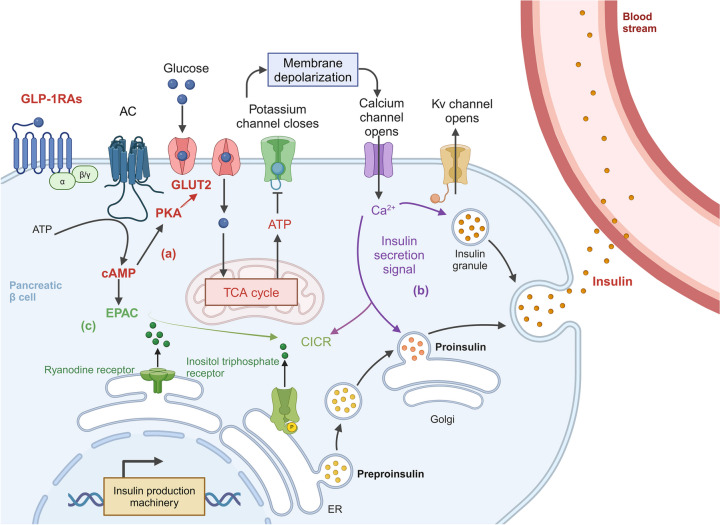
“It is proposed that Ex-4 acts to counteract potassium outflow, thereby delaying repolarization and increasing Ca 2 ⁺ influx, which in turn enhances insulin secretion [27].”
de Heer, J., Rasmussen, C., Coy, D. H., & Holst, J. J. (2008) · Diabetologia · doi:10.1007/s00125-008-1149-y · Cited by 239
MEK1-ERK2 Signaling Pathway Protects Myocardium From Ischemic Injury In Vivo
Lips, D. J., Bueno, O. F., Wilkins, B. J., Purcell, N. H., Kaiser, R. A., Lorenz, J. N., Voisin, L., Saba-El-Leil, M. K., Meloche, S., Pouysségur, J., et al. (2004) · Circulation · doi:10.1161/01.cir.0000127126.73759.23 · Cited by 233 · cited 1×
“Epac activates the MAPK pathway, thereby promoting the activity of cyclin-dependent kinase 2 (CDK2) and CDK4, which in turn facilitate β-cell differentiation and proliferation [35, 36] (Fig.”
Lønborg, J., Kelbæk, H., Vejlstrup, N., Bøtker, H. E., Kim, W. Y., Holmvang, L., Jørgensen, E., Helqvist, S., Saunamäki, K., Terkelsen, C. J., et al. (2012) · Circulation: Cardiovascular Interventions · doi:10.1161/circinterventions.112.968388 · Cited by 210 · cited 1×
“…respect to patients diagnosed with STEMI who are undergoing primary percutaneous coronary intervention (pPCI), the administration of exenatide during the reperfusion period is capable of remarkably augmenting the myocardial salvage ratio and diminishing the ultimate infarct dimension [99, 100].”
Endothelial Dysfunction and Diabetic Cardiomyopathy
Wang, M., Li, Y., Li, S., & Lv, J. (2022) · Frontiers in Endocrinology · doi:10.3389/fendo.2022.851941 · Cited by 207 · cited 1×
“Epidemiological studies have demonstrated a correlation between hyperglycemia and the severity of cardiovascular dysfunction and mortality in patients with DM [3, 4].”
Tirzepatide Reduces LV Mass and Paracardiac Adipose Tissue in Obesity-Related Heart Failure
Kramer, C. M., Borlaug, B. A., Zile, M. R., Ruff, D., DiMaria, J. M., Menon, V., Ou, Y., Zarante, A. M., Hurt, K. C., Murakami, M., et al. (2025) · Journal of the American College of Cardiology · doi:10.1016/j.jacc.2024.11.001 · Cited by 200
Balestrieri, M. L., Rizzo, M. R., Barbieri, M., Paolisso, P., D’Onofrio, N., Giovane, A., Siniscalchi, M., Minicucci, F., Sardu, C., D’Andrea, D., et al. (2015) · Diabetes · doi:10.2337/db14-1149 · Cited by 196 · cited 1×
“…instance, in carotid endarterectomy procedures for diabetic patients, preoperative administration of GLP-1 RAs has been demonstrated to markedly enhance the expression of proteins that improve inflammatory pathways in diabetic atherosclerotic lesions, thereby promoting plaque stabilization [106].”
Zhang, X., Ji, R., Liao, X., Castillero, E., Kennel, P. J., Brunjes, D. L., Franz, M., Möbius-Winkler, S., Drosatos, K., George, I., et al. (2018) · Circulation · doi:10.1161/circulationaha.117.030486 · Cited by 186 · cited 1×
“HF is a clinical syndrome marked by rising incidence, prevalence, and high mortality [53].”
Self-citationTranscription factor FoxO1 mediates glucagon-like peptide-1 effects on pancreatic β-cell mass
Buteau, J., Spatz, M. L., & Accili, D. (2006) · Diabetes · doi:10.2337/db05-0825 · Cited by 178
Borlaug, B. A., Zile, M. R., Kramer, C. M., Baum, S. J., Hurt, K., Litwin, S. E., Murakami, M., Ou, Y., Upadhyay, N., & Packer, M. (2025) · Nature Medicine · doi:10.1038/s41591-024-03374-z · Cited by 166 · cited 1×
“Additionally, it is demonstrated that it can improve multiple biomarkers (such as C-reactive protein, N-terminal prohormone B-type natriuretic peptide, and troponin T, among others), relieve systemic inflammation, and curtail myocardial injury [69].”
Lund, A., Knop, F. K., & Vilsbøll, T. (2014) · European Journal of Internal Medicine · doi:10.1016/j.ejim.2014.03.005 · Cited by 165 · cited 1×
“However, native GLP-1 has a short half-life of approximately 2–3 min, limiting its therapeutic potential [12].”
Neumiller, J. J. (2009) · Journal of the American Pharmacists Association · doi:10.1331/japha.2009.09078 · Cited by 161 · cited 1×
“To overcome this limitation, several GLP-1 RAs with longer half-lives have been developed to mimic the role of endogenous GLP-1 [13].”
Protein Kinase Activation Increases Insulin Secretion by Sensitizing the Secretory Machinery to Ca2+
Wan, Q.-F., Dong, Y., Yang, H., Lou, X., Ding, J., & Xu, T. (2004) · The Journal of General Physiology · doi:10.1085/jgp.200409082 · Cited by 144 · cited 1×
“This results in an increase in the cytoplasmic calcium concentration, which enhances insulin secretion from β-cells [24–26] (Fig.”
GLP-1 Receptor Agonists and Cardiovascular Disease in Patients with Type 2 Diabetes
del Olmo-Garcia, M. I., & Merino-Torres, J. F. (2018) · Journal of Diabetes Research · doi:10.1155/2018/4020492 · Cited by 138
Nikolaidis, L. A., Doverspike, A., Hentosz, T., Zourelias, L., Shen, Y.-T., Elahi, D., & Shannon, R. P. (2005) · The Journal of Pharmacology and Experimental Therapeutics · doi:10.1124/jpet.104.073890 · Cited by 137 · cited 1×
“The study of Lazaros et al. firstly demonstrates the utility of a novel metabolic agent, GLP-1, in attenuating myocardial stunning after ischemia–reperfusion in canine models [97].”
Wei, R., Ma, S., Wang, C., Ke, J., Yang, J., Li, W., Liu, Y., Hou, W., Feng, X., Wang, G., et al. (2016) · American Journal of Physiology-Endocrinology and Metabolism · doi:10.1152/ajpendo.00400.2015 · Cited by 137 · cited 2×
“Vasodilation is achieved by activating endothelial nitric oxide synthase (eNOS) and increasing nitric oxide (NO) production via the cAMP/PKA, AMPK, and PI 3 K/Akt signaling pathways [17].”
Kimura, R., Okouchi, M., Fujioka, H., Ichiyanagi, A., Ryuge, F., Mizuno, T., Imaeda, K., Okayama, N., Kamiya, Y., Asai, K., et al. (2009) · Neuroscience · doi:10.1016/j.neuroscience.2009.05.025 · Cited by 133 · cited 1×
“The primary effectors of cAMP, protein kinase A (PKA), and the cAMP-regulated guanine nucleotide exchange factor (Epac) play crucial roles in this process [22].”
Gill, A., Hoogwerf, B. J., Burger, J., Bruce, S., MacConell, L., Yan, P., Braun, D., Giaconia, J., & Malone, J. (2010) · Cardiovascular Diabetology · doi:10.1186/1475-2840-9-6 · Cited by 133
Ramracheya, R., Chapman, C., Chibalina, M., Dou, H., Miranda, C., González, A., Moritoh, Y., Shigeto, M., Zhang, Q., Braun, M., et al. (2018) · Physiological Reports · doi:10.14814/phy2.13852 · Cited by 128
Glucagon-Like-Peptide-1 Receptor Expression in Normal and Diseased Human Thyroid and Pancreas
Waser, B., Blank, A., Karamitopoulou, E., Perren, A., & Reubi, J. C. (2015) · Modern Pathology · doi:10.1038/modpathol.2014.113 · Cited by 119 · cited 1×
“In contrast, the introduction of a monoclonal somatostatin antibody resulted in only partial inhibition [50, 51].”
Chen, A., Chen, Z., Xia, Y., Lu, D., Yang, X., Sun, A., Zou, Y., Qian, J., & Ge, J. (2018) · Biochemical and Biophysical Research Communications · doi:10.1016/j.bbrc.2018.03.142 · Cited by 113 · cited 2×
“A substantial body of evidence from animal studies [92–95] and clinical trials [96–101] indicates that GLP-1 RAs have a marked effect in ameliorating myocardial ischemia, reducing reperfusion injury, decreasing infarct size, and enhancing cardiac function.”
Cyclic AMP Signaling in Pancreatic Islets
Furman, B. L., Ong, W. K., & Pyne, N. J. (2010) · Advances in experimental medicine and biology · doi:10.1007/978-90-481-3271-3_13 · Cited by 110 · cited 1×
“Ex-4 binds to receptors on pancreatic β-cell, activating adenylyl cyclase (AC) and cAMP, which in turn activate PKA and Epac [33].”
GLP1R Attenuates Sympathetic Response to High Glucose via Carotid Body Inhibition
Pauza, A. G., Thakkar, P., Tasic, T., Felippe, I., Bishop, P., Greenwood, M. P., Rysevaite-Kyguoliene, K., Ast, J., Broichhagen, J., Hodson, D. J., et al. (2022) · Circulation Research · doi:10.1161/circresaha.121.319874 · Cited by 106 · cited 1×
“Recent research indicates that GLP-1 RAs reduce hypertension development in animal models like Dahl salt-sensitive (DSS) rats [73], spontaneously hypertensive rats (SHRs) [74], and angiotensin II-infused C57BL/6 J mice [75].”
The role of somatostatin in GLP-1-induced inhibition of glucagon secretion in mice
Ørgaard, A., & Holst, J. J. (2017) · Diabetologia · doi:10.1007/s00125-017-4315-2 · Cited by 101
Eid, R. A., Bin-Meferij, M. M., El-kott, A. F., Eleawa, S. M., Zaki, M. S. A., Al-Shraim, M. M., El-Sayed, F., Eldeen, M. A., Alkhateeb, M. A., Alharbi, S., et al. (2020) · Journal of Cardiovascular Translational Research · doi:10.1007/s12265-020-09984-5 · Cited by 98 · cited 2×
“Ultimately, this led to a reduction in infarct size and the preservation of cardiac function and structure [92].”
New Insights into Beta-Cell GLP-1 Receptor and cAMP Signaling
Tomas, A., Jones, B., & Leech, C. (2020) · Journal of Molecular Biology · doi:10.1016/j.jmb.2019.08.009 · Cited by 86 · cited 1×
“These factors have been demonstrated to enhance both β-cell proliferation and α-to-β-cell trans-differentiation [38–40].”
Joubert, M., Manrique, A., Cariou, B., & Prieur, X. (2019) · Diabetes & Metabolism · doi:10.1016/j.diabet.2018.07.003 · Cited by 81 · cited 1×
“These factors alter myocardial mitochondrial function, induce apoptosis, and impact cardiac contractility [5].”
Nuamnaichati, N., Mangmool, S., Chattipakorn, N., & Parichatikanond, W. (2020) · Frontiers in Pharmacology · doi:10.3389/fphar.2020.00805 · Cited by 81 · cited 1×
“Moreover, endothelial cell inflammation results in the proliferation, migration, and apoptosis of vascular smooth muscle cells (VSMCs), thereby fostering intimal thickening and vascular remodeling and accelerating the deposition of atherosclerotic plaques [6].”
The Role of the Inflammasome in Heart Failure
Wu, J., Dong, E., Zhang, Y., & Xiao, H. (2021) · Frontiers in Physiology · doi:10.3389/fphys.2021.709703 · Cited by 81 · cited 1×
“Inflammation significantly contributes to HF pathogenesis and progression [60].”
Lee, M.-Y., Tsai, K.-B., Hsu, J.-H., Shin, S.-J., Wu, J.-R., & Yeh, J.-L. (2016) · Scientific Reports · doi:10.1038/srep31788 · Cited by 80 · cited 1×
“This pathway regulates vascular tension, prevents remodeling, and alleviates PAH symptoms [81].”
Amplification of exocytosis by Ca2+‐induced Ca2+ release in INS‐1 pancreatic β cells
Kang, G., & Holz, G. G. (2003) · The Journal of Physiology · doi:10.1113/jphysiol.2002.029959 · Cited by 75
Clinical pharmacology of glucagon-like peptide-1 receptor agonists
Sfairopoulos, D. G., Liatis, S., Tigas, S. K., & Liberopoulos, E. N. (2018) · HORMONES · doi:10.1007/s42000-018-0038-0 · Cited by 74 · cited 1×
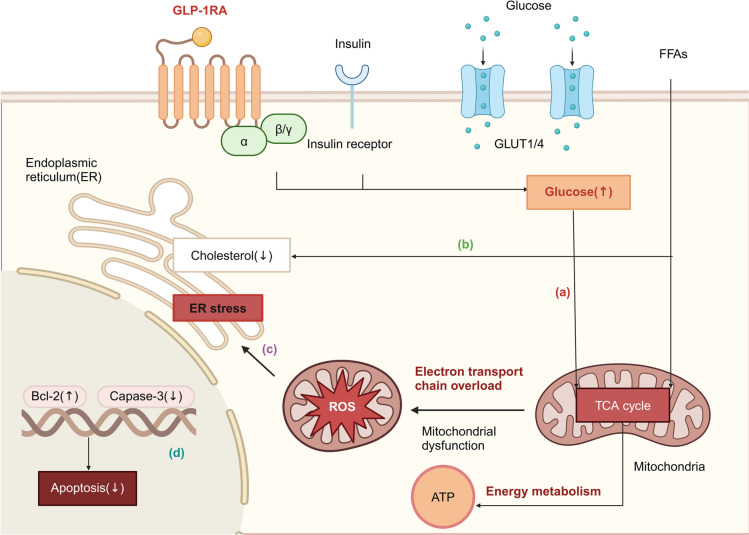
“They reduce caspase-3 mRNA activity and enhance the expression of anti-apoptotic genes, including Bcl-2 and Bcl-xl [45, 46].”
Martins, F. L., Bailey, M. A., & Girardi, A. C. C. (2020) · Hypertension · doi:10.1161/hypertensionaha.120.14868 · Cited by 74
Zhang, L., Tian, J., Diao, S., Zhang, G., Xiao, M., & Chang, D. (2020) · Chemico-Biological Interactions · doi:10.1016/j.cbi.2020.109252 · Cited by 73 · cited 2×
“In cardiac injury contexts, immune cells produce inflammatory mediators, impairing contractile function; however, liraglutide has been shown to significantly mitigate these effects [30, 31].”
Protein Kinase A-dependent Phosphorylation of GLUT2 in Pancreatic β Cells
Thorens, B., Dériaz, N., Bosco, D., DeVos, A., Pipeleers, D., Schuit, F., Meda, P., & Porret, A. (1996) · Journal of Biological Chemistry · doi:10.1074/jbc.271.14.8075 · Cited by 69
Epac is Required for GLP-1R-Mediated Inhibition of Oxidative Stress and Apoptosis in Cardiomyocytes
Mangmool, S., Hemplueksa, P., Parichatikanond, W., & Chattipakorn, N. (2015) · Molecular Endocrinology · doi:10.1210/me.2014-1346 · Cited by 69 · cited 1×
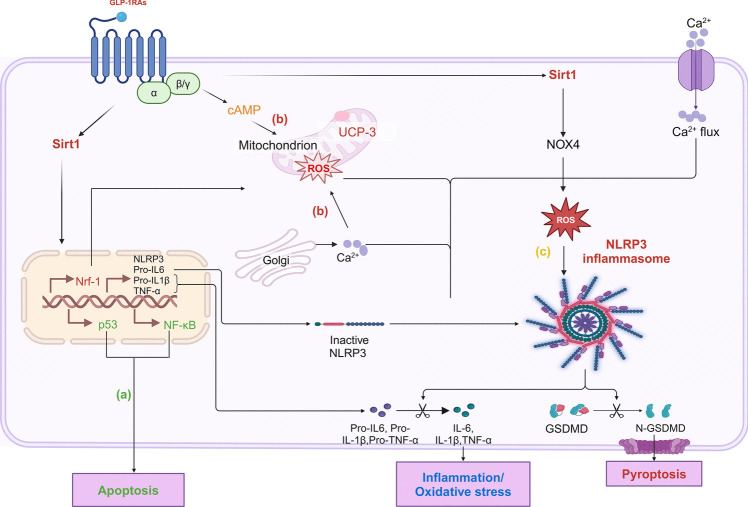
“GLP-1 RAs such as exenatide and liraglutide modulate signaling pathways to reduce oxidative stress, reactive oxygen species (ROS) production, and apoptosis [62, 63] (Fig.”
Glucagon-like peptide-1 receptors in the kidney: impact on renal autoregulation
Hviid, A. V. R., & Sørensen, C. M. (2020) · American Journal of Physiology-Renal Physiology · doi:10.1152/ajprenal.00280.2019 · Cited by 69
Chen, J., Wang, D., Wang, F., Shi, S., Chen, Y., Yang, B., Tang, Y., & Huang, C. (2017) · Peptides · doi:10.1016/j.peptides.2017.02.008 · Cited by 65 · cited 1×
“Ex-4 also restores SERCA2a expression and activity via the eNOS/ cGMP/PKG pathway, reducing cytoplasmic Ca 2+ levels and suppressing structural remodeling in HF rats [64].”
Exendin-4 attenuates cardiac hypertrophy via AMPK/mTOR signaling pathway activation
Zhou, Y., He, X., Chen, Y., Huang, Y., Wu, L., & He, J. (2015) · Biochemical and Biophysical Research Communications · doi:10.1016/j.bbrc.2015.09.179 · Cited by 62 · cited 1×
“These studies reveal that GLP-1 RAs not only decrease oxidative stress and inflammation in endothelial cells but also inhibit cardiac hypertrophy and fibrosis by regulating myocardial proliferation and apoptosis [76].”
Ackeifi, C. A., Swartz, E., Kumar, K., Liu, H., Suebsuwong, C., Karaköse, E., Scott, D. K., García-Ocaña, A., Sánchez, R., DeVita, R. J., et al. (2020) · JCI Insight · doi:10.1172/jci.insight.132594 · Cited by 61 · cited 1×
“…effects primarily operate via translocation of nuclear factor of activated T-cells (NFAT) transcription factors to the nucleus, with the consequent transactivation of cyclins such as cyclin A, CDKs such as CDK1, and repression of CDK-inhibitors such as p15 INK4 , p21 CIP1 , and p57 KIP2 [42, 43].”
Yue, W., Li, Y., Ou, D., & Yang, Q. (2019) · IUBMB Life · doi:10.1002/iub.2046 · Cited by 60 · cited 1×
“Moreover, liraglutide can activate ERK5 signaling in endothelial cells, mitigating endothelial dysfunction [61].”
Chang, G., Zhang, D., Liu, J., Zhang, P., Ye, L., Lu, K., Duan, Q., Zheng, A., & Qin, S. (2014) · Experimental Biology and Medicine · doi:10.1177/1535370214522177 · Cited by 59 · cited 1×
“…to mitigate mitochondrial oxidative stress, reduce Ca 2 ⁺ overload, inhibit fission, and close the mitochondrial permeability transition pore (mPTP), collectively preventing cardiomyocyte apoptosis by inhibiting the release of proapoptotic proteins such as cytochrome c and caspase-3 [94].”
Shao, W., Wang, Z., Ip, W., Chiang, Y.-T., Xiong, X., Chai, T., Xu, C., Wang, Q., & Jin, T. (2013) · American Journal of Physiology-Endocrinology and Metabolism · doi:10.1152/ajpendo.00600.2012 · Cited by 58 · cited 1×
“In streptozotocin-induced diabetic mice, Ex-4 has been observed to regulate the cell cycle via the PKA/activating transcription factor 1 (ATF-1)/β-catenin/cyclin D1 pathway, thereby enhancing proliferation of β-cell [34].”
Rivera, F. B., Lumbang, G. N. O., Gaid, D. R. M., Cruz, L. L. A., Magalong, J. V., Bantayan, N. R. B., Lara‐Breitinger, K. M., Gulati, M., & Bakris, G. (2024) · Diabetes, Obesity and Metabolism · doi:10.1111/dom.15529 · Cited by 57 · cited 1×
“These contradictory findings suggest that GLP-1 RAs’ effects on DBP may vary across studies [90, 91].”
GLP-1 and Underlying Beneficial Actions in Alzheimer’s Disease, Hypertension, and NASH
Li, Q.-X., Gao, H., Guo, Y.-X., Wang, B.-Y., Hua, R.-X., Gao, L., Shang, H.-W., Lu, X., & Xu, J.-D. (2021) · Frontiers in Endocrinology · doi:10.3389/fendo.2021.721198 · Cited by 56 · cited 1×
“In hypertension models, GLP-1 RAs exert beneficial effects through multiple mechanisms including vascular vasodilation, diuresis, decreased sympathetic activity in the central nervous system, and reduced blood pressure variability (BPV) [15].”
Thomas, M. C., Coughlan, M. T., & Cooper, M. E. (2023) · Cell Metabolism · doi:10.1016/j.cmet.2023.01.004 · Cited by 56
Pandey, S., Mangmool, S., & Parichatikanond, W. (2023) · Pharmaceuticals · doi:10.3390/ph16060836 · Cited by 56 · cited 1×
“In cardiac injury contexts, immune cells produce inflammatory mediators, impairing contractile function; however, liraglutide has been shown to significantly mitigate these effects [30, 31].”
Glucagon-Like Peptide-1 Receptor Agonists Across the Spectrum of Heart Failure
Ferreira, J. P., Sharma, A., Butler, J., Packer, M., Zannad, F., Vasques-Nóvoa, F., Leite-Moreira, A., & Neves, J. S. (2023) · The Journal of Clinical Endocrinology & Metabolism · doi:10.1210/clinem/dgad398 · Cited by 54 · cited 1×
“While GLP-1 RAs are beneficial in reducing body weight and improving cardiovascular outcomes in type 2 diabetes mellitus (T2DM) patients, their effects vary in HF with differing ejection fractions [65].”
Valks, D. M., Cook, S. A., Pham, F. H., Morrison, P. R., Clerk, A., & Sugden, P. H. (2002) · Journal of Molecular and Cellular Cardiology · doi:10.1006/jmcc.2002.2014 · Cited by 53
Progress in Therapies for Myocardial Ischemia Reperfusion Injury
Chi, H., Chen, M., Yang, X., Lin, X., Sun, H., Zhao, W., Qi, D., Dong, J.-L., & Cai, J. (2016) · Current Drug Targets · doi:10.2174/1389450117666160401120308 · Cited by 51 · cited 2×
“A substantial body of evidence from animal studies [92–95] and clinical trials [96–101] indicates that GLP-1 RAs have a marked effect in ameliorating myocardial ischemia, reducing reperfusion injury, decreasing infarct size, and enhancing cardiac function.”
Chang, G., Liu, J., Qin, S., Jiang, Y., Zhang, P., Yu, H., Lu, K., Zhang, N., Cao, L., Wang, Y., et al. (2017) · International Journal of Molecular Medicine · doi:10.3892/ijmm.2017.3318 · Cited by 48 · cited 1×
“Chang et al. proposed that exenatide upregulates uncoupling protein-3 (UCP-3) and nuclear respiratory factor-1 (Nrf-1) in cardiomyocytes subjected to ischemia/reperfusion (I/R) via the cAMP/PKA pathway, thereby facilitating mitochondrial homeostasis [93].”
Bernink, F. J. P., Timmers, L., Diamant, M., Scholte, M., Beek, A. M., Kamp, O., Marques, K. M. J., Denham, R. N., Chen, W. J. Y., Doevendans, P. A., et al. (2013) · International Journal of Cardiology · doi:10.1016/j.ijcard.2012.09.204 · Cited by 46 · cited 2×
“A substantial body of evidence from animal studies [92–95] and clinical trials [96–101] indicates that GLP-1 RAs have a marked effect in ameliorating myocardial ischemia, reducing reperfusion injury, decreasing infarct size, and enhancing cardiac function.”
Margulies, K. B., Anstrom, K. J., Hernandez, A. F., Redfield, M. M., Shah, M. R., Braunwald, E., & Cappola, T. P. (2014) · Circulation: Heart Failure · doi:10.1161/circheartfailure.114.000346 · Cited by 46
Tang, S.-T., Zhang, Q., Tang, H.-Q., Wang, C.-J., Su, H., Zhou, Q., Wei, W., Zhu, H.-Q., & Wang, Y. (2016) · Endocrine · doi:10.1007/s12020-015-0852-y · Cited by 46 · cited 1×
“This results in increased NO bioavailability, improved oxidative stress, and enhanced coronary blood flow in diabetic rats [104].”
Katsurada, K., Nakata, M., Saito, T., Zhang, B., Maejima, Y., Nandi, S. S., Sharma, N. M., Patel, K. P., Kario, K., & Yada, T. (2019) · Scientific Reports · doi:10.1038/s41598-019-49364-x · Cited by 46 · cited 1×
“Solitary tract neurons in the brainstem, reactive to dopamine beta-hydrox-ylase (DBH), play crucial roles in reducing sympathetic activity in response to GLP-1 RAs [78].”
Graves, T. K., & Hinkle, P. M. (2003) · Endocrinology · doi:10.1210/en.2002-0104 · Cited by 45
GLP-1/Exendin-4 induces β-cell proliferation via the epidermal growth factor receptor
Fusco, J., Xiao, X., Prasadan, K., Sheng, Q., Chen, C., Ming, Y.-C., & Gittes, G. (2017) · Scientific Reports · doi:10.1038/s41598-017-09898-4 · Cited by 43 · cited 1×
“In C57BL/6 mice, the absence of EGFR in β-cell results in glucose intolerance, underscoring the importance of EGFR in insulin secretion and β-cell proliferation [37].”
Liakos, A., Lambadiari, V., Bargiota, Α., Kitsios, K., Avramidis, I., Kotsa, K., Gerou, S., Boura, P., Tentolouris, N., Dimitriadis, G., et al. (2018) · Diabetes Obesity and Metabolism · doi:10.1111/dom.13541 · Cited by 42 · cited 1×
“Liakos et al. noted that short-term liraglutide treatment favorably affected SBP based on 24-h ambulatory measurements, with minimal impact on diastolic blood pressure (DBP) [85].”
Clinical Pharmacology of Albiglutide, a GLP-1 Receptor Agonist
Young, M. A., Wald, J. A., Matthews, J. E., Scott, R., Hodge, R. J., Zhi, H., & Reinhardt, R. R. (2014) · Postgraduate Medicine · doi:10.3810/pgm.2014.11.2836 · Cited by 41
Use of Liraglutide 3.0 mg for Weight Management in a Real-World Setting in Switzerland
Haase, C. L., Serratore Achenbach, M. G., Lucrezi, G., Jeswani, N., Maurer, S., & Egermann, U. (2021) · Obesity Facts · doi:10.1159/000518325 · Cited by 41 · cited 1×
“These contradictory findings suggest that GLP-1 RAs’ effects on DBP may vary across studies [90, 91].”
Contemporary Classification of Glucagon-Like Peptide 1 Receptor Agonists (GLP1RAs)
Kalra, S., Bhattacharya, S., & Kapoor, N. (2021) · Diabetes Therapy · doi:10.1007/s13300-021-01113-y · Cited by 38 · cited 1×
“Short-acting options include exenatide and lixisenatide, while long-acting ones include liraglutide, albiglutide, tirzepatide, dulaglutide, semaglutide, and poly-ethylene glycol loxenatide (PEX-168) [19].”
Silvestre, R. A., Rodríguez‐Gallardo, J., Egido, E. M., & Marco, J. (2003) · European Journal of Pharmacology · doi:10.1016/s0014-2999(03)01692-3 · Cited by 36
Zhang, J., Xian, T.-Z., Wu, M.-X., Li, C., Pan, Q., & Guo, L.-X. (2020) · Cardiovascular Diabetology · doi:10.1186/s12933-020-01014-7 · Cited by 32
Son, D. O., Liu, W., Li, X., Prud’homme, G. J., & Wang, Q. (2019) · Journal of Diabetes · doi:10.1111/1753-0407.12881 · Cited by 31 · cited 1×
“Clinical studies indicate that GLP-1 RAs promote β-cell proliferation, improve survival, and facilitate regeneration, thereby underscoring their potential for therapeutic intervention in cases of pancreatic β-cell dysfunction [32].”
Bai, X., Hao, J.-T., Zheng, R., Yan, C.-P., Wang, J., Yang, C., Zhang, W., & Zhao, Z. (2020) · Cardiovascular Drugs and Therapy · doi:10.1007/s10557-020-07088-5 · Cited by 30 · cited 1×
“GLP-1 RAs such as exenatide and liraglutide modulate signaling pathways to reduce oxidative stress, reactive oxygen species (ROS) production, and apoptosis [62, 63] (Fig.”
Yang, T., & Zhang, D. (2023) · Ageing Research Reviews · doi:10.1016/j.arr.2023.101884 · Cited by 30
Chen, K., Jin, H., Wu, Z., Zhang, B., Wu, J., Huang, Z., Huang, Y., Lu, X., & Zheng, X.-T. (2024) · Molecular Medicine · doi:10.1186/s10020-024-00817-8 · Cited by 30 · cited 1×
“The excessive proliferation of VSMCs could accelerate the deposition of atherosclerotic plaques in the vascular intima, leading to intimal thickening and vascular remodeling [102, 103].”
Exenatide inhibits NF-κB and attenuates ER stress in diabetic cardiomyocyte models
Fu, Z., Mui, D., Zhu, H., & Zhang, Y. (2020) · Aging · doi:10.18632/aging.103181 · Cited by 29 · cited 1×
“These mechanisms contribute to the cardioprotective effects of GLP-1 RAs in diabetic myocardial diseases [105].”
Microneedles with Two-Stage Glucose-Sensitive Controlled Release for Long-Term Insulin Delivery
Wang, Y., Yu, H., Wang, L., Hu, J., Feng, J., Shen, D., Hong, Y., Liu, J., & Chen, D. (2023) · ACS Biomaterials Science & Engineering · doi:10.1021/acsbiomaterials.3c00137 · Cited by 29
Jalil, J., Gabrielli, L., Ocaranza, M. P., MacNab, P., Fernández, R., Grassi, B. A., Jofré, P., Verdejo, H., Acevedo, M., Córdova, S., et al. (2024) · International Journal of Molecular Sciences · doi:10.3390/ijms25084407 · Cited by 28 · cited 1×
“In models of heart failure (HF), GLP-1 RAs have been observed to alter energy substrate utilization, alleviate myocardial and endothelial inflammation, mitigate oxidative stress, and antagonize myocardial remodeling [14].”
Present and future of drug therapy in hypertension: an overview
Redón, J., & Carmena, R. (2024) · Blood Pressure · doi:10.1080/08037051.2024.2320401 · Cited by 27 · cited 1×
“Hypertension, a chronic cardiovascular disease, affects a large number of individuals, with its prevalence increasing, making it a major cause of mortality and disability [72].”
GLP-1, Parkinson’s Disease, and Neuroprotection
Standaert, D. G. (2024) · New England Journal of Medicine · doi:10.1056/nejme2401743 · Cited by 27
Karaköse, E., Wang, X., Wang, P., Carcamo, S., Demircioğlu, D., Lambertini, L., Wood, O., Kang, R. B., Lu, G., Scott, D. K., et al. (2024) · Cell Reports Medicine · doi:10.1016/j.xcrm.2024.101832 · Cited by 27 · cited 1×
“It is noted that, whether in vitro or in vivo experiments, the combination of harmine and Ex-4 can significantly promote the proliferation of human β-cells compared with harmine alone, which may also be related to the promotion of trans-differentiation from α-cells to β-cells [44].”
Muskiet, M. H. A., Bunck, M. C. M., Heine, R. J., Cornér, A., Yki‐Järvinen, H., Eliasson, B., Joles, J. A., Diamant, M., Tonneijck, L., & van Raalte, D. H. (2019) · Diabetes Research and Clinical Practice · doi:10.1016/j.diabres.2019.05.001 · Cited by 23
Exendin-4 improves cardiovascular function and survival in flow-induced pulmonary hypertension
Roan, J., Hsu, C., Fang, S., Tsai, H.-W., Luo, C.-Y., Huang, C.-C., & Lam, C.-F. (2017) · Journal of Thoracic and Cardiovascular Surgery · doi:10.1016/j.jtcvs.2017.10.085 · Cited by 22 · cited 1×
“Current studies support that lira-glutide can prevent and treat worsening PAH symptoms [82].”
Hyperglycaemia and its relation to cardiovascular morbidity and mortality: has it been resolved?
Yosefy, C. (2003) · Acta Diabetologica · doi:10.1007/s00592-003-0124-9 · Cited by 19 · cited 1×
“Epidemiological studies have demonstrated a correlation between hyperglycemia and the severity of cardiovascular dysfunction and mortality in patients with DM [3, 4].”
Mari, A., Prato, S. D., Ludvik, B. H., Miličević, Z., de la Peña, A., Shurzinske, L., Karanikas, C. A., & Pechtner, V. (2016) · Diabetes Obesity and Metabolism · doi:10.1111/dom.12671 · Cited by 18 · cited 1×
“Furthermore, GLP-1 RAs have been demonstrated to enhance β-cell sensitivity to glucose by modulating K ATP channel activity, as evidenced by observations in both animal and human studies [28, 29] (Fig.”
Senior, P. A. (2021) · Atherosclerosis · doi:10.1016/j.atherosclerosis.2021.09.001 · Cited by 13 · cited 1×
“These two conditions are closely interrelated, with DM representing a significant risk factor for CVD due to factors such as obesity, hypercholesterolemia, atherosclerosis, microcirculation disorders, and hypertension [1, 2].”
Shi, L., Hao, M., Jin, Z.-Y., Peng, G.-F., Tang, Y.-Y., & Kuang, H. (2022) · Disease Markers · doi:10.1155/2022/5013622 · Cited by 13 · cited 1×
“The excessive proliferation of VSMCs could accelerate the deposition of atherosclerotic plaques in the vascular intima, leading to intimal thickening and vascular remodeling [102, 103].”
Graham, G. V., McLaughlin, C. M., & Flatt, P. R. (2020) · Diabetes Obesity and Metabolism · doi:10.1111/dom.14171 · Cited by 12 · cited 1×
“Drugs that activate GLP-1 R in a similar manner are collectively designated as GLP-1 RAs [18].”
Chen, M., Angeli, F. S., Shen, Y., & Shannon, R. P. (2014) · Cardiovascular Diabetology · doi:10.1186/s12933-014-0115-x · Cited by 9 · cited 1×
“Various studies have shown the beneficial effects of GLP-1 RAs in HF treat-ment, primarily by enhancing the expression of glucose transporters GLUT1 and GLUT4 via the AMPK/cAMP/ PKA pathway, which boosts glucose uptake and improves cardiac function [59].”
JENDLE, J. H., Fang, X. L., Cao, Y., Bojö, L., Nilsson, B., Hedberg, F., Santos‐Pardo, I., & Nyström, T. (2018) · Journal of the American Society of Hypertension · doi:10.1016/j.jash.2018.02.003 · Cited by 8 · cited 1×
“Similarly, Jendle et al. reported that 1.8 mg/day liraglutide did not effectively reduce SBP compared to 4 mg/day glimepiride (a sulfonylurea) [89].”
InfluentialLiraglutide in Heart Failure: Caution is Needed
Michel Komajda, N. (2017) · European Journal of Heart Failure · doi:10.1002/ejhf.707 · Cited by 6 · cited 1×
“Conversely, in HF with reduced ejection fraction (HFrEF), especially in advanced stages, caution is necessary due to potential increases in heart rate and arrhythmic events [71].”
Xu, Y., Chen, C., Yang, Y., Ai, S., Ao, W., Kong, L., Zhang, Y., Li, J., & Xiao, J. (2023) · Gerontology · doi:10.1159/000527675 · Cited by 5 · cited 1×
“3 GLP-1 RAs such as exenatide and liraglutide modulate signaling pathways to reduce oxidative stress, reactive oxygen species (ROS) production, and apoptosis the Akt signaling pathway [80].”
Cited by
GLP-1 agonists and exercise: the future of lifestyle prioritization
Codella, R., Senesi, P., & Luzi, L. (2025) · Frontiers in Clinical Diabetes and Healthcare · doi:10.3389/fcdhc.2025.1720794 · Cited by 16
Wang, T., Li, H., Wang, C., Li, X., Deng, A., & Jiao, X. (2025) · Experimental Eye Research · doi:10.1016/j.exer.2025.110644 · Cited by 16
The critical role of GLP-1 signaling pathways in the pathology of Parkinson's disease and diabetes
Chen, J., Dong, X., Lin, Y., & Lv, C. (2025) · Pathology - Research and Practice · doi:10.1016/j.prp.2025.155985 · Cited by 7
Jogani, V. G., Elfadil, O. M., Varayil, J. E., & Mundi, M. S. (2025) · Current Opinion in Critical Care · doi:10.1097/mcc.0000000000001294 · Cited by 11
邵倩, Xiong, J., Wu, J., Mao, J., & Hu, Q. (2026) · Frontiers in Molecular Biosciences · doi:10.3389/fmolb.2025.1729904 · Cited by 5
Metadata
- Authors
- Zhang, X., Cao, C., Zheng, F., Liu, C., & Tian, X.
- Affiliations
- Shandong Provincial QianFoShan Hospital (CN)
- Corresponding author
- Tian, Xiuqing
- Venue
- Cardiovascular Drugs and Therapy
- Published
- 2025-01-20
- Volume
- 40
- Issue
- 1
- Pages
- 287-301
- ISSN
- 0920-3206 (ISSN-L)
- 1573-7241
- PMC
- PMC12872670
- OpenAlex
- W4406598762
- Semantic Scholar
- e5a6b87c558eda9a445ad4de77088a7a660aaf2f
- Cited by
- 27
- References
- 107
- Citations by year
- 2026: 15 · 2025: 12
- FWCI
- 3.67
- Type
- journal article
- Language
- en
- Open access
- hybrid
- doi.org
- Licence
- cc-by-nc-nd
- creativecommons.org/licenses/by-nc-nd/4.0 (tdm)
- creativecommons.org/licenses/by-nc-nd/4.0 (vor)
- Locations
- Cardiovascular Drugs and Therapy (publishedVersion, cc-by-nc-nd)
- Europe PMC (PubMed Central) (publishedVersion, cc-by-nc-nd)
- PubMed (publishedVersion)
- PubMed Central (publishedVersion, cc-by-nc-nd)
- Funders
- Natural Science Foundation of Shandong Province (Grant No. ZR2021MH039, Grant No. 8217021865)
- Clinical Science and Technology Innovation Program (Grant No.202019089)
- Major Project of Shandong University (Grant No. qlyxjy-201830)
- Project of Shandong Provincial Medical Association (Grant No. YXH2024YS039)
- Research Fund of Qianfoshan Hospital (Grant No. QYPY2021NSFC0619)
- Topics
- Health Sciences › Medicine › Endocrinology, Diabetes and Metabolism › Diabetes Treatment and Management
- Health Sciences › Medicine › Cardiology and Cardiovascular Medicine › Heart Failure Treatment and Management
- Health Sciences › Medicine › Endocrinology, Diabetes and Metabolism › Diabetes, Cardiovascular Risks, and Lipoproteins
- Keywords
- GLP-1 receptor agonists, glucagon-like peptide-1, diabetes mellitus, cardiovascular disease, incretin signaling, beta-cell function, insulin secretion, glucagon secretion, signaling pathways, cyclic AMP, phosphatidylinositol 3-kinase, mitogen-activated protein kinase, beta-cell proliferation, beta-cell apoptosis, heart failure, hypertension, ischemic cardiomyopathy, major adverse cardiovascular events, oxidative stress, inflammation
- MeSH terms
- Glucagon-Like Peptide-1 Receptor, Glucagon-Like Peptide-1 Receptor Agonists, Animals, Blood Glucose, Cardiovascular Diseases, Diabetes Mellitus, Humans, Hypoglycemic Agents, Signal Transduction, Treatment Outcome, Insulin-Secreting Cells, Glucagon-Like Peptide 1, Incretins
About these checks
Registry, retraction, Cites and statistics results are computed, not judged, with one exception: a printed reference that no index lists is read once by a model before it counts as a citation error. Claims are extracted by a model and kept only when their quote appears verbatim in the text; each cited source is then checked, with a model’s help, for whether it says what the claim relies on. Those verdicts can be wrong — read the claim’s quote and the cited source before relying on one.
Statistics and arithmetic are recomputed, not judged.
Confidence bands are shown only for fields calibrated on our annotated test set. None is calibrated yet, so no band is shown.
What counts as a claim ›How we measure confidence ›How we check this ›
Are you an author, or do you see a problem with this page? Request a review
Data sources
Bibliographic data: Semantic Scholar, OpenAlex, Crossref.
Contains information from the Semantic Scholar Academic Graph Datasets, made available under the ODC Attribution License (ODC-BY 1.0).
Semantic Scholar’s data is described in: Kinney, R., et al. (2023). The Semantic Scholar Open Data Platform. arXiv:2301.10140.
