

Evaluating Sex and Age Differences in ADI-R and ADOS Scores in a Large European Multi-site Sample of Individuals with Autism Spectrum Disorder
Open accessThe DOI matches its Crossref record; 93 of the 95 references it cites were found in a registry or an index.
Abstract
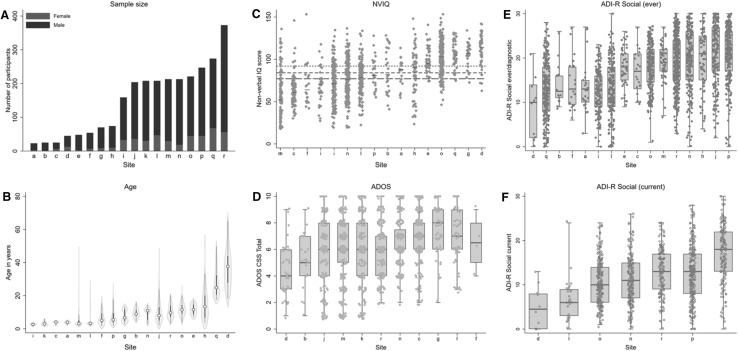
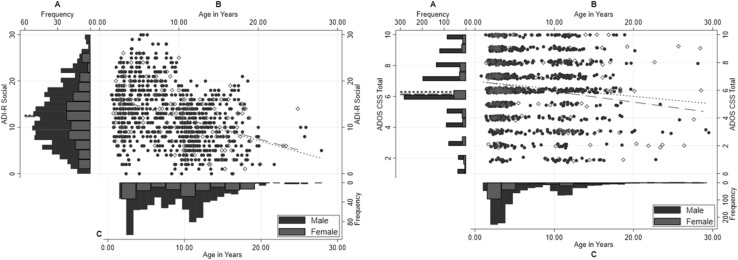
Research on sex-related differences in Autism Spectrum Disorder (ASD) has been impeded by small samples. We pooled 28 datasets from 18 sites across nine European countries to examine sex differences in the ASD phenotype on the ADI-R (376 females, 1763 males) and ADOS (233 females, 1187 males). On the ADI-R, early childhood restricted and repetitive behaviours were lower in females than males, alongside comparable levels of social interaction and communication difficulties in females and males. Current ADI-R and ADOS scores showed no sex differences for ASD severity. There were lower socio-communicative symptoms in older compared to younger individuals. This large European ASD sample adds to the literature on sex and age variations of ASD symptomatology.
Overview
The claims and statistics of this paper haven’t been checked yet.
Free: it reads the open-access text and checks the first 5 claims that cite a source we can check. Create a free account to check every claim.
Integrity signals
Registry
Cites
Statistics
Figures
Verification
Claims the paper makes
The claims and statistics of this paper haven’t been checked yet.
Free: it reads the open-access text and checks the first 5 claims that cite a source we can check. Create a free account to check every claim.
Claims other papers make about this one
Each is checked against this paper’s own text: does it say what the citing paper says it does?
The source backs part of the claim, not all of it — or backs it for a different population, condition or comparison.
In the citing paper
“Tillmann et al. (2018) found that girls with an ASD diagnosis exhibited fewer RRBIs than boys, however non-verbal intellectual functioning accounted for and attenuated these differences.”
From Barriers to Autism Spectrum Disorder Diagnosis for Young Women and Girls: a Systematic Review (2021) · cites this paper as Tillmann et al. 2018
Experimental — accuracy not yet measuredThe source backs part of the claim, not all of it — or backs it for a different population, condition or comparison.
In the citing paper
“Generally, there was consensus in the findings of the quantitative studies whereby males appeared to present with more RRBIs than females (Duvekot et al. 2017; Tillmann et al. 2018)”
From Barriers to Autism Spectrum Disorder Diagnosis for Young Women and Girls: a Systematic Review (2021) · cites this paper as Tillmann et al. 2018
Experimental — accuracy not yet measuredThe source backs part of the claim, not all of it — or backs it for a different population, condition or comparison.
In the citing paper
“Large-scale studies published in the last 10 years indicate that cognitive and language abilities vary substantially across all sexes and genders in the autistic population, with the most consistent difference being slightly lower restricted and repetitive behaviour scores in females than in males94,104,105.”
From Sex and gender in neurodevelopmental conditions (2023) · cites this paper as [104]
Experimental — accuracy not yet measuredThe cited source says what the claim attributes to it.
In the citing paper
“Generally, studies indicated that males show more RRBIs than females (Duvekot et al. 2017; Tillmann et al. 2018), and that RRBIs are more predictive of an ASD diagnosis in males compared to females.”
From Barriers to Autism Spectrum Disorder Diagnosis for Young Women and Girls: a Systematic Review (2021) · cites this paper as Tillmann et al. 2018
The cited source says what the claim attributes to it.
In the citing paper
“This study found no significant sex differences relating to current social communication symptoms for either the ADOS or the ADI-R, indicating a similar phenotype in terms of social communication deficits for males and females meeting ASD diagnostic criteria, irrespective of age, in a clinical sample.”
From Barriers to Autism Spectrum Disorder Diagnosis for Young Women and Girls: a Systematic Review (2021) · cites this paper as Tillmann et al. 2018
Self-check
Percentages, sums and reported differences re-computed from the paper’s own numbers.
The self-check needs the paper’s full text.
Citations
Cites
Diagnostic and Statistical Manual of Mental Disorders
American Psychiatric Association (2013) · doi:10.1176/appi.books.9780890425596 · Cited by 116,369
Diagnostic and Statistical Manual of Mental Disorders
Williams, J. B. W., & First, M. (2013) · Encyclopedia of Social Work · doi:10.1093/acrefore/9780199975839.013.104 · Cited by 109,519
Diagnostic and Statistical Manual of Mental Disorders
American Psychiatric Association (2022) · doi:10.1176/appi.books.9780890425787 · Cited by 23,476
Diagnostic and Statistical Manual of Mental Disorders.
Widiger, T. A. (2000) · Encyclopedia of Psychology, Vol. 3. · doi:10.1037/10518-009 · Cited by 19,744
(1943) · The Nervous child · Cited by 8,870
Cohen, J. (1992) · Psychological Bulletin · doi:10.1037//0033-2909.112.1.155 · Cited by 8,771
Lord, C., Risi, S., Lambrecht, L., Cook, E. H., Leventhal, B. L., DiLavore, P. C., Pickles, A., & Rutter, M. (2000) · Journal of Autism and Developmental Disorders · doi:10.1023/a:1005592401947 · Cited by 7,520
Wechsler Abbreviated Scale of Intelligence
Dumont, R., Willis, J. O., Veizel, K., & Zibulsky, J. (2014) · Encyclopedia of Special Education · doi:10.1002/9781118660584.ese2519 · Cited by 5,521 · cited 3×
“The majority of individuals were either administered the Wechsler Intelligence Scale for Children-III/IV (WISC-III/IV; Wechsler 1991, 2003) designed for children aged 6–16 years, the Wechsler Preschool and Primary Scale of Intelligence for Children-III/IV (WPPSI-III/IV; Wechsler 2002, 2012) intended for children aged…”
MethodInfluentialWechsler Abbreviated Scale of Intelligence
Wechsler, D. (2012) · PsycTESTS Dataset · doi:10.1037/t15170-000 · Cited by 4,596
Autistic disturbances of affective contact.
Kanner, L. (1968) · PubMed · Cited by 3,143
Research works printed but not linked: 6
- Brunet O Lezine I Josse D Brunet-Lézine révisé: échelle de développement psychomoteur de la première enfance: Manuel BLR-C 1997 Issy-Les-Moulineaux Etablissements d’Applications Psychotechniques
- Lord C Rutter M DiLavore PC Risi S Gotham K Bishop S Autism diagnostic observation schedule, Second Edition (ADOS-2) Manual (Part I): Modules 1–4 2012 Torrance, CA Western Psychological Services
- Luiz D Barnard A Knoesen A Kotras N Burns L Challis D Griffiths Mental Development Scales—Extended Revised: Two to Eight Years: Administration Manual 2006 Oxford Hogrefe
- Schopler E Reichler R Bashford A Lansing M Marcus L The psychoeducational profile revised (PEP-R) 1990 Austin, TX Pro-Ed
- StataCorp Stata Statistical Software: Release 15 2017 College Station, TX StataCorp LLC
- World Health Organization The ICD-10 classification of mental and behavioural disorders: Clinical descriptions and diagnostic guidelines 1992 Geneva World Health Organization
Cited by
Barriers to Autism Spectrum Disorder Diagnosis for Young Women and Girls: a Systematic Review
Lockwood Estrin, G., Milner, V., Spain, D., Happé, F., & Colvert, E. (2021) · Review Journal of Autism and Developmental Disorders · doi:10.1007/s40489-020-00225-8 · Cited by 444
“Three papers reported gender differences in RRBIs relevant to diagnostic barriers (Duvekot et al. 2017; Rynkiewicz et al. 2016; Tillmann et al. 2018).”
BackgroundResultInfluentialSex and gender in neurodevelopmental conditions
Bölte, S., Neufeld, J., Marschik, P. B., Williams, Z. J., Gallagher, L., & Lai, M.-C. (2023) · Nature Reviews Neurology · doi:10.1038/s41582-023-00774-6 · Cited by 249
Self-citationSex and gender impacts on the behavioural presentation and recognition of autism
Lai, M.-C., & Szatmari, P. (2020) · Current Opinion in Psychiatry · doi:10.1097/yco.0000000000000575 · Cited by 237
Sex Differences in Autism Spectrum Disorder: Diagnostic, Neurobiological, and Behavioral Features
Napolitano, A., Schiavi, S., La Rosa, P., Rossi-Espagnet, M. C., Petrillo, S., Bottino, F., Tagliente, E., Longo, D., Lupi, E., Casula, L., et al. (2022) · Frontiers in Psychiatry · doi:10.3389/fpsyt.2022.889636 · Cited by 234
“The effects of IQ and gender/sex on measures of ASD symptoms still have to be well-documented, and previous studies failed to consider multiple developmental variables or have not accounted for these factors simultaneously (45, 46).”
BackgroundD'Mello, A. M., Frosch, I. R., Li, C. E., Cardinaux, A. L., & Gabrieli, J. D. E. (2022) · Autism Research · doi:10.1002/aur.2795 · Cited by 185
“These results are consistent with several studies from the past decade suggesting that gold-standard instruments such as the ADOS poorly identify autistic females (Lai et al., 2011; Ratto et al., 2018; Rynkiewicz & Łucka, 2018; Tillmann et al., 2018).”
ResultSchuck, R. K., Flores, R. E., & Fung, L. K. (2019) · Journal of Autism and Developmental Disorders · doi:10.1007/s10803-019-03998-y · Cited by 172
Reindal, L., Nærland, T., Weidle, B., Lydersen, S., Andreassen, O. A., & Sund, A. M. (2021) · Journal of Autism and Developmental Disorders · doi:10.1007/s10803-020-04853-1 · Cited by 170
rs-fMRI and machine learning for ASD diagnosis: a systematic review and meta-analysis
Santana, C. P., Carvalho, E., Rodrigues, I. D., Bastos, G. S., de Souza, A. D., & de Brito, L. L. (2022) · Scientific Reports · doi:10.1038/s41598-022-09821-6 · Cited by 150
“…ASD showed more restricted and repetitive behaviors than girls with ASD 132,133 ; significant though modest effects of IQ and age indicated increased Autism severity with decreasing IQ and age 134 ; also, lower socio-communicative symptoms were found in older compared to younger individuals 132 .”
BackgroundSong, Y., Nie, T., Shi, W., Zhao, X., & Yang, Y. (2019) · Frontiers in Psychology · doi:10.3389/fpsyg.2019.01902 · Cited by 128
“Some studies purport that the pathological symptoms of ASCs decrease with age (Tillmann et al., 2018), whereas other studies show the opposite trend (Powell et al., 2017).”
BackgroundResultKaat, A. J., Shui, A. M., Ghods, S. S., Farmer, C. A., Esler, A. N., Thurm, A., Georgiades, S., Kanne, S. M., Lord, C., Kim, Y. S., et al. (2021) · Journal of Child Psychology and Psychiatry · doi:10.1111/jcpp.13242 · Cited by 116
“However, concerns remain that commonly used diagnostic instruments may yield systematically lower scores for girls and women referred for assessment of ASD (Tillmann et al., 2018).”
BackgroundSex Differences in Autism Spectrum Disorder: Focus on High Functioning Children and Adolescents
de Giambattista, C., Ventura, P., Trerotoli, P., Margari, F., & Margari, L. (2021) · Frontiers in Psychiatry · doi:10.3389/fpsyt.2021.539835 · Cited by 116
Lawrence, K. E., Hernandez, L. M., Bowman, H. C., Padgaonkar, N. T., Fuster, E., Jack, A., Aylward, E., Gaab, N., Van Horn, J. D., Bernier, R. A., et al. (2020) · Cerebral Cortex · doi:10.1093/cercor/bhaa105 · Cited by 93
Frigaux, A., Évrard, R., & Lighezzolo‐Alnot, J. (2019) · L Encéphale · doi:10.1016/j.encep.2019.07.002 · Cited by 94
The Pathways in ASD Study Team, Conlon, O., Volden, J., Smith, I. M., Duku, E., Zwaigenbaum, L., Waddell, C., Szatmári, P., Mirenda, P., Vaillancourt, T., et al. (2019) · Journal of Autism and Developmental Disorders · doi:10.1007/s10803-018-03873-2 · Cited by 76
Calderoni, S. (2022) · Journal of Neuroscience Research · doi:10.1002/jnr.25000 · Cited by 77
Self-citationMorales‐Hidalgo, P., Voltas, N., & Canals, J. (2021) · Autism · doi:10.1177/13623613211007717 · Cited by 76
“The difference may be explained because girls may exhibit fewer repetitive behaviours or show different patterns of interest (Tillmann et al., 2018), as well as develop compensatory or camouflage strategies with age (Allely, 2019; Dean et al., 2017) that makes ASD detection and diagnosis more…”
BackgroundExcitation/Inhibition Modulators in Autism Spectrum Disorder: Current Clinical Research
Canitano, R., & Palumbi, R. (2021) · Frontiers in Neuroscience · doi:10.3389/fnins.2021.753274 · Cited by 79
“There are more males than females with ASD (a 4:1 ratio), and there are relevant clinical differences between the sexes (Tillmann et al., 2018).”
BackgroundSelf-citationBonti, E., Zerva, I. K., Koundourou, C., & Sofologi, M. (2024) · Journal of Personalized Medicine · doi:10.3390/jpm14030300 · Cited by 79
“For example, many children with ADHD, at the same time, manifest autistic symptoms (and vice versa), while others experience comorbidity with ASD or SLD [7].”
BackgroundGarcía-Delgar, B., Servera, M., Coffey, B. J., Lázaro, L., Openneer, T. J. C., Benaroya-Milshtein, N., Steinberg, T., Hoekstra, P. J., Dietrich, A., Morer, Á., et al. (2021) · European Child & Adolescent Psychiatry · doi:10.1007/s00787-021-01751-4 · Cited by 73
“Looking at ASD, previous studies have also reported more severe ASD symptoms in males (especially restrictive and repetitive behaviors), but male–female differences in ASD are much debated and the literature is inconsistent at large, with many other studies that have found no significant sex differences in the phenoty…”
ResultSelf-citationSelf-reported sex differences in high-functioning adults with autism: a meta-analysis
Moseley, R. L., Hitchiner, R., & Kirkby, J. A. (2018) · Molecular Autism · doi:10.1186/s13229-018-0216-6 · Cited by 56
Autism‐related behaviors in the cyclooxygenase‐2‐deficient mouse model
Wong, C. T., Bestard‐Lorigados, I., & Crawford, D. A. (2018) · Genes Brain & Behavior · doi:10.1111/gbb.12506 · Cited by 60
Diagnóstico do autismo em meninas: revisão sistemática
Freire, M. G., & Cardoso, H. D. S. P. (2022) · Revista Psicopedagogia · doi:10.51207/2179-4057.20220033 · Cited by 75
Mo, K., Sadoway, T., Bonato, S., Ameis, S. H., Anagnostou, E., Lerch, J. P., Taylor, M. J., & Lai, M.-C. (2021) · NeuroImage: Clinical · doi:10.1016/j.nicl.2021.102811 · Cited by 53
Aita, C., Mizoguchi, Y., Yamamoto, M., SeguchI, Y., Yatsuga, C., Nishimura, T., Sugimoto, Y., Takahashi, D., Nishihara, R., Ueno, T., et al. (2018) · Psychiatry Research · doi:10.1016/j.psychres.2018.12.139 · Cited by 55
Navarro‐Pardo, E., López-Ramón, M. F., Alonso-Esteban, Y., & Marín, F. A. (2021) · Children · doi:10.3390/children8040262 · Cited by 60
The presentation, recognition and diagnosis of autism in women and girls
Driver, B., & Chester, V. (2021) · Advances in Autism · doi:10.1108/aia-12-2019-0050 · Cited by 58
Prosperi, M., Turi, M., Guerrera, S., Napoli, E., Tancredi, R., Igliozzi, R., Apicella, F., Valeri, G., Lattarulo, C., Gemma, A., et al. (2021) · Frontiers in Integrative Neuroscience · doi:10.3389/fnint.2020.594082 · Cited by 52
“…have suggested the presence of sex differences in restricted and repetitive behaviors (Hartley and Sikora, 2009; Werling and Geschwind, 2013; Tillmann et al., 2018) and social communication abilities (Frazier et al., 2014; Little et al., 2017; Craig et al., 2020); in contrast, other studies…”
ResultSelf-citationAmodeo, D. A., Pahua, A. E., Zarate, M., Taylor, J. A., Peterson, S., Posadas, R., Oliver, B. L., & Amodeo, L. R. (2019) · Behavioural Brain Research · doi:10.1016/j.bbr.2019.112028 · Cited by 50
Sex Differences in the Developmental Trajectories of Autism Spectrum Disorder
McFayden, T. C., Putnam, O. C., Grzadzinski, R., & Harrop, C. (2023) · Current Developmental Disorders Reports · doi:10.1007/s40474-023-00270-y · Cited by 52
“Beyond the studies reported in previous sections that span large age ranges, including adulthood [70, 80], very few studies have explicitly examined sex differences in core autism behaviors in adults, instead focusing on cooccurring conditions and daily living activities which may have an equal impact on the experienc…”
BackgroundAssessing autism in females: The importance of a sex-specific comparison
Lundström, S., Mårland, C., Kuja‐Halkola, R., Anckarsäter, H. S., Lichtenstein, P., Gillberg, C., & Nilsson, T. (2019) · Psychiatry Research · doi:10.1016/j.psychres.2019.112566 · Cited by 50
Neural responsivity to social rewards in autistic female youth
Lawrence, K. E., Hernandez, L. M., Eilbott, J., Jack, A., Aylward, E., Gaab, N., Van Horn, J. D., Bernier, R. A., Geschwind, D. H., McPartland, J. C., et al. (2020) · Translational Psychiatry · doi:10.1038/s41398-020-0824-8 · Cited by 39
Heterozygous loss of epilepsy gene KCNQ2 alters social, repetitive and exploratory behaviors
Kim, E. C., Patel, J., Zhang, J., Soh, H., Rhodes, J. S., Tzingounis, A. V., & Chung, H. J. (2020) · Genes, Brain and Behavior · doi:10.1111/gbb.12599 · Cited by 33
“At age 5 and younger, boys with autism have more restricted interests and repetitive behaviors than girls diagnosed with autism.(102,103) In contrast, multiple anxiety disorders except for social anxiety disorder are more prevalent in women than men.”
BackgroundGender differences in special educational needs identification
Daniel, J., & Wang, H. (2023) · Review of Education · doi:10.1002/rev3.3437 · Cited by 38
Hobson, H., Westwood, H., Conway, J. R., McEwen, F. S., Colvert, E., Catmur, C., Bird, G., & Happe, F. G. E. (2020) · Research in Autism · doi:10.1016/j.rasd.2020.101531 · Cited by 33
Special considerations for assessing and caring for autism in girls and women
Rynkiewicz, A., Zheng, S., & Lacroix, A. (2023) · Current Opinion in Psychiatry · doi:10.1097/yco.0000000000000913 · Cited by 33
Sex and gender difference in cognitive and behavioral studies in developmental age: An introduction
Riva, D. (2021) · Journal of Neuroscience Research · doi:10.1002/jnr.24970 · Cited by 31
“…in the past at 4:1 is now resized because females seem to be underdiagnosed for many reasons— tendency to better compensate their difficulties (Hull et al., 2020), expression of different phenotypes (Lord et al., 2020), or inadequacy of diagnostic tools (Suckle, 2021; Tillmann et al., 2018).”
BackgroundModality-specific associations between sensory differences and autistic traits
Bang, P., & Igelström, K. M. (2023) · Autism · doi:10.1177/13623613231154349 · Cited by 29
“…patterns of gender differences in social QAT (Hurley et al., 2007; Nayar et al., 2021; Sasson et al., 2013), age differences in communication QAT (Chopik et al., 2021; Tillmann et al., 2018), and fewer rigid QATs in ADHD (Johnston et al., 2011; Panagiotidi et al., 2019; Polderman et al., 2013).”
BackgroundAutism - A Comprehensive Array of Prominent Signs and Symptoms
Nadeem, M. S., Murtaza, B. N., Al-Ghamdi, M. A., Ali, A., Zamzami, M. A., Khan, J. A., Ahmad, A., Rehman, M. U., & Kazmi, I. A. (2021) · Current Pharmaceutical Design · doi:10.2174/1381612827666210120095829 · Cited by 34
Stroth, S., Tauscher, J., Wolff, N., Küpper, C. S., Poustka, L., Roepke, S., Roessner, V., Heider, D., & Kamp‐Becker, I. (2022) · Molecular Autism · doi:10.1186/s13229-022-00491-9 · Cited by 30
“This had the advantage that we were able to evaluate sensitivity and specificity, and did not merely treat scores as indices of symptom severity, as was the case in previous studies [7, 14].”
BackgroundResultInfluentialAutism and Pervasive Developmental Disorders
(2019) · Cambridge University Press eBooks · doi:10.1017/9781108297769 · Cited by 25
Rujeedawa, T., & Zaman, S. H. (2022) · International Journal of Environmental Research and Public Health · doi:10.3390/ijerph19031315 · Cited by 29
Sex/gender differences in neurology and psychiatry: Autism
Ruigrok, A. N. V., & Lai, M. (2020) · Handbook of clinical neurology · doi:10.1016/b978-0-444-64123-6.00020-5 · Cited by 21
Park, H. S., Yi, S. Y., Yoon, S., & Hong, S. (2018) · Journal of korean Academy of Child and Adolescent Psychiatry · doi:10.5765/jkacap.180015 · Cited by 20
Sex Differences in Social Participation of High School Students with Autism Spectrum Disorder
DaWalt, L. S., Taylor, J. L., Bishop, S. L., Hall, L. J., Steinbrenner, J. R. D., Kraemer, B., Hume, K., & Odom, S. L. (2020) · Autism Research · doi:10.1002/aur.2348 · Cited by 21
“Consistent with recent work conducted with children [e.g., Tillmann et al., 2018; Constantino et al., 2003; Rodgers et al., 2019], in the present study, we found that average autism symptom scores were very similar between males and females when examining raw scores.”
ResultSchema therapy in adults with autism spectrum disorder: A scoping review
Vuijk, R., Turner, W. A., Zimmerman, D., Walker, H., & Dandachi‐FitzGerald, B. (2024) · Clinical Psychology & Psychotherapy · doi:10.1002/cpp.2949 · Cited by 19
Wellness Efforts for Autistic Women
Tint, A., Hamdani, Y., Sawyer, A., Desarkar, P., Ameis, S. H., Bardikoff, N., & Lai, M. (2018) · Current Developmental Disorders Reports · doi:10.1007/s40474-018-0148-z · Cited by 19
Ronkin, E. G., Tully, E. C., Branum‐Martin, L., Cohen, L. L., Hall, C., Dilly, L. J., & Tone, E. B. (2021) · Autism · doi:10.1177/13623613211047070 · Cited by 20
“Overall, these results are consistent with studies examining sex differences at the domain level (e.g. Jamison et al., 2017; Tillman et al., 2018); however, a lack of sex differences on specific Toddler Module items was unexpected, given evidence from the literature on typical children’s…”
ResultIdentifying Subgroups of Toddlers with DSM-5 Autism Spectrum Disorder Based on Core Symptoms
Harris, H. K., Lee, C., Sideridis, G. D., Barbaresi, W. J., & Harstad, E. B. (2021) · Journal of Autism and Developmental Disorders · doi:10.1007/s10803-021-04879-z · Cited by 18
Ornoy, A., Gorobets, D., Weinstein-Fudim, L., & Becker, M. (2023) · International Journal of Molecular Sciences · doi:10.3390/ijms24043287 · Cited by 16
“In the last few years, sex-related alterations in the clinical presentation of autism spectrum disorder (ASD) among preschool-age children have been described by many investigators [3,4].”
BackgroundPsychological Factors in Autism Spectrum Disorders
Vivanti, G., Yerys, B. E., & Salomone, E. (2019) · Cambridge University Press eBooks · doi:10.1017/9781108297769.004 · Cited by 18
Dolfi, A., & Tudose, C. (2025) · Journal of Medicine and Life · doi:10.25122/jml-2025-0118 · Cited by 17
“…clinical interviews and developmental histories to accurately identify autism, especially when standardized screening tools are used in isolation [8-10 , The under-identification of ASD in adult women is not only a clinical challenge but also a public health concern, given the associated risks…”
Calderoni, S., Ricca, I., Balboni, G., Cagiano, R., Cassandrini, D., Doccini, S., Cosenza, A., Tolomeo, D., Tancredi, R., Santorelli, F. M., et al. (2020) · Journal of Personalized Medicine · doi:10.3390/jpm10040160 · Cited by 17
Self-citationGut Microorganisms and Neurological Disease Perspectives
Faruqui, N. A., Prium, D. H., Mowna, S. A., Ullah, M. A., Araf, Y., Sarkar, B., Zohora, U. S., & Rahman, M. S. (2021) · Future Neurology · doi:10.2217/fnl-2020-0026 · Cited by 16
Vara, S. D., Guerrera, S., Menghini, D., Scibelli, F., Lupi, E., Valeri, G., & Vicari, S. (2024) · Frontiers in Psychology · doi:10.3389/fpsyg.2024.1323787 · Cited by 18
Emotion processing differences mediate the link between sex and autistic traits in young adulthood
Livingston, L. A., Waldren, L. H., Walton, E., & Shah, P. (2022) · JCPP Advances · doi:10.1002/jcv2.12096 · Cited by 15
Autismus-Spektrum-Störungen im Kindes- und Erwachsenenalter: Diagnose und Differenzialdiagnosen
Kamp‐Becker, I., Stroth, S., & Stehr, T. (2020) · Der Nervenarzt · doi:10.1007/s00115-020-00901-4 · Cited by 14
Rynkiewicz, A., Szura, M., Bernaciak, D., Kozak, A., & Karwowska, M. (2021) · Brain Sciences · doi:10.3390/brainsci11060682 · Cited by 15
Xiong, H., Liu, X., Yang, F., Yang, T., Chen, J., Chen, J., & Li, T. (2022) · Journal of Autism and Developmental Disorders · doi:10.1007/s10803-022-05806-6 · Cited by 11
Cederlund, M. (2019) · Journal of Autism and Developmental Disorders · doi:10.1007/s10803-019-04012-1 · Cited by 12
Chezan, L. C., Liu, J., Drasgow, E., Ding, R., & Magana, A. (2022) · Journal of Autism and Developmental Disorders · doi:10.1007/s10803-022-05610-2 · Cited by 11
Frigaux, A., Vacant, C., & Évrard, R. (2022) · L Évolution Psychiatrique · doi:10.1016/j.evopsy.2022.06.001 · Cited by 14
Gut Microbiome and Sex Bias in Autism Spectrum Disorders
El-Ansary, A. K., Bhat, R. S., & Zayed, N. (2020) · Current Behavioral Neuroscience Reports · doi:10.1007/s40473-020-00197-3 · Cited by 11
Holzinger, D., Weber, C., Bölte, S., Fellinger, J., & Hofer, J. (2021) · Journal of Autism and Developmental Disorders · doi:10.1007/s10803-021-05203-5 · Cited by 13
Self-citationGuo, Q., Ebihara, K., Fujiwara, H., Toume, K., Awale, S., Araki, R., Yabe, T., Dong, E., & Matsumoto, K. (2019) · Journal of Ethnopharmacology · doi:10.1016/j.jep.2019.03.010 · Cited by 13
Age and sex differences in problem behaviours in youth with autism spectrum disorder
Graziosi, G., & Perry, A. (2022) · Research in Autism · doi:10.1016/j.rasd.2022.102075 · Cited by 10
Jones, A. C., Rogers, K., Sullivan, K. R., & Viljoen, N. (2022) · Journal of Autism and Developmental Disorders · doi:10.1007/s10803-022-05544-9 · Cited by 9
“This contrasts with research that has shown a gender bias with females scoring significantly lower on items of early childhood restricted and repetitive behaviours on the Autism Diagnostic Interview-Revised (Tillmann et al., 2018).”
ResultMuraškaitė, I., & Žardeckaitė–Matulaitienė, K. (2024) · Autism · doi:10.1177/13623613241230128 · Cited by 10
“…Jones (1984) six-dimensional model of stigma, the invisibility of autism, its neurobiological and genetic basis, and the fact that autistic traits in adults are usually less pronounced and less often associated with danger may reduce the stigma (Gillespie-Lynch et al., 2021; Tillmann et al., 2018).”
BackgroundJi, Y., Ji, Y., Zhu, H., Cheng, S., Zou, X., & Zhu, F.-L. (2023) · Frontiers in Psychiatry · doi:10.3389/fpsyt.2023.1151596 · Cited by 8
“A large European multi-site sample study employing gold-standard diagnostic methods found that females and males with ASD experienced comparable levels of social interaction and communication difficulties, while early childhood restricted and repetitive behaviors were less prevalent in females than in males (8).”
BackgroundResultSpontaneous instrumental approach-avoidance learning in social contexts in autism
Beaurenaut, M., Kovarski, K., Destais, C. A., Mennella, R., & Grèzes, J. (2024) · Molecular Autism · doi:10.1186/s13229-024-00610-8 · Cited by 8
“…when measures of socio-emotional abilities are based on clinical behavioral assessments rather than self-report (e.g., with the ADOS and ADI), ASC females, who more often camouflage their social difficulties, tend to have either lower [94, 102] or similar autistic scores [103] than males.”
van Elst, L. T. (2020) · Elsevier eBooks · doi:10.1016/b978-3-437-22903-9.00011-6 · Cited by 7
Семина, И. И., Валерьевна, В. Е., Олегович, Н. Д., Байчурина, А. З., Nikitina, A. V., Shilovskaya, E. V., & Kravtsova, O. A. (2023) · Neuroscience and Behavioral Physiology · doi:10.1007/s11055-023-01458-w · Cited by 7
“DOI 10.1007/s11055-023-01458-w Sex-related differences are characteristic of ASD in humans [Tillmann et al., 2018; Charman et al., 2017; Beggiato et al., 2017]: autism is more common in boys but is accompanied by more profound destructive syndromes in girls [Lai et al., 2015; Cho et al., 2017;…”
InfluentialThe Effects of Menarche upon the Sensory Features of Girls with Autism Spectrum Disorder
Bitsika, V., & Sharpley, C. F. (2018) · Journal of Developmental and Physical Disabilities · doi:10.1007/s10882-018-9617-x · Cited by 7
Fang, Z., Lachman, J. M., Qiao, D., & Barlow, J. (2023) · Family Process · doi:10.1111/famp.12940 · Cited by 7
Approaching Autism Diagnosis and Care Through the Lens of Gender Diversity
Goss, M., Huynh, C. K., Taing, M., & Brumback, A. C. (2023) · Child Neurology Open · doi:10.1177/2329048x231219201 · Cited by 6
Tseng, A., Francis, S. M., Rawls, E., Conelea, C. A., Grissom, N. M., Kummerfeld, E., Ma, S., & Jacob, S. (2025) · Psychological Medicine · doi:10.1017/s0033291725000571 · Cited by 6
“…reported a great deal of variation in social communication and cognitive abilities across sexes/ genders in ASD (Hull, Mandy, and Petrides, 2017a; Tillmann et al., 2018), observations are persistent of sex-specific presentations of RRBs, a heterogeneous cluster of behavioral symptoms including…”
Harris, H. K., Sideridis, G. D., Barbaresi, W. J., & Harstad, E. B. (2022) · Journal of Autism and Developmental Disorders · doi:10.1007/s10803-022-05874-8 · Cited by 7
“…behaviors (RRBs) in males or lower social communication functioning in females (Frazier et al., 2014; Lord et al., 1982; Mandy et al., 2012; Tillmann et al., 2018), but again, multiple studies found no differences (Holtmann et al., 2007; Kaat et al., 2021; Pilowsky et al., 1998; Reinhardt…”
Lachance, K., Štětinová, K., Rieske, R. D., & Peer, S. O. (2021) · Child Psychiatry & Human Development · doi:10.1007/s10578-021-01166-x · Cited by 6
“[30] examined gender-based ASD symptomology across the lifespan by pooling 28 samples of participants with ASD (age range 1–60 years), with RRBIs measured by standardized observation and caregiver-interview.”
MethodLarcher, F. M., & Grözinger, M. (2024) · Research in Autism · doi:10.1016/j.rasd.2024.102502 · Cited by 5
Shin, D., Cho, E., Park, K., Chung, C., Kim, D. H., Jeon, S. J., & Shin, C. Y. (2025) · Animal Cells and Systems · doi:10.1080/19768354.2025.2493258 · Cited by 5
“…repetitive behaviors have also been observed after prenatal restraint stress (Arzuaga et al. 2023), suggesting model – and behavioral module-selective effects of sex difference on behavioral deficits in an animal model of ASD as well as in human (Supekar and Menon 2015; Tillmann et al. 2018).”
Lawson, R. J., Lipovsek, N. J., Brown, S. P., Jena, A. K., Osko, J. J., & Ransdell, J. L. (2024) · Frontiers in Behavioral Neuroscience · doi:10.3389/fnbeh.2024.1474066 · Cited by 5
Exploring sex differences in the manifestation of autistic traits in young children
Song, D., Kim, S. Y., Bong, G., Kim, Y. A., Kim, J. H., Kim, J.-M., & Yoo, H. J. (2021) · Research in Autism · doi:10.1016/j.rasd.2021.101848 · Cited by 6
Lozano, I., Viktorsson, C., Capelli, E., Gliga, T., Riva, V., & Tomalski, P. (2025) · Frontiers in Psychology · doi:10.3389/fpsyg.2025.1501688 · Cited by 4
Burton, J. M., Creaghead, N. A., Duncan, A. W., Silbert, N. H., Breit‐Smith, A., & Grether, S. M. (2025) · Journal of Autism and Developmental Disorders · doi:10.1007/s10803-025-07035-z · Cited by 4
Psychometric characteristics of the AQ-Adolescent in autistic and non-autistic adolescents
de Vries, M., Begeer, S., & Geurts, H. M. (2023) · Research in Autism · doi:10.1016/j.rasd.2023.102201 · Cited by 4
“For example, autistic girls show less profound early childhood restricted and repetitive behavior than autistic boys, but social interaction and communication difficulties appear to be comparable (Tillmann et al., 2018).”
BackgroundGudka, R., & Nyinoh, I. W. (2023) · Frontiers in Microbiomes · doi:10.3389/frmbi.2023.1222089 · Cited by 4
Pagnier, M., & Chaste, P. (2022) · Trends in Psychology · doi:10.1007/s43076-022-00234-y · Cited by 3
“Consistent with the results of the multicenter study by Tillmann et al. (2018), ASD females and males ADI-R scores, CARS total score, ADOS-2 comparison score, were similar in our sample.”
van Elst, L. T., de Tribolet‐Hardy, F., & Habermeyer, E. (2016) · Elsevier eBooks · doi:10.1016/b978-3-437-21273-4.00012-4 · Cited by 3
Motor Impairment in Children with 16p11.2-Deletion and -Duplication Syndromes
Soliman, P., Goin‐Kochel, R. P., & Alexander, G. (2025) · Journal of Autism and Developmental Disorders · doi:10.1007/s10803-025-06874-0 · Cited by 3
“Females have also been shown to score lower on restricted and repetitive behaviors compared to males (Tillmann et al., 2018).”
Aurebekk, I. K. J. (2024) · Tidsskrift for Den norske legeforening · doi:10.4045/tidsskr.23.0738 · Cited by 3
Martin, G. E., Ethridge, S. B., Butler, M., Landau, E., Guilfoyle, J. L., Crawford, S., Kumareswaran, M., Xing, J., Fragnito, G., & Losh, M. C. (2025) · Neurodiversity · doi:10.1177/27546330251381443 · Cited by 3
“…are mixed overall, with some work reporting greater pragmatic language skills in males (Frazier et al., 2014; Grove et al., 2017; Ros-Demarize et al., 2020), and other studies fi nding no notable sex differences (Fulton et al., 2017; Holtmann et al., 2007; Mandy et al., 2012; Tillmann et al., 2018).”
Zhang, W., Zhang, H., Li, Z.-L., Zhou, M.-W., Chen, M.-Y., Su, Z., Cheung, T. C. C., Ungvari, G. S., Ng, C. H., & Xiang, Y. (2025) · Research in Autism · doi:10.1016/j.reia.2025.202724 · Cited by 3
Nayar, K., Bush, L., & Scott, M. (2025) · Springer eBooks · doi:10.1007/978-3-031-87228-0_2 · Cited by 2
Case studies on the evolution and challenges in ASD diagnosis
Blancher, A., & Yetman, M. (2025) · Discover Psychology · doi:10.1007/s44202-025-00350-7 · Cited by 1
“…to diagnosis due to factors including more subtle deficits in social-communication abilities [49], later symptom onset due to higher language skills [50], higher desire to interact and better ability to mimic social behavior [51], and less pronounced restricted and repetitive behaviors [52].”
Chericoni, N., Conti, E., Costanzo, V., Ieri, F., Colombino, I., Guainai, G., Riva, B., Apicella, F., Guzzetta, A., Calderoni, S., et al. (2026) · Journal of Clinical Medicine · doi:10.3390/jcm15031044 · Cited by 1
Self-citationExpanding Understanding of Autism Spectrum Disorder in Girls and Women: A New Paradigm
Bitensky, D., Clauss‐Ehlers, C. S., & Veksler, K. M. (2026) · Behavioral Sciences · doi:10.3390/bs16030396 · Cited by 1
“However, researchers also caution that this lower frequency of female RRBIs may be due to an unexplored understanding of how RRBIs manifest in the female phenotype of ASD (Rubenstein et al., 2015; Rynkiewicz et al., 2016; Tillmann et al., 2018).”
A multi-method phenotypic study of sex differences in pragmatic language in autism
Landau, E. B., Brooks, S. E., Guilfoyle, J. L., Nayar, K., Crawford, S., Xing, J., Lau, J. C. Y., Martin, G. E., Voigt, R., Soorya, L. V., et al. (2026) · Frontiers in Psychiatry · doi:10.3389/fpsyt.2026.1759436 · Cited by 1
“…studies, however, have reported mixed fi ndings, with some fi nding no clear sex differences in structural or pragmatic language, particularly in adults with higher IQs or education levels, suggesting that differences may be more pronounced earlier in development or in speci fi c contexts (58 – 68).”
Applications of Developmental Psychopathology
de Pablo, G. S., Vaquerizo‐Serrano, J., Gómez‐Vallejo, S., Sanchez‐Cerezo, J., & Ruiz, C. M. (2019) · Advances in experimental medicine and biology · doi:10.1007/978-981-32-9721-0_21 · Cited by 1
EXAMINING THE DIFFERENCES IN AUTISM QUOTIENT SCORESBASED ON ETHNICITY
Shehu, S. N., Tahir, S., Dahiru, A., & Lawan, A. A. (2021) · Malaysian Journal of Medical Research · doi:10.31674/mjmr.2021.v05i01.003 · Cited by 2
Gut Microbiome Regulation of Appetite and Role in Neurological Disorders
Singh, A., Verma, O. P., & Tripathi, R. (2022) · Nutritional neurosciences · doi:10.1007/978-981-19-4530-4_6 · Cited by 1
Ornoy, A., Weinstein‐Fudim, L., Becker, M., Gorobets, D., & Szyf, M. (2023) · Elsevier eBooks · doi:10.1016/b978-0-12-823937-7.00024-9 · Cited by 2
Metadata
- Authors
- Tillmann, J., Ashwood, K., Absoud, M., Bölte, S., Bonnet-Brilhault, F., Buitelaar, J. K., Calderoni, S., Calvo, R., Canal-Bedia, R., Canitano, R., De Bildt, A., Gomot, M., Hoekstra, P. J., Kaale, A., McConachie, H., Murphy, D. G., Narzisi, A., Oosterling, I., Pejovic-Milovancevic, M., Persico, A. M., Puig, O., Roeyers, H., Rommelse, N., Sacco, R., Scandurra, V., Stanfield, A. C., Zander, E., & Charman, T.
- Affiliations
- King's College London (GB)
- Region Stockholm (SE)
- Radboud University Medical Center (NL)
- University of Pisa (IT)
- Centro de Investigación Biomédica en Red de Salud Mental (ES)
- University of Siena (IT)
- Université de Tours (FR)
- Accare (NL)
- Oslo University Hospital (NO)
- Newcastle University (GB)
- Karakter (NL)
- University of Belgrade (RS)
- University of Messina (IT)
- Ghent University (BE)
- Università Campus Bio-Medico (IT)
- University of Edinburgh (GB)
- Lund University (SE)
- Corresponding author
- Tillmann, J.
- ORCID
- Venue
- Journal of Autism and Developmental Disorders
- Published
- 2018-02-21
- Volume
- 48
- Issue
- 7
- Pages
- 2490-2505
- ISSN
- 0162-3257 (ISSN-L)
- 1573-3432
- PMC
- PMC5996001
- OpenAlex
- W2788761918
- Cited by
- 121
- References
- 95
- Citations by year
- 2026: 8 · 2025: 10 · 2024: 9 · 2023: 16 · 2022: 19 · 2021: 21 · 2020: 14 · 2019: 16 · 2018: 7
- FWCI
- 8.64
- Type
- journal article
- Language
- en
- Open access
- hybrid
- doi.org
- Licence
- cc-by
- creativecommons.org/licenses/by/4.0 (tdm)
- Locations
- Journal of Autism and Developmental Disorders (publishedVersion, cc-by)
- Europe PMC (PubMed Central) (publishedVersion, other-oa)
- PubMed Central (publishedVersion, cc-by)
- PubMed (publishedVersion)
- Archivio Istituzionale della Ricerca - Università degli Studi dell Aquila (submittedVersion, cc-by-nc-nd)
- HAL (submittedVersion)
- Ghent University Academic Bibliography (Ghent University) (submittedVersion)
- CINECA IRIS Institutial research information system (University of Pisa) (submittedVersion)
- eSpace (Curtin University) (submittedVersion, cc-by)
- IRIS UNIMORE (University of Modena and Reggio Emilia) (submittedVersion, cc-by)
- Research Portal (King's College London) (submittedVersion, cc-by)
- Lund University Publications (Lund University) (submittedVersion)
- Edinburgh Research Explorer (University of Edinburgh) (submittedVersion, cc-by)
- University of Groningen research database (University of Groningen / Centre for Information Technology) (submittedVersion, cc-by)
- Radboud Repository (Radboud University) (submittedVersion)
- NORA - Norwegian Open Research Archives (submittedVersion, cc-by)
- Radboud Repository (Radboud University) (submittedVersion, other-oa)
- Newcastle University ePrints (Newcastle Univesity) (cc-by)
- Funders
- Innovative Medicines Initiative Joint Undertaking (115300)
- Instituto de Salud Carlos III, Fondo Investigaciones Sanitarias (PI09/1588)
- Fundació la Marató de TV3 (091510)
- Wellcome Trust (WT802131MF)
- Medical Research Council (206FRG)
- Research for Patient Benefit Programme (PB-PG-0408-16069, PB-PG-1010-23305)
- Topics
- Life Sciences › Neuroscience › Cognitive Neuroscience › Autism Spectrum Disorder Research
- Life Sciences › Biochemistry, Genetics and Molecular Biology › Genetics › Genetics and Neurodevelopmental Disorders
- Health Sciences › Medicine › Psychiatry and Mental health › Child Nutrition and Feeding Issues
- Keywords
- autism spectrum disorder, sex differences, age differences, ADI-R, Autism Diagnostic Observation Schedule, restricted and repetitive behaviors, social interaction difficulties, communication difficulties, ASD severity
- MeSH terms
- Autism Spectrum Disorder, Adolescent, Adult, Age Factors, Child, Child, Preschool, Female, Humans, Infant, Interpersonal Relations, Male, Phenotype, Sex Characteristics
About these checks
Registry, retraction, Cites and statistics results are computed, not judged, with one exception: a printed reference that no index lists is read once by a model before it counts as a citation error. Claims are extracted by a model and kept only when their quote appears verbatim in the text; each cited source is then checked, with a model’s help, for whether it says what the claim relies on. Those verdicts can be wrong — read the claim’s quote and the cited source before relying on one.
Statistics and arithmetic are recomputed, not judged.
Confidence bands are shown only for fields calibrated on our annotated test set. None is calibrated yet, so no band is shown.
What counts as a claim ›How we measure confidence ›How we check this ›
Are you an author, or do you see a problem with this page? Request a review
Data sources
Bibliographic data: Semantic Scholar, OpenAlex, Crossref.
Contains information from the Semantic Scholar Academic Graph Datasets, made available under the ODC Attribution License (ODC-BY 1.0).
Semantic Scholar’s data is described in: Kinney, R., et al. (2023). The Semantic Scholar Open Data Platform. arXiv:2301.10140.
